Search results for: “What Dog Food To Feed Puppy”

  • How Long Do You Feed A Dog Puppy Food? (12 Best Experts Say This)

    As often as we’re asked how long do you feed a dog puppy food, it’s quite remarkable how many people are genuinely worried about moving their puppy to adult food either too soon or too late.

    You should feed a puppy on puppy food while they’re younger than 12-months, but the transition process can start earlier.

    Your dog is a puppy for as long as you want them to be. Nobody is going to tell you different. But in the interests of answering this specific question of how long do you feed a dog puppy food the appropriate time to stop feeding puppy specific food is no later than 12-months old.

    how long do you feed a dog puppy food

    Why?

    Because in purely simplistic terms, at 12-months old your puppy is technically an adult.

    Let’s break down the puppy to adult dog process.

    As you can see, puppy growth stages can seem like a flash before our eyes.

    Puppy development – the baby to the teenager to the adult dog

    Puppy (young)

    Adorable. Surprisingly obedient. Love to be around you. Often bolder than you’d expect. Sleeps a lot.

    Puppy (16 weeks)

    Personality developing. More cautious about certain scenarios. A little more mischievous. Willing to explore more. Sleeps a lot.

    Puppy (6 months)

    A little less obedient. High energy. Sleeps far less. More interested in food. More demanding and in pursuit of mental stimulation.

    Puppy (6 months to 12 months)

    Personality shining through like a beacon. Sometimes obedient, sometimes wilfully challenges instructions that you know for certain the pup understands.

    Physically very active, but prone to exhausting themselves quickly in short bursts.

    At 12-months old your dog’s needs are different, particularly their nutritional requirements.

    Summary: How long do you feed a dog puppy food

    With all this info in mind, it’s important to recognise the different energy levels of an young adult dog vs the different calorie needs of a growing puppy.

    Puppy foods are designed specifically to help them grow.

    Adult dog foods are designed to help an adult maintain and thrive.

    If you’d like to learn more about the dog growth stages, from puppy to adult – download this free eBook

    Free Book (useful for all dog owners)

    If you’d like to learn more about dog growth stages, from puppy to adult – download this free eBook

    Remember the pet food you give to your puppy should be based on various factors.

    1. Nowadays there are foods for large breeds, toy breeds and various breed specific foods.
    2. Always feed your puppy with the highest quality food you can afford. You never get the chance to have that vital first 12 months of your dog’s development back again.
    3. Switch from puppy food to adult dog food at or before 12-months old
    4. A puppy’s mother s milk helps them develop for the first weeks of their lives, after that it’s entirely down to us!
    5. High quality dog food isn’t always the most expensive dog food (do research for reviews)
    6. Decide how many times a day you want to feed your dog when they’re an adult and slowly transition to that feeding regime
    7. At 12- months of age your puppy is technically an adult dog
    8. Puppies grow fast. Really fast.
    9. Your puppy may reach maturity (physically) many years earlier than they reach maturity mentally
    10. Feed your dog based on their age, breed type and lifestyle at all times – factoring whether they’re a small, medium or large breed
    11. Keep a close eye on body condition throughout your dog’s life
    12. Develop a strong relationship with your vet. Yes, vet bills can be expensive – but the more often your vet sees your dog, the better they’ll get to know them. If your vet sees your dog for regular checkups, your vet bills will be lower in the long run

    Dog nutrition experts views on when to switch from puppy to adult dog food

    Some further reading on how long to keep a puppy on puppy food (expert sources)

    Puppy feeding fundamentals American Kennel Club
    How long do dogs eat puppy food? — age, transition & methods Breeding Business
    Puppy Food Types, Feeding Schedule, and Nutrition WebMD
    When Should You Switch from Puppy to Adult Dog Food | petmd PetMD
    How long should i feed my dog puppy food? Dog Food Guide
    Puppy feeding guidelines | schedule & tips | cesar’s way Cesar’s Way
    When to switch to adult dog food Purina
    Is Your Puppy Ready for Adult Dog Food? | Douglas Feed & Pet Supply –
    Granite Bay, CA
    Douglas Feed
    When to Switch to Adult Dog Food: Dog Food at Different Life Stages Pet Central by Chewy
    Is your puppy ready for adult dog food? IAMS
    Puppy feeding fundamentals American Kennel Club
    When To Switch A Puppy To Adult Food – caninejournal.com CanineJournal.com
    When to switch to adult dog food Eukanuba
    How Do I Switch or Transition Foods for My Dog? | Hill’s Pet Hill’s Pet Nutrition
    Switching to adult food from puppy food | cesar’s way Cesar’s Way
  • Most Frequently Asked Dog Food Questions
    Most Frequently Asked Dog Food Questions

    If you’re looking for answers to the most frequently asked dog food questions you’re in the right place. Our editors have collected and collated data from hundreds of thousands of dog food and dog feeding questions to provide the most relevant answers to the most common dog food questions.

    You may be somewhat overwhelmed with the amount of dog food terminology and various phrases relating to dog food (such as: cold pressed food, complete food, dry, raw, dog gut health etc). Fortunately, our friends over at K9 Magazine have put together the definitive dog food glossary to help.

    Answers to the most frequently asked dog food questions

    The following questions, if you click on their link, contain answers from our own hand-picked, quality assessed curated sources for the best, most reputable and reliable dog nutrition information.

    So if you’ve ever wondered what the most frequently asked dog food questions were and wanted to get the answers to any, here you go:

    1. Which Dog Food Is Best
    2. What Dog Food Is Best
    3. What Dog Foods Are Best
    4. What Food Dog Cannot Eat
    5. What Food Dog Can’t Eat
    6. What Dog Food To Avoid
    7. What Dog Food Brand Is Best
    8. What Dog Food Is Grain Free
    9. What Dog Food Is Best For Puppies
    10. What Dog Food
    11. How Dog Food Is Made
    12. How Much Dog Food Per Day
    13. What Dog Food Is Killing Dogs
    14. What Dog Food Kills Dogs
    15. Can Dog Food Go Bad
    16. What Dog Food Do Vets Recommend
    17. Can Dog Food Cause Seizures
    18. What Dog Food Should I Feed My Dog
    19. What Dog Food Has Been Recalled 2019
    20. What Dog Food Is Linked To Heart Disease
    21. What Dog Food Are Recalled
    22. What Dog Food Brands Are Safe
    23. What Dog Food Causes Heart Disease
    24. What Dog Food Is Best For Yorkies
    25. What Dog Food Is High In Fiber
    26. What Dog Food Is On Recall
    27. What Dog Food Recall
    28. What Dog Food Was Recalled
    29. Will Dog Food Hurt Cats
    30. How Much Dog Food For Puppies
    31. What Dog Food Is Good For Allergies
    32. Can Dog Food Go Stale
    33. What Dog Food Do Dogs Like Best
    34. What Dog Food Has Been Recalled
    35. What Dog Food Has Never Been Recalled
    36. What Dog Food Is High In Protein
    37. What Dog Food Is On Recall 2019
    38. What Dog Food Jingle Did Jed Write
    39. What Dog Food Has The Most Protein
    40. What Dog Food Is Not Grain Free
    41. What Dog Food Tastes The Best
    42. What’s The Best Dog Food On The Market
    43. Can Dog Food Cause Urinary Incontinence
    44. Can Dog Food Cause Uti
    45. Does Trader Joe’s Sell Dog Food
    46. What Dog Food Brands To Avoid
    47. What Dog Food Helps With Shedding
    48. When Does Dog Food Expire
    49. What Dog Food Causes Cancer
    50. What Dog Food Is Low In Protein
    51. What Dog Food Made Of
    52. What Dog Foods Are Linked To Heart Disease
    53. What Dog Food To Buy
    54. What Dog Food To Feed My Dog
    55. What Dog Food Will Help Gain Weight
    56. What Dry Dog Food Do Vets Recommend
    57. Will Dog Food Hurt My Cat
    58. What Are Dog Food
    59. What Dog Food Company Did Jed Sign With
    60. What Dog Food Do Veterinarians Recommend
    61. What Dog Food Is On The Recall List
    62. What Dog Food Is Recommended By Vets
    63. What Dog Food Should I Feed My Puppy
    64. What’s The Healthiest Dog Food On The Market
    65. Where Is Dog Food In Walmart
    66. Which Dog Food
    67. Which Dog Food Brands To Avoid
    68. Who Eukanuba Dog Food
    69. How Much Dog Food Calculator
    70. What Are Dog Food Toppers
    71. What Dog Food Compared To Blue Buffalo
    72. What Dog Food Has High Fiber
    73. What Dog Food Has No By Products
    74. What Dog Food Has No Chicken In It
    75. What Dog Food Is Aafco Approved
    76. What Dog Food Is Best For French Bulldogs
    77. What Dog Food Makes Dogs Gain Weight
    78. What Dog Food Not To Feed Your Dog
    79. What Dog Food Should I Feed My Dog Quiz
    80. What Dog Food Should I Feed My Pitbull
    81. What Dog Food Was Killing Dogs
    82. What Wet Dog Food Do Vets Recommend
    83. When Was Dog Food Made
    84. Which Dog Food Is Best For Puppies
    85. Why Dog Food Is Bad
    86. Will Dog Food Make A Cat Sick
    87. What Are Dog Food Made Of
    88. What Dog Food Brand Is Killing Dogs
    89. What Dog Food Brands Are Made In China
    90. What Dog Food Brands Are Made In Usa
    91. What Dog Food Brands Does Purina Own
    92. What Dog Food Brands Use Horse Meat
    93. What Dog Food Can Cause Seizures
    94. What Dog Food Can Hedgehogs Eat
    95. What Dog Food Can Humans Eat
    96. What Dog Food Can Puppies Eat
    97. What Dog Food Comes From China
    98. What Dog Food Compared To Science Diet
    99. What Dog Food Does Dr Jeff Recommend
    100. What Dog Food Does The Queen Use
    101. What Dog Food Do Vets Recommend Uk
    102. What Dog Food For Dogs With Allergies
    103. What Dog Food For Sensitive Stomach
    104. What Dog Food Has No Corn
    105. What Dog Food Has No Ingredients From China
    106. What Dog Food Has No Peas Or Lentils
    107. What Dog Food Has No Red Dye
    108. What Dog Food Is Best For Hedgehogs
    109. What Dog Food Is Best For Yeast Infections
    110. What Dog Food Is Easy To Digest
    111. What Dog Food Is High In Fibre
    112. What Dog Food Is High In Zinc
    113. What Dog Food Is Killing Dogs 2020
    114. What Dog Food Is Low In Copper
    115. What Dog Food Is Low In Fat
    116. What Dog Food Is Low In Sodium
    117. What Dog Food Makes Dogs Poop Less
    118. What Dog Food Produces Less Poop
    119. What Dog Food Produces The Least Amount Of Poop
    120. What Dog Food Should I Feed My German Shepherd
    121. What Dog Food Should I Get
    122. What Dog Food To Feed My Puppy
    123. What Dog Food To Gain Weight
    124. What Dog Food Uk
    125. What Dog Food Veterinarians Recommend
    126. What Dog Food Vets Recommend
    127. What Dog Food Will Help With Gas
    128. What Food Dog Should Eat
    129. What Is Raw Dog Food Uk
    130. When Changing Dog Food
    131. When Switching Dog Food
    132. Where Dog Food Is Made
    133. Which Dog Food Guide
    134. Which Dog Food Is Best In India
    135. Which Dog Food Reviews
    136. Which Dog Food Uk
    137. Which Dog Food Was Recalled
    138. Who Made Dog Food
    139. Why Dog Food
    140. Why Dog Food Grain Free
    141. Are Dog Food Bad
    142. Are Dog Food Healthy
    143. How Dog Food Making
    144. How Dog Foods
    145. How Much Dog Food For German Shepherd
    146. How Transition Dog Food
    147. What Are Dog Food Allergies
    148. What Are Dog Food Allergy Symptoms
    149. What Are Dog Food Good For
    150. What Can Dog Food Is Good
    151. What Can Dog Food Is The Best
    152. What Does Dog Food Need
    153. What Dog Food Allergies
    154. What Dog Food Are Bad
    155. What Dog Food Brands Are Bad
    156. What Dog Food Brands Do Vets Recommend
    157. What Dog Food Can Ferrets Eat
    158. What Dog Food Can French Bulldogs Eat
    159. What Dog Food Can I Bring Into The Us
    160. What Dog Food Can Rats Eat
    161. What Dog Food Compared To Royal Canin
    162. What Dog Food Compared To Taste Of The Wild
    163. What Dog Food Contains Fibre
    164. What Dog Food Contains Vitamin B
    165. What Dog Food Contains Xylitol
    166. What Dog Food Does Aldi Sell
    167. What Dog Food Does Morrisons Sell
    168. What Dog Food Does Morrisons Stock
    169. What Dog Food Does Tesco Sell
    170. What Dog Food Dogs Like Best
    171. What Dog Food Do You Feed Puppies
    172. What Dog Food Eat
    173. What Dog Food For Chihuahua
    174. What Dog Food For German Shepherd
    175. What Dog Food For Jack Russell
    176. What Dog Food For Kidney Disease
    177. What Dog Food For Kidneys
    178. What Dog Food For My Dog
    179. What Dog Food For My Puppy
    180. What Dog Food For Older Dogs
    181. What Dog Food For Pitbulls
    182. What Dog Food For Puppies
    183. What Dog Food For Yeast Infection
    184. What Dog Food For Yorkies
    185. What Dog Food Gets 5 Stars
    186. What Dog Food Gives Dogs Cancer
    187. What Dog Food Gives Dogs Gas
    188. What Dog Food Gives Dogs Heart Disease
    189. What Dog Food Good For Dogs
    190. What Dog Food Has No Preservatives
    191. What Dog Food Has No Recalls
    192. What Dog Food Has The Highest Meat Content
    193. What Dog Food Has Yeast In It
    194. What Dog Food Is Anti Yeast
    195. What Dog Food Is Best For Yorkie Puppies
    196. What Dog Food Is Comparable To Zignature
    197. What Dog Food Is Easily Digested
    198. What Dog Food Is Like Blue Buffalo
    199. What Dog Food Is Like Science Diet
    200. What Dog Food Is Low In Phosphorus
    201. What Dog Food Is Most Nutritious
    202. What Dog Food Is Non Gmo
    203. What Dog Food Is Organic
    204. What Dog Food Is Similar To Wainwrights
    205. What Dog Food Is Similar To Zignature
    206. What Dog Food Is Vegan
    207. What Dog Food Is Yeast Free
    208. What Dog Food Killed 2019
    209. What Dog Food Label
    210. What Dog Food Made In China
    211. What Dog Food Made In Usa
    212. What Dog Food Made Out Of
    213. What Dog Food Makes Dogs Fart Less
    214. What Dog Food Makes Dogs Fat
    215. What Dog Food Makes Dogs Live Longer
    216. What Dog Food Never Had A Recall
    217. What Dog Food On Recall
    218. What Dog Food Prevents Bladder Stones
    219. What Dog Food Prevents Gas
    220. What Dog Food Prevents Shedding
    221. What Dog Food Put Weight On Dogs
    222. What Dog Food Raw
    223. What Dog Food Reduces Gas
    224. What Dog Food Reduces Shedding
    225. What Dog Food Reduces Stool
    226. What Dog Foods Have Xylitol
    227. What Dog Food Should I Feed My French Bulldog
    228. What Dog Foods Linked To Heart Disease
    229. What Dog Food Stops Farting
    230. What Dog Food Taste Like
    231. What Dog Food Taste Like Human Food
    232. What Dog Food Tastes Like
    233. What Dog Food To Feed English Bulldogs
    234. What Dog Food To Feed Puppy
    235. What Dog Food To Stay Away From
    236. What Dog Food Uses Horse Meat
    237. What Dog Food Will A Picky Dog Eat
    238. What Dog Food Will Harden Stool
    239. What Dog Food Will Help With Shedding
    240. What Dog Food With Grain Is Best
    241. What Food Dog Like To Eat
    242. What Is A Dog Food Jingle
    243. What Is Dog Food Jelly
    244. What Is Dog Food Kibble
    245. What Is Dog Food Like
    246. What Is Dog Food Name
    247. What Will Dog Food Do To A Cat
    248. When Dog Food Was Recalled
    249. When Senior Dog Food
    250. When To Dog Food
    251. Where Donate Dog Food
    252. Where Is Dog Food From
    253. Where Is Dog Food In Target
    254. Which Dog Food Are Vegan
    255. Which Dog Food Guide Uk
    256. Which Dog Food Is Kosher For Passover
    257. Which Dog Food Less Poop
    258. Which Dog Food Platinum
    259. Which Food Dog Like Most
    260. Who Is Dog Food Advisor
    261. Who Was Dog Food
    262. Why Dog Food Ingredients
    263. Why Dog Food Is Bad For Cats
    264. Why Dog Food Is Good
    265. Why Dog Food Is Grain
    266. Why Dog Food Pedigree
    267. Will Dog Food Harm My Cat
    268. Will Dog Food Hurt A Baby
    269. Will Dog Food Hurt A Rabbit
    270. Will Dog Food Hurt My Toddler
    271. What’s The Best Dog Food Uk
    272. Which Dog Food Reviews Uk
    273. Which Dog Food Guide
    274. Which Dog Food Is Best In India
    275. Which Dog Food Reviews
    276. Which Dog Food Uk
    277. Which Dog Food Was Recalled
    278. Who Made Dog Food
    279. Why Dog Food
    280. Why Dog Food Grain Free
    281. Are Dog Food Bad
    282. Are Dog Food Healthy
    283. How Dog Food Making
    284. How Dog Foods
    285. How Much Dog Food For German Shepherd
    286. How Transition Dog Food
    287. What Are Dog Food Allergies
    288. What Are Dog Food Allergy Symptoms
    289. What Are Dog Food Good For
    290. What Can Dog Food Is Good
    291. What Can Dog Food Is The Best
    292. What Does Dog Food Need
    293. What Dog Food Allergies
    294. What Dog Food Are Bad
    295. What Dog Food Brands Are Bad
    296. What Dog Food Brands Do Vets Recommend
    297. What Dog Food Can Ferrets Eat
    298. What Dog Food Can French Bulldogs Eat
    299. What Dog Food Can I Bring Into The Us
    300. What Dog Food Can Rats Eat
    301. What Dog Food Compared To Royal Canin
    302. What Dog Food Compared To Taste Of The Wild
    303. What Dog Food Contains Fibre
    304. What Dog Food Contains Vitamin B
    305. What Dog Food Contains Xylitol
    306. What Dog Food Does Aldi Sell
    307. What Dog Food Does Morrisons Sell
    308. What Dog Food Does Morrisons Stock
    309. What Dog Food Does Tesco Sell
    310. What Dog Food Dogs Like Best
    311. What Dog Food Do You Feed Puppies
    312. What Dog Food Eat
    313. What Dog Food For Chihuahua
    314. What Dog Food For German Shepherd
    315. What Dog Food For Jack Russell
    316. What Dog Food For Kidney Disease
    317. What Dog Food For Kidneys
    318. What Dog Food For My Dog
    319. What Dog Food For My Puppy
    320. What Dog Food For Older Dogs
    321. What Dog Food For Pitbulls
    322. What Dog Food For Puppies
    323. What Dog Food For Yeast Infection
    324. What Dog Food For Yorkies
    325. What Dog Food Gets 5 Stars
    326. What Dog Food Gives Dogs Cancer
    327. What Dog Food Gives Dogs Gas
    328. What Dog Food Gives Dogs Heart Disease
    329. What Dog Food Good For Dogs
    330. What Dog Food Has No Preservatives
    331. What Dog Food Has No Recalls
    332. What Dog Food Has The Highest Meat Content
    333. What Dog Food Has Yeast In It
    334. What Dog Food Is Anti Yeast
    335. What Dog Food Is Best For Yorkie Puppies
    336. What Dog Food Is Comparable To Zignature
    337. What Dog Food Is Easily Digested
    338. What Dog Food Is Like Blue Buffalo
    339. What Dog Food Is Like Science Diet
    340. What Dog Food Is Low In Phosphorus
    341. What Dog Food Is Most Nutritious
    342. What Dog Food Is Non Gmo
    343. What Dog Food Is Organic
    344. What Dog Food Is Similar To Wainwrights
    345. What Dog Food Is Similar To Zignature
    346. What Dog Food Is Vegan
    347. What Dog Food Is Yeast Free
    348. What Dog Food Killed 2019
    349. What Dog Food Label
    350. What Dog Food Made In China
    351. What Dog Food Made In Usa
    352. What Dog Food Made Out Of
    353. What Dog Food Makes Dogs Fart Less
    354. What Dog Food Makes Dogs Fat
    355. What Dog Food Makes Dogs Live Longer
    356. What Dog Food Never Had A Recall
    357. What Dog Food On Recall
    358. What Dog Food Prevents Bladder Stones
    359. What Dog Food Prevents Gas
    360. What Dog Food Prevents Shedding
    361. What Dog Food Put Weight On Dogs
    362. What Dog Food Raw
    363. What Dog Food Reduces Gas
    364. What Dog Food Reduces Shedding
    365. What Dog Food Reduces Stool
    366. What Dog Foods Have Xylitol
    367. What Dog Food Should I Feed My French Bulldog
    368. What Dog Foods Linked To Heart Disease
    369. What Dog Food Stops Farting
    370. What Dog Food Taste Like
    371. What Dog Food Taste Like Human Food
    372. What Dog Food Tastes Like
    373. What Dog Food To Feed English Bulldogs
    374. What Dog Food To Feed Puppy
    375. What Dog Food To Stay Away From
    376. What Dog Food Uses Horse Meat
    377. What Dog Food Will A Picky Dog Eat
    378. What Dog Food Will Harden Stool
    379. What Dog Food Will Help With Shedding
    380. What Dog Food With Grain Is Best
    381. What Food Dog Like To Eat
    382. What Is A Dog Food Jingle
    383. What Is Dog Food Jelly
    384. What Is Dog Food Kibble
    385. What Is Dog Food Like
    386. What Is Dog Food Name
    387. What Will Dog Food Do To A Cat
    388. When Dog Food Was Recalled
    389. When Senior Dog Food
    390. When To Dog Food
    391. Where Donate Dog Food
    392. Where Is Dog Food From
    393. Where Is Dog Food In Target
    394. Which Dog Food Are Vegan
    395. Which Dog Food Guide Uk
    396. Which Dog Food Is Kosher For Passover
    397. Which Dog Food Less Poop
    398. Which Dog Food Platinum
    399. Which Food Dog Like Most
    400. Who Is Dog Food Advisor
    401. Who Was Dog Food
    402. Why Dog Food Ingredients
    403. Why Dog Food Is Bad For Cats
    404. Why Dog Food Is Good
    405. Why Dog Food Is Grain
    406. Why Dog Food Pedigree
    407. Will Dog Food Harm My Cat
    408. Will Dog Food Hurt A Baby
    409. Will Dog Food Hurt A Rabbit
    410. Will Dog Food Hurt My Toddler
    411. Are Dog Food Bad
    412. Are Dog Food Healthy
    413. How Dog Food Making
    414. How Dog Foods
    415. How Much Dog Food For German Shepherd
    416. How Transition Dog Food
    417. What Are Dog Food Allergies
    418. What Are Dog Food Allergy Symptoms
    419. What Are Dog Food Good For
    420. What Can Dog Food Is Good
    421. What Can Dog Food Is The Best
    422. What Does Dog Food Need
    423. What Dog Food Allergies
    424. What Dog Food Are Bad
    425. What Dog Food Brands Are Bad
    426. What Dog Food Brands Do Vets Recommend
    427. What Dog Food Can Ferrets Eat
    428. What Dog Food Can French Bulldogs Eat
    429. What Dog Food Can I Bring Into The Us
    430. What Dog Food Can Rats Eat
    431. What Dog Food Compared To Royal Canin
    432. What Dog Food Compared To Taste Of The Wild
    433. What Dog Food Contains Fibre
    434. What Dog Food Contains Vitamin B
    435. What Dog Food Contains Xylitol
    436. What Dog Food Does Aldi Sell
    437. What Dog Food Does Morrisons Sell
    438. What Dog Food Does Morrisons Stock
    439. What Dog Food Does Tesco Sell
    440. What Dog Food Dogs Like Best
    441. What Dog Food Do You Feed Puppies
    442. What Dog Food Eat
    443. What Dog Food For Chihuahua
    444. What Dog Food For German Shepherd
    445. What Dog Food For Jack Russell
    446. What Dog Food For Kidney Disease
    447. What Dog Food For Kidneys
    448. What Dog Food For My Dog
    449. What Dog Food For My Puppy
    450. What Dog Food For Older Dogs
    451. What Dog Food For Pitbulls
    452. What Dog Food For Puppies
    453. What Dog Food For Yeast Infection
    454. What Dog Food For Yorkies
    455. What Dog Food Gets 5 Stars
    456. What Dog Food Gives Dogs Cancer
    457. What Dog Food Gives Dogs Gas
    458. What Dog Food Gives Dogs Heart Disease
    459. What Dog Food Good For Dogs
    460. What Dog Food Has No Preservatives
    461. What Dog Food Has No Recalls
    462. What Dog Food Has The Highest Meat Content
    463. What Dog Food Has Yeast In It
    464. What Dog Food Is Anti Yeast
    465. What Dog Food Is Best For Yorkie Puppies
    466. What Dog Food Is Comparable To Zignature
    467. What Dog Food Is Easily Digested
    468. What Dog Food Is Like Blue Buffalo
    469. What Dog Food Is Like Science Diet
    470. What Dog Food Is Low In Phosphorus
    471. What Dog Food Is Most Nutritious
    472. What Dog Food Is Non Gmo
    473. What Dog Food Is Organic
    474. What Dog Food Is Similar To Wainwrights
    475. What Dog Food Is Similar To Zignature
    476. What Dog Food Is Vegan
    477. What Dog Food Is Yeast Free
    478. What Dog Food Killed 2019
    479. What Dog Food Label
    480. What Dog Food Made In China
    481. What Dog Food Made In Usa
    482. What Dog Food Made Out Of
    483. What Dog Food Makes Dogs Fart Less
    484. What Dog Food Makes Dogs Fat
    485. What Dog Food Makes Dogs Live Longer
    486. What Dog Food Never Had A Recall
    487. What Dog Food On Recall
    488. What Dog Food Prevents Bladder Stones
    489. What Dog Food Prevents Gas
    490. What Dog Food Prevents Shedding
    491. What Dog Food Put Weight On Dogs
    492. What Dog Food Raw
    493. What Dog Food Reduces Gas
    494. What Dog Food Reduces Shedding
    495. What Dog Food Reduces Stool
    496. What Dog Foods Have Xylitol
    497. What Dog Food Should I Feed My French Bulldog
    498. What Dog Foods Linked To Heart Disease
    499. What Dog Food Stops Farting
    500. What Dog Food Taste Like
    501. What Dog Food Taste Like Human Food
    502. What Dog Food Tastes Like
    503. What Dog Food To Feed English Bulldogs
    504. What Dog Food To Feed Puppy
    505. What Dog Food To Stay Away From
    506. What Dog Food Uses Horse Meat
    507. What Dog Food Will A Picky Dog Eat
    508. What Dog Food Will Harden Stool
    509. What Dog Food Will Help With Shedding
    510. What Dog Food With Grain Is Best
    511. What Food Dog Like To Eat
    512. What Is A Dog Food Jingle
    513. What Is Dog Food Jelly
    514. What Is Dog Food Kibble
    515. What Is Dog Food Like
    516. What Is Dog Food Name
    517. What Will Dog Food Do To A Cat
    518. When Dog Food Was Recalled
    519. When Senior Dog Food
    520. When To Dog Food
    521. Where Donate Dog Food
    522. Where Is Dog Food From
    523. Where Is Dog Food In Target
    524. Which Dog Food Are Vegan
    525. Which Dog Food Guide Uk
    526. Which Dog Food Is Kosher For Passover
    527. Which Dog Food Less Poop
    528. Which Dog Food Platinum
    529. Which Food Dog Like Most
    530. Who Is Dog Food Advisor
    531. Who Was Dog Food
    532. Why Dog Food Ingredients
    533. Why Dog Food Is Bad For Cats
    534. Why Dog Food Is Good
    535. Why Dog Food Is Grain
    536. Why Dog Food Pedigree
    537. Will Dog Food Harm My Cat
    538. Will Dog Food Hurt A Baby
    539. Will Dog Food Hurt A Rabbit
    540. Will Dog Food Hurt My Toddler
    541. What’s The Best Dog Food Uk
    542. Which Dog Food Reviews Uk
    543. What’s The Best Dog Food Uk
    544. Which Dog Food Reviews Uk

  • How Much Do British Dog Owners Spend Per Month On Dog Food?
    How Much Do British Dog Owners Spend Per Month On Dog Food?

    With search terms such as ‘raw pet supplies’ (150%) and ‘dog food’ (160%) seeing a huge increase in searches over the past 12 months, Wren Kitchens has conducted research into the UK’s attitudes towards pets in the kitchen and how much on average they’re spending on pet food.

    • Wren Kitchens has conducted research into the UK’s attitudes towards pets in the kitchen, as well as looking at how much Brits are spending on pet food
    • Almost one in ten Brits (9%) spend more on pet food than they do on their own household food
    • Almost a quarter (24%) of UK pet owners allow their animals to sit with them at the dinner table
    • One in six (15%) even let their pets lick their plate clean

    Being the additional members of our family, Brits also have the opportunity to create special pet areas within their kitchen designs to ensure that they’re even more well cared for in the kitchen.

    The Cities Spending The Most On Their Pets

    Spending £543 on pet food each year, the research highlighted that almost one in ten Brits (9%) spend more on pet food than they do on household food.

    A further 12% of Brits went on to admit that they spend the same amount on their pet as they do on their household food.

    Breaking down the study by UK city, it was Liverpool that came out on top as the location that spends the most, with an average of £52 being spent on pet food every month.

    City Average monthly spends on pet food
    Liverpool £52
    London £50
    Glasgow £50
    Birmingham £50
    Nottingham £47
    Leeds £45
    Belfast £45
    Cardiff £44
    Edinburgh £44
    Southampton £42

    Pets In The Kitchen
    Brits love to spend quality time with their pets, but how has all this bonding impacted their attitudes to what they will and won’t allow pets to do in the kitchen? Well, nearly a quarter (24%) of UK pet owners allow their animals to sit with them at the dinner table.

    Not only do Brits enjoy sitting with their pets at mealtimes, but the research also revealed that more than a quarter (27%) of Brits allowed their pets to eat their leftovers, with one in six (15%) even letting their pets lick their plate clean.

    When it comes to cooking in the kitchen, Brits are not leaving their animals out. In fact, the study showed that 24% of UK pet owners feed their animals home cooked food and one in ten (10%) Brits eat exactly the same meal as their pets…now that’s puppy love!

    To read more visit: https://www.wrenkitchens.com/blog/revealed-how-much-do-brits-spends-on-pet-food

  • Fat Dogs Are Not Funny, Says Celebrity Vet
    Fat Dogs Are Not Funny, Says Celebrity Vet

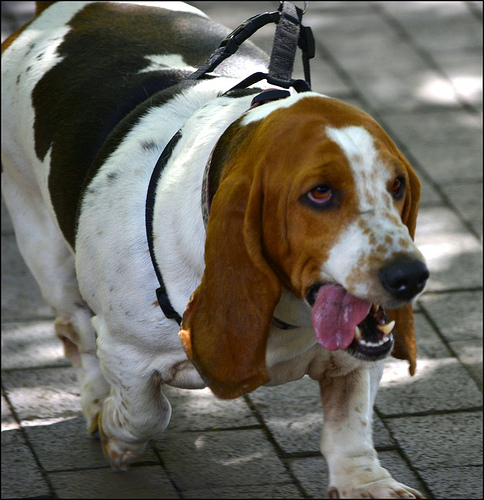
    Videos celebrating overweight dogs have been viewed over 90MILLION times on TikTok, research by VetChef reveals.

    The study by the fresh pet food platform, highlights how widespread the worrying content is across all major social media platforms.

    On Facebook, Instagram and Reddit alone, VetChef has discovered there are ONE MILLION members or followers of groups devoted to overweight dogs.

    Fat breeds getting the wrong sort of attention

    Breeds which feature most in these groups are some of the UK’s most popular including pitbulls, frenchies, pugs, terriers and beagles.
    On TikTok, videos are shared using hashtags including: #chonkydogs, #fatdog, and #chubbypuppy.

    The term “chonky” has come to be used by many social media users to show their approval of overweight dogs. It first came into use in 2016 in a Twitter group called ‘Chonky Animals’.

    VetChef founder and pet nutrition expert Dr Joe Inglis comments:

    “While it is always a delight to see the joy pets bring, it is worrying that the trend of normalising and glorifying pets that are actually clinically overweight is on the rise.

    “The scale of content celebrating overweight dogs on social media is simply breathtaking – with clips hailing so-called ‘chonky’ canines viewed over 90million times on TikTok.

    “The unfortunate reality is that overweight pets are likely to have a lower quality of life, as they are more likely to develop serious health conditions such as diabetes, osteoarthritis and cancer.

    “The breeds that seem to be most commonly featured across social media also already have a number of hereditary health problems, which are likely to only be exacerbated by being overweight.

    Joe adds: “In the UK, obesity is one of the leading, ongoing health issues we face with our pets, with 50% of pets now being classed as overweight.

    “We can all be guilty of ‘fat blindness’ when it comes to our pets, especially over the past year when a lot of us have spent more time at home with our canine companions.

    “But our pets rely solely on us as their owners to keep them as fit, healthy and happy as possible, so it is our responsibility to ensure they are getting the right amount of daily exercise, fed a fresh diet that caters to their individual needs and to recognise when they are actually at an unhealthy weight.

    “At VetChef we are committed to helping pet parents do the very best for their animals by helping to feed them a diet of all-fresh, natural produce through a bespoke recipe plan.

    “These meals are all tailored to each individual animal’s needs, and are even designed to help with weight management, as they include the right amount of calories the pet needs based on their weight and body condition, which can then help them lose weight if necessary. The taste and texture of homemade recipes are also better than processed foods, so will help make a diet regime much more enjoyable for the dog.

    “As part of our mission for healthier, natural diets for our pets, we’re now calling on all pet owners to avoid celebrating their overweight animals – and instead celebrate them looking fit and healthy.”

    On Facebook one of the most popular groups celebrating overweight dogs is named The Galactic Empire Of Chonky Woofers. Only a year old it already has over 16,000 members.

    On Instagram there are over 40,000 posts with the hashtag #chonkyboi.

    #fatdog is the most popular TikTok hashtag with 72million views, followed by #chubbydog (10m) with #fatdogs (4.4m) in third.
    VetChef is the brainchild of veterinary surgeon Joe Inglis who is a familiar face on the nation’s TV screens thanks to his appearances on The One Show and This Morning.

    The free VetChef recipe app plans your dog’s recipes, and Buddy, the new VetChef pet food maker does all the hard work. The site also offers a variety of supplements, including an obesity supplement, K905, which contains L-carnitine that helps promote the conversion of fat into muscle.

    The platform can also help with tackling pet obesity, as it allows owners to feed exactly the right level of calories their dog needs to achieve their ideal weight, as well as helping manage many chronic health conditions such as skin and digestive problems.

    The Biggest Fat Pet TikTok Hashtags

    Rank

    Hashtag Views
    1. #fatdog 71.7million
    2. #chubbydog 10million
    3. #fatdogs 4.4million
    4. #fatpuppy 1.9million
    5. #chubbypuppy 1.4million
    6. #fatdoggo 693,000
    7. #chunkydog 295,000
    8. #chonkydogs 109,000
    9. #chunkydogs 90,000
    10. #fatpupper 67,000
  • New Research Reveals Some Bizarre British Dog Owner Habits
    New Research Reveals Some Bizarre British Dog Owner Habits

    Do nearly 1m British dog owners take a shower with their dogs? Did you know that 27% of dog owners admit to letting their pet lick their plate after they’re finished with it? Or that 33% of owners leave the TV or radio on for their dog when they are left alone?

    The findings come from a study carried out by Mira Showers and reveal that British dog owners have some ‘interesting’ habits!

    Top level findings include:

    • Over 1.6 million dog owners kiss their pet on the lips
    • 2.4 million people would take a day off work to look after their poorly dog
    • Almost 5 million dog owners kiss their pet good night
    • A third of those with a furry family member regularly give them a massage (33%)

    From letting them lick their face to even bathing their dog at the same time as they have a bath, the research reveals more habits of dog owners across the nation (including some eyebrow-raising special privileges):

    British dog owner habits

    Habit/Special Treatment % of dog owners who admit to doing this
    Regularly giving them treats 61%
    Letting them on the sofa 57%
    Speaking to them in funny, unusual or high-pitched voices 46%
    Letting them on their bed 44%
    Feeding them human food 42%
    Getting up earlier than they would if they didn’t have a dog to feed them and walk them 38%
    Kissing them goodbye or goodnight 36%
    Letting them lick their hands 35%
    Leaving music, radio or the TV on for them when they’re alone 33%
    Massaging them 33%
    Confiding in them or telling them personal things 29%
    Leaving the heating on for them if it’s cold 28%
    Letting them lick their face 27%
    Letting them lick their plate or cup after they’ve finished with it 27%
    Letting them in their bed 25%
    Taking time off work to look after their dog if they’re poorly 18%
    Kissing them on the lips 12%
    Letting their dog eat at the dinner table with them 6%
    Showering their dog at the same time as they have a shower 6%
    Bathing their dog at the same time as they have a bath 4%

    Women love to spoil their dogs

    It’s the women among dog owners who spoil their dogs the most with all the above, though more men than women said they’d let their dogs eat dinner at the table with them.

    When it comes to the most spoilt breeds, the likes of Cockapoos (and other Poodle crosses), Lurchers and mixed breeds take the lead, over-indexing on 15 of the above special privileges. Close behind are dogs in the Hound Group, meaning breeds such as BeaglesDachshundsGreyhoundsWhippets and Rhodesian Ridgebacks are allowed to eat dinner at the table with their owners, plus get showered or bathed at the same time as their owners more than any other breed group.

    Button - A Sheepadoodle

    Which cities love to treat their dogs the most?

    Owners in Belfast and Nottingham come out on top with treating their dog to these things; both cities pamper their pet with at least five of these special privileges more than any other UK city.

    Dog owners in Leeds let their dog on their bed more than anywhere else (53%), while owners in Plymouth dramatically over-index on showering with their dog at the same time (15%).

    Matt Herbert-Sandell, Digital Communications Manager at Mira Showers, said:

    “Nationwide, our survey found that an estimated 822,000 dog owners shower with their dog; talk about multitasking! A dual shower is a perfect solution for dog owners who need some extra flexibility and multitasking power to help them groom their dogs at home.

    The fixed rainfall shower head gives the owners a fantastic showering experience for themselves, while the handheld shower head is ideal for manoeuvring around a mucky pup!

    Our survey also found that 2 in 5 owners wish they knew more hacks to make showering their dogs at home much easier, so we enlisted experts to help.”

    The best way to groom dogs at home

    Animal charity, Wood Green, and professional grooming experts at Purplebone, offer these at-home grooming tips:

      • The water temperature should be lukewarm. Being able to comfortably run the water over your forearm is a sign the temperature is exactly right.
      • Avoid getting water down the ear canal, as this can lead to infections. Be mindful of their eyes too, as shampoo can sting, just like it does with humans.
      • Always use a shampoo made specifically for dogs and never human shampoo because natural ph. levels are different and can cause skin problems as a result if the wrong product is used. The team at Purplebone said: “A handheld shower is what we always use in our professional grooming parlours, because you can soak all areas of the dog to apply the shampoo first, then use it to thoroughly remove any excess residue of shampoo and conditioner.”
      • There will always be some dogs that love water, and some that just tolerate it. If you can make it as pleasant as you can through praise and treats, it will be a much more relaxed experience. Ness Croft-Taylor, Veterinary Surgery Manager and qualified dog groomer at Wood Green, said: “It’s beneficial to have a handheld shower to regulate the flow, so if your dog is timid you can introduce the water gradually.”

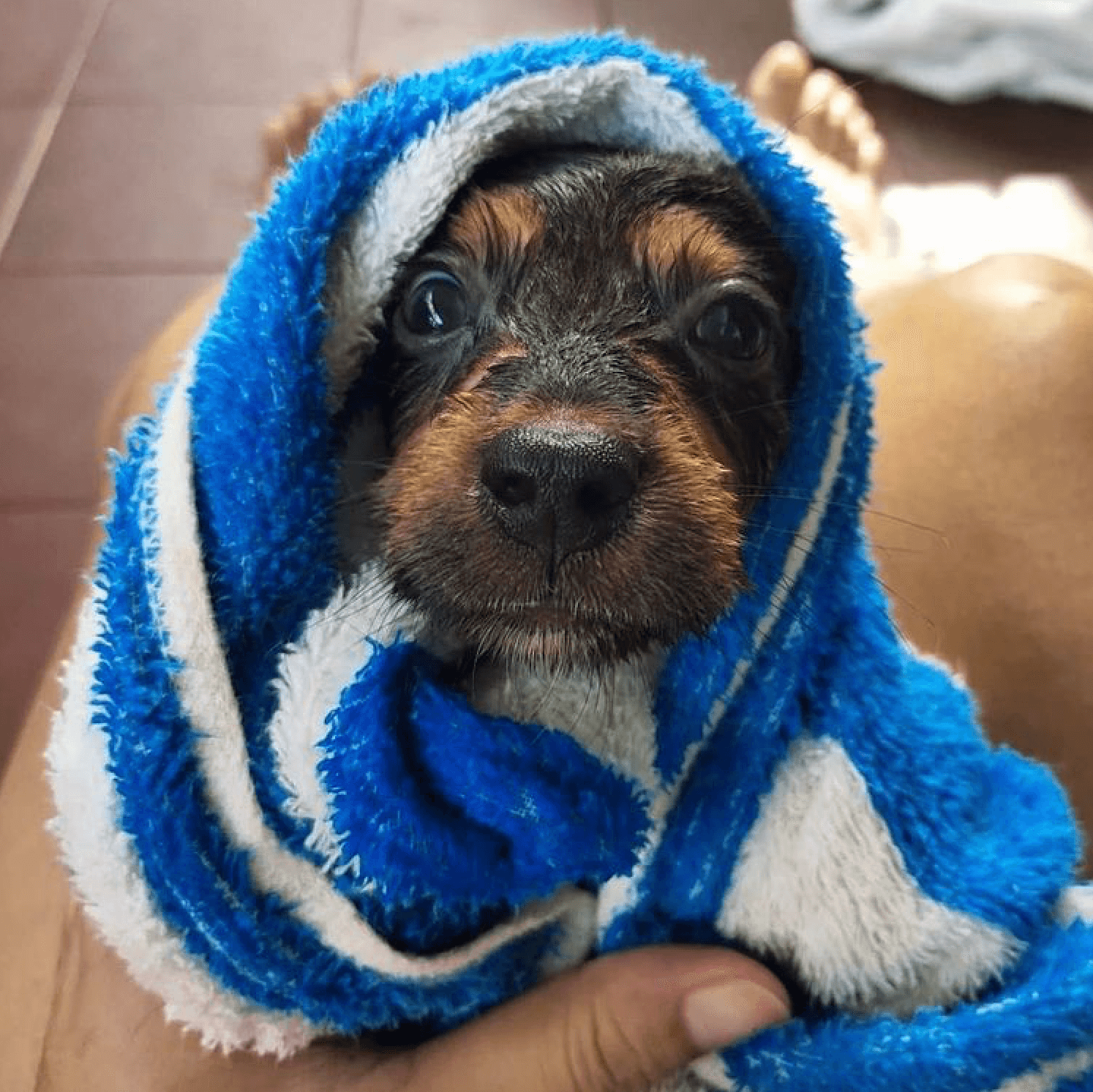
    Mira Showers monitored six Instagram image hashtags relevant to dogs being groomed at home (including #puppybath, #dogbath, #muckypup, #puppybathtime, #dogbathtime and #doginshower) and assigned them to a panel of dog lovers to identify Instagram’s cutest bath-time dogs, some of which are shown above. Permission to publish these photos beyond embedding them has been granted by the Instagram account holders.

      1. Harvey, Shetland Sheepdog, https://www.instagram.com/p/CIMNp7tHN-k/ (Dorset, UK)
      2. Chai, Toy Poodle, https://www.instagram.com/p/CIJtTFZJtxo/  (London, UK)
      3. Mabel, Cavapoo, https://www.instagram.com/p/CHcTvXJpCwz/ (Essex, UK)
      4. Pacho, Italian Greyhound, https://www.instagram.com/p/CH4-d1gBeVQ/ (Manchester, UK)
      5. Winnie, Miniature Goldendoodle, https://www.instagram.com/p/CHqStDtJgFz/ (North Carolina, USA)
      6. Picasso, Dachshund, https://www.instagram.com/p/CIKs6n8HItL/ (Bangkok, Thailand)
      7. Button, Sheepadoodle, https://www.instagram.com/p/B6-2_2mhN5a/ (Michigan, USA)
      8. Maggie, Cocker Spaniel, https://www.instagram.com/p/CCqWDFRFS0p/?igshid=10xt8ndh48mgu (Northampton, UK)
      9. Coconut, King Charles Cavalier Spaniel, https://www.instagram.com/p/CIIYdvqAFbQ/ (Singapore)
      10. Penny, Miniature Goldendoodle, https://www.instagram.com/p/CHVvR8JpiLN/
      11. Mortimer, Scottish Deerhound, https://www.instagram.com/p/CIJnE-nhHxD/ (Milwaukee, Wisconsin)
      12. Tormi, Jack Russell, https://www.instagram.com/p/CHksfK0DYUM/ (Estonia)

    Related: The top dog ownership trends you need to know about this year

  • How Much Should I Feed My Dog? (22 Top Expert Tips)

    When I got my very first puppy one of the first questions I needed to answer was, how much should I feed my dog? Now, having cared for many dogs and been involved in dog ownership for multiple decades, guess what – I still ask the same question, only slightly modified: how much should I feed this particular dog, right now.

    how much should I feed my dog
    Know your dog’s healthy, optimum weight

    Novice dog owners and experienced dog owners will face this conundrum on a regular basis.

    The answer is, you feed your dog according to the following rules:

    1. Your dog’s age
    2. Your dog’s breed / type
    3. Your dog’s current weight
    4. Your dog’s current activity level
    5. Your dog’s specific ability to handle different types of food

    How much food does a dog really need?

    It seems not many a day goes by where we’re not hearing more about the rise and rise of obesity. Sadly, our pets are also widening around the girth.

    It is of course easy to control the amount of food your dog is eating and it is essential that you gauge your dog’s weight on a regular basis to ensure that it doesn’t get obese.

    Health problems from overfeeding dogs

    There are an increasing number of dogs suffering from this disease and in most cases this could have been avoided through the correct nutrition and monitoring the amount of food the dog has been eating.

    Having a dog with diabetes will necessitate the injection of insulin or in some cases taking of pills to assist in the maintenance of the correct sugar levels in their blood.

    Obviously this involves additional expense and inconvenience and there is also a danger that should the insulin level be incorrect your pet could die. All of this from simply giving them too much food? You bet!

    Dog feeding guidelines: how much food should me dog be eating?

    It makes sense then that your dog should only eat what is good for it and in quantities that won’t result in it developing health problems later in life.

    Feeding guidelines on dog food can be a good starting point when assessing how much dog food is the right amount, but as Dr Lowe told K9 Magazine:

    “feeding guidelines on dog food packaging are extremely useful but should serve as a starting point only when assessing the right amount of food in your dog’s daily diet.”

    Working dogs will need more food for the energy that they will expend in the course of the day but a dog that lays around the house all day and doesn’t get any exercise will not need to eat the same portions of food.

    You should weigh your dog on a regular basis and see whether it is gaining or losing weight and adjust the amount of food it is eating accordingly.

    You know, it’s quite incredible the amount of people who have literally no idea how much their dog weighs or indeed any idea of how much they should weigh. Simply getting to grips with this information can literally extend your dog’s life, in some cases for a considerable amount of time.

    Many experts argue that there has been a general decline in the general health of dogs that correlates with the widespread introduction of certain types of processed dog foods.

    Many of these low quality dog foods offer very little nutritional value but it is their convenience and the fact that they have added flavours that ensure our pets get delight in eating them that have increased the sales and popularity of this food. Understanding your dog’s specific nutritional requirements, again, can add years to their life.

    Free dog weight chart

    Bad diets for dogs have tragic consequences

    Just as we might like to eat foods that contain sugar, which is detrimental to our health, our dogs also like to eat these low value foods because they taste so good – in many cases, with dogs being such scavengers, they’ll simply beg for ANY food that’s potentially on offer. It is entirely in our control not to harm their health by giving in to their longing expressions! So if you’re wondering how much should I feed my dog of sugary snacks…the answer is (if possible) zero!

    Can I feed my dog table scraps?

    If our diet is bad, often our dog’s is too. Don’t believe me?

    A study by K9 Magazine showed that 98% of dog owners had fed their pets with scraps from their own tables at one time or another.

    Dogs can eat table scraps, of course, but it’s a simple formula to calculate that if our own diet is not healthy and we’re sharing that with our dogs then – our bad food = dogs sharing in our own poor diet!

    But therein lies another problem with many of the foods that we eat, unsuitable for dog consumption.

    Many people are finding good results in preparing their own dog food using only those ingredients that will enhance the health of the dog but don’t discount the range of high quality diets that are available in prepared form. Don’t for a second assume they’re all bad because nothing could be further from the truth.

    Good quality dog nutrition is available in the form of commercially prepared foods, canned dog food, raw dog food and even tailor-made dog food. The quality isn’t the main issue here if you’re asking yourself how much should I feed my dog, but over (or under) feeding will have a detrimental effect on your dog in multiple ways. It can and most likely will lead to them having a shorter lifespan.

    What the experts say about how much you should feed your dog:

    Here we’ve summarised a series of tips from credible dog nutrition sources to help you answer the question how much should I feed my dog:

    1. Naturally, smaller dogs need less food than larger ones, but what exactly is the perfect number? First, it’s important to have an accurate handle on how much your dog weighs and whether their body size is considered small, medium, or large.
    2. Young pups and senior dogs have very different needs – puppies need food for their growing bodies while adult dogs’ diets should be focused on maintaining their health.
    3. One of the best ways to keep dogs healthy is to feed them the right amount of a high-quality dog food. Feeding a lot more of a low quality food doesn’t compensate for nutritional deficiencies.
    4. For more on diagnosing an overweight dog, see this dog weight chart.
    5. If you are feeding a different brand, please consult the calorie information on-pack and adjust the amount of food accordingly to meet your dog’s recommended daily calories. Many people make the mistake of switching dog food brands and assuming they can feed the same volume of dog food. That can have big consequences.
    6. To determine how much food to feed your dog, you should start by knowing your dog’s estimated adult weight. Weighing your dog is the key to knowing how much to feed them.
    7. The value of feeding your dog a high-quality food is huge. Poor quality foods produce more waste, can cause digestive problems and often end up being more expensive (because to satisfy your dog you will need to feed him comparatively more).
    8. If you have an adult dog that maintains normal activity levels and doesn’t need special nutrition, check out pet food company Purina’s Dog Chow guide below to see how much food to feed your dog.
    9. It is also not ideal to feed your dog cat food as, since it is designed for cats, it doesn’t have the right balance of vitamins and minerals for dogs.
    10. A healthy feeding schedule and diet will ensure your dog is getting all of the proper nutrients they need from their food. (see: how often should I feed my dog?)
    11. It’s not just a matter of food quantity, so another question is, “How many calories should my dog eat?” There is a dog feeding calculator by weight available in the links below if you’re wondering exactly how much I should feed my dog.
    12. If you are using a commercial dog food, feed your dog the amount printed on the bag that fits with your dog’s ideal weight. This is so, so important. (see how to read dog food labels)
    13. Thinking about feeding raw dog food? (see Raw dog food for beginners)
    14. Since puppies are growing rapidly, they need more food than adult dogs in some cases (whacky, but true)
    15. Not all dogs can or need to eat the amount recommended by the food manufacturers. Speak with your vet if your dog is following the manufacturers guidelines but is either gaining or losing weight.
    16. Does the amount to be fed in the feeding guidelines pertain to each meal or the daily amount of how much I should feed my dog? How accurate are the feeding guidelines on my dog food label? The manufacturers’ recommended feeding guidelines are a starting point but your dog is your dog, so you’ll need to adjust accordingly.
    17. Too little food each day can cause dogs to be deficient in vital nutrients that help keep dogs healthy.
    18. Puppies need a high-energy food and because they are growing so fast they’ll require a food with more protein and calcium to help build a healthy adult dog, and more calorie-heavy fats to load them up with fuel.
    19. Dogs that gulp their food down too quickly tend to take in large amounts of air whilst eating which can cause stomach and digestive system upset. (beware the dangers of bloat in dogs)
    20. Even though puppies grow quickly, it’s important to keep caloric intake and food amount consistent from four to twelve months of age.
    21. Older dogs usually require lower caloric intake and may get heavy eating the same food they were eating in their younger years.
    22. Most adult dogs should eat two meals a day, and puppies often require three or more feedings, so you’ll need to divide the amount in the table by the number of meals you are offering.

    How Much Should I Feed My Dog – Sources

    How Much To Feed Your Dog | Prudent Pet Insurance Prudent Pet Insurance
    How Much Should Dogs Eat? | Calculate How Much to Feed Your Dog | PetMD PetMD
    How Often Should You Feed Your Dog? American Kennel Club
    Dog Feeding Guide Purina
    How Much Food Should You Feed Your Dog? | Dog Food Advisor MedicAnimal
    Dog Food Calculator by Breed & Weight | JustFoodForDogs JustDogFood
    Dog Feeding Time: How Much and How Often? WebMD
    Do You Know How Much You Should Feed Your Dog? Central California SPCA, Fresno, CA
    10 FAQ’s about dog feeding guidelines | Dry Dog Food | Dog Food |
    MedicAnimal.com
    MedicAnimal
    Dog Feeding Guidelines Purina
  • Vets Believe Over Half of Dog Owners Give Dogs Too Many Treats to Show Love
    Vets Believe Over Half of Dog Owners Give Dogs Too Many Treats to Show Love

    Pet obesity is on the rise with 8 in 10 vets reporting to have seen overweight dogs within the last 12 months with Pugs, Boxers and Golden Retrievers topping the list as the most overweight dogs in the UK, according to new research by Direct Line.

    Nearly half (49 per cent) of vets say they are treating more overweight pets than they were just a year ago. In fact, it is estimated that a vet will treat six animals showing signs of obesity during an average week.

    However, vets believe that owners are often unaware of the health issues associated with the weight of their pets. Vets believe the biggest and most common weight-related misconception owners have is that giving treats is a way of showing love.

    Other common misconceptions are that vets are being overly cautious when it comes to pets’ weights (50 per cent) and that you can feed your pet more as long as it’s high-quality food (47 per cent). Vets say almost a third (30 per cent) of owners believe that obesity isn’t a serious issue in animals, while 16 per cent of owners are also thought to not believe that animals are able to become medically obese.

    Eva Sandstra-Bennett, Head of Pet Insurance at Direct Line, said: “It is alarming that pet obesity is increasing. Dogs and cats being overweight is a very serious issue as it can affect joints, cause diabetes, heart and breathing problems.

    “While it may be horrible to hear from a vet that a pet is overweight, owners should pay attention to their warning, as addressing the problem quickly will reduce risk of future health problems such as diabetes. Measuring out food can help avoid overfeeding and while those puppy dog eyes may be hard to resist for scraps and treats, giving in may do more harm than good.”

  • What Does Brexit Mean For Animal Welfare, Puppy Farming & Rescue?

    What Does Brexit Mean For Animal Welfare, Puppy Farming & Rescue?

    Britain has voted to leave the European Union.

    This post will not tackle the politics of that choice nor the claims and counter claims that lead to it. It will focus on what the future holds for animal welfare over the coming years based on the current landscape and the views of independent professionals.

    Today a survey by Bloomberg has stated that 71% of economists they spoke to have predicted that the United Kingdom is to enter a period of recession. How deep and how long that downturn lasts depends on who you speak to, but the overwhelming view is that Britain will face a coming recession. What we know for a fact is that the decision Britain made last week has wiped a record $3 TRILLION from financial markets.

    Due to the very recent nature of Britain’s last recession, all too sadly, there is readily available data on how that economic downturn affected Britain’s animal welfare system. The 2008 banking triggered recession lead to figures suggesting up to 20 dogs per day lost their lives as a direct result of that particular economic downturn and as many as 345 dogs each day were abandoned.

    Analysis shows that the 2008 banking collapse lead to


    Sadly, the last recession saw record numbers of animal welfare problems according to the Dogs Trust and other charities.

    Economists have been and remain overwhelmingly in agreement, as have politicians, that Britain is about to see a significant increase in the cost of living. That includes fuel, clothing and food.

    BMG research has predicted that the cost of food and weekly shopping, in particular, will rise ‘significantly’.

    The primary ingredients in commercially available pet foods are meat, fish and vegetables. The early predictions are that while British farm produce will be cheaper to buy overseas, it will be more expensive in Britain itself.

    Job losses are predicted.

    We must be braced for what happens now.

    Arguing about the politics of it all is now redundant. The overwhelming predictions of qualified experts, economists, employers and politicians is that we need to brace for stormy weather. If the 2008 financial crisis has taught us anything it’s that we should be better prepared for what happened to dogs in those difficult years. We need to ensure information is widely distributed about issues such as

    • Reducing the cost of dog ownership
    • The very real benefit of pet insurance (times may be tough, but nobody should have to give up a much loved dog if they happen to get ill or injured)
    • Vigilance on puppy farming. Puppy farming isn’t illegal but in the previous recession is was one of very few industries to experience a growth spurt. We must continue to inform people about the folly of buying puppy farmed dogs as they are more likely to suffer illness and potentially end up in the already overstretched animal welfare system.
    • Despite the political turmoil to come, we must ensure Govt of the day do not simply use it as an excuse to disregard import legislation on issues such as puppy farming, breed specific legislation and animal welfare issues in general
    • Volunteering to help animal welfare organisations. No matter what the economic climate, our animal welfare organisations can always benefit from a helping hand. As the last recession showed us all too clearly, when the economy is in a downturn it’s not just businesses who suffer a drop in funds. We might not have the spare cash to donate but we can offer our time
    • Continue to promote dogs in shelters who need new homes

    Post British exit from the EU, we must ensure UK animal welfare legislation becomes the leading voice in Europe.

    The Pet Industry Federation says:

    “While the decision to leave the EU will have a significant impact on the farming and veterinary communities, the welfare of pets is one of the least regulated areas of EU law, with laws covering pet welfare largely devolved to the member states. Legislation on animal cruelty is provided for by laws such as the Animal Welfare Act 2006. While the UK is likely to still be bound by World Trade Organisation (WTO) rules on imports and exports, there could be opportunities to prevent the import of animals (such as trade in puppies from the EU) if they represented a disease or welfare risk, along with implementing other laws on animal welfare which might be better than current EU standards.

    There is still much to be negotiated, politically. It would be wise of us to be ready to take heed of the independent voices (not politicians) who have predicted what the UK is about to face. We need to make sure we don’t forget the animals.

  • Fat, Badly Behaved Dogs Lead UK In To Animal Welfare Disaster

    Fat, Badly Behaved Dogs Lead UK In To Animal Welfare Disaster

    UK pet nation heading for animal welfare disaster

    Lack of training and socialisation causing behaviour meltdown in 250,000 dogs

    …and fat pets are fast becoming the majority with 5.5. million fed fatty treats

    Badly behaved and overweight pets are fuelling a pet welfare crisis in Britain, according to the annual PAW Report from vet charity PDSA.

    The latest Report reveals some shocking findings with a rise in dog aggression directed both at humans and others pets, and concerns relating to destructive behaviour, both caused by a cocktail of boredom, lack of training and socialisation and worryingly low levels of regular exercise. A quarter of a million dogs are behaving aggressively towards people every week. And dog hostility towards other pets, including attacks, rising annually to over 600,000.

    fat dog photo

    The Report also shows that pet obesity levels are continuing to increase. 80% of vets and vet nurses now predict there will be more overweight pets than healthy pets in five years time, and with 5.5 million pets being fed fatty treats the pet obesity epidemic is set to balloon.

    Another staggering finding is that 2.4 million dogs in the UK are not given the opportunity to safely exercise off the lead outside of the home or garden on a daily basis – with over 800,000 of these dogs never going for walks. This can lead to destructive behaviour and anxiety, as well as aggression and is also contributing to the rise in pet obesity.

    These statistics are taken from the PDSA Animal Wellbeing (PAW) Report*, the largest ever annual assessment of pet welfare (which has surveyed 21,000 pet owners over the past four years). Produced in conjunction with YouGov, the 2014 PAW Report exposes a grave lack of understanding when it comes to meeting some of the most basic of pets’ needs, says PDSA Head of Pet Health and Welfare, Nicola Martin: “We are undoubtedly a nation of animal lovers, with four out of five pet owners stating they feel physically or mentally healthier because of their pet.

    “However, our latest findings reveal that anti-social behaviour in dogs continues to rise due to a worrying lack of training, socialisation and exercise. Owners are sadly continuing to feed the wrong types of food with portion sizes out of control. Preventative health is also a major concern – the basics such as vaccinations and neutering are often ignored by owners, leaving their pets vulnerable to a wide range of deadly diseases.”

    In response to these findings and in an effort to gain an even deeper understanding of the health and happiness of UK pets, PDSA is encouraging pet owners to take part in its Big Pet Survey: pdsa.org.uk/bigpetsurvey. The charity aims to build the biggest ever insight into the wellbeing of the pet nation.

    Nicola continues: “The more people that take the survey and share their views with us, the more we can identify the most vital and pressing pet welfare issues, and provide the right support and solutions to help make improvements.”

    Key findings from the PDSA Animal Wellbeing (PAW) Report:

    Dog Behaviour

    1.5 million dogs are not properly ‘socialised’ as puppies – which involves exposing them to everyday sights and sounds before 12 weeks of age.

    62% of pet owners having been concerned or frightened by another dog’s behaviour

    250,000 dogs are showing aggressive behaviour towards people every week and 30% of pet owners reporting they have been bitten or attacked by a dog

    Over half of veterinary professionals report an increase in levels of dog on dog attacks

    Over 800,000 dogs never being taken for off the lead walks, and nearly 250,000 never even walked on a lead

    Obesity

    5.5 million pets still being fed fatty treats, fuelling the pet obesity epidemic

    80% of veterinary professionals predict there will be more fat pets than healthy weight pets in five years time

    Owners over 55 are least likely to seek vet advice regarding their pet’s diet.

    Preventative Health

    Millions of pets still at risk of deadly diseases, such as parvovirus, due to lack of vaccinations and neutering

    Just 66% of dog owners are aware that microchipping will soon be compulsory in England and Wales

    Pet Ownership

    5 million pet owners did no research at all before taking on their pet with many largely unaware of the specific needs of their chosen pet

    25% of pet owners would consider getting a puppy from a puppy farm where there welfare needs are unlikely to have been properly met

    86% of pet owners believe online sales of pets should be regulated

    For more information, and to take part in the next PAW Report, visit www.pdsa.org.uk/bigpetsurvey

    Photo by swong95765

  • Is Meat Diet Good For Dogs?

    Is Meat Diet Good For Dogs?

    Meet Bluey, he was an Australian cattle dog, born June 7, 1910, who worked among sheep and cattle for 20 years, and survived until Nov. 14, 1939, when he was put down. He had lived for 29 years, five months and seven days. His secret to extraordinary longevity?

    Well, according to his owner Bluey lived on a diet of…wait for it….Kangaroos and Emus. He was the world’s oldest dog, a record that has never been beaten.

    If we were to take this discussion in a fairly linear direction a + b = c. Dogs who live on a diet of Kangaroos and Emus live until a grand old age.

    Dog_Bluey

    Of course, life (and death) is not so simple. Nor would it be so easy to get a regular supply of Kangaroo and Emu meat, but that’s by the by, the principle of Blue’s diet was meat is good.

    Are you weighing up the possibility of feeding your dog on a raw diet? Read this: Raw dog food pros and cons.

    Dogs like Bluey might be the exception in terms of the type of meat that makes up the largest proportion of their daily diet, but dogs around the world tend to live on meat and enjoy doing so. Cartoonists have been depicting dogs chasing a string of butcher’s sausages for generations.

    So why is it that according to the Butcher’s Healthy Happy Hound report that only 14% of dogs are being given a solus meaty dog food diet on a daily basis, while twice as many owners (29%) say they actually think their dog prefers it?

    Fit as a Butcher's dog

    Let’s tackle some of the more common questions, starting with the big one: Is a meat diet good for dogs?

    A: Most definitely, and there is no upper limit to the amount of protein a dog should eat.

    Although dogs have evolved over the years to take up firm positioning as one of the family, dogs are essentially at their core still carnivores and have the same dietary requirements as their ancestors.

    To ensure they get the right nutrients a dog’s diet must contain the right amount of protein, fat, vitamins and minerals.

    A wild dog would typically eat up to 90% meat with small amounts of fish and eggs, in addition to 10% of grasses, berries, nuts and vegetation.

    Is a meat diet good for dogs

    There are three factors that determine protein quality:

    1) Protein source – animal protein or plant & cereal protein
    2) Amino acid content – amino acids are the building blocks of protein, these blocks determine the quality of the protein
    3) Digestibility of the protein content

    Animal proteins are more ‘complete proteins’ because they contain all the essential amino acids required whereas plant and cereal proteins lack one or more of the essential amino acids and are therefore considered ‘incomplete’. Animal proteins are also more digestible than plant and cereal proteins, hence animal proteins have a higher bio-availability.

    It is important that all essential amino acids are present, if an essential amino acid is missing or there is not the correct level/amount, then protein metabolism stops. Protein is vital for cell maintenance and growth and for dogs can also provide most of their energy requirements.

    Food such as Butcher’s complete foods are developed to meet all nutritional requirements a dog needs in a highly palatable meaty recipe.

    A high quality complete diet will give dogs all the essential vitamins and minerals to the need to keep them happy and healthy, lean and fit with everything they need to maintain a healthy, active lifestyle.

    Brought To You By Fit & Fun Dog Month 2013

    Fit & Fun Dog Month sponsored by Butchers Lean & Tasty

    ‘Keep as Fit as a Butcher’s Dog’

    You may now be thinking: will my dog’s miss out on other things, like carbohydrates if they eat a solely meat based diet?

    By choosing a good quality complete meat based diet your dog will be getting all they need.

    Remember, our dogs bodies are made for meat.

    Dogs have a short digestive tract not suitable to digesting a high carbohydrate diet and their mouths have sharp teeth and strong jaws designed for ripping and shredding not grinding grains and vegetation.

    Meat is packed full of the goodness needed to ensure their coats stay healthy, eyes bright and that they have enough energy to go about their day, their strong acidic stomach will help break the meat down ensuring they get all they need.

    Dogs naturally need meat as part of a balanced diet – if you were to give your dog a choice, what would they choose?

    That isn’t to say your dog won’t enjoy the occasional treat and that given the chance to scavenge and serve themselves as if the home were their own self-service buffet they would allow the opportunity to pass.

    Dogs in the wild were hunters and scavengers which explains why they think food left out in our homes seems fair game to them. Not only will our dogs consume everything that drops on the floor, given the chance they will rifle through dustbins, and given the opportunity take it straight from a plate. After all, if you have ever fed your pet from the dinner table they will forever believe that they are entitled to it at any mealtime.

    But too many treats outside of their diet can lead to body condition and weight problems and potentially even cause medical issues.

    The advantages of choosing a naturally meaty dog food diet are many. Health and longevity are increased and the diet can be tailored to individual needs.

    Maybe old Bluey really was on to something, eh?

    Butcher’s Lean & Tasty meaty complete meals with 30% less fat is a more natural dog food, as are all of the Butcher’s products, because they contain no artificial colours, flavours or preservatives.

    Butchers-Lean-and-Tasty-dog-food-pack

    Visit the Butcher’s Pet Care website and use the tool to find the right food for your dog – butcherspetcare.co.uk

  • Why Do Dogs Kill People?

    Why Do Dogs Kill People?

    As always, there is a lot of discussion about how we can introduce laws to tackle the problem of dangerous dogs. It’s a heated debate often grounded in media hype, misguided prejudices and emotion, writes K9 Magazine’s editor Ryan O’Meara.

    Rather than make kneejerk decisions on what we THINK we might know about serious and fatal dog attacks we should be prepared to focus on what we DO actually know. Agreed?

    What we know should ALWAYS be the basis for what we do, rather than taking action based on what we THINK we know, particularly when it comes to legislation that has enormous consequences for decades to come.

    Here’s why.

    What we *think* we know is that there are certain ‘types’ of dog owners who have certain *types* of dogs that are the source of the UK’s dangerous dogs problem.

    Hoodies? Status dogs? Weapon dogs? Street gangs? Drug dealers?

    Well, that’s what some – ill informed, misguided types – *think* we know. Are they a problem? Absolutely. But we can categorise them a lot easier if we just accept this – a bad dog owner is a bad dog owner not because of who they are, what they look like or what they do for a living, but because of how they treat, train and use their dogs. Nothing else.

    If a dog is trained to protect a drug dealer, he’s a guard dog. So if all dogs that have been encouraged to guard their owners/families are now to be categorised as ‘weapon’ dogs then we have a lot of weapon dogs in the UK.

    Here’s an idea. If someone is a drug dealer, they’re a criminal. Get them off the streets. If someone is out terrorising members of the public or fellow criminals with a ‘weapon’ dog, here’s an idea – they’re ALREADY breaking the law. Get them off the streets.

    So, what DO we know?

    Take a look:

    Cadey-Lee Deacon: Killed at her grandparent’s home by two dogs (Rottweilers) when the dog’s owner was not present. The death took place at the home where the dog’s lived. The family home.

    Ellie Lawrenson: Killed at her grandmother’s home while under the supervision of her grandmother. The dog’s (Pit Bull) owner was not present at the time of the attack. The attack took place at the place where the dog lived. The family home.

    Archie-Lee Hirst: Killed at his grandparent’s home while under the supervision of someone who was not the dog’s (Rottweiler) owner. The attack took place at the dog’s home, the family home, in the yard outside but the dog’s owner was not present at the time of the fatal attack.

    Jaden Mack: Killed at his grandmother’s home whilst his grandmother (the dog’s owner) fell asleep, giving the dogs (Staffordshire Bull Terrier and Jack Russell Terrier) unrestricted access to the child who himself had been left on a table. The fatal attack took place at the dog’s (family) home whilst, in the same building, the dog’s owner was not physically present at the time of the attack (as she was sleeping).

    John Paul Massey was killed by his uncle’s dog (Pit Bull) whilst in the care of his grandmother. The attack took place at the family home, the place where the dog lived. The dog’s owner was not present at the time of the attack.

    18-month old Zumer Ahmed girl lost her life to a dog (American Bulldog) that belonged to her Uncle. The dog’s owner was not present at the time of the attack which took place in the family home where the dog lived.

    On 26th of March 2013, 14-year old Jade Anderson lost her life. She was found deceased following an attack by what is thought to be four dogs. The dogs owner was not present at the time of the attack.

    There are more cases like this, not just in the UK.

    Breeds involved:

    Rottweiler (x2 in Cadey Lee Deacon’s case, 1 in Archie Lee Hirst)

    Pit Bull – Ellie Lawrenson / John Paul Massey

    Staffordshire Bull Terrier and Jack Russell Terrier – Jaden Mack

    Staffordshire Bull Terrier and Bull Mastiff – Jade Anderson

    American Bulldog

    So, 7 fatal dog attacks and 7 remarkably similar circumstances – attacks ALL happened at the location where the dog lived (dog’s family home) and in ALL cases the owner of the dog was NOT present at the time of the attack taking place.

    These are the facts.

    It’s not ‘status dogs’ or ‘hoodies’ or any one particular breed of dog that is responsible for killing people. It’s a lack of awareness about how dogs behave, think and react in particular circumstances. Family dogs in family homes are responsible for these 7 fatal dog attacks.

    I’ll briefly touch on something from personal experience.

    I have two dogs. One of those dogs gets very stressed (and I use the word advisedly) when either myself or my wife leaves the house, even for a short time. If we both leave, she settles down quickly and understands the routine involved, but if ONE of us leaves, she gets agitated, runs from room to room, stares out of the windows, paws at the doors and gets herself in to a generally unhappy state. No amount of consoling or attempts to distract her will do the trick until the family is all back together as one unit. Interestingly, my other dog does not do this. She is calm and balanced and doesn’t seem to care when people come and go, whether it’s me or my wife.

    All dogs have their own individual personalities.

    Forget breed traits for a moment (and please don’t think for a second that I am ignoring the importance of genetics and breeding in what makes a particular dog tick) and think about this: regardless of who the dog’s parents and grandparents happen to be, their individual personality is shaped by a hugely diverse spectrum of other, environmental factors.

    My Labrador and my Rottweiler have been given very, very (almost identical) upbringings – yet one of my dogs gets incredibly agitated when either myself or my wife leaves the home and the other doesn’t care. One of my dogs is particularly fond of meeting children, one is indifferent to them. One of my dogs welcomes people who visit my home wearing a uniform with a wagging tail, the other wants to send them packing.

    If you were to ask me whether I thought it’d be OK for me (or my wife) to go out and leave my dogs in the care of someone who wasn’t their owner whilst children would be present, I’d say no. Conclusively no. No. No. Not happening. No.

    I’m NOT being wise after the event. I’m not being a smart Alec.

    Do I ‘trust’ my dogs?

    No! Of course I don’t. They’re dogs. I especially don’t ‘trust’ my dogs if I’m not even there. Placing trust in one’s dog to not eat a sausage during a training exercise is fine. Trusting a dog to behave EXACTLY how you think it’ll behave when you’re not there, isn’t. There’s no real upside to such a bet. The upside, if there is one, is; nothing bad happens. The potential downside…doesn’t bear thinking about.

    Think about this; have you ever been to someone’s home where there’s a dog and the dog’s owner is not there? The person who feeds the dog, trains the dog, can CONTROL the dog is away and the dog’s been left with someone who, whilst they may know the dog, doesn’t really have the same connection with it as the owner? I have. And it can be quite an interesting experience. A dog that spends a few hours ‘acting up’ or being naughty/aggressive/unruly/unpleasant to be around suddenly turns in to soppy, obedient puppy the minute they’re reunited with their master.

    I’ll relate a true story about the most dangerous dog I’ve ever encountered.

    My (now) wife worked at a quarantine kennels for a while. I worked at kennels in the next county as a dog trainer. We were both experienced working in kennels and, as anyone who’s worked in kennels will know, you get to see ALL elements of canine behaviour. Dogs are placed in a different setting and their owners removed from the environment and it’s then that you get to see which dogs are happy to be without their owners but perhaps get upset at being in a strange, funny smelling, noisy environment.

    You get to see which dogs just pine and pine for their missing friends. You get to see which dogs have been well trained and, despite not being happy, will still comply with commands even from a stranger. You get to see which dogs are perfectly friendly but have clearly never been taught a basic command in their lives. You get to see which dogs absolutely LOVE being in such a dog-filled environment and don’t seem to give two hoots about their owners not being there. You get to see other people’s dogs behaving in all manners of ways.

    In all of this, I can safely say the type of BREED happens to be utterly, utterly irrelevant in relation to how the dog reacts to this environment. No two Dobermans act the same, no two German Shepherds react the same way and you’ll find you’re just as likely to get a bite from a Labrador or a Border Collie as you are from a Rottweiler or a Bull breed.

    The most dangerous dog I EVER encountered was, as it happens, a Border Collie.

    My (now) wife called me to let me know that a dog had come in the quarantine kennels but he was actually a boarder rather than a quarantined dog.

    She told me the dog was launching itself at kennel staff from his kennel and that nobody had been able to get close to entering his kennel. (Bear in mind, these are experienced kennel staff, used to working with many different dogs in a quarantine environment).

    I was asked whether I could come over and take a look at the dog and see if I could get in to his kennel and calm him down and get him to be a bit happier and a little less bitey.

    A Border Collie? I thought. How bad can it be?

    Jumping at the chance to act the hero, I drove over and went to see the dog.

    Firstly, this was the largest Border Collie I’ve ever seen. He was (intact male) easily bigger than the Rottweiler I currently own. He was big and he was very, very (VERY) hostile.

    Just walking up to his kennel, he flung himself to the front, made himself big and gave a display that could not be mistaken for anything other than extreme territorial aggression.

    He was in a confined space and he wanted everyone to know that, if you entered it, he’d be willing to bite. Not just nip and retreat, bite, bite and bite some more. To say he meant business would be an understatement.

    I spent a lot of time trying all manner of approaches. I tried the friendly approach. The food through the kennel approach. The pick a ball up and see if that interested him approach. The submissive approach. The assertive approach. The downright hostile approach. I tried everything I knew – and I have worked with a number of rehabilitation case dogs who were very aggressive – but absolutely nothing worked. This was a dog that would not be subdued, at all.

    I admitted I couldn’t really help in terms of getting close with the dog and advised that, for the duration of his short stay at the kennels, the staff would be best advised to use the built in, sliding kennel partition so as to ensure the dog was never allowed to come in to contact with a person.

    I’ve worked with more than 2,000 dogs and would like to think I have a reasonably fair ability at calling a dog’s personality. I’ll confidently go on record and say that I believe this dog had the capacity to kill. He REALLY meant business.

    But here’s where the story reaches its point.

    When that dog’s owner came to collect him, he turned in to the soppiest, most playful, friendly dog you could ever wish to meet. He just melted. His tail wagged, his ears set back, his hostile “I’ll kill you if you so much as come within an inch of my kennel” personality just dissolved. As fast as that. The SECOND his owner came for him, he changed.

    Was he a dangerous dog?

    Well, I think I already called that. He WAS the most dangerous dog I ever met. Ever. UNTIL his owner turned up, whereupon he instantly became a different dog. His personality changed like the flick of a switch.

    Did he have the capacity to attack and seriously injure (possibly kill) someone? I have absolutely NO doubt that he did. But again, there’s a caveat – he became a snarling, hostile dog when his owner was not there and he found himself confronted by people he didn’t know. WHEN his owner was there, he’d lie on his back to have his belly tickled by all. What a nice dog, you’d think. But a more accurate way of putting it would be; what a nice, friendly dog (when his owner’s around), what a completely unhinged, dangerous creature (when his owner wasn’t about).

    We’ve lost 6 children in under 5 years to dog attack in the UK. We must all agree, that’s 6 too many.

    In ALL cases, circumstance was far, far more pertinent than the ‘type’ of owner or even the ‘type’ of dog.

    What is missing is education and awareness. A distinct lack of understanding as to the risks associated with unattended dogs, children and an owner not present.

    Whilst we have constant debates about so-called ‘status dogs’ and trying to define a breed as being dangerous based entirely on what that breed happens to look like or who its parents were, we can – tragically – expect more of the same. More deaths, more ignorance – and that’s ignorance condoned by the Government.

    As a nation, we must surely accept that we would ALL be better off if dog owners were more dog aware.

    Not *some* owners. Not certain *types* of owners or owners of certain *types* of dogs, all dog owners. If all dog owners knew more about dogs and what makes dogs dogs, we’d benefit. All of us. Dog owner or not.

    What we have here is a people problem, not a dog problem. People who are not fully aware of how dogs brains work.

    Dogs CAN grow up with children and be an exceptionally positive influence on youngsters, but a simple lack of awareness about what circumstances can lead to tragedies as a result of dogs doing what dogs are capable of doing is what’s costing youngsters their very existence on this planet and it is wrong. Wrong, wrong, wrong.

    Our current law doesn’t work.

    The question is, will the Government be intelligent enough to recognise that fiddling around the edges of a bad law will not provide the answers we need? That focussing on ‘types’ of owners or dogs won’t prevent deaths? Or that the problem of ‘killer’ dogs is by no means confined to the mean streets of the UK, but – in fact – is most likely to manifest itself in a family home with a family dog, being cared for by grandma whilst the dog owner happens to be somewhere else.

    This isn’t what we *think* might be true. This is what we KNOW to be true.

    It’s time for the Government to come clean on the DEFRA consultation and acknowledge what the RSPCA have confirmed; that they’ve already made their mind up regarding key aspects of dangerous dogs legislation.

    No breed bans.
    No BSL.
    No BS!

    Education is the answer.

  • How To Stop Dog Stealing Food?

    How To Stop Dog Stealing Food?

    To eliminate stealing, whether it is overt (taking food from children) or covert (pilfering the thawing dinner steak), it is necessary to initiate a program of at least 4 weeks, during which no food is ever placed within the pup’s reach. It goes without saying that no tidbits should be given during this period.

    Remedies that often fail include lacing some food with pepper or ammonia, saying “No-no” while tempting the pup, and physically punishing the animal when it approaches the family’s food. These fail because they require the presence of some agent other than the food, either the aversive-tasting element or the owner. When these elements are not present, the pup is rarely discouraged from stealing the food. It learns to discriminate between treated and untreated morsels, and to avoid food in the owner’s presence.

    Begging food from the dinner table is one of the easiest things to teach a dog, and also one of the hardest habits to break. Your pet’s training to beg begins when he is a young, adorable puppy. It does not take too many repetitions before he learns that he gets fed from the table by begging. Then he sits by your chair while you are eating and stares at you. Occasionally he’ll get up on his hind legs and paw you, or he’ll nudge your arm and remind you that he is waiting. And he drools, that’s the worst part. He looks as though you never feed him.

    If you don’t have this problem, prevention is quite simple. Don’t start giving your dog food from the table. If you must give your dog table scraps, give them in moderation and in his own dish after you have finished eating or, better yet, with his regular meal. Once you have a dog that begs, it becomes a self-perpetuating problem. Begging is rewarded with food.

    Chances are, if you have this problem, you’ve tried to stop his begging, you’ve yelled at him when he begs, pushed him away, and even gotten really angry, but he just gets more persistent. So you’ve had to give him something to be able to eat in peace. What you have done is to reward his persistence. Each time you have tried holding out longer, but have ultimately given in, you have further trained him that no matter how far away the rainbow looks, there is a pot of gold at the end if he simply waits.

    When you are tired of this behaviour and want to end it, when you get to the point that you can’t stand the drooling, the whining, the pawing and the sad eyes staring at you, then you have to steel yourself for the cure. Using the positive approach, give him the command “Down” and have him do a long “Down” by your chair during dinner. Be prepared for many interruptions initially, while you reinforce his “Down.” Each time he gets up, repeat the command and replace it if necessary so that he remains down during your dinner.

    With a truly persistent begger, your first week of dinners may be quite a trial. Some dogs bark repeatedly and go through all manner of random actions to try to get you to feed them from the table. But once you have begun the training, stick with it. If you give in at any time, no matter how small the tidbit you sneak him, not only have you lost that battle, you may very well have lost the entire war. If you have made up your mind that you don’t want begging, then it’s just a matter of time before you have your dog resigned to the fact that the party is over, at least at the dinner table.

    When your dog is steady enough to do the long “Down” away from your side during dinner, then establish his place where he stays while you eat. He should be put in his place every evening while you are eating, and praised when you release him at the end of the meal. It won’t be too long before you will be eating dinner in the company of a well-trained, well- behaved dog lying quietly in the corner.

    This article is extracted from K9 Magazine’s ‘How To Stop Dog Begging’ – read in full here.

  • Feeding Older Dogs

    Feeding older dogs doesn’t have to mean drastic changes. Obesity is possibly the most common health related problem to affect dogs as they get older. An overweight dog is an unhappy dog and subsequent health problems can drastically reduce a dog’s life and render his later years void of any real quality. The key is to be aware of nutritional requirement changes when feeding older dogs, adjust slowly and gradually and keep on top of your older dog’s specific feeding requirements on a regular basis.

    Feeding Older Dogs: Nutritional Requirements

    All dogs relish a tasty treat and they are an excellent way to reward good behaviour, but if overused your dog could end up suffering from obesity before you even realise you are spoiling him. It is important to pay close attention to your dog’s diet for many reasons, but particularly if your dog is overweight. A balanced diet is essential to keeping a dog fit and healthy.

    Feeding Older Dogs

    Modern prepared foods contain an adequate supply of essential nutrients without too many calories, as do many home mixed diets. Complete, dry dog food is popular today, as it is an easy to prepare meal which contains a good supply of all the right nutrients. Commercial canned foods, whether mixed or on their own, are a good source of nutrition and are easy to prepare and store. Some dog owners favour a nutritional supplement to add to the dog’s meal, rice is a good source of carbohydrates and is easily mixed with other foods.

    Feeding Older Dogs: Be Treat Aware

    Certain treats make a nutritious supplement to a meal and also serve as a good reward for him, but dog biscuits alone to not offer adequate nutrition to be served as meal on their own.

    The majority of young, healthy and active dogs are at a low risk of becoming overweight as most of their calorific intake is used during play but as they get older and their metabolic rates slow in conjunction with a decline in expended energy, the chances of calories leading to a piling on of the pounds grows higher every day.

    If you have ever taken your dog off the lead in a large forest or field you will have noticed that they will always do more miles than you because they run off and come back as you are walking and thus for every mile you walk, they will normally RUN four!

    This is one of the reasons that young, active dogs stay healthy whether their diet is perfect or not. But there will come a point in the dog’s life when he or she is unable to do as much exercise so it is important to control the diet accordingly.

    Scroll down for some expert nutritional advice in our Q&A with Suzie from  Pawtions.co.uk about the benefits of portion control

    feeding older dogs

    Monitor Lifestyle Changes in Your Older Dog

    During the more active years, it is still important to take care of your dog’s diet to ensure that they are receiving a good balance of protein and other valuable nutrients. Your vet will be able to advise you on this matter should any uncertainty arise.

    You may not notice it at first, but should your dog become obese there are certain tell tale signs apart from the obvious physical weight gain. A diminished level of activity not conducive to their age is always a cause for concern, but a likely cause is that he or she has put on a little weight.

    Another symptom is laboured breathing. If your dog struggles for breath after an activity which he or she could once perform effortlessly then perhaps it is time to get the scales out.

    Avoiding Weight Gain in Older Dogs

    As a dog owner it is often difficult to notice if your dog is putting on weight because you see them every day. Paying close attention to other elements of their physical state may enlighten you to any weight problems.

    As the majority of dogs become less and less active in their later years it is often difficult for them to loose weight through increased exercise, so it is up to you as an owner to monitor and control what your dog eats. Prevention, as is so often the case, is better than cure, especially when it comes to a more senior dog and weight control.

    A good way of monitoring weight is by simply reducing portion size. It is often the case that a regular portion of dry or complete dog food offers more than enough nutrition and therefore it is quite possible to reduce the meal sizes without affecting the nutritional intake of the dog. In this day in age, with the science behind many commercial pet foods, you may be able to find the perfect, balanced diet your breed of dog needs, relating to their age, on your supermarket or pet shop shelf.

    Target Weight When Feeding Older Dogs

    You should have a target weight in mind and plan thoroughly to ensure your dog does not err over or above it to any great degree. Your vet should be able to advise what your dog’s ideal target weight is – don’t go on breed averages – one Labrador could be as many as 10lbs heavier than another yet still be perfectly fine weight wise.

    If your dog has put on a few too many pounds as they have gotten older, a diet is needed. Unlike us, a dog is unable to steal biscuits or cakes in the middle of the night so they are not reliant on their own will-power to lose weight, they are reliant on YOU ensuring they don’t become dangerously obese, so don’t give in to his pleas for a chocolate digestive every time you go to the kitchen!

    As a dog owner it is important for you to be disciplined. Your dog will probably not notice the reduced size of his meals. But you will, so ensure you don’t sneak him a treat unless you have reduced a similar amount of calories from his main meal – it’s a balancing act of which you have complete control and your dog is relying on you to get right.

    Older dogs have special needs in many areas and diet is one of the most important.

    Don’t let your dog’s later years in life be ruined by health problems that can easily be avoided when it comes to weight, too many calories or general nutritional mismatch between your dog’s age and their specific daily nutritional requirements. If you feed a natural diet, monitor the volumes. If you feed a commercial pet food, make sure you have the most suitable one for your dog’s age, weight, breed and activity level. When it comes to feeding older dogs, the science is all there, you just need to follow it.

    Expert Advice from Suzie, Pawtions Veterinary Nurse and Nutritionist

    feeding older dogs

    Why is portion control so important for dogs?

    At Pawtions we believe that portion control is very important to maintain a healthy life for each and every dog. When faced with the massive choice of dog foods available to us, it is very easy to become confused when trying to work out how much food our dog actually requires. Feeding guidelines are often very generalised and can’t take into consideration your dog’s age, breed, level of exercise, or whether your dog has been neutered.

    We often over-indulge our dogs out of love, but a quick treat a little too often or a bowl of leftovers from your own meals may lead to dietary problems or your dog becoming overweight. This can also upset the careful balance of nutrients provided by the dog food. By feeding a portion size which has been recommended for your individual animal – such as that provided by Pawtions – you know that you are providing enough nutrients, vitamins and minerals to meet your dog’s unique needs.

    In their PAW report of the last year the PDSA assessed the weight and general health of nearly 30,000 dogs across the UK. They discovered that 35% of UK dogs are overweight. This is a very alarming figure, especially when we consider ourselves a nation of dog lovers. An overweight dog cannot possibly enjoy life to the full, is likely to encounter more health problems, which may sadly lead to an early grave.

    What are your key priorities when choosing the perfect plan for dogs from Pawtions?

    We understand that all dogs are unique, so we make sure we have all the information we need to really help us to understand each dog better.

    By asking the owner relevant questions about their dog, our veterinary nutritionist can work out the portion size for each and every dog individually. This takes the confusion away from the owner when trying to work out how much food their dog actually needs. It also means continuity in the household when the job of feeding pets is shared by several people.

    In order to provide customers with a recommended feeding plan, we ask them to provide us with vital pieces of information including:
    • age
    • breed
    • weight
    • sex
    • whether your dog is neutered
    • daily exercise
    • physique
    • any special dietary requirements
    • your preferred flavour

    It’s very important that the information customers provide is as accurate as possible and also kept up to date. We recommend that owners regularly weigh their dogs so that we can change their portion size should their nutritional requirements change.

    However, the Pawtions perfect plan isn’t just about the food! We also include treats, poop bags, flea and wormer treatment (just when they’re needed) and free gifts to provide a complete care package.

    Do you think age and breed make a difference in selecting the right diet for your dog?

    Yes, definitely! By telling us your dog’s breed we are able to check whether this falls into the recognised weight bracket. If the dog’s weight doesn’t fall within this bracket, we discuss this further with the owner, as all dogs are unique, and breed standards can very significantly.

    We understand that small dogs may prefer a smaller kibble, and larger breeds a larger one. Also, different breeds are classed as puppies and senior dogs at different ages. Therefore knowing the breed allows us to decide when to recommend a change from a puppy diet to a maintenance one, or a maintenance diet to a senior one.

    Puppies require very different levels of nutrients to adult dogs, so must be fed a diet that meets their specific needs. They also need more regular feeding, and we take this into consideration when calculating portion size.

    However, as dogs age, their energy levels decrease, reducing their calorific need. Their nutritional requirements also change with the aging process and we believe the diet should change to support this.

    What 5 top tips would you give dog owners who might be thinking about changing diet to a more portion controlled diet?

    When thinking about changing your dog’s diet to a recommended Pawtions plan you should consider the following points:

    1) If your dog has serious medical problems, we strongly advise you contact your vet before
    you make any change of diet.

    2) Provide us with as much information as possible so that we can recommend the right Pawtions plan for your dog.

    3) It’s really important to make sure you gradually introduce a new food. The best way is to start adding a small amount to the current food. Slowly increase the proportion of new food to current food over the period of a week until a complete change is achieved.

    4) We encourage you to weigh your dog regularly so that we can make any alterations to the diet as necessary.

    5) If you have any questions regarding your dog’s health or diet, we encourage owners to ask, it could be important. We are here to help.

    Lastly, tell us a little about Pawtions. Where did your inspiration to start the company and healthy menu for dogs come from?

    The idea for Pawtions stemmed from our founder’s own frustrations with looking after and feeding Bella, his cocker spaniel. First he would have to drive to a supermarket or pet store and carry a big heavy bag back to the car. Then, once home he would have to find somewhere to store it. He found there was a tendency to be over-generous when the bag was first opened and the food fresh, whilst towards the end of the bag the food often become dried out and crumbly, losing its appeal. He also found that he would run out of food, treats and poop bags at the most inconvenient times.

    But the biggest problem came with the inconvenience of deciding how much to feed, due to the vague feeding guidelines, and then weighing out the correct amount every day!

    At Pawtions we know what it means to be lucky enough to own a dog and we want to encourage people to be more aware of their dog’s nutritional needs. Through our complete care package we hope to promote responsible dog ownership. The package includes wormer and flea treatment throughout the year, so you’ll never forget when treatments are due, free tasty treats, and free poop bags. Now and again we’ll also pop in a surprise toys as a little present for your best friend. All this is delivered to your door every 4 weeks.

    To find out more about Pawtions and investigate a plan for your dog, visit www.pawtions.co.uk today!

    Resources: Older Dogs

    http://www.youtube.com/watch?v=HimMjk-1rg4

  • How to Avoid Dog Health Problems

    We all love our dogs and want to do the best for them. You can give them all the love, attention and affection in the world but you also need to be aware of your pet’s health, so you can give them a longer, happier and healthier life.

    From the day we bring our new puppy home, there are some key areas to look out for to help keep your dog healthy and enjoying life to the full:

    Dog Health Problems Start From The Inside

    · Diet: Providing the right food for their breed, size and age is vital. Making sure they get all the right nutrients – whilst not over or under feeding.

    A large dog, such as a Great Dane, has different dietary needs to that of a Chihuahua, so some food brands even offer tailormade diets.

    Dog Health Symptoms: Is Your Dog’s Weight A Cause For Concern?

    · Exercise: You should be making sure they get enough exercise to keep them fit and active for as long as possible – dog walking can work to your benefit too!

    · Vet visits: You should make sure they get regular health checks and injections with your local vet – as you would with your doctor – to prevent illness occurring and catch problems before they become threatening.

    So how do you check if your dog is healthy?

    This article discuss about the best cbd oil for dogs with arthritis and takes you through a ten-point health check that you can easily undertake at home. It works just as well on cats as it does dogs and I’ve called it the DIY MOT health check. You can monitor your pets’ health in-between regular visits to your vet, which will help alert you to any problem areas.

    Eyes

    Should be clear and sparkling without any discharge or redness, as this could be a sign of infection. The eyelids should also be checked for warts or cysts. Diet can also have an impact on eye health, if you have concerns, consider switching your dog’s food.

    Teeth & gums

    Gently lift your pet’s lips – the gums should be salmon pink, don’t worry some dogs can have naturally black pigmented gums, teeth should be clean and white with no yellow plaque or tartar and there should not be a bad smell!

    Look out for loose teeth or bleeding gums, which should also be taken care of by your vet.

    Paws

    Check the pads for open cuts, splinters or seeds which can become embedded. Nails should be short and healthy looking without splitting. Some dogs will need to have nails regularly clipped at the vet.

    Body checks

    Check for any lumps or wounds by running your hands over your dog’s body and part the hair to check for signs of fleas or ticks. Your vet can recommend suitable treatments. Check a dog’s testicles and bitch’s mammary glands for any unusual swellings.

    Weight

    Be aware of what weight your dog should be and monitor it carefully – overfeeding can be as damaging as underfeeding. As a general rule run your hands down the sides of your dog’s belly and you should be able to feel the rib cage.

    By feeling the rib cage you should be able to tell if they are under, over or just right! If your pet seems overweight check with your vet, they may recommend a light food, which has fewer calories or you might consider a different type of a dog bowl which steadies how fast your dog eats his food.

    There are some which are floor bowls, which look similar to a puzzle, and dogs navigate the ‘spikes’ to eat. Or a raised dog bowl which can either sit in a dog bowl stand or be wall mounted alters how your dog eats, and can also slow them down.

    Obesity can contribute to heart disease, joint disease, diabetes and many more health complications. As in humans exercise also plays an important part in weight control. Make sure your dog is getting plenty of exercise. Walks are the easy answer. Large dogs don’t necessarily need more exercise; it really does depend on their breed and age.

    Ears

    The inside of your dog’s ears should be clean with no odour. If they do smell this could be a sign that they are infected. Ears should be cleaned regularly – ask your vet to recommend a cleaning product and just as importantly, the best way to clean them without damage.

    Muzzle

    The nose should be free of discharge – pets get colds too. Noses should be wet but not runny, a dry nose could also signal health problems.

    Coat and skin

    The coat should look glossy and feel tangle free, not dull. Look out for any balding or irritation which could be caused by allergies, mange etc and should be checked out by a vet for treatment. The skin should not feel greasy or look flaky (no dandruff).

    If you have concerns that your dog’s dull coat or flaky skin may be caused by an allergy, speak with your vet. If you are concerned that it may be parasite related, seek out a good flea treatment for dogs to restore.

    Energy

    Dependent on its age, your dog should be alert and energetic without any signs of stiffness or breathlessness – any reluctance to exercise should be looked into. Feeding the right amount of food and nutrients to your pet helps make sure they maintain high energy levels even into old age.

    Under the tail

    Hold up the tail and see if there are any signs of soreness or discharge. Also check your dog’s stools, they should be firm and fairly small – this is a sign of healthy digestion.

    Stools are a good way of determining your pet’s health, a sudden change can bring your attention to a health issue that might have gone unnoticed. It is also the way your animal gets rid of all the waste in his food that he doesn’t need. Lots of products are bulked up with water and cereals when one of the most important ingredients to carnivorous animals is protein – that means meat.

    A good rule of thumb is: the more meat ingredients a food contains the higher the quality of the feed, look on the side of the bag where the ingredients are listed, manufacturers have to list the largest quantity first.

    What are the benefits of dry over wet food?

    Once you’ve determined your dog’s life stage and lifestyle needs, you need to decide whether to feed dry or wet (canned) food.

    It’s important to remember that while dry food can be left in a bowl, wet food should not be left out all day if not consumed. Therefore, dry food can often be the most convenient choice for busy people.

    Although a recent BBC report suggested that brushing is the best way to keep a dog’s teeth clean, dry foods also promote good oral hygiene for teeth and gums through abrasive action.

    How do I switch my dog’s food?

    If you are looking to change your dog’s diet we would recommend you introduce the new food gradually over a period of 4 days.

    Make the change slowly, try mixing of the new food with of old food then gradually change the proportions over the next three days until he’s eating new food. There are also a few tricks you could use to help make the change over to a complete dry food– for example, start by adding a little water or by warming the food in the microwave.

    Vet visits

    Remember that although you can monitor your pet’s health at home using the above guidelines I would also strongly recommend you make regular check-ups appointments with your local vet even if your pet seems healthy. And if this article has alerted you to any health issues please do contact your vet for a more thorough examination.

    Dog Health Symptom Checker

  • Small Breed Dog Food

    Small Breed Dog Food

    Small Breed Dog Food – Is A Specialist Diet For Small Breeds Worthwhile?

    Small dog breeds have specific, specialist nutritional requirements. In the case of a small breed puppy, their stomach is not large enough to hold sufficient food in one feeding to provide his daily nutritional needs without causing stress to their system, so smaller, broken down meals are advised. This is why some commercial dog food suppliers are now providing dog owners with the option of specialist small breed dog food.

    Small Breed Dog Food (Chihuahua)

    Small Breed Dog Food For Puppies

    When a puppy graduates from mother’s milk to solid food at about six weeks of age, he will require three to four meals a day, with the exception of Toys, who may need four to six meals. When he reaches about four to five months old, twice-a-day feedings may be sufficient. He can graduate to once-a-day meals at eight to nine months of age.

    A pup’s nutritional requirements for growth and development are greater than those for an adult dog. If you opt to feed your small dog breed pup a commercially prepared diet try to ensure it is a feed specially formulated for puppies and enables the youngster to get the full range of nutrients he needs.

    Balanced Diet: Small Breed Dog Food

    A small dog breed pup who eats a complete and balanced commercial puppy diet – whether it is a small breed dog food prepared diet or another puppy formulated specialist food – doesn’t need additional supplements. Adding supplements can cause nutritional imbalance as most modern commercial dog foods are prepared to contain all required nutritional elements your small breed puppy will require in this important growth stage. However, if you are supplying your dog with a home-cooked or fresh-diet meal plan, supplements may be necessary. Consult with a veterinary nutritionist to get further advice.

    Dry food can be moistened with warm water to encourage puppies to eat. Milk can be used, too, but only in extremely small amounts. Goats milk for puppies is often favoured by many breeders. Cow’s milk causes digestive upset in some puppies and dogs. A tablespoon of canned food can be added to increase interest, as well. These are general guidelines for feeding your small dog breed pup; consult with your veterinarian for more specific advice. If your pup doesn’t appear to be developing as you believe he should, feeding small breed dog food without first consulting a specialist in the area of dog nutrition would not be advised as your dog may have underlying problems that need to be investigated by a professional expert first.

    Small Breed Dog Food: Adults

    Feeding Adult small dog breeds: The adult small dog breed is a mature dog, usually age one year or older. Healthy adult dogs who are not pregnant, nursing, or hardworking have somewhat low nutritional requirements. Feeding is fairly straightforward if you’re feeding commercially prepared kibble. Buy a complete and balanced diet made for the adult dog and give your dog the recommended amount once or twice a day. Add a tablespoon of canned food for taste if you wish. Adjust the amount according to the small dog breed’s activity level and body condition.

    Feeding Hardworking small dog breeds: Highly active small dog breeds use a lot of energy. The hard-working dog can require two to three time more kilocalories per pound of body weight than what is required for normal activity. To maintain good body condition and keep up his stamina, the hardworking small dog breed must eat a high-energy diet.

    Many veterinarians recommend commercially prepared “performance” diets for highly active dogs. Higher fat, higher-protein diets supply the working dog with needed calories. Because performance diets are higher in protein than maintenance diets, there s a misconception that the active dog just needs extra protein. However, all nutrients are required in greater amounts. Additionally, research indicates that moderately high-protein diets are unlikely to cause kidney damage – in spite of some breeders’ and owners’ beliefs that it does.

    Feeding Your Elderly small dog breed: Older small dog breeds (those who have reached the last 25 percent of their expected life span) are usually less active than adult dogs and pups. Thus, their energy requirements are reduced and they can gain weight easily if fed too much or fed a high-calorie diet. Some veterinarians recommend “senior” diets; foods high in nutrients but reduced in calories to keep senior small dog breeds at a healthy weight.

    Feeding Small Dogs

    How Often Should a Small Dog Breed be Fed?

    There’s no exact answer on how much and how often to feed your small breed because it depends on the size, age, and activity level of each individual small breed. Feeding amount and schedule also depend on which diet you’re using and how cold it is outside. (Dogs who spend a lot of time outdoors in cold temperatures require more food.)

    Begin by following the feeding instructions spelled out on the dog food package. Realize that these instructions are a starting point, and apply to all breeds of a certain weight. Your small breed is an individual and every dog is different.

    Following that, observe your dog’s body condition:

    Is my puppy too thin?

    An overly thin small breed will have visible or easily felt ribs and hip bones may be visible. The waist and belly are obviously tucked up when viewed from the side. Increase food. Speak to your vet to find out if there are any underlying medical conditions causing your dog to be underweight.

    Just Right: The ribs should have just a little fat over them; you should be able to easily feel them with slight pressure. Your small breed should have a waist when viewed from above, and the belly should be tucked up when viewed from the side.

    Is My Dog Overweight?

    Too Fat: If you can’t easily feel your small breed s ribs and can easily see fat covering them, he is too heavy. His waist is absent or barely visible when viewed from above, or his belly may hang. Decrease food.

    How often you feed your small breed depends on how old he is and his (or your) personal preference. Pups must be fed several times a day, usually three..The average adult small breed can be fed once or twice a day, in the morning, evening, or both. Many owners like the idea of feeding twice a day, while others find it inconvenient and opt to feed once a day. Toy puppies have a very rapid metabolism and may require four to six meals a day to avoid hypoglycemia, a life-threatening drop in blood sugar levels. By six months of age, most Toy pups can cut back to three or four meals a day.

    Dogs are creatures of habit, and seem to enjoy eating at the same time every day. Feeding your small breed pup at the same time every day helps establish eating habits and makes housebreaking easier. Pups usually need to urinate or defecate after eating. If you feed him at the same time every day, you can predict when nature calls.

    Note: Free-feeding, leaving food out for the small breed at all times, is not recommended because it can lead to excess weight gain.

    Small Breed Dog Feeding: Conclusion

    Dog owners are fortunate to live in an age where there is an increasing awareness about proper dog nutrition. We understand that there is not a one-size-fits-all approach to feeding dogs. Specialist diets, such as small breed dog food, large breed dog food and dog foods specialist formulated for active/working dogs allow us to match our dog to a nutritional plan that perfectly matches their age, weight, breed and overall lifestyle. If you are considering feeding a dedicated small breed dog food, it makes sense to first understand the basic principles of why your breed would benefit for a tailored feeding plan.

    As with humans, dogs all have varying degrees of dietary requirements. Olympic athletes may require double the volume of calories in comparison to an ‘average’ person even if they are the same age, weight and height. On this basis, feeding a dog on the wrong diet could lead to weight gain, weight loss or even more serious health and behavioural problems. Dedicated diets can be a great benefit to owners who are keen to make sure their dog is receiving the right nutrition to match their breed’s individual requirements. On this basis it would be worthwhile to investigate the options when it comes to selecting small breed dog food that has been specifically formulated to provide the proper nutrition for your dog.

    Small Dog Breed Resources