Search results for: “Will Dog Food Make A Cat Sick”

  • Most Frequently Asked Dog Food Questions

    Most Frequently Asked Dog Food Questions

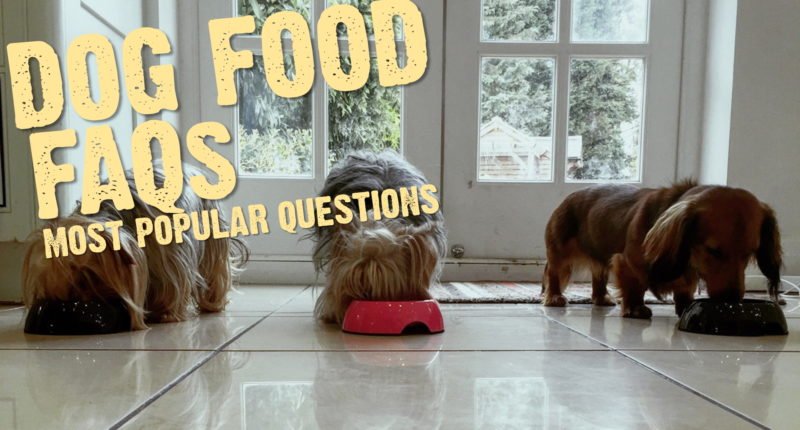
    If you’re looking for answers to the most frequently asked dog food questions you’re in the right place. Our editors have collected and collated data from hundreds of thousands of dog food and dog feeding questions to provide the most relevant answers to the most common dog food questions.

    You may be somewhat overwhelmed with the amount of dog food terminology and various phrases relating to dog food (such as: cold pressed food, complete food, dry, raw, dog gut health etc). Fortunately, our friends over at K9 Magazine have put together the definitive dog food glossary to help.

    Answers to the most frequently asked dog food questions

    The following questions, if you click on their link, contain answers from our own hand-picked, quality assessed curated sources for the best, most reputable and reliable dog nutrition information.

    So if you’ve ever wondered what the most frequently asked dog food questions were and wanted to get the answers to any, here you go:

    1. Which Dog Food Is Best
    2. What Dog Food Is Best
    3. What Dog Foods Are Best
    4. What Food Dog Cannot Eat
    5. What Food Dog Can’t Eat
    6. What Dog Food To Avoid
    7. What Dog Food Brand Is Best
    8. What Dog Food Is Grain Free
    9. What Dog Food Is Best For Puppies
    10. What Dog Food
    11. How Dog Food Is Made
    12. How Much Dog Food Per Day
    13. What Dog Food Is Killing Dogs
    14. What Dog Food Kills Dogs
    15. Can Dog Food Go Bad
    16. What Dog Food Do Vets Recommend
    17. Can Dog Food Cause Seizures
    18. What Dog Food Should I Feed My Dog
    19. What Dog Food Has Been Recalled 2019
    20. What Dog Food Is Linked To Heart Disease
    21. What Dog Food Are Recalled
    22. What Dog Food Brands Are Safe
    23. What Dog Food Causes Heart Disease
    24. What Dog Food Is Best For Yorkies
    25. What Dog Food Is High In Fiber
    26. What Dog Food Is On Recall
    27. What Dog Food Recall
    28. What Dog Food Was Recalled
    29. Will Dog Food Hurt Cats
    30. How Much Dog Food For Puppies
    31. What Dog Food Is Good For Allergies
    32. Can Dog Food Go Stale
    33. What Dog Food Do Dogs Like Best
    34. What Dog Food Has Been Recalled
    35. What Dog Food Has Never Been Recalled
    36. What Dog Food Is High In Protein
    37. What Dog Food Is On Recall 2019
    38. What Dog Food Jingle Did Jed Write
    39. What Dog Food Has The Most Protein
    40. What Dog Food Is Not Grain Free
    41. What Dog Food Tastes The Best
    42. What’s The Best Dog Food On The Market
    43. Can Dog Food Cause Urinary Incontinence
    44. Can Dog Food Cause Uti
    45. Does Trader Joe’s Sell Dog Food
    46. What Dog Food Brands To Avoid
    47. What Dog Food Helps With Shedding
    48. When Does Dog Food Expire
    49. What Dog Food Causes Cancer
    50. What Dog Food Is Low In Protein
    51. What Dog Food Made Of
    52. What Dog Foods Are Linked To Heart Disease
    53. What Dog Food To Buy
    54. What Dog Food To Feed My Dog
    55. What Dog Food Will Help Gain Weight
    56. What Dry Dog Food Do Vets Recommend
    57. Will Dog Food Hurt My Cat
    58. What Are Dog Food
    59. What Dog Food Company Did Jed Sign With
    60. What Dog Food Do Veterinarians Recommend
    61. What Dog Food Is On The Recall List
    62. What Dog Food Is Recommended By Vets
    63. What Dog Food Should I Feed My Puppy
    64. What’s The Healthiest Dog Food On The Market
    65. Where Is Dog Food In Walmart
    66. Which Dog Food
    67. Which Dog Food Brands To Avoid
    68. Who Eukanuba Dog Food
    69. How Much Dog Food Calculator
    70. What Are Dog Food Toppers
    71. What Dog Food Compared To Blue Buffalo
    72. What Dog Food Has High Fiber
    73. What Dog Food Has No By Products
    74. What Dog Food Has No Chicken In It
    75. What Dog Food Is Aafco Approved
    76. What Dog Food Is Best For French Bulldogs
    77. What Dog Food Makes Dogs Gain Weight
    78. What Dog Food Not To Feed Your Dog
    79. What Dog Food Should I Feed My Dog Quiz
    80. What Dog Food Should I Feed My Pitbull
    81. What Dog Food Was Killing Dogs
    82. What Wet Dog Food Do Vets Recommend
    83. When Was Dog Food Made
    84. Which Dog Food Is Best For Puppies
    85. Why Dog Food Is Bad
    86. Will Dog Food Make A Cat Sick
    87. What Are Dog Food Made Of
    88. What Dog Food Brand Is Killing Dogs
    89. What Dog Food Brands Are Made In China
    90. What Dog Food Brands Are Made In Usa
    91. What Dog Food Brands Does Purina Own
    92. What Dog Food Brands Use Horse Meat
    93. What Dog Food Can Cause Seizures
    94. What Dog Food Can Hedgehogs Eat
    95. What Dog Food Can Humans Eat
    96. What Dog Food Can Puppies Eat
    97. What Dog Food Comes From China
    98. What Dog Food Compared To Science Diet
    99. What Dog Food Does Dr Jeff Recommend
    100. What Dog Food Does The Queen Use
    101. What Dog Food Do Vets Recommend Uk
    102. What Dog Food For Dogs With Allergies
    103. What Dog Food For Sensitive Stomach
    104. What Dog Food Has No Corn
    105. What Dog Food Has No Ingredients From China
    106. What Dog Food Has No Peas Or Lentils
    107. What Dog Food Has No Red Dye
    108. What Dog Food Is Best For Hedgehogs
    109. What Dog Food Is Best For Yeast Infections
    110. What Dog Food Is Easy To Digest
    111. What Dog Food Is High In Fibre
    112. What Dog Food Is High In Zinc
    113. What Dog Food Is Killing Dogs 2020
    114. What Dog Food Is Low In Copper
    115. What Dog Food Is Low In Fat
    116. What Dog Food Is Low In Sodium
    117. What Dog Food Makes Dogs Poop Less
    118. What Dog Food Produces Less Poop
    119. What Dog Food Produces The Least Amount Of Poop
    120. What Dog Food Should I Feed My German Shepherd
    121. What Dog Food Should I Get
    122. What Dog Food To Feed My Puppy
    123. What Dog Food To Gain Weight
    124. What Dog Food Uk
    125. What Dog Food Veterinarians Recommend
    126. What Dog Food Vets Recommend
    127. What Dog Food Will Help With Gas
    128. What Food Dog Should Eat
    129. What Is Raw Dog Food Uk
    130. When Changing Dog Food
    131. When Switching Dog Food
    132. Where Dog Food Is Made
    133. Which Dog Food Guide
    134. Which Dog Food Is Best In India
    135. Which Dog Food Reviews
    136. Which Dog Food Uk
    137. Which Dog Food Was Recalled
    138. Who Made Dog Food
    139. Why Dog Food
    140. Why Dog Food Grain Free
    141. Are Dog Food Bad
    142. Are Dog Food Healthy
    143. How Dog Food Making
    144. How Dog Foods
    145. How Much Dog Food For German Shepherd
    146. How Transition Dog Food
    147. What Are Dog Food Allergies
    148. What Are Dog Food Allergy Symptoms
    149. What Are Dog Food Good For
    150. What Can Dog Food Is Good
    151. What Can Dog Food Is The Best
    152. What Does Dog Food Need
    153. What Dog Food Allergies
    154. What Dog Food Are Bad
    155. What Dog Food Brands Are Bad
    156. What Dog Food Brands Do Vets Recommend
    157. What Dog Food Can Ferrets Eat
    158. What Dog Food Can French Bulldogs Eat
    159. What Dog Food Can I Bring Into The Us
    160. What Dog Food Can Rats Eat
    161. What Dog Food Compared To Royal Canin
    162. What Dog Food Compared To Taste Of The Wild
    163. What Dog Food Contains Fibre
    164. What Dog Food Contains Vitamin B
    165. What Dog Food Contains Xylitol
    166. What Dog Food Does Aldi Sell
    167. What Dog Food Does Morrisons Sell
    168. What Dog Food Does Morrisons Stock
    169. What Dog Food Does Tesco Sell
    170. What Dog Food Dogs Like Best
    171. What Dog Food Do You Feed Puppies
    172. What Dog Food Eat
    173. What Dog Food For Chihuahua
    174. What Dog Food For German Shepherd
    175. What Dog Food For Jack Russell
    176. What Dog Food For Kidney Disease
    177. What Dog Food For Kidneys
    178. What Dog Food For My Dog
    179. What Dog Food For My Puppy
    180. What Dog Food For Older Dogs
    181. What Dog Food For Pitbulls
    182. What Dog Food For Puppies
    183. What Dog Food For Yeast Infection
    184. What Dog Food For Yorkies
    185. What Dog Food Gets 5 Stars
    186. What Dog Food Gives Dogs Cancer
    187. What Dog Food Gives Dogs Gas
    188. What Dog Food Gives Dogs Heart Disease
    189. What Dog Food Good For Dogs
    190. What Dog Food Has No Preservatives
    191. What Dog Food Has No Recalls
    192. What Dog Food Has The Highest Meat Content
    193. What Dog Food Has Yeast In It
    194. What Dog Food Is Anti Yeast
    195. What Dog Food Is Best For Yorkie Puppies
    196. What Dog Food Is Comparable To Zignature
    197. What Dog Food Is Easily Digested
    198. What Dog Food Is Like Blue Buffalo
    199. What Dog Food Is Like Science Diet
    200. What Dog Food Is Low In Phosphorus
    201. What Dog Food Is Most Nutritious
    202. What Dog Food Is Non Gmo
    203. What Dog Food Is Organic
    204. What Dog Food Is Similar To Wainwrights
    205. What Dog Food Is Similar To Zignature
    206. What Dog Food Is Vegan
    207. What Dog Food Is Yeast Free
    208. What Dog Food Killed 2019
    209. What Dog Food Label
    210. What Dog Food Made In China
    211. What Dog Food Made In Usa
    212. What Dog Food Made Out Of
    213. What Dog Food Makes Dogs Fart Less
    214. What Dog Food Makes Dogs Fat
    215. What Dog Food Makes Dogs Live Longer
    216. What Dog Food Never Had A Recall
    217. What Dog Food On Recall
    218. What Dog Food Prevents Bladder Stones
    219. What Dog Food Prevents Gas
    220. What Dog Food Prevents Shedding
    221. What Dog Food Put Weight On Dogs
    222. What Dog Food Raw
    223. What Dog Food Reduces Gas
    224. What Dog Food Reduces Shedding
    225. What Dog Food Reduces Stool
    226. What Dog Foods Have Xylitol
    227. What Dog Food Should I Feed My French Bulldog
    228. What Dog Foods Linked To Heart Disease
    229. What Dog Food Stops Farting
    230. What Dog Food Taste Like
    231. What Dog Food Taste Like Human Food
    232. What Dog Food Tastes Like
    233. What Dog Food To Feed English Bulldogs
    234. What Dog Food To Feed Puppy
    235. What Dog Food To Stay Away From
    236. What Dog Food Uses Horse Meat
    237. What Dog Food Will A Picky Dog Eat
    238. What Dog Food Will Harden Stool
    239. What Dog Food Will Help With Shedding
    240. What Dog Food With Grain Is Best
    241. What Food Dog Like To Eat
    242. What Is A Dog Food Jingle
    243. What Is Dog Food Jelly
    244. What Is Dog Food Kibble
    245. What Is Dog Food Like
    246. What Is Dog Food Name
    247. What Will Dog Food Do To A Cat
    248. When Dog Food Was Recalled
    249. When Senior Dog Food
    250. When To Dog Food
    251. Where Donate Dog Food
    252. Where Is Dog Food From
    253. Where Is Dog Food In Target
    254. Which Dog Food Are Vegan
    255. Which Dog Food Guide Uk
    256. Which Dog Food Is Kosher For Passover
    257. Which Dog Food Less Poop
    258. Which Dog Food Platinum
    259. Which Food Dog Like Most
    260. Who Is Dog Food Advisor
    261. Who Was Dog Food
    262. Why Dog Food Ingredients
    263. Why Dog Food Is Bad For Cats
    264. Why Dog Food Is Good
    265. Why Dog Food Is Grain
    266. Why Dog Food Pedigree
    267. Will Dog Food Harm My Cat
    268. Will Dog Food Hurt A Baby
    269. Will Dog Food Hurt A Rabbit
    270. Will Dog Food Hurt My Toddler
    271. What’s The Best Dog Food Uk
    272. Which Dog Food Reviews Uk
    273. Which Dog Food Guide
    274. Which Dog Food Is Best In India
    275. Which Dog Food Reviews
    276. Which Dog Food Uk
    277. Which Dog Food Was Recalled
    278. Who Made Dog Food
    279. Why Dog Food
    280. Why Dog Food Grain Free
    281. Are Dog Food Bad
    282. Are Dog Food Healthy
    283. How Dog Food Making
    284. How Dog Foods
    285. How Much Dog Food For German Shepherd
    286. How Transition Dog Food
    287. What Are Dog Food Allergies
    288. What Are Dog Food Allergy Symptoms
    289. What Are Dog Food Good For
    290. What Can Dog Food Is Good
    291. What Can Dog Food Is The Best
    292. What Does Dog Food Need
    293. What Dog Food Allergies
    294. What Dog Food Are Bad
    295. What Dog Food Brands Are Bad
    296. What Dog Food Brands Do Vets Recommend
    297. What Dog Food Can Ferrets Eat
    298. What Dog Food Can French Bulldogs Eat
    299. What Dog Food Can I Bring Into The Us
    300. What Dog Food Can Rats Eat
    301. What Dog Food Compared To Royal Canin
    302. What Dog Food Compared To Taste Of The Wild
    303. What Dog Food Contains Fibre
    304. What Dog Food Contains Vitamin B
    305. What Dog Food Contains Xylitol
    306. What Dog Food Does Aldi Sell
    307. What Dog Food Does Morrisons Sell
    308. What Dog Food Does Morrisons Stock
    309. What Dog Food Does Tesco Sell
    310. What Dog Food Dogs Like Best
    311. What Dog Food Do You Feed Puppies
    312. What Dog Food Eat
    313. What Dog Food For Chihuahua
    314. What Dog Food For German Shepherd
    315. What Dog Food For Jack Russell
    316. What Dog Food For Kidney Disease
    317. What Dog Food For Kidneys
    318. What Dog Food For My Dog
    319. What Dog Food For My Puppy
    320. What Dog Food For Older Dogs
    321. What Dog Food For Pitbulls
    322. What Dog Food For Puppies
    323. What Dog Food For Yeast Infection
    324. What Dog Food For Yorkies
    325. What Dog Food Gets 5 Stars
    326. What Dog Food Gives Dogs Cancer
    327. What Dog Food Gives Dogs Gas
    328. What Dog Food Gives Dogs Heart Disease
    329. What Dog Food Good For Dogs
    330. What Dog Food Has No Preservatives
    331. What Dog Food Has No Recalls
    332. What Dog Food Has The Highest Meat Content
    333. What Dog Food Has Yeast In It
    334. What Dog Food Is Anti Yeast
    335. What Dog Food Is Best For Yorkie Puppies
    336. What Dog Food Is Comparable To Zignature
    337. What Dog Food Is Easily Digested
    338. What Dog Food Is Like Blue Buffalo
    339. What Dog Food Is Like Science Diet
    340. What Dog Food Is Low In Phosphorus
    341. What Dog Food Is Most Nutritious
    342. What Dog Food Is Non Gmo
    343. What Dog Food Is Organic
    344. What Dog Food Is Similar To Wainwrights
    345. What Dog Food Is Similar To Zignature
    346. What Dog Food Is Vegan
    347. What Dog Food Is Yeast Free
    348. What Dog Food Killed 2019
    349. What Dog Food Label
    350. What Dog Food Made In China
    351. What Dog Food Made In Usa
    352. What Dog Food Made Out Of
    353. What Dog Food Makes Dogs Fart Less
    354. What Dog Food Makes Dogs Fat
    355. What Dog Food Makes Dogs Live Longer
    356. What Dog Food Never Had A Recall
    357. What Dog Food On Recall
    358. What Dog Food Prevents Bladder Stones
    359. What Dog Food Prevents Gas
    360. What Dog Food Prevents Shedding
    361. What Dog Food Put Weight On Dogs
    362. What Dog Food Raw
    363. What Dog Food Reduces Gas
    364. What Dog Food Reduces Shedding
    365. What Dog Food Reduces Stool
    366. What Dog Foods Have Xylitol
    367. What Dog Food Should I Feed My French Bulldog
    368. What Dog Foods Linked To Heart Disease
    369. What Dog Food Stops Farting
    370. What Dog Food Taste Like
    371. What Dog Food Taste Like Human Food
    372. What Dog Food Tastes Like
    373. What Dog Food To Feed English Bulldogs
    374. What Dog Food To Feed Puppy
    375. What Dog Food To Stay Away From
    376. What Dog Food Uses Horse Meat
    377. What Dog Food Will A Picky Dog Eat
    378. What Dog Food Will Harden Stool
    379. What Dog Food Will Help With Shedding
    380. What Dog Food With Grain Is Best
    381. What Food Dog Like To Eat
    382. What Is A Dog Food Jingle
    383. What Is Dog Food Jelly
    384. What Is Dog Food Kibble
    385. What Is Dog Food Like
    386. What Is Dog Food Name
    387. What Will Dog Food Do To A Cat
    388. When Dog Food Was Recalled
    389. When Senior Dog Food
    390. When To Dog Food
    391. Where Donate Dog Food
    392. Where Is Dog Food From
    393. Where Is Dog Food In Target
    394. Which Dog Food Are Vegan
    395. Which Dog Food Guide Uk
    396. Which Dog Food Is Kosher For Passover
    397. Which Dog Food Less Poop
    398. Which Dog Food Platinum
    399. Which Food Dog Like Most
    400. Who Is Dog Food Advisor
    401. Who Was Dog Food
    402. Why Dog Food Ingredients
    403. Why Dog Food Is Bad For Cats
    404. Why Dog Food Is Good
    405. Why Dog Food Is Grain
    406. Why Dog Food Pedigree
    407. Will Dog Food Harm My Cat
    408. Will Dog Food Hurt A Baby
    409. Will Dog Food Hurt A Rabbit
    410. Will Dog Food Hurt My Toddler
    411. Are Dog Food Bad
    412. Are Dog Food Healthy
    413. How Dog Food Making
    414. How Dog Foods
    415. How Much Dog Food For German Shepherd
    416. How Transition Dog Food
    417. What Are Dog Food Allergies
    418. What Are Dog Food Allergy Symptoms
    419. What Are Dog Food Good For
    420. What Can Dog Food Is Good
    421. What Can Dog Food Is The Best
    422. What Does Dog Food Need
    423. What Dog Food Allergies
    424. What Dog Food Are Bad
    425. What Dog Food Brands Are Bad
    426. What Dog Food Brands Do Vets Recommend
    427. What Dog Food Can Ferrets Eat
    428. What Dog Food Can French Bulldogs Eat
    429. What Dog Food Can I Bring Into The Us
    430. What Dog Food Can Rats Eat
    431. What Dog Food Compared To Royal Canin
    432. What Dog Food Compared To Taste Of The Wild
    433. What Dog Food Contains Fibre
    434. What Dog Food Contains Vitamin B
    435. What Dog Food Contains Xylitol
    436. What Dog Food Does Aldi Sell
    437. What Dog Food Does Morrisons Sell
    438. What Dog Food Does Morrisons Stock
    439. What Dog Food Does Tesco Sell
    440. What Dog Food Dogs Like Best
    441. What Dog Food Do You Feed Puppies
    442. What Dog Food Eat
    443. What Dog Food For Chihuahua
    444. What Dog Food For German Shepherd
    445. What Dog Food For Jack Russell
    446. What Dog Food For Kidney Disease
    447. What Dog Food For Kidneys
    448. What Dog Food For My Dog
    449. What Dog Food For My Puppy
    450. What Dog Food For Older Dogs
    451. What Dog Food For Pitbulls
    452. What Dog Food For Puppies
    453. What Dog Food For Yeast Infection
    454. What Dog Food For Yorkies
    455. What Dog Food Gets 5 Stars
    456. What Dog Food Gives Dogs Cancer
    457. What Dog Food Gives Dogs Gas
    458. What Dog Food Gives Dogs Heart Disease
    459. What Dog Food Good For Dogs
    460. What Dog Food Has No Preservatives
    461. What Dog Food Has No Recalls
    462. What Dog Food Has The Highest Meat Content
    463. What Dog Food Has Yeast In It
    464. What Dog Food Is Anti Yeast
    465. What Dog Food Is Best For Yorkie Puppies
    466. What Dog Food Is Comparable To Zignature
    467. What Dog Food Is Easily Digested
    468. What Dog Food Is Like Blue Buffalo
    469. What Dog Food Is Like Science Diet
    470. What Dog Food Is Low In Phosphorus
    471. What Dog Food Is Most Nutritious
    472. What Dog Food Is Non Gmo
    473. What Dog Food Is Organic
    474. What Dog Food Is Similar To Wainwrights
    475. What Dog Food Is Similar To Zignature
    476. What Dog Food Is Vegan
    477. What Dog Food Is Yeast Free
    478. What Dog Food Killed 2019
    479. What Dog Food Label
    480. What Dog Food Made In China
    481. What Dog Food Made In Usa
    482. What Dog Food Made Out Of
    483. What Dog Food Makes Dogs Fart Less
    484. What Dog Food Makes Dogs Fat
    485. What Dog Food Makes Dogs Live Longer
    486. What Dog Food Never Had A Recall
    487. What Dog Food On Recall
    488. What Dog Food Prevents Bladder Stones
    489. What Dog Food Prevents Gas
    490. What Dog Food Prevents Shedding
    491. What Dog Food Put Weight On Dogs
    492. What Dog Food Raw
    493. What Dog Food Reduces Gas
    494. What Dog Food Reduces Shedding
    495. What Dog Food Reduces Stool
    496. What Dog Foods Have Xylitol
    497. What Dog Food Should I Feed My French Bulldog
    498. What Dog Foods Linked To Heart Disease
    499. What Dog Food Stops Farting
    500. What Dog Food Taste Like
    501. What Dog Food Taste Like Human Food
    502. What Dog Food Tastes Like
    503. What Dog Food To Feed English Bulldogs
    504. What Dog Food To Feed Puppy
    505. What Dog Food To Stay Away From
    506. What Dog Food Uses Horse Meat
    507. What Dog Food Will A Picky Dog Eat
    508. What Dog Food Will Harden Stool
    509. What Dog Food Will Help With Shedding
    510. What Dog Food With Grain Is Best
    511. What Food Dog Like To Eat
    512. What Is A Dog Food Jingle
    513. What Is Dog Food Jelly
    514. What Is Dog Food Kibble
    515. What Is Dog Food Like
    516. What Is Dog Food Name
    517. What Will Dog Food Do To A Cat
    518. When Dog Food Was Recalled
    519. When Senior Dog Food
    520. When To Dog Food
    521. Where Donate Dog Food
    522. Where Is Dog Food From
    523. Where Is Dog Food In Target
    524. Which Dog Food Are Vegan
    525. Which Dog Food Guide Uk
    526. Which Dog Food Is Kosher For Passover
    527. Which Dog Food Less Poop
    528. Which Dog Food Platinum
    529. Which Food Dog Like Most
    530. Who Is Dog Food Advisor
    531. Who Was Dog Food
    532. Why Dog Food Ingredients
    533. Why Dog Food Is Bad For Cats
    534. Why Dog Food Is Good
    535. Why Dog Food Is Grain
    536. Why Dog Food Pedigree
    537. Will Dog Food Harm My Cat
    538. Will Dog Food Hurt A Baby
    539. Will Dog Food Hurt A Rabbit
    540. Will Dog Food Hurt My Toddler
    541. What’s The Best Dog Food Uk
    542. Which Dog Food Reviews Uk
    543. What’s The Best Dog Food Uk
    544. Which Dog Food Reviews Uk

  • Vet Answers The Most Frequently Asked Dog Health Questions

    Vet Answers The Most Frequently Asked Dog Health Questions

    Over the course of the pandemic, 3.2 million homes across the U.K. welcomed a new pet into their lives.

    And it’s easy to see why; dogs have been found to make us happier and can encourage us to live a healthier lifestyle, but if you’re a dog owner it can be quite concerning to see your best furry friend experiencing shivering, vomiting and/or diarrhea.

    Naturally our curiosity and concern takes us directly to Dr Google to find out what could be causing our pooch to act out of the ordinary.

    Dog food company tails.com has discovered the health issues that dog owners all over the UK have been searching for the most, and have asked their Head Vet, Sean McCormack for his advice on how to ease these symptoms at home (and when to seek the advice of a veterinarian).

    Kennel Cough – searched 15,000 times a month

    Kennel cough is the common name for infectious canine tracheobronchitis which is a highly contagious respiratory disease in the dog world. The disease causes inflammation to the throat and lungs.

    The most common symptom of kennel cough is a dry, hacking cough that sometimes sounds like honking. Other symptoms include watery discharge from the nose and retching. In severe cases, symptoms can progress into pneumonia, fever, lethargy, and a lack of appetite.

    Sean advises that treatment plans vary depending on the severity, your vet will know best on how to treat your pooch.

    In most cases, however, it is suggested that you allow the cough to simply run its course, but make sure you double check this with your veterinarian. Sometimes a course of anti-inflammatories or antibiotics to treat secondary infection may be needed.

    If this is the case, here are some tips from Sean on how to help your pet through the process:

    Keep them isolated from other pets.

    A humidifier or vaporiser can provide some relief. If you do not have either, try allowing your pet in the bathroom while you shower.

    Avoid exposure to cigarette smoke or other irritating fumes.

    If your pet is a puller, try replacing your pet’s collar with a harness for the duration of the cough to keep from causing any further pain.

    Be sure to monitor your pet’s eating and drinking habits, and provide all the support they may need.

    Sean goes on to say ‘if you are worried about your dog catching kennel cough then there is the option for your pooch to be vaccinated, to arrange this simply enquire at your local vets.’

    Ticks On Dogs – searched 8,200 times a month

    One of our biggest fears for our dogs is discovering the presence of ticks. Whilst there’s a common misconception that ticks on dogs are only a problem in the summer months, warmer weather has seen a rise in ticks all year round.

    Through the nature of a tick’s blood sucking tendencies, they can transmit a range of infections and diseases including Babesiosis and Lyme Disease, affecting both dogs and their owners. Ticks are most commonly associated with Lyme Disease, an illness that often lies undetected due to symptoms frequently not appearing after the initial bite for up to several weeks.

    Sean says: ‘the sooner a tick can be removed, the less likely it is that you or your dog can get infected by nasty bacteria.’

    ‘To remove a tick effectively, use a tick removal tool (you can get these easily online). This allows you to twist and lift the tick off of the skin by going underneath its biting mouthparts.

    ‘It’s important to make sure you remove the tick properly and get the head out, as just pulling at the tick can often leave the mouthparts embedded in the skin and risk infection. If you are struggling with removing a tick yourself contact your local vet for help’

    Dog Diarrhoea – searched 5,200 a month

    It’s not unusual for dogs to have stinky or runny poos. In fact, dog diarrhoea is one of the most common problems vets see every year.

    There are many causes for dog or puppy diarrhoea, but here are a few of the most common; sudden change in diet, dietary indiscretion (eating something they shouldn’t), parasites, infections, inflammatory disorders and even quite simply stress, anxiety and over excitement.

    Sean explains: ‘The colour of your dog’s poo can also depend solely on your dog’s diet – reddish, greenish, or dark brown poop can all be normal.’

    ‘If it’s looking black – it could be a sign of internal bleeding, whilst pale yellow or grey poo can be a sign of fat digestion issues in the pancreas or problems in the liver. Seek veterinary help immediately if you notice this in your dog’s stool.’

    ‘You know your dog better than anyone, if you feel like there’s something wrong – or common problems such as constipation or diarrhoea don’t seem to go away after a few days – don’t hesitate to take your dog to the vet, and take a stool sample with you.’

    Dog Fleas – searched 3,000 times a month

    Fleas, no one likes them, even the thought of the pesky little bugs makes your skin crawl. Did you know, more than 95% of fleas don’t live on animals, but in wood floor crevices, carpets and soft furnishings? And they can remain alive in the cracks for up to two years.

    Sean states ‘the most effective flea products are a liquid spot-on medication which is applied to the skin on the back of your dog’s neck, but application errors can be an issue with these treatments, and if it rains or your dog jumps in water the product can wash away before it has a chance to be effective.

    ‘Double check with your veterinarian the best course of action to tackle fleas. It’s equally important to tackle the eggs and larvae in the environment as well as adult fleas on your dog. If you don’t you’ll never get rid of the infestation’

    Also see: How often should I treat my dog for fleas?

    Dog Ear Infection – searched 2,900 times a month

    An ear infection is an irritating and painful overgrowth of bacteria or yeast in the ear canal, usually caused by an underlying condition such as ear mites, a skin problem, or excess earwax.

    The most common symptoms of an ear infection can include; ear scratching, pain, and head shaking. Pay attention to your pooch – a head tilt or loss of balance is a sign your dog’s infection has moved deeper into the ear.

    Sean says ‘when it comes to treatment for an ear infection, always contact your vet, the quicker your dog is treated, the faster their recovery is likely to be.’

    Arthritis In Dogs – searched 2,700 times a month

    Much like humans, arthritis is a very common condition that causes stiff, painful or swollen joints. It can make moving around very difficult and uncomfortable for your pooch.

    Sean says ‘to prevent arthritis in your four legged friend, keep your dog’s joints as healthy as possible by keeping them slim and giving them regular, sensible exercise.’

    ‘Unfortunately arthritis can’t be cured but fortunately, there are several treatment options to slow it’s progression and manage pain. Nutritional supplements or special diets tailored to your dog’s needs containing omega 3 oils, glucosamine and chondroitin can be helpful.

    Treatment may include painkillers, joint supplements, hydrotherapy, and even surgery – all of which will be available from your vet.’

    ’If you suspect arthritis in your dog, the best course of action is to visit a vet as soon as possible’.

    Dog Vomiting – searched 2,500 times a month

    Vomiting is one of the most common symptoms which vets attend to everyday. It can be caused by a variety of things and in most cases, vomiting in dogs improves within 24 hours. But some are more serious and require treatment from a vet.

    Sean advises ‘it’s not always necessary to see your vet the first time your dog throws up, but it’s extremely important to monitor them closely and call your vet for advice if they vomit more than once, seem unwell, or have any other symptoms.’

    ‘Always contact your vet immediately if your dog is repeatedly trying to vomit but not bringing anything up, especially if they have a bloated tummy.

    ’This can be a sign of something more serious that needs to be investigated further. .

    Also see: Why is my dog throwing up in the morning

    Gastroenteritis in Dogs – searched 1,900 times a month

    Gastroenteritis refers to inflammation of the gastrointestinal tract, meaning the stomach and the intestines. It can be caused by infection with bacteria, viruses, parasites, medications, or even new foods. Most dogs with gastroenteritis will have intermittent episodes of vomiting and diarrhea.

    Sean explains ‘symptoms may include foamy yellowish bile vomit, especially after the stomach has been emptied. Some owners may see dry heaving or gagging after their dog eats or drinks.’

    ‘If you think your pet may have Gastroenteritis then seek veterinary help right away, your pooch may need immediate treatment.’

    Also see: Does my dog have IBD?

    Cataracts In Dogs – searched 1,500 times a month

    Most cataracts in dogs are the result of a genetic or hereditary defect. Many dog breeds are predisposed to hereditary cataracts, which may occur as early as at birth or develop later in young or middle-aged dogs.

    A cataract is an abnormal cloudiness of the eye, caused by a change in the lens.

    Sean explains: ‘Cataracts stop light reaching the back of the eye, reduce vision and eventually cause blindness. The most common causes of cataracts are due to old age, diabetes and eye disease.’

    He continues ‘Cataracts are slow growing, so you may not notice them until later on but here are a few symptoms for you to be aware of;

    A cloudiness, or grey tinge in your dog’s eye(s)

    Loss of vision, especially in low light conditions – this can be very tricky to notice because it often develops slowly and most dogs are very good at adapting by using their hearing and sense of smell instead.

    Pain – cataracts aren’t painful, but some of the underlying conditions that cause them are (such as eye injury or glaucoma).’

    ‘Contact your vet if you notice any changes in your dog’s eyes, or if you think they are losing their vision.’

    Ultimately you know your pooch best, if they are acting out of the ordinary and you are concerned it’s always best to contact your vet.

  • Dog Owners Warned As Millions Of Pets Suffer Poisoning Harm

    Dog owners need to be aware of a silent killer, often found in their own home, as 7.1 million cats and dogs have fallen ill after digesting something toxic, with one in nine pets poisoned last year. Over a quarter of dog owners (4.6 million people) and a fifth of cat owners (2.5 million) believe their pet has fallen ill after consuming something poisonous according to the study by Direct Line Pet Insurance.

    Dog poisoning research: key findings

    • On average vets treat 323 dogs and 56 cats for poisoning every day across the UK
    • One in six (17 per cent) poisoned dog and cat owners believe their pet was poisoned deliberately
    • Claims data reveals Labradors, Cocker Spaniels and Poodle crossbreeds to be the three dog breeds most commonly poisoned over the last two years
    • 4.6 million dog owners and 2.5 million cat owners believe their pet fell ill after consuming something poisonous, with one in nine pets being poisoned last year
    • On average vets treat 323 dogs and 56 cats for poisoning every day across the UK
    • One in six (17 per cent) poisoned dog and cat owners believe their pet was poisoned deliberately
    • Claims data reveals Labradors, Cocker Spaniels and Poodle crossbreeds to be the three dog breeds most commonly poisoned over the last two years

    Dogs getting seriously ill by poisoning

    The study revealed that three in four dogs (69 per cent or 3.2 million) that were poisoned became so unwell that they had to be taken to the vet and 342,000 (seven per cent) died as a result. More than three quarters (71 per cent or 1.8 million) of poisoned cats also had to be taken to the vet and 237,000 (nine per cent) subsequently died.

    Vets estimate that nearly 120,000 dogs were treated for food or substance poisoning last year, equating to 323 dogs every day. Over 20,400 cats were treated in 2020 for poisoning – that’s 52 cats poisoned per day. Sadly, vets claim that these high levels of poisoning have remained consistent for the past three years with no indication of cases declining.

    Deliberate poisoning of dogs and cats

    Worryingly, half of dog and cat owners (49 per cent) whose pets were poisoned suspect it was done deliberately, with one in six (17 per cent) being certain that the poisoning was with intent. Family members are the main suspected culprits (17 per cent), closely followed by strangers (16 per cent) and neighbours (15 per cent).

    Where dogs are being poisoned

    The most common place that pet owners suspect their pet was poisoned is while on a walk with either them or a friend or family member (26 per cent).

    This is followed by the garden (16 per cent) and while outside with a paid walker (15 per cent). Pets consuming something poisonous at home while supervised (eight per cent) and at home alone (seven per cent) complete the top five most common locations.

    The vast majority (91 per cent) of pet insurance claims for poisonings are made for dogs. The dog breeds that have been most affected by poisoning over the past two years are Labradors (13 per cent), Cocker Spaniels (six per cent) and Poodle crossbreeds (three per cent). Golden Retrievers (three per cent) and Spaniel crossbreeds (three per cent) complete the top five.

    Chocolate, grapes and onions: a common danger

    Chocolate is listed as a main cause of dog poisoning by 91 per cent of vets. A further 54 per cent say grapes are a leading issue, while 51 per cent say medication can be a major source of poisoning.

    One in seven (14 per cent) identified onions and 10 per cent said household items. In contrast, the main causes for cat poisoning are from outside the home.

    More than half (54 per cent) of vets claim wildlife is one of the main causes of cat poisoning, with 40 per cent specifying lilies and 33 per cent saying plants and foliage were large contributors. Rat poison (29 per cent) and mouldy foods (17 per cent) were also listed as being very dangerous.

    Most common causes of pet poisoning identified by vets

    Dogs Cats
    Chocolate 91 per cent Wildlife 54 per cent
    Grapes 54 per cent Lilies 40 per cent
    Medication 51 per cent Plants/foliage 33 per cent
    Onions 14 per cent Rat poison 29 per cent
    Household items 10 per cent Mouldy food 17 per cent
    Plants 4 per cent Rotten foods 16 per cent
    Mouldy foods 3 per cent Cheese 13 per cent

    (Data source: Direct Line Pet Insurance 2021)

    January is the worst month for poisoning claims for both cats and dogs, with a fifth (19 per cent) of all poisoning-related claims in 2020 taking place in January – amounting to nearly 2,000 claims, or 62 every single day.

    Madeline Pike, Veterinary Nurse for Direct Line Pet Insurance, said:

    “Pets are part of the family and seeing your dog or cat unwell is a pet owner’s worst nightmare, especially if you suspect it is due to someone else being careless, whether accidentally or deliberately.

    Beware of foods that are poisonous to dogs

    “There are many foods and substances that are harmful to animals and it is important for owners to educate themselves and those around them about these. To minimise the risk of your pet eating something that could make them ill, there are some precautions you can take at home. Make sure to keep food locked away, secure your bins and remind guests not to leave food out.

    “If any pet owners are concerned that their cat or dog may have consumed something poisonous, vets have identified the most common symptoms to look out for including; tremors, excessive panting, high heart rate and sickness/diarrhoea.

    “Direct Line pet insurance customers receive 24/7 access to a vet via PawSquad with live chat or video calling. You can use the service for free, from the comfort of your own home and get any questions directly answered by a vet.”

  • Breed Specific Legislation MUST Go – How Many More Innocent Dogs Need to Die? #EndBSL

    Breed Specific Legislation MUST Go – How Many More Innocent Dogs Need to Die? #EndBSL

    More than 50,000 people have backed the RSPCA’s campaign calling for an end to the controversial legislation which bans four types of dogs being kept in the UK. Four months since the launch, groups, bodies and individuals from around the world have also supported the petition.

    In August, the UK’s largest and oldest animal welfare charity launched its campaign calling for the Government to hold a public inquiry into section 1 of the Dangerous Dogs Act (DDA) which uses breed specific legislation (BSL) to ban pit bull terriers, Japanese tosas, fila Brazilieros, and dogo Argentinos.

    https://i.imgur.com/WmowSHh.jpg

    The campaign – called #EndBSL – sought to raise awareness of the plight of thousands of dogs whose welfare is compromised due to the law and also highlight the ineffectiveness of the legislation at protecting public safety.

    Four months on, the RSPCA’s petition has been signed by more than 52,000 people and the charity’s opposition to BSL has received support from around the world.

    RSPCA dog welfare expert Dr Samantha Gaines – lead author of the charity’s BSL report ‘A Dog’s Dinner’ – said: “Our message is simple: BSL is ineffective in protecting public safety and results in the suffering and euthanasia of many dogs. We believe BSL should be repealed and issues surrounding human safety tackled using education and effective legislative measures that do not unnecessarily compromise dog welfare.

    “Since publishing our report and launching our campaign in August – marking 25 years since the Dangerous Dogs Act was implemented – we’ve received support from around the world, not only from members of the public, dog lovers and people who have experienced the devastating effects of BSL first-hand, but also from other UK and international organisations, charities and bodies.”

    The need to repeal BSL has already been backed by more than 30 organisations around the world, from countries as far-flung as Australia, Japan and USA, including:

    Animal Behaviour and Training Council (ABTC)

    Association of Pet Behaviour Counsellors (APBC)

    British Veterinary Behaviour Association (BVBA)

    British Veterinary Nursing Association (BVNA)

    Deed Not Breed

    DDA Watch

    Dogs Trust

    Dutch Veterinary Behaviour Group

    EU Dog & Cat Alliance

    Eurogroup for Animals

    European Society for Clinical Veterinary Ethology (ESCVE)

    The International Association of Animal Behaviour Consultants (IAABC)

    The Kennel Club

    Massachusetts SPCA (MSPCA)

    People’s Dispensary for Sick Animals (PDSA)

    RSPCA Australia

    SaveABulls

    Renowned experts including Dr Emily Blackwell and Dr Emma Milne are also in support, as well as behaviourists Sarah Fisher – and her actor partner, Anthony Head – and Victoria Stilwell.

    Dr Milne said: “The Dangerous Dogs Act, that came into force in 1991, was and remains one of the most pointless laws we’ve ever had. The fact is that dogs’ behaviour is dictated by so many factors beyond their breed.

    “If we had used the last 20 odd years using the law to make people better dog owners it would have been a much better use of the law.

    “The whole thing has been a mess for far too long and the time has come for the law to be repealed and for the politicians to try and do something constructive to improve the lives of dogs and reduce bite injuries.”

    And Dr Valerie Jonckheer-Sheehy, chair of the Dutch Veterinary Behaviour Group, said: “Breed specific legislation will not resolve dog bite incidents.

    “The focus must be on educating the public on dog behaviour and welfare, and ensuring that dog breeders breed healthy animals who are able to cope with the mental demands that they may be challenged within their day-to-day life.”

    In another positive step, in December, the London Assembly unanimously agreed to support a motion for the Mayor of the city to write to the Secretary for State for Environment, Food & Rural Affairs officially requesting an inquiry into the law.

    “Hopefully, with the support of these wonderful organisations and the backing of tens of thousands of voices, we stand a chance of getting the Government to sit up and listen,” Dr Gaines added.

    “It’s high time we made a change that will not only make the public in the UK safer, but will also ensure dogs are not punished for simply looking a certain way.”

    In November, Becky Hughes discovered the BSL issue for the first time – when one of her two blue Staffordshire bull terriers, 18-month-old Chesney (pictured), was seized by police under Section 1 of the DDA.

    He was taken away and returned a few days later under the interim exemption scheme. Becky, from Chester-le-Street, must now go through the court process to have Chesney exempted permanently.

    She said: “What doesn’t make sense is that Chesney is being punished when he has done nothing wrong.

    “I had no idea about BSL, what it meant, or how common it is? It baffles me. Even the police said Chesney is a lovely, friendly dog but look what the legislation is doing to him? It’s crazy.”

  • Dog Nearly Died at Christmas From Eating This – Stay Vigilant

    Dog Nearly Died at Christmas From Eating This – Stay Vigilant

    Jack Russell-cross Luna narrowly avoided a Christmas catastrophe after wolfing down a family-sized bar of dark chocolate she found in her owner’s bedroom.

    Thankfully, she recovered after emergency treatment at PDSA, but the charity’s vets are warning that thousands of dogs are at risk of serious illness or death from chocolate poisoning.

    In Luna’s case, she helped herself to the goodies but, according to PDSA research, nearly 200,000 dogs* are regularly fed chocolate as a treat. At Christmas, there is more chocolate around as we indulge so the risks only increase. Advent calendars, boxes of chocolates and gifts under the tree mean more inquisitive pets could get their paws on chocolate without owners’ knowledge.

    http://i.imgur.com/BOLrbQy.png

    As well as being toxic, human chocolates are inappropriate for pets due to their high calorie and sugar content, making it bad for their teeth and waistlines.

    PDSA vet Emma Tipton explains: “Our research has found that thousands of dogs are fed human chocolate as a ‘treat’, because some owners don’t realise it’s highly poisonous to pets and can be fatal.”

    PDSA sees hundreds of chocolate poisoning cases every year and the charity’s vets are on standby for an increase over the festive period.

    That’s why PDSA is using Luna’s story to get the message home.

    The six-month-old pet ate around three quarters of a family-sized 200g bar of Bournville chocolate that was hidden in an upstairs bedroom.

    Owner Gillian Garrity (48) from St Helens, Merseyside, said: “Luna was whimpering and pacing up and down before she suddenly became violently sick.

    “My husband spotted the chocolate wrapper and we realised she must have got her paws on it. We know chocolate can be toxic to dogs so he rushed her straight to PDSA.”

    Luna was given emergency treatment by PDSA senior vet Matt Forshaw, from PDSA’s Liverpool Huyton Pet Hospital.

    He said: “Chocolate is poisonous to dogs as it contains a chemical called theobromine, which can cause severe heart problems.

    “To make matters worse, Luna had eaten dark chocolate which contains even higher levels of theobromine. Just a small bar of dark chocolate contains enough of the chemical to kill a small dog like Luna, so she was in grave danger.”

    Luna was given medication to make her sick and prevent further absorption of theobromine. She was kept in overnight and given IV fluids to ensure she was well hydrated before being allowed to go home the following day.

    Vet Matt added: “Luna is just one of the lucky pets to benefit from PDSA’s A&E service which receives funding from players of People’s Postcode Lottery.

    “Thanks to their support we’re also raising awareness of the dangers of human chocolate to pets, and are encouraging owners to avoid feeding such treats and also to keep them out of paws reach.”

    Luna’s owner, Gillian, said they were extremely grateful for the care Luna received.

    She said: “I can’t thank PDSA enough for everything they did. I’d warn anyone with a pet not to leave chocolate lying around as you could end up losing your dog.”

    The effects of chocolate poisoning in dogs usually appear within four hours of eating, and can last as long as 24 hours. Initial signs can include excessive thirst, vomiting, a sore stomach and restlessness. These symptoms can then progress to tremors, an abnormal heart rhythm, raised body temperature and rapid breathing. In severe cases dogs can experience fits and kidney failure, which can be fatal.

    PDSA advises owners to store chocolates and other poisonous foods in the same way as medicines when they have pets in their household – safely and securely. And for those who can’t resist giving their four-legged friends a little Christmas treat, a new toy or a nice long walk is a better alternative than treats.

  • People Eat These Regularly But When This Dog Did It Very Nearly Killed Him

    People Eat These Regularly But When This Dog Did It Very Nearly Killed Him

    A hungry hound from Glasgow has undergone life-saving surgery to remove 4ft of his intestines – all because he swallowed an item of food that many people eat on a regular basis.

    Food based emergencies are frequently seen by vets, whether it’s food that is toxic to dogs, dogs eating too much of a food or dogs eating things they thought were food but weren’t. Regularly human food often finds itself in to the stomachs of our dogs and in most cases it’s no cause for alarm, but sometimes dogs eat things that can prove fatal to them.

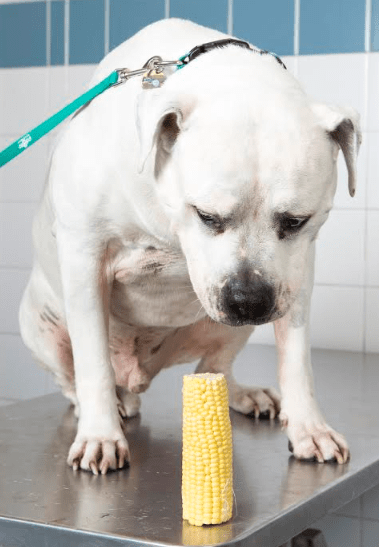
    Eating a corn-on-the-cob is not a good idea if you’re a dog.

    Rhodesian Ridgeback crossbreed, Sam (7), had an emergency operation to remove around half of his small intestine after PDSA vets discovered the corn husk was causing it to rot away.

    PDSA Senior Vet, Susie Hermit, from the vet charity’s Glasgow Shamrock Street Pet Hospital, said it was one of the most severe cases she had ever seen:

    “We found that the corn on the cob husk was causing a major blockage in Sam’s small intestine, restricting the blood supply.

    “Unfortunately, some of the damage was irreversible and we had to remove around half of his intestine, which had begun to die off and rot. Sam was very lucky to survive. He was at high risk of developing potentially-fatal blood poisoning and the operation to remove such a large section of his intestines was incredibly risky.”

    Sam’s owner, Lorraine Graham (43), from Tollcross, was petrified at the thought of losing her beloved pet.

    She said: “We first noticed something was wrong was when Sam started being sick. and it gradually got worse until he was being sick every 20 minutes.

    “I couldn’t believe it when PDSA x-rayed him and told us what was causing the blockage. We hadn’t been eating corn on the cob so he must have picked it up while outside,” she said.

    “He was so weak and lethargic that I knew he was facing the fight of his life. Thankfully he pulled through and I can’t thank PDSA enough for saving him.”

    “We’re extra careful with him now but I’m really happy that he’s made such a good recovery. He’s back to his old self again and is eating normally which is great.”

    PDSA vets are issuing a warning to pet owners ahead of the Bank Holiday weekend, as many people may be planning barbecues.

    Corn on the cob was one of the most common items removed from pets last year with 28 cases treated by PDSA. Other strange items swallowed by pets include bones (51 cases) and kebab sticks (7).

    Thanks to funding from players of People’s Postcode Lottery, PDSA is educating pet owners about the phenomenon of pets eating strange objects – known as ‘pica’ – and how to keep their animals’ safe.

    Susie added: “Pets like to use their mouth to investigate objects as well as to eat. Puppies and younger pets will often swallow an item by mistake, even though they had only meant to investigate it.

    “Something like corn on the cob might seem harmless enough but if an object moves along the digestive system, as it did with Sam, it can cause a tear or life-threatening blockage.

    “If you have pets at home, try to keep anything dangerous or easy to swallow out of paws’ reach. Only let them play with suitable pet toys and try to supervise them to avoid any accidents. If you do suspect your pet has swallowed something you should contact your vet for advice immediately.”

    BBQ safety tips

    Skip the scraps: Eating barbecue scraps can upset your pet’s stomach. Undercooked, unfamiliar or fatty food can cause vomiting and diarrhoea
    Bit it: Throw away any leftover food and rubbish into a lidded dustbin. At PDSA our vets often see pet who have eaten corn on the cob cores. These can cause a serious blockage and need removing by surgery
    Keep fuel well out of reach: Lighter fluid can prove fatal if ingested as it contains hydrocarbons, which are derived from crude oil
    Keep pets well away from flames and glowing embers: With all that fur around, your four-legged friends could get severe burns. So make sure they steer clear
    Slap on the suncream: Pets can suffer from sunburn and heatstroke just like us. So give your pets some suncream, shade and plenty of water. For white fur or damaged skin, special pet suncreams are available from pet shops
    Think when you drink: Keep glasses and drinks out of reach of thirsty pets. Alcohol can be particularly hazardous for pets. Use plastic cups as glass bottles, mugs and tea cups can easily smash into splinters to pierce paw

  • Why Are Dogs in Bradford Swallowing These Weird Things?

    Why Are Dogs in Bradford Swallowing These Weird Things?

    The Yorkshire city of Bradford is home to strangely high proportion of dogs who, it seems, are eating some odd things that were not designed to be processed by the natural digestive system of the canine body.  Stones, babies’ dummies, socks and even kebab sticks were among hundreds items vets working on behalf of the charity PDSA had to surgically removed from dogs in 2015.

    The vet charity treated nearly 400 pets for swallowing things they shouldn’t. And it appears that pets in Bradford are the most curious in the country, as the charity’s vets saw a whopping 33 cases in the city alone.

    PDSA, which has 51 Pet Hospitals across the UK, has compiled a list of the ‘top ten’ items pets swallowed according to the number of cases:

    1. Bones – 59 cases
    2. Stones – 29 cases
    3. Corn on the cob – 28 cases
    4. Plastic e.g. parts of kids toys, food wrapping – 25 cases
    5. Rubber balls – 19 cases
    6. Rubber e.g. parts of dog toys – 19 cases
    7. Socks – 11 cases
    8. Thread – 9 cases
    9. Babies’ dummy teats – 9 cases
    10. (Joint) Kebab sticks/Peach stones – 7 cases of each

    PDSA vet Rebecca Ashman said staff have also removed more bizarre objects in the past, from tent pegs and knives to radio aerials.

    Rebecca said: “You’d be amazed at some of the crazy things pets eat. Our top ten list highlights the objects we saw most frequently last year, but every now and again we see even more unusual cases.”

    Thanks to funding from players of People’s Postcode Lottery, PDSA is educating pet owners about the phenomenon of pets eating strange objects – known as ‘pica’ – and how to keep their animals’ safe.

    Rebecca added: “Pets, especially puppies and younger dogs, like to use their mouth to investigate objects as well as to eat. Sometimes a pet will swallow an item by mistake, even though they had only meant to investigate it.

    “We might think it’s comical but in some cases it is incredibly dangerous and can even prove fatal. If an object moves along the digestive system, it can cause a tear or life-threatening blockage.

    “If you have pets at home, try to keep anything dangerous or easy to swallow out of paws’ reach. Only let them play with suitable pet toys and try to supervise them to avoid any accidents. If you do suspect your pet has swallowed something you should contact your vet for advice immediately.”

    PDSA vets say training pets from a young age can help to curb their temptation to chew objects, and they can learn basic commands like ‘drop’ and ‘leave’.

    For more free pet health information and advice visit www.pdsa.org.uk

    UK hotspots for pets swallowing strange things:

    PDSA Pet Hospital (city) Number of pets swallowing strange items
    Bradford 33
    Glasgow Shamrock Street 23
    Gateshead 19
    Oldbury 17
    Bow 16
    Sheffield 16

    Corn-on-the-cob down the gob requires veterinary job for unfortunate Bulldog

    Greedy American Bulldog Hooch needed emergency surgery after wolfing down a corn-on-the-cob husk from his owner’s bin.

    Sarah Baldwin, from Elland, West Yorkshire, had placed the husk in the bin after having a quick bite to eat before work. But no sooner had she left the house when Hooch (11) stuck his head in the trash and got his paws on the tasty treat.

    “The next day he wasn’t himself at all,” said mother-of-three Sarah (40).

    “He was sick, he wasn’t eating and didn’t want to walk. One of my sons had seen him finishing off the corn-on-the-cob so we did a quick Google search and were horrified at how dangerous they can be for dogs.”

    Hooch was rushed straight to PDSA’s Bradford Pet Hospital where vets performed X-rays which revealed something lurking in his intestines.

    The family were warned that their beloved pet would need an emergency operation to remove the cob as it could cause a fatal blockage.

    PDSA Head Nurse Miriam Wilson, said: “We could feel an obstruction in Hooch’s intestines and the X-ray was consistent with a foreign body.

    “As Hooch was getting increasingly unwell we knew we had to perform emergency surgery to remove the corn-on-the-cob husk. We had to open up Hooch’s intestine to remove a large piece of corn husk and some smaller pieces that had broken off”.

    “Unfortunately Bradford seems to be a bit of a hotspot for pets swallowing strange items and corn-on-the-cob cases are ones we see quite a lot. It’s important pet owners recognise how dangerous they can be, especially at this time of year as it’s barbecue season. In most case it is fatal if it’s not treated, as the husk can completely block the digestive system.”

    Hooch was kept at the hospital for two days before being discharged on pain relief and antibiotics. He has since gone on to make a full recovery.

    Sarah said: “I was so worried when Hooch was in hospital but I can’t thank PDSA enough for saving him.

    “The whole thing has really scared me, so much so that it’s put me off corn-on-the cob for life!”

  • My Dog Did This on a Walk This Morning, is She Strange or Sick?

    My Dog Did This on a Walk This Morning, is She Strange or Sick?

    We received a note from K9 Magazine reader Kerry. She was puzzled about a particular piece of behaviour her dog put on when they were out for a morning walk.

    Here’s her email (which she has given us permission to publish):

    http://i.imgur.com/yAhzgAo.png

    This morning, Tina our nine month old pup encountered a fairly fresh pile of horse dung. At first she sniffed it and then she tried to eat it so I shouted for her to stop and then she started to roll around in it. My question is whether this is normal behaviour or does she have some sort of deficiency in her diet that would make her want to eat something nasty like that?

    Well Kerry, your dog is neither strange nor sick. Many dogs appear to have this particularly unpleasant predilection for eating or rolling in horse mess.

    First things first. You were right to try and prevent your dog from eating it. It’s not good. Horse dung can also include the presence of horse wormer so that’s even more reason to prevent your dog from doing it along with the fact that it’s just plain nasty!

    The presence of equine parasite treatments such as Ivemectin can be very hazardous to dogs (breeds such as Collies, Staffies, Whippets/Greyhounds and Australian Shepherds are particularly vulnerable), so if you witness a dog that has recently eaten horse poop behaving strangely, consult your vet immediately and explain what’s happened.

    Why do dogs eat horse dung?

    Ever smelled a can of freshly opened dog meat? How about tripe that’s been hung for a while? What about an animal carcass that’s been in the sun for a few hours? Disgusting, right? Your dog will try to eat ALL of those things and don’t pretend otherwise. You know it, I know it, they know it. Let’s not try and deny the obvious, our dogs show a fondness for consuming some seriously smelly stuff.

    What seems awfully off putting for us can serve as a delicious treat to our four legged pals. The smellier the better seems to be their motto. So horse poop is just another delicacy on the canine menu. To a dog, a fresh pile of horse dung is a high fibre breakfast meal with a particularly arousing odour. It’s like an enticing bowl of Weetabix, if the Weetabix came out of a horse’s bum. As stated though, if you don’t personally know the backside the horse it came from and everything that’s been given to that horse then you should be quick to stop your dog before they get too many mouthfuls down their neck – and even if you do know the horse in question, don’t let your dog scoff their delicious dung deposits, it’s just, you know, nasty.

    You might be somewhat comforted to know that from our mini survey of dog owners, there wasn’t a single one of us who owned or had owned a dog that DIDN’T try to scoff horse muck. They seem to view it as free food that should be eaten as quickly as possible. Yuck!

    Why do dogs roll around in horse poop?

    There’s a school of thought that dogs smear themselves in pungent material (like horse poop) because it disguises their own smell. Well, they’re not wrong are they? You take the dog out for a walk smelling all fresh and reassuringly doggy and the journey home you find yourself holding your nose so as to not get a strong whiff of Stinky McStinkface who seems quite proud of himself as he showcases his fondness for eau de dung.

    A dog might want to disguise his smell because somewhere, in the very back of the ancient part of his canine brain, he thinks by smelling like horse poop he’s gained an advantage over his predators and his prey. By smelling like animal excrement he’ll be less detectable and will blend in to his environment more. Now, quite why he’d want to do that when he lives in a nice detached house in Cheshire we can only guess. But he does. He still thinks he’s a wolf, bless him. Speaking of which, you won’t be surprised to learn that wolves do this to. They roll around in horse muck, buffalo dung and all manner of stinky animal carcasses. Wild wolves have the same penchant for coating themselves in smelly stuff as our domestic pet dogs which is just another reminder that domesticated canines, at heart, are never slow to show us they’ve got a few ancestral tricks up the sleeves of their designer dog coats even if some of those tricks happen to be, quite frankly, gross.

    Rest assured Kerry. Your dog is 100% normal.

  • Important Advice About Cold Weather & Your Dog

    Important Advice About Cold Weather & Your Dog

    The RSPCA has issued a set of tips to help animals cope with the impending cold weather snap expected to hit the UK.

    Freezing temperatures, more rain, and snow is forecast so make sure your pets and animals are warm and safe this winter
    As the Met Office forecasts frosty conditions and possible snow in the coming days, the RSPCA is urging people to ensure their animals are safe and warm.

    Following an unseasonably warm December and start to 2016, weather forecasters have predicted that temperatures will continue dropping over the weekend and into next week.

    Weather warnings for further rainfall remain in place in parts of the England and Wales. And the Met Office is forecasting snow in some areas next week.

    As the winter weather finally arrives in the UK, the RSPCA is releasing advice to ensure animals stay healthy during the colder weather, and tips on how to help wildlife survive the wintry spell.

    Pets & Cold Weather

    As the temperature begins to drop, the RSPCA advises keeping a closer eye on outdoor pets such as rabbits and guinea pigs. If the temperature starts to reach freezing, you may wish to consider moving your rabbit hutch inside or into an outhouse, shed or unused garage. We recommend that guinea pigs are housed indoors when temperatures are below 15OC. If you do bring your rabbits or guinea pigs indoors, they still need plenty of time and room to exercise in a safe and secure environment. If you have to leave them outside, you must provide them with lots of extra bedding, such as dust-free hay, and make sure their home is protected from adverse weather. For example, covers can be purchased to help insulate hutches in the winter months, but care must be taken to ensure there is adequate ventilation.

    For rabbits and guinea pigs housed in a hutch, a sloped roof is preferable to allow water to drain away. Hutches should be raised off the ground by at least four inches and placed in a sheltered position, facing away from wind and rain.

    If your rabbit or guinea pig gets wet, rub them dry with a towel and make sure they have plenty of warm bedding.

    For more about rabbits, go online, and for further guinea pig information visit the website.

    Cats should have constant access to the house or to a warm, inside area such as an outbuilding or barn with appropriate heating. You should also ensure the cat’s bedding or sleeping area is warm, dry and away from any draughts.

    Be aware that antifreeze and rock salt can be poisonous to pets.

    If you have an elderly or sickly dog, you can buy a special coat or jumper to keep them warm when you’re out on walks. Make sure your dog can still behave normally, for example, go to the toilet easily and that it is a good and comfortable fit.

    When walking your dog in the dark, wear reflective clothing and think about a reflective collar or light for his collar to keep you both safe.

    Keep your pet dog away from frozen ponds, lakes or rivers which can pose a danger, and make sure their paws don’t get impacted with snow.

    If you keep pet birds in aviaries, coops, or runs, then you should also protect them from the cold weather. Cover enclosures to keep the wind and rain out, and ensure the birds always have access to food and fresh water.

    Don’t house animals, including birds, in greenhouses and take caution if housing them in conservatories.

    If you have a fish pond check it every day to make sure the surface is not entirely frozen as poisonous gasses can build up under the ice. Don’t break the ice as this can harm the fish, but carefully place a saucepan of hot water on the surface to gently melt a hole in the ice. Never tip boiling water straight onto the pond either, as this can also harm or kill any fish living there. And never try to use antifreeze or salt to thaw frozen ponds or birdbaths.

    Horses and livestock

    Horses and livestock require extra time and care in the colder, winter months.
    Ensure they have adequate shelter to escape adverse weather and be prepared to provide extra feed and good quality long fibre, as grass is often sparse. It is also important to check water troughs and buckets are clear of ice.

    If shelter is not sufficient, owners should use waterproof rugs to give their horses added protection from the cold and wet weather.

    If it is particularly wet and muddy, it is important to regularly check hooves, for problems such as abscesses and loose shoes, and legs, for any signs of mud fever. Owners should ensure horses have access to a dry resting area, out of the mud.

    When riding in the winter, beware of getting your horse sweated up as they can easily catch a chill. Always wear reflective clothing when riding on the roads.

    Make arrangements with a reliable and experience person to take care of your horse or livestock in case of an emergency, such as being cut off by bad weather.

    Farmers and smallholders should give extra consideration to baby and young animals and whether they need extra protection from the cold weather.

    Wildlife

    Birds can struggle to find food during the winter months so, to help them stay strong over this period, householders can leave out extra food for them.

    You can feed them suitable seeds and grains, like oats and sunflower seeds; cooked pasta or rice; boiled potatoes, cheese, or uncooked unsalted bacon rind; raisins and sultanas; net-free fat or suet balls; apples, pears and soft fruits; insects such as mealworms or waxworms. Only feed peanuts if unsalted, fresh and sold for human consumption or by a reputable feed shop, and make sure to either chop them up or put them out in good quality mesh feeders.

    Keep bird baths free of ice, leave out bowls of clean water, and keep any feeders and water bowls clean.

    Make sure you check carefully any wood or leaf piles for wild animals such as hedgehogs, frogs and mice, before lighting any fires or bonfires. If you find wild animals in hibernation, be sure to leave them be.

    Remember – if you see an animal outside in the cold that looks like it is suffering, take a note of the location, the time and date and call the RSPCA on the emergency line 0300 1234 999.

    RSPCA scientific officer Llewelyn Lowen said: “As the weather turns colder it is important to think about what we can do to help our animal friends.

    “Every year, between one and two thousand wild animals are brought into RSPCA wildlife centres in December, January and February suffering from dehydration, hunger and cold.

    “A few little changes to your everyday routine can really make a difference to animals. For example, a little bit of extra food left out for a hungry bird may be the help it needs to last through a spate of frosty weather or, if you have rabbits kept outside, you will need to provide them with lots of extra bedding and their home should be placed in a sheltered position, facing away from the prevailing wind and rain.”

    Met Office forecast:
    It is expected to be unsettled on Friday and into the weekend with more heavy showers moving in and some hill snow in the north. Rain and snow will continue in the north next week and, from Wednesday, a cold spell is expected to lead to widespread overnight frosts. Forecasters have also predicted sleet and snow in parts.

  • Dog Obesity Warning: Overweight Dogs Die Young

    Dog Obesity Warning: Overweight Dogs Die Young

    Fat pets will die young warns PDSA as it launches biggest ever pet health campaign – Long Live Pets

    The UK’s pet owners are warned today that they are killing their pets with kindness, as new PDSA figures show dog obesity is rising at a dramatic rate!

    Dog Obesity Map

    Leading veterinary charity, PDSA used the first day of Crufts to reveal its dog obesity map. This ties in with the launch of its ‘Long Live Pets’ campaign, the PDSA’s biggest ever pet health initiative, designed to promote a healthy life for all pets and starts by addressing the weighty issue of obesity.

    PDSA has also developed its own version of Body Condition Scoring to help owners learn more about a healthy body shape and to help them identify when their pets are piling on the pounds.

    Sadly, dogs, like humans, are failing to win the battle of the bulge, with many owners putting their animal’s lives in danger by feeding them chocolate*, ready meals and fatty foods. One in three dogs seen by PDSA PetCheck nurses are overweight.

    Dog Obesity Health Problems

    This means that the life ‘pet-spectancy’ of many beloved UK pets will be cut short as a result of this obesity epidemic, warns the charity for pets in need of vets. An overweight Labrador for example, could have its life cut short by as much as two years and is more likely to develop chronic diseases such as arthritis when younger. Overweight pets are more likely to develop conditions such as arthritis, diabetes, heart and kidney problems.

    PDSA Chief Veterinary Surgeon, Richard Hooker, says: “Our Long Live Pets initiative will address key pet health issues, starting with pet obesity. It is our biggest ever pet health campaign, and our objective is to implement a number of pet health care initiatives such as our Pet Fit Club slimming competition and national sponsored dog walk, which will raise awareness and hopefully achieve positive results for obese pets and address the burgeoning waistlines of the UK pet population.

    “As the UK’s leading veterinary charity we provide over 1.8 million treatments to sick and injured pets every year, which means we have a wealth of knowledge and expertise on important pet health issues. As such, we have a duty of care to educate owners about the health and lifestyle needs of their pets to ensure they have the best quality of life possible.”

    PDSA pet health checks of more than 9,000 dogs** during 2006 and 2007 reveal which UK regions are home to the portliest pooches. Nationally, PDSA data also shows a dramatic rise of 9 per cent in the number of overweight dogs seen in 2007 – 30 per cent of dogs health checked in 2007 were considered overweight, compared to only 21 per cent in 2006.

    When applying PDSA’s 30 per cent overweight figure to the entire UK dog population (around 6.5 million) it means that around 1.95 million UK dogs are overweight! And, if each of those pets was carrying just one extra inch around their waist that would make for one gigantic waistline – stretching the length of more than 500 football pitches!

    The PDSA study also shows that hotspots for overweight pets are areas where people are more likely to be obese. PDSA found the number of fat pets in the Midlands stood at 29 per cent in 2007 compared to 19 per cent in 2006. Recent human obesity figures*** showed the Midlands had the largest number of people classed as obese. Meanwhile, the lowest dog obesity figures were in London at 19 per cent. Human obesity is also low in the Southeast. Wales, Scotland and Northern Ireland all score poorly on dog obesity with 30 per cent classed as overweight by PDSA veterinary staff. The overall worst region for dog obesity is the Northwest where 31 per cent of dogs seen are overweight.

    Interestingly, child obesity figures also mirror PDSA’s dog obesity statistics with one in three Year 6 children classed as overweight or obese.****

    Richard Hooker, adds “Kindness can be misplaced and feeding any animal too many treats can have serious health consequences. The research we have done shows that there is a real need for owners to help their overweight pets lose those excess pounds. Controlled portions of pet food and regular exercise are vital to ensure a healthy life for all our pets. In a nutshell, exercise, nutrition and body awareness are key.”

    Case study:
    PDSA pet slimming success story, Scooby, will be the star of Crufts after losing 2.5kg and four inches from her waist while taking part in PDSA Pet Fit Club, a 100 day diet and exercise programme. A table will be laid out with the food Scooby ate before her diet including fish and chips, curry, pizzas and ice cream. Scooby now enjoys a balanced diet and healthy lifestyle and has continued to lose weight in recent weeks.

    At the start of her diet, Scooby was carrying 81% extra weight and 8 inches too many around her waist! If all of the overweight dogs in the UK were carrying Scooby’s extra inches, that would mean 15.6 million excess inches or 246 miles of dangerous flab, nearly twice the length of the M25! And this is probably just the tip of the iceberg as most dogs in the UK are a lot bigger, and wider than Scooby.

    Thanks to her weight-loss, Scooby now has a much improved quality of life and will no doubt live a lot longer than she would had she remained dangerously overweight.
    For more information about PDSA visit www.pdsa.org.uk

    Obesity is one of the most common health related problem to affect dogs, especially older ones. An overweight dog is generally an unhappy dog and subsequent health problems can drastically reduce a dog’s life and render his later years void of any real quality.

    Dog Obesity Kills Silently

    All dogs relish a tasty treat and they are an excellent way to reward good behaviour, but if overused your dog could end up suffering from obesity before you even realise you are spoiling him. It is important to pay close attention to your dog’s diet for many reasons, but particularly if your dog is overweight.

    A balanced diet is essential to keeping a dog fit and healthy.

    Modern prepared foods contain an adequate supply of essential nutrients without too many calories, as do many home mixed diets.

    Complete, dry dog food is popular today, as it is an easy to prepare meal which contains a good supply of all the right nutrients – provided you do your research and select the most appropriate food for your particular dog and their individual lifestyle.

    Commercial canned foods, whether mixed or on their own, are a good source of nutrition and are easy to prepare and store. Some dog owners favour a nutritional supplement to add to the dog’s meal, rice is a good source of carbohydrates and is easily mixed with other foods.

    Certain treats make a nutritious supplement to a meal and also serve as a good reward for him, but dog biscuits alone to not offer adequate nutrition to be served as meal on their own.

    The majority of young, healthy and active dogs are at a low risk of becoming overweight as the majority of their calorific intake is used during play.

    If you have ever taken your dog off his lead in a large forest or field you will have noticed that he will always do more miles than you because he runs off and comes back as you are walking. This is one of the reasons that he is so healthy. But there will come a point in his life when he is unable to do as much exercise so it is important to control his diet accordingly.

    However, during his more active years it is still important to take care of his diet to ensure that he is receiving a good balance of protein and other valuable nutrients. Your vet will be able to advise you on this matter should any uncertainty arise.

    You may not notice it at first, but should your dog become obese there are certain tell tale signs apart from the obvious physical weight gain. A diminished level of activity not conducive to his age is always a cause for concern, but a likely cause is that he has put on a little weight.

    Another symptom is laboured breathing. If your dog struggles for breath after an activity which he once could do effortlessly then perhaps it is time to get the scales out. As a dog owner it is often difficult to notice if your dog is putting on weight because you see him every day. But paying close attention to other elements of his physical state may enlighten you to any weight problems.

    As the majority of dogs become I their later years it is often difficult for them to loose weight through increased exercise, so it is up to you as a dog owner to monitor and control what the dog eats. A good way of doing this is by simply reducing portion size.
    Be careful about overfeeding a dog on treats

    Be careful about overfeeding a dog on treats

    It is often the case that a regular portion of dry or complete dog food offers more than enough nutrition and therefore it is quite possible to reduce the meal sizes without affecting the nutritional intake of the dog. You should have a target weigh in mind and plan thoroughly the weight loss programme so you can monitor his progress. One advantage of a dieting dog is that he will never sneak a biscuit on the sly so you can keep an exact record of what he has eaten.

    As a dog owner it is important for you to be disciplined. Your dog will probably not notice the reduced size of his meals. But you will, so be sure not to sneak him a treat and hope it does not affect him, because it will, and you will be doing him no favours. So no matter how hungry he looks it is imperative that for him to loose weight you must stick religiously to the diet, or there will be absolutely n point in even starting it.

    * Chocolate can poison dogs and other pets, because of the toxic effects of theobromine – a common component of chocolate intended for humans. In dogs the effects of chocolate poisoning appear within 4 to 24 hours of ingestion and can have fatal consequences.

    ** Results are based on over 9,000 dogs given PDSA pet health checks between March and October 2006 and March and October 2007.

    *** Human obesity research by Southampton and Portsmouth Universities on 18,000 adults. http://www.dailymail.co.uk/pages/live/articles/news/news.html?in_article_id=454673&in_page_id=1770

    ****Results from the National Child Measurement Programme launched in 2005

  • Proper Dog Nutrition Defined

    Here at Dog Nutrition, we often receive enquiries from people who are keen to understand what exactly ‘proper dog nutrition’ means. The dog is not a true carnivore in the same sense as, for example, a cat. This means a dog’s diet can be more varied and still produce positive health. Whereas a cat MUST eat meat in order to be truly healthy and for proper nutrition to serve its goal.

    So what does proper nutrition mean for dogs?

    Proper Dog Nutrition

    Proper Dog Nutrition: Fats in the Dog’s Diet

    An important nutrient that all dogs need and one that is responsible for furnishing energy in their body are fats. Fats supply energy for the body to use. It also has a small role in building strong cells and promoting the absorption of nutrients. However, similar to the essential amino acids, a dog’s body isn’t able to produce these essential fatty acids, and therefore has to come from an outside source, from the food they eat.


    Dogs do not usually develop a deficiency in fatty acids because their basic diet normally provides them with sufficient amount of energy from fat. In fact, a small amount of extra fats benefit their body in several ways. It protects them from the cold; it provides cushion to their body; and it serves as a protective layer of covering around different organs in their body. Actually, dogs are very efficient in using their stored fats because their bodies have the ability to easily turn these fats into energy when needed.

    Too much of a good thing can be a bad thing

    Fats are very beneficial, but it can become a concern when the dog eats too much of it. Too much fuel in the dog’s body, regardless of where it came from, is converted into body fat, which is then stored in the body. Too much fat in the body results in obesity and other conditions that are related to obesity such as diabetes, canine osteoarthritis, and heart disease.

    There is only a limited amount of fat that is used for protection against cold, cushion, covering, and extra energy. But when the maximum amount of stored fat is reached and applied for these purposes, the dog still continues to stock up fat and does so to the same degree that is equivalent to the excess energy that it consumes. For instance, every 3,500 calories that a dog eats in excess to what his body requires will be turned into 1 pound of body fat.

    It is important for all dog owners to know that the only way for their dogs to get fat is if they take in more calories than their bodies use.  Similarly, the only way for the dog to lose weight and get rid of the excess fat is by taking in less calories than what their body requires.

    Proper Dog Nutrition: Protein in the Dog’s Diet

    How does protein work in a dog’s body? Picture a string of beads and each string is needed to produce a complete picture or an artwork. The job of protein in your dog can be compared to this strings of beads. Each protein is similar to individual strings of beads. Just as these strings are put together in the right order to create a picture, different types of proteins have to go together to be able to produce a dog.

    Each string is made up of different numbers of coloured beads that are lined up in an exact pattern to produce certain body parts such as the hair, the nose, or the ear of the picture. The coloured beads can be compared to amino acids, or substances that are connected to the strings to produce different proteins.

    There are 23 amino acids that are the molecular building blocks of protein.  A dog can produce 13 amino acids inside his body while the other 10 amino acids must come from an outside source and has to be consumed.  A puppy will not grow unless he is supplied with the remaining 10 essential amino acids.  Without them he will become sick and will eventually die. Similarly, if an adult dog is not getting the proper amount of these 10 amino acids, he will become weak and suffer nutritional deficiencies.

    These 10 essential amino acids can be acquired from meat and plants, which offer the best sources because they contain the largest number of essential amino acids.

    Not all proteins are the same, as some are better for your dog than others. The amount of protein a dog needs depends on how much of the essential amino acids are supplied by that protein. The protein’s ability to provide the dog’s Minimum Daily Requirement (MDR) of the 10 essential amino acids is referred to as its “biological value”.

    Here are a few additional facts about the importance of protein for your dog’s health:

    1. Proteins are the building blocks of your dog’s body.

    2. Proteins are necessary for all aspects of growth and development and are very important in structural makeup and the immune system. In addition, they are burned as calories and can be converted to and stored as fat if needed.

    3. They are required for healthy nails, skin, and coat.

    4. They are necessary for the production of hormones in the bloodstream.

    5. They provide a healthy immune system.

    Proper Dog Nutrition: Carbohydrates, Vitamins & Minerals in The Dog’s Diet

    Carbohydrates

    The main source of carbohydrates are acquired in plants. There is also one source of carbohydrate that comes from meat called glycogen, but it is only found in small amounts in the liver and muscles.  If your dog is not getting enough carbohydrates in his diet, the liver has to do extra work to make glucose from proteins.  On the other hand, when your dog is getting enough carbohydrates in his diet, his body will not have to use proteins to get its required amount of glucose, therefore, saving these precious proteins to be used to for other jobs that they are required to do.

    Vitamins

    Vitamins are not considered to be building blocks, and they are not necessarily required for the production of energy. However, they are important in your dog’s health in a number of ways described below.

    1. Dogs need vitamin A for healthy skin and coat. Skin conditions and poor coats have been associated with lack of vitamin A and/or vitamin B.
    2. Vitamin B is responsible for a healthy immune system.
    3. Studies have concluded that vitamin C prevents dogs from getting hip dysplasia.
    4. Dogs need vitamin D for healthy teeth and bones. Deficiency in this vitamin produces weak teeth and brittle bones.
    5. Vitamin E is an excellent source of antioxidants. Deficiency in vitamin E can lead to heart problems and several types of cancers.
    6. Vitamin K is used for blood clotting.

    Minerals

    Unlike other nutrients, minerals are used by the body in a more comprehensive way.  Below are examples of some of the ways minerals benefit your dog:

    1. Minerals such as calcium and phosphorous are required for strong bones and cartilage.
    2. Minerals are needed for the nervous system to function properly.
    3. They help promote muscle metabolism.
    4. They are used in the production of hormones.
    5. Minerals transport oxygen in the blood.

    It is important to know that too much or too little of a certain mineral can affect the functions of other minerals in your dog’s body. In addition, there are also cases where the action of one mineral depends upon the action of another mineral.  For example, the minerals iron and copper work hand-in-hand to produce hemoglobin. Iron is necessary to produce hemoglobin in red blood cells while copper is equally important for hemoglobin formation. One will not be able to function properly without the help of the other.

  • Tips For Moving Home With a Dog

    Tips For Moving Home With a Dog

    Moving house is one of the most stressful experiences known to man and, unless a pet’s individual needs are considered, it can be a testing time for them too.

    A new home environment means new territory, new smells and probably new neighbours, and all of this can be unsettling for an animal, quite aside from the journey from one property to another.

    People move house more often nowadays. Here are a few hints and tips moving success for dog owners:

    · Make sure your dog is identifiable in case it gets lost en-route or before it has settled into its new home. Dogs, cats and many other animals, including birds, can be microchipped. Dogs, even if microchipped, should always wear a collar and identity tag with the owner’s name, and address clearly marked on it when in a public place.

    · In the days before the move, keep to your dog’s usual routine as much as possible.

    · Keep dogs in a quiet room with their bedding and favourite toys while your belongings are taken out of the house. Secure the door and hang a “Do not open – pets in here” sign.

    · Talk to your vet about ways to make the journey less stressful for dogs who suffer from severe travel sickness or anxiety in a car. NEVER leave pets of any kind in a car as the car can quickly become very hot.

    · Don’t pack all of your dog’s food in the removals van. If it’s a long journey, you may need to stop and feed it. Schedule in walks on the lead for your dog en route. Make sure that plenty of water is available for your pet at all times.

    · When moving a small dog, use a secure basket. Leave the carrier around for a few days before your move, so the dog becomes used to the sight and smell of it. Put your dog inside the basket before the removal men arrive.

    · When in the car, secure larger dogs with a car safety harness and keep smaller dogs in a pet carrier securely fitted to the seat or in the foot-well. Do not put pet carriers in the removal van or the boot of your car and n ever let your dog put its head out of the car window.

    · As soon as you arrive at your new home put your dog in a secure and quiet room with their familiar bedding and toys, and provide them with food and water. It’s important to establish a routine so before you move in, work out where your dog’s feeding station will be and if your dog is used to eating from wall mounted bowls or a dog bowl holder, make sure they’re in place ready to begin your new adventure.

    · Keep dogs on a lead when you take them out in the garden for the first few days and check your boundary fencing to make sure that it is secure and free from any gaps before letting your dog run free.

    · As you settle in to your new home, remember to walk your dogs regularly to help them adjust to their new surroundings. Give your dog sufficient, but not excessive, amounts of food and attention. A regular routine will help during the adjustment period and small frequent meals will give you more contact with them in the first few weeks, helping them relax.

    · If you wish to move your dog overseas, contact worldwide pet relocation specialists. Inform your removals company well in advance. For more information, it is also worthwhile contacting DEFRA for advice on the latest laws and regulations.

  • Why Britain Has Turned in to a Nation of Animal Killers

    Why Britain Has Turned in to a Nation of Animal Killers

    The shocking truth concerning the vast numbers of unwanted dogs in Britain today.

    As a national voluntary animal protection group based in the South West of England, South West Animal Protection (SWAP) and countless numbers of rescue organizations, charities and independent rescue workers across the UK, face this grim reality every day.

    The members of the SWAP team regularly compile and distribute emergency email appeals for dogs on death row across the UK. They give their own account of the dire situation:

    The computer goes on, the emails download and already there are four appeals for dogs on death row, fourteen dogs in total, thirteen of which are Staffordshire Bull Terriers commonly referred to as ‘Staffies’. These desperate dogs are only days away from death, often perfectly healthy, friendly, loving little beings who for one reason or another have ended up in a dog pound, abandoned or discarded by their owners. Now in their last few living hours all they can do is await their fate, will they be saved, or will their anxious barks be silenced, their wagging tails be stilled by the harrowing lethal injection?

    staffordshire bull photo

    With not a moment to lose, we immediately set to work, piecing together a special email appeal for the first group of dogs. The details of each individual have been listed, now we insert the photos, this is always the most emotionally challenging task, the desperate faces haunt you, their begging, mournful eyes staring back at you from the computer screen almost piercing your heart, each face crying out “please don’t let me die!”

    Eleven of the fourteen dogs are less than three and a half years old, one of these being a six to nine month old pup.

    The appeal will go out across the network to our supporters in the UK, a number of these being rescue centres or independent rescue workers. All we can do now is anxiously await the response.

    The lives of these fourteen dogs are now depending on the efforts of the animal lovers across the country receiving our appeals. There are so many caring hard-working individuals who endeavour to save dogs like these every day, many of these ‘unsung heroes’ have full-time jobs and dedicate the few spare hours they have voluntarily, rescuing and transporting unwanted dogs from pounds to a safe haven, some will even place dogs in private kennels and pay the boarding fees out of their own pockets if this means keeping the dogs alive, often putting themselves in debt.

    Dedicated rescue charities and organizations are working tirelessly on a daily basis to prevent unwanted dogs from being killed. ‘Doris Banham Dog Rescue’ (Registered Charity: 1103372, Website: www.dogsos.co.uk ) is one such amazing charity and was featured in the recent Panorama programme.

    We have put out many appeals over the past three years on behalf of Doris Banham for some of the many thousands of dogs they have painstakingly saved from death row. The team at Doris Banham do incredible work for dogs in dog pounds that face imminent death.

    Paul N Davis, Trustee for Doris Banham describes the work that they do, “In the last 4 years Doris Banham Dog Rescue have saved over 10,000 dogs from being put to sleep in dog council pounds in the UK. These dogs were rehomed direct by their Charity or placed by them into other approved non-destruct rescues who found the dogs the loving homes they deserved. Every dog is awarded full rescue back up by the Charity to give them the best ever chance in life. This includes vaccinations, veterinary treatment, training, neutering, microchipping, homechecks and a safe place to come back to should circumstances change in their new home. 10,000 dogs that would have otherwise died unloved in the past 4 years have now been given a new start in life”.

    Most rescue shelters depend heavily on volunteers, fundraising and donations to enable them to carry out their vital life-saving work and many are struggling to survive in today’s current financial climate, others have already sadly perished. For those rescues that have managed to stay afloat, the workload is excruciating, kennels are constantly full, no sooner than one becomes vacant another unwanted dog will arrive and fill the space.

    The simple, heart-rending truth is there just aren’t enough rescue spaces across the UK to accommodate the countless numbers of unwanted dogs in need and so thousands of healthy and often young dogs are put to sleep every year. The situation is now dire and needs to be addressed.

    Over breeding, irresponsible dog ownership and extortionate vets fees are all to blame.

    Over breeding is by far the most serious problem. We despair at the amount of people who insist on buying dogs from breeders, puppy farms the internet etc. while thousands of unwanted dogs are waiting desperately in rescue kennels for loving homes and thousands more are being euthanized. The slogan “Don’t Breed or Buy While Homeless Dogs Die” is commonly used by animal shelters around the world and it speaks volumes. We urge anyone thinking of taking on a dog to please adopt one from a reputable rescue instead of buying a dog from a breeder, puppy farm etc. If every prospective dog owner was to do this, then the numbers of unwanted dogs in the UK would fall dramatically.

    Spaying and neutering is also an essential means to reducing the numbers of unwanted dogs. All dog owners should have their pet spayed or neutered, this will prevent any accidental litters. Most reputable rescue organizations will spay or neuter before rehoming a dog, however, some smaller charities don’t always have the funds to do this but they will always recommend to the new owner that this is done.

    Dog breeders, be they commercial or independent will of course not consider spaying or neutering as they will continue to breed dogs as a means to make a fast buck, so it is up to the members of the public to refrain from supporting these breeders and adopt a dog from a rescue centre instead.

    Puppy farms and dog breeders across the UK are churning out dogs at an alarming rate. Many of these seedy and often ‘elusive’ establishments keep their dogs in appalling conditions and it is not uncommon for puppies from these places to be found in a poor state of health.

    Breeding bitches are forced to produce litter after litter until they become exhausted and even disfigured in some cases. We have put out appeals for some female dogs that have been used so often for breeding that their delicate teats have become inflamed and enlarged to the point where they are dragging along the ground. It is heart breaking to witness such abuse.

    It is now the responsibility of the government to take serious measures to stop all the over breeding in this country, as this is by far the biggest contributing factor to the escalating problem of so many unwanted dogs. The general public can also help by lobbying the government, writing to David Cameron and their own local MP’s urging them to take the necessary measures to stop the appalling and unforgivable carnage of thousands of dogs in the UK.

    We feel that vets are also partly to blame for people abandoning their dogs. It is inconceivable to think that some people might be willing to give up their dog before giving up their X-box or DVD player, but sadly this is the attitude of some people. Exorbitant vets fees are not helping the situation. If a dog becomes sick then some less committed dog owners are tempted into giving up their pet when faced with the vet’s bill. The current recession has placed the security of the household pet on even shakier ground. How many sick animals are being neglected and left to suffer because
    some penny-pinching individuals are unwilling to pay extortionate prices for treatment? It is the responsibility of the vets to reduce their fees which will encourage owners to keep and look after their animals properly.

    Many dogs end up in rescues, pounds etc due to dog owner’s lack of foresight and lack of commitment. If people were to think more seriously before taking on a dog then this occurrence could be avoided.

    Owning a dog is a huge responsibility and although the rewards of adopting a furry friend are immeasurable, there are several important points to consider before adopting a dog.

    Financially, can you afford to pay for food, vets fees etc? Work and social commitments also need to be taken into consideration, a dog is a pack animal and so should not be left on its own for long periods of time as this would cause distress and anxiety.

    Are you planning to move or change jobs in the near future? If so, then the dog’s needs would have to be considered and your lifestyle adapted to fit in with these needs.

    Too often we hear of cases where couples have split up or moved house and as a result of these changes have decided to get rid of their dog, this is immoral and unacceptable, would these people give up their children under the same circumstances? It is extremely unlikely, so why is it deemed acceptable to give up their dog? Once a dog becomes a member of your family, it should remain so for life. To quote the words of ‘Dogs Trust’, the largest dog welfare charity in the UK “A dog is for life, not just for Christmas”.

    Sadly the ‘Staffie’ is far too often becoming a common resident in dog pounds and rescue centres.

    This friendly, loyal breed has become the victim of many macho would-be ‘hard men’ of today’s society who are often using these dogs as a status symbol, a tool to boost their inflated, ambitious egos, the innocent Staffie, totally oblivious to its owner’s motives. These low-life thugs will disown their dog at the drop of a hat as soon as it is deemed as an inconvenience. Sadly, these unwholesome individuals have created a bad image for the Staffies in the eyes of the general public, this is a tragedy as these special dogs make wonderful, loyal, family pets as any Staffie rescue will tell you.

    The Greyhound is another greatly exploited breed. Tens of thousands of these placid gentle-natured dogs are bred every year to supply the commercial racing industry. Thousands of these dogs are killed at the end of their
    racing career, usually at the tender age of three or four years and countless more are either abandoned on the streets and picked up as strays or end up in rescues, all adding to the extremely overwhelming unwanted dog population.

    There is no end to the amount of suffering that dogs in our society are being forced to endure. These living, breathing, loyal sentient beings have been ultimately betrayed by us. Mahatma Gandhi once said “The greatness of a nation and its moral progress can be judged by the ways its animals are treated”. It would seem Britain is not so ‘Great’ after all, we have become a nation of convenience and throwaway ‘junkies’, self orientated and motivated by greed, this together with a lack of compassion has led to devastating consequences for our so-called ‘best friend’. Britain has become a nation of dog killers!

    Photo by Bev Goodwin