Blog

  • The Highest Military Honour a Dog Can Receive Awarded for This Incredible Act of Canine Bravery

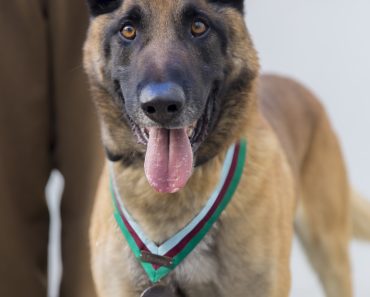
    A British Military Working Dog (MWD) who helped save the lives of troops in Afghanistan has received the prestigious PDSA Dickin Medal* – the animal equivalent of the Victoria Cross.

    Mali, a Belgian Malinois, has been recognised for his heroic actions during a highly sensitive military operation in 2012, where he assisted an assault force in securing a key enemy stronghold.

    The medal was presented by the UK’s leading veterinary charity, PDSA, on Friday 17 November – the 100th anniversary of the charity’s inception. A presentation ceremony, held at The People’s Palace, London, was attended by Mali and his current handler, Corporal Daniel Hatley.

    Mali’s ‘awesome ability and determination’ were praised by PDSA Director General, Jan McLoughlin, who declared the dog ‘an incredibly worthy recipient’ of the medal.

    The globally famous medal was introduced by PDSA’s founder, Maria Dickin CBE, in 1943. It is the highest award any animal can achieve while serving in military conflict. Mali’s PDSA Dickin Medal is particularly unique because it bears a commemorative ‘Centenary’ bar, to mark its presentation on the charity’s 100th birthday.

    Eight-year-old Mali, who is attached to the Royal Army Veterinary Corps (RAVC), is trained to sniff out explosives and detect insurgents. His expertise during one particular operation was vital in helping the UK forces and its allies secure a key enemy stronghold amid sustained fire.

    About Heroic Dickin Medal Winner, Mali

    MWD Mali, was part of a British military unit deployed to Afghanistan in 2012. During his tenure, Mali assisted in an operation to secure an enemy stronghold, situated in a multi-storey building. The significance of his actions during this seven-and-a-half-hour mission saw him perform above and beyond the call of duty on numerous occasions.

    Mali was sent through direct fire on two separate occasions to conduct searches for explosives. He also indicated the presence of insurgents numerous times, giving the assault force vital milliseconds to engage the enemy in close quarter combat.

    During the operation, Mali was hoisted up the outside of the building several times to provide the assault force with a key foothold to attack the insurgents.

    In the melee that took place, the assault force sustained casualties. Mali was also seriously injured by three grenade blasts: the first two explosions caused injuries to his chest, front and rear legs. A further blast detonated close to his face, causing the loss of Mali’s front tooth and damage to his right ear.

    Despite his injuries, Mali continued his duties and pushed forward, remaining close to his handler. He played a key role in breaking the stalemate that had begun to develop in the building, providing impetus for the host nation and UK forces to continue to fight and bring about a successful resolution.

    Mali displayed outstanding courage in the face of fire. There is no doubt that his actions throughout the operation were pivotal in the success of breaking an enemy stronghold, helping to save multiple lives and prevent further injury.

    Mali’s gallantry and devotion to duty makes him a worthy recipient of the PDSA Dickin Medal.

    Mali’s handler at the time, whose identity has been protected for security reasons, was awarded a gallantry medal for this action during the operation.

    After receiving emergency treatment for his injuries, Mali returned home from Afghanistan, where he made a full recovery.

    Although retired from front line duties, Mali continues to work at the RAVC’s Defence Animal Centre in Leicestershire, where he and his current handler, Corporal Daniel Hatley, help to train new dog handlers.

    What Mali Did To Earn The Dickin Medal

    Commenting on Mali’s PDSA Dickin Medal, the charity’s Director General, Jan McLoughlin, said: “Mali has displayed a truly awesome ability and determination to seek out explosives and insurgents during a key operation. To achieve this while exposed to close combat and such intense enemy attack, makes him an incredibly worthy recipient of the PDSA Dickin Medal. It is even more poignant that we were able to make Mali’s award today on our charity’s 100th birthday.”

    Corporal (Cpl) Daniel Hatley trained Mali as a puppy before he was deployed to Afghanistan to work with another handler, whose identity cannot be revealed for security reasons. Cpl Hatley and Mali are now reunited to work together again, based at the Defence Animal Centre in Melton Mowbray. Commenting on Mali’s honour, he said: “I am extremely proud of Mali. The way he conducted himself when it mattered most enabled my colleagues to achieve success in close combat. Being awarded the PDSA Dickin Medal recognises Mali’s vital role within the force that day.”

    Lieutenant Colonel Abby DuBaree from the Royal Army Veterinary Corps said: “Mali’s PDSA Dickin Medal is extremely well deserved. Stories like Mali’s are sobering to read and help to demonstrate the key role that animals continue to play in our armed forces. Mali joins our distinguished roll of honour for Royal Army Veterinary Corps animals who have received the PDSA Dickin Medal. We are exceptionally proud of him. That this medal has also been bestowed by PDSA on the charity’s 100th birthday makes this honour even more special.”

    Brigadier Roly Walker, Head Army Strategy and Colonel Commandant of the Royal Army Veterinary Corps (RAVC) said: "As long as we’ve had soldiers, we’ve had animals; and I think we always will have them.

    “Today’s award of a PDSA Dickin Medal to Mali recognises this unique bond. It comes as the Royal Army Veterinary Corps prepares to mark the centenary anniversary of its Royal Charter, a reflection of the historic service and heroism of military working animals and their handlers in war.

    “The medal also recognises the tremendous innovations the Corps has made in selecting already high-performing animals and then using cutting edge technology to enhance their working abilities. The result is world-class combat teaming between human, animal and technology, with each part augmenting the inherent abilities of the other. This sort of sophisticated teaming is essential to us being combat ready and able to meet the constantly shifting challenges we face, whether on operations overseas or here in the UK.”

    The PDSA Dickin Medal is a large, bronze medallion bearing the words “For Gallantry” and “We Also Serve” all within a laurel wreath. The ribbon is striped green, dark brown and sky blue representing water, earth and air to symbolise the naval, land and air forces.

    Mali is the 69th recipient of the PDSA Dickin Medal. Recipients include 32 dogs (including Mali), 32 World War II messenger pigeons, four horses and one cat. For more information about the medal and its recipients, visit www.pdsa.org.uk/dickinmedal

    The presentation ceremony was held within The People’s Palace, east London, just a few yards from the site of PDSA’s first ever permanent dispensary, on Harford Street.

  • UK Government Votes to Deny Dog Sentience: More MPs & Charities Speak Out

    Yesterday we brought news that MPs had voted to deny dog sentience as an enshrined law. The Dogs Trust has joined the RSPCA to criticise the move along with those politicians who have spoken out in favour of protecting animal sentience within British law as the UK votes on new laws once withdrawal from the European Union is complete.

    The charity statement reads:

    Dogs Trust express disappointment at lost opportunity as MPs vote against including animal sentience in the EU Withdrawal Bill negotiations

    Dogs Trust warns there is a real risk of animal welfare laws slipping in the UK as MPs voted not to include animal sentience in the EU Withdrawal Bill on Wednesday evening. This is a huge blow for animal welfare as this would have ensured that these obligations, currently in EU law, would have been recognised in UK law after Brexit.

    Although the UK is currently a country with some of the better animal welfare standards in Europe, when it comes to animal sentience – the capacity to feel, perceive, or experience – the UK has no legal instrument other than Article 13 of the EU Lisbon Treaty*, which states that animals are sentient beings.

    Dogs Trust Veterinary Director, Paula Boyden, comments:

    “Animals are sentient beings whose welfare should be protected. We need to ensure that this principle is retained in future UK legislation after we leave the EU otherwise there is a risk to our animal welfare standards. The current EU requirement to fully consider animal sentience obliges policymakers to pass progressive animal welfare laws and is important for ethical reasons as well as to protect animal welfare. We are a nation of animal lovers and we implore Government to remember this as we exit the EU.”

    Caroline Lucas MP who raised the amendment last night comments:

    "Yesterday’s decision by the Government to vote down my amendment on animal sentience really was disappointing. This change would have guaranteed that animals don’t become collateral damage in the Brexit negotiations – and it’s a real shame it was rejected. I know that animal lovers will be concerned by this setback, but there’s still a chance that the House of Lords can change the Bill – and enshrine animals sentience into British law."

    Dogs Trust now strongly urges the House of Lords to take forward the issue of animal sentience when the EU Withdrawal Bill is debated there, most likely early next year.

    Further reading:

    What does Brexit mean for puppy farming & other animal welfare law?

  • Mali The Malinois Performed Heroic Actions in War Zone – Receives Highest Canine Military Honour

    Mali The Malinois Performed Heroic Actions in War Zone – Receives Highest Canine Military Honour

    A British Military Working Dog who helped save the lives of troops in Afghanistan has been awarded the prestigious Dickin Medal – the animal equivalent of the Victoria Cross.

    Mali, a Belgian Malinois, has received the honour for his heroic actions during an operation in Afghanistan in 2012, where he assisted an assault force in securing a key enemy stronghold.

    Eight-year-old Mali, who is attached to the Royal Army Veterinary Corps (RAVC), is trained to sniff out explosives and to detect insurgents. His expertise during one particular operation was vital in helping the host nation and UK forces achieve success in securing a key enemy stronghold.

    The medal, awarded by the veterinary charity PDSA on the 100th anniversary of the charity’s inception, was instituted by PDSA’s founder, Maria Dickin CBE, in 1943.

    It is the highest award any animal in the world can achieve while serving in military conflict. Mali’s PDSA Dickin Medal bears a commemorative ‘Centenary’ bar to commemorate the landmark date for the charity.

    Mali is the 69th recipient of the award, recipients include 32 World War Two messenger pigeons, 32 dogs (including Mali), 4 horses and a cat.

  • Dog Died After Owner Ignored TWO Warnings About Leaving Him in Hot Car

    Dog Died After Owner Ignored TWO Warnings About Leaving Him in Hot Car

    A man from Greater Manchester has been disqualified from keeping animals for life and given a suspended jail sentence after allowing his dog to die in a hot car.

    Ian Czajkowskyj (D.O.B 26.10.60) of Elgin Street, Ashton-under-Lyne appeared before Tameside Magistrates’ Court yesterday (Wednesday 15 November).

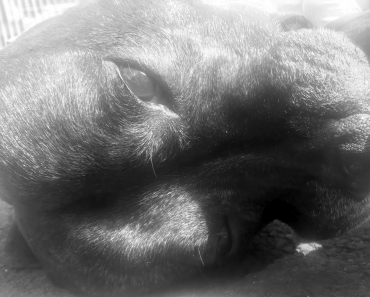
    He had been warned about leaving his Staffordshire bull terrier called Carlo in his car twice in the months before the incident that killed him.

    RSPCA inspector Nichola Waterworth said: “There can be no excuses for what happened here.

    “Czajkowskyj was warned by the RSPCA in April and by police in May after leaving Carlo in his car.

    “At around 10pm on 19 June Carlo was found dead. The temperature that day had been as high as 35 degrees.”

    Czajkowskyj pleaded guilty to causing unnecessary suffering to Carlo by confining him in an environment which was detrimental to his well being at Moss Street East, Ashton-under-Lyne.

    As well as the lifetime disqualification, he was sentenced to 12 weeks custody suspended for 12 months; 15 rehabilitation days; £300 costs and a £115 victim surcharge.

    RSPCA inspector Waterworth said: “It is horrible to think what Carlo would have gone through.

    “It’s believed he suffered for between one and nine hours alone in that car.

    “We should not still be dealing with cases like this – people have got to realise that even on a cloudy day the inside of a car can be like an oven.”

  • Claire Shears: Dog Neglect Woman Given 10 Year Ban

    Claire Shears: Dog Neglect Woman Given 10 Year Ban

    A woman from Newcastle has been disqualified from keeping dogs for 10 years after allowing her pet’s fur to become so matted it was causing him to suffer.

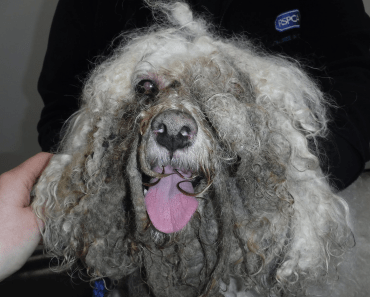
    Basil, a bichon frise, had been ungroomed for so long he was struggling to walk as the matting had created ‘boots’ around his feet, and his left eye was red and sore where it had matted tight to his ear and mouth.

    Claire Shears (D.O.B 04.06.80) of Angus Close, Killingworth appeared before Newcastle Magistrates’ Court on Monday (13 November) where she admitted causing unnecessary suffering to Basil by failing to ensure he was properly groomed between 11 March and 11 May this year.

    She was also sentenced to a 12 month community order with 15 rehabilitation days and ordered to pay £200 costs and an £85 victim surcharge.

    RSPCA inspector Helen Bestwick said: “It took over two hours to dematt Basil.

    “He was in a terrible state. His eye was matted to his ear and nose and was pulling tight and he looked like he was wearing boots his feet were so matted.

    “Afterwards he was running around like a pup, he was obviously very happy to be free of the matting which was causing him to suffer.

    “Luckily, the skin underneath wasn’t too bad and once he had been groomed he was feeling much better.”

    The RSPCA first attended Shears’ address in October 2016, visiting her home almost 20 times before getting to see Basil and removing him from the address in May this year.

    Very sadly Basil had to be put to sleep in July after contracting a very aggressive throat tumour which wasn’t related to the case.

    RSPCA inspector Bestwick said: “It was really upsetting for everyone, he wasn’t eating well and was booked in for a dental and when the vet went to put the tube down his throat they discovered the tumour. A biopsy found that it was aggressive and was going to cause him a great deal of suffering so sadly he had to be put to sleep.”

  • Do Dogs Feel Pain & Emotions? British MPs Have Voted to DENY Animal Sentience in Law

    Do Dogs Feel Pain & Emotions? British MPs Have Voted to DENY Animal Sentience in Law

    A vote by MPs to reject the inclusion of animal sentience into the EU (Withdrawal) Bill is extremely disappointing and undermines the Government’s ambition to achieve the highest animal welfare standards post-Brexit, claims the RSPCA.

    Under EU law, animals are recognised as beings which feel pain and emotions. Eighty percent of current animal welfare legislation comes from the EU, but after March 2019, European law will no longer apply in the UK.

    While most EU law relating to animals will be automatically brought over into UK law, this will not apply to the recognition of sentience. The RSPCA has therefore been pressing for the recognition of animal sentience to be embedded into future UK legislation, to help ensure that leaving the EU is not a backwards step for animal welfare.

    One of the arguments put forward by the Government during the debate was that animal sentience is covered by the Animal Welfare Act 2006. But this is not the case; the term sentience or sentient being doesn’t appear once in that Act and more importantly it doesn’t cover all animals.

    RSPCA Head of Public Affairs David Bowles said: “It’s shocking that MPs have given the thumbs down to incorporating animal sentience into post-Brexit UK law. This is truly a backward step for animal welfare.

    “Animal sentience is never mentioned in the Animal Welfare Act and, crucially, only domestic animals are really covered by the provisions of the Act anyway and animals in the wild and laboratories expressly exempt It is simply wrong for the Government to claim that the Act protects animal sentience.

    “In the EU, we know that the recognition of animals as sentient beings has been effective in improving animal welfare across the region. If the UK is to achieve the Environment Secretary’s objective of achieving the highest possible animal welfare post-Brexit, it must do the same.

    “Animals are not ‘commodities’ and any laws impacting on them needs to take into account their capacity to suffer. They are sentient beings, with feelings and emotions.”

    “A formal acknowledgement that animals are sentient would have sent a strong message to politicians to help shape future legislation, ensuring the best protection for animals.

    “The call for legal recognition of animal sentience is echoed across animal protection groups and members of the public. As the EU Withdrawal Bill continues its progress through Parliament we will once again be urging for this important acknowledgement of animals sentence to be included”.

    .

    Research shows that much like humans, animals are sentient beings and aware of their feelings and emotions. Their lives matter to them and they have the same capacity to feel joy and pleasure, as well as pain and suffering.

    Sadly, millions of animals are still being kept in conditions that do not meet their needs. However, laws are changing and there have recently been significant improvements in how animals are treated.

    Since the recognition of animals as sentient beings, the EU has:

    • Banned the use of barren battery cages

    • Ended animal testing for cosmetics

    • Prohibited the import of seal products.

    David Bowles added: “More than 900 million farm animals are reared every year in the UK, as well as many millions of fish and we’re working hard to try to improve the lives as many farm animals as possible. Much like us, farm animals are sentient beings and aware of their feelings and emotions – their lives matter and more needs to done to protect their welfare.”

  • What Can Dogs With Diabetes Eat?

    What Can Dogs With Diabetes Eat?

    If your dog has recently been diagnosed with diabetes, you will no doubt be processing the news and working out your next step because although diabetes can’t be cured, it can be managed very successfully.

    A dog’s diet and how their body reacts to it is one of the most common indicators they can give us about how they’re handling the condition, which is why weight loss or a sudden increase in appetite is considered one of the most common early signs of diabetes in dogs.

    Why diet is important to dogs with diabetes

    According to a recent article about the symptoms of diabetes on Dogmagazine.net:

    “Typically, once we eat, the body breaks down the nutrients of our food, converting some of the nutrients into glucose which becomes a source of energy for our body’s cells and organs. It then gets absorbed into our intestines and into the bloodstream before filtering through our body’s system.

    “Our body also produces insulin, which is released from the pancreas. Insulin takes hold of the glucose which our body has created from the bloodstream (alongside other nutrients) and uses them as fuel.”

    When insulin and glucose stop working as they should it means two things.

    1. A larger quantity of sugar is left in the body’s bloodstream instead of being taken to create insulin and this can damage other organs.

    2. The body’s cells are deprived of vital fuel for energy, normally aided by the body’s glucose supply. Instead, to try and replicate, the body starts breaking down its fats and proteins to create and use as an alternative fuel source.

    This is why a dog’s diet is so crucial and why many dog owners turn to specially created diabetic dog food because they know it has been created for dogs with the condition.

    The importance of mealtimes for dogs with diabetes

    Dogs with diabetes who need to be administered insulin by injection once or twice a day often need to have scheduled mealtimes and portion sizes too.

    For example, a dog’s first meal (which may be ¼ or ½ of their daily intake) will be given prior to their first injection.

    This is so owners can see their dog is feeling well and eating normally before insulin is given.

    If the dog is being given an insulin injection once a day, the balance of their meal will be given 6-8 hours later. Dogs who are prescribed two injections daily will often have the process repeated around 12 hours later.

    What can dogs with diabetes eat?

    Veterinary formulated diets are often low in carbohydrates to help regulate blood sugar levels and they are usually high in fibre to help dogs to slow down the digestion process and the rate at which food is absorbed.

    They will also be low-GI (low-glycemic) recipes, so they help dogs to process sugars more easily.

    Dogs with diabetes don’t need to cut out treats altogether, but because diet is crucial to their condition, your choice of treats may alter. (Find out more about the definition of prescription dog food for conditions such as diabetes in this dog food glossary article).

    There are some diabetic dog treats on the market to choose from, but as long as you read the pet food label you can choose from some of the healthier treats on the market.

    Look for treats which include whole grains, such as oats, avoid corn, soy and treats with sugar listed in their ingredients.

    Some dog owners swear by high fibre sources, like vegetables and fruits, which will help to stabilise a dog’s blood sugar levels.

    Favourites include broccoli, green beans, cabbage and cucumbers, and to a lesser extent, fruit, such as pears and apples. They can even be frozen to give your dog a crunchier experience!

  • Symptoms of Diabetes in Dogs

    Symptoms of Diabetes in Dogs

    Did you know that more dogs than ever are being diagnosed with diabetes? In fact, one insurer has reported that there has been a 900% rise in dogs being diagnosed with the condition since 2011.

    Some vets suggest that diabetes may be more common in overweight or female dogs who risk developing after the age of 6, while others say a dog’s breed may leave them predisposed.

    Australian Terriers, Schnauzers, Poodles, Samoyeds and Golden Retrievers, for example, are sometimes highlighted as at-risk breeds.

    Diabetes can be more common in older dogs and because of this, often owners mistake their older dog suddenly breaking house rules and toileting inside as being age related, when in fact it can be one of the most common symptoms of diabetes in dogs.

    Some of the most common early symptoms of diabetes in dogs include:

    – Sudden excessive thirst

    Dogs suffering from diabetes can be prone to becoming dehydrated, particularly in hot weather.

    If you have a dog that suddenly develops a higher than normal thirst level or more frequent need to urinate, it’s important to speak with your vet and keep a close eye on your dog for other signs of diabetes.

    – Increase in panting and wanting to go outside to urinate

    The latter can be linked to drinking more water than normal as a result of feeling dehydrated, but even the colour of a dog’s urine can be a tell-tale sign as a symptom of diabetes mellitus (also known as sugar diabetes) and canine diabetes insipidus.

    So if your dog suddenly needs to go to the toilet more than normal, inside or out, and you feel something isn’t right about the colour of your dog’s urine, then you should speak with your vet.

    – Sudden weight loss or increased appetite

    Weight loss or an increase in a dog’s appetite are often linked to diabetes because the dog’s body is processing and converting food differently.

    Diabetes mellitus is the type of diabetes seen most often in dogs and it is essentially a metabolism disorder which alters how the body processes food for energy.

    Typically, once we eat, the body breaks down the nutrients of our food, converting some of the nutrients into glucose which becomes a source of energy for our body’s cells and organs. It then gets absorbed into our intestines and into the bloodstream before filtering through our body’s system.

    Our body also produces insulin, which is released from the pancreas. Insulin takes hold of the glucose which our body has created from the bloodstream (alongside other nutrients) and uses as fuel.

    With diabetes, whether in humans or dogs, diabetes happens when the relationship between glucose and insulin stops working as it should.

    This is why when a dog is diagnosed with Type 1 or 2 diabetes, they will often have to change diets to a specialist diabetic dog food which has been created specifically for dogs with the condition.

    Individually, these three common diabetes pointers can be harmless symptoms of nothing more than ageing – but if they are early pre-cursors to diabetes, spotting it early could very well save your dog’s life.

  • Fireworks Scared This Dog So Badly – She Did This

    Fireworks Scared This Dog So Badly – She Did This

    Dog spooked by fireworks freed from six-inch gap between walls in three-hour rescue operation

    A dog who escaped out of a window and got trapped between a conservatory and a brick wall after becoming spooked by fireworks is recovering after a three-hour operation to rescue her.

    Taba was discovered tightly wedged head-first in a six-inch-wide gap in the back garden of a house in Oxhey Road, Watford, by a concerned woman on the evening of Saturday 4 November. She immediately called the RSPCA, and inspector Rachel Smith arrived within half an hour.

    Despite Rachel’s best efforts in trying to get Taba out, she was not budging – so Rachel contacted Hertfordshire Fire and Rescue Service to assist.

    An emergency vet also attended to sedate Taba, who was extremely distressed.

    Three hours after starting their rescue, and with fireworks going off around them, Taba was safely freed using ropes to pull her out.

    Rachel said: “Taba was very lucky to have been found in the first place. The lady who called us only found Taba stuck down the side of her conservatory after her cats started to act strangely in the garden.

    “Taba, who isn’t a small dog, ran into the gap head-first, possibly because she was spooked by fireworks, but then she got completely wedged. She barely had room to breathe.

    “She was so scared and distressed – I was concerned that she was going to wedge herself in even tighter, but I managed to get a hook around her collar and hold her in place while I called the fire service.

    “The fire service were amazing – if you present them with a problem they are so good at coming up with a solution.”

    After Taba was sedated, the fire officers and Rachel managed to safely pull her out. Amazingly, apart from sore paws, she didn’t sustain any serious injuries following her ordeal.

    Rachel said: “It was obvious that that Taba was distressed and disorientated. We really wanted to get her back to her owner – and thankfully she was microchipped! I spoke to her owner, who had been worryingly looking for her after she went missing the night before.

    “Taba spent a night at the vets before she went home – with some colourful bandages on her sore paws.”

    It transpired that Taba had escaped from the window of a first floor room while her owners were out the evening before, climbed along a glass roof conservatory and then taken herself off for a walk.

    “She is now at home safe and well and a little more subdued than normal!” said Rachel. “It just goes to show how important microchips are. Her owners are so pleased that she is home.

    “Jobs like this make me so proud to work for the RSPCA and it is a reminder of how awesome our fire brigade are. We are so lucky to have them.

    “I’d especially like to thank the lady who called us after finding Taba. If it hadn’t have been for her, goodness knows what would have happened to Taba.”

  • Puppy Farmer Martin O’Donnell is Jailed & Banned From Keeping Dogs For Life

    Puppy Farmer Martin O’Donnell is Jailed & Banned From Keeping Dogs For Life

    A man has been jailed and disqualified from keeping dogs for life for a number of fraud and animal welfare offences in connection with puppy dealing in London.

    Martin O’Donnell (DoB: 23/04/82) previously of Mottingham Road, Edmonton, appeared at Isleworth Crown Court today (Friday 10 November) after previously pleading guilty to five offences of fraud by false representation and one offence of failing to meet the needs of dogs.

    The RSPCA had been gathering intelligence and evidence on puppy dealing in the London area for more than a year, sparking a number of warrants at addresses including this one.

    Inspector Kirsty Withnall led the investigation. She said: “We were aware that there was a serious problem with the sale of poorly puppies in the capital and had been following leads for a number of months.

    “Our investigations led us to puppy buyers who had purchased dogs from the address in Mottingham Road. We spoke with five people who had all bought Labrador pups from the defendant in November and December 2016 – all of which had fallen ill and one sadly died of parvovirus, a highly contagious virus. They had paid between £550 and £580 for each dog.

    “These dogs were being imported – we suspect illegally from southern Ireland – and being advertised online as home-bred, socialised and healthy dogs. The reality was far from this. They were weak, poorly and terrified.”

    RSPCA officers joined a team from the Metropolitan Police who executed a warrant at the address on 23 February and found a female Labrador tethered in the garden and three puppies inside a plastic shed.

    The chocolate-coloured bitch, called Lola, and the three puppies – later named Blossom, Hendrix and Marley – were all seized by police and placed in RSPCA care. They were cared for by staff at Southridge Animal Centre, in Potters Bar, Hertfordshire, before being fostered by volunteers.

    The bitch was not related to the pups, all three of which were microchipped with overseas chips and all of which were sick, suffering from isospora or coccidia and giarda – both types of parasites. Three vaccination cards were also found at the house, one of which matched one of the puppies – but they were all registered to a different name and address.

    Inspector Withnall added: “Lola was tethered on a chain in the garden. In a padlocked plastic shed nearby were the pups. They were all quiet, withdrawn and, after being check over by a vet, it was clear they were very sick.

    “We found text message conversations on phones at the property between the defendant and prospective buyers making arrangements as well as instructions on uploading adverts to websites.

    “Prospective buyers were led to believe that the puppy they wished to purchase had been born and raised in a loving family home, the mother dog being a family pet.

    “When visiting, buyers were usually met by a man and there were often children present, giving the impression of the ‘family home’ that the puppies were claimed to have been part of.

    “But vaccination cards were registered to false names and under different addresses, the puppies had overseas microchips and the ‘mum’ wasn’t related to them at all. These are all tactics used by dealers to paint a certain picture and trick the prospective buyer.”

    The court heard that O’Donnell had made at least £7,000 from the sale of puppies, although RSPCA inspectors suspect it was actually much more. The court heard he was organised with different phone numbers and email addresses in order to “deceive the public”.

    Lola and the three puppies were cared for by staff at RSPCA Southridge Animal Centre, in Hertfordshire, until they were healthy enough to go into foster care. When the dogs were signed over a few months later, the dogs were all rehomed by their fosterers.

  • Charity Praises Scotland’s Approach to Tackling Illegal Puppy Trade

    Charity Praises Scotland’s Approach to Tackling Illegal Puppy Trade

    In response to new research by the Scottish Government unveiled at Scotland’s first K9 Conference to tackle the illegal puppy trade, Dogs Trust welcomes some key recommendations that could pave the way for a crackdown on this sickening trade.

    Paula Boyden, Veterinary Director for Dogs Trust, the UK’s largest dog welfare charity, said:

    We urge the Government to improve failing pet travel legislation when the UK leaves the EU. We must increase penalties for those illegally importing puppies, carry out a significant overhaul of the pet checking system at ports and reduce the number of dogs a person can travel with. We were pleased to see some of these recommendations included in the Scottish Government’s research and we urge them to push forward with these without delay.

    Shocking cases that we’ve uncovered in our three undercover investigations since 2014 clearly show that the illegal importation of puppies remains as serious an issue for animal welfare and public health in 2017 as it did in 2014. Our first investigation highlighted the devastating effects of the 2012 changes to the Pet Travel Scheme, which inadvertently allowed corrupt dealers to traffic underage puppies into Great Britain without the required treatments.

    Whilst many people’s purchases may be well intended, unbeknown to them the internet has become a thriving marketplace for advertising illegally imported puppies. Buying an illegally imported puppy could potentially cost well-meaning but unsuspecting families thousands of pounds in quarantine and vet bills and emotional heartache for the family if the puppy falls ill or worse, dies. We continue to be astounded at the lengths these deceptive breeders and dealers will go to in order to illegally import puppies to make huge profits with complete disregard for their wellbeing. The cases we are seeing on a weekly basis are horrific and need to stop.

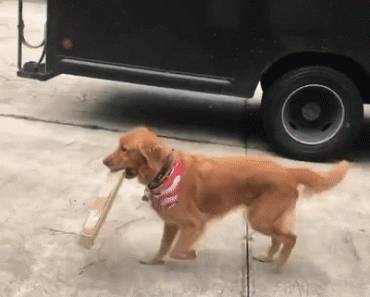
  • This Delivery Driver Set up a Facebook Page for the Dogs He & His Fellow Drivers Meet & You Need to See It

    This Delivery Driver Set up a Facebook Page for the Dogs He & His Fellow Drivers Meet & You Need to See It

    If you’ve ever done a paper round, delivered leaflets or been employed as a delivery person you will know that meeting dogs on your route can be either one of the hazards or joys of the job.

    Well, a driver from a well known international delivery company has put together a Facebook page with details of the dogs he and his fellow drivers are encountering on a daily basis and it’s, well, you just need to see what they’re posting…

    Oh, it turns out it’s not just dogs they run in to…

    Well done UPS. Bravo!

  • Is The British Government Doing Enough To Tackle Puppy Smuggling? This Charity Says No!

    Is The British Government Doing Enough To Tackle Puppy Smuggling? This Charity Says No!

    UK dog rehoming organisation The Dogs Trust has hit out at the Government’s response to calls to get tougher on puppy smuggling by tightening regulations. The charity said in a statement:

    Dogs Trust is disappointed with the summary of responses following Defra’s 2016 review of the Non-Commercial Movement of Pet Animals (Amendment) Order 2011, published today (2nd November).

    Sadly the summary gives no clear indication in tackling the issues that have arisen from the changes made to pet travel legislation in 2012, including the illegal importation of puppies. Whilst Brexit will provide an important opportunity to review existing legislation, there are long overdue changes that can be made as part of this current review.

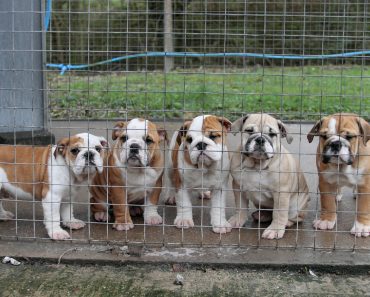
    Smuggled Bulldog Puppies

    Dogs Trust has been campaigning on this issue since 2014 and the charity’s recent report into the illegal importation of puppies uncovered shocking evidence that the trade is very much still rife. Undercover footage revealed a vet in Lithuania selling sedatives to allow puppies to be smuggled across the British border. Puppies as young as four weeks old were found to be transported during a cramped 1,000 mile, 30-hour journey across Europe.

    The charity is again calling for its recommendations to be taken seriously, including more stringent checks at British borders and a shift of enforcement responsibilities from carriers to government agencies.

    Paula Boyden, Veterinary Director at Dogs Trust says,

    “The review of the legislation on pet travel is a crucial opportunity to propose vital amends to the existing legislation that we know is failing. We urge the Government to take on board the concerns expressed by Dogs Trust and other stakeholders, as outlined in the summary of responses, and to put forward a review document with clear proposals to improve this failing legislation. This would include increasing penalties for those illegally importing puppies and a significant overhaul of the pet checking system at ports. ”

    “Over 270,000 dogs travelled into Great Britain on the Pet Travel Scheme in 2016 alone, but it’s impossible to determine how many of these have been brought in under falsified passports. Vets in Central and Eastern European countries routinely alter puppies’ birth dates in passports to make them appear older than they are, and therefore many underage puppies are entering the country before they are legally able to do so.”

  • 1 Million Dogs Die for Indonesia’s Dog Meat Trade, But Most People Don’t Eat It – So Why Is It Happening?

    1 Million Dogs Die for Indonesia’s Dog Meat Trade, But Most People Don’t Eat It – So Why Is It Happening?

    An investigation by ‘Dog Meat-Free Indonesia’ has concluded that up to a million dogs suffer every year for the dog meat trade across the country.

    The shocking findings have been released by the coalition today alongside footage that exposes the horrifying brutality and suffering by almost 1 million dogs, including stolen family pets, every year for Indonesia’s dog meat trade.

    But most people in Indonesia don’t eat dogs, and calls are growing to end the trade because of animal welfare and human health concerns, namely the World Health Organization, which has identified Indonesia’s dog meat trade as a major contributor to lethal rabies in the country.

    The launch of the “Dog Meat-Free Indonesia” campaign by Animal Friends Jogja, Change for Animals Foundation, Humane Society International and Jakarta Animal Aid Network, has received the backing of some of Indonesia’s biggest superstars – actresses Chelsea Islan and Sophia Latjuba, and singer Gamaliel Tapiheru.

    As well as well known animal loving international celebrities Ricky Gervais, Joanna Lumley and Peter Egan.

    The celebrities have starred in a powerful new PSA video called “I Didn’t Know” which campaigners hope will influence hearts and minds towards ending this trade.

  • Charity Warns Dog Owners After Parvovirus Confirmed

    Charity Warns Dog Owners After Parvovirus Confirmed

    The RSPCA has warned dog owners to be vigilant and get their pets vaccinated after a number of sick puppies were dumped with symptoms of the potentially deadly parvovirus.

    RSPCA chief inspector Jim Lucas said three incidents are currently being investigated which involve puppies who have either been confirmed as having parvo, or are suspected to have the disease.

    One puppy with symptoms of parvo was dumped near to Newport Pagnell Sports Pavilion, on Willen Road, on Sunday and is currently being looked after by a foster carer following some initial treatment. A second very sick pup was taken to a vet by the animal’s new owner later that day with the same symptoms, but was sadly put to sleep because they were so poorly.

    A further six terrier type crossbreed puppies were found on Monday in a box dumped again near the Newport Pagnell Sports Pavilion. One of the puppies has been put to sleep by a vet, while the others are still receiving veterinary treatment also for suspected parvovirus.

    Chief inspector Lucas said: “We are looking into these incidents and an active investigation is now underway.

    “The worry is that if these puppies have got parvo, or been in contact with other dogs that may have the disease, then there could be others out there which are sick and in need of treatment.

    “We now want to alert dog owners around the area and encourage them to remain vigilant and if they suspect their pet is sick, take them straight to a vet. Parvovirus is a highly contagious viral disease with a high mortality rate among untreated dogs, so we would encourage owners to ensure their pets are vaccinated to help avoid the heartbreak of losing a much loved pet to the disease.”