Blog

  • 175 Dogs Die Each Day Because of Dog Attacks, Are We Doing Enough to Prevent the Growing Problem?

    175 Dogs Die Each Day Because of Dog Attacks, Are We Doing Enough to Prevent the Growing Problem?

    As new research reveals that 175 dogs per day – 64,097 dogs in total – died in the last 12 months as a result of dog attacks, we are asking the question – are we doing enough to educate our dogs and protect them and others?

    In the last 12 months, one in seven dog owners revealed that they have seen their pet attacked by another dog, while 44,375 dogs suffered life-changing injuries.

    The tragic findings, which have been released by Direct Line Pet Insurance, highlight that of the dogs injured, over a third needed veterinary treatment with dog owners collectively spending over £458 million to treat their dog, or another dog involved in the incident, with vet bills averaging between £400-700 per dog.

    Common injuries dogs sustain in attacks revealed

    The pet insurer also shared insights from vets across the country, which reveal the extent of consequences to dogs attacked and injured, with many reporting that the most common injuries they treat include punctured stomach and lungs, broken jaws and neck injuries.

    Over a quarter of vets admitted that despite their efforts, almost 3 in 10 dogs had to be sleep.

    Madeline Pike, Veterinary Nurse at Direct Line Pet Insurance, said, “It is shocking to hear the number of pets injured each year in dog attacks and the horrifying injuries they suffer.

    “The cost of treatment for attack injuries can be extremely high and the last thing dog owners want to think about if their pet is injured is whether they’re covered, which is why we advise all dog owners to regularly review their insurance policy to ensure their dog is covered should the worst happen.”


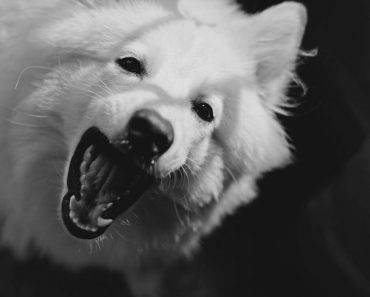
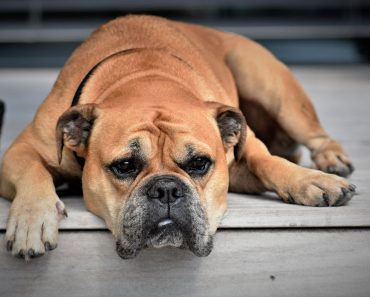
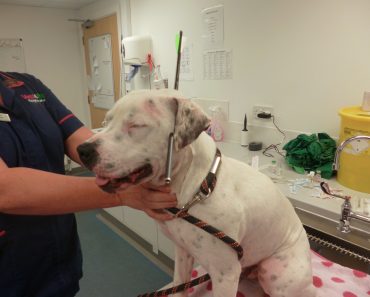
    Ace, pictured above, came into dog rescue after being attacked by other street dogs

    The main reasons dog attacks happen

    According to the pet insurer’s findings, nearly a third of pet owners whose dog has been attacked or involved in a fight in the last 12 months said it was because the owner of the other dog could not control their pet, while a quarter of the dog owners claim it was because the other dog was off lead and provoked their dog.

    One in six dog owners admitted they knew the other dog had an aggressive reputation and this was the main reason, while others believe it was because playing got out of hand.

    What can be done to prevent dog attacks rising?

    Over a third of veterinary experts report that dog fighting predominantly occurs when dogs are allowed off the lead when they should not be and when owners have no control over their pet.

    They also highlight lack of neutering as a problem, due to extra levels of testosterone, which can lead to territorial issues. Another key issue identified by vets is lack of socialisation with other dogs, which can easily be remedied by joining a dog training class or by taking dogs on popular dog walking routes from an early age.

    Madeline Pike continued: “Unfortunately, no matter how responsible and conscientious dog owners are, if other owners are not, serious incidents can occur. All owners should be wary when their dog is off the lead and be vigilant when they interact with other dogs.

    “Owners with nervous or territorial dogs should consider keeping their dog on a lead when around other animals. This will not only reduce the risk of a potential fight, but will give them the peace of mind that their dog is safe by their side. There are also collars available for owners which indicate that their dog is nervous or aggressive. This can subtly let other owners know to keep their dogs on leads, or away from the pet in question.”

  • World Animal Day 2017: A Shared Global Voice for Animals

    Like casting a pebble into a pond, every single World Animal Day event causes a ripple effect leading to many more events being held the following year.

    And this year is no exception! News of World Animal Day and its mission to raise the status of animals continues to spread and reach an ever increasing number of people in all corners of the world.

    Trending on social media in 25 countries and online media articles highlighting this special day, all helped raise awareness of animal welfare issues.

    Celebrities such as Rohit Sharma, Ricky Gervais, Dia Mirza, Eesha Rebba, Carolina Marin, Diana Penty, Kristin Davis, Cesar Milan, Jane Goodall, Simon Cowell, Jean-Claude Van Damme, Evanna Lynch, Michael Monroe, and Bill Bailey, to name but a few, came out in force to speak up for animals.  Countless animal-related organisations and publications also helped tremendously to direct traffic to World Animal Day.

    www.worldanimalday.org.uk/events is proud to showcase some of the hundreds of inspiring events that took place this year to celebrate this special day.  Here is just a snapshot so please visit the website for more:    

    Every year events are held to plant seeds of compassion in the hearts of the younger generation as they are our main hope for a brighter future for the animals.

    Here are just a few – In Lithuania, a class discussion was held aimed at highlighting how important it is to be a responsible animal carer. In Ivory Coast, MAEP organised a children’s drawing contest to raise awareness of the many animal welfare issues in Africa.

    In Serbia a childrens art competition, concert, and awards to recognise the contribution of individuals to improving animal welfare. In Spain, three days were dedicated to celebrating animals with a whole host of fun-filled educational activities for school children.

    In South Africa, Lionsrock Big Cat Sanctuary shared a fun day of educational activities with 50 children. In Turkey, school children had great fun making houses for stray cats in their neighbourhood.

    In India, the JBF Society held two, free anti-rabies vaccination and pet health check clinics.

    In the UK a whole host of events took place including events in schools, a family fun day residents of Southampton were invited to participate in an event to raise awareness of animal issues through a series of fun and educational activities for all the family. A vigil was held at Huntingdon Life Sciences to remember the animals that have suffered behind the closed doors of this testing laboratory.

    Every year in Cochabamba, Bolivia, a wonderful mass is held, to which pets are invited, to remind people of their obligation to care for the country’s animals.

    In Sri Lanka, the Otara Foundation chose to focus on animals that are robbed from their natural habitat and deprived of freedom for man’s commercial benefit. In the USA, ‘Roar for Tony the Tiger’ has become an annual event. Tony has lived all of his seventeen years as a roadside attraction in Louisiana.

    In Egypt, 120 VIPs attended a conference at the Greater Cairo Library with well-respected guests speaking up for the country’s animals.

    In Liberia a massive celebration was held bringing together over 2,000 children, animal carers, stakeholders and community leaders to raise awareness about the plight of the country’s animals.

    In Syria, the Ministry of Education has agreed add images of different Syrian wild animals to the front of biology text books with information about them on the back page.

    In The Gambia a march was organised and attended by government departments, stakeholders, animal welfare oranisations and students. It was followed by speeches and plays by children which demonstrated a real understanding of local animal welfare issues.

    In Yogyakarta, Indonesia, an online campaign was held focusing upon why it’s important to be a responsible pet guardian.

    In Kurdistan, Iraq, KOARP, winners of the 2016 World Animal Day Grant, will be following up training carried out earlier this year, holding a seminar, and gaining media attention for animals.

    Many cities hold marches to draw attention to animal welfare issues.  One such march was held in Medellín, Colombia, calling for the government to ban bullfighting in the country.

    Every year, countless radio and TV interviews are conducted on and around World Animal Day which help to raise awareness on a massive scale.

    A street campaign organised in Pelembang, Sumatra, Indonesia, caught the attention of a nationwide radio show resulting in the organisers being invited to participate in an hour long interview. In Malawi, All Creatures CEO and World Animal Day Ambassador appeared on national TV to discuss animal health issues and highlight the objectives of World Animal Day. In the US, World Animal Day featured in a television talk show, A close-up look at animal welfare issues.

    In Bosnia and Herzegovina activists launched an appeal to government imploring them to honour the fur farming ban that is due to come into force in January 2018. Forty-six World Animal Day Ambassadors have expressed their support for this action. The country’s children say no to fur farming.

    What you have read here is a tiny snapshot of what happened around the world to draw attention to animals in honour of World Animal Day on October 4.

    This powerful movement, that grows each year, is helping to make the world a better place for animals – a world where they are always recognised as sentient beings and full regard is always paid to their welfare.

    We encourage everyone who reads this to Get Involved next year and help raise the status of animals.

  • Fake Vet Peter Keniry Jailed for Three Years

    Fake Vet Peter Keniry Jailed for Three Years

    A three year prison sentence has been handed down to Mr Peter Keniry at Taunton Crown Court after a jury found him guilty of fraud and impersonating a veterinary surgeon.

    With convictions dating back to 1986 for fraud in South Africa and four previous convictions in the UK for practising as an unregistered vet, his most recent deception came to light when he used the identity of a registered veterinary surgeon to gain employment at a veterinary practice in Somerset in 2015, during which time he carried out a number of procedures on animals.

    It was at this time that he raised the suspicions of a veterinary professional who reported him to the RCVS (Royal College of Veterinary Surgeons). Michael Hepper, a Chief Investigator at the organisation then investigated and handed evidence and a statement to the local police force.

    Eleanor Ferguson, RCVS Registrar, said, “Mr Keniry was known to the RCVS as we have assisted in previous police investigations into him for similar offences. As with recent cases, Mr Keniry impersonated a legitimate member of the veterinary profession using fraudulent documentation and this is why we have previously published photographs of him to raise awareness with veterinary practices and to try and stop him being employed in the future.”

    Ferguson concluded, “We believe that Mr Keniry is a threat to animal health and welfare. He is a repeat offender and so we are glad that he has been handed a significant custodial sentence. While sophisticated and convincing fraudsters like Mr Keniry can be very difficult to prevent, we would urge veterinary practices to be vigilant.”


  • French Bulldog Close to Death After Eating This VERY Common Garden Substance

    French Bulldog Close to Death After Eating This VERY Common Garden Substance

    Our dogs are natural wonders of the world. Smart, loyal, affectionate and sometimes prone to acts of self sabotage that requires the intervention of vets to save them from themselves. Bella is one such dog. She needed veterinary attention after eating something that is present in the gardens of many thousands of dog owners all over the UK.

    A young dog has been saved by PDSA vets after wolfing down gravel from her owner’s garden.

    Bella, a one-year-old French bulldog, was rushed into the vet charity’s pet hospital in Croydon after her owner, Victoria Sherrin, noticed she had suddenly gone off her food and was being constantly sick.

    When PDSA vets examined the stricken pet they could feel something in her abdomen and Victoria (37) of Chipstead, Surrey, immediately feared the worst.

    She said: “I took Bella for a check-up because she wasn’t herself at all. She started snapping at us and couldn’t keep anything down.

    “I wondered if she’d eaten something odd or had worms but then the vets said they could feel a mass in her stomach and I just broke down.”

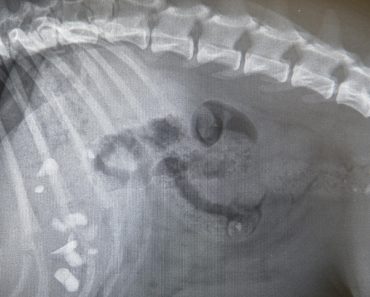
    Victoria feared a life-threatening illness but an X-ray soon revealed the true cause of Bella’s woes. She’d eaten a large collection of gravel stones which were now sitting in her stomach.

    PDSA vet, Laura Heaps, said: “Bella’s condition was very worrying, she was very lethargic and was suffering from diarrhoea and vomiting. We examined her and could feel something in her stomach and to be sure what it was, we x-rayed her.

    “Thankfully, we’d just received a new £10,000 x-ray machine, thanks to funding from players of People’s Postcode Lottery, and the images were very detailed. When we saw the images on the screen we couldn’t believe our eyes!

    “You could clearly see the gravel in her stomach and colon. Luckily because the stones were so small and unlikely to cause a fatal blockage we were able to avoid surgery. Flat-faced breeds such as French bulldogs are a higher anaesthetic risk than other breeds.”

    Bella was given fluids and laxatives to try and flush her system of the gravel stones and was kept in overnight for close observation. Thankfully, she made a good recovery and was allowed home the following day after receiving the all clear.

    There is a name for this type of behaviour where pets eat strange objects – known as pica. Pets, especially puppies and younger dogs, like to use their mouth to investigate objects as well as to eat. Sometimes a pet will swallow an item by mistake, even though they had only meant to investigate it.

    With Bella safely back home, relieved owner Victoria said: “Bella was out of sorts for a couple of days but she was soon was back to her normal self. I can’t thank PDSA enough for the fantastic treatment she received. I’m keeping a close eye on her now to make sure it doesn’t happen again.

    “She’s quite an inquisitive dog and is into everything so I’ve cleared the garden to try and ensure there are no gravel stones she can get her little paws on.”

    PDSA sees many cases of pets eating inappropriate items every year. These can be fatal if they cause a blockage in the intestines. Owners are advised to speak to their vet for advice if they suspect their pet has eaten something it shouldn’t have.

  • California Bans Sale of Puppy Mill Dogs in Pet Store, Encouraging Pet Adoption Instead

    California Bans Sale of Puppy Mill Dogs in Pet Store, Encouraging Pet Adoption Instead

    Dog lovers and animal organisations around the world have joined together to praise California’s Governor Jerry Brown for signing into law legislation that will prevent the sale of dogs, cats and rabbits bred in puppy mills for profit, not health, in pet stores across the state of California.

    In doing so, California becomes the first state in the nation to implement the ban statewide.

    The latest bill (no. 485), which was authored by Assembly member Patrick O’Donnell (D-Long Beach), protects animals and consumers, and sets an important precedent for the entire country to ban the sale of dogs from puppy mills (known as puppy farms in the UK) in pet stores. Instead, the new law encourages partnerships to promote the adoption of homeless pets.

    The bill passed Californian legislature on 14th September and to date, 36 jurisdictions in California – including the cities of Los Angeles, Sacramento, San Diego and San Francisco – have enacted similar ordinances, but through the signing of the latest Assembly Bill, California has become the first state in the nation to enact a statewide prohibition on pet store sales of dogs from puppy mills.

    As you can imagine, this groundbreaking legislation has the enthusiastic support of a coalition of local and national animal welfare groups.

    “This landmark law breaks the puppy mill supply chain that pushes puppies into California pet stores and has allowed unscrupulous breeders to profit from abusive practices,” said Matt Bershadker, president and CEO of the ASPCA. “We’re proud to be part of the coalition that worked alongside Assemblymember Patrick O’Donnell to pass this critical animal protection bill, and thank the California legislature and Governor Brown for sending the clear message that industries supporting animal cruelty will not be tolerated in our society.”

    “By signing this groundbreaking bill, California has set an important, humane precedent for other states to follow,” said Gregory Castle, CEO of Best Friends Animal Society. “We commend Governor Brown’s signing of this lifesaving legislation to codify statewide what cities across California have already done to help put an end to the cruelty of pet mills.”

    “Californians recognize that pet stores enable the work of puppy mills, which cause suffering for dogs and heartbreak for consumers,” said Wayne Pacelle, president and CEO of The Humane Society of the United States. “We are grateful to Governor Brown for putting his stamp of approval on a state policy to dry up funding for this inhumane industry.”

    “This is a significant milestone in easing the overcrowding of homeless animals in California shelters, relieving county budgets and stopping the abusive puppy mill industry,” said Gary Weitzman, president and CEO of the San Diego Humane Society. “We commend Governor Brown for signing AB 485 so California can continue to lead the country in the protection of animals and helping end the cruelty of commercial puppy mills once and for all.”

    “This legislation is a big step forward for animals in California,” said Dr. Jennifer Scarlett, President of the SF SPCA. “By signing AB 485, Governor Brown has helped stop pet mill cruelty and save the lives of rescue animals in San Francisco and across our state. We want to extend our sincere thanks to Governor Brown for his leadership on this issue.”

    California joins more than 230 cities, towns and counties across the U.S. that have passed pet store ordinances to take a stand against allowing cruelly-bred animals to be sold in their communities. Despite enticing claims that they only source from licensed, humane or small-scale breeders, pet stores across the country are invariably supplying unsuspecting consumers with animals from puppy and kitten “mills.”

    These “mill” facilities are designed to maximize profits at to the expense of the animals in their possession. Those animals are generally kept in overcrowded and unsanitary conditions without adequate veterinary care, food, water or socialization. Animals bred in these conditions may suffer severe health problems, including contagious and deadly diseases and congenital defects, as well as behavioral problems. AB 485 will help break the supply chain so that “mill” operations are unable to profit from their abusive practices.

  • Puppy Farmer Made £12,000 Per MONTH, Profiting From Misery of Dogs

    Puppy Farmer Made £12,000 Per MONTH, Profiting From Misery of Dogs

    Lancashire breeder and dealer who sold sick puppies disqualified from keeping animals for five years

    A Lancashire puppy farmer – who bred and sold hundreds of puppies, making tens of thousands of pounds – has been handed a suspended sentence and disqualified from keeping animals for a string of animal welfare offences.

    Robert Fishwick (DoB: 23/10/72) of Burton Lane, Broughton, appeared at Preston Magistrates’ Court today (Friday 13 October) for sentencing having pleaded guilty to five offences under the Animal Welfare Act when he appeared at the same court on Wednesday (11 October).

    He was today sentenced to a 17-week custodial sentence, suspended for 12 months, and a 12-month supervision order. He was also disqualified from keeping animals for five years.

    The RSPCA launched an investigation into the puppy dealer after a number of complaints from his customers reporting sick puppies.

    RSPCA inspector Carl Larsson, who led the investigation, said: “We had a number of complaints about this individual and address in 2016 and began gathering evidence.

    “Then, when more complaints came through in March, we were able to go to police and request a warrant.”

    RSPCA officers joined Lancashire Police as they executed a warrant at the address in Broughton, Preston, on 30 March. While there were no puppies present on the day, they found 13 adult dogs being kept in unsuitable conditions.

    “There weren’t any puppies there on the day we went in but we found 13 dogs of different ages and genders being kept at the site. We suspect these are the dogs he used for breeding,” inspector Larsson added.

    “All the dogs were being kept in filthy, damp conditions – some in makeshift, muddy outside runs and others in cold, concrete pens inside outbuildings.

    “Several of the dogs were considerably underweight with their ribs clearly visible while others had serious health problems such as skin conditions and ear infections.

    “We also found paperwork at the property which showed the scale of Mr Fishwick’s puppy-selling operation. Just one receipt book which was seized detailed sales covering a period of four months and totalling more than £50,000 meaning he was making around £12,000 a month from selling dogs.”

    Receipts also showed he was selling puppies for an average of £500 each – with some breeds selling for up to £900.

    All 13 dogs – a mixture of breeds including French bulldogs, German shepherds and Rottweilers – were seized by police, removed from the address and placed into RSPCA care. The dogs were all then signed over.

    Sadly, two French bulldogs and one German shepherd had to be put to sleep on veterinary advice as they had chronic health problems which were not responding to treatment. The other dogs were all treated for health problems and assessed before being put up for rehoming.

  • This Guide Dog Is About to Meet Her New Owner

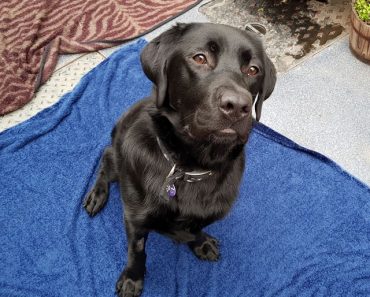
    Ruby is a very bouncy Labrador Retriever cross who became part of the Guide Dogs family at seven weeks old almost two years ago. Now she’s ready to head out into the big wide world and next month she will meet her new owner.

    To mark National Guide Dog Week, Forthglade, who have been sponsoring Ruby, commissioned a short video diary of her to highlight guide dog puppy training, everything that it involves and how these incredible dogs transform the lives of a blind or partially sighted person.

  • Hydrotherapy Helped This Labrador to Lose Over 2 Stone, Now He Needs a New Home

    Hydrotherapy Helped This Labrador to Lose Over 2 Stone, Now He Needs a New Home

    Meet Tootsie. He came into rescue weighing almost 45kg – double what would be considered a healthy weight, and was struggling to walk.

    His rescue found out that the one-year old Labrador had been fed human food on top of his normal diet and he hadn’t received the exercise needed to burn off the calories he was taking on board. All of this meant he quickly piled on the pounds and because of the extra weight, he couldn’t walk properly.

    After receiving medical attention at the Mayhew in London, it was discovered that he had patella luxation of his right stifle, which occurs when the kneecap does not sit in the correct position within the knee joint. This can be a highly painful condition causing lameness and because of his excess weight putting added pressure on his joints, it’s suspected he was more susceptible to the condition.

    Now, after 12 sessions of hydrotherapy and a well-balanced diet, he lost an incredible 15kg and has been able to have the surgery needed on his knee. Tootsie is now walking well with no lameness or pain and he is ready to begin a new chapter in a new home.


  • Is Your Dog Overweight? 4 in 10 Dogs Are, According to UK Vets

    Is Your Dog Overweight? 4 in 10 Dogs Are, According to UK Vets

    New research has revealed that almost half of dogs seen by UK vets are overweight.

    With more than half (53%) of dog owners admitting that they feed their pets table scraps daily and are unsure of what to look for when reading pet food labels, experts at MedicAnimal.com believe a dog’s diet is at the heart of the reason why so many dogs are overweight.

    To address the problem, the pet retailer is launching a new campaign to help pet owners tell if their dog is overweight and what it means to a dog’s health – and lifespan – if they are.

    The campaign will also share expert advice around nutrition – what dogs need and what they don’t, how to read pet food labels and what to look for when choosing a diet dog food if your dog is overweight.

  • Scientist Who Supports Animals Experiments & Sews Kittens Eyes Shut is Asked to Explain Himself

    Scientist Who Supports Animals Experiments & Sews Kittens Eyes Shut is Asked to Explain Himself

    Chris Packham and Ricky Gervais are leading celebrity signatures on an Open Letter to animal experimenter Prof. Colin Blakemore – infamous for sewing kitten’s eyes shut and Britain’s main advocate for experiments on dogs and other animals.

    The Open Letter (published today) focuses on Prof. Blakemore’s support for the mass breeding of laboratory Beagle puppies, at ‘B&K Universal’ in Yorkshire. The letter calls for Prof. Blakemore to agree to debate his views in a rigorous public science hearing, overseen by independent scientific experts who will judge his claims: that results from animal experiments are able to predict the responses of human patients, in medical research and testing.

    The Open letter draws attention to current scientific evidence which proves that Prof. Blakemore’s claims about animal testing are now exposed as false. Up-to-date medical facts confirm that results from animal experiments are now proven to fail the search for human treatments and cures – a position reported by pharmaceutical companies and The British Medical Journal in its Editor’s Choice, June 2014.

    Editor’s note: We were contacted by the lobbying organisation called Understanding Animal Research who wanted to state that Prof Blakemore has not conducted experiments on puppies. We asked if Prof Blakemore had any specific objections to puppy related experiments, given his well publicised procedure of sewing shut kitten eyes, and were told:

    “I do not believe he has any objection to the use of dogs in research (he wrote the letter of support for B&K to breed dogs). To the best of my understanding, some of his former research involved anaesthetising kittens and then sewing their eyelids shut in order to understand the development of the brain. The reason they were sewn, rather than patched, is that a patch is shown to be much more distressing for the animal, which will try and claw it off. ”

    Michael Mansfield QC, Britain’s leading human rights defence barrister, has endorsed the science hearing’s debate conditions as “well set out and fair”.

    Chris Packham says

    “I am delighted to be adding my name to an Open Letter to Prof. Colin Blakemore, and hope very much that he will agree to participate in its vital call for a rigorous public scientific debate.

    Historically speaking, experiments on animals were first institutionalised in 1847, by a doctor who went on to reject the Theory of Evolution. With today’s scientific expertise, we now understand that even human identical twins do not always predict biological responses for each other – such is our detailed level of knowledge about genetics, and the unique genetic profile of each individual patient. Add this to our present-day understanding of the roles evolutionary biology and complexity science play in medical research, and we have evidence which exposes the fallacy of continuing to claim that experiments on dogs, and other animals, are a viable scientific practice for human patients.

    Our letter to Prof. Blakemore represents a vital call for fair and open public scientific debate, so that decision makers can be informed by highly qualified experts – outside those with a vested interest”.

    Downton Abbey star, and Patron of For Life On Earth, Peter Egan says:

    “It is time to raise national awareness about the shocking reality of state-sponsored cruelty to dogs, happening right here on our doorstep, in the UK. Ruling against years of informed local planning decisions, the Government has now granted permission for Hull-based laboratory animal breeders ‘B&K Universal’ to breed around 2,000 Beagles annually – for cruel medical testing experiments that are also now proven to fail human patients, in the search for effective treatments and cures.

    With those still holding a vested interest in selling the 19th century practice of animal testing to society, under their false promise of medical progress, our Open Letter calls for a fair and rigorous public scientific debate, that stands to save millions of laboratory animals and human patients alike. The outcome of this debate – determined by up-to-date scientific knowledge – with its vital effect on the lives of so many, quite simply cannot happen soon enough.

    Ricky Gervais says:

    “Watching Colin Blakemore narrating a film about his light deprivation experiments on kittens, kept in total darkness from birth, is chilling. I’m delighted to be signing an Open Letter calling for Prof. Blakemore to face the world’s leading medical opposition to such experiments, in a public science hearing judged by independent experts. I want people to be able to understand how these shocking experiments, on beautiful cats, are now proven to also fail humans”.

    Over 100 cross-party MPs have signed EDMs calling for this historic hearing, including Jeremy Corbyn, Sir Greg Knight, Caroline Lucas and Sammy Wilson.

    Life-saving cutting edge Non-Animal Techniques (NATs) are available and have a human-relevant track record of success. According to medical experts – working outside the animal-based research sector – the continued finance of worthless animal experiments starve NATs of vital funding, preventing their essential role in the discovery of effective treatments and cures.

    The Open Letter

    Dear Prof. Colin Blakemore,
    A freedom of information request provided your letter to the Planning Inspectorate, recommending the extension of a Beagle Breeding Farm at B&K Universal in Grimston Hull. The farm will purpose breed around 2,000 dogs annually, destined for painful and traumatic laboratory experiments – typically involving dogs being force-fed chemicals in experiments lasting ninety days with no pain relief or anaesthetic. According to current medical knowledge the results of such experiments are not capable of predicting the responses of human patients, a position highlighted by The British Medical Journal in its Editor’s Choice, June 2014. Over a hundred MPs, to date, have signed Parliamentary EDMs to hear this evidence in a public scientific debate, overseen by independent judges from the relevant fields of scientific expertise. In your letter, you claim to have ‘always tried to engage with those who oppose animal research and take proper account of their objections’, and that it is ‘unacceptable’ that research ‘is impeded or prevented by extreme action’. We therefore call upon you to agree to participate in the thorough scientific debate, as called for by the Parliamentary EDMs and their growing support.
    Yours sincerely,
    Ricky Gervais, Chris Packham, Dr. Jane Goodall DBE, Peter Egan, Lesley Nicol, Jill Robinson MBE, Jane Fallon, Rick Wakeman and Rumer.
    This Open Letter will remain active a For Life On Earth, where further public figures can sign it.
  • Are We Passing Our Social Anxieties Onto Our Pets?

    Are We Passing Our Social Anxieties Onto Our Pets?

    A new study has revealed that a quarter of dogs suffer from some form of anxiety or stress.

    The findings, which have been released by Direct Line Pet Insurance, also reveal that some pet owners think they are to blame for their pets’ problems – in much the same way a child might mirror their parents – with almost half (42%) admitting that they believe their dog has developed more human conditions, such as depression, obesity and heart disease.

    Grief, depression, eating disorders, OCD and PTSD are also conditions pet owners have recognised with dogs displaying signs to their owners through increased chewing and destructive behaviour, excessive shedding and diarrhoea.

    Speaking about the pet insurer’s findings, veterinary nurse Madeline Pike said, “Pets are often relied on for comfort by their owners when they are upset or stressed. However, dogs are sensitive, emotionally intelligent animals that also respond to the environment around them.

    “We can rely on our dogs to cheer us up when we are feeling down.  However, it is important we reciprocate this dependency by ensuring that the environment in the home is as positive as possible so we don’t negatively affect our dogs’ behaviour.”


  • 8 Million Pets Are Set to Suffer From UK’s Ever Lengthening Fireworks Onslaught

    8 Million Pets Are Set to Suffer From UK’s Ever Lengthening Fireworks Onslaught

    A veterinary charity is encouraging owners to take early action to help their nervous pets cope with the oncoming onslaught of loud bangs caused by the UK’s ever lengthening firework season.

    Research by PDSA has revealed that the owners of a staggering eight million dogs and cats report that their pets are afraid of fireworks with more than a thousand pets being seen at its pet hospitals in the last 12 months for fireworks-related issues such as phobias and injuries.

    PDSA Senior Vet, Sean Wensley, explained: “The PDSA Animal Wellbeing Report found that around 40% of UK owners of cats and dogs report that their pet is afraid of fireworks, and anyone who has seen their pet go through this misery knows how serious their anxiety and fear of firework sounds can be. Many shake and tremble, are unable to settle, toilet in the house, destroy furniture, and can even cause themselves physical injury if they panic, try to escape or run away.”

    To help pet owners reduce their pets’ fears, the charity is urging people to take action early. Thanks to funding from the players of People’s Postcode Lottery, PDSA’s expert vets have produced a step-by-step Fireworks Ready guide for owners to help them prepare their pets. Go to pdsa.org.uk/fireworksready

    Sean continued: “For young pets, careful management of their first experience of fireworks can prevent these fears from developing in the first place. For older pets who are already suffering, reward-based behaviour techniques can be very effective. Both of these approaches take time and patience, so it’s important to start early; in puppy or kittenhood for young pets, and well before fireworks season for older ones.”

    PDSA’s Fireworks Ready action plan takes owners through the process of preparing pets for fireworks season, use of pheromones and sound CDs, how to build a noise-reducing fireworks den for pets, plus a checklist for the day itself.

    PDSA hopes to help pets like Zakk, who ended up with severe but unexplained injuries to his legs and paws after he was spooked by fireworks. His owner had let him out into their garden when a neighbour suddenly set off fireworks – Zakk panicked and jumped over the gate. He was eventually found the next day covered in blood caused by nasty cuts to his paws. He was taken to a PDSA Pet Hospital where his wounds were treated, but it took a month for them to heal.

    Sean commented: “We don’t know exactly what caused Zakk’s injuries – he could have been hit by a car, or cut himself on something as he panicked. But his story highlights how important it is to be aware of the significance of firework phobia for pets and to know that help is available from your local veterinary practice.”

    Firework Advice For Nervous Pets

    If you own a young puppy or kitten who will be having their first experience of fireworks, read up on the process of socialisation. This is when young pets are gradually introduced to various people, objects, sounds and experiences during their first few months, which can significantly reduce the likelihood of fears developing in later life.

    If you have an older pet who already shows signs of fireworks phobia, using a CD for noise-phobic pets to gradually get them used to the sounds of fireworks may help. Build up the volume and duration very gradually over a period of weeks, and ensure you remain calm and relaxed whenever you play the sounds, so your pet learns there is nothing to be afraid of.

    Build a ‘fireworks den’ for your pet, somewhere they feel safe. For dogs, this may be behind the sofa or under a table – cover it with blankets and line it with pillows or cushions to absorb some of the noise. Cats often feel safest when high up, so a safely secured, covered cat bed on top of a wardrobe or shelf may be their preferred option. Build it a few weeks ahead of fireworks season, and give your pet healthy treats or praise when they use it so they build a positive association, but don’t force them to use it.

    Ensure that cats and dogs are microchipped (this is a legal requirement for dogs anyway), so that if they run off in panic, they can be quickly reunited with their owner when found

    Use pheromones – these are available as diffusers, which release scents which are undetectable to humans, but have a calming, reassuring effect on our pets. They are available for dogs and cats, and should be used for several weeks leading up to fireworks season.

    For severe phobias, we recommend speaking to your vet, who will be able to discuss various options including referral to an accredited behaviourist.

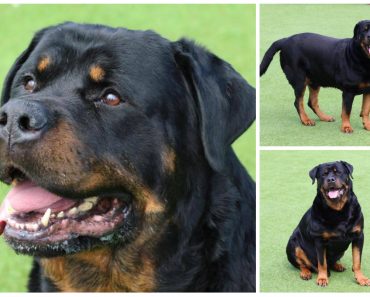
  • Banned Couple Had Overweight Rottweiler Because They Didn’t Want to be Caught

    Banned Couple Had Overweight Rottweiler Because They Didn’t Want to be Caught

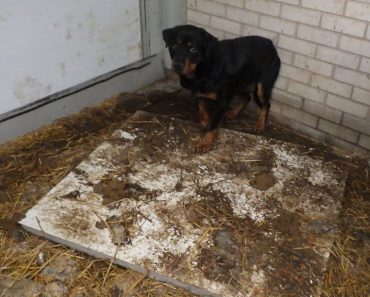
    A couple banned from keeping animals were found to be keeping a dog who had become overweight as a result of not being walked – because they were scared of being found out.

    Anthony Makin (DOB 16/01/75) and Sally Makin (DOB 01/01/75), of Dale Avenue, Bromborough, were sentenced at Wirral Magistrates’ Court yesterday (Wednesday 4 October) after pleading guilty to two offences at a previous hearing – causing unnecessary suffering to the dog by failing to provide veterinary care for lameness, and being in breach of a disqualification order.

    The court heard that the couple were originally disqualified from keeping animals in September 2015 after being convicted of an Animal Welfare Act offence.

    But in June this year, the RSPCA received a report that the couple had a dog at their home address.

    RSPCA inspector Anthony Joynes contacted Mr Makin, who admitted that they had a rottweiler called Sky.

    Inspector Joynes said: “They admitted they’d had him for seven months, but during that whole time he hadn’t been for a walk because they were scared of being found out. As a result, the dog was drastically overweight and had overgrown claws.

    “On top of that, he had problems with his leg, which the Makins had self-diagnosed as arthritis. But when I got him checked out by a vet, it turned out he had a bone tumour on his front right leg – a type which was notoriously painful – and the cancer had actually spread to his lungs.

    “Sadly the tumour was inoperable but he was such a lovely dog and we wanted to give him as long as possible, so he was put on pain relief.

    “He came into the care of our Wirral branch and, because of his size, we renamed him Maximus. He spent his days behind the reception and he constantly got fuss. He was a favourite with the staff.”

    Sadly, a few weeks after arriving in the RSPCA’s care, Maximus took a turn for the worse.

    “At that point the vet said it would be kinder to put him to sleep,” said Inspector Joynes. “We were all devastated but we were pleased to have given him a few weeks of plenty of treats and fuss.

    “If we hadn’t have intervened then the Makins would have just found him one day collapsed. He would have been in immense pain.”

    Magistrates gave Mr and Mrs Makin a 12-month community order, a 20-week curfew, disqualified them from keeping animals for five years and ordered them to pay costs of £250 each and an £85 victim surcharge.

  • How Much Does a Dog Cost to Keep Over a Lifetime? The Answer is Surprising

    How Much Does a Dog Cost to Keep Over a Lifetime? The Answer is Surprising

    Doting dog owners will fork out more than £18,000 over their pet’s lifetime, according to new research.
    The study, carried out ahead of World Animal Day (4 October), shows that during the course of just one year, food, vets bills, treats and accessories will set owners back £1,384.81.
    Based on a typical lifespan of 13 years for man’s best friend, that’s the equivalent of running a small family car, or paying for the annual household energy bills.
    But just eight per cent of owners begrudge their pet spend, with eight in 10 claiming their dog is treated like ‘another member of the family’.
    Geoffrey Dennis, Chief Executive of international animal charity SPANA, which provides free veterinary treatment to working animals in developing countries, said: “The UK is undoubtedly a nation of animal lovers and pet owners are prepared to go to great lengths – and costs – to ensure their companions enjoy a happy and healthy life.
    “It’s fantastic that pets are generally treated so well in this country. But, sadly, it’s often a very different situation in developing countries, where working animals such as horses, donkeys and camels, lead short, painful lives without the care, compassion and vital vet treatment they need. These animals urgently need our help.”
    The survey found owners splash out £373.62 a year on food, £150.14 on grooming and a further £134.10 on kennels during an average year.
    Understandably, vet bills come to £285.35 a year, and insurance is another £188.30.
    But those owners who want to treat their canine companions admit they also spend £107 annually on accessories and £146.30 on gifts such as toys, Christmas presents, and food treats.
    One in 10 people have even invested in designer clothing to keep their pooch looking its best, while 12 per cent have bought a luxury dog leash and eight per cent of dogs have their own carry bag.
    A fifth of owners think nothing of indulging their dog with expensive gourmet treats, and one in 10 even look for pet-orientated holidays.
    Grooming parlours, diamante collars, pet massage and luxury kennels are also among the expenditure for owners who will do anything to keep their dog happy.
    In addition to being spoiled, the average pooch is also humanised by many families – with 47 per cent thinking nothing of giving their pet human food, and one in 10 allowing their animal to watch whatever TV they like.
    Four in 10 dogs sleep on the bed, while 25 per cent actually get in beside their owner.
    A quarter of pooches enjoy listening to the radio all day long while left home along, and one in 10 have their hair and nails done.
    Incredibly 23 per cent of owners admit they lavish their dogs with more kisses and cuddles than their partner.
    Geoffrey Dennis, Chief Executive for SPANA which carried out the study of 2,000 dog owners, continues: “Thankfully, many dog owners spoil their furry friends and it’s clear that pets rule the roost in households up and down the country.
    “But, on World Animal Day, we’re asking everyone to give their support to those animals that aren’t so fortunate. Every day, many working animals overseas have to carry back-breaking loads, in extreme temperatures, with little food, water or shelter. They also often have no access to essential and lifesaving veterinary care. This simply has to change.”
    BREAKDOWN OF COSTS:
    Cost per year (£)
    Food 373.62
    Vet bills 285.35
    Grooming 150.14
    Kennels 134.10
    Insurance 188.30
    Accessories 107.00
    Treats / gifts 146.30
    Total per year  = 1,384.81
    X 13 years lifespan  =  18,002.53
  • Animal Abusers Can’t Run From Science, as Efforts to Convict Using Forensic Technology Increases

    Animal Abusers Can’t Run From Science, as Efforts to Convict Using Forensic Technology Increases

    Following the news that animal abusers will now face up to five years in prison if convicted (an increase from the previous maximum sentence of six months), new plans to make use of forensic technology have been announced in a bid to drive more convictions against those who abuse animals.

    The new technology at the RSPCA’s fingertips will focus on evidence gathering, including forensic veterinary pathology, crime scene investigation, blood pattern analysis and ballistics – all of which will bolster the organisation’s prosecution cases against those who do harm.

    Here are two examples of how the new forensic technology may help.

    For instance, a dog’s fur may give a clue as to their cause of death. Say they are owned by someone who is a drug addict, if the animal dies in their care and has been exposed to high levels of drugs, new tests will mean the dog’s fur will reveal if the dog had illegal drugs in their system. If this was the case, the RSPCA tell us they may then attribute this to the cause of death.

    The RSPCA also shared a second example of how the technology could help convict animal abusers telling us that all too often animals are strangled when abused.

    Through the advanced forensic technology, they would be looking to see if they can extract any human DNA from around the animal’s neck or fur. In cases where an animal’s mouth is taped, they would be trying to establish if there are fingerprints on the tape also to identify and prosecute those responsible.

    Dr Alexander Stoll, Lead Forensic Veterinary Pathologist at the University of Surrey and Operations Director at ArroGen Veterinary Forensics, who the animal organisation will be working alongside, said: “A key objective is to help investigators increase the success rate in the prosecution of individuals who commit crimes against animals.  We are working closely with the RSPCA and UK police forces to optimise the scientific evidence that could form the missing link in their investigations.

    ‘’Another objective of the collaboration is to develop a strong social justice agenda with the aim of disrupting crime patterns. It is becoming increasingly well documented that animal cruelty can be used as a component part of domestic violence and there is a growing body of evidence to indicate that people who harm animals are more likely to abuse humans. We want to work with agencies to address the progression of animal to human criminal behaviour.’’