Search results for: “What Dog Food For My Puppy”

  • Most Frequently Asked Dog Food Questions

    Most Frequently Asked Dog Food Questions

    If you’re looking for answers to the most frequently asked dog food questions you’re in the right place. Our editors have collected and collated data from hundreds of thousands of dog food and dog feeding questions to provide the most relevant answers to the most common dog food questions.

    You may be somewhat overwhelmed with the amount of dog food terminology and various phrases relating to dog food (such as: cold pressed food, complete food, dry, raw, dog gut health etc). Fortunately, our friends over at K9 Magazine have put together the definitive dog food glossary to help.

    Answers to the most frequently asked dog food questions

    The following questions, if you click on their link, contain answers from our own hand-picked, quality assessed curated sources for the best, most reputable and reliable dog nutrition information.

    So if you’ve ever wondered what the most frequently asked dog food questions were and wanted to get the answers to any, here you go:

    1. Which Dog Food Is Best
    2. What Dog Food Is Best
    3. What Dog Foods Are Best
    4. What Food Dog Cannot Eat
    5. What Food Dog Can’t Eat
    6. What Dog Food To Avoid
    7. What Dog Food Brand Is Best
    8. What Dog Food Is Grain Free
    9. What Dog Food Is Best For Puppies
    10. What Dog Food
    11. How Dog Food Is Made
    12. How Much Dog Food Per Day
    13. What Dog Food Is Killing Dogs
    14. What Dog Food Kills Dogs
    15. Can Dog Food Go Bad
    16. What Dog Food Do Vets Recommend
    17. Can Dog Food Cause Seizures
    18. What Dog Food Should I Feed My Dog
    19. What Dog Food Has Been Recalled 2019
    20. What Dog Food Is Linked To Heart Disease
    21. What Dog Food Are Recalled
    22. What Dog Food Brands Are Safe
    23. What Dog Food Causes Heart Disease
    24. What Dog Food Is Best For Yorkies
    25. What Dog Food Is High In Fiber
    26. What Dog Food Is On Recall
    27. What Dog Food Recall
    28. What Dog Food Was Recalled
    29. Will Dog Food Hurt Cats
    30. How Much Dog Food For Puppies
    31. What Dog Food Is Good For Allergies
    32. Can Dog Food Go Stale
    33. What Dog Food Do Dogs Like Best
    34. What Dog Food Has Been Recalled
    35. What Dog Food Has Never Been Recalled
    36. What Dog Food Is High In Protein
    37. What Dog Food Is On Recall 2019
    38. What Dog Food Jingle Did Jed Write
    39. What Dog Food Has The Most Protein
    40. What Dog Food Is Not Grain Free
    41. What Dog Food Tastes The Best
    42. What’s The Best Dog Food On The Market
    43. Can Dog Food Cause Urinary Incontinence
    44. Can Dog Food Cause Uti
    45. Does Trader Joe’s Sell Dog Food
    46. What Dog Food Brands To Avoid
    47. What Dog Food Helps With Shedding
    48. When Does Dog Food Expire
    49. What Dog Food Causes Cancer
    50. What Dog Food Is Low In Protein
    51. What Dog Food Made Of
    52. What Dog Foods Are Linked To Heart Disease
    53. What Dog Food To Buy
    54. What Dog Food To Feed My Dog
    55. What Dog Food Will Help Gain Weight
    56. What Dry Dog Food Do Vets Recommend
    57. Will Dog Food Hurt My Cat
    58. What Are Dog Food
    59. What Dog Food Company Did Jed Sign With
    60. What Dog Food Do Veterinarians Recommend
    61. What Dog Food Is On The Recall List
    62. What Dog Food Is Recommended By Vets
    63. What Dog Food Should I Feed My Puppy
    64. What’s The Healthiest Dog Food On The Market
    65. Where Is Dog Food In Walmart
    66. Which Dog Food
    67. Which Dog Food Brands To Avoid
    68. Who Eukanuba Dog Food
    69. How Much Dog Food Calculator
    70. What Are Dog Food Toppers
    71. What Dog Food Compared To Blue Buffalo
    72. What Dog Food Has High Fiber
    73. What Dog Food Has No By Products
    74. What Dog Food Has No Chicken In It
    75. What Dog Food Is Aafco Approved
    76. What Dog Food Is Best For French Bulldogs
    77. What Dog Food Makes Dogs Gain Weight
    78. What Dog Food Not To Feed Your Dog
    79. What Dog Food Should I Feed My Dog Quiz
    80. What Dog Food Should I Feed My Pitbull
    81. What Dog Food Was Killing Dogs
    82. What Wet Dog Food Do Vets Recommend
    83. When Was Dog Food Made
    84. Which Dog Food Is Best For Puppies
    85. Why Dog Food Is Bad
    86. Will Dog Food Make A Cat Sick
    87. What Are Dog Food Made Of
    88. What Dog Food Brand Is Killing Dogs
    89. What Dog Food Brands Are Made In China
    90. What Dog Food Brands Are Made In Usa
    91. What Dog Food Brands Does Purina Own
    92. What Dog Food Brands Use Horse Meat
    93. What Dog Food Can Cause Seizures
    94. What Dog Food Can Hedgehogs Eat
    95. What Dog Food Can Humans Eat
    96. What Dog Food Can Puppies Eat
    97. What Dog Food Comes From China
    98. What Dog Food Compared To Science Diet
    99. What Dog Food Does Dr Jeff Recommend
    100. What Dog Food Does The Queen Use
    101. What Dog Food Do Vets Recommend Uk
    102. What Dog Food For Dogs With Allergies
    103. What Dog Food For Sensitive Stomach
    104. What Dog Food Has No Corn
    105. What Dog Food Has No Ingredients From China
    106. What Dog Food Has No Peas Or Lentils
    107. What Dog Food Has No Red Dye
    108. What Dog Food Is Best For Hedgehogs
    109. What Dog Food Is Best For Yeast Infections
    110. What Dog Food Is Easy To Digest
    111. What Dog Food Is High In Fibre
    112. What Dog Food Is High In Zinc
    113. What Dog Food Is Killing Dogs 2020
    114. What Dog Food Is Low In Copper
    115. What Dog Food Is Low In Fat
    116. What Dog Food Is Low In Sodium
    117. What Dog Food Makes Dogs Poop Less
    118. What Dog Food Produces Less Poop
    119. What Dog Food Produces The Least Amount Of Poop
    120. What Dog Food Should I Feed My German Shepherd
    121. What Dog Food Should I Get
    122. What Dog Food To Feed My Puppy
    123. What Dog Food To Gain Weight
    124. What Dog Food Uk
    125. What Dog Food Veterinarians Recommend
    126. What Dog Food Vets Recommend
    127. What Dog Food Will Help With Gas
    128. What Food Dog Should Eat
    129. What Is Raw Dog Food Uk
    130. When Changing Dog Food
    131. When Switching Dog Food
    132. Where Dog Food Is Made
    133. Which Dog Food Guide
    134. Which Dog Food Is Best In India
    135. Which Dog Food Reviews
    136. Which Dog Food Uk
    137. Which Dog Food Was Recalled
    138. Who Made Dog Food
    139. Why Dog Food
    140. Why Dog Food Grain Free
    141. Are Dog Food Bad
    142. Are Dog Food Healthy
    143. How Dog Food Making
    144. How Dog Foods
    145. How Much Dog Food For German Shepherd
    146. How Transition Dog Food
    147. What Are Dog Food Allergies
    148. What Are Dog Food Allergy Symptoms
    149. What Are Dog Food Good For
    150. What Can Dog Food Is Good
    151. What Can Dog Food Is The Best
    152. What Does Dog Food Need
    153. What Dog Food Allergies
    154. What Dog Food Are Bad
    155. What Dog Food Brands Are Bad
    156. What Dog Food Brands Do Vets Recommend
    157. What Dog Food Can Ferrets Eat
    158. What Dog Food Can French Bulldogs Eat
    159. What Dog Food Can I Bring Into The Us
    160. What Dog Food Can Rats Eat
    161. What Dog Food Compared To Royal Canin
    162. What Dog Food Compared To Taste Of The Wild
    163. What Dog Food Contains Fibre
    164. What Dog Food Contains Vitamin B
    165. What Dog Food Contains Xylitol
    166. What Dog Food Does Aldi Sell
    167. What Dog Food Does Morrisons Sell
    168. What Dog Food Does Morrisons Stock
    169. What Dog Food Does Tesco Sell
    170. What Dog Food Dogs Like Best
    171. What Dog Food Do You Feed Puppies
    172. What Dog Food Eat
    173. What Dog Food For Chihuahua
    174. What Dog Food For German Shepherd
    175. What Dog Food For Jack Russell
    176. What Dog Food For Kidney Disease
    177. What Dog Food For Kidneys
    178. What Dog Food For My Dog
    179. What Dog Food For My Puppy
    180. What Dog Food For Older Dogs
    181. What Dog Food For Pitbulls
    182. What Dog Food For Puppies
    183. What Dog Food For Yeast Infection
    184. What Dog Food For Yorkies
    185. What Dog Food Gets 5 Stars
    186. What Dog Food Gives Dogs Cancer
    187. What Dog Food Gives Dogs Gas
    188. What Dog Food Gives Dogs Heart Disease
    189. What Dog Food Good For Dogs
    190. What Dog Food Has No Preservatives
    191. What Dog Food Has No Recalls
    192. What Dog Food Has The Highest Meat Content
    193. What Dog Food Has Yeast In It
    194. What Dog Food Is Anti Yeast
    195. What Dog Food Is Best For Yorkie Puppies
    196. What Dog Food Is Comparable To Zignature
    197. What Dog Food Is Easily Digested
    198. What Dog Food Is Like Blue Buffalo
    199. What Dog Food Is Like Science Diet
    200. What Dog Food Is Low In Phosphorus
    201. What Dog Food Is Most Nutritious
    202. What Dog Food Is Non Gmo
    203. What Dog Food Is Organic
    204. What Dog Food Is Similar To Wainwrights
    205. What Dog Food Is Similar To Zignature
    206. What Dog Food Is Vegan
    207. What Dog Food Is Yeast Free
    208. What Dog Food Killed 2019
    209. What Dog Food Label
    210. What Dog Food Made In China
    211. What Dog Food Made In Usa
    212. What Dog Food Made Out Of
    213. What Dog Food Makes Dogs Fart Less
    214. What Dog Food Makes Dogs Fat
    215. What Dog Food Makes Dogs Live Longer
    216. What Dog Food Never Had A Recall
    217. What Dog Food On Recall
    218. What Dog Food Prevents Bladder Stones
    219. What Dog Food Prevents Gas
    220. What Dog Food Prevents Shedding
    221. What Dog Food Put Weight On Dogs
    222. What Dog Food Raw
    223. What Dog Food Reduces Gas
    224. What Dog Food Reduces Shedding
    225. What Dog Food Reduces Stool
    226. What Dog Foods Have Xylitol
    227. What Dog Food Should I Feed My French Bulldog
    228. What Dog Foods Linked To Heart Disease
    229. What Dog Food Stops Farting
    230. What Dog Food Taste Like
    231. What Dog Food Taste Like Human Food
    232. What Dog Food Tastes Like
    233. What Dog Food To Feed English Bulldogs
    234. What Dog Food To Feed Puppy
    235. What Dog Food To Stay Away From
    236. What Dog Food Uses Horse Meat
    237. What Dog Food Will A Picky Dog Eat
    238. What Dog Food Will Harden Stool
    239. What Dog Food Will Help With Shedding
    240. What Dog Food With Grain Is Best
    241. What Food Dog Like To Eat
    242. What Is A Dog Food Jingle
    243. What Is Dog Food Jelly
    244. What Is Dog Food Kibble
    245. What Is Dog Food Like
    246. What Is Dog Food Name
    247. What Will Dog Food Do To A Cat
    248. When Dog Food Was Recalled
    249. When Senior Dog Food
    250. When To Dog Food
    251. Where Donate Dog Food
    252. Where Is Dog Food From
    253. Where Is Dog Food In Target
    254. Which Dog Food Are Vegan
    255. Which Dog Food Guide Uk
    256. Which Dog Food Is Kosher For Passover
    257. Which Dog Food Less Poop
    258. Which Dog Food Platinum
    259. Which Food Dog Like Most
    260. Who Is Dog Food Advisor
    261. Who Was Dog Food
    262. Why Dog Food Ingredients
    263. Why Dog Food Is Bad For Cats
    264. Why Dog Food Is Good
    265. Why Dog Food Is Grain
    266. Why Dog Food Pedigree
    267. Will Dog Food Harm My Cat
    268. Will Dog Food Hurt A Baby
    269. Will Dog Food Hurt A Rabbit
    270. Will Dog Food Hurt My Toddler
    271. What’s The Best Dog Food Uk
    272. Which Dog Food Reviews Uk
    273. Which Dog Food Guide
    274. Which Dog Food Is Best In India
    275. Which Dog Food Reviews
    276. Which Dog Food Uk
    277. Which Dog Food Was Recalled
    278. Who Made Dog Food
    279. Why Dog Food
    280. Why Dog Food Grain Free
    281. Are Dog Food Bad
    282. Are Dog Food Healthy
    283. How Dog Food Making
    284. How Dog Foods
    285. How Much Dog Food For German Shepherd
    286. How Transition Dog Food
    287. What Are Dog Food Allergies
    288. What Are Dog Food Allergy Symptoms
    289. What Are Dog Food Good For
    290. What Can Dog Food Is Good
    291. What Can Dog Food Is The Best
    292. What Does Dog Food Need
    293. What Dog Food Allergies
    294. What Dog Food Are Bad
    295. What Dog Food Brands Are Bad
    296. What Dog Food Brands Do Vets Recommend
    297. What Dog Food Can Ferrets Eat
    298. What Dog Food Can French Bulldogs Eat
    299. What Dog Food Can I Bring Into The Us
    300. What Dog Food Can Rats Eat
    301. What Dog Food Compared To Royal Canin
    302. What Dog Food Compared To Taste Of The Wild
    303. What Dog Food Contains Fibre
    304. What Dog Food Contains Vitamin B
    305. What Dog Food Contains Xylitol
    306. What Dog Food Does Aldi Sell
    307. What Dog Food Does Morrisons Sell
    308. What Dog Food Does Morrisons Stock
    309. What Dog Food Does Tesco Sell
    310. What Dog Food Dogs Like Best
    311. What Dog Food Do You Feed Puppies
    312. What Dog Food Eat
    313. What Dog Food For Chihuahua
    314. What Dog Food For German Shepherd
    315. What Dog Food For Jack Russell
    316. What Dog Food For Kidney Disease
    317. What Dog Food For Kidneys
    318. What Dog Food For My Dog
    319. What Dog Food For My Puppy
    320. What Dog Food For Older Dogs
    321. What Dog Food For Pitbulls
    322. What Dog Food For Puppies
    323. What Dog Food For Yeast Infection
    324. What Dog Food For Yorkies
    325. What Dog Food Gets 5 Stars
    326. What Dog Food Gives Dogs Cancer
    327. What Dog Food Gives Dogs Gas
    328. What Dog Food Gives Dogs Heart Disease
    329. What Dog Food Good For Dogs
    330. What Dog Food Has No Preservatives
    331. What Dog Food Has No Recalls
    332. What Dog Food Has The Highest Meat Content
    333. What Dog Food Has Yeast In It
    334. What Dog Food Is Anti Yeast
    335. What Dog Food Is Best For Yorkie Puppies
    336. What Dog Food Is Comparable To Zignature
    337. What Dog Food Is Easily Digested
    338. What Dog Food Is Like Blue Buffalo
    339. What Dog Food Is Like Science Diet
    340. What Dog Food Is Low In Phosphorus
    341. What Dog Food Is Most Nutritious
    342. What Dog Food Is Non Gmo
    343. What Dog Food Is Organic
    344. What Dog Food Is Similar To Wainwrights
    345. What Dog Food Is Similar To Zignature
    346. What Dog Food Is Vegan
    347. What Dog Food Is Yeast Free
    348. What Dog Food Killed 2019
    349. What Dog Food Label
    350. What Dog Food Made In China
    351. What Dog Food Made In Usa
    352. What Dog Food Made Out Of
    353. What Dog Food Makes Dogs Fart Less
    354. What Dog Food Makes Dogs Fat
    355. What Dog Food Makes Dogs Live Longer
    356. What Dog Food Never Had A Recall
    357. What Dog Food On Recall
    358. What Dog Food Prevents Bladder Stones
    359. What Dog Food Prevents Gas
    360. What Dog Food Prevents Shedding
    361. What Dog Food Put Weight On Dogs
    362. What Dog Food Raw
    363. What Dog Food Reduces Gas
    364. What Dog Food Reduces Shedding
    365. What Dog Food Reduces Stool
    366. What Dog Foods Have Xylitol
    367. What Dog Food Should I Feed My French Bulldog
    368. What Dog Foods Linked To Heart Disease
    369. What Dog Food Stops Farting
    370. What Dog Food Taste Like
    371. What Dog Food Taste Like Human Food
    372. What Dog Food Tastes Like
    373. What Dog Food To Feed English Bulldogs
    374. What Dog Food To Feed Puppy
    375. What Dog Food To Stay Away From
    376. What Dog Food Uses Horse Meat
    377. What Dog Food Will A Picky Dog Eat
    378. What Dog Food Will Harden Stool
    379. What Dog Food Will Help With Shedding
    380. What Dog Food With Grain Is Best
    381. What Food Dog Like To Eat
    382. What Is A Dog Food Jingle
    383. What Is Dog Food Jelly
    384. What Is Dog Food Kibble
    385. What Is Dog Food Like
    386. What Is Dog Food Name
    387. What Will Dog Food Do To A Cat
    388. When Dog Food Was Recalled
    389. When Senior Dog Food
    390. When To Dog Food
    391. Where Donate Dog Food
    392. Where Is Dog Food From
    393. Where Is Dog Food In Target
    394. Which Dog Food Are Vegan
    395. Which Dog Food Guide Uk
    396. Which Dog Food Is Kosher For Passover
    397. Which Dog Food Less Poop
    398. Which Dog Food Platinum
    399. Which Food Dog Like Most
    400. Who Is Dog Food Advisor
    401. Who Was Dog Food
    402. Why Dog Food Ingredients
    403. Why Dog Food Is Bad For Cats
    404. Why Dog Food Is Good
    405. Why Dog Food Is Grain
    406. Why Dog Food Pedigree
    407. Will Dog Food Harm My Cat
    408. Will Dog Food Hurt A Baby
    409. Will Dog Food Hurt A Rabbit
    410. Will Dog Food Hurt My Toddler
    411. Are Dog Food Bad
    412. Are Dog Food Healthy
    413. How Dog Food Making
    414. How Dog Foods
    415. How Much Dog Food For German Shepherd
    416. How Transition Dog Food
    417. What Are Dog Food Allergies
    418. What Are Dog Food Allergy Symptoms
    419. What Are Dog Food Good For
    420. What Can Dog Food Is Good
    421. What Can Dog Food Is The Best
    422. What Does Dog Food Need
    423. What Dog Food Allergies
    424. What Dog Food Are Bad
    425. What Dog Food Brands Are Bad
    426. What Dog Food Brands Do Vets Recommend
    427. What Dog Food Can Ferrets Eat
    428. What Dog Food Can French Bulldogs Eat
    429. What Dog Food Can I Bring Into The Us
    430. What Dog Food Can Rats Eat
    431. What Dog Food Compared To Royal Canin
    432. What Dog Food Compared To Taste Of The Wild
    433. What Dog Food Contains Fibre
    434. What Dog Food Contains Vitamin B
    435. What Dog Food Contains Xylitol
    436. What Dog Food Does Aldi Sell
    437. What Dog Food Does Morrisons Sell
    438. What Dog Food Does Morrisons Stock
    439. What Dog Food Does Tesco Sell
    440. What Dog Food Dogs Like Best
    441. What Dog Food Do You Feed Puppies
    442. What Dog Food Eat
    443. What Dog Food For Chihuahua
    444. What Dog Food For German Shepherd
    445. What Dog Food For Jack Russell
    446. What Dog Food For Kidney Disease
    447. What Dog Food For Kidneys
    448. What Dog Food For My Dog
    449. What Dog Food For My Puppy
    450. What Dog Food For Older Dogs
    451. What Dog Food For Pitbulls
    452. What Dog Food For Puppies
    453. What Dog Food For Yeast Infection
    454. What Dog Food For Yorkies
    455. What Dog Food Gets 5 Stars
    456. What Dog Food Gives Dogs Cancer
    457. What Dog Food Gives Dogs Gas
    458. What Dog Food Gives Dogs Heart Disease
    459. What Dog Food Good For Dogs
    460. What Dog Food Has No Preservatives
    461. What Dog Food Has No Recalls
    462. What Dog Food Has The Highest Meat Content
    463. What Dog Food Has Yeast In It
    464. What Dog Food Is Anti Yeast
    465. What Dog Food Is Best For Yorkie Puppies
    466. What Dog Food Is Comparable To Zignature
    467. What Dog Food Is Easily Digested
    468. What Dog Food Is Like Blue Buffalo
    469. What Dog Food Is Like Science Diet
    470. What Dog Food Is Low In Phosphorus
    471. What Dog Food Is Most Nutritious
    472. What Dog Food Is Non Gmo
    473. What Dog Food Is Organic
    474. What Dog Food Is Similar To Wainwrights
    475. What Dog Food Is Similar To Zignature
    476. What Dog Food Is Vegan
    477. What Dog Food Is Yeast Free
    478. What Dog Food Killed 2019
    479. What Dog Food Label
    480. What Dog Food Made In China
    481. What Dog Food Made In Usa
    482. What Dog Food Made Out Of
    483. What Dog Food Makes Dogs Fart Less
    484. What Dog Food Makes Dogs Fat
    485. What Dog Food Makes Dogs Live Longer
    486. What Dog Food Never Had A Recall
    487. What Dog Food On Recall
    488. What Dog Food Prevents Bladder Stones
    489. What Dog Food Prevents Gas
    490. What Dog Food Prevents Shedding
    491. What Dog Food Put Weight On Dogs
    492. What Dog Food Raw
    493. What Dog Food Reduces Gas
    494. What Dog Food Reduces Shedding
    495. What Dog Food Reduces Stool
    496. What Dog Foods Have Xylitol
    497. What Dog Food Should I Feed My French Bulldog
    498. What Dog Foods Linked To Heart Disease
    499. What Dog Food Stops Farting
    500. What Dog Food Taste Like
    501. What Dog Food Taste Like Human Food
    502. What Dog Food Tastes Like
    503. What Dog Food To Feed English Bulldogs
    504. What Dog Food To Feed Puppy
    505. What Dog Food To Stay Away From
    506. What Dog Food Uses Horse Meat
    507. What Dog Food Will A Picky Dog Eat
    508. What Dog Food Will Harden Stool
    509. What Dog Food Will Help With Shedding
    510. What Dog Food With Grain Is Best
    511. What Food Dog Like To Eat
    512. What Is A Dog Food Jingle
    513. What Is Dog Food Jelly
    514. What Is Dog Food Kibble
    515. What Is Dog Food Like
    516. What Is Dog Food Name
    517. What Will Dog Food Do To A Cat
    518. When Dog Food Was Recalled
    519. When Senior Dog Food
    520. When To Dog Food
    521. Where Donate Dog Food
    522. Where Is Dog Food From
    523. Where Is Dog Food In Target
    524. Which Dog Food Are Vegan
    525. Which Dog Food Guide Uk
    526. Which Dog Food Is Kosher For Passover
    527. Which Dog Food Less Poop
    528. Which Dog Food Platinum
    529. Which Food Dog Like Most
    530. Who Is Dog Food Advisor
    531. Who Was Dog Food
    532. Why Dog Food Ingredients
    533. Why Dog Food Is Bad For Cats
    534. Why Dog Food Is Good
    535. Why Dog Food Is Grain
    536. Why Dog Food Pedigree
    537. Will Dog Food Harm My Cat
    538. Will Dog Food Hurt A Baby
    539. Will Dog Food Hurt A Rabbit
    540. Will Dog Food Hurt My Toddler
    541. What’s The Best Dog Food Uk
    542. Which Dog Food Reviews Uk
    543. What’s The Best Dog Food Uk
    544. Which Dog Food Reviews Uk

  • Vet Answers The Most Frequently Asked Dog Health Questions

    Vet Answers The Most Frequently Asked Dog Health Questions

    Over the course of the pandemic, 3.2 million homes across the U.K. welcomed a new pet into their lives.

    And it’s easy to see why; dogs have been found to make us happier and can encourage us to live a healthier lifestyle, but if you’re a dog owner it can be quite concerning to see your best furry friend experiencing shivering, vomiting and/or diarrhea.

    Naturally our curiosity and concern takes us directly to Dr Google to find out what could be causing our pooch to act out of the ordinary.

    Dog food company tails.com has discovered the health issues that dog owners all over the UK have been searching for the most, and have asked their Head Vet, Sean McCormack for his advice on how to ease these symptoms at home (and when to seek the advice of a veterinarian).

    Kennel Cough – searched 15,000 times a month

    Kennel cough is the common name for infectious canine tracheobronchitis which is a highly contagious respiratory disease in the dog world. The disease causes inflammation to the throat and lungs.

    The most common symptom of kennel cough is a dry, hacking cough that sometimes sounds like honking. Other symptoms include watery discharge from the nose and retching. In severe cases, symptoms can progress into pneumonia, fever, lethargy, and a lack of appetite.

    Sean advises that treatment plans vary depending on the severity, your vet will know best on how to treat your pooch.

    In most cases, however, it is suggested that you allow the cough to simply run its course, but make sure you double check this with your veterinarian. Sometimes a course of anti-inflammatories or antibiotics to treat secondary infection may be needed.

    If this is the case, here are some tips from Sean on how to help your pet through the process:

    Keep them isolated from other pets.

    A humidifier or vaporiser can provide some relief. If you do not have either, try allowing your pet in the bathroom while you shower.

    Avoid exposure to cigarette smoke or other irritating fumes.

    If your pet is a puller, try replacing your pet’s collar with a harness for the duration of the cough to keep from causing any further pain.

    Be sure to monitor your pet’s eating and drinking habits, and provide all the support they may need.

    Sean goes on to say ‘if you are worried about your dog catching kennel cough then there is the option for your pooch to be vaccinated, to arrange this simply enquire at your local vets.’

    Ticks On Dogs – searched 8,200 times a month

    One of our biggest fears for our dogs is discovering the presence of ticks. Whilst there’s a common misconception that ticks on dogs are only a problem in the summer months, warmer weather has seen a rise in ticks all year round.

    Through the nature of a tick’s blood sucking tendencies, they can transmit a range of infections and diseases including Babesiosis and Lyme Disease, affecting both dogs and their owners. Ticks are most commonly associated with Lyme Disease, an illness that often lies undetected due to symptoms frequently not appearing after the initial bite for up to several weeks.

    Sean says: ‘the sooner a tick can be removed, the less likely it is that you or your dog can get infected by nasty bacteria.’

    ‘To remove a tick effectively, use a tick removal tool (you can get these easily online). This allows you to twist and lift the tick off of the skin by going underneath its biting mouthparts.

    ‘It’s important to make sure you remove the tick properly and get the head out, as just pulling at the tick can often leave the mouthparts embedded in the skin and risk infection. If you are struggling with removing a tick yourself contact your local vet for help’

    Dog Diarrhoea – searched 5,200 a month

    It’s not unusual for dogs to have stinky or runny poos. In fact, dog diarrhoea is one of the most common problems vets see every year.

    There are many causes for dog or puppy diarrhoea, but here are a few of the most common; sudden change in diet, dietary indiscretion (eating something they shouldn’t), parasites, infections, inflammatory disorders and even quite simply stress, anxiety and over excitement.

    Sean explains: ‘The colour of your dog’s poo can also depend solely on your dog’s diet – reddish, greenish, or dark brown poop can all be normal.’

    ‘If it’s looking black – it could be a sign of internal bleeding, whilst pale yellow or grey poo can be a sign of fat digestion issues in the pancreas or problems in the liver. Seek veterinary help immediately if you notice this in your dog’s stool.’

    ‘You know your dog better than anyone, if you feel like there’s something wrong – or common problems such as constipation or diarrhoea don’t seem to go away after a few days – don’t hesitate to take your dog to the vet, and take a stool sample with you.’

    Dog Fleas – searched 3,000 times a month

    Fleas, no one likes them, even the thought of the pesky little bugs makes your skin crawl. Did you know, more than 95% of fleas don’t live on animals, but in wood floor crevices, carpets and soft furnishings? And they can remain alive in the cracks for up to two years.

    Sean states ‘the most effective flea products are a liquid spot-on medication which is applied to the skin on the back of your dog’s neck, but application errors can be an issue with these treatments, and if it rains or your dog jumps in water the product can wash away before it has a chance to be effective.

    ‘Double check with your veterinarian the best course of action to tackle fleas. It’s equally important to tackle the eggs and larvae in the environment as well as adult fleas on your dog. If you don’t you’ll never get rid of the infestation’

    Also see: How often should I treat my dog for fleas?

    Dog Ear Infection – searched 2,900 times a month

    An ear infection is an irritating and painful overgrowth of bacteria or yeast in the ear canal, usually caused by an underlying condition such as ear mites, a skin problem, or excess earwax.

    The most common symptoms of an ear infection can include; ear scratching, pain, and head shaking. Pay attention to your pooch – a head tilt or loss of balance is a sign your dog’s infection has moved deeper into the ear.

    Sean says ‘when it comes to treatment for an ear infection, always contact your vet, the quicker your dog is treated, the faster their recovery is likely to be.’

    Arthritis In Dogs – searched 2,700 times a month

    Much like humans, arthritis is a very common condition that causes stiff, painful or swollen joints. It can make moving around very difficult and uncomfortable for your pooch.

    Sean says ‘to prevent arthritis in your four legged friend, keep your dog’s joints as healthy as possible by keeping them slim and giving them regular, sensible exercise.’

    ‘Unfortunately arthritis can’t be cured but fortunately, there are several treatment options to slow it’s progression and manage pain. Nutritional supplements or special diets tailored to your dog’s needs containing omega 3 oils, glucosamine and chondroitin can be helpful.

    Treatment may include painkillers, joint supplements, hydrotherapy, and even surgery – all of which will be available from your vet.’

    ’If you suspect arthritis in your dog, the best course of action is to visit a vet as soon as possible’.

    Dog Vomiting – searched 2,500 times a month

    Vomiting is one of the most common symptoms which vets attend to everyday. It can be caused by a variety of things and in most cases, vomiting in dogs improves within 24 hours. But some are more serious and require treatment from a vet.

    Sean advises ‘it’s not always necessary to see your vet the first time your dog throws up, but it’s extremely important to monitor them closely and call your vet for advice if they vomit more than once, seem unwell, or have any other symptoms.’

    ‘Always contact your vet immediately if your dog is repeatedly trying to vomit but not bringing anything up, especially if they have a bloated tummy.

    ’This can be a sign of something more serious that needs to be investigated further. .

    Also see: Why is my dog throwing up in the morning

    Gastroenteritis in Dogs – searched 1,900 times a month

    Gastroenteritis refers to inflammation of the gastrointestinal tract, meaning the stomach and the intestines. It can be caused by infection with bacteria, viruses, parasites, medications, or even new foods. Most dogs with gastroenteritis will have intermittent episodes of vomiting and diarrhea.

    Sean explains ‘symptoms may include foamy yellowish bile vomit, especially after the stomach has been emptied. Some owners may see dry heaving or gagging after their dog eats or drinks.’

    ‘If you think your pet may have Gastroenteritis then seek veterinary help right away, your pooch may need immediate treatment.’

    Also see: Does my dog have IBD?

    Cataracts In Dogs – searched 1,500 times a month

    Most cataracts in dogs are the result of a genetic or hereditary defect. Many dog breeds are predisposed to hereditary cataracts, which may occur as early as at birth or develop later in young or middle-aged dogs.

    A cataract is an abnormal cloudiness of the eye, caused by a change in the lens.

    Sean explains: ‘Cataracts stop light reaching the back of the eye, reduce vision and eventually cause blindness. The most common causes of cataracts are due to old age, diabetes and eye disease.’

    He continues ‘Cataracts are slow growing, so you may not notice them until later on but here are a few symptoms for you to be aware of;

    A cloudiness, or grey tinge in your dog’s eye(s)

    Loss of vision, especially in low light conditions – this can be very tricky to notice because it often develops slowly and most dogs are very good at adapting by using their hearing and sense of smell instead.

    Pain – cataracts aren’t painful, but some of the underlying conditions that cause them are (such as eye injury or glaucoma).’

    ‘Contact your vet if you notice any changes in your dog’s eyes, or if you think they are losing their vision.’

    Ultimately you know your pooch best, if they are acting out of the ordinary and you are concerned it’s always best to contact your vet.

  • New Research Reveals Some Bizarre British Dog Owner Habits

    New Research Reveals Some Bizarre British Dog Owner Habits

    Do nearly 1m British dog owners take a shower with their dogs? Did you know that 27% of dog owners admit to letting their pet lick their plate after they’re finished with it? Or that 33% of owners leave the TV or radio on for their dog when they are left alone?

    The findings come from a study carried out by Mira Showers and reveal that British dog owners have some ‘interesting’ habits!

    Top level findings include:

    • Over 1.6 million dog owners kiss their pet on the lips
    • 2.4 million people would take a day off work to look after their poorly dog
    • Almost 5 million dog owners kiss their pet good night
    • A third of those with a furry family member regularly give them a massage (33%)

    From letting them lick their face to even bathing their dog at the same time as they have a bath, the research reveals more habits of dog owners across the nation (including some eyebrow-raising special privileges):

    British dog owner habits

    Habit/Special Treatment % of dog owners who admit to doing this
    Regularly giving them treats 61%
    Letting them on the sofa 57%
    Speaking to them in funny, unusual or high-pitched voices 46%
    Letting them on their bed 44%
    Feeding them human food 42%
    Getting up earlier than they would if they didn’t have a dog to feed them and walk them 38%
    Kissing them goodbye or goodnight 36%
    Letting them lick their hands 35%
    Leaving music, radio or the TV on for them when they’re alone 33%
    Massaging them 33%
    Confiding in them or telling them personal things 29%
    Leaving the heating on for them if it’s cold 28%
    Letting them lick their face 27%
    Letting them lick their plate or cup after they’ve finished with it 27%
    Letting them in their bed 25%
    Taking time off work to look after their dog if they’re poorly 18%
    Kissing them on the lips 12%
    Letting their dog eat at the dinner table with them 6%
    Showering their dog at the same time as they have a shower 6%
    Bathing their dog at the same time as they have a bath 4%

    Women love to spoil their dogs

    It’s the women among dog owners who spoil their dogs the most with all the above, though more men than women said they’d let their dogs eat dinner at the table with them.

    When it comes to the most spoilt breeds, the likes of Cockapoos (and other Poodle crosses), Lurchers and mixed breeds take the lead, over-indexing on 15 of the above special privileges. Close behind are dogs in the Hound Group, meaning breeds such as BeaglesDachshundsGreyhoundsWhippets and Rhodesian Ridgebacks are allowed to eat dinner at the table with their owners, plus get showered or bathed at the same time as their owners more than any other breed group.

    Button - A Sheepadoodle

    Which cities love to treat their dogs the most?

    Owners in Belfast and Nottingham come out on top with treating their dog to these things; both cities pamper their pet with at least five of these special privileges more than any other UK city.

    Dog owners in Leeds let their dog on their bed more than anywhere else (53%), while owners in Plymouth dramatically over-index on showering with their dog at the same time (15%).

    Matt Herbert-Sandell, Digital Communications Manager at Mira Showers, said:

    “Nationwide, our survey found that an estimated 822,000 dog owners shower with their dog; talk about multitasking! A dual shower is a perfect solution for dog owners who need some extra flexibility and multitasking power to help them groom their dogs at home.

    The fixed rainfall shower head gives the owners a fantastic showering experience for themselves, while the handheld shower head is ideal for manoeuvring around a mucky pup!

    Our survey also found that 2 in 5 owners wish they knew more hacks to make showering their dogs at home much easier, so we enlisted experts to help.”

    The best way to groom dogs at home

    Animal charity, Wood Green, and professional grooming experts at Purplebone, offer these at-home grooming tips:

      • The water temperature should be lukewarm. Being able to comfortably run the water over your forearm is a sign the temperature is exactly right.
      • Avoid getting water down the ear canal, as this can lead to infections. Be mindful of their eyes too, as shampoo can sting, just like it does with humans.
      • Always use a shampoo made specifically for dogs and never human shampoo because natural ph. levels are different and can cause skin problems as a result if the wrong product is used. The team at Purplebone said: “A handheld shower is what we always use in our professional grooming parlours, because you can soak all areas of the dog to apply the shampoo first, then use it to thoroughly remove any excess residue of shampoo and conditioner.”
      • There will always be some dogs that love water, and some that just tolerate it. If you can make it as pleasant as you can through praise and treats, it will be a much more relaxed experience. Ness Croft-Taylor, Veterinary Surgery Manager and qualified dog groomer at Wood Green, said: “It’s beneficial to have a handheld shower to regulate the flow, so if your dog is timid you can introduce the water gradually.”

    Mira Showers monitored six Instagram image hashtags relevant to dogs being groomed at home (including #puppybath, #dogbath, #muckypup, #puppybathtime, #dogbathtime and #doginshower) and assigned them to a panel of dog lovers to identify Instagram’s cutest bath-time dogs, some of which are shown above. Permission to publish these photos beyond embedding them has been granted by the Instagram account holders.

      1. Harvey, Shetland Sheepdog, https://www.instagram.com/p/CIMNp7tHN-k/ (Dorset, UK)
      2. Chai, Toy Poodle, https://www.instagram.com/p/CIJtTFZJtxo/  (London, UK)
      3. Mabel, Cavapoo, https://www.instagram.com/p/CHcTvXJpCwz/ (Essex, UK)
      4. Pacho, Italian Greyhound, https://www.instagram.com/p/CH4-d1gBeVQ/ (Manchester, UK)
      5. Winnie, Miniature Goldendoodle, https://www.instagram.com/p/CHqStDtJgFz/ (North Carolina, USA)
      6. Picasso, Dachshund, https://www.instagram.com/p/CIKs6n8HItL/ (Bangkok, Thailand)
      7. Button, Sheepadoodle, https://www.instagram.com/p/B6-2_2mhN5a/ (Michigan, USA)
      8. Maggie, Cocker Spaniel, https://www.instagram.com/p/CCqWDFRFS0p/?igshid=10xt8ndh48mgu (Northampton, UK)
      9. Coconut, King Charles Cavalier Spaniel, https://www.instagram.com/p/CIIYdvqAFbQ/ (Singapore)
      10. Penny, Miniature Goldendoodle, https://www.instagram.com/p/CHVvR8JpiLN/
      11. Mortimer, Scottish Deerhound, https://www.instagram.com/p/CIJnE-nhHxD/ (Milwaukee, Wisconsin)
      12. Tormi, Jack Russell, https://www.instagram.com/p/CHksfK0DYUM/ (Estonia)

    Related: The top dog ownership trends you need to know about this year

  • How Long Do You Feed A Dog Puppy Food? (12 Best Experts Say This)

    As often as we’re asked how long do you feed a dog puppy food, it’s quite remarkable how many people are genuinely worried about moving their puppy to adult food either too soon or too late.

    You should feed a puppy on puppy food while they’re younger than 12-months, but the transition process can start earlier.

    Your dog is a puppy for as long as you want them to be. Nobody is going to tell you different. But in the interests of answering this specific question of how long do you feed a dog puppy food the appropriate time to stop feeding puppy specific food is no later than 12-months old.

    how long do you feed a dog puppy food

    Why?

    Because in purely simplistic terms, at 12-months old your puppy is technically an adult.

    Let’s break down the puppy to adult dog process.

    As you can see, puppy growth stages can seem like a flash before our eyes.

    Puppy development – the baby to the teenager to the adult dog

    Puppy (young)

    Adorable. Surprisingly obedient. Love to be around you. Often bolder than you’d expect. Sleeps a lot.

    Puppy (16 weeks)

    Personality developing. More cautious about certain scenarios. A little more mischievous. Willing to explore more. Sleeps a lot.

    Puppy (6 months)

    A little less obedient. High energy. Sleeps far less. More interested in food. More demanding and in pursuit of mental stimulation.

    Puppy (6 months to 12 months)

    Personality shining through like a beacon. Sometimes obedient, sometimes wilfully challenges instructions that you know for certain the pup understands.

    Physically very active, but prone to exhausting themselves quickly in short bursts.

    At 12-months old your dog’s needs are different, particularly their nutritional requirements.

    Summary: How long do you feed a dog puppy food

    With all this info in mind, it’s important to recognise the different energy levels of an young adult dog vs the different calorie needs of a growing puppy.

    Puppy foods are designed specifically to help them grow.

    Adult dog foods are designed to help an adult maintain and thrive.

    If you’d like to learn more about the dog growth stages, from puppy to adult – download this free eBook

    Free Book (useful for all dog owners)

    If you’d like to learn more about dog growth stages, from puppy to adult – download this free eBook

    Remember the pet food you give to your puppy should be based on various factors.

    1. Nowadays there are foods for large breeds, toy breeds and various breed specific foods.
    2. Always feed your puppy with the highest quality food you can afford. You never get the chance to have that vital first 12 months of your dog’s development back again.
    3. Switch from puppy food to adult dog food at or before 12-months old
    4. A puppy’s mother s milk helps them develop for the first weeks of their lives, after that it’s entirely down to us!
    5. High quality dog food isn’t always the most expensive dog food (do research for reviews)
    6. Decide how many times a day you want to feed your dog when they’re an adult and slowly transition to that feeding regime
    7. At 12- months of age your puppy is technically an adult dog
    8. Puppies grow fast. Really fast.
    9. Your puppy may reach maturity (physically) many years earlier than they reach maturity mentally
    10. Feed your dog based on their age, breed type and lifestyle at all times – factoring whether they’re a small, medium or large breed
    11. Keep a close eye on body condition throughout your dog’s life
    12. Develop a strong relationship with your vet. Yes, vet bills can be expensive – but the more often your vet sees your dog, the better they’ll get to know them. If your vet sees your dog for regular checkups, your vet bills will be lower in the long run

    Dog nutrition experts views on when to switch from puppy to adult dog food

    Some further reading on how long to keep a puppy on puppy food (expert sources)

    Puppy feeding fundamentals American Kennel Club
    How long do dogs eat puppy food? — age, transition & methods Breeding Business
    Puppy Food Types, Feeding Schedule, and Nutrition WebMD
    When Should You Switch from Puppy to Adult Dog Food | petmd PetMD
    How long should i feed my dog puppy food? Dog Food Guide
    Puppy feeding guidelines | schedule & tips | cesar’s way Cesar’s Way
    When to switch to adult dog food Purina
    Is Your Puppy Ready for Adult Dog Food? | Douglas Feed & Pet Supply –
    Granite Bay, CA
    Douglas Feed
    When to Switch to Adult Dog Food: Dog Food at Different Life Stages Pet Central by Chewy
    Is your puppy ready for adult dog food? IAMS
    Puppy feeding fundamentals American Kennel Club
    When To Switch A Puppy To Adult Food – caninejournal.com CanineJournal.com
    When to switch to adult dog food Eukanuba
    How Do I Switch or Transition Foods for My Dog? | Hill’s Pet Hill’s Pet Nutrition
    Switching to adult food from puppy food | cesar’s way Cesar’s Way
  • How Much Should I Feed My Dog? (22 Top Expert Tips)

    When I got my very first puppy one of the first questions I needed to answer was, how much should I feed my dog? Now, having cared for many dogs and been involved in dog ownership for multiple decades, guess what – I still ask the same question, only slightly modified: how much should I feed this particular dog, right now.

    how much should I feed my dog
    Know your dog’s healthy, optimum weight

    Novice dog owners and experienced dog owners will face this conundrum on a regular basis.

    The answer is, you feed your dog according to the following rules:

    1. Your dog’s age
    2. Your dog’s breed / type
    3. Your dog’s current weight
    4. Your dog’s current activity level
    5. Your dog’s specific ability to handle different types of food

    How much food does a dog really need?

    It seems not many a day goes by where we’re not hearing more about the rise and rise of obesity. Sadly, our pets are also widening around the girth.

    It is of course easy to control the amount of food your dog is eating and it is essential that you gauge your dog’s weight on a regular basis to ensure that it doesn’t get obese.

    Health problems from overfeeding dogs

    There are an increasing number of dogs suffering from this disease and in most cases this could have been avoided through the correct nutrition and monitoring the amount of food the dog has been eating.

    Having a dog with diabetes will necessitate the injection of insulin or in some cases taking of pills to assist in the maintenance of the correct sugar levels in their blood.

    Obviously this involves additional expense and inconvenience and there is also a danger that should the insulin level be incorrect your pet could die. All of this from simply giving them too much food? You bet!

    Dog feeding guidelines: how much food should me dog be eating?

    It makes sense then that your dog should only eat what is good for it and in quantities that won’t result in it developing health problems later in life.

    Feeding guidelines on dog food can be a good starting point when assessing how much dog food is the right amount, but as Dr Lowe told K9 Magazine:

    “feeding guidelines on dog food packaging are extremely useful but should serve as a starting point only when assessing the right amount of food in your dog’s daily diet.”

    Working dogs will need more food for the energy that they will expend in the course of the day but a dog that lays around the house all day and doesn’t get any exercise will not need to eat the same portions of food.

    You should weigh your dog on a regular basis and see whether it is gaining or losing weight and adjust the amount of food it is eating accordingly.

    You know, it’s quite incredible the amount of people who have literally no idea how much their dog weighs or indeed any idea of how much they should weigh. Simply getting to grips with this information can literally extend your dog’s life, in some cases for a considerable amount of time.

    Many experts argue that there has been a general decline in the general health of dogs that correlates with the widespread introduction of certain types of processed dog foods.

    Many of these low quality dog foods offer very little nutritional value but it is their convenience and the fact that they have added flavours that ensure our pets get delight in eating them that have increased the sales and popularity of this food. Understanding your dog’s specific nutritional requirements, again, can add years to their life.

    Free dog weight chart

    Bad diets for dogs have tragic consequences

    Just as we might like to eat foods that contain sugar, which is detrimental to our health, our dogs also like to eat these low value foods because they taste so good – in many cases, with dogs being such scavengers, they’ll simply beg for ANY food that’s potentially on offer. It is entirely in our control not to harm their health by giving in to their longing expressions! So if you’re wondering how much should I feed my dog of sugary snacks…the answer is (if possible) zero!

    Can I feed my dog table scraps?

    If our diet is bad, often our dog’s is too. Don’t believe me?

    A study by K9 Magazine showed that 98% of dog owners had fed their pets with scraps from their own tables at one time or another.

    Dogs can eat table scraps, of course, but it’s a simple formula to calculate that if our own diet is not healthy and we’re sharing that with our dogs then – our bad food = dogs sharing in our own poor diet!

    But therein lies another problem with many of the foods that we eat, unsuitable for dog consumption.

    Many people are finding good results in preparing their own dog food using only those ingredients that will enhance the health of the dog but don’t discount the range of high quality diets that are available in prepared form. Don’t for a second assume they’re all bad because nothing could be further from the truth.

    Good quality dog nutrition is available in the form of commercially prepared foods, canned dog food, raw dog food and even tailor-made dog food. The quality isn’t the main issue here if you’re asking yourself how much should I feed my dog, but over (or under) feeding will have a detrimental effect on your dog in multiple ways. It can and most likely will lead to them having a shorter lifespan.

    What the experts say about how much you should feed your dog:

    Here we’ve summarised a series of tips from credible dog nutrition sources to help you answer the question how much should I feed my dog:

    1. Naturally, smaller dogs need less food than larger ones, but what exactly is the perfect number? First, it’s important to have an accurate handle on how much your dog weighs and whether their body size is considered small, medium, or large.
    2. Young pups and senior dogs have very different needs – puppies need food for their growing bodies while adult dogs’ diets should be focused on maintaining their health.
    3. One of the best ways to keep dogs healthy is to feed them the right amount of a high-quality dog food. Feeding a lot more of a low quality food doesn’t compensate for nutritional deficiencies.
    4. For more on diagnosing an overweight dog, see this dog weight chart.
    5. If you are feeding a different brand, please consult the calorie information on-pack and adjust the amount of food accordingly to meet your dog’s recommended daily calories. Many people make the mistake of switching dog food brands and assuming they can feed the same volume of dog food. That can have big consequences.
    6. To determine how much food to feed your dog, you should start by knowing your dog’s estimated adult weight. Weighing your dog is the key to knowing how much to feed them.
    7. The value of feeding your dog a high-quality food is huge. Poor quality foods produce more waste, can cause digestive problems and often end up being more expensive (because to satisfy your dog you will need to feed him comparatively more).
    8. If you have an adult dog that maintains normal activity levels and doesn’t need special nutrition, check out pet food company Purina’s Dog Chow guide below to see how much food to feed your dog.
    9. It is also not ideal to feed your dog cat food as, since it is designed for cats, it doesn’t have the right balance of vitamins and minerals for dogs.
    10. A healthy feeding schedule and diet will ensure your dog is getting all of the proper nutrients they need from their food. (see: how often should I feed my dog?)
    11. It’s not just a matter of food quantity, so another question is, “How many calories should my dog eat?” There is a dog feeding calculator by weight available in the links below if you’re wondering exactly how much I should feed my dog.
    12. If you are using a commercial dog food, feed your dog the amount printed on the bag that fits with your dog’s ideal weight. This is so, so important. (see how to read dog food labels)
    13. Thinking about feeding raw dog food? (see Raw dog food for beginners)
    14. Since puppies are growing rapidly, they need more food than adult dogs in some cases (whacky, but true)
    15. Not all dogs can or need to eat the amount recommended by the food manufacturers. Speak with your vet if your dog is following the manufacturers guidelines but is either gaining or losing weight.
    16. Does the amount to be fed in the feeding guidelines pertain to each meal or the daily amount of how much I should feed my dog? How accurate are the feeding guidelines on my dog food label? The manufacturers’ recommended feeding guidelines are a starting point but your dog is your dog, so you’ll need to adjust accordingly.
    17. Too little food each day can cause dogs to be deficient in vital nutrients that help keep dogs healthy.
    18. Puppies need a high-energy food and because they are growing so fast they’ll require a food with more protein and calcium to help build a healthy adult dog, and more calorie-heavy fats to load them up with fuel.
    19. Dogs that gulp their food down too quickly tend to take in large amounts of air whilst eating which can cause stomach and digestive system upset. (beware the dangers of bloat in dogs)
    20. Even though puppies grow quickly, it’s important to keep caloric intake and food amount consistent from four to twelve months of age.
    21. Older dogs usually require lower caloric intake and may get heavy eating the same food they were eating in their younger years.
    22. Most adult dogs should eat two meals a day, and puppies often require three or more feedings, so you’ll need to divide the amount in the table by the number of meals you are offering.

    How Much Should I Feed My Dog – Sources

    How Much To Feed Your Dog | Prudent Pet Insurance Prudent Pet Insurance
    How Much Should Dogs Eat? | Calculate How Much to Feed Your Dog | PetMD PetMD
    How Often Should You Feed Your Dog? American Kennel Club
    Dog Feeding Guide Purina
    How Much Food Should You Feed Your Dog? | Dog Food Advisor MedicAnimal
    Dog Food Calculator by Breed & Weight | JustFoodForDogs JustDogFood
    Dog Feeding Time: How Much and How Often? WebMD
    Do You Know How Much You Should Feed Your Dog? Central California SPCA, Fresno, CA
    10 FAQ’s about dog feeding guidelines | Dry Dog Food | Dog Food |
    MedicAnimal.com
    MedicAnimal
    Dog Feeding Guidelines Purina
  • Disgraced Vet Daniel Doherty Assisted Puppy Farmers Make Millions From Selling Sick Dogs

    Disgraced Vet Daniel Doherty Assisted Puppy Farmers Make Millions From Selling Sick Dogs

    A London vet has been convicted of conspiracy to commit fraud by falsifying paperwork for thousands of puppies who were being sold by a puppy farming gang across the capital and South East.

    Daniel Doherty (DoB: 28/07/68) of Wood Lane, Iver Heath, operated two My Vets surgeries in Uxbridge, west London, where he conspired with Simon O’Donnell, Thomas O’Donnell, Thomas Stokes, Edward Stokes and others to commit fraud.

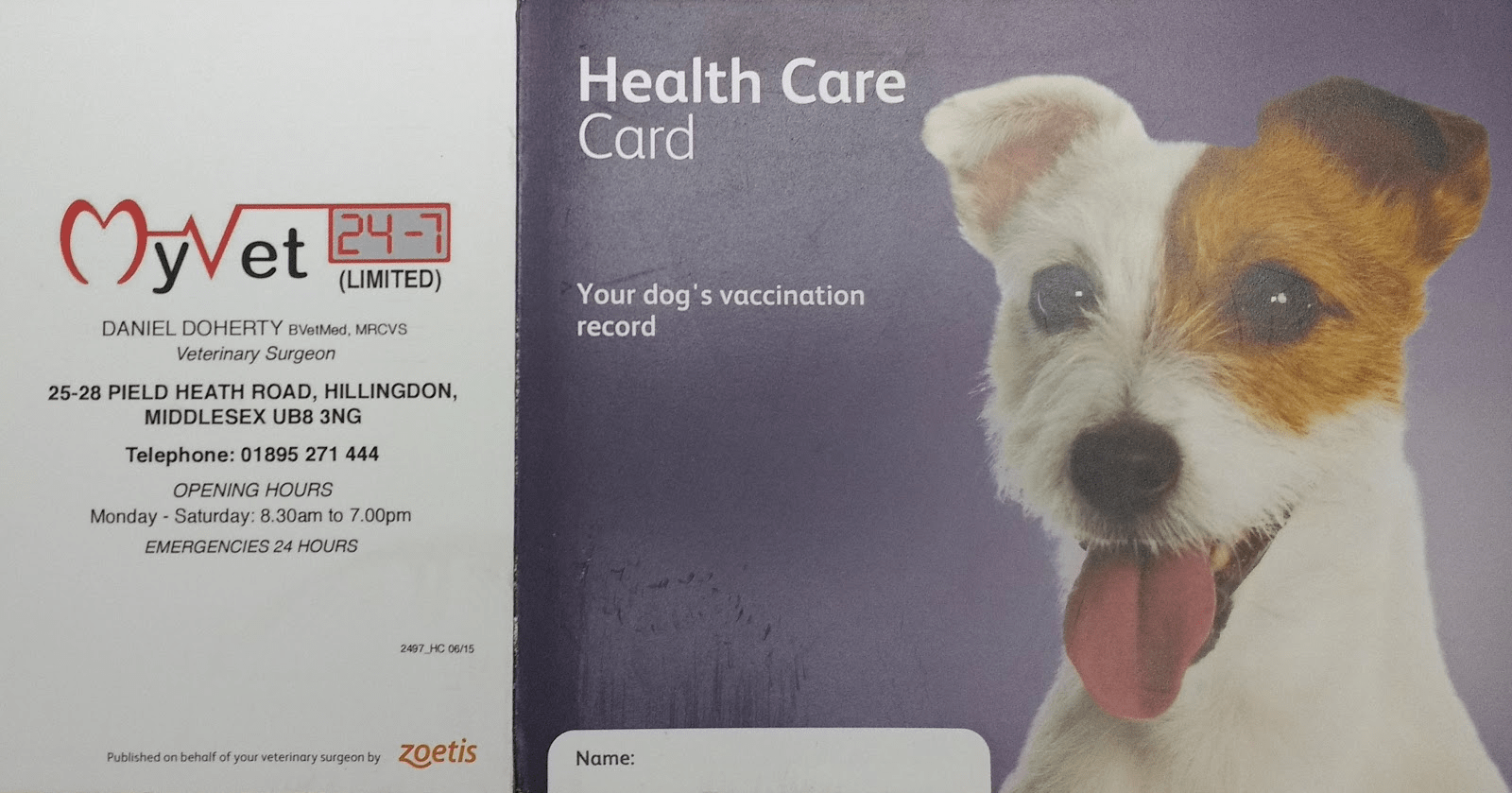
    The vet faced a four-week trial at Isleworth Crown Court for conspiring with a gang of puppy dealers to commit fraud. The charge said that Doherty, between 1 December 2013 and 14 February 2017 conspired to commit fraud by making false representations to members of the public for the purpose of selling puppies. The representations were intended to disguise the fact that the puppies were of unknown origin (imported or puppy farmed animals), by providing local health check and vaccination cards and false information that the puppy was the offspring of a family pet, home-bred, and socialised within a local residential family environment.

    Doherty pleaded not guilty and jurors heard evidence from Metropolitan Police officers, RSPCA investigators and members of the public who had purchased puppies from the gang. The jury’s guilty verdict was unanimous.

    RSPCA inspector Kirsty Withnall, who led the investigation into Doherty’s involvement with the gang – nicknamed Operation Rivet – said: “This was a vet who should have known better and should have had the animals’ best interests at heart.

    “But he was supplementing his income with fraudulent cash from the puppy trading gang who were making millions from selling sick and dying puppies to unsuspected members of the public.

    https://i.imgur.com/YDLRREX.png

    “Doherty was knowingly signing off vaccination cards and veterinary paperwork for thousands of puppies in the gang members’ real names as well as approving the paperwork that was written out in their fake aliases.

    “He was complicit and, if anything, aided their fraud because any buyers who purchased puppies from the gang may well have been comforted and reassured by the fact that the dog they were buying had paperwork to say it had already been to a vet for vaccinations and health checks. The problem is that the puppies had not been adequately checked so some were already harbouring illnesses by the time they were sold.”

    Vaccination cards said the puppies had been vaccinated against deadly viruses and diseases like parvovirus, which many of the puppies owned by witnesses in the trial had actually contracted, some succumbing to the highly contagious viral disease.

    Jurors also heard evidence that a past employee at MyVet 24/7 had raised concerns about Doherty and his practices.

    Separately, one complaint, lodged with the Royal College of Veterinary Surgeons by a vet in Hertfordshire, raised concerns over the lack of information Doherty was including in the vaccination cards he was issuing .

    The RSPCA gathered evidence that 4,689 puppies were taken to MyVet 24/7 by the gang between 23 March 2011 and 10 May 2017 for their first vaccinations.

    Inspector Withnall added: “Doherty offered the gang discounted vaccinations at just £16 per vaccine and flea/worming treatment so that works out at more than £75,000 in his pocket.”

    One family who were caught up in the scam were the Reeds from West Sussex. They spotted cavapoo Max being advertised online in November 2015 and, after visiting to meet him, paid £470 in cash and took him home to their farm.

    Rebecca Reed said: “The breeder couldn’t find the vaccination paperwork so said he’d send it on.

    “We were so excited to have him home but, just 17 hours after he arrived, it all went wrong.

    “Max was a lot quieter than he first seemed. He was so tiny. He wasn’t interested in eating but was constantly drinking.”

    When he collapsed and didn’t have the energy to lift his head the family rushed him to the vet. After weeks of veterinary care and lots of tests he was diagnosed with megaesophagus (a hereditary condition in which the oesophagus doesn’t function properly, so they can’t get food into their stomachs easily).

    https://i.imgur.com/LmyS5rW.png

    Emergency treatment and surgery cost the family £5,600 and they rearranged their routines and work shifts around Max’s care. Thankfully, the plucky little pup pulled through and now – aged three – is doing well.

    “He has gone from strength to strength,” Rebecca added. “The vets called him a ‘miracle’ and couldn’t believe he’d pulled through. We’re just so pleased he’s now a happy, healthy dog and can live a normal life.”

    Doherty will appear back at Isleworth Crown Court next month (May) for sentencing.

    The other members of the puppy farming gang he colluded with are also due back in court for sentencing next month

  • Can Chocolate Really Kill Dogs? Owner Describes ‘Scene of Carnage’

    Can Chocolate Really Kill Dogs? Owner Describes ‘Scene of Carnage’

    A dog owner has issued a warning after her puppy nearly died from eating a box of liqueur chocolates from under the Christmas tree.

    Suzanna Dixon was Christmas shopping when her inquisitive young pooch, Narla, who was just nine months old at the time, tore open a gift wrapped box of chocolates that had been left under the tree.

    Mother-of-four, Suzanna (32), returned to her home in South Shore, Blackpool, to find a scene of carnage.

    She said: “When I walked through the door my first thought was ‘we’ve been burgled!’ as there was torn up wrapping paper everywhere, but then I saw Narla with the nearly empty box of chocolates.

    “I know human chocolates can be poisonous to dogs so I rang PDSA and they told me to bring her straight down.”

    Vets at Blackpool PDSA Pet Hospital rushed Narla in immediately, and gave her drugs to induce vomiting in a bid to flush her system of the chocolate. She’s also one of thousands of lucky pets to benefit from PDSA’s A&E service which receives funding from players of People’s Postcode Lottery.

    PDSA vet, Terry Ogdin, said: “We estimated that Narla had eaten around 200g of chocolate, which is an extremely dangerous amount for a dog of her size.

    “Thankfully she was brought in very quickly and we were able to treat her before the chocolate had a chance to digest.

    “She was well enough to go home the same day with medications to help absorb any remaining chocolate, and went on to make a full recovery.”

    Chocolate contains a chemical called theobromine, which is toxic to dogs. Signs your pet may have eaten chocolate can include excessive thirst, vomiting, diarrhoea, a tender tummy and restlessness. These can then progress to tremors, an abnormal heart rhythm, raised body temperature and rapid breathing. In flat-faced breeds like Narla, which often struggle with breathing issues, these symptoms can be exacerbated.

    In severe cases, chocolate poisoning in dogs can cause fits and even death. The higher the cocoa content of the chocolate, the more dangerous it is, so dark chocolate poses the biggest risk to pets.

    Suzanna wants to warn other pet owners about the dangers of chocolate to pets.

    She said: “Not only did Narla eat a huge amount of chocolate, but they were also liqueur ones so the alcohol made it even worse.

    “There won’t be any chocolates under the Christmas tree this year and I’d urge others to ensure they don’t leave any chocolate within easy reach.”

    If owners suspect their dog has ingested chocolate, they should call their local vet immediately and let them know the type of chocolate, the quantity and likely time of ingestion.

    PDSA is also warning pet owners about other festive foods that can be toxic to pets, including alcohol, grapes, sultanas, onions and garlic.

    Vets advise owners to store chocolates and other poisonous foods in the same way as medicines when they have pets in their household – safely and securely. And for those who can’t resist giving their four-legged friends a little Christmas treat, a new toy or a nice long walk is a better alternative than treats.

  • Shame on You Channel 4: Rich Dog, Poor Dog TV Show Review

    Shame on You Channel 4: Rich Dog, Poor Dog TV Show Review

    As a dog lover who loves to channel hop, I can guarantee there are few things which will make me stop and watch whatever show I land on. But one thing that will always make me stop and watch is a dog.

    Last night while browsing I came across ‘Rich Dog, Poor Dog’ on Channel 4. At this stage, I would normally include a link to the show for readers to watch themselves if they missed it.

    In this case, I really can’t bring myself to do that except to say: if you haven’t seen it, I wouldn’t recommend watching it. Seriously, if you love dogs and understand the animal welfare crisis in the UK you won’t enjoy it: here’s why.

    At first I thought the show was simply looking through the keyhole at the life of dog owners who live only streets apart but find themselves living on very different scales of income: one rich, one poor.

    In the beginning, I watched not really sure that was that much of a revelation but found myself watching all the same.

    Through our interviews for K9 Magazine, we’ve been told city-dwelling dog owners often find themselves making new friends through their one common interest – dogs. And so I watched thinking this may be where we were headed.

    Admittedly the show telegraphed this by filming the two ‘poor dog’ owners and their dogs, a Jack Russell and Staffie, walking to the shops to spend their last £7. Glancing from afar at the houses which they said must be worth £5 million, they speculated those who lived there wouldn’t have their sort of money problems.

    Contrastingly, we then saw the ‘rich dog’ family receive a visit from their groomer who the owner speculated was “the best in all of Chelsea and Battersea” for a pampering session in the comfort of the wealthy Shih-Tzu’s own home.

    Then the show took a turn.

    In the ‘poor’ household after being told one of the dogs would have to have cat food as they’d run out of dog food and had no money left until their benefits would be next paid, the concept of breeding was introduced in a ‘let’s get the laptop out and look at how to breed dogs’ segment.

    The topic seemed planted by producers at best, negligent at worst.

    The concept of backyard breeding wasn’t introduced as a bad thing. Nor as something that should NEVER be advised or attempted, but as something being actively considered because they had no money and because of how much you can earn if you breed cross-breeds with a fancy name like a “little jack shihtz”.

    The UK has an animal welfare crisis.

    Not just by sheer volume of dogs who end up in rescues every year neglected and abused (and this number is rising), but by breeders actively breeding dogs who will grow up with health problems and puppy farmers who in some cases are concealing their true motives aided (knowingly or otherwise, if we’re being generous) by The Kennel Club, who run Crufts (also currently being aired across Channel 4’s network).

    Dogs aren’t here to be our cash cows. They aren’t here to solve our income issues. They are our companions and do many, many wonderful things every day as our companions. They make us laugh, they give us comfort and in some cases are amazing assistance dogs transforming the lives of their owners.

    Watch a dog sitting with his homeless owner and you can see a content dog giving comfort and companionship. Dogs relationship with man has nothing to do with wealth.

    Across the country, there are dogs who already suffer at the hands of humans in many different ways. The fact the show aired this as something that people could do is appalling.

    So what happened?

    Well, the two sets of dog owners met and had nothing except dogs in common. Staffies were bashed a bit by the rich dog owner who had a stereotype in her mind which didn’t match the reality and should have known better, and the ‘poor dog’ Jack Russell (Juno) couldn’t have puppies and she was given up.

    This show COULD have said something positive about the discrimination towards certain types of owners and their dogs. It didn’t.

    It could have shone a light on how many dog owners put their dogs ahead of themselves. It didn’t do this either.

    What it did do it put the idea of backyard breeding out there with no common sense highlighting the untold distress to animals as a result. Nor did it tell the story of how this could put further stress on the animal rescue system which is already bursting at the seems.

    The show flashed up a hashtag to encourage people to take to social media to discuss. While following the trail today I discovered I’m not alone. Here’s what others thoughts.


  • MP Claims Report Into Animal Welfare Says Banning of Third Party Puppy Sales Hard to Enforce & Key Messages Will Be Overlooked as a Result of RSPCA Headlines: Here’s What You Need to Know

    MP Claims Report Into Animal Welfare Says Banning of Third Party Puppy Sales Hard to Enforce & Key Messages Will Be Overlooked as a Result of RSPCA Headlines: Here’s What You Need to Know

    Today (16 November) the Environment, Food and Rural Affairs Committee (EFRA) has released its report into Animal welfare in England with a focus on domestic pets, which includes dogs, cats and horses.

    A parliamentary enquiry was launched to examine the effectiveness and enforcement of animal welfare laws and the report includes these key recommendations and conclusions for the British government.

      • Pass regulations to protect the genetic viability and welfare of offspring as well as adult dogs
      • Update legislation governing the breeding of dogs with a licensing regime based on modern welfare standard
      • Require anyone breeding two litters or more per year to be licensed as a breeder
        Breeders have an important responsibility to provide for the social development and broader welfare requirements for puppies in their care. We recommend that the legislation governing the breeding of dogs should be updated with a licensing regime based on modern welfare standards
      • A national inspectorate should be established to liaise and support local authorities in enforcing the licensing regime, undertaking inspections and dealing with complaints
      • Ban third party sale of dogs. Dogs should only be available from licensed, regulated breeders or approved rehoming organisations
      • Make it compulsory that all internet pet advertisements should include the registration or licence number of the seller
      • Make the Pet Advertising Advisory Group’s minimum standards mandatory for all websites where pets are advertised and sold
      • Increase the age at which dogs are allowed to enter the United Kingdom under the Pet Travel Scheme to six months
      • Place a statutory duty on local authorities to enforce the Animal Welfare Act. The Government must ensure that appropriate resources are made available to local authorities to support them in this extension of their statutory duties
      • The RSPCA should continue its important work investigating animal welfare cases and working closely with the police and statutory authorities
        It should, however, withdraw from acting as a prosecutor of first resort where there are statutory bodies with a duty to carry out this role. We are not convinced by its arguments that it is in a better position than the CPS to prosecute animal welfare cases
      • Animal welfare cases in England are amongst the lowest in Europe. We recommend the maximum penalty is increased to five years 
      • Examines the potential for the establishment of an animal abuse register of those convicted of animal cruelty offences and who have been disqualified from keeping animals

    The committee feels these adaptations will improve the transparency, traceability and enforcement of regulations in the pet trade.

    However with the headline of the Commons EFRA’s own press release shared with the report focusing on the RSPCA, it’s no wonder MP Angela Smith, who sat on the committee for this inquiry, and others within the pet industry feels the key message will be derailed.

    Gudrun Ravetz, President of the British Veterinary Association (BVA) has commented on the report welcoming the recommendations to realise the full effectiveness of the Animal Welfare Act 2006 but goes on to say, “The RSPCA is currently responsible for over 90% of prosecution activity on animal welfare issues and it is unclear who else would have the resources to take on this vital role. EFRACom’s focus on the RSPCA’s prosecution powers is a disappointing distraction from a report that, otherwise, makes many positive recommendations towards improving UK pet welfare.”

    On the topic of the RSPCA, the press release which accompanied the report said:

    “The RSPCA should withdraw from acting as a prosecutor of first resort where there are statutory bodies with a duty to carry out this role, MPs on the Environment Food and Rural Affairs Committee have said.

    Followed by this quote on behalf of the chair of the Committee, Neil Parish MP:

    “The RSPCA does important working investigating animal welfare cases. And I would like to see its dedicated and professional staff continue that vital work. The Committee is not convinced, however, that the RSPCA is in a better position than the Crown Prosecution Service when it comes to prosecuting animal welfare cases. It should step back from making prosecutions itself, continuing instead to work closely with the police and prosecution service to protect the welfare of animals.”

    In a statement released by the office of Angela Smith MP, former Shadow Animal Welfare Minister and present member of the EFRA Select Committee, she said:

    “Today’s report by the EFRA select Committee into domestic animal welfare in England is I believe a missed opportunity to effectively promote improvements in animal welfare standards.

    “Unfortunately, the report’s very many sensible recommendations are in danger of being overlooked, thanks to the unwarranted attack on the RSPCA.

    “This is deeply disappointing and surprising, as during evidence sessions this view gained very little support from those who submitted evidence.”

    “Presently the RSPCA is responsible for over 90% of prosecution activity on animal welfare issues in England and the recommendations in the report are to some extent reckless, because there is no other body with the resources, the experience and the expertise necessary to take on this important role.”

    Speaking about the report RSPCA chief executive, Jeremy Cooper, said: “Overall this is a very sensible report with lots of progressive measures to improve animal welfare. We do not agree with the recommendation that the RSPCA should no longer prosecute. We are extremely proud of our near 200 years of experience investigating and prosecuting animal cruelty and our 92% success rate – which is currently a higher percentage than the CPS.”

    A further recommendation in the report, that a ban on 3rd party sales of puppies should be progressed, are also criticised by the MP because there is little said about how it could be enforced.

    Her thoughts are echoed by pet experts who worry it is nothing short of lip service.

    Puppy farming campaign group, Puppy Love Campaigns, whose work to investigate puppy farms has resulted in the closure and prosecution of more than 10 puppy farms shared these thoughts on Twitter:

    On this Angela point commented; “I think everyone on committee agreed and most of those giving evidence concurred that they would like to see an end to the 3rd party sale of puppies. However, much expert evidence said just banning it would not work.

    “Unfortunately, the report has very little to say about how enforcement of a ban would work, how this would be paid for, and who would enforce it, which is disappointing.

    “I am also disappointed the Committee didn’t accept much of the expert evidence that a strong and effective licensing system for sales is more likely to have the desired effect of stopping 3rd party sales.”

  • Why Did This MP Block One Of The UK’s Most Committed Anti Puppy Farm Campaigning Groups?

    Why Did This MP Block One Of The UK’s Most Committed Anti Puppy Farm Campaigning Groups?

    Inquiry – an act of asking for information or to conduct a formal investigation.

    On 8th September SNP MP Dr Paul Monaghan for Caithness, Sutherland and Easter Ross reminded us he was involved in an inquiry into animal welfare through his role as a member of the Environment, Food and Rural Affairs Select Committee, EFRA Select Committee Special Sub-Committee on Greyhound Welfare and the EFRA Select Committee Special Sub-Committee on Animal Welfare saying “Traveling to Wales tomorrow with @CommonsEFRA to visit puppy farms & dog rescue services as part of our ongoing inquiry into animal welfare.”

    This was then followed by a tweet on 9th September which said:

    The inquiry launched earlier this year and since then, no doubt as a result of what he has learnt, he has been active showing support by joining different campaigning groups on protests.

    Indeed on 23rd May he replied to the International Fund for Animal Welfare Parliamentary Team who applauded him for tabling an Early Day motion in Westminster calling for tighter legislation on dog breeding saying, “It’s a privilege to be able to highlight and support animal welfare issues. Let’s hope change is around the corner.”

    Whenever an MP backs calls for better animal welfare to create a brighter future for Britain’s animals in need it has to be a good thing, that’s what we all hope as dog lovers because there are far too many stories around the world daily showing man’s best friend suffering at man’s hand.

    However, when a publicly appointed MP with a role in animal welfare on a public forum such as Twitter takes a personal stance on an organisation who he has previously shared material from, hope turns to something else. It’s a feeling unlike another. Over the years many things come up which I keep silent about. Ryan’s voice, as publisher of K9 Magazine, is very often enough more eloquent than mine. Brevity is not my friend, but it is his.

    Through dogsblog.com we see a lot of stories of dogs rescued from puppy farms and so I see the end result if you like, as animal rescues pick up the pieces from all types of situations trying to give a dog a second chance in life. The life they should have had.

    The organisation he has chosen to take a personal stance about is Puppy Love Campaigns, who are supported by author and Huffington Post contributor Janetta Harvey, who’s main body of work revolves around raising awareness to puppy farming and the long-term effects on the dogs saved based on personal experience, and he seems to have also taken a personal stance here having taken the same action against her.

    Puppy Love Campaigns aren’t a group who court media and publicity, but in my opinion, that doesn’t mean they don’t deserve it. Their investigations have resulted in 10 puppy farms (and counting) being closed, saving many dogs from a life as a breeding machine in dark, squalid conditions we as dog lovers can’t quite get our heads around.

    Their videos and images have been circulated by many other puppy farming campaigns utilising their hard work and efforts to spread the word using the material and evidence they gather.

    Surely an MP with a role actively involved in inquiries about animal welfare should be doing all he can to benefit from the advice, work and specialist knowledge of those involved?

    Instead, after sharing news on 8th that he was visiting Wales as part of his work into animal welfare, he took the decision on 9th September to block both Janetta and Puppy Love Campaigns.

    This essentially stops them from engaging with him, but also stops him from seeing their activity on Twitter. For an MP who can be quoted telling us we should all “show respect to those we share our planet with” and who seems to want to do good and see an end to puppy farming, he will now miss out on vital news, information and advice he could benefit from for the good of the inquiry from Janetta, who has recently launched a book with a campaign to educate children about the subject and Puppy Love Campaigns, who have helped to close down – say it with me – 10 and counting puppy farms.

    This seems to be a thought echoed by many others who have echoed disbelief at the public figure’s actions, let alone those involved. Janetta has detailed her thoughts on her website while Puppy Love Campaigns have been left confused by the MP’s stance. All of which I note seem to have, publicly anyhow, gone without reply.

    Investigations of Puppy Love Campaigns have also resulted in 3 breeders being struck off the Kennel Club Assured Breeder Scheme. This scheme was implemented after the critically acclaimed ‘Pedigree Dogs Exposed’ documentary aired on the BBC highlighting the plight of certain dog breeds bred to conform to specific standards outlined by the Kennel Club.

    When you cut through the marketing, the Assured Breeder Scheme in the Kennel Club’s own words “helps puppy buyers find breeders who follow good practice. We wish to guarantee a responsible and rewarding experience for everyone. Every single Assured Breeder will be inspected by the Kennel Club, a UKAS accredited certification body, in order to ensure that the scheme is recognised as the essential quality seal for puppy breeding and buying.”

    In exchange for joining and for the above, breeders can use the scheme literature and logo to promote their litters of puppies. The Kennel Club say “this is an important badge that shows puppy buyers your commitment to the health and welfare of your dogs.”

    The reason I highlight the work of Puppy Love Campaigns is for one reason only – they don’t seek the limelight, but that doesn’t mean they don’t deserve applause for their work.

    Puppy Love Campaigns is made up of a group of volunteers who want to see an end to the puppy farming trade and as such, remain anonymous to allow them to carry out their investigations gathering evidence to pass onto bodies, such as the RSPCA and Local Authorities at which point the investigations continue with the relevant bodies able to ensure cases are taken to court, such as the latest case in Wales or in other cases, improvement orders will be given, ensuring a better life for the dogs.

    Their investigations begin with calls from concerned members of the public, sometimes neighbours of individuals who are mistreating animals and aren’t sure what to do. This organisation has the trust of the public, after all, their investigations stem from public reports.


    Photo Credit: Facebook.com/puppylovecampaigns

    Their work is not built on personal opinions and they don’t seek thanks from members of the public, but they deserve respect and they deserve to be listened to, particularly if you are part of an inquiry into the subject.


    Photo Credit: Facebook.com/puppylovecampaigns

    In fact, wouldn’t you assume a publicly appointed figure would be seeking the ear of a body who have helped to close puppy farms across the UK?


    Photo Credit: Facebook.com/puppylovecampaigns

    After waiting what we felt was a respectable amount of time for the publicly appointed, but no doubt busy, MP to reply, we contacted his office for a comment for this story.

    We asked him why he had chosen to block. He told us after originally engaging with them (at the time of writing, this activity is still visible for anyone who wishes to browse), he spoke with someone leading him to feel they had a difference of viewpoint on strategies taken and repeated multiple times it was a personal decision.,

    Which left us confused as to why with this in mind he has left a tweet showing him sharing images taken by Puppy Love Campaigns (as below).

    To this, he replied that he feels there was no reason to delete it as the sentiment is in line with his viewpoint.

    We can’t help but feel that by blocking those who have had a voice about the subject of puppy farming for longer (Janetta) or those who have had more of a direct role in communicating with and investigating puppy farms than you may have, you cast aspersions by doing so, given the goal of all is to end puppy farming.

    We put this to him and he said: “It’s important not to lose sight of the goal from all involved to end puppy farming.” He concluded wishing them well but reiterated his personal stance.

    Surely, this is a conflict of interest? If you’re using the platform to voice your work as a public official and MP for your constituency and beyond if you sit on committees, surely you should be open to receiving information, advice and data from those who have more expertise on a subject than you, as someone on an inquiry gathering data and insights to assess?

    After all, if you already knew all there was to know on a subject why hold an inquiry at all?

    We remain hopefully the enquiry will bring a silver lining to the lives of animals in need, but the subject of bias has to be raised, because lets face it, if you don’t have all of the data or insights on a subject how can you say you fully investigated and assessed for a well rounded, complete inquiry.

    Sadly, the topic of puppy farming is one those within the field are split about. Some believe stopping third party sales will end puppy farming, some, including Puppy Love Campaigns and the RSPCA, disagree saying third party sales would continue somehow, instead they would like to see every seller and breeder licenced.

  • What Does Brexit Mean For Animal Welfare, Puppy Farming & Rescue?

    What Does Brexit Mean For Animal Welfare, Puppy Farming & Rescue?

    Britain has voted to leave the European Union.

    This post will not tackle the politics of that choice nor the claims and counter claims that lead to it. It will focus on what the future holds for animal welfare over the coming years based on the current landscape and the views of independent professionals.

    Today a survey by Bloomberg has stated that 71% of economists they spoke to have predicted that the United Kingdom is to enter a period of recession. How deep and how long that downturn lasts depends on who you speak to, but the overwhelming view is that Britain will face a coming recession. What we know for a fact is that the decision Britain made last week has wiped a record $3 TRILLION from financial markets.

    Due to the very recent nature of Britain’s last recession, all too sadly, there is readily available data on how that economic downturn affected Britain’s animal welfare system. The 2008 banking triggered recession lead to figures suggesting up to 20 dogs per day lost their lives as a direct result of that particular economic downturn and as many as 345 dogs each day were abandoned.

    Analysis shows that the 2008 banking collapse lead to


    Sadly, the last recession saw record numbers of animal welfare problems according to the Dogs Trust and other charities.

    Economists have been and remain overwhelmingly in agreement, as have politicians, that Britain is about to see a significant increase in the cost of living. That includes fuel, clothing and food.

    BMG research has predicted that the cost of food and weekly shopping, in particular, will rise ‘significantly’.

    The primary ingredients in commercially available pet foods are meat, fish and vegetables. The early predictions are that while British farm produce will be cheaper to buy overseas, it will be more expensive in Britain itself.

    Job losses are predicted.

    We must be braced for what happens now.

    Arguing about the politics of it all is now redundant. The overwhelming predictions of qualified experts, economists, employers and politicians is that we need to brace for stormy weather. If the 2008 financial crisis has taught us anything it’s that we should be better prepared for what happened to dogs in those difficult years. We need to ensure information is widely distributed about issues such as

    • Reducing the cost of dog ownership
    • The very real benefit of pet insurance (times may be tough, but nobody should have to give up a much loved dog if they happen to get ill or injured)
    • Vigilance on puppy farming. Puppy farming isn’t illegal but in the previous recession is was one of very few industries to experience a growth spurt. We must continue to inform people about the folly of buying puppy farmed dogs as they are more likely to suffer illness and potentially end up in the already overstretched animal welfare system.
    • Despite the political turmoil to come, we must ensure Govt of the day do not simply use it as an excuse to disregard import legislation on issues such as puppy farming, breed specific legislation and animal welfare issues in general
    • Volunteering to help animal welfare organisations. No matter what the economic climate, our animal welfare organisations can always benefit from a helping hand. As the last recession showed us all too clearly, when the economy is in a downturn it’s not just businesses who suffer a drop in funds. We might not have the spare cash to donate but we can offer our time
    • Continue to promote dogs in shelters who need new homes

    Post British exit from the EU, we must ensure UK animal welfare legislation becomes the leading voice in Europe.

    The Pet Industry Federation says:

    “While the decision to leave the EU will have a significant impact on the farming and veterinary communities, the welfare of pets is one of the least regulated areas of EU law, with laws covering pet welfare largely devolved to the member states. Legislation on animal cruelty is provided for by laws such as the Animal Welfare Act 2006. While the UK is likely to still be bound by World Trade Organisation (WTO) rules on imports and exports, there could be opportunities to prevent the import of animals (such as trade in puppies from the EU) if they represented a disease or welfare risk, along with implementing other laws on animal welfare which might be better than current EU standards.

    There is still much to be negotiated, politically. It would be wise of us to be ready to take heed of the independent voices (not politicians) who have predicted what the UK is about to face. We need to make sure we don’t forget the animals.

  • Could This Revolutionary SmartBone Completely Transform Your Dog’s Alone Time?

    Could This Revolutionary SmartBone Completely Transform Your Dog’s Alone Time?

    Every week that goes by a new dog toy, food or accessory will be amid fanfare that it’s the most revolutionary or biggest game changer. Rarely are those claims able to stand up to serious scrutiny. This one might be different. This one really could be as game changing as products like the Kong.

    Take a look at the concept for the GoBone. Can you picture this product lighting up your dog’s life in those moments when they’re on their own?

    PulsePet, the company behind the product, opened pre-order sales for the smartbone on May 31 via the crowdfunding site Kickstarter and met its first goal in just five days. The firm says:

    The GoBone keeps dogs active with automatic, all-day entertainment while their owner is unavailable. The GoBone can also be used as an app-controlled gaming device for owners to play with their dogs in a fun, unique way when they are together. Working toward meeting its stretch funding goal, today PulsePet announced a new charitable contribution.

    https://i.imgur.com/I3JDQ8c.gif

    “As a dog owner and animal shelter volunteer, I know how much being bored and lonely can stress a dog,” says Santiago Gutierrez, CEO and founder. “When I created the GoBone, my original goal was to keep my dog Rufus entertained while he was home alone. But then I realized the GoBone could also be used to improve the bond between owners and their pets through interactive games they can play together. When we tested the GoBone initially, we did so with shelter dogs of all sizes. I saw the impact it made so donating to a local Dallas shelter just made sense as a great way to give back”

    GoBone is partnering with Dallas Animal Services and Adoption Center to donate more than $1,000 worth of GoBones to the shelter. The GoBones will help mentally stimulate the dogs and engage them in their kennels. The GoBones will also help engage volunteers under the age of 18 who are not allowed to physically interact with animals. With the GoBone App, they will be able to play with the dogs by controlling the GoBone and playing games with them from outside the kennels.

    “As the Dallas Animal Advisor Commissioner (District 1), I’ve been involved with several recently-adopted dogs from local animal shelters that were very reclusive and withdrawn,” said Chris Watts. “The GoBone provides mental and physical stimulation that brings out their personalities. Since interacting with the GoBone, they’ve become entirely different dogs.“

    Using patent-pending algorithms, the GoBone automatically adjusts its behavior based on the dog’s age, weight, breed, and play style to engage them longer and more often than other toys. For example, the GoBone moves quickly and takes sharp turns for an Aussie puppy. It slows down and takes easy turns for an older bulldog. Owners can set the GoBone on auto mode or they can schedule playtime via the GoBone App. When together, owners can choose to control the GoBone via the app, giving them more ways to play and interact with their dog.

    “The GoBone is effective for playing with and exercising animals,” said Laura Young, Dallas Dog Behaviorist and AKC certified evaluator. “ As a dog behaviorist and trainer, I also see it as an innovative training and assessment tool. The GoBone lets me observe a dog’s natural style of play and drive, which helps me custom-tailor my training techniques to the individual dog’s personality.”

    The ultra- durable exterior is replaceable so owners don’t need to buy a whole new GoBone if by chance it gets damaged. It is lightweight so pups can easily carry it around inside or outside. Owners can also customize colors and attachments as they’re introduced. The GoBone’s rechargeable battery lasts eight hours in autonomous mode and 30 minutes in freestyle (manual) mode. As many dogs may not have encountered an automated toy, the creators at GoBone have developed an introduction process to ensure even the most timid dogs gradually fall in love with the GoBone.

    https://i.imgur.com/h1AKVjS.gif

    The GoBone was designed with safety and durability in mind. All parts that come in contact with dogs are made from FDA food-grade, eco-friendly materials. Multiple hardware and software safeties are in place to keep dogs safe. The GoBone has been tested for over 1,000 hours with more than 120 dogs in homes and shelters, where it has already demonstrated its positive influence on many dogs. For shelter dogs in particular, the GoBone has helped them become more active in their pens, showing potential adopting families the dog’s true self. The PulsePet team believes so strongly in the benefit shown to shelter dogs, that in addition to providing GoBones to a local Dallas shelter, PulsePet offers two Kickstarter pledge options that allow consumers to donate a GoBone to the shelter of choice to help as many dogs as possible.

    Visit http://bit.ly/GoBone to pledge your support and save off the final retail price. For the cost of a week’s worth of doggy daycare, your best friend will enjoy all-day mental and physical exercise no matter how your day unfolds. For more information about GoBone, please visit http://www.mygobone.com.

  • Meet the Dogs (& Their Owners) Who Sold up to Travel Around Europe & Wrote a Book About It

    Two years ago the Burton family sold their house, packed up their belongings, bought a motorhome and have been travelling Europe ever since with their two dogs Ozwena who is a beagle and Uluru a fox red Labrador.

    Their adventures were relayed through a three-part series in K9 Magazine and they have now written a book called ‘DUST’ that chronicles the journey that is told partly through Ozwena’s eyes.

    http://i1.wp.com/i.imgur.com/9k4uJLo.png?w=620

    Read on to find out what Ozwena has to say about travelling Europe with her parents.

    What is it like for a dog travelling in a motorhome?

    At first it was a little strange. Moving from a fairly large house to a small motorhome took a bit of adjusting. I have never enjoyed travelling in a car so I’ve been surprised as to how comfortable travelling in a motorhome is. We recently had a hire car and I still detest travelling this way so can only presume the additional size and space in the motorhome, along with slower driving speeds suits me.

    My bed is different as it’s raised off the floor and is now the front seat of the van but I’m used to this now and this is where I call home. I always feel safe in the motorhome and the company from my sister Uluru makes it so much better.

    You must have had quite a lot of preparation to do before your trip. Tell us about it.

    I had to visit my local vet to get a pet passport that allowed me to travel in Europe. At my appointment, the vet gave me an examination that included checking I had a microchip and then scanning me to find my identification number which is now written on my passport. I also had to for me and of course one for Uluru my sister. I also have to wear a scalibor collar as to protect me from leishmaniasis which is a tropical and sub-tropical disease spread through sand flies that can be found in some parts of Europe. More importantly, this also covers me against ticks.

    What did you take with you?

    I took my doggy bag with me and packed my favourite toy, my lead and a blanket that I’ve had since I was a puppy. I also have a collar with my name and number stitched onto it which is important in case I run away which I tend to do quite frequently! Other things that I took are some tweezers in case I do get any ticks so that these can be easily removed. I also have medication for fleas that I have dabbed on my neck every few months. I got fleas once and it was an awful itching experience.

    How did you manage with the differences in foods in Europe?

    My favourite interest is eating and I’m not a fussy eater at all. I dine out on many delicacies and have tasted foods from all around Europe to include octopus, anchovies, polish stew, with my favourite being tapas. I get dried dog biscuits each morning and night (with a spoonful of tinned dog meat) and these are similar to the ones I used to get back home. Most supermarkets in Europe sell the same or similar brands so it’s not a problem.

    Are there any dog laws in Europe?

    There are frustrating dog laws in Spain where dogs are not allowed on any public transport which

    In Italy, I’m allowed onto trains, buses and boats but only if I wear a muzzle, this can be embarrassing

    If you are a dog in Norway then you have to stay on the lead from the 1 st April until the 20th August and this is to protect wildlife as many new animals are born at this time so fair enough really.

    The other places I’ve visited have been very dog friendly.


    Ozwena at Mont Blanc, the highest mountain in the Alps

    Tell me the best bits of travelling in a motorhome.

    Being with my sister Uluru and my parents Paul and Emma 24/7 is the best thing about travelling. And my walks last much longer than they used to and I love having the freedom to go where I like and to explore the endless beaches and woods in Europe. I’m an active dog and as a beagles I like to sniff out places and have found endless scents that take me running and exploring for miles and miles.

    Everyone travelling Europe seems to have a dog with them and this is partly due to the relaxing of quarantine laws which means us dogs can travel which is so much better than staying at home whilst my parents go off and have fun!

    And you’ve wrote a book about your travels, tell us about this?

    I’m a well travelled beagle and have covered over 25,000 kilometres and visited 19 countries. I’ve been as far North as the Arctic Circle and as far south as Morocco. You can read about what I get up to in my book where I was kidnapped in Spain, washed out to sea in Italy and fell from cliffs in Portugal. Travelling Europe really is the best thing that has ever happened to me after realising life is for living before turning to DUST.

    What’s next?

    We are leaving the UK again shortly and heading east to explore that part of Europe. We didn’t get that far the last time so it will be great to go and explore further afield. My parents have researched these countries and they seem to be dog friendly places but I will however let you know how I get on. You can read about my trip by visiting my blog: beagleburton.wordpress.com


    TV presenter Declan Donnelly with a copy of DUST

    If the Burton family adventures have inspired you, you can enter and win your very own copy of ‘DUST’ as told by Ozwena, comment below telling us why you would like to win a copy (keeping your email address hidden behind your username).

    Two UK winners will be chosen at random.

    Good luck!

  • These Household Items Could Kill Your Dog – This Dog Got Lucky

    These Household Items Could Kill Your Dog – This Dog Got Lucky

    Inside the average household cupboard, in amongst the bread, butter and condiments there exists a collection of foods and other everyday household items that could cause your dog serious injury or death.

    Take the case of a binge-eating Boxer dog who created his own Great British bark-off after wolfing down the entire contents of a baking cupboard.

    Ray, the lovable eight-year-old pooch, from Plymouth, gobbled up a bag of flour, an entire kilo of sugar (including the bag) and a packet of raisins, which can be deadly to dogs.

    As soon as the kitchen crime scene was discovered, greedy Ray was rushed to Plymouth PDSA Pet Hospital by his worried owner, Jasmine Quick (36), where he was admitted for emergency treatment.

    https://i.imgur.com/Dvlmv5Y.jpg

    Jasmine said: “I’d been on a baking competition weekend with friends and brought the leftover ingredients home. I popped out for 20 minutes, but I returned to complete chaos – Ray was absolutely covered in flour and sugar, and was guzzling his way through the raisins.”

    Jasmine called PDSA immediately as she had read that grapes were poisonous to dogs – and was advised to bring him straight in.

    PDSA Vet Erin Beale said: “Ray was given medicine to make him sick and kept in overnight for observation. This was a potentially disastrous cocktail. Grapes, raisins and sultanas are all highly toxic to dogs and even small amounts can be fatal, depending on their size. Thankfully for Ray he got help straight away, so recovered quite quickly and was soon back to his boisterous self.”

    Ray returned home the next day and the family are hugely grateful for the help they received. Jasmine, who will be keeping a close eye on Ray in the future where food is concerned, added: “PDSA have been a godsend, we gave a donation but simply couldn’t have afforded Ray’s treatment without them.

    “My husband lost his job a few years ago and Ray was ill soon after, we thought we might have to give him up. It was such a difficult time and the kids were devastated – we’d had Ray since he was a puppy. Then a friend suggested PDSA might be able to help us. We can’t thank them enough for everything they’ve done for Ray.”

  • The Three Greatest Loves (& Losses) of My Life

    The Three Greatest Loves (& Losses) of My Life

    I should feel lucky to have had three great loves who’ve loved me unconditionally but having just recently lost Chloe at 15 years old my heart feels broken and although it hasn’t yet been two months since she left us, the loss feels greater the more time passes leading me to think about all three of the dogs we’ve loved, lost and forever treasure.

    My first great love, and loss, was Bonnie.

    A quirky Cocker Spaniel, in any and all senses of the word. She was a funny character, I’m not 100% sure anyone, myself included, ever fully knew her. We adopted her at two-years old from a show kennels my cousin worked at. Bred from Crufts winning stock, she decided life in the ring wasn’t for her.

    Bonnie 7

    When I think back I liken her personality to Columbo. A persona that screamed simplicity, but underneath those massive ears and curly mophead lay a cunning mind whirring away.

    I remember once while living in Suffolk playing cricket outside one Summer’s night. We left the door open and Bonnie and Jackson followed pottering around. Mid-way through what was most likely a shocking attempt at playing cricket from myself, I saw Bonnie creeping back inside then coming out and thought no more about it until I saw her repeat the action a few more times. I decided to creep up and investigate when she went back inside one more time. She had opened a hole in the bottom of a 30kg bag of food and was treating it like a self-service buffet.

    Classic Bonnie move. In fact most classic Bonnie moments involve her opening and stealing a ham hock from the fridge, stealing and eating a loaf of bread at nano speed, before getting to older age and being unable to catch a treat dropped from hand height to her but opening her mouth and making that lip smacking sound we all know too well about five second too late.

    My second great love and loss was Jackson.

    He wasn’t my dog, not really, not to begin with anyway. Ryan had him from a puppy but when I first met Ryan in his dog training days, Jackson went everywhere he did. He was four-years old then and Jackson and I became friends, mainly through feeding him Skips crisps initially (at the time I didn’t realise Ryan’s diet mainly consisted of Skips, Supernoodles and orange Club biscuits).

    Jackson has an aura about him derived from his statuesque nature and everyone who met him has a Jackson story. In fact the ‘Nervous Twitch’ mentioned in K9 Magazine’s last Dogosaurus was inspired by him.

    Jackson_In_His_Prime_1996

    He was a kind, protective, funny boy who made me laugh more times than I can count. Jackson battled cancer, and won, before passing suddenly one weekend just over nine-years ago aged 13 years old.

    After he beat the disease we took him on a celebratory pet friendly break to Newton Abbot in Dorset. A weekend of pottering about (him) and falling in water (Chloe, his daughter). One of the funniest moments that weekend came when we were packing up to leave, it’s something we only spotted in the photos afterwards and the sequence of shots has led us to put our own dialogue with voices and accents, of course, to them.

    Jackson and Chloe Holne Chase

    For some reason Jackson took exception to something a dog in the distance said so Chloe peered over to check it out, while his grumpy old man face stayed put.

    The next photo in the sequence was of Chloe running out of the car to check on things, while the third photo showed her back in the car with a satisfied (almost smug-like) look on her face as ‘daddy’s little girl’.

    Chloe really did idolise her dad. She changed personality after he passed and although noticeable at the time, now that Mia has been left by Chloe, she too has changed personality. Chloe is my third love and most recent loss.

    Chloe

    Indulgent this feature may be, I’ve been reading a lot about coping with the loss of a pet recently to try and give my mind some sort of order once again. One thing I cannot find the answer to is if I am alone in the grief feeling so overwhelming and all consuming weeks afterwards. After reading this article by Joe Yonan I was inspired to share.

    At the time we had to say goodbye to Chloe, it was after a year long illness. We were told she had a combination of canine spondylosis and degenerative myelopathy which affected her spine with the effects worsening over time. In fact, looking back she hit all three stages from development to the latter stage pretty much bang on schedule as other dog owners had relayed in their own experiences.

    Throughout the three stages of the disease progressing, Chloe needed more care and to the end was unable to walk or hold herself up late afternoon/early evening in particular so our day was scheduled around Chloe’s needs and what she needed and when. If only she’d been younger to take advantage she would have loved it…

    We tried to manage her rest as well as we could, and sometimes it worked. If she would rest after breakfast she would be fine until lunchtime. She was a stickler for routine paying no attention to the clocks going back, but when they went forward she whole-heartedly agreed. She would start her countdown to tea around 10 to 3 in the afternoon. It used to amuse me and I’d get used to hearing the banging of her tail outside my office door or against my desk. You literally could set your clock to Chloe-time.

    In the latter stage of the disease, her mind was the same but her body was failing her and we knew would only get worse, yet I didn’t truly prepare myself for a time when she wouldn’t be here.

    As the disease progressed, Chloe-time worked against her. She would still want to get up and walk around, but she couldn’t cope with the pacing.

    I am lucky in that working at home wasn’t an issue so for most of Chloe’s life we’ve spend every day with her and I cherish that. Or will do in the weeks or months to come I think with much more ease. Just now I’d do anything to get another 15 years with my special girl.

    DSCF0115

    With Chloe we had three markers on what we would look out for to make sure she was still enjoying life and had quality of life, and when it got to the point that she was no longer able to cope we felt we had no choice but to make a decision to let her go because if we didn’t, it would have just been for ourselves rather than her, and she loved so fully and unconditionally, this was one final thing we could do for her.

    It left us with broken hearts and a hole as big as her heart.

    I think in the first few weeks I threw myself into work. With such a lot to do, I felt I could do more good through National Dog Adoption Month helping more dogs to find new homes and more owners to find their canine soulmate. At night times with the house so much quieter without Chloe’s presence, I just worked some more and Mia, who idolised Chloe as much as Chloe did Jackson really, was lost without her and slept for most of the time.

    As November began, my work load began to slow and I found myself albeit busy during the day, I was running out of excuses.

    I wonder if in the early weeks I distracted myself too much, or if perhaps I was mindful of the decision being the right one for her whereas now, although that’s still the case, the loss is greater because time has passed and what I’m left with now isn’t the Chloe on 29th September who needed us to help her, but the Chloe I remember for 15 years worth of fun, beauty and spirit, her love of all things orange in her younger days, her ability to have her eyes closes in most photos taken, and so much more besides.

    Chloe once shouted at Andrew Castle from her dressing room backstage at GMTV while accompanying Mia (she sat with her back to the camera on a live appearance once also).

    She once trod in and upturned a water bowl on Big Brother’s Little Brother backstage after being given a tour behind set by Dermot O’Leary. She also once attempted to usher someone out of our house because his presence delayed her teatime. I think I’ve said enough of her stickler for routine!

    She had the biggest heart and biggest, most beautiful brown eyes and I will forever miss her. She gave the best cuddles and I miss her presence every moment of every day. I hope she knows just how much she taught us about living life the Chloe way.

    Chloe sound asleep

    If you too have lost a pet, share your special moments below here. I’d love to hear your own canine’s shenanigans and hope the antics of Bonnie, Jackson and Chloe here have amused you.