Author: Jasmine Kleine

  • Should Therapy Dogs Be Available to Patients on The NHS?

    Should Therapy Dogs Be Available to Patients on The NHS?

    Seeing a dog-tor on the NHS or engaging in animal therapy could help ease lockdown loneliness.

    In the wake of rising lockdown loneliness, a medical law firm is questioning whether alternative, more holistic treatments could be the answer – perhaps in puppy form.

    Jennifer Smith, Litigation Executive, suggests that engaging with animals offers multiple health and social benefits.

    “Pets are a great way to enhance social interaction. When out walking a dog, you find people stop and speak to you more often than if walking by yourself.”

    “There is also the exercise that comes with owning pets. Taking the dog for a walk or cleaning out the fish tank or cage gets you away from the computer screen and helps improve your mood if you have had a stressful day at work.”

    As NHS costs continue to rise to meet the increasing demands on mental health services, Smith also comments that regular check-ups with a dog-tor may help.
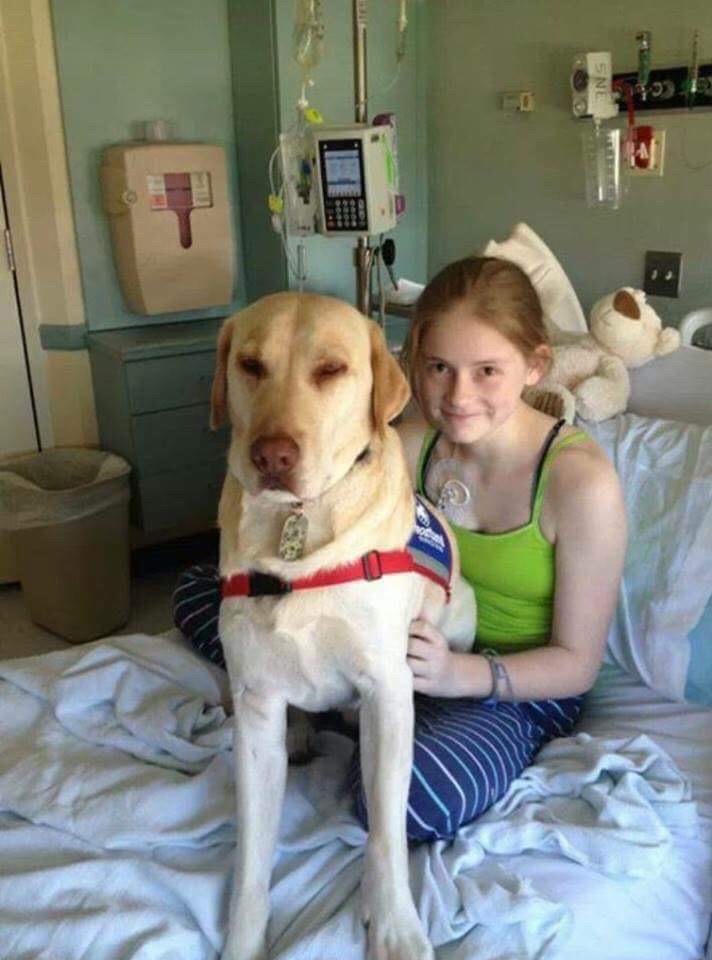
    “Therapy dogs may be a more cost-effective means than perhaps more invasive means of therapy, and the patient may be more willing to engage in such treatment,” explains Jennifer Smith, Litigation Executive at Patient Claim Line.

    “If the person is an animal lover, there may be more willingness to attend treatment appointments which again will help save money. Missed GP appointments cost the NHS £216million a year (source: NHS England).”

    The average salary of a therapist in the UK is £33,043 per annum according to Payscale.com. According to the PDSA, dogs typically cost between £6,500 and £17,000 over a lifetime, and up to £105 a month. Based on these costs, twenty-six dogs could be supplied for the same cost of one therapist.

    Of course, improving access to mental health resources is not as simple as prescribing dogs to patients. There are many variants of different mental health issues ranging from mild anxiety to more disabling psychosis conditions which will require their own specialist treatment plans.

    However, Patient Claim Line hopes their comments will inspire investigation into complementary and alternative therapy medicine, which is currently limited on the NHS (source: NHS England). The firm also hopes to highlight the importance of patients having access to the right treatment for them.

    7.3 million people are on antidepressants in the UK – that’s 17% of the adult population. (source: Gov.UK) Antidepressants are associated with withdrawal. Whilst medication may be the right treatment path for some patients, it’s crucial for long-term health that patients are not prescribed medication that they do not need, that the long-term side-effects of medication is properly explained to them and that other treatment options are explored.

    According to a 2019 poll of 12,000 people by mental health charity Mind, just 21 percent of patients that were taking psychiatric pills were definitely told about potential side-effects.

    “If you think you’ve been recommended the wrong treatment or diagnosis on the NHS, then you could complain to the GP or Trust,” explains Jennifer. “But this will not result in any compensation for pain, suffering and other financial losses that you may have incurred as a result of your wrong treatment or misdiagnosis.

    There is also the option of instructing solicitors to investigate if the incorrect treatment and/or diagnosis is serious enough to be negligent. Medical negligence solicitors are skilled in legal proceedings and will quickly be able to let you know if you have a claim.”
  • How Well Do Puppies Understand Humans? Study Reveals Surprising Details

    How Well Do Puppies Understand Humans? Study Reveals Surprising Details

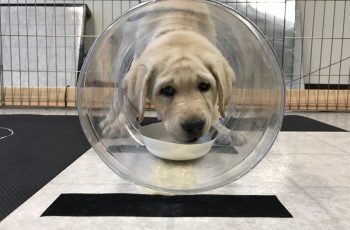
    A landmark collaborative study by industry leaders Duke University, University of Arizona and Canine Companions, is helping shed light on the cognitive and communicative abilities of 8-to 10-week-old service dog puppies. The findings were recently published in Animal Behaviour and may also be used to determine the best future working role for Canine Companions puppies.

    At Canine Companions’ national headquarters in California, 168 Labrador, Golden Retriever and Lab/Golden cross puppies from 65 Canine Companions litters were assessed in more than a dozen cognitive and temperament activities at around 9 weeks of age.

    Specifically, some tasks required the puppies to use communicative cues, such as human pointing, to locate a hidden treat. Based on the puppies’ success levels during these games, results confirm the early emergence of sensitivity to human communication in dogs.

    “We are in a unique position at Canine Companions that allows us to have ongoing follow up with every puppy born within our exemplary breeding program,” says Dr. Brenda Kennedy, director of canine health and research at Canine Companions.

    “Finding these early indicators of cooperative-communicative gestures between our puppies and humans may inform the process in which Canine Companions dogs are trained or evaluated for working roles in the future – ultimately helping us place more expertly trained service dogs with more individuals with disabilities.”

    Canine Companions, the first and largest provider of service dogs for people with physical disabilities, has held the top spot in canine cognitive and behavioral research within the service dog industry for over a decade.

    Want to know how to keep a puppy entertained? Read this.

    Additional studies with the Duke Canine Cognition Center, the Arizona Canine Cognition Center, DARPA and more, have provided valuable insight into the canine brain and cognition.

    With more than 6,500 service dog placements since its founding in 1975, Canine Companions is dedicated to ensuring happy, healthy puppies with a purpose are placed in the best roles for the dogs’ temperament and skillset. Each service dog and a lifetime of follow up is a $50,000 investment by the organization; however, Canine Companions service dogs are provided entirely free of charge to clients.

    Read more about the study in Animal Behaviour here. Learn more about research at Canine Companions by visiting cci.org/research.

  • Want To Go Dog Sledding In Lapland? Here’s How To Do It

    Want To Go Dog Sledding In Lapland? Here’s How To Do It

    As Swedish Lapland prepares for its usually popular winter tourism season, a local couple from Northern Soul Journeys have gone one step further and are documenting their time across the year with a weekly film as they train their huskies, grow, forage, preserve and create in preparation for guests returning.

    The new dedicated YouTube channel will follow Hannah and Jeremias, and their Alaskan huskies, at their home just outside Lulea, Swedish Lapland. Launched this week the new video channel will open the door to life in Lapland and has been created as an extension of their popular tourism experiences that will once again be running later in the year.

    View the new Northern Soul Journeys channel here:

    “Our experiences have always been more than just a ride on a dog sled. We welcome every guest as an extension of our family so they can really experience what life is like in the Arctic,” says Jeremias. “This is what we hope to do for the rest of the year and give people a window into what life is like living in the Arctic wilderness.”

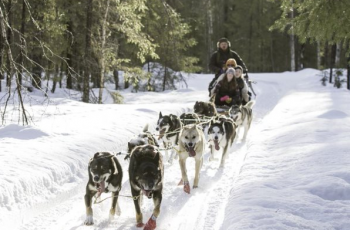
    The seasons in the Arctic are more dramatically different than anywhere else on the planet, so much so, that locally there are eight seasons recognized, rather than four. With the warm summer months and midnight sun, comes a blossom of color and life with fruit and vegetables being grown and harvested. Hannah and Jeremias also have four teams of Huskies to care for, so there’s plenty of exercise and teamwork training required as they run pulling an ATV, rather than the winter sled.

    “With the snow now melted away the summer sun brings life back to the forest, it’s the time of year we roll our sleeves up to work the land. As all our guests enjoy homemade breads, cakes, jams and preserves in the winter, we now need to grow, forage and harvest all the ingredients to see us through,” adds Jeremias.

    Jeremias who born in Norrbotten met American born Hannah in Northern Sweden, where Hannah was a dog mushing guide and Jeremias was a snowmobile guide. Their first date was spent on a dog sled, and they have never looked back, starting their own experiences that didn’t just take guests out dogsledding, but teach them to become a ‘musher’ and run their own team of dogs.

    “It is always important to experience more, and grow as a person, something that we pride ourselves in giving each of our guests,” says Hannah. “In the meantime, as we return from COVID, we wanted to bring a piece of the Arctic experience to people’s homes – and so our new video channel was launched.”

    A private dogsled experience with the team at Northern Soul Journeys can last from one hour to a full day, costing from £100 per person. This includes a full guided tour with all of the equipment and instruction required; additional quality Arctic clothing; and plenty of time to get to know the dogs.

    For more information about the Northern Soul Journeys, the new daily broadcast and experiences for next winter, visit www.northernsouljourneys.com, or to learn more about the region visit www.swedishlapland.com

    OUR DOGS

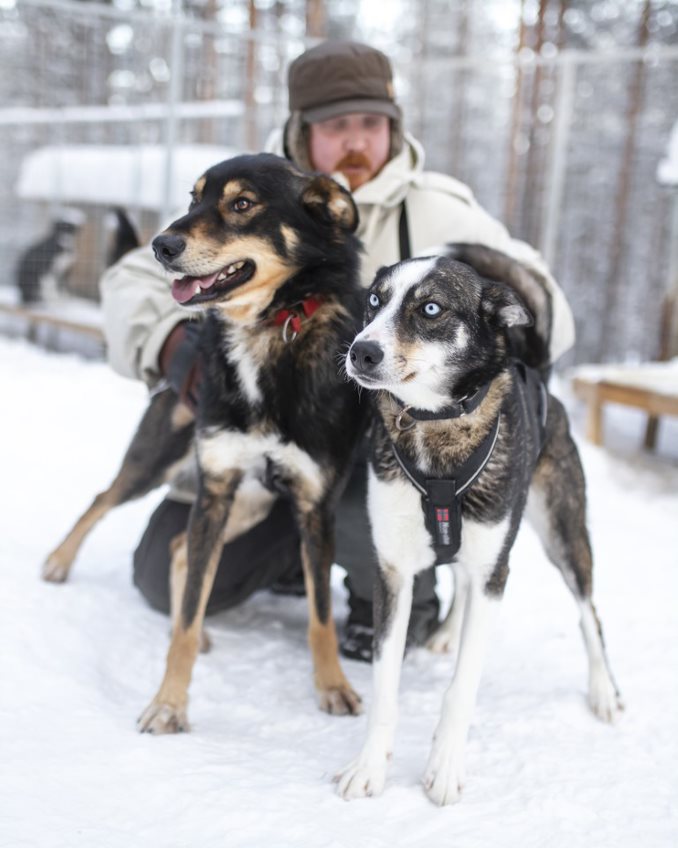
    We have Alaskan Huskies. You won’t find them at any dog show, but these dogs are built to run. The word husky refers to any sled dog, ranging form an Alaskan Malamute, to a Siberian Husky, to an Alaskan Husky, and everything in between. Each type has a different purpose Malamutes are very slow, but can haul a lot of weight, while the Alaskan is much faster and is the most common husky that you’ll see in races.

    ​You might be wondering why our dogs all look so different. That is because when we decide to make puppies we choose parents based on their conformation (their body structure), work ethic, fur quality, and personality. Things we don’t care about are markings or eye color. By having a diverse gene pool we can ensure that our dogs are healthy, hearty, and hard working.

    Northern Soul Journeys is a small family-owned and operated dog sledding company in Norrbotten, Swedish Lapland. It was founded by Hannah and Jeremias Kinnunen-Levy in 2018. They offer a wide variety of tours throughout the year with our main focus being winter dog sledding tours.

    Hannah and Jeremias met in Northern Sweden, where Hannah was a dog mushing guide and Jeremias was a snowmobile guide.

    Their first date was spent on a dog sled, and while they drove through the forest, they realized they wanted the same things out of life.

    At the end of the 2015-2016 winter season, they decided to test their relationship with a 1400 km hike through the Swedish mountains. They figured that if they could make it through that without killing each other, they would certainly make a good team.

    At the end of the hike, they were a few kilos lighter and in love. After another winter season, they were ready to build their own dream of living a life with dogs close to nature.

  • Vetoquinol Acquires Two Major Pet Wormer Brands

    Vetoquinol Acquires Two Major Pet Wormer Brands

    Northamptonshire based Vetoquinol has announced its acquisition of Profender® and Drontal®, the broad spectrum dewormers for cats and dogs and is now the new owner of the brands in the UK and Ireland.

    The brands were acquired by Vetoquinol following recent mergers between Bayer Animal Health and Elanco.

    The popular pet brands come into the fold at Vetoquinol with a strong heritage and reputation.

    Caitrina Oakes, Vetoquinol Managing Director UK and Ireland, says she is delighted to have brought the brands into the Vetoquinol portfolio and believes they are a natural fit for the company.

    “Vetoquinol has long held a reputation for delivering therapeutic products that extend the capability of clinicians to treat and manage disease. Preventative care is also playing an increasingly central role in practices, with the emphasis on helping pets live longer, healthier, happier lives. With many pet owners spending more hours than ever with their pets during lockdown, companion animal parasiticides have never been more important.”

  • MP Robert Buckland QC Shows Just How Out of Touch the Government Really Is With This Statement on Pet Theft Crime

    MP Robert Buckland QC Shows Just How Out of Touch the Government Really Is With This Statement on Pet Theft Crime

    MPs on Parliament’s Petitions Committee have expressed disappointment at the Government’s response to their call to make pet theft a specific criminal offence.

    Last month, following a string of petitions with more than 250,000 signatures, the Petitions Committee called for the Government to ensure the value of pets is fully recognised in the law and for pet theft to be made a specific crime.

    In a letter to the Secretary of State for Justice, Committee Chair Catherine McKinnell MP and Committee member Tom Hunt MP urged Ministers to ensure that sentencing options available to courts acted as a real deterrent for those who commit pet theft crimes. The letter also set out options for the Government on how to achieve this, and urged Ministers to take urgent action to amend legislation.

    Formally responding to the Committee in a letter published today [30/07/2020], the Rt Hon Robert Buckland QC MP, acknowledged the impact of pet theft as causing “deep distress” for pet owners. The Minister also said he recognised the “strength of feeling among campaigners regarding this issue” but reiterated that the Government has no plans to take further action in terms of legislation against those committing acts of pet theft. In his letter, the Secretary of State for Justice stated he was satisfied that current laws cover the crime of pet theft.

    The response from the Government comes as recent research by DogLost showed thefts surged 65% amid lockdown – compared with the same period last year. The figures will add to concerns raised by pet theft reform campaigners, whose research has shown that the number of thefts is continuing to increase year-on-year.

    Expressing disappointment at the response from the Government, Chair of the Petitions Committee, Catherine McKinnell MP, said:

    “Pet theft is a truly callous crime. It strikes at the heart of families and the evidence is showing that every year the Government fails to take action the problem is getting worse.

    “With the issue of pet theft now spiralling, it is incredibly disappointing that the Government have decided against taking action and bringing forward tougher sentencing for this awful crime.

    “Petitioners have been pressing Parliament and the Government on this issue since 2018, with more than 250,000 signatures on petitions urging action to be taken.”

    Petitions Committee Member, Tom Hunt MP, said:

    “Pet theft is a particularly cruel crime, robbing people of a cherished source of companionship and causing untold harm to the animals themselves.

    “I’m disappointed the Government has set out that it has no plans to make pet theft a specific offence in its response to the virtual discussion I chaired with the campaigners behind the Pet Theft Reform Petition.”

    Commenting specifically on the (typically unenforced ref. pet thefts) 7 year sentencing outlined by Robert Buckland QC in his letter, Tom Hunt MP said:

    “In the absence of a specific offense for pet theft, pets are classed by the law as inanimate objects, with their theft usually resulting in no more than paltry £250 fines. This punishment simply doesn’t reflect the serious nature of the crime.

    “I’m firmly of the view that the law doesn’t reflect where the public is on this issue, and I will be pushing for Pet Theft Reform to get the debate in Parliament it deserves after the recess.”

    Concerned campaigners for pet theft reform took part in a discussion last month with Petitions Committee Member Tom Hunt MP. Among those discussing the growing issue of pet theft were experts and academics in the field including John Cooper QC and Keele University academic Dr Daniel Allen, who has launched three separate petitions on the issue [watch the discussion here].

    The letter sent last month by the Petitions Committee calls for the Government to bring forward legislation, by amending either the Theft Act or the Animal Welfare Act, to create a specific new offence of pet theft with an appropriate sentencing range to deter thieves and provide a punishment that reflects the true impact of pet theft.

    It’s fair to say the Government haven’t heard the end of this. 

    “With significant cross-party consensus and public support on this issue, the Petitions Committee will continue to raise it with the Government and look to ensure there is opportunity to challenge their response by scheduling a Parliamentary debate to ensure the petitioners concerns continue to be heard,” concluded Catherine McKinnell MP.

  • So, This Is How Dogs Spent Lockdown Is It?

    So, This Is How Dogs Spent Lockdown Is It?

    A new study by Pet Munchies has revealed how the UK’s dogs spent lockdown – and it’s very sweet, except more dogs than ever will now be hiding from their owners – and some dogs will now even be tidying up behind themselves! Is your dog one of them?

    According to the natural pet treat brand, 8 in 10 pet owners said that their dogs were very important for their mental wellbeing during the lockdown and admitted that without their pets for company, it would have been a very different experience.

    However, while 77 per cent of dog owners believe that their dogs were very happy during the lockdown, not all were so sure and 8 per cent admitted that their dogs were not their usual selves, putting this down to having to spend longer periods of time indoors and more time with the whole family at home2, something that under usual circumstances, would be limited for dogs to experience due to members of the family leaving home to go to school or work.

    Former professional dog trainer Ryan O’Meara explained why this might impact on a dog’s happiness:

    “Dogs are happiest and most content when they are in a routine. When dogs are used to days following specific patterns – wake up, breakfast, walk, kids leave to go to school, and so on, it can be something to overcome when patterns of behaviour change because it’s a shift to what they knew to be their family’s routine.”


    Ryan training his two dogs, Chloe and Mia / Photo Credit: Ryan O’Meara

    How dog owners attempted to make lockdown fun for their pets

    In a bid to repay dogs for their crucial role to their happiness, half of pet parents admitted that they spent more time playing with their dogs at home, while 4 in 10 took in more walks and almost a third (29 per cent) decided to keep their dog’s brains stimulated by teaching their dog new skills with a third (31 per cent) declaring they’ve taught their dog one-two new tricks.

    The most popular tricks taught by dog owners include playing hide and seek, sit/stay, roll over and giving a paw on command. Some ambitious owners admitted that they taught their dog to tidy their toys up behind themselves3, to fetch the TV remote and even to read!

    And to reward their pets for learning fun, and sometimes practical, new skills, 72 per cent of dog owners treated their dogs to their favourite food and treats, 66 per cent lavished hugs, kisses and affection on their clever dogs and 11 per cent of owners gifted their dogs new toys.

    UK dog owners taught their dogs these fun games & tricks during lockdown

    • Hide and seek
    • Sit/stay
    • Give paw
    • Roll over
    • Tidying up (putting toys away)
    • Fetch keys/TV remote
    • Learning to read

    Source: Pet Munchies

    Other popular brain puzzles and activities favoured by dogs and their owners included learning how to fetch their lead, fetching specific toys and learning agility, one of the UK’s most popular dog sports.

    Natasha Wise is a three-time world agility champion. She explains the benefit to a dog’s mental wellbeing from having stimulation, such as learning a new skill to get the mind whirring, during unusual times like these.


    Natasha’s dog Toto in training / Photo Credit: Natasha Wise

    “Stimulation focuses a dog’s brain on the desired game and reduces stress, anxiety, and associated unwanted behaviours. As a result, through mental stimulation, dogs become happier resulting in calmness and settling around the home after a period of stimulation.

    “The best training tip I can give is to find out what makes your dog tick and include that in your teaching as a reward you know your dog will love. My dogs have a particular favourite brand, Pet Munchies, they’re very versatile and my dogs love them so I always have them to hand.”

    Ryan O’Meara shared this final piece of advice to help dog owners help their dogs to beat post-lockdown blues:

    “For dogs that have gotten used to the specific routine of having their owners around, it may be jarring for them when it suddenly and abruptly ends.

    “Dogs love being with their family, so less time spent with their owners can make them sad. Re-establishing routine is the key component for making sure our dogs don’t suffer the post-lockdown blues.”

  • Pet Owners Believe Dogs Crucial to Mental Wellbeing During Lockdown

    Pet Owners Believe Dogs Crucial to Mental Wellbeing During Lockdown

    A new study has revealed how the UK’s dogs spent lockdown – and it’s very sweet, except more dogs than ever will now be hiding from their owners – and some dogs will now even be tidying up behind themselves!

    According to new research by natural pet treat brand Pet Munchies, dog owners said that without their pets for company, it would have been a very different experience, with  8 in 10 pet owners said that their dogs were very important for their mental wellbeing during the lockdown.


    Toto in training / Photo Credit: Natasha Wise

    However, while 77 per cent of dog owners believe that their dogs were very happy during the lockdown, not all were so sure and 8 per cent admitted that their dogs were not their usual selves, putting this down to having to spend longer periods of time indoors and more time with the whole family at home2, something that under usual circumstances, would be limited for dogs to experience due to members of the family leaving home to go to school or work.

    Former professional dog trainer Ryan O’Meara explained why this might impact on a dog’s happiness:

    “Dogs are happiest and most content when they are in a routine. When dogs are used to days following specific patterns – wake up, breakfast, walk, kids leave to go to school, and so on, it can be something to overcome when patterns of behaviour change because it’s a shift to what they knew to be their family’s routine.”


    Ryan whistle training his two dogs, Chloe and Mia / Photo Credit: Ryan O’Meara

    How dog owners attempted to make lockdown fun for their pets

    In a bid to repay dogs for their crucial role to their happiness, half of pet parents admitted that they spent more time playing with their dogs at home, while 4 in 10 took in more walks and almost a third (29 per cent) decided to keep their dog’s brains stimulated by teaching their dog new skills with a third (31 per cent) declaring they’ve taught their dog one-two new tricks.

    The most popular tricks taught by dog owners include playing hide and seek, sit/stay, roll over and giving a paw on command. Some ambitious owners admitted that they taught their dog to tidy their toys up behind themselves3, to fetch the TV remote and even to read!

    And to reward their pets for learning fun, and sometimes practical, new skills, 72 per cent of dog owners treated their dogs to their favourite food and treats, 66 per cent lavished hugs, kisses and affection on their clever dogs and 11 per cent of owners gifted their dogs’ new toys.

    Most popular dog tricks/games taught by owners in lockdown

    1. Hide and seek
    2. Sit/stay
    3. Give paw
    4. Roll over
    5. Tidying up (putting toys away)
    6. Fetch keys/TV remote
    7. Learning to read

    Source: Pet Munchies

    Other popular brain puzzles and activities favoured by dogs and their owners included learning how to fetch their lead, fetching specific toys and learning agility, one of the UK’s most popular dog sports.

    Natasha Wise, pictured below, is a three-time world agility champion. She explains the benefit to a dog’s mental wellbeing from having stimulation, such as learning a new skill to get the mind whirring, during unusual times like these.


    Natasha and Toto / Photo Credit: Natasha Wise

    “Stimulation focuses a dog’s brain on the desired game and reduces stress, anxiety, and associated unwanted behaviours. As a result, through mental stimulation, dogs become happier resulting in calmness and settling around the home after a period of stimulation.

    “The best training tip I can give is to find out what makes your dog tick and include that in your teaching as a reward you know your dog will love. My dogs have a particular favourite brand, Pet Munchies, they’re very versatile and my dogs love them so I always have them to hand.”

    Ryan O’Meara shared this final piece of advice to help dog owners help their dogs to beat post-lockdown blues:

    “For dogs that have gotten used to the specific routine of having their owners around, it may be jarring for them when it suddenly and abruptly ends.

    “Dogs love being with their family, so less time spent with their owners can make them sad. Re-establishing routine is the key component for making sure our dogs don’t suffer the post-lockdown blues.”

  • Devon Dog’s Cliff Rescue After Trying to Retrieve Stick and Falling Into Water

    Devon Dog’s Cliff Rescue After Trying to Retrieve Stick and Falling Into Water

    A German Shepherd named Marley was walking by the cliff edge at Bull Point in Ilfracombe, Devon and dropped his stick, which then tumbled over the edge.

    Marley went over the cliff edge to retrieve his stick but ended up falling into the water and could not get out. His owner found a different route safely down but then could not get back up the cliff again.

    Marley and his owner travelling back to safety with the RNLI / Photo Credit: Nikki Bradshaw

    Two Coastguard rescue teams were also called to the incident as well as the Newquay Coastguard helicopter. The all-weather lifeboat was first to arrive on the scene and the Coxswain Carl Perrin instructed for the inflatable X-class boat to be put in the water, with a line keeping it secured to the ALB, so they could reach the shore.

    Two crew members took the X-class to the shore, where the casualty and dog were both uninjured. They were brought to the ALB on the X-class, with the two crew members swimming back to the lifeboat so they could remain socially distant. The lifeboat was then back at the station around 12.25pm.


    Marley and his owner back on land / Photo Credit: Nikki Bradshaw

    After the rescue, Marley’s owner said: ‘I really can’t thank the RNLI enough for coming to help us.’

    Coxswain Carl Perrin is reminding dog owners to be cautious, saying: ‘We would like to remind everyone to please keep their dogs on leads if they’re walking close to cliff edges and remember the best thing to do if your pet gets into trouble at the coast is don’t enter the water yourself, instead call 999 and ask for the Coastguard. We’re all very glad there was a positive outcome in this case.’

  • This Silent Killer Is a Risk to All Dogs

    This Silent Killer Is a Risk to All Dogs

    If you haven’t ever wondered whether dogs can get carbon monoxide poisoning, you’re not alone. It’s most likely because it’s silent, unlike the various illnesses, ailments or sudden traumas that can affect our dogs, that it isn’t always one of the most immediate concerns at the forefront of our minds.

    But dogs can get carbon monoxide poisoning and, sadly, they can die from it too. Just like humans.

    Worryingly though, research, from a campaign called CO Be Alarmed! has revealed that almost a third of us could be putting our pets at risk from carbon monoxide (CO) poisoning.

    A small investment can prevent tragedy

    The analysis shows that UK pet owners spend on average almost £2,000 a year to keep their pets happy and healthy, yet almost a third (29%) either don’t have a carbon monoxide alarm or don’t know if they have one. A CO alarm can cost as little as £15.

    For dogs who are left home alone for regular periods, the risk of getting carbon monoxide poisoning from a leaky fireplace, a malfunctioning boiler or any other source of gas should cause owners to think how they would feel if they’d just plain forget to get a carbon monoxide alarm.

    Precautions to prevent carbon monoxide poisoning

    Abbie Sampson, CO Be Alarmed! spokesperson said:

    “Carbon monoxide is known as the ‘silent killer’ because you can’t see it, smell it or taste it – and that doesn’t just apply to us, our pets are at risk too.

    “If CO is present in the home, everyone is at risk, and pets and children can be the first to show signs of CO poisoning. As pets are often left in confined spaces for extended periods of time, they can be particularly vulnerable.”

    The new survey found that UK pet owners leave their pets at home alone for an average of three hours every day.

    While nearly all pet owners (98%) believe that their pets are safe at home, nearly a third (28%) worry about the wellbeing of their pet at least once a day and over a third (36%) of UK pet owners have left a social outing early because they wanted to get home to their pet.

    Despite this, nearly a third (29%) either don’t have, or know if they have, an inexpensive life-saving CO alarm. And of those who have an alarm, almost one in ten (8%) have never tested it or simply don’t know when it was last checked.

    Carbon monoxide can be omitted by everyday household objects, like poorly maintained or faulty boilers or gas cookers, so a CO alarm is essential to make sure everyone is protected in the home.

    Around 30 people die each year from carbon monoxide poisoning and another 4,000 are treated in hospital, but the true number is likely to be higher with early symptoms, including headaches, dizziness, nausea and breathlessness, easily mistaken for flu or tiredness.

    Abbie said: “Carbon monoxide poisoning can be fatal but there are some simple, inexpensive steps that can protect everyone in your home. Follow our simple ABC checklist – Do you have an Alarm fitted? Have you tested it and are the Batteries working? Have you had an up to date gas Check? – will help keep you and your pets safe from CO poisoning.”

    To raise awareness of the risk of carbon monoxide poisoning to pets in the home, the CO Be Alarmed! campaign is asking pet owners to post pictures of their pets with their #PawsUp to show they’re safe from CO.

    Symptoms of carbon monoxide poisoning in dogs

    • 1. Lethargy and general malaise
    • 2. Sudden sickness and vomiting
    • 3. Problems with breathing and short breath
    • 4. Fitting and seizures

    You can protect your dog and give yourself and your family greater peace of mind for less than the price of a takeaway meal.

  • How Long Do You Feed A Dog Puppy Food? (12 Best Experts Say This)

    As often as we’re asked how long do you feed a dog puppy food, it’s quite remarkable how many people are genuinely worried about moving their puppy to adult food either too soon or too late.

    You should feed a puppy on puppy food while they’re younger than 12-months, but the transition process can start earlier.

    Your dog is a puppy for as long as you want them to be. Nobody is going to tell you different. But in the interests of answering this specific question of how long do you feed a dog puppy food the appropriate time to stop feeding puppy specific food is no later than 12-months old.

    how long do you feed a dog puppy food

    Why?

    Because in purely simplistic terms, at 12-months old your puppy is technically an adult.

    Let’s break down the puppy to adult dog process.

    As you can see, puppy growth stages can seem like a flash before our eyes.

    Puppy development – the baby to the teenager to the adult dog

    Puppy (young)

    Adorable. Surprisingly obedient. Love to be around you. Often bolder than you’d expect. Sleeps a lot.

    Puppy (16 weeks)

    Personality developing. More cautious about certain scenarios. A little more mischievous. Willing to explore more. Sleeps a lot.

    Puppy (6 months)

    A little less obedient. High energy. Sleeps far less. More interested in food. More demanding and in pursuit of mental stimulation.

    Puppy (6 months to 12 months)

    Personality shining through like a beacon. Sometimes obedient, sometimes wilfully challenges instructions that you know for certain the pup understands.

    Physically very active, but prone to exhausting themselves quickly in short bursts.

    At 12-months old your dog’s needs are different, particularly their nutritional requirements.

    Summary: How long do you feed a dog puppy food

    With all this info in mind, it’s important to recognise the different energy levels of an young adult dog vs the different calorie needs of a growing puppy.

    Puppy foods are designed specifically to help them grow.

    Adult dog foods are designed to help an adult maintain and thrive.

    If you’d like to learn more about the dog growth stages, from puppy to adult – download this free eBook

    Free Book (useful for all dog owners)

    If you’d like to learn more about dog growth stages, from puppy to adult – download this free eBook

    Remember the pet food you give to your puppy should be based on various factors.

    1. Nowadays there are foods for large breeds, toy breeds and various breed specific foods.
    2. Always feed your puppy with the highest quality food you can afford. You never get the chance to have that vital first 12 months of your dog’s development back again.
    3. Switch from puppy food to adult dog food at or before 12-months old
    4. A puppy’s mother s milk helps them develop for the first weeks of their lives, after that it’s entirely down to us!
    5. High quality dog food isn’t always the most expensive dog food (do research for reviews)
    6. Decide how many times a day you want to feed your dog when they’re an adult and slowly transition to that feeding regime
    7. At 12- months of age your puppy is technically an adult dog
    8. Puppies grow fast. Really fast.
    9. Your puppy may reach maturity (physically) many years earlier than they reach maturity mentally
    10. Feed your dog based on their age, breed type and lifestyle at all times – factoring whether they’re a small, medium or large breed
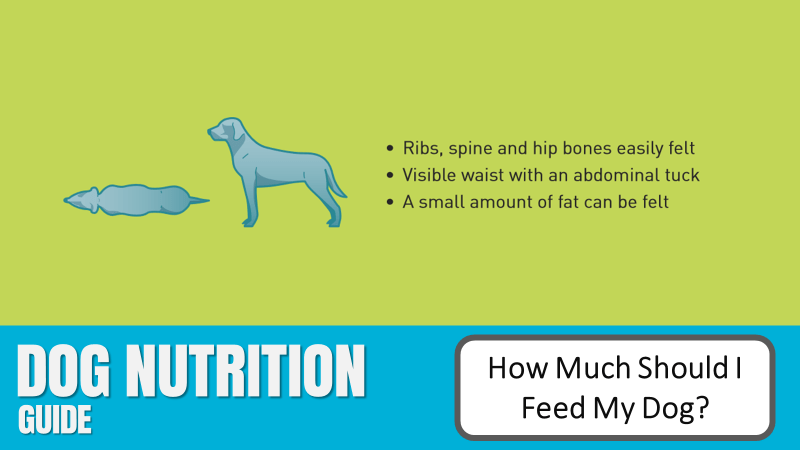
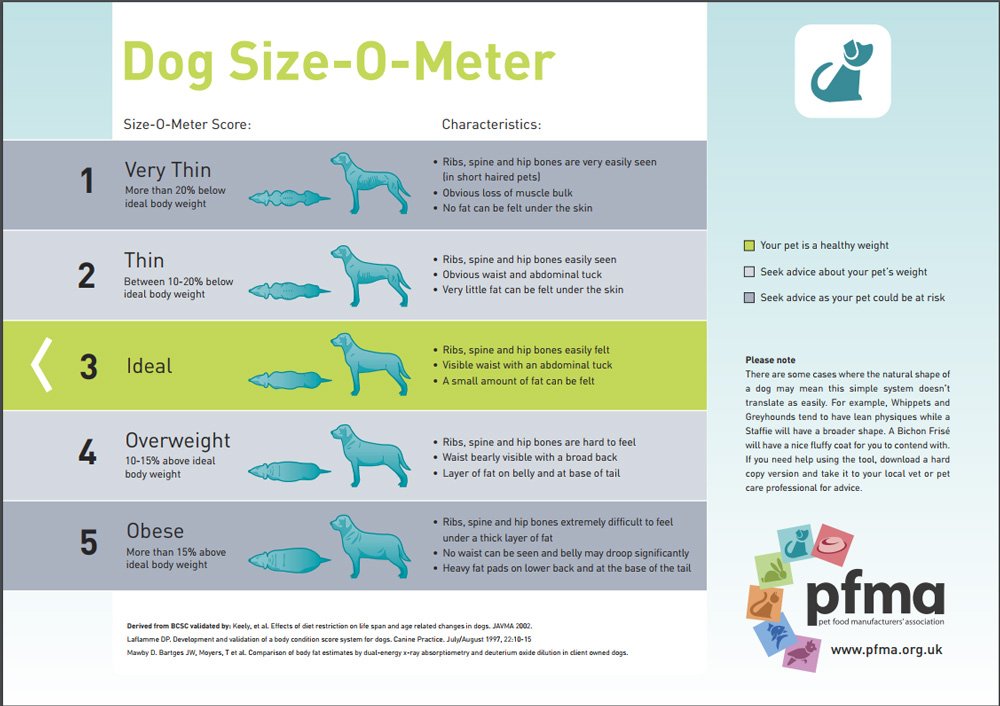
    11. Keep a close eye on body condition throughout your dog’s life
    12. Develop a strong relationship with your vet. Yes, vet bills can be expensive – but the more often your vet sees your dog, the better they’ll get to know them. If your vet sees your dog for regular checkups, your vet bills will be lower in the long run

    Dog nutrition experts views on when to switch from puppy to adult dog food

    Some further reading on how long to keep a puppy on puppy food (expert sources)

    Puppy feeding fundamentals American Kennel Club
    How long do dogs eat puppy food? — age, transition & methods Breeding Business
    Puppy Food Types, Feeding Schedule, and Nutrition WebMD
    When Should You Switch from Puppy to Adult Dog Food | petmd PetMD
    How long should i feed my dog puppy food? Dog Food Guide
    Puppy feeding guidelines | schedule & tips | cesar’s way Cesar’s Way
    When to switch to adult dog food Purina
    Is Your Puppy Ready for Adult Dog Food? | Douglas Feed & Pet Supply –
    Granite Bay, CA
    Douglas Feed
    When to Switch to Adult Dog Food: Dog Food at Different Life Stages Pet Central by Chewy
    Is your puppy ready for adult dog food? IAMS
    Puppy feeding fundamentals American Kennel Club
    When To Switch A Puppy To Adult Food – caninejournal.com CanineJournal.com
    When to switch to adult dog food Eukanuba
    How Do I Switch or Transition Foods for My Dog? | Hill’s Pet Hill’s Pet Nutrition
    Switching to adult food from puppy food | cesar’s way Cesar’s Way
  • How Much Should I Feed My Dog? (22 Top Expert Tips)

    When I got my very first puppy one of the first questions I needed to answer was, how much should I feed my dog? Now, having cared for many dogs and been involved in dog ownership for multiple decades, guess what – I still ask the same question, only slightly modified: how much should I feed this particular dog, right now.

    how much should I feed my dog
    Know your dog’s healthy, optimum weight

    Novice dog owners and experienced dog owners will face this conundrum on a regular basis.

    The answer is, you feed your dog according to the following rules:

    1. Your dog’s age
    2. Your dog’s breed / type
    3. Your dog’s current weight
    4. Your dog’s current activity level
    5. Your dog’s specific ability to handle different types of food

    How much food does a dog really need?

    It seems not many a day goes by where we’re not hearing more about the rise and rise of obesity. Sadly, our pets are also widening around the girth.

    It is of course easy to control the amount of food your dog is eating and it is essential that you gauge your dog’s weight on a regular basis to ensure that it doesn’t get obese.

    Health problems from overfeeding dogs

    There are an increasing number of dogs suffering from this disease and in most cases this could have been avoided through the correct nutrition and monitoring the amount of food the dog has been eating.

    Having a dog with diabetes will necessitate the injection of insulin or in some cases taking of pills to assist in the maintenance of the correct sugar levels in their blood.

    Obviously this involves additional expense and inconvenience and there is also a danger that should the insulin level be incorrect your pet could die. All of this from simply giving them too much food? You bet!

    Dog feeding guidelines: how much food should me dog be eating?

    It makes sense then that your dog should only eat what is good for it and in quantities that won’t result in it developing health problems later in life.

    Feeding guidelines on dog food can be a good starting point when assessing how much dog food is the right amount, but as Dr Lowe told K9 Magazine:

    “feeding guidelines on dog food packaging are extremely useful but should serve as a starting point only when assessing the right amount of food in your dog’s daily diet.”

    Working dogs will need more food for the energy that they will expend in the course of the day but a dog that lays around the house all day and doesn’t get any exercise will not need to eat the same portions of food.

    You should weigh your dog on a regular basis and see whether it is gaining or losing weight and adjust the amount of food it is eating accordingly.

    You know, it’s quite incredible the amount of people who have literally no idea how much their dog weighs or indeed any idea of how much they should weigh. Simply getting to grips with this information can literally extend your dog’s life, in some cases for a considerable amount of time.

    Many experts argue that there has been a general decline in the general health of dogs that correlates with the widespread introduction of certain types of processed dog foods.

    Many of these low quality dog foods offer very little nutritional value but it is their convenience and the fact that they have added flavours that ensure our pets get delight in eating them that have increased the sales and popularity of this food. Understanding your dog’s specific nutritional requirements, again, can add years to their life.

    Free dog weight chart

    Bad diets for dogs have tragic consequences

    Just as we might like to eat foods that contain sugar, which is detrimental to our health, our dogs also like to eat these low value foods because they taste so good – in many cases, with dogs being such scavengers, they’ll simply beg for ANY food that’s potentially on offer. It is entirely in our control not to harm their health by giving in to their longing expressions! So if you’re wondering how much should I feed my dog of sugary snacks…the answer is (if possible) zero!

    Can I feed my dog table scraps?

    If our diet is bad, often our dog’s is too. Don’t believe me?

    A study by K9 Magazine showed that 98% of dog owners had fed their pets with scraps from their own tables at one time or another.

    Dogs can eat table scraps, of course, but it’s a simple formula to calculate that if our own diet is not healthy and we’re sharing that with our dogs then – our bad food = dogs sharing in our own poor diet!

    But therein lies another problem with many of the foods that we eat, unsuitable for dog consumption.

    Many people are finding good results in preparing their own dog food using only those ingredients that will enhance the health of the dog but don’t discount the range of high quality diets that are available in prepared form. Don’t for a second assume they’re all bad because nothing could be further from the truth.

    Good quality dog nutrition is available in the form of commercially prepared foods, canned dog food, raw dog food and even tailor-made dog food. The quality isn’t the main issue here if you’re asking yourself how much should I feed my dog, but over (or under) feeding will have a detrimental effect on your dog in multiple ways. It can and most likely will lead to them having a shorter lifespan.

    What the experts say about how much you should feed your dog:

    Here we’ve summarised a series of tips from credible dog nutrition sources to help you answer the question how much should I feed my dog:

    1. Naturally, smaller dogs need less food than larger ones, but what exactly is the perfect number? First, it’s important to have an accurate handle on how much your dog weighs and whether their body size is considered small, medium, or large.
    2. Young pups and senior dogs have very different needs – puppies need food for their growing bodies while adult dogs’ diets should be focused on maintaining their health.
    3. One of the best ways to keep dogs healthy is to feed them the right amount of a high-quality dog food. Feeding a lot more of a low quality food doesn’t compensate for nutritional deficiencies.
    4. For more on diagnosing an overweight dog, see this dog weight chart.
    5. If you are feeding a different brand, please consult the calorie information on-pack and adjust the amount of food accordingly to meet your dog’s recommended daily calories. Many people make the mistake of switching dog food brands and assuming they can feed the same volume of dog food. That can have big consequences.
    6. To determine how much food to feed your dog, you should start by knowing your dog’s estimated adult weight. Weighing your dog is the key to knowing how much to feed them.
    7. The value of feeding your dog a high-quality food is huge. Poor quality foods produce more waste, can cause digestive problems and often end up being more expensive (because to satisfy your dog you will need to feed him comparatively more).
    8. If you have an adult dog that maintains normal activity levels and doesn’t need special nutrition, check out pet food company Purina’s Dog Chow guide below to see how much food to feed your dog.
    9. It is also not ideal to feed your dog cat food as, since it is designed for cats, it doesn’t have the right balance of vitamins and minerals for dogs.
    10. A healthy feeding schedule and diet will ensure your dog is getting all of the proper nutrients they need from their food. (see: how often should I feed my dog?)
    11. It’s not just a matter of food quantity, so another question is, “How many calories should my dog eat?” There is a dog feeding calculator by weight available in the links below if you’re wondering exactly how much I should feed my dog.
    12. If you are using a commercial dog food, feed your dog the amount printed on the bag that fits with your dog’s ideal weight. This is so, so important. (see how to read dog food labels)
    13. Thinking about feeding raw dog food? (see Raw dog food for beginners)
    14. Since puppies are growing rapidly, they need more food than adult dogs in some cases (whacky, but true)
    15. Not all dogs can or need to eat the amount recommended by the food manufacturers. Speak with your vet if your dog is following the manufacturers guidelines but is either gaining or losing weight.
    16. Does the amount to be fed in the feeding guidelines pertain to each meal or the daily amount of how much I should feed my dog? How accurate are the feeding guidelines on my dog food label? The manufacturers’ recommended feeding guidelines are a starting point but your dog is your dog, so you’ll need to adjust accordingly.
    17. Too little food each day can cause dogs to be deficient in vital nutrients that help keep dogs healthy.
    18. Puppies need a high-energy food and because they are growing so fast they’ll require a food with more protein and calcium to help build a healthy adult dog, and more calorie-heavy fats to load them up with fuel.
    19. Dogs that gulp their food down too quickly tend to take in large amounts of air whilst eating which can cause stomach and digestive system upset. (beware the dangers of bloat in dogs)
    20. Even though puppies grow quickly, it’s important to keep caloric intake and food amount consistent from four to twelve months of age.
    21. Older dogs usually require lower caloric intake and may get heavy eating the same food they were eating in their younger years.
    22. Most adult dogs should eat two meals a day, and puppies often require three or more feedings, so you’ll need to divide the amount in the table by the number of meals you are offering.

    How Much Should I Feed My Dog – Sources

    How Much To Feed Your Dog | Prudent Pet Insurance Prudent Pet Insurance
    How Much Should Dogs Eat? | Calculate How Much to Feed Your Dog | PetMD PetMD
    How Often Should You Feed Your Dog? American Kennel Club
    Dog Feeding Guide Purina
    How Much Food Should You Feed Your Dog? | Dog Food Advisor MedicAnimal
    Dog Food Calculator by Breed & Weight | JustFoodForDogs JustDogFood
    Dog Feeding Time: How Much and How Often? WebMD
    Do You Know How Much You Should Feed Your Dog? Central California SPCA, Fresno, CA
    10 FAQ’s about dog feeding guidelines | Dry Dog Food | Dog Food |
    MedicAnimal.com
    MedicAnimal
    Dog Feeding Guidelines Purina
  • Scotland Introduces 5 Year Sentencing for Animal Cruelty, Will England & Wales Follow?

    Scotland Introduces 5 Year Sentencing for Animal Cruelty, Will England & Wales Follow?

    Members of the Scottish Parliament have voted to raise the maximum sentence for animal cruelty in Scotland from 12 months to five years. The Bill will become law after it receives Royal Assent.

    The Animals and Wildlife (Penalties, Protections and Powers) (Scotland) Bill was first introduced in the Scottish Parliament in October 2019 and it has now passed its third and final reading.

    Charities have been campaigning to raise Scotland’s maximum sentences to five years, in line with many other countries in Europe.

    Research published by Battersea in 2017 showed that the maximum sentence of 12 months for animal cruelty was among the lowest across the whole of Europe – with only five other countries having lower sentences (including England and Wales). Both fly-tipping and theft carried higher sentences.

    Battersea’s Chief Executive, Claire Horton CBE, said: “This change would not have happened without everyone’s support. Now we desperately need England and Wales to follow in the Scots’ footsteps.”

    In England and Wales, where the maximum punishment for animal cruelty is the lowest in Europe at just six months, the Westminster Bill has been postponed yet again; despite the Government first pledging its support almost three years ago in 2017.

    The Bill has been published twice before but fell during the prorogation of Parliament in October 2019, and a second time when a general election was called in December.

    A Private Member’s Bill brought in by Chris Loder MP is currently seeking to introduce these measures, but this month (June), it was delayed until 23 October 2020 – five months after its original date for discussion in Westminster.

    If you feel strongly that the next discussion should not be delayed, write to your MP and encourage them to support and do what they can to push and avoid further delays.

  • WATCH: Andrew Cotter Narrates Cavapoo’s Stealthy Moves in New Video for Charity

    WATCH: Andrew Cotter Narrates Cavapoo’s Stealthy Moves in New Video for Charity

    Renowned BBC sports commentator Andrew Cotter, who has been entertaining us all through lockdown with videos of his own dogs Olive and Mabel, has created his latest hilarious video with a dog named Nala for a good cause .

    UK-wide charity Dogs for Good launched their #WinningFromHome competition three weeks ago which asked entrants to post a video, on Twitter, of their own companion dog during the Covid-19 lockdown, as part of the charity’s ongoing efforts to highlight the power of dogs.

    Each entrant donated £2 and over £1,000 has been raised to date. This money will help Dogs for Good train assistance and community dogs to live more independently.

    The winning video shows one-year-old Cavapoo, Nala, as she attempts to catch a bird in the garden, and Andrew describes her as having “the stealth of a sofa moving across the lawn”.

    He explains why he chose her video as the winner: “Sport has tension, anticipation, build-up, bursts of activity, concentration and drama and Nala’s quest delivers all of those things.

    “Like any serious competitor, she’s absolutely focused on the job in hand and her commitment shines through.”

    He added: “I chose to support Dogs for Good because the charity celebrates the inherent good in dogs and champions the power of the human-dog bond.

    “It trains dogs to help people with a wide range of disabilities and those partnerships go on to change lives.”


    Andrew Cotter with his dogs, Mabel and Olive

    Nala’s owners Joe and Ruth Daniels, from Chingford in Essex, who have three children Caspar, Milla and Arthur, were thrilled to win this competition and love Andrew’s commentary.

    Initially Ruth was wary about getting a dog but bowed to pressure from Caspar, and now they can’t imagine life without Nala as she’s brought so much happiness to the family.

    Joe Daniels said: “I wasn’t aware of Dogs for Good as a charity before lockdown and the competition has been a lovely introduction to the very special, life-changing work it carries out.

    “Nala’s a funny little thing and has a lot of character. She’s playful, determined and very much her own dog. During lockdown, she’s kept us all entertained in a number of ways and when she does her ‘bird dog’ thing, it’s turned into something of a family spectator sport.

    “Andrew’s commentary is perfect and he’s done Nala’s efforts proud. The build, the tension, the humour, the whole nine yards. It’s such a special thing to have happened during lockdown and is a memory that we’ll really treasure.”


    The Daniels family with Nala

    Dogs for Good Chief Executive, Peter Gorbing, said: “We’re all really thrilled to have worked with Andrew Cotter on this competition and well done to our very worthy winner, Nala.

    “The competition highlights the fact that now, more than ever, dogs have a huge part to play in keeping the human spirit buoyed. They have anchored so many of us through lockdown by simply being dogs and offering us their unconditional and life-changing devotion.”

  • For the First Time in Six Years, Dog Thefts Seem to Be on the Decline – But Dogs ARE Still Being Stolen

    For the First Time in Six Years, Dog Thefts Seem to Be on the Decline – But Dogs ARE Still Being Stolen

    New research from Direct Line Pet Insurance reveals that, for the first time since the study began in 2014, there has been a year-on-year fall in the number of dogs reported stolen across England and Wales.

    In 2019, an estimated 2,026 dogs were reported as stolen to police forces, a fall of 23 per cent compared to 2018 (2,625).

    But despite this good news, on average, six dogs were still reported as stolen every day and for the sixth year in a row, Staffordshire Bull Terriers are the most popular breed of dog to be targeted by thieves, with 89 dogs stolen in 2019.

    UK dog theft statistics 2019

    Crossbreeds remain the second most commonly targeted, although the number stolen in 2019 increased substantially, by 42 per cent. This is perhaps partly due to the popularity and expense of so-called designer dog breeds like Puggles and Schnoodles.

    Chihuahuas remained in third place in the table, although with a slight reduction (four per cent) in numbers stolen compared to 2018.

    Yorkshire Terriers, which did not make it into the top 10 most commonly stolen breeds in 2018 are now sixth, with triple the number stolen in 2019. This may be partly due to their popularity among well-known celebrities such as Serena Williams, Simon Cowell and Steven Tyler.

    Lurchers and Border Collies were also outside the top 10 in 2018 but are both now among the most popular targets for thieves.

    Breeds that have fallen in popularity for dog thieves include French Bulldogs, Jack Russell Terriers and Pugs.

    Eva Sandstra-Bennett, Head of Pet Insurance at Direct Line, said:

    “It is encouraging to see that the number of dogs stolen has fallen over the last year and, during the current lock down period, we expect this to drop even more. There is a risk, however, that these numbers may start to rise again as Lucy’s Law which came into force in April restricting sale of puppies from third parties, could result in some thieves having to take drastic measures to access certain breeds.

    “Dogs are such an important part of our lives, so to have one stolen is like losing a member of the family. We urge dog owners to be extra vigilant while out on their walks or in the car and not leave their beloved pets alone. Simple steps like not tying dogs outside of shops or leaving them in cars can help reduce the likelihood of becoming a target for thieves.”

    In more positive news for dog owners, the number of dogs returned to their owners in 2019 increased and means nearly one in five stolen dogs were recovered.

    Areas of the UK most at risk from dog thieves, according to police data

    London and the South East remained the dog theft hotspots in England and Wales, with the two regions accounting for a third of all reported cases of dog theft last year.

    West Yorkshire Police received the second greatest number of reports (167) of stolen dogs in 2019, while Kent saw the third-highest with 100 reports.

    Both forces, however, received fewer reports of stolen dogs in 2019 compared to 2018, a reduction of seven per cent and four per cent respectively.

    Alongside the Metropolitan Police, the top 10 police forces which saw increases in the number of dogs stolen in 2019 were Leicestershire Constabulary, West Mercia Police, Essex Police and Durham Constabulary.

    Dyfed-Powys Police returned the greatest proportion of dogs to their owners last year, reuniting 26 out of 33 dogs with their owners, a success rate of four in five dogs.

    Eva Sandstra-Bennett, Head of Pet Insurance at Direct Line, continued:

    “It is great to see that the number of dogs returned to their owners is on the rise across the country, giving hope to those who have had their dog stolen. The positive changes in the law in recent years, such as microchipping become a legal obligation, will have contributed to the improvements in reuniting owners with their lost pets and we hope that this continues in the coming years.”

    What to do if your dog is stolen

    1. Check the local area and your dog’s favourite spots as your dog may have wandered off.

    2. Make your dog ‘too hot to handle’ by sharing on social media, putting up posters in the local area and informing local media – include pictures and any distinctive marks in any appeals, and ask others to spread the word.

    3. There are some specific sites set up to help find lost and stolen dogs, like doglost.co.uk.

    4. Report your dog as stolen to the police and provide them with as much detail as possible.

    5. Report your dog as stolen to local pet related services like vets, animal shelters, pet shops, dog wardens and the council. Provide photos, a physical description and the dog’s microchip number
    Report your dog to the microchip database.

    Dog theft statistics UK (2019): summary

    • Six dogs are stolen every day, according to Direct Line Pet Insurance.
    • More dogs are stolen in London and the South East than any other region in England and Wales. Behind London, West Yorkshire is a hot spot for dog thefts in the UK, according to police data.
    • Staffordshire Bull Terriers are the most targeted dog breed by dog thieves, followed by cross-breeds and Chihuahuas.
    • In 2019, one in five stolen dogs were recovered and reunited with their families. Dyfed-Powys Police in Wales returned the greatest proportion of dogs (four in five) to their owners last year.
  • MCT Oil Could Help Dogs With Hard to Treat Epilepsy, New Study Reveals

    MCT Oil Could Help Dogs With Hard to Treat Epilepsy, New Study Reveals

    Epilepsy is the most common canine neurological disorder and it is estimated that four in 100 dogs will suffer from the condition and it can affect dogs in different ways.

    Some of the most common dog breeds affected by epilepsy include German Shepherds, Beagles, Golden Retrievers, Border Collies, Cavalier King Charles Spaniels, Dachshunds, Border Terriers, English Springer Spaniels and Labrador Retrievers.

    New research conducted by the Royal Veterinary College (RVC), funded by The American Kennel Club Canine Health Foundation (AKC CHF), has tested the effects of an oil supplement on seizure frequency in dogs with drug-resistant epilepsy, with very encouraging results.

    The RVC say their research shows that small changes to the diets of dogs with hard-to-treat epilepsy has the potential to reduce the number of seizures and improve the quality of life for affected dogs and their owners.

    Epilepsy is the most common long-term neurological condition in dogs and can be very distressing for both dogs and their owners. Current treatments focus on managing the condition and reducing how often seizures occur. However, despite treatment with appropriate anti-seizure medication, approximately one-third of dogs continue to experience frequent seizures. This has significant impacts on their behaviour and cognitive functions and can also make dogs prone to anxiety.

    Helping develop new treatment strategies to reduce epileptic seizures and improve the overall welfare of dogs, a team of researchers, led by veterinarians Professor Holger Volk and Dr Benjamin Andreas Berk, alongside canine behaviour and welfare scientist Dr Rowena Packer, at the RVC, tested the effects of an oil supplement on seizure frequency in dogs with drug-resistant epilepsy.

    Previous research by the RVC had shown that the oil, which contains a specific type of fat known as medium-chain triglycerides, or MCTs, could have beneficial effects when included within a dry kibble diet. During this study, the oil was added as a supplement to a dog’s existing diet to determine if the same benefits could be achieved. The oil was tested in a rigorous clinical trial during which 28 dogs received the MCT oil for three months and a placebo oil for three months. Both owners and investigators were blind to which oil dogs were receiving during each phase.

    Overall, dogs had significantly fewer seizures during the MCT phase compared the placebo phase, and an improved owner-reported quality of life. New therapies are urgently needed to improve the quality of life of affected dogs and their owners and the results of this study offer a promising addition to other methods commonly used to treat canine epilepsy.

    Dr Rowena Packer, BBSRC Research Fellow at the Royal Veterinary College, said:

    “Epilepsy is often a challenging and distressing condition for dog owners to manage, particularly when dogs don’t respond to anti-seizure medications in the way their owner and vet might have expected or hoped. Historically, diet has not been considered a key part of epilepsy management, but along with other recent findings, these results indicate that nutrition likely plays an important role in seizure control.

    “Our novel findings indicate that a relatively small change to the diet of dogs’ with hard-to-treat epilepsy can potentially reduce the number of seizures they have, while also improving their medication side effects and overall quality of life. MCT oil offers a promising addition to the wider epilepsy management tool-kit.”

    Dog epilepsy seizure triggers

    Canine epilepsy seizures are stressful for both the dog and owner and can appear unpredictable and uncontrollable.

    Dr Sarah Finnegan, a PhD student at the RVC studied the behaviour and environment of dogs to identify seizure triggers to help dog owners spot signs that their dog might be about to have a seizure.

    Here are some of the most common triggers and signs dog owners reported before a dog had an epileptic seizure:

    • Nearly two thirds of owners reported pre-seizure changes in their dog (65 per cent), most commonly stating clinginess, excessive energy, and unsettled sleep.

      These signs varied between dogs, with other common changes including clumsiness, excessive panting, becoming withdrawn or quiet, and lacking energy.

    • Nearly half of owners (43 per cent) also reported seizure triggers, which commonly involved stress, food and excitement.

      A wide range of other triggers were reported by owners including loud noises, fireworks, storms, household products (cleaning products and air freshener), and preventative healthcare including flea and worming products and vaccinations.

    • Over half of owners (60%) believed they were able to predict an upcoming seizure in their dog by using a combination of pre-seizure changes and recognising triggers.

      Nearly half of these owners were able to do so 30 minutes or more before the seizure commenced.

    Dr Rowena Packer, BBSRC Research Fellow and research lead in canine epilepsy at the RVC, said:

    “It was fascinating to discover how in-tune many owners of dogs with epilepsy are with subtle changes in their dog’s behaviour before seizures. Many of our findings echo what is seen in human epilepsy patients and add evidence to support the presence of prodromal pre-seizure periods in dogs as well as people. Collecting further objective data to confirm these findings and explore ways to proactively utilise this period for seizure management are of priority for future research.

    “This study also highlights how crucial it is that owners of dogs with epilepsy keep good records, not just of their dog’s seizures, but also of changes in behaviour and exposure to potential triggers, to gain a better picture of patterns in their dog’s seizure activity. The RVC Pet Epilepsy Tracker app allows owners to keep records, that can also be shared electronically with their vet and with RVC for further research.”