Author: Jasmine Kleine

  • How to Stop Puppy Chewing Wires

    How to Stop Puppy Chewing Wires

    Protecting computer, appliance, home entertainment and other cables and wires around the home from your dog or cat and, in doing so, keeping your four-legged friend out of harm’s way, is critical.

    Stop Your Puppy Chewing Cables and Wires

    – There are numerous products on the market today for covering household
    wires to keep your pet – and even small children – from chewing on
    them. An extremely inexpensive and convenient product to protect your
    wires is the split wire loom – flexible and durable plastic tubing
    with a slit down the side allowing for easy insertion of a cable
    bundle.

    – You can also cover any wires that are accessible to your small pet
    with spiral cable wrap – plastic wrap that keeps wires tightly bundled
    and also protects them from being chewed on by pets. Spiral cable wrap
    is also available in many colors to match a room’s decor.

    – For hiding excess cord length coming from your phone, computer mouse,
    or even window blinds, try the Cable Turtle. This nifty gadget
    protects wires from your cat or dog by letting you tuck the wires away
    neatly in a shell. The product is available in different sizes and
    various colors to match your decor.

    – If you have no other choice but to run a wire across an open floor,
    cord covers will allow you to easily hide and protect the cables from
    your cat, dog and other passers by. These covers will not only keep
    your pet from chewing on your wires, but will also keep your floors
    safe and clear from tripping and tangling hazards.

    – Keep cables off the floor and out of reach with adhesive-backed cord
    clips, which attach wires to furniture or wall surfaces. These cord
    clips are available in different sizes, and are ideal for phone cords,
    lamp cords, and even some computer cords.

    – Hide wires in your home office with a concealed surge protector, which
    encloses plugs and excess cord length to keep them from becoming a
    distraction to your pets. These safety-minded surge protectors not
    only keep your computer and phone wires out of sight, but also provide
    protection in case of a power surge or lightning strike.

    Puppy Safety Tips

    K9 Magazine’s Guide to Puppy Proofing Your Home

    If you have an adorable little puppy running around the house, the last thing you want to see is an accident where the little guy gets cut, poisoned, or stepped on.  However, accidents do happen and you should be prepared.  Better yet, it is best if you practice safety prevention rather than waiting for something bad to happen to your puppy.

    All it takes is just one little circumstance to go unnoticed which can cause a great deal of pain to your puppy. These little animals have an insatiable appetite when it comes to curiosity.  Everything they see and smell looks like a great adventure and from their point of view, it’s all open territory. They see no danger and instead move forward to check things out.  This is why you want to take the following safety prevention measures so that you can somewhat “puppy-proof” your house.

    1. The first thing you should do is look around every room of your home and try to dispose of small items that your puppy may swallow.  Puppies tend to try to swallow anything that they can get a hold of.

    Unfortunately, not all small items will safely pass through the dog’s intestines which can prove to be fatal.  Other times, your puppy’s system will try to gag and cough up the object which can go on for a long period of time.  If your dog does not get the object out then the intestine becomes blocked and can rupture.

    2. The second important home safety precaution to take is to hide or elevate your electrical cords and wires.  Every home has wires and cords that must be in each room, but if left hanging there, dangling like a treat, your puppy is guaranteed to be tempted to play with it.

    If he chews on these electrical items, your puppy is going to get hurt.  The damage caused by gnawing through to the inside wiring of these cords can cause a mild shock or worse, third-degree burns. And in many cases, the electrocution can be so severe that it may cause your puppy to die from the shock. It is best to elevate all of the wiring that you can and use heavy-duty tape to cover up the other cords that have to be on and around the floor area

    3. Last but not least, keep your home free from dangerous poisons and toxins that your puppy can ingest.  Remember, our pets use their mouth’s for virtually all investigations and because they are extremely curious, toxic items can be easily ingested with one lick. Such household poisons can include anti-freeze, rat poison, garbage, lead, and even chocolate.

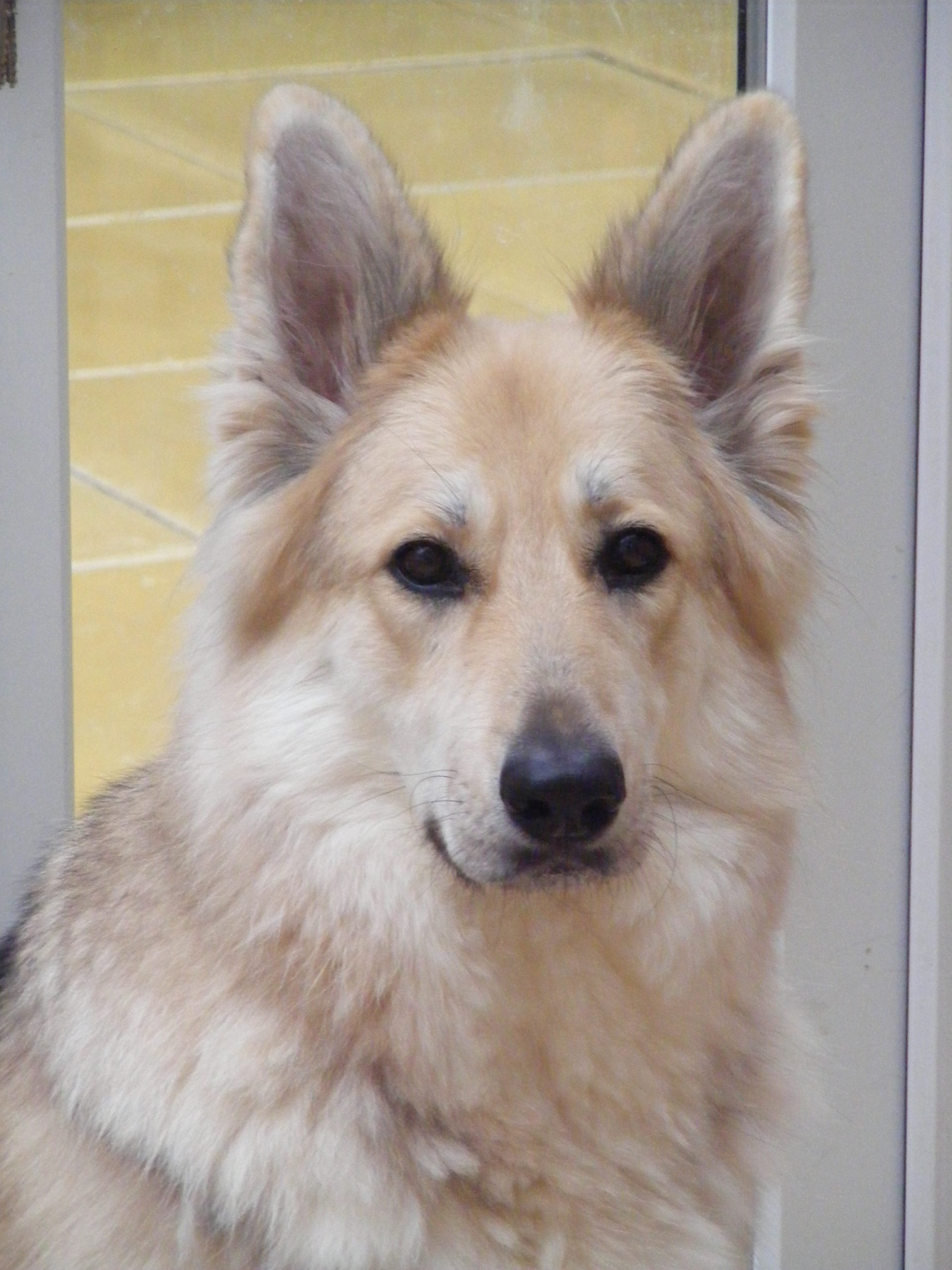
    Puppy chewing wires

  • Most Unhealthy Dog Breeds

    Most Unhealthy Dog Breeds

    According to a survey carried out by a UK leading pet insurance firm, these are the 10 breeds of dogs who cost their owners the most money in vet fees.

    But let us not forget, there are lies, damn lies and pet insurance surveys!

    Great Danes: The 2nd Most ‘Unhealthy’ Dog Breed?

    What this could actually show is, the owners of these breeds of dogs are more likely to have pet insurance. Or the owners of these dogs are more prone to taking their dogs to the vets. Or, it could be, that these 10 breeds are indeed more liable to incurring higher veterinary expenses for their owners. Take it however which way you please:

    DOG BREEDS Lifespan per breed (Years) Cost of vet bills in the last year Cost of vet bills in a lifespan
    1 English Setter 11.2 �621 �6,955
    2 Great Dane 8.5 �780 �6,630
    3 Poodle 12 �544 �6,528
    4 Rottweiler 9.8 �532 �5,214
    5 Doberman Pinscher 9.8 �481 �4,714
    6 Pointer 13.5 �335 �4,523
    7 Greyhound 13.2 �314 �4,145
    8 Chihuahua 13 �310 �4,030
    9 Beagle 13.3 �302 �4,017
    10 Saint Bernard 8 �492 �3,936

    Related Articles

  • Can Dogs Eat Chocolate?

    Vets Now, the emergency vets with 34 clinics across the UK is urging dog owners to be mindful of the dangers of chocolate with Easter just around the corner.

    Easter is synonymous with large amounts of chocolate, nicely wrapped up in the shiny, foil covered eggs, making it attractive not only to us humans, but also to dogs, and tempting though it is to share a little bit of chocolate with your pooch, even just a small piece of chocolate can be enough to kill a dog. (more…)

  • 5 Exceptional Dog Training Tips

    It's often hard to circumnavigate the world wide web of knowledge and pinpoint the exact information you need, right when you need it.

    That's why we thought we'd be nice and put up what we think are 5 exceptionally useful dog training articles dealing in 5 topics that we know – for sure – lots of people are regularly hunting for information on.

    5 Dog Training Resources:

  • Dog Birthday Cake

    Dog Birthday Cake

    A massive industry has grown up in the provision of products and services enabling pet owners to celebrate notable dates such as Christmas and pet birthdays. Why? Well, unless our pets have suddenly developed a penchant for being precious about numbers on a calendar, this is a purely human indulgence. And why not! After all, part of the very real joy of owning a dog is seeing them enjoy themselves. It brings a smile to our face and we do it because we regard our little friends as part of the family.

    What better way to create that ‘Kodak moment’ than giving our dog a cake on the anniversary of the day of their birth!

    Manufacturer’s Description

    A handmade Giant Bark-day Pupcake from Canine Cookie Company Ltd. Choose from beef liver, chicken & herb flavour cakes. Topped with yoghurt icing. Item is wrapped in cello with gift tag, bow and ribbon.

  • OrganiPets Organic Dog Treats

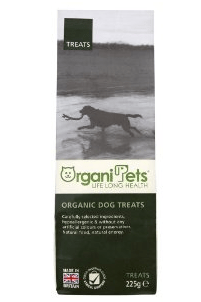
    OrganiPets Organic Dog Treats

    Organic, hypoallergenic, all-natural – not just buzz words any more.

    Today’s dog owner insists that their pet’s health is given top priority when it comes to diet and nutrition. Coupled with the pleasure of treating our dogs for the good things they do, selecting a high quality dog treat comes with greater consideration than simply offering a high calorie, nutritionally deficient snack.

    More and more dog owners are aware of the link between proper nutrition and behaviour, so OrganiPets Organic Dog Treats are a highly recommended way to provide dogs with small rewards that can work in conjunction with a healthy canine lifestyle.

    Manufacturer’s Description

    OrganiPets offers a range of award-winning Organic Complete Pet Foods for dogs and cats made with human-grade, free range organic chicken. OrganiPets is hypoallergenic as it include no artificial colours, preservatives or additives and no wheat and most importantly no soya.

    All our packaging is recyclable and we source our ingredients as locally as possible to support local farmers. We are accredited by The Ethical Company, PETA (People for the Ethical Treatment of Animals) and approved by The Campaign for Real Pet Food.

    OrganiPets Organic Dog Treats

  • The Border Collie Trust

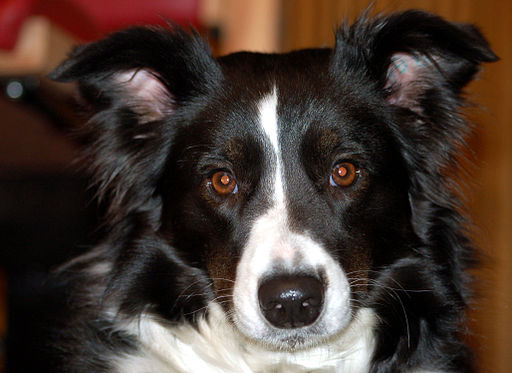
    The Border Collie Trust

    The Trust is a Registered Charity (1053585) which relies on public support to assist Border Collies.

    Situated in the heart of Staffordshire, our purpose built kennels are our base and rescue centre for the work the Trust undertakes throughout the UK in the care, rescue and rehoming of Border Collies & Collie X’s

    The kennels are open 9am to 11am and 2pm to 4pm 7 days a week (except Christmas Day & Boxing day).

    Help the Border Collie Trust by telling your friends. By simply spreading the word you can help The Trust, it’s amazing how many people hear about us by word of mouth. People have often then become involved with, fund raising themselves or offering practical help – building work and repairs, gardening even dog walking. Perhaps you or a group of friends would like to visit the centre and see what we do and how we do it. There is no limit to what we can do with willing helpers. Although much requires the necessary funding it’s surprising how much can be achieved with enthusiasm and a willingness to get involved.

    Remember – if you would like to know more telephone the office on 0871 560 2282 or email us or visit http://www.bordercollietrustgb.org.uk for further information.

  • Luxury Dog Bed Suits All Breeds

    Luxury Dog Bed Suits All Breeds

    I don’t know about you, but the newer range of luxury dog beds on the global market sometimes prompt me to scour the stores to see if I can buy human furniture to match my dog’s! Sound crazy?

    This gloss, leather-effect material with suede cushion dog bed from Wallace and Jones is enticing enough to make me want to curl up and go to sleep in it myself.

    It’s beautifully made to blend into any home. Available in 3 sizes and 2 colours to suit all breeds from smaller terriers to German shepherds.

  • Dog Food Nutrition

    Dog Food Nutrition

    The process of evolution tells us that dogs developed as carnivores. Wolves are still carnivores and relatively, dogs were still wolves until very recently. So in theory, should not our dogs still be strict carnivores, craving protein and fibre and dreaming of hunks of juicy beef?

    The majority of people still view the dog as a solely carnivorous feeder, but in reality the modern dog is a versatile and healthy eater. The nutritional needs of the dog have changed since his domestication; as a consequence, so have his dietary needs. Most dogs have swapped the baron fields of Europe for the comfort of a basket or bed in a heated house.

    Dog Food Nutrition

    Dogs are less active nowadays too; they do not need to hunt so they need less energy. Most dogs get used to getting fed and acquire tastes of their own. So they tend not to gorge in order to stock up, they can afford to be more picky (this is rare, however; most dogs will still try to stuff themselves, but they no longer need to).

    Dog Food Nutrition: Evolution

    Already we can see three reasons why the canine diet has changed. They no longer need large amounts of fat to stay warm, our houses do that for them; they no longer need huge amounts of energy to hunt with, so their need for protein is diminishing and they no longer need to gorge on a day’s worth of food.

    So is there anything they do need in their diets that they may not be getting? Well, due to the advancements in veterinary care, our dogs are living much longer. In order to do this and benefit from a prolonged lifespan, dogs would benefit from foods rich in omega 3 oils which promote healthy joints.

    Foods such as fatty fish contain high amounts of these essential oils, but surprisingly grass-fed beef is even richer in omega 3.

    Dog Food Nutrition: Sensitivity

    Sensitivity is relative to ones surroundings. To some sensitivity is a matter of interpretation; in fact the French have one word denoting both ‘sensitive’ and ‘sensible’. You can be ‘a bit funny’ after eating dark chocolate or ‘disagree’ with curries, but you can still get away with it if you want. My eyes itch after eating bananas, but it’s bearable, but give someone with an allergy a nut and the situation could turn grave very quickly.

    Dog Food Nutrition: Food Intolerance

    Some dogs can have an intolerance or a reaction to certain food ingredients. By working closely with your vet, you can discover what that ingredient is and then change your dog’s diet accordingly. The intolerance or allergic reaction to a food ingredient is usually part of the protein content in the food and this can manifest itself as itching or in some cases diarrhoea.

    As you are responsible for the well being of your dog and responsible for the managing of his diet, you have to work with the vet in order to discover which ingredient is causing the problem. Finding the cause of the problem means that you can eliminate it from your dog’s diet. Simple isn’t it?

    It’s actually rather more serious than we think as a food allergy can have very severe consequences.

    Dog Food Nutrition: Food Allergies in Dogs

    Let’s start from the beginning and try to work out how we can help our dogs. A food allergy causes only 1% of all skin problems in dogs, that’s what vets’ estimate anyway.

    The majority of other allergic skin problems, such as an allergy to fleabites are much more common. It is hard to find exactly what percentages of gastrointestinal problems like vomiting or diarrhoea are caused by food allergies. Dog owners often change the food that they feed their dog once one type of food is tolerated.

    A dog, which has skin that itches, as well as intestinal problems is more likely to have food allergies.

    There is a mystery surrounding exactly why a food ingredient causes the symptoms of food allergy. Some animal specialists suspect that abnormal amounts, or certain types of protein particles from food, are absorbed into the bloodstream from the digestive tract.

    This releases antibodies and inflammatory chemicals from the cells of the digestive tract and skin, which is a process commonly called “hypersensitivity”.

    The skin and the digestive tract may then become sensitive to food that contains that particular ingredient. The offending item is a ruthless one and a dog that has a sensitive reaction, such as itchy skin, vomiting or diarrhoea may start to suffer from these within minutes, although they can occur up to a few days later.

    It doesn’t help that the offending food ingredient is not necessarily something new in the diet. Your dog can develop allergies to foods that he has been eating for years, and the allergy may come on suddenly. Once an allergy has developed, the sensitivity to the ingredient may last a lifetime.

    It is important that foods containing that ingredient be kept out of your dog’s diet on a permanent basis.

    Useful Dog Food Nutrition Resources

    Dog Food: Nutrition, Dog Food Ingredients & Nutritional Advice

    The Dog Food Project – How does your Dog Food Brand compare?

    Nutrition for your dog, Canine Nutrition, Dog Nutrition

    Dog food

    Dog health

  • Why Does my Dog Eat Poop?

    When a dog eats poop, it is generally an indication that a certain mineral is lacking in the dog’s diet. This can be the case regardless of what the dog is fed or how good you consider his nutrition to be. The same is true of dogs who eat cement or occasionally, dirt. The chlorophyll inside the dog’s body is converted into more complex substances and stored.

    Why dogs eat poop

    Some dogs, however, eat their own stools out of boredom and not from a mineral deficiency.

    Some old fashioned advice suggests feeding a dog on rabbit pellets as a cure to the poop eating dog, but these are not a magical solution.
    The only reason such an approach would yield success is because the dog’s owner may have just happened to find something that contains a substance that the dog needs – the rabbit pellets.
    Ultimately, if you want to cure your dog of eating poop the two things you need to do are
    1. Ensure your dog’s diet contains all of the nutrients required
    2. Take a behavioural correction approach to alert the dog to the fact that eating their own (or any other) mess is not desired.

  • Fat, Protein & Carbs in Your Older Dog’s Diet

    Fat, Protein & Carbs in Your Older Dog’s Diet

    Food is a highly significant factor in your older dog’s health. The broadest food classifications are proteins, fats, and carbohydrates. The three classifications help us in assessing the major components of a food. Foods are generally considered to be of the category that predominates in their composition. But this does not mean that a carbohydrate such as wheat contains no protein because it does. Or that a protein such as liver contains no carbohydrates because it certainly does. Similar to people, pets need a proper ratio of proteins, fats, and carbohydrates in their diet in order to maintain proper health.

    Proteins are vital to the growth and development of all body tissues. Protein helps in the formation of hormones; it regulates the acid-alkaline and water balances; and it helps the body to form enzymes and antibodies. Protein also aids in the formation of milk during lactation, and in the process of blood clotting.

    Protein can be used as an energy source when fats and carbohydrates are insufficient in the diet.

    Fats (lipids) are the most concentrated energy source in the diet. When oxidized, fats yield more than twice the calories of proteins or carbohydrates. Fats act as carriers for the fat-soluble vitamins A, D, E, and K.

    By helping vitamin D to be absorbed, fats make calcium more available to body tissues. Fats also aid in the conversion of carotene to vitamin A. Fats insulate major organs such as the heart, liver, and kidneys, and help to maintain body heat.

    Carbohydrates are the major source of energy for all bodily functions. They are a splendid source of quick energy. They assist in the digestion of other foods, and they are essential in regulating protein and fat metabolism. Carbohydrates are considered the fuel in which the fat burns.

    Carbohydrates consist of sugars, starches, and cellulose. Simple sugars, as in honey and fruits, are easily digested.

  • Obesity Kills Dogs

    Obesity Kills Dogs

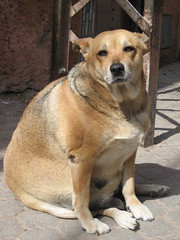
    A fit dog lives longer. Obesity amongst pet dogs is a growing problem. If a dog is overweight it puts extra strain on various parts of the body and may well shorten the dog’s life.

    A tendency toward obesity in dogs stems from the fact that many popular diets are usually significantly higher in carbohydrate than protein.

    Dog Obesity

    Learning to understand the specific nutritional requirements of your dog and then matching those needs to the most suitable diet plan, along with regular exercise is by far the best way to keep a dog’s weight down.

    Hey Fatty

    There is no one size fits all dog food and each individual dog has different nutritional and lifestyle requirements.

    There is complete veterinary consensus that obesity significantly reduces the lifespan and quality of life for dogs.

    Obesity in pets is common in many countries. Rates of overweight and obesity in dogs in the United States ranges from 23% to 41% with about 5.1% obese. The UK is also witnessing the growing obesity problem in domestic dogs.

    Looking fat

    Two British brothers were cited in 2006 for cruelty and neglect of their chocolate labrador retriever, “who was allegedly made so obese by his owners that he ‘looked like a seal’ and could barely waddle a few steps”.

    The reasons for obesity of cats and dogs in wealthier countries is not simply a matter of overfeeding. Lifestyle and hormonal influences also play roles. In modern times, pets are often, for their own safety, not allowed to free roam as they did in the past.

    Also, surgical sterilization of animals does increase the chances of the pet becoming overweight as need for caloric intake decreases.

    More information on canine obesity: Dog Weight.

  • The Importance of Pet Food Labels

    The Importance of Pet Food Labels

    The health of a dog is based on a lot of factors including genetics, exercise, and regular checkups, to name a few. But the number one factor affecting the health of a dog is the kind of food that it consumes. There are many types of commercial dog foods and diets on the market today, from BARF (bones and raw food), to steam-extruded products.

    Get to know your pet food labels (K9 Magazine has an excellent feature on this subject).

    Pet Food Labels

    Read the label and avoid products with chemicals and un-natural additives.

    You will likely avoid allergic reactions and skin problems in your dog.

    Kibble vs. real food.Cat food selection

  • Pet Food Fit For Human Consumption?

    Believe it or not, all supplied pet food should be fit for human consumption, therefore you should look out for food which may contain unwanted by-products.

    By-products include intestines, which carry diseases.

    Make sure the meat is human quality and not from slaughtered animals that may have cancer.

    Is pet food fit for human consumption

  • My Dog Is Overweight, What Can I Do?

    My Dog Is Overweight, What Can I Do?

    My 2 year old lab/collie cross is about 10lbs overweight. I need to get her weight down quickly as she suffers from dysplasia and now has a problem with a luxating patells, which need to be operated on. She is having very limited exercise at the moment and obviously none for a few weeks when the operation takes place. I have recently started her on IAMS low fat dry food, and an amount to help her lose weight. She needs to lose it quickly is there anything else I can do to help?


    Dr Monica Lundervold,  veterinary services manager replies.

    I’m sorry to hear your lab/collie cross is suffering from dysplasia. You are completely right that it is vital for her to lose weight before the operation. Iams Light is formulated for dogs that need to lose less than 15% of their body weight. It contains lower levels of fat, and also L-carnitine, a vitamin like compound which burns fat and helps maintain muscle condition.

    Helping Dog Lose Weight

    If fed according to the guidelines, weightloss will occur at a rate of roughly 0.5% per week. If your dog weighs 60 lbs, that is around 1lb per month, ie she will need 10 months to lose the weight. In her case this may be too long, so if your vet agrees, you could decrease the amount she is fed by a further 20-30%.

    It is important for her health that she does not lose weight quickly, the fastest should be 2% per week, ie losing 1lb per week over a 10 week period.

    This can be achieved asking your vet for a veterinary prescription diet especially for obese dogs (eg Eukanuba Restricted Calorie). The most important part of any diet is that the dog sticks to it, you must make sure no family members are feeding any titbits.

    If your dog is begging, it is a good idea to split her daily ration into 3 feeds a day, and to shut her out of the kitchen / dining room while you are eating / preparing meals. If you want to feed treats it is better to take out a handful of her daily portion of food, and keep that aside for using as treats.

    Remember that some dogs beg just because they want attention, and that you can play with them or stroke them instead of giving food. I would also advise frequent trips to your vet to have her weight checked. This is especially important as you should feed her according to her current weight, decrease her food intake as she loses weight. Good luck!