Category: Dog News

The latest dog news from around the world

  • Dog Lovers Unite for Coordinated Rallies Calling for Urgent Reform to Dog Law

    Dog Lovers Unite for Coordinated Rallies Calling for Urgent Reform to Dog Law

    A London Rally calling for the repeal of Breed Specific Legislation, introduced to the UK in 1991, has taken place as part of the Global Anti-BSL Protests held each year.

    The London event was organised by DDA Watch Ltd and the city’s event ran alongside other awareness events in Ottawa, Canada, Germany, Ontario, Canada and Cardiff, Wales.

    London’s Westminster peaceful protest took place on 21st July at Old Palace Yard, Westminster, SW1P 3JY.

    DDA Watch said: “BSL is not based on any scientific evidence and is not fit for purpose. Thousands of pets continue to be put to death or deemed ‘dangerous’ based on how they look, the law is not protecting the public, it is not reducing dog bite incidents, it is causing and creating problems and is long overdue for urgent repeal. It is appalling that countless friendly dogs deemed ‘type’ have died and are facing a death sentence as they cannot be rehomed due to the flawed legislation.”

    A government inquiry is currently taking place on the issue of dangerous dogs and Breed Specific Legislation, and the EFRA Committee have heard overwhelming evidence in support of the repeal of BSL, which was hastily introduced 27 years ago, with an emphasis on education and progression to breed neutral legislation.

    The committee has received heart-breaking evidence from organisations that say friendly dogs deemed ‘type’ are dying as they cannot be rehomed due to the severe legislation:

    Over 60,000 people have signed a Blue Cross petition to end BSL and the Blue Cross are supporting a complete repeal of all aspects of breed specific legislation.

    The Dogs Trust does not support BSL and would like to see preventative legislation on dog control which is breed neutral.

    The RSPCA believe BSL should be repealed and told the government inquiry that BSL is ineffective in protecting public safety and results in the suffering and euthanasia of many dogs. More than 67,000 people have signed their petition calling on the Government to finally end BSL.

    The Scottish SPCA seriously recommends abolishing BSL and replacing it with workable legislation that protects the public and responsible dog owners.

    Battersea Dogs and Cats Home believe that BSL should be repealed and their evidence states it has been proven to be ineffective at reducing the number of dog attacks, and it is arbitrary and unfair, and it is not based on scientific fact.

    The British Veterinary Association, the British Small Animal Veterinary Association, Kennel Club and the Communications Union (CWU) have all made it clear that they do not support breed specific legislation,

    Guide Dogs do not support breed-specific legislation and believe the emphasis should be on education and addressing irresponsible dog ownership.

    Wood Green, the Animals Charity, stated that the welfare of many dogs has been compromised as a result of this law with thousands euthanised unnecessarily and the Association of Pet Behaviour Counsellors supports the repeal of BSL due to lack of effectiveness and welfare issues.

    The PDSA opinion is that all organisations need to be aware that it is ‘deed not breed’ that is important in determining the cause of aggressiveness in dogs and that any dog has the potential to be aggressive.

    Steve O’Connell, London Assembly Member and Chair of the London Police and Crime Committee recommend that the EFRA committee explore alternative options to the Dangerous Dogs Act that shift the focus to responsible ownership.

    The evidence is overwhelming; it is time to move on to fair and smarter breed-neutral dog law.

  • Rising Vet Fees Leaves UK Pet Owners £775 Million out of Pocket

    Rising Vet Fees Leaves UK Pet Owners £775 Million out of Pocket

    UK pet owners are spending more than ever on vet fees for their dogs and cats, with new analysis from Direct Line Pet Insurance revealing that the average cost of veterinary treatment for dogs and cats has risen by four per cent over the past year, with the overall cost of medical treatment claims for dogs and cats in the UK totalling £775 million last year, an increase of ten per cent on 2016.

    With more than a million pet insurance claims made during 2017, an average of nearly two every minute, pet owners are advised to look out for early warning signs of illness and injury to ensure their pets are given the best possible care and to reduce the likelihood of increased veterinary bills further down the line.

    Analysis of Direct Line’s Pet Insurance data shows that whereas cats are most likely to be treated for wounds or gastrointestinal disorders, dogs were visiting the vets for treatment for tumours, growths, warts or cysts and musculoskeletal disorders such as lameness, arthritis or ligament damage.

    The most commonly claimed-for ailments for dogs and cats

    Prit Powar, head of pet insurance at Direct Line, commented on their findings saying, “Our analysis reveals the importance of insuring your pet against illness and injury, as owners can be left footing bills running into thousands of pounds.

    “Many conditions can be easily treated so it is important to get your pet checked out as soon as you suspect something is wrong. Comprehensive pet insurance provides the vital peace of mind that a trip to the vet won’t always result in a trip to the bank.”

    Direct Line Pet Insurance customers concerned about their pet’s health can take advantage of free access to the PawSquad app, which allows users to video call or text a vet in any situation including emergencies.

    Sarah Page-Jones, Chief Veterinary Officer at PawSquad, added: “As time goes on, it becomes possible to treat pets more comprehensively and to manage a wider range of conditions, so average veterinary bills continue to rise.

    “Unfortunately, we still see a far lower percentage of cats visiting their vet than dogs, often due to the stress caused to both pet and owner. PawSquad’s instant access, online video and chat service provides a stress-free way for pet owners to obtain veterinary advice from the comfort of their own home.”

  • Why Won’t DEFRA Support a Repeal Breed Specific Legislation? Myths, of Course

    Why Won’t DEFRA Support a Repeal Breed Specific Legislation? Myths, of Course

    Today marked the final day of the EFRA Committee’s oral evidence sessions into breed specific legislation.

    While previous sessions have seen various experts, police chiefs, vets, behaviourists and animal charity workers, give evidence about breed specific legislation in the UK to the committee, today Senior DEFRA Civil servant Marc Casale gave evidence and the position his organisation seem steadfast in holding is quite frankly disturbing, especially when you hear his reasons.

    Currently, four dog breeds are banned in the UK under Section One of the Dangerous Dogs Act 1991. These are the Pit Bull Terrier, Japanese Tosa, Dogo Argentino and the Fila Brasileiro.

    This piece of legislation deems dogs dangerous based solely on their physical appearance, not behaviour or genetics, and as a result, cross-breed dogs can be deemed ‘type’ – purely because of their size and appearance.

    As a result, the dog can be seized from their home and owners because the dog is suspected, without evidence or wrongdoing, to be related to a banned breed – having done nothing wrong except look a certain way. In some cases, they can be taken and locked up in kennels for months, even years, while their owners fight to save their lives.

    During previous evidence sessions with the EFRA Committee, experts have sought to share experiences and as a result, debunk myths around dangerous dogs.

    Mark Berry, representing local government, said the evidence “shows breed specification doesn’t work” and Deputy Chief Constable Gareth Pritchard; lead for dangerous dogs, National Police Chiefs Council told the inquiry he was happy for the Dangerous Dogs Act “to be looked at again.”

    But today Senior DEFRA Civil servant Marc Casale undermined all of that by sharing outdated and frankly, inexcusable views stated as fact, which could see more dogs needlessly die purely because of how they look rather than act.

    Casale said they were unwilling to consider a repeal of Section One and delivered worrying information about one of the banned breeds  –the Pit Bull Terrier – stating they are inherently dangerous and can lock their jaws.

    Wrong. So just in case DEFRA decide to educate themselves, let’s clear something up: Pit Bulls cannot lock their jaws.

    Dr. I. Lehr Brisbin, Ph.D., Senior Scientist of University of Georgia has studied this and concluded, “There is absolutely no evidence for the existence of any kind of ‘locking mechanism’ unique to the structure of the jaw and/or teeth of the American Pit Bull Terrier”.

    Shockingly, DEFRA also refused again the many calls from rescue centres to be able to rehome innocent dogs who have displayed no aggressive behaviour but are condemned to death simply on looks alone as a result of this legislation.

    When the committee asked Casale whether dogs like these should be considered acceptable ‘collateral damage’ of the policy the Minister responded ‘yes’.

    Speaking afterwards, Becky Thwaites, Head of Public Affairs said “Blue Cross is extremely disappointed at the evidence presented today from DEFRA. A wealth of scientific evidence has been put forward to demonstrate the ineffectiveness of this law and the number of innocent dogs who are losing their lives. In the face of this, representatives seem happy to stick to the mantra about some breeds being inherently dangerous; something which is simply not true.

    “We would welcome a more concise piece of Dangerous Dogs legislation which would be easier to enforce and allow them to concentrate on the deed of the dog rather than the breed.

    “This would help them to focus on securing swifter prosecutions of irresponsible dog owners and ensure a consistent approach by police forces, local authorities and courts across the country.

    “We know there is a postcode lottery when it comes to how dogs suspected of being Section One are treated across the country by police forces and local authorities who are under-funded and may lack the necessary resources and knowledge to properly enforce the current law

    “This means many innocent dogs suffer because of a lack of understanding of the haphazard and overcomplicated legislation.

    “No dog can be classed as dangerous simply based on how they look. Breed specific legislation is failing to protect the public and leading to thousands of innocent dogs being put to sleep or kennelled unnecessarily while dog attacks continue to rise.”

    Should we be surprised the Government aren’t taking notice of experts?

    Possibly not. It was only yesterday they made it known that they don’t wish to reform pet theft laws to reclassify pets as more than an inanimate object.

    You can still make a difference and make your opinion known to DEFRA and your local MP. The tide may turn at some point.

  • New Pet Theft Laws Unlikely as MP Reveals Government Position

    New Pet Theft Laws Unlikely as MP Reveals Government Position

    A petition to make pet theft laws stronger in a bid to deter criminals and recognise pets as more than inanimate objects has been debated in Westminster, but the government’s stance is likely to disappoint pet owners.

    MP George Eustice has revealed that Theresa May’s Conservative government was “not convinced” that a change in the law is required because they feel the 1968 Theft Act “does provide sufficient sanctions” – something no doubt argued by those who have had a dog stolen, with criminals receiving little more than a slap on the wrist when found guilty.

    Over recent months, supported by celebrities including Ricky Gervais, Jorgie Porter and Miranda Hart, the petition has gathered momentum and the debate was triggered after reaching its target of 100,000 signatures.

    A passionate speech was given by Labour MP Mike Hill, who presented the debate in Westminster.

    Dog thefts are on the rise with five dogs being stolen every day and just one in five being returned to their owner, according to pet insurer Direct Line. Pet owners want a new law to reflect the fact that our pets are more than just property.

    Prit Powar, Head of Direct Line Pet Insurance commented saying, “While the law does allow for a maximum of seven years’ imprisonment for theft, pet theft is classified as property and a monetary value is assigned, meaning that custodial sentences are rarely enforced.

    “As such, this is unfortunately seen by offenders as a high-reward, low-risk crime. The emotional trauma endured by those who have had a dog stolen needs to be reflected in the sentences handed down.”

    Conservative MP Ross Thomson said changes to the law must be made in order to reflect the “deep emotional harm” that families face if their dog is stolen and plans to present an amended law in the House of Commons soon.

    Responding to the MP on behalf of the government, Mr Eustice said the way the legislation treats pet theft “doesn’t take away from the fact that they’re more than just property”, adding that the most up to date sentencing guidelines for police forces reflect thefts that cause “emotional distress to the victim”, which in their opinion means pet theft is already in a category of offences that can be awarded jail sentences of one or two years.

  • Afghanistan Could Be on the Verge of a Breakthrough to Wipe Out Rabies

    Afghanistan Could Be on the Verge of a Breakthrough to Wipe Out Rabies

    An animal charity has announced that their efforts to eradicate rabies in Afghanistan is on the verge of a massive breakthrough.

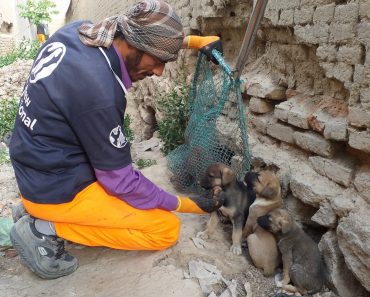
    Last year, K9 Magazine shared details of Mayhew’s plans to promote animal welfare and improve the lives of dogs living in the war-torn country and today Mayhew Afghanistan has announced that they have vaccinated an incredible 10,500 dogs through their mass canine rabies vaccination programme in the capital city of Kabul.

    This means that 7 in 10 dogs living in Kabul have now been vaccinated against rabies and according to the animal charity, this means that they have now reached the accepted threshold required to reach in order to break the chain of virus transmission and can start creating herd immunity in the area where the vaccination programme is happening.

    It means that the Afghanistan team, together with the Kabul Municipality dog catchers, are on track to reduce the risk of canine-mediated rabies in the city.

    Following Mayhew’s successful negotiations with Kabul Municipality to bring an end to the inhumane practice of culling the free-roaming dogs from January 2017 and with signed agreements with the relevant ministerial departments and city authorities in place, on 6th August 2017, Mayhew Afghanistan began implementing the first mass canine rabies vaccination programme in Kabul, which covers the main 16 residential districts in the city.

    This is the first step in a long-term and sustainable strategy to eradicate rabies from the city in three years and develop a citywide dog population management programme.

    The two teams of 12 dog catchers and vet vaccinators work from early morning around 5am to noon, catching and vaccinating dogs. The surveyor then goes out within 72 hours to the designated areas to count the number of vaccinated dogs, compare it with the total number of dogs in that area and ensure the level of at least 70% of the population has been vaccinated.

    Mayhew’s Afghanistan Country Director, Dr Abdul Jalil Mohammadzai DVM, said: “The team are delighted that the programme has now vaccinated 70% of the population of dogs in Kabul in just over 10 months.

    “A new dog population survey has recently been completed and this will provide data for the amount of dogs to be vaccinated as a minimum in year two of the mass canine rabies vaccination programme and be the basis of the dog population management plan.

    “We believe that informing and educating communities about the rabies virus and other infectious diseases and how they are spread is key to rabies prevention, safe interaction with community dogs, compassion towards animals and improved health. A win win situation for dogs and people alike.”

    Mayhew International receives no government funding and relies on the generous donations from supporters to continue helping, training and funding vaccination programmes and animal birth control projects for thousands of animals around the world.

    The task is huge and the charity still needs your help. Please consider a donation by visiting www.themayhew.org/donate, so they can continue their vital work in Kabul, stating your donation is for Afghanistan.

  • 82 Chihuahuas Rescued From ONE Home as Police Investigate Woman’s Death

    82 Chihuahuas Rescued From ONE Home as Police Investigate Woman’s Death

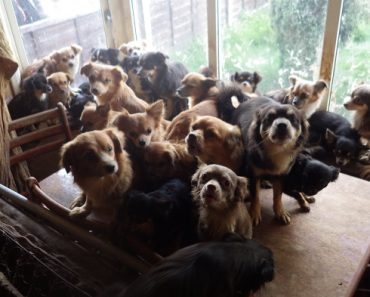
    Police investigating a woman’s death have revealed that they found 82 Chihuahuas living in dirty, cramped conditions inside the couple’s home.

    The police called in the RSPCA and the inspector who visited, Herchy Boal, admitted that she had seen a lot of things during her 18-year career but nothing could have prepared her for what she saw when she visited the home last April.

    The RSPCA’s rescue mission was filmed for Channel 5’s ‘The Dog Rescuers’ and will air on TV shortly.

    Inspector Boal was on duty in Birmingham, in the West Midlands, said, “The officers asked us for help with around 30 dogs but I was busy dealing with another emergency elsewhere,” she explained. “When they called me again a few hours later they were extremely concerned about the conditions they had found the dogs in, claiming they believed there were actually in excess of 40 small breeds.

    “When I arrived at the property I found 82 dogs inside. They literally started appearing from everywhere. We would move the washing machine and suddenly there’d be six faces looking at you. It was incredible where they were able to hide.

    “The house looked like an earthquake had hit it, everything was higgledy piggledy, it was really chaotic and dirty.

    “We called out a vet who said the house was too hazardous and the dogs couldn’t stay there, it was filthy and cramped. They were all hiding; barking and snapping at us.”

    All 82 dogs were removed and taken to the charity’s Newbrook Farm Animal Hospital in Birmingham, some had matted coats and fleas, others had burns. Staff worked through the night to check over all of the dogs and ensure they received necessary treatment.

    Inspector Boal said: “We didn’t finish work until 11am the next day!”

    Police launched an investigation after a woman who lived at the property died but, following their enquiries, they established that there were no suspicious circumstances and that she’d died from complications after an accident.

    “The woman and her husband, Stephen, had started out with two pet chihuahuas – Blue and Tinkerbell. Unfortunately, they didn’t get their dogs neutered and four years later, they had 82 dogs!” Inspector Boal added.

    “This was a classic hoarding situation but it was clear the couple had loved their dogs and things had simply got out of hand.

    “We worked with Stephen to renovate and clean the home while we cared for the dogs. We returned four of the dogs to him and rehomed the rest.

    “Two of the dogs that went back to Stephen had serious behavioural issues and were extremely aggressive and unhappy. We were seriously considering our options with them because they were completely unhandleable. But when we returned them to him they were like different dogs and were so much happier.”

    It is hoped that by airing the rescue and couple’s story that a reminder message will be sent out on the importance of neutering.

    Inspector Boal concluded, “This was a really sad case but it was also a really memorable one for me due to the sheer number of dogs involved.

    “I really hope we can use this story to make it clear why it’s so important to neuter your pets not only to avoid unwanted litters but also to avoid inbreeding which can result in serious health and behaviour problems in puppies

  • Dog Meat Farmer Closes Farm Saying ‘It Is Much Better to Stop Farming Dogs, I Will Be Relieved for It to End’

    Dog Meat Farmer Closes Farm Saying ‘It Is Much Better to Stop Farming Dogs, I Will Be Relieved for It to End’

    A South Korean dog meat farmer has closed his dog farm weeks before the country’s Bok Nal festival to concentrate on his growing water parsley business, and as a result, 50 dogs have been rescued and will be flying to a temporary animal shelter in Canada to be rehomed.

    The farmer, who has bred dogs for eating for four years in Namyangju-si, Gyeonggi-do, now plans to expand his more profitable water parsley business, with the help of animal charity Humane Society International, who have been working in South Korea for three years permanently closing dog meat farms and helping farmers switch to alternative livelihoods as part of its strategy to demonstrate that the cruel trade can be phased out.


    Photo Credit: Jean Chung/For HSI

    With profits from dog farming dwindling, and his water parsley business booming, Mr Shin realised that the dog eating business is a dead-end industry. Once HSI rescues the dogs, the cages will be dismantled and Mr Shin will focus full time on his crop growing.

    Farmer Shin, who asked to have his identity hidden in HSI photos for fear his water parsley customers would find his dog farming offensive, says: “With my parsley growing so successful, and the life of a dog farmer really too hard, I just don’t need this in my life any more. It is much better to stop farming dogs, I will be relieved for it to end.”

    Photo Credit: Jean Chung/For HSI

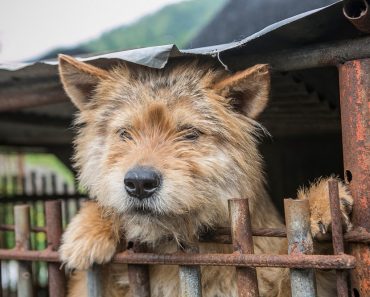
    Nara Kim, HSI’s South Korea dog meat campaigner, says: “This farm is typical of many smaller dog meat farms we see across South Korea – dilapidated cages, squalid conditions, dogs in appalling conditions, some barely clinging to life when our rescue team arrives.

    “It’s vital that we show Koreans the grim reality of these places because most people have no idea and are really horrified. Although the practice of eating dog is on the decline, and we anticipate it will ultimately die out, during the Bok days of summer we still see an increase in people eating dog meat soup.

    “We hope to change that by exposing the disgusting and cruel conditions, and we hope also to influence the government as a growing number of South Koreans are calling on our politicians to shut down this brutal trade.”

    Photo Credit: Jean Chung/For HSI

    Kitty Block, President of Humane Society International, says: “South Korea’s President Moon is a dog lover who recently opened up his heart and home to a rescue pup. So he will know that these beautiful dogs languishing on dog meat farms are just as loving and smart as any pet dog.

    “President Moon also recently proposed amending South Korea’s Constitution to include respect for animal welfare, so we believe that now is the perfect time for the country to look at HSI’s program as a strategic, workable solution to ending this most heartless of trades.”

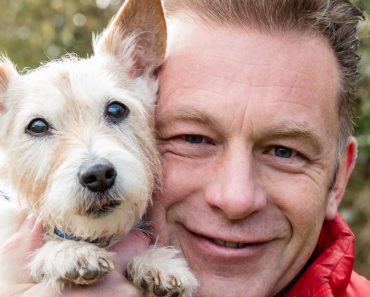
  • Chris Packham Joins Campaign to Help Educate Next Generation of Animal Lovers

    Chris Packham Joins Campaign to Help Educate Next Generation of Animal Lovers

    Chris Packham has joined forces with a national pet charity to encourage teachers and youth leaders to sign up to free classroom talks to create a future of compassionate pet owners.

    The videos, which were recorded at the Blue Cross rehoming centre in Southampton with the charity’s new education ambassador, focus on teaching children in Key Stages 1 and 2 the Five Welfare Needs which includes aspects like suitable diet and environment, enrichment and companionship, as Chris explains below.

    Chris also recorded a video featuring a case study to stimulate debate about responsible dog ownership to secondary school classes.

    Chris said: “It is very important to me to be part of encouraging current and future pet owners to learn more about the needs of the animals that share our lives. I feel strongly that being able to engage children in the classroom can have a huge impact for the future and how they will safeguard and protect pets and other species. I was glad to be able to record these films for Blue Cross and hope our messages can help more pets through education.”

    In 2017, Blue Cross reached more than 95,500 young people through 2,553 talks and delivered talks and assemblies to a range of age groups in both primary and secondary schools.

    Kerry Taylor, Education Manager at the pet charity said: “Chris’s involvement in our education programme is invaluable to our charity as we know that these fantastic video resources will help us reach more school children, teachers and parents to help educate about how to keep pets healthy and happy.

    “Many pets wellbeing does sadly suffer through people simply not knowing the five welfare needs and ensure they meet these for their individual pet. For example, poor housing and the wrong diet for small animals like rabbits and hamsters can have devastating consequences and we often need to help these pets at our charity as a result.

    “With Chris using his passion and commitment for pets to join forces with Blue Cross we can reach as many children and teenagers as possible, we can improve the lives of both future pets and their owners, and stamp out cases of animal cruelty and neglect in the process.”

  • Five Dogs Stolen Every Day as Thieves Target Designer Dogs

    Five Dogs Stolen Every Day as Thieves Target Designer Dogs

    Five dogs are stolen every day across the UK, as figures released today confirm that 1,909 dogs were reported as stolen to police forces last year, compared to the 1,788 stolen in 2016.

    Staffordshire Bull Terriers were the breed most targeted by thieves, followed by cross-breeds, such as designer breeds Cockapoos and Puggles, and French Bulldogs, who were the 3rd most stolen dog breed, followed by Chihuahuas

    Huskies also become one of the most stolen dog breeds in the UK with speculation this could in part be due to the ‘Game of Thrones effect’ and subsequent rise in ownership of Huskies and other wolf-like breeds.

    At the other end of the scale, Lurchers have moved out of the list of the ten most commonly stolen breeds.

    Areas targeted by dog thieves

    The pet insurer’s research found that the Metropolitan Police Service recorded the highest number of stolen dogs of the UK’s police forces in 2017, with 225 reports received.

    This was followed by West Yorkshire Police, with 172 reports of stolen dogs, and Kent Police, with 160 reports. These three forces alone represent nearly a third of all dog thefts in 2017.

    The East Midlands had the lowest proportion, with one dog stolen for every 10,101 registered dogs.

    Prit Powar, Head of Pet Insurance at Direct Line said, “Having your dog stolen is one of the most distressing things a pet owner can face, particularly as animals are often considered to be members of the family. There is no excuse for the theft of an animal but some of the reasons behind dog theft include using the animal for dog fighting, breeding or selling on.

    “The rise in popularity of ‘designer’ dog breeds among celebrities and the ‘fashion’ for certain types of dogs means people are willing to pay thousands for an animal, which unfortunately makes them prime targets for thieves. Pedigree owners need to be especially vigilant.”

    There was, however, some positive news as there were more dogs reunited with their owners last year, compared to 2016, revealing that stolen dogs have a one in five chance of being returned to their owner.

  • Warning: Is Your Dog at Risk of Getting You Hacked?

    Warning: Is Your Dog at Risk of Getting You Hacked?

    Pet tracking apps could be leaving owners vulnerable to hacking, according to an internet security firm.

    New findings released by Kaspersky Lab researchers have revealed that seven popular pet tracking apps have security issues which could allow unauthorised access to your network and the sensitive information stored on it – and more worryingly, these vulnerabilities could lead to more pet thefts if they aren’t fixed.

    Trackers are typically used by pet owners to monitor the safety of their pet and track where they visit when unsupervised, with GPS coordinates sent back to the owner’s app as regularly as every minute.

    The possibility of someone else intercepting those coordinates to understand where your pet is at any given moment, or your regular movements such as daily walks, means there is the potential for criminals to gain enough information about your pet’s movements to kidnap it.

    In 2016, Direct Line reported that 1,774 dog thefts were reported to police in the UK but additional research by the pet insurer found that 1.5 million adults claimed to have had a dog stolen from their care over the past five years, and according to organisations set up to help people who have had pets stolen, the problem is very much on the rise with more pets than ever being targeted by criminals.

    The trade in cats and dogs is worth €1.3 billion annually in the EU and stolen ‘designer dogs’ can fetch up to £1000 when sold online.

    Prit Powar, Head of Pet Insurance at Direct Line said, “Having your dog stolen is one of the most distressing things a pet owner can face, particularly as animals are often considered to be members of the family. There is no excuse for the theft of an animal but some of the reasons behind dog theft include using the animal for dog fighting, breeding or selling on.

    “The rise in popularity of ‘designer’ dog breeds among celebrities and the ‘fashion’ for certain types of dogs means people are willing to pay thousands for an animal, which unfortunately makes them prime targets for thieves. Pedigree owners need to be especially vigilant.”


    London dog owner, Matt Rayner favours a home-based pet camera instead of a GPS tracker to keep his Pug, Buffy safe

    David Mole from Kaspersky Lab concluded saying, “There are numerous opportunities for criminals to send false coordinates to the server, or accurately pinpoint people’s pets to kidnap them, due to vulnerabilities in apps and trackers.

    “These trackers have not yet been used to kidnap dogs, but the information that is transmitted could be susceptible to being accessed by criminals who want to obtain valuable data such as passwords.”

  • Petition to Make Pet Theft a Crime Reaches 80,000, but Still Needs Your Signature to Trigger Debate

    Petition to Make Pet Theft a Crime Reaches 80,000, but Still Needs Your Signature to Trigger Debate

    A petition to reclassify the theft of a pet as a crime in its own right has now reached over 80,000 signatures and is well on its way to reaching its target of 100,000 signatures by 8th August, at which time a parliamentary debate will be triggered.

    Dr Daniel Allen, an Animal Geography tutor at Keele University created the petition in February. After researching the problem, Dr Allen was appalled by the rising numbers of dog thefts and the lack of accurate police statistics.

    Dr Allen says, “People do not steal dogs to love them, they use them, they abuse them, and they treat them like disposable objects. Dog theft is a gateway to wider animal cruelty, including puppy farming and dog fighting, and should be connected to wider concerns about dog welfare. Pet theft is a cruel and devastating crime, made all the more painful when the law refers to family pets as ‘personal items’. Dogs are family – the law needs to reflect that”

    With the law as it stands, there is no deterrent to reduce pet theft which has increased by nearly 24% over the past three years but prior to the Theft Act 1968 dog stealing was a crime with a custodial punishment.

    Arnot Wilson of the Dog Union and member of the Stolen & Missing Pets Alliance, who are supporting Dr Allen, says “It is unbelievable that in the Theft Act 1968, a dog, a sentient being, is considered chattel but cars and bicycles are separately classified. Reclassification will bring with it much needed accurate police records”

    Prof John Cooper, QC who has been campaigning for better animal welfare laws for over 25 years, is now providing legal backing to SAMPA, believes legislation to protect dogs will not be a difficult exercise nor need to take up much parliamentary time, adding, “no legislation in any area stops the crime but if we have harsher penalties in place, it will send a strong message to deter people.”

    The petition has the backing of British MPs, as well as celebrities including Ricky Gervais, Miranda Hart, Deborah Meaden and Peter Egan.

    The dog theft epidemic must be stopped, but that can only happen if the government takes this emotional crime seriously. To sign the petition: https://petition.parliament.uk/petitions/212174

  • Did You Know Companies Were Carrying Out Experiments on Abandoned Dogs?

    Did You Know Companies Were Carrying Out Experiments on Abandoned Dogs?

    In Ontario, Canada, a political party has included a policy in their latest manifesto to call for a ban of “the use of lost or abandoned pets in research”.

    According to Canadian animal welfare organisations, the Green Party of Ontario is the first political party to call for this using its platform.

    Ainslie Willock, Campaign Manager, No Pets In Research said, “We thank Mike Schreiner [leader of the political party] for taking a position on this issue and we call upon the Liberals, NDP and Progressive Conservatives to commit to the same position.”

    As it stands in the region, under the Animals for Research Act, lost pets have only three ways to get out of the pound – they can be returned home, if the owner/home can be found within the minimum 72 hour holding period, they can be sold as pets, or they can be sold to the operator of a registered research facility in Ontario who has requested the operator of the pound to sell the dogs or cats.

    The interpretation of the latter has been broadened by the government to include humane societies and rescue groups as sources of pets for research, according to Willock, who explained, “Even more troubling, the government allows unknown entities to pick up animals for research in communities without stray animal by-laws.”

    Between 2012 to 2016, over 25,000 pet dogs and cats went to research in Ontario

    Liz White, Director, Animal Alliance of Canada commented on the troubling statistics saying, “Once pet animals have disappeared into the opaque world of animal research, it is almost impossible for families to find out what happened to their beloved companions.”

    “We are making this an election issue,” White continued. “In our 30 second TV spot which you can preview on our website and will start airing on the 23rd of May, we ask Ontarians to ask their candidates to protect their pets from researchers. The Animals for Research Act protects the researchers, not the pets or their families. The Ontario government needs to amend the Animals for Research Act to end this egregious and outdated practice.”

    “The Green Party has taken a stand for our pets,” Willock said. “Now it is time for the other parties to do the same.”

  • Is Your Dog Scratching? It Could Be Fleas, a Pet Expert Says

    Is Your Dog Scratching? It Could Be Fleas, a Pet Expert Says

    As the weather heats up, pet owners are being reminded to be flea and tick aware.

    Although parasites, such as fleas and ticks, are found all year round, because the hot weather and humidity speed up their life cycle, Spring and Summer can increase the risks of infestation to your dog and your home.

    Here are three top tips to help prevent a flea infestation in the home.

    Wash your dog’s bedding & toys

    If your dog has fleas, the chances are your dog will have shed flea eggs around your home.

    Wash your dog’s bedding and soft toys on a hot wash to get rid of any eggs which may have fallen off your pet and be lurking in their fibres.

    Make sure you keep your pet’s preventative treatment up to date

    Home infestations can occur regardless of how clean your home is. The warm weather creates the perfect condition for fleas to breed and so during the warmer months they thrive.

    This is why if your dog has fleas, it is crucial that you treat both your dog and home with a good flea treatment for dogs. Treating one without the other will pull you into a flea cycle, one which could be hard to navigate out of so make sure you treat your dog for fleas regularly.

    Don’t let crevices and dark corners go untouched

    Fleas love dark places to hide in and if you have wooden or hard floors, your skirting boards could be proving the perfect flea hiding spot.

    Brush and mop all around your hard floors, paying specific attention to corners, crevices and underneath furniture to help eliminate anything lurking in the shadows!

    If your dog does have fleas, don’t be disheartened – if you follow our 3-step guide you can get your dog and home out of the flea cycle.

  • New Law Needed to Protect Animal Crime Fighters, Says Police Boss

    New Law Needed to Protect Animal Crime Fighters, Says Police Boss

    A police boss is backing demands for a new law to make it an offence to attack four-legged crime fighters.

    North Wales Police and Crime Commissioner Arfon Jones is supporting the campaign for tougher measures to protect service animals, including police dogs and horses.

    Mr Jones spoke out after the proposed Service Animals Offences Bill, which was signed by over 127,000 people who want equal rights for police animals, suffered a setback in the House of Commons when the Ministry of Justice tabled an official objection.

    The campaign was launched by PC Dave Wardell, from Hertfordshire Police, after he was attacked with his police dog Finn when they were chasing a robbery suspect in 2016.

    During the incident, the suspect injured PC Wardell’s hand, and also stabbed Finn in the head and chest as the German Shepherd tried to stop him from getting away.

    While the suspect was charged with actual bodily harm for his injuries to PC Dave Wardell, he was only charged with criminal damage for almost killing Finn, as dogs are considered property in the eyes of the law.

    Criminal damage is currently the only available charge for someone who attacks a police or service animal – even though dogs are often bitten, kicked and strangled while in the line of duty.

    According to Mr Jones, a former police inspector, service animals are the unsung heroes of policing and deserve better legal protection.

    Mr Jones said, “Police dogs and horses play an important role in a whole range of areas like crowd control, drug detection, searching for missing people and catching offenders.

    “It is wrong that these animals are treated as equipment because they are key members of the frontline policing team.

    “They risk harm on a regular basis to keep their handlers and the public safe and legislation should be amended to give them the protection they deserve.”

    Mr Jones has already set up a scheme to keep a check on the welfare of police dogs in North Wales.

    Marie Jones and Clare Vickers, pictured above with Otis and dog handler SGT Howard Watts, have been appointed as volunteer dog welfare visitors, working alongside colleagues in Cheshire.

    They make monthly unannounced visits to view dog training sessions or visit dog handlers and their canine companions out on patrol.

    Their brief is to ensure police dogs are properly cared for, happy and their working conditions are acceptable.

    He added, “It’s important North Wales Police is transparent and the general public has confidence that the dogs are properly cared for and trained well. North Wales Police and Cheshire dog sections work very closely together and share training.

    “I know the dog visitor scheme is working well in Cheshire and I was encouraged to set up the scheme by Sergeant Howard Watts, a North Wales dog handler, who pushed for its introduction.

    “It is important we have independent checks and controls in place to ensure good animal welfare standards are robustly maintained. We must ensure our dogs are happy and well cared for.

    “What we need to do now is to put Finn’s Law on the statute book so we plug this unfair gap in the law.

    “It is only right and proper that service animals are afforded the same level of protection as domestic animals.”

  • Firefighters Save Dog Trapped In House Fire

    Firefighters Save Dog Trapped In House Fire

    Firefighters have been praised by animal lovers around the world after announcing they had saved a dog trapped in a house fire.

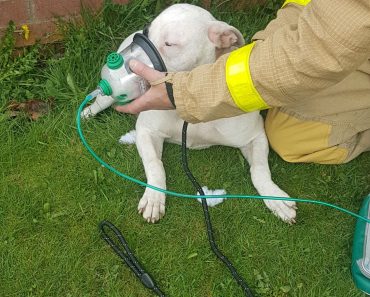
    The young dog named Tammy was in the front room of the property when a fire started from a tumble dryer in the kitchen. After rescuing her, the Merseyside based firefighters gave Tammy extra oxygen outside with a specialist pet oxygen mask to help combat the impact of smoke inhalation on her airways.


    Photo Credit: Twitter.com/MerseyFire

    The masks are becoming more widely available across the UK in an effort to save more pets rescued from house fires.

    Madeline Pike, Head Veterinary Nurse at Direct Line, explains more.

    “Although fire and rescue services only carry oxygen masks for humans as part of their standard equipment, some local services have begun trialling masks designed specifically for animals.

    “Pet oxygen masks come in three sizes and are designed to fit over the snout of an animal in order to deliver more oxygen than human masks can. Effective oxygen therapy administered on the scene can be key if resuscitation is required, but can also begin to instantly treat the initial effects of smoke inhalation.

    “Pets are particularly vulnerable during house fires because their initial instinct is usually to hide rather than flee, which makes them difficult to locate and extends their exposure to harmful smoke. Even a small fire in the home can leave pets vulnerable to illness as a result of smoke inhalation, as their airways are smaller, and more easily damaged than ours as a result.”

    “Smoke inhalation not only causes physical damage to the lining of the airways, but will also induce oxygen deprivation and a reaction to the toxicity of inhaled materials. The extent of the damage may not always be obvious, and depends on the length and degree of exposure as well as what materials were burning at the time.

    “It can take several days for signs and symptoms to appear, so often the damage can be underestimated in the initial hours after a fire when the need for treatment can be at its most critical. It is key that veterinary attention is sought for any animal involved in a house fire at the earliest opportunity, as the full effects of smoke inhalation cannot be determined instantly, and early intervention can save a pet’s life.”