Category: Magazine

  • 16 To 24 Year Olds More Likely To Include Dogs In Their Will

    16 To 24 Year Olds More Likely To Include Dogs In Their Will

    Dog owners are increasingly considering provisions for their pets as they write and update their wills following the global Covid 19 pandemic. Financial services firm Legal & General commissioned a survey to uncover the UK’s attitudes towards and reasons for writing a will, and how this has been impacted by the COVID-19 pandemic.

    • More people don’t have a will (53%) than those who do (47%)
    • More than a fifth (22%) of respondents aged 16-24 strongly agreed that their perspective had changed on will writing since the pandemic
    • The most important reason for writing a will is to leave assets to the right beneficiaries, cited by 47% of respondents
    • 15% of respondents aged 16-24 have left their assets to their pets
    • 40% of respondents without a will in place said they simply ‘hadn’t got round to it’

    Back in March 2020, the search term ‘will writing’ peaked at 11,000 searches per month, showing evidence of a will writing boom as people in the UK looked to secure their future during unprecedented times. Since then, new data from Legal & General reveals that in October 2021, less than half (47%) of people in the UK have a will, compared to 53% who don’t.

    The research found that the pandemic has impacted different generations in contrasting ways when it comes to will writing. More than a fifth (22%) of respondents aged 16-24 strongly agreed that their perspective had changed on will writing since the pandemic, the highest of any age group. However, 30% of people aged 55+ strongly disagreed with this statement.

    As a result of this perspective shift, over half (52%) of respondents aged 16-24 claim to have updated their will within the last year. This is higher than the average, as almost a quarter (24%) of all respondents had updated their will within the last year, while for over 55s this was only 14%.

    Among those who have updated their will, 18% of 16-24 year olds said they did so after falling ill from COVID-19, compared to only 1% of respondents aged 55+ choosing this option. But what other motivations do Brits have for writing a will? L&G found that the most popular reasons were:

    To make sure my assets are being left to the right beneficiaries 47%
    To ensure that my family are provided for financially 43%
    To determine who will manage and handle my affairs 32%
    To determine who would look after my children 18%
    To avoid paying more inheritance tax than required 13%

    With family considerations being cited as a top reason for taking out a will, it’s no surprise that most people choose to leave their assets to their children (60%), spouse (38%), and siblings (15%).

    However, the survey revealed that some Brits plan on leaving their assets to their pets! 15% of respondents aged 16-24 have used their will to leave assets to their furry friends, the highest of any age group. Respondents in the North East of England also admitted to this, with 14% choosing their pet as a beneficiary.

    While some Brits are prioritising their pets, others are using their will to give back, as 10% of respondents said they have chosen to leave assets to charity. Charitable giving was most popular among residents in the South East compared to any other region, with 14% leaving assets to charity.

    Despite the indication of a will writing boom early on in the pandemic, data suggests that the uptake is not universal. Two thirds (66%) of people in the UK know the value of their assets, yet a majority have not yet written a will (53%).

    There is evidence of a gender divide as only 41% of women have a will, compared to 53% of men. There is also a regional difference: 64% of people in Northern Ireland do not have a will in place (the highest of any region), compared to 45% of Londoners.

    For those who have not taken out a will, the most popular reason for this was ‘I haven’t got round to it’ was the most popular answer given, cited by 40%. This was followed by ‘I have no assets to pass on’ (21%), and ‘I’m too young (14%)’.

    6% of respondents claimed they had not yet taken out a will because it’s too much effort. This could be due to a lack of knowledge and understanding of how to make a will. L&G’s data revealed a further generational divide in knowing the rules of intestacy. Those aged 16-24 were most confident about this: 24% said they were ‘very confident’, compared to only 14% of 45-54 year olds.

    Although 17% of people without a will admitted that nothing would make them more likely to write one, the majority (64%) said they do plan to write a will in the future. 35% of respondents without a will said that they would be more likely to write a will if they came into money or fell ill, and 31% cited advancing age as a motivator to write a will in the future.
    Learn More About Including Dogs In Your Will ⇢

  • Vets Call On Brands To Stop Using Flat Faced Dogs In Campaigns

    UK pet charity Blue Cross have launched a campaign called #EndTheTrend – which calls on the nation’s top brands to support their mission to improve the lives and welfare of flat-faced (brachycephalic) pets. Many brands currently use brachycephalic animals in their advertisements, even if their products are unrelated. This contributes to the ever-growing popularisation of these pets, and in turn, over-breeding.

    Flat faced (or ‘brachycephalic’) pets – such as pugs, French Bulldogs, Boston Terriers, Persian cats, and Lionhead rabbits – have soared in popularity in recent years and appear nationwide in advertising campaigns, due to the fashionable status of the breeds. As of 2021, brachycephalic breeds account for one fifth of the nation’s dogs.

    But sadly, our obsession with these pets has created an animal welfare crisis

    Blue Cross are all too aware of this crisis. In the last two years alone, their vets have treated over 5,000 brachy pets – a number that continues to grow week on week. Common procedures include:

    • Brachycephalic Obstructive Airway Syndrome (or ‘BOAS’) Surgery – a complicated and stressful surgery for any pet to have to undergo, but vital to widen their nasal passages and shorten their soft palate to improve their ability to breathe.
    • Enucleation and eyelid surgery – surgery to repair or remove their eyes and modify their eyelids due to high rates of disease.
    • Emergency Caesarean section – because many cannot give birth to litters naturally and need medical intervention.

    These health problems have stemmed from a vicious cycle of over-breeding to meet the astronomical demand for these flat-faced, four-legged friends, many of which now no longer even resemble their healthy ancestors that came just a century before them.

    Sadly, more and more major British consumer brands are using flat-faced animals in their marketing and advertising, even if their products are unrelated, and the perception that these breeds are ‘cute’ and ‘trendy’ by their portrayal in advertisements has perpetuated this view amongst the public.

    This has led to these breeds being seen as the latest ‘must have’ and an increase in impulse buying – often leading to pets being sold on or given up when their owners realise they cannot cope or afford vital vet bills for treatment associated with their breed. It has also led to a huge rise in the cost of puppies, particularly during the pandemic, which has sadly meant a huge rise in dog theft across the UK – with research showing that these breeds are often specifically targeted*.

    To tackle this nationwide crisis, Blue Cross has launched a campaign called #EndTheTrend, which calls for the UK’s leading brands to pledge, by the end of 2022, to phasing out the use of any brachycephalic pets in their future brand materials.

    As part of the campaign, the charity has launched a petition which members of the public can sign to urge their favourite brands to commit to this pledge. The petition can be found here: www.bluecross.org.uk/endthetrend

    To raise awareness of the campaign and capture the attention of both brands and consumers, the charity has created a series of mock advertisements which demonstrate how brands are contributing to this life-threatening trend.

    The advertisements will be featured across 10 different high-profile train stations in London, including Charing Cross Station, London Bridge Station, St Pancras Station, Victoria Station and Waterloo Station.

    Caroline Reay, Blue Cross Vet says: “Brachycephalic pets, like Frenchies and Pugs, have soared in popularity in recent years. With their compelling big eyes and baby-like faces, our obsession with their appearance has created an animal welfare crisis.

    As these breeds grow in popularity, there is a rise in parallel of unscrupulous breeders looking to cash in on a trend. Our veterinary hospital teams are treating more and more very unwell pets who are experiencing health complications caused by breeding for a characteristic ‘flat face’.

    Frenchies, Pugs and Persians have become the poster pets for advertising, no matter the product, and behind those cute faces can lie horrifying health problems. We call on companies to find other ways to promote their wares and help us #EndTheTrend.”

  • Dog Theft Hot Spots in The UK Revealed

    According to police data, instances of dognapping increased by almost 20% in the six months preceding October 2021. In September 2021, a law was passed which recognises pet theft as a separate crime to other forms of property theft. A study by K9 Patrol has revealed the most dangerous places to be a dog owner in the UK.

    K9’s study analysed local search data for terms frequently searched by victims of pet abduction over the last six months.

    Northamptonshire ranked top, with residents searching the terms  “report dog theft”, “dog stolen” and “report a stolen dog” more frequently than any other county in the UK.

    Top 20 dog theft hotspots

    Position

    County

    1

    Northamptonshire

    2

    Somerset

    3

    Gloucestershire

    4

    Devon

    5

    Derbyshire

    6

    East Riding of Yorkshire

    7

    East Sussex

    8

    Herefordshire

    9

    Cambridgeshire

    10

    Bedfordshire

    11

    Berkshire

    12

    Bristol City

    13

    Lincolnshire

    14

    Greater Manchester

    15

    Cornwall

    16

    Warwickshire

    17

    Worcestershire

    18

    Leicestershire

    19

    Greater London

    20

    Shropshire

    Methodology

    Their method analysed the number of impressions each search term had in each location. It then calculated the percentage of residents this accounted for, by using the most recent population data for each area. This data is not based on crime reports, but on search terms specifically related to topics discussed by the victims of dog theft.

  • Ricky Gervais Joins RSPCA In Call For Animal Cruelty Policy Change

    Vice President of the RSPCA, Peter Egan, joins Ricky Gervais in calling for the Government to release registered animal charities from a policy which forbids them to end cruel animal experiments.

    MPs gather today Monday 25th October, in Westminster Hall, to debate a petition which cites the 90% fail rate of animal-tested drugs, but only calls for these medically failed and horrific experiments on dogs, and other animals, to be merely ‘phased out’.

    Ricky Gervais and Peter Egan are supporting protestors who will gather outside Westminster Hall, from 4-7.30pm, to call for the science hearing outlined by Parliament EDM 175 – to ban animal experiments quickly.

    Ricky Gervais says: “I’m shocked to hear that Priti Patel is only planning a gradual “phasing out” of horrific experiments on dogs, and other animals, which could take many decades. Such experiments are now proven to entirely fail the search for human treatments and cures, a position reported by the British Medical Journal, the FDA and the US-based National Cancer Institute. We need an immediate ban on this shocking animal cruelty, which is clearly holding back medical progress too. That’s why I support the rigorous public science hearing, as called for by Parliament EDM 175. This can help create a legal ruling to stop the funding of the outdated practice of animal experiments, and quickly redirect funding towards human-based methods, which have a proven track record of success. Please join my campaign with rescued laboratory dog Scarlett Beagle: help us accelerate the arrival of this fair science hearing, to end cruel animal experiments, once, and for all.”

    82 cross-party MPs have signed EDM 175, calling for the Government to mandate a rigorous public scientific hearing, on claims that results from animal experiments can predict human responses, in medical research and safety testing.

    The EDM’s science hearing is unique because it will be judged by a panel of independent experts from the relevant science fields – including evolutionary biology, complexity science, chaos theory, clinical research, drug development, basic research and philosophy of science.

    Never before has such an indepdently judged science hearing been mandated by the Government; previous inquiries into animal testing have been overseen by many with a clear vested interest in animal experiments.

    Registered charities are in chains

    The National Anti-Vivisection Society is the oldest anti-vivisection society in the world, but it is not a registered charity because charity status would prevent it from ending animal experiments.

    Says the NAVS: ‘The NAVS is not a registered UK charity because the law does not allow for charities to campaign to end animal experiments. Founded in 1895, the NAVS was a charity until 1947, when the Inland Revenue challenged charitable status for groups opposing animal experiments and the narrow terms of charity status worked against us at that time. Since then, charity law has been amended to include activities which would fall naturally within a charity´s core work, but would still not allow the NAVS to campaign to change the law to end animal research.

    NAVS continues: ‘In order to take up charitable status, the NAVS would be obliged to give up our work to change the law on animal experiments, including drafting legislation, working with government departments and educating legislators around the world, in addition to our public education work. In our view, this work is the most important thing we can do to achieve lasting protection for animals and so our members have made the decision that the financial benefits of charitable status must be sacrificed, in order to do what is right and necessary for animals.’

    In 1950, a High Court precedent ruling, by senior judge Harold Danckwerts, ruled that NAVS is not eligible for charity status because “suppression of vivisection is contrary to the benefit of the community and therefore not a charitable purpose in law” – please see ‘Resources’ at the close.

    In 1950, one could be forgiven for stating that animal experiments save human lives. Not today. Medical doctor Ray Greek says: “recent developments in evolutionary and developmental biology, genetics, gene regulation, gene expression and gene networks gained in large part as a result of the Human Genome Project, in addition to advances in understanding complex systems, have significantly increased our understanding of why animals have no predictive value for human response to drugs, or the pathology of human diseases.”

    Peter Egan says: “As Vice-President of the RSPCA, I am shocked to learn that this, and other registered animal charities including Animal Free research, are forbidden to support the science hearing called for by EDM 175, and prevented by law from ending cruel animal experiments. The petition being debated by MPs, on Monday 25th October, cites the 90% fail rate for animal tested drugs, but merely calls for this catastrophic human medical failure to be gradually ‘phased out’. This doesn’t make any sense. Even though today’s debated petition cites the 90% fail rate of animal tested drugs, it describes human-based research as an ‘alternative’ to animal tests. This is clearly nonsense – and is typical of registered charities confined to an outdated policy called the 3Rs, established in 1959 for ‘humane experimental technique on animals’. Animal tests have a 90% fail rate – as the petition correctly states – whereas human-based research, such as gene-based medicine, comes with a fantastic track record of success. Human-based research is the opposite of animal experiments, these are not ‘alternatives’ for each other. It is time for the Government to allow registered charities to campaign with up-to-date medical knowledge so they can support the science hearing called for by EDM 175, make sense in their public petition statements, and ban the now proven practice of animal experiments quickly.”

    Dr. Lisa Cameron MP says: “I’m delighted to be the primary sponsor for Parliamentary EDM 175, calling for a fair and rigorous public scientific hearing on animal experiments. Dogs are man’s best friend, yet thousands of Beagles are bred every year in the UK, for painful toxicity experiments that are today widely reported to be failing the search for human treatments and cures. Please join me in asking the Government to mandate this vital science hearing: ask your MP to sign EDM 175 to stop the funding of a failed practice and accelerate funding for human-based research, such as body on a chip and gene-based medicine, which comes with a track record of success.”

    [bctt tweet=””If research conducted on animals continues to be unable to reasonably predict what can be expected in humans, the public’s continuing endorsement of preclinical animal research seems misplaced”.” username=”k9magazine”]

    Dr. Fiona Godlee, Editor in Chief of the British Medical Journal quotes a report, in her Editor’s Choice: “If research conducted on animals continues to be unable to reasonably predict what can be expected in humans, the public’s continuing endorsement of preclinical animal research seems misplaced”.

    Award winning oncologist Dr. Azra Raza says in her tweet: “Why are we continuing to invest 100s of millions of dollars into animal studies, with the delusion that they will provide clinical guidance for humans? Why are we, the public, not demanding more accountability? Who is benefitting?”


  • World Animal Day Offers An Insight To Frontline of Animal Welfare During The Pandemic

    World Animal Day Offers An Insight To Frontline of Animal Welfare During The Pandemic

    How has the current Coronavirus pandemic taken its toll on animal welfare organisations around the globe during the past six months? World Animal Day on October 4 is an opportunity to find out, through interviews with advocates working hard to ensure that animals are not overlooked during the crisis.

    There are currently 93 World Animal Day Ambassadors in 73 countries across the globe. One thing they all have in common is their passion for animal welfare.

    Each Ambassador works for a registered, not-for-profit animal welfare organisation and proudly waves the World Animal Day banner. They were interviewed to give a behind-the-scenes look at the incredible work they do (and, against the odds, continue to do) throughout the pandemic.

    Many of the organisations provide essential neutering and veterinary services in their local communities.

    Khageshwaar Sharma, from the Himalayan Animal Rescue Trust (HART), in Nepal, said: “The animal birth control program was halted for a couple of months. Also, a pass was required to drive to animals in need because veterinary work isn’t recognised as an emergency service by the government of Nepal.”

    “We plan to use social media to interact with veterinary students and the general public who are interested in learning more about animal health. HART resident vets will be available online to answer queries.”

    Thomas Kahema, Executive Director of the Tanzania Animal Welfare Society (TAWESO) said: “[Lockdown] means we have to focus on emergency relief, rather than regular animal welfare services and education. The world isn’t focusing much on issues other than COVID-19, at the moment.”

    This year, TAWESO will use World Animal Day to deliver free veterinary services at the Community Animal Hospital and educate people on their responsibilities.

    Ryan O’Meara, former pro dog trainer and founder of K9 Magazine and adoption website DogsBlog.com, said: “Dog rescues in the UK have been badly affected by COVID-19. There is likely to be a serious uptick in the number of dogs surrendered to shelters in the coming years because of unethical breeders too.”

    He said that World Animal Day would be used to “bring awareness to the plight of dogs produced by irresponsible breeders and try to help people understand how they can help”.

    Dr. Sulaiman Tamer, a veterinarian with the Kurdistan Organization for Animal Rights Protection (KOARP) said: “COVID-19 has altered our plans slightly, but we’ll celebrate World Animal Day by vaccinating stray dogs and treating sick animals.”

    “World Animal Day is the best way to share our message with the whole world. It helps to publicise our activities and media coverage helps us immensely.”

    Svetlana Manojlovic, founder of the Society for the Protection of Animals Podgorica, in Montenegro, said: “Like everywhere, the pandemic has caused many problems for animals. The state has supported us in publishing promotional material urging owners not to abandon their pets, as well as promoting various charities’ projects.”

    Zhang Dan, co-founder of the China Animal Protection Media Salon in Beijing, said: “From February to May, all offline activities were cancelled. From June onwards, I’ve been able to hold lectures around China again.”

    She hopes that, in the future, “…all the World Animal Day Ambassadors around the world will be able to get together to exchange ideas and gain more courage and wisdom!”

    Most animal welfare organisations have adapted so that they can continue to share their educational messages, despite social distancing.

    Sujoy Kumar Dutta, Secretary of People For Animals (PFA) Siliguri, India, said: “COVID-19 has changed many things for us — our work hasn’t fully stopped, but we need to be safe so we can come back better and stronger. We host online consultations for people with sick/injured animals. If it’s an urgent case, we make sure to visit but with strict safety precautions. Recently, we’ve taken to social media to create awareness around animal welfare issues.”

    Mau Hamada, the founder of Alexandria Turtle and Wildlife Rescue Team in Egypt, said: “Many plans were changed or cancelled because of COVID-19, but I still give awareness lectures and workshops on a weekly basis via video-link. I’m preparing a video about animal welfare in my country displaying positive examples of shelters, vets and rescuers. It’s a thank-you message, and it’s good for networking, education and outreach”.

    World Animal Day is coordinated every year by Naturewatch Foundation, a registered animal welfare charity based in the UK.

    Caroline Ruane, CEO of Naturewatch Foundation, said: “We are honoured that our Ambassadors choose to be involved in World Animal Day. Each one of them is an expert in their field and is completely dedicated to their work, not just on October 4, but throughout the year. The extraordinary difference they make to animals’ lives is beyond words.”

    “If you work in animal welfare, or know someone who does, we regularly welcome new Ambassadors to our amazing team. Just email info@worldanimalday.org.uk to find out more, or visit the website at worldanimalday.org.uk.”

    To find ways to get involved on Sunday October 4, go to https://www.worldanimalday.org.uk/get_involved

    To read the full interviews, visit https://www.worldanimalday.org.uk/news/view/world-animal-day-ambassadors-share-their-thoughts

    About World Animal Day

    Home

    World Animal Day HQ encourages animal welfare organisations, community groups, youth and children’s clubs, businesses and individuals to organise events in celebration of World Animal Day, held every year on October 4. Involvement is growing at an astonishing rate and it’s now widely accepted and celebrated in a variety of different ways in many countries, with no regard to nationality, religion, faith or political ideology.

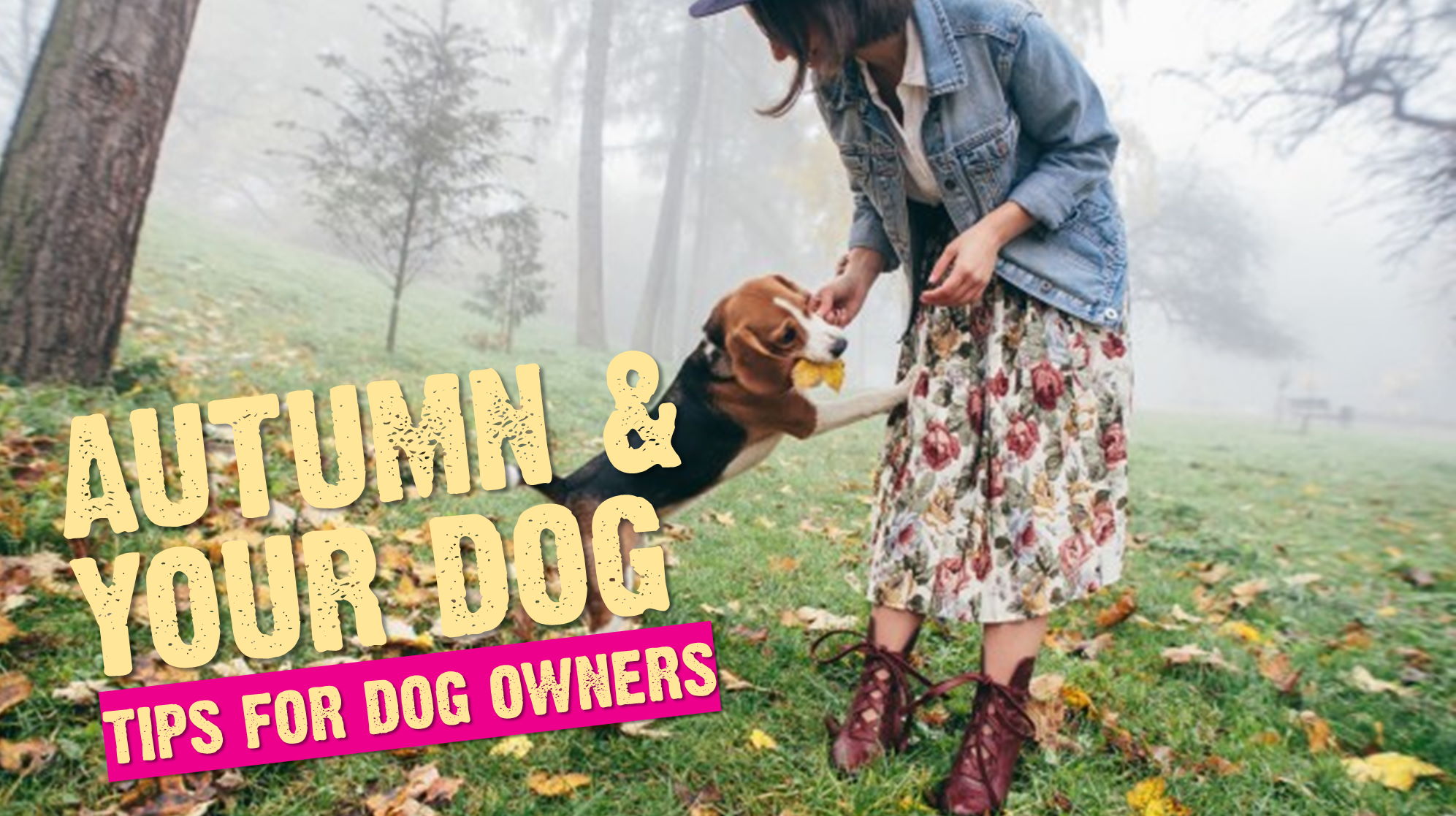
  • Autumn & Your Dog – Pet Food Brand Offers Tips For Dog Owners

    Autumn & Your Dog – Pet Food Brand Offers Tips For Dog Owners

    With dark nights starting to creep in and temperatures getting cooler, autumn brings with it many challenges for pets and their owners.

    At this time of year, we also see the start of the fireworks season and Halloween, which can be stressful for many pets. Being aware of hazards for your pets can allow you all to continue to enjoy time outdoors and the colourful scenery that autumn creates.

    Korina Stephens, RVN from pet food brand nutravet says: “Dogs can be curious animals and as the season changes, they’ll want to explore new surroundings. Many pets can also become stressed at this time of year due to the noise from fireworks, planning ahead for these particular events will help to reduce any anxiety.

    “Like most seasons, pet owners should be aware of any hazards that could cause problems for your pets, such as poorly tummies if they eat something they shouldn’t. Many autumn plants are hazardous for our four-legged friends and should be avoided on walks. If you are worried about your pet’s health at this time of year, speak to your vet who is best placed to offer advice.”

    nutravet share their tips for dog owners during Autumn months:

    Keep up with exercise

    Although the weather may be cooler, it’s tempting to spend more time indoors with our four-legged friends but it’s important to keep up with your dog’s daily walks. This will help to prevent any weight gain, as well as keeping their joints mobile and avoid stiffness. As the weather changes, you could reduce the length of their walks and support your pet’s joints with a natural supplement like nutraquin+.

    Autumn plants

    With seeds and leaves dropping during autumn months, some are poisonous to pets and can cause serious illness. Yew trees are poisonous and eating just a small amount can be serious. The bark, leaves, flowers and conkers of Horse Chestnut Trees are also poisonous to pets. Conkers can also become a choking hazard or cause blockages.

    Acorns are also a common sight during autumn. They can be found on the ground throughout autumn months. These can cause blockages when eaten by pets.

    Fleas and ticks

    As we start to turn the central heating on in our homes, this makes a more comfortable environment for pesky fleas. Keeping up with your pet’s flea treatment will help to prevent any unwanted house guests at this time of year.

    Ticks are also still prominent in autumn, so be sure to check your pets regularly for ticks, especially after dog walks.

    Diet

    If your pet is exercising less, be sure to adjust their diet to match this. Your vet will be able to offer advice on how much your pet should be eating. Keep any seasonal treats away from pets, such as Halloween chocolate as this can cause tummy upsets. For pets with sensitive tummies during this time, nutrabio is a naturally formulated probiotic paste for dogs and cats to help maintain normal digestive function.

    Pumpkins

    These are commonly used as decorations throughout autumn and Halloween. Although they are not poisonous, if consumed in large quantities, they could lead to your pet having a sensitive tummy. If you use candles in your pumpkins, make sure these are out of reach from your pet and can’t be knocked over.

    Halloween
    This time of year can prove to be stressful for pets, due to Halloween and the fireworks season. During Halloween your pet may become stressed with strangers knocking on the door for trick or treat, as they may be unsure about the scary costumes.

    If you know you are going to get trick or treaters at the door, secure your pet in another room so they don’t get spooked and try to escape. Although they look cute, don’t force your pet to wear a Halloween costume if they seem anxious. If they are happy to wear one, make sure it’s not too tight, can’t be chewed and doesn’t restrict their airways in anyway.

    Fireworks

    Firework season can last from October to New Year and make this time of year very stressful for some pets and their owners. To help reduce stress for your pet, make your pet a den to retreat to during the fireworks and close curtains and play music to help block out the noise. Walk your dog earlier in the day before it gets dark to avoid being out when fireworks are going off and bring any outdoor pets inside. If you are worried about your pet, ask your vet about nutracalm – a natural, fast acting calming supplement for cats and dogs.

    Provide shelter from the weather

    If your pet spends a lot of time outside, be sure to provide a shelter for them for when the weather gets colder or if it rains. Make sure they have lots of blankets to keep them warm and comfy. As the weather gets colder bring smaller pets indoors.

    Safety

    As the dark nights draw in, check and up-date your pet’s microchip details in case they get lost on walks or get spooked during the fireworks or at Halloween. Up-to-date details will help to ensure your pet gets back to you as quickly as possible when found.

    If you are walking your dog early in the morning or late at night be sure to wear reflective clothing. You could also use a reflective collar and coat for your dog, just in case they get lost.

    Senior pets

    Keep an eye on older pets who feel the cold more than their younger counterparts. Add more blankets to their bedding to help keep them warm and cosy and to support senior joints.

    For more tips and advice visit www.nutravet.co.uk

  • What Are The Most Popular Songs Dogs Are Listening To On Spotify?

    Every dog is different – from laid-back labradors to cheeky chihuahuas – but the one thing that unites puppers and their humans is the unconditional love they share every day, that can be made even stronger through the power of listening. Music streaming service, Spotify has dug into the ways that dog owners across the world use music and audio to entertain and relax their doggos and puppers.

    Over 5 million pet owners have visited Spotify for Pets since it launched in early 2020, so disco-loving dogs (as well as cats, hamsters, birds and iguanas) can get their paws a tippy tapping – with the pets playlists proving most popular with listeners from the US, UK, Germany, Canada, Australia, Mexico, Spain, Brazil, Netherlands and Poland.

    In fact, a survey of just under 4,000 dog owners globally showed that one in five dog owners (20%) currently play their dog music during the day to keep them company, with a further one in four (23%) saying that listening to music helps to keep their dog relaxed.

    And a tip for those owners whose pupper or doggo struggles to be the goodest boi: 15% of dog owners say that listening to music helps their dog to be better behaved in general. In fact, nearly one in five dog owners (18%) plays their dog an average of at least an hour of music per day – with a lucky 6% of dogs having more than 12 hours of music a week played to them by their owners!

    Gen Z are one age group leading the way in pampering doggies with music. One in 10 Gen Z dog owners (10%) has created a playlist especially for their dog, with another one in 10 (11%) believing that their dog has similar music taste to them.

    Meanwhile My Dog’s Favourite Podcast, created in partnership with animal experts and features a mix of soothing music, dog-directed speech and original sound design to provide comfort for dogs and to help them both during and beyond lockdown, has been streamed over half a million times. Most popular with female listeners (c.60% of streams) and 28-34 year olds (a third of streams). The top ten countries tuning in globally are the UK, US, Australia, Ireland, Canada, Netherlands, New Zealand, Costa Rica, Spain and Mexico; when looking at listeners across Europe, the top ten countries are the UK, Ireland, Netherlands, Spain, Germany, Belgium, Denmark, Sweden, France and Switzerland.

    With millions of user-generated dog playlists on Spotify, pop songs are the most popular music genre for dogs with artists such as Olivia Rodrigo and Lil Nas X setting tails wagging, with other fun furry facts including:

    • Dog Days Are Over, the 2009 feel-good track by UK artist Florence + The Machine, is the most popular song added to user-generated dog playlists on Spotify, followed by hit-maker Olivia Rodrigo’s good 4 u.
    • Other top canine-titled songs appearing on user-generated dog playlists on Spotify including Beggin’ by Måneskin, Black Dog – Remaster by Led Zeppelin and Who Let The Dogs Out by The Baha Men

    Top 5 songs added to user-generated dog playlists on Spotify globally during 2021

    1. Florence + The Machine – Dog Days Are Over
    2. Olivia Rodrigo – good 4 u
    3. Olivia Rodrigo – drivers license
    4. Lil Nas X – MONTERO (Call Me By Your Name)
    5. Doja Cat – Kiss Me More (feat. SZA)
  • Dog Purchases During The Pandemic: Largest Study Reveals Why So Many People Bought Dogs During Lockdown

    Researchers at the Royal Veterinary College (RVC) have conducted the largest ever study into the impact of the COVID-19 pandemic on puppy purchasing in the UK. Some of the findings revealed that some ‘pandemic puppy’ owners were less likely to have sought credible breeders, less likely to have viewed their puppy in-person prior to collection and more likely to have paid in excess of £2,000. This was in comparison to owners of puppies purchased during the same period of the previous year.

    The survey unveils how high demand over the past 16 months has increased the risk to puppy health and welfare. While many ‘pandemic puppy’ owners were likely making well-intentioned purchases, unbeknownst to many, these buying behaviours unfortunately heighten the threats to puppies from being sourced from poor welfare environments, bred or raised on puppy farms, and illegally imported. Therefore, enhanced support mechanisms for owners and greater welfare efforts for this vulnerable puppy population are needed now more than ever.

    The RVC’s national study, which gathered the views of 5,517 owners, sought to understand the pre- and on-purchase motivations and behaviours of UK owners. In line with the first official lockdown period, it focused on puppies purchased between 23 March – 31 December 2020. It then compared these to responses from owners of puppies purchased during the same timeframe in 2019.

    When compared with 2019 owners, ‘pandemic puppy’ owners were found to be:

    • less likely to seek out a breeder that performed health testing on their breeding dog(s) or was a member of the Kennel Club ‘Assured Breeders Scheme’
    • more likely to be motivated to purchase a dog to improve their own/their family’s mental wellbeing
    • more likely to pay a deposit without seeing the puppy, and pay more than £2,000 – an increase from average prices of £955 in 2019 to £1,550 in 2020
    • more likely to be first-time dog owners
    • more likely to have children in their household
    • less likely to view their puppy in-person prior to purchase and more likely to see their puppy without their littermates
    • more likely to have collected their puppy from outside a breeder’s property or have it delivered
    • more likely to buy a younger puppy, in comparison to the recommended guidance of over eight weeks

    Owners of ‘pandemic puppies’ also answered a set of questions exploring COVID-19 specific impacts. More than 10 per cent of ‘pandemic puppy’ owners had not considered purchasing a puppy before the pandemic. More than 86 per cent felt their decision to purchase a puppy had been influenced by the pandemic, most commonly by having more time to care for a dog.

    With 40 per cent of ‘pandemic puppy’ owners also having no previous dog ownership experience compared with 33 per cent of the 2019 owners, greater levels of support and education may be needed to maintain the welfare of the puppies. Vets in practice and canine behavioural professionals could therefore need to play a greater role in helping to reduce factors such as behavioural challenges, health problems and relinquishment risk. This includes owners’ inexperience of typical dog behaviours (which could then be perceived as problematic if not managed appropriately), unrealistic expectations around the roles pets play in children’s lives, and the expense and time required for dog ownership and caretaking.

    Focusing on training and raising awareness of day care and dog walking services, for example, could help to reduce distress amongst dogs and decrease the amount of time they are left alone when owners return to work. All these efforts will ultimately minimise the risk of the dog needing to be rehomed (where this in the dog’s best interests).

    Dr Rowena Packer, Lecturer in Companion Animal Behaviour and Welfare Science at the RVC and lead author of the study, said:

    “The unprecedented demand for puppies combined with social distancing restrictions during the pandemic has led to the perfect environment for unscrupulous breeders and puppy dealers. This also includes desperate buyers willing to pay above the odds for puppies, and an easy excuse to conceal poor conditions puppies were raised in. From our results, we are concerned that many well-meaning owners who were looking to add a puppy to their family to improve their mental health during the pandemic may have fallen into this trap, and inadvertently encouraged this deplorable industry.

    “For worried owners of ‘pandemic puppies’ – all is not lost. If you are concerned about your puppy’s health, behaviour or wellbeing, please contact your vet or a qualified behavioural professional who will be able to support you and your puppy to address any problems that have arisen in their early life”.

    Dr Dan O’Neill, Senior Lecturer in Companion Animal Epidemiology at the RVC and co-author of the paper, said:

    “This study reveals the debt we owe to dogs for getting so many of us as humans through the pandemic. But it also suggests that a terrible price is being paid by many dogs from our choices on which breed to buy, our long-term commitment to the dog and even whether we can afford to look after a dog. It reminds us to ‘stop and think’ about life from the dog’s perspective too.”
    The study, funded by the Animal Welfare Foundation, was initiated following concerns that a huge puppy welfare crisis was unfolding during the pandemic. The RVC team, including Drs Rowena Packer, Claire Brand, Camilla Pegram and Dan O’Neill worked in collaboration with Dr Zoe Belshaw, an independent consultant, to capture data in order to offer solutions that would mitigate the harms.

    A second paper is planned for later this summer, documenting the characteristics and early life experiences of ‘pandemic puppies’.

  • New Survey Reveals Which Household Appliances Dogs Are Most Scared Of

    According to a study, four in five (85%) of dogs have been found to have some sort of fear, with one in five (21%) resulting in misbehaviours such as excessive barking, chewing, or chasing the appliance.

    Of course, nobody wants to see their beloved dog afraid or unsettled, as well as having to fork out for new appliances due to damages, so why not consider helping them overcome these worries and avoid expensive costs?

    • New research by comparethemarket.com reveals the home appliances that dogs are most afraid of, as well as expert tips on what pooch parents can do to help ease their fears
    • Over four in five (85%) dogs are afraid of household appliances, with owners citing them becoming anxious, nervous, or afraid around them
    • The most feared everyday household items include the vacuum cleaner, hairdryer, and lawnmower

    Household appliances dogs find most frightening

    • Vacuum cleaner (45%)
    • Hairdryer (24%)
    • Lawnmower (21%)
    • Washing machine (15%)
    • Food blender (13%)
    • Sweeping brush (10%)

    Looking into the level of fear experienced, the study found that nearly two in five (38%) will leave the room entirely until the appliance is no longer being used, whereas over one in five (22%) dogs will go and hide under something, such as a table or sofa.

    Other reactions include shaking (21%), excessively barking, chewing, or chasing the appliance (21%), as well as crying or whining (20%).

    Not only that but rather worryingly one in twelve (8%) dogs were found to pant in response to certain household appliances which is a rather serious fear reaction compared to leaving the area.

    So, what can doggy parents do to help ease their dog’s fears? Dr. Heather Venkat, a veterinarian consultant, says that fear-related accidents in the home are not uncommon but that it is possible to help avoid them. Here are her five top tips:

    • Pet owners can ease their dog’s fears by giving them space to move away from the noise. If your dog chooses to avoid the appliance, leave them be.
    • Should your dog be part of the 21% that become destructive and cries or chases after the appliance then further separation and boundaries may be needed, such as putting your dog in a kennel or X-pen.
    • Extremely noise sensitive dogs may need further attention including natural supplements such as probiotics or even anti-anxiety medication from your veterinarian.
    • Pet owners can also play calming music when using loud appliances to try to drown out the scary noise and help their dog to not worry as much.
    • To avoid dogs becoming afraid of home appliances when they’re puppies, pet owners should gradually introduce their pups to noises at a low volume or from further away. Pairing the noise with a treat also helps the puppy associate the noise with something positive.

    Also commenting, Chris King, head of home insurance at comparethemarket.com, says: “As our research highlights, one in five dogs misbehave and can become destructive in response to various common household appliances, something many pooch parents will have experienced.

    “It has been found that 62% of owners said their dogs had caused damage to their home at some point, averaging a cost of £165.47 each year! In fact, a fifth of homeowners (20%) haven’t even informed their home insurance provider about their dog, meaning they risk their claim being rejected should their pooch cause any damage.

    “Ultimately, it’s inevitable that your dog is going to be near these items daily, so owners must try to ease their worries and avoid any potential accidents or damages that may arise due to them being frightened. Therefore, having the right home insurance policy in place and checking what is and isn’t covered will give you that extra peace of mind, just in case.”

  • How To Take Amazing Photos Of Dogs (10 Top Tips)

    How To Take Amazing Photos Of Dogs (10 Top Tips)

    Ask any dog owner to show you the photos they’ve got stored on their phone and you can bet it will be 95% dogs, 5% ‘other, less important stuff’!

    In recognition of National Dog Photography day the experts at Tails.com have put together a guide on how to take the most memorable pictures of your dog!

    Taking a perfect dog photograph is something we all have the opportunity to do nowadays. We have super powerful cameras in our pockets pretty much all the time and, most importantly, we’ve got dogs who are ready to say cheese.

    1. Don’t Be Afraid To Bribe

    Dogs are easily distracted, but if you’re a dog owner you know the best way to make sure all eyes are on you is by using treats. If you want your dog to look directly at the camera for their picture, don’t hesitate to use small treats (to make sure you don’t overfeed them!) to gain their attention.

    1. Smartphone Attachments

    If you find that your hands are a bit too full to bribe with treats, or you’re trying to get a cute selfie of you and your dog – there are plenty of clever attachments for your smartphone on the market. Including the classic selfie sticks (we all made fun of them, but you can’t deny they come in handy) and specialised attachments that hold dog treats or a tennis ball.

    1. Get Them To Smile

    If you want to capture your pup’s award-winning, cheeky grin – get them excited! Taking them for a quick 5 minute run around the garden or playing with their favourite toy is bound to get them smiling in no time.

    1. Take Lots Of Pictures

    Dogs can’t keep still, that’s a fact we all know as dog lovers. If you have an excitable puppy or a fussy dog, you might have to adjust your photography to them. Instead of trying to get them to sit and pose, follow them and take lots of pictures at once! You’re bound to get one (or ten) good ones.

    1. Faster Shutter Speed

    We believe that every dog owner should be able to capture amazing pictures of their dog, no matter what equipment you have – so we don’t want to get overly technical. However, if you happen to have a DSLR, a faster shutter speed will ensure you get the clearest, crisp images of your pooch in its natural state.

    1. Avoid Flash

    Whilst using automatic flash when photographing your pet is still considered safe, it can still disorientate or scare your dog – especially if they’re naturally nervous. Using flash can also cause overexposure leading to flat photos.

    1. Get Down To Their Level

    If you want to work your dogs’ angles, get down on their level! Get down on one knee (or all fours) to take your dog’s photo from their height. Seeing eye-to-eye might even get them to stay still for a little longer.

    1. Know Your Pet

    The best photos of your dog will always be when they’re doing what they love most – and you, more than anyone, will know what that is. Capture your dog’s personality, rather than your dog themselves. If your dog loves nothing more than lying in a comfy spot most of the day or couldn’t think of anything better than chasing a ball around a field, catch them then!

    1. Know Your Limits

    You know what your dog likes and dislikes, whilst those photos of dogs in fancy dress, sunglasses, or a woolly hat are adorable…if you know that your dog wouldn’t be up for getting dressed up – don’t do it. The best pictures will always be when your four-legged friend is at their most comfortable.

    1. A Good Background Is Everything

    When capturing any kind of photo, a good background is one of the most important factors to take into consideration. If you want to capture your dog’s personality, take them to their favourite park or field if you’re after an outdoors shot. If you’re inside, surround them with some of their favourite toys or catch them in their most-loved spot – whether it be in their bed, or on the settee in front of the TV.

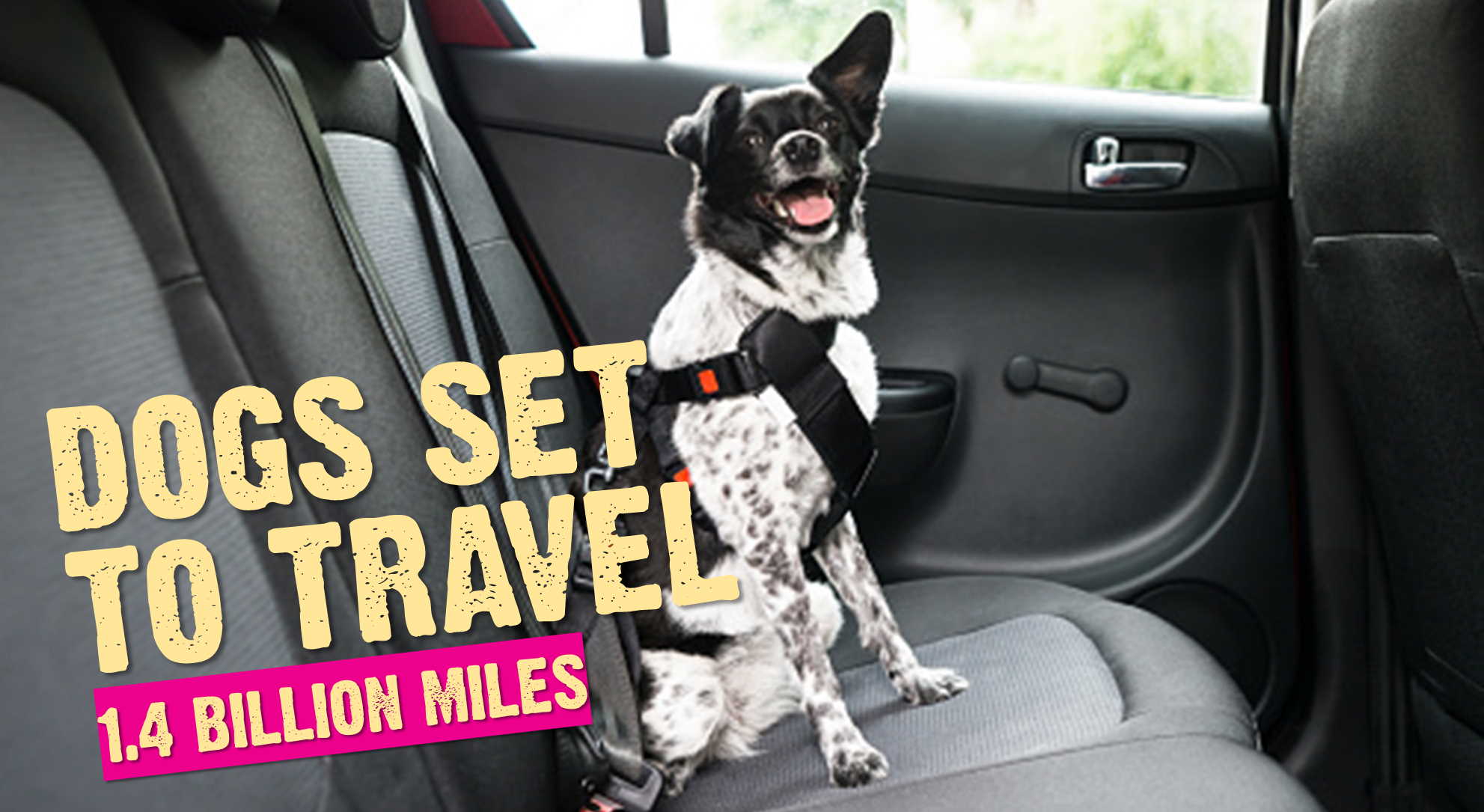
  • Dogs Are About To Travel 1.4 BILLION Miles This Summer

    Dogs Are About To Travel 1.4 BILLION Miles This Summer

    Millions of pet owners are packing up their cars with dogs and cats as well as family, friends and luggage this summer, reveals new research from Direct Line Motor Insurance. Nearly 12 million owners plan to take their dogs on road trips, each travelling an average of 123 miles. This means the nation’s dogs will be driven a combined 1.4 billion miles across the UK this summer.

    Dog travel plans: overview

    • 6.3 million dogs and 2.3 million cats expected to be taken on summer staycations
    • Cats expected to travel 349 million miles
    • A third of 18-34 year old cat owners plan to take their feline friend on ‘va-cat-ion’
    • A fifth of dog owners say their holidaying habits have changed since they got a dog

    Dogs are not the only ones going on holiday this year, as many cat owners also say they can’t bear to leave their feline friends behind. Some 3.6 million owners plan to take their cats on road trips over the next few months, driving 98 miles each, meaning British cats too will travel a total of 349 million miles.

    ‘Va-cat-ions’ are being fuelled by younger owners: a third (33 per cent) of cat owners aged 18-34 plan to take them on holiday, compared to just four per cent of owners over the age of 55.

    Further research from Direct Line suggests the rise of staycationing is driving this trend, with 6.3 million dogs and 2.3 million cats expected to be taken on UK holidays this summer. The research found that British breaks are booming, with 36.9 million trips taken last year, with over 13 million Brits (25 per cent) not currently finding overseas holidays an appealing prospect due to the pandemic.

    Lorraine Price, Head of Motor Insurance at Direct Line said: “This summer is set to see another boom for staycations as we pack up our cars and hit the road for well deserved holidays. We are certainly a nation of animal lovers, which is clear from the number of dog and cat owners who plan to pack their pets in the car when they set off this summer. Driving with pets can be stressful, so it’s worth spending time planning how they’re going to be safely secured and that there are plenty of opportunities for stops along the way if going on a long journey.”

    Nearly 20 million people (37 per cent) say their holiday habits have changed this year, with pet ownership a key factor. A quarter (25 per cent) would feel uncomfortable leaving their dog with someone else while they went on holiday, while a fifth (20 per cent) say their holidaying habits have changed since they got a dog. One in five (19 per cent) wouldn’t normally drive on a UK holiday, while one in seven (15 per cent) wouldn’t normally take their pet on a UK holiday but will this year.

    How holiday habits have changed this year

    How holiday habits have changed Percentage of people whose holidays have changed due to this
    I wouldn’t normally go on a holiday in the UK but will this year 35 per cent
    I would feel uncomfortable leaving my dog with someone else while I went on holiday 25 per cent
    My holidaying habits have changed since I got a dog 20 per cent
    I wouldn’t normally drive on a UK holiday but will this year 19 per cent
    I wouldn’t normally take my pet on a UK holiday but will this year 15 per cent
    This year is the first time I’m planning on taking my dog on holiday 9 per cent
    My holidaying habits have changed since I got a cat 9 per cent
    All whose holiday habits have changed 37 per cent
  • Study Reveals The Most Dog Friendly Industries To Work In

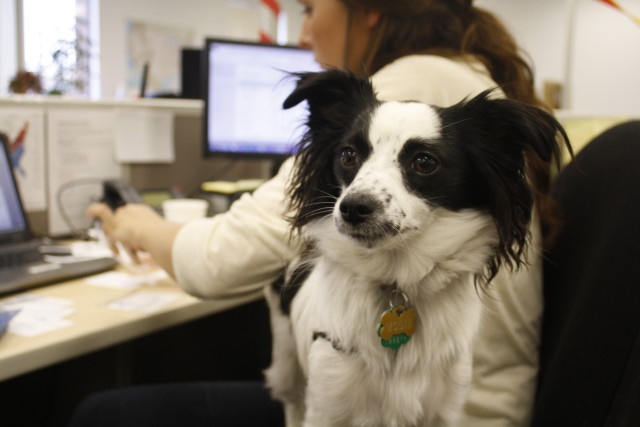
    Study Reveals The Most Dog Friendly Industries To Work In

    A study has claimed to have uncovered the most dog-friendly industries to work in along with workplace policies regarding dogs in the office.

    The findings also show:

    • More than two in five UK employees (42%) would like to take their dog into the office
    • Creative arts and design, marketing, and media among the top dog-friendly industries

    The research by comparethemarket.com reveals the top industries to work in if you’re looking to bring your pooch along, as well as the workplace policies businesses have in place regarding dogs in the office.

    With more the two in five UK employees (42%) looking to bring their dog into the office, there’s a clear interest in having our furry friends join us while we work. In fact, nearly half of UK employees (44%) would rather have dogs in the office than small children.

    Curious where your industry stands, or if you need to enquire about a dog policy?

    Here are the top five industries most likely to allow dogs in the office:

    • Creative arts and design (47.2%)
    • Marketing, advertising, and PR (46.7%)
    • Media and internet (42.9%)
    • Environment and agriculture (40%)
    • Law (38.1%)

    It comes as no surprise that creative arts and design along with marketing, advertising, and PR are within the top five industries.

    However, what is potentially surprising is law coming in fifth – a furry courtroom companion!

    Of course, allowing pets in the workplace means having certain policies in place which must be adhered to and, the most common is that dogs must be fully trained before being allowed in (43%), which makes sense as nobody wants any unnecessary accidents. Also, it would appear that employers believe balance is key as over a quarter (27%) say that that they only allow them in on certain days of week.

    Currently, less than three in ten employees (29%) are allowed to have dogs in the office. So when asked why they weren’t allowed, the top reasons were that they are too much hassle or maintenance throughout the day (41%), as well as some people finding them too distracting (39%).

    Sometimes it’s even out of the businesses control and it’s the fact that the office building don’t allow them (39%). Moreover, businesses obviously have to consider all their employee’s health and wellbeing when making these sorts of decisions and 31% said they don’t allow dogs in the office due to allergies.

    Commenting, Mubina Pirmohamed, pet expert at comparethemarket.com, says:

    “Our research suggests many pet owners are looking to bring their dogs into the office, which doesn’t come as too much of a surprise as over the last year, our pets have gotten used to us working from home and we’ve gotten used to having them around.

    As restrictions begin to ease and people return to the office, businesses might take a look at the policies they have in place and see if there’s a way they can make the workplace more dog-friendly”.


  • Dogs Trust Aims To Recruit 10,000 Dogs – Could Your Pup Help?

    Dogs Trust Aims To Recruit 10,000 Dogs – Could Your Pup Help?

    Tails are wagging at Dogs Trust as the charity celebrates welcoming the 5,000th puppy onto its landmark ‘Generation Pup’ study of four-legged friends.

    Taking the accolade is 14-week-old male crossbreed, Jack (pictured), whose owner Ruth Lewis found out about the study when she enrolled on puppy training classes with Dogs Trust Dog School Hertfordshire and Cambridgeshire.

    The Generation Pup study, which launched in 2016, tracks puppies through to adulthood, to learn how their early experiences, environment, diet and exercise affects their health and behaviour later in life. It is the first study of its kind, enabling researchers to gain ground-breaking new insights about our canine companions to improve dog welfare for future generations.

    The charity is hoping to recruit 10,000 puppies onto the study so is calling on owners to sign up at www.generationpup.ac.uk.

    Ruth, who lives in Hertfordshire with her husband, said:

    “Jack is a cross breed; he is 1/8 Springer, 3/8 Cocker, 3/8 Staffy and 1/8 Jack Russell so half terrier, half spaniel.

    “I wanted a puppy, rather than an older dog, as I’ve never had a puppy before and wanted to know what experiences he’d had when I got him.

    “I heard about Jack being available and saw lots of photos of him before we got him at 8 weeks and visited him when he was 3 weeks old. I chose him because he looked like the middle-sized puppy in the litter and had lovely black patches over his eyes.

    “Jack is settling in really well. He loves exploring our garden and playing with footballs. He’s confident with other dogs but knows to back off when a dog is not so friendly. He played a lot with his siblings and his dad, who was very bouncy, and I think this has helped a lot.

    “We started to take him outside the garden for walks on the ground a couple of weeks ago and he thinks everyone wants to make friends with him. It’s safe to say walks are a little slow!

    “We went to our first Dog School session at the weekend, and it went really well.

    “I think Jack is a totally normal puppy, which is exactly what I was hoping for.”

    Dr Jane Murray, Research Manager for Generation Pup, at Dogs Trust, said:

    “It is wonderful that we’ve recruited 5,000 dogs and we’re so grateful to all the owners who give up their time to help with the study.

    “We would love to reach 10,000 doggy recruits so, if you have a puppy, please sign up online. The more puppies we have signed up to the study, the greater potential we have to understand more about our dogs and how to help them in the future.”

    Generation Pup is open to all breeds and crossbreeds of puppies from anywhere in the UK and Republic of Ireland. Puppies need to be registered onto the project before they are 16 weeks old. Puppies that have gone through quarantine can be registered up to 21 weeks of age.

    To find out more about Generation Pup or to sign up your new four-legged friend, visit www.generationpup.ac.uk

  • Do Virtual Dog Training Classes Work? This Dog Trainer Says They Do

    Do Virtual Dog Training Classes Work? This Dog Trainer Says They Do

    Live, virtual dog training classes help dog lovers train their pets with positive reinforcement at home and some people think it might even better than attending a real dog training class.

    Virtual classes were a required pivot during the COVID-19 pandemic and students are succeeding with their dogs at such a great rate that The Mannerly Dog will continue them for the foreseeable future.

    Owner Nancy Kelly, CPDT-KA says,

    “We have taught satisfied dog and cat owners from Canada, four U.S. states, and all over Texas during the pandemic. We provide personal support like a local business, but we’re accessible to pet owners everywhere.”

    It is a myth that beginner dogs and their owners should gather in a crowded, unfamiliar room to socialize while learning obedience skills. In too many cases, dogs stress out over the strange location and unfamiliar people.

    Owners try to follow the teacher’s instructions over the barking while their dogs hide under chairs or jump up on people.

    All this after a car ride, which may have made their new dog feel uncomfortable or require clean-up. An hour class and travel time plus loading into and out of the car can take up an entire evening.

    Many services have gone virtual; dog training has proven to be one that is even more effective in this format. Dogs not ready to travel comfortably in the car, don’t have to.

    Class is at home, where live lessons are taught by an expert. A quiet, controlled environment helps dogs and humans learn. Students choose their home training area. Classes include instructions for practising skills in other locations once the dog learns them.

    As an additional bonus, cats are now enrolled in virtual classes, right along with the dogs – impossible with in-person classes. Cat owners are successfully teaching their cats to walk on leashes and to leave them alone during dinnertime, giving cats mental stimulation that increases their quality of life.

    A student who previously trained in The Mannerly Dog’s in-person class was thrilled with her success in the virtual class. A dog-training colleague said,

    “How can students not excel, with the amazing level of support offered?” The shift to live virtual classes has been pure success for students and their dogs and cats.

    Worth a look: How To Choose A Dog Trainer That’s Right For You & Your Dog (Dog Training Classes vs Private In-Home Dog Trainer)

    What do you think?

    Do you think you’d prefer to learn in the comfort of your own home or would you prefer the socialisation opportunities (for you and your dog) at a real-life dog training class?

  • Dogs, Microchips & Euthanasia: New Guidance Issued

    A new guidance-led approach to microchip scanning of dogs ahead of euthanasia, supported by the UK’s leading veterinary organisations, has this week been approved by the Department for Environment, Food and Rural Affairs (Defra).

    The guidance follows a public campaign known as ‘Tuk’s Law’ which called for measures to ensure dogs were not euthanised without the microchip database first being checked for a ‘rescue back up’ – a rehoming charity that could take responsibility for the animal.

    In response, the Royal College of Veterinary Surgeons (RCVS) and British Veterinary Association (BVA) agreed that more could and should be done to prevent occasions where a dog might be needlessly put to sleep, but voiced concerns that a legislative approach could undermine a vet’s clinical judgement, unfairly involve veterinary surgeons in ownership disputes or potential criminality, and leave vets unfairly exposed to financial sanctions.

    In consultation with Defra, the RCVS and BVA jointly agreed a way forward for key guidance for veterinary surgeons to be strengthened. The new guidance, which underpins the RCVS Code of Professional Conduct that all UK-practising veterinary professionals must follow, will require veterinary surgeons to scan for a microchip in dogs prior to euthanasia where, in their professional judgement, destruction of the dog is not necessary on animal health or welfare grounds.

    It will also support existing best practice in terms of discussing alternatives to euthanasia with clients, and give vets flexibility where, in their professional judgment, scanning is not appropriate; this might be if scanning would itself cause a welfare problem, or where a vulnerable client might be involved.

    The RCVS Standards Committee recognised the difficulties experienced by veterinary surgeons in dealing with the current microchip database system, but felt that introducing these provisions into the guidance was a more proportionate response than the alternative of legislation with substantial fines. Both the RCVS and BVA were pleased to note that Defra’s new Action Plan for Animal Welfare included a review of existing database systems, with a view to introducing improvements.

    George Eustice, Secretary of State for Environment, Food and Rural Affairs, said: “We are a nation of animal lovers and the Government is committed to further strengthening our world-leading animal welfare standards. We have worked closely with the Royal College of Veterinary Surgeons and British Veterinary Association to develop this new guidance, which honours the Tuk’s law principles by requiring vets to scan the microchips of healthy dogs to help ensure they are not put down unnecessarily.”

    RCVS President Dr Mandisa Greene MRCVS said: “We are grateful to Defra for helping find a workable solution to a challenging problem that will support animal welfare while underpinning the central role of a veterinary surgeon’s judgement, in what is often a very difficult moment for both the client and the vet. We are confident that our new guidance will significantly reduce any risk of unnecessary and unwanted euthanasia, while continuing to help veterinary surgeons help animals under their care to the best of their abilities.”

    BVA Senior Vice President Dr Daniella Dos Santos MRCVS said: “One of the most important jobs as a vet is having those difficult conversations with clients about euthanasia where we talk through all the options that are in the animal’s best interests. But where the vet doesn’t consider that euthanasia is necessary, the new guidance clearly sets out the steps we need to take. We support this constructive approach that addresses the campaigners’ concerns without undermining veterinary judgement.”