Category: Diet

Our dog nutrition guides contain tips and advice from trusted dog nutritional experts, canine diet professionals and animal health practitioners. Always consult your vet if you have specific problems with your dog.

  • Can Dogs Eat Chocolate?

    Vets Now, the emergency vets with 34 clinics across the UK is urging dog owners to be mindful of the dangers of chocolate with Easter just around the corner.

    Easter is synonymous with large amounts of chocolate, nicely wrapped up in the shiny, foil covered eggs, making it attractive not only to us humans, but also to dogs, and tempting though it is to share a little bit of chocolate with your pooch, even just a small piece of chocolate can be enough to kill a dog. (more…)

  • Dog Food Nutrition

    Dog Food Nutrition

    The process of evolution tells us that dogs developed as carnivores. Wolves are still carnivores and relatively, dogs were still wolves until very recently. So in theory, should not our dogs still be strict carnivores, craving protein and fibre and dreaming of hunks of juicy beef?

    The majority of people still view the dog as a solely carnivorous feeder, but in reality the modern dog is a versatile and healthy eater. The nutritional needs of the dog have changed since his domestication; as a consequence, so have his dietary needs. Most dogs have swapped the baron fields of Europe for the comfort of a basket or bed in a heated house.

    Dog Food Nutrition

    Dogs are less active nowadays too; they do not need to hunt so they need less energy. Most dogs get used to getting fed and acquire tastes of their own. So they tend not to gorge in order to stock up, they can afford to be more picky (this is rare, however; most dogs will still try to stuff themselves, but they no longer need to).

    Dog Food Nutrition: Evolution

    Already we can see three reasons why the canine diet has changed. They no longer need large amounts of fat to stay warm, our houses do that for them; they no longer need huge amounts of energy to hunt with, so their need for protein is diminishing and they no longer need to gorge on a day’s worth of food.

    So is there anything they do need in their diets that they may not be getting? Well, due to the advancements in veterinary care, our dogs are living much longer. In order to do this and benefit from a prolonged lifespan, dogs would benefit from foods rich in omega 3 oils which promote healthy joints.

    Foods such as fatty fish contain high amounts of these essential oils, but surprisingly grass-fed beef is even richer in omega 3.

    Dog Food Nutrition: Sensitivity

    Sensitivity is relative to ones surroundings. To some sensitivity is a matter of interpretation; in fact the French have one word denoting both ‘sensitive’ and ‘sensible’. You can be ‘a bit funny’ after eating dark chocolate or ‘disagree’ with curries, but you can still get away with it if you want. My eyes itch after eating bananas, but it’s bearable, but give someone with an allergy a nut and the situation could turn grave very quickly.

    Dog Food Nutrition: Food Intolerance

    Some dogs can have an intolerance or a reaction to certain food ingredients. By working closely with your vet, you can discover what that ingredient is and then change your dog’s diet accordingly. The intolerance or allergic reaction to a food ingredient is usually part of the protein content in the food and this can manifest itself as itching or in some cases diarrhoea.

    As you are responsible for the well being of your dog and responsible for the managing of his diet, you have to work with the vet in order to discover which ingredient is causing the problem. Finding the cause of the problem means that you can eliminate it from your dog’s diet. Simple isn’t it?

    It’s actually rather more serious than we think as a food allergy can have very severe consequences.

    Dog Food Nutrition: Food Allergies in Dogs

    Let’s start from the beginning and try to work out how we can help our dogs. A food allergy causes only 1% of all skin problems in dogs, that’s what vets’ estimate anyway.

    The majority of other allergic skin problems, such as an allergy to fleabites are much more common. It is hard to find exactly what percentages of gastrointestinal problems like vomiting or diarrhoea are caused by food allergies. Dog owners often change the food that they feed their dog once one type of food is tolerated.

    A dog, which has skin that itches, as well as intestinal problems is more likely to have food allergies.

    There is a mystery surrounding exactly why a food ingredient causes the symptoms of food allergy. Some animal specialists suspect that abnormal amounts, or certain types of protein particles from food, are absorbed into the bloodstream from the digestive tract.

    This releases antibodies and inflammatory chemicals from the cells of the digestive tract and skin, which is a process commonly called “hypersensitivity”.

    The skin and the digestive tract may then become sensitive to food that contains that particular ingredient. The offending item is a ruthless one and a dog that has a sensitive reaction, such as itchy skin, vomiting or diarrhoea may start to suffer from these within minutes, although they can occur up to a few days later.

    It doesn’t help that the offending food ingredient is not necessarily something new in the diet. Your dog can develop allergies to foods that he has been eating for years, and the allergy may come on suddenly. Once an allergy has developed, the sensitivity to the ingredient may last a lifetime.

    It is important that foods containing that ingredient be kept out of your dog’s diet on a permanent basis.

    Useful Dog Food Nutrition Resources

    Dog Food: Nutrition, Dog Food Ingredients & Nutritional Advice

    The Dog Food Project – How does your Dog Food Brand compare?

    Nutrition for your dog, Canine Nutrition, Dog Nutrition

    Dog food

    Dog health

  • Why Does my Dog Eat Poop?

    When a dog eats poop, it is generally an indication that a certain mineral is lacking in the dog’s diet. This can be the case regardless of what the dog is fed or how good you consider his nutrition to be. The same is true of dogs who eat cement or occasionally, dirt. The chlorophyll inside the dog’s body is converted into more complex substances and stored.

    Why dogs eat poop

    Some dogs, however, eat their own stools out of boredom and not from a mineral deficiency.

    Some old fashioned advice suggests feeding a dog on rabbit pellets as a cure to the poop eating dog, but these are not a magical solution.
    The only reason such an approach would yield success is because the dog’s owner may have just happened to find something that contains a substance that the dog needs – the rabbit pellets.
    Ultimately, if you want to cure your dog of eating poop the two things you need to do are
    1. Ensure your dog’s diet contains all of the nutrients required
    2. Take a behavioural correction approach to alert the dog to the fact that eating their own (or any other) mess is not desired.

  • Fat, Protein & Carbs in Your Older Dog’s Diet

    Fat, Protein & Carbs in Your Older Dog’s Diet

    Food is a highly significant factor in your older dog’s health. The broadest food classifications are proteins, fats, and carbohydrates. The three classifications help us in assessing the major components of a food. Foods are generally considered to be of the category that predominates in their composition. But this does not mean that a carbohydrate such as wheat contains no protein because it does. Or that a protein such as liver contains no carbohydrates because it certainly does. Similar to people, pets need a proper ratio of proteins, fats, and carbohydrates in their diet in order to maintain proper health.

    Proteins are vital to the growth and development of all body tissues. Protein helps in the formation of hormones; it regulates the acid-alkaline and water balances; and it helps the body to form enzymes and antibodies. Protein also aids in the formation of milk during lactation, and in the process of blood clotting.

    Protein can be used as an energy source when fats and carbohydrates are insufficient in the diet.

    Fats (lipids) are the most concentrated energy source in the diet. When oxidized, fats yield more than twice the calories of proteins or carbohydrates. Fats act as carriers for the fat-soluble vitamins A, D, E, and K.

    By helping vitamin D to be absorbed, fats make calcium more available to body tissues. Fats also aid in the conversion of carotene to vitamin A. Fats insulate major organs such as the heart, liver, and kidneys, and help to maintain body heat.

    Carbohydrates are the major source of energy for all bodily functions. They are a splendid source of quick energy. They assist in the digestion of other foods, and they are essential in regulating protein and fat metabolism. Carbohydrates are considered the fuel in which the fat burns.

    Carbohydrates consist of sugars, starches, and cellulose. Simple sugars, as in honey and fruits, are easily digested.

  • Obesity Kills Dogs

    Obesity Kills Dogs

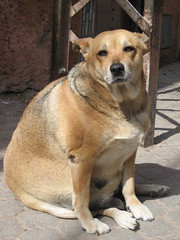
    A fit dog lives longer. Obesity amongst pet dogs is a growing problem. If a dog is overweight it puts extra strain on various parts of the body and may well shorten the dog’s life.

    A tendency toward obesity in dogs stems from the fact that many popular diets are usually significantly higher in carbohydrate than protein.

    Dog Obesity

    Learning to understand the specific nutritional requirements of your dog and then matching those needs to the most suitable diet plan, along with regular exercise is by far the best way to keep a dog’s weight down.

    Hey Fatty

    There is no one size fits all dog food and each individual dog has different nutritional and lifestyle requirements.

    There is complete veterinary consensus that obesity significantly reduces the lifespan and quality of life for dogs.

    Obesity in pets is common in many countries. Rates of overweight and obesity in dogs in the United States ranges from 23% to 41% with about 5.1% obese. The UK is also witnessing the growing obesity problem in domestic dogs.

    Looking fat

    Two British brothers were cited in 2006 for cruelty and neglect of their chocolate labrador retriever, “who was allegedly made so obese by his owners that he ‘looked like a seal’ and could barely waddle a few steps”.

    The reasons for obesity of cats and dogs in wealthier countries is not simply a matter of overfeeding. Lifestyle and hormonal influences also play roles. In modern times, pets are often, for their own safety, not allowed to free roam as they did in the past.

    Also, surgical sterilization of animals does increase the chances of the pet becoming overweight as need for caloric intake decreases.

    More information on canine obesity: Dog Weight.

  • The Importance of Pet Food Labels

    The Importance of Pet Food Labels

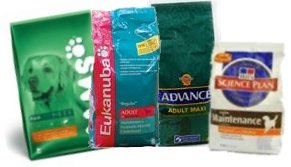
    The health of a dog is based on a lot of factors including genetics, exercise, and regular checkups, to name a few. But the number one factor affecting the health of a dog is the kind of food that it consumes. There are many types of commercial dog foods and diets on the market today, from BARF (bones and raw food), to steam-extruded products.

    Get to know your pet food labels (K9 Magazine has an excellent feature on this subject).

    Pet Food Labels

    Read the label and avoid products with chemicals and un-natural additives.

    You will likely avoid allergic reactions and skin problems in your dog.

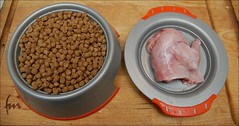
    Kibble vs. real food.Cat food selection

  • Pet Food Fit For Human Consumption?

    Believe it or not, all supplied pet food should be fit for human consumption, therefore you should look out for food which may contain unwanted by-products.

    By-products include intestines, which carry diseases.

    Make sure the meat is human quality and not from slaughtered animals that may have cancer.

    Is pet food fit for human consumption

  • My Dog Is Overweight, What Can I Do?

    My Dog Is Overweight, What Can I Do?

    My 2 year old lab/collie cross is about 10lbs overweight. I need to get her weight down quickly as she suffers from dysplasia and now has a problem with a luxating patells, which need to be operated on. She is having very limited exercise at the moment and obviously none for a few weeks when the operation takes place. I have recently started her on IAMS low fat dry food, and an amount to help her lose weight. She needs to lose it quickly is there anything else I can do to help?


    Dr Monica Lundervold,  veterinary services manager replies.

    I’m sorry to hear your lab/collie cross is suffering from dysplasia. You are completely right that it is vital for her to lose weight before the operation. Iams Light is formulated for dogs that need to lose less than 15% of their body weight. It contains lower levels of fat, and also L-carnitine, a vitamin like compound which burns fat and helps maintain muscle condition.

    Helping Dog Lose Weight

    If fed according to the guidelines, weightloss will occur at a rate of roughly 0.5% per week. If your dog weighs 60 lbs, that is around 1lb per month, ie she will need 10 months to lose the weight. In her case this may be too long, so if your vet agrees, you could decrease the amount she is fed by a further 20-30%.

    It is important for her health that she does not lose weight quickly, the fastest should be 2% per week, ie losing 1lb per week over a 10 week period.

    This can be achieved asking your vet for a veterinary prescription diet especially for obese dogs (eg Eukanuba Restricted Calorie). The most important part of any diet is that the dog sticks to it, you must make sure no family members are feeding any titbits.

    If your dog is begging, it is a good idea to split her daily ration into 3 feeds a day, and to shut her out of the kitchen / dining room while you are eating / preparing meals. If you want to feed treats it is better to take out a handful of her daily portion of food, and keep that aside for using as treats.

    Remember that some dogs beg just because they want attention, and that you can play with them or stroke them instead of giving food. I would also advise frequent trips to your vet to have her weight checked. This is especially important as you should feed her according to her current weight, decrease her food intake as she loses weight. Good luck!

  • Best Food For an Arthritic Dog?

    I have a 16 year old red Collie. He is in very good health apart from some arthritis in his front legs, and rather odd looking bowel movements. Quite often he produces faeces which is bright yellow and runny. I changed his diet some months ago to Senior tinned dog food as I thought his food might be too rich for him. The problem still occurs. He will not eat dry food. Please can you advise me? Many thanks.


    Dr Monica Lundervold, veterinary services manager replies.

    A) I’m sorry to hear that your collie is suffering from arthritis and bowel problems. My advice would be to get him checked out by your vet straight away, to see if there is an underlying disease causing either of these problems. From a nutritional perspective, you are right in feeding a senior diet, however, not all senior diets are the same.

    Dog Food Arthritis

    I would advise feeding a good quality dry senior diet that contains glucosamine and balanced levels of omega 3 and omega 6 fatty acids to help support the joints. The diet should also contain FOS and beetpulp, which help keep the digestive tract healthy and helps the dog produce small firm stools. Senior dogs have different nutritional requirements to adult dogs, which is why you should choose a diet that is balanced for seniors, rather than adding supplements to an adult diet. You should introduce the dry food very gradually over a period of 1-2 weeks, moistening it initially and mixing it in with his tinned food, so that he eventually is eating only dry food. If you have any problems changing his food, you should speak to your vet.

  • Diabetes in Dogs Treatment

    Diabetes in Dogs Treatment

    Canine diabetes is on the rise, alarmingly so. Treatment options for dogs with diabetes are increasingly more effective as vets all over the world battle to contain this canine killer.

    If your dog has been diagnosed with diabetes, early treatment by your veterinarian will help prevent further complications from this disease. Your pet may be saved from the painful experience of nerve damage as well as avoiding blindness. Conventional treatments will go a long way to keeping your dog healthy.

    Insulin Injections For Diabetic Dogs

    Depending upon your dog’s needs, insulin injections will be given one to two times daily.  The amount of insulin used for each dose and how often these doses are given will depend upon your veterinarian. Some dogs will be able to take tablets instead of being given shots.

    Insulin doses are typically given in smaller amounts at the start of treatment so that the blood sugar levels can slowly stabilize. Under extreme circumstances this may require your dog to be treated in the hospital for a few days. If his diabetes is more stable, then your dog may receive outpatient treatment.

    During this period, your dog’s blood sugar will be monitored every hour in order to determine the exact dose of insulin he will need on a regular basis.  Once the correct  measurement of insulin has been reached, your veterinarian will instruct you to monitor your dog by testing his urine and/or blood.

    Proper Diet for Dogs With Diabetes

    With diabetes in dogs, there is nothing more important to increase your dog’s life expectancy than with a strict diet. In fact, it is so important to your dog to eat accordingly when he has this disease, that there is a chance that his diabetes can go into full remission just from the change of diet alone.

    You should be feeding your diabetic dog meals that are high in fibre and low to moderate and carbohydrates. Now is the time to start cooking your dog’s meals from the home with meats and other raw ingredients.

    Before you decide what to feed him, it would be wise to consult with a holistic veterinarian who has education on nutrition.  Your goal should be to utilize food as “medication” so that hopefully one day your dog can stop taking “official” medication.

  • Can Dogs Eat Grapes?

    Can Dogs Eat Grapes?

    Are Grapes Safe For Dogs to Eat?

    The wrath of grapes was, unfortunately, all too familiar for many dogs and cats in 2008 as a US based pet insurance firm released data showing how many toxic claims it had dealt with last year. For many dog owners, they are unaware of which foods can prove toxic to dogs until it’s too late.

    VPI pet health insurance analyzed the more than 400 claims it received last year for toxic plant ingestions to find which plants and plant products proved most likely to poison pets. Raisins and grapes topped the list, followed by mushrooms and marijuana. In 2008, the average amount claimed for plant poisoning was $427 (approx £300).

    Grapes Eaten by Dogs Top Vet Claims

    1. Raisins/Grapes
    2. Mushrooms
    3. Marijuana
    4. Lily
    5. Walnuts
    6. Onion
    7. Sago Palm
    8. Macadamia Nuts
    9. Azalea
    10. Hydrangea

    “Almost all plant poisonings in pets can be prevented, but prevention depends on knowledge, thus it is important for pet owners to become familiar with which items can be toxic if ingested,” said Dr. Carol McConnell, vice president and chief veterinary medical officer for VPI.

    “Prevention is a simple matter of keeping these hazards out of a pet’s environment. To avoid plant poisonings, try not to give a dog table scraps that contain raisins, onions or nuts, and make sure that a new pet is introduced to a backyard free of sago palms, wild mushrooms or other toxic plants.”

    Pet owners have good reason to take the threat of grape/raisin ingestion seriously. Even in low doses, ingestion can place pets at risk for acute renal failure. Symptoms include anorexia, lethargy, depression, vomiting, diarrhea and abdominal pain.

    The exact cause is unknown, but some experts think that there may be a toxic component in the skin of the grape/raisin. Treatment by a licensed veterinarian may include inducing vomiting and/or administration of intravenous fluids. Immediate treatment is essential.

    The mushrooms most responsible for poisoning pets are the common “backyard” variety. These often grow in grassy places, especially after a heavy rain, and contain toxic components that disrupt the functioning of the digestive tract and liver. If ingested, mushrooms can cause salivation, dehydration, vomiting, diarrhea, and liver failure.

    The best way to prevent an accidental ingestion is to regularly scan a yard, or any other grassy area a pet may occupy, and pull wild mushrooms up when they appear.

    Most mushroom ingestion claims were submitted in late summer and fall. In fact, half of the plant poisoning claims received in October were due to mushroom ingestion. In addition to the top 10 plant poisonings, VPI received claims for ingestion of the following plants or plant products: delphinium, crocus bulbs, hemlock, rhododendrons, gladiolus, tea tree oil, poison ivy, nightshade, tobacco, poinsettia, oleander, brunfelsia, hibiscus, almonds, scarlet pimpernel, potpourri and kalanchoe. Nearly all claims for lily ingestion were submitted for felines.

    While not a plant or plant product, fertilizer is another garden variety toxin often ingested by pets. The strong smell of fertilizer can motivate dogs to taste or eat it. Unfortunately, some fertilizers contain organophosphate pesticides which impair the nervous system. In 2008, VPI received 60 claims for organophosphate poisoning. Pet owners can avoid accidents involving fertilizer by not using pesticide-containing fertilizers in an area frequented by pets. As with plant poisonings, prevention of fertilizer poisoning is primarily a matter of observation and knowledge of a pet’s environment.

    Grapes are favourite fruits of humans but these innocuous looking fruits can kill a dog. No one really knows why dogs should not be allowed to eat these red, green and black sweet fruits. Studies conducted on grape toxicity have verified that it was not caused by fertilizers or pesticides. Although the toxin in grapes is unknown, a twelve month study period has verified that grapes have indeed caused renal failure. Dogs affected by grape toxicity will be in pain due to inability to pass urine thus dogs that do not respond well to treatment are oftentimes put to sleep.

    Question: Can My Dog Eat Grapes?


    Humans love grapes fresh fruits or as raisins as apart from being delicious grapes are rich sources of vitamins. Grapes are good source of antioxidants. Free radicals commonly known as oxidants are the cells “developed” from humans unhealthy living . Alcohol, pollution, unhealthy foods, too much sun are the allies of oxidants. These oxidants are the reasons why people suffer from various health conditions like cancer, heart diseases, arthritis and many other health concerns.

    Grapes are good sources of antioxidants that prevent the oxidants from causing more harm to the healthy cells of the body. Now many people are aware of this fact but nevertheless, grapes are consumed in large quantities. Because of the low calorie content, people conscious about their figures would chose to snack on grapes as the fruit will not add inches to the waistline.

    The potential fatal effect of grapes to dogs is a recently discovered fact. Before pet owner were warned about the harmful effects of grapes to canines, this fruit as well as raisins were used as treats when training dogs. Scientists and pet owners are puzzled as the toxicity of grapes do not affect all dogs. Dogs that eat bunches of grapes will go scot free while some dogs that ingest a few will start to vomit and show other signs of toxicity. The toxicity of chocolates is dose dependent, this is not so with grapes.

    A dog that was affected by the toxic contents of grapes would start to show a change in behavior. The dog will be hyperactive and then it will be depressed and become lethargic. The dog may vomit and have diarrhea. Immediate treatment is necessary to save the life of the pet thus it must be rushed to the vet stat. Because the kidneys can no longer perform its function of filtering toxins, the dog will suffer from renal failure that can result to the death of the dog

    Sarah’s Dogs has more answers to why dogs cannot eat grapes as well as information about first aid for dogs.

    Worth a look…

    Dog flea advice and tips.

    Cushing’s disease in dogs (free report)

  • How Important is Your Dog’s Food?

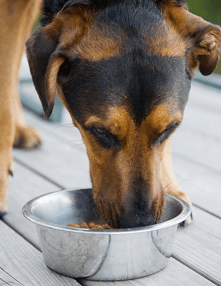
    For many, owning a dog is one of life’s true pleasures and if you want what is best for your pet you need to focus on the food you are feeding to it. The two things to focus on are: quality of food and portion sizes. It is very important to carefully check the ingredients on the bag when looking for the best dog food on the market. Price sometimes dictates what we look at first, but ingredients are just as important to consider.

    Buying the right dog food should mean that your dog’s health with improve along with energy levels, teeth, eyes and coat.

    https://dogadvice.co.uk/wp-content/uploads/2010/09/AA001184.jpg

    The importance of ingredients in dog food

    A good way of choosing the right dog food is by taking the time to read the ingredients list which should be shown on the packaging. As dogs are carnivorous it is widely accepted that their diet should contain good quality meats so it stands to reason that the first ingredient in an adequate bag of dog food should be a form of meat. This meat needs to be lamb, beef, chicken or liver. Stay away from foods that are made of meat by products.

    These foods substitute items such as feathers, skin, and beaks for real meat.

    Soya is becoming widely recognised in human food, but for dogs it is another no-go product as many are intolerant to it. Many pet owners look to their dog’s food to enhance a particular characteristic of the canine. The variety of specialist dog food is growing and there are foods which can for example help to clean your dog’s teeth whilst she chews, or food ideal for dogs with sensitive skin.

    Oils are effective at adding shine to a dog’s coat so look for dog foods with Omega 6 and Omega 3 for achieving healthier skin. They are also good ingredients to bolster an ageing dog’s diet for joint support. If you do own an older dog, while we’re on the subject of joints and dog food – make sure your dog’s eating position is elevated with something like a raised dog bowl, this is because your dog will have to put less stress on their neck when tilting their head and neck to eat, and it will help in older age (arthritis).

    Carbohydrates and protein are essential for dogs, but more so for dogs who are very active as they help to preserve energy levels between feeds. A less active dog should be provided with fewer calories and this becomes even more important as the dog gets older.

    When buying canned food for your dog, be careful about avoiding foods that list water as a main ingredient. You will find that many of the cheaper dog food products sold in a can contain water as the main ingredient and this is due to cutting costs.A diet based on canned, wet food should be supplemented with a daily dry snack which your dog can chew on, such as a bone or chewy stick.

    Giving your pet a high quality food with maximum nutritional value is an excellent way to add energy in your dog’s life and enhance the appearance of his coat, eyes, teeth, and physique.The ticket price of premium dog foods is generally higher but portion sizes are usually smaller, so the cost per bowl will often work out the same as a cheap supermarket type feed.


  • Fasting For Dogs

    Q) I have read about the trend for some dog owners to impose a fast on their dogs. Is this healthy and does have any advantages?

    How Fasting Can Clean Your Dog’s System From Years Of Poor Diet

    If you’re one of the millions of dog owners who occasionally allow your pet to indulge in the delightful scraps from your own less than perfect diet such cheap hamburgers, hot dogs, cold cuts, semi moist sugar-preserved dog foods – or any foods containing nitrates, nitrites, aldehydes, and other assorted harmful additives – the particular pancreatic enzymes that are needed to digest the proteins in your dog’s system become depleted quite rapidly. So could your porky pet benefit from a short fast?

    (more…)

  • Help to Switch Your Pet’s Food Using Complimentary Sampling Programs

    We all love our pets and want to feed them the healthiest food we can afford to supply them with. Unfortunately, many of those healthier and pricier pet foods aren’t the most palatable for our beloved friends and we find ourselves wasting money bouncing from one expensive pet food to another with no light at the end of the tunnel . I know this from personal experience. There are plenty of finicky eaters in our household and they are all of the four-legged variety. I swear, their favorite foods resembled Cheetos and all of my pets had weight issues, which I attributed to poor diets.

    After many failed experiments of switching to a better , healthier pet food like duck and rabbit dog bites, a friend advised me that there are many websites and blogs where you can get pet food samples and other free stuff online for pets. I had no idea that so many companies offer these complimentary pet food samples, but after learning about it, I can see how it makes perfect sense. It’s very difficult to switch your pet to a new food and quite costly if your pet doesn’t take a liking to it and you wind up throwing out a perfectly good bag of food because your pet abhores it. I’ve been through that enough times. Pet food companies realize your dilemma and offer the freebies samples in the hopes that your pet will like the new food and you can then purchase that same new food without all of the usual fear and trepidation of another wasted bag of expensive food because you already know whether or not your pet approves . The pet food companies often include a great coupon with the sample. All of their coupons generally range from one to several dollars off your next purchase. I’ve even had a few companies put me on their mailing lists and I regularly receive coupons in the mail without having to request them. I have to admit, several companies sent me free products coupon for full size bags. It’s wonderful to get a full size bag for free!

    After many samples and rejections, my pets have settled on some newer, healthier options. Thanks to the sample programs, I didn’t have to spend a fortune to find them healthier food that they also found palatable . If you are considering switching your pet’s food, I highly recommend giving the complimentary pet food samples a shot.

  • Help Your Dogs Teeth With A Good Diet

    Your dog is your very best friend.  Every single time you walk through the door your dog is thus happy to work out you that he wags his tail and practically smiles at you.  How will you show your pet how a lot of they mean to you?  Well, one method is to take care of that smile for your pet.  Did you know that your dog’s diet will influence their oral health?

    Humans want to brush and floss their teeth regularly to keep their teeth, tongue, and gums in sensible condition.  Research has recently shown a link between smart oral health in humans and a lower risk of heart disease.  If good oral health will have such a profound affect on individuals, then it solely is sensible to consider the impact it can have on man’s best friend.

    It is necessary to brush your dog’s teeth frequently to stay plaque and tartar from changing into an issue.  Even wiping his gums with a clean, damp cloth can be beneficial.  

    Your dog’s diet also plays a task in your pet’s oral health.  Do you sometimes feed your dog canned or dry dog food?  What sort of treats and toys does one provide for your pet?  All of these things will have an effect on the likelihood of trouble along with your pet’s teeth.

    When your dog’s diet is nutritionally sound, containing essential vitamins, nutrients, and enzymes, your pet’s oral health will be at its very best.  Feeding dry dog food instead of a moist canned variety is best for your dog.  The tiny kibbles’ arduous surface rubs against the teeth to get rid of and scale back plaque.  The easy act of moistening the dry dog food with water or gravy eliminates this property from dry dog food.

    The treats you give your pet are part of your dog’s diet simply like snacks are part of a person’s diet.  As humans, we tend to wish to overlook our snacking habits, so it will be straightforward to overlook the treats you offer your dog.  This is not a smart idea.  Fastidiously contemplate any and every one items your dog will consume.  

    Does one provide your dog bones, rawhides, jerky treats, or dog biscuits?  Perhaps your pet prefers greenies or corn starch chews.  You will not have thought-about it, however tossing Spot a rawhide chew is like giving him a candy bar.  The rawhide, for instance, contains calories and is typically provided between meals.  

    Many of the treats and snacks you offer in your dog’s diet can be just empty wasted calories.  Some treats, alternatively, offer wonderful opportunity to improve oral health.  Greenies, rawhides, bones, and arduous dog biscuits all help to stay tartar at bay.  The softer snacks, like jerky treats, don’t provide abundant relief from plaque.  The healthy treat, every so often, will conjointly prevent your dog from having bad breath.

    Your dog’s diet must be healthy to ensure wonderful oral health.  Dry dog food is best whenever possible.  Don’t forget to pick out treats for your pet that will enhance your dog’s diet.  Consciously monitoring your dog’s diet will absolutely influence your  supporter’s oral health.

    Frontline For Dogs is a great way to protect your dog from ticks and fleas, including those that carry Lyme disease.  It can be expensive, so get your cheap frontline for dogs here at 50{d4f4ff813a06e2c77cbb9c6effe011ebffe2f8986e44983e90e08c54deb62f63} off list price!