For many, owning a dog is one of life’s true pleasures and if you want what is best for your pet you need to focus on the food you are feeding to it. The two things to focus on are: quality of food and portion sizes. It is very important to carefully check the ingredients on the bag when looking for the best dog food on the market. Price sometimes dictates what we look at first, but ingredients are just as important to consider.

The importance of ingredients in dog food
A good way of choosing the right dog food is by taking the time to read the ingredients list which should be shown on the packaging. As dogs are carnivorous it is widely accepted that their diet should contain good quality meats so it stands to reason that the first ingredient in an adequate bag of dog food should be a form of meat. This meat needs to be lamb, beef, chicken or liver. Stay away from foods that are made of meat by products.
These foods substitute items such as feathers, skin, and beaks for real meat.
Oils are effective at adding shine to a dog’s coat so look for dog foods with Omega 6 and Omega 3 for achieving healthier skin. They are also good ingredients to bolster an ageing dog’s diet for joint support. If you do own an older dog, while we’re on the subject of joints and dog food – make sure your dog’s eating position is elevated with something like a raised dog bowl, this is because your dog will have to put less stress on their neck when tilting their head and neck to eat, and it will help in older age (arthritis).
Carbohydrates and protein are essential for dogs, but more so for dogs who are very active as they help to preserve energy levels between feeds. A less active dog should be provided with fewer calories and this becomes even more important as the dog gets older.
Giving your pet a high quality food with maximum nutritional value is an excellent way to add energy in your dog’s life and enhance the appearance of his coat, eyes, teeth, and physique.The ticket price of premium dog foods is generally higher but portion sizes are usually smaller, so the cost per bowl will often work out the same as a cheap supermarket type feed.
Fasting For Dogs
Q) I have read about the trend for some dog owners to impose a fast on their dogs. Is this healthy and does have any advantages?
How Fasting Can Clean Your Dog’s System From Years Of Poor Diet
If you’re one of the millions of dog owners who occasionally allow your pet to indulge in the delightful scraps from your own less than perfect diet such cheap hamburgers, hot dogs, cold cuts, semi moist sugar-preserved dog foods – or any foods containing nitrates, nitrites, aldehydes, and other assorted harmful additives – the particular pancreatic enzymes that are needed to digest the proteins in your dog’s system become depleted quite rapidly. So could your porky pet benefit from a short fast?
6 Great Tips For Getting Your Dog Toilet Trained
One of the toughest jobs that a family faces when a new puppy comes home is getting the dog housebroken. This means that the dog will eliminate outdoors and not use your home and furnishings as a toilet. Lots of people think that getting doggy toilet trained is a tough task, but it doesn’t need to be. If you arm yourself with plenty of information for the best ways to get your dog house trained, you are on the right path to having a dog that goes to the bathroom where you want him to go.
When to House Train
A dog can be toilet trained at any age, but the best age to begin is between eight and twelve weeks old. If you set up a housebreaking routine as soon as you bring your puppy home, before long he will get the right idea of where to do his business. A crate is a great tool for toilet training a puppy. It keeps him confined when there is no supervision and most dogs learn quickly that if they make in their crate they will have to sit in it. Most dogs are fairly hygienic and won’t enjoy having to sit in dog doody or urine.
The Advantages of Using a Crate
Be sure there is enough room in the crate for your pup to turn around, but don’t leave so much room that he will be able to eliminate and lie down far away from it. Many dog owners view a crate as a jail cell or to use as punishment, but your dog will love having his own space where he can escape from the hustle and bustle of the household for some quiet time. Make your dogs crate a happy place and don’t use it for punishment. You can feed your dog in the crate, or while he is in there, offer him some treats. Place a favorite chewy or toy in there with him, add blankets and he will have a cozy den to escape to whenever he feels the need. Utilizing a crate for your dog can keep him out of trouble and not only in housebreaking.
Keep Your Eyes Peeled
Keeping a close eye on your puppy is a key factor in getting him properly housetrained. Whenever you see that he is sniffing, circling or beginning to squat, immediately take him outside to the place where you want him to go and see if he eliminates. If he does, praise him lavishly. A good idea is to have a cue, such as “hurry up” so that your puppy knows what you want him to do. When he is going to the bathroom repeat the cue and then give your dog lots of praise for a job well done. It is better to take the dog out and nothing happens then take a chance of an accident happening.
Have a Schedule
Feeding, watering and walking your dog on a regular schedule will make housebreaking that much easier. Puppies are like children and they thrive on a routine. Try and take the dog out around the same time everyday so they will be able to adjust their bodily functions. The first thing you should do in the morning is take the puppy from the crate and don’t let his feet touch the ground. Bring him to the place where you want him to go, give the cue, and praise upon a successful completion. Take your puppy out at least every two hours, after eating or drinking and especially after play. Before you know it, your puppy will be letting you know it is time to go out and do his business.
Don’t Let the Puppy Roam
Letting your puppy roam around the house is a sure fire way to have accidents. If you have decided you don’t want to use a crate, and even if you do use one, confining the dog to certain areas of the house can make housetraining easier for everyone. It is difficult to keep track of a puppy when he has the run of the house, but if you gate him in the kitchen, he will still be able to be part of the action and can be better supervised in case of an accident.
Don’t Get Discouraged
There will be times when you first begin housetraining that you feel your pup is just not getting it. He may have accidents in the house as well on occasion. There is no need to be discouraged. If you stick to your routine, keep a good eye on the dog and make frequent outings to his outdoor bathroom, in no time your puppy will be housebroken. Another good idea is to use the same door all the time when you are taking him out so that when he has to go, he will scratch on the door to be let out. Once this happens, you can say hurray and know that your puppy truly is beginning to understand that going to the bathroom in the house is a no-no.
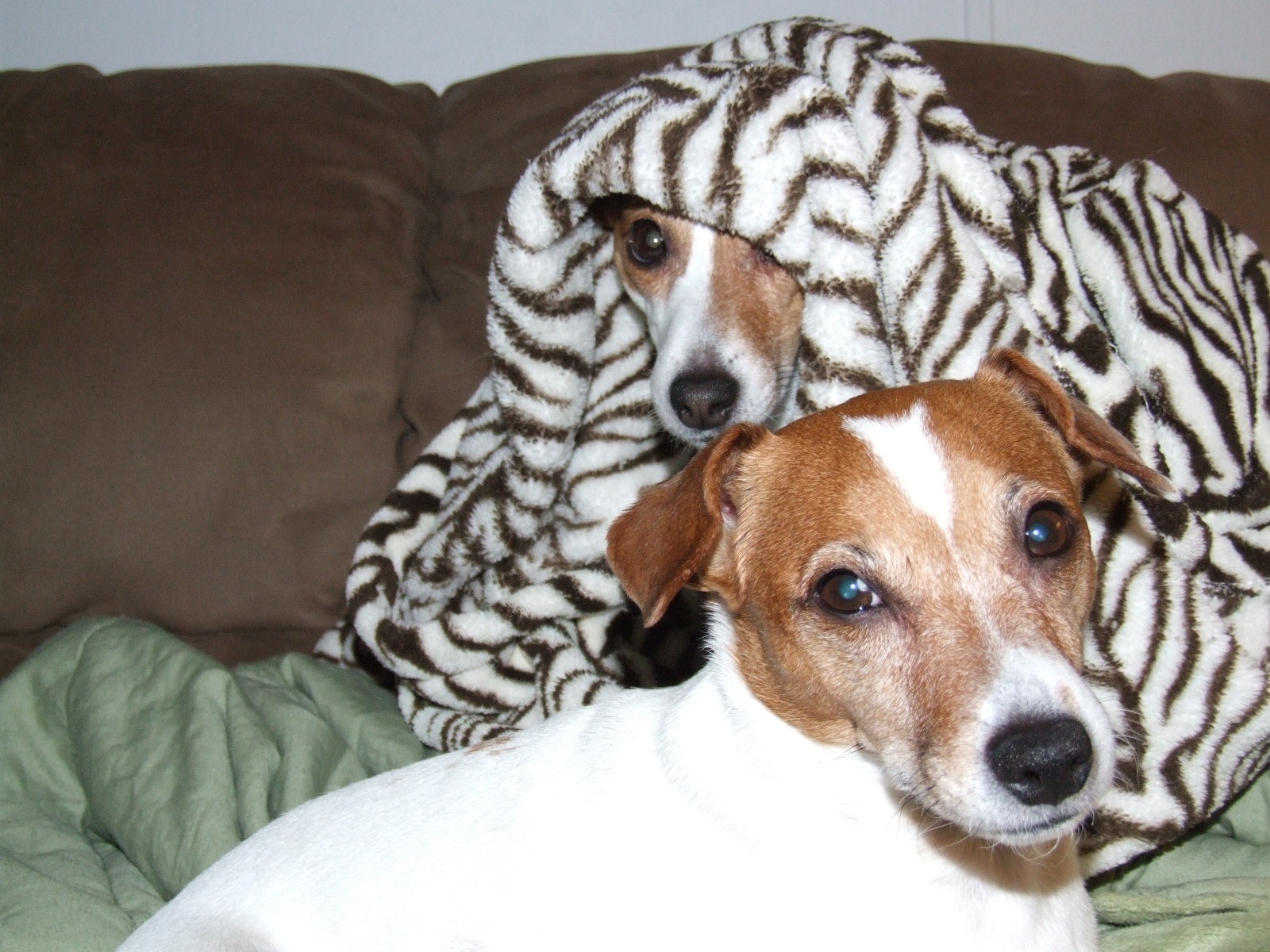
Why Do Dogs Yawn?
Understanding Why Dogs Yawn – Hint…It’s Not ALWAYS Because They’re Tired!
There is no doubt that a dog is really man’s best friend. These adorable furry creatures are loving, loyal and never cease to provide their human family with endless joy and companionship. The pet will stick with you through thick and thin. Dogs are known to ape what their masters do. It is really quite amusing to see that a dog will empathize with the master even with yawning. A master coming in from the office very tired will yawn; the dog can be seen yawning too.
Help to Switch Your Pet’s Food Using Complimentary Sampling Programs
We all love our pets and want to feed them the healthiest food we can afford to supply them with. Unfortunately, many of those healthier and pricier pet foods aren’t the most palatable for our beloved friends and we find ourselves wasting money bouncing from one expensive pet food to another with no light at the end of the tunnel . I know this from personal experience. There are plenty of finicky eaters in our household and they are all of the four-legged variety. I swear, their favorite foods resembled Cheetos and all of my pets had weight issues, which I attributed to poor diets.
After many failed experiments of switching to a better , healthier pet food like duck and rabbit dog bites, a friend advised me that there are many websites and blogs where you can get pet food samples and other free stuff online for pets. I had no idea that so many companies offer these complimentary pet food samples, but after learning about it, I can see how it makes perfect sense. It’s very difficult to switch your pet to a new food and quite costly if your pet doesn’t take a liking to it and you wind up throwing out a perfectly good bag of food because your pet abhores it. I’ve been through that enough times. Pet food companies realize your dilemma and offer the freebies samples in the hopes that your pet will like the new food and you can then purchase that same new food without all of the usual fear and trepidation of another wasted bag of expensive food because you already know whether or not your pet approves . The pet food companies often include a great coupon with the sample. All of their coupons generally range from one to several dollars off your next purchase. I’ve even had a few companies put me on their mailing lists and I regularly receive coupons in the mail without having to request them. I have to admit, several companies sent me free products coupon for full size bags. It’s wonderful to get a full size bag for free!
After many samples and rejections, my pets have settled on some newer, healthier options. Thanks to the sample programs, I didn’t have to spend a fortune to find them healthier food that they also found palatable . If you are considering switching your pet’s food, I highly recommend giving the complimentary pet food samples a shot.
Tips For Caring For Dogs With Arthritis
It is not unusual for older dogs to suffer from arthritic symptoms. As dogs, and people, become older, their joints often weaken and arthritis occurs. However, contrary to want most canine lovers believe, arthritis can also be diagnosed in younger dogs and puppies. Arthritis is often a very painful condition that causes much discomfort no matter what age of animal it affects. Thankfully, there are several things that dog owners can do at home to ease some of the pain caused by canine arthritis.
One option for helping your dog with arthritis is keeping a close watch on the food that it is fed. Overweight dogs often suffer more greatly than leaner dogs due to the added weight on their joints. Stay away from foods that are high in calories. If the dog is obese, choose a food specially designed for overweight animals. Refrain from giving your dog table foods and reduce the amount of treats that are fed to the pet. Once your dog’s weight is under control, you will likely see a positive change in its activity level.
Consider also getting some stainless steel raised dog bowls. The easier you make it for your dog to stoop less, the better it will be in cases of arthritis in the neck.
Give Your Arthritic Dog Better Sleep
Everyone can benefit from better sleep, even your dog. Lying on hard and cold surfaces often worsens arthritis. In order to ease the pain, consider purchasing an orthopedic bed for your pet. These beds are specifically designed to balance the animal’s weight in order to relieve joints from pressure. During the colder months, allowing your dog to sleep indoors or on a heated bed will also offer a lot of relief.
Exercise Your Pet
Healthy joints are a lot less painful. Getting your dog into a regular exercise routine that strengthens muscles and cartilage will lead to healthier joints as well. Playing with your pet or walking on a daily basis will increase the blood flow through the joints. Be cautious about planning activities that are low impact and will not cause stress or additional pain to the animal. Dogs with less severe cases of arthritis can withstand heavier exercise while those with more server cases will need lighter activities.
In addition to the tasks listed above, all arthritic dogs will appreciate their owner giving them a little extra attention. Simply raising feed dishes off the floor so the animal is not required to bend down as far can be helpful in reducing joint pain. Consider providing steps to areas where your dog once jumped. Allow your pet to use a ramp when getting on the back of trucks or into vehicles.
Arthritis pain can be very stressful to dogs. Once the condition is diagnosed, pet owners can begin carrying out tasks to help ease the discomfort that their pets feel. In addition to treatments offered by the vet, there are many ways that canine owners can let their pet know that they care. Being conscious about the dog’s diet, sleeping arrangements, and exercise routines are all ways to enhance its quality of life with arthritis.
http://arthritisdogsreview.com/
What Are The Symptoms of Arthritis in Dogs?
Have you noticed that your canine has been limping or is slow moving or is not his active self lately? You probably already know that your pet may have arthritis. Often arthritis is associated with aging, however, aging is not a disease. Arthritis is a disease that affects all ages.
Here is a list of seven dog problems which may indicate canine arthritis:
- Moving up and down stairways appears to be difficult.
- Rising from a lying down or sitting position is a struggle.
- There is difficulty in jumping from the floor to a higher surface or from the higher surface to the floor.
- Pet indicates pain or discomfort when walking, strutting, or running.
- Sometimes your pet indicates that he does not want to walk or refuses to walk.
- Your pet may have a limp or an abnormal gait.l
- There is an attitude change of dog pain by yelping or snapping.
Arthritis is an inflammation of the joints which causes a very uncomfortable or painful existence. Dogs with arthritis have symptoms similar to human beings. If you have arthritis you will be able to relate to the canine symptoms that your pet is experiencing.
Human beings may be diagnosed with rheumatoid or osteoarthritis. I am told that rheumatoid is the more serious. But there are over a hundred different types of arthritis. The most common form that humans complain about is ostearthritis and you may be surprised to discover that it is usually the diagnosis our dogs also receive.
The causes of arthritis in dogs can be from a birth defect e.g. hip dysplasia, traumatic injury or complications after orthopedic surgery. Puppies or young dogs may have had a failure of bone growth and development.
There is not one dog treatment that will be used but a variety that may be considered:
- Place your dog on a reduction diet if overweigh; an easy home remedy.
- Correct any traumatic injury that has occurred to the joints.
- Design a suitable exercise program.
- Give herbal dog supplements or anti-inflammatory dog medications.
- Consider acupuncture as an alternative treatment.
Visit your dog vet to get your observations confirmed. Your vet will need a medical history; he or she will perform an examination of your pet. X-rays will be taken and blood will be drawn for blood work analysis.
The recommended dog supplements and dog medications will help to reduce symptoms and slow the progress of the disease. Unfortunately, and I am sure you know, there is no cure for arthritis for either human beings or dogs.
If you are curious and would like to know how to take care of your pet visit Tricia Deed at http://infotrish.vpweb.com/ for natural remedies for cats and dogs of canine symptoms of arthritis, one of many dog problems.
Through the years I have learned to be a jack-of-all-trades and maybe mastered one. Because my interests are many, diversity has been the road most traveled. Currently, my hobby is learning and combining these interests with my business of internet marketing.
Visit:
How Changes in Your Pet’s Weight Can Signal a Health Problems
It is not unusual for one of my clients to be utterly stunned when they learn that their dog or cat’s weight has topped the scale either up or down. Why didn’t they notice the change? It’s because it often develops over time, day by day, right in front of their eyes.
A rise in excess fat may be due to the obvious. Way too many goodies eaten and not enough exercise. In case you believe that you are practicing good portion control, over nutrition may easily occur. A cup of food to one person is not ample to the next. So they give a little more. You only offer `a’ treat, while the next overly generous member of the family offers two or three. Extra calories add up very quickly. Did you know that a one pound weight gain for a Chihuahua is similar to a one hundred and twenty five pound woman gaining thirty one pounds?
There are also several fewer blatant explanations for an expansion in a pet’s waist-line. Hormonal disorders for example an underactive thyroid,( hypothyroidism) or an overactive adrenal gland causing hyperadrenocorticisim,(Cushing’s disease), can affect metabolic rate. Neutering also has metabolic repercussions. Research has shown that when a pet undergoes a castration or an ovariohysterectomy (spay), the rate at which they burn energy is diminished by nearly a third A neutered pet still incurs many more positive effects than the unfavorable so I remain a strong proponent of these surgical procedures.
Advancing age can certainly be the reason for your four-legged friend packing on the fat. As we grow older we will drop lean muscle mass. Muscle demands a large amount of energy levels to be able to perform properly. Lower muscle mass requires less requirement for calories. Don’t be misled into feeding your pet the same amount you did when it was younger and carried the same weight. Its energy needs have scaled downwards.
A rise in weight can pose serious health dangers for your pet. An overweight pet can have breathing difficulties, a compromised immune system, be at increased danger with regard to anesthesia, grapple with skin disorders, and experience with pain from overburdened joints or spinal disc disease. Studies have revealed that fat pets age faster and have a lowered quality of life.
Weight reduction can be just as serious. You may believe that your cat has discovered the fountain of youth. It is eating more food, racing around like a kitten and is slimming down. In fact, your kitty may be a victim of an overactive thyroid. If left untreated, high blood pressure, sudden blindness and cardiac problems may ensue.
Illnesses that include diabetes mellitus, digestive ailments, liver failure, cancer and also dental disease can cause your pet to suddenly lose weight and condition.
How can you tell if your pet is healthy? As your pet is standing, you ought to find an indentation after it’s ribcage. Place your hand on the side of its chest and with gentle pressure, you should be able to feel the ribs. If you are pinching an inch, it is obese. If the ribs are very overly notable, your pet may be under weight. What kind of food and how much is correct for your pet’s stage of life? Your veterinarian is best trained expert to help with making these types of determinations along with your assistance. However things can change. Make a twice yearly wellness assessment for your pet. This basic act may improve the odds that your dog or cat will grow older successfully.

Destructive Chewing In Dogs
The act of chewing seems to be a matter of individual orientation among dogs: some have an innate desire to chew as a pleasurable activity in itself, and some seem to have no need to chew whatever unless they’re driven to it out of sheer boredom.
The phrase “destructive chewing” may sound redundant, because – by its very nature! – all chewing is destructive. Your dog has strong jaws full of sharp, pointy teeth: just about anything she starts to chew on is likely going to show the effects of it inside of a minute. So just to clarify, when I use the phrase “destructive chewing”, I’m referring to inappropriate chewing: the kind of chewing that’s focussed on your own possessions and household items, alternatively of on your dog’s own designated toys and chews.
The three main understandings why dogs chew:
– Most dogs have a instinctive desire to chew. It’s fun, it passes the time, and it’s a self-rewarding, self-reinforcing activity (for example, if she’s chewing on something that tastes good.)
– Chewing provides a nervous, bored, or lonely dog with an outlet for her emotions. To an anxious dog, the repetitive act of chewing is soothing – it’s the doggie equivalent of comfort food.
– Underexercised dogs often use chewing as a way of burning up nervous energy and giving themselves something to do.
– How to forestall destructive chewing –
Dogs are perfectly able of learning not to chew your material – you just have to put in a little effort first, that’s all.
It is aslo possibly that your dog could be suffering from seperation Anxiety read more here Anxiety Separation Dogs
1. Take control of the site: manage your own possessions. Your first step should be to dog-proof your home. Even if you have the best-behaved dog in the world, there’s still no reason to test her self-command – after all, dogs explore the world with their mouths.
Dog-proofing your home means taking whatever you don’t want to end up in her mouth, and making it unavailable. Consider her size and agility when deciding whether something’s out of reach: can she jump? Can she climb, or leap onto something else to reach the desired object? How tall is she when standing on her back legs?
Common targets in the home include books, eyewear, clothing, shoes, garbage, and small crunchy appliances like cameras, cell phones, and remote controls.
It should go without saying that all food needs to be put securely away: don’t leave snacks on low tables (or even countertops – you’d be surprised how acrobatic she can be when there’s food at stake!), put all food into containers or the pantry. Rinse your dirty plates clean of any food scraps before leaving them by the sink.
2. Prevent her from learning the joys of illegal chewing. The more times she manages to bite a jawful of a forbidden substance – a chair-leg, a pillow, a run shoe – the more readily she’ll target those items in future. If you can prevent her from chewing your stuff in the first spot, it’s a lot easier for her to understand what you expect of her. Practically speaking, this means restricting her in a dog-proofed area until you’re confident of her reason? of the house rules.
3. Don’t set her up for failure by blurring the boundaries between her stuff (OK to chew) and your stuff (not OK to chew). Don’t work your dog cast-off clothes, shoes, or towels to chew and play with: realistically, you can’t perhaps expect her to be able to tell the difference between your current shoes and the one she’s got in her mouth that you gave her five minutes ago.
4. Provide her with lots of tasty alternatives to your stuff. If her environment is relatively barren of attractive, appropriate chewing objects, you can scarcely blame her for targeting your possessions. Remember, most dogs need to chew; if she’s an adolescent (under three years) or a puppy (under one year), her needs will be even more pronounced. Go on a toy and chew shopping spree, then give her two or three to play with at a time. Rotating the available toys every few days will keep things novel and interesting for her.
5. Spend lots of time in active supervision. Yes, it might be easier for you to just keep her penned up in her crate, run, or the yard – but that’s boring and horrible for her, and hardly much fun for you either (if you wanted a pet that you don’t need to interact with, you’d have got a goldfish, right?) She can’t learn what you expect of her if she’s spending all her time boxed up in the dog-proof zone: she needs the opportunity to explore the boundaries of your expectations, so she can understand what’s appropriate and what’s not.
6. When you catch her chewing something inappropriate, interrupt her by making a loud racket: clap your hands or make an “Ah-ah-aaaah!” noise. Then, immediately hand her a tasty and dog-appropriate alternative (a rawhide bone or other chew toy); as soon as her jaws close around it, praise her lavishly. There is no better way to get your dog to understand that chewing “her” toys equals praise from you, but everything else equals fuss.
– hold a generative attitude –
Above all, remember to keep your expectations realistic. You’re not perfect, and neither is your dog: there’s likely to be at least one incident where a treasured item is damaged by her curiosity.
Particularly in the early stages of your relationship, she’s still learning the ropes: it’ll take awhile before she’s completely reliable (and even then, if she’s left by herself for too long or feels neglected, she may choose your stuff over hers to take her time and jaws with.) Remember to give her time to learn the rules, and plenty of ‘you-time’ to help her learn faster – and don’t forget to take precautions and keep things out of reach until she’s got the hang of the chewing rules!
For more information on dog training techniques and how to deal with problem dog behavior (like chewing), check out Anxiety Separation Dogs. It’s the complete manual for dog ownership and is designed to fast-track your dog’s learning.
You can visit the Anxiety Separation Dogs site by clicking on the link below:
Incidence of Heartworms in our Pets Continues to Climb
Every year, veterinarians brace for a disease that has plagued our pets for decades. However this disease is easily avoidable by using inexpensive and safe medications. Cases of Heartworms both in dogs and cats continue to grow and also the fee for treatment of (if discovered early enough) is usually much larger that the cost to prevent. Consequently, how will you offer protection to family pet from the dangerous consequences of this now widespread parasite?
Flash back to 150 years ago when a scientist first discovered the heartworm parasite in a dog. Then the parasite evolved and was then found inside our cats 80 years ago. With heartworm prevention available for both cats and dogs you would think that we would see a decrease in the volume of cases, yet each year thousands and thousands of dogs and cats are diagnosed and often perish too soon from this dreaded parasite. Several experts approximate that in North America alone, cases of heartworms in our pets could actually be in the millions.
The disease attributable to this heartworm living within your pet’s heart is devastating. Your furry friend can be infected by the single bite of just one single mosquito. The worm can then migrate through your pet’s entire body ultimately taking up residence in your pet’s heart chamber and the blood vessels leading to the lungs. This results in your pet’s heart needing to pump harder to circulate the blood through his tiny body. The effects to the lungs is even more severe with many pets gasping for breath because the lungs fill with fluid and tiny blood clots clog the vessels. Early clues can consist of coughing and exercise intolerance that some owners just attribute to the dog getting lazy. Commonly, signs do not surface until the disease is well advanced and the dog is fighting with heart failure, fluid accumulation in the lungs and abdomen that may ultimately lead to death.
In cats, it only takes one heartworm to trigger harm. The first signs are asthma like symptoms and in some cases vomiting that the owners will attribute to hairballs. Once that heartworm lodges in the lungs, it can lead to a sudden death of the cat.
Treatment for heartworms is expensive starting from $500 for the smaller sized dogs, to well over $1500 for the larger breeds. Complicated heartworm disease with cardiac failure is much more expensive and sometimes there is only a 10{d4f4ff813a06e2c77cbb9c6effe011ebffe2f8986e44983e90e08c54deb62f63} chance of recovery in the severely affected pets. As of yet, there is no remedy for cat heartworm disease, just supportive care.
Incredibly, veterinarians do have a remedy for this problem. Safe, effective heartworm preventatives are available in a number of simple to use applications. What is even more incredible is that the expense of a lifetime of prevention for most pets is significantly less that a one-time treatment for the disease. So, why do pets continue to suffer and die from such a preventable malady?
As with all web-based myths, two major hypotheses suggest that either the heartworm medications are failing or that the parasites are developing a resistance to the medicines. While conspiracy theorists love these types of ideas, scientific evidence for either explanation is lacking. Heartworm preventives have a failure rate of less than 1 in 1 million doses. Also, the complex life cycle of the heartworm does not lend itself to developing a natural resistance to the medications. The truth perhaps lies in the memory of the owner to administer the dose in a timely manner and the global temperature.
Increasing temperatures in our climate has triggered a lengthier mosquito season and a bigger likelihood of transmission to our pets. Here in Houston, our mosquito season is all year round. Some regions are now seeing significantly more mosquitoes in formerly mosquito-free places. Irrigation of dry areas and increased plantings of trees in certain areas can actually increase mosquito population. With a more substantial number of mosquitoes, there is a bigger chance of transmission of heartworm disease.
Once all of the facts are analyzed, the simplest reason behind our failure to manage this fatal parasite rests on the humans themselves. We simply do not supply the preventive as we must. It could be attributable to forgetfulness, or possibly one husband or wife believed the other one gave it or maybe it may be because of the economic conditions plus the financial limitations imposed on the household. Regardless of the rationale might be, it can trigger dire consequences for the health of our pets.
Luckily, as pet owners, you do have powerful allies to help combat the war against heartworms. With the aid of your veterinarian, you can select the ideal heartworm medication for your pet and your finances. Oral prescription drugs, like Heartgard, Sentinel, and Iverhart can be purchased. There are also topical medications for instance Advantage-Multi and Revolution that are formulated to also provide protection to your pet from both heartworms and fleas. Proheart 6 is additionally available as a long-lasting injection. The prevention of this disease rests solely on the pet’s owners to make certain the pet gets the prevention prior to the pet is actually exposed to the parasite. That means that this prevention must get started in puppy-hood and be provided monthly, throughout the year.
Don’t spend your time searching for “natural” or organic solutions to defend against heartworms; they quite frankly do not exist. Many people believe they can formulate ivermectin to give to their pets, but incorrect dilution and storage can lead to overdosing or underdosing. Abide by recommendations by your veterinarian and the American Heartworm Society (www.heartwormsociety.org) Your pet is relying on you and prevention is more effective and cheaper than the treatment.
Crate Training Your Dog The Easy Way
Learn how to tap into your dog’s elementary den instincts, and make her more obedient—naturally.
Like their ancestors, dogs are born, nurse, and later eat solid foods in a good enclosed area (called a den in the wild), and therefore tend to accept being confined to a crate when necessary. Teaching your dog that her crate is a safe site, and helping her make happy associations with it, can help you and your home survive behavior problems such as housebreaking and adolescent chewing.
Having said that, a crate should only be used along with proper training, exercise, and socialization. With a few basic guidelines, you can use it as a valuable tool in a variety of situations.
Crate Expectations
Whatever the age of your dog, it’s important to present her to the crate gradually. Here’s how to make a good start.
* Put the crate in an area of your home wherever you or others will be around. You may want to keep the crate in the kitchen during the day and your bedroom at night. To make your dog’s first experiences with the crate as pleasant as imaginable, put a soft blanket or towel (preferable one that smell like you) on the floor of the crate. Then throw a toy and some foods treats inside.
* Do not use force to make your dog go into the crate. Instead, let her seek and find the goodies. When she enters the cage, praise her, and let her come and go as she pleases. Play this game for several minutes. If your Boston Terrier takes to this game, close the door for a few seconds after she goes in. Increase the amount of time that the door is closed, but stay close to the crate while you offer praise and treats as this is one way of crate training Boston Terriers effectively.
* Now that you’ve familiarized her with the crate concept, gradually get her used to being in the cage for longer period of time. Start feeding your dog her meals in the crate with the door closed. Leave the room while your dog is eating and then when she is just resting. When your dog shows no opposition, leave the house: First, go out for only 5 minutes, gradually increase your time away to 30 minutes. If your dog can stay in the crate for half an hour without getting agitated, she should be comfortable for hours.
* Don’t overdo it. Try to use the crate for short times, both when you’re home and when you’re out. You shouldn’t confine your dog for more than 4 hours at a time and for no longer than a sum of 10 hours in any given day. Always give your Boston Terriers a special treat when you crate her. And remember, crated dogs need exercise and playtime too.
Potty Training An Adopted Dog
Adopting a new pet is one of the things that bring delight and squeals from children. It’s a happy occasion for both you and the family. Nonetheless, a pet, cute and squiggly as they are will, as all dogs do, mess the house. The new member of the household has to be potty trained as soon as the primary day.
It is important to observe that canines may hold their bladder up to 5 hours, not more than that. In reality, canine being territorial animals will mark the territory by urinating each few toes or so. When the dog is new to a specific place that has not but been marked by different canine, expect the canine itching to mark each nook and cranny of the house, worse, that embrace the rugs and carpets. The following will walk you through to potty prepare the pup.
As a result of you expect the pup to urinate you could possibly very effectively anticipate that it is bound to happen. Once you see a pup raising a hind leg, carry him outdoors to a delegated place the place the pup could relieve himself. Sometimes a pup that is good for adoption is about three months old. That additionally means that the puppy might maintain his bladder for a minimum of three hours. Refrain from waiting for that. Deliver the puppy out each two hours counting from the time when you first brought him outside. It is very important set up a routine and a schedule. Canine respond well to schedule and routine. Routines, repetitions, and schedules are the principle instruments used in training.
Use the identical space every time. When you find yourself trough enjoying with the puppy, go to the spot. When the pet has completed consuming, go to the spot. Each two hours after that, go to the identical spot. Eventually, the puppy will get the idea. All it takes is patience and the way ready you are because bringing residence a brand new canine to the home will take responsibility. The hardest half is just until the pet will get used to the routine. Till then, the whole lot hangs on your commitment to elevating a housebroken dog.
Likewise, feed the canine on a daily schedule. That means you could possibly predict and higher control the time when the puppy shall be relieving itself.
In the same method, younger puppies will need to relieve itself in the course of the night. A younger pet is generally considered less than 4 months old. In that case, do give water to the pet before bedtime. Puppies which can be four months or more make it overnight. When the pet wakes up, the primary urge is to urinate, deliver him to the spot. After a nap, do the same. Establishing routines and getting the puppy accustomed to the spot will make him go there ultimately without being led.
Even behind all these, accidents may happen. If the pup dirty a rug, a piece of paper or pieces of item, place the items in the spot. It would give the puppy the hint what the spot is for.
It’s also essential to praise the pet the very second after the pet has relived himself within the spot designated. That may reinforce the idea and go there each time.
Buy frontline for dogs online today and protect your adopted dog from fleas and ticks. Frontline for dogs is highly effective and will keep your new pet free from fleas and ticks.

Clicker Training
How To Clicker Train Your Dog
Clicker Training is a relatively new way of training a dog using a small finger-length box which makes a sharp and distinctive click. Clicker training is the art and science of using a conditioned reinforcer to train your dog using no corrections or punishments.
The pet-friendly way to train…
Many dog owners worry about the things their gundog does wrong. Clicker training lets you concentrate on what the gundog is doing right. You’ll learn to build good behaviour instead of trying to fix mistakes. Click when the puppy or young gundog “goes” in the right place. Click for sitting instead of jumping up. Click for waiting at the door. Click for a loose lead while walking the gundog at heel. Clicker training is also a great help in laying the foundation for gundog training.
The click is a marker signal
Clicker training is a science-based system for teaching behaviour with positive reinforcement. You use a marker signal (the sound of a toy clicker) to tell the gundog that what he/she is doing is right. The system was first widely used by dolphin trainers, who needed a way to teach behaviour without using physical force.
No corrections or punishment
In traditional training, you tell a gundog what to do, make that behaviour happen (using force if necessary), reward good results with food, and punish mistakes. In clicker training you watch for the behaviour you like, mark the instant it happens with a click, and pay off with a treat like chicken or something similar. The treat may be food, a pat, praise, or anything else the gundog enjoys. If the gundog makes a mistake all you do is wait and let them try again.
Replacing the clicker with praise
Clicker trainers focus on building behaviour, not stopping behaviour. Instead of shouting at the gundog for jumping up, you click it for sitting. Then, click by click, you “shape” longer sits, or more walking, until you have the final results you want. Once the behaviour is learned, you keep it going with praise and approval and save the clicker and treats for the next new thing you want to train.
Fun and exciting for pets and people
GunDogs quickly learn that the marker signal means, “Something good is coming.” Then they realise they can make you click by repeating their behaviour. They become enthusiastic partners in their own training. Clicker training is exciting for animals, and it’s easy to do.
In 6 short weeks your dog can learn to be the happy, obedient dog you’ve always wanted!
Call David for a free demonstration and see what just 6 week’s of gundog training can do for you… Your dog will learn to be a more enjoyable, more obedient companion dog for your whole family.
In 6 short weeks your dog can learn to be the happy, obedient dog you’ve always wanted!
In just 6 weeks with our accelerated one – to – one training program, your gundog will learn to
Walk on a loose lead
Heel
Sit and lie down
Retrieve on a “seen”
Retrieve a “blind”
Be familiar with shot sound
Begin the basics of stopping at distance on a whistle
Stay when told, and come when called, even around distractions.
Learn basic manners and obedience
We will be working with you for 6 weeks and at the end of this period we will simulate a working test to see how well your gundog has developed. At this stage you will be hooked and want to go onto further things.
Leash Training For Dogs – The Basics
An essential part of training is leash training for dogs. This training method can also come in handy when you’re teaching other commands as well. It also is a major safety issue. If you apply the correct methods, you’ll quickly learn that leash training is both an enjoyable and easy process.
Leash Training for Dogs can be dissected into 4 basic steps:
Step 1: One of the main training leashes I recommend is a flat leash. You will want to start by attaching the leash to your puppy’s collar. You may want to do this while they are eating or when giving them a treat, since this will help them associate it with something enjoyable and pleasant. Start by doing this in your home in an area that they are familiar with. Then allow them to run around a bit with the leash dragging loosely behind them. Make sure you are supervising them throughout this whole process. After a few minutes you can proceed to remove the leash. Then over the next few days, try repeating this for longer periods of time.
Step 2: After your puppy feels safe being attached to their leash, you can begin to pick up the other end of the leash and follow behind them around the house for a couple of minutes. Praise them and give them treats while training using the leash. Continue carrying this out until your puppy feels safe with you holding the leash and walking along side them. Make sure that you don’t pull on the leash or you may risk frightening them.
Step 3: After that you can start by taking them outside to an gated area. Allow them to run around for a while with the leash dragging. Next, try picking up the leash with your right hand and walk along side them. Next, you can have a treat in your left hand while you draw them to your left side. Continue praising them when they make any progress. Continue practicing this and you’ll be able to build up to walking your dog down your street.
Step 4: Be careful not to let your dog take the lead. Try and remember that your dog has a pack mentality and they require a leader. If you do not assume the leadership role, they will. Also, you’ll want your dog to walk at your side. What you can do to deter your dog when they start to walk in front of you is to turn and begin to walking in different direction. They will need to turn as well and catch up with you. Repeat this until your dog realizes that you are the leader and are in control. When they recognize you as the leader, it is more likely that they will respect your authority and obey you.
These are a just a few basic steps that you could easily put into practice when you’re leash training for dogs.
There are other issues that could arise. Therefore, you might be interested in discovering the very best and most effective dog training methods.
5 Tips For Training Dogs Successfully
Training dogs is not a hard. You just need patience, dedication and some simple tactics and you will teach them successfully.
Here are five top tips on how to train your dogs successfully:
1. To avoid your dog getting confused and so that they can learn to recognize commands easily only one person should be responsible for training the dog initially. If too many people are trying to train the dog at the same time this can stop progress in its tracks.
2. You should use positive reinforcements. If the dog does something good, you should reward this behavior so that he will know that what he did was right. If the dog cannot understand or follow your commands, never push him. Dogs are not as intelligent as humans, they make mistakes. What you should understand is that they won’t easily understand your commands in just one teaching, it takes repetition to train a dog successfully. Do not scold your dog as he might develop fear which will hinder his learning and willingness to be trained. You can use treats in order to encourage your dogs, although don’t overdue it.
3. Teach commands one at a time. Try to teach him one command after the other. If he cannot absorb it, try to stay on that command only because adding additional commands will just confuse the dog. Start with the basics.
4. In executing commands, you should keep your voice cheerful so that the dog will happily follow your commands. Dogs will respond to a low and coaxing voice. If you shout out loud, he may become startled and unresponsive.
5. Train your dog in various places. If you keep your dogs in a certain place like your home, he will not be able to adjust with the environment new people. Take him to the park or through the neighborhood. This will help your dog associate with other dogs and people.
Training your dog can sometime be tough, but it will be worth it. In the end, you will be the one to benefit when your dog is trained. You don’t know he might even save your life one day and pay back everything you taught him.