Category: Dog News

The latest dog news from around the world

  • Hydrotherapy Helped This Labrador to Lose Over 2 Stone, Now He Needs a New Home

    Hydrotherapy Helped This Labrador to Lose Over 2 Stone, Now He Needs a New Home

    Meet Tootsie. He came into rescue weighing almost 45kg – double what would be considered a healthy weight, and was struggling to walk.

    His rescue found out that the one-year old Labrador had been fed human food on top of his normal diet and he hadn’t received the exercise needed to burn off the calories he was taking on board. All of this meant he quickly piled on the pounds and because of the extra weight, he couldn’t walk properly.

    After receiving medical attention at the Mayhew in London, it was discovered that he had patella luxation of his right stifle, which occurs when the kneecap does not sit in the correct position within the knee joint. This can be a highly painful condition causing lameness and because of his excess weight putting added pressure on his joints, it’s suspected he was more susceptible to the condition.

    Now, after 12 sessions of hydrotherapy and a well-balanced diet, he lost an incredible 15kg and has been able to have the surgery needed on his knee. Tootsie is now walking well with no lameness or pain and he is ready to begin a new chapter in a new home.


  • Is Your Dog Overweight? 4 in 10 Dogs Are, According to UK Vets

    Is Your Dog Overweight? 4 in 10 Dogs Are, According to UK Vets

    New research has revealed that almost half of dogs seen by UK vets are overweight.

    With more than half (53%) of dog owners admitting that they feed their pets table scraps daily and are unsure of what to look for when reading pet food labels, experts at MedicAnimal.com believe a dog’s diet is at the heart of the reason why so many dogs are overweight.

    To address the problem, the pet retailer is launching a new campaign to help pet owners tell if their dog is overweight and what it means to a dog’s health – and lifespan – if they are.

    The campaign will also share expert advice around nutrition – what dogs need and what they don’t, how to read pet food labels and what to look for when choosing a diet dog food if your dog is overweight.

  • Are We Passing Our Social Anxieties Onto Our Pets?

    Are We Passing Our Social Anxieties Onto Our Pets?

    A new study has revealed that a quarter of dogs suffer from some form of anxiety or stress.

    The findings, which have been released by Direct Line Pet Insurance, also reveal that some pet owners think they are to blame for their pets’ problems – in much the same way a child might mirror their parents – with almost half (42%) admitting that they believe their dog has developed more human conditions, such as depression, obesity and heart disease.

    Grief, depression, eating disorders, OCD and PTSD are also conditions pet owners have recognised with dogs displaying signs to their owners through increased chewing and destructive behaviour, excessive shedding and diarrhoea.

    Speaking about the pet insurer’s findings, veterinary nurse Madeline Pike said, “Pets are often relied on for comfort by their owners when they are upset or stressed. However, dogs are sensitive, emotionally intelligent animals that also respond to the environment around them.

    “We can rely on our dogs to cheer us up when we are feeling down.  However, it is important we reciprocate this dependency by ensuring that the environment in the home is as positive as possible so we don’t negatively affect our dogs’ behaviour.”


  • Animal Abusers Can’t Run From Science, as Efforts to Convict Using Forensic Technology Increases

    Animal Abusers Can’t Run From Science, as Efforts to Convict Using Forensic Technology Increases

    Following the news that animal abusers will now face up to five years in prison if convicted (an increase from the previous maximum sentence of six months), new plans to make use of forensic technology have been announced in a bid to drive more convictions against those who abuse animals.

    The new technology at the RSPCA’s fingertips will focus on evidence gathering, including forensic veterinary pathology, crime scene investigation, blood pattern analysis and ballistics – all of which will bolster the organisation’s prosecution cases against those who do harm.

    Here are two examples of how the new forensic technology may help.

    For instance, a dog’s fur may give a clue as to their cause of death. Say they are owned by someone who is a drug addict, if the animal dies in their care and has been exposed to high levels of drugs, new tests will mean the dog’s fur will reveal if the dog had illegal drugs in their system. If this was the case, the RSPCA tell us they may then attribute this to the cause of death.

    The RSPCA also shared a second example of how the technology could help convict animal abusers telling us that all too often animals are strangled when abused.

    Through the advanced forensic technology, they would be looking to see if they can extract any human DNA from around the animal’s neck or fur. In cases where an animal’s mouth is taped, they would be trying to establish if there are fingerprints on the tape also to identify and prosecute those responsible.

    Dr Alexander Stoll, Lead Forensic Veterinary Pathologist at the University of Surrey and Operations Director at ArroGen Veterinary Forensics, who the animal organisation will be working alongside, said: “A key objective is to help investigators increase the success rate in the prosecution of individuals who commit crimes against animals.  We are working closely with the RSPCA and UK police forces to optimise the scientific evidence that could form the missing link in their investigations.

    ‘’Another objective of the collaboration is to develop a strong social justice agenda with the aim of disrupting crime patterns. It is becoming increasingly well documented that animal cruelty can be used as a component part of domestic violence and there is a growing body of evidence to indicate that people who harm animals are more likely to abuse humans. We want to work with agencies to address the progression of animal to human criminal behaviour.’’

  • New Study Reveals ‘At-Risk’ Breeds for Bladder Issues

    New Study Reveals ‘At-Risk’ Breeds for Bladder Issues

    A new study by the VetCompass™ Programme at the Royal Veterinary College (RVC) has revealed that certain breeds of bitches are more predisposed to urinary incontinence after, analysing a population of 100,397 female dogs who attended 119 veterinary clinics across England.

    It is often a distressing condition for both owners and their pets and the condition needs to be managed effectively to avoid welfare problems for affected females, such as urinary tract infections and skin scalding from urine leakage.

    However, until now, there has been little reliable information on the breeds affected to draw similarities between for clinical recommendations.

    The study concluded:

    • High-risk breeds include the Irish Setter, Dobermann, Bearded Collie, Rough Collie and Dalmatian
    • Bitches weighing above average for their breed had 1.31 times the odds of urinary incontinence compared with bitches weighing below average
    • Urinary incontinence affects 3.14% of bitches overall but affects over 15% of bitches in some high-risk breeds
    • Older bitches were also predisposed, with bitches aged between 9 and 12 years old having 3.86 times the odds compared to younger bitches
    • Neutered bitches had 2.23 times the odds compared with entire bitches

    The study also gave evidence on the welfare impact of urinary incontinence. Almost half of cases (45.6%) received medical therapy for the condition. In addition, of the bitches that died during the study period, urinary incontinence was recorded as either contributory or the main reason for death in 16.7% of these deaths.

    RVC veterinary epidemiologist and VetCompass researcher Dr Dan O’Neill said: “This urinary incontinence study has uncovered dramatic breed predispositions that have previously been hidden to vets and owners.

    “Overall, about 3% of bitches were affected but this rose to over 30% in the Irish Setter and over 20% in the Dobermann with many other breeds also predisposed. Vets can now use these results to alert owners to typical clinical signs in order to ensure earlier treatment and better outcomes.”


  • Dog Owners Returning from Europe With Pets Warned to Remain Vigilant Over Eye Worm Infection

    Dog Owners Returning from Europe With Pets Warned to Remain Vigilant Over Eye Worm Infection

    As pet travel becomes easier, more dog owners have taken to visiting their favourite European sites with their dogs by their sides, however experts are warning this could also make the transmission of diseases and parasites much easier.

    The parasite currently causing concern is the Thelazia callipaeda and is the most common cause of an eye worm infestation in dogs, cats and humans, which can cause blindness.

    The parasite has been described by vets as a ‘significant threat to the UK canine population’, with three cases recently being confirmed in the UK after the dogs returned from Europe.

    https://i.imgur.com/q9p1dmY.jpg

    Not all dogs display symptoms, of which the most common are conjunctivitis, pain and discomfort and excessive tears, but those who think their dog may have symptoms and have recently returned from holidaying overseas should seek immediate veterinary treatment.

    It is currently regularly found in popular holiday spots with Brits, including Italy, France, Switzerland, Germany, Spain, Portugal, Croatia and Greece.


  • WATCH: Bubble Therapy in Dogs Is a Very Real Thing – but There’s a Serious Message Behind

    WATCH: Bubble Therapy in Dogs Is a Very Real Thing – but There’s a Serious Message Behind

    Meet Bernard. He’s a two year old Rottweiler who was rescued last year by a nurse who happened to see him attempting to be sold by two men late one night in London. She could see he was clearly distressed and had chains around his head so she bravely approached and got them to hand him to her.

    She then found him a rescue space in Somerset and they discovered he has a condition called Hydrocephalus (also known as water on the brain). He was most likely born with it but the abuse he suffered is likely to have worsened it.

    As well as getting the young dog to learn to trust people again, to help him recover his rescue also devised a physio and rehabilitation program for him to help him with skills, such as coordination which includes bubble therapy!


    Angela Curtis of Rottie Friends Rescue, who has been caring for Bernard told K9 Magazine, “Despite everything, Bernard has adapted quickly and loves to play and being with people he knows. He is fully mobile and loves to run. He is wonky but wonderful.”

    https://i.imgur.com/gxJLMvi.jpg

    Veterinary surgeon at MedicAnimal.com, Andrew Bucher explained, “Hydrocephalus is a condition that typically affects puppies and is usually congenital, for example, it is present before or at birth. Hydrocephalus in puppies can be quite variable in its prognosis but the fact that Bernard is not on medicines, making steady and continued progress with a set routine, good diet and physio is all very positive.

    “Bernard definitely needs an understanding pet parent but the signs do look encouraging for him to lead a happy and good quality of life with the correct support. One never knows the future of course but Bernard should be given the opportunity to find out.”

    Dog adoption site, dogsblog.com co-founder Kim O’Meara said, “We would dearly love to help Bernard find the right new home and soon so he can begin his life in the way we hope all dogs should – surrounded by the right environment, lots of love and happiness. No dog should have to go through what he has, but a better future is around the corner.”

    You can read more about Bernard and contact his rescue direct here: www.dogsblog.com/bernard-12


  • Prince William Visits Dog Rescue to Find out How Dogs Are Helping People with Mental Health Problems

    Prince William Visits Dog Rescue to Find out How Dogs Are Helping People with Mental Health Problems

    Prince William has visited a dog rescue in Merseyside to learn how dogs in rescue are helping people with mental health problems.

    Paul Dunne, the founder of Merseyside Dogs Home who met with Prince William told us that his rescue isn’t just there to help dogs in the community, they want to help people too.

    Dunne discussed their work with the Prince, who has been vocal in raising awareness to debunk the stigmas around mental health alongside his brother.

    “As a new charity we did not want to be just another dogs home, obviously our first charitable objective is about saving the lives of lost dogs but our second and third objectives are about people.

    “On average, it takes just thirty-four days to nurture a dog back to physical and mental health. The Prince was interested in the parallels this has with people and how people with mental health help themselves to grow in confidence and ability by helping dogs in need.”

    https://i.imgur.com/mi6fESY.jpg

    Rehabilitating a dog involves physical recuperation, then mentally, giving them the nutrients they need for a good diet, providing enrichment activities and guiding them back to full health so they re-join society as companion pets.

    People join to explore the dogs journey, helping them, whilst at the same time taking a journey of self-discovery themselves. The development of both dogs and humans reaching their full potential is our core philosophy at the home, under the Paws for Life Programme.

    This programme is both unique and cutting edge, especially with the homeless, those with poor mental health and many fragmented from society. We work with many people who have complex needs. The work is receiving national recognition, especially the meeting to discuss the Paws for Life projects with his Royal Highness the Duke of Cambridge.

    Locally the Dogs Home works with Merseycare Life Rooms and The Whitechapel Centre. A number of courses are accredited and in big demand, both by far the most popular course with the organisations.

    Tina Meany who helps to deliver the course says “learners are fabulous, they soak up the information about the dogs needs and then begin to apply the same principles to their own life style, one of the most talked about subjects is the emotional state of a dog, we use a traffic light scheme developed by David Campbell, a dog in the green zone is relaxed and happy to learn. In the amber zone starts to become stressed affecting its ability to learn and cope. In the red zone the dog cannot cope at all, becoming over whelmed with the environment and experiences.”

    Students are taught how to work with dogs in the red zone, working through the amber zone and into a happy place into the green zone. Many participants on the course point out to us that this is occurring in their own life, we then can apply many of the principles. For instance, the importance of nutrition and good diet in recovery.

    The home does not just work with the homeless and people struggling with mental health it also undertakes activities with children, through its Bark and read programme, even providing assistance dogs to help children with disabilities.

    Paul says, “At the home we believe every dog should reach its full potential and use the work of Stanley Coren: The Intelligence of Dogs, in identify different types of intelligence and then working with that dog to reach its full potential, be it obedience, instinctive or adaptive inelegance.”

    During the past year the home has helped 564 companion dogs to be adopted as pets, had twenty one PAT dogs at 200 events engaging with 1,000 individuals, Bark and read to three hundred and fifty children. Had 48 people develop new skills and training.

    It is hoped that the Duke of Cambridge’s visit will help promote more activities in the region where dogs can help people recover and live a healthy lifestyle.

  • Dog Narrowly Escapes Death After Deadly Game of ‘Fetch’

    Dog Narrowly Escapes Death After Deadly Game of ‘Fetch’

    A young Staffordshire bull terrier dodged death after an 11-inch stick became lodged in her throat when a game of fetch went disastrously wrong.

    PDSA vets say it was a miracle the stick avoided major arteries as it pierced through one-year-old Brandy’s mouth, travelled through her throat and ended up in her chest.

    Owner Sophia-Jayne Lye, said Brandy was playing with her daughter Soe, 22, at their home in Shooters Hill, London, when she suddenly heard screaming.

    She said: “I was inside when I heard Soe screaming. I rushed out and saw Brandy lying there with a huge stick coming out of her chest. It was unbelievable. Luckily she was still breathing but I knew we needed to get her help urgently.”

    They took Brandy to PDSA’s Thamesmead Pet Hospital, where vets rushed the stricken dog in for surgery to remove the stick.

    PDSA Pet Hospital Lead, Laura Davey, said it was one of the worst stick injuries she’s ever seen:

    “When we saw Brandy’s injury, we couldn’t believe she was still alive. It was a huge stick and it had travelled right through her mouth and throat and into her chest, narrowly missing her lungs.”

    http://i.imgur.com/Qg87h4p.png

    Owner Sophia-Jayne said the family endured a tense wait while Brandy spent nearly four hours under anaesthetic having surgery.

    She added: “I thought initially she wouldn’t make it. The prognosis wasn’t good and the vets told us to expect the worst.

    “But amazingly, Brandy made it through surgery and PDSA did a fantastic job as she has now made a full recovery! We’re immensely grateful and I can’t thank them enough for everything they’ve done.”

    The stick had travelled between two major arteries, missing them by a matter of millimetres. During the lengthy operation, the vet team had to use many litres of saline to flush the wound clean and flush tiny dangerous splinters from the site.

    PDSA vets say the incident underlines how dangerous throwing sticks for dogs can be. On average, the vet charity sees stick-related injuries on a weekly basis, across its 48 pet hospitals. Injuries include wounds to the mouth and throat, choking and intestinal blockages.

    Laura added: “The most serious injuries tend to occur when a dog runs into a stick that has become lodged in the ground after being thrown, and the dog becomes impaled.

    “We don’t want people to stop exercising their pets or even playing fetch, but we want pet owners to use safer alternatives to sticks, such as a dog-safe ball or rubber safe-stick.

    “Brandy was incredibly lucky; if the stick had hit an artery it would have been fatal. She was also fortunate to benefit from our lifesaving A&E service, which has received fantastic support from players of People’s Postcode Lottery. We were able to remove the stick and she went on to make a full recovery. Sadly, not all dogs with injuries like this get such a happy ending.”

  • Hurricane Harvey: Do Not Tether Dogs Outside, Says Police Chief Who Fears Pets Will Drown

    Hurricane Harvey: Do Not Tether Dogs Outside, Says Police Chief Who Fears Pets Will Drown

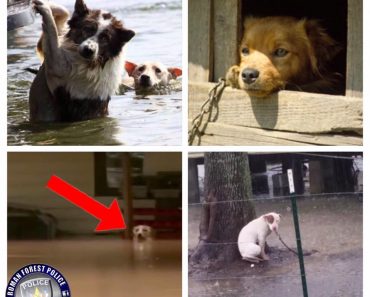
    A police chief in Montgomery County is urging dog owners not to leave pets tied up outside and has confirmed anyone who does will be arrested after witnessing a dog drown who couldn’t escape flooding last year.

    Speaking via Facebook, Roman Forest Police Department’s Chief Stephen Carlisle told residents what he had seen last year and how the dog’s distressed stayed with him saying, “I promise you that I will hold anyone accountable that unlawfully restrains their dog. Dogs are your family members too.”


    Photo Credit: Facebook.com/RomanForestPD

    Dog lovers have taken to the post to share their situations and plans. One dog lover has even offered to take others pets in if they cannot cope.

    The concerned chief also shared the following advice for those currently battling the hurricane in his jurisdiction, reminding them of the law and responsibilities to pets.

    HEALTH AND SAFETY CODE, TITLE 10. HEALTH AND SAFETY OF ANIMALS, CHAPTER 821. TREATMENT AND DISPOSITION OF ANIMALS, SUBCHAPTER A. TREATMENT OF ANIMALS, Sec. 821.077. UNLAWFUL RESTRAINT OF DOG.

    (a) An owner may not leave a dog outside and unattended by use of a restraint that unreasonably limits the dog’s movement:
    (1) between the hours of 10 p.m. and 6 a.m.;
    (2) within 500 feet of the premises of a school; or
    (3) in the case of extreme weather conditions, including conditions in which:
    (A) the actual or effective outdoor temperature is below 32 degrees Fahrenheit;
    (B) a heat advisory has been issued by a local or state authority or jurisdiction; or
    (C) a hurricane, tropical storm, or tornado warning has been issued for the jurisdiction by the National Weather Service.
    (b) In this section, a restraint unreasonably limits a dog’s movement if the restraint:
    (1) uses a collar that is pinch-type, prong-type, or choke-type or that is not properly fitted to the dog;
    (2) is a length shorter than the greater of:
    (A) five times the length of the dog, as measured from the tip of the dog’s nose to the base of the dog’s tail; or
    (B) 10 feet;
    (3) is in an unsafe condition; or
    (4) causes injury to the dog.
    Added by Acts 2007, 80th Leg., R.S., Ch. 674 (H.B. 1411), Sec. 1, eff. September 1, 2007.


  • More Pet Owners Than Ever Claiming on Pet Insurance Policies With £1.8 Million Paid Out Every Day

    More Pet Owners Than Ever Claiming on Pet Insurance Policies With £1.8 Million Paid Out Every Day

    Around 3.9 million dogs and cats are insured in the UK and industry body, Association of British Insurers (ABI) is reporting that 2016 was a record-breaking year with more pet owners than ever claiming on insurance policies, resulting in £706 million in claims being paid out during the year.

    This is the equivalent of £1.8 million per day, with each claim averaging £768 (an increase of 5% year on year).

    New analysis by Direct Line Pet Insurance has given further insight behind the statistics revealing the top five most common conditions dog owners claimed for in 2016.

    Tumours, warts and cysts topped the list with 10,000 pet owners claiming the cost of treatment back. Musculoskeletal disorders, such as sprains and arthritis were the second most commonly filed claims.

    Some believe the increase in claims and costs per claim can be connected to the advancements in technologies for treatments, but with the cost per treatment rising at an average of 5% comparing 2015 to 2016, it can leave pet owners caught short if they are not expecting the bill and don’t have pet insurance to cover.

    Speaking about their findings, Prit Powar, head of Pet Insurance at Direct Line said: “It is comforting to think that vets can now do more to help our pets make a speedier recovery, although it is no secret that vet bills are on the increase. The data from 2016 highlights the true costs to treat certain conditions, however, the final total average cost is not confined to just one year.

    “In some cases, treatment might be needed again for re-occurring issues, taking dogs way over a year to return to full health. Consequently, this means by the end of the treatment, the total cost can be very expensive and in some cases over £7,000. It is more important than ever that owners insure their pets so they can receive the best possible treatment and get the care they deserve.”

  • Can You Help? London Animal Rescue Appeals After Ambulance Stolen

    Can You Help? London Animal Rescue Appeals After Ambulance Stolen

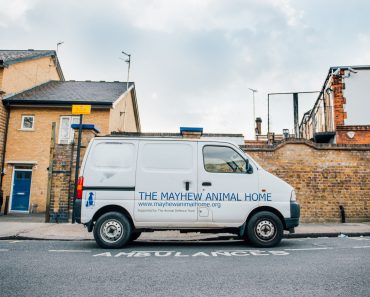
    Mayhew, one of the UK’s oldest animal charity’s, is appealing for help after its animal ambulance was stolen on 8th July in Hampstead, London.

    Without the ambulance, the organisation is struggling to help as many injured animals in need. The charity now feels their chances for a safe return of the ambulance, which is vital to their work for transporting hundreds of sick and injured animals, is slim and so are appealing for help.

    Mayhew would like their new ambulance to be bigger, safer and completely electric for environmental reasons and also to help the organisation save money as a result of being exempt from various road taxes and London’s congestion charges.


    Mayhew CEO, Caroline Yates, said: “Our Mayhew ambulances have been on the road helping thousands of animals since 1925. They are vital to our work and having one of them stolen is having a huge impact on the number of animals we’re able to rescue. We desperately need to raise enough funds for a replacement, so anything anyone could donate would be very much appreciated.”

    If you can help, visit the charity’s JustGiving Page –https://www.justgiving.com/campaigns/charity/mahome/van      

  • Brits Spend Big on Holidays for Pets

    Brits Spend Big on Holidays for Pets

    New research claims more than £3 billion is spent on care for pets while owners are on holiday.

    The findings have been released by Direct Line Pet Insurance who say dog owners spent nearly double on costs compared to cat owners, with costs averaging at over £250.

    The insurer says if you live in London you’ll pay more than £200 per week for peace of mind, with Manchester dog owners paying almost half of what London dog owners will.

    This could be one of the reasons that the British ‘air BnB for pets’, Pawshake.co.uk has discovered more pet owners are opting for staycations.

    Of those surveyed by the website, 8 in 10 pet owners say they miss their pets most when on holiday, compared to partners and parents.

  • Westminster Rally to Protest Against Breed Specific Legislation

    Dog lovers and campaigners are uniting this month as part of a co-ordinated campaign in a global day of protest against Breed Specific Legislation (BSL) which sees dogs lose lives and homes because of how they look rather than act.

    Peaceful protests have been organised around the world for July 2017 with the UK event taking place on the 15th July at Old Palace Yard, Westminster, SW1P 3JY at 1pm to 5pm. Another UK event has been organised for Coventry, West Midlands.

    Ottowa, Winnipeg, Ontario, Halifax, Montreal, Toronto, Barrie, Truro, Nova Scotia in Canada and Germany have planned anti-BSL events for the 15th July as part of the Global Anti-BSL movement.

    The London event is organised by DDA Watch, the UK introduced breed specific legislation in 1991. Campaigners say the law continues to cost millions of pounds in taxpayers money to enforce and does nothing to protect people nor dogs alike, neither does it promote responsible dog ownership.

    Thousands of pets continue to be put to death or deemed ‘dangerous’ based on their physical appearance, the law makes no sense and is long overdue for repeal.

    Leading animal welfare charities have disagreed with and openly discredited BSL for many years, outlining the fact that dogs cannot be labelled ‘dangerous’ for their looks alone and they have called for an end to this outdated legislation.

    There will be leaflets regarding BSL handed out on the day, plus a petition to sign, tributes made in memory of those lost and photographs.

    People are coming together, making a stand and speaking out in defence of ALL dogs regardless of what shape or size they happen to be.

    Find out more about attending the London event here: https://www.facebook.com/events/181723342359636/

  • TV’s Jenni Falconer Teams Up with Pet Parasite Action Campaign

    TV presenter Jenni Falconer has backed a campaign supported by veterinary practices across the UK to raise awareness to the dangers of parasites, such as fleas and ticks which pose a heightened risk to pets and their owners throughout the summer months.

    Speaking about her involvement in the campaign Jenni says, “As a dog owner and a mum I want to be sure I do the best thing for my pet and my family. During the Pet Parasite Action campaign I’m encouraging all pet owners to visit their vet for a simple way to help protect their pet against parasites inside and out, including those that might be harmful to rest of the family. Let’s act now to protect all the members of our family, furry or otherwise.”

    Pets love unconditionally, one of the reasons we love them

    After conducting a nationwide survey of over 1000 dog owners, Pet Parasite Action says the findings confirm that dogs are important members of the family and most owners say that losing their pet would be devastating.

    Pet owners say the most important reason for owning a pet is to keep active but other reasons, such as non-judgemental love and an ability to give comfort, are highly important.

    The campaign’s survey also discovered that 8 in 10 pet owners happily hug our dogs and the majority let their dog sleep on their bed, sit on their sofa or lap, lick their faces and give them kisses.

    But 28 per cent said they have found parasites on carpets, 26 per cent have spotted a parasite on themselves and a shocking four per cent have even found one on their child. Despite this, over a third of people say they never think about the parasites their pet might be hosting when they hug them.

    Lungworm worries most pet owners, Pet Parasite Action campaign says

    When it comes to pet parasites, the campaign says most dog owners don’t have an accurate view of which are the most risky to them or their family.

    It’s lungworm that worries owners most with 74% saying it is the pet parasite they are most concerned about, with the only exceptions being the North East where fleas were the most concerning parasite and Scotland where ticks were of equal concern.
    The campaign’s pet experts tell us, “While 82% of dog owners are able to correctly identify that lungworm could be fatal to their pets, 43% say they think dog lungworm is the parasite that poses the greatest risk to human health, when actually it’s harmless to people.

    “Furthermore, despite concern about its effects, 23% say that they don’t know when their pet was last treated for lungworm. This is worrying because cases of this deadly parasite are increasing, and spreading throughout the country into previously unaffected areas.”

    Did you know ticks can transmit diseases affection people and dogs?

    According to the survey, just 48% realise that ticks can cause fatalities in dogs because they can transmit diseases such as babesiosis. Only 28% recognise that ticks (as a transmitter of Lyme disease in people) are a risk to human health.

    Ticks should be a concern to pet owners because the threat from this parasite to pets and people is growing: in recent years there has been an increase in tick numbers across the UK due to changing weather patterns and an increasing population of deer, which host ticks.

    The least worried about parasite is probably one of the most concerning, campaign says

    Pet Parasite Action say 15% of dog owners are most worried about roundworms and a mere 7% correctly say they think it could threaten human health. Yet, if accidentally eaten, eggs from the roundworm Toxocara pose a significant threat to human health, potentially causing blindness or neurological disease – especially in children.

    One in four people don’t realise that their pet could have parasites but they might not be visible, as is often the case with lungworms, hard to find ticks and microscopic roundworm eggs.

    Around 1 in 6 say that it’s been about a year since they last treated their pet for ticks, lungworm or roundworms.

    The benefits of pet ownership are considerable and pet owners do not need to be alarmed. They just need to be aware of the risks of parasites and the fact that simple, regular treatment will help to reduce these risks for all.

    Find out if your local veterinary practice is taking part in the Pet Parasite Action campaign here >> www.petparasiteaction.co.uk