Category: Dog News

The latest dog news from around the world

  • Pit Bull ‘Expert’ Who Wrongly Identified Death Row Dog is Overruled in ‘Minutes’

    Pit Bull ‘Expert’ Who Wrongly Identified Death Row Dog is Overruled in ‘Minutes’

    A key witness who described a friendly, family dog as a pit bull type has been overruled by a judge.

    Magistrates ordered the death of the pet dog, named Ice, in March of this year. She was kept in police kennels – at tax payer’s expense –  pending an appeal to the court.

    Barrister Ian Graham, resisting the appeal in Plymouth Crown Court, said that the temperament of the dog was not in question.

    So-called pit bull expert Peter Tallack accepted that Ice was not a purebred dog but wrongly claimed she was a pit bull terrier type.

    He said: “The physical characteristics of these dogs make them enormously powerful, far more powerful than a normal dog. In the wrong circumstances it is that potential which causes the problem.”

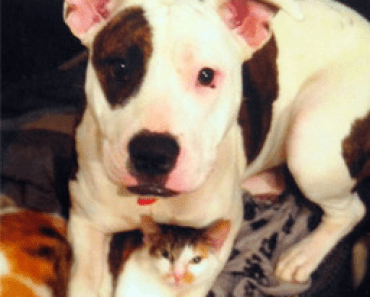
    Just for your visual reference, here is a picture of the ‘abnormally strong’ and ‘enormously powerful’ Ice.

    A judge, sitting with two magistrates, disagreed with Tallack and ruled that Ice is not a pit bull type.

    The appeal against the destruction order was upheld and Ice is all set to be returned to her family following a lengthy stay at a police kennels.

    Ice is one of the lucky ones, that is assuming she hasn’t suffered long term psychological trauma as a result of being snatched from her family and kept in police kennels (where dogs often die waiting for their trial date and where they can not be seen or comforted by their family). How many dogs have been killed as a result of erroneous testimony from so-called ‘expert’ witnesses who dedicate their time trying to have dogs put to sleep on the basis of what they look like rather than what they’ve done?

    Mr Barton, Ice’s owner, speaking after the case, said: “We are really happy. It has been a very long time. She has a lovely nature, she is a real family dog.

    “She grew up with my daughter, Hope, who is now aged three. We have had to tell her that she has been in hospital with a sore leg.

    Defence expert Kendal Shepherd listed 68 characteristics of the pit bull type. She said that Ice only conformed to 45 per cent of the traits.

    Dr Shepherd said she believed that dog more closely conformed to an English and Staffordshire Bull Terrier cross.

    Judge Paul Darlow, sitting with two magistrates, took only minutes to grant the appeal following hours of complex technical and legal argument, again at tax payer’s expense.

    UK: Do You Know What a Pit Bull Is?

    One of the more misunderstood breed types in the United Kingdom, the Pit Bull is on the banned breeds list in accordance with the 1991 Dangerous Dogs Act. But the question is, do you know what one is, what they look like or anything about them other than the media hype?

    What Is a Pit bull in the UK?

    The use of the term “pit bull” is one that over the last 18 months has become increasingly commonplace yet many people will freely use the term without knowing exactly what it is that they are referring too. So what exactly is a “pit bull” in the United Kingdom in 2008?

    Breed or type?

    First and foremost in the UK it is illegal to own any dog that is a type of dog known as a”pit bull type”. The breed American Pit Bull Terrier has never been recognised here so by the Government so, instead of banning a breed that they didn’t believe existed, they banned all dogs that looked like them. They attempted to ban a type of dog.

    Definition

    When the first cases of dogs charged with being illegal pit bull terriers went before the courts a huge problem became apparent. The courts had to decide, beyond reasonable doubt, that a dog was indeed a dog that fitted the “type”. Several Home Office Circulars followed issuing advice but it was decided by the High court in 1993 that a dog was a “type known as a pit bull terrier” if it had a substantial number of characteristics of an American Pit Bull Terrier. In order to decide this they need to know what an American Pit bull Terrier should look like. It was then decided in 1993 to use the breed standard as drawn up by the American Dog Breeders Association at that time. In recent years the ADBA have changed the standard a number of times however the first standard is the one referred to in UK courts today. The High Court also stated that a dog could be of the “type known as the pit bull terrier” regardless of its parentage and that behaviour was relevant but not conclusive.

    Identification

    Under Section One of the DDA a dog becomes a pit bull type if it has a substantial number or most of the characteristics of an American Pit Bull Terrier as described by the ADBA standard. Substantial or most is normally a dog that scores more than 60 percent. Once an accusation has been made it is up to the defence to prove otherwise, not the prosecution to prove the dog is a pit bull type. The standard sets out 100 points to consider when looking at the perfect APBT. Out of those 100 points only 10 points can be given in respect of the dogs attitude/behaviour. The way a dog is scored falls down to interpretation. For example a number of points can be given for a dog with a muscular build.

    Any dog is capable of having a muscular build of varying degrees and each person will have a different idea on how well muscled a dog is therefore leaving several people giving different scores on the same dog. The standard also suggests the tail should rest at the hock however some will give points for a tail that rests just above or below. There is also a lot of debate over various points of the standard and how it is to be interpreted.

    As all dogs, even litter mates are never identical one dog may score more or less than its sibling. This often leads to dogs with the same parentage being split into “pit bull type” and not “pit bull type” Sometimes simply by being a little taller, having a slightly shorter muzzle and a tail being a little too long can make the distinction between illegal or legal.

    Other breeds or cross breeds can and have been, deemed pit bull type. When looking at any dog stated as being another breed, it often falls to which standard scores the most points. If a Stafford for example doesn’t fit the Kennel Club breed standard for a Stafford quite as well as it does the ADBA standard for an APBT then its quite possible a court will find the dog to be pit bull type.

    In the court.

    Court is often a bizarre experience for an onlooker. Expert witness’s will take the stand in hearings that often take two or more days to hear fully and discuss each point in turn. The very serious topic of dangerous dogs is stripped down to the bare bones, quite literally. The experts will state whether in their opinion the shape of the eyes is correct, whether the coat is a single coat or not. They will argue over whether a tail is pump handled when relaxed.

    They will all produce pictures to try and prove their point. Interpretation of each point will be argued. The dog will be weighed and measured and all will be noted and scored. The Judge will then have to decide if the defence have proved beyond reasonable doubt that the dog isn’t a prohibited type. It is not up to the prosecution in Section One cases, to prove the dog is a pit bull type to obtain a guilty verdict.

    So there we have it. That’s what a pit bull type aka “dangerous dog” is in the UK legal system today. Its any dog that a judge believes scores enough points, mainly in conformation, on a breed standard that is no longer used in that exact form as a standard for that breed.

  • Dogs Reduce Asthma Risk in Children [New Study]

    Dogs Reduce Asthma Risk in Children [New Study]

    A family dog can reduce a child’s asthma risk by as much as 15% according to a comprehensive new study.

    The results support the so-called “hygiene hypothesis” that supposes people who live in ‘too clean’ conditions are more likely to have a higher risk of allergies.

    The data of 1 million children born in Sweden between 2001 and 2010 was analysed. Sweden is important for this study as it’s a country where both dog and farm animals must be registered by law

    The findings reveal that children’s exposure to dogs in the first year of their life was associated with a 15% lower incidence of childhood asthma. Farm animal exposure produced even greater results, lowering the asthma risk by as much as a staggering 52%.

    Dr Tove Fall, the study’s lead scientist from Uppsala University in Sweden, said: “Earlier studies have shown that growing up on a farm reduces a child’s risk of asthma to about half.

    “We wanted to see if this relationship was true also for children growing up with dogs in their homes. Our results confirmed the farming effect and we also saw that children who grew up with dogs had about 15% less asthma than children without dogs.

    “Because we had access to such a large and detailed data set, we could account for confounding factors such as asthma in parents, area of residence and socio-economic status.”

    Profess Catarina Almqvist Malmros who co-authored the study said: “These kind of epidemiological studies look for associations in large populations but do not provide answers on whether and how animals could protect children from developing asthma.

    “We know that children with established allergy to cats or dogs should avoid them, but our results also indicate that children who grow up with dogs have reduced risks of asthma later in life.

    “Thanks to the population-based design, our results are generalisable to the Swedish population and probably also to other European populations with similar culture regarding pet ownership and farming.”

  • World’s Favourite Skateboarding Dog Passes Away

    World’s Favourite Skateboarding Dog Passes Away

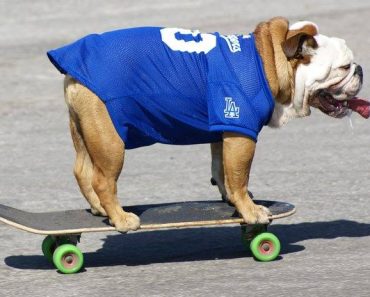
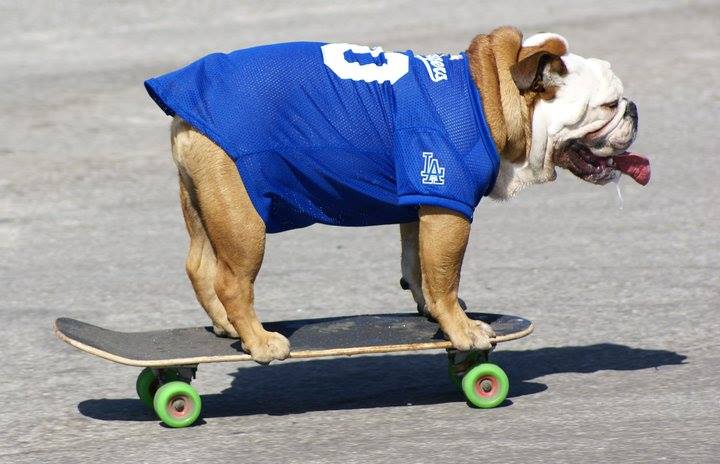
    Tillman, the world’s most watched and beloved Bulldog has passed away. He leaves behind him a legacy of skateboarding dogs and a huge fan base who will miss him.

    Tillman
    Photo Credit: Facebook.com/TillmanSkates

    His owner made the announcement on his official Facebook page saying: “I’m sorry to announce the world lost a true legend… My best bud Tillman passed away last night, of natural causes. We spent 10 years making so many incredible memories skating, surfing and hanging out together. No words can truly describe how much he’ll be missed. Thanks for all the good times, Tilly.”

    Here’s one of our favourite clips of this special dog:

  • New Research Outlines Devastating Health Risks to Number of Popular Dog Breeds

    New Research Outlines Devastating Health Risks to Number of Popular Dog Breeds

    Research shows high risk of breathing problems in dogs with short muzzles

    Findings highlight that snuffling, grunting and snorting in popular breeds isn’t normal or healthy

    Researchers at the Royal Veterinary College (RVC) have recently demonstrated the health risks of breeding dogs with short muzzles. Although short muzzles are an increasingly popular face shape in pet dogs, flattened faces were found to greatly increase the risk of developing a debilitating, lifelong respiratory condition leaving dogs chronically short of breath. Breeds shown to be at high risk include the Pug, French Bulldog and English Bulldog, but findings are relevant to all dogs, including many other breeds and cross-breeds, with shortened muzzles.

    Brachycephalic Obstructive Airway Syndrome (BOAS) is caused by shortening of the bones of the canine muzzle, without an equivalent reduction in the soft tissues held within them, causing the tissue to become ‘crammed’ within the skull. This tissue can block the airway, and is often accompanied by narrowed nostrils, making it difficult for air to pass through the dog’s nose. These blockages can mean dogs struggle to breathe, leaving them unable to exercise, play or eat normally, and in some cases they overheat and collapse. BOAS can even cause early death. Dogs with BOAS often snore even while awake, when the soft tissue noisily vibrates as dogs force air past the blockages.

    The research, which was co-funded by Dogs Trust, the UK’s largest dog welfare charity, and the Universities Federation for Animal Welfare (UFAW), involved two studies including over 850 dogs of over 100 breeds.  The findings were reported in a paper by Drs Rowena Packer, Anke Hendricks, Michael Tivers and Charlotte Burn and published in the journal PLOS ONE yesterday [Wednesday 28th October].  The researchers found that as muzzle length becomes shorter, risk of BOAS becomes ever higher, with over 90% of dogs being affected at the shortest extreme. This quality-of-life limiting disorder was only seen in dogs whose muzzles were less than half the length of the domed part of the skull. Obesity and thicker necks also increased BOAS risk.

    Puppy buyers should be aware of the health consequences of choosing dogs based on appearance. Practical steps to take when buying a dog of a high-risk breed include selecting puppies from parents with longer muzzles and slimmer necks, and ensuring their dog stays at a healthy body weight.

    Flattened facial conformation has long been suspected by vets as risk factor for BOAS and this research showed for the first time that decreasing muzzle length does indeed increase BOAS risk. With this is mind, breeding organisations should actively discourage exaggeration of this high-risk skull shape in both breed standards and the show ring. This could include imposing limits to how short a dogs muzzle can be, in order to improve dog welfare.

    Veterinary Director for the Dogs Trust, Paula Boyden, explains the importance of this research;

    “The increased popularity of Pugs, French and English Bulldogs hasn’t been coupled with an increased awareness about the health issues these breeds can suffer from. Too many people mistakenly believe that the grunting, snuffling and wheezing sounds these breeds often make are endearing breed traits, rather than warnings of a debilitating health condition. Dogs Trust urges owners to be vigilant for the signs their dog might be suffering with BOAS and take their pet to the vet for advice if they have concerns. The condition cannot be cured but can be improved and there may be things that can be done to provide a better a quality of life for affected dogs.

    Although the research demonstrates the need for UK breeders to be aware of the risks of breeding for shorter muzzles, there is an equally pressing need for buyers to be aware of BOAS. There has been a surge in the number of high risk breeds being bred and illegally imported from Eastern Europe in the last few years. Breeders prepared to smuggle these underage puppies into the UK are rarely concerned with good breeding practices so it is essential that buyers wanting a Pug, French Bulldog or English Bulldog puppy look beyond appealing appearances and listen for the audible signs of BOAS.”

    Signs to look out for that your dog might be suffering from BOAS that should be discussed with your vet:
    1.    Frequent or lasting shortness of breath
    2.    Difficulties in exercising [walking, running and playing] as a result of this shortness of breath
    3.    A tendency to overheat
    4.    Respiratory noises such as snorting and snoring, even when awake
    5.    Laboured or exaggerated breathing
    6.    Narrow slit-like nostrils

    If you do have a dog at risk of the condition make sure they maintain a healthy weight because obesity can worsen BOAS.

    UFAW, an independent charity which promotes advances in animal welfare through scientific and educational activities, has an extensive web-based information resource on genetic welfare problems in dogs and other companion animals which can be viewed at www.ufaw.org.uk/geneticwelfareproblems.php

  • 17-Month Whippet Downs Ecstasy Tablets While Walking With Elderly Owner

    17-Month Whippet Downs Ecstasy Tablets While Walking With Elderly Owner

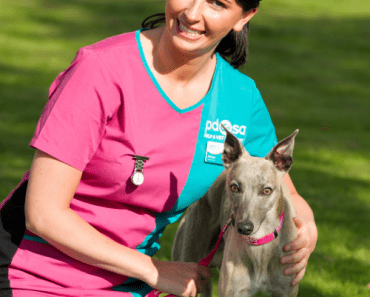
    PDSA vets today warned pet owners to be vigilant after a whippet nearly died from eating Ecstasy tablets while walking with his elderly owner.

    17-month-old Blue, from Bradford, was enjoying a walk with his owner, who wishes to remain anonymous, when he sniffed something out and gobbled up the contents.

    His owner rushed over to investigate and was horrified to discover Blue was eating small blue heart-shaped tablets from a plastic bag. Worried that another dog or even a child may come across them, the owner took Blue and the tablets home.

    Before long, Blue became unsteady on his feet and started foaming at the mouth.

    PDSA was called immediately for advice and Blue was rushed to the charity’s Pet Hospital in Bradford.

    PDSA Head Nurse Miriam Wilson explained: “When Blue arrived, his condition was critical. He’d collapsed and the toxins were causing organ failure. He was admitted and life-saving treatment was started straight away. He was put on an IV drip and received activated charcoal to absorb the toxins. Without the treatment, he would not have survived the night.”

    The PDSA vet team monitored Blue overnight, and thankfully, he went on to make a full recovery and is now back to his lively self.

    The incident was reported to the police, who came and collected the drugs and disposed of them safely.

    PDSA Head Nurse Miriam advises owners to speak to their vet immediately for advice if they suspect their pets have eaten something they shouldn’t: “There are lots of hidden dangers around the home and garden, as well as out in the wider world, that our pets may sniff out. If you think they have swallowed something then get it checked at once.”

  • Are Pugs the UK’s Favourite Dog Breed?

    With two books currently hitting the UK shelves about the lovable Labrador written by TV presenter Ben Fogle and dog behaviourist, Pippa Mattinson, you might be surprised to hear that it seems Pugs top the charts as the most sought after pet says online marketplace, eBay.co.uk.

    With celebs including Gerard Butler, Kelly Brook and Paris Hilton stepping out with the pint sized pet once beloved by Queen Victoria, the online marketplace has seen more than 300 pug related products sold every day on site, that is 13 every hour – with listings covering everything from a £1,400 pug painting to a ‘Beware of the Pug’ sign that could be yours for as little as 99p.

    labrador photo

    Meanwhile, the loyal Labrador, trots in second on the doggy ranking, selling 91 Lab related products a day with live listings including a £300 tablecloth and the bijoux sized French Bulldog breed, closely related to the champion Pugs, make third place having sold just 4,300 products in the last three months. The German Shepherd and beloved Staffie come in fourth and fifth respectively.

    So what do you think? What makes these five breeds so special? Share your comments below and let us know if you are an owner of the UK’s top 5 dog breeds according to the online marketplace.

  • England Rugby Player Tom Croft Fills in for Leicestershire Dog Groomer as Part of #BleedforEngland Campaign

    England Rugby Player Tom Croft Fills in for Leicestershire Dog Groomer as Part of #BleedforEngland Campaign

    During the rugby season, top-flight professional rugby players would be unlikely to donate blood themselves due to their strict training and match commitments. So as part of a campaign launched by NHS Blood and Transplant, a dog grooming salon, Grr’s 2 Purr in Market Harborough, is taking part in a series of ‘Blood Substitute’ films for the #BleedForEngland campaign.

    The #BleedForEngland campaign is supported by a number of current and ex-international rugby players and aims to drive sign up of 100,000 new blood donors between 15 August and 31 October 2015.

    The ‘Blood Substitute’ films feature rugby players covering staff shifts to free up an hour of an employees’ time so they can go and give blood – they are their ‘Blood Substitutes’ – inspiring others to sign up and book appointments to #BleedForEngland.

    England player and Leicester Tigers rugby star, Tom Croft, recently stepped in as the salon’s co-owner, Frances Cheshire’s ‘Blood Substitute’. He took over some of her roles such as brushing and washing the dogs while she volunteered to give blood for the first time at the Leicester Donor Centre.


    Jon Latham, Assistant Director at NHS Blood and Transplant, says: “It’s been great to have the support of Tom Croft and past and present rugby players for this campaign. Tom wasn’t able to donate blood this time but we hope Fran, the Grr’s 2 Purr’s co-owner he substituted for, will inspire others to join the #BleedForEngland squad.

    “Become one of the 100,000 people we are aiming to register as donors in the run up to, and during, the world’s biggest rugby tournament. Giving blood is an amazing thing to do. Help us meet the need for new donors. Please go to www.blood.co.uk today, find out if you can donate, register as a donor and book an appointment. Giving blood is simple and easy to do and will only take about an hour of your time. We plan our sessions in line with the amount of blood we need to collect to meet hospital and patient needs so it’s best to book an appointment.”

    NHS Blood and Transplant is calling on 100,000 new volunteers to show their support in a way that really matters; by registering to become a blood donor between 15 August and 31 October 2015. By choosing to book an appointment to donate – and literally #BleedForEngland – these new registrants will contribute to the more than 200,000 new donors needed this year.

  • 7 in 10 Deaf People with Hearing Dogs Refused Access on the UK High Street

    7 in 10 Deaf People with Hearing Dogs Refused Access on the UK High Street

    A recent survey, conducted by national charity Hearing Dogs for Deaf People, has revealed that 70% of deaf people with hearing dogs have been refused access to services.

    The charity has launched a new campaign to raise awareness among businesses of their obligation, under the Equality Act 2010, to allow disabled people with hearing dogs into their premises.

    Feedback showed that business owners have wrongly refused access to deaf people with hearing dogs due to ‘hygiene reasons’ or a concern that the dog may cause a disruption. However, the Chartered Institute of Environmental Health states that risk of an assistance dog posing a hygiene risk or behaving badly in any public space is very minimal.

    Michele Jennings, Chief Executive of Hearing Dogs for Deaf People said: “Hundreds of deaf people in the UK rely on their hearing dog to help them every day, and it’s upsetting and degrading when they are turned away from a business.

    “Not only do hearing dogs carry out a wide range of practical tasks, but they also provide a deaf person with the support and confidence needed to live an independent life.

    “The Equality Act 2010 states that service providers must not treat people with disabilities less favourably if they have an assistance dog, so we want to ensure that all businesses are aware of this.”

    Hearing dogs complete a rigorous 18 month training programme, in which they are trained to toilet on command, lie quietly on the floor in a restaurant or café, and taught not to wander freely around the premises.

    Catherine Broughton, pictured above, aged 74 with hearing dog Beni, is one of the charity’s recipients who has been denied access to a business on a number of occasions. She said:

    “Being denied access with Beni brings a mixture of emotions – from shock, disbelief and panic, through to humiliation and helplessness. It is imperative that the quality of life of disabled people with assistance dogs is protected through inclusion and accessibility.

    “Occasionally, when I have been turned away from a business, I have been forced to appeal to a higher level of management. This usually brings forth a belated apology, but sadly, there are still some places that I cannot bring myself to revisit.”

    Businesses and assistance dog users can be found on the Hearing Dogs website: hearingdogs.org.uk/access

  • London Artist & His Dog Get Commuters Talking About World Homeless Day

    London artist John Dolan lived on the streets for more than 20 years before being discovered by a gallery owner, and is now one of East London’s most  prominent artists with sell-out exhibitions and pieces going for six figure sums.

    To raise awareness for charity StreetLink and World Homeless Day 2015, he took to the street with his dog to encourage passers by and commuters to take part in a giant mural.

    Watch the event unfold in the video below.

  • Ben Fogle Regrets Not Quitting BBC Crufts Coverage

    Ben Fogle Regrets Not Quitting BBC Crufts Coverage

    Ben Fogle, the TV presenter and adventurer has revealed his regrets at not quitting in his role as Crufts TV anchor in protest over the widespread concern over animal welfare problems associated with the event.

    The presenter, son of vet and author Bruce Fogle, says he had reservations about the event but continued to present the show for two years, but that he had supported the BBC in its decision to stop broadcasting Crufts after the furore caused by the documentary Pedigree Dogs Exposed, which brought many serious ethical and welfare concerns in to the mainstream.

    “In retrospect I probably should have stopped it sooner because I also don’t think that dogs should be bred for pure show,” he explained to the Cheltenham Literature Festival.

    “In some ways I regret that I didn’t make that decision myself, I waited for other people at the BBC to make that decision for me.”

    Fogle explained that he had also discussed with his father the ethical connotations of taking the job in the first place.

    “Before I took that job I asked dad what he thought and he highlighted these issues about dogs being bred for aesthetics rather than health,” he said.

    “Dad and I have had many chats about this over the years because I also have my reservations now. ”

    He emphasised that he felt it was a “great decision” for the BBC to abandon its Crufts coverage following the corporations own investigation in to the show’s impact on the health of many pedigree dogs.

    The Cast Away star added: “There are many breeders that really do care about their dogs but there are some of them don’t.

    “There are dogs that literally live in cages going from show to show to show.

    “Those are big American dog winners who literally live in cages and go back and forth across America. ”

  • Justice for Gizmo, Alfie & Finn – A Shocking Case of Dog Trainer Abuse?

    This week we received a communication from the Justice for Gizmo, Alfie & Finn team. Their appeal, below, outlines some truly shocking allegations against a trainer and kennel owner. At the end of this statement is a PDF you can download which contains further information on allegations levelled against Lawrence Moran of Total Dogs Ltd. Be warned, this document contains upsetting images.

    Justice for Gizmo, Alfie & Finn: Statement

    As part of the ongoing campaign to get justice for the dogs killed, lost and injured while under the care of Lawrence Moran at Total Dogs Ltd, there will be another protest taking place at his property.

    Background

    In August 2015 Gizmo, a male Shih Tzu who was staying at Total Dogs Ltd was reported missing by Moran but after a month long search it was discovered that Gizmo was actually mauled to death and was never missing. Moran had tried to cover up his death by disposing of his body and concocting a story that he had ran away. Also in August, Finn a healthy 3 year old Chihuahua allegedly died of a heart attack whilst staying with Moran at his boarding kennels. Finn’s body has never been recovered. In March 2014 Alfie, a male Yorkshire Terrier was staying with Moran when he told his owner’s that he had ran away. Alfie has never been seen again and Moran has since admitted to his death but will not disclose how he died or say where his body is. Since the plight of these 3 dogs has come to light there have now been over 30 reported cases of neglect or abuse suffered to dogs at the hands of Lawrence Moran.  Please find attached a list of allegations. This list is still ongoing with people coming forward to share their stories every week.

    Lawrence Moran is clearly a danger to any animal in his care, the evidence against him and the lies he has told are overwhelming. We want answers, what really happened to Gizmo, Alife and Finn and where are their bodies!? Why are the council still letting Lawrence Moran board dogs at his property!?

    He does not have a dog boarding licence and there have been ongoing planning concerns for his boarding facilities at his current property, yet he is still trading!

    http://www.liverpoolecho.co.uk/news/liverpool-news/netherton-kennel-owner-ordered-close-10037753

    We would urge the council to act immediately so that no more dogs suffer at hands of Lawrence Moran.

    We have set up an online petition calling for the RSPCA to ban Lawrence Moran from owning and working with animals, this has now reached over 15,731 signatures.

    https://www.change.org/p/rspca-ban-lawrence-moran-of-total-dogs-ltd-from-owning-and-working-with-animals

    We have also set up a Facebook page calling for Justice for Alife, Gizmo and Finn, the three dogs who went into Lawrence Moran’s care and sadly never returned to their owners.

    https://www.facebook.com/groups/1470187679954229/

    If you require any further information please reply to this email address.

    Please note that the full names and contact details of the owners will be available upon request.

    Please help us to get justice and prevent any more dogs from suffering.

    Many Thanks,
    Justice for Gizmo, Alfie and Finn

    Download Allegations List (warning: contains upsetting images)

  • Experts Warn Central Heating Could Trigger Increased Risk of Parasites at Home

    As the central heating dial is turned up across the UK, experts are warning pet owners about the increased risk of fleas in warm households.

    New research carried out by Bayer Animal Health for its ‘Home Invaders’ campaign, has shown that a third of pet owners are unaware that switching on the heating in the autumn and winter months can present an ideal breeding ground for fleas and where a flea infestation occurs, warm conditions can lead to flea pupae hatching in the home.

    Parasitologist Ian Wright from the European Scientific Counsel Companion Animal Parasites (ESCCAP) UK and Ireland says: “As long as the humidity remains over 75 per cent and temperatures don’t exceed 30°C then for fleas, the warmer the better. Fleas can complete their life cycle in less than 3 weeks at 29 °C so the warmer the house is, the faster they will reproduce up to that point. It should also be said, that fleas can still breed at 17 °C, just at a slower rate.”

    According to the research, more than a third of pet owners turn up their heating in the autumn and winter months to between 21°C and 25°C, providing an optimum temperature for fleas to breed in. The study also revealed that one in 10 pet owners have noticed fleas on their pet and in the house during autumn and winter months, indicating they are not seeking preventative treatment at this key time of year.

    dog photo

    It is estimated that 95 per cent of the flea population in a home can be found within carpets and soft furnishings, which is perhaps no surprise when almost half of owners admit sharing a bed with their pet and three quarters allow their cats to sleep on their sofa.

    Furthermore, 27 per cent of pet owners seek parasite treatment advice online before going to their vet and 10 per cent only ever treat their pets when they see fleas. Worryingly, half of pet owners were completely unaware their pet had fleas until they were shown by a vet. Pet owners are reminded that while the web is a useful resource for gaining background information discussing an effective parasite protection plan with your local vet, will allow you to tailor the requirements for you and your pet.

    Paul Manktelow, Veterinary Surgeon, founder of Vital Pet Health and co-presenter of the Home Invaders documentary, says: “There is a high probability your dog or cat will have had fleas or worms at some point in their life but depending on the degree of the infestation you may not have realised how many live hidden away in your home. It is important to speak to your vet about receiving the right preventative treatment to stop these infestations.”

    Richard Wall, Professor of Zoology at Bristol University, says: “Only 1-5 per cent of the flea population is actually represented by the adults on the pet and is really just the tip of the iceberg. The remaining 95 per cent is hidden in the environment. They may be found in a wide variety of locations within the domestic environment, including wooden flooring and car upholstery.”

    Vicky McAlister, Senior Product Manager at Bayer Animal Health, comments: “In order to keep pets and families healthy it’s of vital importance to not only kill the existing parasites, but also prevent the parasite lifecycle from continuing. The best way to prevent fleas and worms from spreading is to use an all year round protection plan.”

    ‘Home Invaders’ is a national campaign which is shining a light on the fleas and intestinal worms that live on our pets and in our homes, and is part of Bayer Animal Health’s wider ‘It’s a Jungle Out There’ parasite protection initiative.

    You can help spread the word and find out if your pet and family could be at risk, by following the conversation at www.facebook.com/jungleforpets or by following ‘JungleForPets’ on Twitter. You can also watch the Home Invaders documentary at www.itsajungle.co.uk.

  • Dog Owners Warned Colder Weather Outdoors Could Trigger Parasite Outbreak at Home

    Dog Owners Warned Colder Weather Outdoors Could Trigger Parasite Outbreak at Home

    Dog owners are being warned by experts that turning the dial on the central heating up to combat the colder weather outdoors could trigger a flea outbreak indoors as the parasite enjoys its warmer surroundings.

    New research carried out by animal health firm, Bayer Animal Health, on behalf of its ‘Home Invaders’ campaign, has revealed that a third of pet owners are unaware that switching on the heating in the autumn and winter months can present an ideal breeding ground for fleas and where a flea infestation occurs, warm conditions can lead to flea pupae hatching in the home.

    Parasitologist Ian Wright from the European Scientific Counsel Companion Animal Parasites (ESCCAP) UK and Ireland says: “As long as the humidity remains over 75 per cent and temperatures don’t exceed 30°C then for fleas, the warmer the better. Fleas can complete their life cycle in less than 3 weeks at 29 °C so the warmer the house is, the faster they will reproduce up to that point. It should also be said, that fleas can still breed at 17 °C, just at a slower rate.”

    According to the research, more than a third of pet owners turn up their heating in the autumn and winter months to between 21°C and 25°C, providing an optimum temperature for fleas to breed in. The study also revealed that one in 10 pet owners have noticed fleas on their pet and in the house during autumn and winter months, indicating they are not seeking preventative treatment at this key time of year.

    It is estimated that 95 per cent of the flea population in a home can be found within carpets and soft furnishings, which is perhaps no surprise when almost half of owners admit sharing a bed with their pet and three quarters allow their cats to sleep on their sofa.

    Furthermore, 27 per cent of pet owners seek parasite treatment advice online before going to their vet and 10 per cent only ever treat their pets when they see fleas. Worryingly, half of pet owners were completely unaware their pet had fleas until they were shown by a vet. Pet owners are reminded that while the web is a useful resource for gaining background information discussing an effective parasite protection plan with your local vet, will allow you to tailor the requirements for you and your pet.

    Dog 8

    Paul Manktelow, Veterinary Surgeon, founder of Vital Pet Health and co-presenter of the Home Invaders documentary, says: “There is a high probability your dog or cat will have had fleas or worms at some point in their life but depending on the degree of the infestation you may not have realised how many live hidden away in your home. It is important to speak to your vet about receiving the right preventative treatment to stop these infestations.”

    Richard Wall, Professor of Zoology at Bristol University, says: “Only 1-5 per cent of the flea population is actually represented by the adults on the pet and is really just the tip of the iceberg. The remaining 95 per cent is hidden in the environment. They may be found in a wide variety of locations within the domestic environment, including wooden flooring and car upholstery.”

    Vicky McAlister, Senior Product Manager at Bayer Animal Health, comments: “In order to keep pets and families healthy it’s of vital importance to not only kill the existing parasites, but also prevent the parasite lifecycle from continuing. The best way to prevent fleas and worms from spreading is to use an all year round protection plan.”

    You can help spread the word and find out if your pet and family could be at risk, by following the conversation at www.facebook.com/jungleforpets or by following‘JungleForPets’ on Twitter. You can also watch the Home Invaders documentary atwww.itsajungle.co.uk.

  • Ricky Gervais Tweet Helped Animal Rescue Raise Three Times as Much Funds to Help Feed Starving Dogs

    British comedian and animal advocate Ricky Gervais has shown his support for many animal welfare campaigns and openly admitted his fans and followers on social media make a real difference sharing his posts, but all the same it’s heartening to read that after a trip to the Emmy’s two social media posts from the man himself have resulted in treble the amount of funds raised to help feed the forgotten and starving animals at the Odai shelter in Romania.

    The fundraising page was set up by K-9 Angels who were alerted of the neglected dogs in the Odai shelter in Romania last week and immediately got to work to raise funds for food, beds, bowls and medical care to help support Paws2rescue on the ground in Romania. It was an amazing team effort and within days a good amount of money raised.

    Ricky Gervais showed his support over social media and shared the K-9 Angels plea to help the dogs of the Odai shelter crisis and his actions dramatically increased the amount of funds raised to help the Odai dogs.

    The Tweet and Facebook post from Ricky Gervais said:

    “OK. That’s The Emmys done. Now back to important stuff. Emergency food & aid for dogs at Odai public shelter, https://www.youcaring.com/the-dogs-of-odai-434412#.VgAqpKXS5_4.twitter… pls RT”

    The tweet received over 600 retweets and took the funds raised from £3,000 to £14,500 which was incredible. Within days the donations had trebled and Ricky, along with the donors, had literally helped to feed 650 dogs. These dogs will need ongoing food sent and as well as sanitiser, beds and medical care.

    K-9 Angels aim to raise a minimum of £30k to purchase food and medical supplies and beds for a whole year.

    As this was a crisis we had to move fast to make sure the first food packages where delivered, said Victoria Eisermann, founder of K-9 Angels, who flew out to Romania to help deliver emergency supplies purchased with the money raised with Ricky Gervais’s help while team K-9 got to work ordering additional supplies. It was all systems go to help the dogs of Odai.

    It was emotional but at the same time uplifting to be able to deliver food to the Odai dogs. Orders have been made for sanitise and beds which will be delivered very soon. Victoria says, “We will continue to raise funds to be able to feed the dogs for a year and hopefully treat some of the dogs medically.”

    Speaking of the power of social media and the cause a spokesperson for K9-Angels said: “A very HUGE THANK YOU to EVERYONE who donated and raised funds to help the Odai dogs and special thanks to Ricky Gervais for sharing our posts which was a MASSIVE help to these dogs! Amazing team work!”

    To help give the dogs of Odai a better future, show your support and donate to the cause. Visit the fundraising page here: https://www.youcaring.com/the-dogs-of-odai-434412

  • Have YOUR Say on Whether Ryanair Should Allow Dogs on Board Flights

    Budget airline Ryanair want to hear from customers about whether dogs should be allowed to fly on board as part of the airline’s “Always Getting Better” initiative which acts on customer feedback.

    Speaking to The Huffington Post UK a representative of the airline said, “This is one of a number of proposals we are looking at under our Always Getting Better programme. “We are open to lots of suggestions and it’s one we are weighing up.”

    airplane photo
    Photo Credit: thejaan

    Comment below with a Yes or No vote on whether you think dogs should be allowed to travel on board Ryanair and have your say. Feel free to include any notes, such as flight length etc and we’ll share your views with the airline.