Blog

  • Vets Now “Extremely Sorry” About Puppy Incident

    Vets Now “Extremely Sorry” About Puppy Incident

    Following the six month suspension of vet, Dr Zahra Tahaneem Rafiq, who admitted serious professional misconduct in the case of removing two puppies from a litter belonging to a client, Vets Now, the national chain of veterinary practices has issued a statement clarifying their own position on the case.

    Dr Laura Playforth, Head of Veterinary Standards at Vets Now said:

    “In December 2017, a dog was brought into our out-of-hours vet clinic in Liverpool to have an emergency Caesarean section. The pet owner took home four puppies. It was subsequently brought to our attention by one of the members of staff on shift that a further two puppies from the litter were taken from the clinic by our staff. One of these puppies was later returned; the other sadly died.

    “We are extremely sorry about what happened, especially to our client and their pets.

    “As soon as we were made aware of the allegations, we acted immediately. We carried out a thorough investigation to establish the cause of the incident; all staff members directly involved were suspended pending investigation, and the two found responsible were subsequently dismissed. We also reported the matter to the police and referred the veterinary surgeons involved to our regulatory body, the RCVS.

    “We have a duty of care to every animal we look after, and the most important thing to us is the welfare of the pets in our care. What I can guarantee is, we will do everything in our power to prevent this from ever happening again.

    “I want to reassure pet owners that this is an isolated incident. We have almost 600 vets and vet nurses working for us up and down the country, working tirelessly to help animals in their greatest time of need. In my 20 years as a vet, I’ve never seen anything like this case.”

  • Vet Who Wrongly Took French Bulldog Puppies Away From Owner is Suspended

    Vet Who Wrongly Took French Bulldog Puppies Away From Owner is Suspended

    The Royal College of Veterinary Surgeons (RCVS) Disciplinary Committee has suspended a London-based veterinary surgeon for six months while finding no misconduct against another in a hearing regarding the taking of two newborn puppies from their owner.

    The hearing for the two respondents – Dr Zahra Tahaneem Rafiq and Mr Oscar Perez Maillo – took place between Monday 29 April to Wednesday 8 May and concerned an incident that took place at the VetsNow Huyton premises in Liverpool. There were two charges against Dr Rafiq. The first charge was that, on 2 or 3 December 2017 shortly after a litter of puppies was delivered by caesarean to a French Bulldog named Lila, she took one of the puppies away from the practice with the intention that it should not be returned to Lila’s owner and that, in doing so, she was dishonest, misleading and had not acted in the best interest of the puppy’s welfare. Another puppy was taken away by an animal care assistant who was also working at Vets Now Huyton on the night in question.

    https://i.imgur.com/mhZw71d.png
    French Bulldog (File Photo)

    The second charge against Dr Rafiq was that she had told her employer at VetsNow that the puppy she had taken from the practice had died in the car when she had been driving home when, in fact, the puppy was alive at that stage and, in telling her employer this, she had been dishonest and misleading.

    There was one charge against Mr Perez which stated that he had made an entry in the clinical records for Lila that she had given birth to just four live puppies when in fact she had six; that he had only discharged four of the six puppies to the owner; that he knew that his colleagues intended to remove or had removed the puppies; that he had failed to prevent the removal of the puppies and had failed to report to a colleague the removal of the puppies. The charge further stated that, in relation to the above, Mr Perez was dishonest, misleading, did not act in the best interests of the puppies’ welfare and failed to keep accurate clinical records.

    At the outset of the hearing, Dr Rafiq admitted in full the charges against her and accepted that she had acted dishonestly. Mr Perez admitted some of the charges against him including that he had made the false clinical record, had discharged four rather than six puppies and had failed to keep accurate clinical records, however he denied any knowledge of the intention to remove puppies and denied that his conduct had been misleading or dishonest.

    The Committee was not satisfied, on the basis of the evidence presented to it, that Mr Perez knew at the time of surgery that his colleagues intended to remove the puppies and, furthermore, also considered that there was insufficient evidence to the required standard that he subsequently became aware of their removal. As a result, the Committee also did not find that he, could have prevented their removal or reported the matter to a colleague. The Committee did however find that his actions were unintentionally misleading regarding the clinical records and the discharge of the incorrect number of puppies. The Committee also found proved against Dr Rafiq, all the charges against her.

    Having considered the facts, the Committee then moved on to consider whether the admitted and/or proven charges against Dr Rafiq and Mr Perez amounted to serious professional misconduct. In respect of Mr Perez, the Committee was critical of his failure to keep accurate clinical records and considered that it was his duty to know how many puppies were born and to record accurately this number. However, while the Committee concluded that Mr Perez’s conduct fell below the expected professional standards of a veterinary surgeon, it did not fall so short as to constitute serious professional misconduct. As a result, no further action was taken against Mr Perez.

    In regard to Dr Rafiq, the Committee recognised her admission at the outset that her actions constituted serious professional misconduct and it noted her expression of remorse. The Committee did however have concerns regarding the evidence she gave as to her actions being motivated by animal welfare concerns. The Committee felt that such concerns should have been raised with colleagues and it found that Dr Rafiq had acted recklessly and had been dishonest both with the owner and with her colleagues. The Committee therefore concluded that her conduct fell so far short of what would be expected of a veterinary surgeon that it constituted serious professional misconduct.

    The Committee then went on to consider the sanction against Dr Rafiq, taking into account aggravating and mitigating factors. The aggravating factors included a risk of injury to the puppies, an abuse of the client’s trust, sustained misconduct as the puppy was retained by Dr Rafiq from 2/3 December until its actual death on the night of 5 December, that the dishonesty was sustained until 7 December and that she had only demonstrated limited insight in respect of her wider professional responsibilities.

    In mitigation, the Committee considered that her actions involved no financial gain, that it was a single and isolated incident, that she had no previous adverse findings, that she had demonstrated genuine remorse and that she had made admissions at an early stage. Dr Rafiq, who was unrepresented during the hearing, also submitted evidence in mitigation including testimonials from colleagues and clients, her youth and inexperience at the time, and her remorse, among other things.

    In deciding the sanction Ian Arundale, who chaired the Committee and spoke on its behalf, said: “The Committee concluded that Dr Rafiq was a competent veterinary surgeon who was very unlikely to pose a risk to animals in the future. However, it considered the reputation of the profession and the need to uphold standards was an important consideration that outweighed the hardship which would be suffered by Dr Rafiq by not being able to practise in her chosen profession. It considered that Dr Rafiq would be fit to return to the profession after a period of suspension.

    “It therefore determined that, notwithstanding the nature and extent of the dishonesty in this case, a suspension order was a sufficiently severe sanction to maintain the reputation of the profession and to meet the wider public interest. It took into consideration the overall dishonesty, including that Dr Rafiq had been dishonest when first confronted about these matters, when deciding on the length of any suspension.

    “The Committee considered the sanction of suspension was proportionate in the circumstances of this case where there was supporting evidence that Dr Rafiq was a competent and well-regarded veterinary surgeon. It considered the positive testimonial evidence given… and that she was held in high regard by her current employers who were aware of the admitted misconduct, were significant factors in deciding that a suspension order was the proportionate sanction.”

    The Committee determined that a six-month suspension order would be the most appropriate sanction under the circumstances and directed the Registrar to remove Dr Rafiq from the Register for this period of time.

  • Dog Theft Statistics: Five Dogs Stolen Every Day, New Research Reveals

    Dog Theft Statistics: Five Dogs Stolen Every Day, New Research Reveals

    Five dogs are stolen across the UK every day, with sadly on 17% of dogs being reunited with their owners.

    The research, which has been compiled by Direct Line Pet Insurance based on information provided by 39 police forces reveals the number of dogs reported stolen has risen for the fourth consecutive year.
    The Most Targeted Dog Breeds by Thieves

    The Staffordshire Bull Terrier was the most targeted breed by criminals in 2018, with 88 reported thefts over the year. Crossbreeds remain the second most popular for dognappers. There were 53 reported cases of stolen cross breeds in 2018, likely to be due to the popularity of ‘designer’ dog breeds like Labradoodles and Puggles.

    Chihuahuas have now overtaken the French Bulldog as the third most stolen breed, with 52 Chihuahuas reported stolen in 2018, an 18 per cent increase from 2017 (44 cases). 51 French Bulldogs were reported stolen last year, a 13 per cent increase from 2017 and making it the fourth most-stolen breed.

    There has also been a rise in the number of Jack Russell Terriers (up 15 per cent) and Pugs (up 600 per cent) stolen.

    Pugs have gone from the 11th most stolen breed, with four cases in 2017, to fifth most stolen in 2018. Flat faced dog breeds like Pugs and French Bulldogs have become increasingly popular due to the number of celebrities who own them, such as Hugh Jackman, Reese Witherspoon and David Beckham while owners of Pugs include Gerard Butler, Hugh Laurie and Paris Hilton.

    Dog Breeds on the Decline

    Breeds that have fallen in popularity amongst thieves include Huskies, which have seen an 88 per cent reduction in the number of reported thefts over 12 months. Huskies have gone from one of the ten most commonly stolen breeds in 2017 with 16 cases reported, to just two in 2018. The number of Rottweilers and Springer Spaniels reported stolen has also decreased, with just five and one reported theft respectively.

    Eva Sandstra-Bennett, Head of Pet Insurance at Direct Line, said: “It is heart-breaking to see there are still so many dogs stolen each year and the numbers are continuing to rise. Dogs are a huge part of the family, so it causes real distress and trauma when they are stolen. Unfortunately, the popularity of designer dog breeds and flat faced dogs means they are highly desirable for thieves, as they are easily identifiable and can be sold on for thousands of pounds. Owners of these breeds should be particularly vigilant and aware of situations that make it easier for thieves. This can include leaving them locked in cars, tied up outside a shop or allowing them off the lead out of sight.”

    Regions at Risk

    The Metropolitan Police Service reported the greatest number of dogs stolen, at 304 in 2018, a 30 per cent increase compared to 2017 (234). West Yorkshire Police reported the second greatest number of stolen dogs last year, at 179, although this number has fallen by 19 per cent compared to 2017 (220).

    Greater Manchester Police completes the top three and received 161 reports of dogs stolen in 2018, a three per cent rise compared to 2017 (156). The Police Force which has reported the greatest increase in reports of stolen dogs is Humberside Police, which recorded 92 more dogs stolen in 2018 compared to 2017, a 167 per cent increase.

    At the other end of the scale, Cheshire Constabulary received just two reports of stolen dogs last year. Norfolk received the second lowest number, at just seven reports, an 85 per cent reduction compared to 2017, when 48 dogs were reported stolen in the county. Both Bedfordshire and Warwickshire received eight reports of stolen dogs in 2018.

    Eva Sandstra-Bennett continued, “Unfortunately, while the number of dogs stolen is rising, the number returned is also falling; meaning owners are increasingly unlikely to be reunited with their beloved pet. If the worst does happen and a dog is stolen, owners should report it to the police immediately and start spreading the word among their local community. Online communities are also vital, as is sharing photos of the pet on social media. Owners should also ensure that their pet is microchipped, and the contact details are up to date so if they are taken to a vet’s surgery, the vet will have the right ownership details.”

    What to Do If Your Dog Is Stolen

    Firstly, check the local area and your dog’s favourite spots as your dog may have wandered off.

    Make your dog ‘too hot to handle’ by sharing on social media, putting up posters in the local area and informing local media – include pictures and any distinctive marks in any appeals, and ask others to spread the word.

    There are some specific sites set up to help find lost and stolen dogs, like doglost.co.uk.

    Report your dog as stolen to the police and provide them with as much detail as possible.

    Report your dog as stolen to local pet related services like vets, animal shelters, pet shops, dog wardens and the council. Provide photos, a physical description and the dog’s microchip number.

    Report your dog to the microchip database.

  • How Do Dogs Detect Epilepsy in Humans?

    How Do Dogs Detect Epilepsy in Humans?

    A collaborative study between a French research team of the University of Rennes and an Indiana-based service dog organization, Medical Mutts, showed that dogs are able to detect an odour collected from patients during an epileptic seizure.

    These results will open a large field of research on the odour signature of seizures with potential for significant improvements of seizure detection systems. This will also allow for service dogs to be trained to alert to the onset of seizures, thus better assisting people living with the condition.

    https://i.imgur.com/vjJvBDJ.png

    Epilepsy is a neurological disorder that affects over 3 million Americans of all ages. Every year, close to 150,000 new people are diagnosed with epilepsy. Most patients with epilepsy control their seizures with drug therapy and surgery. 30-40% of people, however, are resistant to the treatment and continue to have seizures. The risk of sudden death for epileptic patients is 24 times greater than in the general population. This is a scary and difficult condition to live with as seizures can occur unexpectedly, and can severely impact a person’s life.

    Up until now, service dogs helping patients with epileptic seizures were mostly trained to respond to a seizure. The seizure itself is the cue for the dog to perform a prescribed task and assist the person. Some dogs, however, have shown a natural ability to react before a seizure. They might start licking the person frantically, pacing or whining. These dogs alert a person to the fact that a seizure is coming, so they can lie down in order to be safe during an episode. But what the dogs detected was unclear and without that information, it’s impossible for a trainer to replicate the situation and teach dogs to alert before a seizure.

    What has made seizure detection so difficult is that there are several types of seizures and several factors that can cause them. It has therefore been unclear whether different people, with different types of seizures, would release the same smell if indeed there is a smell associated with the condition at all.

    5 dogs trained by Medical Mutts in their facility in Indianapolis, IN, were presented samples collected from 5 patients in a French hospital. The patients suffered different types of seizures. For each patient, one sample was collected during a seizure, 2 were collected right after physical exercise and 4 samples were collected at different times while the person was resting.

    All the dogs tested came from rescues and shelters and were in the process of being trained as service dogs for either diabetes alert, seizure alert or psychiatric conditions.

    The results show that these dogs were clearly able to discriminate the seizure samples from the same patient outside seizures and for all patients tested. This demonstrates for the first time that there is indeed a seizure-specific odour across individuals and types of seizures. Such results make an important contribution to the field of epileptic research with the potential of a specific odour signature that could be detected prior to a seizure.

  • Pet Theft Petition Needs Your Help to Reform UK Law

    Pet Theft Petition Needs Your Help to Reform UK Law

    Animal sentience is not covered in law when pets are stolen in the UK.

    Campaigners are calling for pet lovers to sign a petition to help change the law and protect pets and their families. Add your voice and sign the petition here: https://petition.parliament.uk/petitions/244530

  • The Rise of the Pet Nup: Do You Have One?

    The Rise of the Pet Nup: Do You Have One?

    New research has revealed that nearly a quarter of divorce cases last year involved custody battles for pets.

    The issue has been thrust into the public eye due to the custody battle between Ant McPartlin and Lisa Armstrong over their dog Hurley.

    According to the research produced by Direct Line, pets are often seen as one of the most important aspects of a divorce settlement.

    So, with family lawyers reporting a 24% increase in requests for pre-nuptial agreements to be drawn up specifying the custody or care arrangement for pets, we want to know if you a ‘pet nup’ already or have you considered getting one but decided against it?

    Comment below and let us know!

  • ‘What a Good Boy!’ Life-Saving Labrador Awarded Animal OBE

    ‘What a Good Boy!’ Life-Saving Labrador Awarded Animal OBE

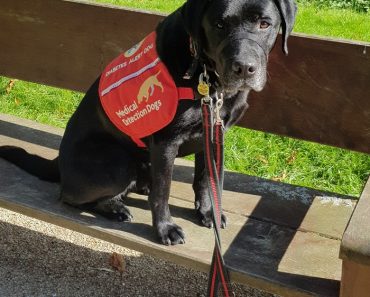
    A Medical Detection Dog from Kent, who is trained to detect changes in blood sugar levels for his diabetic owner, has been honoured for his outstanding devotion to his owner, receiving the PDSA Order of Merit – the animal equivalent of the OBE – at a special ceremony

    During his seven-year career, the eight-year-old Labrador named Pal alerted his owner, Claire Pearson, to over 12,000 separate blood-sugar changes. If not caught in time, these could have killed her. His interventions have prevented countless NHS emergency call-outs and resulted in fewer hospital admissions for Claire.

    Reacting to her canine companion’s award, Claire said, “I am beyond proud of my amazing furry boy for what he has done for me and my family. He gave my sons their childhood back and gave me a whole new lease of life.”

    Pal’s story

    Claire Pearson has lived with Type 1 Brittle Diabetes since birth. But her life, and her family’s lives, changed dramatically when she fell seriously ill with end-stage renal failure in 2003. This meant she needed a pancreas and kidney transplant, and faced dialysis three times a week.

    Claire was rendered unable to tell when she was hypoglycaemic (hypo), which meant that her young children would often return home from primary school to find her collapsed. Her health diagnosis plunged her into severe depression and she was later diagnosed with Post-Traumatic Stress Disorder (PTSD) – a side-effect of being told she had a life-limiting condition. She was left with little confidence and unable to leave the house on her own.

    The cycle of depression and hypo-induced comas continued for six years. Her two sons became young carers by default and the family’s plight became increasingly desperate.

    In the depths of despair, Claire saw an advert for Medical Detection Dogs and applied for assistance. In 2012, Claire was introduced to 16-month-old Labrador, Pal, and their remarkable relationship began.

    On the very first night in his new home, Pal alerted Claire to a hypo as she slept – nudging her face and ribs with his nose and licking her. He does this by smelling the chemical changes in Claire’s breath. His ability to do this has stopped Claire from falling into hypo-induced comas on countless occasions.

    Discussing Pal’s abilities, Claire said: “He is trained to fetch my blood sugar monitor, glucose, insulin and will even bring me my phone if I need it. If I’m too ill to help myself, Pal will fetch someone or push our panic button at home, which alerts the emergency services.”

    In addition, Pal has accompanied Claire to all her dialysis sessions for five years, helping to keep her calm and happy as she undergoes treatment.

    “Having Pal gave me the confidence to leave the house again,” explained Claire. “I started joining local fundraising activities and even giving talks about how wonderful Pal is and how he’s helped me reclaim my life. It was truly life-changing and I can never repay him for giving me peace of mind, knowing that my boys wouldn’t face coming home from school to find me dangerously ill.”

    In November 2018, Claire received a life-changing kidney and pancreas transplant. The transplant meant that Claire is no longer a diabetic, but Pal has continued to look after Claire – alerting her to changes in her blood sugar which could indicate early-stage organ rejection.

    Claire explains: “Since the transplant, on two occasions Pal has alerted me and when I’ve called the hospital, they have asked me to head straight in. Both times it turned out that my body was starting to act against my new pancreas, so Pal continues to save me to this day!

    “I hope he will be able to retire soon. He is certainly slowing down now that he doesn’t need to watch me so closely and is enjoying lots more naps and sleepy cuddles than he did before my transplant.”

  • First Cloned Police Dog Reports for Duty in China

    First Cloned Police Dog Reports for Duty in China

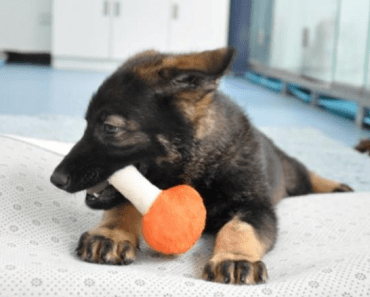
    A cloned puppy named Kunxun has begun training in Kunming Police Dog Base in China’s Yunnan province and is already showing great potential, according to reports.

    The three-month-old puppy is a Kunming Wolfdog and was cloned from a 7-year-old police sniffer dog named Huahuangma. The female dog is well regarded by China’s Ministry of Public Security with a pedigree for solving cases, including 12 murder cases. In 2016, she was given the first-class meritorious dog award.

    According to CNN, officials in China hope that by cloning Huahuangma’s “excellent genes”, they can protect the breed and her successful genes can be “passed down from generation to generation”.’

    Kunxun, who shares 99% of Huahuangma’s DNA, will now undergo seven months of training, and if she passes, she will officially become a police dog.

  • Why Dogs Are Good for You

    Why Dogs Are Good for You

    There are plenty of studies which show a dog’s impact on our mental and physical wellbeing, and just being around dogs can make us feel happier, but why, specifically, are dogs so good for us?

    We asked Dr Roger Mugford to share his thoughts on why our relationship with dogs is so successful.

    “Several studies have shown a link between pet ownership and improved wellbeing and mental health. In today’s busy and often stressful way of life, it has become more important than ever to seek the benefits and joy a pet’s companionship can bring. For those suffering from stress, loneliness or depression, spending time with a pet or walking a dog can have a tremendous impact on your mood and even help with meeting new people.

    “Not only have several studies shown that pets make us feel happier and more content, but there is also evidence that dog owners have lower stress levels, blood pressure and a lower likelihood of stroke and heart attacks. Whether the benefits come in the form of extra physical activity from walking our dogs or through the emotional bond we build with our pets, there is no question of the positive impact pet ownership has on our lives.

    “Over the years I have had the pleasure to work on several projects where I’ve been able to see the strength of this animal/human bond and it’s impact first hand. One of such projects was DOTS (Dogs on the Streets) which is a charity dedicated to the welfare of dogs belonging to UK’s homeless community. The dog is often both a lifeline, and much needed companion to combat some of the loneliness often faced by those that are homeless.

    “Then there are of course the many wonderful dogs who help provide support and independence to those with disabilities and medical conditions such as epilepsy. These companionships don’t just add an extra level of safety and independence, but a loving friend and companion.

    “Personally, I don’t think there’s anyone who could dispute the joy and the multitude of benefits associated with owning a pet. On days like the International Day of Happiness we might be tempted to give our pet a bit of extra attention and love, but I think it’s more important to take a step back and remember that bonding activities such as games, training, and walks should be an important part of day to day life to ensure they can also enjoy a happy, healthy and wholesome life. As a business [he is the founder of Company of Animals] we have always looked to develop products that help owners and their pets find an enriched life and these can be a good start for all dog owners to improve their pet’s welfare and happiness.”

  • Bailiffs Entered This Woman’s Home, Scooped Up Family Dog & SOLD HER on eBay

    Someone with legal paperwork in hand, enters your home. They scan your rooms for valuable goods. They see nothing of any resale value.  An outdated music system. An old TV worth, what, £30? Used furniture that will cost more to move than it would ever sell for. But wait. What’s this? A small, black, living, breathing real dog. The men with the paperwork collect up your dog, who’s terrified, carry him off to their van, issue you with a signed document and notify you that your beloved family pet will be put up for sale. On eBay, to the highest bidder.

    Horrifying. But real. And it could happen to you.

    Ahlen is a town in Germany. Debt collectors wanted to seize the wheelchair of a disabled resident who had run in to financial difficulties but they made a late swerve having decided the pedigree dog in the home probably had a higher financial value. So they seized the black Pug named Edda and they listed her for sale on eBay for €750 (£645).

    Sadly, the case – first reported in German newspaper Ahlener Tageblatt – was far from over.

    https://cdn.pixabay.com/photo/2013/06/09/13/03/dog-123722__480.jpg
    (File photo: Black Pug)

    Edda was purchased from the online auction website by a police officer called Michaela Jordan. She was suspicious due to the low sale price of the dog (Pugs can sell for double the €750 Edda was listed for), so she called the number listed on the advert where she learned the dog had been seized because her former owner had fallen in to arrears with the local council, including money still owed – ironically – for dog tax.

    The pug was healthy, she was informed, so Ms Jordan agreed to the purchase.

    Now, she claims that Edda had medical problems (common to the breed) that were not disclosed at the time of the sale.

    Ms Jordan is now seeing to recover hew own expenses – running as high as €1,800 and it is her demands for compensation that brought the case to local, national and now international attention, enabling the newspaper Ahlener Tageblatt to track down Edda’s original owner.

    “How it all ended, that was absolutely not okay,” the former owner said, even accepting the seizure was legal.

    She gave the paper details of what unfolded. Describing how a court bailiff and two city officials arrived at her home in November to search for valuables they could seize in respect to repaying her debts.

    Local media reported that the bailiff considered taking a wheelchair that belonged to her disabled husband – city officials strongly deny this.

    In the end they DID take her dog. And they DID sell her. And, rather shockingly, it WAS a legal seizure.

    Edda’s former owner told the paper how much her three children miss Edda.

    Now, you might question how something as obviously heartless as this could ever happen. Well, here’s the shocking truth. Dogs, as far as the law is concerned, have no greater status than your fridge-freezer, TV or that battered old sofa you haven’t yet got around to throwing out.

    K9 Magazine spoke to Lauren Bowkett & Elizabeth West, solicitors with legal firm Cohen Cramer, who also offer expert legal advice on canine and equestrian matters. We wanted to know if what had happened in Edda’s situation could ever, legally, take place in the UK.

    Can Dogs Be Seized by Bailiffs in The UK to Pay Off Bad Debts?

    They told us:

    “In England and Wales, where a legal right to seize property has been obtained for civil debts, as a dog is a chattel (possession) you may think it could be seized. However, a pet is a protected item which cannot be seized by a bailiff to collect a debt.

    “If it’s a canine business, and any dogs are an asset of the business, it may be more likely. However, there would need to be sufficient value to warrant seizure and any seizure would need to but take into account the dogs welfare (and the cost of this).

    “In addition, a dog could be seized as a means of financial enforcement work. Under the Proceeds of Crime Act 2002 valuable dogs can be classed as available assets in POCA proceedings. The dogs may then need to be sold to make payment towards a confiscation order. This method of raising finances is harsh and in our opinion unenforceable, and something which can be successfully defended with the right representation.”

    What’s your view? Do you think dogs should be ‘fair game’ for bailiffs collecting for bad debts? Tell us in the comments below.

  • ‘Make It Illegal to Consume Dogs in the UK’, MP Says

    ‘Make It Illegal to Consume Dogs in the UK’, MP Says

    An MP has introduced a bill in Parliament to ban the consumption of dog meat in the UK, making it illegal to eat dog meat and to transport, possess or donate it for the purposes of consumption.

    When introducing the bill, Conservative MP Bill Wiggin said there was no evidence that dog meat was being consumed in the UK (as it stands the practice isn’t banned, but no slaughterhouses in the UK that have a licence to kill dogs or cats) but he “would like our country to join in setting an example to the world”.

    “This is because China argue that until we make it illegal, why should they?”

    Wendy Higgins from the Humane Society International, well-known for its campaigning to end the brutal trade, believes the move could have diplomatic benefits, telling K9 Magazine:

    “The power of a UK ban on dog and cat meat would be largely symbolic because Britain has no dog and cat meat trade, there is no evidence to suggest that anyone is eating dogs and cats here. The real job of ending this brutal and largely crime-fuelled trade lies in seeing more bans enacted across Asia where the trade is concentrated.

    “So, as we urge policy makers in those countries to take decisive steps to end this trade that kills 30 million dogs and 10 million cats a year, a ban here in the U.K. would show solidarity with those like Taiwan and Hong Kong that have already introduced bans, as well as encourage the momentum that we are already seeing in South Korea and Indonesia towards an end to this brutal industry.

    “Whilst I don’t see any indication that countries like China are waiting for a UK ban before acting themselves, it certainly doesn’t hurt diplomatically.”

    Mr Wiggin’s bill passed to second reading unopposed in Parliament but needs government support to progress further.

    If it is written into law, the UK will join the USA, Germany, Austria, South Australia, Taiwan and Hong Kong in banning dog meat consumption.

  • ‘Made in Chelsea’ Star Calls on Chanel to Explain ‘Cruel & Flawed’ Actions

    ‘Made in Chelsea’ Star Calls on Chanel to Explain ‘Cruel & Flawed’ Actions

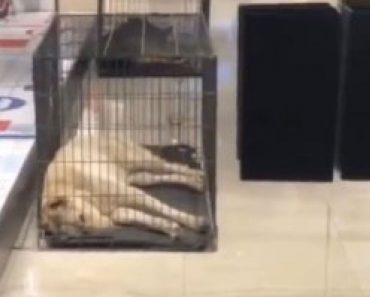
    Tabitha Willett has called on fashion house Chanel to explain having two dogs locked in small cages in their Sloane Street store in London at 11pm.

    A well-known dog lover, the former reality star called on Chanel to answer for their actions and was told the dogs were in store for “security purposes”.


    Photo Credit: Instagram/Tabitha.Willett

    According to Sky News, Chanel reportedly told Willett the dogs were kept in the cages for a “few” hours at a time, and were under the watchful eye of a handler.

    She has since reported the issue to the RSPCA.

  • Is Tesla’s New ‘Dog Mode’ Good or Bad For Dogs?

    Is Tesla’s New ‘Dog Mode’ Good or Bad For Dogs?

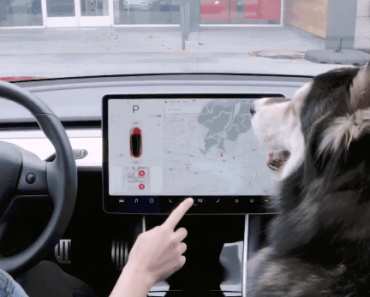
    Elon Musk’s innovative car company Tesla, has announced the roll out of a new feature designed to appeal to dog owners. Dog mode lets vehicle owners set their car to a cool temperature while they’re away from the car and uses the car’s centrally located jumbo screen to tell concerned passers-by the interior temperature of the car along with the message, “My owner will be back soon. Don’t worry!”

    The company announced the dog mode abilities in a tweet:

    Musk said:

    “This is in addition to existing Cabin Overheat Protection, which come on automatically at high temps to ensure any babies or pets in the car are safe. It will start out slow to make sure there are no corner case issues and then, if that looks good, speed up next week. We def need to add a “Request Latest Update” feature!”.

    So what do you think?

    Is Tesla’s dog mode concept a good thing for owners who want to leave their dogs in a vehicle briefly or will it lead to owners getting careless about the dangers to dogs left in cars, particularly in hot weather?

  • Why Are Dogs So Obsessed With Human Underwear?

    Why Are Dogs So Obsessed With Human Underwear?

    I mean, some dogs really are obsessed with it, aren’t they?

    Take Maggie-May for example. She’s a 22 month old Shih Tzu and recently she gave her owners a shock after swallowing a size 12 sock, which her owners discovered missing after she was spotted playing with the laundry.

    Maggie-May’s owner, Jessica Tolley, said: “We were at home when Maggie-May was chewing and playing with a sock, when all of a sudden, she bolted off the chair and started making a funny noise.

    “I realised there was a good chance she had swallowed it but my partner Ross and I could hardly believe it and we got up and started trying to find it.

    “Although Maggie-May seemed fine, the sock was nowhere to be seen after we searched high and low, so we took her to the vets.

    “All the way there, she was acting as if there was nothing wrong and I was convinced there was no way a dog her size could swallow a sock so big.”

    Luckily, vet Naomi Roberts at the Beech House Veterinary Centre in Warrington were able to retrieve the sock and Maggie-May was no worse off but rather seemed to enjoy the adventurous day out!

    Jessica, who has recently had her first baby Alannah, added: “On the way home from the vets, Maggie-May was sat in the car like she’d been out for an adventure.

    “We are now very careful not to let her have socks any more but she is automatically drawn to the washing basket and always goes to get one out so we have to be very vigilant.

    “I never thought she would be able to swallow one so big.

    “But she must’ve sucked and chewed it so much that it slid easily down her throat.

    “I have just had my first baby so I’m going to have to be extra careful she doesn’t get her paws on any little socks.”

  • 4 in 10 Dog Owners Admit Vet Fees Worry Them

    A new study has revealed that nearly half (44%) of dog owners admit that they would struggle to afford vet bills out of their own savings, causing worry and stress.

    The number is even higher for cats, where 62% are not covered compared to 47% for dogs. This equates to around 4 million uninsured dogs and 6 million uninsured cats living in the UK.

    In spite of the widespread reluctance to insure their furry friends, comparethemarket.com discovered that pet owners who have insured their dogs and cats are paying different amounts, depending on where they live and in some cases, London, for example, pet owners pay a higher monthly premium – which could be why 68% are without pet insurance.