Blog

  • Nurse Banned From Owning a Dog Because of This

    Nurse Banned From Owning a Dog Because of This

    A Lincolnshire woman has been disqualified from keeping animals for five years after leaving her spaniel to get into a ‘horrendous’ state.

    Amanda Louise Holmes (Dob: 21/11/66) of Appleby Gardens, Broughton appeared at Grimsby Magistrates’ Court on Friday (6 July) where she was sentenced to a five-year ban on all animals and was fined £630.

    She pleaded guilty on Friday to one animal welfare offence of causing unnecessary suffering to her cocker spaniel Maverick by failing to investigate and address the cause of poor body condition, lameness, severely matted fur and severe periodontal disease.

    RSPCA Inspector Samantha Weston, who investigated, said: “When we removed poor Maverick from Ms Holmes’ care he was in an horrendous state.

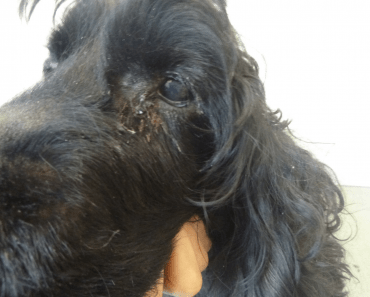
    “His fur was so matted he could hardly walk and he certainly couldn’t move around comfortably. His ears were like two huge, clumps and were rock-hard with matted, dirty fur (pictured).

    “He was in a terrible state with sore eyes and rotten teeth. He was also lame and very underweight.

    “He was an elderly dog and vets felt like he was in such a poor condition and was so unwell that the only option was to put him to sleep.

    “It was devastating that he’d been through so much pain and discomfort and we couldn’t save him.”

    Ms Holmes was sentenced last week but the district judge decided not to remove her second dog from her care due to its age. Instead, the RSPCA issued her with a warning notice and Ms Holmes’ son will take responsibility for the dog’s care.

  • This Akita Regularly Saves Her Owner’s Life, She’s a Real Hero

    This Akita Regularly Saves Her Owner’s Life, She’s a Real Hero

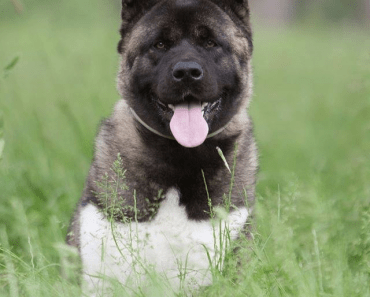
    Owner Robert Stuhldreer is affected by seizures which he suffers without warning and has in the past required hospital treatment for injuries sustained during these episodes.

    Flora can predict these seizures and give Robert warning so he can put himself in a place of safety. She did not have any formal training but is now a registered assistance dog with Canine Generated Independence.

    Flora was given the award at a ceremony hosted by Alastair Stewart OBE and held at the Royal Society in London on July 11.

    Robert, who lives in Holloway, London, said: “I am so proud of Flora, she deserves this award as she has helped me in so many ways – she liberates me and enables me to feel a more active part of society whilst increasing my feelings of independence and self worth.”

    Robert recalls a time when he was left unconscious after a seizure and Flora was able to gain access to a communal hallway Robert shares with his downstairs neighbour.

    He said: “Flora went to our front door, pulled the handle down, opened our internal front door, went down a flight of stairs and scratched on the neighbours front door to summon help. I have no doubt that if she hadn’t acted I would not be here today.”

    Robert added: “Flora is truly a dog of a lifetime. Because of her she has totally transformed my life. It’s actually hard to put into words just what this wonderful girl means to me.”

    https://i.imgur.com/Y1rojSU.png

    Flora is an Akita Ambassador and a medical alert dog. She is the very first and currently believed

    to be the only one of her breed to have qualified and be working as an Assistance Dog in the UK.

    Deputy Chief Executive Chris Wainwright said: “”The RSPCA Honours is a fantastic event that the RSPCA is extremely proud of. The evening showcases the work of those who go the extra mile to show compassion and dedication to animals.

    “There have been so many inspirational and heartwarming stories and we hope the awards have helped to highlight the positive power of animals and the impact they have on our lives.”

    The RSPCA Honours are held annually and this year saw a ceremony hosted by Alastair Stewart OBE at The Royal Society in London on July 11.

    The RSPCA Honours are an opportunity to recognise and honour all these people and organisations that help to make the lives of animals better; through kindness, courage, determination and innovation. Awards are given for bravery, outstanding service and to recognise exceptional contributions to animal welfare.

  • One Tragic Reason Why You Should Never Leave a Dog Tied Up

    One Tragic Reason Why You Should Never Leave a Dog Tied Up

    Is it OK to leave my dog tied up outside? Would it be safe to leave my dog tethered outside when I go to work?

    If you find yourself reading this after asking that question, please read on. If you need a quick answer, it’s no. No it’s not OK to leave a dog tied up.

    For most dog lovers the thought of having a pet and then tethering to something outdoors would seem unpleasant. Well, it’s not just unpleasant, particularly in the scorching heat the UK has been having lately, it’s outright dangerous.

    The RSPCA is urging dog owners not to leave their pets tethered outside after the tragic death of a chained dog in London.

    The charity – the largest and oldest animal welfare organisation in the country – has issued a warning to people never to tether their dogs and leave them unsupervised.

    https://i.imgur.com/LrUosLG.png

    RSPCA animal welfare officer (AWO) Nicola Thomas was called to a property in North London on Sunday morning (1 July) due to concerns for the welfare of a dog.

    She said: “When I arrived at the property I spoke to the dog’s owner who was extremely upset. He explained to me that the dog had been tethered in the garden and had jumped over a small, 3ft-high wall hanging itself in the process.

    “The dog, a mastiff type, had effectively choked itself to death.

    “This is an absolutely tragic case and just goes to show how dangerous it can be to tether dogs outside without keeping a close eye on them.

    “This case extremely sad case is an example of why we urge dog owners not to keep their pets tethered or chained up for substantial periods of time.”

    In England & Wales, it’s legal to keep dogs outside and to restrain them with chains or tethers. However, the RSPCA has serious concerns about keeping dogs in this way.

    “While it isn’t illegal to tether your dog in the garden there are lots of welfare concerns and risks associated with doing so,” RSPCA dog welfare expert Dr Samantha Gaines said.

    “We strongly believe that dogs should not be tethered or chained outside as restraining a dog in this way can lead to injuries. It also restricts normal behaviour, which can be very damaging to the dog’s wellbeing.

    “It’s so tragic to hear what happened to this poor dog. But, sadly, this is a very real risk of tethering your dog so we hope that some good can come from this heartbreaking case and that other owners will consider other, safer options for their pets.”

    AWO Thomas said keeping dogs tethered is something she sees regularly in the city, where many people live in flats and only have access to shared outside space or have gardens that are not properly fenced.

    “Tethering dogs is something I see a lot as part of city life as many people think it’s the best way to ensure their dog is contained,” she explained. “But it really worries me to think how many of these dogs could seriously injure themselves as a result of this practice.

    “It’s so easy for a dog to follow their instincts and try to jump on top of something or over something to follow a scent or chase another animal. And, tragically, that could lead to serious injury or even death, like in this case.

    “It’s also easy for them to get tangled in their tether and cause nasty injuries to their legs or tails.”

    The RSPCA has concerns about dogs being kept outside and believes all dogs should have access to the house. For more information about why dogs struggle outside, see the website.

  • Why Won’t DEFRA Support a Repeal Breed Specific Legislation? Myths, of Course

    Why Won’t DEFRA Support a Repeal Breed Specific Legislation? Myths, of Course

    Today marked the final day of the EFRA Committee’s oral evidence sessions into breed specific legislation.

    While previous sessions have seen various experts, police chiefs, vets, behaviourists and animal charity workers, give evidence about breed specific legislation in the UK to the committee, today Senior DEFRA Civil servant Marc Casale gave evidence and the position his organisation seem steadfast in holding is quite frankly disturbing, especially when you hear his reasons.

    Currently, four dog breeds are banned in the UK under Section One of the Dangerous Dogs Act 1991. These are the Pit Bull Terrier, Japanese Tosa, Dogo Argentino and the Fila Brasileiro.

    This piece of legislation deems dogs dangerous based solely on their physical appearance, not behaviour or genetics, and as a result, cross-breed dogs can be deemed ‘type’ – purely because of their size and appearance.

    As a result, the dog can be seized from their home and owners because the dog is suspected, without evidence or wrongdoing, to be related to a banned breed – having done nothing wrong except look a certain way. In some cases, they can be taken and locked up in kennels for months, even years, while their owners fight to save their lives.

    During previous evidence sessions with the EFRA Committee, experts have sought to share experiences and as a result, debunk myths around dangerous dogs.

    Mark Berry, representing local government, said the evidence “shows breed specification doesn’t work” and Deputy Chief Constable Gareth Pritchard; lead for dangerous dogs, National Police Chiefs Council told the inquiry he was happy for the Dangerous Dogs Act “to be looked at again.”

    But today Senior DEFRA Civil servant Marc Casale undermined all of that by sharing outdated and frankly, inexcusable views stated as fact, which could see more dogs needlessly die purely because of how they look rather than act.

    Casale said they were unwilling to consider a repeal of Section One and delivered worrying information about one of the banned breeds  –the Pit Bull Terrier – stating they are inherently dangerous and can lock their jaws.

    Wrong. So just in case DEFRA decide to educate themselves, let’s clear something up: Pit Bulls cannot lock their jaws.

    Dr. I. Lehr Brisbin, Ph.D., Senior Scientist of University of Georgia has studied this and concluded, “There is absolutely no evidence for the existence of any kind of ‘locking mechanism’ unique to the structure of the jaw and/or teeth of the American Pit Bull Terrier”.

    Shockingly, DEFRA also refused again the many calls from rescue centres to be able to rehome innocent dogs who have displayed no aggressive behaviour but are condemned to death simply on looks alone as a result of this legislation.

    When the committee asked Casale whether dogs like these should be considered acceptable ‘collateral damage’ of the policy the Minister responded ‘yes’.

    Speaking afterwards, Becky Thwaites, Head of Public Affairs said “Blue Cross is extremely disappointed at the evidence presented today from DEFRA. A wealth of scientific evidence has been put forward to demonstrate the ineffectiveness of this law and the number of innocent dogs who are losing their lives. In the face of this, representatives seem happy to stick to the mantra about some breeds being inherently dangerous; something which is simply not true.

    “We would welcome a more concise piece of Dangerous Dogs legislation which would be easier to enforce and allow them to concentrate on the deed of the dog rather than the breed.

    “This would help them to focus on securing swifter prosecutions of irresponsible dog owners and ensure a consistent approach by police forces, local authorities and courts across the country.

    “We know there is a postcode lottery when it comes to how dogs suspected of being Section One are treated across the country by police forces and local authorities who are under-funded and may lack the necessary resources and knowledge to properly enforce the current law

    “This means many innocent dogs suffer because of a lack of understanding of the haphazard and overcomplicated legislation.

    “No dog can be classed as dangerous simply based on how they look. Breed specific legislation is failing to protect the public and leading to thousands of innocent dogs being put to sleep or kennelled unnecessarily while dog attacks continue to rise.”

    Should we be surprised the Government aren’t taking notice of experts?

    Possibly not. It was only yesterday they made it known that they don’t wish to reform pet theft laws to reclassify pets as more than an inanimate object.

    You can still make a difference and make your opinion known to DEFRA and your local MP. The tide may turn at some point.

  • New Pet Theft Laws Unlikely as MP Reveals Government Position

    New Pet Theft Laws Unlikely as MP Reveals Government Position

    A petition to make pet theft laws stronger in a bid to deter criminals and recognise pets as more than inanimate objects has been debated in Westminster, but the government’s stance is likely to disappoint pet owners.

    MP George Eustice has revealed that Theresa May’s Conservative government was “not convinced” that a change in the law is required because they feel the 1968 Theft Act “does provide sufficient sanctions” – something no doubt argued by those who have had a dog stolen, with criminals receiving little more than a slap on the wrist when found guilty.

    Over recent months, supported by celebrities including Ricky Gervais, Jorgie Porter and Miranda Hart, the petition has gathered momentum and the debate was triggered after reaching its target of 100,000 signatures.

    A passionate speech was given by Labour MP Mike Hill, who presented the debate in Westminster.

    Dog thefts are on the rise with five dogs being stolen every day and just one in five being returned to their owner, according to pet insurer Direct Line. Pet owners want a new law to reflect the fact that our pets are more than just property.

    Prit Powar, Head of Direct Line Pet Insurance commented saying, “While the law does allow for a maximum of seven years’ imprisonment for theft, pet theft is classified as property and a monetary value is assigned, meaning that custodial sentences are rarely enforced.

    “As such, this is unfortunately seen by offenders as a high-reward, low-risk crime. The emotional trauma endured by those who have had a dog stolen needs to be reflected in the sentences handed down.”

    Conservative MP Ross Thomson said changes to the law must be made in order to reflect the “deep emotional harm” that families face if their dog is stolen and plans to present an amended law in the House of Commons soon.

    Responding to the MP on behalf of the government, Mr Eustice said the way the legislation treats pet theft “doesn’t take away from the fact that they’re more than just property”, adding that the most up to date sentencing guidelines for police forces reflect thefts that cause “emotional distress to the victim”, which in their opinion means pet theft is already in a category of offences that can be awarded jail sentences of one or two years.

  • Recommended Dogs For First Time Owners

    Which breeds of dog would be recommended for first time dog owners?

    This question is simultaneously easy to answer and yet utterly brimming with controversy. Why, you might ask, could such a simple query as finding out which breeds are recommended for first time dog owners prove to be anything other than simple?

    Well, it’s because of the following three reasons.

    1. There are lots of dog breeds, many of which would come highly recommended for first time owners
    2. There are lots of breeds who share similar traits but are still subject to plenty of fluctuations depending on the quality of the breeder and the dog’s initial socialisation
    3. Finally, it’s very difficult to recommend dogs to first time owners without knowing the specific lifestyle of those first time owners. After all, a first time owner could be someone who’s just moved to a farm or a flat.

    See, I did warn you this was tricky!

    Let’s give it a good go though shall we?

    The Labrador Retriever

    Universally regarded as a superb family dog and ideal recommendation if this is to be your first time as a dog owner, this chap is friendly, he’s easy to train, he is obsessive about his personal hygiene and more handsome than George Clooney and Brad Pitt put together. Labrador Retrievers are generally fairly laid back in a family environment, combining a playful streak with a propensity to sit in quiet contemplation while you lot tuck into dinner, owning one will enable you to maintain an active social life so long as you consider the practical needs of the dog, such as garden breaks and feeding.

    The Labrador Retriever has the distinct advantage of not requiring a lot of grooming. In fact, you only need to worry about them shedding twice per year (for six months at a time sadly!)

    Couple this with this with his intelligent, affable and obedient nature and you’re onto a sure winner. And let’s not forget that these guys, when they are young, are in fact Andrex puppies, so a ten out of ten for general cuteness as well.

    A respectable runner up rosette goes to a dog which surely is the pride of many a family and a top commendation for first time owners the world over.

    The Staffordshire Bull Terrier

    The Staffy has copped a fair bit of bad publicity recently and has done so in the past, but it has to be said that thousands of families nationwide are benefiting from his loyalty and friendliness as we speak. When it comes to Staffies, in the immortal words of Public Enemy ‘don’t believe the hype’! Staffies are superb family pets and they tend to have a naturally protective disposition toward children in particular.

    A relatively small dog, who is particularly suited to the smaller house environment, the Staffy fits in to all family set ups well. A short, coarse coat means that the doggy brush will not need de-fleecing every two days and the Dyson will be able to get up the stairs without choking to death.

    The Staffordshire Bull Terrier is a bold, affectionate dog who loves children. He is also quite a strong little character, Phil Buckley, of the Kennel Club, says the Staffordshire Bull Terrier is “a good all round family pet, robust enough to suffer rough play from children and intelligent and obedient enough to be well behaved around the home and amongst strangers.”

    Poodle (miniature)

    Elegance and a robust personality go hand in hand with the Poodle. But why the Miniature variety? Well, the bigger the Poodle, the less likely he is to be as playful as his smaller cousins, they just tend to be more laid back the bigger they get.

    This Poodle has some outstanding personality bonus points, but then you get to the coat. Short, curly fur sheds less and this makes the breed ideal for people who are looking for a low shedding dog breed and / or people who may be sensitive to dog hairs.

    Just missing out on a top spot recommendation is the Golden retriever.

    A hugely popular dog, with an adorable personality. The Golden Retriever is a dog that looks great, with his shiny thick coat but he also sounds great. He loves a good bark now and then, which can be inconvenient if you have a baby upstairs trying to get some kip.

    On the plus side, this chap is always up for playing, and is strong enough to withstand a bit of rough and tumble when the kids get a bit older, secretly I think he loves a bit of a wrestle, and he is a gentleman about it too.

    It is common opinion that this dog is so well behaved and easy to train, that the kids could in fact pick up a few pointers off him and if kids can do it, one would expect novice dog owners could pick up the general idea fairly quickly as well! Once again, his long fur has let him down in the perfect pet department, but if you are that mad about Golden Retrievers, you won’t mind a bit of extra vacuuming and will soon find that this lad really is a Super Fury Animal.

    Next up is the Yorkshire Terrier ideal for first time owners?

    This is one of the most popular dogs in the UK, so he must be doing something right. However, his suitability as a dog for a young family or first time dog owners may not match his popularity with more experienced owners. Dogs this small always run the risk of being trodden on or kicked by clumsy youngsters. Do the same to a GSD and he will hardly notice, but a Yorkie could be seriously injured if in the wrong place at the wrong time, perhaps sleeping by a door.

    Yorkies are easy to train though, which goes some way to explain their huge popularity, and they do love to play, when it suits them. Being a terrier, this little fella may get a bit protective of his owner when guests pop round for tea. But if your one desire is a dog that will curl up on your lap for an afternoon snooze, then look no further, this is the dog for you. Look for a pet shop with yorkie puppies for sale. But if you want a dog that loves a bit of hands on play then perhaps our next entrant is more up your street.

    The Greyhound

    The good old Greyhound is not far off being the perfect family dog. But misinformation has resulted in this dog getting a reputation as a bad pet due to his constant need to be exercised, what utter rubbish! The Greyhound needs as much exercise as any other dog his size, he just happens to be a fast runner. Similar to the Staffordshire Bull Terrier, the Greyhound suffers from a totally undeserved image problem. Don’t buy in to the myths. First time dog owners would do well to consider this beautiful breed.

    Dogs For Adoption That Recommended For First Time Owners

    One of the very best ways to increase your chances of getting a dog that will be good with first time owners is to adopt one. Now I know you’re probably wondering why adopting a dog as your first foray in to dog ownership would be recommended. The answer is simple; Dog adoption shelters are experienced and knowledgeable about placing the right dog with the right owners. They tend to have done solid assessments on the dog’s in their care and make re-homing recommendations on a dog’s suitability based on a number of different criteria factors. Whatever you do, don’t discount the adoption route as the best way to acquire a new dog, you’d be making a glaring omission if you did. Rest assured, there are many dogs waiting for new homes in the rescue shelters across the country that would come highly recommended for first time owners.

    To prove that very point, just take a look at these dogs for adoption…

  • Afghanistan Could Be on the Verge of a Breakthrough to Wipe Out Rabies

    Afghanistan Could Be on the Verge of a Breakthrough to Wipe Out Rabies

    An animal charity has announced that their efforts to eradicate rabies in Afghanistan is on the verge of a massive breakthrough.

    Last year, K9 Magazine shared details of Mayhew’s plans to promote animal welfare and improve the lives of dogs living in the war-torn country and today Mayhew Afghanistan has announced that they have vaccinated an incredible 10,500 dogs through their mass canine rabies vaccination programme in the capital city of Kabul.

    This means that 7 in 10 dogs living in Kabul have now been vaccinated against rabies and according to the animal charity, this means that they have now reached the accepted threshold required to reach in order to break the chain of virus transmission and can start creating herd immunity in the area where the vaccination programme is happening.

    It means that the Afghanistan team, together with the Kabul Municipality dog catchers, are on track to reduce the risk of canine-mediated rabies in the city.

    Following Mayhew’s successful negotiations with Kabul Municipality to bring an end to the inhumane practice of culling the free-roaming dogs from January 2017 and with signed agreements with the relevant ministerial departments and city authorities in place, on 6th August 2017, Mayhew Afghanistan began implementing the first mass canine rabies vaccination programme in Kabul, which covers the main 16 residential districts in the city.

    This is the first step in a long-term and sustainable strategy to eradicate rabies from the city in three years and develop a citywide dog population management programme.

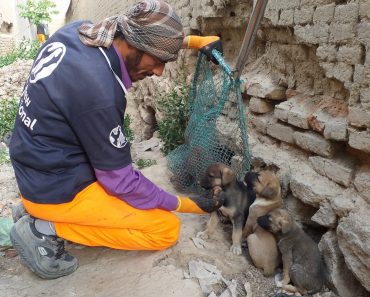
    The two teams of 12 dog catchers and vet vaccinators work from early morning around 5am to noon, catching and vaccinating dogs. The surveyor then goes out within 72 hours to the designated areas to count the number of vaccinated dogs, compare it with the total number of dogs in that area and ensure the level of at least 70% of the population has been vaccinated.

    Mayhew’s Afghanistan Country Director, Dr Abdul Jalil Mohammadzai DVM, said: “The team are delighted that the programme has now vaccinated 70% of the population of dogs in Kabul in just over 10 months.

    “A new dog population survey has recently been completed and this will provide data for the amount of dogs to be vaccinated as a minimum in year two of the mass canine rabies vaccination programme and be the basis of the dog population management plan.

    “We believe that informing and educating communities about the rabies virus and other infectious diseases and how they are spread is key to rabies prevention, safe interaction with community dogs, compassion towards animals and improved health. A win win situation for dogs and people alike.”

    Mayhew International receives no government funding and relies on the generous donations from supporters to continue helping, training and funding vaccination programmes and animal birth control projects for thousands of animals around the world.

    The task is huge and the charity still needs your help. Please consider a donation by visiting www.themayhew.org/donate, so they can continue their vital work in Kabul, stating your donation is for Afghanistan.

  • 82 Chihuahuas Rescued From ONE Home as Police Investigate Woman’s Death

    82 Chihuahuas Rescued From ONE Home as Police Investigate Woman’s Death

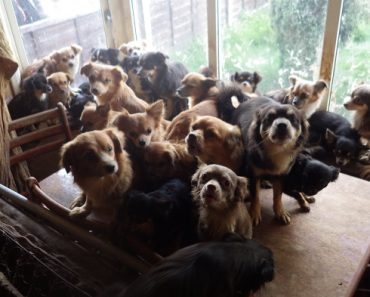
    Police investigating a woman’s death have revealed that they found 82 Chihuahuas living in dirty, cramped conditions inside the couple’s home.

    The police called in the RSPCA and the inspector who visited, Herchy Boal, admitted that she had seen a lot of things during her 18-year career but nothing could have prepared her for what she saw when she visited the home last April.

    The RSPCA’s rescue mission was filmed for Channel 5’s ‘The Dog Rescuers’ and will air on TV shortly.

    Inspector Boal was on duty in Birmingham, in the West Midlands, said, “The officers asked us for help with around 30 dogs but I was busy dealing with another emergency elsewhere,” she explained. “When they called me again a few hours later they were extremely concerned about the conditions they had found the dogs in, claiming they believed there were actually in excess of 40 small breeds.

    “When I arrived at the property I found 82 dogs inside. They literally started appearing from everywhere. We would move the washing machine and suddenly there’d be six faces looking at you. It was incredible where they were able to hide.

    “The house looked like an earthquake had hit it, everything was higgledy piggledy, it was really chaotic and dirty.

    “We called out a vet who said the house was too hazardous and the dogs couldn’t stay there, it was filthy and cramped. They were all hiding; barking and snapping at us.”

    All 82 dogs were removed and taken to the charity’s Newbrook Farm Animal Hospital in Birmingham, some had matted coats and fleas, others had burns. Staff worked through the night to check over all of the dogs and ensure they received necessary treatment.

    Inspector Boal said: “We didn’t finish work until 11am the next day!”

    Police launched an investigation after a woman who lived at the property died but, following their enquiries, they established that there were no suspicious circumstances and that she’d died from complications after an accident.

    “The woman and her husband, Stephen, had started out with two pet chihuahuas – Blue and Tinkerbell. Unfortunately, they didn’t get their dogs neutered and four years later, they had 82 dogs!” Inspector Boal added.

    “This was a classic hoarding situation but it was clear the couple had loved their dogs and things had simply got out of hand.

    “We worked with Stephen to renovate and clean the home while we cared for the dogs. We returned four of the dogs to him and rehomed the rest.

    “Two of the dogs that went back to Stephen had serious behavioural issues and were extremely aggressive and unhappy. We were seriously considering our options with them because they were completely unhandleable. But when we returned them to him they were like different dogs and were so much happier.”

    It is hoped that by airing the rescue and couple’s story that a reminder message will be sent out on the importance of neutering.

    Inspector Boal concluded, “This was a really sad case but it was also a really memorable one for me due to the sheer number of dogs involved.

    “I really hope we can use this story to make it clear why it’s so important to neuter your pets not only to avoid unwanted litters but also to avoid inbreeding which can result in serious health and behaviour problems in puppies

  • If You Own A Staffordshire Bull Terrier In The UK, This Organisation Wants Your Dog Wiped Out

    If You Own A Staffordshire Bull Terrier In The UK, This Organisation Wants Your Dog Wiped Out

    Breed specific legislation has been debated in Parliament this past week. Evidence was put forward for politicians to consider whether or not the law introduced hastily in 1991 should be kept or overturned.

    A panel of experts gave their considered opinions on the legislation, particularly the element that makes certain dogs illegal on looks alone, regardless of whether they’ve actually done anything dangerous or not.

    A huge number of dog experts have condemned breed specific legislation as a cruel, ineffective law that has seen many lives ruined and innocent dogs killed by the state. Dogs who, it has been openly admitted by the very people seeking to kill them, have never shown aggression or acting in a dangerous way at any point.

    Well it would appear one particular organisation not only thinks breed specific legislation should be kept, they actually want MORE dogs added to the banned list.

    https://i.imgur.com/Kzr2HfH.png

    In written submission to the committee Elisa Allen on behalf of PETA (People for the ethical treatment of animals) is keen to add your Staffy terrier to the list of breeds to be caught up in the BSL killing machinery of the British state.

    She says:

    “The failure to include Staffordshire terriers and American bulldogs, both pit bull–type dogs, in the Act has resulted in continued severe incidents of mauling by dogs of these breeds in the UK. It also creates a loophole that can lead the owners of prohibited breeds to misidentify their dogs as Staffordshire terriers or American bulldogs – or mixes of these breeds – on purpose. ”

    She then goes on to cite an incident of a Staffordshire Bull Terrier that was involved in a high profile attack on a person as well as a report of a Staffordshire Bull Terrier that attacked and killed another dog.

    You will need to read the entire piece for yourself before you make your mind up:

    http://data.parliament.uk/writtenevidence/committeeevidence.svc/evidencedocument/environment-food-and-rural-affairs-committee/dangerous-dogs-breed-specific-legislation/written/84343.html

    BSL has failed. It has failed to protect the public. It has failed to protect dogs. It has lead to deaths of people and deaths of innocent dogs and it costs the tax payers MILLIONS of pounds. The state is routinely seizing people’s dogs because of what they look like.

    So PETA’s position is that more dogs should be added to the list?

    Staffordshire Bull Terriers, in fact all well socialised, properly cared for dogs from the bullbreed family are some of the most loving, loyal and even tempered dogs on the planet. A call to have them all banned is, quite frankly, astonishing. Millions of people own these dogs. Millions of good people who love their dogs dearly.

    Banning dog breeds neither works in practice or theory. The reasons are well known and we’ve had more than a quarter of a century of breed specific legislation to learn whether or not this cruel law solves the problem of irresponsible dog ownership or not. The answer is, unequivocally NO. Adding more breeds to a ban list would create carnage. Carnage for police, the courts and total devastation to the lives of the people who own, love and care for these dogs.

    PETA clearly has the opinion that Pit Bulls are an inherently bad, dangerous dog breed. That much is obvious. And now they would like the Government to come for your Staffies too.

    The Kennel Club disagrees with BSL.
    The RSPCA disagrees with BSL.
    The Dogs Trust disagrees with BSL.
    The BVA disagress with BSL.

    Up to now it’s been very, very difficult to find any credible voices who support the legislation. And let me totally clear about this, PETA is NOT a credible voice. They are a voice, yes. A loud one. But for an organisation that kills as many healthy animals as they do, true animal welfare advocates all over the world have raised serious concerns about what PETA actually stands for.

    If you care about dogs. If you care about YOUR dog. Write to your MP today and ask them to listen to the experts on BSL. Online petitions, polls and the like are all well and good but you need to write to your MP and tell them that this is a subject you care about, that it matters to you what your MP does in terms of animal welfare legislation.

    In super simple terms, we only need to ask ourselves one question: is it right that dogs should be seized, locked up and potentially killed purely because of what they happen to look like? If you think the answer to that is no, then PETA is not your friend and your MP owes you an explanation as to where they stand on the issue. Write to them today. Do it now. Please.

  • Dog Meat Farmer Closes Farm Saying ‘It Is Much Better to Stop Farming Dogs, I Will Be Relieved for It to End’

    Dog Meat Farmer Closes Farm Saying ‘It Is Much Better to Stop Farming Dogs, I Will Be Relieved for It to End’

    A South Korean dog meat farmer has closed his dog farm weeks before the country’s Bok Nal festival to concentrate on his growing water parsley business, and as a result, 50 dogs have been rescued and will be flying to a temporary animal shelter in Canada to be rehomed.

    The farmer, who has bred dogs for eating for four years in Namyangju-si, Gyeonggi-do, now plans to expand his more profitable water parsley business, with the help of animal charity Humane Society International, who have been working in South Korea for three years permanently closing dog meat farms and helping farmers switch to alternative livelihoods as part of its strategy to demonstrate that the cruel trade can be phased out.


    Photo Credit: Jean Chung/For HSI

    With profits from dog farming dwindling, and his water parsley business booming, Mr Shin realised that the dog eating business is a dead-end industry. Once HSI rescues the dogs, the cages will be dismantled and Mr Shin will focus full time on his crop growing.

    Farmer Shin, who asked to have his identity hidden in HSI photos for fear his water parsley customers would find his dog farming offensive, says: “With my parsley growing so successful, and the life of a dog farmer really too hard, I just don’t need this in my life any more. It is much better to stop farming dogs, I will be relieved for it to end.”

    Photo Credit: Jean Chung/For HSI

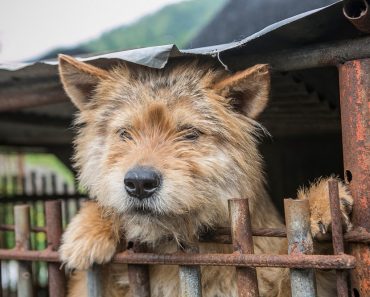
    Nara Kim, HSI’s South Korea dog meat campaigner, says: “This farm is typical of many smaller dog meat farms we see across South Korea – dilapidated cages, squalid conditions, dogs in appalling conditions, some barely clinging to life when our rescue team arrives.

    “It’s vital that we show Koreans the grim reality of these places because most people have no idea and are really horrified. Although the practice of eating dog is on the decline, and we anticipate it will ultimately die out, during the Bok days of summer we still see an increase in people eating dog meat soup.

    “We hope to change that by exposing the disgusting and cruel conditions, and we hope also to influence the government as a growing number of South Koreans are calling on our politicians to shut down this brutal trade.”

    Photo Credit: Jean Chung/For HSI

    Kitty Block, President of Humane Society International, says: “South Korea’s President Moon is a dog lover who recently opened up his heart and home to a rescue pup. So he will know that these beautiful dogs languishing on dog meat farms are just as loving and smart as any pet dog.

    “President Moon also recently proposed amending South Korea’s Constitution to include respect for animal welfare, so we believe that now is the perfect time for the country to look at HSI’s program as a strategic, workable solution to ending this most heartless of trades.”

  • Kali Was Rescued From a Dog Fighting Ring, Just Take a Look At Her Now

    Kali Was Rescued From a Dog Fighting Ring, Just Take a Look At Her Now

    Poor Kali was covered in bloody wounds, bite marks and sores when she arrived in RSPCA care having been rescued from a dog fighting ring. Some of her physical scars can still be seen today, but her life couldn’t be more different.

    Three-year-old Staffordshire bull terrier cross Kali was found cowering in a garden, in Hertfordshire, in March last year (2017). Vets who assessed her said her injuries were consistent with dog fighting.

    The RSPCA’s special operations unit launched an investigation and Kali was taken in by the charity for treatment and TLC. She spent more than a year at RSPCA Block Fen Animal Centre, in Cambridgeshire, while her former owner was prosecuted for dog fighting and animal welfare offences and then it was time for her to find a home.

    Georgina Arnold and boyfriend Owen Gray, from Yaxley in Cambridgeshire, had read about Kali’s story in the local newspaper before they started their search for a four-legged friend.

    Georgina said: “I saw her story on the Cambs Times Facebook page and tagged my partner in it.

    “A few months later, after we’d given it a lot of thought, we started looking for a dog. We went to the RSPCA centre to meet some dogs that we’d found online. We’d not originally gone to see Kali but when we met her we realised she was the dog we’d read about online.

    https://i.imgur.com/9DF7gWH.png

    “I was shocked she was still there, I don’t know why no one else had chosen her. But we took to her instantly. We’re really glad we found her!”

    The couple collected Kali on Saturday (2 June) and staff were sad to see her go.

    “It was quite emotional when we picked her up, all of the staff were so sad to see her go, but happy too,” Georgina said. “Everyone at the RSPCA was so helpful and so lovely. We wanted to rescue and the process has been so easy.”

    Now, Kali is settling in well with the couple at home. She loves going on long walks and enjoys destroying her toys!

    “We love her so much, we couldn’t be without her now,” Georgina said.

    “I couldn’t believe it when I found out the life she’d had before. The whole experience for her must have been so frightening.

    “She has scars and is missing teeth so she has been through a lot. But she is so kind, she is like a teddy bear, there’s not a bad bone in her body.

    “I’m just glad that she’s safe now and she’ll never have to know fear or cruelty again. She’s going to be our only pet so she’ll get all the attention and love that she deserves.”

  • Introduced To The World With Cruelty: Week Old Puppies, Eyes Not Even Opened, Abandoned in a Box

    Introduced To The World With Cruelty: Week Old Puppies, Eyes Not Even Opened, Abandoned in a Box

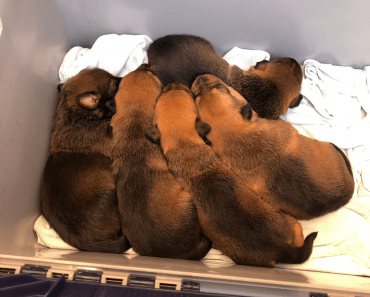
    The RSPCA is appealing for information to find those responsible for abandoning five tiny puppies in a box in a field in Tyne & Wear.

    The animal welfare charity has launched an investigation after the German shepherd crosses – thought to be only around one to two-weeks-old – were found by a dog walker dumped in a box in a field near Northern Way, Southwick, in Sunderland, on Tuesday lunchtime (5 June).

    RSPCA Inspector Helen Nedley, who was alerted to the discovery, said: “The puppies are tiny, possibly only a week old, and still have their eyes closed.

    “They’re far too young to be away from their mum and to abandon them in a field is completely unacceptable. They wouldn’t have survived for long on their own.”

    https://i.imgur.com/GlFxBpD.png

    The man who discovered the puppies took them home before taking them to the RSPCA Sunderland, Hartlepool & South Tyneside branch nearby.

    Staff at the centre have named the pups – three girls and two boys – Belle, Casey, Diefer, Kiefer and Mason. The branch manager took them home overnight in order to provide the round-the-clock care they need including feeds approximately every two hours.

    “Luckily the puppies are all healthy,” Inspector Nedley added, “but it could have easily been a tragic outcome if they hadn’t have been discovered by this passerby.

    “At this age, puppies are entirely reliant on their mother so they wouldn’t have lasted long on their own.

    “To abandon them like this is disgraceful and I’d be keen to hear from anyone who may recognise the puppies or have any information on where they’ve come from or who is responsible for abandoning them.

    “Anyone with information which could help our investigation should contact our appeal line on 0300 123 8018.”

    The puppies will now be cared for by staff at the branch until they are old enough to be rehomed.

    “Unfortunately, abandoned animals is something the RSPCA sees all too often and, sadly, a lot of the time we’re called to help young puppies or kittens who have been dumped,” Inspector Nedley explained.

    “This is why we urge all pet owners to get their dogs and cats neutered. Unfortunately, it’s the charities and rescue centres that have to pick up the pieces when owners find themselves with unwanted litters.”

  • Chris Packham Joins Campaign to Help Educate Next Generation of Animal Lovers

    Chris Packham Joins Campaign to Help Educate Next Generation of Animal Lovers

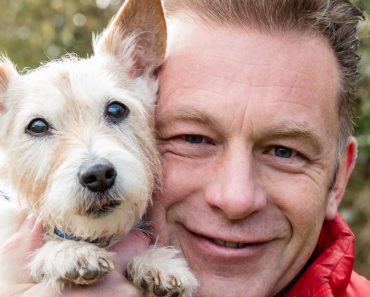
    Chris Packham has joined forces with a national pet charity to encourage teachers and youth leaders to sign up to free classroom talks to create a future of compassionate pet owners.

    The videos, which were recorded at the Blue Cross rehoming centre in Southampton with the charity’s new education ambassador, focus on teaching children in Key Stages 1 and 2 the Five Welfare Needs which includes aspects like suitable diet and environment, enrichment and companionship, as Chris explains below.

    Chris also recorded a video featuring a case study to stimulate debate about responsible dog ownership to secondary school classes.

    Chris said: “It is very important to me to be part of encouraging current and future pet owners to learn more about the needs of the animals that share our lives. I feel strongly that being able to engage children in the classroom can have a huge impact for the future and how they will safeguard and protect pets and other species. I was glad to be able to record these films for Blue Cross and hope our messages can help more pets through education.”

    In 2017, Blue Cross reached more than 95,500 young people through 2,553 talks and delivered talks and assemblies to a range of age groups in both primary and secondary schools.

    Kerry Taylor, Education Manager at the pet charity said: “Chris’s involvement in our education programme is invaluable to our charity as we know that these fantastic video resources will help us reach more school children, teachers and parents to help educate about how to keep pets healthy and happy.

    “Many pets wellbeing does sadly suffer through people simply not knowing the five welfare needs and ensure they meet these for their individual pet. For example, poor housing and the wrong diet for small animals like rabbits and hamsters can have devastating consequences and we often need to help these pets at our charity as a result.

    “With Chris using his passion and commitment for pets to join forces with Blue Cross we can reach as many children and teenagers as possible, we can improve the lives of both future pets and their owners, and stamp out cases of animal cruelty and neglect in the process.”

  • Patrick Ward Went On The Run After Selling Sick Puppies, Today He Was Jailed

    Patrick Ward Went On The Run After Selling Sick Puppies, Today He Was Jailed

    Patrick Ward was sentenced this week almost two years after he failed to attend court to face a number of animal welfare offences

    A man was jailed and disqualified from keeping animals this week after almost two years on the run.

    Patrick Ward (DoB: 12/07/77) of Windermere Road, Leigh, Wigan, was due to appear in court in 2016 but failed to attend.

    He – and two co-defendants – were found guilty in their absence in August 2016 of a string of animal welfare offences relating to the sale of puppies in the Greater Manchester area.

    https://i.imgur.com/Yv9iYaU.png

    This week (22 May), he was sentenced at Wigan Magistrates’ Court to 22 weeks in prison having been arrested by police.

    He was also disqualified from keeping all animals for 10 years and ordered to pay a £150 victim surcharge.

    RSPCA Inspector Pippa Boyd, who led the investigation into the puppy sellers, said: “We launched an investigation into Mr Ward, his brother and his sister-in-law after receiving a number of complaints from members of the public who had purchased puppies that had soon fallen ill after arriving home.

    “We believe the trio were importing puppies and then selling them on from two addresses in Leigh.

    “When we joined police to execute two warrants at the properties in February 2016 we found a number of dogs and other evidence.

    “At one address – in Windermere Road – we found a number of phones labelled with different dog breeds. At the other – in Douglas Road – we found three dogs, one with an untreated broken pelvis, and the body of a dead Jack Russell terrier left in a kennel.”

    The charity launched the investigation after eight complaints from people who had bought puppies from the trio. All had fallen ill – suffering from a string of problems including parvovirus, worm infestations and neurological conditions – and four had died or had to be put to sleep.

    There are still outstanding warrants for the arrests of ​Julie Michelle Ward and Martin Ward.

  • Five Dogs Stolen Every Day as Thieves Target Designer Dogs

    Five Dogs Stolen Every Day as Thieves Target Designer Dogs

    Five dogs are stolen every day across the UK, as figures released today confirm that 1,909 dogs were reported as stolen to police forces last year, compared to the 1,788 stolen in 2016.

    Staffordshire Bull Terriers were the breed most targeted by thieves, followed by cross-breeds, such as designer breeds Cockapoos and Puggles, and French Bulldogs, who were the 3rd most stolen dog breed, followed by Chihuahuas

    Huskies also become one of the most stolen dog breeds in the UK with speculation this could in part be due to the ‘Game of Thrones effect’ and subsequent rise in ownership of Huskies and other wolf-like breeds.

    At the other end of the scale, Lurchers have moved out of the list of the ten most commonly stolen breeds.

    Areas targeted by dog thieves

    The pet insurer’s research found that the Metropolitan Police Service recorded the highest number of stolen dogs of the UK’s police forces in 2017, with 225 reports received.

    This was followed by West Yorkshire Police, with 172 reports of stolen dogs, and Kent Police, with 160 reports. These three forces alone represent nearly a third of all dog thefts in 2017.

    The East Midlands had the lowest proportion, with one dog stolen for every 10,101 registered dogs.

    Prit Powar, Head of Pet Insurance at Direct Line said, “Having your dog stolen is one of the most distressing things a pet owner can face, particularly as animals are often considered to be members of the family. There is no excuse for the theft of an animal but some of the reasons behind dog theft include using the animal for dog fighting, breeding or selling on.

    “The rise in popularity of ‘designer’ dog breeds among celebrities and the ‘fashion’ for certain types of dogs means people are willing to pay thousands for an animal, which unfortunately makes them prime targets for thieves. Pedigree owners need to be especially vigilant.”

    There was, however, some positive news as there were more dogs reunited with their owners last year, compared to 2016, revealing that stolen dogs have a one in five chance of being returned to their owner.