Blog

  • Drew Barrymore Shines on Red Carpet at Annual Event for Animals in Need

    Drew Barrymore Shines on Red Carpet at Annual Event for Animals in Need

    Actress, animal lover and mum of two Drew Barrymore was honored with this year’s ASPCA Compassion Award which was presented to her by Martha Stewart. Actor Nathan Lane served as the evening’s emcee, which featured music by DJ Mark Ronson.


    Photo Credit: Getty Images

    The annual event, a cornerstone of the ASPCA’s fundraising efforts brings together hundreds of animal lovers to impact the lives of homeless, abused and neglected animals across the country.


    Drew Barrymore, pictured with Martha Stewart and Nathan Lane / Photo Credit: Getty Images

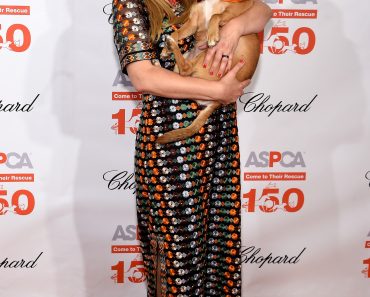
    Additional attendees included Australian model Jessica Hart, pictured below, Christian Siriano & Brad Walsh, Patina Miller, Megan Hilty, Roger Waters, Georgina Bloomberg, Selenis Leyva, Allie Rizzo, Dominic Chianese, Ariana Rockefeller, ASPCA President & CEO Matthew Bershadker among others.


    Photo Credit: Getty Images

  • Rescue Group Attacks Government Proposals to Change Dog Breeding Legislation

    Rescue Group Attacks Government Proposals to Change Dog Breeding Legislation

    A proposal announced by Defra to change one of England’s most important dog breeding licensing laws has been criticised by the Dog Rescue Federation, an animal welfare organisation representing voluntary dog rescuers across the UK.

    The proposal forms part of a wider series of changes that Defra wants to make following a review of animal establishment licensing in England. With it the government department is intending to reduce the statutory licensing threshold from five or more litters per year to three or more.

    https://i.imgur.com/5jJEw3I.jpg

    However, the federation, which also works with local authorities across the UK on a variety of national surveys and campaigns, claims the new compulsory licensing would be virtually impossible for local authorities to enforce. It states such licensing would also make it too easy for so-called ‘backstreet breeders’ to operate outside the law.

    Instead, the federation wants to see dog breeding laws tightened up by the introduction of compulsory licensing to cover all forms of dog breeding, irrespective of the number of litters produced or purpose.

    It sees this as a more sensible approach in tackling the problem of over breeding by such backstreet breeders, who in recent years have caused a significant rise in the number of unwanted dogs and added to the pressure on local authorities and dog rescue organisations to care for them and find new homes.

    With over 100,000 stray dogs being handled by local councils each year, the high number of stray and abandoned dogs is an increasing national problem with large numbers of healthy dogs being put down. Following the 2014 federation’s UK’s stray dog population survey the federation was concerned that as many as half the dogs unaccounted for in the survey had been put to sleep.

    Commenting on Defra’s proposals, Denise Boardman of the Dog Rescue Federation says, “The current animal licensing laws in England are out-dated and very confusing and so we welcome many of the changes being proposed by Defra. However, on the issue of dog breeding, we think that they have got it badly wrong and that they should take this opportunity to make real changes to help curtail the excessive over breeding.

    “Defra’s proposal to reduce the statutory licensing threshold would simply perpetuate the enforcement problems associated with current legislation, and still relies upon local authorities being able to prove that a breeder is operating above the threshold or, alternatively, is in the business of breeding dogs for sale.”

    Denise added that the introduction of compulsory licensing would help create an understanding among the general public about when a breeder is legal or not and might also prevent puppies being sold before they are properly vaccinated and micro chipped.

    The federation does however recognise that its proposal to licence all dog breeding activities might not be welcomed by more responsible breeders who occasionally produce a litter of puppies without currently being required to hold a licence.

    “We can see that this may be unpopular,” explains Denise, “but although these breeders do not produce many dogs individually, collectively they make a large contribution to the overall UK dog population and it seems right, therefore, that they should be placed under some form of regulation and control.

    “It is also equally important that the same standards of welfare should be required of everyone casually considering breeding a one-off litter; and not just the prolific breeders who produce more than a prescribed ‘threshold’ number of litters per year, or those who carry on a commercial business of breeding dogs for sale.”

    The Dog Rescue Federation has submitted a detailed response as part of Defra’s consultation exercise on the proposed changes to the animal establishment licensing laws in England.

    To read the federation’s full written submission please go to www.dogrescuefederation.org

  • WATCH: Move Over Stars of Strictly Come Dancing, There’s a New Dancer in Town!

    All this dog needs is a funky beat to get him started. What a mover!

  • Over Half of Dog Owners Admit to Treating Pet Like a Child

    Our pets form a big part of our day, they can shape our daily routine and even when and where we holiday. They’re part of the family and so it’s perhaps no surprise that in new research out today over half (52%) of dog owners have admitted to speaking to their dog like it was a child.

    The findings released by pet insurer, Direct Line, also revealed that over 4 in 10 pet owners admit to their dogs sleeping on their beds, while a third admitted to dancing with their dogs (why not, four legs are surely better than two!).

    The research also revealed that almost two in 10 dog owners will only go holiday at home in the UK, so they can be with their dog, while 15% admitted they don’t holiday at all, so they don’t have to leave their dog behind.

    Prit Powar, head of Pet Insurance at Direct Line said: “Brits really are a nation of dog lovers. The fact that so many of us are choosing holidays which allow us to keep our pets with us is another indicator of the lengths we’re willing to go to keep our dogs happy.”

    Where do you fall in the findings? Do you admit to some doggy dancing at home? How do you holiday? Let us know!


  • Brits Spend £1 billion on ’Petcessories’ Each Year

    Brits Spend £1 billion on ’Petcessories’ Each Year

    We all love our dogs, but are you one of the pet owners who have contributed £1 billion to the economy treating your beloved dog?

    According to new research out today from Direct Line Pet Insurance, British dog owners have collectively spent over £1 billion on accessories for their dogs in the past year, spending an average of £76.13 per dog on so-called ‘petcessories’ in the last year.

    Young pet owners are the most likely to splash out on cushions, collars and clothes for their beloved pets, with 18-34 year olds spending an average of £83.98 on each dog, compared to over 55’s who spent a little less at £60.26.

    For 3.6 million (26 per cent), British dog owners really pamper their pooches, choosing to spend over £100 a year on accessories for their dog. A lucky six per cent of dogs had over £200 spent on them in the last year, perhaps unsurprising when there are businesses dedicated to providing luxury dog beds, with some costing over £700.

    Prit Powar, head of Pet Insurance at Direct Line said: “Brits really are a nation of dog lovers, choosing to spend their hard earned cash on making their beloved pooches comfortable. The fact that so many of us are choosing holidays which allow us to keep our pets with us is another indicator of the lengths we’re willing to go to keep our dogs happy.

    “Dog owners should remember, though, that they don’t need to spend a fortune on items like clothes, cushions and collars – as long as they provide their dog with a healthy diet, regular fresh water, treatment when needed, exercise and love, they will have a happy dog!”

    Separate research conducted between the pet insurer and K9 Magazine, shows British dog owners are also buying their dogs birthday and Christmas presents, the majority spending around £15 (63 per cent). A fifth (20 per cent) spend between £16-£30 on a present for their dog per occasion, while a generous one in twenty (five per cent) spend between £31-£60.

    Ryan O’Meara, publisher of K9 Magazine, spoke of the findings saying: “It’s heartening to see that dog owners choose to mark their pet’s special occasions with a gift. Of course, presents aren’t the be all and end all of showing how much you care, but our dogs give so much to us day in and day out that it’s only natural we see them as part of the family, and as such celebrate them.”

  • Dog Who Saved Lives of Troops in War Zones Receives Highest Award for Bravery

    Dog Who Saved Lives of Troops in War Zones Receives Highest Award for Bravery

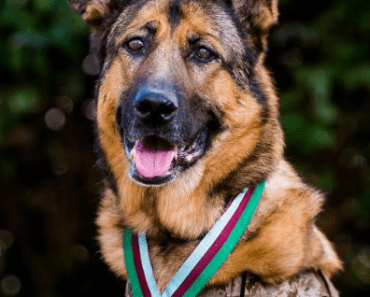
    A retired US Marine Corps dog who protected the lives of allied troops in Iraq and Afghanistan has been honoured with the PDSA Dickin Medal – the animal equivalent of the Victoria Cross.

    The 12-year-old German Shepherd, who lost a leg while on duty, successfully completed over 400 separate missions during six years of active service. Her heroic actions were recognised by the UK’s leading veterinary charity, PDSA, at a ceremony at Wellington Barracks, London (Tuesday 5 April) which was attended by Lucca and her owner, Gunnery Sergeant (GySgt) Christopher Willingham.

    The famous medal was instituted by PDSA’s founder, Maria Dickin, CBE, in 1943. It is the highest award any animal in the world can achieve while serving in military conflict. Lucca’s is the 67th PDSA Dickin Medal to be awarded and she is the first US Marine Corps dog to receive the esteemed honour.

    Lucca’s skills as a specialised search dog, who was trained to sniff out munitions and explosives, protected the lives of thousands of allied troops, according to the US Marines. Her success was such that there were no human casualties during any of her patrols.

    On her final patrol, on 23 March 2012, Lucca discovered a 30lb improvised explosive device (IED) and as she searched for additional IEDs, a second device detonated. She instantly lost her front left leg and suffered severe burns to her chest. Corporal (Cpl) Juan Rodriguez, her handler on the mission, administered life-saving first aid to Lucca. Through all of her emergency treatment and recovery, Cpl Rodriguez never left Lucca’s side.

    After training together, Lucca and GySgt Chris Willingham served together for two tours in Iraq. In 2007, they conducted clearing operations along the Tigris River, South of Baghdad. In 2008, they conducted counter insurgency operations around Diwaniyah.  Lucca made a number of finds; including weapons caches, IEDs and bombs.  Also, she was directly responsible for the apprehension of four insurgents.

    In November 2011 Lucca and her new handler Cpl Juan Rodriguez were selected from 60 Military Working Dog teams to deploy to Afghanistan in support of the Marine Expeditionary Force.

    Lucca and Cpl Rodriguez led 75 patrols in Helmand Province; an area heavily laden with IEDs. They were at the front of the patrols to ensure the safety of those behind them. Despite being targeted with gunfire on several occasions, they successfully continued their search for IEDs.

    On 7 March 2012, Lucca and Cpl Rodriguez were leading a foot patrol when Lucca gave an indication which Cpl Rodriguez quickly recognised and he called the patrol to a halt. A 30lb pressure plate IED had been placed directly in the patrol’s line of travel. Once the IED was rendered clear, Lucca and Cpl Rodriguez led the patrol safely back to their base.

    On 23 March 2012, Lucca and Cpl Rodriguez were ahead of a foot patrol when she signalled on a haystack in a poppy field where a weapons cache was discovered. Resuming the patrol, Lucca took the lead and later alerted the patrol to a 30lb pressure plate IED, which was successfully located and cleared.

    Resuming their patrol, Cpl Rodriguez sent Lucca to clear a nearby path when a 30lb pressure plate IED detonated underneath her, causing the immediate loss of her front left leg and severe burns to her chest, neck and head. Cpl Rodriguez applied a tourniquet to Lucca’s leg and bandaged her burns, while a fellow patrol member called in a Medical Evacuation (MEDEVAC) team.

    Cpl Rodriguez said: “The explosion was huge and I immediately feared the worst for Lucca. I ran to her and saw her struggling to get up. I picked her up and ran to the shelter of a nearby tree line; applied a tourniquet to her injured leg and called the medics to collect us. I stayed with her constantly throughout her operation and her recovery. She had saved my life on so many occasions – I had to make sure that I was there for her when she needed me.”

    Miraculously, none of the soldiers in the patrol were injured in the blast which injured Lucca.

    Lucca was evacuated from Afghanistan to Germany and then to Marine Corps Base, Camp Pendleton, California, to complete her recovery. Cpl Rodriguez stayed at her side throughout each move – even choosing to sleep next to Lucca as she recovered.

    Within ten days of her injury, Lucca was up and walking.

    Cpl Rodriguez continues: “Through all of her treatment and despite the pain she was in, her temperament never changed. Her fighting spirit was plain to see and I was so proud of how quickly she recovered.”

    While she was rehabilitating, her adoption paperwork was submitted to retire her officially from active service and live with Chris Willingham and his family in California.

    Lucca’s PDSA Dickin Medal was presented by the charity’s Director General, Jan McLoughlin. Jan said: “Lucca’s conspicuous gallantry and devotion to duty makes her a hugely deserving recipient of the PDSA Dickin Medal. Her ability and determination to seek out arms and explosives preserved human life amid some of the world’s fiercest military conflicts.

    “I am thrilled that both Lucca and Gunnery Sergeant Willingham have made the journey to London to receive this very special award.”

    Gunnery Sergeant Chris Willingham said: “Lucca is very intelligent, loyal and had an amazing drive for work as a search dog.  She is the only reason I made it home to my family and I am fortunate to have served with her. In addition to her incredible detection capabilities, Lucca was instrumental in increasing moral for the troops we supported. In between missions, I took the searching harness off and let her play and interact with the troops.  Due to her personality, demeanor and proficiency as a search dog, Lucca made friends wherever she went. Today, I do my best to keep her spoiled in her well-deserved retirement.”

    “Even when Lucca was injured, her good temperament and gentle nature never faltered. She has become an inspiration to everyone she meets and I am so very proud to see her decorated with this prestigious award.”

    Lieutenant Colonel Abby DuBaree from the Royal Army Veterinary Corps said: “Lucca’s story has become famous in the US and I am so pleased that PDSA is honoring her contribution to the military campaigns in both Iraq and Afghanistan. Lucca’s efforts and the expert work she carried out for allied forces deserves full credit and recognition. I know that every Marine and soldier that served alongside her will be thrilled to see her receive the PDSA Dickin Medal.”

    Lucca’s award will bring the total number of PDSA Dickin Medals awarded to animals in military conflict to 67. Since the introduction of the Medal by PDSA founder Maria Dickin, CBE, in 1943 it has been awarded to 31 dogs (including Lucca), 32 World War Two messenger pigeons, three horses and one cat.

    PDSA is the UK’s leading veterinary charity, treating nearly 500,000 pets annually across its 51 Pet Hospitals and 380 Pet Practices. The charity strives to improve all pets’ lives through education, preventive care and emergency treatment and touches the lives of more pets and owners that any other animal charity. For more information visit www.pdsa.org.uk.
  • Staying Safe When Walking Your Dog

    For those of us partial to a heart-warming re-homing story or the occasional cheeky Labrador video, the pet news is a regular coffee break go-to. Unfortunately for dog owners, it seems that dog thefts and malicious acts against our pets are constantly in the headlines at the moment.

    Coupled with the time of year, many of us are still walking our dogs in the hours of darkness, making those usual strolls seem a little more secluded and lonely.

    spot

    While it’s nice to think that your faithful friend will protect you if you were ever threatened, for most of us our soft, loveable pets are more likely to lick a perpetrator then growl at them. We also know that most dogs can’t resist anything edible, making recent ‘spiking’ stories (The Mirror, 28/02/16) even more worrying.

    Staying safe when out and about is a matter of keeping alert, but it helps to reinforce those key safety guidelines that we often forget to put into practise when we’re going about our daily routines. Read our top tips and add your own safety advice to the comments below.

    Tell somebody where you’re going

    Even if the rest of the house is still sound asleep when you’re heading off into the elements, send a text or write a note letting everybody what route you’ll be taking and what time you set off. It’s also worth going on a route that you regularly take with the family so everybody has a good idea of roughly where you’ll be at what time. For more information about walking alone (or working alone if you’re a professional dog walker), The Suzy Lamplugh Trust website is full of useful advice on personal safety – http://www.suzylamplugh.org/personal-safety-tips/

    It’s also worth sticking to routes where you know you’ll have phone reception if you should injure yourself on your walk or see anything which immediately causes suspicion.

    Clear your head

    For many, an early morning or evening walk is an ideal time to relax, but try not to listen to music at times when you need your wits about you. As well as potentially failing to hear oncoming traffic, it makes it easier for somebody to approach you from behind without your knowledge. Wearing things around your neck (such as head phones or placing a lead around your shoulders) also makes it easier for somebody to apply pressure to your throat. Wear a hat instead of a hood too – hoods restrict your peripheral vision, making it harder to see traffic and anybody else who might be around.

    If you’re worried about visibility in poor light, LED dog collars and fluorescent strips are widely available from pet stores. If you can, try and spread any fluorescent clothing/lighting evenly about you and your dog – this will ensure that it’s clear you’re a dog walker (as opposed to a single person or cyclist) to oncoming traffic.

    Set up a walking group

    Most dog owners get to know all the local dogs – from the bulldog around the corner to the dachshund from the park. If there’s fellow dog owners you get on with, set up a walking group with set times that suit everybody. If you live in a rural area, this may be even more essential when your usual routes become increasingly isolated in the colder months.

    Dog in woodland

    Don’t assume a boisterous dog is safe off its lead

    If your dog is unpredictable around other dogs, don’t assume an early morning jaunt is going to mean you’re the only one about. A classic long lead will allow you to give your dog some freedom and bring him in if any other dogs come in sight.

    101

    Sadly, there have been numerous news articles of late reporting ‘spiking’ in popular dog walking spots. The Mirror and the Manchester Evening News have shared news of spiked food reports at Dovestone Reservoir (North West), Wandsworth (London) and Connah’s Quay (North Wales) in recent weeks. If anything makes you suspicious, call the local police line and report what you’ve seen. If you can try to alert other dog walkers and report your findings to the RSPCA.

    Dog Thefts

    Contrary to popular belief, it isn’t only pedigree dogs that get stolen for selling on. Criminals can target any pet where there’s a chance of a reward. When you’re out and about, always keep your dog in sight and train him to be obedient to your calls (easier said than done!). By simply calling him back and giving him some fuss and a small treat when he responds, you can soon train your dog to come running even when they’ve spotted something that really tempts them! It’s also worth making your garden secure from snoopers by fitting a bell or security light on your garden gate. It goes without saying that dogs should be micro-chipped, but the Blue Cross also suggest avoiding adding your pet’s name on their identification tag.

    This article was provided by the pet care team at Swell Pets. Specialising in dog food, bedding, healthcare and grooming, please contact our team for advice on caring for your dog – http://www.swellpets.co.uk/dog/dog-food-698.html

    screenshot-www.swellpets.co.uk 2016-03-14 11-31-12

  • Dog Survives Near Fatal Collision With Cyclist Thanks to Vets

    Dog Survives Near Fatal Collision With Cyclist Thanks to Vets

    An adored family pet cheated death after a high impact collision with a cyclist left him with near fatal internal injuries.

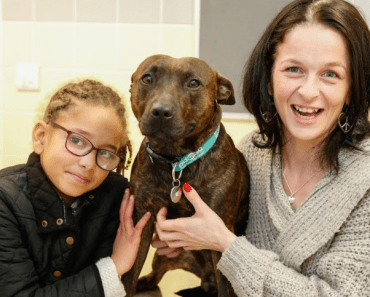
    Staffordshire bull terrier, Shadow, initially walked away from the accident but, after collapsing at home, he was rushed to PDSA’s Gillingham Pet Hospital for an emergency operation.

    Almost a pint of blood had to be drained from Shadow’s abdomen after his liver was severely damaged by the impact. Vets fought desperately for five days to save his life as his distraught family waited for him to pull through.

    Three-year-old Shadow’s injuries were so severe that PDSA vets warned owner Sian Berry (30) that the odds were stacked against him surviving. An ultrasound scan revealed a lacerated liver and severe internal bleeding. He had lost around one quarter of his blood.

    “I couldn’t believe what had happened,” said Sian, from Maidstone, Kent. “I was taking Shadow for his usual walk in the local park when a cyclist suddenly appeared and ran over him.

    “He didn’t seem too bad at first, just in a bit of shock, but by the time I got him home I realised something was badly wrong. He seemed in pain so I took him straight to PDSA. When they told me how poorly he was it was just heart-breaking.”

    Aoife McCormack, PDSA vet, said nearly a pint of blood had to be drained from his abdomen before vets could stem the flow and operate to repair his liver.

    She said: “We were faced with the nightmare situation of bleeding from two areas – both from the vessels to his spleen and the tear in his liver. The trauma to the liver was the most worrying for us as it’s much harder to stem the flow.

    “Shadow had some very serious injuries and it was touch and go whether he would pull through surgery. Thankfully, the operation was a success and he made a good recovery. But without swift treatment there was a very real chance he would have bled to death.”

    Sian said the period Shadow was in hospital was like a ‘living hell’ and that her 10-year-old daughter Alisha was devastated at the thought of losing him:

    “We were all on tenterhooks. Alisha thinks the world of him so it was a very worrying time. But thankfully he pulled through and the care he received from PDSA was amazing. If we had lost him, it would be like losing a family member. I can’t thank the vets and nurses enough for everything they’ve done.”

  • WATCH: Dog Has New Fence Installed in Garden, The Reaction is Priceless

    If you have a dog who’s an escape artist you will be able to identify with this man who has built a fence, but just watch what happens when his dog tests it out…


  • This Disease Can Kill Dogs & Vets Have Seen a 560% Increase in the UK

    This Disease Can Kill Dogs & Vets Have Seen a 560% Increase in the UK

    Vet charity PDSA today reported a near-six-fold rise* in cases relating to Lyme Disease among UK pets in the last six years.

    The worrying statistics mirror the worsening situation in humans, with surging numbers of people now diagnosed with the debilitating disease.

    Lyme Disease (Borreliosis) is caused by ticks – blood sucking parasites found in woodlands and long grass. It can lead to symptoms in pets such as fever, pain and swelling in the joints, crippling arthritis, nerve damage and even meningitis – which are similar to human symptoms.

    PDSA saw around 100 cases of suspected or confirmed Lyme Disease in 2015 – an increase of 560% since 2009 (15 cases).

    PDSA vet Vicki Larkham-Jones, warned that the figures were likely to be “just the tip of the iceberg” as many cases go unreported.

    She said: “These figures are incredibly worrying because Lyme Disease can be a very serious, debilitating condition that can cause long-term problems if left untreated.

    “Caught early, the disease can usually be effectively treated with long-term antibiotics. However, owners may not even be aware that their animal has been bitten by a tick, so they need to be vigilant.”

    The rise in Lyme Disease in the UK, thought to be driven by climate change and warmer winters, has been recognised by public health officials for some time, according to NHS figures.

    Reported human cases in England and Wales rose from 268 in 2001 to 959 in 2011*** (260% increase), but the true figure is thought be much higher.

    Vicki Larkham-Jones added: “Although the tick population appears to be on the increase, the majority of these parasites do not cause Lyme Disease.

    “We treated 2,545 pets for tick related issues****, including bites or removal in 2015 and only around 100 of these cases were suspected or confirmed cases of Lyme Disease.

    “Now is the time for vigilance, as the UK’s tick population peaks between late spring and autumn.”

    Thanks to funding from players of People’s Postcode Lottery, PDSA is educating pet owners on measures they can take to minimise the risk of themselves or their animal being bitten. The charity has produced a downloadable leaflet at www.pdsa.org.uk and is also delivering 300,000 parasite prevention treatments this year.

    Tick-bite prevention tips from PDSA:

    • Speak to your vet about prevention – as some flea treatments can also kill ticks
    • Ticks are often found in wooded and moorland areas, especially in long grass. If Lyme disease is known to be a problem where you live, avoid letting your dog wander in deep undergrowth or grass, stick to paths
    • Always wear long trousers tucked into socks or boots, and long sleeves to help protect yourself when walking in these areas too
    • After walking your dog, always check for ticks. They can’t fly or jump, but they attach themselves to the skin of people or animals as they brush against them
    • Tick bites don’t hurt so they aren’t always noticed. The most common areas for ticks on pets are the head, ears, legs and underside
    • Hedgehogs and foxes are common tick carriers, meaning pets in urban areas with high fox populations are also at risk

    Symptoms of Lyme Disease in Dogs

    • A small percentage of dogs that have been bitten by a tick will develop Lyme disease. It can cause a rash, a raised temperature, lack of energy, lameness, due to joint inflammation and swollen lymph nodes.
    • When they first attach, a tick may be the size of a small pinhead but, as they suck blood, they can grow to the size of a match head and may look like a bluish-grey, pink or purple lump.

    Treatment

    • If you do spot a tick, on yourself or your pet, it must be removed properly as soon as possible. It is best to get advice from a vet before trying to remove a tick from your pet, as it’s easy to remove the body of the tick but the mouth can be left in the skin. If the tick isn’t properly removed it can cause an abscess or infection.
    • Special tick tweezers are available to buy, but need to be used carefully, so speak to your vet or suitably qualified person for guidance before attempting to remove ticks with tweezers.
    • Don’t crush or squeeze the tick’s body and don’t try and destroy the tick with a lighted match. Don’t put Vaseline on the tick as it may drop off but can still be alive to bite another victim
    • The sooner you remove the tick the better – the risk of spreading disease increases the longer the tick is attached. Remember that Lyme disease is spread by infected ticks not from pet to person

    Case study

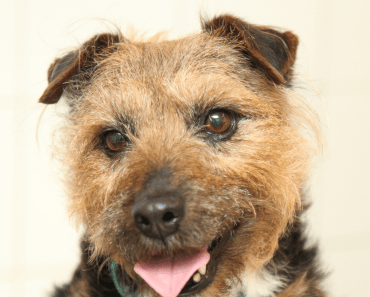
    Lakeland Terrier cross Brad, from Somercotes, Derbyshire, became extremely ill after contracting suspected Lyme Disease from ticks on a hedgehog in his owners’ garden.

    Neil and Teresa Amos said their seven-year-old dog had found the hedgehog and when he came indoors he had several ticks attached to his muzzle and leg.

    Although Neil believed all of the ticks had been successfully removed the damage was already done as it seems Brad contracted Lyme Disease from one of the parasites.

    He said: “A few weeks later I noticed Brad wasn’t himself at all. He would stand there almost looking straight through us and he couldn’t jump on and off the sofa.

    “We’ve owned dogs all our lives and I’d heard about Lyme Disease so it automatically registered with me about the ticks and we took him straight to PDSA.”

    Aimee Labbate, senior vet at PDSA’s Derby Pet Hospital, agreed that Brad was displaying classic symptoms of Lyme Disease.

    She said: “Brad appeared to be very uncomfortable and was suffering joint pain. He seemed to have a hunched appearance and was having head tremors.

    “We suspected he had Lyme Disease and prescribed a long course of antibiotics.”

    After six weeks of medication Brad is making good progress.

    Theresa added: “I would say he’s 100% back to his old self which is great. But he is one of the lucky ones. People don’t often realise how serious a tick bite can be but hopefully by highlighting Brad’s story we can help raise awareness among more pet owners.”

  • UK Compulsory Dog Microchipping Law: Here’s Why it Matters

    UK Compulsory Dog Microchipping Law: Here’s Why it Matters

    A beloved pet dog who was stolen from outside a supermarket has finally been reunited with her family four months after disappearing.

    Four-year-old springer spaniel Bella went missing from Northampton on 20 October and was found more than 110 miles away – in Bristol.

    The black and white dog wandered into a shop in Bristol on 10 February – four months after disappearing from outside a shop.

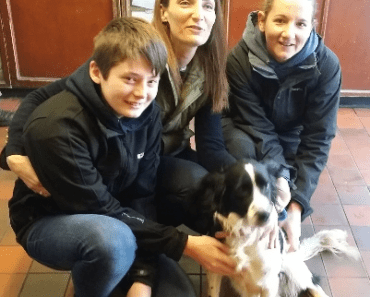
    Taken to the RSPCA’s Bristol Dogs & Cats Home by the council dog warden, Bella didn’t have to wait long to be reunited with her ecstatic family.

    Sarah Osborne, husband Philip and son Joseph, 13, drove the 110-mile journey to Bristol in convoy with Sarah’s parents as soon as they received a phone call to say that Bella had been found.

    Sarah said: “Bella is a massive part of our family and we were devastated when she was taken.

    “It was our anniversary and I asked Philip to go down to the shop to pick up some chocolate. He took Bella with him for a walk and tied her up outside. His back was turned for no more than 40 seconds and she had disappeared.”

    The family hunted for Bella, launched a social media campaign, put up posters and contacted the local press but there were no sightings of her.

    “We were left with a gaping hole. We had four months of stressing and worrying, especially when the weather was really bad.

    “Everything goes through your mind, it’s horrible.

    “Joseph found it really hard and started suffering from panic attacks,” said Sarah. “When we were reunited you could see the weight lift off his shoulders!

    “Bella knew instantly that it was us, she went absolutely loopy!”

    The RSPCA advises all pet owners get their animals microchipped, including dogs, cats, horses and rabbits. Microchipping acts as an identification programme. Each chip has a unique number and each number is logged alongside the owner’s contact details, so it’s important that the details are kept up-to-date. This means that if your pet goes missing or is stolen and is later found, he can be scanned and you can be contacted.

    From April 6 this year, it will be a legal requirement to have your dog microchipped – under the Microchipping of Dogs (England) Regulations 2015 – and to keep registered details up-to-date.

    This law will not cover other pets, such as cats, but microchipping is strongly recommended.

    Sarah added: “I think compulsory microchipping is fabulous. I don’t think everyone realises, when they take on a pet, how important microchipping is. If Bella hadn’t have been chipped, we never would have seen her again.

    “I’m really glad it’s coming into force in April, I just hope that most places will start to scan pets.”

  • Milo – A Dog Destined to Die Until His Luck Turned

    Milo – A Dog Destined to Die Until His Luck Turned

    Milo is our family dog. He’s not called Milo any more. He’s Danny.

    Here is Milo’s story.

    A Dog Destined to Die Within Hours: How Milo's Fortune Turned When He Became Danny

    Could you give a dog like Milo a change in fortune? Click here.

  • Have Your Will Prepared for Free & Help Animals

    Have Your Will Prepared for Free & Help Animals

    Vet charity PDSA has teamed up with solicitors across the UK to launch a nationwide free will-writing service and raise funds to treat more sick and injured pets.

    The charity’s vets and nurses provide over two million treatments every year, helping 300,000 owners who would otherwise be unable to afford veterinary care for their pets. PDSA relies on gifts in wills to continue funding its vital services. In fact, two in every three PDSA pet treatments are funded by gifts left in wills. So people taking up the new Free Will offer will also have the opportunity to leave a gift, if they wish.

    The initiative will help pets and people alike, according to Ruth Lister from PDSA’s Free Wills team: “Making and updating a will is the only way to ensure our wishes will be carried out and that loved ones are looked after when the time comes.”

    “An up-to-date will ensures that the things you hold dear are passed to the people you love and the causes you believe in. Yet many people put off doing it for a variety of reasons – usually the cost. This is why PDSA is working with local solicitors to offer a free will-writing service to help people who want to gain some peace of mind for themselves and their family.

    “Those who take up the free offer are not obliged to pledge a gift to PDSA, but we hope that, as they learn about our vital work for pets across the UK, they will feel inspired to support us.

    “Including a gift in your will to PDSA makes a big difference to the future of millions of pets. It’s your chance to leave a lasting legacy and show your love for animals.”

    PDSA’s Free Will offer is available through participating solicitors to people aged 50 and over, who have not made a will or, just as importantly, need to update an existing will.

    The Free Will offer is being supported by a number of solicitors who will write a simple Will at a concessionary rate – paid for by PDSA. For anyone unable to visit a solicitor in person there are also options to have the will written online or over the telephone.

    Christopher Sleigh, Senior Partner at participating firm, Sleigh, Son & Booth Solicitors, said: “It’s vital to have a will but just as important to review it from time to time. Things change, life is ever evolving, relationships change; people marry, people divorce and some remarry. Minor beneficiaries grow up; assets change. It just causes so much upset and distress to families if a will has not been updated. It’s almost worse than not having a will at all”.

    PDSA provides life-saving care to pets, from emergency operations to preventive treatments such as vaccinations.

    For more information on PDSA’s Free Will offer, including contacts for participating solicitors, visit www.pdsa.org.uk/freewill or call 0808 168 1587.

    How do you feel about this? Do you think it’s a great offer or with the organisation’s fundraising at the heart of how they are able to offer the services they do would it make you think twice about using? Let us know!

  • When Someone is About to Die, They Want Their Dog to be Close

    When Someone is About to Die, They Want Their Dog to be Close

    Many people consider their pets as part of the family. When a person is diagnosed with a life-threatening illness, the challenges and stress from the illness become the priority, and a pet may be overlooked. A program called Pet Peace of Mind is helping families alleviate the stress of caring for a pet while dealing with an end of life situation.

    "I know of countless numbers of older adults – widows and widowers, veterans, those living with chronic illnesses and those on hospice care – who have said that their pet is their lifeline," says Dianne McGill, President of Pet Peace of Mind.

    Pet Peace of Mind has helped thousands of people with pet care needs and preserves the bond that exists between hospice patients and their pets through the patient’s end-of-life journey.

    Non-profit hospice programs can apply to become a Pet Peace of Mind program partner. If awarded, the organization is given the education and tools necessary to run a successful program.

    Pet Peace of Mind is the focus of the newest video from the National Hospice and Palliative Care Organization’s public awareness campaign, "Moments of Life: Made Possible by Hospice."

    Cornerstone Hospice patient Donna Sarner – featured in the video – is 68 years-old and lives in a small, rural town in Central Florida. She has late-stage cancer, which causes her a great deal of pain throughout her back, abdomen and legs, and limits her ability to care for her dogs, cats, and various other animals around her property.

    The Pet Peace of Mind volunteers at Cornerstone Hospice are helping Sarner by delivering dog and cat food regularly and transporting her dogs to the veterinarian for vaccinations and medication.

    "Along with caring for the dogs, our program arranged to have the stray cats she feeds spayed, neutered, and vaccinated," says Kristine Murtz, volunteer services manager and Pet Peace of Mind program coordinator at Cornerstone Hospice.

    Sarner is adamant about keeping at least one of her four dogs by her side, and grateful that the Pet Peace of Mind volunteers are committed to making that happen. "She understands that it may not be realistic to have the three large dogs with her until the end, and we are already looking for loving homes for them," says Murtz.

    The "Moments of Life" public awareness campaign, launched by the National Hospice and Palliative Care Organization, features stories from hospices and palliative care programs across the United States of patients and families experiencing hospice and palliative care first hand.

    https://youtu.be/5LQ_m2aZXKQ

  • The Future of Responsible Pet Ownership is in the Hands of The Millennial Generation

    The Future of Responsible Pet Ownership is in the Hands of The Millennial Generation

    MarketResearch.com published a blog post highlighting the top Millennial pet ownership trends that are shaping the future of the American pet industry.

    Between 2007 and 2015, Millennials were responsible for 43% of the growth in the number of pet owners in the U.S. In 2014, Millennials spent a total of $10.6 billion on their pets. In the coming decade, Millennial consumers will play an even more significant role in the pet industry as they account for an ever-growing share of pet expenditures.

    The blog post highlights four key trends:

    • Millennials are driving pet ownership.
    • Millennials are changing the way pet products are purchased.
    • Millennials spend more on pet products and services.
    • Millennials pay attention to the health and wellness of their pets.

    The blog cites new research from the report Millennials as Pet Market Consumers by industry expert Packaged Facts. This report explains why and how marketers of pet products and pet care services need to be attuned to the expectations of Millennial pet owners as consumers.

    Millennials are driving pet ownership.

    The future of pet owners will depend on the Millennial generation. Millennial pet owners account for 31 percent of all pet owners and are more likely to own pets than those who are 35-and-over. Between 2007 and 2015, the number of Millennial pet owners grew 25 percent, while the number of pet owners 35-and-over only grew 14 percent. Millennials are going to play a key role in the market for pet products and services because they are the fastest growing group of owners. According to the Packaged Facts report Millennials as Pet Market Consumers, the Millennial generation will add 2.6 million pet owners between now and 2020.

    Millennials are changing the way pet products are purchased.

    Millennials are basically glued to their smartphones, so it’s no surprise that many mobile apps have been developed to help pet owners make their purchasing decisions. Mobile apps specifically for pet owners have features such as shopping lists, loyalty programs, delivery options, and QR scanning for discounts and promotions. Pet food delivery has also benefited from Millennial pet owners. Among Millennials, 18 percent of dog and 16 percent of cat owners use this service.

    Read more…