Blog

  • Chocolate is Dangerous for Dogs, Right? Guess How Many People Still Give it to Their Pets?

    Chocolate is Dangerous for Dogs, Right? Guess How Many People Still Give it to Their Pets?

    Nearly half a million dogs are still being fed human chocolate despite the fact it could kill them, PDSA warned today.

    The UK’s leading vet charity has issued a plea to pet owners ahead of Easter, amid fears that many owners may be tempted to ‘treat’ their dogs to Easter eggs and cake.

    With just a small bar of dark chocolate enough to fatally poison a small dog such as a Yorkshire Terrier, PDSA vets say they are bracing themselves for the annual increase in admissions for chocolate poisoning cases.

    The charity’s latest PDSA Animal Wellbeing (PAW) Report reveals that 5%* of dogs have been fed human chocolate despite it being toxic and potentially life-threatening.

    PDSA vet, Vicki Larkham-Jones, said: “Every year pets require emergency treatment after falling victim to the harmful effects of theobromine – an ingredient in human chocolate. The high sugar content of chocolate is no good for pets’ waistlines or teeth either, contributing to obesity and dental disease.

    “At Easter and Christmas our vets are on standby for a rise in cases of chocolate poisoning, which in some cases can be very serious and sometimes even fatal.

    “Most pet owners love giving their pet a treat but some are still unaware of the dangers of human chocolate. Easter should be a time of celebration but making a simple mistake through a lack of awareness could actually mean the difference between life and death for your pet.”

    Thanks to funding support from players of People’s Postcode Lottery, PDSA is educating more pet owners than ever about the dangers of chocolate poisoning this year. Vets are also alerting people about the risks of other popular Easter goodies such as raisins, peanuts and coffee beans which can be potentially lethal to pets due to the chemicals they contain.

    The effects of chocolate poisoning in dogs usually appear within four hours of eating, and can last as long as 24 hours.

    Initial signs can include excessive thirst, vomiting, diarrhoea, a tender tummy and restlessness.
    These symptoms can then progress to, tremors, an abnormal heart rhythm, raised body temperature and rapid breathing.
    In severe cases dogs can experience fits, kidney failure or even death.

    High quality dark chocolates, which often contain the largest cocoa solids content, pose the biggest risk to dogs.

    Vicki added: “Owners should store chocolates in the same way as medicines when they have pets in the house– safely and securely. If you can’t resist giving them a little Easter treat, make sure it is something pet-friendly, suitable and safe. A game with a new toy or a nice long walk is a very good alternative – it might make you feel fitter as well.”

    One Dog’s Lucky Escape

    Beagle pup Jessie almost came to sticky end after gobbling up three chocolate Easter eggs – foil wrappers and all – but was saved by quick intervention from PDSA.

    The seven-month-old puppy’s owner, Justine Parsons, came home to find the curious canine had opened her daughter’s bedroom door, climbed onto a desk and wolfed down three milk chocolate eggs.

    Justine said: “Jessie usually greets me when I come home but this time she was subdued and quieter than usual, and her tummy looked really swollen. I was really worried, then when I found the ‘tin-foil massacre’ remains of the wrappers I immediately called Croydon PDSA, who advised me to bring Jessie straight in.”

    PDSA Vet Nurse Rachel Beedle, said: “Chocolate is poisonous to dogs as it contains a chemical called theobromine, which can cause kidney failure. Although milk chocolate has lower levels of theobromine than dark chocolate, Jessie had eaten a large amount; which could have proved fatal.”

    “Most of the chocolate was still in Jessie’s stomach so she was given medication to make her sick. She had also swallowed some foil wrapper, which could have caused further internal damage. Jessie was then given activated charcoal to prevent any further absorption of the toxins.”

    Thankfully Jessie responded well to the treatment and was able to go home that evening. Owner Justine said: “When I arrived to collect her, I couldn’t believe how quickly Jessie had recovered – she was bouncing about and making friends with all the receptionists!”

    Vet nurse Rachel added: “Jessie made a full recovery and there was no lasting damage from her ordeal. But vets see hundreds of cases of chocolate poisoning a year and, sadly, not all have a happy ending.”

    Justine now keeps all chocolate locked away in high cupboards, well out of reach of prying paws to prevent any further incidents. She added: “I knew chocolate wasn’t good for dogs but I didn’t realise how toxic it was. Without the treatment from PDSA she could have died. I’m so grateful to PDSA for their help, as she means the world to my family. I work part-time but it’s difficult to make ends meet, I don’t know what I would’ve done without them.”
  • Scientists Join Breeders to Create Crossbreed With Improved Health

    Scientists Join Breeders to Create Crossbreed With Improved Health

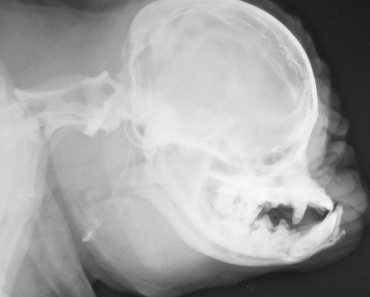
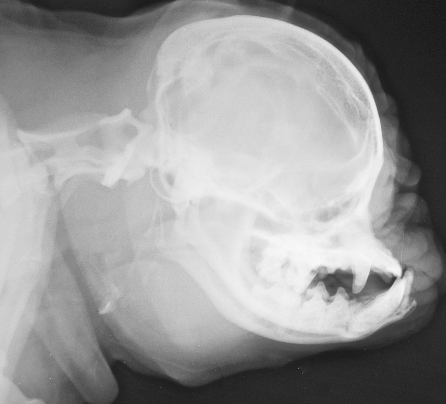
    In a new study published today in the journal PLOS ONE, scientists from the University of Surrey, working with an experienced breeder in the Netherlands, examined how the skull and brain of toy dogs change when a Brussels Griffon with  Chiari-like malformation  is crossed with an Australian Terrier. The succeeding hybrid puppy is then back crossed to a Brussels Griffon to give some of the features of the Brussels Griffon, but keeping the longer skull of the Australian Terrier.

    pug-skull

    The results from the study showed it is possible to breed a dog which had the external features of a short-nosed Brussels Griffon and reduce the risk of Chiari malformation, a debilitating condition found in toy dogs and affecting 1 in 1,280 humans. The disease is characterised by premature fusion of skull bones forcing parts of the brain to push through the opening in the back of the skull causing fluid filled cavities to develop in the spinal cord. Chiari malformation causes headaches, problems with walking or even paralysis and has become prevalent in some toy breed dogs as a result of selective breeding.

    The breeder, Henny van der Berg, proposed the project idea after an accidental mating between two of her dogs. The four-year study analysed five traits on magnetic resonance images (MRI) scans and how they changed generation by generation in the family of 29 dogs. Using a careful selection of head shape and MRI scans over two generations, the findings revealed it was possible to breed a dog which had the external features of a Brussels Griffon, but is less susceptible to Chiari malformation.

    “This is a true collaboration with breeders and researchers working together and using their expertise to improve the health of dogs,” said Dr Clare Rusbridge from the University of Surrey.

    “Our study investigated how the characteristics of this disease are inherited in the family. Such knowledge could help in tackling this debilitating disease in toy dog breeds. We hope our research will help develop more sophisticated ways of screening and improve breeding guidelines by creating robust breeding values.”

    The team at the University of Surrey is now collaborating with geneticists at the University of Montreal, and correlating the skull and brain traits visualised on magnetic resonance images with the dog genome. This information will then be translated to humans.

  • A Cat’s Best Friend: Watch Amazing Dog Who’s Helping to Rear Cheetah Cubs

    A Cat’s Best Friend: Watch Amazing Dog Who’s Helping to Rear Cheetah Cubs

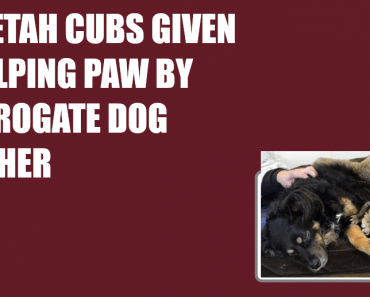
    Following the sad death of their mother,Willow, five cheetah cubs are being given a helping hand by a canine surrogate mother.

    The cubs were born via C-section at the Cincinnati Zoo & Botanical Garden’s Cheetah Breeding Facility on March 8. Zoo vets were hopeful that their five-year-old mother would make a full recovery following surgery, but she remained lethargic and lost her appetite and sadly passed away.

    “Cheetahs are a fragile species and this difficult birth proved to be too much for her to pull through” said Thane Maynard, Director of the Cincinnati Zoo & Botanical Garden. “Willow was able to contribute to the survival of her species by producing five cheetah cubs. Without the C-section, we likely would have lost both the mom and the cubs.”

    The cubs have been receiving critical care in the Zoo’s nursery since they were born. Nursery staff have been bottle-feeding the premature cubs every three hours and closely monitoring their weight. Australian shepherd “Blakely,” the Zoo’s resident nursery companion and former nanny to several Zoo babies, has been called into action to provide snuggling, comfort and a body to climb.

    “They really turned a corner this weekend. They opened their eyes, had good appetites and, most importantly, they pooped!” said Head Nursery Keeper Dawn Strasser of the cubs. “It’s important to keep their digestive system moving. We’ve been massaging their bellies and giving them opportunities to exercise as much as possible.”

    Blakely will have his paws full with this assignment. “His first job is to let the cubs climb on him, which they did as soon as they were put together. They need the exercise to build muscle tone and get their guts moving,” said Strasser, who supervises daily climbing sessions and other interactions with Blakely.

    As the cubs grow, Blakely’s role in their development will shift from climbable companion and hairy warm body to teacher and role model. He taught his last student, a baby takin named Dale, to jump up on rocks and to keep his head butts in the gentle range. His first charge, a single cheetah cub named “Savanna,” learned the difference between a playful bite and the start of a fight from Blakely.

    The cubs (3 boys and 2 girls) will remain in the nursery for at least 8-12 weeks. After that, they will be hand-raised and trained to be cheetah ambassadors. Visitors may be able to view the cubs through the nursery windows, but some feedings and exams will take place behind the scenes.

    Since cheetah breeding is most successful in both the wild and in zoo settings when cheetahs have multiple mates to choose from, the cheetah SSP has set up several Regional Cheetah Breeding Facilities in zoos across the U.S. for the purpose of breeding genetically important animals. The Cincinnati Zoo is one of nine AZA-accredited institutions that participate in a cheetah Breeding Center Coalition (BCC). Working closely with the Cheetah Species Survival Plan (SSP), the BCC’s goal is to create a sustainable cheetah population that will prevent extinction of the world’s fastest land animal.

    Cheetahs are endangered, and their population worldwide has shrunk from about 100,000 in 1900 to an estimated 9,000 to 12,000 cheetahs today.

  • Besmur Idrizi (Princess Margaret Road, in East Tilbury) is a Dog Beating Thug

    Besmur Idrizi (Princess Margaret Road, in East Tilbury) is a Dog Beating Thug

    An Essex man, who violently beat his girlfriend’s dog, has been jailed and disqualified from keeping any animals.

    Besmur Idrizi (DoB: 17/04/1988), of Princess Margaret Road, in East Tilbury, pleaded guilty to one offence of causing unnecessary suffering to a Staffordshire bull terrier, called Sugar, by beating her.

    He was sentenced on Friday (18 March) at Basildon Magistrates’ Court to a 20-week jail term, and was ordered to pay £300 towards costs and an £80 victim surcharge. He was also disqualified from keeping all animals indefinitely.

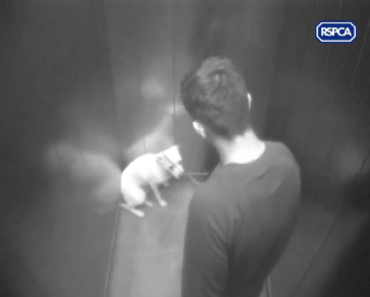
    Magistrates were shown “sickening” CCTV footage of Idrizi beating one of his girlfriend’s two dogs in a lift at a block of flats in Grays.

    The CCTV operator who reviewed the footage and saw the shocking incident, on 10 March last year, called the RSPCA and inspector Adam Jones launched an investigation.

    “The CCTV operator was horrified by what she saw and contacted us immediately,” inspector Jones said. “The footage is sickening and the beating inflicted on this poor dog is unbelievable.

    “The video shows Idrizi get into the lift with two dogs. He then starts kicking and stamping on Sugar as the other dog cowers in the corner. He clearly intended to hurt her.

    “Her eye was blood-shot and she was covered in bruises after the attack.

    “The dogs’ owner ended the relationship after she found out what Idrizi had done.”

    Inspector Jones added: “Idrizi told the court, via an interpreter, that he had had an argument with his girlfriend and was angry.

    “Clearly, this is no excuse for treating these dogs like this. There is absolutely no reason to ever treat a dog – or any other animal – with such aggression or violence. It is completely unjustifiable.”

  • Britain’s Pets Could Save NHS Billions Every Year

    New research out has revealed that pets could save the NHS £2.5 billion a year as a result of the impact they have on their owners health and recovery from illness.

    The studies showed that pets can lower blood pressure and cholesterol, and improve heart function and cardiovascular fitness – this contributes to a decreased risk of heart attack, stroke and other cardiovascular diseases.

    Speaking of the study findings at a recent forum held by Purina in Brussels, Professor Daniel Mills, a professor of veterinary behavioural medicine at the University of Lincoln, said that pet ownership can help save the NHS £2.5 billion a year.

    Animal assisted activities and therapy (AAT), where animals are involved as a way of improving social, emotional and cognitive function, and supporting recovery and rehabilitation, can play an important role in this cost saving also. In fact, over a third (36%) of people recognise the benefits of pets in therapy and recovery and 77% would consider AAT, but less than 1% (0.4%) surveyed have taken part in any form of AAT in the past.

    Professor Mills continued, “While these numbers are not perfect, there is definitely something there that the public health and pet care community needs to pay attention to. The benefits of responsible pet ownership are clear. I’ve seen pets have dramatic effects on autistic children. Understanding the subtleties and nuances of how people and pets work together is vitally important for the well-being of both, and has the potential to make a massive difference to public health. But it is crucial that the industry is given an opportunity to analyse this further. Ignoring the evidence is a far greater problem than dismissing the research as being at an early stage.”


  • Dog Who Saved the Lives of 9 People is Given Posthumous Award

    Dog Who Saved the Lives of 9 People is Given Posthumous Award

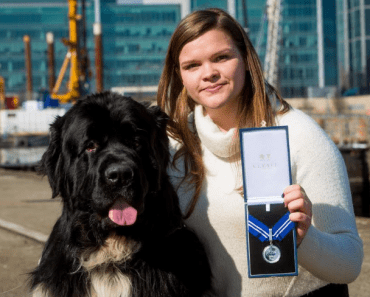
    A Newfoundland dog, who saved nine people and a dog from drowning during a ten-year water rescue career, has been awarded the PDSA Order of Merit – known as the animals’ OBE – for outstanding devotion to duty.

    Whizz, who sadly passed away earlier this month aged 12, spent most of his life dedicated to patrolling the Bristol Channel and the River Severn with the Royal Navy Rescue, the Severn Area Rescue Association and Marine Volunteer Service.

    As well as being a water rescuer, working alongside his owner David Pugh, Whizz also enriched the lives of hundreds of people as a fundraiser and therapy dog.

    The PDSA Order of Merit was presented to Whizz’s cousin, Tizz, and owner David Pugh at a ceremony on the quayside of the Docklands Scout Project on the Isle of Dogs, London (Tuesday 22 March 2016).

    Whizz is the third dog to be awarded the PDSA Order of Merit, which recognises animals that display outstanding devotion to their owner or wider society, above and beyond normal companionship – and represents an exceptional example of the special relationship between animals and humans.

    The gentle giant who stood at over six feet tall on his hind legs and weighed 12 stone, was trained to rescue people in peril from the water by owner David when he was just a year old.

    Whizz’s achievements

    Whizz’s esteemed career saw him carry out some amazing rescues including:

    In August 2008, a family were enjoying the day at Oxwich Beach, Wales.  Their two small girls had persuaded their parents to buy them a small inflatable dinghy. Suddenly the parents realised they couldn’t see their girls and panic set in: the dinghy had drifted out to sea and they were spotted on the horizon with a boat approaching.  The girls had been thrown from their dinghy by a large wave and Whizz, along with a lifesaver, leapt from the lifeboat. Whizz pulled the girls to safety.

    In February 2007 Charlotte Burroughs was out walking her two Red Setters Flynn and Topper when she realised that Topper had wandered off.  Charlotte became increasingly worried and returned home distraught. On her way back she passed David, who was walking Whizz and she asked if he had seen Topper. David explains: “I don’t know what prompted him, but Whizz suddenly took off and started running towards a disused water treatment pool. He jumped in the water without hesitation, as was his nature. As Charlotte and I approached, we saw Topper in the water, struggling to get out as the sides were too slippery and steep and he’d hurt his legs trying to get free. Whizz pushed Topper towards me and I helped pull him onto dry land. There is no doubt that if Whizz hadn’t acted when he did, Topper would have been in grave danger that day.”

    On another occasion in 2011, Toni Curtis from Bristol was enjoying a swim in the sea while on her family holiday, when she began having an asthma attack. Toni said: “I am a proficient swimmer and love to venture out into the deep water. The asthma attack took me by complete surprise and as I was treading water; my airway closing and struggling to breathe, I realised just how isolated I was. I was sure that nobody would see me and panic really set in. The next thing I knew I heard a muffled voice, telling me to ‘grab the dog’ and before I knew it, I was being pulled to the safety of the lifeboat. Whizz had saved me and I will be forever in his debt.”

    As well as his water rescues, Whizz raised thousands of pounds for charity by taking part in Newfoundland Water Rescue Days.  People were sponsored to jump into the sea (wearing life jackets) and were rescued by Whizz and his fellow Newfoundland water rescue dogs. David set up the charity Newfound Friends in 1989 to raise the profile of the breed and use their skills to raise money for a number of human and animal charities.

    Whizz also transformed the lives of sick children and adults through his visits to hospitals, nursing homes and hospices, as well as visiting servicemen injured in the line of duty.

    Award Reaction

    Whizz’s medal was presented to fellow Newfoundland Tizz, by PDSA Director General, Jan McLoughlin, who said: “Whizz’s life was utterly devoted to saving and enriching the lives of the humans he met. His story embodies the enormous contribution that animals make to our lives. He is a thoroughly deserving recipient of the PDSA Order of Merit, which celebrates the outstanding devotion that Whizz displayed.”

    Whizz’s owner David Pugh, said: “I am bursting with pride for Whizz. He was a dog in a million and I am truly heartbroken that he isn’t here to receive his medal. Whizz loved working and had an extraordinary talent. Not only was he strong and gentle – he was also so emotionally intuitive. This made him the perfect rescue and therapy dog and a beloved companion to the hundreds of sick children and adults he met along the way.

    “I am thrilled that Whizz has been recognised with the PDSA Order of Merit – Tizz has some big shoes to fill today!”

    His good work goes on with a fundraising pledge

    Whizz’s owner David and PDSA Director General Jan McLoughlin today announced that they will be returning to the quayside of the Docklands Scout Project on 5 September 2016 to hold a special Newfound Friends fundraiser in aid of PDSA.

    David said: “When I was told that PDSA was honouring Whizz with a medal, I wanted to do something in return. PDSA is an amazing charity that keeps pets and owners together through thick and thin – saving the lives of more pets than any other animal charity. My own family used PDSA in Bristol when I was young, so I know only too well what a valued service they provide.

    “So Newfound Friends will be holding a fundraising event for PDSA here at Docklands Scout Project, giving people the chance to be ‘rescued’ from the wharf by one of our dogs and experience the power and grace of these beautiful creatures, while raising money for a fantastic cause.”

    To find out more about the event, please visit www.pdsa.org.uk/whizz or call 01952 7971219.

    PDSA is the UK’s leading veterinary charity, treating nearly 500,000 pets annually across its 51 Pet Hospitals. The charity strives to improve all pets’ lives through education, preventive care and emergency treatment. For more information visit www.pdsa.org.uk.

  • Should Electric Shock Collars be Banned? This Charity Says Yes

    Should Electric Shock Collars be Banned? This Charity Says Yes

    The RSPCA is calling for the government in England to follow in the footsteps of its Welsh counterpart in banning shock collars.

    It comes after RSPCA Cymru this week welcomed the outcome of a review looking into the shock collar ban.

    Next week is the sixth anniversary of when The Animal Welfare (Electronic Collars) (Wales) Regulations 2010 came into force which banned the use of electronic shock collars on dogs and cats in Wales.

    A review of the legislation in Wales concluded that the existing policy will be retained and will not be amended at this time. The review also confirms that the animal welfare impact of any weakening of the law, to allow electronic fence systems or electronic anti-bark collars, is likely to exceed the benefits.

    Dr Samantha Gaines, head of the RSPCA’s companion animals department, said: “We support a ban of these collars as scientific research clearly shows that the application of an electric shock can cause both a physiological stress response and behaviours associated with pain, fear and stress in animals, therefore impacting on their welfare.

    “Furthermore, as animals trained with these devices can show behaviours associated with pain and fear both during training and some time afterwards, the use of shock collars can have long-term effects.”

    The ban of shock collars was introduced in Wales in 2010 and the nation remains the only one in the UK to ban the use of such devices for use on dogs and cats.

    Now the RSPCA in England is calling on the UK Government to follow in the Welsh Government’s footsteps and bring in a ban.

    Electric shock collars are used to train or control dogs and cats and are based on applying pain or the fear of pain to stop an unwanted behaviour. Scientific studies have shown that such techniques can compromise welfare and may make behaviour problems worse.

    “Such techniques are both unacceptable and unnecessary as reward-based training, where desirable behaviour is rewarded using praise, toys and treats achieves long-term change in behaviour and doesn’t subject the animal to pain or distress,” Dr Gaines added.

    Have Your Say

  • Canine Babesiosis Reaches UK: What is Canine Babesiosis

    Canine Babesiosis Reaches UK: What is Canine Babesiosis

    Canine babesiosis is a life threatening condition for dogs and experts are warning dog owners about the deadly tick borne disease which has entered the UK and already left four animals fighting for their lives.

    The life threatening disease is transmitted to dogs by infected ticks and dogs in Essex are believed to be the first in the UK to have contracted canine babesiosis. It originates from Eastern and southern Europe and there are various different strains.

    In this video below the vet who diagnosed the 1st dog in the UK with the disease explains more.


  • Concern Grows for Dogs at Risk of Tick-Borne Disease

    Concern Grows for Dogs at Risk of Tick-Borne Disease

    Concern is growing about the risks posed to dogs from the parasite known as ‘babesia canis’ (also referred to as the brown dog tick) as experts warn that it is likely to spread across the UK.

    According to Dognews.co.uk, two government agencies, the Animal and Plant Health Agency and Public Health England, are now investigating the outbreak which first originated in Harlow in Essex taking the lives of two dogs and affecting a further three who needed a blood transfusion.

    Although humans can contract the disease babesiosis, it is rare and the strain which affects dogs caused by Babesia canis is not thought to present a risk to human health, nor fellow animals such as cats.

    Talking to K9 Magazine about the outbreak of the parasite which is better known in warmer climates across Europe, Sean Wensley, President of the British Veterinary Association, said:

    “It is concerning that infection with Babesia canis has been diagnosed for the first time in the UK in dogs that have not travelled from overseas nor had contact with pets that have travelled – and dog owners will understandably be feeling anxious about the reported cases. Prevention is always better than cure and we’d recommend that owners discuss year-round parasite control, including tick prevention treatments, with their local vet.

    “BVA lobbied hard against the relaxing of controls under the EU Pet Travel Scheme, which included removing the requirement for tick treatment to prevent diseases such as babesiosis being introduced into the country, and it is disappointing to see our concerns potentially becoming a reality.”

    “Owners should check pets for ticks after walks and if one is found on the body it should be removed completely using a commercially available tick-remover or fine-pointed tweezers, even if they are dead. If owners have any concerns about their dog or suspect any signs such as weakness, pale gums or “coffee-coloured” urine then they should contact their vet immediately.”

  • Major Shake-up of Sentencing for People Convicted of Dangerous Dog Offences

    Major Shake-up of Sentencing for People Convicted of Dangerous Dog Offences

    The Sentencing Council has published new guidelines today for how courts should sentence people convicted of dangerous dog offences.The information provided by the Sentencing Council is outlined below.

    The guidelines cover offences where a dog injures or kills a person, where it injures an assistance dog or where someone possesses a banned breed of dog. The Council has introduced these guidelines following changes to dangerous dog offences legislation in 2014 which extended the law to cover attacks that occur on private property and introduced a new offence to cover attacks on assistance dogs.

    The legislation also made very significant increases to some maximum sentences. For example, the maximum sentence for an offence where someone is killed increased from two to 14 years and for where someone is injured from two to five The new guidelines aim to provide clear guidance to sentencers, taking into account the changes to the law and ensuring a consistent approach to sentencing for these offences.

    The increases in maximum sentences set by law have been reflected in the guidelines, so that they permit a much wider range of sentence lengths than the previous guidelines. Sentencing levels are likely to be higher than in the past, but magistrates and judges will still have to pass appropriate and proportionate sentences according to the seriousness of the offence.

    The guidelines are designed to deal with a wide range of offending behaviour. For example, the guideline for a dog dangerously out of control where a person is injured covers situations which range from a nip causing a minor injury to a very serious attack causing life-changing injuries. The blameworthiness of the offender can also vary greatly between cases, with some owners deliberately training dogs to be dangerous, while other offences may involve a momentary lapse of control over a dog by an otherwise responsible owner.

    Consistent with the changes to the law, the guidelines apply to offences that occur on private property in addition to public places. This covers situations for example where a guest is injured by a dog in someone’s home or a postal worker is attacked on their round in someone’s front garden. There is a new guideline to cover the offence introduced in 2014 of an attack on an assistance dog.

    Assistance dogs may be those trained to guide someone with a visual impairment or help someone with a hearing impairment or other disability, and the guideline takes into account both the harm suffered by the dog and the potential impact on the assisted person of being without their trained dog for any period.

    In addition to setting out appropriate sentence ranges for these offences, the guidelines emphasise to sentencers that they should consider whether an offender should be banned from keeping dogs, have dogs taken away from them, and be ordered to pay compensation to the victim.

    The introduction of the guidelines follows a public consultation on the Council’s proposals. The consultation asked for views on aspects such as the factors that should be taken into account when assessing the seriousness of an offence, how the guideline should be structured and the sentence levels that should be set out.

    During the consultation period, the Council also hosted a number of consultation meetings with sentencers and groups with an interest in this area. The guidelines take into account feedback received during the consultation. For example, a number of changes were made to the factors included for assessing the culpability of offenders, particularly in the guideline for the offence of attacks on assistance dogs. These reflected comments received that the factors should be more tailored to this specific offence and so the Council added a new high culpability factor for circumstances where assistance dogs and their owners have been specifically targeted due to the person’s disability (or presumed disability).

    District Judge Richard Williams, a member of the Sentencing Council said: “We know that the majority of dog owners are responsible and ensure their pets do not put anyone in danger, but there are some irresponsible owners whose dogs do put people at risk of injury and in some cases even death.

    “The new guidelines will help ensure a consistent and proportionate approach to sentencing following the significant changes to the law. They allow for a broad range of sentences to be given, depending on the seriousness of each offence, and encourage courts where appropriate to use their other powers to ban people from keeping dogs or to order them to pay compensation to victims.”

    James White, Senior Campaigns Manager at the charity Guide Dogs said: “Sadly, every year we hear of more than 100 guide dogs being attacked by other dogs. Attacks on guide dogs are extremely distressing for their owners. Not only is the attack itself traumatic, but if the dog has to stop working, then their owner may find it impossible to leave home on their own. We welcome the publication of today’s dangerous dog sentencing guidelines, which will assist courts in sentencing these difficult and distressing cases appropriately.”

    Malcolm Richardson, National Chairman of the Magistrates Association said: “The impact on the victim of this kind of offence can be severe. The sheer range of seriousness in dangerous dog cases is very considerable, so we are therefore glad that the Sentencing Guidelines now reflect that. “Because no two cases are the same, magistrates appreciate having as flexible a range of guidelines at their disposal as possible. It helps them to do their job of steering justice fairly.”

    Following its publication today, the guideline will come into force in courts in England and Wales from July 2016.

  • Pet Food Partnership Will Help Veterans With PTSD

    Pet Food Partnership Will Help Veterans With PTSD

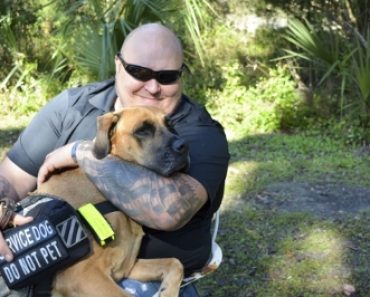
    K9s For Warriors and Merrick Pet Care are partnering to demonstrate the effective role service dogs play in the treatment of post-traumatic stress disability (PTSD) among American military veterans.

    Merrick announced at Global Pet Expo 2016 it will now offer its Hero’s Banquet canned recipe year round and donate a portion of the item’s proceeds to underwrite research on how pairing specially trained rescue dogs with veterans suffering from PTSD and/or traumatic brain injury (TBI), helps veterans readjust to civilian life. The research will be conducted by Purdue University’s Center for the Human-Animal Bond.

    "More than half a million war veterans suffer from post-traumatic stress disability and struggle to see that there is life after combat," said Shari Duval, president, K9s For Warriors. "We know these specially trained service dogs give warriors suffering from PTSD a new leash on life and with Merrick’s help we are now going to be able to scientifically validate this particular treatment’s success. With this evidence, we hope to increase political and financial support of trained service animals as an effective treatment intervention for PTSD."

    "There is currently no comprehensive evidence to support the validity of service dogs as an effective therapeutic intervention for veterans diagnosed with PTSD or their families and we’re hoping to change that," said Greg Shearson, CEO of Merrick Pet Care.

    The $250,000 donated by Merrick will allow for research to create guidelines to predict efficacy based on warrior characteristics and to identify the organizational and service dog training standards required to achieve desired outcomes.

    Merrick’s help and commitment to veterans and service dogs also includes hundreds and thousands of pounds of high-quality food and treats it provides to K9s For Warriors. In addition to feeding these best service dogs ever, Merrick launched a limited-edition special can recipe of Merrick dog food, Hero’s Banquet, last fall, honoring American military veterans. The 12.76 oz. can will now be available nationally year-round at Petco, independent pet supply stores and online with a suggested retail price of $2.99 beginning in September.

    K9s For Warriors helps veterans with PTSD and/or TBI have a new outlook on life. The non-profit group carefully selects dogs for their program from animal shelters across the country and professionally trains them at their facility. The dogs are then matched with warriors with whom they live, learn and bond together for three weeks with up to 16 other warrior-dog teams.

    For more information about the Merrick/K9s for Warriors partnership, watch one warrior-dog team story, click here.

  • Two Thirds of Dog Owners Claim Pets Are Best Friends

    We know dog as man (or woman’s) best friend, but it’s now official as according to new research out, almost two thirds (65%) of dog owners claim their pets are their best friend.

    The research, released by tails.com, found that dog owners also admitted to spending spend 47 minutes talking to their dog each day and four in five of those questioned even said that they feel happier after a chat with their four legged friend.

    So, where do you stand on the subject? Is your dog your best friend? How much time do you think you spend chatting with them every day? Comment below and let us know!


  • Dog Owners Warned About Outbreak of Animal Disease Carried by Ticks

    British dog owners are being warned about an outbreak of animal disease caused by the babesia canis parasite (also known as the brown dog tick).

    Better known in Europe and the USA, the brown dog tick is adapted to warmer climate where it affects shelters and greyhound kennels, but has recently been diagnosed in Harlow, Essex where two dogs have sadly died and three have needed blood transfusions after contracting the disease.

    Companies, such as Bayer Animal Health, have previously warned about the affects of ticks and encouraged dog owners to be tick aware, however according to the BBC, experts say that it will be “impossible to stop the spread of the disease” carried by the parasite and concerns has grown over it spreading across the UK.

    Two government agencies are now investigating the outbreak: the Animal and Plant Health Agency and Public Health England.

  • For Those Wondering What a GSD SHOULD Look Like

    For Those Wondering What a GSD SHOULD Look Like

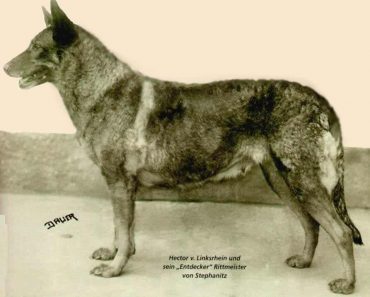
    Look no further than Horand von Grafrath. He is widely recognised as the first German Shepherd Dog and the genetic basis for modern German Shepherds. Oh, and he looks like this.

    Not this

    or this

    Hands up everyone who thinks we’ve done a good job as caretakers of this truly magnificent dog breed?

  • 8 Million Chinese Citizens Vote Online to Support Legislative Proposal against Cruel Dog and Cat Meat

    8 Million Chinese Citizens Vote Online to Support Legislative Proposal against Cruel Dog and Cat Meat

    In one of the strongest showings ever within China against the dog and cat meat trade, more than 8 million Chinese citizens have voted online in support of a legislative proposal to ban the grisly industry. That is currently the highest number of votes for any proposal open to the public via the Chinese government’s official website.

    Although this year’s annual legislative session has ended, Humane Society International (HSI) welcomes what is a defining moment in the fight against the barbaric slaughter of dogs and cats, and will work with partners to assure it’s on next year’s agenda.

    Submitted by National People’s Congress Deputy Zheng Xiaohe, the proposal comes ahead of China’s Yulin dog meat festival that takes place on and around June 21. The event, which receives global media coverage every year, is condemned both inside China and around the world for the inhumane killing and eating of an estimated 10,000 dogs and countless cats.


    Caring for rescued dogs [source: TACN]

    Peter Li, HSI’s China policy specialist, said: “It is very encouraging that a ban on China’s dog and cat meat trade has been proposed and that it has received such significant public support from inside China itself. The National People’s Congress can no longer ignore the wishes of so many millions of its citizens to end the cruel and largely illegal dog meat trade – and in particular shut down the dog meat festival in Yulin. While it’s off the table for this year, HSI, with the strength of its Chinese activist partners, will make sure the proposal is on the agenda in 2017. In the meantime, we continue our fight against such massive cruelty.”


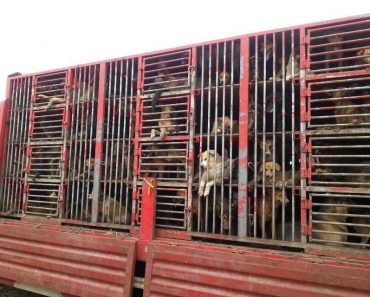
    Dog meat trade truck [source: TACN]

    HSI campaigns globally to end the dog meat trade that claims the lives of up to 10 million dogs annually in China, and around 30 million across Asia – including in South Korea, Thailand and the Philippines. Together with its Chinese partner network, HSI has been in Yulin during the festival period for the past few years, documenting the scene and working to end the slaughter.

    Last year, HSI witnessed first-hand thousands of dogs packed onto trucks entering the town and then beaten with metal poles before being killed during early morning hours in illegal slaughterhouses without license to operate. The majority of the animals are stolen pets grabbed from the streets, still wearing their collars as they are stuffed into cages, loaded on to trucks and driven for days to reach Yulin.

    The Yulin festival has no cultural significance; it was concocted by dog meat traders as recently as 2010 as a way to boost their flagging business. Although dog meat can be found in China today, it is not widely eaten, nor is it part of mainstream culinary practice.

    Concerned global citizens can show their support for ending the dog meat trade in China by signing HSI’s global petition at hsi.org/helpstopyulin that will be presented to the Chinese authorities in early June.

    Read more about the life of a dog in China in K9 Magazine with the help of Grace Han from Together for Animals in China here: http://www.k9magazine.com/a-view-from-china-whats-a-dogs-life-worth/