Blog

  • Is it OK to Let Dogs Sleep in the Bedroom?

    Is it OK to Let Dogs Sleep in the Bedroom?

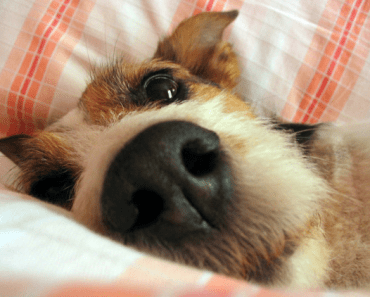
    Are dogs OK to sleep in your bedroom or even in your bed? Whilst it’s been a topic of hot debate for as long as there have been dogs in people’s homes, it would appear that not only is it OK, it’s actually good for you (and them)!

    The Center for Sleep Medicine at the Mayo Clinic in Arizona conducted a study of some 150 patients. 74 of those people are pet owners and more than half of those 74 allowed their pets to sleep in the bedroom with them.

    20 percent of owners described their pets as disruptive at night, 41 percent said their pets are unobtrusive and many of the study’s participants stated that their pets contributed positively to their sleep, providing security, companionship or relaxation.”.

    Dogs are more dependent on humans than cats, the study showed. Dogs do a better job developing a “consistent sleep pattern” with their owners. But, dogs can also bark or whimper during the night if they are dissatisfied.

    Cats rarely spend the entire night in one place because they tend to roam.” Nevertheless, some cat owners describe their cat as a valued source of relaxation.”.

    Dogs Sleeping in the Bedroom: Can it be Harmful?

    It’s not all plain sailing. A previous study offers an alternative tail of night-time restfulness where it concerns dogs in the bedroom.

    While countless pet owners peacefully sleep with a warm pet nearby, a Mayo Clinic study, presented in 2014 at the 29th Annual Meeting of the Associated Professional Sleep Societies, found an increase in the number of people experiencing sleep disturbances because of their pets.

    A previous Mayo Clinic study published in 2002 reported that of patients who visited the clinic’s sleep centre and owned pets, only one percent reported any inconvenience from their pets at night. The new study shows a larger number of patients — 10 percent in 2013 — reported annoyance that their pets sometimes disturbed their sleep.

    “The study determined that while the majority of patients did not view their pets intolerably disturbing their sleep, a higher percentage of patients experienced irritation — this may be related to the larger number of households with multiple pets,” says Lois Krahn, M.D., Mayo Clinic psychiatrist and author of the study. “When people have these kinds of sleep problems, sleep specialists should ask about companion animals and help patients think about ways to optimize their sleep.”

    Between August and December 2013, 110 consecutive patients at the Mayo Clinic Center for Sleep Medicine in Arizona provided information about pets at night as part of a comprehensive sleep questionnaire. Questions covered the type and number of pets, where the animals slept, any notable behaviours and whether the patient was disturbed. The survey showed that 46 percent of the patients had pets and 42 percent of those had more than one pet. The most popular pets were dogs, cats and birds.

    The disturbances by pets that patients reported included snoring, whimpering, wandering, the need to “go outside” and medical needs.
  • Man Who ‘Insulted’ Royal Dog Faces 37 Years in Jail

    Man Who ‘Insulted’ Royal Dog Faces 37 Years in Jail

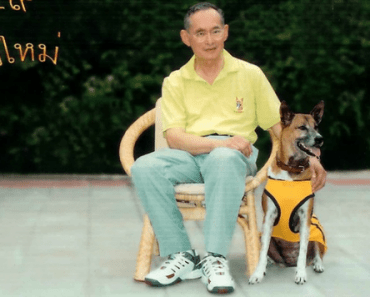
    A man who saw fit to speak ill of the king of Thailand’s dog is facing a 37 year jail term.

    Thanakorn Siripaiboon, a factory worker in Thailand, has been charged by a military court for making a supposedly sarcastic remark about Copper (or Tongdaeng in Taiwanese), a beloved cross breed dog who was rescued by the royal family from an alley.

    Strict laws in Thailand make it a criminal offence to criticise or defame members of the royal family and a sentence of up to 15 years for each count can be passed on those who are found guilty.

    The royal dog is much loved in Thailand and a household name. In fact the king wrote a book about her which has been turned in to a film called ”Khun”.

    The royal dog is such a sensitive subject in Thailand that International New York Times in Thailand declined to publish an article about her and instead just left a blank space where the story should have been.

  • These Three Dogs LOVE Christmas (& We Can See Why!)

    These Three Dogs LOVE Christmas (& We Can See Why!)

    These three dogs must have definitely been good to wake up on Christmas morning to a scene like this!

    Merry Christmas to our friends and fans, Happy Holidays!


  • Is This a Dog Handler’s Worst Nightmare?

    Is This a Dog Handler’s Worst Nightmare?

    Well,it may very well be the thing that many a dog handler dreads…a dog doing precisely what THEY want rather than what the dog’s trainer wants, but it’s a timely reminder that our beloved dogs are creatures with a mind of their own and sometimes they just want to do what appeals to them the most. This dog’s handler may have been a little red faced at the time but rest assured Miss, your dog was the star of the show.

  • Dogs & Divorce: How a Relationship Breakdown Can Affect Dogs

    Dogs & Divorce: How a Relationship Breakdown Can Affect Dogs

    “Where have you been all night?”

    Enquires Mrs Fido when her husband comes home late one night.

    “I’ve been in the alley all night playing with the bins.” He replies taken aback.

    “Don’t give me that,” she snaps. “You’ve been sniffing around that poodle again haven’t you?”

    “No, I swear I was just with my mates.” Mr Fido replies uncomfortably shifting his weight from one paw to the other.

    “My mother warned me about you.” She moans, pressing a paw to her forehead. “Look at you! You’ve got lipstick on your collar!”

    “That’s it.” Mr Fido growls as he marches towards the kennel door, barging it open with his nose. “I’ve had enough of your fishwifery, I’m leaving you!”

    *SLAM!*

    …Okay, it’s an unlikely scenario but divorce and its effect on dogs is a very serious matter and one that more Britons are having to face up to every day By Dan Laurikietis.

    Those of us whose parents separated when we were young know how it feels to be caught in the middle of a divorce. Disorientated, frightened, insecure and torn between the two people who have shaped you in your formative years and been a part of every major event in your life.

    This is a predicament shared by children and dogs alike. A divorce can take its toll on our furry friends every bit as much as on a child.

    Since every dog is unique different dogs will react in different ways but the dog’s reaction can depend on their age and amount of training as well as breed, history and other aspects.

    In this country divorce statistics are showing an alarming increase.

    A government survey showed that in 2001 a staggering 143,818 divorces were granted in England and Wales and the 4.8 million dog owning households in the country are no exception. It is a sad fact that all over the world couples are separating leaving their pets caught in the middle.

    Even in the news and gossip columns we see examples of this, notably Les Dennis and Amanda Holden were engaged in a custody battle over their pet dogs, despite their amicable divorce.

    Dogs whose owners get divorced often end up at best disorientated and lonely or at worst homeless. Indeed, an increasingly large amount of dogs given in to pet shelters are handed in on the grounds of divorce.

    Dogs are very dependent creatures and being man’s best friend their emotional investment in us is as prominent as their need for the food and shelter that we provide them. Legal procedure for pet custody is very different to child custody. Ownership of the pet will go to the partner proven as the legal owner regardless of who will be able to give the dog a better home.

    In legal term the dogs are essentially a material posession, nothing more, nothing less. As is sadly the case in most legal matters monetary value outweighs that of sentiment. Higher wage earners will invariably have to invest more time and attention on their job than their dog.

    We should never underestimate the sensitivity of our four legged companions. The dog will be able to sense the emotional tension leading up to and during divorce, which in turn can lead to the dog/s feeling uncomfortable which in turn can manifest itself in behavioural changes.

    In cases involving two or more dogs, if the dogs are separated they will miss each other as well as their estranged masters. A seemingly minor change to a human’s lifestyle could affect the dog on a far larger scale. For example a house wife or husband is obliged to find a job following divorce, the lack of company and attention now availed to the pet can be deeply depressing. Changes in location are also very important.

    Dogs being very territorial creatures will respond with bewilderment and frustration following a drastic change in scenery. Couple this with Rover’s primal need to mark this strange new territory as his own and you mustn’t be surprised to tread in a puddle every now and then.

    The environment the dog is moved to must also be considered, much like when you first considered bringing it into your home. Moving from a semi detached house to a high rise flat will result in far less space for the dog to explore and no back yard to be exercised in (unless the dog is so small it can run around a window box).

    We humans can make this difficult transitional period infinitely easier for our wet nosed friends simply by considering how their needs will be catered for following the separation. Making the minimum possible amount of changes to your dog’s lifestyle can help to ensure against behavioural problems which could complicate life further for everybody. It is also important for the dog to have regular contact with both divorcees much like children. Fido has feelings too you know!

  • Scotland Might Bring Back Tail Docking

    Scotland Might Bring Back Tail Docking

    The UK’s largest dog welfare charity, Dogs Trust, has expressed its deep regret and disappointment at the Scottish Government’s announcement yesterday (December 10) that it plans to consult on the possible relaxation of current tail docking legislation for certain working dogs, namely Spaniels and Hunt Point Retrievers.

    We are opposed to the docking of puppies’ tails, believing that puppies suffer unnecessary pain as a result of docking, and are deprived of a vital form of canine expression.

    Dogs Trust lobbied heavily for a complete ban on tail docking in 2007 and cite Scotland’s current legislation as a key example of how the country has led the way on dog welfare issues. The legislation presently bans all docking, other than those conducted as necessary for veterinary medical reasons, for all breeds of dog.

    We do not believe that there is an accurate means by which tail docking could be genuinely restricted to puppies that later go on to be working dogs. We would consider such an exemption to be a significant loophole in the legislation as it would be impossible to differentiate between genuine owners or breeders of working dogs and those who simply say that the puppies will go on to be working dogs, when in fact they just want the procedure performed on the animal.

    From a welfare and ethical perspective, Dogs Trust continues to question whether the reduction in possible injury risk justifies the pain involved with tail docking. We have previously highlighted our concerns with the recent research carried out by Glasgow University and will draw on scientific evidence that proves that the act of docking causes pain and also the findings that pain in neonates is enhanced compared to adults.

    Dogs Trust has grave reservations regarding the upcoming consultation and will be expressing these views and others to the Scottish Government.

  • These Puppies Are a World First Thanks to IVF, See How They Did It

    These Puppies Are a World First Thanks to IVF, See How They Did It

    In a world first, a litter of puppies has been produced by way of in vitro fertilization (IVF) following work from research specialists at the world renowned Cornell University.

    The Beagle x Cocker Spaniel puppies are seen as a scientific landmark as experts have been trying to successfully produce dogs through IVF therapy for more than 35 years.

    The breakthrough, described in a study to be published online Dec. 9 in the journal Public Library of Science ONE, opens the door for conserving endangered canid species, using gene-editing technologies to eradicate heritable diseases in dogs and for study of genetic diseases. Canines share more than 350 similar heritable disorders and traits with humans, almost twice the number as any other species.


    image: Cornell University

    Nineteen embryos were transferred to the host female dog, who gave birth to seven healthy puppies, two from a beagle mother and a cocker spaniel father, and five from two pairings of beagle fathers and mothers.

    "Since the mid-1970s, people have been trying to do this in a dog and have been unsuccessful," said Alex Travis, associate professor of reproductive biology in the Baker Institute for Animal Health in Cornell’s College of Veterinary Medicine.

    Jennifer Nagashima, a graduate student in Travis’ lab and the first to enroll in the Joint Graduate Training Program between the Smithsonian Conservation Biology Institute and Cornell’s Atkinson Center for a Sustainable Future, is the paper’s first author.

    For successful in vitro fertilization, researchers must fertilize a mature egg with a sperm in a lab, to produce an embryo. They must then return the embryo into a host female at the right time in her reproductive cycle.

    The first challenge was to collect mature eggs from the female oviduct. The researchers first tried to use eggs that were in the same stage of cell maturation as other animals, but since dogs’ reproductive cycles differ from other mammals, those eggs failed to fertilize. Through experimentation, Nagashima and colleagues found if they left the egg in the oviduct one more day, the eggs reached a stage where fertilization was greatly improved.

    The second challenge was that the female tract prepares sperm for fertilization, requiring researchers to simulate those conditions in the lab. Nagashima and Skylar Sylveste, found that by adding magnesium to the cell culture, it properly prepared the sperm.

    "We made those two changes, and now we achieve success in fertilization rates at 80 to 90 percent," Travis said.

    The final challenge for the researchers was freezing the embryos. Travis and colleagues delivered Klondike, the first puppy born from a frozen embryo in the Western Hemisphere in 2013. Freezing the embryos allowed the researchers to insert them into the recipient’s oviducts (called Fallopian tubes in humans) at the right time in her reproductive cycle, which occurs only once or twice a year.

    The findings have wide implications for wildlife conservation because, Travis said, "We can freeze and bank sperm, and use it for artificial insemination. We can also freeze oocytes, but in the absence of in vitro fertilization, we couldn’t use them. Now we can use this technique to conserve the genetics of endangered species."

    In vitro fertilization allows conservationists to store semen and eggs and bring their genes back into the gene pool in captive populations. In addition to endangered species, this can also be used to preserve rare breeds of show and working dogs.

    With new genome editing techniques, researchers may one day remove genetic diseases and traits in an embryo, ridding dogs of heritable diseases. While selecting for desired traits, inbreeding has also led to detrimental genetic baggage. Different breeds are predisposed to different diseases; Golden retrievers are likely to develop lymphoma, while Dalmatians carry a gene that predisposes them to blockage with urinary stones.

    "With a combination of gene editing techniques and IVF, we can potentially prevent genetic disease before it starts," Travis said.

    Finally, since dogs and humans share so many diseases, dogs now offer a "powerful tool for understanding the genetic basis of diseases," Travis said.

  • This Video of a Dog Jumping in Slow Motion Will Make You Feel Good

    This Video of a Dog Jumping in Slow Motion Will Make You Feel Good

    You are about to spend 90 seconds in front of one of the most strangely satisfying and rewarding videos you’ll ever watch.

    What is it?

    It’s a dog jumping for a treat in super slow motion. Why is it so soothing and one of the most neurologically rewarding pieces of footage you’ll see today? You’ll just have to watch and decide for yourself…

  • In Cambodia 34 People Ate Dog Meat, 4 Died & 30 Are in Hospital

    In Cambodia 34 People Ate Dog Meat, 4 Died & 30 Are in Hospital

    In Defense of Animals has issued a warning after four people are reported dead and more than 30 hospitalised after eating toxic dog meat in Cambodia.

    It is unclear whether the meat was bought from a market or by a neighbour of the deceased dog, where the tragedy unfolded in Kratie province.

    Tragically, a fourth person died after consuming leftover meat at the funeral of one of the initial three victims. More than 30 people have now been hospitalised.

    “This incident is tragic, but not surprising” said In Defense of Animals’ Haley Anderson. “Dog meat can be as deadly to humans as it is to animals – meat can harbour hazardous diseases such as rabies and parvovirus.

    Sadly, many dogs are stolen from people’s homes, poisoned with toxins such as cyanide. When they end up on the table, people are exposed to diseases and toxic chemicals.

    Events like this remind us that animal welfare and human welfare are intrinsically linked, and should serve as a warning to people across Asia to ditch dog meat for good.”

    Dog meat is eaten in countries across Asia, including Cambodia, South Korea, China, Vietnam and Laos. Earlier this year, 13 people were treated after eating rabies-infected dog meat in the Philippines, where the trade is illegal.

    Dealers are known to buy animals stolen illegally from homes – often still wearing their collars. Trucks stacked with hundreds of dogs crammed alive into wire cages to transport their grim cargo toward the slaughterhouse. The World Health Organization has linked the trade to the spread of cholera-causing bacteria.

    In Defense of Animals has campaigned to end the dog and cat meat trade for more than ten years. For more information, please visit: http://www.idausa.org/campaigns/dogs-cats

  • Can Dogs Get Cancer From Second-Hand Smoke?

    Can Dogs Get Cancer From Second-Hand Smoke?

    Second-hand smoke and dogs: Can my dog or cat get cancer as a result of second hand smoke and, in general, does my smoking harm my dog or cat?

    That’s a question asked of us by a reader who asked to remain anonymous.

    Not only does second hand smoke harm dogs and cats, it can actually increase their chance of getting cancer by up to four times.

    A vet from Tufts University, Massachusetts says a dog or cat living in a house with smokers has a significantly increased risk of getting feline lymphoma in cats and dogs are equally at risk of contracting similar, deadly disease.

    Dr Anthony Moore hopes new research linking exposure to second-hand smoke and the most common type of feline cancer will encourage people to stop smoking.

    This type of cancer kills three quarters of its victims within a year.

    Dr Moore and other researchers have had their findings published in the American Journal of Epidemiology. He said “I think there are a lot of people who might not quit smoking for themselves or their family. But they might for their dogs or cats.”

    The researchers studied 180 cats treated at a Tufts  veterinary hospital between 1993 and 2000.  Finding that, adjusting for age and other factors, cats exposed to second hand smoke had more than double the risk of getting feline lymphoma. Exposed to five years of more of second hand smoke cats had more than triple the risk. In a two smoker household, the risk increased by a factor of four.

    The same researchers plan a similar study on dogs but there is already significant from other studies showing the risk of cancer is greatly increased in dogs who are frequently exposed to second hand smokea .

    The American Veterinary Medical Association (AVMA) has informed smokers that the increased cancer risk in dogs is just one other good reason to quit the habit.

    “We’re all aware of the scientific research that shows that people who smoke are more likely to get certain types of cancer and other diseases, but a lot of people don’t know that the same goes for the pets of smokers,” said Dr. Ron DeHaven, chief executive officer, in a video encouraging pet owners to kick the habit.

    Lung cancer and nasal cancer are particularly threatening to dogs while cats that live with smokers are twice as likely to develop malignant lymphoma — fatal to three out of four cats within a year — and are more likely to get mouth cancer.

    Dr. John Reif, professor at the Colorado State University College of Veterinary Medicine and Biomedical Sciences, says that dogs with short noses have double the risk of lung cancer and long-nosed dogs such as collies have two and half times greater risk of nasal cancer from second hand smoke.

    “Smoking is a very dangerous exposure for many human diseases — cancer, cardiovascular disease and others — and anything we can do to encourage people to stop smoking would be helpful,” Dr. Reif said in a podcast encouraging pet owners to kick the habit.

    “I’m hoping that by publicising this information that more people will get involved in the Great American Smokeout this year, and the love of their pets will inspire them to finally kick the habit,” Dr. DeHaven said.

    The American Legacy Foundation(R) too is challenging pet owners to quit smoking for the health of their pets. A growing body of research shows there are no safe levels of exposure to second hand smoke — for humans or for animals. And one new study shows that nearly 30 percent of pet owners live with at least one smoker — a number far too high given the consequences of exposure to secondhand smoke (“SHS”).

    “Second hand smoke doesn’t just affect people,” said Dr. Cheryl G. Healton, DrPH, President and CEO of the American Legacy Foundation(R), the national independent public health foundation dedicated to keeping young people from smoking and providing resources to smokers who want to quit. “While most Americans have been educated about the dangers of smoking to their own bodies, it is equally important that pet owners take action to protect their beloved domestic pets from the dangers of secondhand smoke.”

    An estimated 50,000 Americans lose their lives to second hand smoke annually and 4 million youth (16 percent) are exposed to second hand smoke in their homes. A number of studies have indicated that animals, too, face health risks when exposed to the toxins in second hand smoke, from respiratory problems, allergies and even nasal and lung cancer in dogs and lymphoma in cats. In addition, the ASPCA, one of the largest animal rights groups in the U.S., lists tobacco smoke as a toxin that is dangerous to pets.

    “Nicotine from second hand smoke can have effects to the nervous systems of cats and dogs,” said Dr. Sharon Gwaltney-Brant, Medical Director of the ASPCA’s Animal Poison Control Center. “Environmental tobacco smoke has been shown to contain numerous cancer-causing compounds, making it hazardous for animals as well as humans. Studies have shown increases in certain types of respiratory cancers in dogs that live in homes with smokers. In addition, exposure to secondhand smoke has been shown to cause many of the same harmful inflammatory changes in the airways and lungs of dogs as their human counterparts. For these reasons, owners should not expose their pets to second-hand smoke in order to minimize the risk of their pets developing lung disease or cancer.”

    According to a study published in the February 2009 edition of Tobacco Control, 28 percent of pet owners who smoke reported that information on the dangers of pet exposure to SHS would motivate them to try to quit smoking. These findings, coupled with the research on the effects of SHS exposure to animals, signals a new front in the public health community’s battle to save lives from tobacco-related disease.

    In order to better protect dogs, cats or other pets, the foundation and ASPCA recommend that smokers — who often consider their domestic pets a part of the family — “take it outside” when they are smoking.

  • This Drug Could Extend Your Dog’s Life by 4 Years

    This Drug Could Extend Your Dog’s Life by 4 Years

    A scientific trial is under way on what could be a revolutionary, age increasing drug that could increase a dog’s lifespan by as much as four years.

    The drug, rapamycin, could delay the canine ageing process and give owners more years with their beloved pets.

    Evolutionary geneticists at the University of Washington have been researching the ageing process and believe there is a chance that man’s best friend can live longer.

    Dogs in the wild tend to live longer than the average domestic pet dog and scientists are trying to discover what makes some dogs live as long as twenty years plus, maintaining a degree of health that tends to erode in dogs of an average life expectancy.

    The drug provoking the most excitement is rapamycin which is commonly used as medicine for patients who have undergone kidney transplants. It is said to have increased the lifespan of mice by more than 25% and, if those results translate to dogs, could add an extra 4 years of life.

    Rapamycin’s anti-inflammatory properties help cells eliminate waste, detoxifying the body of those who take it.

    Trials are now under way on 32 dogs of various breeds (Labradors & German Shepherds amongst them) to examine whether small doses of rapamycin can slow the ageing process, improve heart function as well as mental ability.

    If the trials work as hoped in dogs, the scientists will investigate whether similar benefits can be seen in humans.

    Dr Daniel Promislow, a geneticist on the Dog Ageing Project, at the University of Washington, speaking to the publication ‘Science’ says:

    “If we can understand how to improve the quality and length of life, it’s good for our pets and good for us. It’s win-win.”

    “If rapamycin has a similar effect in dogs – and it’s important to keep in mind we don’t know this yet – then a typical large dog could live two to three years longer, and a smaller dog might live four years longer.

    “More important than the extra years, however, is the improvement in overall health during ageing that we expect rapamycin to provide.”

    Joao Pedro de Magalhaes, a biogerontologist at the University of Liverpool is excited by the possibilities and goes as far as to suggest that it may be possible that dogs could live past 300 years.

    “I don’t think there is a set maximum longevity for any species. The real question is how far can we go. Maybe a thousand years from now you could have dog that lives 300 years.”

    What is Rapamycin?

    Rapamycin, also called sirolimus, drug characterized primarily by its ability to suppress the immune system, which led to its use in the prevention of transplant rejection. Rapamycin is produced by the soil bacterium Streptomyces hygroscopicus. The drug’s name comes from Rapa Nui, the indigenous name of Easter Island, where the compound was originally discovered in soil samples in the 1970s.

  • Dog Fighting in the UK: It’s Happening Every, Single Day

    Dog Fighting in the UK: It’s Happening Every, Single Day

    A Dog Fight Every Day – New Report Exposes Extent of ‘Banned’ Sport in UK

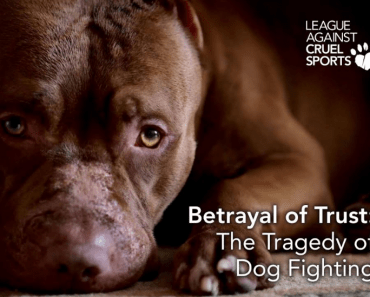
    A new report into dog-fighting -‘Betrayal of Trust: The Tragedy of Dog Fighting’ -reveals at least one dog fight is likely to take place every day of the year somewhere in the UK despite the barbaric ‘sport’ having been outlawed almost 200 years ago.

    Commissioned by the League Against Cruel Sports, the report is the first comprehensive look at dog fighting in the UK, and also highlights:

    • Three distinct ‘levels’ of dog fighting: Street Rolls, Hobbyist and Professional
    • Horrific injuries patched up by ‘street’ surgeons using only superglue or staples
    • Training methods using ‘bait’ animals such as cats
    • Organised dog fights that can last up to 5 hours

    The authors of the report, criminologists Dr Simon Harding and Dr Angus Nurse spoke to a large range of people including those involved in dog fighting, and examined the practices, motivations and extent of dog fighting as well as the means to tackle it.

    Tom Quinn, Campaigns Director for League Against Cruel Sports said:  “The UK’s dog lovers will be sickened to learn that the cruelty of dogfighting, which can result in torn flesh, blood loss, disembowelment or even death, continues to go on in this country.

    “Traditionally dog fighting was hidden away in rural areas and managed almost to a professional level. Now we’re seeing a move to urban areas, where dog fighting is becoming a way of establishing dominance, often related to gang activity. Either way, it’s often about machismo and money, and the dogs will inevitably suffer.”

    The three levels of dog fighting identified in the report are:

    Level One: Street Rolls:

    • One on one fights in urban parks and housing estates
    • Arranged on the spot, no referee or rules, fight over in a few minutes
    • Little or no money involved
    • Likely to occur somewhere in the UK every day


    Level Two: Hobbyist

    • Series of fights in abandoned buildings/bedrooms converted into a ‘pit’
    • Operate on a localised fighting circuit in urban areas
    • Often gang affiliated with gambling involved
    • Likely to occur somewhere in the UK every couple of weeks


    Level Three: Professional

    • Sophisticated dog rings with highly trained dogs of reputable bloodlines
    • Always take place in a pit, with rules, referees, timekeepers, spectators
    • High stakes gambling with £100,000s wagered
    • Dogs entered in fights both in UK and internationally
    • Likely to occur somewhere in UK every few months


    Dr Simon Harding, author of the report, and Senior Lecturer in Criminology in Middlesex University’s School of Law said:  ““From our interviews with people who involve their dogs in fighting, and analysing data from a wide range of sources, we found clear evidence of dog fighting in the UK ranging from the every-day impromptu street fights or ‘rolls’, through hobbyists to professional fights where huge amounts of money changes hand.”

    “It is clear that regardless of the level of dog fighting, these people are all connected by a common thread of secrecy, callousness and links to other crimes.

    Dr Harding continued:  “Dog fighting is a cruel and violent practice which has no place in 21st century Britain.  Offenders take ordinary animals, manipulate and exploit them for profit and reputational gain. It is a serious concern that this activity, outlawed 180 years ago, remains, and in some communities, thrives even today.  We should all work together to eradicate this practice once and for all”.

    Pain and Suffering

    The suffering of the dogs involved not only includes the pain – and sometimes death – inflicted during the fights themselves, but also from brutal training methods, particularly at the Professional level. Dogs reared for fighting are engineered so they are robbed entirely of their natural social behaviour and designed to fight regardless of pain or risk.

    Tom Quinn adds: “As a visit to the vet would lead to awkward questions, fighting dogs are often denied proper medical attention and horrific injuries are left to be patched up with superglue or staples, often with fatal consequences.”

    Links to Other Crimes

    From analysing data provided by the Metropolitan Police and other sources, the report identified that young men who owned ‘dangerous dogs’ or ‘status dogs’, as defined under the Dangerous Dogs Act, were widely associated with or involved in an extensive range of criminal activity, including Robbery, threats to kill, Actual Bodily Harm and Drug Possession.

    In Merseyside, 23 out of 25 dangerous dog owners had 87 convictions amongst them, while in the West Midlands 79 out of the 126 ‘dangerous dog’ owners had other criminal convictions.

    The Law

    The specific offence of dog fighting does not exist in the UK; it is contained within the broader offence of animal fighting prohibited under Section 8 of the Animal Welfare Act with a maximum penalty of 51 weeks in prison.

    By contrast, in the US dog fighting is a felony offence in all 50 states with a maximum penalty of several years in prison. But because of the clandestine nature of the activity, it is very difficult to obtain convictions.

    Tom Quinn added:  “Disappointingly low conviction rates highlight the difficulties of enforcing the law when it comes to such a clandestine activity and we believe more resources and research into the problem is essential.  In addition, we are recommending measures that could help make the law on dog-fighting more enforceable, including the mandatory recording of dog fighting offences and strengthening penalties to bring them into line with other European countries”.

  • Dogs Rescued in UK Floods

    Dogs Rescued in UK Floods

    Four flood rescue teams of specially trained RSPCA officers have been out rescuing animals and people during Storm Desmond.

    Cats, dogs, rabbits and even chickens have all been rescued, mainly from residential properties across the north of England, where their owners were forced to evacuate the rising flood waters.

    As well as helping animals, the RSPCA’s flood teams have also been assisting other emergency services and have so far rescued 36 people.

    Among those was a semi-conscious elderly man who had to be stretchered out of a nursing home in Carlisle and transported on an RSPCA boat, before he was taken to hospital.

    The RSPCA has received calls about 77 flooding incidents since Friday (4.12.15) with 20 flood trained officers travelling from across England and Wales to join their colleagues in Cumbria and Northumberland to assist the ongoing rescue operation.

    So far RSPCA flood rescue teams have rescued eight dogs, seven cats, four rabbits and three chickens.

    Inspector Ben Strangwood, who has coordinated the RSPCA’s flood response, said: “It has been a huge challenge as the flooding is so widespread across a large geographical area.

    “Although the water levels are receding in some areas, elsewhere the water levels are expected to remain quite high which is leaving many roads inaccessible. It is extremely difficult to get around to where we need to be.

    “We have received a lot of calls, mainly to help people who have had to leave their animals when they have evacuated their homes. However, we have also had to contend with extremely dangerous conditions and fast flowing water.”

    Inspector Stangwood said the RSPCA was likely to have flood rescue teams working in the north of England throughout the rest of the week.

    “We have been pitching in and helping the other agencies, including helping to move people to safety.

    “It is good to be able to put our training to use and be able to make a difference to those animals and people in need our help,” he added.

    Owners of animals in areas at risk of flooding are advised to move them to higher ground or other areas of safety.

    Members of the public are urged never to put their own or another person’s life in danger to attempt an animal rescue.

    Anyone who wishes to report an animal emergency can call the RSPCA on 0300 1234 999.

    The RSPCA’s full flood advice is available at http://www.rspca.org.uk/adviceandwelfare/seasonal/floods

  • Astonishing 122% Increase in Puppy Farm Complaints

    Astonishing 122% Increase in Puppy Farm Complaints

    The number of calls about puppy farms received by the RSPCA have more than doubled over the last five years, according to statistics released today. (04/12/15).

    So far this year the animal welfare charity has received 3,232 calls – a 122% increase from five years ago.

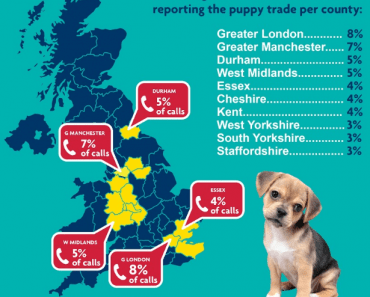
    These shocking figures mean that on average the RSPCA has received  more than one call about puppy farms and dealers every three hours – with Greater London coming top for the volume of calls.

    RSPCA assistant director of public affairs David Bowles said as the problem grows the need to bring in regulations surrounding the sale of puppies is all the more urgent.

    “These statistics just go to show the number of reports we receive are on the up just as the number of puppy farms and dealers increase.

    “For dealers – these puppies are easy money – we believe they buy them in from Ireland and the continent for around £100 and then sell them on the Internet for many hundreds, even thousands of pounds.

    “Dealers buy puppies in bulk looking for the highest profit margin. Often the puppies are too young to be away from their mothers and are sick when they are loaded onto vans, before travelling hundreds of miles which is likely to be incredibly stressful and could exacerbate any disease they already have. A lack of socialisation also increases their chances of long-term behavioural problems.

    “These people are gambling with the lives of not just these puppies – but the dogs they are bred from too and they are playing with the emotions of people and families who take them on as pets.

    “It is clear the present legislation is not working and that this sickening trade needs to be stopped.”

    In a bid to raise awareness about the puppy farming industry in the run up to Christmas the RSPCA has also released a run down of the country’s ‘hot spots’ when it comes to reports of puppy farming in 2014.

    Greater London racked up the highest number of calls (262) – followed closely by Greater Manchester (209).

    David Bowles said: “Puppy trafficking is big business and dealers are getting rich from duping members of the public and often leaving a trail of sick and dead puppies behind them, not to mention the heartache of families that have bought puppies.

    “If they’re lucky enough to be rescued, it can be really difficult for the puppies to cope in a home environment and it takes a lot of time, patience and hard-work from their new owners to help them settle in and become confident..

    “We want to see tougher regulations in place around the sale of puppies. In 2013 the UK Government brought in new laws to tackle the criminal scrap metal trade in England. But now it’s puppies who are being traded like scrap with no regard for their welfare, or even if they live or die.

    “It is far too easy to sell puppies and current laws are failing puppies and their parents. The RSPCA wants to see Westminster treat the issue of puppy dealing in England as seriously as they did scrap metal and license anyone who sells a puppy to help ensure traceability and put barriers in the way of dealers.

    “This would not stop illegal trading altogether but it would help to remove the huge layer of unregulated puppy dealing we’re currently battling on a daily basis. Local authorities would have the tools they need to act and improve protections for puppy buyers too. ”

    The RSPCA is now urging people to tell the UK Government that puppies are more precious than pieces of metal by signing our petition at www.rspca.org.uk/scrapthepuppytrade.

    You can also support the fight against puppy farming by joining the supporters of Puppy Love Campaigns.


    Have Your Say:

  • Celebrities Show Support at Animal Charity Fundraising Event in London

    Celebrities including The Vamps musician James McVey and actors Neil Morrissey and Peter Egan showed their love for all things animal welfare attending The Mayhew Animal Home’s fundraising event ‘Tinsel and Tails’ in London to help raise valuable funds.

    Speaking at the event James McVey said: ‘’I’ve always loved animals. I grew up in Dorset with horses, cows and donkeys so it’s awesome to attend an event like this with incredible TheraPaws dogs.

    “I eventually want to adopt an older cat from The Mayhew as it’s so important to give pets a loving home. When I buy a house I’m heading to the rescue centre.

    ‘’Millions of animals need homes. It’s really important for me to tell people my age of the amazing work the Mayhew does and spread the word.’’

    Neil Morrissey, who has previously adopted from The Mayhew, said: ‘’I got Tiggy when she was three-years-old. She’s everything to me, she’s my screensaver, my four-legged friend, my child, my princess. She was found as a puppy abandoned in the streets. She wasn’t microchipped so the owner couldn’t be traced.

    “The Mayhew is a fantastic place which does fantastic work. I would urge people to get down there today to rescue a pet. ”


    Photo Credit: Graham Hilling

    A record-breaking £14,500 was raised on the night. Speaking of the success the charity’s Chief Executive, Caroline Yates, said: “It was a great night for The Mayhew. I’d like to thank everyone who came along and put their hands in the pockets for the pets. All the money raised will go towards rescuing and rehoming them.”

    Find out more about The Mayhew Animal Home online at www.themayhew.org and keep up to date with the latest dogs in their care looking for loving new homes online here.