Blog

  • Warning to Dog Owners: Do Not Feed Products Containing Xylitol

    Warning to Dog Owners: Do Not Feed Products Containing Xylitol

    New statistics show that The Veterinary Poisons Information Service (VPIS) received 102 enquiries about the artificial sweetener xylitol in 2014.

    Around 35 per cent of these cases involved chewing gum including sugar free gum. Others involve medicines including nicotine gums and throat lozenges also containing xylitol.

    Xylitol is used as a sweetener and is also known as E967 – it is also commonly used in baking. With more food and sweet treats in the home over the festive period the RSPCA is warning owners to keep hazardous food away from their pets.

    RSPCA Behaviour and Welfare expert Alice Potter said: “Sometimes owners may be harming their pets without realising.

    “You might think saving a bite of cake for your dog is harmless but actually you could be feeding them something toxic.

    “What is ok for you to eat may not be ok for your dog or cat. This is especially important over the festive season when there is more food and sweet treats in the house than usual – we would urge people to think about what they are giving their pets to eat.

    “Some of the more common foods like onions or chocolate many pet owners are aware of but 100 calls a year is too many so we need to raise awareness about the dangers of this artificial sweetener.

    “It really is a secret poison – many people just aren’t aware of the dangers.

    “Always check the ingredients of anything you feed your pet and if you think your pet has eaten something they shouldn’t have then you should ring your vet straight away.”

    Of the 291 calls to the VPIS over 3 years, there were 282 dogs (97%), 7 cats and 2 rabbits involved.

    Forty cases were followed up which included one fatality.

    A spokesperson for the VPIS said: “Xylitol is found in a wide variety of foodstuffs and medicines; it is also available as the chemical itself for use as a sugar substitute in baking.

    “Xylitol can be extremely hazardous to dogs because it can cause a very rapid drop in blood sugar and later there is the risk of liver damage.

    “Keep any xylitol-containing product out of sight and out of reach of dogs, this includes pain killers and chewing gum kept in handbags, products delivered through the letterbox and cakes and cookies baked with xylitol.

    “If your pet has accidentally ingested xylitol contact your vet immediately.”

  • Greyhound Racing Industry Cannot Police Itself, Campaigners Warn

    Trusting the greyhound racing industry to police itself would be naive, warn animal welfare campaigners

    The greyhound racing industry cannot be trusted to police its own behaviour, so an independent watchdog with teeth is essential if the government is serious about stamping out neglect, cruel training practices and widespread injury insists the League Against Cruel Sports.

    As the racing industry’s treatment of greyhounds comes under close scrutiny with a government-led review, animal welfare campaigners League Against Cruel Sports believe that Defra’s recommendations are woefully inadequate and will do little to protect the welfare of racing dogs.

    Dr Toni Shephard, League Against Cruel Sports’ Head of Policy & Research said: “For too long, the tail has wagged the dog, with the government allowing the demands of the greyhound racing industry to take precedence over the animals’ welfare.

    “While it is good that Defra recognises the widespread concern about how the industry treats its racing dogs, the recommendations in its review are naïve and wholly inadequate.

    “Based on the greyhound racing industry’s dismal record in policing itself over the past 5 years and contrary to Defra’s position, we strongly believe that there is indeed a robust and compelling case for strengthened and independently enforced legislation.”

    The League believes that the inherent secrecy of the greyhound industry, its lack of accountability and inadequate legislation has allowed cruelty to flourish unchecked

    Dr Shephard added: ““It’s clear that the greyhound is only useful to its trainer as long as it can turn a profit. Isolated and neglected, these racing dogs are subjected to malnutrition, dangerous training practices and injury, often leading to an early death.

    “We strongly support the option to extend regulations to trainers’ kennels, but at the same time we need an effective and independent regulatory body which will ensure complete transparency, with publicly accessible injury records and retirement/euthanasia data a priority.

    The League’s research has uncovered a catalogue of cruelty to greyhounds and malpractice, including:

    Dogs are often housed alone in a small kennel with limited opportunity for exercise, no enrichment, outdoor access or contact with other dogs and clear signs of boredom and stress are apparent
    A commonplace cruel training practice includes greyhounds being tied to a moving treadmill and forcibly exercised. If the dog stops running, it can choke to death.
    Misuse of microchips including taking the chip out and swapping it to another dog, rendering the tracking of the greyhound’s fate impossible
    A high levels of track injuries, which go unreported because there is no requirement for the industry to publish injury statistics
    Trainers discarding greyhounds when they outlive their usefulness. Some of these unwanted dogs are sold to foreign tracks or euthanised, and a few are rehomed

    The League Against Cruel Sports is calling on the government to implement the following recommendations:

    An independent greyhound welfare regulatory body: to oversee all greyhound racing: The regulations must include trainers’ kennels
    Welfare and regulatory transparency: a law for the industry to disclose information on greyhound welfare, both nationally and at track level.
    Greyhound passports: thousands of dogs currently just disappear without trace. Mandatory microchipping will not be sufficient to track every dog from birth to death.
    Rehoming requirements: Healthy greyhounds should never be euthanised
    Breeding controls: Overbreeding and trade in greyhounds is rife, and a licensing regime is overdue

  • Former Chinese Millionaire Spends Fortune Saving China’s Forgotten Dogs

    Former Chinese millionaire Wang Yang has spent his fortune made in steel to save more than 2,000 of China’s stray dogs.

    News outlet, Sina News revealed that his journey to help abandoned dogs began after his beloved dog went missing in 2012. His search led him to a slaughterhouse where he was granted access to look around and since then, with the memories of what he saw, he felt compelled to help save China’s dogs from the meat trade.


    Photo Credit: Sina

    The 29 year old Changchun animal lover from Gelong town in the Jilin province once amassed a fortune of several millions but is now in debt due to his efforts to provide sanctuary to dogs in need before finding them loving new homes. According to Shanghaiist.com he used his wealth to purchase the then slaughterhouse and convert. His sanctuary is currently home to more than 200 dogs but has been a place of safety for 1000 before now.

    According to the website Mr Yang is worried about the winter ahead saying, “I do not accept monetary donations,” he explained. “I only hope that kind-hearted people will be able to donate a few supplies to help build a home from these 200 dogs.”

  • Latest Issue of K9 Magazine Is OUT NOW

    Latest Issue of K9 Magazine Is OUT NOW

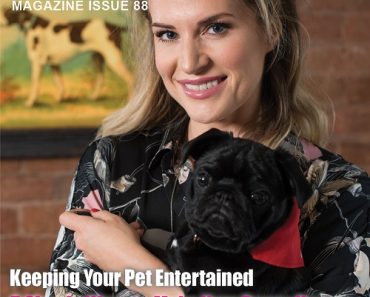
    The latest edition of K9 Magazine was released today (19th November) and is available across all devises. Get your copy today and read more about:

    + The Amazing Dog who Searches for Lost Pets
    + Armenia’s Stray Dog Policy, How Thousands of Dogs Are Being Killed – But is a Brighter Future Ahead?
    + Dogs who are Outdoing Themselves When it Comes to Costing Owners ££££s (Who Knew a Snapping Turtle Could Be So Dangerous?!)
    + Keeping Your Puppy Entertained, 5 Simple Activities Both You & Your Dog Will Love

    Plus lots more including real life stories, recipes and adventures from our dog loving celebrities! Click the cover below to get your copy today.


    We hope you enjoy…stay tuned for the next edition!


  • MPs Condemn Asia’s Animal Meat Trade After House of Commons Debate

    MPs Condemn Asia’s Animal Meat Trade After House of Commons Debate

    Last week the backbencher debate in the British House of Commons on Asia’s dog meat trade highlighted the levels of cruelty to dogs involved in the industry, and the extreme human health risks associated with eating dog meat.

    In recent months, a growing number of British celebrities have joined the swathe of animal rights campaigners lobbying governments and calling for an end to the trade. Ricky Gervais, Dame Judi Dench and actor and animal rights campaigner Peter Egan were amongst others who recently spearheaded a campaign and petition organised by Thailand’s Soi Dog Foundation. The petition (here) calls on the Thai government to stop illegal exports of dogs from Thailand to Laos and Vietnam, to satisfy dog meat demand in those countries.

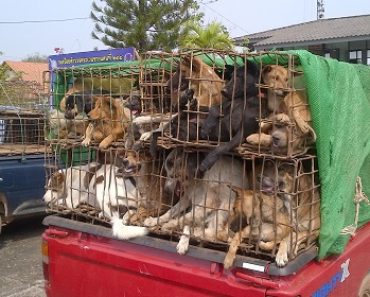
    China remains the largest consumer of dog meat in the Asian region, accounting for around 20 million dogs a year, according to animal rights campaigners. The now infamous Yulin Dog Meat Festival, which takes place very year in the southern province of Guangxi, neighbouring with Vietnam, sees over 10,000 dogs killed and eaten in just 48 hours. Campaigners claim the animals are treated inhumanely, trussed up and packed tightly into small cages, then skinned alive in some cases. There also remains a myth that the more adrenalin running through the dogs body as it is killed, the tastier the meat.

    Vietnam is the second largest consumer of dog meat in the region, with around five million dogs meeting their fate every year in the thousands of primitive slaughterhouses across the country. Demand is so high in fact, there are estimates suggesting that up to 70% of dogs in the food supply chain are stolen family pets. Over the past two years there have been numerous incidents of dog thieves being lynched by angry villagers, and even villagers being killed by the dog thieves.

    During the HoC debate Rob Flello MP told of dogs “housed and transported in disgusting conditions in which they can often barely move, and killed in the most excruciatingly cruel and painful ways”. He added “It is common for the animal to be bludgeoned, hanged or electrocuted, and, in some cases, for the animal to be thrown fully conscious into a drum of boiling water—anything that ensures maximum suffering”.

    Inflicting maximum pain on a dog before it dies creates adrenalin that is thought by some in Asia to tenderise the meat.

    Gavin Robinson MP weighed in by describing the Asian dog meat trade as “international barbarism”.

    Aside from animal welfare issues, the debate also revealed serious human health hazards associated with eating dog meat. Parliamentary Under-Secretary of State for Foreign and Commonwealth Affairs, James Duddridge MP said “So unregulated is the dog meat trade industry, that there is a huge risk to human beings from diseases such as cholera and rabies, with the latter found to be present in slaughterhouses and markets in China, Vietnam and Indonesia”.

    Alex Cunningham MP also referred to statistics stating evidence of a 20-fold increase in the incidence of rabies amongst people who had consumed dog meat across the Asian region.

    Hanna Bardell MP also raised concerns about dog meat entering the UK food chain, asking “Do the Governments of our nations have a role to play in terms of the security of the supply chain and making sure that none of this dog meat enters our food chain and threatens our food supply?”

    The British government however is wary of preaching western ideals to eastern countries. Robert Flello MP added: “I do not believe that it is generally this House’s role to tell societies abroad what they should or should not do based on western sensibilities, but we cannot allow tradition to be used as a smokescreen for practices that are barbaric, cruel, inhumane and disgusting”.

    Steve Reed MP agreed, saying “There is a role to be played in seeking to secure global standards of animal welfare and in working with local campaign groups on the ground in the countries affected to help them strengthen their own cases”.

    As a result of the debate, MP James Duddridge made two commitments on behalf of the government; to write to all British Ambassadors in the countries concerned to review what they are doing in relation to the dog meat trade, and to consider a review of how the government interacts on this issue with the various international organisations (for example, the World Health Organisation), specifically on the area of health.

  • British MPs Condemn Asia’s Dog Meat Trade as “International Barbarism”

    Last week the backbencher debate in the British House of Commons on Asia’s dog meat trade highlighted the levels of cruelty to dogs involved in the industry, and the extreme human health risks associated with eating dog meat, said Soi Dog Foundation.

    Rob Flello MP told of dogs “housed and transported in disgusting conditions in which they can often barely move, and killed in the most excruciatingly cruel and painful ways”. He added “It is common for the animal to be bludgeoned, hanged or electrocuted, and, in some cases, for the animal to be thrown fully conscious into a drum of boiling water—anything that ensures maximum suffering”.

    Inflicting maximum pain on a dog before it dies creates adrenalin that is thought by some in Asia to tenderise the meat.

    Gavin Robinson MP weighed in by describing the Asian dog meat trade as “international barbarism”.

    The scale of the industry is alarming. Around 20 million dogs are killed and eaten each year in China, five million in Vietnam, two million in South Korea, with Indonesia also serving up dog meat dishes. Whilst countries like Thailand and the Philippines have officially banned the sale and consumption of dog meat, the trade still continues underground.

    Aside from animal welfare issues, the debate also revealed serious human health hazards associated with eating dog meat. Parliamentary Under-Secretary of State for Foreign and Commonwealth Affairs, James Duddridge MP said “So unregulated is the dog meat trade industry, that there is a huge risk to human beings from diseases such as cholera and rabies, with the latter found to be present in slaughterhouses and markets in China, Vietnam and Indonesia”.

    Alex Cunningham MP also referred to statistics stating evidence of a 20-fold increase in the incidence of rabies amongst people who had consumed dog meat across the Asian region.

    Hanna Bardell MP also raised concerns about dog meat entering the UK food chain, asking “Do the Governments of our nations have a role to play in terms of the security of the supply chain and making sure that none of this dog meat enters our food chain and threatens our food supply?”

    The British government however is wary of preaching western ideals to eastern countries. Robert Flello MP added: “I do not believe that it is generally this House’s role to tell societies abroad what they should or should not do based on western sensibilities, but we cannot allow tradition to be used as a smokescreen for practices that are barbaric, cruel, inhumane and disgusting”.

    Steve Reed MP agreed, saying “There is a role to be played in seeking to secure global standards of animal welfare and in working with local campaign groups on the ground in the countries affected to help them strengthen their own cases”.

    Conclusion to the Debate

    As a result of the debate, MP James Duddridge made two commitments on behalf of the government; to write to all British Ambassadors in the countries concerned to review what they are doing in relation to the dog meat trade, and to consider a review of how the government interacts on this issue with the various international organisations (for example, the World Health Organisation), specifically on the area of health.

  • 7 Pictures of Rottweilers Twisting Their Heads

    7 Pictures of Rottweilers Twisting Their Heads

    You know what you’re getting here don’t you?

    No, it’s not a systematic break down of the pros and cons of modern cognitive learning theories in the field of canine psychology.

    No. It’s not that. It’s 7 pictures of Rottweilers doing that twisty head thing. Nothing more, nothing less.

    Ready?

    Then we shall begin.

    Let’s Twist Again

    Like We Did Last Summer…

    Let’s Twist Again…

    Like We Did Last Year…

    Come on Baby…

    Let’s Do The Twist

    It Goes Like This

    Reckon there’s a better twisty head breed out there?

    Well don’t just think it…LINK it (in the comments below).

  • If Dogs Were People This is What They’d do all Day

    If Dogs Were People This is What They’d do all Day

    Let’s face it, most of us are guilty of humanising our dogs at some time or other. But why? This video gives a good example of why being a dog seems like a more exciting life than being a boring human…

  • Dog Who Disappeared for 5 Years Reunited with Owner

    A dog who went missing five years ago has been reunited with her owner in Melbourne, Australia, thanks to a
    microchip and the staff at Lort Smith Animal Hospital.

    Rebecca Axiak says she never stopped looking for her dog Disco after she disappeared. She told Mashable, “I
    always had hope that she would return, never really expecting it to actually happen.”


    Photo Credit: Facebook.com/LortSmithHospital

    The Herald Sun who originally reported the story say, “After Disco escaped five years ago, she was found in the street by an elderly couple who presumed she was homeless and gave her to a family member.

    The new owner kept Disco, but while she was in a backyard earlier this year, another dog jumped the fence and severely attacked her.”

    Unable to pay for the surgery, they surrendered her to the hospital, where her microchip was scanned.

  • Children and Dogs Alike Join Together Paying Respects at Animals in War Memorial Event

    Today (Friday 13th November) local school children joined representatives from the UK’s most renowned animal welfare charities and advocacy organisations to pay their respects at the annual Animals in War Memorial event.

    One-hundred-and-one years on from the start of the First World War and eleven years since the unveiling of the monument on London’s Park Lane, guests, both human and animal paused to remember, and pay their respects to all the animals who have served in conflicts over the years.

    The Animals in War Memorial was unveiled in 2004 by HRH the Princess Royal. Trustees of the Animals in War Memorial Fund raised the £2 million needed to build the monument through a national appeal and the consequent generosity of many individual donors, charities and companies.

    Representing the next generation, two local school children were also present after winning the Animals in War Poetry competition. Pupils from Warren Mead Junior School, Banstead were also at the service. They presented a collection of poems and drawings, inspired by Animals in War, at the memorial.

  • WATCH: Otto the Bulldog Sets New Guinness World Record in Peru

    WATCH: Otto the Bulldog Sets New Guinness World Record in Peru

    Otto, a three-year old Bulldog from Lima, Peru broke the Guinness World Record yesterday skateboarding through a human tunnel of 30 people who all stood with their legs apart and facing in the same direction.

    The Bulldog’s world record attempt drew a crowd, not surprisingly, from passers by.

    Otto’s owners, Luciana Viale and Robert Rickards told the Guinness World Record team that they were inspired to get a Bulldog after they saw videos of the world famous skateboarding Bulldog, Tillman, who sadly passed away recently.

    Well done Otto, your place in history is sealed as the Bulldog who broke the record for ‘Longest human tunnel travelled through by a skateboarding dog’.

  • Bulldog Sets New World Record Skating Through Longest Human Tunnel

    Otto, a three-year old Bulldog from Lima, Peru broke the Guinness World Record yesterday skating through a human tunnel of 30 people.


    Photo credit: Guinness World Records

    See him in action below:

    Otto’s owners, Luciana Viale and Robert Rickards told the Guinness World Record team that they were inspired to get a Bulldog after they saw videos of the world famous skateboarding Bulldog, Tillman, who sadly passed away recently.

  • These Cross-Breed Dogs Will Test Your Dog Knowledge!

    These Cross-Breed Dogs Will Test Your Dog Knowledge!

    Have you ever wondered what a Dalmatian cross Bulldog would look like?

    Recently launched by The Co-operative Insurance, the updated cross-breed tool gives you the chance to discover new cross breeds and find out what certain cross-breeds look like (the Basset Hound cross Labrador is not to be missed!)


    Fred, pictured above, is a cross-breed – can you guess what he is?

    Visit the the Crossbreed Generator Tool today and start discovering some of the most unique cross-breeds the UK has ever seen – https://hub.co-operativeinsurance.co.uk/crossbreeds/index.php


    Promoted By
    The Co-operative Insurance
  • How Does Your Dog Compare with Pets Around the World?

    How Does Your Dog Compare with Pets Around the World?

    Have you ever wondered what traits your dog might have in common with others around the world? Well, now you can find out!

    Recently launched by The Co-operative Insurance, their online ‘Pet Mapper’ reveals the most common dog breeds and their unusual quirks from around the globe.

    World's quirkiest dogs

    You can also find out about other pets such as well before you share any of the facts you find – or you could even pass them off as your own, who’s to know!

    Visit the Pet Mapper today and start discovering some of the world’s most quirky pets – https://hub.co-operativeinsurance.co.uk/pet-mapper/


    Promoted By
    The Co-operative Insurance
  • Dog Owners Need to Beware of this Autumn Danger – Acorns

    Dog Owners Need to Beware of this Autumn Danger – Acorns

    An acorn poisoning warning has been issued to animal owners by the RSPCA who are urging farmers, smallholders, and dog owners to be aware of the signs and symptoms of acorn poisoning.

    Acorns fall from oak trees between September and November and are an important source of food for many birds and some mammals, such as squirrels, but for many animals – including our beloved pets and livestock – they are extremely poisonous, and because of climate change they are set to ripen 10-13 days earlier.

    Why acorns are poisonous to dogs

    Many animals are susceptible to Quercus – or oak bud/acorn – poisoning, but cattle and sheep are affected most often. However, horses and dogs can become very ill if they consume acorns or oak leaves.

    Most species of oak are considered toxic. If animals eat young oak leaves, during the spring, or acorns, during the autumn, symptoms of poisoning can begin to display within hours or after several days. However, if you are concerned that your animal has eaten anything that could be poisonous, rather than waiting for any symptoms to appear, you should consult a veterinary surgeon immediately.

    Symptoms of acorn poisoning may vary between species, but include vomiting and diarrhoea, abdominal tenderness, depression, rapid weight loss, loss of appetite, tiredness and dehydration.

    Acorns appear to contain tannins (a type of biomolecule) which get converted to acids in the rumen, these then cause ulcerations in the digestive tract leading to bloody diarrhoea. These acids also damage the kidneys, causing them to stop working so toxins which are normally excreted in the urine build up in the body and cause problems in the brain and the rest of the body, and can ultimately result in death.

    Dogs have also been known to fall ill if they have eaten acorns

    Dr Samantha Gaines, head of the RSPCA’s companion animals department, said: “It is difficult to watch your dog’s every movement but if owners are concerned that their dog will show interest in, or eat, acorns then it would be best to find a different place to exercise their dog away from where oak trees are present or take along something really tasty like a toy or treat so that their pet can be easily distracted and recalled.”

    Although rarely reported, according to the Veterinary Poisons Information Service (VPIS), there have been some cases of severe acorn poisoning in horses. They can suffer from a range of symptoms, including colic, haemorrhagic diarrhoea, weakness, head pressing, and incoordination.

    If you are concerned your animal may have been poisoned, contact the vet and tell them when, where and how the poisoning occurred.

    Follow the vet’s advice and never attempt to treat or medicate your pet yourself. Never attempt to make your dog vomit on your own and do not use salt water.