Blog

  • How Long Can a Dog be Left Home Alone?

    The question of how long is too long when it comes to leaving dogs home alone is one posed by many dog owners and would-be dog owners, particularly those who work a 9 to 5 full time job.

    A recent study conducted by the University of Brisol has suggested that a huge number of dogs are suffering with separation anxiety as a result of being left alone at home for long periods of time.

    We wanted to solicit the views of dog owners on this thorny issue as it often proves one of the most commonly asked questions at K9 Magazine HQ…just how long is too long to leave a dog at home alone?

    Dog Home Alone

    Leaving Dogs at Home: How Long is too Long?

    There tends to be two schools of thought on this issue

    1. Working people should be able to have dogs, but leaving the dog at home for more than a few hours at a time is cruel and proper arrangements should be made to cater for the dog’s needs i.e professional dog walker or owner returning home to take the dog out.

    2. There is a certain ‘cut off point’ at which it is simply too long to leave a dog at home on their own.

    How Long Can a Dog Be Left At Home For?

    So, the question is, where do you stand?

    Is there a magical number after which it’s not OK for a dog to be left alone and, if so, what is it?

    Should dogs EVER be left alone for periods of longer than, say, two hours?

    Are we getting worked up over nothing? Is it OK to leave a dog alone for the length of a normal working day (above 6 hours).

    And finally, what tips, experience etc do you have in helping a dog cope with potential separation anxiety issues?

    Worried About Leaving Your Dog Alone? Hire a Pet Sitter!

    Pet Sitters: National

    Animal Angels: 5 Aldridge House, Elms Road , Hook , Hampshire RG27 9DG tel: 0800 161 3242 fax:01256 766943 NATIONWIDE ANIMAL AND HOUSE SITTING SPECIALISTS.

    Book With This Pet Sitter »

    Animal Aunts: tel: 01730 821529 fax:01730 821057. Going away on holiday or business? Going into hospital? Out at work? Worried about pets? Security? THE House and Animal Sitters, National Coverage.

    Book With This Pet Sitter »

    Pet Sitters in London

    Cats, Dogs & Peace Of Mind: The Chocolate House J304a, 100 Clements Road London SE16 4DG tel: 020 7394 8319 / 07973 692509 fax:020 7740 2483. Our devoted team of fully-insured and security-vetted carers

    Book With This Pet Sitter »

    Your thoughts on this hot topic are very much appreciated. You can use the comment form below and we’ll publish your views – they might just help someone who is thinking of getting a dog but evaluating whether or not they have the time and resources to be fair to the animal.

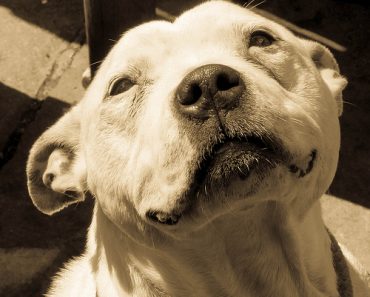
  • Is it Safe to Let Dogs Lick Your Face?

    Rare is the dog owner who’s pet has never given them a canine kiss.

    Sloppy, wet dog kisses – it would seem – could hand in paw with the dog ownership experience. But can dogs pass on germs when they lick your face? One of the more commonly asked questions we get here at DogTips.co is whether dogs can pass on germs to humans, particularly by licking…

    http://i.imgur.com/vly2J.png

    Why Do Dogs Lick Faces?

    Dogs use their long tongues for mopping up lunch crumbs, removing mud from their feet, and cleaning their privates. And yet, when they give our faces sloppy licks, there’s something endearing about it. Apart from occasional attempts to retrieve bits of glazed doughnut from our chins, dogs lick us because they like us. It isn’t a kiss, but it’s close.

    Almost as soon as they’re born, dogs experience the soft warmth of their mothers’ tongue, which bathes them with maternal affection. The licking never really stops after that. Mothers take advantage of their puppies’ relative immobility during nursing to lick them clean. They also lick their bottoms to jump-start their impulses to relieve themselves.

    Is it OK to Let Puppies Lick Faces?

    Puppies do their share of licking too. They lick older dogs’ chins and faces to greet them and show respect. And when they’re hungry – and puppies are perpetually in search of something to eat – licking their mother will sometimes stimulate her to regurgitate a meal, which the puppies regard as an appetizing lunch.

    As dogs get older, they lick each other less often, but they never quit entirely. At the very least, in the absence of hands and hairbrushes, they do each other’s hair with their tongues.

    A Show Of Respect

    Dogs don’t lick people because they’re hoping for a hot meal. They lick because we’re their parents, or at least the head folks in the house. Even when dogs are old, gray, and grizzled, they see themselves in some ways as being our children, and a lick shows how much they respect us.

    You can tell a little bit about your dog’s personality by how much licking she does. Dogs who are very bold or independent are restrained with their licking because they don’t feel as though there is anyone they have to win over. Outgoing, sociable dogs, on the other hand, lick everyone all the time.

    We play a role in all this licking too. It doesn’t take dogs very long to learn that laying a wet one on the cheek is a great way to get cooed over and rubbed the right way. So in a way, the instinct to lick is both ancient and immediate; dogs do it naturally, and we en- courage them to do it more.

    How To React to Dog Face Licking?

    People are never sure how to react to licks. The first emotion is generally “Aw, that’s cute,” closely followed by “Yuck.” Imagine where that tongue has been! But it’s not as unhygienic as it seems. At worst, dog licks are like wiping your face with a slightly dirty washcloth. Not exactly cleansing, but hardly worth worrying about. In fact, there’s some evidence that it may be good for you.

    So whilst a dog lick on the face might not be to everyone’s taste, judging by the millions and millions of dog owners who’ve received a dog lick to the chops, it’s not going to kill you (or your children!).

  • Why Is My Female Dog Weeing?

    With female dogs, they sometimes develop unusual urination habits.

    In this video learn why this might be happening.

  • Tillman The Skateboarding Bulldog

    More than 20 million people have marvelled at the skateboarding skills of Tillman the Bulldog. Here he is in full flow.

  • Seasonal Canine Illness A Warning To All Dog Owners

    Seasonal Canine Illness A Warning To All Dog Owners

    Following the news that Seasonal Canine Illness has claimed the lives of more dogs, the Animal Health Trust is cautioning dog owners to be on their guard against this deadly dog disease. You can find out more at:  http://www.aht.org.uk/sci

    https://www.youtube.com/watch?v=WRSBWRG4Sgc

  • Tallest Dog in the World Revealed (& He Really is a GIANT)

    Meet the world's tallest living dog, and boy is he a big un'!

    Measuring a whopping 2.2 metres on his hind legs, Zeus the Great Dane has been officially awarded the title of world's tallest dog by the Guinness Book of Records.

    http://i.imgur.com/m9aVE.png

    He stands 1.12 metres from paw to withers.

    Owner Denise explains:

    "The most common thing people ask is: 'Is that a dog or a horse?"

    Weighing in at 70.3kg (over 11 stones), the giant canine eats his way through a 14kg bag of dog food each DAY!

    "We had to get a van to be able to transport him, oh, and if he steps on your foot he leaves bruises!" says Denise.

  • George The Great Dane (A Seriously Tall Dog!)

    George The Great Dane (A Seriously Tall Dog!)

    In recognition of the awarding of the title tallest dog in the world 2012, we thought we’d meet up with George, the previous holder of this canine achievement record.

  • Amazing Dog Detects Child’s Seizures

    Another insight in to the incredible relationship between human and canine.

    Read about how diabetic alert dogs are actually trained:

    How Diabetic Alert Dogs Are Trained

  • Jerry Needs No Help Playing With His Ball

    Jerry is an enterprising dog isn’t he?

    The sort of self motivated canine that can be an inspiration for dogs all over the world, who mistakenly believe they need a tw0-legged ball thrower.

  • CPR For Dogs Could Save Your Dog’s Life

    Knowing the essential first aid response for a variety of emergency situations that dogs can encounter can and does save many canine lives each year.

    As the video above explains, knowing how to perform cpr, how to save a choking dog, understanding how to respond in any variety of emergency situations can be the difference between keeping your dog alive and tragedy.

    K9 Magazine has a special report that you can download giving even more emergency life saving tips for dog owners and you should read it today!

  • How To Measure Dog Intelligence

    Watch a battle of the brains between three dog breeds.

    Have you ever wanted to know how clever your own dog is?

    Check out this article.

    http://www.youtube.com/watch?v=SSmj5k1SYVw

  • Dog Body Language Introduction

    This is an interesting introduction to the world of dog body language.

    Have your say on the video below.

  • How to Properly Socialise Your Puppy

    How to Properly Socialise Your Puppy

    Do you want to find out how sociable and outgoing your puppy is? Then try this little experiment:

    Put a few toys down in the room. Quickly walk away from your puppy and then observe his reaction:

    *A favourable response would be the puppy running happily after you, regardless of what else might be occurring. This shows that the puppy highly desires the company of people, a trait that is advantageous. This puppy should be easy to train and should learn to focus well on you instead of distractions.*An unfavourable response would have the puppy ignoring you and investigating something else, perhaps a toy on the floor or a sound coming from another room.

    This puppy may not value interaction with humans over his own desire to investigate his surroundings.

    He may not be as easy to train as the puppy that values human interaction above all else.

    A puppy that ignores you in this way may have an unfocused or independent mindset that could be a prelude to dominant behavior.
    Socialising Your New Puppy

    Below are some helpful tips on how to socialise your new dog with existing pets in the household, with your friends, and with other people’s animals.

    Puppy Socialising with Existing Pets:

    Make an initial contact with other dogs outside the home. If you can, take your existing pet (or pets) for a walk and have a friend meet you somewhere with your new dog. Take a long walk so the dogs can get used to each other. Switch dogs on your walk.

    Take all the dogs back to the house. Switch dogs and have a tour of your home, with all dogs still leashed. Let your existing house dogs loose, but keep the new dog tied to you. If the new dog tries to mark the house anywhere, correct him with a sharp jerk and a stern “No!” If any of the existing dogs try to mark, correct them in the same manner. Explain to all, in no uncertain terms, that marking will not be tolerated. In addition, when you feed the dogs be sure to feed the established pets first and stay near the new dog while he eats.

    Most established pets, if already well socialised, will enjoy a newcomer as long as the newcomer is friendly and is introduced in the manner described above. If you find you have brought in a troublemaker, you must remain the Alpha dog. If you are not willing to assume that responsibility, take the dog back.

    Socialising with Your Friends: While puppies always generate warm feelings, adult dogs do not. It is especially important that they make a good impression on your friends and neighbours from the start, especially if you already have other pets. Set rules for your new dog immediately.

    No jumping on friends; keep your dog leashed the entire time friends are at home gatherings for the first few weeks to make sure your dog does not try to jump on them. No barking when the doorbell rings; no running out the door when you open it for guests; make him sit at your side and ask the guests to ignore him until everyone is in and he has a chance to evaluate the new people. Let him approach them for petting if he is calm; if not, wait until you have established the control you need so as not to make a spectacle of yourself and the dog.

    When he can accept guests, make sure he does so with all four feet on the ground. It is easy for a dog to try to explore with his paw as well as his nose. If you are firm and consistent from the first guest on, you not only will eliminate obnoxious behaviour but will instill acceptable behaviour. The end result: Your friends will welcome his addition to your family.
    Socialising with Other People’s Animals:

    The same logic applies here as with your other animals, so use the same type of rules. Take long walks on which you know you will meet friends doing the same with their animals. Contain and restrain your dog from barking at other animals as they approach. If necessary make him sit at your side.

    Always allow thorough sniffing from both animals, as this is their way of saying hi. If at all possible, invite friends and their animals back to your home and allow the dogs to play by themselves. This solves many problems the everyday pet owner may not think about and he will find the dog much more relaxed and easier to handle.

  • 4 Essential Dog First Aid Tips Every Owner Should Know

    Knowing what is best for your dog as far as first aid goes is an important part of dog health care! There might be times when you do not have access to an emergency health care center or time to take your dog in a car. This is not a substitute for treatment, however in a pinch, it is helpful to know how to stabilize your dog.

    First Aid For Dogs

    Number 1) You should NEVER give your dog human medicine. Your medicine is supposed to be for you, not your pet. This can cause very serious side effects and cause your dog’s health in a very negative way. You might end up giving your dog an overdose, and, in fact, non-steroidal anti-inflammatory drugs, such as ibuprofen, are a leading cause of death in dogs.

    Do not give your pet any human medication. Always consult with your doctor prior to giving your dog any medication.

    Number 2) Know the top items that can poison your dog and keep them away from your dog. Medicine is number 1, and we have already covered that. Beyond that, there are other items that are common household items you should be aware of. Pesticides such as rat poisons might attract your dog. Insecticides or pesticides outside your home, on the lawn, might be eaten by your dog.

    They can cause internal bleeding and breathing difficulties. There are many common food items included in this list as well: chocolate, onions and garlic, alcohol, grapes, avocados, and raisins are all problematic. Know that typical responses to poison are dilated pupils, difficulty breathing, muscle tremors, and a swollen abdomen. The final category to consider is household and garden plants.

    Often, you might not think that they would be a problem, however, the truth is that they are very frequently toxic. So keep the plants away from your dog as well.

    [Further reading: Essential first aid for dogs]

    Number 3) Know what you need to do to bandage your dog if he or she gets a small wound. If your dog needs to be bandaged for a small wound, you will need cotton and gauze, adhesive bandages, and household sticky tape. Clean and disinfect the wound, place a pad on it, and then layer the wound with a gauze bandage. Follow this with a layer of tape and check for proper pressure.

    Make sure that you check your dog’s bandages regularly and change them on schedule. The bandages need to be clean and you should protect them when your dog goes outside by covering them with plastic bags.

    Number 4) Know the common dog injuries and how to treat them. Common dog injuries include, but are not limited to: paw injuries, dog tail injuries, and dog spinal injuries. If your dog might have a spinal injury, it is very important that you act with caution.

    Do not move the dog until you are certain of the extent of the injuries. Dog tail injuries occur frequently, as dogs can get their tails caught in lots of different places. Pus indicates that the wound is infected, and needs to be treated professionally. Lastly, paw injuries are very common and if infected, must also be treated by a vet.

  • How to Clean Your Dog’s Ears

    How to Clean Your Dog’s Ears

    Our simple guide to how to clean your dog’s ears the right way…

    Different dogs require different cleaning schedules, from every couple of weeks to daily. Your dog’s activity and the weather also influence the frequency of cleaning. If your dog is an big swimmer, I suggest daily cleaning before bed. In most cases, twice a month is sufficient.

    To clean the outer flap, ask your veterinarian to recommend a commercial ear solution that will prevent infection. Soak a cotton swab with the solution and wipe the outer ear flap.Never, never, never use a Q-tip or poke your finger into your dog’s ear. You can do irreparable damage to your dog’s inner ear!

    If your dog’s ear gets infected, follow the same procedure that you would use for medicating the eye. If your dog has drop ears, gently lift the flap and place the medicine where your veterinarian has instructed.