Blog

  • Diabetes in Dogs Treatment

    Diabetes in Dogs Treatment

    Canine diabetes is on the rise, alarmingly so. Treatment options for dogs with diabetes are increasingly more effective as vets all over the world battle to contain this canine killer.

    If your dog has been diagnosed with diabetes, early treatment by your veterinarian will help prevent further complications from this disease. Your pet may be saved from the painful experience of nerve damage as well as avoiding blindness. Conventional treatments will go a long way to keeping your dog healthy.

    Insulin Injections For Diabetic Dogs

    Depending upon your dog’s needs, insulin injections will be given one to two times daily.  The amount of insulin used for each dose and how often these doses are given will depend upon your veterinarian. Some dogs will be able to take tablets instead of being given shots.

    Insulin doses are typically given in smaller amounts at the start of treatment so that the blood sugar levels can slowly stabilize. Under extreme circumstances this may require your dog to be treated in the hospital for a few days. If his diabetes is more stable, then your dog may receive outpatient treatment.

    During this period, your dog’s blood sugar will be monitored every hour in order to determine the exact dose of insulin he will need on a regular basis.  Once the correct  measurement of insulin has been reached, your veterinarian will instruct you to monitor your dog by testing his urine and/or blood.

    Proper Diet for Dogs With Diabetes

    With diabetes in dogs, there is nothing more important to increase your dog’s life expectancy than with a strict diet. In fact, it is so important to your dog to eat accordingly when he has this disease, that there is a chance that his diabetes can go into full remission just from the change of diet alone.

    You should be feeding your diabetic dog meals that are high in fibre and low to moderate and carbohydrates. Now is the time to start cooking your dog’s meals from the home with meats and other raw ingredients.

    Before you decide what to feed him, it would be wise to consult with a holistic veterinarian who has education on nutrition.  Your goal should be to utilize food as “medication” so that hopefully one day your dog can stop taking “official” medication.

  • Tips for Training an Older Dog

    Tips for Training an Older Dog

    What can you expect from your older dog as he enters his senior years?

    Your dog has finally reached his adulthood and this means that the period of training, adjusting, socializing, and more training have come to a stopping point (for the most part, that is).

    This is the period where you can really appreciate his companionship, his friendship, and even his help around the house (depending on his level of training). The point is, is you don’t have to babysit him anymore. It is the stage in your dog’s life where he can walk alongside you off leash, sit and watch you wash your car, maybe even hold the hose for you, or just sit quietly with you in in the backyard while you read a book.

    However, training should not stop just because your dog has reached adulthood. A good formula for keeping your dog’s body healthy and his mind sharp throughout his adult years is to have 3 training sessions a week. The training does not have to be laborious, nor does it have to take long.  All it takes is about 10 to 15 minutes per session, and training can be about practicing and/or improving skills that he has already learned.

    Requirements When Teaching an Older Dog

    There are several benefits to continue training your adult dog on a regular basis.

    1. Regular training keeps his mind alert and active.
    2. It keeps his body strong and in shape.
    3. It serves as refresher courses to different commands and tricks that he had already acquired.
    4. It keeps him aware of the rules that you have enforced for him.
    5. It prevents boredom.
    6. It develops great team work between you and him.
    7. And best of all, it will deepen the bond that the two of you have together. If he remains active throughout the whole aspect of his life (physical, mental, social), then he will continue to play an active role in your life, be a team player, and be able to share wonderful times together.

    Physical Aspects of Training an Older Dog

    The physical needs of your dog peaks during his developmental adolescent stage. But once he passes the adolescent stage and reaches adulthood, his physical needs will arrive at a period where there will be no significant change to the amount of exercise that his body needs to stay healthy.

    As an adult dog, the amount of exercise that his body requires will depend on his size, breed, and personality type. Continue with the regular walks and occasional runs. A game of ball should also be on your list, as well as swimming if your dog likes being in the water. If you have a large and/or energetic dog, you may have to do more than those listed above. If you have a small and/or less active dog, you will still need to give him exercise. You just have to tame it down, depending on his level of endurance.

    Useful resources:

    Senior Dog Food
    Waterproof Dog Beds
    Dog Diet and Weight

  • Choosing a Dog Bed

    Dogs, funny little creatures that they are, appreciate having a bed that's theirs and theirs alone. Even when they're reluctant to use it at first, the gradual accretion of personal smells will make it part of their territory, and they'll want to go there when it's time to sleep. Dog beds are made to withstand a lot of abuse, and most have washable covers as well. Getting a waterproof dog bed doesn't mean it can't be very aesthetically attractive.

    (more…)

  • The dog’s habit of sticking the head out of car windows

    Dog owners would know that a dog can die if left in a car with closed windows when the weather is hot. But did you know that allowing these pets to stick their heads out of car windows is dangerous as well. Dogs are wonderful pets and dog owners would always want to have the pet around.

    It is not uncommon to see a dog’s head sticking out of trendy tote bags. Attention grabbing dogs in their designer clothes and jeweled collars are paraded by proud dog owners. Dogs are taken everywhere by their owners thus dogs in cars would hardly be noticed but a dog’s head sticking out of car windows will certainly attract attention more so if the dog is wearing goggles.

    Man’s best friends are very curious animals. Being a dog owner you surely have noticed that your pet would love to run without the restrictions of a leash as in that way it can have the freedom to investigate any interesting movements and sounds. Naturally, your pet’s movements will be restricted if it is in a moving car but the dog will not be prevented from enjoying the passing scenery, the interesting sounds and smell as the pet would simply stick its head out of the car’s window. By sticking the head out of the car window, the dog can smell the mouth watering aroma of McDonald burgers being grilled a couple of miles away.

    Dogs love to feel the cool breeze in their faces and sticking the head out of car windows is akin to running unrestricted by a leash. Because of the very few sweat glands, dogs can’t cool the body easily. Simply by lolling the tongue and sticking the head out of the car, the pet can cool its body.

    A dog wearing goggles and sticking the head out of the car window will attract attention. The owner of the handsome dog will be admired as well. However, allowing the pet to stick its head out of car windows is dangerous. The dog can be injured by the shower of stones and dirt kicked up by the cars wheels. The dog may be well trained and accustomed to sitting serenely inside the car but the honking of another car can startle the dog and cause it to jump out of the window. You want to take the pet with you but you have to make sure that the pet is safe. Teach the dog to wear doggie goggles and to use seat belts.

    Still wonder why dogs stick their heads out of car windows? Find out more about this and first aid for dogs at Sarah’s Dogs.

  • Six Things to Consider before Golden Retriever puppy adoption

    Six Things to Consider before Golden Retriever puppy adoption

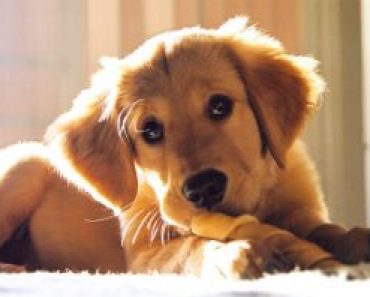
    Golden retriever puppies are among the best dog breed to adopt. They are intelligent, loyal and friendly dogs which makes them great for family pets. The places you can find a golden retriever puppy to adopt include dog rescue groups and humane societies. The dog lives for an average of 10 to 14 years so it is very important to consider some things before you adopt one.

    Firstly, consider the purpose of adopting a golden retriever. They make good house pets but terrible guard dogs. If you need a dog that will keep you busy during most of the times you are at home, then the golden retriever is the one to adopt. However, if you want a dog that will lay down for most of the day or one that will guard your home against buglers, other breeds are better.

    Secondly, consider where you will keep the dog once it joins the family. Golden retrievers are described as house dogs. You will therefore have to make arrangements for the dog’s housing needs. A common way to keep t indoors is having a cage to keep it in. however, you will need to train the dog to come to love its new home.

    Third, consider the places where you can get a golden retriever puppy to adopt. Adopting a puppy is quite challenging. This is because you never really get to know about its qualities until it gets home. Many of these dogs have the qualities of their parents. As you do not get to meet the parents, you will have to take the risk and adopt the puppy. However, the good thing about golden retriever puppy adoption is that the dog can be trained while it is young.

    Fourth, consider the puppy’s health before adopting it. They are very energetic throughout their lives. One way to identify a puppies health is to see if it’s energetic. Dull golden retriever puppies are most likely in poor health conditions. It will also be advisable to have a vet check up on the puppy for some of the diseases that are transmitted from parents to their young ones. These diseases might not be visible at first but might come to affect the dog as it grows.

    Fifth, you should also consider your health before adopting a golden retriever puppy. The dogs shed their fur throughout the year. This can cause allergic reactions in some people. If you are one of them, then its better to adopt a dog which in non allergenic.

    Lastly, you have to consider the lifestyle you lead. The golden retriever is an energetic dog which loves its owners company. If you travel a lot or are not interested in many activities, then the golden retriever is not the choice for you. The dogs can easily get bored and vent out this frustration on items such as furniture.

    Golden retriever puppy adoption can be a fun lifetime experience. It can be easy for people who have previously owned golden retrievers. However, if it is your first time considering the factors above will be of much help.

    If you need more information and tips on golden retriever puppies adoption, sign up for our FREE 10 part mini course on golden retriever caring at http://www.goldenretrievercaring.com

  • Reasons Why Dogs Eat Their Own Sick

    Dogs are noted for their hearty appetites. Dog owners have seen how the dog eats things that are repulsive to humans. Dogs would not pass up the chance to feast on the contents of the trash can in spite of the fact that they are regularly provided nutritious food. Dogs also have the disconcerting habit of eating their own and other dog’s poop. Dogs have the disgusting habit of drinking from toilet bowls. Humans most loved pets have the unaccountable predilection for vomit as well.

    Dogs have been the most loyal companions of man. It is quite surprising therefore that in spite of the long years of association, some behaviors shown by the dog cannot be understood by man. Humans consider spoiled food, feces and vomit as gross but dogs would consider these items as gourmet food.

    Studies conducted on canine behavior have failed to come up with the exact reason for the dog’s repulsive eating habits. It was speculated that eating vomit is an ingrained habit that was passed on to present day dogs by their ancestors. This habit is done for the purpose of concealment. Dogs in the wild have to hide from their predators thus feces and vomitus which are dead giveaway of the dog’s presence are eaten. In this case the habit to eat feces and vomit is done for self preservation.

    Wolves are the ancestors of modern day dogs. It is the custom of wolves to hunt together and to help in caring for the pups. After feeding on the hunted animal, dogs would return to the den and regurgitate the eaten food to feed the young. For a dog vomit is regurgitated food. Even after domestication, this habit would still kick in from time to time.

    Dogs, as mentioned are voracious eaters. Dogs would find the smell of the partially digested food in the vomit very appetizing. Dogs eat repulsive smelling rotten food thus it is more understandable if they devour the still warm vomit.

    Eating vomit is not really a dangerous habit of the dog. As long is the vomit does not have toxic substances, it would not really harm the dog. An owner may not be too concerned with the disgusting habit of the pet. Dogs are very affectionate pets thus a dog parent that receives sloppy kisses from the pet may want to prevent the dog from eating vomit. Stopping the dog from vomiting can be a challenge given the indiscriminate eating habit of the pet but an owner can prevent the pet from eating the vomit by cleaning the mess as soon as it is created by the dog.

    Learn more about why dogs eat vomit and first aid for dogs at Sarah’s Dogs.

  • Dog Safety in the Car

    Dog Safety in the Car

    Edit this text

    For those dog owners who have made it a habit to take their dogs on car rides know that just the two words “car ride” is enough to have them racing for the door and the car. The natural inclination for the dog to seat upright in the seat with their eyes glued on their surroundings is quite enjoyable as they are exhibiting real happiness.  There is however a significant hazard that is evidenced by the number of dogs and other pets that are victims of car accidents, a danger that could easily be resolved by ensuring that the pet is secured in a proper seat or carrier. In addition to injuries to the pet the possibility of the pet becoming a dangerous projectile is another critical possibility.   Keeping your pet safe in the car is always the pet owners resposibility.

    There are several ready alternatives for keeping a pet secure in the car, the first and most available is the dog crate or carrier. Most pets have a crate or carrier that they use in the home.  We have managed to find an easy way to use the seat belts in the car to help tie the animal and crate securely in the car. The use of the dog crate could also be effective in reducing the tendency for the dog to get sick in the car. Placing the crate between the front and backseat is an effective way to secure the pet while travelling.   This doesn’t work with soft dog crates, and depending on your car and how much leg room you need, it may not be practical.

    A seatbelt harness is the most effective tool for securing the pet in the car. This item attaches to your normal seatbelt and it provides the same kind of protection that your seat belt provides to you. Prices for these harnesses vary,  but most go for roughly $35 – $45.They are not as quick and easy to set up as a crate however they do provide for the maximum protection for that pet that you love. Unlike a crate, a harness will allow your dog the option of thrusting his nose out of the window and getting the full panorama of the ride.

    The use of so called “barriers” that keep to dog from entering the driver’s area are not recommended because they do not offer much actual protection from the impact of an accident.  These barriers should only be used if you have no alternative as they offer little or no protection. There are also “barriers” available that simply block the dog from moving from the rear of the car to the front. This eliminates the chances of them interfering with the driver, but does little to protect the dog in case of an accident, and are more expensive than harnesses. These should probably be used only as a last resort. Car rides with a canine companion can be one of the great pleasures in pet ownership. Don’t let a trip turn into tragedy because of an unsecured passenger, whether on two legs or four.


  • Cushing’s Disease in Dogs

    Canine Cushing's syndrome is a chronic illness that, if left untreated it can rapidly and severely affect your dog's quality of life and can lead to a range of more severe health problems and in certain cases can cause fatal complications. Understanding the causes and symptoms of Cushings Disease in dogs could save your pet's life.

    Cushing's syndrome is an incurable but entirely treatable condition that is caused by a malfunctioning pituitary gland. The pituitary gland governs growth and governs adrenaline production. The pituitary gland produces a hormone called cortisol, which stimulates growth and also stimulates the adrenal glands in to production.

    (more…)

  • Can Dogs Eat Grapes?

    Can Dogs Eat Grapes?

    Are Grapes Safe For Dogs to Eat?

    The wrath of grapes was, unfortunately, all too familiar for many dogs and cats in 2008 as a US based pet insurance firm released data showing how many toxic claims it had dealt with last year. For many dog owners, they are unaware of which foods can prove toxic to dogs until it’s too late.

    VPI pet health insurance analyzed the more than 400 claims it received last year for toxic plant ingestions to find which plants and plant products proved most likely to poison pets. Raisins and grapes topped the list, followed by mushrooms and marijuana. In 2008, the average amount claimed for plant poisoning was $427 (approx £300).

    Grapes Eaten by Dogs Top Vet Claims

    1. Raisins/Grapes
    2. Mushrooms
    3. Marijuana
    4. Lily
    5. Walnuts
    6. Onion
    7. Sago Palm
    8. Macadamia Nuts
    9. Azalea
    10. Hydrangea

    “Almost all plant poisonings in pets can be prevented, but prevention depends on knowledge, thus it is important for pet owners to become familiar with which items can be toxic if ingested,” said Dr. Carol McConnell, vice president and chief veterinary medical officer for VPI.

    “Prevention is a simple matter of keeping these hazards out of a pet’s environment. To avoid plant poisonings, try not to give a dog table scraps that contain raisins, onions or nuts, and make sure that a new pet is introduced to a backyard free of sago palms, wild mushrooms or other toxic plants.”

    Pet owners have good reason to take the threat of grape/raisin ingestion seriously. Even in low doses, ingestion can place pets at risk for acute renal failure. Symptoms include anorexia, lethargy, depression, vomiting, diarrhea and abdominal pain.

    The exact cause is unknown, but some experts think that there may be a toxic component in the skin of the grape/raisin. Treatment by a licensed veterinarian may include inducing vomiting and/or administration of intravenous fluids. Immediate treatment is essential.

    The mushrooms most responsible for poisoning pets are the common “backyard” variety. These often grow in grassy places, especially after a heavy rain, and contain toxic components that disrupt the functioning of the digestive tract and liver. If ingested, mushrooms can cause salivation, dehydration, vomiting, diarrhea, and liver failure.

    The best way to prevent an accidental ingestion is to regularly scan a yard, or any other grassy area a pet may occupy, and pull wild mushrooms up when they appear.

    Most mushroom ingestion claims were submitted in late summer and fall. In fact, half of the plant poisoning claims received in October were due to mushroom ingestion. In addition to the top 10 plant poisonings, VPI received claims for ingestion of the following plants or plant products: delphinium, crocus bulbs, hemlock, rhododendrons, gladiolus, tea tree oil, poison ivy, nightshade, tobacco, poinsettia, oleander, brunfelsia, hibiscus, almonds, scarlet pimpernel, potpourri and kalanchoe. Nearly all claims for lily ingestion were submitted for felines.

    While not a plant or plant product, fertilizer is another garden variety toxin often ingested by pets. The strong smell of fertilizer can motivate dogs to taste or eat it. Unfortunately, some fertilizers contain organophosphate pesticides which impair the nervous system. In 2008, VPI received 60 claims for organophosphate poisoning. Pet owners can avoid accidents involving fertilizer by not using pesticide-containing fertilizers in an area frequented by pets. As with plant poisonings, prevention of fertilizer poisoning is primarily a matter of observation and knowledge of a pet’s environment.

    Grapes are favourite fruits of humans but these innocuous looking fruits can kill a dog. No one really knows why dogs should not be allowed to eat these red, green and black sweet fruits. Studies conducted on grape toxicity have verified that it was not caused by fertilizers or pesticides. Although the toxin in grapes is unknown, a twelve month study period has verified that grapes have indeed caused renal failure. Dogs affected by grape toxicity will be in pain due to inability to pass urine thus dogs that do not respond well to treatment are oftentimes put to sleep.

    Question: Can My Dog Eat Grapes?


    Humans love grapes fresh fruits or as raisins as apart from being delicious grapes are rich sources of vitamins. Grapes are good source of antioxidants. Free radicals commonly known as oxidants are the cells “developed” from humans unhealthy living . Alcohol, pollution, unhealthy foods, too much sun are the allies of oxidants. These oxidants are the reasons why people suffer from various health conditions like cancer, heart diseases, arthritis and many other health concerns.

    Grapes are good sources of antioxidants that prevent the oxidants from causing more harm to the healthy cells of the body. Now many people are aware of this fact but nevertheless, grapes are consumed in large quantities. Because of the low calorie content, people conscious about their figures would chose to snack on grapes as the fruit will not add inches to the waistline.

    The potential fatal effect of grapes to dogs is a recently discovered fact. Before pet owner were warned about the harmful effects of grapes to canines, this fruit as well as raisins were used as treats when training dogs. Scientists and pet owners are puzzled as the toxicity of grapes do not affect all dogs. Dogs that eat bunches of grapes will go scot free while some dogs that ingest a few will start to vomit and show other signs of toxicity. The toxicity of chocolates is dose dependent, this is not so with grapes.

    A dog that was affected by the toxic contents of grapes would start to show a change in behavior. The dog will be hyperactive and then it will be depressed and become lethargic. The dog may vomit and have diarrhea. Immediate treatment is necessary to save the life of the pet thus it must be rushed to the vet stat. Because the kidneys can no longer perform its function of filtering toxins, the dog will suffer from renal failure that can result to the death of the dog

    Sarah’s Dogs has more answers to why dogs cannot eat grapes as well as information about first aid for dogs.

    Worth a look…

    Dog flea advice and tips.

    Cushing’s disease in dogs (free report)
  • How Do I Train My Dog To Bark?

    How Do I Train My Dog To Bark?

    Dogs being man’s best friends have not only offered companionship but protection as well. Dogs that are purposely developed for protection work are trained to discriminate dangerous situations and to bark to alert the master. The need to teach the dog to bark is rather puzzling as barking is a natural behavior of these animals. Never think that training the dog to bark would be a breeze as the training entails teaching the dog to bark only when it has perceived potentially dangerous people and situations. As the bark of the dog will alert the owner to potential dangerous situations, the dog must learn discriminatory barking.

    For a dog to be an effective watch dog, it has to learn to bark at situations that would need the master’s attention. This is rather a hard task for dogs as these animals really do have the inclination to bark. Dogs bark at the slightest sound. Dogs are known to bark at the shadows of plants and trees. Training the dog to bark though can be done.

    There are many techniques available to teach a dog to bark but due to individual differences, one technique that was proven effective for one dog may not work for another. Any kind of training method will be more effective if positive reinforcement is used. The training is aimed at restraining the dog’s natural barking behavior. Tie the dog’s leash near the gate where it can see passersby.

    Dogs are expected to bark at anyone passing by thus you will have an opportunity to accustom the dog to the command that will curb its indiscriminate barking. “Quiet” or “No bark” given in a firm authoritative voice will let the dog know that you, the alpha male means business. The dog will eventually understand that barking at the postman or at the passing cars will annoy the master.

    Ask someone to open the gate or to ring the bell. As the person approaches, give the dog the command to bark. Bark or speak must be consistently used. You can praise or reward the dog with a treat as soon as it barks. Consistent training using the same command will eventually make the dog learn discriminatory barking. Always reward or praise the dog every time it obeys your command. Treats and rewards are positive reinforcements that will make the training easier as these will be associated by the to the compliance of the given command.

    Find out more about how to make a dog bark as well as dog first aid at Sarah’s Dogs.

  • How Do I House Train My Dog?

    House training, house breaking, potty training or toilet training refers to teaching the dog when and where to go to the bathroom or to the designated toilet area. Everyone wants to have a dog around but nobody wants to clean the mess created by the pet especially if the accident happened on the carpet, on the bed or in other areas inside the house. The ease or the difficulty of house training the dog will basically depend on the persistence and on the methods used by the dog owner. The task of teaching the dog to eliminate in the designated area will basically depend on the training methods used and on the patience and persistence of the dog owner.

    House breaking the puppy is not the responsibility of the breeder. As with any other kind of training, the task of housebreaking the pet would be easier if started while the dog is still a puppy. Dog owners will notice that these animals are creatures of habit.

    Dogs that have soiled a particular area will return to the same place over and over again to defecate or urinate. It would be your responsibility to guide the dog so that the habit that will be formed is to relieve itself in the designated area. This task would be difficult for pet owners that are not at home most of the time. Don’t be disheartened as dogs being intelligent animals would adapt to the potty training in a very short time.

    You need to designate an area to be the dog’s very own toilet. Suitable areas can be the garage, a corner of the bathroom or in the yard. Dogs have to do their business after waking up, after eating and before sleeping thus you can take the dog to the toilet area during these times to eliminate. A pat or a praise given after the dog has eliminated in the correct place will make the dog repeat the good deed again. Dogs that are allowed to roam inside the house can have accidents thus an owner need to know the telltale signs that the dog is about to do its business so that it can be taken to the designated place right away.

    Dogs make wonderful companions but these animals are entirely dependent on their owners. Getting a dog for a pet entails a huge responsibility as aside from the food and the care that must be provided for the dog, various training will also be necessary to mold the dog into a wonderful individual that will be significant member of the family

    Find out more about how to house train your dog as well as information on dog first aid at Sarah’s Dogs.

  • Designer Dog Beds For The Pampered Pooch

    Designer Dog Beds For The Pampered Pooch

    What wouldn’t you give for your best buddy ?  If your pooch happens to be your best friend, then you would stop at absolutely nothing to please and surprise it.  One of your first possible choices could be dog and owner gift baskets.  Another very pleasurable surprise you can bestow on your pet is a designer dog bed .

    Designer dog beds are excellent gift ideas for the spoiled pup .  They have everything that will satisfy your pet’s needs.  After all, here’s what every dog bed is created to provide:

    • Comfort.  The most comfortable beds are ultra-soft, plush, and tufted.  Padded for comfort, they consist of a poly-fiber cushion made of durable foam and polyester material.  This can withstand a lot of weight, pressure, and chewing.  In line with size and comfort, they come in standard sizes with different measurements and dimensions to suit any dog’s height and weight.  They’ll fit dog crates and carriers, baskets and vehicles, like cars and bikes.
    • Hygiene.  Each bed should be made from lightweight material which is simple to clean.  Add to that the feature of being hand- and machine-washable .  When the material is both washable and reversible , you end up with clean-smelling fabric.
    • Safety. A bed with a non-skid bottom is essential if your playful pet is excitable and loves to jump on his bed .  This is a nice safety feature that will prevent slips and falls that can cause damage to your house or injury to dog .
    • Style.  There are a variety of beds are designed for your dog’s age .  You can choose from cute, little paw prints to cartoon characters to solid plains and prints, depending on your taste .  Some beds are even designed with synthetic fur or sheep skin for more texture.
    • Rest and sleep.  Padded and cushioned, these beds are shaped to fit the curve of your dog’s body.  Enabling your pet to sleep restfully is part of training it to relax while you’re away or out of the house for a few hours .

    Since we’re into being best buddies with your pet dogs , there are other dog accessories which a pampered pooch can make friends with.  Aside from dog beds, they’ll get a tickle out of dog dresses and dog collars.

    As to dressing up your dog, you can try cheap or go designer.  Of course, designer would be the cuter but more expensive option. When choosing a dog’s apparel , remember first-off that your dog should approve of it .  This means that your dog should feel comfortable wearing it.  To be respectiful to your pet, get him something that looks good, silly or funny to a point, but never stupid .

    When it comes to a dogs collar , you can choose between the standard, durable leather dog collars and the fancier, bejeweled rhinestone dog collars.  Again, the rhinestone collars would be more pampering if you have a large enough budget.

    Since the whole idea is to pamper your pooch, then get the best your budget can afford .  Spend and spoil to your heart’s content if it so pleases your best buddy in the end.


  • Why Is My Dog Chewing Everything?

    Scratching, digging, rolling in mud, barking and chewing are common dog behaviors. Dogs are one of the most loved pets. These loyal and loving animals have indeed made of lot of change to human lives. In spite of the dogs loyal and loving nature, an owner may think of abandoning the pet because of its unwanted behaviors. Destructive chewing is one of the most common concerns of pet parents. A pet owner that needs to replace the things destroyed by the dog would certainly be annoyed by the pet’s excessive chewing habit.

    Chewing is a natural behavior of dogs. Three month old puppies are commonly seen starting to exercise the gums and teeth by chewing . Puppies, unlike humans, have no hands thus the mouth and the teeth are used to investigate their environment . Chewing things is the only way by which puppies satisfy their curiosity about their new world . Teething pains entices puppies to chew more. Babies are usually given teethers to ease teething pains and to strengthen the gums. Puppies that are not provided with chew toys would find their own teethers to manage their teething pains. This destructive chewing has other repercussions. A dog that has been chewing can swallow an object that can create a life threatening blockage. The chewing habit of puppies can be managed as it would be an easy matter to confine a small dog and provide it with harmless chew toys. The tendency to chew is generally outgrown by most puppies.

    A well behave dog that has unexpectedly developed an excessive chewing habit would naturally concern a pet owner. There has to be an underlying reason for the dog’s destructive behavior. Boredom, loneliness, inactivity are the most common causes of destructive chewing. Once you know why your dog chews. You must also know what to do when it chews. A dog is a social animal. A dog is not similar to a cat that would be contented to stare into space alone all day. Being a social animal, a dog would need a member of its human family or another dog to play with. As you would expect, dogs would not know the value of things. A shoe with the master’s scent would be a poor substitute but it would do for a dog missing its master. Being energetic, dogs have to be provided with opportunities to let off steam. Dog owners must be aware that it would not be a good idea to confine the pet with no toys or playmate inside the house as with most certainty, the dog will develop into a destructive pet.

  • Nordic Spitz (Norrbottenspets)

    Nordic Spitz (Norrbottenspets)

    Norrbottenspets was the name given to the spitz type breed that was developed in the early 1600s. This breed is also known as Nordic Spitz and Pohjanpystykorva in its country of origin. This breed was made the national dog of Sweden. Because of its endurance and other admirable qualities, this breed was claimed both by Sweden and Finland. A Norrbottenspets is really a small dog but it has a compact, well muscled body.

    Close fitting soft and very thick fur covers the dog’s square shaped body. The dog is insulated from very hot or cold weather by the white fur with red and brown markings. The luxuriously furred tail that curls loosely over the back is a one of the breeds attention-getting characteristics.

    This dog breed was originally developed to be an all around farm dog although it excels most as a hunting dog. The remarkable courage and excellent hunting abilities more than make up for the breeds small size. Improving the innate hunting ability of this dog would be an easy matter because it possesses a high level of intelligence and noted to have the canine eagerness to please attitude .

    The Norrbottenspets is different from other hounds that are classified as scent or sight hunters given that this versatile breed uses both senses to capture the game. The dog does not resemble a fox but it has gained a foxy reputation because of its slyness when hunting. As soon as the dog is released in the hunting area, it will use it senses to flush and chase the game. The dog uses rapid barking to corner the game and to cover up the sound of the approaching hunter.

    This rather small dog has a big personality. The dog has an affectionate nature that makes it an ideal dog for older couples needing companionship and security. The Norrbottenspets is a vivacious, energetic and playful dog that bonds closely with their human family. These characteristic traits allow the dog to participate in all the activities of the family.

    The breed was in fact named as one the 10 top breeds acclaimed for their gentleness with children. Loving and kind, a Norrbottenspets will exhibit a stable temperament in any situation. Unlike other breeds, a Norrbottenspets will not be aggressive or react negatively if harassed or teased by children . A Norrbottenspets is a healthy breed thus the family would be assured of about 20 years of security and com-panionship.

  • How to cope with the pet’s diarrhea

    Many dogs are taken to veterinary clinics due to diarrhea. Dogs usually suffer from frequent passing of soft stools that can last either for a few days or for longer periods of time. Diarrhea is not an illness rather the condition indicates that the pet’s health, specifically the gastrointestinal system is not A-okay.

    Loose bowel movement of dogs is often associated with the inability of the gastrointestinal system to function normally but this condition can also indicate infection, food allergies and intestinal parasites. Dogs have a reputation for being voracious and indiscriminate eaters. Ingestion of spoiled food and substances that are not tolerated by the dog’s stomach will result to diarrhea. Dogs inclination to gnaw and swallow foreign object can be the cause of diarrhea.

    Treatment for canine diarrhea calls for knowing the underlying cause of the condition and restoring the normal digestive balance. Over the counter medications can be used but the most effective way of dealing with the pet’s diarrhea is through dietary change. What can you give a dog with diarrhea?

    Diarrhea normally resolves in a day or two after the normal balance of the dog’s system is restored so that a pet owner may not have to take the dog to a veterinary facility. However, pet owners should be aware that frequent passing of stool can lead to dehydration. It is very necessary to ensure that the dog is provided with enough water to drink. It would even be much better if the drinking water is mixed with Gatorade or any other oral rehydration therapy as this will rehydrate the pet and replenish fluids and electrolytes. Fasting for 24 hours for mature dogs and 12 hours for puppies will allow the stomach to rest. A bland diet of boiled rice or chicken can be given to the dog after the fasting period.

    Fasting should stop the runny stool as the dog is already “empty” but if the pet continues to pass voluminous runny stool, it is necessary to pay the vet a visit. Persistent diarrhea that may be going on for weeks results from conditions not associated with the dog’s dietary indiscretion. Diarrhea that has been going on for weeks or even months can no longer be blamed on the dog’s indiscriminating habits as this condition often results form an underlying medical concern such as bacterial and viral infection, distemper or parasitic infections that causes an imbalance in the dog’s system.

    Learn more about what can you give a dog for diarrhea and first aid for dogs at Sarah’s Dogs.