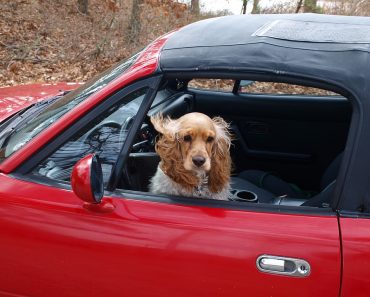
New research out today has found that pet owners are not properly securing their pets when on the move, with over a quarter admitting they never restrain their dogs when travelling in the car.
The research, which has been released by Direct Line Pet Insurance reveals that over a fifth of vets have shockingly witnessed dogs die as a result of injuries sustained when travelling in a car without proper restraint.
Of those animals who were able to receive treatment after an accident, the most common ailments vets have treated for include broken bones to minor injuries such as bruising.
Rule 57 of the Highway Code states that when in a vehicle, owners must make sure dogs or other animals are suitably restrained. Vets recommend a dog seat belt and harness, crate/cage or a barrier in between the boot and the back seat to reduce the risk of distraction whilst driving.
The RSPCA advises owners to keep smaller animals in a suitably robust and secure carrier (which allows them to sit and stand up at full height, turn around easily and lie down in a natural position).
Prit Powar, head of pet insurance at Direct Line, said: “Some owners trust their animals to roam free around the car. However, even the most well-behaved animal can become easily spooked or excited, which could distract you from the road, putting both you and your pet in danger. It’s important to adhere to the Highway Code to make sure you, your passengers and your pet is safe.”
We have no doubt all at some point been travelling in a car and spotted a dog excitedly looking out of the back window and wondered where they might be off to prompting thoughts of our own dogs. But it seems not all car journeys go smoothly for dog owners, according to new research.
The findings, released by Direct Line Pet Insurance reveal that a third of dog owners report their beloved pet dirtying the car and getting car sick.
While a third of pet owners say they have had problems when, in the style of the hit film ‘Marley and Me’, their dog has stuck its head out of the window.
For one in ten unlucky owners, their dog has even used the car as its toilet.
Speaking of the findings, Prit Powar, head of pet insurance at Direct Line, said: “Some owners trust their animals to roam free around the car. However, even the most well behaved animal can become easily spooked or excited, which could distract you from the road, putting both you and your pet in danger. It’s important to adhere to the Highway Code to make sure you, your passengers and your pet is safe.”
The pet insurer offered these top tips to dog owners travelling
Get your pet used to travelling in a car as early as possible to calm those shaky legs
Reward your pet for good behaviour at the end of the journey with a tasty, animal-friendly treat
Keep towels in the car at all times to clean those mucky paws
Christmas is a time the whole family gets together, a time to enjoy and cherish the memories made and it seems Britain’s dog owners are taking this message to heart as a new survey revealed.
The UK’s lucky canines can expect to enjoy the festive season as much as their owners as an incredible 49{d4f4ff813a06e2c77cbb9c6effe011ebffe2f8986e44983e90e08c54deb62f63} of owners will be preparing them their very own special doggie dinner this Christmas.
According to the recent survey carried out on behalf of Direct Line Pet Insurance, of the 1,021 dog owners questioned, almost half (49{d4f4ff813a06e2c77cbb9c6effe011ebffe2f8986e44983e90e08c54deb62f63}) are planning to make a special Christmas meal for their dogs and with 46{d4f4ff813a06e2c77cbb9c6effe011ebffe2f8986e44983e90e08c54deb62f63} planning a special family walk with their dog, it will soon be walked off!
Adam Whiteley, head of pet insurance at Direct Line, offered this advice to dog owners: “Dog owners going to the trouble of cooking a special Christmas dinner for their best furry friend are clearly doing so out of love and festive spirit. It’s worth remembering that there are a few things dogs shouldn’t eat at all, even on special occasions, as doing so can make them very ill or even cause death in extreme cases. Chocolate, raisins, onions, and added salt should all be avoided, as should sharp or small bones. It’s a good idea to make sure that all food items and treats are stored well out of reach of pets, during the holidays and all year round.”
According to the survey, 89{d4f4ff813a06e2c77cbb9c6effe011ebffe2f8986e44983e90e08c54deb62f63} of Britain’s dogs can expect a delivery from Santa left under the tree for them to spend the holidays enjoying.
40{d4f4ff813a06e2c77cbb9c6effe011ebffe2f8986e44983e90e08c54deb62f63} Britain’s dogs will have an average of £10 on presents spent this year with a lucky 9{d4f4ff813a06e2c77cbb9c6effe011ebffe2f8986e44983e90e08c54deb62f63} having gifts worth more than £100 awaiting them.
Toys are the most favoured present of choice, but pampering with collars, leads and clothes also top the list of most desired presents.
However, with 26{d4f4ff813a06e2c77cbb9c6effe011ebffe2f8986e44983e90e08c54deb62f63} of Britain’s dogs enjoying chewing presents, it might be advisable to make sure Santa’s little four legged helpers have someone keeping an eye out for them.
K9 Magazine editor Ryan O’Meara offered this thoughts on the findings,“The fact that nearly half of all dog owners are preparing to fully include their canine pals in the Christmas festivities is indicative of just how much the relationship between pets and their owners has changed in modern times. Dogs are now considered fully fledged members of the family and this research highlights just how seriously owners take that relationship. Dogs bring us so much joy every day, it’s nice to hear that owners take great delight in including them at this special time.”