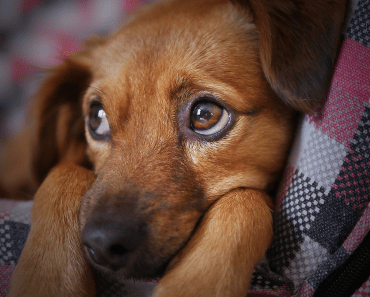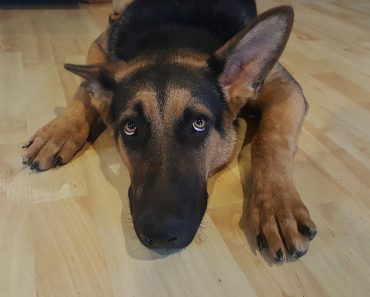
The RSPCA is piling pressure on the Government to bring in tighter controls around fireworks after a number of shocking incidents in which animals were attacked with fireworks or died having been spooked.
The RSPCA has received 82 calls related to animals and fireworks during fireworks season so far (26 October – 9 November). There have also been a number of shocking deliberate attacks on animals as well as incidents in which animals have died as a result of being spooked or frightened by fireworks. And the charity is expecting more incidents over the coming weeks as sales and displays continue into Diwali this weekend (14 November) before Christmas and New Year.
Dozens of dog owners reported their pets cowering in fear or uncontrollably trembling for hours, while others revealed their dogs had bolted in a panic. Four separate incidents of cats and kittens being strapped to lit fireworks were reported across the country.
https://twitter.com/BBCScotland/status/1057291398880391170
An RSPCA spokesperson said: “We were contacted on 2 November after a cat was killed in Rotherham, South Yorkshire, when a firework was attached to him and lit. On Bonfire Night itself we were made aware of two incidents – one in Bradford, West Yorkshire, and one in Kenilworth, Warwickshire – in which fireworks had been strapped to kittens before being set off. And on Friday (6 November), the burned body of a cat was found strapped to a firework in Queensferry, Wales.”
Dozens of animals and staff at the RSPCA’s Harmsworth Memorial Animal Hospital were left distressed and terrified on Thursday night (5 November) after gangs and police clashed outside the clinic, in North London, after fireworks were thrown in the street.
On Saturday night (7 November), in Kent, a firework went off less than 1m from RSPCA inspector Rosie Russon who was walking back to her van after collecting two tiny kittens. The two-week-old kittens – now named Tiny Tim and Nancy – were being looked after by a member of the public who had found them abandoned. It’s not known whether the firework was a misfire from a nearby display or had been thrown directly at Rosie as she tried to help the helpless babies.
Emma James, from Broseley in Shropshire, has backed the #BangOutOfOrder campaign after her young horse, Flashy, died after being spooked by fireworks. She said: “Flashy came from a very successful lineage of racing horses in Newmarket. We’d been preparing for her arrival for months and she was delivered to the yard near our home on Wednesday afternoon (4 November). We checked on her that evening and the following morning and she was fine.
“But later that day we had a call from someone at the yard saying she’d gone down in her field. We rushed down to her and found her collapsed in the mud, paralysed with fear. She had clearly been spooked and was very distressed; she was sweating, her paddock had been trashed and all of the fencing was down.
“Flashy (pictured) was a fit and healthy youngster with a clean bill of health. She had clearly been spooked by something which had sent her careering around her paddock and injuring herself. It was Bonfire Night and I can only believe that fireworks were to blame.
“My 14-year-old daughter, Lola, sat and cradled her in the mud for hours until a vet arrived and we made the heartbreaking decision to have her put to sleep. Examinations later revealed that she’d fractured her spine and wouldn’t have been able to be saved. Flashy meant so much to us already, it was heartbreaking to lose her like this.”
Richard Wilford, and his son Sean, from Fleckney, Leicestershire, are also getting behind the campaign after their nine-year-old rescue dog, Faye (pictured above), died after bolting in her garden. The greyhound was rescued from a dog meat farm in China before being adopted by the Wilfords in January 2017.
Richard said: “She was fine in the house. We’d been watching TV and I waited for a break in the fireworks to take her out into the garden to go to the toilet before bed. All of a sudden there was an almighty explosion, followed by two more as three fireworks were set off nearby.
“Faye panicked and bolted for the house, running straight into the patio doors. The sound of the impact was as loud as the firework. She fell onto the ground and started convulsing. Within two minutes she was dead. It was horrendous.”
Emma – who has joined the Ban The Noise campaign in her local area – and Richard have now backed the RSPCA’s #BangOutOfOrder campaign calling for tighter controls and regulations around the sale and use of fireworks in a bid to help animals and people who suffer with fireworks phobias and noise aversion.
We’re calling for the use of fireworks to be restricted to agreed traditional dates (November 5, New Year’s Eve, Chinese New Year and Diwali); the reduction of maximum permitted noise level of fireworks for public sale (from 120 to 90 decibels); licensing of all public displays and private displays at special events such as weddings; and better labelling on fireworks so consumers can make informed decisions on buying ‘low noise’ fireworks.
RSPCA animal welfare expert Dr Mark Kennedy said: “Fireworks are extremely stressful and frightening for many animals. Around 62% of dogs, 55% of horses and 54% of cats in the UK* show signs of anxiety when they hear fireworks.
“All too often we hear heartbreaking stories of animals like Flashy and Faye who seriously injure themselves in a blind panic after being spooked by fireworks. Perhaps even more shockingly, we seem to be seeing more incidents reported to our inspectors of animals being deliberately targeted and injured using fireworks. Enough is enough; we need tighter controls over the sale and use of these potentially lethal explosives.”
To support the RSPCA’s #BangOutOfOrder campaign visit the RSPCA website and send a letter to your local council to put forward changes.
Learn how to help calm your dog during fireworks.