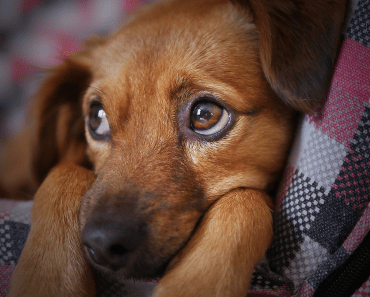
Tag: dogs fireworks

  • If Electric Collars Can be Banned, We Need to Talk About Fireworks

    If Electric Collars Can be Banned, We Need to Talk About Fireworks

    Last week the Government in Scotland, after a long campaign, decided to ban the use of electric collars on dogs. Why? Because they cause stress.

    So why, every year, without fail, should we dog owners – in our thousands – be witnessing real stress, real suffering and real anxiety in our pets caused by fireworks? Let’s use some basic logic here. If electric collars can be banned because of the stress they cause to dogs, given the sheer volume of dogs who are caused massive stress and anxiety as a result of fireworks, why are we not yet discussing the new regulations we so obviously need if we are serious about reducing the suffering caused to our dogs, cats and let’s not forget the countless wild animals who are also affected by firework fear? Are we serious about reducing animals stress or not? If so, then fireworks will be at the top of the list for many, many pet owners in terms of things that cause their animals the most discomfort.

    https://i.imgur.com/ZmYpBu7.png

    The RSPCA is stepping up its calls for fireworks to be better regulated.

    The charity has renewed calls to restrict the private use of fireworks to particular dates in a bid to reduce the fear and distress caused to many animals throughout the year.

    The plea comes as figures reveal that last year (2017), the RSPCA received its highest ever number of calls about fireworks (382) from concerned members of the public. This represents a 50% increase from 2011 (255). In one RSPCA rescue last November, a dog spooked by fireworks had to be freed from a six-inch gap between walls in a three-hour rescue operation.

    Limiting the use of fireworks to agreed traditional dates – such as Guy Fawkes/Bonfire Night, New Year’s Eve, Chinese New Year and Diwali – would be good news for animals, according to the charity’s welfare experts.

    The animal charity also believes reducing the noise of fireworks available for sale to the public, and providing more information to the public about licensed displays, could better protect animals.

    Fireworks regulation is due to be discussed by Members of Parliament on Monday 29 January. The UK parliamentary debate was triggered after a petition – started by a member of public – attracted over 100,000 signatures.

    Many animals – of all shapes and sizes – find fireworks frightening. The sudden loud noises and bright flashing lights commonly associated with fireworks can be very frightening for animals. Estimates suggest 45 percent of the UK’s dogs* show signs of fear and distress when they hear fireworks.

    RSPCA companion animal welfare expert Lisa Hens said: “The RSPCA is calling for firework displays by the general public to be restricted to certain traditional dates in the calendar.

    “Animals affected by fireworks not only suffer psychological distress but can also cause themselves injuries, sometimes very serious ones, as they attempt to run or hide from the noise. Ensuring these displays always fall on dates like Guy Fawkes Night, New Year’s Eve, Chinese New Year and Diwali would be good news for animals.

    “Fireworks can lead to serious welfare concerns for many animals, so we warmly welcome this important debate. We hope to see as many MPs as possible attending it, and argue in favour of animals by supporting changes to the laws currently regulating fireworks.”

    Under the current legal framework, fireworks displays can be held every day of the year. Existing regulations forbid fireworks being used between 11pm and 7am, with some exceptions, while those with a noise level exceeding 120 decibels cannot currently be sold to the public.

    Ms Hens said: “Firework phobia is a treatable condition – and there’s many steps owners can take to make the experience less scary for their pet.

    “But planning ahead is often key in keeping animals safe and well during fireworks displays – so having set days where displays can take place is obviously vital in ensuring people know when they have to take such extra precautions.

    “Decision-makers could also reduce the maximum permitted noise level of fireworks for public sale to 97 decibels, comparable with the sound of a slamming door. Fireworks louder than this should only be used for licensed public displays.”

    Unfortunately, it is not just pets that are affected by fireworks. Farm animals can be easily frightened by loud noises and sudden flashes of bright light, which can startle them and cause them to injure themselves on fencing, farm equipment or, in the case of housed animals, on fixtures and fittings.

    It is also likely that fireworks will cause a disturbance to wild animals such as waterfowl and is likely to cause suffering or distress, depending on the distance from the fireworks and the noise level. Wildlife can also be burnt alive after making their home in bonfires, so always check for animals beforehand.

    Ms Hens added: “By licensing all public displays, and ensuring information about the event is made available to the local community, more can be done to help keep all animals safe during fireworks. Clearly, more needs to be done to protect animals from the unnecessary fear and suffering that fireworks regularly cause.”

  • Help! My Dog is Scared of Fireworks

    An alarming study by UK dog welfare organisation, the Dogs Trust, has revealed that more than 70% of UK dogs are scared of fireworks.

    The charity’s survery has revealed that 72% of pet dogs are frightened of fireworks and of these, 1 in 10 have been so severely affected that they have required veterinary treatment . Over 90% of dog owners surveyed say they alter their routine during the November celebrations around Fireworks night and during Diwali to try to minimise the trauma on their petrified pooches.

    If you are among the millions of dogs owners whose dogs cower at Catherine Wheels, are spooked by sparklers or rattled by rockets, Dogs Trust is on hand to help calm those canine quivers. The UK’s largest dog welfare charity is offering advice to help petrified pooches and their owners enjoy a fright free November. Many dog owners are simply unaware of the affect that firework fear can have on their dogs and each year the charity is inundated with calls from dog owners who simply don’t know how to calm their pets

    It can be difficult for owners to calm their dog’s nerves once the loud bangs begin, but Lynn Barber, Head of Canine Behaviour and Training at Dogs Trust explains how you can help relax your canine companions:

    “ As our survey suggests, November is potentially a worrying month for dog owners as so many dogs are sensitive to sounds. They hear much higher frequencies than we do and the whizz, bang, pop of fireworks can be too much for them.

    If your dog chooses to hide then that is where he or she feels safest and it’s important that they’re allowed to stay in their hide-out as long as needed. Often owners will try and drag their dogs out for enforced cuddles and affection; this should be avoided as it will only confuse your canine. Try and make your four-legged friend as comfortable as possible..”

    Dogs Trust has some simple advice to help make the firework season less stressful for dogs this firework season:

    Before the fireworks begin:

    Walk your dog before dark – make sure your dog is well exercised and has had a toilet break before the fireworks begin.

    Feed your dog before the fireworks begin as he may become unsettled and not want to eat during the fireworks.
    Make sure your house and garden are secure during the fireworks as fear may make the dog act out of character and he may try to escape.

    Try to settle your dog before the fireworks start – if your dog is in familiar safe surroundings it will help him cope with the noise.

    Provide a safe hiding place – at noisy times around Bonfire Night, make sure your dog has somewhere safe in his or her favourite room, perhaps under the table. Close the curtains and turn up the volume on your TV or radio to drown out the firework noises.

    If your dog responds well to certain music, make a compilation and play it at a reasonable level to drown out the sound of the fireworks. Alternatively, put your radio on.

    During the fireworks:

    Don’t punish a dog for cowering or reacting to the fireworks as this will intensify his or her fear. Owners should aim to remain relaxed and therefore provide a good role model to the animal when it is afraid.

    Don’t leave your dog alone in the house during the fireworks period – he or she may panic and this could result in an injury.

    Keep your dog busy – play games or enjoy some reward-based training to keep their mind off the noises.

    Be careful not to reward your dog for reacting to noise – if he or she is upset giving them lots of attention may inadvertently reward him for being afraid. It is better to act as if there’s nothing to worry about. However, if your dog comes to you for comfort is best not to ignore him – very gently stroke him along his flanks and his ears – this may help to calm him.

    Never force a dog outside when fireworks are being let off, and even if your dog enjoys Bonfire Night, never let them off their lead outdoors when fireworks are being let off.

    After the fireworks:

    If your dog does react badly to fireworks seek advice from your vet regarding desensitisation programmes to help him or her cope more easily next time. As these programmes generally take several weeks or more to complete, they are not something that can be started in the final run-up to firework season and must be carefully planned. You should also ask about Adaptil collars which contain a Dog Appeasing Pheromone -a scent that can comfort your dog and help him or her cope with their fears

    It is also important that in the long term your dog becomes less scared of loud noises. It is most effective to prevent noise phobia developing by ensuring that puppies are desensitised to loud noise.

    For more information visit http://www.dogstrust.org.uk/az/f/fireworks/to download a free ‘Firework Fear and your Dog’ factsheet