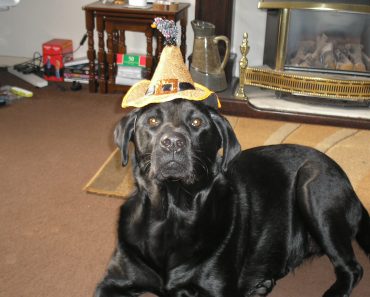
Veterinary charges are one of the biggest expenses that dog owners have to deal with. The problem with vet bills is that you can’t budget for them in the way you can for food or other more fixed outgoings. A large vet bill can come straight out of the blue and hit a dog owner for six ( or six thousand depending on the problem).
But there are ways that every dog owner can reduce their veterinary expenses, from simple practices that you can do at home to smart money saving exercises that could be worth thousands of pounds. Holly Kernot explores the best ways to reduce that vet bill.

There are a variety of basic health checks and routines you can adopt in order to ensure your dog stays in optimum health.
Basic Health Checks.
Performing a regular health check on your dog will enable you to keep on top of any new or recurring health issues. Potentially serious and costly health problems can be nipped in the bud before they escalate into something all together more sinister, which ensures that your dog will be getting a good level of health care and also, enables you to avoid costly vet bills.
Become familiar with your dog.
Become familiar with your dogs, and regularly check their body for any lumps which may have formed. When at the vets, as them to help you identify the signs of a dangerous lump, and what does not constitute as anything to worry about.
Grooming.
A healthy dog has a shiny coat, and you can help maintain this by partaking in a regular grooming exercise. Regular grooming gives you the opportunity to familiarise yourself with your dog and to carry out these checks.
Regular grooming not only removes unwanted hair and reduces the chances of the coat becoming matted, but can also indicate to you the tell tale signs of skin conditions such as dermatitis, which can be costly to treat.
Dermatitis is often indicated if your dog is scratching himself a lot, or if sores or rough areas appear on the skin. If this is the case, a vet should be consulted immediately.
Bathing your dog on a regular basis can ensure your dogs coat stays healthy, using specialist dog shampoo to remove unwanted dirt and grime. Trim those nails.
Dogs nails do need trimming, and vets and grooming parlours do offer this service, but to save money, many owners buy clippers and do it themselves. However, if you exercise your dog regularly, on the pavement, this will keep the nails short anyway.
Dental Care.
As your dog is a carnivore, it is vital his teeth are kept in top condition.
Keep a close eye on your dog’s mouth and conduct basic health checks to ensure there is nothing wrong. For example, smelly breath, red gums which are swollen and teeth that are loose could all be potential indicators of gum disease. Changes in physical behaviour such as a loss of appetite or unusual chewing habits are all causes for concern. [According to Theresa James, of Dog Supplies Advisor.com.]
Vets do conduct teeth cleaning within the surgery, but to compliment this treatment and to maintain optimum oral health, you could invest in a specialised tooth cleaning kit for dogs, consisting of a toothbrush and toothpaste [poultry flavour available!] [Seek veterinary advice before starting programmes]
Ear Checks.
A dog with healthy ears can be identified as having odour free ears free from dirt and grime. If your dog is shaking his head or partaking in a lot of ear scratching, it could indicate there is an infection of some kind, such as haematoma of the ear flap, which is a build up of blood in the ear area, caused often by infection or mites.
Scratching of the ears can also indicate mites, which should be treated by a vet.
Eye Checks.
It is important to look out for changes in your dogs eyes. A clouded eye lens could indicate the presence of a cataract, while a an inflamed membrane covering the lining of the eye lid [and the eye’s white area] could signify conjunctivitis.
Exercise.
A good exercise regime is an excellent way to avoid obesity and mobility problems, which can both lead to serious and costly ailments. Ensure that the exercise regime that you provide for your dog is suitable to his situation. Over exercising a young puppy can lead to joint and ligament issues, which can last for a lifetime. Be especially aware when exercising puppies, as they will always be willing to go an extra mile despite what their bodies are telling them.
All dogs need exercise, so why not go to the park for free! Your dog will love socialising with other dogs, going out with their pack [that’s you] and their favourite games, such as fetch.
The benefits here are two-fold. You both get a good workout and your dog can behave in a natural way, chasing, hunting and ‘killing’ something [the ball in this case]. Providing your dog with toys does not have to be an expensive hobby, according to student dog trainer Alison. She says: ‘‘Dogs need playing with, but don’t buy expensive toys, an old T. shirt or piece of string can be a good toy.’’
Having said that, do not over exercise an old dog as this can lead to joint problems which can be expensive to treat, so change your exercise regime so it is delivered in smaller sessions which are manageable for your dog.
Avoid walking your dog in the height of the day, as the hot tarmac underfoot can be painful on paws!
Food.
A balanced and nutritionally rich diet can be the difference between good health and poor health. It is the key to your dog enjoying an optimum quality of life. But good food does not necessarily need to be expensive, all natural diets, for example, can be prepared relatively cheaply if you have the time and inclination. Life stage foods are also an excellent way for an owner to deliver the optimum nutrition to their pet.
According to Alison: ‘‘It’s a false economy to buy cheap food, it’s full of additives which can lead to dogs chewing and digging in the house [which in turn can be expensive if anything needs to be replaced] and can ultimately lead to behaviour problems.
She goes on to say: ‘‘Don’t be bamboozled by the food that vets sell, they can be keen to recommend food to owners which is only available from them and can be expensive- ask why they recommend it and check other good foods for ingredients.’’
Don’t over feed your dog, as this can lead to obesity and further health related problems.
Insurance.
Pet insurance can be a real benefit when it comes to the long term savings on veterinary bills. Sainsbury’s Pet Insurance covers up to £7,500 vet’s fees per condition (option 2). Plus you could get up to 25{d4f4ff813a06e2c77cbb9c6effe011ebffe2f8986e44983e90e08c54deb62f63} online discount and double nectar points on Sainsbury’s shopping for 2 years! Click here for more information.
Flea and worm treatments.
It is possible to buy flea and worm treatments online or from other retailers other than the vets. By regularly cleaning your dogs bedding, you can reduce the risk of fleas.
The RSPCA website asks the following questions to determine if your pets have fleas: ‘‘Is your pet scratching? Can you see tiny brown specs in it’s fur, are there small brown insects scurrying about, do you have unaccounted for insect bites yourself?’’

Shop around for a vet.
Most dog owners go on recommendations from other owners as to which vets they use. If you do not know any other dog owners, ring around some local practices and see how much an initial consultation would cost, and what facilities are available at the vets. For example, some have dog grooming sessions and hydrotherapy pools available. The mistake many people make is to simply register with the nearest practice. Vets can charge what they want and there is often a large discrepancy between surgeries’ fees, so make sure you are getting value for money.
Look out for symptoms.
Symptoms of diabetes for example, can include your dog being more thirsty than usual, urinating more frequently, having a change in appetite and a loss in weight. If you suspect diabetes, go to your vet immediately.
While obesity can be recognised if you cannot feel your dogs ribs through his coat, this disease can lead to heart disease and diabetes so prevention is most definitely preferable to cure.
There are numerous ways you can ensure that you are not paying over the odds for veterinary services. By being diligent and keeping an eye on your dog’s general well being, you can ensure that any visit to the vet is justified. By ensuring that you are getting a good deal from your vet, you’ll never be in the sticky position of having to shell out more than is fair for treatment.
[sws_yellow_box box_size=”550″] >> Highly Recommended: Sainsbury’s Pet Insurance – £7,500 Vet’s Fees & Up to 25{d4f4ff813a06e2c77cbb9c6effe011ebffe2f8986e44983e90e08c54deb62f63} online discount. [/sws_yellow_box]