Search results for: “What Dog Food Can I Bring Into The Us”

  • Most Frequently Asked Dog Food Questions

    Most Frequently Asked Dog Food Questions

    If you’re looking for answers to the most frequently asked dog food questions you’re in the right place. Our editors have collected and collated data from hundreds of thousands of dog food and dog feeding questions to provide the most relevant answers to the most common dog food questions.

    You may be somewhat overwhelmed with the amount of dog food terminology and various phrases relating to dog food (such as: cold pressed food, complete food, dry, raw, dog gut health etc). Fortunately, our friends over at K9 Magazine have put together the definitive dog food glossary to help.

    Answers to the most frequently asked dog food questions

    The following questions, if you click on their link, contain answers from our own hand-picked, quality assessed curated sources for the best, most reputable and reliable dog nutrition information.

    So if you’ve ever wondered what the most frequently asked dog food questions were and wanted to get the answers to any, here you go:

    1. Which Dog Food Is Best
    2. What Dog Food Is Best
    3. What Dog Foods Are Best
    4. What Food Dog Cannot Eat
    5. What Food Dog Can’t Eat
    6. What Dog Food To Avoid
    7. What Dog Food Brand Is Best
    8. What Dog Food Is Grain Free
    9. What Dog Food Is Best For Puppies
    10. What Dog Food
    11. How Dog Food Is Made
    12. How Much Dog Food Per Day
    13. What Dog Food Is Killing Dogs
    14. What Dog Food Kills Dogs
    15. Can Dog Food Go Bad
    16. What Dog Food Do Vets Recommend
    17. Can Dog Food Cause Seizures
    18. What Dog Food Should I Feed My Dog
    19. What Dog Food Has Been Recalled 2019
    20. What Dog Food Is Linked To Heart Disease
    21. What Dog Food Are Recalled
    22. What Dog Food Brands Are Safe
    23. What Dog Food Causes Heart Disease
    24. What Dog Food Is Best For Yorkies
    25. What Dog Food Is High In Fiber
    26. What Dog Food Is On Recall
    27. What Dog Food Recall
    28. What Dog Food Was Recalled
    29. Will Dog Food Hurt Cats
    30. How Much Dog Food For Puppies
    31. What Dog Food Is Good For Allergies
    32. Can Dog Food Go Stale
    33. What Dog Food Do Dogs Like Best
    34. What Dog Food Has Been Recalled
    35. What Dog Food Has Never Been Recalled
    36. What Dog Food Is High In Protein
    37. What Dog Food Is On Recall 2019
    38. What Dog Food Jingle Did Jed Write
    39. What Dog Food Has The Most Protein
    40. What Dog Food Is Not Grain Free
    41. What Dog Food Tastes The Best
    42. What’s The Best Dog Food On The Market
    43. Can Dog Food Cause Urinary Incontinence
    44. Can Dog Food Cause Uti
    45. Does Trader Joe’s Sell Dog Food
    46. What Dog Food Brands To Avoid
    47. What Dog Food Helps With Shedding
    48. When Does Dog Food Expire
    49. What Dog Food Causes Cancer
    50. What Dog Food Is Low In Protein
    51. What Dog Food Made Of
    52. What Dog Foods Are Linked To Heart Disease
    53. What Dog Food To Buy
    54. What Dog Food To Feed My Dog
    55. What Dog Food Will Help Gain Weight
    56. What Dry Dog Food Do Vets Recommend
    57. Will Dog Food Hurt My Cat
    58. What Are Dog Food
    59. What Dog Food Company Did Jed Sign With
    60. What Dog Food Do Veterinarians Recommend
    61. What Dog Food Is On The Recall List
    62. What Dog Food Is Recommended By Vets
    63. What Dog Food Should I Feed My Puppy
    64. What’s The Healthiest Dog Food On The Market
    65. Where Is Dog Food In Walmart
    66. Which Dog Food
    67. Which Dog Food Brands To Avoid
    68. Who Eukanuba Dog Food
    69. How Much Dog Food Calculator
    70. What Are Dog Food Toppers
    71. What Dog Food Compared To Blue Buffalo
    72. What Dog Food Has High Fiber
    73. What Dog Food Has No By Products
    74. What Dog Food Has No Chicken In It
    75. What Dog Food Is Aafco Approved
    76. What Dog Food Is Best For French Bulldogs
    77. What Dog Food Makes Dogs Gain Weight
    78. What Dog Food Not To Feed Your Dog
    79. What Dog Food Should I Feed My Dog Quiz
    80. What Dog Food Should I Feed My Pitbull
    81. What Dog Food Was Killing Dogs
    82. What Wet Dog Food Do Vets Recommend
    83. When Was Dog Food Made
    84. Which Dog Food Is Best For Puppies
    85. Why Dog Food Is Bad
    86. Will Dog Food Make A Cat Sick
    87. What Are Dog Food Made Of
    88. What Dog Food Brand Is Killing Dogs
    89. What Dog Food Brands Are Made In China
    90. What Dog Food Brands Are Made In Usa
    91. What Dog Food Brands Does Purina Own
    92. What Dog Food Brands Use Horse Meat
    93. What Dog Food Can Cause Seizures
    94. What Dog Food Can Hedgehogs Eat
    95. What Dog Food Can Humans Eat
    96. What Dog Food Can Puppies Eat
    97. What Dog Food Comes From China
    98. What Dog Food Compared To Science Diet
    99. What Dog Food Does Dr Jeff Recommend
    100. What Dog Food Does The Queen Use
    101. What Dog Food Do Vets Recommend Uk
    102. What Dog Food For Dogs With Allergies
    103. What Dog Food For Sensitive Stomach
    104. What Dog Food Has No Corn
    105. What Dog Food Has No Ingredients From China
    106. What Dog Food Has No Peas Or Lentils
    107. What Dog Food Has No Red Dye
    108. What Dog Food Is Best For Hedgehogs
    109. What Dog Food Is Best For Yeast Infections
    110. What Dog Food Is Easy To Digest
    111. What Dog Food Is High In Fibre
    112. What Dog Food Is High In Zinc
    113. What Dog Food Is Killing Dogs 2020
    114. What Dog Food Is Low In Copper
    115. What Dog Food Is Low In Fat
    116. What Dog Food Is Low In Sodium
    117. What Dog Food Makes Dogs Poop Less
    118. What Dog Food Produces Less Poop
    119. What Dog Food Produces The Least Amount Of Poop
    120. What Dog Food Should I Feed My German Shepherd
    121. What Dog Food Should I Get
    122. What Dog Food To Feed My Puppy
    123. What Dog Food To Gain Weight
    124. What Dog Food Uk
    125. What Dog Food Veterinarians Recommend
    126. What Dog Food Vets Recommend
    127. What Dog Food Will Help With Gas
    128. What Food Dog Should Eat
    129. What Is Raw Dog Food Uk
    130. When Changing Dog Food
    131. When Switching Dog Food
    132. Where Dog Food Is Made
    133. Which Dog Food Guide
    134. Which Dog Food Is Best In India
    135. Which Dog Food Reviews
    136. Which Dog Food Uk
    137. Which Dog Food Was Recalled
    138. Who Made Dog Food
    139. Why Dog Food
    140. Why Dog Food Grain Free
    141. Are Dog Food Bad
    142. Are Dog Food Healthy
    143. How Dog Food Making
    144. How Dog Foods
    145. How Much Dog Food For German Shepherd
    146. How Transition Dog Food
    147. What Are Dog Food Allergies
    148. What Are Dog Food Allergy Symptoms
    149. What Are Dog Food Good For
    150. What Can Dog Food Is Good
    151. What Can Dog Food Is The Best
    152. What Does Dog Food Need
    153. What Dog Food Allergies
    154. What Dog Food Are Bad
    155. What Dog Food Brands Are Bad
    156. What Dog Food Brands Do Vets Recommend
    157. What Dog Food Can Ferrets Eat
    158. What Dog Food Can French Bulldogs Eat
    159. What Dog Food Can I Bring Into The Us
    160. What Dog Food Can Rats Eat
    161. What Dog Food Compared To Royal Canin
    162. What Dog Food Compared To Taste Of The Wild
    163. What Dog Food Contains Fibre
    164. What Dog Food Contains Vitamin B
    165. What Dog Food Contains Xylitol
    166. What Dog Food Does Aldi Sell
    167. What Dog Food Does Morrisons Sell
    168. What Dog Food Does Morrisons Stock
    169. What Dog Food Does Tesco Sell
    170. What Dog Food Dogs Like Best
    171. What Dog Food Do You Feed Puppies
    172. What Dog Food Eat
    173. What Dog Food For Chihuahua
    174. What Dog Food For German Shepherd
    175. What Dog Food For Jack Russell
    176. What Dog Food For Kidney Disease
    177. What Dog Food For Kidneys
    178. What Dog Food For My Dog
    179. What Dog Food For My Puppy
    180. What Dog Food For Older Dogs
    181. What Dog Food For Pitbulls
    182. What Dog Food For Puppies
    183. What Dog Food For Yeast Infection
    184. What Dog Food For Yorkies
    185. What Dog Food Gets 5 Stars
    186. What Dog Food Gives Dogs Cancer
    187. What Dog Food Gives Dogs Gas
    188. What Dog Food Gives Dogs Heart Disease
    189. What Dog Food Good For Dogs
    190. What Dog Food Has No Preservatives
    191. What Dog Food Has No Recalls
    192. What Dog Food Has The Highest Meat Content
    193. What Dog Food Has Yeast In It
    194. What Dog Food Is Anti Yeast
    195. What Dog Food Is Best For Yorkie Puppies
    196. What Dog Food Is Comparable To Zignature
    197. What Dog Food Is Easily Digested
    198. What Dog Food Is Like Blue Buffalo
    199. What Dog Food Is Like Science Diet
    200. What Dog Food Is Low In Phosphorus
    201. What Dog Food Is Most Nutritious
    202. What Dog Food Is Non Gmo
    203. What Dog Food Is Organic
    204. What Dog Food Is Similar To Wainwrights
    205. What Dog Food Is Similar To Zignature
    206. What Dog Food Is Vegan
    207. What Dog Food Is Yeast Free
    208. What Dog Food Killed 2019
    209. What Dog Food Label
    210. What Dog Food Made In China
    211. What Dog Food Made In Usa
    212. What Dog Food Made Out Of
    213. What Dog Food Makes Dogs Fart Less
    214. What Dog Food Makes Dogs Fat
    215. What Dog Food Makes Dogs Live Longer
    216. What Dog Food Never Had A Recall
    217. What Dog Food On Recall
    218. What Dog Food Prevents Bladder Stones
    219. What Dog Food Prevents Gas
    220. What Dog Food Prevents Shedding
    221. What Dog Food Put Weight On Dogs
    222. What Dog Food Raw
    223. What Dog Food Reduces Gas
    224. What Dog Food Reduces Shedding
    225. What Dog Food Reduces Stool
    226. What Dog Foods Have Xylitol
    227. What Dog Food Should I Feed My French Bulldog
    228. What Dog Foods Linked To Heart Disease
    229. What Dog Food Stops Farting
    230. What Dog Food Taste Like
    231. What Dog Food Taste Like Human Food
    232. What Dog Food Tastes Like
    233. What Dog Food To Feed English Bulldogs
    234. What Dog Food To Feed Puppy
    235. What Dog Food To Stay Away From
    236. What Dog Food Uses Horse Meat
    237. What Dog Food Will A Picky Dog Eat
    238. What Dog Food Will Harden Stool
    239. What Dog Food Will Help With Shedding
    240. What Dog Food With Grain Is Best
    241. What Food Dog Like To Eat
    242. What Is A Dog Food Jingle
    243. What Is Dog Food Jelly
    244. What Is Dog Food Kibble
    245. What Is Dog Food Like
    246. What Is Dog Food Name
    247. What Will Dog Food Do To A Cat
    248. When Dog Food Was Recalled
    249. When Senior Dog Food
    250. When To Dog Food
    251. Where Donate Dog Food
    252. Where Is Dog Food From
    253. Where Is Dog Food In Target
    254. Which Dog Food Are Vegan
    255. Which Dog Food Guide Uk
    256. Which Dog Food Is Kosher For Passover
    257. Which Dog Food Less Poop
    258. Which Dog Food Platinum
    259. Which Food Dog Like Most
    260. Who Is Dog Food Advisor
    261. Who Was Dog Food
    262. Why Dog Food Ingredients
    263. Why Dog Food Is Bad For Cats
    264. Why Dog Food Is Good
    265. Why Dog Food Is Grain
    266. Why Dog Food Pedigree
    267. Will Dog Food Harm My Cat
    268. Will Dog Food Hurt A Baby
    269. Will Dog Food Hurt A Rabbit
    270. Will Dog Food Hurt My Toddler
    271. What’s The Best Dog Food Uk
    272. Which Dog Food Reviews Uk
    273. Which Dog Food Guide
    274. Which Dog Food Is Best In India
    275. Which Dog Food Reviews
    276. Which Dog Food Uk
    277. Which Dog Food Was Recalled
    278. Who Made Dog Food
    279. Why Dog Food
    280. Why Dog Food Grain Free
    281. Are Dog Food Bad
    282. Are Dog Food Healthy
    283. How Dog Food Making
    284. How Dog Foods
    285. How Much Dog Food For German Shepherd
    286. How Transition Dog Food
    287. What Are Dog Food Allergies
    288. What Are Dog Food Allergy Symptoms
    289. What Are Dog Food Good For
    290. What Can Dog Food Is Good
    291. What Can Dog Food Is The Best
    292. What Does Dog Food Need
    293. What Dog Food Allergies
    294. What Dog Food Are Bad
    295. What Dog Food Brands Are Bad
    296. What Dog Food Brands Do Vets Recommend
    297. What Dog Food Can Ferrets Eat
    298. What Dog Food Can French Bulldogs Eat
    299. What Dog Food Can I Bring Into The Us
    300. What Dog Food Can Rats Eat
    301. What Dog Food Compared To Royal Canin
    302. What Dog Food Compared To Taste Of The Wild
    303. What Dog Food Contains Fibre
    304. What Dog Food Contains Vitamin B
    305. What Dog Food Contains Xylitol
    306. What Dog Food Does Aldi Sell
    307. What Dog Food Does Morrisons Sell
    308. What Dog Food Does Morrisons Stock
    309. What Dog Food Does Tesco Sell
    310. What Dog Food Dogs Like Best
    311. What Dog Food Do You Feed Puppies
    312. What Dog Food Eat
    313. What Dog Food For Chihuahua
    314. What Dog Food For German Shepherd
    315. What Dog Food For Jack Russell
    316. What Dog Food For Kidney Disease
    317. What Dog Food For Kidneys
    318. What Dog Food For My Dog
    319. What Dog Food For My Puppy
    320. What Dog Food For Older Dogs
    321. What Dog Food For Pitbulls
    322. What Dog Food For Puppies
    323. What Dog Food For Yeast Infection
    324. What Dog Food For Yorkies
    325. What Dog Food Gets 5 Stars
    326. What Dog Food Gives Dogs Cancer
    327. What Dog Food Gives Dogs Gas
    328. What Dog Food Gives Dogs Heart Disease
    329. What Dog Food Good For Dogs
    330. What Dog Food Has No Preservatives
    331. What Dog Food Has No Recalls
    332. What Dog Food Has The Highest Meat Content
    333. What Dog Food Has Yeast In It
    334. What Dog Food Is Anti Yeast
    335. What Dog Food Is Best For Yorkie Puppies
    336. What Dog Food Is Comparable To Zignature
    337. What Dog Food Is Easily Digested
    338. What Dog Food Is Like Blue Buffalo
    339. What Dog Food Is Like Science Diet
    340. What Dog Food Is Low In Phosphorus
    341. What Dog Food Is Most Nutritious
    342. What Dog Food Is Non Gmo
    343. What Dog Food Is Organic
    344. What Dog Food Is Similar To Wainwrights
    345. What Dog Food Is Similar To Zignature
    346. What Dog Food Is Vegan
    347. What Dog Food Is Yeast Free
    348. What Dog Food Killed 2019
    349. What Dog Food Label
    350. What Dog Food Made In China
    351. What Dog Food Made In Usa
    352. What Dog Food Made Out Of
    353. What Dog Food Makes Dogs Fart Less
    354. What Dog Food Makes Dogs Fat
    355. What Dog Food Makes Dogs Live Longer
    356. What Dog Food Never Had A Recall
    357. What Dog Food On Recall
    358. What Dog Food Prevents Bladder Stones
    359. What Dog Food Prevents Gas
    360. What Dog Food Prevents Shedding
    361. What Dog Food Put Weight On Dogs
    362. What Dog Food Raw
    363. What Dog Food Reduces Gas
    364. What Dog Food Reduces Shedding
    365. What Dog Food Reduces Stool
    366. What Dog Foods Have Xylitol
    367. What Dog Food Should I Feed My French Bulldog
    368. What Dog Foods Linked To Heart Disease
    369. What Dog Food Stops Farting
    370. What Dog Food Taste Like
    371. What Dog Food Taste Like Human Food
    372. What Dog Food Tastes Like
    373. What Dog Food To Feed English Bulldogs
    374. What Dog Food To Feed Puppy
    375. What Dog Food To Stay Away From
    376. What Dog Food Uses Horse Meat
    377. What Dog Food Will A Picky Dog Eat
    378. What Dog Food Will Harden Stool
    379. What Dog Food Will Help With Shedding
    380. What Dog Food With Grain Is Best
    381. What Food Dog Like To Eat
    382. What Is A Dog Food Jingle
    383. What Is Dog Food Jelly
    384. What Is Dog Food Kibble
    385. What Is Dog Food Like
    386. What Is Dog Food Name
    387. What Will Dog Food Do To A Cat
    388. When Dog Food Was Recalled
    389. When Senior Dog Food
    390. When To Dog Food
    391. Where Donate Dog Food
    392. Where Is Dog Food From
    393. Where Is Dog Food In Target
    394. Which Dog Food Are Vegan
    395. Which Dog Food Guide Uk
    396. Which Dog Food Is Kosher For Passover
    397. Which Dog Food Less Poop
    398. Which Dog Food Platinum
    399. Which Food Dog Like Most
    400. Who Is Dog Food Advisor
    401. Who Was Dog Food
    402. Why Dog Food Ingredients
    403. Why Dog Food Is Bad For Cats
    404. Why Dog Food Is Good
    405. Why Dog Food Is Grain
    406. Why Dog Food Pedigree
    407. Will Dog Food Harm My Cat
    408. Will Dog Food Hurt A Baby
    409. Will Dog Food Hurt A Rabbit
    410. Will Dog Food Hurt My Toddler
    411. Are Dog Food Bad
    412. Are Dog Food Healthy
    413. How Dog Food Making
    414. How Dog Foods
    415. How Much Dog Food For German Shepherd
    416. How Transition Dog Food
    417. What Are Dog Food Allergies
    418. What Are Dog Food Allergy Symptoms
    419. What Are Dog Food Good For
    420. What Can Dog Food Is Good
    421. What Can Dog Food Is The Best
    422. What Does Dog Food Need
    423. What Dog Food Allergies
    424. What Dog Food Are Bad
    425. What Dog Food Brands Are Bad
    426. What Dog Food Brands Do Vets Recommend
    427. What Dog Food Can Ferrets Eat
    428. What Dog Food Can French Bulldogs Eat
    429. What Dog Food Can I Bring Into The Us
    430. What Dog Food Can Rats Eat
    431. What Dog Food Compared To Royal Canin
    432. What Dog Food Compared To Taste Of The Wild
    433. What Dog Food Contains Fibre
    434. What Dog Food Contains Vitamin B
    435. What Dog Food Contains Xylitol
    436. What Dog Food Does Aldi Sell
    437. What Dog Food Does Morrisons Sell
    438. What Dog Food Does Morrisons Stock
    439. What Dog Food Does Tesco Sell
    440. What Dog Food Dogs Like Best
    441. What Dog Food Do You Feed Puppies
    442. What Dog Food Eat
    443. What Dog Food For Chihuahua
    444. What Dog Food For German Shepherd
    445. What Dog Food For Jack Russell
    446. What Dog Food For Kidney Disease
    447. What Dog Food For Kidneys
    448. What Dog Food For My Dog
    449. What Dog Food For My Puppy
    450. What Dog Food For Older Dogs
    451. What Dog Food For Pitbulls
    452. What Dog Food For Puppies
    453. What Dog Food For Yeast Infection
    454. What Dog Food For Yorkies
    455. What Dog Food Gets 5 Stars
    456. What Dog Food Gives Dogs Cancer
    457. What Dog Food Gives Dogs Gas
    458. What Dog Food Gives Dogs Heart Disease
    459. What Dog Food Good For Dogs
    460. What Dog Food Has No Preservatives
    461. What Dog Food Has No Recalls
    462. What Dog Food Has The Highest Meat Content
    463. What Dog Food Has Yeast In It
    464. What Dog Food Is Anti Yeast
    465. What Dog Food Is Best For Yorkie Puppies
    466. What Dog Food Is Comparable To Zignature
    467. What Dog Food Is Easily Digested
    468. What Dog Food Is Like Blue Buffalo
    469. What Dog Food Is Like Science Diet
    470. What Dog Food Is Low In Phosphorus
    471. What Dog Food Is Most Nutritious
    472. What Dog Food Is Non Gmo
    473. What Dog Food Is Organic
    474. What Dog Food Is Similar To Wainwrights
    475. What Dog Food Is Similar To Zignature
    476. What Dog Food Is Vegan
    477. What Dog Food Is Yeast Free
    478. What Dog Food Killed 2019
    479. What Dog Food Label
    480. What Dog Food Made In China
    481. What Dog Food Made In Usa
    482. What Dog Food Made Out Of
    483. What Dog Food Makes Dogs Fart Less
    484. What Dog Food Makes Dogs Fat
    485. What Dog Food Makes Dogs Live Longer
    486. What Dog Food Never Had A Recall
    487. What Dog Food On Recall
    488. What Dog Food Prevents Bladder Stones
    489. What Dog Food Prevents Gas
    490. What Dog Food Prevents Shedding
    491. What Dog Food Put Weight On Dogs
    492. What Dog Food Raw
    493. What Dog Food Reduces Gas
    494. What Dog Food Reduces Shedding
    495. What Dog Food Reduces Stool
    496. What Dog Foods Have Xylitol
    497. What Dog Food Should I Feed My French Bulldog
    498. What Dog Foods Linked To Heart Disease
    499. What Dog Food Stops Farting
    500. What Dog Food Taste Like
    501. What Dog Food Taste Like Human Food
    502. What Dog Food Tastes Like
    503. What Dog Food To Feed English Bulldogs
    504. What Dog Food To Feed Puppy
    505. What Dog Food To Stay Away From
    506. What Dog Food Uses Horse Meat
    507. What Dog Food Will A Picky Dog Eat
    508. What Dog Food Will Harden Stool
    509. What Dog Food Will Help With Shedding
    510. What Dog Food With Grain Is Best
    511. What Food Dog Like To Eat
    512. What Is A Dog Food Jingle
    513. What Is Dog Food Jelly
    514. What Is Dog Food Kibble
    515. What Is Dog Food Like
    516. What Is Dog Food Name
    517. What Will Dog Food Do To A Cat
    518. When Dog Food Was Recalled
    519. When Senior Dog Food
    520. When To Dog Food
    521. Where Donate Dog Food
    522. Where Is Dog Food From
    523. Where Is Dog Food In Target
    524. Which Dog Food Are Vegan
    525. Which Dog Food Guide Uk
    526. Which Dog Food Is Kosher For Passover
    527. Which Dog Food Less Poop
    528. Which Dog Food Platinum
    529. Which Food Dog Like Most
    530. Who Is Dog Food Advisor
    531. Who Was Dog Food
    532. Why Dog Food Ingredients
    533. Why Dog Food Is Bad For Cats
    534. Why Dog Food Is Good
    535. Why Dog Food Is Grain
    536. Why Dog Food Pedigree
    537. Will Dog Food Harm My Cat
    538. Will Dog Food Hurt A Baby
    539. Will Dog Food Hurt A Rabbit
    540. Will Dog Food Hurt My Toddler
    541. What’s The Best Dog Food Uk
    542. Which Dog Food Reviews Uk
    543. What’s The Best Dog Food Uk
    544. Which Dog Food Reviews Uk

  • Vet Answers The Most Frequently Asked Dog Health Questions

    Vet Answers The Most Frequently Asked Dog Health Questions

    Over the course of the pandemic, 3.2 million homes across the U.K. welcomed a new pet into their lives.

    And it’s easy to see why; dogs have been found to make us happier and can encourage us to live a healthier lifestyle, but if you’re a dog owner it can be quite concerning to see your best furry friend experiencing shivering, vomiting and/or diarrhea.

    Naturally our curiosity and concern takes us directly to Dr Google to find out what could be causing our pooch to act out of the ordinary.

    Dog food company tails.com has discovered the health issues that dog owners all over the UK have been searching for the most, and have asked their Head Vet, Sean McCormack for his advice on how to ease these symptoms at home (and when to seek the advice of a veterinarian).

    Kennel Cough – searched 15,000 times a month

    Kennel cough is the common name for infectious canine tracheobronchitis which is a highly contagious respiratory disease in the dog world. The disease causes inflammation to the throat and lungs.

    The most common symptom of kennel cough is a dry, hacking cough that sometimes sounds like honking. Other symptoms include watery discharge from the nose and retching. In severe cases, symptoms can progress into pneumonia, fever, lethargy, and a lack of appetite.

    Sean advises that treatment plans vary depending on the severity, your vet will know best on how to treat your pooch.

    In most cases, however, it is suggested that you allow the cough to simply run its course, but make sure you double check this with your veterinarian. Sometimes a course of anti-inflammatories or antibiotics to treat secondary infection may be needed.

    If this is the case, here are some tips from Sean on how to help your pet through the process:

    Keep them isolated from other pets.

    A humidifier or vaporiser can provide some relief. If you do not have either, try allowing your pet in the bathroom while you shower.

    Avoid exposure to cigarette smoke or other irritating fumes.

    If your pet is a puller, try replacing your pet’s collar with a harness for the duration of the cough to keep from causing any further pain.

    Be sure to monitor your pet’s eating and drinking habits, and provide all the support they may need.

    Sean goes on to say ‘if you are worried about your dog catching kennel cough then there is the option for your pooch to be vaccinated, to arrange this simply enquire at your local vets.’

    Ticks On Dogs – searched 8,200 times a month

    One of our biggest fears for our dogs is discovering the presence of ticks. Whilst there’s a common misconception that ticks on dogs are only a problem in the summer months, warmer weather has seen a rise in ticks all year round.

    Through the nature of a tick’s blood sucking tendencies, they can transmit a range of infections and diseases including Babesiosis and Lyme Disease, affecting both dogs and their owners. Ticks are most commonly associated with Lyme Disease, an illness that often lies undetected due to symptoms frequently not appearing after the initial bite for up to several weeks.

    Sean says: ‘the sooner a tick can be removed, the less likely it is that you or your dog can get infected by nasty bacteria.’

    ‘To remove a tick effectively, use a tick removal tool (you can get these easily online). This allows you to twist and lift the tick off of the skin by going underneath its biting mouthparts.

    ‘It’s important to make sure you remove the tick properly and get the head out, as just pulling at the tick can often leave the mouthparts embedded in the skin and risk infection. If you are struggling with removing a tick yourself contact your local vet for help’

    Dog Diarrhoea – searched 5,200 a month

    It’s not unusual for dogs to have stinky or runny poos. In fact, dog diarrhoea is one of the most common problems vets see every year.

    There are many causes for dog or puppy diarrhoea, but here are a few of the most common; sudden change in diet, dietary indiscretion (eating something they shouldn’t), parasites, infections, inflammatory disorders and even quite simply stress, anxiety and over excitement.

    Sean explains: ‘The colour of your dog’s poo can also depend solely on your dog’s diet – reddish, greenish, or dark brown poop can all be normal.’

    ‘If it’s looking black – it could be a sign of internal bleeding, whilst pale yellow or grey poo can be a sign of fat digestion issues in the pancreas or problems in the liver. Seek veterinary help immediately if you notice this in your dog’s stool.’

    ‘You know your dog better than anyone, if you feel like there’s something wrong – or common problems such as constipation or diarrhoea don’t seem to go away after a few days – don’t hesitate to take your dog to the vet, and take a stool sample with you.’

    Dog Fleas – searched 3,000 times a month

    Fleas, no one likes them, even the thought of the pesky little bugs makes your skin crawl. Did you know, more than 95% of fleas don’t live on animals, but in wood floor crevices, carpets and soft furnishings? And they can remain alive in the cracks for up to two years.

    Sean states ‘the most effective flea products are a liquid spot-on medication which is applied to the skin on the back of your dog’s neck, but application errors can be an issue with these treatments, and if it rains or your dog jumps in water the product can wash away before it has a chance to be effective.

    ‘Double check with your veterinarian the best course of action to tackle fleas. It’s equally important to tackle the eggs and larvae in the environment as well as adult fleas on your dog. If you don’t you’ll never get rid of the infestation’

    Also see: How often should I treat my dog for fleas?

    Dog Ear Infection – searched 2,900 times a month

    An ear infection is an irritating and painful overgrowth of bacteria or yeast in the ear canal, usually caused by an underlying condition such as ear mites, a skin problem, or excess earwax.

    The most common symptoms of an ear infection can include; ear scratching, pain, and head shaking. Pay attention to your pooch – a head tilt or loss of balance is a sign your dog’s infection has moved deeper into the ear.

    Sean says ‘when it comes to treatment for an ear infection, always contact your vet, the quicker your dog is treated, the faster their recovery is likely to be.’

    Arthritis In Dogs – searched 2,700 times a month

    Much like humans, arthritis is a very common condition that causes stiff, painful or swollen joints. It can make moving around very difficult and uncomfortable for your pooch.

    Sean says ‘to prevent arthritis in your four legged friend, keep your dog’s joints as healthy as possible by keeping them slim and giving them regular, sensible exercise.’

    ‘Unfortunately arthritis can’t be cured but fortunately, there are several treatment options to slow it’s progression and manage pain. Nutritional supplements or special diets tailored to your dog’s needs containing omega 3 oils, glucosamine and chondroitin can be helpful.

    Treatment may include painkillers, joint supplements, hydrotherapy, and even surgery – all of which will be available from your vet.’

    ’If you suspect arthritis in your dog, the best course of action is to visit a vet as soon as possible’.

    Dog Vomiting – searched 2,500 times a month

    Vomiting is one of the most common symptoms which vets attend to everyday. It can be caused by a variety of things and in most cases, vomiting in dogs improves within 24 hours. But some are more serious and require treatment from a vet.

    Sean advises ‘it’s not always necessary to see your vet the first time your dog throws up, but it’s extremely important to monitor them closely and call your vet for advice if they vomit more than once, seem unwell, or have any other symptoms.’

    ‘Always contact your vet immediately if your dog is repeatedly trying to vomit but not bringing anything up, especially if they have a bloated tummy.

    ’This can be a sign of something more serious that needs to be investigated further. .

    Also see: Why is my dog throwing up in the morning

    Gastroenteritis in Dogs – searched 1,900 times a month

    Gastroenteritis refers to inflammation of the gastrointestinal tract, meaning the stomach and the intestines. It can be caused by infection with bacteria, viruses, parasites, medications, or even new foods. Most dogs with gastroenteritis will have intermittent episodes of vomiting and diarrhea.

    Sean explains ‘symptoms may include foamy yellowish bile vomit, especially after the stomach has been emptied. Some owners may see dry heaving or gagging after their dog eats or drinks.’

    ‘If you think your pet may have Gastroenteritis then seek veterinary help right away, your pooch may need immediate treatment.’

    Also see: Does my dog have IBD?

    Cataracts In Dogs – searched 1,500 times a month

    Most cataracts in dogs are the result of a genetic or hereditary defect. Many dog breeds are predisposed to hereditary cataracts, which may occur as early as at birth or develop later in young or middle-aged dogs.

    A cataract is an abnormal cloudiness of the eye, caused by a change in the lens.

    Sean explains: ‘Cataracts stop light reaching the back of the eye, reduce vision and eventually cause blindness. The most common causes of cataracts are due to old age, diabetes and eye disease.’

    He continues ‘Cataracts are slow growing, so you may not notice them until later on but here are a few symptoms for you to be aware of;

    A cloudiness, or grey tinge in your dog’s eye(s)

    Loss of vision, especially in low light conditions – this can be very tricky to notice because it often develops slowly and most dogs are very good at adapting by using their hearing and sense of smell instead.

    Pain – cataracts aren’t painful, but some of the underlying conditions that cause them are (such as eye injury or glaucoma).’

    ‘Contact your vet if you notice any changes in your dog’s eyes, or if you think they are losing their vision.’

    Ultimately you know your pooch best, if they are acting out of the ordinary and you are concerned it’s always best to contact your vet.

  • Fat Dogs Are Not Funny, Says Celebrity Vet

    Fat Dogs Are Not Funny, Says Celebrity Vet

    Videos celebrating overweight dogs have been viewed over 90MILLION times on TikTok, research by VetChef reveals.

    The study by the fresh pet food platform, highlights how widespread the worrying content is across all major social media platforms.

    On Facebook, Instagram and Reddit alone, VetChef has discovered there are ONE MILLION members or followers of groups devoted to overweight dogs.

    Fat breeds getting the wrong sort of attention

    Breeds which feature most in these groups are some of the UK’s most popular including pitbulls, frenchies, pugs, terriers and beagles.
    On TikTok, videos are shared using hashtags including: #chonkydogs, #fatdog, and #chubbypuppy.

    The term “chonky” has come to be used by many social media users to show their approval of overweight dogs. It first came into use in 2016 in a Twitter group called ‘Chonky Animals’.

    VetChef founder and pet nutrition expert Dr Joe Inglis comments:

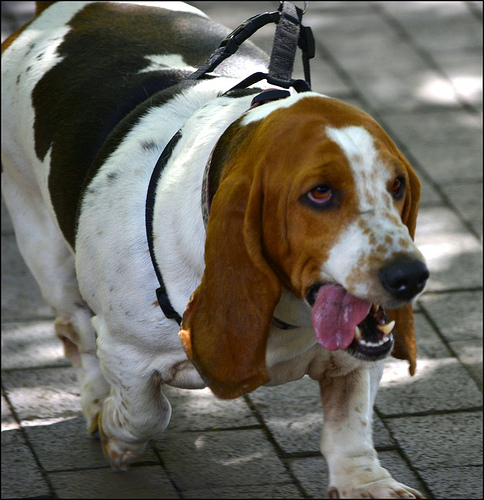
    “While it is always a delight to see the joy pets bring, it is worrying that the trend of normalising and glorifying pets that are actually clinically overweight is on the rise.

    “The scale of content celebrating overweight dogs on social media is simply breathtaking – with clips hailing so-called ‘chonky’ canines viewed over 90million times on TikTok.

    “The unfortunate reality is that overweight pets are likely to have a lower quality of life, as they are more likely to develop serious health conditions such as diabetes, osteoarthritis and cancer.

    “The breeds that seem to be most commonly featured across social media also already have a number of hereditary health problems, which are likely to only be exacerbated by being overweight.

    Joe adds: “In the UK, obesity is one of the leading, ongoing health issues we face with our pets, with 50% of pets now being classed as overweight.

    “We can all be guilty of ‘fat blindness’ when it comes to our pets, especially over the past year when a lot of us have spent more time at home with our canine companions.

    “But our pets rely solely on us as their owners to keep them as fit, healthy and happy as possible, so it is our responsibility to ensure they are getting the right amount of daily exercise, fed a fresh diet that caters to their individual needs and to recognise when they are actually at an unhealthy weight.

    “At VetChef we are committed to helping pet parents do the very best for their animals by helping to feed them a diet of all-fresh, natural produce through a bespoke recipe plan.

    “These meals are all tailored to each individual animal’s needs, and are even designed to help with weight management, as they include the right amount of calories the pet needs based on their weight and body condition, which can then help them lose weight if necessary. The taste and texture of homemade recipes are also better than processed foods, so will help make a diet regime much more enjoyable for the dog.

    “As part of our mission for healthier, natural diets for our pets, we’re now calling on all pet owners to avoid celebrating their overweight animals – and instead celebrate them looking fit and healthy.”

    On Facebook one of the most popular groups celebrating overweight dogs is named The Galactic Empire Of Chonky Woofers. Only a year old it already has over 16,000 members.

    On Instagram there are over 40,000 posts with the hashtag #chonkyboi.

    #fatdog is the most popular TikTok hashtag with 72million views, followed by #chubbydog (10m) with #fatdogs (4.4m) in third.
    VetChef is the brainchild of veterinary surgeon Joe Inglis who is a familiar face on the nation’s TV screens thanks to his appearances on The One Show and This Morning.

    The free VetChef recipe app plans your dog’s recipes, and Buddy, the new VetChef pet food maker does all the hard work. The site also offers a variety of supplements, including an obesity supplement, K905, which contains L-carnitine that helps promote the conversion of fat into muscle.

    The platform can also help with tackling pet obesity, as it allows owners to feed exactly the right level of calories their dog needs to achieve their ideal weight, as well as helping manage many chronic health conditions such as skin and digestive problems.

    The Biggest Fat Pet TikTok Hashtags

    Rank

    Hashtag Views
    1. #fatdog 71.7million
    2. #chubbydog 10million
    3. #fatdogs 4.4million
    4. #fatpuppy 1.9million
    5. #chubbypuppy 1.4million
    6. #fatdoggo 693,000
    7. #chunkydog 295,000
    8. #chonkydogs 109,000
    9. #chunkydogs 90,000
    10. #fatpupper 67,000
  • Simple Tips to Help Your Dog Live Longer

    It’s now a well-established fact that being a dog owner helps you live a longer, healthier, happier life.

    So with that in mind, here are 20 great tips that will keep both you and your dog in the peak of health… Doga! All the benefits of Yoga, suppleness, flexibility and muscle toning and dogs can join in too.

    Take your dog with you on that journey for internal peace. You can both hold the ‘mountain’, ‘lotus’ or ‘cobra’ position, but don’t forget to warm up first. An excellent work out for both human and dog is a good old ‘tug-o-war’. Although usually spontaneous, a five-minute session will burn off as many calories as a brisk fifteen-minute walk. Use an old rag or t-shirt and go for it.

    It is best if you crouch down to start with to avoid bending the back improperly. Your dog will love this one, but make sure you win, or you could be saddled with a very cocky young pup! Short and often beats once a day. Walking the dog should never be a chore. Frequent, shorter walks are often more beneficial to you both than one long stroll a day.

    Want more tips on how to extend your dog’s life?
    Our friends at K9 Magazine have produced 100 tips on how to help your dog live a longer, happier, healthier life. If you’d like to get expert insight in to ways you can help your dog to live longer:

    Learn More ⇢

    Bringing your heart rate up regularly increases cardiovascular fitness. A two-minute jog completed by a five-minute stroll four times a day will get results pretty sharpish. Make minor diet adjustments. Replacing fizzy drinks with cordial will benefit a weight loss programme. Small changes that do not overhaul your lifestyle are easier to stick to. Changing an overweight dog’s portion size beats re-designing his whole diet plan.

    Worming your pet is important all year round, however, for one hookworm, in particular, Uncinaria stenocephala, there is a sharp rise from July to September. In heavily infested pups, it can have nasty results such as diarrhoea, anorexia and lethargy. By worming every three months your pet will be protected.

    Camp it up. A camping trip with your dog is fun and can offer lots of opportunity for exercise. It will give him a whole new world to sniff and the exercise happens without you even noticing. Let him do all the work. If you are looking for an easy ride, but want your dog to get a work out get a Frisbee. All you need to do is toss the thing and he will (hopefully) bring it straight back. This will provide an excellent aerobic work out for him that will also relieve any boredom. If possible, incorporate water into the activity. Toss the Frisbee into the pond or lake (it will float) and let him swim for it.

    BARF. A diet based around raw meat and bones is a superb and very natural diet for a dog that could use a little more protein. Although it may not sound it, this diet is very healthy and suits all breeds of dog. Not sure about raw? Not to worry, you can delve into the subject and read raw dog food pros and cons here to help you decide if a raw diet is right for your dog.

    Hide his toys. If you have a lazy dog, a good way to encourage exercise is to move his toys whenever you go upstairs. If he is loafing about downstairs make sure, the next time you go up the stairs that you take his favourite toy with you. It may only be a small amount, but any exercise is better than none.

    This can also be practised at mealtimes. To avoid a soaking. Long-haired breeds require frequent grooming. When showering or bathing your dog, always wait until the very end to wash the head. You will notice that your dog will only ‘shake out’ when his head gets wet. For supple joints, both of you should eat fish once a week.

    It is high in potassium and low in sodium. Coldwater fish such as trout and salmon are both excellent for joints. Older dogs will benefit from the presence of fish in the diet. For a healthy coat. Give your dog a daily dose of Safflower, Corn, Soybean or Cotton Seed Oil in their food (1 teaspoon) this really helps them to have a great looking coat and reduces hair loss. Now you can style your hair in that shiny coat. In the summertime.

    Make sure nobody suffers from sunburn by being generous with the sunscreen. Even the dog should get some factor 12 on his nose. To keep him cool and burn free, a damp t-shirt will do him no fashion favours, but will keep him comfortable. Water, water everywhere. An oldie but a goodie. Water is never bad for you, but it is especially good for the bipedal during the summer months. Six pints a day (not all at once) re-hydrate the skin and flush out many of your body’s impurities. It is always good for the dog to have a fresh water supply, as an over-excited dog can become dehydrated very quickly.

    Regular checkups. A great way to judge a dog’s inner health is by the state of his coat. A full, glossy coat spells a healthy, well looked after dog. But a comprehensive check up by you can be a huge help. You will be able to find any suspicious lumps, be able to tell if he is under or over weight (a thick coat can conceal this) and is a great way to bond with your dog. Once you get used to your dog, you are more likely to spot any alarming changes later on in life.

    Back of the net! Former West Ham United star John Harley is famous amongst his football pals for training with his dog. You too can have a kick about with your mates and get the dog involved. He will love chasing the ball around at your feet and capitalizing on any schoolboy errors you may make defensively!

    For the more dedicated sports person. Ed Moses, the world’s most successful 400m hurdles runner is making a return to athletics at the age of 48. He trained for the comeback specifically with his dog. You can do the same. Anything athletic will or at least should, appeal to a healthy dog. He will try and join you, but he will never defeat you, because you are the champ, aren’t you? Laps of a track are always good for endurance.

    A winning smile can be achieved through regular brushing, and not much else. Despite what people might have you believe, biscuits or chews do not replace a good tooth brushing. To clean teeth sufficiently, there needs to be brushing action. Even he protests, get that brush working on those canine chompers.

    Take a dip. Quite possibly the most beneficial exercise going. This works for all muscle groups. The resistance pressure of the water is dictated by how fast you want to go, and if you get tired get Rover to pull you along with his tail, he’ll love it. Most dogs love a good splash about, you’ll spot the ones that don’t.

    Get in line. If you stick to all of the above you both should be feeling pretty good by the end of the summer. This is when you take that last risk before winter comes round again. Get the skates on. Roller skating or in-line skating is a great way to burn fat, get around faster and provided you can stay vertical, it is a great way for you and your dog to have a good laugh on the park. Watch out for those posing so-and-sos who just want to whip by and make you feel slow.

  • How to Make This Christmas One Your Dog Will Love

    We all want to do what’s best for our dogs and Christmas time is no exception. Here are three tips to help make this Christmas extra special for your dog.

    1. Be Hazard Aware: Avoid These Festive Dangers

    Did you know that mistletoe is poisonous to dogs? Holly too?

    Many of the festive plants and flowers we bring into our homes at this time of year can pose dangers to our pets. Some mild, some more dangerous, but all avoidable if you and friends or family visiting your home know which to keep out of your pet’s reach.

    Here’s a full list of the plants to avoid this year. Read more about winter hazards for dogs here.

    2. Create Fun Moments: Gift Memories

    One of the biggest pleasures of gift giving comes from finding something we know a loved one will enjoy and perhaps wouldn’t buy for themselves, and this begins from the moment we buy (or make) to the moment we see them open their gift.

    When it comes to our dogs, most dog owners acknowledge that the biggest gift we share is time spent together. We’re building memories to last a lifetime, that’s why we try to give them the best home possible and for this using the Paws Plus One Quality Dog Products  could be a great choice, since these are the best accessories, beds and toys; so our pets can be really happy at their homes.

    K9 Magazine recommends using the same logic when selecting a gift for our dogs because let’s be honest, it’s fun seeing our dogs open their gifts, isn’t it?

    Whether you choose a practical or fun present for your dog, what we’re really building are memories. Memories of our dogs having fun, opening their presents – and possibly others if they get carried away.

    Get advice on how to choose the right gift for your dog today. Read the rest of K9 Magazine’s Christmas gift ideas for dogs here.

    Article continues below >> 

    ‘Tremendous fun throughout the year’

    Last minute Christmas shopping tip: The Furbo will be on sale from the 12th till 23rd of December for only £129. It’s the perfect gift for your furry loved one.


    Stay connected and make sure your dog is safe when you’re away from home with the Furbo Dog Camera. Capture videos, take photos and dispense treats too all!

    Buy It Now

    3. Create a Special Christmas Menu for Your Dog

    The Christmas meal. Many lists go into making sure we have everything we need for it, but it’s an important part of Christmas, isn’t it?

    Everyone gathers together to celebrate, ready to enjoy a special meal together before the board game battles commence.

    While dogs can’t really enjoy what we eat, why not make them their own special meal that avoids typical Christmas lunch ingredients like stuffing, onions and gravy, and other foods. 

    K9 Magazine has put together a simple menu for dogs this year, sharing a recipe for an alternative Christmas lunch and even some doggy mince pies!

    Get the Christmas dinner recipes for dogs here.

    The article is sponsored by Furbo.


    Find out more about how a Furbo could make your dog’s Christmas here.

  • See Incredible Transformation of Abused German Shepherd Dog

    See Incredible Transformation of Abused German Shepherd Dog

    A beautiful German Shepherd is looking for a new home with an owner who will spend time grooming her and bathing her beautiful coat.

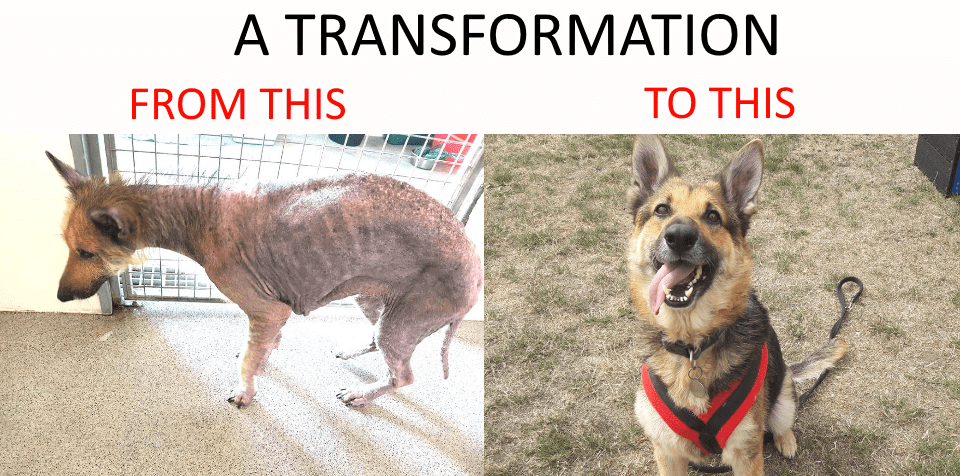
    But six-year-old Sheena hasn’t always had such a healthy set of locks. The poor dog was almost completely bald when she was rescued by RSPCA inspectors in September last year.

    The dog – who should have a thick black and tan coat – had no hair left on her body and just a thin layer of fur around her face.

    RSPCA Inspector Sara Jordan, who responded to complaints from the public about Sheena’s condition, said: “A member of the public grew concerned about Sheena and a second dog – Staffordshire bull terrier Belinda – at a property in Sheffield and contacted us.

    “Both dogs were suffering from extensive fur loss and, when I took them to the vets, we discovered they both had severe flea infestations.

    “Police seized the dogs and placed them into our care while we investigated.”

    Sheena and Belinda, eight, were taken in by the RSPCA’s Sheffield Animal Centre.

    A spokesperson said: “Sheena is an absolute trooper. When she arrived in our care she was totally bald apart from a little hair around her face, and she was underweight and in very poor condition. It was difficult to even see what type of dog she was.

    “After many months of love, medication and TLC she has absolutely flourished and now she’s finally ready for a brand new life.”

    Staff spent months of dedicated time and special medication to nurse Sheena and Belinda back to health and now, the German Shepherd looks like a different dog with a full coat of beautiful thick hair!

    On 7 August, Sheena’s previous owner, Jason Pearce (08/12/69) previously of Scarsdale Street, Dinnington, was presented to Sheffield Magistrates’ Court in custody on warrant. He pleaded guilty to two offences under the Animal Welfare Act and was disqualified from keeping animals for 10 years. He was deprived of both dogs and ordered to pay £120 fine, £200 in costs and a £30 victim surcharge.

    A warrant has been issued for a second defendant – a 47-year-old woman – who is also due before court for the same offences.

    Now the case is over, it means Sheena can find a new home.

    “This fantastic girl has been through so much yet she always brings us so much joy and happiness to everyone she meets with her amazing personality,” a charity spokesperson added.

    “She loves to go exploring with you and is quite food focussed. She is very clever and enjoys learning new skills.”

    Sheena would like a new home where she will be the only dog but where her new owners will help improve her socialisation with other dogs. She would also like a quiet home with older children.

    She’s active so would like somewhere she can stay busy, learn new tricks and go on long walks and lots of adventures.

    For more information about Sheena, visit her online profile on the RSPCA website.

  • False Rabies Rumours in Thailand Result in 1400 Dog Deaths

    False Rabies Rumours in Thailand Result in 1400 Dog Deaths

    At least 1,400 dogs have died as a result of an ongoing rabies outbreak scare in Thailand – a scare that by all verifiable accounts is not real, according to Thailand based charity, Soi Dog Foundation.

    The animal welfare charity tells us that a couple of weeks ago three thousand dogs were rounded up in Nakhon Phanom province, which borders the Mekong River, and dumped in a government pound. In the crowded conditions, diseases, particularly deadly parvo and distemper, spread like wildfire.

    In such close quarters, fights between dogs and death by starvation of small or sickly dogs, unable to compete for food, added to the toll.

    However for the 1,500 dogs who remain, there is now some hope because an Emergency Reaction Team from the Soi Dog Foundation were given permission to go into the pound to treat the dogs inside.

    The sight that greeted them was grim.

    One member of the emergency medical team described it. “I would like to stay positive, but I can’t,’ he said.

    “The pound is overcrowded and dog fights break out all the time. When it is feeding time, the weaker dogs don’t have the strength to eat. So the stronger dogs take all the food and the weaker ones don’t survive.

    “The dogs are scared, depressed, and traumatised by their experience. It’s hard to stay positive about this place. It’s simply heartbreaking.”

    Upon arrival, the team first sorted the dogs.

    The small dogs, the puppies, and the weak were separated from the large dogs, and as none of the animals are yet sterilised, the males were separated from the females.

    They also did the same with cats that had been rounded up by the local office of the Thai government’s Livestock Department.

    They then vaccinated every animal in the pound – injecting 60 an hour and daubing them afterwards with green dye so that no animal would be vaccinated twice by mistake.

    The animals may survive but they now face spending the rest of their lives in captivity. This is because officials kept no record of where each dog came from, so they cannot be returned to their home territory.

    In any case, those territories have already most likely been taken over by stronger, fitter or more wily dogs who managed to avoid the government dragnet.

    The deaths in the pound are not the only ones to result from official knee-jerk reactions to a public panic over a “rabies outbreak” in Thailand that started in the new year. The panic has resulted in public calls for all eight million street dogs in Thailand to be killed, a “solution” dubbed “Set Zero”.

    In March, 20 dogs in a Buddhist temple in the upper south of the country, including a family of puppies, were poisoned by government officials, causing outrage among animal lovers.

    Poisoning – in Thailand usually using strychnine – results in a horribly painful death for the animals, that spend hours shuddering and spasming in agony, drowning in their own fluids, before death finally comes.

    The officials later claimed that tests had shown that 16 of the 20 poisoned animals had rabies, but the test results were never released, leading to widespread suspicion that they were made up.

    A number of activist groups have come together to bring criminal charges against the officials concerned, under Thailand’s Animal Cruelty Law.

    The Thai Livestock Department has come under fire for not reassuring people that there is, in fact, no rabies outbreak at all, and for its inept and understaffed handling of captured dogs.

    In March, fuel was added to the flames when the department also came under scrutiny over alleged irregularities in its procurement of poor quality canine rabies vaccine.

    An internal investigation came to the conclusion there had been no irregularity, and that inferior-quality vaccine had not been the cause of a spike in rabies deaths at the beginning of the year.

    However, the reports of poor quality vaccine had already spread, resulting in the calls for “Set Zero”. The department has denied having any plans to kill all stray dogs in Thailand.

    Thailand has in fact been effective in reducing human deaths from rabies from hundreds a year in the 1990s to single figures in recent years.

    In 2018, to date, there have been just seven human rabies deaths.

    The Nakhon Phanom emergency is not the first time that Soi Dog has stepped in to save animals, particularly dogs, after the government has proved unable or unwilling to do so.

    In 2010 it sprang into action to successfully contain an outbreak of parvo disease through a massive vaccination programme. In 2011, it rescued thousands of dogs from devastating flooding in Bangkok and in 2016/17 it did the same during floods in the south of Thailand.

    Soi Dog – founded in 2003 by husband and wife John and Gill Dalley from Leeds in the United Kingdom – also played the leading role in stopping the horrific trade in dogs from Thailand to the dog meat restaurants of Vietnam.

    It has launched an appeal for funds to help tackle the fallout from the rabies panic, such as the horror in Nakon Phanom. People may donate through the Soi Dog website at www.soidog.org

  • They Kept This Dog As A Breeding Machine Then Threw Her From Moving Vehicle

    They Kept This Dog As A Breeding Machine Then Threw Her From Moving Vehicle

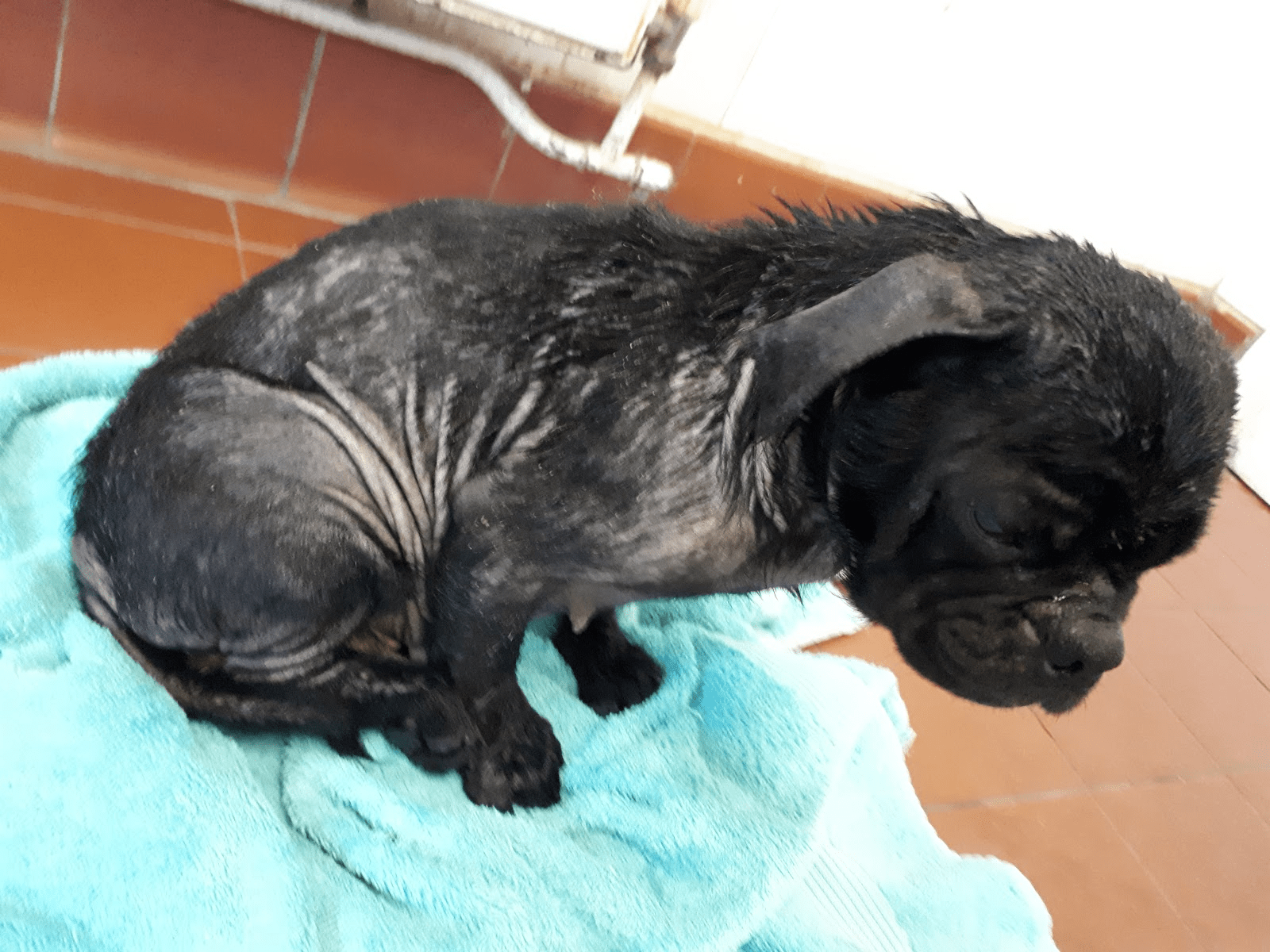
    When you look in Peggy’s eyes you can see the emotional, mental scars that her sad life has left her with. When you look at her body you see the physical ones.

    This poor pug was rescued by the RSPCA after being hurled out of the window of a moving van in West Drayton High Street in Middlesex.

    A member of the public spotted the incident, on January 5, and rushed the little dog into a shop nearby to check her over before the animal welfare charity was called.

    Peggy was collected and taken to the vets who, thankfully, couldn’t find any injuries from her ordeal. However, she was in poor general health and condition and was taken to RSPCA Millbrook Animal Centre, in Chobham, Surrey, for special care.

    Deputy manager Liz Wood has been fostering Peggy since. She said: “Poor Peggy was in a real state. Physically she was withdrawn, skinny and was losing a lot of her fur.

    “Mentally you could see she was scarred too, you could see the sadness in her eyes – God knows what she’d been through for most of her little life.

    “It was clear to me that she’d been bred from multiple times and had obviously had quite a few litters. I suspect she’d been kept as a breeding machine to produce puppies which could be sold on for large numbers. Then, when she came to the end of her shelf life, they discarded her like rubbish.

    “It’s heartbreaking and utterly despicable to treat a dog like a disposable object.”

    Luckily for little Peggy she’s now being treated like a queen by Liz. She enjoys going into work with her, spends time behind reception at the animal centre, and goes home with Liz at night.

    RSPCA inspectors launched an investigation and, meanwhile, Peggy went from strength to strength in Liz’s care.

    “She’s growing in confidence and is starting to come out of her shell,” Liz said.

    “We’re starting to see her cheeky side now. She barks when she want food and she makes funny little grunting noises when she is pleased to see you – her whole body wags, it’s adorable!

    “She’s such a sweet dog and will make a wonderful companion for someone. Once she’s back to full health we’ll be looking for a new home for her – and I’m sure won’t struggle to find one!”

    The RSPCA is seeing the effects of a soaring demand for designer breeds, such as pugs. The animal welfare charity – the largest and oldest in the UK – has seen an increase in the number of these breeds being abandoned and coming into centres up and down the country.

    “As these breeds soar in popularity, unregulated and unscrupulous breeders are seeing a chance to make a quick buck,” RSPCA special operations unit chief inspector Ian Briggs said.

    “Poor dogs like Peggy pay the ultimate price, locked up in terrible conditions and forced to produce litter after litter of puppies to be sold onto unsuspecting members of the public.

    “This is why we need tougher regulations around the breeding and selling of dogs and we hope proposals by the Government to bring in licensing and new regulations will help.

    “We’re also urging the public to consider rescuing a dog, like Peggy, instead of buying a puppy. The RSPCA has thousands of wonderful dogs of all shapes and sizes, with different stories and backgrounds, waiting for their forever home.”

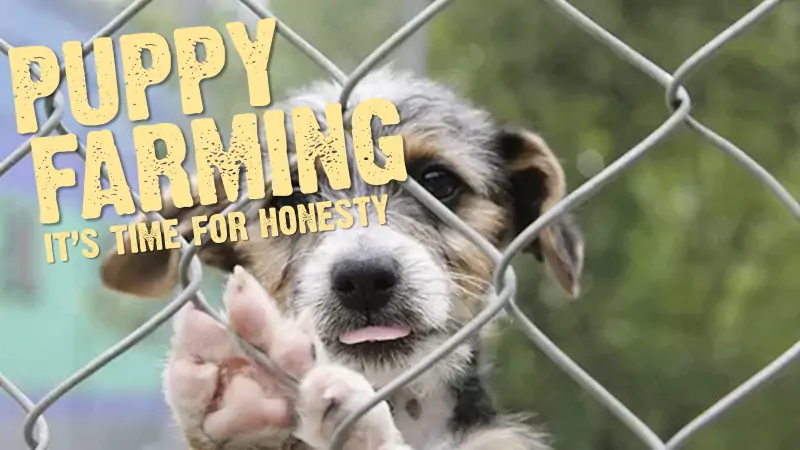
  • Puppy Farmers Are Jailed For Leaving Dead & Dying Dogs in a Wheelbarrow

    Puppy Farmers Are Jailed For Leaving Dead & Dying Dogs in a Wheelbarrow

    Two people have been disqualified from keeping dogs for life for a string of animal welfare offences following an RSPCA investigation into the underground puppy trade.

    Inspectors from the animal welfare charity and police found a wheelbarrow of dead and dying dogs at a farm in Bradford after launching an investigation following calls from members of the public who had bought puppies which became ill.

    On Friday (18 November), a man and a woman appeared at Leeds Magistrates’ Court for sentencing in connection with a number of animal welfare offences relating to puppies and dogs seized from the property, in Tyersal Lane, following the warrant in September last year.

    Farm manager John Wilcock (DoB: 09/07/80) of Sticker Lane, Bradford, admitted five offences while Bernadette Nunney (DoB: 04/11/91), of Tyersal Lane, Bradford, pleaded not guilty to six offences. She was found guilty on 20 October following a four-day trial.

    Today, the duo were both sentenced to 20 weeks in prison, suspended for 18 months, and were each disqualified from keeping dogs for life.

    Nunney was also handed a 12 week curfew order, ordered to complete a 15-day rehabilitation activity, and ordered to pay £500 in costs.

    Wilcock was ordered to complete 200 hours of unpaid work and a 20-day rehabilitation activity. He was also ordered to pay £100 in costs.

    When RSPCA officers and police executed the warrant they came across a wheelbarrow of dead collie puppies. As they filmed the heartbreaking scene for evidence they realised that one of the pups – a black and white female, buried beneath the dead bodies of her littermates – was still alive.

    She was rushed to the vets but later died. Post mortems revealed that she and her siblings had died from parvovirus.

    Nunney and Wilcock were accused of causing unnecessary suffering to the seven puppies, as well as a number of other offences [full details below]. They also faced three further allegations of causing unnecessary suffering to a total of 10 dogs, and two offences of failing to meet the needs of 30 dogs.

    RSPCA inspector Emma Ellis, who investigated, said: “What I saw that day will stay with me forever.

    “The sight of the live puppy buried within the pile of dead puppies was heartbreaking. There was nothing we could do to save her. The way those puppies were left to die highlights how these people simply see them as commodities which I find totally unacceptable.

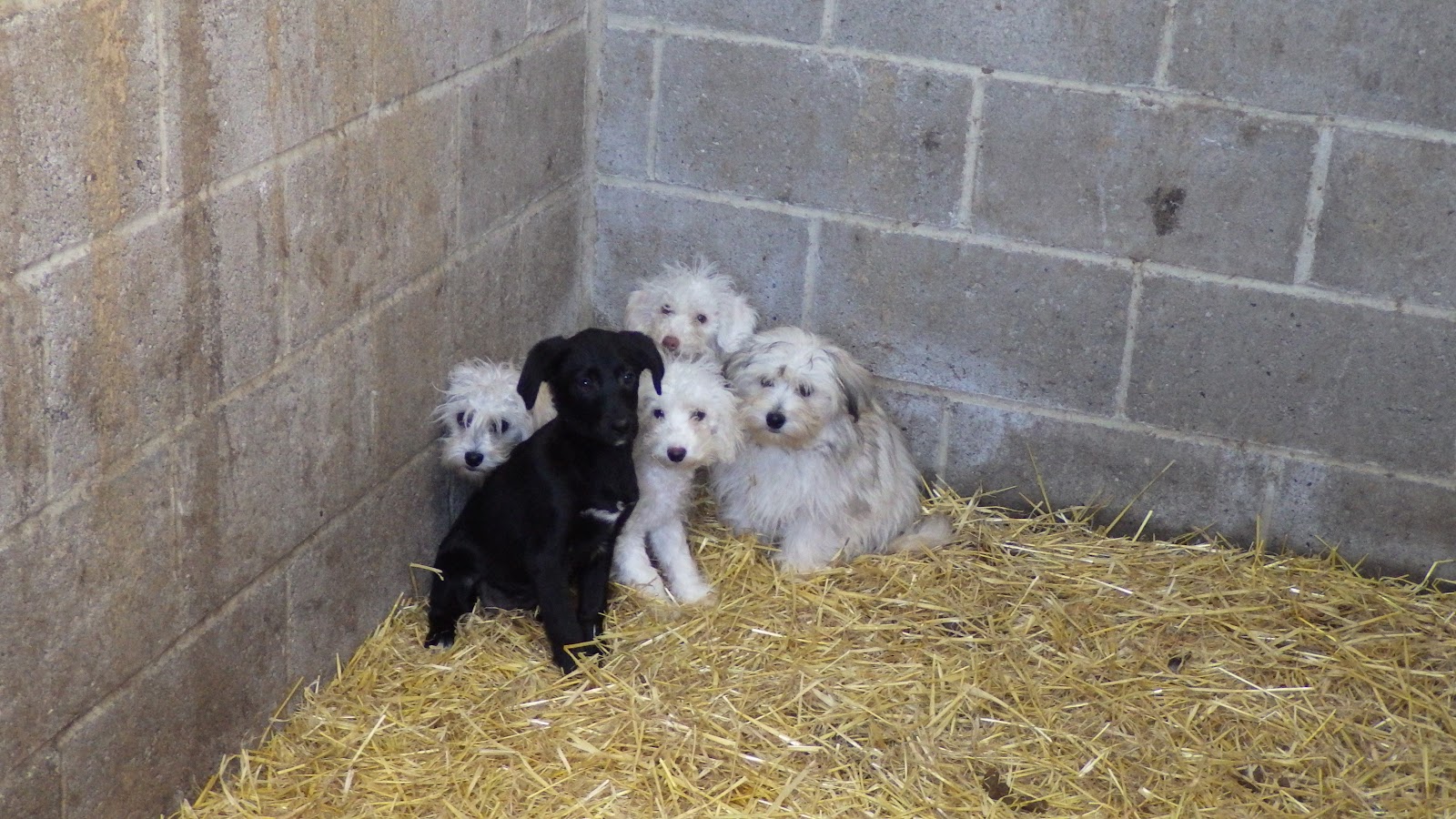
    “Dozens of dogs were being kept at the address in stables and kennel blocks. Many had no food, no water, no bedding, and all of them were living in their own filth.”

    http://i.imgur.com/xPHpupk.jpg

    Inspectors found 43 dogs – including collies, spaniels, bichon frises, Labradors, beagles, Chihuahuas, and some terrier-cross types – most of which were seized by the police and placed into the RSPCA’s care.

    RSPCA special operations unit chief inspector (CI) Ian Briggs, said: “There is a growing demand for certain breeds of dogs – such as chihuahuas, spaniels and bichon frises – and genuine, regulated breeders simply cannot meet demand.

    “Unregulated puppy breeders and dealers are plugging this gap in the market by producing dogs on a commercial scale and putting money and profits ahead of the health, welfare and happiness of the dogs.

    “When our investigations bring us to places such as this farm, we often find dogs living in squalid, sub-standard conditions meaning the unsuspecting public often end up parting with hundreds and hundreds of pounds for puppies who have behavioural issues or health problems throughout their lives. In some of the worst cases, their beloved family pet dies in their arms just days after bringing them home.”

    The case came to court following an investigation by the RSPCA as well as a sting by journalists from BBC’s Watchdog. During their investigation, reporters bought a dog (pictured above) from the Bradford farm which was then rehomed with animal behaviourist Carrie Evans.

    “Gizmo was exceptionally frightened and very poorly,” Carrie said. “He was grossly underweight, had worms, had an intestinal infection, and infected ears.

    “Due to bad breeding, Gizmo has horrendous deformities in his legs and feet, and his feet can sometimes rotate backwards. He also has an undershot jaw.”

    CI Briggs added: “When our investigations bring us to places such as this farm, we often find dogs living in squalid, sub-standard conditions.

    “Unsuspecting members of the public end up parting with hundreds and hundreds of pounds for puppies who have behavioural issues because they’ve not been properly socialised, or health problems, due to poor conditions and no veterinary treatment. In some of the worst cases, their beloved family pet dies in their arms just days after bringing them home.”

    The RSPCA has launched a campaign to tackle the underground market in puppies following a 122% increase in the number of calls the charity’s cruelty line receives on the issue. The Scrap the Puppy Trade campaign is calling on the Government in England to introduce stricter legislation around the breeding and selling of dogs, and also seeks to help the public in how to responsibly buy a puppy.

  • Staying Safe When Walking Your Dog

    For those of us partial to a heart-warming re-homing story or the occasional cheeky Labrador video, the pet news is a regular coffee break go-to. Unfortunately for dog owners, it seems that dog thefts and malicious acts against our pets are constantly in the headlines at the moment.

    Coupled with the time of year, many of us are still walking our dogs in the hours of darkness, making those usual strolls seem a little more secluded and lonely.

    spot

    While it’s nice to think that your faithful friend will protect you if you were ever threatened, for most of us our soft, loveable pets are more likely to lick a perpetrator then growl at them. We also know that most dogs can’t resist anything edible, making recent ‘spiking’ stories (The Mirror, 28/02/16) even more worrying.

    Staying safe when out and about is a matter of keeping alert, but it helps to reinforce those key safety guidelines that we often forget to put into practise when we’re going about our daily routines. Read our top tips and add your own safety advice to the comments below.

    Tell somebody where you’re going

    Even if the rest of the house is still sound asleep when you’re heading off into the elements, send a text or write a note letting everybody what route you’ll be taking and what time you set off. It’s also worth going on a route that you regularly take with the family so everybody has a good idea of roughly where you’ll be at what time. For more information about walking alone (or working alone if you’re a professional dog walker), The Suzy Lamplugh Trust website is full of useful advice on personal safety – http://www.suzylamplugh.org/personal-safety-tips/

    It’s also worth sticking to routes where you know you’ll have phone reception if you should injure yourself on your walk or see anything which immediately causes suspicion.

    Clear your head

    For many, an early morning or evening walk is an ideal time to relax, but try not to listen to music at times when you need your wits about you. As well as potentially failing to hear oncoming traffic, it makes it easier for somebody to approach you from behind without your knowledge. Wearing things around your neck (such as head phones or placing a lead around your shoulders) also makes it easier for somebody to apply pressure to your throat. Wear a hat instead of a hood too – hoods restrict your peripheral vision, making it harder to see traffic and anybody else who might be around.

    If you’re worried about visibility in poor light, LED dog collars and fluorescent strips are widely available from pet stores. If you can, try and spread any fluorescent clothing/lighting evenly about you and your dog – this will ensure that it’s clear you’re a dog walker (as opposed to a single person or cyclist) to oncoming traffic.

    Set up a walking group

    Most dog owners get to know all the local dogs – from the bulldog around the corner to the dachshund from the park. If there’s fellow dog owners you get on with, set up a walking group with set times that suit everybody. If you live in a rural area, this may be even more essential when your usual routes become increasingly isolated in the colder months.

    Dog in woodland

    Don’t assume a boisterous dog is safe off its lead

    If your dog is unpredictable around other dogs, don’t assume an early morning jaunt is going to mean you’re the only one about. A classic long lead will allow you to give your dog some freedom and bring him in if any other dogs come in sight.

    101

    Sadly, there have been numerous news articles of late reporting ‘spiking’ in popular dog walking spots. The Mirror and the Manchester Evening News have shared news of spiked food reports at Dovestone Reservoir (North West), Wandsworth (London) and Connah’s Quay (North Wales) in recent weeks. If anything makes you suspicious, call the local police line and report what you’ve seen. If you can try to alert other dog walkers and report your findings to the RSPCA.

    Dog Thefts

    Contrary to popular belief, it isn’t only pedigree dogs that get stolen for selling on. Criminals can target any pet where there’s a chance of a reward. When you’re out and about, always keep your dog in sight and train him to be obedient to your calls (easier said than done!). By simply calling him back and giving him some fuss and a small treat when he responds, you can soon train your dog to come running even when they’ve spotted something that really tempts them! It’s also worth making your garden secure from snoopers by fitting a bell or security light on your garden gate. It goes without saying that dogs should be micro-chipped, but the Blue Cross also suggest avoiding adding your pet’s name on their identification tag.

    This article was provided by the pet care team at Swell Pets. Specialising in dog food, bedding, healthcare and grooming, please contact our team for advice on caring for your dog – http://www.swellpets.co.uk/dog/dog-food-698.html

    screenshot-www.swellpets.co.uk 2016-03-14 11-31-12

  • If You’re Thinking About Getting a Dog, Let This Rescue Centre Act as Cupid This Valentine’s Day

    This Valentine’s Day Yorkshire and East Midlands based Jerry Green Dog Rescue will be acting as matchmaker for each of the 70 dogs currently in its care to help them find the perfect forever home.

    Top of the list of eligible dogs at the North Yorkshire centre is an eight-year old Lurcher, Cooper, who arrived into rescue around four months ago.

    With his athletic build, boy next door good looks and flowing auburn mane Cooper is seeking a long-term relationship with a food fanatic and lover of nap times. In return he will offer loyalty and a GSOH (great sense of humour)!

    “Cooper is your typical lovely, silly, sleepy Lurcher who loves to cuddle,” said Emma Cook, Centre Support Officer at Jerry Green Dog Rescue. “He is housetrained, walks well on the lead and loves to be around people.

    “He is an absolute treasure and when his forever home does come along, they’ll wonder why they waited to so long to meet such a fantastic dog.”

    Since coming into the rescue centre Cooper has been working hard to attract the attention of his pawfect match. The team at Jerry Green are hopeful that Valentine’s Day will remind potential adopters that all you need is love…and a dog!

    For more information about Cooper or any of the dogs currently looking for a forever home please contact your local Jerry Green Dog Rescue centre. Details can be found on the website: www.jerrygreendogs.org.uk/RescueCentres


    If you’re looking to adopt a dog from around the UK you can also check out www.dogsblog.com – bring joy, adopt a dog.

  • Important Advice About Cold Weather & Your Dog

    Important Advice About Cold Weather & Your Dog

    The RSPCA has issued a set of tips to help animals cope with the impending cold weather snap expected to hit the UK.

    Freezing temperatures, more rain, and snow is forecast so make sure your pets and animals are warm and safe this winter
    As the Met Office forecasts frosty conditions and possible snow in the coming days, the RSPCA is urging people to ensure their animals are safe and warm.

    Following an unseasonably warm December and start to 2016, weather forecasters have predicted that temperatures will continue dropping over the weekend and into next week.

    Weather warnings for further rainfall remain in place in parts of the England and Wales. And the Met Office is forecasting snow in some areas next week.

    As the winter weather finally arrives in the UK, the RSPCA is releasing advice to ensure animals stay healthy during the colder weather, and tips on how to help wildlife survive the wintry spell.

    Pets & Cold Weather

    As the temperature begins to drop, the RSPCA advises keeping a closer eye on outdoor pets such as rabbits and guinea pigs. If the temperature starts to reach freezing, you may wish to consider moving your rabbit hutch inside or into an outhouse, shed or unused garage. We recommend that guinea pigs are housed indoors when temperatures are below 15OC. If you do bring your rabbits or guinea pigs indoors, they still need plenty of time and room to exercise in a safe and secure environment. If you have to leave them outside, you must provide them with lots of extra bedding, such as dust-free hay, and make sure their home is protected from adverse weather. For example, covers can be purchased to help insulate hutches in the winter months, but care must be taken to ensure there is adequate ventilation.

    For rabbits and guinea pigs housed in a hutch, a sloped roof is preferable to allow water to drain away. Hutches should be raised off the ground by at least four inches and placed in a sheltered position, facing away from wind and rain.

    If your rabbit or guinea pig gets wet, rub them dry with a towel and make sure they have plenty of warm bedding.

    For more about rabbits, go online, and for further guinea pig information visit the website.

    Cats should have constant access to the house or to a warm, inside area such as an outbuilding or barn with appropriate heating. You should also ensure the cat’s bedding or sleeping area is warm, dry and away from any draughts.

    Be aware that antifreeze and rock salt can be poisonous to pets.

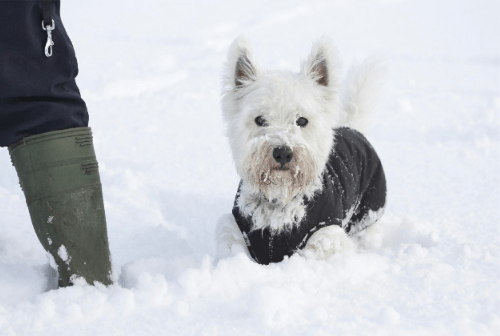
    If you have an elderly or sickly dog, you can buy a special coat or jumper to keep them warm when you’re out on walks. Make sure your dog can still behave normally, for example, go to the toilet easily and that it is a good and comfortable fit.

    When walking your dog in the dark, wear reflective clothing and think about a reflective collar or light for his collar to keep you both safe.

    Keep your pet dog away from frozen ponds, lakes or rivers which can pose a danger, and make sure their paws don’t get impacted with snow.

    If you keep pet birds in aviaries, coops, or runs, then you should also protect them from the cold weather. Cover enclosures to keep the wind and rain out, and ensure the birds always have access to food and fresh water.

    Don’t house animals, including birds, in greenhouses and take caution if housing them in conservatories.

    If you have a fish pond check it every day to make sure the surface is not entirely frozen as poisonous gasses can build up under the ice. Don’t break the ice as this can harm the fish, but carefully place a saucepan of hot water on the surface to gently melt a hole in the ice. Never tip boiling water straight onto the pond either, as this can also harm or kill any fish living there. And never try to use antifreeze or salt to thaw frozen ponds or birdbaths.

    Horses and livestock

    Horses and livestock require extra time and care in the colder, winter months.
    Ensure they have adequate shelter to escape adverse weather and be prepared to provide extra feed and good quality long fibre, as grass is often sparse. It is also important to check water troughs and buckets are clear of ice.

    If shelter is not sufficient, owners should use waterproof rugs to give their horses added protection from the cold and wet weather.

    If it is particularly wet and muddy, it is important to regularly check hooves, for problems such as abscesses and loose shoes, and legs, for any signs of mud fever. Owners should ensure horses have access to a dry resting area, out of the mud.

    When riding in the winter, beware of getting your horse sweated up as they can easily catch a chill. Always wear reflective clothing when riding on the roads.

    Make arrangements with a reliable and experience person to take care of your horse or livestock in case of an emergency, such as being cut off by bad weather.

    Farmers and smallholders should give extra consideration to baby and young animals and whether they need extra protection from the cold weather.

    Wildlife

    Birds can struggle to find food during the winter months so, to help them stay strong over this period, householders can leave out extra food for them.

    You can feed them suitable seeds and grains, like oats and sunflower seeds; cooked pasta or rice; boiled potatoes, cheese, or uncooked unsalted bacon rind; raisins and sultanas; net-free fat or suet balls; apples, pears and soft fruits; insects such as mealworms or waxworms. Only feed peanuts if unsalted, fresh and sold for human consumption or by a reputable feed shop, and make sure to either chop them up or put them out in good quality mesh feeders.

    Keep bird baths free of ice, leave out bowls of clean water, and keep any feeders and water bowls clean.

    Make sure you check carefully any wood or leaf piles for wild animals such as hedgehogs, frogs and mice, before lighting any fires or bonfires. If you find wild animals in hibernation, be sure to leave them be.

    Remember – if you see an animal outside in the cold that looks like it is suffering, take a note of the location, the time and date and call the RSPCA on the emergency line 0300 1234 999.

    RSPCA scientific officer Llewelyn Lowen said: “As the weather turns colder it is important to think about what we can do to help our animal friends.

    “Every year, between one and two thousand wild animals are brought into RSPCA wildlife centres in December, January and February suffering from dehydration, hunger and cold.

    “A few little changes to your everyday routine can really make a difference to animals. For example, a little bit of extra food left out for a hungry bird may be the help it needs to last through a spate of frosty weather or, if you have rabbits kept outside, you will need to provide them with lots of extra bedding and their home should be placed in a sheltered position, facing away from the prevailing wind and rain.”

    Met Office forecast:
    It is expected to be unsettled on Friday and into the weekend with more heavy showers moving in and some hill snow in the north. Rain and snow will continue in the north next week and, from Wednesday, a cold spell is expected to lead to widespread overnight frosts. Forecasters have also predicted sleet and snow in parts.

  • These 10 Dogs Would Love a Home to Call Their Own for the New Year – Could It Be With You?

    These 10 Dogs Would Love a Home to Call Their Own for the New Year – Could It Be With You?

    As another year draws to a close, the UK’s animal rescue and charity system has experienced yet another rise in dogs being abandoned and taken into care, according to the UK’s largest dog adoption site, www.dogsblog.com.

    But there is hope for the dogs currently sitting in kennels and foster homes across the UK, and that’s the hope that someone out there is looking for a dog just like them.

    Here are 10 dogs who are looking for a loving new home to call their own in 2016, could it be with you? If you know someone who’s thinking of getting a dog please do share far and wide. Your share could be the one which helps their dream of a forever home come to life.

    Meet Benny!

    Benny’s a beautiful 3 year old brawny, active Staffie boy who has spent over a year in rescue waiting for a new home to call his own.

    We are confident that with lashings of TLC, some encouragement and patience a true friend and great pet is waiting underneath his sometimes nervous exterior. Once on his walk, Benny enjoys taking in the air and keeps a cracking pace comfortable with human company and would be best suited to experienced owners who can work with him and in an environment with older children.

    Find out more about him here: http://www.dogsblog.com/benny-38/

    Meet Ripple!

    Ripple is 1 year old and a English Springer Spaniel cross who is as fun loving as she is gorgeous. She has long legs and doesn’t really act like a Spaniel so could have some sighthound in her.

    We are looking for a calm home that can continue with her training. She can get very excitable around children, so we are looking for an adult only home or a family with teenage children.

    Could she be the ripple to your raspberry?

    Find out more about her here: http://www.dogsblog.com/ripple-5/

    Meet Norman!

    Norman is a 7 month old Doberman boy who’s legs clearly belong to another bigger dog or possibly a giraffe! He is going to be a big boy and this should definitely be something to consider.

    A fan of the Christmas jumper trend, we are looking for a home that already has a resident dog to show Norman the ropes and continue his love of doggy company and is fine with cats. He can live with children over 7 years old as he is still a goofball puppy.

    Find out more about him here: http://www.dogsblog.com/norman-17/

    Meet Precious!

    Precious is a 3 year old small, female Chihuahua cross Shih Tzu. She’s a girl of few words who’s looking for a home with lots of cuddles and in return she’ll repay you with bucket loads of love.

    Being so small, she’s looking for a home without larger dogs and would be best suited in a home without small furries.

    Find out more about her here: http://www.dogsblog.com/precious-5/

    Meet Sherman!

    Sherman is an adorable 14 year old Parson Russell Terrier boy who is in an Oldies Club foster home in Lincoln, waiting for someone to offer him a permanent home. He would make a wonderful companion for an older person who he can snuggle up with, once he trusts them. Life is very much on Sherman’s terms (and who can blame him!).

    Sherman’s favourite pastimes: Eating and sleeping, with occasional bursts of energy playing with his fosterer’s little Yorkie. He also likes squeaky toys, but they don’t last long.

    Sherman has been good with his foster carer’s grandchildren aged 10+. He should be fine to live with sensible older children who will allow Sherman to do his own thing.

    Find out more about him here: http://www.dogsblog.com/sherman-4/

    Meet Alice!

    Pretty Alice is a friendly and happy young medium sized tan and white 13 month old Podenco girl, with a cheeky loving character. A very lovely girl and standing about as big as a Springer Spaniel. She was abandoned in a box on the pavement outside a shop at only 4 weeks of age.

    She is very intelligent, and learns quickly and would easily take to obedience or agility. She has a comical air about her and she keeps her foster carers laughing with her antics. Alice loves her cuddles as you can see and is fine with other dogs but isn’t keen on cats (sorry cats!).

    Find out more about her here: http://www.dogsblog.com/alice-32/

    Meet Badger & Bowen!

    Badger and Bowen are two 10 month old Staffordshire Bull Terrier cross Sharpei’s brothers who are looking for a loving new home together. This beautiful double act have come into the Leicester centre as their owner could no longer care for them.

    They are medium sized, neutered dogs and such happy souls, full of spirit and can’t wait to get back into a home and a routine. They are very friendly, a little too enthusiastic sometimes but are just eager to love everyone they meet!

    They LOVE to play and would need a supply of non-destructive toys to enjoy and an active new home where they could continue their adventures together meeting new people and other dogs along the way.

    Find out more about the boys here: http://www.dogsblog.com/badger-bowen/

    Meet Cinnamon!

    Cinnamon is a gorgeous 6 month old female Lurcher cross with a Collie (we think). She is a wonderful, friendly, playful girl and all she wants to do is play, cuddle, run, play some more.

    She’s a fantastic all rounder, great with everyone and other dogs. What a super personality lovely Cinnamon has. Everybody who’s met her loves her – could she be the one for you?

    Find out more about her here: http://www.dogsblog.com/cinnamon-2/

    Meet Milo!

    Milo is a one year old standard Chihuahua, who is being fostered in South Wales but can be rehomed to the right home anywhere in the UK.

    Milo is large for his breed and there is potential that he has some terrier in him, but we are not 100% sure of this. He’s a gorgeous boy, who’s also a handful having no real manners and little socialisation until arriving in rescue. But he is young and so can be taught while he grows, and he’ll repay you in spades for all you teach.

    Milo is very active and loves going out for his daily walks and can walk for miles and miles. In the evening he is contented to curl up on a lap or sofa to watch TV with his humans.

    Find out more about him here: http://www.dogsblog.com/milo-159/

    Meet Holly!

    Holly is the most beautiful girl with ears almost as big as her personality, she’s just super. She is the most beautiful, obedient, Staffordshire Bull Terrier cross French Bulldog and we think she’s approximately 5 years old.

    She came to us from the council pound as an unclaimed stray, she was due to be put to sleep and so we took her in, as such we have no previous history for her.

    In foster care she is impressing everyone she meets, she is always on your lap wanting cuddles. She is fantastic on and off the lead, brilliant with other dogs but untested with cats.

    She is not food aggressive and will not steal other dogs food. She enjoys a good play session with a ball and is eager to please.

    Find out more about her: http://www.dogsblog.com/holly-153/


    You can find many more dogs of different ages and breeds all looking for a loving new forever home online at www.dogsblog.com

    #bring joy, adopt a dog!


  • Dogs & Divorce: How a Relationship Breakdown Can Affect Dogs

    Dogs & Divorce: How a Relationship Breakdown Can Affect Dogs

    “Where have you been all night?”

    Enquires Mrs Fido when her husband comes home late one night.

    “I’ve been in the alley all night playing with the bins.” He replies taken aback.

    “Don’t give me that,” she snaps. “You’ve been sniffing around that poodle again haven’t you?”

    “No, I swear I was just with my mates.” Mr Fido replies uncomfortably shifting his weight from one paw to the other.

    “My mother warned me about you.” She moans, pressing a paw to her forehead. “Look at you! You’ve got lipstick on your collar!”

    “That’s it.” Mr Fido growls as he marches towards the kennel door, barging it open with his nose. “I’ve had enough of your fishwifery, I’m leaving you!”

    *SLAM!*

    …Okay, it’s an unlikely scenario but divorce and its effect on dogs is a very serious matter and one that more Britons are having to face up to every day By Dan Laurikietis.

    Those of us whose parents separated when we were young know how it feels to be caught in the middle of a divorce. Disorientated, frightened, insecure and torn between the two people who have shaped you in your formative years and been a part of every major event in your life.

    This is a predicament shared by children and dogs alike. A divorce can take its toll on our furry friends every bit as much as on a child.

    Since every dog is unique different dogs will react in different ways but the dog’s reaction can depend on their age and amount of training as well as breed, history and other aspects.

    In this country divorce statistics are showing an alarming increase.

    A government survey showed that in 2001 a staggering 143,818 divorces were granted in England and Wales and the 4.8 million dog owning households in the country are no exception. It is a sad fact that all over the world couples are separating leaving their pets caught in the middle.

    Even in the news and gossip columns we see examples of this, notably Les Dennis and Amanda Holden were engaged in a custody battle over their pet dogs, despite their amicable divorce.

    Dogs whose owners get divorced often end up at best disorientated and lonely or at worst homeless. Indeed, an increasingly large amount of dogs given in to pet shelters are handed in on the grounds of divorce.

    Dogs are very dependent creatures and being man’s best friend their emotional investment in us is as prominent as their need for the food and shelter that we provide them. Legal procedure for pet custody is very different to child custody. Ownership of the pet will go to the partner proven as the legal owner regardless of who will be able to give the dog a better home.

    In legal term the dogs are essentially a material posession, nothing more, nothing less. As is sadly the case in most legal matters monetary value outweighs that of sentiment. Higher wage earners will invariably have to invest more time and attention on their job than their dog.

    We should never underestimate the sensitivity of our four legged companions. The dog will be able to sense the emotional tension leading up to and during divorce, which in turn can lead to the dog/s feeling uncomfortable which in turn can manifest itself in behavioural changes.

    In cases involving two or more dogs, if the dogs are separated they will miss each other as well as their estranged masters. A seemingly minor change to a human’s lifestyle could affect the dog on a far larger scale. For example a house wife or husband is obliged to find a job following divorce, the lack of company and attention now availed to the pet can be deeply depressing. Changes in location are also very important.

    Dogs being very territorial creatures will respond with bewilderment and frustration following a drastic change in scenery. Couple this with Rover’s primal need to mark this strange new territory as his own and you mustn’t be surprised to tread in a puddle every now and then.

    The environment the dog is moved to must also be considered, much like when you first considered bringing it into your home. Moving from a semi detached house to a high rise flat will result in far less space for the dog to explore and no back yard to be exercised in (unless the dog is so small it can run around a window box).

    We humans can make this difficult transitional period infinitely easier for our wet nosed friends simply by considering how their needs will be catered for following the separation. Making the minimum possible amount of changes to your dog’s lifestyle can help to ensure against behavioural problems which could complicate life further for everybody. It is also important for the dog to have regular contact with both divorcees much like children. Fido has feelings too you know!

  • Too Many Sausages Nearly Fatal For This Lucky Dog

    Too Many Sausages Nearly Fatal For This Lucky Dog

    A dog was given life-saving surgery by vet charity PDSA after a sausage binge caused a potentially fatal stomach condition.

    Seven-year-old Weimaraner Jake wolfed down the tasty treats whole (perhaps he’d heard it’s British Sausage Week!) but began feeling ‘offal’ soon after.

    Worried owner Lucy, from Gateshead, said: “Jake is a big, energetic dog with a huge appetite – he will eat anything although he particularly loves sausages, which he’s allowed as a treat now and then. One day I noticed he was unusually quiet, then he was sick and had diarrhoea. His chest and stomach became massively swollen – he was like a puffer fish. So I called PDSA straight away for advice.”

    Lucy was advised it was an emergency and to bring him straight in. Vets at Gateshead PDSA Pet Hospital confirmed Jake was suffering from a potentially deadly condition called Gastric Dilation, which happens when the stomach twists causing a dangerous build up of gasses. Without treatment, it can be fatal within hours.

    Jake needed emergency surgery. After a few tense hours, the family were relieved to hear the operation had been a success: “I was convinced we were going to lose him, so to hear he had pulled through was amazing – although I knew he wasn’t out of the woods yet,” said Lucy.

    “The vets found four whole sausages in his stomach, which they think was the likely cause of his problem. We knew he loved sausages but had no idea he was literally swallowing them whole! We’ll definitely be cutting his food into smaller pieces from now on, to help him eat more slowly. It’s fantastic that PDSA is here to help, I’m very grateful for everything they’ve done for Jake – they saved his life.”

    Jake went home the next day and, after plenty of rest, he thankfully made a full recovery following his bangers binge.

    PDSA Vet Nurse Cheryl Nash explained: “Jake’s condition was incredibly serious – just another few hours and its likely he wouldn’t have made it. Gastric dilation, also known as a twisted stomach, can occur when dogs eat so fast that they take in air with their food, particularly if they exercise vigorously straight afterwards.

    “Deep-chested dogs, such as Weimaraners and Great Danes, are more at risk of the condition. If you have a deep-chested breed, or your dog has a tendency to wolf down food in seconds, there are bowls specially designed to help slow them down a bit at meal times.”

    Gateshead Pet Hospital is one of 51 PDSA Pet Hospitals across the UK treating the sick and injured pets of people in need. The charity performs more than 10,000 treatments every single day and helping more than 470,000 pets every year. The charitable veterinary service is funded entirely by generous public support, as PDSA receives no Government or National Lottery funding for this. For more information visit www.pdsa.org.uk