Author: Jasmine Kleine

  • Can Deaf Dogs Learn Sign Language? This Dog Had Five Homes But Look At Him Now!

    Can Deaf Dogs Learn Sign Language? This Dog Had Five Homes But Look At Him Now!

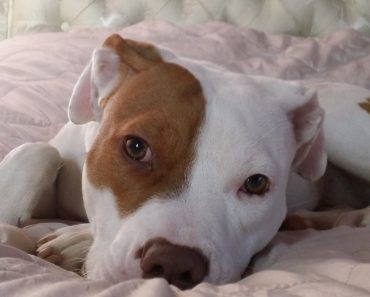
    Ivor had been passed around five homes before he arrived at the RSPCA – but now he’s thriving in his forever home with dedicated new owners who are teaching him that, even without his hearing, the world can be a wonderful place.

    The Staffordshire bull terrier, who is just 10-months-old, was taken in by the RSPCA’s Halifax, Huddersfield & Bradford branch in November last year, when his previous owners couldn’t cope with him.

    Natalie Heaton, from the branch, said: “Ivor is a very clever little pooch who has had to overcome a lot in his short life.

    “The poor boy was only a few months old and had already been through five homes by the time he was signed over into our care.

    “We suspect people couldn’t cope with him or understand why he wasn’t learning like a normal puppy without realising that he was in fact deaf.

    “We all completely fell in love with him. When he arrived he was curled up fast asleep in the back of the van with a giant pink unicorn toy which went everywhere with him.”

    Thankfully, the RSPCA’s dedicated staff and volunteers were on hand to help and started the long, challenging process of training him to respond to hand signals instead of voice commands.

    He spent time in the branch office and helping at reception while he got used to using his other senses to understand what was going on around him. And when Ellie Bromilow, from Colne in Lancashire, first met him, it was love at first sight and, despite his deafness, knew he was the one for her.

    She said: “When we first got him home he wasn’t used to going out on walks and it took a while to get his confidence up. Even now if something spooks him we have to come home.

    “But, generally, he now loves his walkies. He loves going to the local park and meeting other people and dogs.

    “He’d already learned the sign command for ‘sit’ and ‘come’ from staff at the RSPCA centre but now he knows lots more like ‘lie down’, ‘stay’, ‘all gone’ and he’s learning ‘roll over’!

    “When he gets the sign for ‘walkies’ he gets so excited!

    “We keep him on a long lead and, if he’s looking, he’ll come to you when you raise one hand in the air.”

    The pup weighed just 10kg when he arrived at the RSPCA but is now over 16kg and is still growing.

    Having a deaf dog is just like having a hearing dog,” Ellie added. “We still speak to him as we sign and I chat to hear a lot – even though he can’t hear a word!

    “He picks up the vibrations of the dog slamming and has an amazing sense of smell so we use that for games to keep him occupied. We hide lots of treats around the house for him to find.

    “We love him so much and will do all we can to ensure he feels safe and happy for the rest of his life.”

    Natalie said: “Deaf dogs can cope extremely well and rely on their other senses to help them navigate and understand everything.

    “However, there can be challenges with deaf dogs because of their hearing problems. They often bark a lot and can get quite frustrated, but Ellie seems to be managing this well by keeping Ivor mentally and physically stimulated and satisfied.”

    Although adapting to a world without hearing can be tricky, sight, smell and touch are also important to dogs so we can use them to help them adapt and to continue to enjoy life.

    Having a deaf dog like Ivor can be very rewarding and in many ways is no different to any other dog, but to ensure they are happy we need to continually remember to use their other senses when we are playing with them or training them.

    Enrolling in training classes with a good trainer is a great way of getting to know your dog and learning the best way to adapt to their individual needs, and some trainers also specialise in training deaf dogs. Knowing what motivates our dogs is really important too – some dogs will behave their best for treats, some dogs just want fuss and attention, and others will do anything for their favourite toy.

    The main difference between training deaf dogs and hearing dogs is that deaf dogs can’t hear what we are saying so hand signals become hugely important. For example, being asked to ‘lie-down’ by pointing towards the floor. Telling them that they’ve done well could be a simple sign like a thumbs up followed by a tasty treat or their favourite toy.
  • See Incredible Transformation of Dog Rescued From Dog Fighting Yard

    See Incredible Transformation of Dog Rescued From Dog Fighting Yard

    The RSPCA is searching for a very special home for a dog who was rescued from a dog fighting yard in Hertfordshire.

    Kali, a three-year-old Staffordshire bull terrier cross, was found cowering in a garden in Hertfordshire in March last year. She was covered in bite marks, scratches and puncture wounds which vets said were consistent with dog fighting.

    The RSPCA’s special operations unit launched an investigation and Kali was taken in by the charity for treatment and TLC. Over a year later, she’s finally ready to find a new home.

    “Poor Kali had an awful start to life,” Tiffany Saunders, who has been caring for Kali, said. “She was in such a state when she first arrived here and had clearly been used in a fighting ring either to face off against other fighting dogs or for training.

    “Now, she’s a completely different dog – she’s happy and healthy and incredibly loving. Her injuries are all healed but her scars will always be a reminder of how humans have treated her in the past and any new owners will need to bear in mind where she has come from.”

    Staff at RSPCA Block Fen Animal Centre, in Cambridgeshire, have been looking after Kali for the last year while her case went through court. Everyone has fallen in love with her gentle nature and loving temperament, even after everything she has suffered.

    “Kali has always remained in high spirits and, even though humans have let her down so badly, she still loves everyone she meets. She loves nothing more than getting on your lap and getting some well earned cuddles,” Tiffany added.

    See Kali’s Story in Pictures (Contains Upsetting Photos)

    https://www.youtube.com/watch?v=XUueVOqBXb4

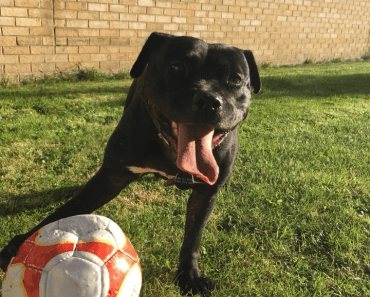
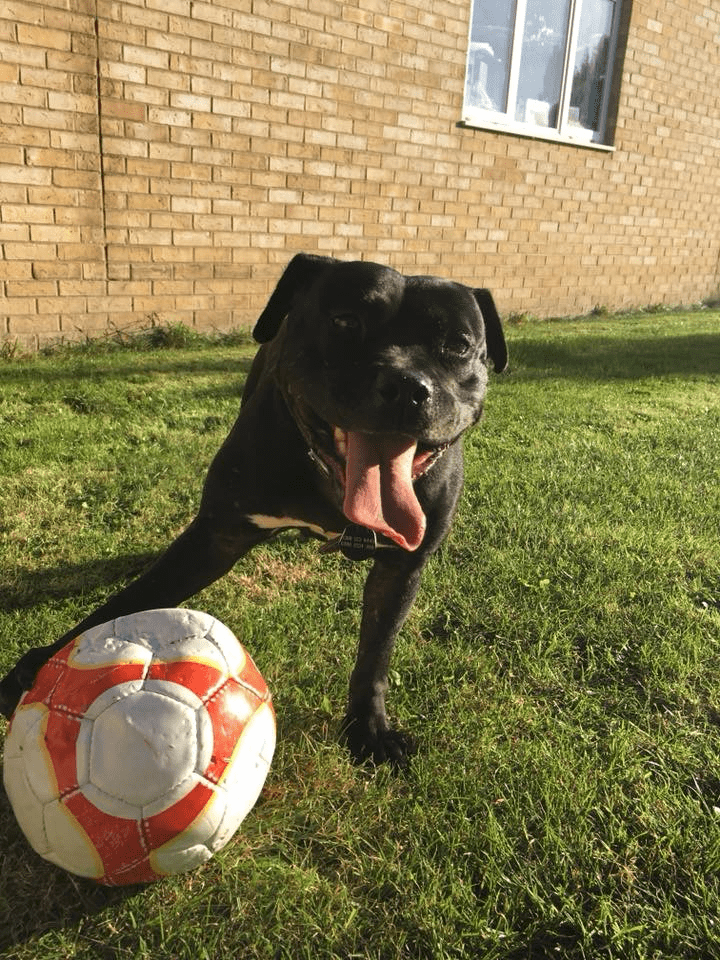
    “Kali is very playful and loves her toys. Her favourite thing to do is carry a football around in her mouth. She is a big fan of being outdoors so is looking for an active family who like going for lots of long walks in the countryside.

    “This sweet girl has suffered such cruelty at the hands of people so she really deserves to find new owners who will show her the love and security she craves.”

    She will benefit from training classes and, as it’s thought that she’s always lived outside, will need to learn how to live in a home. She could live with older children who are used to dogs but would prefer to be the only pet.

    Staff would like her to go to a home where someone is around most of the day as it’ll take some time for her to learn that it’s okay to be left alone. She is incredibly energetic and playful, loves playing with toys and is always on the go so would suit an active home.

    For more information about Kali check out her blockfen-inbox.

  • Man Who Repeatedly Kicked Rottweiler is Spared Jail & Fined Just £115

    Man Who Repeatedly Kicked Rottweiler is Spared Jail & Fined Just £115

    Jonathan Eugene Meynell (D.O.B 26.07.90) of Cedar Avenue, Haslingden, Rossendale appeared before Burnley Magistrates’ Court on Friday (23 February).

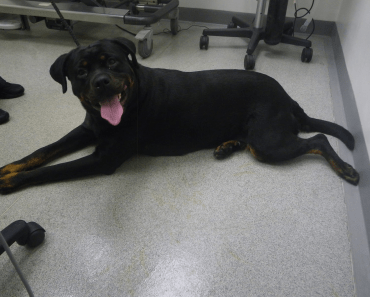
    At an earlier hearing he pleaded guilty to, on 28 August 2017, kicking a black and tan Rottweiler dog called ‘Coco’ multiple times and shouting and swearing at the animal in an intimidating manner causing her to suffer physically and mentally.

    He was sentenced to six weeks in prison suspended for 12 months and disqualified from keeping any animals for life. He was also ordered to pay £115 victim surcharge.

    RSPCA inspector Kat Newman said: “The footage shows Meynell walking down the street with Coco who is off the lead and stopping and sniffing as she goes.

    “It’s clear that he is in a temper and is shouting and swearing.

    “He can be heard to say ‘do you want a kicking today or what? Is that what you’re after?’ before approaching her and kicking her nine times to the head and body.

    “She cries out every time he kicks her. It’s really horrible to watch.”

    Coco was taken into possession by police on veterinary advice after the RSPCA was contacted and provided with the footage.

    She was signed over at the first court hearing and is now in the care of an RSPCA animal centre where she has been renamed ‘Lola’ and will be up for rehoming soon.

    “There can never be any excuse for behaving this way towards an animal,” said inspector Newman.

  • Magistrate Convicted of Causing Suffering to Dogs

    Magistrate Convicted of Causing Suffering to Dogs

    A magistrate and her daughter from Leigh have been convicted of causing unnecessary suffering to two West Highland white terriers.

    Gail Bradshaw (D.O.B 27.08.53) – a magistrate at Wigan and Leigh Magistrates’ Court for the past 30 years who has deliberated on RSPCA cases – and Nicola Bradshaw (D.O.B 07.09.88), both of Minehead Avenue, appeared before Preston Magistrates’ Court for a two-day trial (Friday 6-Monday 9 April).

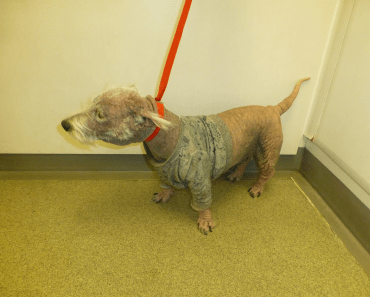
    They were found guilty of (1.) on a day or dates between 1 April 2015 and 29 September 2017, causing unnecessary suffering to a West Highland white terrier called ‘Poppy’ (pictured above) and (2.) on a day or dates between 29 November 2016 and 29 September 2017, causing unnecessary suffering to a West Highland white terrier called ‘Holly’ (pictured below), by failing to provide proper and necessary care and attention for their chronic and severe skin conditions.

    https://i.imgur.com/7hDPFZp.png

    RSPCA inspector Vicki McDonald said: “The severity of the skin conditions and fur loss suffered by these dogs was the worst I’ve seen in my 15-year career.

    “They were in an absolutely shocking state.

    “When I first saw Poppy she was wearing a filthy baby jumper. Gail Bradshaw said she put it on her to keep her warm and to stop her scratching herself raw. When the vet tried to remove the jumper it had stuck to Poppy’s weeping skin around her armpits, chest and front legs.”

    The court heard that visits to the vets with Poppy in 2014 and 2015 established the cause of her fur loss and skin infection but the Bradshaws were inconsistent in following the treatment plans. When the advice was followed improvements were seen but the lack of consistency in following the treatment properly would cause Poppy to deteriorate again. A new treatment plan was put in place in March 2015 by the vet with the advice to return in 7-10 days but Poppy was never taken back.

    Inspector McDonald said: “Gail Bradshaw said she didn’t think the vet treatment was working so decided to self treat the condition after seeking advice from the internet and friends. However over the following two years Poppy’s condition deteriorated to the state she was found in when I attended.

    “When Holly started to get similar symptoms in early 2017 she was never taken to the vet. This is despite both dogs having ‘ultimate’ Petplan insurance which could have covered the treatment.”

    Upon conviction magistrates said that Gail Bradshaw’s recollection of the previous vet visits were vague and that she offered no credible explanation for not following the treatment plans or seeking further vet treatment. Once Poppy and Holly came into RSPCA care their conditions improved rapidly, where they remain pending the outcome of the case. In respect of Nicola Bradshaw, who declined to give evidence or be cross examined, they said that she had declined to offer any evidence or explanation.

    The case was adjourned until 2pm on Tuesday 8 May at Preston Magistrates’ Court for a pre-sentencing report.

  • Disgraced Vet Daniel Doherty Assisted Puppy Farmers Make Millions From Selling Sick Dogs

    Disgraced Vet Daniel Doherty Assisted Puppy Farmers Make Millions From Selling Sick Dogs

    A London vet has been convicted of conspiracy to commit fraud by falsifying paperwork for thousands of puppies who were being sold by a puppy farming gang across the capital and South East.

    Daniel Doherty (DoB: 28/07/68) of Wood Lane, Iver Heath, operated two My Vets surgeries in Uxbridge, west London, where he conspired with Simon O’Donnell, Thomas O’Donnell, Thomas Stokes, Edward Stokes and others to commit fraud.

    The vet faced a four-week trial at Isleworth Crown Court for conspiring with a gang of puppy dealers to commit fraud. The charge said that Doherty, between 1 December 2013 and 14 February 2017 conspired to commit fraud by making false representations to members of the public for the purpose of selling puppies. The representations were intended to disguise the fact that the puppies were of unknown origin (imported or puppy farmed animals), by providing local health check and vaccination cards and false information that the puppy was the offspring of a family pet, home-bred, and socialised within a local residential family environment.

    Doherty pleaded not guilty and jurors heard evidence from Metropolitan Police officers, RSPCA investigators and members of the public who had purchased puppies from the gang. The jury’s guilty verdict was unanimous.

    RSPCA inspector Kirsty Withnall, who led the investigation into Doherty’s involvement with the gang – nicknamed Operation Rivet – said: “This was a vet who should have known better and should have had the animals’ best interests at heart.

    “But he was supplementing his income with fraudulent cash from the puppy trading gang who were making millions from selling sick and dying puppies to unsuspected members of the public.

    https://i.imgur.com/YDLRREX.png

    “Doherty was knowingly signing off vaccination cards and veterinary paperwork for thousands of puppies in the gang members’ real names as well as approving the paperwork that was written out in their fake aliases.

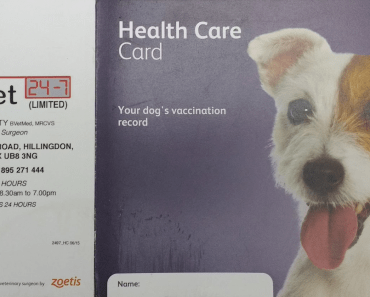
    “He was complicit and, if anything, aided their fraud because any buyers who purchased puppies from the gang may well have been comforted and reassured by the fact that the dog they were buying had paperwork to say it had already been to a vet for vaccinations and health checks. The problem is that the puppies had not been adequately checked so some were already harbouring illnesses by the time they were sold.”

    Vaccination cards said the puppies had been vaccinated against deadly viruses and diseases like parvovirus, which many of the puppies owned by witnesses in the trial had actually contracted, some succumbing to the highly contagious viral disease.

    Jurors also heard evidence that a past employee at MyVet 24/7 had raised concerns about Doherty and his practices.

    Separately, one complaint, lodged with the Royal College of Veterinary Surgeons by a vet in Hertfordshire, raised concerns over the lack of information Doherty was including in the vaccination cards he was issuing .

    The RSPCA gathered evidence that 4,689 puppies were taken to MyVet 24/7 by the gang between 23 March 2011 and 10 May 2017 for their first vaccinations.

    Inspector Withnall added: “Doherty offered the gang discounted vaccinations at just £16 per vaccine and flea/worming treatment so that works out at more than £75,000 in his pocket.”

    One family who were caught up in the scam were the Reeds from West Sussex. They spotted cavapoo Max being advertised online in November 2015 and, after visiting to meet him, paid £470 in cash and took him home to their farm.

    Rebecca Reed said: “The breeder couldn’t find the vaccination paperwork so said he’d send it on.

    “We were so excited to have him home but, just 17 hours after he arrived, it all went wrong.

    “Max was a lot quieter than he first seemed. He was so tiny. He wasn’t interested in eating but was constantly drinking.”

    When he collapsed and didn’t have the energy to lift his head the family rushed him to the vet. After weeks of veterinary care and lots of tests he was diagnosed with megaesophagus (a hereditary condition in which the oesophagus doesn’t function properly, so they can’t get food into their stomachs easily).

    https://i.imgur.com/LmyS5rW.png

    Emergency treatment and surgery cost the family £5,600 and they rearranged their routines and work shifts around Max’s care. Thankfully, the plucky little pup pulled through and now – aged three – is doing well.

    “He has gone from strength to strength,” Rebecca added. “The vets called him a ‘miracle’ and couldn’t believe he’d pulled through. We’re just so pleased he’s now a happy, healthy dog and can live a normal life.”

    Doherty will appear back at Isleworth Crown Court next month (May) for sentencing.

    The other members of the puppy farming gang he colluded with are also due back in court for sentencing next month

  • This Easter Remember the Symptoms of Chocolate Poisoning in Dogs

    This Easter Remember the Symptoms of Chocolate Poisoning in Dogs

    Vets are urging pet owners to keep chocolate treats safely out of reach of their pets this year, as six in 10 vets admit they had to treat pets for chocolate poisoning over Easter last year.

    The findings, which have been released by the British Veterinary Association (BVA), reveal that while most vets across the UK saw an average of two cases of chocolate poisoning last Easter, around one in eight treated five or more cases, with more pets in the south of England needing treatment compared to other regions.

    Why Dogs Can’t Eat Chocolate

    Chocolate can be highly poisonous to pets, with dogs most commonly affected. It contains theobromine, a naturally occurring chemical found in cocoa beans, which, while safe for humans, is harmful to dogs and other animals.

    The level of toxicity depends on the amount and type of chocolate ingested – dark chocolate and cocoa powder are most toxic – as well as the size of the dog, with smaller dogs and puppies being most at risk.

    Symptoms of Chocolate Poisoning in Dogs

    The effects of chocolate poisoning in dogs usually appear within 12 hours and can last up to three days.

    The first signs of chocolate poisoning can include excessive thirst, vomiting, diarrhoea and restlessness.

    These symptoms can then develop into hyperactivity, tremors, abnormal heart rate, hyperthermia and rapid breathing.

    In severe cases, dogs with chocolate poisoning can experience fits and heartbeat irregularities and some cases can result in coma or sadly death.

    According to pet insurer, Direct Line, veterinary treatment for a dog ingesting chocolate costs an average of £222.68. The most common course of action is induced vomiting and putting the dog on a drip. Some vets say severe incidents have cost upwards of £800.

    Spring Dangers Don’t End With Chocolate Though

    While chocolate is the most common type of dangerous human foods for dogs, it isn’t the only festive food pet owners should keep out of reach of their dogs.

    Grapes, which are found as raisins in hot cross buns can cause kidney failure in dogs. Nuts and meat bones, particularly lamb bones, are dangerous too.

    Bones can cause obstructions in the stomach and intestines, which can be life-threatening and require emergency surgery to remove.

    And Spring hazards aren’t limited to food either, some plants can cause serious illness if ingested.

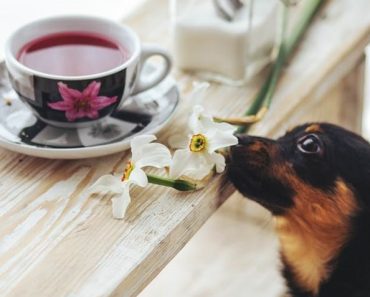
    Bulbs, including daffodils, amaryllis and hyacinths can cause nausea, vomiting and diarrhoea and can be fatal if not treated quickly.

    Some plants can also cause skin problems like dermatitis for particular breeds including Boxers, Retrievers and West Highland White Terriers.

    Prit Powar, head of Pet Insurance at Direct Line added, “Spring is a great time for dog owners and with the longer days and nicer weather comes lovely walks in the sunshine. It’s impossible to keep an eye on your dog all the time, especially when they’re off the lead, but if you’re at all concerned that they’ve eaten a bulb, or something they shouldn’t have, take them to the vet immediately just to be on the safe side.”

  • 1,000 Dead Dogs Per Year – Is This Justified For Human Entertainment?

    1,000 Dead Dogs Per Year – Is This Justified For Human Entertainment?

    Over 1,000 racing greyhounds die or are killed each year, according to new figures by the greyhound racing industry.

    The figures also reveal that the racing dogs suffer almost 5,000 injuries a year – suggesting that either one in every three racing dogs is injured, or dogs are suffering multiple injuries.

    Chris Luffingham, Director of Campaigns at the League Against Cruel Sports, said:

    “Dog lovers around the country will be asking if one dead dog is too much to pay for a sport which is solely designed to give people something to bet on. Can this industry possibly justify 1,000 fatalities – a quarter of which actually took place at the track side? No they cannot.

    https://i.imgur.com/b3GlHcq.png

    “The language used by the greyhound racing industry shows they believe that over 1,000 dead dogs every year is an acceptable number. They claim they are showing ‘care and attention’ to greyhounds, so it is deeply concerning to consider what they would consider negligent.”

    The figures show 1,003 fatalities a year:

    · 257 euthanised at track side on ‘humane grounds’

    · 348 for which treatment was deemed too expensive, there was poor prognosis or no home was found.

    · 267 were killed due to being ‘unsuitable for homing’

    · 55 died from ‘sudden death’

    Chris Luffingham added:

    “These figures hide some disturbing truths. What caused the sudden deaths? Were those euthanised at trackside really unable to be saved? For those deemed too ‘expensive’ to save, how much was too expensive? We believe these figures disguise a life of suffering and a deplorable end for many of these dogs who are simply born to be raced. It’s time greyhound racing was consigned to the ranks of cruel sports which are no longer acceptable.”

    One example is the case of Reverse Backways last year who was put down at the track. Ultimately it was found that this was because he was “not a good enough prospect as a racer” and the vet involved said that “he could not be sure he had been given any reason why the greyhound should be put to sleep” and that “owners often gave no reason and he would not always ask.” (source)

    Trudy Baker of greyhound campaigner’s Greyt Exploitations suggested that horrific as it is, the figures may be an underestimation of the problem.

    “The injury and retirement data is of no value unless it can be independently verified by the public. The industry has a moral duty to be accountable and transparent regarding each and every dog’s fate – by name – once they’re deemed a financial liability. Greyhounds are sentient creatures — not disposable gambling chips.”

    Injuries

    The figures also show injury statistics; however these are presented in percentage form per ‘race performance’. In real terms, there were around 5,000 injuries last year, out of 14,000 dogs in the industry.

    Chris Luffingham said:

    “These figures, which the industry is apparently proud of, show that either one in every three dogs is injured, or dogs are suffering multiple injuries. These injuries are not an unavoidable risk – they are an inevitable consequence of an industry based on dogs’ suffering.”

  • Stormy is 19 Years Old & He’s Just Been Adopted!

    Stormy is 19 Years Old & He’s Just Been Adopted!

    A 19-year-old terrier – the oldest the RSPCA has ever taken in to rehome – has found his paw-fect match with a retired widow from Coventry.

    Stormy was rescued by RSPCA inspector Herchy Boal earlier this month after he was spotted collapsed in a snowy garden in temperatures as low as -3C.

    The animal welfare charity received an anonymous call on 2 March and inspector Boal was extremely concerned for the terrier – who is 92 in dog years!

    His owners signed him over into the RSPCA’s care and Stormy was taken to the charity’s Birmingham Animal Hospital for a check-up before going into kennels at nearby Newbrook Farm Animal Centre.

    https://i.imgur.com/VIG5sMW.png

    Elizabeth Sidgwick, from Coundon, had been thinking about getting another dog when her daughter spotted Stormy’s story in the local press.

    “I’d been looking for a dog for a while. I didn’t want a puppy, I wanted an older dog and I felt like I’d know when it was the right one for me,” she said. “And he is the spitting image of my previous dog, Barney, who I had for 15 years.”

    She went to meet the senior pooch and knew he was the one for her. Stormy came home with Elizabeth on Sunday (25 March) and is settling in brilliantly already.

    “He is lovely – especially considering what he’s been through. He just wants to be loved,” she said.

    “He can be a cheeky boy though. When you’re eating he thinks he should have some so he sits, stares at you and barks!

    “He is just great. Everyone loves him!”

    Despite a minor heart murmur and cataracts in both eyes – which have left him with poor sight – the plucky terrier is relatively healthy.

    “He has cataracts so has had a few problems walking into doors and objects but I’m helping him learn his way around the house,” Elizabeth added.

    “But that doesn’t seem to stop him sitting on his bed and watching the TV!

    “Whether he has just a few months left or a few years, he is going to be happy and that’s the main thing.”

    And it’s not just Stormy who has been rescued – Elizabeth says the rescue pooch has changed her life too: “I was widowed three years ago and he has just brought something back to my life. He is something for me to focus on and someone for me to talk to.

    “He follows me around the house and keeps me company. I think we have filled the gap in each other’s lives.”

    Would you like to bring some joy and adopt an older dog?

  • One in 10 Puppies Abandoned After Just One Month, What Can We Do to Stop the Problem?

    One in 10 Puppies Abandoned After Just One Month, What Can We Do to Stop the Problem?

    A new survey out today to mark National Puppy Day has revealed that one in 10 puppies are being dumped after only one month, which can only point to one thing – some people still don’t know what the realities of owning a dog are and as a result, both dogs and already overflowing animal rescues are suffering every day.

    The research revealed that over half of dog owners surveyed claim they realised taking on a dog was a mistake as soon as they brought the dog home, and four in 10 admit they completely underestimated the commitment required to raise a happy, healthy dog.

    According to the survey, which was released by natural pet food makers, Forthglade, over a quarter said the commitment of having to be at home to look after the puppy was too much to take on with others admitting raising a puppy is as much work as raising a baby.

    Forthglade published the report to mark the launch of its ‘Prepare for Puppy’ campaign, helping potential puppy owners responsibly prepare for what lies ahead.

    The campaign is being backed by popular TV Vet, Steve Leonard who hopes to raise awareness on the care and consideration needed before buying a puppy.

    Leonard says, “The results of this poll are deeply concerning. Unfortunately, there is a real lack of education around what’s involved when taking on a puppy. Raising a dog of any age requires consistent gentle handling, teaching and care; and this is never more crucial than when you welcome a puppy into your family.

    “Preparation is everything – from vaccinations and puppy-proofing to ensuring your dog has a nourishing, balanced diet. There will be so much to learn about your puppy, their needs, character and health. Getting to know your new puppy won’t happen overnight but there is nothing more heart-warming than seeing the bond between an older dog and its owner, from a lifetime working together to make each other’s lives better – and this comes from getting it right from the start. I hope this campaign helps to promote all the considerations necessary before people rush out and get a puppy.”

    Gerard Lovell, Managing Director at Forthglade who commissioned the research, commented, ‘We know a puppy is bought with the best intentions, but when the reality of the situation hits home, that’s when the panic sets in. Welcoming a dog into the family can be a wonderful experience, but sadly if you’re not fully prepared, things can go wrong very quickly and this is when we see puppies being dumped at rescue centres or sold on online. We hope this campaign will make people stop, do more research and decide whether a puppy is right for them.”

  • Man Who Killed Dog With a Hammer Before Setting it on Fire – Guilty, But Again NO Jail

    Man Who Killed Dog With a Hammer Before Setting it on Fire – Guilty, But Again NO Jail

    At a trial in November he was found guilty in his absence of failing to meet the needs of a Shih Tzu dog called ‘Charlie’ by failing to meet his need to be euthanised in an appropriate and humane manner.

    Three-year-old Charlie’s burned body was found in woods behind Mead Walk in Walker on Wednesday 15 March last year and the RSPCA and Northumbria Police put out an appeal for information.

    RSPCA Inspector Cathy Maddison said: “Poor Charlie was discovered when firefighters were called to extinguish a fire in the woods.

    https://i.imgur.com/MaDS91p.png

    “He was inside a bin bag which had been set alight, presumably by a blow torch which was also found at the scene.

    “Charlie was found to be microchipped, which after some investigation, led us to Rourke.”

    Post mortem results found that Charlie died from a severe skull fracture as a result of blunt force trauma to the head, before being set alight. It couldn’t be determined whether he was struck once with immense force or several times in the same location.

    Rourke gave no comment when interviewed and pleaded not guilty at the first hearing. When he didn’t show up to court for the trial the case was heard without him and he was convicted.

    In mitigation given before yesterday’s sentencing, the court heard that Rourke accepted that he hit Charlie once with a hammer with the intention of killing him without causing unnecessary suffering. The court heard that be had Charlie since he was a pup but could no longer look after him. He had tried rehoming him with family but it hadn’t worked out, and he didn’t know what to do with him. He had not attended the trial as he was working away.

    Rourke was disqualified from keeping all animals for 10 years and cannot appeal for five years. He was also given a 12-month community order including 25 rehabilitation activity requirement days and 120 hours of unpaid work. He was ordered to pay £750 costs and £85 victim surcharge.

    “Everyone involved in this case has found it upsetting to work on. I’d like to thank them all. We’ve been in the dark all the way through the investigation about what actually happened to Charlie and why as Rourke refused to give us any information,” said Inspector Maddison. “Whatever possesses someone to think this is an appropriate way to end a dog’s life is going to remain a mystery to me.”

  • Meet The Police Dog Who Was Stabbed & Could Inspire #Finnslaw

    Meet The Police Dog Who Was Stabbed & Could Inspire #Finnslaw

    A courageous police dog, who sustained near-fatal stab wounds when apprehending an armed suspect while on duty, is to receive the PDSA Gold Medal – known as the animals’ George Cross – for his bravery and devotion.

    Police Dog Finn, who is now retired from service with Hertfordshire Constabulary, almost died from the stab wounds he sustained. His actions protected the life of his handler, PC Dave Wardell, who was also injured in the incident.

    The formal presentation of Finn’s PDSA Gold Medal will take place on Sunday 6 May, at the charity’s PetLife ’18 festival at Cheltenham Racecourse: the first ever public presentation of such an award.

    https://i.imgur.com/4faI3Wc.png

    Finn’s story has captured the hearts of the nation and inspired a campaign to change the law around the protection for service animals.

    Finn’s Story

    On 5 October 2016, Police Dog Finn and handler Police Constable Dave Wardell from for the Bedfordshire, Cambridgeshire and Hertfordshire Dog Unit were called to an address in Stevenage. The dog unit was instructed to give chase to a suspect who was evading arrest and who was believed to be armed with a baton or stick.

    During the pursuit, PC Wardell released PD Finn with a command to detain the suspect. The suspect attempted to jump over a fence but Finn kept pace and was able to take hold of his leg, foiling his escape.

    PC Wardell explains, “I joined Finn, grabbing his collar and straddling his back to give him support as he held the suspect. In a split second, I saw the man lunge at Finn’s side with a weapon. As he pulled away, I saw a 10-inch blade, covered in Finn’s blood.

    “The man then lunged at me with the blade but Finn, despite being seriously hurt, grabbed hold of the suspect and stopped him from landing a fatal blow. My hand was cut in the struggle and Finn’s head was sliced open.

    “Despite suffering two serious stab wounds, Finn’s grip on the suspect remained – pulling at the suspect’s leg to stop him from jumping the fence.”

    Finn’s constant grip enabled PC Wardell to wrestle the assailant to the ground, where he eventually dropped the weapon. Other officers joined the team to assist and Finn was rushed to the nearest vet for life-saving treatment.

    PC Wardell continues; “Finn’s determination, even after he’d been seriously hurt, was absolutely faultless. He definitely saved my life that night and stopped an armed criminal from posing a threat to other officers or the public.

    “I am bursting with pride that Finn is receiving this award – he is a true gem and embodies everything that is special about police dogs in this country. He is my best friend and I owe him my life.”

    PC Wardell also needed medical treatment for a stab wound he sustained to his hand.

    Following the attack, Finn made a miraculous recovery and was back on active duty just 11 weeks later.

    https://i.imgur.com/Yb6fqNA.png

    PDSA’s Director General, Jan McLoughlin, said: “Finn displayed outstanding devotion that night, both to his duties and to his handler. For his actions, Finn is an extremely worthy recipient of the PDSA Gold Medal.”

    Chief Constable Charlie Hall, who, alongside the Police and Crime Commissioner nominated PD Finn for the award, said: “Our Police Dog teams perform outstanding work and are a great source of pride for the Force. Finn’s story highlights the vital role that these animals play in our society and the dangers that our officers face on a daily basis. I am thrilled that Finn’s actions are being recognised.”

    The Bedfordshire, Cambridgeshire and Hertfordshire Dog Unit is one of the teams which make up the Joint Protective Services (JPS) Command for the three Counties. ACC Paul Fullwood who leads JPS said: “This award highlights the brilliant work our police dogs deliver across Beds, Cambs and Herts and UK police forces. The extreme danger faced by Finn and his efforts to protect PC Dave Wardell is just amazing and the award is so well-deserved. I am so pleased and proud that Finn has been recognised by such a prestigious award”.

    Finn’s Law

    Finn’s remarkable story inspired a campaign called #Finnslaw. This seeks to lobby Government to change the laws that surround service animals, to provide greater protection and prosecution powers.

    David Lloyd, the PCC for Hertfordshire, said: “Finn’s horrific injuries and the bravery he showed that night lit a fire in the hearts of the British public. Attacking a police animal should not be treated in the same way as damaging a police car. The public clearly think the same, and the fact PD Finn’s actions have prompted this response shows how much the public care about our animals important contribution to policing.”

    “Finn’s award is a fitting recognition for his heroic actions that night. I very much look forward to seeing Finn formally presented with his PDSA Gold Medal, later in the year.”

    Jan from PDSA continued: “Finn’s story captured the hearts of the nation. We received scores of enquiries from the public, asking for Finn to be recognised by PDSA’s prestigious Animal Awards Programme. So I’m thrilled that members of the public can see Finn receive his medal, at PDSA’s PetLife ‘18 festival in Cheltenham on 6 May.”

  • 5 Ways to Keep Your Dog Happy Whilst You’re at Work

    5 Ways to Keep Your Dog Happy Whilst You’re at Work

    For those of us not lucky enough to be able to work from home, leaving for work in the morning can induce some serious pet-parent guilt.

    Keeping your dog occupied, happy and most importantly, safe, during the working day can be a challenge but there are a number of steps that you can take to make sure your pooch is content whilst you’re at work. Check out these top tips from the SuperDog pet vitamin suppliers over at Vitabiotics!

    Doggy daycare

    Dropping your dog off at doggy daycare is a great way to keep them happy whilst you’re at work, and help with their socialisation too!

    There are plenty of dog daycare types, from dog sitters who will just look after your dog in their home, to large dedicated companies who will take care of many dogs each day. Taking your dog to a sitter will make sure that they’re well looked after whilst you’re at work, and ensure that they will get all of their regular walks throughout the day.

    Exercise their minds

    It’s important to keep your dog entertained and occupied when you’re out of the house.

    Boredom can easily lead to destructive behaviour or an unhappy dog, so challenge them with toys and puzzles that will keep them active, and their minds working. Stuff treats into a hollow toy, or for even more enjoyment, hide their favourite toys around the house for them to discover.

    Get them a furry friend

    It’s easy for a single dog to get bored when left alone for long stretches of time, which can result in destructive behaviour.

    If you regularly leave your dog at home when going to work, consider getting a second dog as a companion. Two or more dogs will be able to give each other company and keep each other entertained until you return home.

    Go high-tech

    There are plenty of gadgets and gizmos on the market today that will allow you to check on, and even talk to your dog throughout the day.

    Consider a wifi enabled webcam so you can check in on your dog and make sure fido isn’t up to any mischief whilst you’re out and about! For extra interaction, some products now even let you talk to your dog, and give them a treat, no matter where you are.

    Take them with you

    If you’re unhappy about leaving your dog at home whilst you go to work, the best solution is simply to take them with you!

    Recent research showed that a third of UK businesses are pet friendly, and this is only set to increase over the coming years. Coming to the office with you is a great adventure for your pup, with new sights and smells to explore, and people to meet (and get fussed by!).

    If your office isn’t yet dog friendly, ask your managers if you can trial a day or two with your dog to see how well it works. If it goes ok, you could have a regular office dog in no time at all!

    This Article Is Promoted By
    SuperDog from Vitabiotics
  • Smoking With Dog In The Room – Is Passive Smoking Bad for Dogs?

    Smoking With Dog In The Room – Is Passive Smoking Bad for Dogs?

    Is passive smoking harmful for dogs? Can second hand smoke be dangerous to a dog’s health? Many dog owners wonder about the effects of smoking on their dog’s health and now a campaign urging smokers to stop lighting up around their pets – because the toxic fumes could kill or harm them – has been launched today by vet charity PDSA.

    Second-hand smoke has been long been linked to potentially fatal diseases in humans, including lung cancer and heart disease. However, the charity says the impact of passive smoking on pets is just as serious – and just as avoidable.

    https://i.imgur.com/LsWrx17.png

    Now, to coincide with National No Smoking Day (14 March 2018), PDSA is urging owners to quit for their pets’ sake.

    PDSA vet Olivia Anderson-Nathan said: “Many pet owners are unaware of the risks that smoking can have on their pets’ health. If they knew, I’m sure they would want to protect them.

    “Our vets and nurses regularly see the devastating impact smoking can have on pets. Problems range from issues like asthma and chronic coughing through to fatal conditions. Cancers such as lymphoma, for example, are twice as likely in cats exposed to cigarette smoke.

    Olivia added: “Recent studies highlight that this is a really serious issue, and we want pet owners to know that they can make a real difference by simply choosing to smoke outdoors away from their pets.

    “Thanks to funding from players of People’s Postcode Lottery we’ve launched a campaign to raise awareness of the issue. We want pet owners to realise that, if they smoke, their pets smoke too.”

    According to PDSA, different pets are affected in different ways by the effects of passive smoking. Dogs are prone to smoking-related breathing problems and there are links between smoke and difficult-to-treat nasal and sinus cancers in longer nosed dogs. In cats, their grooming habits mean that smoke lands on their fur and as they groom they lick off the cancer-causing chemicals, which can be a factor in the development of mouth cancers.

    Cigarette smoke can also be harmful to pet birds and small pets (such as rabbits and guinea pigs), as they have very sensitive respiratory systems.

    Scientists at the University of Glasgow have been researching the effects of passive smoking on pets for several years. This reveals that family pets are equally, if not more, at risk than humans from passive smoking.

    Clara Govier, Head of Charities at People’s Postcode Lottery, said: “We are pleased that players are helping to support this important campaign by PDSA to protect pets across the nation. Over £5.5 million has been raised to date for the charity by players of People’s Postcode Lottery.”

    PDSA vets have also warned pet owners who use electronic cigarettes to exercise caution. There is currently no evidence that the fumes from electronic cigarettes are harmful, but there is a real risk of poisoning if the cartridges are chewed or swallowed by curious pets.

    The Veterinary Poisons Information Service (VPIS) – a 24 hour telephone emergency service used by vets for animal poisoning cases – says it has seen an increase in cases of electronic cigarette poisoning over the past few years. According to its latest data, there were 113 reported cases in one year alone, with the true figure likely to be much higher.

    For more information about the dangers of passive smoking to pets and advice on how to keep them safe, visit www.pdsa.org.uk/nosmoking

    Dogs & Passive Smoking: A Case study

    Pet owner Jackie Fox, whose cat Alvin developed asthma, says his health has improved after she stopped smoking inside.

    Vets at PDSA’s Glasgow Shamrock Street Pet Hospital warned Jackie that her habit was making her one-year-old cat poorly and urged her to stop smoking around him.

    Following the advice, the 39-year-old immediately changed her habits and now plans to quit altogether.

    Jackie, from Glasgow, said: “I noticed that he was really wheezy when breathing so I took him to PDSA and they told me my smoking could be affecting him.

    “He’s my baby so I was horrified to think that my smoking could be harming his health. I used to smoke in the same room as him but now I go outside and it’s incredible that after just a few weeks he already seems a lot better. The plan is to quit smoking now for my own health as well as Alvin’s.”

    Jackie has owned Alvin and his brother Theo since they were eight-weeks-old.

    She added: “I’ve smoked for over 20 years but I’m determined to stop to help my pets. I would urge other pet owners who smoke to consider giving up or at least going outside to reduce the exposure to the cigarette fumes.”

  • They Kept This Dog As A Breeding Machine Then Threw Her From Moving Vehicle

    They Kept This Dog As A Breeding Machine Then Threw Her From Moving Vehicle

    When you look in Peggy’s eyes you can see the emotional, mental scars that her sad life has left her with. When you look at her body you see the physical ones.

    This poor pug was rescued by the RSPCA after being hurled out of the window of a moving van in West Drayton High Street in Middlesex.

    A member of the public spotted the incident, on January 5, and rushed the little dog into a shop nearby to check her over before the animal welfare charity was called.

    Peggy was collected and taken to the vets who, thankfully, couldn’t find any injuries from her ordeal. However, she was in poor general health and condition and was taken to RSPCA Millbrook Animal Centre, in Chobham, Surrey, for special care.

    Deputy manager Liz Wood has been fostering Peggy since. She said: “Poor Peggy was in a real state. Physically she was withdrawn, skinny and was losing a lot of her fur.

    “Mentally you could see she was scarred too, you could see the sadness in her eyes – God knows what she’d been through for most of her little life.

    “It was clear to me that she’d been bred from multiple times and had obviously had quite a few litters. I suspect she’d been kept as a breeding machine to produce puppies which could be sold on for large numbers. Then, when she came to the end of her shelf life, they discarded her like rubbish.

    “It’s heartbreaking and utterly despicable to treat a dog like a disposable object.”

    Luckily for little Peggy she’s now being treated like a queen by Liz. She enjoys going into work with her, spends time behind reception at the animal centre, and goes home with Liz at night.

    RSPCA inspectors launched an investigation and, meanwhile, Peggy went from strength to strength in Liz’s care.

    “She’s growing in confidence and is starting to come out of her shell,” Liz said.

    “We’re starting to see her cheeky side now. She barks when she want food and she makes funny little grunting noises when she is pleased to see you – her whole body wags, it’s adorable!

    “She’s such a sweet dog and will make a wonderful companion for someone. Once she’s back to full health we’ll be looking for a new home for her – and I’m sure won’t struggle to find one!”

    The RSPCA is seeing the effects of a soaring demand for designer breeds, such as pugs. The animal welfare charity – the largest and oldest in the UK – has seen an increase in the number of these breeds being abandoned and coming into centres up and down the country.

    “As these breeds soar in popularity, unregulated and unscrupulous breeders are seeing a chance to make a quick buck,” RSPCA special operations unit chief inspector Ian Briggs said.

    “Poor dogs like Peggy pay the ultimate price, locked up in terrible conditions and forced to produce litter after litter of puppies to be sold onto unsuspecting members of the public.

    “This is why we need tougher regulations around the breeding and selling of dogs and we hope proposals by the Government to bring in licensing and new regulations will help.

    “We’re also urging the public to consider rescuing a dog, like Peggy, instead of buying a puppy. The RSPCA has thousands of wonderful dogs of all shapes and sizes, with different stories and backgrounds, waiting for their forever home.”

  • Puppy Farmers Did This & They Won’t Serve a Day in Jail (£615 Penalty Instead)

    Puppy Farmers Did This & They Won’t Serve a Day in Jail (£615 Penalty Instead)

    Two women have been handed suspended sentences for keeping dogs and puppies in dire conditions at a puppy farm in Essex.

    Teresa Wade (DoB: 4/5/59) of Ship Lane, Aveley, in Essex, and Victoria Montgomery (DoB: 5/12/61) of Melford Avenue, Barking, in London, both pleaded guilty at Southend Magistrates’ Court on Tuesday (20 February) part-way through a trial for a string of animal welfare offences.

    The duo admitted keeping dogs and puppies in dirty, unsuitable conditions following an investigation into puppy farming by the RSPCA.

    Wade pleaded guilty to three animal welfare offences and was disqualified from keeping dogs for 10 years and was given a five-month prison term, suspended for 11 months. She was also ordered to pay £500 in costs and a £115 victim surcharge.

    Montgomery admitted one animal welfare offence and was given a three-month jail term, suspended for 11 months, and was also ordered to pay £500 in costs and a £115 victim surcharge.

    The RSPCA launched a large-scale investigation – called Operation Excel – in the breeding and selling of puppies in Essex in 2014 after receiving a string of calls from members of the public who had bought puppies that had become extremely sick or, in some cases, even died.

    When the RSPCA and police executed a warrant at a site in Essex – and two other residential addresses, one in Essex and one in London – officers found 76 dogs and puppies, including poodles, cocker spaniels and some of the popular designer crossbreed types such as cavachons, cockerpoos and golden doodles.

    The dogs were seized and placed into the RSPCA’s care and a number of pregnant bitches went on to have 27 puppies in the charity’s centres. Of the 103 dogs in total, four sadly died, but courts ordered for the remaining 99 dogs to be rehomed ahead of the court hearing.

    RSPCA inspector Carroll Lamport, who led the investigation, said: “After a number of calls from people who had bought puppies that had fallen ill we became suspicious of a gang who appeared to be selling a large number of puppies.

    “The dogs were being bred on an industrial scale at a site in Aveley and were kept in disgusting conditions in makeshift kennels and pens in outbuildings.

    “When it was time to sell the puppies – for hundreds of pounds each – they would be moved to two houses being used as front addresses to sell the puppies from. The staged houses to gave the impression that the dogs were much-loved family pets. The reality was far from that.

    “These dogs were kept in dark, damp pens covered in filth. They were in terrible conditions, riddled with worms and fleas, with matted, dirty coats. Many of them were extremely poorly with campylobacter and giardia – both serious and potentially deadly parasitic illnesses.”

    RSPCA investigations determined that while many of the dogs were being bred on-site, a number of puppies were also being imported from abroad.

    “These dogs were being kept in horrendous conditions, it must have been hell for them,” inspector Lamport added.

    “Sadly, we lost a few of the pups but, thanks to the wonderful dedication of our animal centre staff and fosterers, the rest have all flourished and are now happy, healthy dogs in loving homes.

    “Many of them still carry the scars – both mental and physical – from this part of their life, though. Some have ongoing health problems caused by the conditions they were kept in while others have developed behavioural issues because they were not properly socialised as pups.”

    “It’s clear that this gang didn’t have a care in the world for the welfare of these dogs. All they saw when they looked into their dark, sad eyes was a way to make thousands and thousands of pounds.”

    One of those puppies rescued from this awful life was Khaleesi, now three. Her heavily pregnant mother, Mia, was rescued from the puppy farm before giving birth to seven pups.

    Khaleesi, or Kizzy as she’s known at home, now lives with Jemma and Rob Notley in Horsham, West Sussex.

    “She was really timid as a puppy,” Jemma said. “She wouldn’t go outside but would sit on the doorstep and tremble. She was frightened of everything: leaves, the wind, even her own shadow.

    “In her first year she was allergic to everything. She was on antibiotics and steroids a lot.

    “She is still very nervous in crowded places and is frightened of loud noises. She also still struggles with allergies, we have to be really careful with what she eats and in summer it gets much worse.

    “But generally she’s a very happy, healthy dog – and she’s spoiled rotten.

    “When I think about what life had in store for her before her mother was rescued by the RSPCA it brings tears to my eyes. Thinking of her hiding in the corner of a cold, cramped pen is heartbreaking.”