Author: Jasmine Kleine

  • Do You Know The Origin of These Famous Dog Quotes & Sayings?

    Do You Know The Origin of These Famous Dog Quotes & Sayings?

    The dog has been with us long enough to have gathered a nice collection of quotes, sayings and philosophical mutterings. You may have heard someone say something about dogs that you’ve had heard many times before but didn’t know exactly what the term or phrase meant. Well, let’s see if K9 Magazine can help.

    Some of the common phrases you’re likely to have heard are much older than you might expect. Some of them date back to the ancient Greeks and Romans…and beyond.
    https://i.imgur.com/0yCCa8N.jpg

    Many of the phrases that are still used today are not used in the same manner as they once were.

    “The Dog Days of Summer”

    This phrase originated from the ancient Greeks and Romans and is often referred to as “die caniculares”, “Days of the Dog” or simply “Dog Days”. The phrase is used to refer to the extreme heat and miserable conditions that arrive with it each year. This time period was considered to be an evil period by many people.  Although it is no longer true, it was once thought that the heat was from Sirius, the Dog Star.

    “Raining Cats and Dogs”

    This phrase has no definitive origination however there are many different suggestions as to how the phrase came to be. The most widely accepted version supposedly originated in 17th century England. During this time period there were strong rains and downpours that drowned large amounts of dogs and cats leaving their bodies to float down the flooded areas. Due to the severity of the drownings, it often looked as though it really was “Raining Cats and Dogs”.

    “Three Dog Night”

    This phrase originated from the original Australian inhabitants. During cold nights these people would lie down into a hole to sleep. They would have their dingo to sleep on them for warmth. On very cold nights they would sleep with three dingos for the added warmth.

    “The Hair of the Dog that Bit You”

    This phrase is used today as a metaphor. If you have a hangover you would “Have a bit of the hair of the dog that bit you”. Or in simple terms, have a bit of alcohol to cure your hangover. Originally the phrase was used when someone was bitten by a dog and some of the hair from the dog was placed inside the open wound.

    “Hangdog Expression”

    This phrase is used when someone is expressing their feeling to an extent that you think is excessive. Similar to that of a dog pouting or sulking after being forbidden to do something.

    “The Tail Wagging the Dog”

    This phrase refers to something that is of no importance, or very little importance, being used to make a scene or cover something of higher importance in a way of diverting attention for the main issue at hand.

    Dog Quotes

    There is no psychiatrist in the world like a puppy licking your face. ~Ben Williams

    The great pleasure of a dog is that you may make a fool of yourself with him and not only will he not scold you, but he will make a fool of himself too. ~Samuel Butler, Notebooks, 1912

    From the dog’s point of view, his master is an elongated and abnormally cunning dog. ~Mabel Louise Robinson

    Dogs are miracles with paws. ~Attributed to Susan Ariel Rainbow Kennedy

    Man is a dog’s idea of what God should be. ~Holbrook Jackson

    The dog is the only animal that has seen his god. ~Author Unknown

    Dogs’ lives are too short. Their only fault, really. ~Agnes Sligh Turnbull

    My little dog – a heartbeat at my feet. ~Edith Wharton

    We long for an affection altogether ignorant of our faults. Heaven has accorded this to us in the uncritical canine attachment. ~George Eliot

    I think dogs are the most amazing creatures; they give unconditional love. For me they are the role model for being alive. ~Gilda Radner

    I think we are drawn to dogs because they are the uninhibited creatures we might be if we weren’t certain we knew better. They fight for honor at the first challenge, make love with no moral restraint, and they do not for all their marvelous instincts appear to know about death. Being such wonderfully uncomplicated beings, they need us to do their worrying. ~George Bird Evans, Troubles with Bird Dogs

    Our dogs will love and admire the meanest of us, and feed our colossal vanity with their uncritical homage. ~Agnes Repplier

    One reason a dog can be such a comfort when you’re feeling blue is that he doesn’t try to find out why. ~Author Unknown

    Scratch a dog and you’ll find a permanent job. ~Franklin P. Jones

    I talk to him when I’m lonesome like; and I’m sure he understands. When he looks at me so attentively, and gently licks my hands; then he rubs his nose on my tailored clothes, but I never say naught thereat. For the good Lord knows I can buy more clothes, but never a friend like that. ~W. Dayton Wedgefarth

    When a dog barks at the moon, then it is religion; but when he barks at strangers, it is patriotism! ~David Starr Jordan

    Properly trained, a man can be dog’s best friend. ~Corey Ford

    If you think dogs can’t count, try putting three dog biscuits in your pocket and then giving Fido only two of them. ~Phil Pastoret

    Want to Become Immortal?

    Now’s your chance.

    There’s a comment form below. Why not use it to submit your own words of infinite wisdom relating to dogs.
  • Why is Breed Specific Legislation Wrong?

    Why is Breed Specific Legislation Wrong?

    Dog experts from two of the country’s leading animal welfare charities highlighted to members of the London Assembly public safety and dog welfare concerns around part of the current dangerous dogs legislation.

    Battersea Dogs & Cats Home and the RSPCA briefed members of the Assembly at City Hall on Thursday (14 September) to highlight the flaws in Breed Specific Legislation, the 26-year-old legislation which prohibits owning four types of dog in the UK.

    The RSPCA launched its #EndBSL campaign in August 2016 – to mark the 25th anniversary of Section 1 of the Dangerous Dogs Act – calling for an urgent parliamentary inquiry into Breed Specific Legislation.


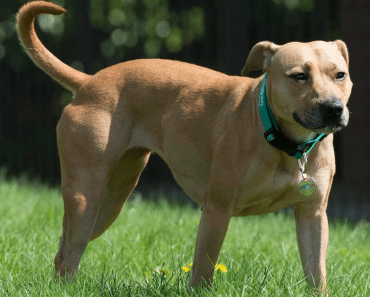
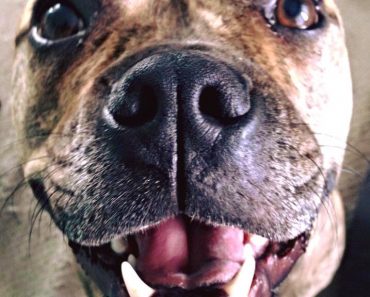
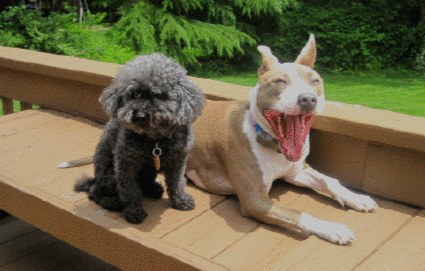
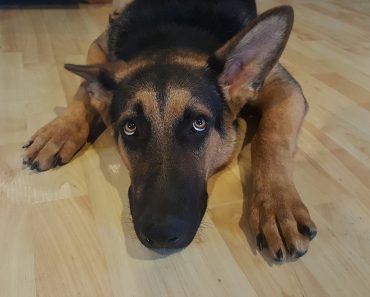
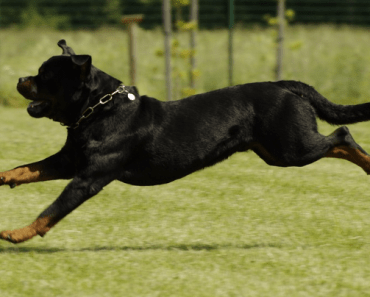
    Two happy, well-adjusted family dogs. In the UK, one of these dogs would be illegal.

    Dr Samantha Gaines – dog welfare expert and lead author of the RSPCA’s ‘A Dog’s Dinner’ report – told London Assembly members that the law was not working, why it is ineffective at protecting public safety and how it seriously compromises dog welfare.

    “In the 26 years since BSL was introduced hospital admissions for dog bites have increased and prohibited types of dogs continue to be seized from our streets,” Dr Gaines, pictured, explained.

    “Public safety is not protected by targeting certain types of dogs. The welfare of thousands of dogs has been affected by this law and countless dogs have been euthanased because of how they look.”
    “The opportunity to brief members of the London Assembly means that they have the evidence they need to see that this law is completely ineffective at safeguarding the public, and are armed with the information as to how it unfairly affects dogs.
    “We are hoping that with this knowledge they can influence change which will positively impact on the lives of thousands of family pets.”

    https://i.imgur.com/g3Hcq0C.jpg

    Trevor Cooper, dog law expert, representing Battersea Dogs & Cats Home, and also pictured, said “This part of the Dangerous Dogs Act 1991 isn’t fit for purpose. The intention of Breed Specific Legislation was to weed out potentially dangerous dogs before they have a chance to be dangerous. Yet the impact has been to condemn many innocent dogs for no reason at all other than looking the wrong shape. The legislation was relaxed in 1997 and amended further in 2015 but it remains an unfair law that particularly affects rescues as they are unable to re-home certain types of dog even if they pose no danger to anyone.”

    In December, the RSPCA welcomed a motion unanimously agreed by members of the London Assembly to request a formal review into the Dangerous Dogs Act 1991.

    The London Assembly agreed a motion calling on the Mayor of London to write to the Secretary of State for Environment, Food and Rural Affairs to request a formal review of the act, brought in 25 years ago. However, the Mayor is yet to support it.

    Now, the RSPCA is hoping that the Assembly will again approach the Mayor to support it to improve welfare for London and the UK’s dogs.

    The charity – the oldest and largest animal welfare organisation in the country – has taken a stand against the part of the Act which prohibits owning four types of dog – pit bull terrier, Japanese tosa, dogo Argentino and fila Brasileiro.

    David Bowles, assistant director of external affairs at the RSPCA, said: “This legislation is outdated and flawed and urgently needs reviewing, repealing and replacing with something which ensures the public can be protected from dangerous dogs while also protecting innocent dogs from being punished simply for looking a certain way.

    “Currently, breed specific legislation means that a well-adjusted, well-behaved, much-loved family pet which has never shown any signs of aggression can be torn from his home and everything he knows and could face being put to sleep simply for looking a certain way.

    “The RSPCA is calling on the Government to launch a public inquiry into breed specific legislation. Ultimately, we’d like to see this part of the Dangerous Dogs Act repealed and replaced with legislation which deals with dogs on an individual case-by-case basis and does not penalise dogs simply for the way the look.”

    Almost 85,000 people have signed the RSPCA’s petition and the campaign has gained the support of organisations and charities both nationally and internationally, as well as being backed by world-renowned actor and pit bull terrier lover Sir Patrick Stewart.

  • Prince William Visits Dog Rescue to Find out How Dogs Are Helping People with Mental Health Problems

    Prince William Visits Dog Rescue to Find out How Dogs Are Helping People with Mental Health Problems

    Prince William has visited a dog rescue in Merseyside to learn how dogs in rescue are helping people with mental health problems.

    Paul Dunne, the founder of Merseyside Dogs Home who met with Prince William told us that his rescue isn’t just there to help dogs in the community, they want to help people too.

    Dunne discussed their work with the Prince, who has been vocal in raising awareness to debunk the stigmas around mental health alongside his brother.

    “As a new charity we did not want to be just another dogs home, obviously our first charitable objective is about saving the lives of lost dogs but our second and third objectives are about people.

    “On average, it takes just thirty-four days to nurture a dog back to physical and mental health. The Prince was interested in the parallels this has with people and how people with mental health help themselves to grow in confidence and ability by helping dogs in need.”

    https://i.imgur.com/mi6fESY.jpg

    Rehabilitating a dog involves physical recuperation, then mentally, giving them the nutrients they need for a good diet, providing enrichment activities and guiding them back to full health so they re-join society as companion pets.

    People join to explore the dogs journey, helping them, whilst at the same time taking a journey of self-discovery themselves. The development of both dogs and humans reaching their full potential is our core philosophy at the home, under the Paws for Life Programme.

    This programme is both unique and cutting edge, especially with the homeless, those with poor mental health and many fragmented from society. We work with many people who have complex needs. The work is receiving national recognition, especially the meeting to discuss the Paws for Life projects with his Royal Highness the Duke of Cambridge.

    Locally the Dogs Home works with Merseycare Life Rooms and The Whitechapel Centre. A number of courses are accredited and in big demand, both by far the most popular course with the organisations.

    Tina Meany who helps to deliver the course says “learners are fabulous, they soak up the information about the dogs needs and then begin to apply the same principles to their own life style, one of the most talked about subjects is the emotional state of a dog, we use a traffic light scheme developed by David Campbell, a dog in the green zone is relaxed and happy to learn. In the amber zone starts to become stressed affecting its ability to learn and cope. In the red zone the dog cannot cope at all, becoming over whelmed with the environment and experiences.”

    Students are taught how to work with dogs in the red zone, working through the amber zone and into a happy place into the green zone. Many participants on the course point out to us that this is occurring in their own life, we then can apply many of the principles. For instance, the importance of nutrition and good diet in recovery.

    The home does not just work with the homeless and people struggling with mental health it also undertakes activities with children, through its Bark and read programme, even providing assistance dogs to help children with disabilities.

    Paul says, “At the home we believe every dog should reach its full potential and use the work of Stanley Coren: The Intelligence of Dogs, in identify different types of intelligence and then working with that dog to reach its full potential, be it obedience, instinctive or adaptive inelegance.”

    During the past year the home has helped 564 companion dogs to be adopted as pets, had twenty one PAT dogs at 200 events engaging with 1,000 individuals, Bark and read to three hundred and fifty children. Had 48 people develop new skills and training.

    It is hoped that the Duke of Cambridge’s visit will help promote more activities in the region where dogs can help people recover and live a healthy lifestyle.

  • Dogs Are Being Poisoned & This is What You Need to Know About it

    Dogs Are Being Poisoned & This is What You Need to Know About it

    The RSPCA is urging pet owners to be aware of the signs and symptoms of poisoning in dogs as the number of incidents reported to the charity has leapt by more than 70%.

    The animal welfare charity – the largest and oldest in the UK – has seen an alarming increase in the number of calls to its 24-hour emergency hotline to report suspected poisonings in dogs.

    “Thankfully, confirmed cases of deliberate poisonings among cats and dogs are relatively rare but there are a number of foods and products we have around the house which can be lethal to our pets,” RSPCA welfare expert Alice Potter said.

    “Every year we receive a number of worrying reports by members of the public claiming people have left out meat laced with paracetamol in parks and that pets have been deliberately poisoned with antifreeze.”

    As of 2017 (1 January – 31 August), the charity has already received 244 reports.

    In the four years from 2012 to 2016, the charity’s helpline has seen an increase of 73% in the number of reports about these types of incidents.

    “Reports of deliberate poisonings are extremely concerning but pets can also end up suffering from poisoning accidentally as many everyday substances and human foods can be extremely dangerous for our four-legged friends,” Alice added.

    “Different substances can affect animals in different ways. Some symptoms can take days to appear so we’d advise anyone who is concerned that their pet may have been poisoned to contact their vet as soon as possible.

    “Pet owners should be very careful and keep a close eye on what their pet may be eating or is able to get access to. And we’d also ask people to be careful when using substances to ensure that animals are not affected – slug pellets and antifreeze for example – and that substances are securely stored and properly disposed of, rather than dumping them on a roadside or in a park.”

    A typical household has a variety of substances and foods which are capable of causing serious harm to our pets. Some of the most common poisons include: alcohol, antifreeze, aspirin, carbon monoxide, chocolate, drugs and medicines, fertilisers, grapes and raisins/sultanas, insecticides, lead (mainly from paints or old car batteries), metaldehyde (slug bait), mushrooms and toadstools, onions, other plants (such as lilies), rat and other vermin poisons, weedkillers and xylitol (a sweetener used in chewing gum and baking).

    Signs that your pet could have been poisoned vary and can include any of the following:

    • depression
    • lack of appetite
    • vomiting and diarrhea
    • breathing difficulties and bad breath
    • twitching
    • seizures.

    Different substances can affect animals in different ways. Some symptoms can take days to appear.

    Deliberately poisoning an animal could mean a six-month prison sentence and/or an unlimited fine, if prosecuted of an offence under the Animal Welfare Act.

    For information on how to detect poisoning go to www.rspca.org.uk/poisoning.

  • Dog Narrowly Escapes Death After Deadly Game of ‘Fetch’

    Dog Narrowly Escapes Death After Deadly Game of ‘Fetch’

    A young Staffordshire bull terrier dodged death after an 11-inch stick became lodged in her throat when a game of fetch went disastrously wrong.

    PDSA vets say it was a miracle the stick avoided major arteries as it pierced through one-year-old Brandy’s mouth, travelled through her throat and ended up in her chest.

    Owner Sophia-Jayne Lye, said Brandy was playing with her daughter Soe, 22, at their home in Shooters Hill, London, when she suddenly heard screaming.

    She said: “I was inside when I heard Soe screaming. I rushed out and saw Brandy lying there with a huge stick coming out of her chest. It was unbelievable. Luckily she was still breathing but I knew we needed to get her help urgently.”

    They took Brandy to PDSA’s Thamesmead Pet Hospital, where vets rushed the stricken dog in for surgery to remove the stick.

    PDSA Pet Hospital Lead, Laura Davey, said it was one of the worst stick injuries she’s ever seen:

    “When we saw Brandy’s injury, we couldn’t believe she was still alive. It was a huge stick and it had travelled right through her mouth and throat and into her chest, narrowly missing her lungs.”

    http://i.imgur.com/Qg87h4p.png

    Owner Sophia-Jayne said the family endured a tense wait while Brandy spent nearly four hours under anaesthetic having surgery.

    She added: “I thought initially she wouldn’t make it. The prognosis wasn’t good and the vets told us to expect the worst.

    “But amazingly, Brandy made it through surgery and PDSA did a fantastic job as she has now made a full recovery! We’re immensely grateful and I can’t thank them enough for everything they’ve done.”

    The stick had travelled between two major arteries, missing them by a matter of millimetres. During the lengthy operation, the vet team had to use many litres of saline to flush the wound clean and flush tiny dangerous splinters from the site.

    PDSA vets say the incident underlines how dangerous throwing sticks for dogs can be. On average, the vet charity sees stick-related injuries on a weekly basis, across its 48 pet hospitals. Injuries include wounds to the mouth and throat, choking and intestinal blockages.

    Laura added: “The most serious injuries tend to occur when a dog runs into a stick that has become lodged in the ground after being thrown, and the dog becomes impaled.

    “We don’t want people to stop exercising their pets or even playing fetch, but we want pet owners to use safer alternatives to sticks, such as a dog-safe ball or rubber safe-stick.

    “Brandy was incredibly lucky; if the stick had hit an artery it would have been fatal. She was also fortunate to benefit from our lifesaving A&E service, which has received fantastic support from players of People’s Postcode Lottery. We were able to remove the stick and she went on to make a full recovery. Sadly, not all dogs with injuries like this get such a happy ending.”

  • Daniel McCreedy Punched, Kicked, Choked & Poured Beer on Dog in Front of Pub Regulars But is NOT Jailed

    Daniel McCreedy Punched, Kicked, Choked & Poured Beer on Dog in Front of Pub Regulars But is NOT Jailed

    A 33-year-old man has been banned from owning or having contact with animals after he viciously beat a dog in front of shocked pub-goers and the attack was caught on CCTV.

    Daniel McCreedy, 33, from Brighton, has been given a 12-month Community Rehabilitation Order and been banned from owning or having any contact with any animal until further notice.

    In a 20-minute long video, shown to the court, McCreedy was seen repeatedly punching and kicking the poor dog, choking him and dragging him across the floor by his collar and at one point he even poured some of his pint of beer over the poor animal.

    http://i.imgur.com/j0mzaop.png

    He was sentenced today after admitting causing unnecessary suffering to a dog in his care by subjecting him to a prolonged period of abuse which was caught on camera by a pub’s CCTV. He was also given a curfew order restricting him to his home address from 8pm to 8am every day, effective for the next 8 weeks, and will have to pay £300 in costs and £85 in court surcharges.

    McCreedy (DOB 11/05/1984) of Campbell Road, Brighton, appeared before Hastings Magistrates’ Court on Friday 11 August where he pleaded guilty to causing unnecessary suffering to a cross breed dog called Babe, (also known as Tyson) by subjecting him unreasonable physical violence, contrary to the Animal Welfare Act on 13 April this year at the Royal Oak public house in Lewes.

    The incident was reported in April when the shocked staff of the Royal Oak public house were told there was a man in their beer garden abusing a dog. The owners asked the man to immediately leave the pub, but it was only later when viewing the CCTV footage they realised the extent of the abuse.

    The shocked pub staff posted a short segment of the footage on the internet in a bid to identify the man and reported it to the police and RSPCA. A number of people came forward to positively identify McCreedy as the man responsible in the footage.

    Babe, did not belong to McCreedy, but he had been looking after him. Once his owner was traced the dog was examined by the RSPCA and a vet and fortunately did not have any significant injuries as a result of the abuse. Babe now remains in the care of his owner, who was horrified to discover what had happened to his dog.

    RSPCA Inspector Tony Woodley, who led the investigation said: “Watching this video is just heart-breaking and stomach churning. This dog is completely subordinate and this prolonged period of abuse is totally unwarranted and frankly disturbing.

    “The poor dog is just absolutely terrified and also confused, one minute McCreedy is hitting him repeatedly in the head, the next minute he is cuddling the dog in a bid to pretend he is a caring animal owner. It is just horrific to see and a vet who watched this said that in their opinion there is no doubt this dog was caused pain and suffering during this sustained attack.

    “It is perhaps lucky that the poor dog did not suffer any lasting physical injuries as a result of this attack, but he would clearly have been severely traumatised by McCreedy’s actions.

    “I would like to thank everyone who has helped to bring this case to court including the witnesses who gave statements and of course the landlady who provided us with the CCTV which quickly led to McCreedy’s identification.”

    This investigation was originally a joint investigation between Sussex Police and the RSPCA but was handed over to the RSPCA due to the charity’s expertise and knowledge of animal welfare investigations.

  • Hurricane Harvey: Do Not Tether Dogs Outside, Says Police Chief Who Fears Pets Will Drown

    Hurricane Harvey: Do Not Tether Dogs Outside, Says Police Chief Who Fears Pets Will Drown

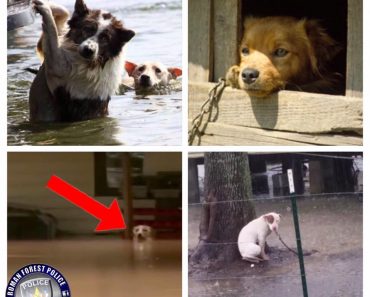
    A police chief in Montgomery County is urging dog owners not to leave pets tied up outside and has confirmed anyone who does will be arrested after witnessing a dog drown who couldn’t escape flooding last year.

    Speaking via Facebook, Roman Forest Police Department’s Chief Stephen Carlisle told residents what he had seen last year and how the dog’s distressed stayed with him saying, “I promise you that I will hold anyone accountable that unlawfully restrains their dog. Dogs are your family members too.”


    Photo Credit: Facebook.com/RomanForestPD

    Dog lovers have taken to the post to share their situations and plans. One dog lover has even offered to take others pets in if they cannot cope.

    The concerned chief also shared the following advice for those currently battling the hurricane in his jurisdiction, reminding them of the law and responsibilities to pets.

    HEALTH AND SAFETY CODE, TITLE 10. HEALTH AND SAFETY OF ANIMALS, CHAPTER 821. TREATMENT AND DISPOSITION OF ANIMALS, SUBCHAPTER A. TREATMENT OF ANIMALS, Sec. 821.077. UNLAWFUL RESTRAINT OF DOG.

    (a) An owner may not leave a dog outside and unattended by use of a restraint that unreasonably limits the dog’s movement:
    (1) between the hours of 10 p.m. and 6 a.m.;
    (2) within 500 feet of the premises of a school; or
    (3) in the case of extreme weather conditions, including conditions in which:
    (A) the actual or effective outdoor temperature is below 32 degrees Fahrenheit;
    (B) a heat advisory has been issued by a local or state authority or jurisdiction; or
    (C) a hurricane, tropical storm, or tornado warning has been issued for the jurisdiction by the National Weather Service.
    (b) In this section, a restraint unreasonably limits a dog’s movement if the restraint:
    (1) uses a collar that is pinch-type, prong-type, or choke-type or that is not properly fitted to the dog;
    (2) is a length shorter than the greater of:
    (A) five times the length of the dog, as measured from the tip of the dog’s nose to the base of the dog’s tail; or
    (B) 10 feet;
    (3) is in an unsafe condition; or
    (4) causes injury to the dog.
    Added by Acts 2007, 80th Leg., R.S., Ch. 674 (H.B. 1411), Sec. 1, eff. September 1, 2007.


  • More Pet Owners Than Ever Claiming on Pet Insurance Policies With £1.8 Million Paid Out Every Day

    More Pet Owners Than Ever Claiming on Pet Insurance Policies With £1.8 Million Paid Out Every Day

    Around 3.9 million dogs and cats are insured in the UK and industry body, Association of British Insurers (ABI) is reporting that 2016 was a record-breaking year with more pet owners than ever claiming on insurance policies, resulting in £706 million in claims being paid out during the year.

    This is the equivalent of £1.8 million per day, with each claim averaging £768 (an increase of 5% year on year).

    New analysis by Direct Line Pet Insurance has given further insight behind the statistics revealing the top five most common conditions dog owners claimed for in 2016.

    Tumours, warts and cysts topped the list with 10,000 pet owners claiming the cost of treatment back. Musculoskeletal disorders, such as sprains and arthritis were the second most commonly filed claims.

    Some believe the increase in claims and costs per claim can be connected to the advancements in technologies for treatments, but with the cost per treatment rising at an average of 5% comparing 2015 to 2016, it can leave pet owners caught short if they are not expecting the bill and don’t have pet insurance to cover.

    Speaking about their findings, Prit Powar, head of Pet Insurance at Direct Line said: “It is comforting to think that vets can now do more to help our pets make a speedier recovery, although it is no secret that vet bills are on the increase. The data from 2016 highlights the true costs to treat certain conditions, however, the final total average cost is not confined to just one year.

    “In some cases, treatment might be needed again for re-occurring issues, taking dogs way over a year to return to full health. Consequently, this means by the end of the treatment, the total cost can be very expensive and in some cases over £7,000. It is more important than ever that owners insure their pets so they can receive the best possible treatment and get the care they deserve.”

  • Can You Help? London Animal Rescue Appeals After Ambulance Stolen

    Can You Help? London Animal Rescue Appeals After Ambulance Stolen

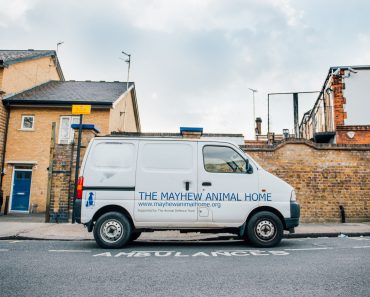
    Mayhew, one of the UK’s oldest animal charity’s, is appealing for help after its animal ambulance was stolen on 8th July in Hampstead, London.

    Without the ambulance, the organisation is struggling to help as many injured animals in need. The charity now feels their chances for a safe return of the ambulance, which is vital to their work for transporting hundreds of sick and injured animals, is slim and so are appealing for help.

    Mayhew would like their new ambulance to be bigger, safer and completely electric for environmental reasons and also to help the organisation save money as a result of being exempt from various road taxes and London’s congestion charges.


    Mayhew CEO, Caroline Yates, said: “Our Mayhew ambulances have been on the road helping thousands of animals since 1925. They are vital to our work and having one of them stolen is having a huge impact on the number of animals we’re able to rescue. We desperately need to raise enough funds for a replacement, so anything anyone could donate would be very much appreciated.”

    If you can help, visit the charity’s JustGiving Page –https://www.justgiving.com/campaigns/charity/mahome/van      

  • Breed Specific Legislation – Cruel, Costs The Tax Payer Millions & Protects Nobody

    Breed Specific Legislation – Cruel, Costs The Tax Payer Millions & Protects Nobody

    The RSPCA is releasing a video to mark the 26th anniversary of the Dangerous Dogs Act and controversial breed specific legislation – and one year since the charity launched its high-profile #EndBSL campaign.

    Saturday (12 August) marks 26 years since the Dangerous Dogs Act (DDA) was introduced to the UK, including Section 1 which applies breed specific legislation (BSL) and bans four types of dog – the pit bull terrier, the Fila Brasiliero, the Dogo Argentino and the Japanese Tosa.

    Last year, the RSPCA published a report into BSL and how it has failed to protect public safety since its introduction (hospital admissions due to dog bites has increased year on year) and how it seriously compromises dog welfare. The charity – the UK’s oldest and largest animal welfare organisation – also launched its #EndBSL campaign calling for the Government to review the ineffective legislation and replace it with something that will better protect public safety and improve the welfare for all dogs affected by it.

    RSPCA dog welfare expert and lead author of ‘A Dog’s Dinner’ report, Dr Samantha Gaines, said: “Almost 80,000 people have signed our petition and want to see a review of this ineffective and outdated piece of legislation.

    “Our campaign has also had support from experts and organisations around the world, showing that this is an issue close to the hearts of many people from many corners of the globe.

    “Many believe that, ultimately, the law should be repealed and replaced with something that is fit for purpose – something that better serves to protect the public and which doesn’t punish dogs because of how they look, irrespective of their behaviour or whether they pose any risk to the public.”

    BSL makes it illegal to possess or own any of the four banned types in the UK. Dogs suspected of being of a prohibited type are typically seized from their owners and kennelled so that they can be assessed by a police dog legislation officer. This process can take several days through to weeks.

    If officially identified as being of type, and the dog is not considered to pose a risk to public safety owners can apply to have their pet added to the exemption register which allows them to be lawfully kept but they must both comply with a very strict set of rules including keeping their dog muzzled at all times when out in public.

    Kacey (pictured above) was just three-weeks-old when her mother and eight siblings were seized under Section 1 of the DDA. They were held in kennels for more than six months before being assessed.

    All nine puppies were identified as prohibited types but the decision about two of the puppies – including Kacey – was, at a later point, overturned allowing them to be rehomed – the other seven were tragically put to sleep. Mum, Mercedes, was typed and later exempted which meant she could be lawfully kept under the Dangerous Dogs Act.

    Kacey’s owner, Nay Beard from Devon, said: “This is where an already sad story almost defies belief. Nine puppies, the same litter, from the same parents but – for the grace of a couple of centimeters, two of their lives were saved. The others weren’t so lucky.

    “Although Kacey got the chance to live, her incarceration under this cruel and unfair law impacts on her daily.”

    Kacey was terrified of people and the outside world.

    “She was frightened of grass, a breeze, water bowls, even toys. Absolutely anything and everything frightened her, she would back away while shaking uncontrollably,” Nay explained.

    “Little by little, she got there. But even now, almost five years later, she’s still very nervous and anxious.”

    https://i.imgur.com/xCPXpfO.jpg

    Peanut (pictured above) was born at the RSPCA’s Birmingham Animal Centre and soon rehomed by volunteer, Julie Wainwright. But, at nine months old, she was typed under BSL and Julie had to begin the long exemption process.

    Peanut was later exempted but her life is impacted every day by the restrictions placed on her – simply because of the way she looks.

    “Peanut is just like any other dog – she loves playing in the garden, sleeping on the sofa with her canine companion, Anna, and will follow you into the toilet if you don’t shut the door firmly behind you!” Julie said. “However, according to the law, she is dangerous. And therefore, she spends her life being restricted.”

    Julie is still trying to get Peanut used to her muzzle and has to hire a private field so her pet can enjoy running off-lead.

    She added: “I’ve not met one person who has been negative about Peanut when I’m out on a walk. A lot of people ask why she has a muzzle on and when I tell them that it’s because of BSL they always say say the law is ridiculous and what a lovely, lovely dog she is.”

    To sign the RSPCA’s petition or find out more about the #EndBSL campaign, go to www.rspca.org.uk/endbsl.

  • Bruce John Elliot of Lordenshaw, Newcastle Killed Girlfriend’s Dog Because She Urinated in the House

    Bruce John Elliot of Lordenshaw, Newcastle Killed Girlfriend’s Dog Because She Urinated in the House

    A man who killed his then girlfriend’s dog has been jailed for 15 weeks and disqualified from keeping animals for 20 years, after a prosecution case brought by the RSPCA.

    Bruce John Elliot (D.O.B 24.11.84) of Lordenshaw, Newcastle appeared before South Tyneside Magistrates Court yesterday afternoon (Tuesday 8 August).

    He pleaded guilty to two offences under the Animal Welfare Act of causing unnecessary suffering to Smudge by inflicting blunt force trauma leading to her death and failing to provide prompt veterinary attention for her injuries.

    http://i.imgur.com/FZ2aqqg.png

    He can’t apply for the disqualification to be overturned for 10 years.

    The incident happened at his home on 26 October 2016, when his then girlfriend was not there.

    RSPCA inspector Helen Bestwick said: “He told the court that Smudge wasn’t allowed upstairs but had gone up there and urinated on the bed. He said he chased her downstairs and a mountain bike, which was at the bottom of them, fell on top of her, then he kicked her outside.

    “We’ll never know exactly what happened but when Smudge was found by a neighbour around 300 metres away on a patch of grass between the local social club and supermarket she was collapsed.

    “Recognising her as sometimes being walked by Elliot, he was alerted to her plight and took her back to his home. When the neighbour enquired as to how she was and discovered she hadn’t been taken to a vets we were called.

    “We believe the incident happened at around 6.15pm but unfortunately it was 8.30pm by the time we got the call about Smudge, who Elliot had allowed to suffer all that time. When I got there Elliot was aggressive so police had to be called.

    “Sadly, Smudge died in the back of my van on the way to the vets. It was awful. A post mortem revealed she had died of internal bleeding. She had a ruptured liver with multiple lacerations, a hemorrhage near her right kidney and bruising between her shoulder blades.”

    Eight year old Smudge had been owned by Franchesca Jones since being a puppy and was a much loved family pet. Franchesca was pregnant at the time of the incident.

    Speaking after the hearing, Franchesca said: “I took Smudge everywhere with me. She was like my little shadow. I can’t describe how it feels to have her taken away in the way that she was.

    “I feel like today we’ve finally got a bit of justice for her. It won’t bring her back of course but the fact that this man is going to be outed as the person he is makes a difference.

    “The RSPCA has been amazing throughout this whole time, and I can’t praise the inspector enough.”

    RSPCA inspector Bestwick said: “This was a difficult and challenging case to investigate.

    “Not only did Smudge suffer a great deal, and ultimately die, as a result of Elliot’s actions but what he did has caused has caused enormous distress to Smudge’s owner and her family.

    “It is never acceptable to harm an animal in this way.”

  • Brits Spend Big on Holidays for Pets

    Brits Spend Big on Holidays for Pets

    New research claims more than £3 billion is spent on care for pets while owners are on holiday.

    The findings have been released by Direct Line Pet Insurance who say dog owners spent nearly double on costs compared to cat owners, with costs averaging at over £250.

    The insurer says if you live in London you’ll pay more than £200 per week for peace of mind, with Manchester dog owners paying almost half of what London dog owners will.

    This could be one of the reasons that the British ‘air BnB for pets’, Pawshake.co.uk has discovered more pet owners are opting for staycations.

    Of those surveyed by the website, 8 in 10 pet owners say they miss their pets most when on holiday, compared to partners and parents.

  • 26 Years of Hurt Spilled out Into Streets of London at Peaceful BSL Protest

    26 Years of Hurt Spilled out Into Streets of London at Peaceful BSL Protest

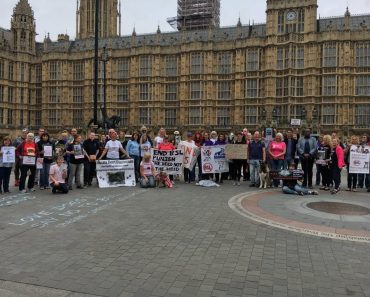
    Peaceful protests have taken place in London, Coventry and Cardiff to highlight the injustices of breed specific legislation. The failed law, which was introduced 26 years ago, sees dogs lose lives because of how they look rather than act.

    The UK joined Germany and Canada in a united global day of peaceful protests, rallies and awareness days to speak out against the law.

    The Westminster protest was a grass-roots gathering, with volunteers present who actively campaign and support innocent dogs and their families being torn apart by breed specific legislation on a daily basis. It also put faces to the names of dogs who have lost their lives in recent years.

    Maria Daines, a Director of DDA Watch, a campaign group which helps support dogs and families affected by the law was one of the event organisers. She said, “It is high time breed specific legislation was at least extensively debated in parliament with a view to repealing section 1 (DDA) which has proven over 26 years to be ineffective, unfair and cruel to the dogs and families affected by it.

    “Education (as opposed to prohibitive legislation) is necessary and helps to keep dog owners, the public and canine companions safe; Banning, restricting and killing dogs that look a certain way is ridiculously outdated, heartbreaking for many and a waste of public money. In 2017, we can and should be doing much better for our canine friends, their families, the public and those who work with dogs, including stray and rescue dogs.”

    Danes was joined by dog lovers who had travelled across the UK to add their voice and take a stand for innocent dogs calling for a repeal of a failed piece of legislation that targets types of dogs and condemns them as ‘dangerous’ based on their physical appearance.

    Judge dogs on how they act, not look

    Perhaps speaking to the fact that part of the objection to the Dangerous Dogs Act as it is now is the life threatening impact to dogs purely because of their looks rather than actions, the event was attended by some of the UK’s most well known dog trainers and behaviourists including Robert Alleyne, Jordan Shelley, Robert Stuhldreer and veterinary surgeon and animal behaviourist Dr Kendal Shepherd.

    A Staffie named ‘Whippet’, a Battersea Dogs Home Ambassadog came along to support the event wearing a special pink coat with the words ‘Breed Specific Legislation Murders My Friends’. She was joined by another supporter who was dressed as the ‘Grim Reaper’ with a message for Defra, the organisation who overseas the law in action, attached to the black outfit which said ‘I am Breed Specific Legislation’ and gave out information leaflets to those passing the Parliamentary buildings.


    Photo Credit: DDA Watch Ltd

    Remembering those who have lost lives to breed specific legislation in the UK

    As well as highlighting the ineffective law, the event highlighted stories of dogs who have lost their lives over the last 26 years sending personal messages to the British government in the process.

    Dogs remembered included Blitz, an innocent dog who was imprisoned on death row for two and a half years, as well as Reggie and Tyson.

    Lennox was also given a voice. He was a victim from Northern Ireland whose death five years ago sparked global outrage and condemnation, bringing the injustices of the legislation to the attention of thousands of people across the world and leaving a legacy of hope that disastrous BSL will one day end.

    A dog named Paul was also remembered, heartbreakingly his casket of ashes was brought to the protest to show the end result of many dogs affected by this harsh and unfair legislation. Paul had lost his life in 2015 and campaigners shed tears as his casket was placed in remembrance at the event.

    Two supporters from Devon held up their placard for a much loved dog named Sky who is held incarcerated and caught up in a legal nightmare due to BSL.

    Sky’s story is heartbreaking since she was seized after being abandoned by her owner (read it here).

    Two thousand flyers were given out to spread the word and raise awareness to what breed specific legislation is.

    Watch the video to hear about the history of the law:

    Join the conversation online on Facebook @K9Mag or find out how you can get involved in the next event: @DDAWatch


  • Calls Grow for Tougher Sentences for Animal Cruelty

    Calls Grow for Tougher Sentences for Animal Cruelty

    Six month prison sentence “just not tough enough” as RSPCA highlights shocking animal cruelty cases.

    As figures show convictions for animal cruelty running at four per day, the RSPCA is calling for the new government to introduce tougher sentencing for animal welfare offences.

    The animal welfare charity witnesses horrendous acts of cruelty across England and Wales through its prosecutions work every day – from a dog with multiple broken bones left untreated and dumped in a cemetery to die, to a dog’s face being ripped open by another animal but given no veterinary care.

    The strongest sentence that can currently be handed down to a someone convicted under the Animal Welfare Act is six months in jail – but polling by the RSPCA has shown seven out of 10 people would like to see this sentence toughened up and longer jail terms imposed on offenders.

    RSPCA interim chief executive Michael Ward said: “At the moment the strongest sentence for animal cruelty that can be passed down by magistrates is just six months imprisonment and an unlimited fine – that’s simply not tough enough.

    “The RSPCA picks up the pieces of animal cruelty every day of the year – and it is through our prosecutions that many of the perpetrators are brought to justice.

    “There’s a huge strength of feeling behind a move to toughen up these sentences – but at the moment the courts are limited by the law. As the Animal Welfare Act stands, the courts can only hand out a maximum 6 months prison sentence and that is not enough of a deterrent.

    “We were disappointed the previous Government chose to ignore the Select Committee recommendation to increase the maximum sentence for animal cruelty offences to five years imprisonment. This move would have brought our sentences in line with Northern Ireland.

    “Our recent poll showed that seven out of 10 people want the Government to bring in longer jail time for the most serious cases of animal cruelty and neglect.

    “As an animal lover, if you think that a six month jail sentence is not long enough for horrible acts of animal cruelty, we are urging you to contact the Secretary of State for Justice David Lidington MP to ask him to increase sentencing so the punishment fits the crime.”

  • Charity Slams Scottish Parliament For Bringing Back ‘Cruel’ Dog Tail Docking

    Charity Slams Scottish Parliament For Bringing Back ‘Cruel’ Dog Tail Docking

    National pet charity Blue Cross is shocked and saddened that the Scottish Parliament has voted to reintroduce tail docking for working dogs in Scotland. The charity is disappointed to see the Scottish Government take a backwards step and weaken the legislation on tail docking which has been in place since 2007.

    Tail docking is an unnecessary and painful procedure and the ban had been a positive step in better protecting the welfare of working dogs in Scotland. Blue Cross is fundamentally opposed to the docking of tails and fully supported the ban on the practice. The charity believes that no part of an animal should be removed unless absolutely necessary.

    Puppies can suffer unnecessary pain from having their tails docked, and removing the tail also leaves them without the ability to express themselves and fully communicate.

    In addition, a 2016 Blue Cross survey showed that 71% of the Scottish public believe that the ban on tail docking of puppies should be maintained. It is disappointing that the government have chosen to disregard the opinion of the Scottish people as well as expert advice from both animal welfare organisations and veterinary bodies.

    Becky Thwaites, Head of Public Affairs, Blue Cross, said:

    “Blue Cross believes that the evidence against tail docking still greatly outweighs any evidence to support it. In our opinion, the number of dogs at risk of tail injuries is still not large enough to justify the tail docking of so many individuals, particularly when the procedure itself causes unnecessary pain.

    “Blue Cross is disappointed that the Scottish Government has chosen to prioritise this issue over the other important animal welfare measures announced earlier this year including promises to review the breeding and sale of pets.”