Author: Jasmine Kleine

  • 171 Dogs Rescued Weeks Before South Korea’s ‘Bok Nal Days of Dog’ Meat Eating Ritual

    171 Dogs Rescued Weeks Before South Korea’s ‘Bok Nal Days of Dog’ Meat Eating Ritual

    Just 11 weeks ahead of South Korea’s ‘Bok Nal: Days of Dog’ meat eating ritual, animal welfare organisation Humane Society International (HSI) has rescued 171 dogs, shutting down a dog meat farm in Wonju.

    The Asian country celebrates the days of summer by consuming large quantities of dog meat ‘boshintang’ stew and the rescued dogs were otherwise destined to be killed and eaten at the country’s ritual.

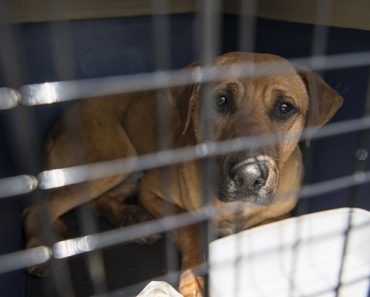
    The 171 dogs are part of the final cohort of 250 dogs and puppies rescued by HSI from one of the dog meat farm in Wonju, the fifth such farm that the charity has closed down as part of its campaign to end the eating of dogs in South Korea. The dogs are being flown to shelters and rescues in the United States and Canada.


    Photo Credit: Meredith Lee/HSI

    The groups accepting dogs are part of The Humane Society of the United States’ Emergency Placement Partner program, for a second chance at life. HSI is The HSUS’ international affiliate. Working together with placement partners, hundreds of dogs from previous dog meat farm closures have already found wonderful homes. Working in partnership with the Wonju farmer who contacted HSI last year for help getting out of the dog meat business, HSI is also overseeing the destruction of hundreds of now empty wire cages.

    Andrew Plumbly, campaign manager for HSI, who assisted in the dog rescue, said: “It’s a huge relief to rescue these dogs and get them to safety, knowing that in just a few weeks’ time during Bok Nal, they would likely have ended up being killed and eaten. The conditions on these farms is truly shocking. It’s factory-farming of dogs in row upon row of bare wire cages, filthy with faeces. The dogs live in a perpetual state of fear and anxiety. But the miserable existence they have endured is finally over, and the happy homes that await them in the USA and Canada couldn’t be more different. They will at last get to run and play and know what it feels like to be loved as a family friend.”

    Most people in South Korea don’t regularly eat dogs, and the practice is increasingly out of favour with the younger generation. However, during the summer months – and particularly the hottest days of Bok Nal between 17 July and 16 August – dog meat stew will be widely consumed even by those who never normally eat it, in the unfounded belief that it cools the blood. Hundreds of thousands of dogs will be slaughtered at this time, as an estimated 60-80 percent of the entire year’s dog meat is eaten in just two months, most often at one of South Korea’s thousands of dedicated dog meat restaurants.


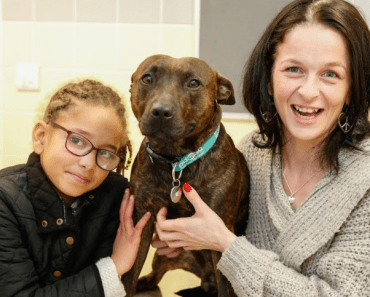
    Darby, pictured departing. Photo Credit: Meredith Lee/HSI

    An estimated 2.5-3 million dogs endure extreme deprivation on these farms every year, confined their whole lives in small, barren wire cages without any comfort or proper care, until the day they are killed, usually by electrocution. Dog farmers intensively breed dogs throughout the year, but often wait to sell them for slaughter at Bok Nal when they will fetch the highest price. A large dog can fetch around £120 each, with a bowl of dog meat stew selling for as little as £3-£6.

    Most people in South Korea never visit a dog meat farm and are unaware of the suffering experienced by the dogs. There is also a widespread misconception that farmed dogs are somehow different in nature to companion dogs, a myth that Humane Society International is keen to dispel. On every farm closed so far by HSI, a mixture of breeds has been discovered including large mastiffs, Jindo mixes, golden retrievers, beagles and Chihuahuas. Alerting Koreans to the fact that these are no different to the dogs we live with at home, is a key part of HSI’s message.

    Plumbly said: “In our experience, many dog meat farmers are keen to leave this business behind them, and come under increasing pressure from their children to end dog breeding and killing. However, they need help in transitioning to an alternative living, so that’s where HSI steps in. Ultimately we need the South Korean government to get involved in phasing out dog farming and banning dog eating, and with the Winter Olympics coming up in Pyeongchang in 2018, we are urging politicians to work with us to consign the eating of dogs to the history books.”

    HSI is working in countries across Asia to end the grisly dog meat trade. Efforts include: intercepting trucks crammed with dogs headed for slaughter in China; providing expertise to train officials for improved enforcement of laws and humane rabies elimination in Vietnam; and helping dog meat farmers in South Korea transition to more humane ways of making a living.

    For more information visit hsi.org/dogmeat

  • Watch This Dog Reunited With Owner After 7 Months Apart (You’ll Smile, Guaranteed)

    Watch This Dog Reunited With Owner After 7 Months Apart (You’ll Smile, Guaranteed)

    Anyone’s who’s ever been apart from their dog for more than 30 minutes will attest to the fact that a canine welcome is something that makes us feel really, really special.

    Now watch this video of a dog hunting for an owner after being apart for 7 months….

    Source https://www.facebook.com/todaysAnimals/videos/752873221479469/

  • Do You Recognise This Man Who Punched a Dog?

    Do You Recognise This Man Who Punched a Dog?

    The RSPCA has appealed for information after a man was captured on camera punching a dog.

    A member of the public was parked up at the seafront in Margate, Kent, on Sunday (17 April) when he heard the yelps and cries of a dog. He came around to see a man leading the black Labrador-type dog away on the lead and checked his dashcam footage to see what had happened.

    In the footage, which the RSPCA is releasing today as part of its investigation, the man can be seen punching the cowering dog three times. He then attaches the dog’s lead and walks away, raising his hand to the camera.

    The member of public contacted the RSPCA on Monday (18 April) following the incident which, contrary to the time listed on the dashcam, took place shortly after 5pm on Sunday in Newgate Lower Promenade, near the lido.

    RSPCA inspector Deborah Pert is now investigating. She said:

    “It’s very concerning to see this footage and I have concerns about the welfare of this dog.

    “It is not acceptable to punch a dog, either as punishment or discipline. It is never acceptable to be violent towards an animal and I’m keen to trace this individual.”

    If anyone recognises the man or the dog, please get in touch with the RSPCA by calling their appeal line on 0300 123 8018.

  • This Deadly Canine Disease Has Increased by 79.9% Since 2006: Is Your Dog at Risk?

    This Deadly Canine Disease Has Increased by 79.9% Since 2006: Is Your Dog at Risk?

    Banfield Pet Hospital, the world’s largest veterinary practice, released the most comprehensive pet health report ever compiled, comprised of medical data from 2.5 million dogs and nearly 500,000 cats. The State of Pet Health 2016 Report, created by Banfield’s research team, Banfield Applied Research and Knowledge (BARK), analysed data from 3 million total pets cared for in 2015 in Banfield’s 925 hospitals spanning 43 states, District of Columbia and Puerto Rico.

    The report analyses trends from the past 10 years and highlights the most common diagnoses affecting cats and dogs. The data are broken down into distinct health sections, covering: diabetes mellitus, heartworm disease, dental disease, otitis externa (ear infection), fleas and ticks and internal parasites.

    “Now in its sixth year, this report was created because we wanted to use our knowledge and research to help educate pet owners and raise profession-wide awareness for some of the most common and important diagnoses affecting the health of pets in the United States,” said Daniel Aja, DVM, senior vice president and chief medical officer for Banfield Pet Hospital. “It is our hope that the information in this report continues to serve as a catalyst for pet owners to partner with veterinary teams to help pets live better lives through preventive care.”

    Diabetes mellitus findings
    The report suggests that just as in humans, diseases such as diabetes are rising in pets. Canine diabetes has increased by 79.9 percent since 2006, while the prevalence of diabetes in cats has increased by 18.1 percent over the same time frame.

    Dogs and cats can suffer from Type 1 (insulin-dependent) or Type 2 (non-insulin- dependent) diabetes. However, dogs are more likely to develop Type 1 diabetes, which is similar to the form of diabetes seen in children; cats are more likely than dogs to develop Type 2 diabetes, the form more often developed in human adults. Modifications to the diet can play a major role in the treatment and management of this disease. Similar to the human form of the disease, Type 2 diabetes in pets can often be traced back to obesity, one of the top five diagnoses impacting young adult, mature adult and geriatric pets. Unlike with humans, there is no clear regional pattern to the highest rates of diabetes. The greatest prevalence of diabetes in 2015 in dogs was found in Nevada, Montana, Iowa, Wisconsin and Kentucky. In cats, the highest rates were found in Delaware, New Mexico, District of Columbia, Wisconsin and Arkansas.

    Canine Diabetes: Is Your Dog at Risk?

    Most dogs are diagnosed with canine diabetes between the ages of 7-10 and any dog has the potential to be affected. Springer Spaniels, Poodles and Cairn Terriers are among the breeds at increased risk, says Charlotte Summers, COO of global diabetes community Diabetes.co.uk.

    Diabetes in dogs is being increasingly diagnosed and so is affecting more and more dogs across the country. Whilst Diabetes Mellitus is more common in older dogs; entire bitches and is pre-disposed in certain breeds, it can occur in dogs as young as 18 months of age, and it is one of the most common hormonal diseases in dogs.

    Learn More About Canine Diabetes

    Heartworm disease findings
    Heartworm disease is one of the most serious, yet preventable, conditions affecting pets in the United States and can be fatal. Transmitted by mosquitoes, heartworms migrate to blood vessels of the lungs and heart and are capable of causing permanent damage to both before a pet ever shows symptoms. While there is no safe treatment for cats, the treatment for dogs can be costly and can result in dangerous side effects, including clots within the lungs, caused by a combination of a die-off of the worms, inflammation of the blood vessels, and reduced blood flow in the lungs.

    Heartworm disease has been diagnosed in each of the 43 states Banfield practices in, but there is a distinct geographical trend with the highest prevalence of heartworm infection in the Southeastern states. This includes Mississippi (with 4.1 percent of tested dogs), Louisiana (3.9 percent), Arkansas (3.6 percent), and Puerto Rico and Alabama (with 1.6 percent). While the infection can occur year-round, it peaks sharply during the summer months due to the weather being more favorable for mosquitoes, which transmit the disease.

    Based on Banfield data, the odds of contracting heartworm disease in Mississippi are 171 times those of contracting the disease in Nevada, the state with the lowest prevalence of the disease. This is followed by Louisiana, where the odds are 165 times greater than those of contracting heartworm in Nevada.

    Dental disease findings
    Dental tartar, a precursor to periodontal disease, is one of the most common causes of dental disease. Dental disease is the most common disorder among cats and dogs, affecting 68 percent of cats and 76 percent of dogs (however, the number increases in pets over the age of 3 where 88 percent of cats and 93 percent of dogs are affected). Dental disease has increased by 8 percent in dogs and 9.7 percent of cats since our initial report in 2011.

    The greatest prevalence of dental disease in 2015 in dogs was found in Minnesota, Iowa, Nebraska and Nevada. The greatest prevalence in cats was found in Nevada, Wisconsin, Minnesota and Washington.

    Otitis externa findings
    One condition that is decreasing in dogs is otitis externa (inflammation of the ear canal). Since 2011, otitis externa has decreased 6.4 percent in dogs, with the prevalence of cats remaining unchanged. It can be triggered by numerous factors such as skin allergies, ear mites or irritation from foreign bodies such as parts of plants, shrubs or trees. Bacterial and yeast infections commonly occur secondary to inflammation in the ear. As in humans, ear infections cause significant discomfort, but in pets, they can become chronic and impact a pet for the duration of its life. While otitis externa has decreased in dogs, it remains very common in certain breeds; 1 in 4 Golden Retrievers and 1 in 5 Labrador Retrievers are diagnosed with this condition.

    Flea and Tick findings
    Similar to heartworm disease, fleas and ticks can affect a pet year-round but are most prevalent during certain seasons. Infestations begin increasing in the spring and summer and peak in early fall. Flea infestations can cause numerous health problems for pets. As fleas bite to eat, they inject saliva under the skin, causing an irritation that can lead to scratching, hair loss and infections. One of the greatest risks that ticks pose is the transmission of Lyme disease or Rocky Mountain Spotted Fever to dogs, humans and other mammals. These diseases can potentially be life-threatening.

    Since 2011, flea infestations in dogs have decreased in prevalence by 8.3 percent and have remained unchanged in cats. The abundance of fleas is dependent upon, among other factors, the use of a flea preventive, geographic location within the United States and local weather patterns. The prevalence of fleas in cats (10.9 cases per 100) is almost twice that of dogs (5.9 cases per 100), indicating the need for greater education about flea control for the feline population. Ticks have decreased over the past 10 years for dogs (11.3 percent decrease).

    Internal parasites findings
    Since 2011, we have seen a reduction of roundworms, whipworms and tapeworms in dogs, though the prevalence of hookworms has remained relatively unchanged. In cats, there has been a reduction of roundworms, hookworms, whipworms and tapeworms (though, as with fleas, cats are more than twice as likely to have a tapeworm diagnosis compared to dogs). Increased use of flea preventive in dogs and cats, and increased use of heartworm prevention in dogs may explain some of these changes.

    Puerto Rico findings
    For the first time since Banfield expanded to Puerto Rico in 2013, we have adequate data from our hospitals on the island to include in the 2016 report. Puerto Rico is ranked among the top five states and territories for heartworm disease in dogs. While it is difficult to be certain, the high prevalence may be due to the tropical climate, which creates unique challenges for pets on the island. The climate favors sustained levels of disease transmission year-round, which may account for the above-average prevalence of other infectious diseases: Puerto Rico is also ranked among the top five states and territories for otitis externa, ticks, roundworms, hookworms and whipworms in dogs and cats. Conversely, for reasons unknown, Puerto Rico ranked the lowest for prevalence of diabetes and dental disease.

    State of Pet Health: Infographic

    https://i.imgur.com/Dn9828M.jpg

    As a practice, Banfield’s focus is making a better world for pets through preventive care. To help reduce the risk of diseases, such as those outlined in the State of Pet Health 2016 Report, Banfield is committed to working in partnership with pet owners to focus on proactive disease management.

    For more information about Banfield Pet Hospital, visit www.Banfield.com. For the full State of Pet Health 2016 Report, please visit www.stateofpethealth.com.

  • These Household Items Could Kill Your Dog – This Dog Got Lucky

    These Household Items Could Kill Your Dog – This Dog Got Lucky

    Inside the average household cupboard, in amongst the bread, butter and condiments there exists a collection of foods and other everyday household items that could cause your dog serious injury or death.

    Take the case of a binge-eating Boxer dog who created his own Great British bark-off after wolfing down the entire contents of a baking cupboard.

    Ray, the lovable eight-year-old pooch, from Plymouth, gobbled up a bag of flour, an entire kilo of sugar (including the bag) and a packet of raisins, which can be deadly to dogs.

    As soon as the kitchen crime scene was discovered, greedy Ray was rushed to Plymouth PDSA Pet Hospital by his worried owner, Jasmine Quick (36), where he was admitted for emergency treatment.

    https://i.imgur.com/Dvlmv5Y.jpg

    Jasmine said: “I’d been on a baking competition weekend with friends and brought the leftover ingredients home. I popped out for 20 minutes, but I returned to complete chaos – Ray was absolutely covered in flour and sugar, and was guzzling his way through the raisins.”

    Jasmine called PDSA immediately as she had read that grapes were poisonous to dogs – and was advised to bring him straight in.

    PDSA Vet Erin Beale said: “Ray was given medicine to make him sick and kept in overnight for observation. This was a potentially disastrous cocktail. Grapes, raisins and sultanas are all highly toxic to dogs and even small amounts can be fatal, depending on their size. Thankfully for Ray he got help straight away, so recovered quite quickly and was soon back to his boisterous self.”

    Ray returned home the next day and the family are hugely grateful for the help they received. Jasmine, who will be keeping a close eye on Ray in the future where food is concerned, added: “PDSA have been a godsend, we gave a donation but simply couldn’t have afforded Ray’s treatment without them.

    “My husband lost his job a few years ago and Ray was ill soon after, we thought we might have to give him up. It was such a difficult time and the kids were devastated – we’d had Ray since he was a puppy. Then a friend suggested PDSA might be able to help us. We can’t thank them enough for everything they’ve done for Ray.”

  • WATCH: Tribute to Maggie the Kelpie ‘World’s Oldest Dog’

    WATCH: Tribute to Maggie the Kelpie ‘World’s Oldest Dog’

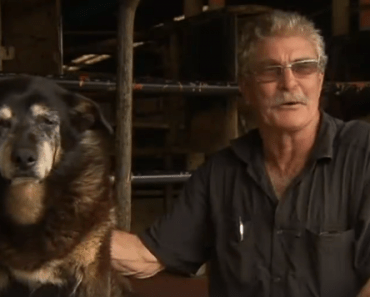
    An Australian Kelpie named Maggie who is thought to be aged around 30 years old (approximately 200 in human years) has passed away peacefully, according to her owner Brian McLaren, a dairy farmer in Woolsthorp, Victoria, who confirmed the news to The Weekly Times.

    Maggie was never officially confirmed as the ‘World’s Oldest Dog’, as her owner had lost the original paperwork for her, meaning that her age could not be independently verified, but speaking to the news outlet Mr McLaren said: “She was 30 years old, she was still going along nicely last week, she was walking from the dairy to the office and growling at the cats and all that sort of thing.”

    But added that she had started to deteriorate recently, “She just went downhill in two days and I said yesterday morning when I went home for lunch … ‘She hasn’t got long now’. Although still very raw, he said, “I’m sad, but I’m pleased she went the way she went…we were great mates.”

    Watch a special tribute local TV news outlet 7News created for Maggie:


  • WATCH: This Cat & Dog Duo Set The Friendship Barrier High

    WATCH: This Cat & Dog Duo Set The Friendship Barrier High

    If you own a dog and a cat, their friendships can be complicated. Much like people, some folks gel and some don’t. In my home, my cat loves one of my dogs because he’s calm and has quickly learnt how to influence her ways and earn kitty gold stars. She tolerates another (barely, at times) who is still young and a little too boisterous for her liking and isn’t given the chance to have an opinion on the third because she, frankly, ignores the cat’s presence unless there’s food involved and she has the chance to double up and steal the cat’s treat.

    Some dogs and cats get on so well though, they have a bond envious to most and set the friendship barrier high.

    Watch this video below and take a look for yourselves:

    We told you, it’s lovely isn’t it? Friendship goals for sure.

  • WATCH: Johnny Depp and Amber Heard Apologise Ending #WaronTerrier

    WATCH: Johnny Depp and Amber Heard Apologise Ending #WaronTerrier

    Johnny Depp and wife Amber Heard found themselves in hot water when Heard smuggled the couple’s two Yorkshire Terriers, Pistol and Boo, into the country while Depp was filming the 5th installment in the ‘Pirates of the Caribbean’ series last year.

    The actress had pleaded guilty in court to making a false statement on her immigration card about the Yorkshire Terriers, but the Queensland judge gave her a one-month good behaviour bond with no conviction recorded (a fine will be issued if the bond is broken).

    The couple also recorded a scripted video apology bringing an end to the ‘War on Terrier’ warning others to respect the island’s laws.

    WATCH THE VIDEO:

    What do you think of the couples apology? It’s certainly sparking debate…

  • Drew Barrymore Shines on Red Carpet at Annual Event for Animals in Need

    Drew Barrymore Shines on Red Carpet at Annual Event for Animals in Need

    Actress, animal lover and mum of two Drew Barrymore was honored with this year’s ASPCA Compassion Award which was presented to her by Martha Stewart. Actor Nathan Lane served as the evening’s emcee, which featured music by DJ Mark Ronson.


    Photo Credit: Getty Images

    The annual event, a cornerstone of the ASPCA’s fundraising efforts brings together hundreds of animal lovers to impact the lives of homeless, abused and neglected animals across the country.


    Drew Barrymore, pictured with Martha Stewart and Nathan Lane / Photo Credit: Getty Images

    Additional attendees included Australian model Jessica Hart, pictured below, Christian Siriano & Brad Walsh, Patina Miller, Megan Hilty, Roger Waters, Georgina Bloomberg, Selenis Leyva, Allie Rizzo, Dominic Chianese, Ariana Rockefeller, ASPCA President & CEO Matthew Bershadker among others.


    Photo Credit: Getty Images

  • Rescue Group Attacks Government Proposals to Change Dog Breeding Legislation

    Rescue Group Attacks Government Proposals to Change Dog Breeding Legislation

    A proposal announced by Defra to change one of England’s most important dog breeding licensing laws has been criticised by the Dog Rescue Federation, an animal welfare organisation representing voluntary dog rescuers across the UK.

    The proposal forms part of a wider series of changes that Defra wants to make following a review of animal establishment licensing in England. With it the government department is intending to reduce the statutory licensing threshold from five or more litters per year to three or more.

    https://i.imgur.com/5jJEw3I.jpg

    However, the federation, which also works with local authorities across the UK on a variety of national surveys and campaigns, claims the new compulsory licensing would be virtually impossible for local authorities to enforce. It states such licensing would also make it too easy for so-called ‘backstreet breeders’ to operate outside the law.

    Instead, the federation wants to see dog breeding laws tightened up by the introduction of compulsory licensing to cover all forms of dog breeding, irrespective of the number of litters produced or purpose.

    It sees this as a more sensible approach in tackling the problem of over breeding by such backstreet breeders, who in recent years have caused a significant rise in the number of unwanted dogs and added to the pressure on local authorities and dog rescue organisations to care for them and find new homes.

    With over 100,000 stray dogs being handled by local councils each year, the high number of stray and abandoned dogs is an increasing national problem with large numbers of healthy dogs being put down. Following the 2014 federation’s UK’s stray dog population survey the federation was concerned that as many as half the dogs unaccounted for in the survey had been put to sleep.

    Commenting on Defra’s proposals, Denise Boardman of the Dog Rescue Federation says, “The current animal licensing laws in England are out-dated and very confusing and so we welcome many of the changes being proposed by Defra. However, on the issue of dog breeding, we think that they have got it badly wrong and that they should take this opportunity to make real changes to help curtail the excessive over breeding.

    “Defra’s proposal to reduce the statutory licensing threshold would simply perpetuate the enforcement problems associated with current legislation, and still relies upon local authorities being able to prove that a breeder is operating above the threshold or, alternatively, is in the business of breeding dogs for sale.”

    Denise added that the introduction of compulsory licensing would help create an understanding among the general public about when a breeder is legal or not and might also prevent puppies being sold before they are properly vaccinated and micro chipped.

    The federation does however recognise that its proposal to licence all dog breeding activities might not be welcomed by more responsible breeders who occasionally produce a litter of puppies without currently being required to hold a licence.

    “We can see that this may be unpopular,” explains Denise, “but although these breeders do not produce many dogs individually, collectively they make a large contribution to the overall UK dog population and it seems right, therefore, that they should be placed under some form of regulation and control.

    “It is also equally important that the same standards of welfare should be required of everyone casually considering breeding a one-off litter; and not just the prolific breeders who produce more than a prescribed ‘threshold’ number of litters per year, or those who carry on a commercial business of breeding dogs for sale.”

    The Dog Rescue Federation has submitted a detailed response as part of Defra’s consultation exercise on the proposed changes to the animal establishment licensing laws in England.

    To read the federation’s full written submission please go to www.dogrescuefederation.org

  • WATCH: Move Over Stars of Strictly Come Dancing, There’s a New Dancer in Town!

    All this dog needs is a funky beat to get him started. What a mover!

  • Brits Spend £1 billion on ’Petcessories’ Each Year

    Brits Spend £1 billion on ’Petcessories’ Each Year

    We all love our dogs, but are you one of the pet owners who have contributed £1 billion to the economy treating your beloved dog?

    According to new research out today from Direct Line Pet Insurance, British dog owners have collectively spent over £1 billion on accessories for their dogs in the past year, spending an average of £76.13 per dog on so-called ‘petcessories’ in the last year.

    Young pet owners are the most likely to splash out on cushions, collars and clothes for their beloved pets, with 18-34 year olds spending an average of £83.98 on each dog, compared to over 55’s who spent a little less at £60.26.

    For 3.6 million (26 per cent), British dog owners really pamper their pooches, choosing to spend over £100 a year on accessories for their dog. A lucky six per cent of dogs had over £200 spent on them in the last year, perhaps unsurprising when there are businesses dedicated to providing luxury dog beds, with some costing over £700.

    Prit Powar, head of Pet Insurance at Direct Line said: “Brits really are a nation of dog lovers, choosing to spend their hard earned cash on making their beloved pooches comfortable. The fact that so many of us are choosing holidays which allow us to keep our pets with us is another indicator of the lengths we’re willing to go to keep our dogs happy.

    “Dog owners should remember, though, that they don’t need to spend a fortune on items like clothes, cushions and collars – as long as they provide their dog with a healthy diet, regular fresh water, treatment when needed, exercise and love, they will have a happy dog!”

    Separate research conducted between the pet insurer and K9 Magazine, shows British dog owners are also buying their dogs birthday and Christmas presents, the majority spending around £15 (63 per cent). A fifth (20 per cent) spend between £16-£30 on a present for their dog per occasion, while a generous one in twenty (five per cent) spend between £31-£60.

    Ryan O’Meara, publisher of K9 Magazine, spoke of the findings saying: “It’s heartening to see that dog owners choose to mark their pet’s special occasions with a gift. Of course, presents aren’t the be all and end all of showing how much you care, but our dogs give so much to us day in and day out that it’s only natural we see them as part of the family, and as such celebrate them.”

  • Dog Who Saved Lives of Troops in War Zones Receives Highest Award for Bravery

    Dog Who Saved Lives of Troops in War Zones Receives Highest Award for Bravery

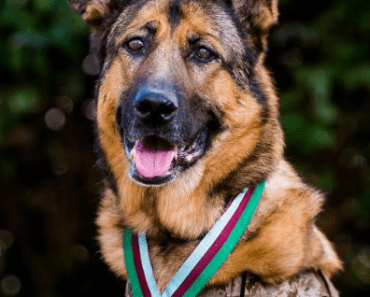
    A retired US Marine Corps dog who protected the lives of allied troops in Iraq and Afghanistan has been honoured with the PDSA Dickin Medal – the animal equivalent of the Victoria Cross.

    The 12-year-old German Shepherd, who lost a leg while on duty, successfully completed over 400 separate missions during six years of active service. Her heroic actions were recognised by the UK’s leading veterinary charity, PDSA, at a ceremony at Wellington Barracks, London (Tuesday 5 April) which was attended by Lucca and her owner, Gunnery Sergeant (GySgt) Christopher Willingham.

    The famous medal was instituted by PDSA’s founder, Maria Dickin, CBE, in 1943. It is the highest award any animal in the world can achieve while serving in military conflict. Lucca’s is the 67th PDSA Dickin Medal to be awarded and she is the first US Marine Corps dog to receive the esteemed honour.

    Lucca’s skills as a specialised search dog, who was trained to sniff out munitions and explosives, protected the lives of thousands of allied troops, according to the US Marines. Her success was such that there were no human casualties during any of her patrols.

    On her final patrol, on 23 March 2012, Lucca discovered a 30lb improvised explosive device (IED) and as she searched for additional IEDs, a second device detonated. She instantly lost her front left leg and suffered severe burns to her chest. Corporal (Cpl) Juan Rodriguez, her handler on the mission, administered life-saving first aid to Lucca. Through all of her emergency treatment and recovery, Cpl Rodriguez never left Lucca’s side.

    After training together, Lucca and GySgt Chris Willingham served together for two tours in Iraq. In 2007, they conducted clearing operations along the Tigris River, South of Baghdad. In 2008, they conducted counter insurgency operations around Diwaniyah.  Lucca made a number of finds; including weapons caches, IEDs and bombs.  Also, she was directly responsible for the apprehension of four insurgents.

    In November 2011 Lucca and her new handler Cpl Juan Rodriguez were selected from 60 Military Working Dog teams to deploy to Afghanistan in support of the Marine Expeditionary Force.

    Lucca and Cpl Rodriguez led 75 patrols in Helmand Province; an area heavily laden with IEDs. They were at the front of the patrols to ensure the safety of those behind them. Despite being targeted with gunfire on several occasions, they successfully continued their search for IEDs.

    On 7 March 2012, Lucca and Cpl Rodriguez were leading a foot patrol when Lucca gave an indication which Cpl Rodriguez quickly recognised and he called the patrol to a halt. A 30lb pressure plate IED had been placed directly in the patrol’s line of travel. Once the IED was rendered clear, Lucca and Cpl Rodriguez led the patrol safely back to their base.

    On 23 March 2012, Lucca and Cpl Rodriguez were ahead of a foot patrol when she signalled on a haystack in a poppy field where a weapons cache was discovered. Resuming the patrol, Lucca took the lead and later alerted the patrol to a 30lb pressure plate IED, which was successfully located and cleared.

    Resuming their patrol, Cpl Rodriguez sent Lucca to clear a nearby path when a 30lb pressure plate IED detonated underneath her, causing the immediate loss of her front left leg and severe burns to her chest, neck and head. Cpl Rodriguez applied a tourniquet to Lucca’s leg and bandaged her burns, while a fellow patrol member called in a Medical Evacuation (MEDEVAC) team.

    Cpl Rodriguez said: “The explosion was huge and I immediately feared the worst for Lucca. I ran to her and saw her struggling to get up. I picked her up and ran to the shelter of a nearby tree line; applied a tourniquet to her injured leg and called the medics to collect us. I stayed with her constantly throughout her operation and her recovery. She had saved my life on so many occasions – I had to make sure that I was there for her when she needed me.”

    Miraculously, none of the soldiers in the patrol were injured in the blast which injured Lucca.

    Lucca was evacuated from Afghanistan to Germany and then to Marine Corps Base, Camp Pendleton, California, to complete her recovery. Cpl Rodriguez stayed at her side throughout each move – even choosing to sleep next to Lucca as she recovered.

    Within ten days of her injury, Lucca was up and walking.

    Cpl Rodriguez continues: “Through all of her treatment and despite the pain she was in, her temperament never changed. Her fighting spirit was plain to see and I was so proud of how quickly she recovered.”

    While she was rehabilitating, her adoption paperwork was submitted to retire her officially from active service and live with Chris Willingham and his family in California.

    Lucca’s PDSA Dickin Medal was presented by the charity’s Director General, Jan McLoughlin. Jan said: “Lucca’s conspicuous gallantry and devotion to duty makes her a hugely deserving recipient of the PDSA Dickin Medal. Her ability and determination to seek out arms and explosives preserved human life amid some of the world’s fiercest military conflicts.

    “I am thrilled that both Lucca and Gunnery Sergeant Willingham have made the journey to London to receive this very special award.”

    Gunnery Sergeant Chris Willingham said: “Lucca is very intelligent, loyal and had an amazing drive for work as a search dog.  She is the only reason I made it home to my family and I am fortunate to have served with her. In addition to her incredible detection capabilities, Lucca was instrumental in increasing moral for the troops we supported. In between missions, I took the searching harness off and let her play and interact with the troops.  Due to her personality, demeanor and proficiency as a search dog, Lucca made friends wherever she went. Today, I do my best to keep her spoiled in her well-deserved retirement.”

    “Even when Lucca was injured, her good temperament and gentle nature never faltered. She has become an inspiration to everyone she meets and I am so very proud to see her decorated with this prestigious award.”

    Lieutenant Colonel Abby DuBaree from the Royal Army Veterinary Corps said: “Lucca’s story has become famous in the US and I am so pleased that PDSA is honoring her contribution to the military campaigns in both Iraq and Afghanistan. Lucca’s efforts and the expert work she carried out for allied forces deserves full credit and recognition. I know that every Marine and soldier that served alongside her will be thrilled to see her receive the PDSA Dickin Medal.”

    Lucca’s award will bring the total number of PDSA Dickin Medals awarded to animals in military conflict to 67. Since the introduction of the Medal by PDSA founder Maria Dickin, CBE, in 1943 it has been awarded to 31 dogs (including Lucca), 32 World War Two messenger pigeons, three horses and one cat.

    PDSA is the UK’s leading veterinary charity, treating nearly 500,000 pets annually across its 51 Pet Hospitals and 380 Pet Practices. The charity strives to improve all pets’ lives through education, preventive care and emergency treatment and touches the lives of more pets and owners that any other animal charity. For more information visit www.pdsa.org.uk.

  • Dog Survives Near Fatal Collision With Cyclist Thanks to Vets

    Dog Survives Near Fatal Collision With Cyclist Thanks to Vets

    An adored family pet cheated death after a high impact collision with a cyclist left him with near fatal internal injuries.

    Staffordshire bull terrier, Shadow, initially walked away from the accident but, after collapsing at home, he was rushed to PDSA’s Gillingham Pet Hospital for an emergency operation.

    Almost a pint of blood had to be drained from Shadow’s abdomen after his liver was severely damaged by the impact. Vets fought desperately for five days to save his life as his distraught family waited for him to pull through.

    Three-year-old Shadow’s injuries were so severe that PDSA vets warned owner Sian Berry (30) that the odds were stacked against him surviving. An ultrasound scan revealed a lacerated liver and severe internal bleeding. He had lost around one quarter of his blood.

    “I couldn’t believe what had happened,” said Sian, from Maidstone, Kent. “I was taking Shadow for his usual walk in the local park when a cyclist suddenly appeared and ran over him.

    “He didn’t seem too bad at first, just in a bit of shock, but by the time I got him home I realised something was badly wrong. He seemed in pain so I took him straight to PDSA. When they told me how poorly he was it was just heart-breaking.”

    Aoife McCormack, PDSA vet, said nearly a pint of blood had to be drained from his abdomen before vets could stem the flow and operate to repair his liver.

    She said: “We were faced with the nightmare situation of bleeding from two areas – both from the vessels to his spleen and the tear in his liver. The trauma to the liver was the most worrying for us as it’s much harder to stem the flow.

    “Shadow had some very serious injuries and it was touch and go whether he would pull through surgery. Thankfully, the operation was a success and he made a good recovery. But without swift treatment there was a very real chance he would have bled to death.”

    Sian said the period Shadow was in hospital was like a ‘living hell’ and that her 10-year-old daughter Alisha was devastated at the thought of losing him:

    “We were all on tenterhooks. Alisha thinks the world of him so it was a very worrying time. But thankfully he pulled through and the care he received from PDSA was amazing. If we had lost him, it would be like losing a family member. I can’t thank the vets and nurses enough for everything they’ve done.”

  • WATCH: Dog Has New Fence Installed in Garden, The Reaction is Priceless

    If you have a dog who’s an escape artist you will be able to identify with this man who has built a fence, but just watch what happens when his dog tests it out…