Author: Jasmine Kleine

  • If You Own a Pet You’re Likely to Be More Satisfied With Life, New Study Says

    If You Own a Pet You’re Likely to Be More Satisfied With Life, New Study Says

    If you’re a pet owner you’re likely to be more satisfied with life, according to a new study revealed by the Society for Personality and Social Psychology Convention in San Diego this weekend (30/31st January).

    The study, which was conducted by Katherine Jacobs Bao at Manhattanville College in New York, uncovered that pet owners are more satisfied with life than non-owners.

    8 (2)

    But when comparing dog owners to cat owners said: ‘Dog owners were higher in well-being, more conscientious, less neurotic, and marginally more extroverted and agreeable than cat owners.’

    Miaow!

    What do you think to the research? Let us know by commenting below!

  • Peritonitis Nearly Killed This Dog, Find Out How Vets Saved Her Life

    Peritonitis Nearly Killed This Dog, Find Out How Vets Saved Her Life

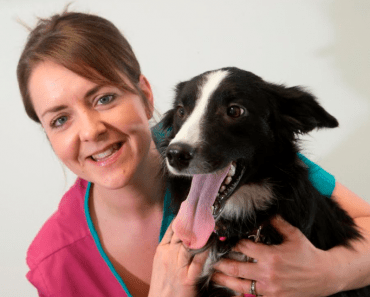
    A Border Collie from Leicester has cheated death thanks to PDSA vets who battled against the odds to save her from a deadly condition.

    Holly was given just a 10 per cent chance of survival when vets diagnosed her with one of the worst cases of septic peritonitis they have ever seen. Peritonitis is an inflammation of the peritoneum – the thin membrane that lines the abdominal cavity.

    In Holly’s case it had developed into infected fluid filling her whole abdominal cavity, covering her vital organs.

    The 18-month-old dog underwent three lifesaving operations and spent a week in intensive care at the vet charity’s pet hospital in Braunstone, Leicester.

    Her owners, Alan and Jude, from Belgrave, said they were preparing themselves for the worst after PDSA vets gave them a dire prognosis.

    Alan said: “Holly had been off her food and just didn’t seem herself. Initially we thought she might have worms or something but then her stomach became swollen and we began worrying it could be more serious.

    “We took her to PDSA who examined her and ran some tests which confirmed that she had a very serious infection. They warned us that her chances weren’t good and we had to prepare ourselves for the worst. We were absolutely devastated.”

    But following difficult operations which involved draining infected fluid from Holly’s abdomen, and treatment with intravenous antibiotics, she began to rally and showed major improvement over the next few days.

    PDSA Senior Vet, Elly Hopkins, said: “Holly’s case was one of the worst cases of peritonitis we’ve ever seen at Leicester Pet Hospital.

    “Miraculously, and against the odds, Holly has survived. But sadly many pets don’t survive this condition. Holly was lucky that she’s young and healthy, and it’s great that she’s gone on to make a full recovery.

    Alan said the family were hugely grateful to PDSA for the treatment Holly received:

    “I honestly don’t know what we would have done without PDSA, they have been amazing.

    “Her treatment would have cost over £1,000, which we would never have been able to afford. We can’t thank them enough for saving Holly, it really is a miracle.”

    Alan and Jude’s son Tim, was so moved by what happened he launched a fundraising challenge to give up alcohol to raise money for PDSA.

    He has already raised over £200 and is being joined in the challenge by Judy and his sister Victoria. To sponsor Tim please visit https://www.justgiving.com/Tim-Gray4

  • This Dog Knows How to Work the Camera!

    This dog certainly knows how to work the camera drawing attention from all around, give it a minute – you won’t be able to stop laughing click (or repeatedly clicking play).


  • TV Presenter Chris Packham Says Britain Not so Dog Friendly After All

    TV Presenter Chris Packham Says Britain Not so Dog Friendly After All

    TV presenter and all round animal lover Chris Packham has spoken out about Britain being a ‘dog-ist’ society by restricting dogs access in restaurants and shops.

    Speaking ahead of his new BBC show ‘Cats vs Dogs’ the wildlife presenter said his two miniature Poodles are the ‘most important organisms on the planet’ and was surprised at their levels of anxiety when left.

    When speaking with the Radio Times he compares the UK to France where dogs are welcomed into restaurants and shops openly saying “When I’m in France, no one gets het up at all, and why would they? The dogs sit under the table. No problem.”


    Photo Credit: Graham Racher

    However, as we reveal in our next ‘Pet Friendly Europe’ feature within K9 Magazine, France might not be all that dog friendly after all at first glance (outside of restaurants, bars and bakeries). Read Paul Wojnicki’s experiences of visiting France with his Jack Russell, Falco here: http://www.k9magazine.com/one-man-his-dog-discover-how-pet-friendly-france-really-is/

  • Pardon? Wait Until You HEAR What This Puppy Ate

    Pardon? Wait Until You HEAR What This Puppy Ate

    A livewire puppy from Dundee needed the help of vets after she decided to eat something she wasn’t supposed to.

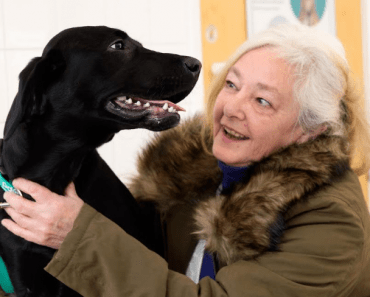
    Domino the Labrador has mischievously tried to get her paws on owner Norma McKenzie’s hearing aids several times before. But this time it ended in near-disaster when she managed to pull them out of their hiding place and chew them up before gobbling one down.

    Stunned Norma, who requires hearing aids for occasional use, said she returned home to find six-month-old Domino chewing on one of her aids, with no trace of the other one.

    The 63-year-old quickly realised what had happened and rushed Domino to PDSA’s Dundee Pet Hospital in Hawkhill, where vets gave the cheeky pup medication to induce vomiting.

    Norma said: “The injection did the trick and within five minutes Domino had brought up all the different bits of the hearing aid, along with the battery! We also discovered that she’d swallowed bits from a comb, the jewel from a hairclip and even been munching on prawn crackers!”

    PDSA Senior Vet Andy Cage revealed that it‘s common for dogs to swallow strange things, especially when they’re puppies. But he says it’s important to keep potentially harmful objects out of a pet’s reach.

    He said: “There is a medical term for pets eating strange objects – pica. Dogs, especially puppies and younger dogs like Domino, use their mouth to investigate objects, as well as to eat. Sometimes when doing this a dog will swallow an object by mistake.

    “Thankfully Norma brought Domino straight to the hospital which meant we were able to take action before it caused any serious damage.”

    Vets warned that the hearing aid could have caused a tear or fatal blockage in Domino’s digestive system. The battery could also have burned her stomach lining and led to serious, even fatal, complications.

    Norma, from Charleston, Dundee, said that the hearing aids weren’t the only objects Domino has taken a fancy to over the past few months:

    “The one day I found her with a pair of my glasses and one of the lenses was destroyed. She’s also chewed the side of my coffee table. I heard that putting mustard on it would stop her but she actually enjoyed it and licked it all off!

    “I know she’s a puppy and they do like to explore things but I’m now being a lot more careful where I put things, especially when I get my replacement hearing aids.”

    PDSA vets say training pets from a young age can help to curb their temptation to chew objects, and they can learn basic commands like ‘drop’ and ‘leave’. For general advice please visit www.pdsa.org.uk

  • Scooby Doo Revealed as UK’s Favourite On-Screen Dog

    Scooby Doo Revealed as UK’s Favourite On-Screen Dog

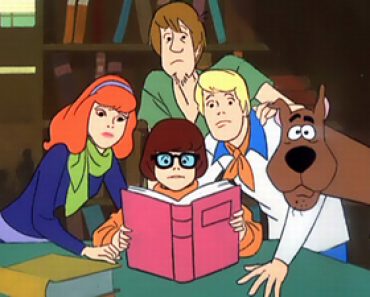
    A new poll out today has revealed that Scooby Doo is the UK’s favourite on-screen dog. The longest running cartoon dog on TV, it’s perhaps no surprise he came out ahead of other canine favourites including  Family Guy’s Brian Griffin and Santa’s Little Helper, the family dog in The Simpsons.

    The poll was carried out by life insurance provider Beagle Street to celebrate the arrival of ‘Jeremy’, the talking dog who stars in its new TV advert and as part of the talking beagle’s debut, dog owners around the country are being offered to chance to make £100 by changing their own pet’s name to ‘Jeremy’.

    Ten owners who agree to change their dog’s name using the hashtag #Jeremy on Twitter (www.twitter.com/BeagleStreet) will be sent a £100 cash payment in return for wearing a ‘Jeremy’ labelled collar for the rest of the month.

  • Scooby Doo Named Favourite On-Screen Pooch

    Scooby Doo Named Favourite On-Screen Pooch

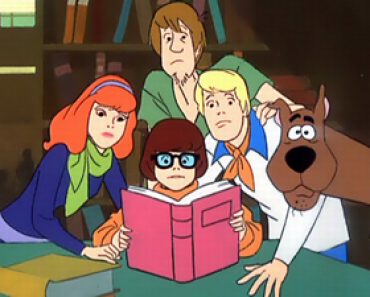
    Snoopy may be stealing the headlines as the star of the new ‘Peanuts’ film, but a new poll has revealed that Scooby Doo is the UK’s favourite on-screen dog.

    The mystery-solving Great Dane, and the longest running cartoon dog on TV, came out top dog ahead of on-screen favourites Lassie, Snoopy and Beethoven. Others in the top ten include Family Guy’s Brian Griffin and Santa’s Little Helper, the family dog in The Simpsons.

    The poll was carried out by life insurance provider Beagle Street to celebrate the arrival of ‘Jeremy’, the talking dog who stars in its new TV advert.

    As part of the talking beagle’s debut on TV screens, dog owners around the country are being offered to chance to make £100 by changing their own pet’s name to ‘Jeremy’.

    Ten owners who agree to change their dog’s name using the hashtag #Jeremy on Twitter (www.twitter.com/BeagleStreet) will be sent a £100 cash payment in return for wearing a ‘Jeremy’ labelled collar for the rest of the month.

  • US Dog Owners Warned as H3N2 Dog Flu Spreads

    US Dog Owners Warned as H3N2 Dog Flu Spreads

    US dog owners are being warned as the bird flu virus, H3N2, which has adapted to infect dogs, appears to be on the rise with concerns arising in Washington and Montana after King County Public Health says a suspected outbreak at the Holiday Kennels in Kent may have affected 80 to 90 dogs in December. Several dogs developed flu-like symptoms including runny noses and coughs, according to Fox35.com.

    Speaking with the news outlet veterinary expert Dr. Davidow said: “Respiratory viruses are very contagious. We see kennel cough more often, which is much more common, and influenza looks a lot in some cases like kennel cough.”

    Kennel cough has now been ruled out after officials learned that a dog who had stayed at the kennels in question had traveled to Georgia with its owners and had interaction with two other dogs that tested positive for H3N2. Test results are pending for the sick dogs at present.

    Pet owners are being asked to remain vigilent in and around the areas currently at risk. While humans can’t contract H3N2, we sure can pass it along Dr Davidow confirmed to Fox35 that “It’s airborne, so if a dog coughs on you, coughs on your hands, you pet another dog you, could give it to another dog.”

  • New Study Reveals Dogs Understand Human Emotions

    New Study Reveals Dogs Understand Human Emotions

    If you are one of the millions of dog owners across the globe who have told friends and family for years that you know your dog understands what type of mood you’re in, then you’ll be pleased to hear that a new study today confirms just this.

    The findings released jointly by the University of Lincoln (UK) and the University of Sao Paulo (Brazil) show that dogs can recognise emotions in humans by combining information from different senses – an ability that has never previously been observed outside of humans.

    The researchers presented 17 domestic dogs with pairings of images and sounds conveying different combinations of positive (happy or playful) and negative (angry or aggressive) emotional expressions in humans and dogs. These distinct sources of sensory input – photos of facial expressions and audio clips of vocalisations (voices or barks) from unfamiliar subjects – were played simultaneously to the animals, without any prior training.

    The team found the dogs spent significantly longer looking at the facial expressions which matched the emotional state (or valence) of the vocalisation, for both human and canine subjects.

    The integration of different types of sensory information in this way indicates that dogs have mental representations of positive and negative emotional states of others.

    Researcher Dr Kun Guo, from the University of Lincoln’s School of Psychology, said: “Previous studies have indicated that dogs can differentiate between human emotions from cues such as facial expressions, but this is not the same as emotional recognition.

    “Our study shows that dogs have the ability to integrate two different sources of sensory information into a coherent perception of emotion in both humans and dogs. To do so requires a system of internal categorisation of emotional states. This cognitive ability has until now only been evidenced in primates and the capacity to do this across species only seen in humans.”


  • Charity Gives Award to a Dog Called ‘Killer’ You’ll Realise Why When You See What’s He’s Done

    Charity Gives Award to a Dog Called ‘Killer’ You’ll Realise Why When You See What’s He’s Done

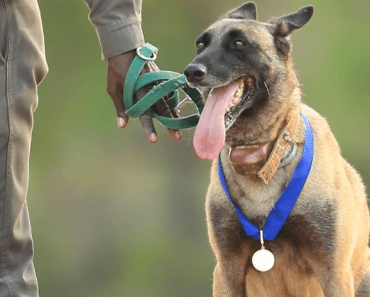
    A dog risking his life in the battle to save the African Rhinoceros from extinction has been awarded the PDSA Gold Medal by comedian Ricky Gervais. The medal is recognised worldwide as the animals’ George Cross.

    In the past four years, the acute tracking skills of five-year-old K9 Killer, a Belgian Malinois, have led to the arrests of 77 poachers; making him the most successful dog working with Kruger National Park’s Special Operations Team.

    Alongside handler Amos Mzimba, Killer is flown in by helicopter to track and apprehend armed poachers when they are sighted, or a dead rhino is discovered.

    Comedian, Hollywood actor and animal welfare advocate Ricky Gervais announced K9 Killer’s award, on behalf of PDSA, in a special video released on social media.

    The PDSA Gold Medal is the highest honour a civilian animal can receive for bravery and devotion. Killer is only the 24th PDSA Gold Medal recipient worldwide, since the award was instituted in 2001.

    Killer’s work

    Both Killer and handler Amos can be deployed deep inside Kruger National Park several times a day, and Killer’s tracking and early detection of suspects is paramount to keeping Amos and the rest of the team safe from harm.

    On one occasion, following a sighting of poachers in the infamous Bangu area, close to the border of Mozambique, Killer and Amos were flown in as part of a four-strong team including South African Defence Force personnel. While trying to find a spoor to track, shots were fired and, in the confusion that followed, Killer and Amos became separated from the main group.

    Killer picked up a spoor to track the suspects, giving him and Amos the upper hand over the poachers. As the determined dog and handler followed the suspects to the bottom of a cliff, they spotted someone just in front of them. Amos shouted to the suspect to surrender, but heard a heavy calibre rifle shot and the bullet passing close to his head. He returned fire to save his and Killer’s lives before apprehending two other suspects.

    Thanks to Killer’s tracking skills, 115 arrests have been made to date, but the fight against poaching continues.

    Reaction

    Killer’s handler, Amos Mzimba, said: “It is an honour to have Killer by my side. It means a lot that he has been recognised for his skills and assistance in tracking and arresting poachers. Thanks to him, we are arresting more poachers, but there is a lot more to be done if we are to save the rhino from extinction. Killer is invaluable in achieving that.”

    PDSA Director General, Jan McLoughlin, said: “The PDSA Gold Medal recognises extraordinary acts of courage and dedication in life-threatening situations, and Killer is indeed a worthy recipient. His contribution to saving the rhino population has been truly remarkable. His track-record is astounding and we are honoured to recognise his fantastic work in this way.”

    Killer’s award was formally presented by Ricky Gervais, who said: “Killer does fantastic work in the Kruger National Park. Rhino’s are wonderful creatures that are being killed in their hundreds by these poachers. Killer and his colleagues are fighting back. He helped capture dozens of poachers in the last year alone, thanks to his amazing courage and dedication. He’s making a huge contribution to rhino protection in South Africa.”

    With the number of rhino killings increasing from 448 in 2011 to 1215 in 2014, Killer is an integral part of the fight against poaching.

    Bruce Leslie of the Environmental Crimes Investigations Unit, nominated Killer for the PDSA Gold Medal. He said: “To save the rhino from extinction, someone has to stand between them and the poachers and that job falls to our rangers. Killer’s sense of smell is absolutely amazing at tracking people. He makes us more successful and increases our arrest rate. All of our dogs carry out incredible work on a daily basis, but Killer stands out for his tenacity and dedication so I’m enormously proud that he has received the PDSA Gold Medal.”

    Since its inception in 2001, the PDSA Gold Medal has now been awarded to 24 heroic animals. Recipients include UK police explosives search dogs Vinnie, Jake and Billy for their lifesaving work in the aftermath of the 7/7 terrorist bombings in London, in 2005.

    For more details about the PDSA Gold Medal and its previous recipients go to www.pdsa.org.uk/goldmedal.

  • Important Advice About Cold Weather & Your Dog

    Important Advice About Cold Weather & Your Dog

    The RSPCA has issued a set of tips to help animals cope with the impending cold weather snap expected to hit the UK.

    Freezing temperatures, more rain, and snow is forecast so make sure your pets and animals are warm and safe this winter
    As the Met Office forecasts frosty conditions and possible snow in the coming days, the RSPCA is urging people to ensure their animals are safe and warm.

    Following an unseasonably warm December and start to 2016, weather forecasters have predicted that temperatures will continue dropping over the weekend and into next week.

    Weather warnings for further rainfall remain in place in parts of the England and Wales. And the Met Office is forecasting snow in some areas next week.

    As the winter weather finally arrives in the UK, the RSPCA is releasing advice to ensure animals stay healthy during the colder weather, and tips on how to help wildlife survive the wintry spell.

    Pets & Cold Weather

    As the temperature begins to drop, the RSPCA advises keeping a closer eye on outdoor pets such as rabbits and guinea pigs. If the temperature starts to reach freezing, you may wish to consider moving your rabbit hutch inside or into an outhouse, shed or unused garage. We recommend that guinea pigs are housed indoors when temperatures are below 15OC. If you do bring your rabbits or guinea pigs indoors, they still need plenty of time and room to exercise in a safe and secure environment. If you have to leave them outside, you must provide them with lots of extra bedding, such as dust-free hay, and make sure their home is protected from adverse weather. For example, covers can be purchased to help insulate hutches in the winter months, but care must be taken to ensure there is adequate ventilation.

    For rabbits and guinea pigs housed in a hutch, a sloped roof is preferable to allow water to drain away. Hutches should be raised off the ground by at least four inches and placed in a sheltered position, facing away from wind and rain.

    If your rabbit or guinea pig gets wet, rub them dry with a towel and make sure they have plenty of warm bedding.

    For more about rabbits, go online, and for further guinea pig information visit the website.

    Cats should have constant access to the house or to a warm, inside area such as an outbuilding or barn with appropriate heating. You should also ensure the cat’s bedding or sleeping area is warm, dry and away from any draughts.

    Be aware that antifreeze and rock salt can be poisonous to pets.

    If you have an elderly or sickly dog, you can buy a special coat or jumper to keep them warm when you’re out on walks. Make sure your dog can still behave normally, for example, go to the toilet easily and that it is a good and comfortable fit.

    When walking your dog in the dark, wear reflective clothing and think about a reflective collar or light for his collar to keep you both safe.

    Keep your pet dog away from frozen ponds, lakes or rivers which can pose a danger, and make sure their paws don’t get impacted with snow.

    If you keep pet birds in aviaries, coops, or runs, then you should also protect them from the cold weather. Cover enclosures to keep the wind and rain out, and ensure the birds always have access to food and fresh water.

    Don’t house animals, including birds, in greenhouses and take caution if housing them in conservatories.

    If you have a fish pond check it every day to make sure the surface is not entirely frozen as poisonous gasses can build up under the ice. Don’t break the ice as this can harm the fish, but carefully place a saucepan of hot water on the surface to gently melt a hole in the ice. Never tip boiling water straight onto the pond either, as this can also harm or kill any fish living there. And never try to use antifreeze or salt to thaw frozen ponds or birdbaths.

    Horses and livestock

    Horses and livestock require extra time and care in the colder, winter months.
    Ensure they have adequate shelter to escape adverse weather and be prepared to provide extra feed and good quality long fibre, as grass is often sparse. It is also important to check water troughs and buckets are clear of ice.

    If shelter is not sufficient, owners should use waterproof rugs to give their horses added protection from the cold and wet weather.

    If it is particularly wet and muddy, it is important to regularly check hooves, for problems such as abscesses and loose shoes, and legs, for any signs of mud fever. Owners should ensure horses have access to a dry resting area, out of the mud.

    When riding in the winter, beware of getting your horse sweated up as they can easily catch a chill. Always wear reflective clothing when riding on the roads.

    Make arrangements with a reliable and experience person to take care of your horse or livestock in case of an emergency, such as being cut off by bad weather.

    Farmers and smallholders should give extra consideration to baby and young animals and whether they need extra protection from the cold weather.

    Wildlife

    Birds can struggle to find food during the winter months so, to help them stay strong over this period, householders can leave out extra food for them.

    You can feed them suitable seeds and grains, like oats and sunflower seeds; cooked pasta or rice; boiled potatoes, cheese, or uncooked unsalted bacon rind; raisins and sultanas; net-free fat or suet balls; apples, pears and soft fruits; insects such as mealworms or waxworms. Only feed peanuts if unsalted, fresh and sold for human consumption or by a reputable feed shop, and make sure to either chop them up or put them out in good quality mesh feeders.

    Keep bird baths free of ice, leave out bowls of clean water, and keep any feeders and water bowls clean.

    Make sure you check carefully any wood or leaf piles for wild animals such as hedgehogs, frogs and mice, before lighting any fires or bonfires. If you find wild animals in hibernation, be sure to leave them be.

    Remember – if you see an animal outside in the cold that looks like it is suffering, take a note of the location, the time and date and call the RSPCA on the emergency line 0300 1234 999.

    RSPCA scientific officer Llewelyn Lowen said: “As the weather turns colder it is important to think about what we can do to help our animal friends.

    “Every year, between one and two thousand wild animals are brought into RSPCA wildlife centres in December, January and February suffering from dehydration, hunger and cold.

    “A few little changes to your everyday routine can really make a difference to animals. For example, a little bit of extra food left out for a hungry bird may be the help it needs to last through a spate of frosty weather or, if you have rabbits kept outside, you will need to provide them with lots of extra bedding and their home should be placed in a sheltered position, facing away from the prevailing wind and rain.”

    Met Office forecast:
    It is expected to be unsettled on Friday and into the weekend with more heavy showers moving in and some hill snow in the north. Rain and snow will continue in the north next week and, from Wednesday, a cold spell is expected to lead to widespread overnight frosts. Forecasters have also predicted sleet and snow in parts.
  • These 10 Dogs Would Love a Home to Call Their Own for the New Year – Could It Be With You?

    These 10 Dogs Would Love a Home to Call Their Own for the New Year – Could It Be With You?

    As another year draws to a close, the UK’s animal rescue and charity system has experienced yet another rise in dogs being abandoned and taken into care, according to the UK’s largest dog adoption site, www.dogsblog.com.

    But there is hope for the dogs currently sitting in kennels and foster homes across the UK, and that’s the hope that someone out there is looking for a dog just like them.

    Here are 10 dogs who are looking for a loving new home to call their own in 2016, could it be with you? If you know someone who’s thinking of getting a dog please do share far and wide. Your share could be the one which helps their dream of a forever home come to life.

    Meet Benny!

    Benny’s a beautiful 3 year old brawny, active Staffie boy who has spent over a year in rescue waiting for a new home to call his own.

    We are confident that with lashings of TLC, some encouragement and patience a true friend and great pet is waiting underneath his sometimes nervous exterior. Once on his walk, Benny enjoys taking in the air and keeps a cracking pace comfortable with human company and would be best suited to experienced owners who can work with him and in an environment with older children.

    Find out more about him here: http://www.dogsblog.com/benny-38/

    Meet Ripple!

    Ripple is 1 year old and a English Springer Spaniel cross who is as fun loving as she is gorgeous. She has long legs and doesn’t really act like a Spaniel so could have some sighthound in her.

    We are looking for a calm home that can continue with her training. She can get very excitable around children, so we are looking for an adult only home or a family with teenage children.

    Could she be the ripple to your raspberry?

    Find out more about her here: http://www.dogsblog.com/ripple-5/

    Meet Norman!

    Norman is a 7 month old Doberman boy who’s legs clearly belong to another bigger dog or possibly a giraffe! He is going to be a big boy and this should definitely be something to consider.

    A fan of the Christmas jumper trend, we are looking for a home that already has a resident dog to show Norman the ropes and continue his love of doggy company and is fine with cats. He can live with children over 7 years old as he is still a goofball puppy.

    Find out more about him here: http://www.dogsblog.com/norman-17/

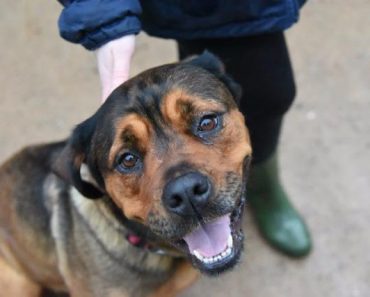
    Meet Precious!

    Precious is a 3 year old small, female Chihuahua cross Shih Tzu. She’s a girl of few words who’s looking for a home with lots of cuddles and in return she’ll repay you with bucket loads of love.

    Being so small, she’s looking for a home without larger dogs and would be best suited in a home without small furries.
    Find out more about her here: http://www.dogsblog.com/precious-5/

    Meet Sherman!

    Sherman is an adorable 14 year old Parson Russell Terrier boy who is in an Oldies Club foster home in Lincoln, waiting for someone to offer him a permanent home. He would make a wonderful companion for an older person who he can snuggle up with, once he trusts them. Life is very much on Sherman’s terms (and who can blame him!).

    Sherman’s favourite pastimes: Eating and sleeping, with occasional bursts of energy playing with his fosterer’s little Yorkie. He also likes squeaky toys, but they don’t last long.

    Sherman has been good with his foster carer’s grandchildren aged 10+. He should be fine to live with sensible older children who will allow Sherman to do his own thing.

    Find out more about him here: http://www.dogsblog.com/sherman-4/

    Meet Alice!

    Pretty Alice is a friendly and happy young medium sized tan and white 13 month old Podenco girl, with a cheeky loving character. A very lovely girl and standing about as big as a Springer Spaniel. She was abandoned in a box on the pavement outside a shop at only 4 weeks of age.

    She is very intelligent, and learns quickly and would easily take to obedience or agility. She has a comical air about her and she keeps her foster carers laughing with her antics. Alice loves her cuddles as you can see and is fine with other dogs but isn’t keen on cats (sorry cats!).

    Find out more about her here: http://www.dogsblog.com/alice-32/

    Meet Badger & Bowen!

    Badger and Bowen are two 10 month old Staffordshire Bull Terrier cross Sharpei’s brothers who are looking for a loving new home together. This beautiful double act have come into the Leicester centre as their owner could no longer care for them.

    They are medium sized, neutered dogs and such happy souls, full of spirit and can’t wait to get back into a home and a routine. They are very friendly, a little too enthusiastic sometimes but are just eager to love everyone they meet!

    They LOVE to play and would need a supply of non-destructive toys to enjoy and an active new home where they could continue their adventures together meeting new people and other dogs along the way.

    Find out more about the boys here: http://www.dogsblog.com/badger-bowen/

    Meet Cinnamon!

    Cinnamon is a gorgeous 6 month old female Lurcher cross with a Collie (we think). She is a wonderful, friendly, playful girl and all she wants to do is play, cuddle, run, play some more.

    She’s a fantastic all rounder, great with everyone and other dogs. What a super personality lovely Cinnamon has. Everybody who’s met her loves her – could she be the one for you?

    Find out more about her here: http://www.dogsblog.com/cinnamon-2/

    Meet Milo!

    Milo is a one year old standard Chihuahua, who is being fostered in South Wales but can be rehomed to the right home anywhere in the UK.

    Milo is large for his breed and there is potential that he has some terrier in him, but we are not 100% sure of this. He’s a gorgeous boy, who’s also a handful having no real manners and little socialisation until arriving in rescue. But he is young and so can be taught while he grows, and he’ll repay you in spades for all you teach.

    Milo is very active and loves going out for his daily walks and can walk for miles and miles. In the evening he is contented to curl up on a lap or sofa to watch TV with his humans.

    Find out more about him here: http://www.dogsblog.com/milo-159/

    Meet Holly!

    Holly is the most beautiful girl with ears almost as big as her personality, she’s just super. She is the most beautiful, obedient, Staffordshire Bull Terrier cross French Bulldog and we think she’s approximately 5 years old.

    She came to us from the council pound as an unclaimed stray, she was due to be put to sleep and so we took her in, as such we have no previous history for her.

    In foster care she is impressing everyone she meets, she is always on your lap wanting cuddles. She is fantastic on and off the lead, brilliant with other dogs but untested with cats.

    She is not food aggressive and will not steal other dogs food. She enjoys a good play session with a ball and is eager to please.

    Find out more about her: http://www.dogsblog.com/holly-153/


    You can find many more dogs of different ages and breeds all looking for a loving new forever home online at www.dogsblog.com

    #bring joy, adopt a dog!


  • Dogs & New Year’s Fireworks – Tips for a Calm House

    Dogs & New Year’s Fireworks – Tips for a Calm House

    In the run-up to New Years Eve/Hogmanay, Sainsbury’s Pet Insurance is reminding owners to take extra care of pets. The RSPCA estimates that 45 per cent of dogs in the UK show signs of fear when they hear fireworks.

    Sainsbury’s Pet Insurance offers the following advice for keeping pets safe over the fireworks season:

    If possible, walk your dogs during daylight hours when the risk of firework noise is far lower

    Keep pets indoors as soon as the outdoor light starts to fade

    Close the curtains and put on music to mask the sound of the fireworks

    If using fireworks at home, keep your pets in a room which is as far away from the noise as possible during the display, or perhaps, take them to a pet sitter.

    If your pet is distressed don’t be tempted to constantly cuddle or comfort them, this could be seen as rewarding their fearful behaviour.

    Try to play with them as a distraction technique: buy a new toy or pet treats in advance of the night. Reward them with pet treats when they settle down

    Make sure your pet is microchipped just in case they escape.

    More info: http://www.rspca.org.uk/adviceandwelfare/pets/general/fireworks

  • Can You Actually Believe How Many Pets Are Given as Gifts?

    Can You Actually Believe How Many Pets Are Given as Gifts?

    A 2015 report reveals a shocking 1.3 million people have received pets as presents – a 50% increase since 2012, new research by PDSA has shown*.

    The vet charity today urged people not to give pets as surprise gifts this Christmas, as findings from its annual PAW Report** highlighted that a lack of pre-purchase research could contribute to pet welfare problems.

    Dogs like Peggy are available for adoption.

    18 to 24-year-olds are twice as likely to have received a pet as a gift compared to other age groups***.

    Pets taken on with no research may miss out on what they need to lead healthy, happy lives and go on to become stressed, lonely, obese or aggressive, says PDSA.

    But purchasing pets on a whim is not confined to Christmas. The PAW Report – the largest annual survey into pet welfare in the UK and produced in conjunction with YouGov – revealed our ‘want it now’ consumer culture is evident in pet purchasing with over 4.5 million owners doing no research at all before getting a pet

    Commenting on the worrying trend, PDSA Head of Pet Health and Welfare, and vet, Nicola Martin, said:

    “PDSA is urging people to think long and hard before giving a pet as a gift. Our research reflects the nation’s love of pets, but receiving one out of the blue means the recipient is unlikely to be prepared for the commitment they will need to make for the lifetime of that animal. Pets become valued and much loved family members but they are a big responsibility. The novelty can quickly wear off if the owner is not fully committed, leading to pets having their welfare needs neglected or even in some cases being abandoned.”

    Nicola added: “Many people lead busy lifestyles; and impulse acquisitions mean that some people can be totally unprepared for the responsibility that owning a happy, healthy pet entails. Alongside this, the financial cost of owning a pet is often vastly underestimated, with far more to consider than just the initial purchase price. A cat, for example, can cost £17,000 over its lifetime, excluding unexpected vet fees for illness or injury. So it is vital that anyone considering taking on a pet spends time researching and choosing the right pet for their lifestyle, as well as considering the costs and time required to properly care for their new family member.”

    #PawsFirst campaign launched to tackle the welfare issues

    The charity has launched its #PawsFirst campaign, which highlights the problem of rushing into getting a pet without understanding their needs first****.

    PDSA’s #PawsFirst initiative encourages prospective pet owners to ask themselves if they are prepared for every aspect of pet ownership, challenging a developing culture of ‘click and collect’ for buying pets. And at Christmas time, this is more important than ever.

    “Introducing a new pet to your home requires thorough planning, preparation and time, which you’re unlikely to have during the hustle and bustle of Christmas. The festivities can be very stressful for pets, the noise and commotion can create additional worry for pets who find themselves in unusual surroundings. What they really need is peace and quiet while settling into a new home and routine,” said Nicola Martin.

    The charity is encouraging people to speak to their local vet practice for more advice before taking on a pet, or to visit a reputable online resource, such as PDSA’s website, which contains extensive expert information about popular pets and what’s involved in their care.

    #Pawsfirst and visit www.pdsa.org.uk/pawsfirst