Author: Jasmine Kleine

  • UK Dog Owners Will Spend Millions Entertaining Their Pets

    UK Dog Owners Will Spend Millions Entertaining Their Pets

    This year Britain’s dog owners are planning to make the most of the Summer months and lighter nights by taking more road trips with their dogs. However according to new research released from Confused.com, it comes at a cost.

    New research of dog-lovers across the UK commissioned by Confused.com has shown that we’re paying a high price for being a nation of dog lovers, with doggy days out costing dog owners over £18 million  in fuel bills. The UK’s lucky canines can expect to enjoy road trips averaging just over 75 miles a time to be taken to their favourite pet friendly place across the country and costing owners nearly £10 per trip.

    In fact, almost a third of dog owners surveyed said they are planning to make round trips of up to 101 miles, with 26{d4f4ff813a06e2c77cbb9c6effe011ebffe2f8986e44983e90e08c54deb62f63} to travel more than 201 miles.

    Surprisingly, not only is man’s best friend increasing their owner’s yearly costs but they are also affecting the type of car they buy too. A huge 66% of dog owners admitted to changing their vehicles for a more pet friendly mode of transport with reliability for longer distances.

    Forty-nine per cent of dog owners have considered the type of car they are going to buy with regards to the space it offers – and with 29% travelling almost every day with their dog, it is clear why this would be so important. If dog owners are thinking about space for their dogs they must also consider a dog’s safety.

    The vehicle of choice must also offer some form of ventilation and the dog should also be supplied with water on a regular basis. A dog must be able to stand up, sit and lie down in comfort on their doggy day trip and if possible dog owners should feed their dog as far in advance of travel as they can.

    With so many dog owners travelling hundreds of miles with their dogs they must ensure that their dog is looked after, and ensure they are healthy and clearly collared and tagged before they go on their road trips.

    Kate Rose, Head of Pet Insurance at Confused.com, says: “With 1 in 2 households owning a pet and 22{d4f4ff813a06e2c77cbb9c6effe011ebffe2f8986e44983e90e08c54deb62f63} of households now owning a dog, it’s clear we’re still a nation of animal lovers.

    “It’s really encouraging to see dog owners wanting to care for their pets properly, by taking them out on a regular basis and understanding that pets need a vehicle that has room to move.”

    “But it’s also important to be aware of the potential dangers when out and about with your dog on foot. Should your dog cause any incidents on its doggy day out, you as the owner are likely to be liable for the costs of any damage caused.”

    “Purchasing a pet insurance policy that includes third party cover will protect owners should the incident result in any property damage or personal injury, and it will also cover any legal costs that may arise from the incident. Pet insurance is that essential safety net should anything go wrong, so shopping around on a price comparison site will ensure you get the right cover at a great price.”

  • The Importance of Portion Control & Dog’s Food

    K9 Magazine addresses a really important issue – obese dogs = shorter lifespan.

    Ultimately, you'd be hard pressed to find any dog owner who didn't agree that giving their pet the longest, happiest, healthiest life is their single greatest aim.

    Well, poor portion control of food could be the single biggest contributor to causing a dog to gain weight and, as we all know, obesity is a silent killer.

    Link: Dog food & portion control.

  • Socialising Your New Dog

    Below are some helpful tips on how to socialise your new dog with existing pets in the household, with your friends, and with other people’s animals.

    Socialising a pup or a new dog is vital if you want the dog to be well mannered, well adjusted and pleasant to be around in the company of other animals and people.

    Socialising with Existing Pets: Make an initial contact with other dogs outside the home. If you can, take your existing pet (or pets) for a walk and have a friend meet you somewhere with your new dog. Take a long walk so the dogs can get used to each other. Switch dogs on your walk.

    Take all the dogs back to the house. Switch dogs and have a tour of your home, with all dogs still leashed. Let your existing house dogs loose, but keep the new dog tied to you. If the new dog tries to mark the house anywhere, correct him with a sharp jerk and a stern “No!” If any of the existing dogs try to mark, correct them in the same manner. Explain to all, in no uncertain terms, that marking will not be tolerated. In addition, when you feed the dogs be sure to feed the established pets first and stay near the new dog while he eats.

    Most established pets, if already well socialised, will enjoy a newcomer as long as the newcomer is friendly and is introduced in the manner described above. If adopting, ask their rescue for their best advice on introducing your new dog since they will have been able to assess your new dog’s actions and reactions in lots of situations before rehoming.

    Socialising with Your Friends: While puppies always generate warm feelings, adult dogs do not. It is especially important that they make a good impression on your friends and neighbours from the start, especially if you already have other pets. Set rules for your new dog immediately.

    No jumping on friends; keep your dog leashed the entire time friends are at home gatherings for the first few weeks to make sure your dog does not try to jump on them. No barking when the doorbell rings; no running out the door when you open it for guests; make him sit at your side and ask the guests to ignore him until everyone is in and he has a chance to evaluate the new people. Let him approach them for petting if he is calm; if not, wait until you have established the control you need so as not to make a spectacle of yourself and the dog.

    When he can accept guests, make sure he does so with all four feet on the ground. It is easy for a dog to try to explore with his paw as well as his nose. If you are firm and consistent from the first guest on, you not only will eliminate obnoxious behaviour but will instil acceptable behaviour. The end result: Your friends will welcome his addition to your family.

    Socialising with Other People’s Animals: The same logic applies here as with your other animals, so use the same type of rules. Take long walks on which you know you will meet friends doing the same with their animals. Contain and restrain your dog from barking at other animals as they approach. If necessary make him sit at your side.

    Always allow thorough sniffing from both animals, as this is their way of saying hi. If at all possible, invite friends and their animals back to your home and allow the dogs to play by themselves. This solves many problems the everyday pet owner may not think about and he will find the dog much more relaxed and easier to handle.

    Worth a read – puppy socialisation checklist

  • Dog Attacks -Why Blaming Breeds is Missing The Point

    Dog Attacks -Why Blaming Breeds is Missing The Point

    Dog bites are, in the main, avoidable and a better understanding of dog body language can help us get somewhere near to understanding the reasons and motivations for dog bites and serious dog attacks.
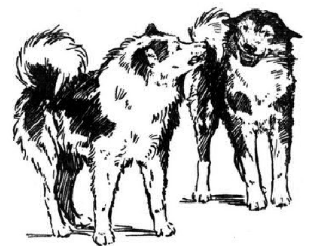
    Before we begin though, let’s ask – and try to answer – the question of whether dog bites are a breed specific problem.

    Dog Bites: A Breed Specific Problem?

    Across dog walking hot spots you will find a mixture of breeds, shapes, and sizes, often allowed to roam around off their leads in the open spaces.

    It can be very intimidating when a big, strong, dog approaches you and after a rise in the number of attacks by the popular pet, many people are calling for new measures to make sure that dogs are kept on leads. But are dogs being given a bad reputation unfairly?

    I myself am terrified if a large dog comes up to me as I walk my Collie cross on open fields near my home. However this never used to be the case.

    Around four years ago my family bought home a young male Weimaraner from the local dog’s home. At first everything was fine but after a few weeks things turned nasty. He went on to bite three members of the family, including me, meaning that we sadly had to send him back to the dog’s home.

    It was especially heartbreaking, as 99% of the time he was a normal, loving dog. Something seemed to snap in his mind, he’d have five minutes of savageness then return to being nice and look up at you with his soppy sad eyes. In my opinion this could only be put down to how he was brought up. The same as if a human was treated badly it could have effects later on in their lives and on their mental state.

    Despite how much I loved him and felt sorry for him it is the reason why I would never be able to trust a big, strong dog again. Just in case. I still hold the scars from his attack, and know that to have a dog’s jaw clenched around you is one of the most terrifying things that I have ever experienced.

    The argument for keeping dog’s on a lead is simple. A dog can turn nasty at any time, and recent reports of family pets turning on children is a clear example of this. When I am out walking my dog not only am I in fear for myself but also for my dog, as she is small, not big built, and would not stand a chance if attacked by a big dog, an increasingly likely event in today’s society in which many dogs are bread to attack.

    One breed in particular that has developed a bad reputation is the Staffordshire Bull Terrier. At all the local dogs homes inside almost every kennel is a dog of this breed or a Staffordshire Bull Terrier cross, with the amount of Rottweilers not far behind.

    Voluntary group and registered charity, Animal Lifeline, based in Stoke-on-Trent, Staffordshire has saved over 10,000 dogs since it was founded over thirty years ago. The group never puts a dog down and always has at least 100 dogs in its kennels waiting to be re-homed.

    Nick Fletcher from the centre explains why he thinks so many of these breeds get brought in: “We get all types of dogs in though there is a higher proportion of Staffies than there used to be. This is because the Staffy has become a fashion accessory for many young people, mainly young men. They then find that either the dog isn’t as fierce as they thought, and want to get rid of it, or their circumstances change, particularly if they have a partner. Young couples often have a dog until they have a baby, then they want to dump the dog. Also, many couples split up after a while and return to parents or go into rented accommodation, where they cannot keep a dog.”

    It seems that like with a lot of things in today’s world looks are more important than the dog’s behaviour.

    Nick added: “People often select a dog because of its looks, so smaller prettier dogs are always the first to be homed. Lovely dogs with nice temperaments are often ignored and remain in kennels for months just because they are plain in appearance.”

    It can be easily seen why these people think they look tough with one of these dogs when they are basically being used as a weapon. Some dogs go on to be re-homed and make loving family pets but others will never find a home ever again because of their vicious mentality from their upbringing.

    Despite their bad reputation, created through the media, Staffordshire Bull Terriers are in fact known as a trustworthy animal and sometimes referred to as the ‘Nanny Dog’ for their great affection towards children. Owners of so called ‘status dogs’ believe the facts and figures used in today’s news stories about dog attacks are unfair as the majority of attacks by smaller breeds go unreported.

    Daniel Berrisford, from Stoke-on-Trent, has owned two Staffordshire Bull Terriers and agrees that the negative press towards the breed is unfair.

    “I think the Staffordshire Bull Terrier is the same as any other dog; it all depends on how you bring them up as to how they turn out. If you bring a Staffy up to fight then they have the mentality to fight, however if you bring a Staffy up as a loving house dog that is what they will become. Both of the Staffies that I have had would not hurt anyone and I believe it is because they were brought up like that. I think that if you bring them up in the right way you will not find a more loyal and loving dog.

    “Some owners only have a Staffy or other strong dogs because they want to bring it up to fight and attack but I think that you could find any breed that has attacked somebody, so for a Staffy to have a particularly bad reputation is ridiculous.

    “Little dogs often come up to larger dogs and go to attack them, even if they are on a lead but because the bigger dog retaliates and can do more damage they get the blame. Smaller dogs should be kept on a lead just the same because they can cause just as much trouble.”

    The truth is that no dog should be branded a vicious breed when the victims of most attacks do not recognise the exact breed so stick to what they know, and certain dogs get the blame, the reason why there are no real statistics for dog attacks in this country.

    It is also difficult to distinguish what actually is an ‘attack’. A recent incident in my area occurred in which the police were involved as a dog had knocked somebody over and ripped a coat. A total accident in which the dog was playing, but accused of a vicious attack just for being a big animal.

    The truth is that however much the media tries to scare people about our favourite furry friends, the increase in ‘attacks’ has not risen that much and that dog attacks and collisions involving children have actually declined by approximately 18% over the last 10 years.

    With a UK dog population of around eight million, it is an issue that cannot be ignored. Measures need to be brought in to deal with the irresponsible owners who are giving all dogs a bad name, and to protect the public from them so that we can feel safe around the nation’s most popular pet again.

    K9 Magazine editor Ryan O’Meara outlines his thesis for our misunderstanding of canine behaviour, body language and intentions as a primary motivating factor in our failure to spot the warning signs of dog aggression.

    Understanding Canine Aggression

    In this report, you will learn about:

    Understanding errors of interpretation
    Understanding motives for aggressive behaviour
    Understanding how to minimise risk

    Summary:
    Misinterpretation of canine signals, body language and emotions due to anthropomorphic tendencies.

    Why do humans feel the need to attribute human qualities to animals in order to better understand or accept them?

    What emotions do dogs have? What we happen to presume about what dogs think is, by definition, open to interpretation and in reality unless dogs learn to talk we shall never actually know what dogs think, although we can, will and should speculate. Dogs dream, we therefore conclude they have ‘imagination’ what they dream about, we do not know. As much as we may not like to admit it, we understand dogs a lot less than we realise.

    Can dogs have a social conscience? If not they can’t possibly understand or display emotions such as guilt, shame, jealousy etc – all of which are traits often attributed to dogs in an increasingly anthropomorphic society which is conditioned to believe everything from gloved Disney mice to the socially conscious tales of Lassie. It’s little wonder we grew up with such a distorted view of animal emotions, motives and drives.

    It is my finding, having studied many dogs of different breeds in different environments that, whilst dogs are exceptionally responsive to our own emotions and body language, their own emotional spectrum is significantly different. This can be best addressed by asking the simple question; Does my dog really love me?

    Does My Dog Love Me?

    Considering how complex it is for us to understand such a powerful and misunderstood concept in humans, who have the power of speech and the written word to explain themselves, it is surprising how many of us assume that our dogs love us, love being with us and show loyalty to us for reasons equitable to those of a fellow human.

    The most probable answer is dogs do not ‘love us’ in the sense that we love them. They are hard-wired to appease us, to fit in with us and to display behaviours which suit us and our needs – it is the fact that we love them for this which often mistranslates as them performing these behaviours because they love us back.

    It is my view that canine emotions are expressed in basic forms. They may display many variations of these basic emotions. A dog can be fearful – and this can often be misinterpreted as guilt or shame. A dog may be fearful of losing rank, status or a tried and tested route to food – and this can often me misinterpreted as jealousy or envy of other dogs or people – it is still a demonstration of a variant of basic fear behaviour.

    It is us who attribute our social values and emotional structure to dogs in order to try and make them easier to understand. It is the dog’s unique ability to allow us to believe this that has to be part responsible for their successful relationship with man. The dog will be, whatever we want him to be. This is an error in translation.

    After all, if we were truly looking for a companion animal whose emotions were closely linked to our own, surely we would have domesticated the apes and we would now be talking about man’s best friend as a small, domesticated monkey. After all they have many of the same skills that dogs have, they are superior in intelligence, dexterity and trainability.

    Could it be that the reason dogs have slotted their paws so firmly under the table of man is because we can attribute any emotion they display as we please? If we say it, we can believe it to be true – with a dog – but with an ape, perhaps it is the fact that they ARE so much like us that it is harder for us to enjoy such a mutually fulfilling relationship with them?

    The dog, for want of a better description, will be anything we want him to be. They will play the role of court jester or funeral mourner, if they think it’s what we want. Perhaps it is this for reason alone that they have become the most successful socially domesticated animals on the planet. It is also possibly the reason why the more we think we know about them, the more we are kidding ourselves.

    The dog is, in my opinion, a still largely misunderstood animal. We control their environment, their diet, their stimulation, their entire lives – it’s little wonder they feel compelled to ‘love’ us.

    The perception problem: Dogs see our world from a different perspective. We can look at the same object or experience the same situations but our and their perception of both can be entirely different. There are various reasons for this. To understand what it is to see the world through the eyes of a dog we need to first accept the physical differences.

    They spend their lives between putting their nose to the ground and their eyes gazing upwards. For a dog, life is not conducted at eye level (like us) it is a story happening underfoot and events happen from way on high above. This very fact alone gives us a sense of different the world appears to a dog.

    We fail to acknowledge such a fundamental difference in perspective at our own peril. Understanding and accepting this literal matter of fact helps us to try and see things from the dog’s perspective. In the world of the dog, people are most often regarded as friends or are observed as neutral, non threatening animals. However, not all dogs share this view of all people and it is an extremely serious error for any person to assume it.

    Motives for aggression in dogs can vary and are dependent on a number of key factors.

    Genetics / breeding
    Social development in key life-stages
    Environmental factors
    Behavioural conditioning / reinforcement
    Perspective problems / misjudging situations
    Misdirection of drives

    A dog’s genetic make-up and breeding is a factor too often overlooked in instances where the less ‘extreme’ purpose bred dogs are concerned. A relative novice is inclined toward understanding that a Siberian Husky will not make an ideal pet for an owner who leads a largely urban lifestyle with little or no opportunity to provide regular opportunities for mental and physical stimulation.

    However where the edges begin to blur are with breeds (or cross breeds where breeding is unknown) which can often present an image which entices novice owners toward them without properly understanding the very specific lifestyle requirements the dog is likely to demand.

    It is the case in my experience that there are many dogs produced by people who do not have sufficient skills, experience or desire to fully comprehend the importance of identifying the suitability of the people they are supplying dogs to. Similarly, many dogs are bred with little or no attention paid to the quality of temperament within their breeding stock. Hence there is a perpetual problem – in select numbers – where unsuitable breeders supply unsuitable dogs to unsuitable new owners. Addressing this issue within the structure of existing UK legislation is not possible.

    Coming back to the central theme of under-prepared dog owners, failure to place significant emphasis or attention on the key life-stage development of dogs is a monumental failing.

    A Dog’s Key Life-Stage Phases:

    Aged between 6 and 16 weeks (extremely important)
    Aged between 16 weeks and 6 months (important)
    Aged between 6 months and 14 months (VITAL!)

    The average day of the average dog is spent waiting for stimulation or events which can break up the monotony of the dog’s normal routine. In some dogs, attempts to stimulate themselves or indeed relieve boredom can manifest in displays of destruction or even aggression. An owner’s failure to properly recognise the signs of problem behaviour, especially displays of aggression – even as a puppy – can encourage the dog to condition itself to responding to certain environmental events with aggression. Small, relatively unimportant events can spark an extreme response in a dog where inappropriate behaviour is left unchecked.

    Aggressive behaviours can be the result of misdirected drives.

    Example Scenario:
    A young dog – for the purpose of this example we shall say a West Highland Terrier – develops a habit of getting excited at 4.00pm each week day when the school children walk by on their way home.

    His initial response is curiosity as a result of what he sees an exciting visual stimulus in his otherwise relatively stimulation-free day. On some occasions the children notice the attention the dog is giving them and they tease him. His response is to bark and jump up at the front door.

    Over time this conditioned behaviour worsens. Each day he starts to bark, jump and claw at the door as soon as he sees any children in school uniform walking past. His owner’s response to this behaviour is to shout at him as and when he starts barking and jumping up at the door. His owner doesn’t re-direct the behaviour or address it in any other way other than to occasionally shout. Eventually the inevitable happens and the dog manages to escape through the front door when a visitor is leaving the house. He runs out in to the street and bites the first school child he reaches. His owner insists he has never done anything like this before (failing to recognise he had never had the chance before).

    This scenario above is a simple example of how behaviour left unchecked can result in an actual attack. The dog has displayed a clear misdirection of an intense prey drive which was initially piqued as a result of an unstimulated lifestyle and escalated as a result of both the uncontrollable element of the children who teased him but exacerbated by his owner’s shouting in response to his barking, which the dog reads as either a reward for his behaviour or sees it as his owner ‘joining in’ with his behaviour.

    The problem is confounded as the dog’s owner has failed to grasp the dog’s perspective of what is happening at 4.00pm each day – whilst his owner sees the behaviour as the dog just letting off some steam for 5 minutes per day, the dog’s perspective of the situation is far more serious – he is seeing the school children is prey items which should be pursued vigorously. The dog’s owner has not recognised the ‘value’ placed on the school children by the dog.

    The example scenario shows a failure to provide the dog with sufficient daily stimulation, a fundamental misinterpretation of the dog’s emotions (believing him to be ‘letting off steam’), a perspective problem (not recognising how the dog is viewing the school children) and a failure to re-direct a very prominent prey drive behaviour, resulting in a completely avoidable dog attack.

    Aggressive behaviour should always, without any exception, be referred to professionals starting with an assessment by a veterinarian to check that there is no medical issue causing the dog’s behaviour.

    The key to educating the public about aggressive behaviours in dogs is to impress on dog owners the need for the following:

    Initially be aware of how to identify a responsible, high quality dog breeder or rescue shelter
    Learn to understand canine emotions and body language. Avoid anthropomorphic errors.
    Be aware of the importance of critical key-life stages in the dog’s development
    Understand and implement bite inhibition techniques early and maintain them
    Provide sufficient stimulation and recognise the role environmental conditioning plays
    Understand canine drives and redirect undesirable behaviour as soon as it manifests

    In simple terms:

    Learn to understand the dog, don’t assume. Provide exercise and stimulation appropriate to the breed and the dog’s individual personality. Learn to recognise misdirected drive. In even simpler terms: dog bites and dog aggression are not breed specific, they are dog (and owner) specific. Dogs are the product of their genetics, upbringing and environment. Irresponsible supply of dogs is a major contributory factor as is the continuing failure to properly understand how dogs think, why they behave as they do and, more crucially, a failure to spot early warning signs of aggression or, more unforgivably, a failure to take appropriate action as and when a dog does show signs of aggression. Risk assessment is often poor in cases of serious dog attacks on children. Owners often misplace trust in their pets when they have no good reason to, particularly if a dog has never been exposed to certain scenarios in the past (e.g. young children visiting the home of a dog who is not used to them).

    Dog bites and dog attacks can be largely avoided. Breed bans have been a monumental failure to address the problem of serious and fatal attacks and serve as an ongoing reminder that it’s not just dog owners who misunderstand the primary causes of dog bites, legislators are as guilty of this and that, quite frankly, is unacceptable. If we really want to understand and reduce dog bites, we have to do more to better understand our dogs, properly train them and put ourselves in a position to understand and mitigate risk factors.

    © Ryan O’Meara. All rights reserved.
    You may re-distribute this white paper
    provided all credits and attributions are maintained.
  • Make Ugly Faces at Dogs, Go Straight to Jail!

    Make Ugly Faces at Dogs, Go Straight to Jail!

    They say ignorance of the law is no defence and as a person who prides himself as a good, law-abiding citizen and responsible dog owner I felt it necessary to arm myself with as many legal facts relating dogs as I could. Lucky I did. Would you believe how close I came to making funny faces at a dog the last time I visited Oklahoma? This is, of course, against the law as I’m sure you already knew.

    Dog Laws

    Fortunately for you lucky readers, thanks to my legal delving you too are now free to travel the world safe in the knowledge that you absolutely must not, under any circumstances and no matter how tempting, allow your dog to smoke a cigar in Zion, Illinois or you surely will find yourself in serious hot water. Phew! I’m sure you’ll agree, this article is an obvious candidate to be cut out and kept safe. You never know when you might need to refer to it in the future.….

    California

    In some areas of California, animals are banned from mating publicly within 1,500 feet of a tavern, school, or place of worship.

    Ventura Country, California

    Cats and dogs are not allowed to mate without a permit.

    Hartford, Connecticut

    It is illegal to educate dogs.

    Northbrook, Illinois

    It is illegal for dogs to bark for more than fifteen minutes.

    Zion, Illinois

    It is illegal for anyone to give lighted cigars to dogs, cats, and other domesticated animals kept as pets. (Cigarettes are perfectly ok we must presume?)

    Palding, Ohi

    A police officer may bite a dog to quiet him.

    Oklahoma

    In some areas of Oklahoma: People who make “ugly faces” at dogs may be fined and/or jailed.

    Dogs must have a permit signed by the mayor in order to congregate in groups of three or more on private property. (Quite right too. Why can’t our Government act tough to combat the problem of canine hoody gangs congregating outside my local supermarket? Excellent forward thinking legislation.)

    North Carolina

    Laws applying to some areas of North Carolina prohibit fights between cats and dogs.

    Michigan

    It is illegal to kill a dog using a decompression chamber.

    Fort Thomas, Kentucky

    Dogs may not molest cars. (Why can’t every country bring this law in? It seems I can’t drive anywhere these days without some Labrador lothario or macho Manchester Terrier trying to get intimate with the back end of my Lexus.)

    Anchorage, Alaska, United States

    No one may tie their pet dog to the roof of a car. (What, not even if they’re trying to molest it?)

    Belvedere, California, United States

    “No dog shall be in a public place without its master on a leash. (Think about it.)

    Denver

    The dog catcher must notify dogs of impounding by posting, for three consecutive days, a notice on a tree in the city park and along a public road running through said park. (Now that’s a law that makes total sense. At least if the dogs can read about their likely impounding three days ahead, they can seek alternative accommodation before the worst comes to the worst.)

    Illinois

    It is illegal to give a dog whiskey (Presumably a Vodka chaser is acceptable though? We don’t want to be accused of cruelty here.)

    Chicago

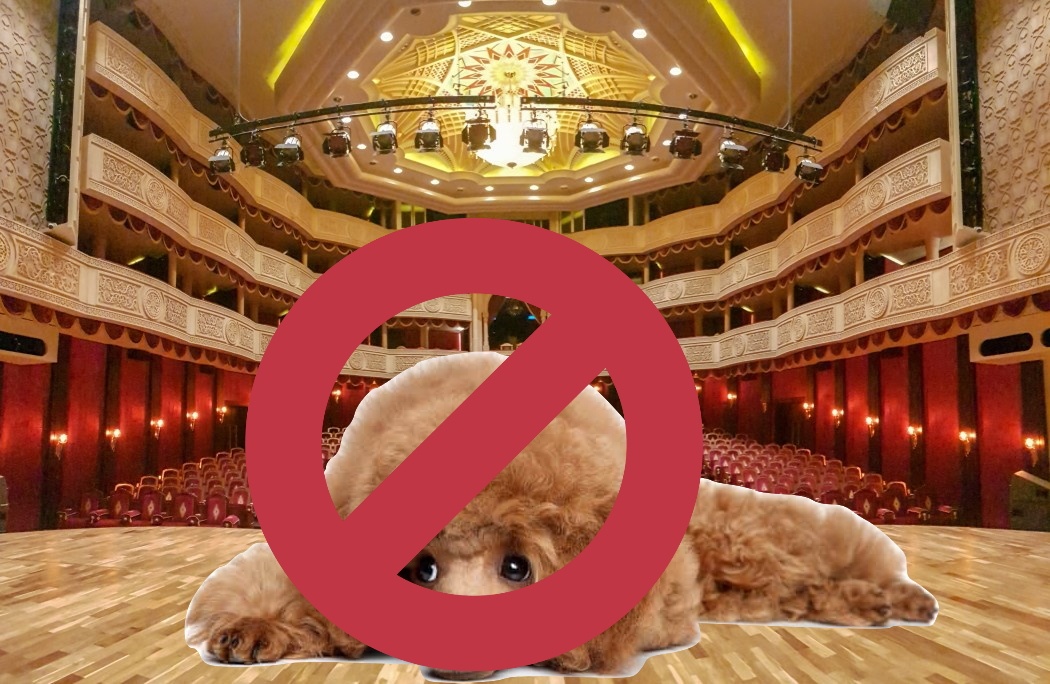
    It is illegal to take a French poodle to the opera. (Well that’s obvious. I thought this was all about crazy dog laws so how did this one creep in?)

    Have you heard of any dog laws crazier than this (well, apart from breed specific legislation of course)?

  • What Are The Best Selling Dog Toys?

    Dog toys have taken on a life of their own. The market for dog toys gets bigger and broader each year as modern dog owners look for the latest, greatest, best dog toy that is going to make their dog smarter, entertain them longer or simply draw a smile. US-based BestFriends General Store has been selling dog toys online since 2002 and they have put together their list of their biggest and best dog toys of the year.First on the list are Egg Babies Replacement Eggs, by Kyjen; they make the list every year.

    Second is the Oy Vey! Gefilte Fish by Multipet. This talking fish is fun for people as well as their dogs.

    Third are the IQube Replacement Balls, by Kyjen. These dog balls are fun with or without the IQube dog puzzle.

    Babble Balls come in three sizes and three different sounds; however, the small Talking Babble Ball, by Pet Qwerks, is fourth on the 2009 list.

    Tyler Gobbling Turkey, by Multipet, is a fun voice chip dog toy, and it is fifth on the list.

    Sixth is the 14-inch Push-n-Play Jolly Ball, by Jolly Pet. This is the largest-size durable dog ball on the market; plus, all Jolly Ball dog toys are made in the USA!

    Sweet singing Awreatha the Christmas Wreath, by Multipet, is seventh on the list; it plays a music-box version of “We Wish You a Merry Christmas.” Eighth is the perfect Hanukkah dog gift, a singing Hanukkah Dreidel, by Multipet.

    The Hide a Squirrel Plush Dog Puzzle, by Kyjen, always makes the list, and it is number nine for 2009.

    Dogs who love noisy dog toys love the Deedle Dudes Cow by Multipet; that is why it is number ten this year.

    Number eleven is REPLACEMENT Squirrels by Kyjen.

    The BARKING Shaggy Christmas Dogs, also by Kyjen, bark Christmas carols and are twelfth on the list.

    Numbers 13 and 14 are both by Party Pets; the Ball Jack and the Bungee Octopus are classic bright-colored dog toys.

    Fifteenth on the list is Trap Mouse by Ty Bow-Wow Beanie Babies. Bow Wow Beanies are one of the best dog toy values — they are made from quality plush and not only have a squeaker, they have crinkle paper, too!

    Another Multipet Look Who’s Talking made the list, at number 16: the crowing Rooster, which makes a realistic crowing sound.

    A new plush dog puzzle, the Magic Hat with Rabbits, by Kyjen, is seventeenth on the list.

    All Nina Ottosson Zoo Active dog problem-solving puzzles are very popular; however, the Dog Tornado is number eighteen on the list. One of the Dr. Noys’ Toys always makes this list.

    This year the Extra Small Duckie Duck is number nineteen. Dr. Noys’ Toys have little or no stuffing, and they have replacement squeakers, too!

    In at number twenty is the Sheep Bottle Buddies. Water bottle cover dog toys are so popular because they never stop their crinkly sound.

  • For Better Dog Training Results: Understand Your Dog’s Hearing Ability

    For Better Dog Training Results: Understand Your Dog’s Hearing Ability

    A dog’s keen sensitivity to low-volume sound is often troublesome. They can hear a faint sound at 75 feet, while most humans could only detect it at 17 feet. This indicates that a dog must learn to ignore myriad sounds that do not affect him, and accommodate to a veritable avalanche of sounds in a family household, such as television, radio, stereos, etc.

    However, when this sensitivity is translated to phobic behaviour relative to, say, thunderstorms, it indicates that dogs may hear the thunder of an approaching storm over 50 miles away, while the sky is still clear. If a dog has a history of becoming upset by thunder or other explosive sounds, he may become increasingly anxious as the storm nears, salivating, pacing, hiding, seeking comfort if the owner is home, or escaping.

    This sensitivity may also explain why “desensitizing” techniques, such as playing recordings of thunder at low levels, rarely succeed. Audio speakers are not designed to produce volumes softer than humans can perceive. Also, storm activity is generally preceded by elements to which dogs and some other mammals appear to be sensitive. Merely producing low-volume thunder claps may not fulfill the total stimulus complex required to achieve desensitization.

    But such programs are usually more successful with dogs than fear gunshots or other loud noises. However, even with storm phobias, if we can change their emotional interpretation of such stimuli by providing a behavioural example, rehabilitation is generally quite successful.

    An important auditory/learning tendency in dogs is to quickly develop a motor movement response to a sound stimulus when the sound is accompanied by a visual signal. In other words, dogs tend to move their head, ears, eyes or other body part in response to sound accompanied by movement. This leads to some problems if owners are not aware of this mechanism, but it facilitates training for those who use it properly.

    Two examples typify common problems. The first is the owner’s tendency to raise his hands while telling a jumping dog, “Down!” Raising the hands not only causes reflex movement upward, but also encourages the dog to continue jumping. The usual outcome of this sort of mis-teaching is an owner who resorts to punishment, such as kneeing the dog in the chest or pushing him down, and a fully confused dog.

    Effective use of this learning tendency involves moving the hands abruptly down and/or toward the dog while saying “Down.” Even more effective is to apply the movements without speaking, and to praise the dog’s downward response. In this way the situation itself becomes the conditioned stimulus to stop or not start jumping.

    The second problem occurs when owners try to teach their pet to “Come” as they lean or move toward the pet. Both movements visually instruct the pet to stay or retreat. Most owners end up approaching the pet and often punishing him, or giving up. A better method is to abruptly lean or move away or crouch down with one side of the body toward the dog and praise the first signs of approach by the dog.

    This method facilitates initial learning, even in adult dogs that are resistant due to improper training. This type of initial training, in which the dog actively performs the proper motor responses, is much faster than those that force passive movements through physical manipulation by the hands or leashes.

  • My Dog is Nervous, What Can I Do?

    Owning a dog with a predisposition toward nervousness is not an insurmountable obstacle. These top tips should help.

    5) In situations where your dog shows fear towards strangers or visitors to them home, try and explain to visitors that you would prefer if simply ignored the dog completely, not even looking at the dog once or paying them the slightest bit of attention. Very often visitors feel the need to try and ‘comfort’ the dog and this can lead to the dog feeling even more threatened. 

    http://i.imgur.com/K2LQJ.jpg 

    Once the dog has learned not to react at all to visitors, ask the occasional ‘dog-knowledgeable’ guest to nonchalantly and without any ceremony, simply drop a treat by the dog and then walk off in another direction. It is important they don’t try and make a fuss of the dog or offer the treat from the hand. Doing this regularly with different guests will accustom the dog to the idea that all visitors are not intruders to the ‘den’ and they are not intent on causing harm to the dog or his pack. 

    4) Complimentary therapies and treatments can be very helpful for aiding nerves. Diet also plays an important role. If a dog is unusually nervous, listless, depressed or lacking coat condition a change of food may be in order. There are specialist dieticians and holistic vets who may be able to greatly increase your dog’s physical and psychological well-being, thus improving the dog’s confidence and reducing nervousness. Try the Internet or Yellow pages and look for holistic vets and animal dieticians. 

    3) Keep in your mind at all times how your body language impacts the shy or nervous dog. You are a very large creature with an ability to make all sorts of frightening noises (hoovers, washing machines, shouting at the TV). Imagine another creature that was the equivalent distance in size to what you are to a dog and you will have an appreciation of how the shy or nervous dog may see you. 

    Now imagine that creature ‘bearing’ down on you with wide eyes, a booming voice and hands the size of saucepans on their way to touch your face. Frightening isn’t it? Well, to a shy or nervous dog that can be how they see the world of humans and your body language can be interpreted wrongly by the dog. 

    The fact that you are so much bigger than him and the fact that people at large generally have a tendency to approach dogs from a standing position thus bearing down on them can make the world a scary place. Always try and narrow the size difference with a nervy dog by getting down to their level. Avoid direct eye contact at all times, don’t wear sunglasses (to a dog, they look like a pair of wide, staring eyes that never go away) and remember how the dog sees the world from different angles than you. Body language is vital in helping nervous dogs overcome their fears. 

    2) Make use of other dogs. Dogs, as a rule, will copy and emulate their canine counterparts. If you have a nervous dog it can be a wonderful experience for him or her to meet a carefully selected friend. Just one other dog to begin with. Let them play, let the explore and the nervous dog will very soon begin to absorb the confidence of their bolder playmate and mimic their behaviour around people. It may take a while but regular ‘play sessions’ with other dogs can be the ultimate technique for curing many of the nervousness dog’s hang-ups about life. 

    Ensure the play mate is well selected, is playful but not boisterous and has no aggressive tendencies. Don’t, under any circumstances try and help a nervous dog by introducing them to an equally nervous playmate, it will double the problem. Meeting other dogs is a pastime best done socially where a ‘screening’ process can take place. Taking a nervous dog somewhere where there are likely to be lots of other dogs can be problematic. Explain your problems to friends, family, co-workers and be honest about your need to find a well-mannered, confident dog for yours to play with from time to time. 

    1) Consistency is a word used by all dog trainers and behaviour experts on a, well, consistent basis. Never is it more pertinent than in the case of the nervous or shy dog. You may be an erratic person, disorganised, impulsive, loud, prone to bad moods or shouting with none of these characteristics meant for the dog’s consumption. However even the most ebullient of pooches will catch the vibes if something’s ‘up’ in the household. 

    Ensuring stability, calm and an even tempered approach to home life will not only allow you to live longer and avoid an ulcer it will, above any other training tip or technique, help the more nervous of dogs to adjust to the world. Be patient, be calm, be understanding and be empathetic towards the dog’s disposition. Even if he or she has done something particularly naughty you must accept that there are certain ways to correct the problem that may work on 99.9{d4f4ff813a06e2c77cbb9c6effe011ebffe2f8986e44983e90e08c54deb62f63} of dogs, even on dogs you have previous owned, but on THIS nervous or shy pet, the wrong response from you could literally kill their spirit.

  • Understanding The Canine Emotional Spectrum

    Understanding The Canine Emotional Spectrum

    Trying to determine if your dog is experiencing anger, love, or any other “human” emotion is difficult. To date, no one has been able to provide convincing scientific evidence that we can distinguish one emotion from another by what our brains or hormones do. We obviously feel differently when we’re in a loving versus an angry mood; however, what our brain does to influence us to feel those very different emotions is less clear.

    Nonetheless, we believe that our pets love us, they appear to be embarrassed when we dress them up in silly clothes, and they certainly look like they’re feeling guilty after doing something wrong.” But do they know right from wrong, and when they do the wrong thing, do they really feel guilty?

    What would it take for us to be convinced that our pet actually experiences a specific emotion? Is it possible that his appearance, the way he looks in his body language and behaviour, leads us to confuse guilt with submissive, defensive behaviour? Do we think that he’s experiencing guilt from the way he looks or from the situation that seems to call for guilt? Do we think that our dog actually feels emotions such as guilt, love, shame, hope, pride, relief, regret, or revenge? It’s an interesting question, and behaviourists are still working on it. But let’s look at it in terms of revenge.

    When we think of getting revenge against someone who has “done us wrong,” we think of doing something to get back at the person. We decide on the appropriate revenge by imagining how it would make the person feel to have such-and-such happen to him. If we think it would really make him feel bad, and it would get back at him in an appropriate way, it makes us feel good, even if we just imagine it. We don’t actually need to get revenge, we just need to imagine his reaction if he were to get what he deserves.

    Your dog probably doesn’t have the ability to imagine how you would feel if he were to soil your bed as revenge for leaving him alone all weekend. And he probably wouldn’t chew your favourite shoes as revenge for locking him in the bedroom and keeping him from enjoying that piece of chicken you had last night. The ability to look into another’s psyche to imagine one’s emotional response to a planned endeavour is what behaviourists call revenge. Revenge requires a “theory of mind” that dogs do not have.

    Dogs see the world from their perspective. That’s why arranging their daily lives from their point of view works so well. Not only would it seem strange to understand why you won’t give him a dog biscuit before dinner because it would spoil his appetite, but it would seem even more strange if he is seen planning something later that evening to make you feel bad in some way for your stinginess. Yet we often find ourselves believing that this is exactly what our pet must have done when we discover that he’s chewed our best shoes. In reality, our pet’s behaviour is probably caused by a disruption of his routine, an increased arousal or excitement, or a way to relieve discomfort or frustration.

    Now that you understand your dog’s emotions, you can go about changing them to create a mood that is incompatible with the mood that drives his misbehaviour. The concept is called the principle of competing motivations: A dog cannot be angry, fearful, or depressed and happy or exited at the same time!

    [note color=”#FFCC00″]A test for the observant dog experts: can you explain what, exactly, is ‘unusual’ about the picture of two Labradors featured above? Submit your theories below in the comments section :)[/note]
  • How Do I Stop My Dog Chasing Cows?

    How Do I Stop My Dog Chasing Cows?

    “I live on a cow farm and my dog is a Samoyed. Every once in a while he gets out and chases the cows and we are afraid that one of the cows will fall and break a leg, or fall and injure the dog. Can you tell me a way I could break his habit of chasing cows?”

    http://i.imgur.com/jelji.jpg

    Answer:

    For most dogs there is a possible answer, but your Samoyed is in a different category than most breeds. Perhaps you are unaware that your Samoyed’s ancestors were charged with the responsibility of going out on their own – unattended by humans – to round up reindeer and heard them back to the camp.

    This herding instinct has not been lost to the Samoyed down through the ages, and has in fact remained surprisingly strong.

    To attempt to break your Samoyed of responding to the natural instinct could quite possibly have an adverse affect on his mental processes. I would suggest that you first enroll your dog in an obedience training class. Once thoroughly trained in basic obedience, you can then find a specialized instructor that may be able to instruct you on how to curb your dog’s appetite for herding.
    [redirect url=’http://www.dogtips.co/the-link-between-dog-food-bad-behavior/’ sec=’3′]

  • How to Keep Puppy Learning Fun & Entertaining

    How to Keep Puppy Learning Fun & Entertaining

    Looking for fun games that your puppy can enjoy? Check out these tantalizing activities that you can get a puppy of any age involved in.

    Grooming Made Fun

    Probably one of the most important things to do is groom and brush your puppy. So what better way to start on the right foot than to make it a pleasant experience?

    It is important to teach skills like staying in place. Also of great importance is to get the puppy used to being touched all over and yet be relaxed the entire time. This grooming/touching procedure will create a tight bond while allowing the owner to maintain dominance over the puppy as it grows into an adult.

    This is important since there will always be nails to cut and teeth to clean, as well as rules to follow. Fun grooming practice builds a foundation tolerance within the young pup.

    It’s Circus Time!

    Puppies like jumping so why not play bar jumping games, just like they do at the circus?

    The first thing to do is walk over the jump with your puppy. The pup will probably follow at your side. If the puppy doesn’t want to go over the jump with you then encourage your puppy over the jump with a treat. Be sure to start with the jump on the ground, then increase the height as the dog’s skill level develops.

    Hide & Seek, What A Classic

    Who doesn’t like hide and seek?

    Playing hide and seek with your puppy can be loads of fun while at the same time introduces the puppy to the come command.

    First you need to have a leashed trained pup or one that can obey the sit/stay commands. Put the leash and have a friend hold the puppy, or if the pup can obey the sit/stay command without a leash then that is just fine.

    Hide close by, like behind an open door or a small piece of furniture. If playing outside then get behind a bush or tree. After a short amount of time, call the puppy in a playful tone of voice. Make certain that the leash is not being held.

    Once your pup finds you, give him a treat and/or simply tell him how good he is and love him.
    You should attempt to move farther away and making finding you more difficult as your pup’s skill increases.

    Let’s Go On A Treasure Hunt!

    Finding toys and objects is another classic activity that can be fun for your puppy.

    First, put your pup on a leash and tie it securely to a chair. Then place many toys and other objects on the floor while the puppy watches.

    Now go see your puppy, but have a toy that your pup likes in your hand. Just hold it while the pup observes for a minute and then toss it into the pile of stuff you made on the floor. Now let your puppy go and say repeatedly “Fetch, boy Fetch!”

    When he goes to hunt down the toy you were showing him be sure to give positive reinforcement and lots praise. Eventually you will be able to have your puppy sniff one object for a few seconds and literally dig it out of anywhere you hide it.

  • 11 Dog Grooming Tips Professional Dog Groomers Swear By

    11 Dog Grooming Tips Professional Dog Groomers Swear By

    When we think about dog grooming, we often picture Poodles, Pomeranians and posh pooches. But grooming is essential for all dogs. Dogs skin and coats are a vital health concern for dog owners to consider.

    When it comes time to brush up on your dog’s grooming, here are some helpful hints.

    1. Select a brush that is intended for your dog’s hair type. Brushes with bristles that are farther apart, such as pin brushes, are useful on dogs with longer, thicker hair, while brushes with shorter, harder bristles are useful on shorthaired dogs.

    2. If you’ve purchased your dog from a breeder, ask the breeder what kind of brush is best to use on your breed.

    3. Wire brushes and slicker brushes help remove dry, dead skin from your dog’s coat along with the excess hair. Getting the hair out of the wire brushes and slickers once you’ve groomed your dog can be difficult if not impossible. To help remove the hair deposits on the wire brush, use a toothpick between the bristles.

    4. An alternative to a brush is a grooming glove that you wear on your hand. The tiny prongs on the glove’s surface remove dead hair as you gently stroke your dog. Pull the hair off for disposal in the trash.

    5. An undercoat rake will help remove the undercoat of hair on your pet that typically knots up. Note: If you are showing your dog, make certain that removing the undercoat of your dog’s coat is acceptable for the show ring.

    6. To remove excess loose hair from your dog, wrap masking tape around your hand and run the tape lightly over his coat.

    7. Massage your dog with dampened hands after you take a shower or bath to remove excess hair.

    8. A damp rubber glove will help remove excess hair from your dog as well as your furniture.

    9. If your dog enjoys being massaged, purchase a battery-operated massager or one that also functions as a brush and a way to collect loose hair. The gentle sound relaxes tension and the massage soothes sore muscles as you groom your dog.

    10. Vacuuming hair from your dog helps when shedding season arrives and prevents some of it from attaching itself to your furniture. Some dogs like the vacuum cleaner; others don’t. To accustom your dog to the vacuum being gently run over his coat, begin using it when he is a puppy.

    11. If burrs have become tangled in your dog’s hair, crush them with a pair of pliers before brushing them out. Another method of removing burrs is to first saturate them with white petroleum jelly or mineral oil, then work them out of your dog’s hair with your hands.

  • Why is My Dog Panting?

    Why Do Dog’s Pant?

    Unlike horses and indeed us humans, dogs do not sweat through the skin; they sweat through the tongue and nose, so that when a dog is panting, he is not necessarily thirsty. He is just sweating.

    Naturally if exertion makes a dog pant for long, he loses fluid, which he will have to replace by drinking water. Panting does not necessarily mean thirst, but a thirsty dog will pant.

    Why is my dog panting

    Excessive panting may indicate distress, and dogs should be taken into a shady or cool place or they may get a heatstroke. It is not unknown for dogs to die at shows in hot weather from heatstroke.

    If a stroke is threatened, immediately put cold compresses to the dog’s head or, if the temperature is extremely high, immerse the dog in cold water until the temperature is reduced to about 103°, which is fairly safe for a dog. Of course the animal must be dried off, or chill may result. If the animal has not lost consciousness, cool drinks are invaluable.

  • Feeding Older Dogs

    Feeding older dogs doesn’t have to mean drastic changes. Obesity is possibly the most common health related problem to affect dogs as they get older. An overweight dog is an unhappy dog and subsequent health problems can drastically reduce a dog’s life and render his later years void of any real quality. The key is to be aware of nutritional requirement changes when feeding older dogs, adjust slowly and gradually and keep on top of your older dog’s specific feeding requirements on a regular basis.

    Feeding Older Dogs: Nutritional Requirements

    All dogs relish a tasty treat and they are an excellent way to reward good behaviour, but if overused your dog could end up suffering from obesity before you even realise you are spoiling him. It is important to pay close attention to your dog’s diet for many reasons, but particularly if your dog is overweight. A balanced diet is essential to keeping a dog fit and healthy.

    Feeding Older Dogs

    Modern prepared foods contain an adequate supply of essential nutrients without too many calories, as do many home mixed diets. Complete, dry dog food is popular today, as it is an easy to prepare meal which contains a good supply of all the right nutrients. Commercial canned foods, whether mixed or on their own, are a good source of nutrition and are easy to prepare and store. Some dog owners favour a nutritional supplement to add to the dog’s meal, rice is a good source of carbohydrates and is easily mixed with other foods.

    Feeding Older Dogs: Be Treat Aware

    Certain treats make a nutritious supplement to a meal and also serve as a good reward for him, but dog biscuits alone to not offer adequate nutrition to be served as meal on their own.

    The majority of young, healthy and active dogs are at a low risk of becoming overweight as most of their calorific intake is used during play but as they get older and their metabolic rates slow in conjunction with a decline in expended energy, the chances of calories leading to a piling on of the pounds grows higher every day.

    If you have ever taken your dog off the lead in a large forest or field you will have noticed that they will always do more miles than you because they run off and come back as you are walking and thus for every mile you walk, they will normally RUN four!

    This is one of the reasons that young, active dogs stay healthy whether their diet is perfect or not. But there will come a point in the dog’s life when he or she is unable to do as much exercise so it is important to control the diet accordingly.

    Scroll down for some expert nutritional advice in our Q&A with Suzie from  Pawtions.co.uk about the benefits of portion control

    feeding older dogs

    Monitor Lifestyle Changes in Your Older Dog

    During the more active years, it is still important to take care of your dog’s diet to ensure that they are receiving a good balance of protein and other valuable nutrients. Your vet will be able to advise you on this matter should any uncertainty arise.

    You may not notice it at first, but should your dog become obese there are certain tell tale signs apart from the obvious physical weight gain. A diminished level of activity not conducive to their age is always a cause for concern, but a likely cause is that he or she has put on a little weight.

    Another symptom is laboured breathing. If your dog struggles for breath after an activity which he or she could once perform effortlessly then perhaps it is time to get the scales out.

    Avoiding Weight Gain in Older Dogs

    As a dog owner it is often difficult to notice if your dog is putting on weight because you see them every day. Paying close attention to other elements of their physical state may enlighten you to any weight problems.

    As the majority of dogs become less and less active in their later years it is often difficult for them to loose weight through increased exercise, so it is up to you as an owner to monitor and control what your dog eats. Prevention, as is so often the case, is better than cure, especially when it comes to a more senior dog and weight control.

    A good way of monitoring weight is by simply reducing portion size. It is often the case that a regular portion of dry or complete dog food offers more than enough nutrition and therefore it is quite possible to reduce the meal sizes without affecting the nutritional intake of the dog. In this day in age, with the science behind many commercial pet foods, you may be able to find the perfect, balanced diet your breed of dog needs, relating to their age, on your supermarket or pet shop shelf.

    Target Weight When Feeding Older Dogs

    You should have a target weight in mind and plan thoroughly to ensure your dog does not err over or above it to any great degree. Your vet should be able to advise what your dog’s ideal target weight is – don’t go on breed averages – one Labrador could be as many as 10lbs heavier than another yet still be perfectly fine weight wise.

    If your dog has put on a few too many pounds as they have gotten older, a diet is needed. Unlike us, a dog is unable to steal biscuits or cakes in the middle of the night so they are not reliant on their own will-power to lose weight, they are reliant on YOU ensuring they don’t become dangerously obese, so don’t give in to his pleas for a chocolate digestive every time you go to the kitchen!

    As a dog owner it is important for you to be disciplined. Your dog will probably not notice the reduced size of his meals. But you will, so ensure you don’t sneak him a treat unless you have reduced a similar amount of calories from his main meal – it’s a balancing act of which you have complete control and your dog is relying on you to get right.

    Older dogs have special needs in many areas and diet is one of the most important.

    Don’t let your dog’s later years in life be ruined by health problems that can easily be avoided when it comes to weight, too many calories or general nutritional mismatch between your dog’s age and their specific daily nutritional requirements. If you feed a natural diet, monitor the volumes. If you feed a commercial pet food, make sure you have the most suitable one for your dog’s age, weight, breed and activity level. When it comes to feeding older dogs, the science is all there, you just need to follow it.

    Expert Advice from Suzie, Pawtions Veterinary Nurse and Nutritionist

    feeding older dogs

    Why is portion control so important for dogs?

    At Pawtions we believe that portion control is very important to maintain a healthy life for each and every dog. When faced with the massive choice of dog foods available to us, it is very easy to become confused when trying to work out how much food our dog actually requires. Feeding guidelines are often very generalised and can’t take into consideration your dog’s age, breed, level of exercise, or whether your dog has been neutered.

    We often over-indulge our dogs out of love, but a quick treat a little too often or a bowl of leftovers from your own meals may lead to dietary problems or your dog becoming overweight. This can also upset the careful balance of nutrients provided by the dog food. By feeding a portion size which has been recommended for your individual animal – such as that provided by Pawtions – you know that you are providing enough nutrients, vitamins and minerals to meet your dog’s unique needs.

    In their PAW report of the last year the PDSA assessed the weight and general health of nearly 30,000 dogs across the UK. They discovered that 35% of UK dogs are overweight. This is a very alarming figure, especially when we consider ourselves a nation of dog lovers. An overweight dog cannot possibly enjoy life to the full, is likely to encounter more health problems, which may sadly lead to an early grave.

    What are your key priorities when choosing the perfect plan for dogs from Pawtions?

    We understand that all dogs are unique, so we make sure we have all the information we need to really help us to understand each dog better.

    By asking the owner relevant questions about their dog, our veterinary nutritionist can work out the portion size for each and every dog individually. This takes the confusion away from the owner when trying to work out how much food their dog actually needs. It also means continuity in the household when the job of feeding pets is shared by several people.

    In order to provide customers with a recommended feeding plan, we ask them to provide us with vital pieces of information including:
    • age
    • breed
    • weight
    • sex
    • whether your dog is neutered
    • daily exercise
    • physique
    • any special dietary requirements
    • your preferred flavour

    It’s very important that the information customers provide is as accurate as possible and also kept up to date. We recommend that owners regularly weigh their dogs so that we can change their portion size should their nutritional requirements change.

    However, the Pawtions perfect plan isn’t just about the food! We also include treats, poop bags, flea and wormer treatment (just when they’re needed) and free gifts to provide a complete care package.

    Do you think age and breed make a difference in selecting the right diet for your dog?

    Yes, definitely! By telling us your dog’s breed we are able to check whether this falls into the recognised weight bracket. If the dog’s weight doesn’t fall within this bracket, we discuss this further with the owner, as all dogs are unique, and breed standards can very significantly.

    We understand that small dogs may prefer a smaller kibble, and larger breeds a larger one. Also, different breeds are classed as puppies and senior dogs at different ages. Therefore knowing the breed allows us to decide when to recommend a change from a puppy diet to a maintenance one, or a maintenance diet to a senior one.

    Puppies require very different levels of nutrients to adult dogs, so must be fed a diet that meets their specific needs. They also need more regular feeding, and we take this into consideration when calculating portion size.

    However, as dogs age, their energy levels decrease, reducing their calorific need. Their nutritional requirements also change with the aging process and we believe the diet should change to support this.

    What 5 top tips would you give dog owners who might be thinking about changing diet to a more portion controlled diet?

    When thinking about changing your dog’s diet to a recommended Pawtions plan you should consider the following points:

    1) If your dog has serious medical problems, we strongly advise you contact your vet before
    you make any change of diet.

    2) Provide us with as much information as possible so that we can recommend the right Pawtions plan for your dog.

    3) It’s really important to make sure you gradually introduce a new food. The best way is to start adding a small amount to the current food. Slowly increase the proportion of new food to current food over the period of a week until a complete change is achieved.

    4) We encourage you to weigh your dog regularly so that we can make any alterations to the diet as necessary.

    5) If you have any questions regarding your dog’s health or diet, we encourage owners to ask, it could be important. We are here to help.

    Lastly, tell us a little about Pawtions. Where did your inspiration to start the company and healthy menu for dogs come from?

    The idea for Pawtions stemmed from our founder’s own frustrations with looking after and feeding Bella, his cocker spaniel. First he would have to drive to a supermarket or pet store and carry a big heavy bag back to the car. Then, once home he would have to find somewhere to store it. He found there was a tendency to be over-generous when the bag was first opened and the food fresh, whilst towards the end of the bag the food often become dried out and crumbly, losing its appeal. He also found that he would run out of food, treats and poop bags at the most inconvenient times.

    But the biggest problem came with the inconvenience of deciding how much to feed, due to the vague feeding guidelines, and then weighing out the correct amount every day!

    At Pawtions we know what it means to be lucky enough to own a dog and we want to encourage people to be more aware of their dog’s nutritional needs. Through our complete care package we hope to promote responsible dog ownership. The package includes wormer and flea treatment throughout the year, so you’ll never forget when treatments are due, free tasty treats, and free poop bags. Now and again we’ll also pop in a surprise toys as a little present for your best friend. All this is delivered to your door every 4 weeks.

    To find out more about Pawtions and investigate a plan for your dog, visit www.pawtions.co.uk today!

    Resources: Older Dogs

    http://www.youtube.com/watch?v=HimMjk-1rg4

  • How to Avoid Dog Health Problems

    We all love our dogs and want to do the best for them. You can give them all the love, attention and affection in the world but you also need to be aware of your pet’s health, so you can give them a longer, happier and healthier life.

    From the day we bring our new puppy home, there are some key areas to look out for to help keep your dog healthy and enjoying life to the full:

    Dog Health Problems Start From The Inside

    · Diet: Providing the right food for their breed, size and age is vital. Making sure they get all the right nutrients – whilst not over or under feeding.

    A large dog, such as a Great Dane, has different dietary needs to that of a Chihuahua, so some food brands even offer tailormade diets.

    Dog Health Symptoms: Is Your Dog’s Weight A Cause For Concern?

    · Exercise: You should be making sure they get enough exercise to keep them fit and active for as long as possible – dog walking can work to your benefit too!

    · Vet visits: You should make sure they get regular health checks and injections with your local vet – as you would with your doctor – to prevent illness occurring and catch problems before they become threatening.

    So how do you check if your dog is healthy?

    This article discuss about the best cbd oil for dogs with arthritis and takes you through a ten-point health check that you can easily undertake at home. It works just as well on cats as it does dogs and I’ve called it the DIY MOT health check. You can monitor your pets’ health in-between regular visits to your vet, which will help alert you to any problem areas.

    Eyes

    Should be clear and sparkling without any discharge or redness, as this could be a sign of infection. The eyelids should also be checked for warts or cysts. Diet can also have an impact on eye health, if you have concerns, consider switching your dog’s food.

    Teeth & gums

    Gently lift your pet’s lips – the gums should be salmon pink, don’t worry some dogs can have naturally black pigmented gums, teeth should be clean and white with no yellow plaque or tartar and there should not be a bad smell!

    Look out for loose teeth or bleeding gums, which should also be taken care of by your vet.

    Paws

    Check the pads for open cuts, splinters or seeds which can become embedded. Nails should be short and healthy looking without splitting. Some dogs will need to have nails regularly clipped at the vet.

    Body checks

    Check for any lumps or wounds by running your hands over your dog’s body and part the hair to check for signs of fleas or ticks. Your vet can recommend suitable treatments. Check a dog’s testicles and bitch’s mammary glands for any unusual swellings.

    Weight

    Be aware of what weight your dog should be and monitor it carefully – overfeeding can be as damaging as underfeeding. As a general rule run your hands down the sides of your dog’s belly and you should be able to feel the rib cage.

    By feeling the rib cage you should be able to tell if they are under, over or just right! If your pet seems overweight check with your vet, they may recommend a light food, which has fewer calories or you might consider a different type of a dog bowl which steadies how fast your dog eats his food.

    There are some which are floor bowls, which look similar to a puzzle, and dogs navigate the ‘spikes’ to eat. Or a raised dog bowl which can either sit in a dog bowl stand or be wall mounted alters how your dog eats, and can also slow them down.

    Obesity can contribute to heart disease, joint disease, diabetes and many more health complications. As in humans exercise also plays an important part in weight control. Make sure your dog is getting plenty of exercise. Walks are the easy answer. Large dogs don’t necessarily need more exercise; it really does depend on their breed and age.

    Ears

    The inside of your dog’s ears should be clean with no odour. If they do smell this could be a sign that they are infected. Ears should be cleaned regularly – ask your vet to recommend a cleaning product and just as importantly, the best way to clean them without damage.

    Muzzle

    The nose should be free of discharge – pets get colds too. Noses should be wet but not runny, a dry nose could also signal health problems.

    Coat and skin

    The coat should look glossy and feel tangle free, not dull. Look out for any balding or irritation which could be caused by allergies, mange etc and should be checked out by a vet for treatment. The skin should not feel greasy or look flaky (no dandruff).

    If you have concerns that your dog’s dull coat or flaky skin may be caused by an allergy, speak with your vet. If you are concerned that it may be parasite related, seek out a good flea treatment for dogs to restore.

    Energy

    Dependent on its age, your dog should be alert and energetic without any signs of stiffness or breathlessness – any reluctance to exercise should be looked into. Feeding the right amount of food and nutrients to your pet helps make sure they maintain high energy levels even into old age.

    Under the tail

    Hold up the tail and see if there are any signs of soreness or discharge. Also check your dog’s stools, they should be firm and fairly small – this is a sign of healthy digestion.

    Stools are a good way of determining your pet’s health, a sudden change can bring your attention to a health issue that might have gone unnoticed. It is also the way your animal gets rid of all the waste in his food that he doesn’t need. Lots of products are bulked up with water and cereals when one of the most important ingredients to carnivorous animals is protein – that means meat.

    A good rule of thumb is: the more meat ingredients a food contains the higher the quality of the feed, look on the side of the bag where the ingredients are listed, manufacturers have to list the largest quantity first.

    What are the benefits of dry over wet food?

    Once you’ve determined your dog’s life stage and lifestyle needs, you need to decide whether to feed dry or wet (canned) food.

    It’s important to remember that while dry food can be left in a bowl, wet food should not be left out all day if not consumed. Therefore, dry food can often be the most convenient choice for busy people.

    Although a recent BBC report suggested that brushing is the best way to keep a dog’s teeth clean, dry foods also promote good oral hygiene for teeth and gums through abrasive action.

    How do I switch my dog’s food?

    If you are looking to change your dog’s diet we would recommend you introduce the new food gradually over a period of 4 days.

    Make the change slowly, try mixing of the new food with of old food then gradually change the proportions over the next three days until he’s eating new food. There are also a few tricks you could use to help make the change over to a complete dry food– for example, start by adding a little water or by warming the food in the microwave.

    Vet visits

    Remember that although you can monitor your pet’s health at home using the above guidelines I would also strongly recommend you make regular check-ups appointments with your local vet even if your pet seems healthy. And if this article has alerted you to any health issues please do contact your vet for a more thorough examination.

    Dog Health Symptom Checker