Author: Jasmine Kleine

  • Puppy Personality Test

    Puppy Personality Test

    A puppy personality test enables you to conduct some (very) unscientific research prior to choosing your puppy. We’ve got four short tips to help you run a puppy personality test but be advised, like people, puppy personality transforms as a result of training, experiences and genetic influence that may not be present when you run the puppy personality test at a very early age.

    Here are four tests you can perform with each puppy if you are selecting from a litter of 7-weeks or older:

    1. Hold each puppy up so that its feet are a few inches off the floor. Observe its reaction: A normal puppy will struggle for a few seconds and then settle down. This reaction indicates spirit but also a willingness to accept authority. A dominant puppy will continue struggling and may howl and bite. A submissive puppy will just dangle passively and accept the situation or in severe cases, panic and submissively urinate.

    2. Hold each puppy on its back in your lap. Comfort it by stroking its belly and talking to it softly. Observe its reaction: A normal puppy will struggle briefly, then settle. This is the response that most buyers should look for. A dominant puppy will struggle constantly, howl, and perhaps try to bite. A submissive puppy will succumb and perhaps urinate or, in an extreme case, panic.

    3. Set the puppy on its feet on the floor. Then toss a ball or a crumpled piece of paper away from the puppy and observe its reaction: A normal puppy will chase the object, play with it, and perhaps bring it back to you if you call out to it. It will allow you to take the object away without much fuss. A dominant puppy will chase the object, take it to a corner, and ignore you when you call out to it. It may growl at you if you attempt to reclaim the object. A submissive puppy may not react at all to the object or may actually be afraid of it.

    4. Crouch down a few feet from the puppy and encourage it to come to you by clapping or whistling. Observe its reaction: A normal puppy will happily come over to you in a confident, playful manner. A dominant puppy will either charge you and jump up on you recklessly or completely ignore you. A submissive puppy may hide in a corner or come over cautiously and expose its belly, perhaps even urinating upon being touched.

    Let us consider extremely submissive behaviour to be far left of centre, normal to be at the centre, and extremely dominant to be far right of centre. Most buyers who are looking for a loving, trainable family pet should consider a puppy that performs as close to the centre as possible. If you desire a working or obedience dog, or if you are a robust, physically imposing person, you may wish to consider a puppy that is slightly to the right of centre. If you are a quiet, slight person, look for a puppy that is slightly left of centre.

    When dealing with a dominant breed such as the Rottweiler, Mastiff, or German Shepherd, you would do well to consider a puppy that is slightly left of centre. When dealing with a submissive breed such as the Maltese, Greyhound, or Wheaten Terrier, you might wish to consider a puppy that is slightly right of centre. In all cases, avoid the extremes.

  • Are Carbs Making Your Dog Fat?

    There is a significant difference between humans and dogs in their need for carbohydrates and in their ability to digest them. The digestive tract of a human is longer than that of a dog, and the formation of jaws and teeth is entirely different. A dog’s digestion starts in the stomach. Dogs’ teeth – all 42 of them – are built to tear flesh apart. Dogs gulp their food as fast as they can, which then reaches the stomach with no digestion having taken place.

    Are carbs making your dog fat

    Human digestion starts in the mouth. A human chews food with 32 teeth, which have flat surfaces for grinding and breaking down food. Enzymes contained in the saliva contribute to this breakdown of the food, which is being digested before it reaches the stomach.

    Carbohydrates come in two forms, simple and complex. Simple carbohydrates come from grains such as wheat, corn, rice, oats, soy and millet. They break down into starches and sugar when properly cooked. Complex carbohydrates come in the form of various fibers such as brans, hulls and peanut shells from the outside of plants. A small amount is needed for proper digestion and stool formation. Nutrients are obtained from both sources, but most come from simple carbohydrates.

    If carbohydrates are a major part of your dog’s diet, the time and energy needed for digestion increase, the dog performs less well, large amounts of stool are produced, and a protein deficiency disease may develop. Dogs have evolved as meat eaters and although they need some grains, their health and longevity will be better served on a diet containing more animal protein than protein from grains.

    Think about the origin of the dog. It is unrecorded in history that wolves lit fires and cooked grains picked in fields! But there were whole carcasses available that contained everything needed for wolves to survive, including predigested vegetable matter in the intestinal tracts of their prey.

    The reason the majority of dry dog foods contain such large amounts of cereal grains is that grains are a cheap source of nutrients. According to the NRC guidelines, “Carbohydrates provide an economical source of energy in the diet of dogs.”

    Allergic reactions to grains are common in dogs. The best diet for your dog matches that fed in the breed’s country of origin as the breed developed. Each dog is an individual, and if yours refuses to eat his food, check the grains listed on the package. The dog may balk because of an allergy to one of the grains in the food.

  • Car Chasing Dogs – How to Cure Car Your Car Chasing Dog

    Dogs that chase cars endanger their own lives and those of motorists. As bad dog behaviour goes, car chasing dogs are just about at the top of the dangerous league. So, for owners of dogs that chase cars – how can they be cured?

    In the Italian Job the car chase was thrilling to watch and goes down in cinematic history as one of the most famous scenes ever to appear on the silver screen.

    Dogs that Chase Cars

    Whilst our dogs can’t be accused of being influenced by the movies they see, some of them seem far too keen to experience the thrill of the car chase.

    Dog’s have an in-built instinct to chase things that move. They are predatory animals who have never lost their desire to give chase whenever the opportunity presents itself.

    Dogs all have their favourite quarry, for some it’s squirrels, cats, rats, ducks, pigeons, other dogs or basically any furred or feathered creature capable of movement. The behaviour can be overcome fairly easily but in many cases this chasing habit is not regarded as a particularly big deal by the dog’s owner as the chases usually take place in the garden or countryside and more often than not ends in no success for the dog leaving no lasting damage to hunter or hunted. The same can’t be said of a dog with a desire to pursue cars as their quarry of choice and action to remedy the problem is essential.

    Some time ago it was decided that in countries where rattlesnakes or porcupines were resident it would make sense to ‘educate’ the dogs that shared the same environment that these animals posed a clear and present danger BEFORE an accident happened.

    (more…)

  • Hyperkinesis in Dogs – What is it & Why Should You Care?

    Hyperkinesis in Dogs – What is it & Why Should You Care?

    Hyperkinesis in dogs is rare. If you have a dog that appears to acting in what is common called a hyper-active way, the chances are it is NOT hyperkinesis. However, learning to understand more about this condition can help dog owners identify the signs and in this article we start out by looking at a case study where drugs were used as a treatment plan for hyperkinesis.

    You should always seek veterinary and/or professional dog training advice if you have concerns about your dog’s behavior or any sudden changes in their personality.

    Canine Hyperkinesis: A Case Study Of Drug Treatment

    The first controlled studies of hyperkinesis in dogs were an outgrowth of a long-term attempt to develop animal models of psychopathology.

    Dogs were chosen for these studies for several reasons, primarily because there were many carefully bred animals available. This allowed an evaluation of genetic strains in certain breeds. Also, dogs are the only domestic animal with a variety of emotional responses comparable to those seen in people: they worry about things not essential to their survival.

    In studies designed to evaluate responses to stress, some dogs did not respond to Pavlovian conditioning. Positive reinforcement, negative reinforcement and tranquilizers were all tried, but nothing worked.

    Hyperkinesis in Dogs

    Typically such dogs would be eliminated from the study, but because the researchers were interested in the interaction of genetics and psychological environment, they were curious about dogs that appeared unwilling to be studied. Eventually the researcher decided they were dealing with the equivalent of a hyperkinetic children. On that basis, amphetamines were given, and the tentative diagnosis proved correct.

    The first model of hyperkinesis in a dog was Jackson, a Cocker-Beagle mix whose usual response to any approach was to snap, snarl, growl or, if possible, bite. Many experienced, gentle dog handlers were bitten, until eventually laboratory personnel refused to approach the dog. Jackson responded the same to other dogs. He viciously attacked any dog without hesitation, even friendly and docile animals. He refused to submit to Pavlovian conditioning, and destroyed laboratory equipment in his rages.

    Because depressants were not effective against Jackson’s abnormally hyperactive and vicious behavior, it was suspected that hyperkinesis may have been involved. On this assumption, the dog was given amphetamine orally. Within 2 hours, Jackson’s personality changed to complete docility. He whimpered as if he wanted to be petted. When petting was stopped, he begged for more. He became nonviolent, even submissive, toward the same dog he had attacked earlier. Jackson appeared to be perplexed and unsure of what to do.

    When placed in the Pavlovian experimental stand after medication, Jackson responded normally and learned rapidly, indicating that his previous failure was not a result of mental retardation, but rather a secondary effect of his behavior problem. After 6 weeks of drug-facilitated psychosocial therapy, medication could be withdrawn without reappearance of aggression, but hyperkinesis reappeared in low-threat situations. Aggression was apparently trained out by the drug-facilitated social interaction and conditioning experiments, indicating that what is learned under the influence of amphetamines is retained later.

    After 2 more months of psycho-social therapy using amphetamines, Jackson’s non-medicated hyperkinesis was also reduced. Because he was between 1 1/2 and 2 years old at the time of the experiments, maturation could have been associated with the cure; however, 6 older hyperkinetic dogs did not outgrow their abnormal behavior patterns.

    An Insight In to Hyperkinesis in Dogs

    Hyperkinesis is a disorder characterized by excessive activity, extreme restlessness, impulsivity, and a short attention span. In humans, especially children, it is now referred to as ADD, Attention Deficit Disorder. Veterinarians continue to use the term hyperkinesis. Hyperkinesis can affect a dog’s ability to learn new behaviors. Dogs so afflicted exhibit inattention, restlessness, and are easily distracted. The syndrome seems to be caused by both genetic and environmental factors.

    Most owners are not aware of the disease. The condition is quite rare in dogs, and when diagnosed by a veterinarian, medications, usually stimulants, can be prescribed to ameliorate the effects. Unfortunately, the popular use of the term to describe normal, but overly excited dogs, has clouded the issue for both owners and veterinarians. Dogs with extreme hyperkinesis that cannot have their symptoms improved with drug therapy, are often euthanized.

    Truly hyperkinetic dogs exhibit many of the following symptoms:

    Cannot be taught anything, even in obedience school
    Salivates constantly
    Always excited or nervous
    Cannot sit still, even for a minute
    Never becomes accustomed to everyday situations
    Chronically rapid heart rate

    The symptoms of hyperkinesis are usually exacerbated in dogs that are stressed by being kept in conditions of close confinement or short-leash tethering. Even with the clear presence of defining symptoms, it is difficult to treat the basic problem because there is often no clear reason, either physical or environmental, to explain the symptoms. Some truly hyperkinetic dogs do not respond to positive reinforcement, and tranquilizing drugs seem to have no positive effect. Truly hyperkinetic dogs can be vicious, and are known to bite owners and other dogs without provocation.

    Don’t be worried about your dog if she is simply hyperactive. This can be normal for some breeds, and is typical with new puppies who display enthusiasm for everything. Just a simple hello will have them running in circles. Some dogs are simply energetic and enjoy running, jumping, chewing, pulling, and barking. Their enthusiasm is one of the things that endear them too us.

    True hyperkinetic dogs seldom have a rest period. They exhibit abnormal frantic behavior, and continue it until they drop from exhaustion. Because the symptoms are also exhibited in simply overactive dogs, veterinarians will usually require a test trial with stimulants like amphetamines or Ritalin, which is often prescribed for children with ADD.

    If your dog is simply overactive, they can be retrained and managed with persistence and obedience training. Vigorous daily exercise will also help the overactive dog to expend energy.

    Resources:

    Nancy Cope
    K9 Magazine
    Vet Gazette

  • Small Breed Dog Food

    Small Breed Dog Food

    Small Breed Dog Food – Is A Specialist Diet For Small Breeds Worthwhile?

    Small dog breeds have specific, specialist nutritional requirements. In the case of a small breed puppy, their stomach is not large enough to hold sufficient food in one feeding to provide his daily nutritional needs without causing stress to their system, so smaller, broken down meals are advised. This is why some commercial dog food suppliers are now providing dog owners with the option of specialist small breed dog food.

    Small Breed Dog Food (Chihuahua)

    Small Breed Dog Food For Puppies

    When a puppy graduates from mother’s milk to solid food at about six weeks of age, he will require three to four meals a day, with the exception of Toys, who may need four to six meals. When he reaches about four to five months old, twice-a-day feedings may be sufficient. He can graduate to once-a-day meals at eight to nine months of age.

    A pup’s nutritional requirements for growth and development are greater than those for an adult dog. If you opt to feed your small dog breed pup a commercially prepared diet try to ensure it is a feed specially formulated for puppies and enables the youngster to get the full range of nutrients he needs.

    Balanced Diet: Small Breed Dog Food

    A small dog breed pup who eats a complete and balanced commercial puppy diet – whether it is a small breed dog food prepared diet or another puppy formulated specialist food – doesn’t need additional supplements. Adding supplements can cause nutritional imbalance as most modern commercial dog foods are prepared to contain all required nutritional elements your small breed puppy will require in this important growth stage. However, if you are supplying your dog with a home-cooked or fresh-diet meal plan, supplements may be necessary. Consult with a veterinary nutritionist to get further advice.

    Dry food can be moistened with warm water to encourage puppies to eat. Milk can be used, too, but only in extremely small amounts. Goats milk for puppies is often favoured by many breeders. Cow’s milk causes digestive upset in some puppies and dogs. A tablespoon of canned food can be added to increase interest, as well. These are general guidelines for feeding your small dog breed pup; consult with your veterinarian for more specific advice. If your pup doesn’t appear to be developing as you believe he should, feeding small breed dog food without first consulting a specialist in the area of dog nutrition would not be advised as your dog may have underlying problems that need to be investigated by a professional expert first.

    Small Breed Dog Food: Adults

    Feeding Adult small dog breeds: The adult small dog breed is a mature dog, usually age one year or older. Healthy adult dogs who are not pregnant, nursing, or hardworking have somewhat low nutritional requirements. Feeding is fairly straightforward if you’re feeding commercially prepared kibble. Buy a complete and balanced diet made for the adult dog and give your dog the recommended amount once or twice a day. Add a tablespoon of canned food for taste if you wish. Adjust the amount according to the small dog breed’s activity level and body condition.

    Feeding Hardworking small dog breeds: Highly active small dog breeds use a lot of energy. The hard-working dog can require two to three time more kilocalories per pound of body weight than what is required for normal activity. To maintain good body condition and keep up his stamina, the hardworking small dog breed must eat a high-energy diet.

    Many veterinarians recommend commercially prepared “performance” diets for highly active dogs. Higher fat, higher-protein diets supply the working dog with needed calories. Because performance diets are higher in protein than maintenance diets, there s a misconception that the active dog just needs extra protein. However, all nutrients are required in greater amounts. Additionally, research indicates that moderately high-protein diets are unlikely to cause kidney damage – in spite of some breeders’ and owners’ beliefs that it does.

    Feeding Your Elderly small dog breed: Older small dog breeds (those who have reached the last 25 percent of their expected life span) are usually less active than adult dogs and pups. Thus, their energy requirements are reduced and they can gain weight easily if fed too much or fed a high-calorie diet. Some veterinarians recommend “senior” diets; foods high in nutrients but reduced in calories to keep senior small dog breeds at a healthy weight.

    Feeding Small Dogs

    How Often Should a Small Dog Breed be Fed?

    There’s no exact answer on how much and how often to feed your small breed because it depends on the size, age, and activity level of each individual small breed. Feeding amount and schedule also depend on which diet you’re using and how cold it is outside. (Dogs who spend a lot of time outdoors in cold temperatures require more food.)

    Begin by following the feeding instructions spelled out on the dog food package. Realize that these instructions are a starting point, and apply to all breeds of a certain weight. Your small breed is an individual and every dog is different.

    Following that, observe your dog’s body condition:

    Is my puppy too thin?

    An overly thin small breed will have visible or easily felt ribs and hip bones may be visible. The waist and belly are obviously tucked up when viewed from the side. Increase food. Speak to your vet to find out if there are any underlying medical conditions causing your dog to be underweight.

    Just Right: The ribs should have just a little fat over them; you should be able to easily feel them with slight pressure. Your small breed should have a waist when viewed from above, and the belly should be tucked up when viewed from the side.

    Is My Dog Overweight?

    Too Fat: If you can’t easily feel your small breed s ribs and can easily see fat covering them, he is too heavy. His waist is absent or barely visible when viewed from above, or his belly may hang. Decrease food.

    How often you feed your small breed depends on how old he is and his (or your) personal preference. Pups must be fed several times a day, usually three..The average adult small breed can be fed once or twice a day, in the morning, evening, or both. Many owners like the idea of feeding twice a day, while others find it inconvenient and opt to feed once a day. Toy puppies have a very rapid metabolism and may require four to six meals a day to avoid hypoglycemia, a life-threatening drop in blood sugar levels. By six months of age, most Toy pups can cut back to three or four meals a day.

    Dogs are creatures of habit, and seem to enjoy eating at the same time every day. Feeding your small breed pup at the same time every day helps establish eating habits and makes housebreaking easier. Pups usually need to urinate or defecate after eating. If you feed him at the same time every day, you can predict when nature calls.

    Note: Free-feeding, leaving food out for the small breed at all times, is not recommended because it can lead to excess weight gain.

    Small Breed Dog Feeding: Conclusion

    Dog owners are fortunate to live in an age where there is an increasing awareness about proper dog nutrition. We understand that there is not a one-size-fits-all approach to feeding dogs. Specialist diets, such as small breed dog food, large breed dog food and dog foods specialist formulated for active/working dogs allow us to match our dog to a nutritional plan that perfectly matches their age, weight, breed and overall lifestyle. If you are considering feeding a dedicated small breed dog food, it makes sense to first understand the basic principles of why your breed would benefit for a tailored feeding plan.

    As with humans, dogs all have varying degrees of dietary requirements. Olympic athletes may require double the volume of calories in comparison to an ‘average’ person even if they are the same age, weight and height. On this basis, feeding a dog on the wrong diet could lead to weight gain, weight loss or even more serious health and behavioural problems. Dedicated diets can be a great benefit to owners who are keen to make sure their dog is receiving the right nutrition to match their breed’s individual requirements. On this basis it would be worthwhile to investigate the options when it comes to selecting small breed dog food that has been specifically formulated to provide the proper nutrition for your dog.

    Small Dog Breed Resources


  • Dog Illness Symptoms Checker

    When our dogs start showing signs of illness, our immediate thoughts tend to guide us toward whatever resource we can access that might give us some clue as to what the illness symptoms may indicate. It’s horrible. Our dogs can’t talk but they most certainly can give us clear signs of feeling under the weather. Most of us have found ourselves at one time or another, unsure whether a trip to the vets is imminent or whether our dog’s symptoms might turn out to be non serious.

    Dog Illness Symptoms Checker

    A great way to make use of the conduit between a static online dog illness symptom checker and real, direct advice from a vet (a bit like NHS direct, but for dogs) would be the service provided by JustAnswerTM.

    This is an interesting service where dog owner’s can get answers from real Veterinarians, dog experts or one of thousands of other verified professionals on a one on one level.

    Give it a test drive or below:

    Some of the dog illness symptoms / questions we tend to get asked:

    • signs of dog illness
    • dog health symptoms
    • dog disease symptoms
    • lyme disease symptoms
    • dog arthritis symptoms
    • dog distemper symptoms
    • symptoms of diabetes in dogs
    • symptoms of dog poisoning

    So it’s clear that many dog owners are using the web to investigate various signs and symptoms of specific dog problems. If the JustAnswer service can help, we’re happy to have brought it to your attention.

  • Can Dogs Get Hayfever?

    Can Dogs Get Hayfever?

    The emergence of Spring into Summer, with flowers, tree blossom, green shoots and singing birds will I’m sure uplift the spirit and bring joy to all. However, for some it also brings familiar symptoms of sneezes, itchy eyes and a runny nose. Do our dogs suffer with the same discomfort and what are the signs and symptoms?

    Like us humans, hay fever (inhalant dermatitis) is common in dogs, and unfortunately there is little we can do to combat it. It occurs in about 10 percent of dogs and is present in both pedigrees and cross-breeds.

    Can dogs get hayfever

    However, hay fever is even greater in pedigree dogs since allergies can be sometimes passed down as an inherited trait.  Certain breeds like Irish Setters, Poodles, Schnauzers, Dalmatians and many breeds of Terrier are the more common breeds to suffer.

    Question: Can Dogs Get Hayfever Like People Do?

    Like people, dogs are often allergic to pollen, dust and airborne moulds. However, the biggest difference is that humans will often get runny eyes and cough and sneeze, while a dog will suffer the same and become itchy all over. This is because the histamines released by the body in response to pollen in animals are mostly released in the skin rather than in the nose and eyes.

    Itching & Hayfever in Dogs

    You may notice your dog itching and scratching more than usual. This is due to the irritable particles in the air. This itching is usually concentrated in the ears, feet, groin, and armpits, though it can be spread across the entire body. Your dog may then develop a rash or ‘hotspots’ in certain areas.

    Other Symptoms

    Dogs with hay fever may also experience a runny nose, sneezing and watery eyes – symptoms we are all too familiar with.

    What Can We Do To Stop Hay Fever In Our Dogs?

    Here are some top tips for reducing hay fever in your dog…

    • No not walk your dog in long, tall grasses.
    • Do not allow your dog free roam of the garden; sniffing in flower beds and rolling on the grass will not help your dog’s allergy. Keep them in a patio or fenced off area away from anything that may produce pollen.
    • If your dog has a long coat, make sure you keep it clipped during the summer months. This will stop pollen becoming trapped in the long hairs.
    • Once your dog returns from a walk or playing in the garden; give them a good brush to remove some of the pollen particles. A damp towel will also remove some of the particles trapped in their coat.
    • Give your dog regular flea treatment. Fleas are also more common during the summer months and are one less thing your dog will want hiding in their coat.
    • Give your dog cool and gentle baths to soothe the skin.

    If your dog is still suffering with symptoms it will be advised to take them to the vet so that they can view the extent of the problems. The most common medications given by vets are anti-inflammatories, corticosteroids and antihistamines. Your vet can best determine what combination and dosage should be used.

    You could also try medicated shampoos that are soothing and can provide temporary relief to inflamed skin.

  • How To Teach A Dog To Stay

    No matter what age your dog (with puppies you would begin this training at around 10 weeks of age) you can teach your dog new tricks and commands. In this article we’ll show you how to teach your dog the ‘stay’ command.

    Training a dog to stay

    Now on to the lesson plan – keeping firmly in mind that kindergarten training is primarily for teaching a dog how to learn, we can introduce the command to “stay” when the dog is but ten weeks of age. Thus far, we’ve written the words “sit” and “come” on the chalkboard of the dog’s mind.

    We’ve given the dog no opportunity to do otherwise when those commands have been given. Therefore, the dog cannot have been guilty of any disobedience in response to those commands. He certainly didn’t perform any of those behaviours on his own, of course, but at that age he shouldn’t be expected to. We’re teaching the dog how to learn, so always keep that in mind!

    Introducing The Stay Command

    If you’re beginning with a puppy, start this work when the dog is around 10 weeks of age, and during your fetch-sit games, you can introduce the word “stay” into your dog’s vocabulary in the following manner:

    With the dog in a sitting position, and prior to throwing out the fetch toy, place your left hand on the dog’s rear to assist in holding him in that sitting position. Give the command “stay” in a firm, authoritative voice, placing your other hand (palm open) at his eye level for added emphasis. Then throw to fetch toy.

    If the dog does not move in an attempt to go to the toy, praise him immediately and release him with “Okay, get the toy.” If the dog moves in an attempt to retrieve the toy, tell him “No!” Lead him back to the exact spot and reinforce the command to stay.

    Have him hold that sit-stay position for a few seconds, then release him to retrieve the toy, followed by the usual praise – and, at the conclusion of the training period, his treat reward.

    How To Teach Your dog To “Sit-Stay”

    When teaching your dog to “Sit-Stay,” put him on leash at the beginning of the training. Find a quite area without distractions. Command your dog to “Sit” and when he does, tell him to “Stay.” As you say the command, drop your voice at the end so that it does not sound like a question. Swing your flat open hand toward the dog, palm facing him as if you were going to touch his nose with it. Stop short of touching him and withdraw your hand. This is the hand signal that goes with the “Stay” command. Take one step back and wait.

    Do not be angry or disappointed when your dog gets up and starts to walk toward you. Do not think that he is dumb or spiteful. Be kind, decisive, consistent and patient with him. Say “No,” then walk him back to exactly where he was sitting. Again, command “Sit,” signal him and tell him to “Stay.” He will probably think that “Stay” means just that and he may want to get comfortable and lie down. Most puppies will do this on the “Sit-Stay” at the point when he figures out what “Stay” means.

    You could be so excited he is “staying” that you do nothing, however, lying down on a “Sit-Stay” means that your dog is breaking the command. This is where the test in your leadership comes into play. Your dog knows that if you fail to correct his breaking of this command, he can break any and all other commands. So when he lies down on the “Sit-Stay,” say “No, Sit-Stay!” Saying “No” tells him that he did wrong by lying down. “Sit” tells him what he should be doing instead, especially as you pull straight up on the leash and seat him again. “Stay” repeats and reinforces the second half of the command that he is working on.

    As many times as he breaks the command by lying down or getting up, patiently repeat the three words “No,” “Sit,” “Stay” and place him back where he was sitting in the first place. This is the way for him to test his limits and to learn the exact definitions of vocabulary words. Know that he is not being bad and that he is trying his best to please you.

    An Alternative Way Of Teaching Your Dog To Stay and Sit

    The sit-stay is a basic exercise that all dogs should know. Here is how you do it. Hold your left hand, palm back, close to the dog’s nose and command ‘Stay!’ Step out with your right foot and turn and face your dog. Stay close to him at first! Pivot back on your left foot to heel position without circling your dog. Again, tell your dog to stay! Signal back with your left hand and move out on your right foot. Keep your leash slack, but be ready to make a quick correction if your dog shifts position! Now, with the dog facing you, hold your right hand in front of his nose and say “Stay!” and back away to the full length of the lead.

    When the dog is at the handler’s side in heel position, the stay signal is given with the left hand held in front of the dog, palm back. When the dog is sitting and facing the owner, the stay signal is given with the right hand. It is held with the palm toward the dog and the fingers pointing to the ground. This is the signal that will later be used to make the dog sit from the down position. It should be put into effect at the start of training.

    While your dog is facing you at the full length of the leash, circle slowly to the right and pass in back of your dog to heel position. As you move around, take up the slack in the lead with the left hand and hold it on the right side of the dog. If he moves, stand still and repeat the command “Stay!” as you jerk him back to a sitting position. Hold the dog with both hands, if necessary, while you circle around him, but don’t let him move from that spot until you give him permission. Stand quietly at his side. Pat and praise him while he is still sitting. Now release him from training and play with him.

    Tell your dog to stay and stand in back of him. Stay close at first and be ready to correct him if he moves. The dog is permitted to turn his head but not his body. Correct him if he does. Step back to heel position. Don’t praise him yet. Tell him to stay once more. Step in back of him to the full length of the lead. Return to heel position. Say “Stay!” and face him. Go to the right of the dog and stand in back of him. Walk past him and face him again. Return to heel position. Don’t keep saying, “Stay!” Repeat the command if the dog breaks, but otherwise don’t say anything. Move slowly in the sit-stay exercise until the dog becomes accustomed to staying by himself. If the dog breaks position, move quickly! Allow as little time as possible between the actual mistake and the ensuing correction. With dogs in heel position, say “Stay!” Back with your left hand, out on your right foot, and go to the end of the lead.

    Lean over and put the lead quietly on the floor. Command “Stay!” as you do so. Pick up your lead. Command “Stay!” at the same rime. Drop it again without leaning over. Pick it up. Circle back to heel position. Every time your dog moves forward to break the sitting position bounce the palm of your hand against his nose, or lift the lead sharply to throw him back again into position. Keep your lead slack when you step out from your dog!

    Use a firm tone of voice when you give a command the first time – a demanding voice if the dog disobeys. Don’t keep repeating your dog’s name! Stress the command. Don’t keep talking to the dog. If he is sitting, let him alone. Repeat the command if your dog is disobedient.

    Advanced Testing Of The Stay Command Using Distractions

    Reaction to distraction testing requires a demonstration of the dog’s confidence when faced with distracting situations, which can be any two of the following, usually one auditory and one visual:

    1. A person using crutches, a wheelchair or a walker.

    2. Sudden closing or opening of a door.

    3. Dropping a large book, no closer than ten feet, behind the dog.

    4. A jogger running in front of the dog.

    5. Good-natured pushing and shoving or animated excited talk and backslapping by persons, with the dog and handler passing within ten feet.

    6. A person pushing a cart approaching from the front or rear, passing within ten feet.

    7. A person on a bicycle approaching from the front or rear, passing about six feet to the side of the dog.

    8. Knocking over a chair, no closer than six feet from the dog.

    As he begins to understand the meaning of “Stay,” you will want to gradually lengthen the time he will stay. Have him stay for one minute the first time, three minutes the second time, and then for thirty seconds the third time. Your unpredictability will make your dog pay attention to you more carefully because he will not be able to second guess your timing.

  • Why Is My Dog Being Sick?

    Why Is My Dog Being Sick?

    My dog has started vomitting and I’m worried. What should I do?

    A) Firstly, you should always get in touch with your nearest vet and seek immediate professional advice on an issue this serious.

    dog being sick

    When Your Dog Is Vomiting

    The dog vomits with ease, seemingly at will, and often without apparent cause. One thing that almost never causes a dog to vomit is eating too fast. Bolting food is the natural way for a dog.

    Eating too much, however, is another matter. The capacity of a p stomach to hold food is phenomenal. Life Magazine once ran a story about a five-pound puppy that ate a five-pound ham, all but the bone! Such examples, of course, are the ultra-extreme. Adult dogs, on the other hand, can hold only about one and one-half ounces of liquid for each pound the dog weighs. Some dogs may even hold as much as two ounces per pound of body weight, but any quantities above this almost always produce vomiting.

    Vomiting, like diarrhea, is often seen in puppies. Dogs at this age have the exasperating habit of eating such things as dirt, stones, sand, bedding, toys, foil, paper, socks or almost anything else they can get into their mouths. Vomiting also occurs in adults from eating bones, sour food, garbage, carrion or feces. In these cases, vomiting is a sign of gastritis, which is an inflammation of the stomach. Gastritis is rapidly produced by such things as garbage, carrion or caustic chemicals. Most older dogs eventually learn that the foreign materials will make them sick, and stop eating them. The same dogs never seem to realize that garbage, buried bones or sour food may do the same thing – and neither do many owners!

    One of the most serious consequences of vomiting is that, once begun, vomiting can persist, even though the cause no longer exists. The usual course in such cases, if uncorrected, follows a characteristic pattern. The dog has a more or less violent seizure of vomiting that ordinarily eliminates the causative substance or object. The vomiting continues, but in a somewhat less violent nature, giving the appearance that the dog is improving.

    The loss of fluids and electrolytes in the vomiting causes an imbalance and a noticeable thirst develops. Mild depression develops as well as anorexia, and the vomiting begins to become more severe. Thirst is exaggerated, loss of fluids and electrolytes is accelerated and depression becomes marked. The vomiting becomes more and more violent and the continued loss of fluids and electrolytes creates a critical imbalance. If the situation is allowed to continue uninterrupted, the dog eventually dies from electrolyte imbalance and dehydration.

    To help with your dog’s vomiting problem, liquid foods should be fed first. Such things as beef and chicken broth not only supply a few calories, but are excellent tor establishing many of the electrolyte balances that have been disturbed by vomiting. Within 48 hours it is usually possible to finely chop a little hard-boiled egg into the broth. If this does not cause a return of the vomiting, then a little cottage cheese, some vanilla ice cream or a little toast and milk can be offered. Resumption of the regular diet can commence as soon as the bland foods are tolerated for at least 24 hours.

  • Is My Puppy Too Thin?

    Is My Puppy Too Thin?

    As a responsible pet owner, you need to be aware of your dog’s growth progress, from puppyhood to adulthood, to make sure that he stays in the best shape for the rest of his life. One of the things that you should do is to keep a weekly record of his weight until he reaches his 1st birthday. This is important in order to determine whether or not you have to modify his diet.

    is my puppy too thin

    A chubby puppy may look cute and cuddly, but he is at great risk of developing joint problems or a bone disease. On the other hand, a puppy who is not eating his required daily meal may be experiencing an illness by type of food he is eating. If you have a large-breed puppy, he should be at least 2 years old before you can see a dramatic growth in his size.

    Determining The Size/Ideal Weight Of Your Puppy

    Obese puppies lead to obese dogs. The best way to find out if your puppy is overweight or underweight is to feel his ribs. The correct way to do this is to position your puppy on the table. Place one hand on his right shoulder and the other on his left shoulder.

    Next, feel his ribs by applying a gentle press using the palm of your hand. You should be able to feel his ribs with just a little bit of fat and muscle. If you are having difficulty locating his ribs, then your puppy may need to shed some pounds. On the other hand, if you have no trouble finding every single rib in his body, you may have to add a little bit more calorie to his diet.

    Worried Your Puppy Is Too Thin? Check With Your Veterinarian

    If your puppy needs to lose some weight, the best way to handle the situation is to make an appointment with your vet. Your vet will give you specific instructions that you must implement on a day-to-day basis. Your puppy will probably be given a special diet designed specifically for weight loss, one that is going to satisfy his appetite and contain required nutrients that his body needs while helping him lose weight at the same time.  Your vet may also recommend regular exercise to help those extra calories. These include walking, occasional running, and lots of playing.

  • Dog Obesity Warning: Overweight Dogs Die Young

    Dog Obesity Warning: Overweight Dogs Die Young

    Fat pets will die young warns PDSA as it launches biggest ever pet health campaign – Long Live Pets

    The UK’s pet owners are warned today that they are killing their pets with kindness, as new PDSA figures show dog obesity is rising at a dramatic rate!

    Dog Obesity Map

    Leading veterinary charity, PDSA used the first day of Crufts to reveal its dog obesity map. This ties in with the launch of its ‘Long Live Pets’ campaign, the PDSA’s biggest ever pet health initiative, designed to promote a healthy life for all pets and starts by addressing the weighty issue of obesity.

    PDSA has also developed its own version of Body Condition Scoring to help owners learn more about a healthy body shape and to help them identify when their pets are piling on the pounds.

    Sadly, dogs, like humans, are failing to win the battle of the bulge, with many owners putting their animal’s lives in danger by feeding them chocolate*, ready meals and fatty foods. One in three dogs seen by PDSA PetCheck nurses are overweight.

    Dog Obesity Health Problems

    This means that the life ‘pet-spectancy’ of many beloved UK pets will be cut short as a result of this obesity epidemic, warns the charity for pets in need of vets. An overweight Labrador for example, could have its life cut short by as much as two years and is more likely to develop chronic diseases such as arthritis when younger. Overweight pets are more likely to develop conditions such as arthritis, diabetes, heart and kidney problems.

    PDSA Chief Veterinary Surgeon, Richard Hooker, says: “Our Long Live Pets initiative will address key pet health issues, starting with pet obesity. It is our biggest ever pet health campaign, and our objective is to implement a number of pet health care initiatives such as our Pet Fit Club slimming competition and national sponsored dog walk, which will raise awareness and hopefully achieve positive results for obese pets and address the burgeoning waistlines of the UK pet population.

    “As the UK’s leading veterinary charity we provide over 1.8 million treatments to sick and injured pets every year, which means we have a wealth of knowledge and expertise on important pet health issues. As such, we have a duty of care to educate owners about the health and lifestyle needs of their pets to ensure they have the best quality of life possible.”

    PDSA pet health checks of more than 9,000 dogs** during 2006 and 2007 reveal which UK regions are home to the portliest pooches. Nationally, PDSA data also shows a dramatic rise of 9 per cent in the number of overweight dogs seen in 2007 – 30 per cent of dogs health checked in 2007 were considered overweight, compared to only 21 per cent in 2006.

    When applying PDSA’s 30 per cent overweight figure to the entire UK dog population (around 6.5 million) it means that around 1.95 million UK dogs are overweight! And, if each of those pets was carrying just one extra inch around their waist that would make for one gigantic waistline – stretching the length of more than 500 football pitches!

    The PDSA study also shows that hotspots for overweight pets are areas where people are more likely to be obese. PDSA found the number of fat pets in the Midlands stood at 29 per cent in 2007 compared to 19 per cent in 2006. Recent human obesity figures*** showed the Midlands had the largest number of people classed as obese. Meanwhile, the lowest dog obesity figures were in London at 19 per cent. Human obesity is also low in the Southeast. Wales, Scotland and Northern Ireland all score poorly on dog obesity with 30 per cent classed as overweight by PDSA veterinary staff. The overall worst region for dog obesity is the Northwest where 31 per cent of dogs seen are overweight.

    Interestingly, child obesity figures also mirror PDSA’s dog obesity statistics with one in three Year 6 children classed as overweight or obese.****

    Richard Hooker, adds “Kindness can be misplaced and feeding any animal too many treats can have serious health consequences. The research we have done shows that there is a real need for owners to help their overweight pets lose those excess pounds. Controlled portions of pet food and regular exercise are vital to ensure a healthy life for all our pets. In a nutshell, exercise, nutrition and body awareness are key.”

    Case study:
    PDSA pet slimming success story, Scooby, will be the star of Crufts after losing 2.5kg and four inches from her waist while taking part in PDSA Pet Fit Club, a 100 day diet and exercise programme. A table will be laid out with the food Scooby ate before her diet including fish and chips, curry, pizzas and ice cream. Scooby now enjoys a balanced diet and healthy lifestyle and has continued to lose weight in recent weeks.

    At the start of her diet, Scooby was carrying 81% extra weight and 8 inches too many around her waist! If all of the overweight dogs in the UK were carrying Scooby’s extra inches, that would mean 15.6 million excess inches or 246 miles of dangerous flab, nearly twice the length of the M25! And this is probably just the tip of the iceberg as most dogs in the UK are a lot bigger, and wider than Scooby.

    Thanks to her weight-loss, Scooby now has a much improved quality of life and will no doubt live a lot longer than she would had she remained dangerously overweight.
    For more information about PDSA visit www.pdsa.org.uk

    Obesity is one of the most common health related problem to affect dogs, especially older ones. An overweight dog is generally an unhappy dog and subsequent health problems can drastically reduce a dog’s life and render his later years void of any real quality.

    Dog Obesity Kills Silently

    All dogs relish a tasty treat and they are an excellent way to reward good behaviour, but if overused your dog could end up suffering from obesity before you even realise you are spoiling him. It is important to pay close attention to your dog’s diet for many reasons, but particularly if your dog is overweight.

    A balanced diet is essential to keeping a dog fit and healthy.

    Modern prepared foods contain an adequate supply of essential nutrients without too many calories, as do many home mixed diets.

    Complete, dry dog food is popular today, as it is an easy to prepare meal which contains a good supply of all the right nutrients – provided you do your research and select the most appropriate food for your particular dog and their individual lifestyle.

    Commercial canned foods, whether mixed or on their own, are a good source of nutrition and are easy to prepare and store. Some dog owners favour a nutritional supplement to add to the dog’s meal, rice is a good source of carbohydrates and is easily mixed with other foods.

    Certain treats make a nutritious supplement to a meal and also serve as a good reward for him, but dog biscuits alone to not offer adequate nutrition to be served as meal on their own.

    The majority of young, healthy and active dogs are at a low risk of becoming overweight as the majority of their calorific intake is used during play.

    If you have ever taken your dog off his lead in a large forest or field you will have noticed that he will always do more miles than you because he runs off and comes back as you are walking. This is one of the reasons that he is so healthy. But there will come a point in his life when he is unable to do as much exercise so it is important to control his diet accordingly.

    However, during his more active years it is still important to take care of his diet to ensure that he is receiving a good balance of protein and other valuable nutrients. Your vet will be able to advise you on this matter should any uncertainty arise.

    You may not notice it at first, but should your dog become obese there are certain tell tale signs apart from the obvious physical weight gain. A diminished level of activity not conducive to his age is always a cause for concern, but a likely cause is that he has put on a little weight.

    Another symptom is laboured breathing. If your dog struggles for breath after an activity which he once could do effortlessly then perhaps it is time to get the scales out. As a dog owner it is often difficult to notice if your dog is putting on weight because you see him every day. But paying close attention to other elements of his physical state may enlighten you to any weight problems.

    As the majority of dogs become I their later years it is often difficult for them to loose weight through increased exercise, so it is up to you as a dog owner to monitor and control what the dog eats. A good way of doing this is by simply reducing portion size.
    Be careful about overfeeding a dog on treats

    Be careful about overfeeding a dog on treats

    It is often the case that a regular portion of dry or complete dog food offers more than enough nutrition and therefore it is quite possible to reduce the meal sizes without affecting the nutritional intake of the dog. You should have a target weigh in mind and plan thoroughly the weight loss programme so you can monitor his progress. One advantage of a dieting dog is that he will never sneak a biscuit on the sly so you can keep an exact record of what he has eaten.

    As a dog owner it is important for you to be disciplined. Your dog will probably not notice the reduced size of his meals. But you will, so be sure not to sneak him a treat and hope it does not affect him, because it will, and you will be doing him no favours. So no matter how hungry he looks it is imperative that for him to loose weight you must stick religiously to the diet, or there will be absolutely n point in even starting it.

    * Chocolate can poison dogs and other pets, because of the toxic effects of theobromine – a common component of chocolate intended for humans. In dogs the effects of chocolate poisoning appear within 4 to 24 hours of ingestion and can have fatal consequences.

    ** Results are based on over 9,000 dogs given PDSA pet health checks between March and October 2006 and March and October 2007.

    *** Human obesity research by Southampton and Portsmouth Universities on 18,000 adults. http://www.dailymail.co.uk/pages/live/articles/news/news.html?in_article_id=454673&in_page_id=1770

    ****Results from the National Child Measurement Programme launched in 2005
  • BARF Diet For Dogs

    ‘Natural approach to feeding can improve behaviour according to some experts’

    Raw dog food, natural dog food, the BARF diet – all gaining in popular appeal amongst dog owners. In this detailed report Carol O’Herily examines the impact of feeding raw on your dog’s health, behaviour and more.

    To BARF or not to BARF – that’s the bone of contention at the moment in the dog world.

    barf for dogs

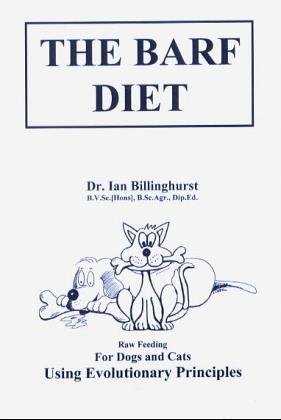
    Australian vet Dr Ian Billinghurst’s book Give Your Dog A Bone, which introduced the BARF (biologically appropriate raw food) diet for dogs, threw the cat among the pigeons when it was first published in l993.

    While we long ago discovered the physical benefits of feeding this species-appropriate diet to our own dogs, we didn’t see it as our place to interfere with or try to convert those people who were happy with the convenience of feeding their dogs a commercially produced product.

    Raw Dog Food: Is it Natural?

    After all, dogs are scavengers and will try to pick up nutrients from pretty well anything that even remotely resembles food – sticks, stones, faeces, wood, grass, garden plants, coal, soap, dog food. It’s when they start on other things like the kitchen walls, skirting boards, carpets, the remote control, the post or the family’s pet rabbit that their owners start to think about calling in professional help for a behavioural problem.

    The catalyst for one dog owner calling us for help was when she came home from work to find that her new dog had dug up her old dog and was blissfully feeding on its rotting corpse in the garden. It took a lot of talking to get the lady to understand that what her dog did, though horrific from the human viewpoint, was perfectly normal and instinctive behaviour for a scavenger short on nutrition.

    Most dog owners try very hard to do the right thing by their pet. They take it to an obedience class and put in a lot of work in an effort to have a well-behaved dog. It can be soul destroying when the dog’s behaviour is great in class but atrocious at home.

    BARF Diet for Dogs

    Frustrated owners often re-home these badly behaved dogs. Some are destroyed because they breached the bounds of human decency by biting somebody. People have come to accept that horses bite. So do cats, hamsters, birds, pigs and rabbits. When a dog bites a person, we kill them rather than try to understand what happened. Dogs and humans are two totally different species trying to live together as friends, but each species has vastly different rules for survival.

    What we have come to understand after dealing with numerous problem dogs is the link between diet and bad behaviour. We’ve found that a lot, if not all, of the dog behavioural problems we treat happen for the most part as a direct result of the desperation and stress suffered by dogs when owners innocently give them a diet which is inappropriate for their species.

    However, it is simplistic to say that all bad behaviour can be cured by diet. This is not a cure all. Dogs need to be treated individually, not only in relation to diet but also according to their environment, pack, breed and history. However, suitable rehabilitation of problem dogs can be achieved very quickly if re-training is combined with sensible feeding.

    Owners are told that their dog will grow out of bad behaviour such as chewing, digging up the garden, jumping up and weeing all over the house. The good news is this is correct. The bad news is that some dogs can also grow into bad behaviour.

    The connection is food. Pups are generally fed multiple meals from a variety of ingredients and they are usually very happy little creatures. Something happens between happy puppyhood and out-of-control adulthood. A once happy puppy can become desperate and very badly behaved if its nutrition diminishes at the same time as its growth speeds up.

    Frequently the onset of bad behaviour can be traced close in time to when the frequent feeding regime was changed. If the feeds are reduced before the pup’s growth slows down, the puppy will instinctively seek to supplement its diet by trying to find edible items either in the house or garden. Unfortunately they don’t have a reference book of edible items, so they try anything and everything within reach.

    These young dogs can become quite loopy in their search for nutritional supplements. One of the symptoms of this desperation is hyperactivity. The owner then tries to do the right thing and take the dog for long walks ‘to use up its energy’. This can actually make matters worse as the dog expends the energy needed for growth.

    CASE HISTORY: We work closely with a small, private shelter called Just for Dogs in Derbyshire. Margaret and Doug Smith who run the shelter followed our suggestion and took on the BARF diet for one of the young dogs at the shelter whose behaviour was so atrocious that people would sidle gingerly past her enclosure when they were viewing dogs. No one in their right mind would want Sasha in their home.

    Because she was housed in a kennel with a cement floor, she was deprived of her ability to forage and supplement her diet. Also, the stress factor associated with kennelling further depleted her of vital nutrients. She consequently became unmanageable in her desperation to supplement and survive. Her behaviour changed dramatically with proper feeding and Sasha is now happily doing much better.

    After this experience, Doug and Margaret gradually adopted the BARF diet for all of the rescue dogs in the shelter. Their feeding and veterinary expenses have markedly reduced and the previously unwanted dogs are being d very quickly. It is easy to re-home a placid, well-behaved dog.

    Most people have been through the pangs of dietary excesses and deficiencies at some stage. You may not consciously recognise it as such but you will probably relate to standing in front of an open refrigerator, wanting to eat something but not knowing quite what you want. Mothers of teenage boys will recognise this behaviour. At times of stress and change such as during the teenage years, pregnancy, lactation, grief, loneliness or excessive exercise, our bodies crave different nutrients.

    Dogs are no different when some nutrient is missing from their diet. They are even more attuned to their body’s needs than we are and develop all sorts of ways to supplement their diet. They don’t stand in front of an open refrigerator, but they do raid food cupboards and feast on table legs, tissues (particularly used ones) and anything else that comes within teeth range.

    Listed below are some common behavioural problems and a brief outline of how the problems link to diet:

    • barking – to call the person who supplies the food (or) ‘stay away from my food supply’
    • chewing – trying items to find out if they supply nutrients
    • destructive behaviour – looking for the elusive “something” to satisfy a dietary deficiency
    • digging – searching for nutrients
    • pulling on the lead – on the hunt
    • inappropriate toileting habits in the adult dog – marking areas in the house where food is regularly eaten
    • food stealing – dogs are opportunists, especially when chronically hungry for appropriate nutrition
    • obsessive behaviour – often relates to the obsessive need to satisfy a craving or an expression of frustration when stopped from foraging to supplement the diet
    • sibling rivalry – the leader gets first go at the food
    • separation anxiety – their only source of food supply (owner) has gone
    • jumping up – to stimulate vomiting which produces food in the animal world

    Any or all of these problems can and do create havoc in the home of dog owners who just want their dogs to behave like the dogs on television.

    People Aggression

    The more desperate the dog, the more desperate the behaviour. If dogs knew that biting whilst living with us in our world would result in them being destroyed they wouldn’t do it, particularly since all their actions are about survival. So why do they do it?

    If you have ever embarked on a weight reduction diet with determination and have been very good for weeks eating all the right things and seeing results, you will know that there comes a time when you would happily rip the arm from someone to get a chocolate bar.

    Inappropriate dieting can produce aggression in the most amiable of people. This can happen also with the sudden withdrawal of previously often-taken substances such as nicotine, alcohol, barbiturates or sugar. Quite a lot of commercially produced dog food contains addictive ingredients, some as innocent as sugar. The rapid fluctuations in blood sugar levels has a lot to do with dogs that have ‘a mad half hour’ either before or after eating.

    Left to their own devices, dogs will forage all day and feed on a large variety of plants, insects, bacteria and animal matter. They will roll themselves in all sorts of smelly muck. They come home and spend hours “cleaning” themselves. They pick up a lot of nutrients this way and can become quite aggressive if owners try to wipe them clean or bath them. It’s not that they don’t want to be bathed, but more that they see your behaviour as robbing them of the vital dietary supplements they have managed to pick up and bring home on their feet and fur.

    CASE HISTORY: Stroller, a fourteen-month-old Blue Roan Cocker Spaniel was booked in for destruction when the owner contacted Bark Busters. He had attacked his owner. In unravelling the story, we found that Stroller had jumped up on the table, snatched a tissue and run under the table guarding his trophy aggressively. What Stroller didn’t know was that the owner’s engagement ring was inside the tissue. She naturally went under the table to retrieve it and Stroller attacked her. She was heartbroken because she thought that Stroller had turned on her.

    He was brought to Bark Busters’ head office farm for rehabilitation. One of the first things we noticed about him was the putrid smell from both ends. This is one of the signs of dietary stress that we look for. We started him on the BARF diet immediately. Over the next four weeks, the smell disappeared and so did his aggressive possessiveness with items. He took naturally to the diet as do most dogs and that, with a combination of training, exercise and manipulation, produced an absolute treasure of a dog that anyone would be proud to own. He doesn’t now need to ‘hunt’ to supplement his diet, as he was doing when he snatched the tissue. It would have been so easy to destroy him for his ‘aggressive’ behaviour.

    Dog or Food Aggression

    Dogs also learn to jealously guard areas where they regularly collect minute dietary supplements. This can lead to what appears to be dog aggression if a dog from another pack approaches what they see as their hunting grounds. They have no idea that the area they’re guarding is a public park.

    Dogs that are regularly fed from a bowl placed always in the same place can become aggressively protective of the bowl since they see it as their only source of food.

    They are particularly driven by food, as are most animals. If you want your dog to be well behaved, study what dogs are meant to eat and feed it to your dog. Don’t just take our word for it. Do your research. There is a huge groundswell of change happening as people become more and more aware of how diet affects behaviour.

    Zoo keepers go to great lengths to supply food which animals in their care instinctively eat in a wild situation – bamboo shoots for the giant pandas, leaves from the eucalyptus tree for koalas, fresh fruit and vegetables for the monkeys. Zoo keepers go to these lengths because they know that this ensures their animals remain happy and healthy.

    We are our dog’s keepers. Why then would we not feed them a diet which is biologically correct for their species? We should try to ‘listen’ to what they’re trying so desperately to us with their ‘bad’ behaviour.

    About The Writer:
    Carol O’Herlihy is a director of Bark Busters UK www.barkbusters.co.uk
    She is an experienced dog trainer and has helped to rehabilitate many dogs with behavioural problems.

  • Vets Cast Doubt On Natural Dog Food

    Vets Cast Doubt On Natural Dog Food

    While natural food is a rising trend among humans, pet owners should be careful before feeding similar types of food to their pets, according to a Kansas State University veterinarian.

    All too often pet owners assume that because certain foods, such as fruits and vegetables, are healthy for them, they are also healthy for their pets, said Susan Nelson, K-State assistant professor of clinical services.

    “Natural and veggie-based pet foods are based more on market demand from owners, not because they are necessarily better for the pet,” she said.

    Natural pet food isn’t necessarily unhealthy for pets, and there are good brands on the market. But cats and dogs have specific nutritional needs that some of these foods may not provide, Nelson said.

    For instance, a natural dog food may provide antioxidants through fruits and vegetables, but it may be deficient in other nutrients the dog needs. If pet owners opt for natural pet food, it’s important to make sure pets still receive a well-balanced diet, she said.

    Before buying any pet food that is labeled natural, owners should make sure it comes from a reputable company. Nelson said the Association of American Feed Control Officials, or AAFCO, sets guidelines for the production, labeling and distribution of pet food and sets minimum standards for the nutritional adequacy of diets.

    To ensure that food contains the proper nutrients a pet needs, pet owners should only buy pet food that has at least one of the two AAFCO nutritional adequacy statements on its label, Nelson said. The association’s standards determine whether a pet food company’s product is complete and balanced for a specific life stage according to one of two criteria: the diet’s formula meets the minimum nutrient requirements established by the association or the diet has undergone association feeding trials.

    Feeding trials, while not perfect, generally give the best assessment on how well the food performs for a specific life stage, Nelson said. Owners should look closely at the feeding statement on the label, as some foods are intended for intermittent feeding or only for specific life stages, and they could be detrimental to a pet if fed long-term.

    Nelson said it is important to differentiate between terms such as natural, organic and holistic. Organic and holistic currently have no specific definitions for pet foods under the Association of American Feed Control Officials guidelines. Organic is defined by the U.S. Department of Agriculture for human food, but the department has no definition of natural foods for humans.

    The feed control association defines natural products as those that don’t contain any chemically synthesized ingredients except vitamins or minerals. The labels for natural products containing any of these ingredients must state: “Natural with added vitamins, minerals and other trace nutrients.” Consumers should be wary of any pet food company that claims to have organic or holistic food because they don’t exist by the association’s definition, Nelson said.

    Consumers should also pay attention to food ingredients. For instance, cats and dogs should not eat onions or garlic. While flaxseed oil can provide fatty acids for dogs, cats can’t use it for this purpose. Any manufacturer that uses these ingredients should be avoided, Nelson said.

    “Most reputable companies have a veterinary nutritionist on hand,” Nelson said. “These companies also conduct nutritional research and have their own internal quality control in place.”

    Because dry pet food needs preservatives, there is often debate about whether artificial or natural preservatives are better. Studies show that synthetic preservatives seem to work better and aren’t bad for pets at the levels contained in the food. However, market demand is for using vitamins E and C because they are natural preservatives.

    As with any pet diet, pet owners who opt for natural pet food should keep an eye on their pets to make sure the food is not negatively affecting them, Nelson said.

    “Assuming the diet you have chosen meets AAFCO minimum standards of nutritional adequacy, and if your pet looks healthy, has good coat quality, is in good body condition, has good fecal consistency and is able to do its job, the diet is probably adequate for him,” she said.

    http://www.k-state.edu/media/mediaguide/bios/nelsonbio.html

    What Say You?

    Do you agree that natural dog foods are not always the best?
    Or do you subscribe to the theory that feeding dogs a natural diet offers greater health benefits?

  • Proper Dog Nutrition Defined

    Here at Dog Nutrition, we often receive enquiries from people who are keen to understand what exactly ‘proper dog nutrition’ means. The dog is not a true carnivore in the same sense as, for example, a cat. This means a dog’s diet can be more varied and still produce positive health. Whereas a cat MUST eat meat in order to be truly healthy and for proper nutrition to serve its goal.

    So what does proper nutrition mean for dogs?

    Proper Dog Nutrition

    Proper Dog Nutrition: Fats in the Dog’s Diet

    An important nutrient that all dogs need and one that is responsible for furnishing energy in their body are fats. Fats supply energy for the body to use. It also has a small role in building strong cells and promoting the absorption of nutrients. However, similar to the essential amino acids, a dog’s body isn’t able to produce these essential fatty acids, and therefore has to come from an outside source, from the food they eat.


    Dogs do not usually develop a deficiency in fatty acids because their basic diet normally provides them with sufficient amount of energy from fat. In fact, a small amount of extra fats benefit their body in several ways. It protects them from the cold; it provides cushion to their body; and it serves as a protective layer of covering around different organs in their body. Actually, dogs are very efficient in using their stored fats because their bodies have the ability to easily turn these fats into energy when needed.

    Too much of a good thing can be a bad thing

    Fats are very beneficial, but it can become a concern when the dog eats too much of it. Too much fuel in the dog’s body, regardless of where it came from, is converted into body fat, which is then stored in the body. Too much fat in the body results in obesity and other conditions that are related to obesity such as diabetes, canine osteoarthritis, and heart disease.

    There is only a limited amount of fat that is used for protection against cold, cushion, covering, and extra energy. But when the maximum amount of stored fat is reached and applied for these purposes, the dog still continues to stock up fat and does so to the same degree that is equivalent to the excess energy that it consumes. For instance, every 3,500 calories that a dog eats in excess to what his body requires will be turned into 1 pound of body fat.

    It is important for all dog owners to know that the only way for their dogs to get fat is if they take in more calories than their bodies use.  Similarly, the only way for the dog to lose weight and get rid of the excess fat is by taking in less calories than what their body requires.

    Proper Dog Nutrition: Protein in the Dog’s Diet

    How does protein work in a dog’s body? Picture a string of beads and each string is needed to produce a complete picture or an artwork. The job of protein in your dog can be compared to this strings of beads. Each protein is similar to individual strings of beads. Just as these strings are put together in the right order to create a picture, different types of proteins have to go together to be able to produce a dog.

    Each string is made up of different numbers of coloured beads that are lined up in an exact pattern to produce certain body parts such as the hair, the nose, or the ear of the picture. The coloured beads can be compared to amino acids, or substances that are connected to the strings to produce different proteins.

    There are 23 amino acids that are the molecular building blocks of protein.  A dog can produce 13 amino acids inside his body while the other 10 amino acids must come from an outside source and has to be consumed.  A puppy will not grow unless he is supplied with the remaining 10 essential amino acids.  Without them he will become sick and will eventually die. Similarly, if an adult dog is not getting the proper amount of these 10 amino acids, he will become weak and suffer nutritional deficiencies.

    These 10 essential amino acids can be acquired from meat and plants, which offer the best sources because they contain the largest number of essential amino acids.

    Not all proteins are the same, as some are better for your dog than others. The amount of protein a dog needs depends on how much of the essential amino acids are supplied by that protein. The protein’s ability to provide the dog’s Minimum Daily Requirement (MDR) of the 10 essential amino acids is referred to as its “biological value”.

    Here are a few additional facts about the importance of protein for your dog’s health:

    1. Proteins are the building blocks of your dog’s body.

    2. Proteins are necessary for all aspects of growth and development and are very important in structural makeup and the immune system. In addition, they are burned as calories and can be converted to and stored as fat if needed.

    3. They are required for healthy nails, skin, and coat.

    4. They are necessary for the production of hormones in the bloodstream.

    5. They provide a healthy immune system.

    Proper Dog Nutrition: Carbohydrates, Vitamins & Minerals in The Dog’s Diet

    Carbohydrates

    The main source of carbohydrates are acquired in plants. There is also one source of carbohydrate that comes from meat called glycogen, but it is only found in small amounts in the liver and muscles.  If your dog is not getting enough carbohydrates in his diet, the liver has to do extra work to make glucose from proteins.  On the other hand, when your dog is getting enough carbohydrates in his diet, his body will not have to use proteins to get its required amount of glucose, therefore, saving these precious proteins to be used to for other jobs that they are required to do.

    Vitamins

    Vitamins are not considered to be building blocks, and they are not necessarily required for the production of energy. However, they are important in your dog’s health in a number of ways described below.

    1. Dogs need vitamin A for healthy skin and coat. Skin conditions and poor coats have been associated with lack of vitamin A and/or vitamin B.
    2. Vitamin B is responsible for a healthy immune system.
    3. Studies have concluded that vitamin C prevents dogs from getting hip dysplasia.
    4. Dogs need vitamin D for healthy teeth and bones. Deficiency in this vitamin produces weak teeth and brittle bones.
    5. Vitamin E is an excellent source of antioxidants. Deficiency in vitamin E can lead to heart problems and several types of cancers.
    6. Vitamin K is used for blood clotting.

    Minerals

    Unlike other nutrients, minerals are used by the body in a more comprehensive way.  Below are examples of some of the ways minerals benefit your dog:

    1. Minerals such as calcium and phosphorous are required for strong bones and cartilage.
    2. Minerals are needed for the nervous system to function properly.
    3. They help promote muscle metabolism.
    4. They are used in the production of hormones.
    5. Minerals transport oxygen in the blood.

    It is important to know that too much or too little of a certain mineral can affect the functions of other minerals in your dog’s body. In addition, there are also cases where the action of one mineral depends upon the action of another mineral.  For example, the minerals iron and copper work hand-in-hand to produce hemoglobin. Iron is necessary to produce hemoglobin in red blood cells while copper is equally important for hemoglobin formation. One will not be able to function properly without the help of the other.

  • Almost Half Of British Dogs To Receive Special Christmas Meal

    Christmas is a time the whole family gets together, a time to enjoy and cherish the memories made and it seems Britain’s dog owners are taking this message to heart as a new survey revealed.

    The UK’s lucky canines can expect to enjoy the festive season as much as their owners as an incredible 49{d4f4ff813a06e2c77cbb9c6effe011ebffe2f8986e44983e90e08c54deb62f63} of owners will be preparing them their very own special doggie dinner this Christmas.

    According to the recent survey carried out on behalf of Direct Line Pet Insurance, of the 1,021 dog owners questioned, almost half (49{d4f4ff813a06e2c77cbb9c6effe011ebffe2f8986e44983e90e08c54deb62f63}) are planning to make a special Christmas meal for their dogs and with 46{d4f4ff813a06e2c77cbb9c6effe011ebffe2f8986e44983e90e08c54deb62f63} planning a special family walk with their dog, it will soon be walked off!

    Adam Whiteley, head of pet insurance at Direct Line, offered this advice to dog owners: “Dog owners going to the trouble of cooking a special Christmas dinner for their best furry friend are clearly doing so out of love and festive spirit. It’s worth remembering that there are a few things dogs shouldn’t eat at all, even on special occasions, as doing so can make them very ill or even cause death in extreme cases. Chocolate, raisins, onions, and added salt should all be avoided, as should sharp or small bones. It’s a good idea to make sure that all food items and treats are stored well out of reach of pets, during the holidays and all year round.”

    According to the survey, 89{d4f4ff813a06e2c77cbb9c6effe011ebffe2f8986e44983e90e08c54deb62f63} of Britain’s dogs can expect a delivery from Santa left under the tree for them to spend the holidays enjoying.

    40{d4f4ff813a06e2c77cbb9c6effe011ebffe2f8986e44983e90e08c54deb62f63} Britain’s dogs will have an average of £10 on presents spent this year with a lucky 9{d4f4ff813a06e2c77cbb9c6effe011ebffe2f8986e44983e90e08c54deb62f63} having gifts worth more than £100 awaiting them.

    Toys are the most favoured present of choice, but pampering with collars, leads and clothes also top the list of most desired presents.

    However, with 26{d4f4ff813a06e2c77cbb9c6effe011ebffe2f8986e44983e90e08c54deb62f63} of Britain’s dogs enjoying chewing presents, it might be advisable to make sure Santa’s little four legged helpers have someone keeping an eye out for them.

    K9 Magazine editor Ryan O’Meara offered this thoughts on the findings,“The fact that nearly half of all dog owners are preparing to fully include their canine pals in the Christmas festivities is indicative of just how much the relationship between pets and their owners has changed in modern times. Dogs are now considered fully fledged members of the family and this research highlights just how seriously owners take that relationship. Dogs bring us so much joy every day, it’s nice to hear that owners take great delight in including them at this special time.”