Author: Jasmine Kleine

  • First Cloned Police Dog Reports for Duty in China

    First Cloned Police Dog Reports for Duty in China

    A cloned puppy named Kunxun has begun training in Kunming Police Dog Base in China’s Yunnan province and is already showing great potential, according to reports.

    The three-month-old puppy is a Kunming Wolfdog and was cloned from a 7-year-old police sniffer dog named Huahuangma. The female dog is well regarded by China’s Ministry of Public Security with a pedigree for solving cases, including 12 murder cases. In 2016, she was given the first-class meritorious dog award.

    According to CNN, officials in China hope that by cloning Huahuangma’s “excellent genes”, they can protect the breed and her successful genes can be “passed down from generation to generation”.’

    Kunxun, who shares 99% of Huahuangma’s DNA, will now undergo seven months of training, and if she passes, she will officially become a police dog.

  • Why Dogs Are Good for You

    Why Dogs Are Good for You

    There are plenty of studies which show a dog’s impact on our mental and physical wellbeing, and just being around dogs can make us feel happier, but why, specifically, are dogs so good for us?

    We asked Dr Roger Mugford to share his thoughts on why our relationship with dogs is so successful.

    “Several studies have shown a link between pet ownership and improved wellbeing and mental health. In today’s busy and often stressful way of life, it has become more important than ever to seek the benefits and joy a pet’s companionship can bring. For those suffering from stress, loneliness or depression, spending time with a pet or walking a dog can have a tremendous impact on your mood and even help with meeting new people.

    “Not only have several studies shown that pets make us feel happier and more content, but there is also evidence that dog owners have lower stress levels, blood pressure and a lower likelihood of stroke and heart attacks. Whether the benefits come in the form of extra physical activity from walking our dogs or through the emotional bond we build with our pets, there is no question of the positive impact pet ownership has on our lives.

    “Over the years I have had the pleasure to work on several projects where I’ve been able to see the strength of this animal/human bond and it’s impact first hand. One of such projects was DOTS (Dogs on the Streets) which is a charity dedicated to the welfare of dogs belonging to UK’s homeless community. The dog is often both a lifeline, and much needed companion to combat some of the loneliness often faced by those that are homeless.

    “Then there are of course the many wonderful dogs who help provide support and independence to those with disabilities and medical conditions such as epilepsy. These companionships don’t just add an extra level of safety and independence, but a loving friend and companion.

    “Personally, I don’t think there’s anyone who could dispute the joy and the multitude of benefits associated with owning a pet. On days like the International Day of Happiness we might be tempted to give our pet a bit of extra attention and love, but I think it’s more important to take a step back and remember that bonding activities such as games, training, and walks should be an important part of day to day life to ensure they can also enjoy a happy, healthy and wholesome life. As a business [he is the founder of Company of Animals] we have always looked to develop products that help owners and their pets find an enriched life and these can be a good start for all dog owners to improve their pet’s welfare and happiness.”

  • Bailiffs Entered This Woman’s Home, Scooped Up Family Dog & SOLD HER on eBay

    Someone with legal paperwork in hand, enters your home. They scan your rooms for valuable goods. They see nothing of any resale value.  An outdated music system. An old TV worth, what, £30? Used furniture that will cost more to move than it would ever sell for. But wait. What’s this? A small, black, living, breathing real dog. The men with the paperwork collect up your dog, who’s terrified, carry him off to their van, issue you with a signed document and notify you that your beloved family pet will be put up for sale. On eBay, to the highest bidder.

    Horrifying. But real. And it could happen to you.

    Ahlen is a town in Germany. Debt collectors wanted to seize the wheelchair of a disabled resident who had run in to financial difficulties but they made a late swerve having decided the pedigree dog in the home probably had a higher financial value. So they seized the black Pug named Edda and they listed her for sale on eBay for €750 (£645).

    Sadly, the case – first reported in German newspaper Ahlener Tageblatt – was far from over.

    https://cdn.pixabay.com/photo/2013/06/09/13/03/dog-123722__480.jpg
    (File photo: Black Pug)

    Edda was purchased from the online auction website by a police officer called Michaela Jordan. She was suspicious due to the low sale price of the dog (Pugs can sell for double the €750 Edda was listed for), so she called the number listed on the advert where she learned the dog had been seized because her former owner had fallen in to arrears with the local council, including money still owed – ironically – for dog tax.

    The pug was healthy, she was informed, so Ms Jordan agreed to the purchase.

    Now, she claims that Edda had medical problems (common to the breed) that were not disclosed at the time of the sale.

    Ms Jordan is now seeing to recover hew own expenses – running as high as €1,800 and it is her demands for compensation that brought the case to local, national and now international attention, enabling the newspaper Ahlener Tageblatt to track down Edda’s original owner.

    “How it all ended, that was absolutely not okay,” the former owner said, even accepting the seizure was legal.

    She gave the paper details of what unfolded. Describing how a court bailiff and two city officials arrived at her home in November to search for valuables they could seize in respect to repaying her debts.

    Local media reported that the bailiff considered taking a wheelchair that belonged to her disabled husband – city officials strongly deny this.

    In the end they DID take her dog. And they DID sell her. And, rather shockingly, it WAS a legal seizure.

    Edda’s former owner told the paper how much her three children miss Edda.

    Now, you might question how something as obviously heartless as this could ever happen. Well, here’s the shocking truth. Dogs, as far as the law is concerned, have no greater status than your fridge-freezer, TV or that battered old sofa you haven’t yet got around to throwing out.

    K9 Magazine spoke to Lauren Bowkett & Elizabeth West, solicitors with legal firm Cohen Cramer, who also offer expert legal advice on canine and equestrian matters. We wanted to know if what had happened in Edda’s situation could ever, legally, take place in the UK.

    Can Dogs Be Seized by Bailiffs in The UK to Pay Off Bad Debts?

    They told us:

    “In England and Wales, where a legal right to seize property has been obtained for civil debts, as a dog is a chattel (possession) you may think it could be seized. However, a pet is a protected item which cannot be seized by a bailiff to collect a debt.

    “If it’s a canine business, and any dogs are an asset of the business, it may be more likely. However, there would need to be sufficient value to warrant seizure and any seizure would need to but take into account the dogs welfare (and the cost of this).

    “In addition, a dog could be seized as a means of financial enforcement work. Under the Proceeds of Crime Act 2002 valuable dogs can be classed as available assets in POCA proceedings. The dogs may then need to be sold to make payment towards a confiscation order. This method of raising finances is harsh and in our opinion unenforceable, and something which can be successfully defended with the right representation.”

    What’s your view? Do you think dogs should be ‘fair game’ for bailiffs collecting for bad debts? Tell us in the comments below.

  • ‘Make It Illegal to Consume Dogs in the UK’, MP Says

    ‘Make It Illegal to Consume Dogs in the UK’, MP Says

    An MP has introduced a bill in Parliament to ban the consumption of dog meat in the UK, making it illegal to eat dog meat and to transport, possess or donate it for the purposes of consumption.

    When introducing the bill, Conservative MP Bill Wiggin said there was no evidence that dog meat was being consumed in the UK (as it stands the practice isn’t banned, but no slaughterhouses in the UK that have a licence to kill dogs or cats) but he “would like our country to join in setting an example to the world”.

    “This is because China argue that until we make it illegal, why should they?”

    Wendy Higgins from the Humane Society International, well-known for its campaigning to end the brutal trade, believes the move could have diplomatic benefits, telling K9 Magazine:

    “The power of a UK ban on dog and cat meat would be largely symbolic because Britain has no dog and cat meat trade, there is no evidence to suggest that anyone is eating dogs and cats here. The real job of ending this brutal and largely crime-fuelled trade lies in seeing more bans enacted across Asia where the trade is concentrated.

    “So, as we urge policy makers in those countries to take decisive steps to end this trade that kills 30 million dogs and 10 million cats a year, a ban here in the U.K. would show solidarity with those like Taiwan and Hong Kong that have already introduced bans, as well as encourage the momentum that we are already seeing in South Korea and Indonesia towards an end to this brutal industry.

    “Whilst I don’t see any indication that countries like China are waiting for a UK ban before acting themselves, it certainly doesn’t hurt diplomatically.”

    Mr Wiggin’s bill passed to second reading unopposed in Parliament but needs government support to progress further.

    If it is written into law, the UK will join the USA, Germany, Austria, South Australia, Taiwan and Hong Kong in banning dog meat consumption.

  • ‘Made in Chelsea’ Star Calls on Chanel to Explain ‘Cruel & Flawed’ Actions

    ‘Made in Chelsea’ Star Calls on Chanel to Explain ‘Cruel & Flawed’ Actions

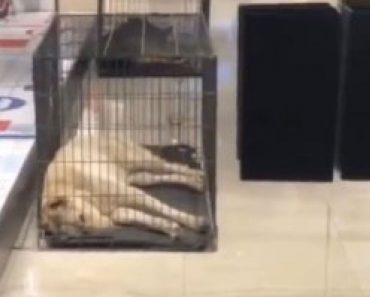
    Tabitha Willett has called on fashion house Chanel to explain having two dogs locked in small cages in their Sloane Street store in London at 11pm.

    A well-known dog lover, the former reality star called on Chanel to answer for their actions and was told the dogs were in store for “security purposes”.


    Photo Credit: Instagram/Tabitha.Willett

    According to Sky News, Chanel reportedly told Willett the dogs were kept in the cages for a “few” hours at a time, and were under the watchful eye of a handler.

    She has since reported the issue to the RSPCA.

  • Is Tesla’s New ‘Dog Mode’ Good or Bad For Dogs?

    Is Tesla’s New ‘Dog Mode’ Good or Bad For Dogs?

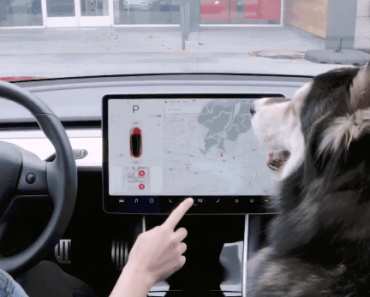
    Elon Musk’s innovative car company Tesla, has announced the roll out of a new feature designed to appeal to dog owners. Dog mode lets vehicle owners set their car to a cool temperature while they’re away from the car and uses the car’s centrally located jumbo screen to tell concerned passers-by the interior temperature of the car along with the message, “My owner will be back soon. Don’t worry!”

    The company announced the dog mode abilities in a tweet:

    Musk said:

    “This is in addition to existing Cabin Overheat Protection, which come on automatically at high temps to ensure any babies or pets in the car are safe. It will start out slow to make sure there are no corner case issues and then, if that looks good, speed up next week. We def need to add a “Request Latest Update” feature!”.

    So what do you think?

    Is Tesla’s dog mode concept a good thing for owners who want to leave their dogs in a vehicle briefly or will it lead to owners getting careless about the dangers to dogs left in cars, particularly in hot weather?

  • Why Are Dogs So Obsessed With Human Underwear?

    Why Are Dogs So Obsessed With Human Underwear?

    I mean, some dogs really are obsessed with it, aren’t they?

    Take Maggie-May for example. She’s a 22 month old Shih Tzu and recently she gave her owners a shock after swallowing a size 12 sock, which her owners discovered missing after she was spotted playing with the laundry.

    Maggie-May’s owner, Jessica Tolley, said: “We were at home when Maggie-May was chewing and playing with a sock, when all of a sudden, she bolted off the chair and started making a funny noise.

    “I realised there was a good chance she had swallowed it but my partner Ross and I could hardly believe it and we got up and started trying to find it.

    “Although Maggie-May seemed fine, the sock was nowhere to be seen after we searched high and low, so we took her to the vets.

    “All the way there, she was acting as if there was nothing wrong and I was convinced there was no way a dog her size could swallow a sock so big.”

    Luckily, vet Naomi Roberts at the Beech House Veterinary Centre in Warrington were able to retrieve the sock and Maggie-May was no worse off but rather seemed to enjoy the adventurous day out!

    Jessica, who has recently had her first baby Alannah, added: “On the way home from the vets, Maggie-May was sat in the car like she’d been out for an adventure.

    “We are now very careful not to let her have socks any more but she is automatically drawn to the washing basket and always goes to get one out so we have to be very vigilant.

    “I never thought she would be able to swallow one so big.

    “But she must’ve sucked and chewed it so much that it slid easily down her throat.

    “I have just had my first baby so I’m going to have to be extra careful she doesn’t get her paws on any little socks.”

  • Government Won’t Repeal Law Which Bans ‘Dangerous’ Dog Breeds

    Government Won’t Repeal Law Which Bans ‘Dangerous’ Dog Breeds

    The British Government has today published its reply to the committee which has been looking into the Dangerous Dogs Act, how it works and how it could be improved by education. The committee published its report last October and encouraged the Government to take various steps, including introducing new training, similar to a speed awareness course for drivers, for low-medium level offences and new education initiatives for local authorities and officers.

    They also examined Section 1 of the Dangerous Dogs Act which states that four breed types are illegal to own breed, sell, gift or allow to stray in the UK.

    The committee learnt from animal welfare experts in the rehoming industry that as a result of the legislation, dogs were being put to sleep because they could not be rehomed.

    The committee concluded that: “We are concerned that Defra’s arguments in favour of maintaining Breed Specific Legislation are not substantiated by robust evidence. It is even more worrying that non-existent evidence appears to have been cited before a Parliamentary Committee in support of current Government policy. This lack of clarity indicates a disturbing disregard for evidence-based policy-making.”

    “The prohibition on transferring Section 1 dogs has resulted in the unnecessary destruction of good-tempered dogs that could have been safely re-homed. Defra’s position is both illogical and inherently unfair. Whether a dog is euthanised or not can depend entirely on whether it ‘looks like’ a Pit Bull Terrier. It is unnecessarily cruel to forbid good-tempered dogs from being transferred to responsible owners willing to comply with the stringent provisions attached to keeping a Section 1 dog.”

    On this point, the committee recommended the Government: “remove the ban on transferring Section 1 dogs to new owners. This should be accompanied by adequate regulation of animal centres and appropriate safeguards to ensure the re-homing of Section 1 dogs is conducted responsibly and safely.”

    The Government responded saying:

    “Any proposals to amend the law here, for example to allow prohibited dogs which have no previous court approved owner to be rehomed, or to transfer a prohibited dog to people who have had no contact with the dog, would require an amendment to the DDA and the supporting secondary legislation. The Government does not consider that it is a priority to amend legislation at this time. We would also need to consider the implications for public safety and the increased burden on the Courts before any legislative change could be made, as well as the implications for rescue and rehoming centres themselves.”

    And continued that it: “recently invited comments from the public and stakeholders on the issue of licensing such establishments in connection with a possible ban on the third party selling of puppies and kittens. The Government considers that, should a decision in future be made to amend the DDA around rehoming prohibited dogs, licensing would be a necessary prerequisite before considering whether such establishments could have a formal role in any rehoming.”

    Dr Samantha Gaines, RSPCA dog welfare expert and lead author of the ‘Breed Specific Legislation: A Dog’s Dinner’ report, gave evidence to the committee’s review last year.

    Commenting on the Conservative Government’s response she said, “We are extremely disappointed that the Government is still suggesting that prohibited types of dogs are more dangerous than other types of dogs and that they are involved in a disproportionately high number of attacks on people, including fatalities. The RSPCA, in its evidence to EFRA, made it very clear that in the absence of robust data around the dog population such claims cannot be made and it is misleading to do so.

    “We are also hugely disappointed that despite EFRA recommending changes which would mean that friendly and rehomeable banned types of dogs could avoid being put to sleep, the Government is unwilling to do so. For the past 27 years thousands of dogs have paid the ultimate price as a result of this draconian and unjust legislation which penalises dogs simply for the way they look. This has lead to the unnecessary destruction of hundreds of friendly and well-behaved family pets and dogs that organisations like ourselves could rehome.

    “We’re looking forward to the conclusions of the research project currently being undertaken by Middlesex University. Our own research has shown that there is a lack of scientific evidence to support BSL and positive evidence against it. We remain confident that the outcome of the research will be one which recommends breed neutral legislation and that Government will act on this.

    “The Government urgently needs to act on this; public safety and the lives of thousands more innocent dogs in the future rely on it.”

    Full access to the Government’s response is available here.

    In a nutshell, nothing is set to change for the dogs most at risk of losing their lives due to how they look, rather than act, because of the law. 


  • Are You One of Britain’s Biggest Pet Spenders? We Name the Regions!

    We all love to treat our dogs. Birthdays, Christmases and sometimes just because we want to. But which regions of the UK spend most?

    New research from Direct Line Pet Insurance has revealed that dogs in London, the East of England and Scotland are owned by the biggest spenders, as a generous 18 per cent of Londoners spend over £100 on their dog at Christmas.

    The majority of dog owners (41 per cent) spend between £10-20 on their dog at Christmas. More than a quarter of owners spends between £21 and £40, while a generous four per cent spend between £81 and £100.

    However, Christmas isn’t the only time that owners pamper their pups because over two-thirds of pet owners admitted to buying their dogs presents whenever they see something they’d like.

    All About the Mane

    Comparing owners grooming habits to their dogs, 2 in 10 dog owners take their dog to the groomers every couple of months whereas 22 per cent of owners only visit the hairdresser once a year.

    In the age of the well-groomed modern man, it may come as a surprise that half of men admitted that they spend more money on their dog’s coat than their own hair.

    Room for Another?

    It seems the extent of pampering is endless, as the research showed the majority of dogs in the East Midlands, North West and South East have their own rooms, but overall dogs across the country sleep where they want.

    Prit Powar, Head of Pet Insurance at Direct Line, said: “Naturally dog owners treat their four legged companions as part of the family and these results aren’t surprising coming from a dog loving nation.

    Christmas is a great time for owners to be with their dogs but it’s impossible to keep an eye on your pet all the time. With all of the extra food around at Christmas, it’s crucial to be aware of what pets are eating as some human food can be poisonous to dogs.

    If you feel your dog has eaten something they shouldn’t have, all Direct Line Pet customers will be able to connect with a vet 24/7 through Pawsquad which is provided for free with their pet policy. If in doubt, customers should get their pet to the vet immediately just to be on the safe side.

    “Direct Line urges responsible dog ownership all year round and Christmas is no different. Direct Line Pet Insurance customers concerned about their pet’s health can take advantage of free access to the PawSquad app, which allows users to video call or text a vet in any situation including emergencies.”

  • Do You Spend More on Your Pet Than Partner at Christmas?

    Do You Spend More on Your Pet Than Partner at Christmas?

    Apparently one in 10 men do.

    In new research, out today from Direct Line Pet Insurance, 9 in 10 dog owners have admitted to finding it easier to buy gifts for their dog than their family.

    Dog owners also admitted to spending more money on their pet’s presents than friends’, grandparents’, siblings’ and even their parents’ presents.

    Almost a third of dog owners choose to give their dog their Christmas presents before their partner because they’re more excited to give it to their pup (probably a good decision to stop the dog rummaging too!).

    Prit Powar, Head of Pet Insurance at Direct Line, said “Naturally dog owners treat their four legged companions as part of the family and these results aren’t surprising coming from a dog loving nation.

    “Christmas is a great time for owners to be with their dogs but it’s impossible to keep an eye on your pet all the time. With all of the extra food around at Christmas, it’s crucial to be aware of what pets are eating as some human food can be poisonous to dogs.

    “If you feel your dog has eaten something they shouldn’t have, all Direct Line Pet customers will be able to connect with a vet 24/7 through Pawsquad which is provided for free with their pet policy. If in doubt, customers should get their pet to the vet immediately just to be on the safe side.

    “Direct Line urges responsible dog ownership all year round and Christmas is no different. Direct Line Pet Insurance customers concerned about their pet’s health can take advantage of free access to the PawSquad app, which allows users to video call or text a vet in any situation including emergencies.”

    Related article: Make your dog their own Christmas meal this year with our dog-safe Christmas Menu for Dogs (including doggy mince pies!)

  • Could This Help Children Avoid Dog Attacks?

    Could This Help Children Avoid Dog Attacks?

    A better understanding of the way dogs communicate distress could be the first step in reducing the risk of dog bites for both children and adults, a new study has found.

    Psychologists investigating how children and parents perceive and interpret dog’s body language found that both groups significantly underestimate and misinterpret the way that dogs display distress or anxiety, including behaviours such as snarling or growling which can cause a significant risk to children.

    The project consisted of three phases involving children aged three, four and five years old and one group of parents.

    Initially, each group was shown a series of short video clips of dogs displaying a full range of behavioural signals which ranged from happy dogs through to high-risk conflict-escalating behaviours such as growling, snarling or biting. Participants were then asked to rate their perception of the behaviours on a simple, child-friendly scale from ‘very happy’ to ‘very unhappy/very angry’.

    The groups then took part in a training phase where the videos were repeated, this time accompanied by simple information explaining the type of behaviour the dog was displaying, for example, ‘the dog is licking its nose’, how to interpret the behaviour – i.e. the dog is worried, followed by a safety message such as ‘you should leave the dog alone’. Participants then also saw novel videos with all behaviours.

    Once the training phase was completed, participants were immediately tested to establish their judgements of the dogs’ behaviours then testing again after six months and after one year to measure whether the training had a lasting effect.

    Results showed that younger children found it harder to correctly interpret dog distress signals with 53 per cent of three year olds misinterpreting high-risk signals such as growling or snarling. Of the children who made mistakes, 65 per cent thought that these dogs were happy. Results showed 17per cent of the parents also incorrectly interpreted these behaviours.

    After the training intervention, both children and adults showed better understanding. Most improvement was found on conflict-escalating signals such as staring, growling or snarling with adults and older children showing the highest levels of improvement. Pre-training, only 55 per cent of four year olds were able to correctly interpret high risk dog behaviours with this rising to 72 per cent post training. The training was also shown to have a lasting effect with the figure rising to 76 per cent twelve months post-training.

    Lead researcher Professor Kerstin Meints from the University of Lincoln’s School of Psychology said: “We observed that children often try to apply an explanation for the dog’s signals that would be appropriate to explain human behaviour. For example, children often wrongly interpreted a dog snarling and showing its teeth to mean that the dog was happy, which could put them at significant risk if they were to approach a dog displaying these signals.

    “This project is the first to offer an intervention to significantly enhance children’s and adults’ abilities to correctly interpret dog signalling and has shown that with simple training we can improve their awareness, knowledge, recognition and interpretation skills.”

  • Hole in His Skull, Burned, Broken Jaw – Please Help Find The Person Who Tried to Kill This Dog

    Hole in His Skull, Burned, Broken Jaw – Please Help Find The Person Who Tried to Kill This Dog

    The RSPCA is issuing an end-of-year re-appeal to find the person responsible for almost killing Bruce the dog, found bloodied, battered and burned in Cumbria.

    The bull lurcher was spotted wandering around Little Orton, on the outskirts of Carlisle, at the end of August (Thursday 30).

    He had a swollen, protruding eye and a deep hole in the top of his skull which was fractured in several places. His jaw was broken, his tail had been burned and he was very skinny.

    He was taken to a local veterinary practice by the dog warden and the RSPCA contacted.

    RSPCA chief inspector Rob Melloy said: “What happened to Bruce was so shocking that it received national attention, which makes it all the more disappointing that we have not been able to find the person who did this to him.

    “We thought he had either been beaten with a screwdriver or a piece of wood with a nail hammered into it, giving him the severe puncture wounds and eye injury which had become infected and had to be removed, but now believe it may have in fact been a spade or shovel. The fur and skin around his rear end and tail were burned as if someone had tried to set him on fire. It’s thought he’d been like that for three or four days before he was found.

    “This was a truly horrendous act of cruelty that caused a huge amount of suffering to Bruce, and almost killed him.

    If anyone has any information at all that they think will help our investigation please call our appeal line on 0300 123 8018 and ask to leave a message for the investigating officer, inspector Sam Jopson.”

    Four months on, after a further, recent, operation by a specialist surgeon in Glasgow paid for by the RSPCA, Bruce is recovering with his adopter.

    Chief inspector Melloy said: “Inspector Jopson saw Bruce last week (pictured above) and happily he is doing well.

    “The vet told us that it was a complicated, three-hour operation but that it went better than expected.

    “She removed his cheek bone and part of his lower jaw in order to allow him more movement. Thirteen pieces of floating bone were removed as well as a piece of vegetation that must have become embedded in there at the time of the attack and was thought to be the source of an infection.

    “Bruce was eating again within hours and has been given strengthening exercises to further help going forwards.

    “It seems certain that 2019 will be a much better year for him than the previous one has been.”

  • A Happy Ending For Tiny Puppy Who Was Abandoned Last Christmas

    A Happy Ending For Tiny Puppy Who Was Abandoned Last Christmas

    Tiny puppy dumped on coldest night of the year will be warm and loved this Xmas – with the woman who rescued him!

    Once Patterdale terrier pup Elfie went home with RSPCA officer Heather Cook it was clear he’d never be leaving…!

    Parts of England were submerged in snowdrifts and in other corners of the country the temperature had dropped to -13C. So when a tiny six-week-old terrier puppy was found dumped in a cardboard box in Manchester it was a miracle the vulnerable baby had survived.

    Patterdale terrier pup Elfie was shivering when he was found by a woman who was walking to the shop on 12 December, just weeks before Christmas.

    The woman found little Elfie huddled under a blanket, barely able to keep himself warm. She put him inside her warm coat and rushed him home before calling the RSPCA for help.

    Animal collection officer (ACO) Heather Cook collected the little puppy and took him to a vet for a check-up. As it was late, she took him home to Worsley for the evening, and agreed she would wean him so he could go up for rehoming as soon as possible.

    “It was bitterly cold and icy,” ACO Cook said. “The weather was treacherous. It’s a miracle that little Elfie – who should have still been cuddled up to his mum and siblings – had survived outside in those temperatures. I took him home to wean him, but it soon became clear he wouldn’t be going anywhere,” she added.

    ACO Cook’s children, Ava and Ethan, absolutely love Elfie as does their other dog, rescue bulldog Roxi. The two dogs are now inseparable.

    “You can’t take one for a walk without the other,” ACO Cook said. “You can’t even bath one without the other!

    “They sleep together, they eat at the same time. They do everything together.

    “He loves us too. He loves cuddles and he’ll climb onto the sofa and put his front feet on your shoulders and cuddle you!

    “He loves to be snuggled up to you – and that’s exactly where he’ll be this winter.”

    Elfie was just one of 7,669 dogs rescued by the RSPCA in 2017. The charity took 534 dogs for care last December alone.

  • Puppy Farmer James Heaton Kept Parvovirus Infected Dogs in Terrible Conditions

    Puppy Farmer James Heaton Kept Parvovirus Infected Dogs in Terrible Conditions

    A man has been disqualified from dealing in dogs after 23 were found in poor conditions at a pig farm in North Yorkshire.

    James Featon (DoB: 19/01/1968) of Roughaw Road, Skipton was due to stand trial this week at York Magistrates’ Court but, on day one (Thursday 14 December) of the two-day trial, entered guilty pleas to three offences of causing unnecessary suffering to dogs.

    RSPCA officers and North Yorkshire Police visited an old pig farm in North Duffield, near Selby, on 7 October last year where two adult dogs and 21 puppies were found living in pig pens.

    RSPCA Inspector Alice Cooper, who led the investigation, said: “Some of the puppies were in very poor condition; thin and lethargic with swollen, distended abdomens. Three Jack Russell terrier puppies had collapsed.

    “Police seized all of the dogs and we rushed them to the vets where a number of the pups were diagnosed with parvovirus – a highly contagious and potentially fatal disease.

    “They were all hospitalised and needed intensive veterinary treatment but, unfortunately, we lost four because they were so incredibly poorly.”

    Eighteen dogs – including spaniels, lurchers and crossbreeds – pulled through and were taken in by RSPCA centres while the investigation was ongoing.

    Inspector Cooper added: “Our investigations established that Mr Featon was buying in dogs from Ireland and elsewhere in England, and then selling them on to the public.

    “However, he was keeping the dogs in disgusting conditions and had categorically failed to provide veterinary care to those that had fallen ill.”

    Featon was fined £130, ordered to pay costs of £300 and a victim surcharge of £30 and was disqualified from dealing in dogs meaning he can own dogs as pets but isn’t to be involved in commercial activity involving dogs. The court returned two adult pet lurchers to him.

    PC Sarah Ward of North Yorkshire Police said: “I’m very pleased with the result and thankful that we found the puppies when we did, saving them from more suffering. They were kept in cold, damp conditions without their mums and most of them were very ill with a number needing urgent veterinary attention. Sadly, some did not make it.

    “We urge members of the public to only ever buy puppies from reputable dog breeders or adopt a rescue dog from a known charity.”

    The dogs – which have all been in RSPCA care during the investigation – were signed over this week and can now be rehomed. They will be available after Christmas.

    “Unfortunately this sort of thing is something we see all too often at the RSPCA,” Inspector Cooper added. “Breeding and selling puppies is big business and with certain breeds selling for hundreds if not thousands of pounds there are a lot of people trying to cash in.

    “Sadly, some sellers like Mr Featon will put profits ahead of the health and welfare of the dogs. This is completely unacceptably.

  • Sick Puppy Farmers Laura Kiseliova & Raimondas Titas Are Going to Jail

    Sick Puppy Farmers Laura Kiseliova & Raimondas Titas Are Going to Jail

    Two animal traffickers who imported fashionable breeds of dogs and cats and sold them from their home in Greater Manchester have been sentenced for a number of offences.

    Laura Kiseliova (DoB: 14/06/79) and Raimondas Titas (DoB: 13/03/81), crammed dozens of sick and neglected animals into cramped cages in their home where they ran their ‘heartless’ operation.

    The pair, both previously of Ladywell Avenue, Manchester, were sentenced in their absence at Manchester Crown Court on Thursday (13 December) after fleeing abroad. Kiseliova was sentenced to a total of four years in prison while Titas was jailed for three years and six months. Both were disqualified from keeping pets for life.

    The pair – facing 29 offences in total – previously pleaded guilty, at the start of their trial on 2 June last year, to a number of offences each, which included several animal welfare offences, relating to a large number of dogs and cats.

    As part of a joint operation with the Animal and Plant Health Agency, Greater Manchester Police, Bury Council Animal Health and Salford Trading Standards officers, RSPCA inspectors were present when a warrant was executed at their previous address in Green Hill, Prestwich, Greater Manchester, on 18 November 2013 and found 41 dogs and puppies inside (pictured above) as well as eight cats.

    It is believed the pair were breeding some puppies and were also trafficking dogs into England from eastern Europe, under the Pet Passport scheme, and selling them to unsuspecting members of the public under the company name of Pets 313 Ltd. Officers recovered more than 40 pet passports from the property, many of which did not match dogs found at the location, suggesting the pair were passing off trafficked dogs as those bred in the UK.

    During the raid, RSPCA officers – led by the charity’s special operations unit (SOU) – found popular breeds of dogs at the property, including French bulldogs, bulldogs and pugs, as well as pedigree cats (pictured below). The dogs were being sold for between £800 and £1,000 each.

    One of the undercover RSPCA officers who led the investigation – who cannot be identified – explained what she found when they entered the property: “The front room of the property was being used to sell the animals to members of the public but it was when you entered the rest of the house the scale of this operation became apparent.

    “There were cages and pens containing different breeds of dogs in almost every room including a litter of puppies in a filthy ensuite bathroom upstairs. In a large garage at the back we found cages of animals stacked on top of each other.

    “It was clear there were some cats and puppies that needed immediate veterinary treatment and sadly two of the puppies that were rushed to the vets for treatment later died from parvovirus.

    “There was little sign of proper isolation pens for sick animals or biosecurity measures meaning any animal that passed through this place would be at risk of catching and spreading diseases and parasites.

    “This was a large money-making operation at the expense of the welfare of the animals and the unsuspecting members of public who thought they were buying healthy, happy puppies.”

    The couple were charged with a number of offences including failing to provide them with a suitable environment and failing to provide veterinary care, as well as breeding dogs without a licence.

    RSPCA SOU chief inspector (CI) Ian Briggs said: “It was obvious that this duo were dealing and trading in a large number of animals and that many of them were not receiving the appropriate care and veterinary attention they needed.

    “Some of the animals were suffering from problems such as conjunctivitis, gastroenteritis or had sore and infected wounds.”

    During the investigation, most of the animals were signed over into RSPCA care and later rehomed.

    CI Briggs added: “We have seen a concerning increase in the number of calls we are receiving about large-scale traders dealing, predominantly, in puppies.

    “We are regularly appalled by the conditions we find puppies living in and the stories we hear from owners who have, just days after bringing their puppy home, held their new dog as he died in their arms from preventable diseases and infections.

    “Unfortunately, a major factor in this trade is traffickers – such as this pair – bringing in poorly pups from abroad, without the right vaccinations and documents, and selling them to unsuspecting buyers here in England.”

    Case vet David Martin said: “Many of the dogs and the cats that were removed from this address were suffering from serious infections which had the potential to make not only the puppies themselves ill but also were a significant risk to both other animals within the purchaser’s home and to the purchasers and their families.

    “Great care needs to be taken when purchasing a puppy and any puppy that is off colour or unwell must receive urgent veterinary attention. It is imperative that the veterinary surgeon who examines the puppy is made fully aware of the potential for the puppy to have come from a puppy farm as many of the serious and fatal conditions that puppies from puppy farms commonly have start with very mild signs which can easily be mistaken as being related to the stress of a new home before the puppy rapidly declines, at which point it may be too late to save the puppy.”

    Click To Read More About Their Sentencing

    Kiseliova pleaded guilty to the following animal welfare offences:

    • Carrying on the business of Pets 313 Ltd for a fraudulent purpose, namely bringing dogs into the UK from Europe to sell them, misdescribed, at a profit – contrary to section 993(1) of the Companies Act 2006.

    • Keeping a pet shop without a licence – contrary to section 1 of the Pet Animals Act 1951.

    • Keeping a dog breeding establishment without a licence – contrary to section 1 of the Breeding of Dogs Act 1973.

    • Causing unnecessary suffering to two dogs, by failing to provide proper and necessary veterinary care for hemorrhagic gastroenteritis – contrary to section 4(1) of the Animal Welfare Act 2006.

    • Causing unnecessary suffering to two dogs, by failing to provide proper and necessary veterinary care for conjunctivitis – contrary to section 4(1) of the Animal Welfare Act 2006.

    • Causing unnecessary suffering to one dog, by failing to provide proper and necessary veterinary care for infected wounds and painful limbs – contrary to section 4(1) of the Animal Welfare Act 2006.

    • Causing unnecessary suffering to one dog, by failing to provide proper and necessary veterinary care for moist dermatitis – contrary to section 4(1) of the Animal Welfare Act 2006.

    • Failing to ensure the needs of 41 dogs and eight cats were met  by failing to protect them from pain, suffering injury, or disease by failing to establish a formal biosecurity and disease control programme – contrary to section 9 of the Animal Welfare Act 2006.

    • Failing to ensure the needs of all animals (namely 248 dogs and 273 cats) for which they were responsible between 12 April 2012 and 19 November 2013 were met by failing to protect them from pain, suffering injury, or disease by failing to establish a formal biosecurity and disease control programme – contrary to section 9 of the Animal Welfare Act 2006.

    • Failing to ensure the needs of 22 dogs and eight cats were met by failing to provide a suitable environment – contrary to section 9 of the Animal Welfare Act 2006.
     

    Titas pleaded guilty to the following animal welfare offences :

    • Dishonestly and intending to make a gain for himself or another, made a representation to Petplan which was true or misleading, namely that he was the holder of a valid policy of insurance for a dog named Black Diamond and was entitled to make a claim – contrary to section 1 of the Fraud Act 2006.

    • Carrying on the business of Pets 313 Ltd for a fraudulent purpose, namely bringing dogs into the UK from Europe to sell them, misdescribed, at a profit – contrary to section 993(1) of the Companies Act 2006.

    • Keeping a dog breeding establishment without a licence – contrary to section 1 of the Breeding of Dogs Act 1973.

    • Causing unnecessary suffering to two dogs, by failing to provide proper and necessary veterinary care for hemorrhagic gastroenteritis – contrary to section 4(1) of the Animal Welfare Act 2006.

    • Causing unnecessary suffering to two dogs, by failing to provide proper and necessary veterinary care for conjunctivitis – contrary to section 4(1) of the Animal Welfare Act 2006.

    • Causing unnecessary suffering to one dog, by failing to provide proper and necessary veterinary care for infected wounds and painful limbs – contrary to section 4(1) of the Animal Welfare Act 2006.

    • Causing unnecessary suffering to one dog, by failing to provide proper and necessary veterinary care for moist dermatitis – contrary to section 4(1) of the Animal Welfare Act 2006..

    • Failing to ensure the needs of 41 dogs and eight cats were met by failing to protect them from pain, suffering injury, or disease by failing to establish a formal biosecurity and disease control programme – contrary to section 9 of the Animal Welfare Act 2006.
    • Failing to ensure the needs of all animals (namely 248 dogs and 273 cats), for which they were responsible between 12 April 2012 and 19 November 2013, were met by failing to protect them from pain, suffering injury, or disease by failing to establish a formal biosecurity and disease control programme – contrary to section 9 of the Animal Welfare Act 2006.

    • Failing to ensure the needs of 22 dogs and eight cats were met by failing to provide a suitable environment – contrary to section 9 of the Animal Welfare Act 2006.