Category: Dog News

The latest dog news from around the world

  • Sir Patrick Stewart Lends His Voice to Fight BSL

    Sir Patrick Stewart Lends His Voice to Fight BSL

    Actor and dog lover Sir Patrick Stewart is lending his support to a Care2 petition demanding DEFRA Secretary of State Michael Gove repeal breed specific legislation (BSL) in the UK under the Dangerous Dogs Act of 1991.

    Under current law, the Dangerous Dogs Act prohibits the ownership of certain types of dogs – in particular, the pit bull terrier type.

    What many people are unaware of is that ‘type’ means purely the physical dimensions of the dog. So you can in fact get two dogs, from the same litter – they could even be Kennel Club registered, but if one sibling grew to match the physical description of ‘pit bull type’ then, by law, that dog could be seized and potentially destroyed.

    Under the Act, sometimes dogs can be placed on an exemption order, with special permission given from a court, but dogs who have been classed as type may not be owned, bought, sold, or even rehomed from rescue centres.

    The regulation is outdated. It was brought in with the public being told it was intended to improve public safety, but animal rights groups say it is unnecessary and ineffective, arguing that a dog’s behaviour is not driven by its breed, but by how it is raised and treated.

    On his decision to join the campaign Sir Patrick Stewart said, “It is essential that The Dangerous Dogs Act of 1991 be re-examined.

    “Caring, good-natured creatures are being denied homes and their owners and potential owners deprived of a healthy and loving partnership.”


    Sir Patrick Stewart and Ginger, pictured when they first met

    “Caring, good-natured creatures are being denied homes and their owners and potential owners deprived of a healthy and loving partnership.”

    Earlier this year, Stewart announced to his fans that a foster dog named Ginger, who had been taken in to live with him and his wife Sunny Ozell in their Los Angeles home, would not be adopted by the couple, because the UK – where the family lives for part of the year – does not allow pit bulls under the Dangerous Dogs Act.

    Care2 has been fighting breed-specific legislation for a long time and has successfully fought the introduction of similar ordinances in the United States.

    Care2 CEO and Founder Randy Paynter said, “There is no evidence that certain breeds are naturally more aggressive than others. Better policy would be to crack down on dog fighting and to institute a public awareness campaign on how to raise happy, gentle dogs. We are honored that Sir Patrick Stewart is joining Care2 in the fight for a kinder world.”

    Add your voice to the campaign to fight BSL in the UK by signing the petition here: www.care2.com/EndBSL

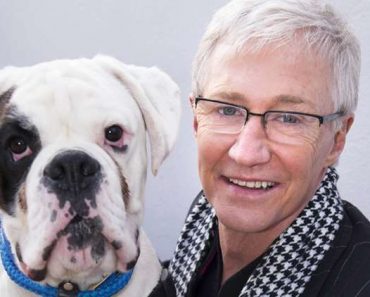
  • Paul O’Grady Wants Professor Who Has Experimented on Kittens & Supports Animal Testing to Explain Himself

    Paul O’Grady Wants Professor Who Has Experimented on Kittens & Supports Animal Testing to Explain Himself

    Today it has been announced that the ‘For the Love of Dogs’ TV presenter, Paul O’Grady, has become the latest celebrity to add his voice to the For Life On Earth (FLOE) led Open Letter to Prof. Colin Blakemore – infamous for sewing kitten’s eyes shut and Britain’s main advocate for experiments on dogs, cats and other animals.

    The Open Letter was first published by us in October and calls for Prof. Blakemore to agree to debate his claims – that experiments on animals can predict the responses of human patients – in a rigorous public science hearing.

    The debate will be judged by independent experts from the relevant fields of science; its debate conditions are endorsed as “well set out and fair” by Michael Mansfield QC, Britain’s foremost human rights defence barrister.

    Over 3,500 UK dogs are suffering as a result of nearly 5,000 animal experiments being carried out

    Louise Owen, Founder and Director of FLOE told K9 Magazine, “We are absolutely delighted that Paul has signed this Open Letter; his presence brings a very special commitment on behalf of dogs, and indeed their humans.

    “The latest Home Office statistics from 2016 show that 4,932 experiments were carried out on 3,530 dogs in the UK alone: toxicity tests typically involve dogs being force-fed chemicals in experiments lasting up to ninety days, with no pain relief or anaesthetic.

    “Such experiments are now proven to also fail the search for human treatments and cures, as reported by the Editor in Chief at the British Medical Journal.

    “We hope that people will share Paul’s signature on this letter, so that a terrifying issue for dogs – happening right here on our doorstep, in the UK – becomes a national voice for immediate action, to enable current scientific evidence to judge and end these experiments, once and for all.”

    Paul’s signature joins fellow concerned animal-loving celebrities including Paul O’Grady, Ricky Gervais, Chris Packham, Peter Egan, Dr. Jane Goodall DBE, Lesley Nicol, Jane Fallon, Rumer, Jill Robinson MBE and Rick Wakeman.

    You can read the open letter in full here: www.k9magazine.com

  • Dog Who’d Recently Had Puppies Found With Two Gunshot Wounds

    Dog Who’d Recently Had Puppies Found With Two Gunshot Wounds

    A dog has been found shot in the head twice in a field in Old Eldon, Shildon, County Durham.

    The female Dogue de Bordeaux had recently had puppies and was extremely emaciated.

    X-rays show she suffered a fractured skull and veterinary opinion is that she would have suffered for some time before she died.

    RSPCA chief inspector Mark Gent said: “I suspect this dog has had puppies, which have drained her fat reserves as she has not being fed sufficiently and perhaps partly contributed to her extremely emaciated state.

    +++We have opted not to include the graphic photograph of this poor dog as it is too upsetting to show+++

    “It appears, rather than take her to a vet, her owner or someone else has decided to shoot her.

    “The first attempt hasn’t been successful, so they’ve shot her again.

    “Vets believe she would not have died straight away and would have suffered a great deal.

    “It’s extremely difficult to think about what this poor dog has gone through.”

    She was found in a field on the right of the lane leading to Blue House Farm, off Main Road/Moor Lane in the village on Sunday (3 December). It’s thought her body could have been there for a couple of days.

    Chief inspector Gent said: “I suspect she wasn’t actually shot at the location, and that this happened somewhere else and she was dumped there, whether this was alive or dead we don’t know.

    “We believe she was shot with some kind of high powered air rifle.

    “As she wasn’t microchipped we have no way of tracing her owner at the moment, or the puppies that she has somewhere and who – given what has happened to their mum – I’m extremely worried about the welfare of.

    “I want to hear from anyone who saw anything suspicious, or who knows who this dog belonged to. Please call me on the RSPCA inspector appeal line 0300 123 8018 as soon as possible.”

  • Christmas Might Not Be as Fun for Your Dog as You Think, Here’s Why

    Christmas Might Not Be as Fun for Your Dog as You Think, Here’s Why

    Christmas is a time of year we all look forward to, some of us revert to childhood memories to drive our enthusiasm, others look forward to the time off and turkey. But as much as we include our pets in our plans for the day, the disruption to their normal routine can be uncomfortable to some dogs.

    Here are 6 ways to help your dog cope with the changes this Christmas, according to Siobhan Griffin at Lintbells.

    Make visiting new places less stressful for your dog

    The most important lesson here is how to make travelling enjoyable so your dog stays calm.

    Siobhan says, “If you’re escaping the madness and treating yourself to a Christmas getaway, or perhaps you are driving home for the festive season and taking your pooch with you, it’s important to bear in mind a few tips and tricks to make sure they are calm and happy.

    “If you are travelling in a car make sure your canine companion is safe and secure by using a harness, fixed crate or a partition in the back. You will also need to monitor the temperature, don’t let the car get too hot or too cold, and never leave them in the car alone. To ensure a stress free journey allow your dog to become familiar with the car beforehand, let them have a sniff around and even put a blanket in there with a familiar scent if needed.”

    Try to make life at home as stress free as possible

    With guests flowing in and out of the home, it can make home life stressful for dogs – not to mention potentially dangerous if they sneak past and can run outside (many dogs have gone missing this way).

    Siobhan says, “Christmas can be a busy time in many households and this can be overwhelming for some dogs, from excited children running around, friends and families visiting to carol singers knocking at the door. If your dog does experience anxiety in situations like this try to keep them as calm and relaxed as possible by creating a cosy area for them away from the fuss with some of their favourite toys and blankets. You could also give them something tasty to chew on that will keep them occupied when you have guests over.”

    Hide a present for your dog and make it a game to find and open!

    Planning what we give our loved ones is a lot of fun, and on Christmas morning the atmosphere can be positively electric. Make sure your dog has just as much fun finding and opening their gift as you did choosing and wrapping it for them.

    Siobhan says, “It isn’t Christmas without presents under the tree, so don’t forget to hide something exciting for your dog to find on Christmas morning, they are a member of the family after all. Treat them to a new toy, their favourite healthy treat or even something that will benefit you which they will enjoy, such as a brain training game to keep them occupied when they are home alone.”

    Give them a dog-friendly Christmas lunch

    That means no turkey, chocolate, mince pies or Xmas pudding pudding, dried fruit or gravy with onions.

    Siobhan says, “We all know one of the best parts of the festive season is the delicious foods; however what you enjoy indulging in may not be the same for your pooch. It can sometimes be hard to resist your furry friend when they are staring up at you at the dinner table, but you should always think before feeding them any leftover turkey or mince pies.

    “The key foods your furry friends should avoid this Christmas are anything with onions or garlic in including stuffing and gravy, dried fruits which can be found in mince pies and Christmas pudding, along with alcohol, cheese and of course chocolate. Try to stick to lean meats, vegetable scraps (without onions) and boiled potatoes.”

    Get out into the fresh air on Boxing Day

    After a big meal the day before, you might not need any convincing that this is a good idea but getting out and about into the fresh air will make you and your dog feel great – plus you can show off your new Christmas jumpers, coats and boots.

    Siobhan says, “Feeling a bit sluggish after all that Christmas indulgence? Then why not get up off the sofa and go for a Boxing Day walk with your canine companion. Not only can you get outside and enjoy so some fresh winter air and burn off some of those mince pies, but this will also keep you dog active and their joints fit and healthy.”

    Prepare early for fireworks on New Year’s Eve, especially if your dog has noise phobias

    If you have a dog with a noise phobia or separation anxiety, you’ll no doubt be dreading this day of the year but hopefully it draws a close to the year’s fireworks season so think of it as one more night to get through.

    Siobhan says, “New Year’s Eve is a cause for celebration all over the country, with lots of fireworks being set off to mark the occasion. Whilst these are beautiful to look at and enjoyed by most, the loud noises can cause anxiety in many dogs.

    “If your furry friend isn’t a fan of fireworks and they appear distressed and/or nervous there are a number of things you could try. Why not try muffling the noise with a TV or a radio, distracting them during the noise or even create them a small, well insulated doggy den.”

  • Theresa Dixon Left Dog With Half His Face Missing, Lied To Vets – Serves ZERO Days in Jail

    A Merseyside woman whose dog suffered with an injury that left half his face missing has been banned from keeping animals for the rest of her life.

    Eight-year-old German Shepherd-cross Lenny had a gaping 10cm wound that left a hole on the side of his face, extending from his ear to the corner of his mouth.The wound had maggots inside it and veterinary evidence suggested the dog had been suffering for weeks.

    However, when Theresa Dixon (DOB 1.2.60) took Lenny to a vet on 31 May this year, she claimed the wound had only appeared in the previous half an hour. Lenny was put to sleep by the vet to prevent him from further suffering.

    Dixon, of Boundary Road, Birkenhead, today (4.12.17) appeared at Wirral Magistrates’ Court when she was handed a lifetime ban on keeping animals and given a 20 week custodial sentence, which was suspended for two years.

    WARNING – VERY DISTRESSING IMAGE IF CLICKED
    https://i.imgur.com/CkLTiun.png

    She was also told she must carry out a two year community order, including a 20 day rehabilitation activity requirement, 60 hours of unpaid work and pay £500 costs and a £115 victim surcharge.

    Dixon had been convicted in her absence at a previous hearing of one offence of causing unnecessary suffering under the Animal Welfare Act.

    Veterinary evidence concluded that the wound was probably self-inflicted by Lenny who was scratching his ear because of an infection.

    RSPCA inspector Anthony Joynes said: “The wound was extremely severe and it extended under the skin 3cm, 5cm and 10cm at its deepest – half of his face was literally missing. The fact that there were maggots inside it suggests it had been there much longer than the half an hour as claimed by Dixon.

    “Lenny would have been in excruciating pain. His condition can only be described as a catalogue of neglect. Not only did he have a large, gaping hole on his face but his ears had traces of e-coli and faeces inside them, and his fur was long and matted.

    “Around that time we were having a spell of warm weather and poor Lenny would have had that long, matted coat during the heat. He would have been so uncomfortable.

    “When I interviewed her, Dixon said that when she first noticed the wound she cleaned it with a solution of white vinegar and water which she read about on the internet – but something like this needs to be treated by a vet. It is not acceptable to treat an animal yourself using advice from the internet when a vet is clearly the best option for the animal.

    “The pain and discomfort he must have felt would have been just unimaginable.”

  • This Pet Company Is Giving Away £1,000 Prizes in December, Merry #ScruffsXmas17

    This Pet Company Is Giving Away £1,000 Prizes in December, Merry #ScruffsXmas17

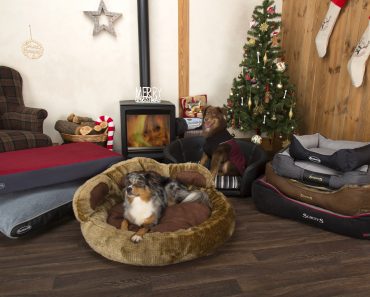
    Pet bed specialists Scruffs® have announced a massive 10-day give-away event this week to mark the start of the upcoming festive season.

    From 1st December, Scruffs will be giving away over £1,000 products over 10 days on their Facebook page.

    Dubbed #ScruffsXmas17, the pet-bedding company will offer 10 beds of various sizes and shapes to suit all different types of dog breeds. Prizes will include memory foam, self-heating and super-absorbent styles of bedding and mats from across the Scruffs® range.

    Talking about the company’s plans, Stephen Wooder said, “Scruffs®’ Christmas competition has become an annual tradition, and is a perfect way for us to give back to our community of followers for their continued support throughout the year. This year, we’re excited to be able to giveaway some classic Scruffs® beds along with a few of our brand new products which have only just launched.”

    The company has given away over £3,000 worth of stock in Christmas giveaways alone in the past four years. In 2015, Scruffs® notably donated a Grizzly Bear Bed (RRP: £199.99) to Border Collie Rescue UK as part of their Christmas event, which was shared by over 80,000 people across the globe.

    To get involved with the giveaway, please click here to visit the Pets Love Scruffs Facebook page – facebook.com/petslovescruffs/

  • Why Did Meghan Markle Leave a Dog in Canada & How Will Guy Settle Into Life in London?

    Why Did Meghan Markle Leave a Dog in Canada & How Will Guy Settle Into Life in London?

    Earlier this week it was announced that American actress and well-known dog lover, Meghan Markle would marry Prince Harry. According to K9 Magazine, Meghan’s dogs seem to have tipped journalists off that an announcement was imminent just before the couple shared their news.

    Since then the internet has been buzzing with details of when and where they’ll marry (next May and at Windsor Castle), where their first official visit will be and when (it’s this week in Nottingham) and who’ll be designing the dress.

    At home in Canada, the Suits actress shared her home with two dogs – Bogart and Guy, and Prince Harry even revealed in an interview with the BBC that the Queen’s dogs approved immediately of his bride to be.

    But it seems only one of Meghan’s dogs has joined her in London and that is her Beagle, Guy.

    Bogart has gone to live with close friends and it is being reported that he isn’t expected to join them anytime soon. Fans have since taken to social media to speculate that the decision may be linked to the Labrador cross’ age.

    It is clear from her Instagram posts what her boys mean to her, she’s described them as her loves in past posts, so we can only imagine this is heartbreaking at an otherwise exciting time.

    And just like that…all was right in the world. Bogart & Guy. #theresnoplacelikehome #adoptdontshop

    A post shared by Meghan Markle (@meghanmarkle) on

    So, what can Guy expect as a city boy living in London?

    “Moving to a new home can be a stressful time for our pets as they can’t understand why their routine has changed, especially when travelling from as far away as Canada.

    “Dogs are extremely adaptable animals so most will take change in their stride but there are some simple steps Meghan, and anyone else moving dogs to a new home, can follow to reduce the stress as much as possible.”, Prit Powar, Head of Direct Line Pet Insurance said.

    Lazy Sunday with my Guy #adoptdontshop #homesweethome

    A post shared by Meghan Markle (@meghanmarkle) on

    Here are some top tips:

    1. Set up a ‘den’ in a quiet room full of their toys, blankets or bed which have familiar smells from their previous home will help them get used to their new surroundings when they first arrive and make them feel safe when transitioning to their new home.
    2. Plug-in pheromone diffusers can help dogs feel calm during stressful situations and these may settle them into their home with ease.
    3.  Ensure all members of the new home remain calm around their pet, as dogs pick up on human energy.
    4. Keep up with the normal schedule, such as time and length of walks and when they are fed, can also settle nerves and allow the dog to settle into a familiar routine despite the unfamiliar surroundings.
    5. Limit the time they are left alone within the first weeks of the new home, this will prevent the dog from feeling abandoned or forgotten about.
    6. Make sure the new home is completely dog proof and that they have had the required vaccinations.

    Prit Powar concludes, “Furthermore, Meghan should also remember that microchipping is a legal requirement for all dogs in the UK so she’ll need to get Guy chipped with her new Kensington Palace address before letting him outside!”

  • Heroic Street Dog Saves Woman From Mugger – You Need to See This

    Watch the moment this hero stray dog intervened to save a woman from a would-be mugger. The courageous canine is seen sitting in the middle of the street when the mugger pounced. Not only did the daring dog chase the mugger away, he even went back to see if the frightened woman was ok after the ordeal.

    Not all heroes wear capes!

  • The Highest Military Honour a Dog Can Receive Awarded for This Incredible Act of Canine Bravery

    A British Military Working Dog (MWD) who helped save the lives of troops in Afghanistan has received the prestigious PDSA Dickin Medal* – the animal equivalent of the Victoria Cross.

    Mali, a Belgian Malinois, has been recognised for his heroic actions during a highly sensitive military operation in 2012, where he assisted an assault force in securing a key enemy stronghold.

    The medal was presented by the UK’s leading veterinary charity, PDSA, on Friday 17 November – the 100th anniversary of the charity’s inception. A presentation ceremony, held at The People’s Palace, London, was attended by Mali and his current handler, Corporal Daniel Hatley.

    Mali’s ‘awesome ability and determination’ were praised by PDSA Director General, Jan McLoughlin, who declared the dog ‘an incredibly worthy recipient’ of the medal.

    The globally famous medal was introduced by PDSA’s founder, Maria Dickin CBE, in 1943. It is the highest award any animal can achieve while serving in military conflict. Mali’s PDSA Dickin Medal is particularly unique because it bears a commemorative ‘Centenary’ bar, to mark its presentation on the charity’s 100th birthday.

    Eight-year-old Mali, who is attached to the Royal Army Veterinary Corps (RAVC), is trained to sniff out explosives and detect insurgents. His expertise during one particular operation was vital in helping the UK forces and its allies secure a key enemy stronghold amid sustained fire.

    About Heroic Dickin Medal Winner, Mali

    MWD Mali, was part of a British military unit deployed to Afghanistan in 2012. During his tenure, Mali assisted in an operation to secure an enemy stronghold, situated in a multi-storey building. The significance of his actions during this seven-and-a-half-hour mission saw him perform above and beyond the call of duty on numerous occasions.

    Mali was sent through direct fire on two separate occasions to conduct searches for explosives. He also indicated the presence of insurgents numerous times, giving the assault force vital milliseconds to engage the enemy in close quarter combat.

    During the operation, Mali was hoisted up the outside of the building several times to provide the assault force with a key foothold to attack the insurgents.

    In the melee that took place, the assault force sustained casualties. Mali was also seriously injured by three grenade blasts: the first two explosions caused injuries to his chest, front and rear legs. A further blast detonated close to his face, causing the loss of Mali’s front tooth and damage to his right ear.

    Despite his injuries, Mali continued his duties and pushed forward, remaining close to his handler. He played a key role in breaking the stalemate that had begun to develop in the building, providing impetus for the host nation and UK forces to continue to fight and bring about a successful resolution.

    Mali displayed outstanding courage in the face of fire. There is no doubt that his actions throughout the operation were pivotal in the success of breaking an enemy stronghold, helping to save multiple lives and prevent further injury.

    Mali’s gallantry and devotion to duty makes him a worthy recipient of the PDSA Dickin Medal.

    Mali’s handler at the time, whose identity has been protected for security reasons, was awarded a gallantry medal for this action during the operation.

    After receiving emergency treatment for his injuries, Mali returned home from Afghanistan, where he made a full recovery.

    Although retired from front line duties, Mali continues to work at the RAVC’s Defence Animal Centre in Leicestershire, where he and his current handler, Corporal Daniel Hatley, help to train new dog handlers.

    What Mali Did To Earn The Dickin Medal

    Commenting on Mali’s PDSA Dickin Medal, the charity’s Director General, Jan McLoughlin, said: “Mali has displayed a truly awesome ability and determination to seek out explosives and insurgents during a key operation. To achieve this while exposed to close combat and such intense enemy attack, makes him an incredibly worthy recipient of the PDSA Dickin Medal. It is even more poignant that we were able to make Mali’s award today on our charity’s 100th birthday.”

    Corporal (Cpl) Daniel Hatley trained Mali as a puppy before he was deployed to Afghanistan to work with another handler, whose identity cannot be revealed for security reasons. Cpl Hatley and Mali are now reunited to work together again, based at the Defence Animal Centre in Melton Mowbray. Commenting on Mali’s honour, he said: “I am extremely proud of Mali. The way he conducted himself when it mattered most enabled my colleagues to achieve success in close combat. Being awarded the PDSA Dickin Medal recognises Mali’s vital role within the force that day.”

    Lieutenant Colonel Abby DuBaree from the Royal Army Veterinary Corps said: “Mali’s PDSA Dickin Medal is extremely well deserved. Stories like Mali’s are sobering to read and help to demonstrate the key role that animals continue to play in our armed forces. Mali joins our distinguished roll of honour for Royal Army Veterinary Corps animals who have received the PDSA Dickin Medal. We are exceptionally proud of him. That this medal has also been bestowed by PDSA on the charity’s 100th birthday makes this honour even more special.”

    Brigadier Roly Walker, Head Army Strategy and Colonel Commandant of the Royal Army Veterinary Corps (RAVC) said: "As long as we’ve had soldiers, we’ve had animals; and I think we always will have them.

    “Today’s award of a PDSA Dickin Medal to Mali recognises this unique bond. It comes as the Royal Army Veterinary Corps prepares to mark the centenary anniversary of its Royal Charter, a reflection of the historic service and heroism of military working animals and their handlers in war.

    “The medal also recognises the tremendous innovations the Corps has made in selecting already high-performing animals and then using cutting edge technology to enhance their working abilities. The result is world-class combat teaming between human, animal and technology, with each part augmenting the inherent abilities of the other. This sort of sophisticated teaming is essential to us being combat ready and able to meet the constantly shifting challenges we face, whether on operations overseas or here in the UK.”

    The PDSA Dickin Medal is a large, bronze medallion bearing the words “For Gallantry” and “We Also Serve” all within a laurel wreath. The ribbon is striped green, dark brown and sky blue representing water, earth and air to symbolise the naval, land and air forces.

    Mali is the 69th recipient of the PDSA Dickin Medal. Recipients include 32 dogs (including Mali), 32 World War II messenger pigeons, four horses and one cat. For more information about the medal and its recipients, visit www.pdsa.org.uk/dickinmedal

    The presentation ceremony was held within The People’s Palace, east London, just a few yards from the site of PDSA’s first ever permanent dispensary, on Harford Street.
  • UK Government Votes to Deny Dog Sentience: More MPs & Charities Speak Out

    Yesterday we brought news that MPs had voted to deny dog sentience as an enshrined law. The Dogs Trust has joined the RSPCA to criticise the move along with those politicians who have spoken out in favour of protecting animal sentience within British law as the UK votes on new laws once withdrawal from the European Union is complete.

    The charity statement reads:

    Dogs Trust express disappointment at lost opportunity as MPs vote against including animal sentience in the EU Withdrawal Bill negotiations

    Dogs Trust warns there is a real risk of animal welfare laws slipping in the UK as MPs voted not to include animal sentience in the EU Withdrawal Bill on Wednesday evening. This is a huge blow for animal welfare as this would have ensured that these obligations, currently in EU law, would have been recognised in UK law after Brexit.

    Although the UK is currently a country with some of the better animal welfare standards in Europe, when it comes to animal sentience – the capacity to feel, perceive, or experience – the UK has no legal instrument other than Article 13 of the EU Lisbon Treaty*, which states that animals are sentient beings.

    Dogs Trust Veterinary Director, Paula Boyden, comments:

    “Animals are sentient beings whose welfare should be protected. We need to ensure that this principle is retained in future UK legislation after we leave the EU otherwise there is a risk to our animal welfare standards. The current EU requirement to fully consider animal sentience obliges policymakers to pass progressive animal welfare laws and is important for ethical reasons as well as to protect animal welfare. We are a nation of animal lovers and we implore Government to remember this as we exit the EU.”

    Caroline Lucas MP who raised the amendment last night comments:

    "Yesterday’s decision by the Government to vote down my amendment on animal sentience really was disappointing. This change would have guaranteed that animals don’t become collateral damage in the Brexit negotiations – and it’s a real shame it was rejected. I know that animal lovers will be concerned by this setback, but there’s still a chance that the House of Lords can change the Bill – and enshrine animals sentience into British law."

    Dogs Trust now strongly urges the House of Lords to take forward the issue of animal sentience when the EU Withdrawal Bill is debated there, most likely early next year.

    Further reading:

    What does Brexit mean for puppy farming & other animal welfare law?

  • 1 Million Dogs Die for Indonesia’s Dog Meat Trade, But Most People Don’t Eat It – So Why Is It Happening?

    1 Million Dogs Die for Indonesia’s Dog Meat Trade, But Most People Don’t Eat It – So Why Is It Happening?

    An investigation by ‘Dog Meat-Free Indonesia’ has concluded that up to a million dogs suffer every year for the dog meat trade across the country.

    The shocking findings have been released by the coalition today alongside footage that exposes the horrifying brutality and suffering by almost 1 million dogs, including stolen family pets, every year for Indonesia’s dog meat trade.

    But most people in Indonesia don’t eat dogs, and calls are growing to end the trade because of animal welfare and human health concerns, namely the World Health Organization, which has identified Indonesia’s dog meat trade as a major contributor to lethal rabies in the country.

    The launch of the “Dog Meat-Free Indonesia” campaign by Animal Friends Jogja, Change for Animals Foundation, Humane Society International and Jakarta Animal Aid Network, has received the backing of some of Indonesia’s biggest superstars – actresses Chelsea Islan and Sophia Latjuba, and singer Gamaliel Tapiheru.

    As well as well known animal loving international celebrities Ricky Gervais, Joanna Lumley and Peter Egan.

    The celebrities have starred in a powerful new PSA video called “I Didn’t Know” which campaigners hope will influence hearts and minds towards ending this trade.

  • 175 Dogs Die Each Day Because of Dog Attacks, Are We Doing Enough to Prevent the Growing Problem?

    175 Dogs Die Each Day Because of Dog Attacks, Are We Doing Enough to Prevent the Growing Problem?

    As new research reveals that 175 dogs per day – 64,097 dogs in total – died in the last 12 months as a result of dog attacks, we are asking the question – are we doing enough to educate our dogs and protect them and others?

    In the last 12 months, one in seven dog owners revealed that they have seen their pet attacked by another dog, while 44,375 dogs suffered life-changing injuries.

    The tragic findings, which have been released by Direct Line Pet Insurance, highlight that of the dogs injured, over a third needed veterinary treatment with dog owners collectively spending over £458 million to treat their dog, or another dog involved in the incident, with vet bills averaging between £400-700 per dog.

    Common injuries dogs sustain in attacks revealed

    The pet insurer also shared insights from vets across the country, which reveal the extent of consequences to dogs attacked and injured, with many reporting that the most common injuries they treat include punctured stomach and lungs, broken jaws and neck injuries.

    Over a quarter of vets admitted that despite their efforts, almost 3 in 10 dogs had to be sleep.

    Madeline Pike, Veterinary Nurse at Direct Line Pet Insurance, said, “It is shocking to hear the number of pets injured each year in dog attacks and the horrifying injuries they suffer.

    “The cost of treatment for attack injuries can be extremely high and the last thing dog owners want to think about if their pet is injured is whether they’re covered, which is why we advise all dog owners to regularly review their insurance policy to ensure their dog is covered should the worst happen.”


    Ace, pictured above, came into dog rescue after being attacked by other street dogs

    The main reasons dog attacks happen

    According to the pet insurer’s findings, nearly a third of pet owners whose dog has been attacked or involved in a fight in the last 12 months said it was because the owner of the other dog could not control their pet, while a quarter of the dog owners claim it was because the other dog was off lead and provoked their dog.

    One in six dog owners admitted they knew the other dog had an aggressive reputation and this was the main reason, while others believe it was because playing got out of hand.

    What can be done to prevent dog attacks rising?

    Over a third of veterinary experts report that dog fighting predominantly occurs when dogs are allowed off the lead when they should not be and when owners have no control over their pet.

    They also highlight lack of neutering as a problem, due to extra levels of testosterone, which can lead to territorial issues. Another key issue identified by vets is lack of socialisation with other dogs, which can easily be remedied by joining a dog training class or by taking dogs on popular dog walking routes from an early age.

    Madeline Pike continued: “Unfortunately, no matter how responsible and conscientious dog owners are, if other owners are not, serious incidents can occur. All owners should be wary when their dog is off the lead and be vigilant when they interact with other dogs.

    “Owners with nervous or territorial dogs should consider keeping their dog on a lead when around other animals. This will not only reduce the risk of a potential fight, but will give them the peace of mind that their dog is safe by their side. There are also collars available for owners which indicate that their dog is nervous or aggressive. This can subtly let other owners know to keep their dogs on leads, or away from the pet in question.”

  • Fake Vet Peter Keniry Jailed for Three Years

    Fake Vet Peter Keniry Jailed for Three Years

    A three year prison sentence has been handed down to Mr Peter Keniry at Taunton Crown Court after a jury found him guilty of fraud and impersonating a veterinary surgeon.

    With convictions dating back to 1986 for fraud in South Africa and four previous convictions in the UK for practising as an unregistered vet, his most recent deception came to light when he used the identity of a registered veterinary surgeon to gain employment at a veterinary practice in Somerset in 2015, during which time he carried out a number of procedures on animals.

    It was at this time that he raised the suspicions of a veterinary professional who reported him to the RCVS (Royal College of Veterinary Surgeons). Michael Hepper, a Chief Investigator at the organisation then investigated and handed evidence and a statement to the local police force.

    Eleanor Ferguson, RCVS Registrar, said, “Mr Keniry was known to the RCVS as we have assisted in previous police investigations into him for similar offences. As with recent cases, Mr Keniry impersonated a legitimate member of the veterinary profession using fraudulent documentation and this is why we have previously published photographs of him to raise awareness with veterinary practices and to try and stop him being employed in the future.”

    Ferguson concluded, “We believe that Mr Keniry is a threat to animal health and welfare. He is a repeat offender and so we are glad that he has been handed a significant custodial sentence. While sophisticated and convincing fraudsters like Mr Keniry can be very difficult to prevent, we would urge veterinary practices to be vigilant.”


  • California Bans Sale of Puppy Mill Dogs in Pet Store, Encouraging Pet Adoption Instead

    California Bans Sale of Puppy Mill Dogs in Pet Store, Encouraging Pet Adoption Instead

    Dog lovers and animal organisations around the world have joined together to praise California’s Governor Jerry Brown for signing into law legislation that will prevent the sale of dogs, cats and rabbits bred in puppy mills for profit, not health, in pet stores across the state of California.

    In doing so, California becomes the first state in the nation to implement the ban statewide.

    The latest bill (no. 485), which was authored by Assembly member Patrick O’Donnell (D-Long Beach), protects animals and consumers, and sets an important precedent for the entire country to ban the sale of dogs from puppy mills (known as puppy farms in the UK) in pet stores. Instead, the new law encourages partnerships to promote the adoption of homeless pets.

    The bill passed Californian legislature on 14th September and to date, 36 jurisdictions in California – including the cities of Los Angeles, Sacramento, San Diego and San Francisco – have enacted similar ordinances, but through the signing of the latest Assembly Bill, California has become the first state in the nation to enact a statewide prohibition on pet store sales of dogs from puppy mills.

    As you can imagine, this groundbreaking legislation has the enthusiastic support of a coalition of local and national animal welfare groups.

    “This landmark law breaks the puppy mill supply chain that pushes puppies into California pet stores and has allowed unscrupulous breeders to profit from abusive practices,” said Matt Bershadker, president and CEO of the ASPCA. “We’re proud to be part of the coalition that worked alongside Assemblymember Patrick O’Donnell to pass this critical animal protection bill, and thank the California legislature and Governor Brown for sending the clear message that industries supporting animal cruelty will not be tolerated in our society.”

    “By signing this groundbreaking bill, California has set an important, humane precedent for other states to follow,” said Gregory Castle, CEO of Best Friends Animal Society. “We commend Governor Brown’s signing of this lifesaving legislation to codify statewide what cities across California have already done to help put an end to the cruelty of pet mills.”

    “Californians recognize that pet stores enable the work of puppy mills, which cause suffering for dogs and heartbreak for consumers,” said Wayne Pacelle, president and CEO of The Humane Society of the United States. “We are grateful to Governor Brown for putting his stamp of approval on a state policy to dry up funding for this inhumane industry.”

    “This is a significant milestone in easing the overcrowding of homeless animals in California shelters, relieving county budgets and stopping the abusive puppy mill industry,” said Gary Weitzman, president and CEO of the San Diego Humane Society. “We commend Governor Brown for signing AB 485 so California can continue to lead the country in the protection of animals and helping end the cruelty of commercial puppy mills once and for all.”

    “This legislation is a big step forward for animals in California,” said Dr. Jennifer Scarlett, President of the SF SPCA. “By signing AB 485, Governor Brown has helped stop pet mill cruelty and save the lives of rescue animals in San Francisco and across our state. We want to extend our sincere thanks to Governor Brown for his leadership on this issue.”

    California joins more than 230 cities, towns and counties across the U.S. that have passed pet store ordinances to take a stand against allowing cruelly-bred animals to be sold in their communities. Despite enticing claims that they only source from licensed, humane or small-scale breeders, pet stores across the country are invariably supplying unsuspecting consumers with animals from puppy and kitten “mills.”

    These “mill” facilities are designed to maximize profits at to the expense of the animals in their possession. Those animals are generally kept in overcrowded and unsanitary conditions without adequate veterinary care, food, water or socialization. Animals bred in these conditions may suffer severe health problems, including contagious and deadly diseases and congenital defects, as well as behavioral problems. AB 485 will help break the supply chain so that “mill” operations are unable to profit from their abusive practices.

  • This Guide Dog Is About to Meet Her New Owner

    Ruby is a very bouncy Labrador Retriever cross who became part of the Guide Dogs family at seven weeks old almost two years ago. Now she’s ready to head out into the big wide world and next month she will meet her new owner.

    To mark National Guide Dog Week, Forthglade, who have been sponsoring Ruby, commissioned a short video diary of her to highlight guide dog puppy training, everything that it involves and how these incredible dogs transform the lives of a blind or partially sighted person.