Category: Magazine

  • Honouring Togo, The Heroic Dog Who Inspired An Epic Disney Movie

    Honouring Togo, The Heroic Dog Who Inspired An Epic Disney Movie

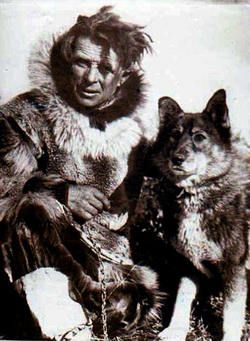
    A community is coming together to honor a true and important hero in history. It all started last December after I finished watching, Togo, disney’s new historical drama based on the true story of Leonhard Seppala and his titular sled dog, writes Madison Parr.

    Togo and Leonhard took part in the 1925 serum run to Nome, Alaska to transport diphtheria antitoxin serum through the harsh conditions during an epidemic of diphtheria.

    Many people associate the true hero of this story to be Balto, because he ran the last and shortest leg (55 miles) of the expedition into town carrying the lifesaving serum, however, Togo was the true hero dog of the serum run due to the fact that he was the lead dog for Leonhard Seppala’s team during the longest and most dangerous leg of the serum run (261 miles) to Nome in 1925, all at the age of 12.
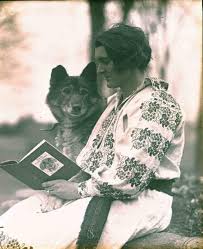
    Togo retired in Poland Spring, Maine where he later passed away at the age of 16.

    After watching the movie, I knew I wanted to do something to honor this true hero. Balto had an entire franchise dedicated to him, and one the largest statues in Central Park in New York, it just didn’t seem so far.

    So, I immediately began my research on Poland Springs, Maine, sculptors, and anyone in the town who might be interested in helping me pay tribute to Togo. (I should add that at this time, and up until 3 months ago, I was living in Kansas.)

    My first step was to create a GoFundMe page to begin the fundraising process for the statue that I wanted to erect in Poland Springs, his last resting place.

    My first call was to the Parks and Recreation office in Poland, Maine. I was connected with their recreation director and mentioned that I had been touched by the story of Togo, had started a fundraiser for a statue, and inquired about where the city might approve the monument. I was then put in contact with Cyndi Robbins, and this is the point where everything just clicked, and I knew that this project would be one of the most rewarding experiences of my life.
    Cyndi Robbins is the owner of the Poland Springs Resort hotel and leading board member of the Poland Springs Preservation Society, and an avid dog lover, whose dog’s name is, you guessed it, TOGO! I will never forget our first phone call, we talked for over an hour about our love for dogs, nature, and how excited and determined we were to raise the funds for the statue. Cyndi ended up approving for the statue to go on the grounds of the hotel/Preservation Society.

    Cyndi is on the cover of the LA Metro Magazine regarding an article about Togo and how he found his way to Poland Springs. As innkeeper of the Poland Spring Hotel, Cyndi had met many famous guests who visited the resort including Rose Kennedy, Babe Ruth, Jimmy Durante, Togo holds a special place in her heart.

    Togo’s connection to Poland Springs began after he and Seppala visited Madison Square Garden in New York City, where he received a gold medal for bravery. During their trip in New York, Leonhard met Arthur Walden, another famous musher from New Hampshire. Walden had a team of sled dogs larger than Seppala’s team and challenged Seppala and Togo to a sled dog race in Poland Springs, Maine.

    The race took place in 1927 on Middle Range Pond, a few miles away from Poland Springs Resort, where Seppala would then meet his wife, Elizabeth Ricker, whose family has connections to the resort since the 1700’s. Elizabeth was so impressed with Seppala Togo, that she proposed a partnership with him and the first Seppala Kennels, which was formed in 1927 in Poland Spring.
    The kennels played an important role in the history of the Seppala lineage and the Seppala Siberian Sled dog breed. I was both shocked and amazed to find out that the new grounds for the Togo statue had such an important and direct relation to Togo and Seppala himself.

    Flash forward today, January of 2021, a full year since I began fundraising in partnership with Cyndi, and the Poland Spring Preservation Society and hotel, we have made great strides and have an incredible. event/expedition coming up that we think the world needs to hear about.

    Not only have we hired a local sculptor to complete the statue, we have raised almost $8,000 of the $25,000 needed to complete this project.

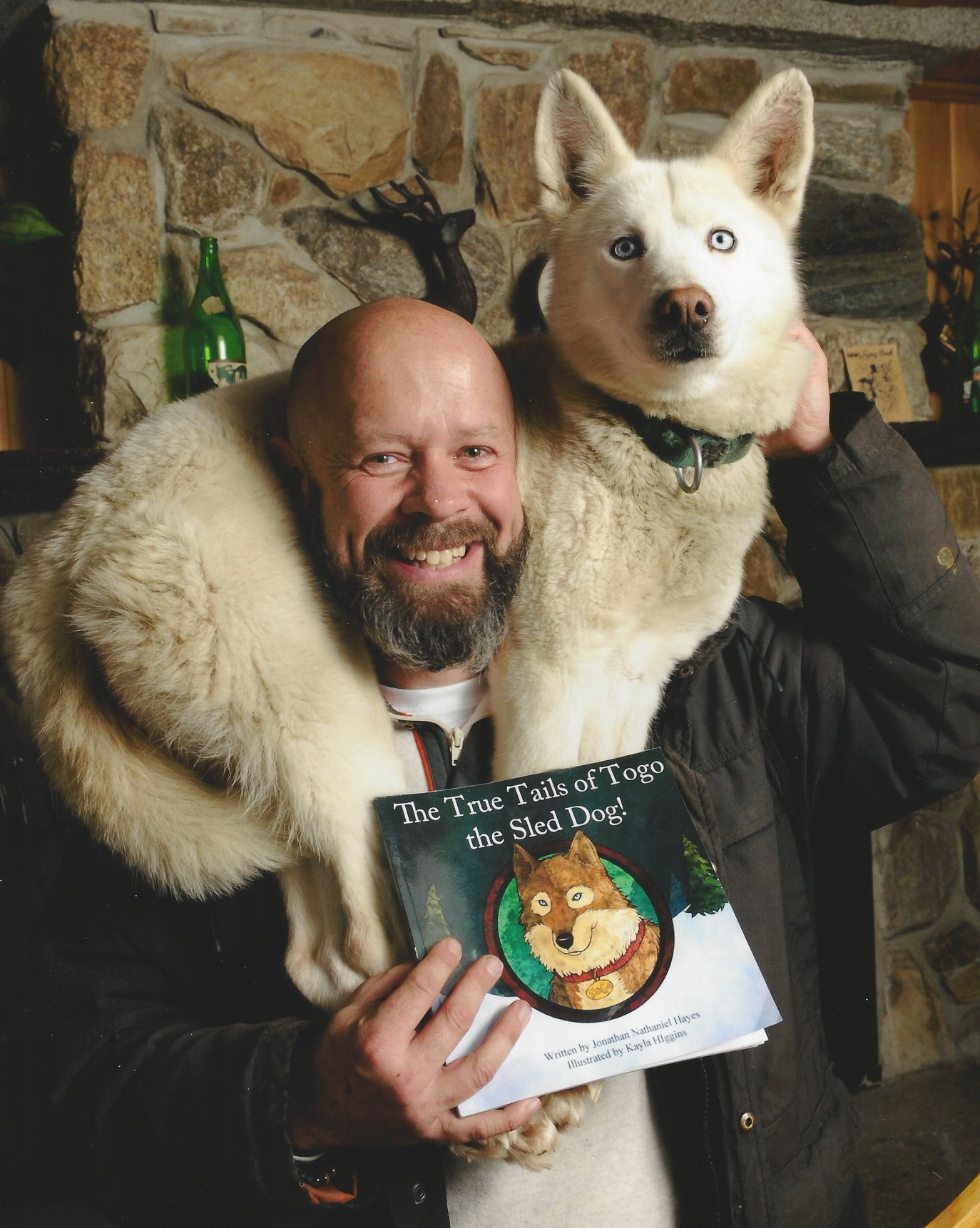
    One of the individuals in the town who has agreed to help pursue this endeavor is Jonathan Hayes, environmentalist, musher, author, who actually breeds Seppala Siberian Sled Dogs which are descendants of Togo and the other dogs of the famous dog team. He just recently wrote and published a children’s book, “The True Tails of Togo the Sled Dog.” He is also the author of “Mush: Leadership Lessons Learned from a Lead Dog.”

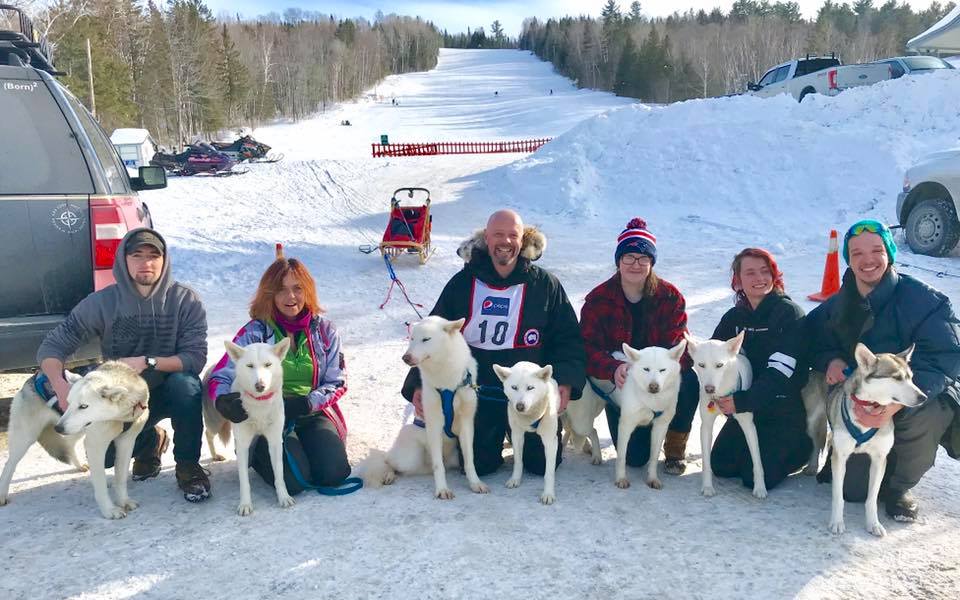
    In order to help raise funds for the Togo monument, Jonathan has taken upon himself to put on a Solo Sled Dog Expedition Across the Wilderness of North Maine. — At noon on Saturday February 20th, a purebred team of Seppala Siberian Sled dogs will depart from the “Americas First Mile Monument” for a solo week-long Expedition of over 200 miles through the north woods of Maine.

    The route will be due west to the town of Allagash, and then South, through the North Maine Wilderness, finishing some 5-6 days later and the southern end of Moosehead Lake in Greenville, Maine.

    This solo expedition is a collaborative effort between the Poland Spring Preservation Society and Seppala dog team musher Jonathan Nathaniel Hayes, to raise funds for a proposed monument of the famed sled dog Togo at the Maine State Building at Poland Spring.

    “Few people who have seen the recent Disney movie realize that Togo and musher Leonhard Seppala settled here in Maine after their epic mush to save the children of Nome Alaska from an outbreak of diphtheria in 1925.

    Togo spent his last days here at our resort.” said Cyndi Robbins, owner of Company Name. “Erecting this monument will help Mainers connect to this part of our history.”

    During our present pandemic, we feel there is no better time to deliver this harrowing story of hope. Due to the current outbreak, all long-distance dog sled races have been canceled in the northeast.

    “Togo was an exceptional dog and Leonhard Seppala was an exceptional musher.” said Jonathan Hayes, musher, Customer Name. “I’m excited to think that my dogsled expedition with the descendants of Seppala’s team will help to create a permanent reminder to our state residents of our connection to this inspiring moment in American history.”

    I and 12 other members of the community hold weekly meetings to discuss the progress, goals, and amazing stories of the wonderful Togo. This is truly a story about a random girl from Kansas, and an entire community in Poland Springs, Maine, coming together to pay tribute to a true hero.

    We are all incredibly passionate about this and we feel the world would be too. I’ve formed amazing friendships with these welcoming individuals and I can’t wait to make it up to Maine and meet everyone. This story has yet to be reported on and we would love the opportunity.

    I also envision coverage of Jonathan and the sled team towards the end of the expedition, as he is rounding the corner towards Moosehead Lake, it would be an incredible opportunity for live footage, interviews, and even a chance for organizations and brands to sponsor the run.

    Jonathan’s expedition is approaching quickly, and he’s not asking for any donations so that all of the funds can go towards the monument, however, Cyndi and I have set aside a way to donate to his expedition as it will cost him a round $1,200 for all of the necessary supplies for his solo seven-day expedition through the woods.

    For more information about Togo, Leonhard Seppala, and his team, check out www.mushmaine.com

    To donate to the erection of the Togo monument at the State House Poland Maine, visit the fund raising page.

     

  • Urgent Advice For UK Dog Owners Who Feed Pedigree Or Chappie (Dog Food Recall)

    Mars Petcare UK has announced the proactive recall of a limited number of products, including CHAPPIE® Complete, PEDIGREE® Dry Mixer and PEDIGREE® Complete Dry Chicken and Vegetables products.

    The company has urged owners to discontinue feeding specific products immediately and to contact the company.

    Mars statement on product recall:

    These products do not meet our high quality and safety standards and could contain levels of Vitamin D which may cause harm to your pet if consumed over several weeks, so we are taking this proactive step to retrieve the listed products.

    We ask consumers who have purchased these specific, affected products to immediately cease feeding it to their pet and contact our consumer care team for more information.

    If you have fed this product to your pet and in the event they are showing signs of illness, such as excessive drinking and urination, we encourage you to seek veterinary advice.

    The Lot Codes and Best Before Dates listed in the table below are the only products impacted.

    Mars Petcare UK is working with all of our distributors and retailers to ensure that the recalled products are no longer sold and are removed from inventory.

    The Lot Codes and Best Before Dates of the products impacted are detailed in the below table and are the only products impacted. Each product will have a lot code and best before date printed on the bag.

    https://i.imgur.com/TQcnzDj.png

    The following Pedigree and Chappie products are affected by the recall:

    • PEDIGREE® Mixer Adult Dry Dog Food Original (3kg) (PRNewsfoto/Mars Petcare UK)
    • PEDIGREE® Mixer Adult Dry Dog Food Original (10kg) (PRNewsfoto/Mars Petcare UK)
    • PEDIGREE® Adult Complete Dry Dog Food with Chicken and Vegetables (2.6kg) (PRNewsfoto/Mars Petcare UK)
    • PEDIGREE® Adult Complete Dry Dog Food with Chicken and Vegetables (12kg) (PRNewsfoto/Mars Petcare UK)
    • CHAPPIE® Complete Chicken Dry Dog Food (3 kg)

    Mars say that their other pet food products in the UK are not affected.

    The company adds:

    At Mars Petcare, we take our responsibility to pets and their owners very seriously. We care deeply about pets and would like to sincerely apologise for any concern caused.

    Pet owners who have questions about the recall should contact Mars Petcare Customer Service at 0800 013 3131 or visit https://uk.pedigree.com/about-us/contact

  • Warning To Dog Owners After Man Impersonates RSPCA Officer

    Warning To Dog Owners After Man Impersonates RSPCA Officer

    The RSPCA is issuing a warning to dog owners after a concerning incident in London in which a man posed as a charity worker in an attempt to gain access to a puppy.

    The charity was alerted after a man knocked on a resident’s door in the New Southgate area of north London.).

    The man said he was from the RSPCA, had received a complaint about a barking dog and asked to see the owner’s golden retriever puppy.

    RSPCA Chief Inspector Clare Dew, who leads part of the London team, said:

    “Thankfully the dog owner was immediately suspicious of the man, who was wearing no uniform. They secured the door with the security chain and refused to allow the man access to the puppy.

    “The man left the address and the puppy’s owner contacted us. I checked to see if we had any officers in the area at the time and we didn’t.”

    They also alerted police.

    The RSPCA is now issuing a warning to Londoners, as well as people across England & Wales, to always check the identity of officers who come to your home.

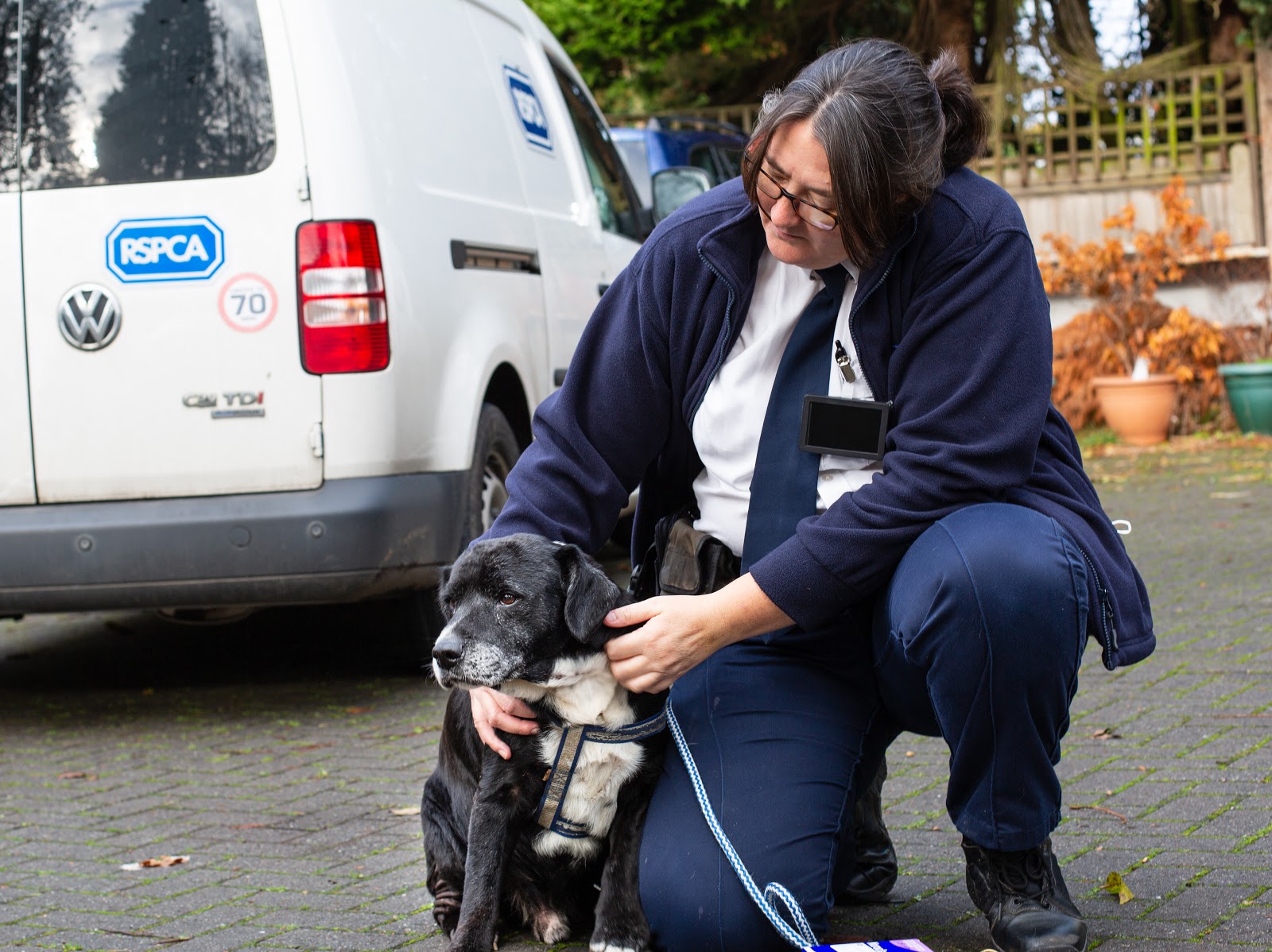
    Clare added: “We would like to remind and reassure the public that our inspectors and rescue officers all wear branded uniforms and carry ID.

    “If one of our officers knocks on your door, please ask to see their ID and check their uniform for branding. Our staff wear navy blue uniforms with the RSPCA logo, as well as white shirts with black ties and black epaulets.

    “Most of our officers drive either white vans or fully branded, wrapped RSPCA vans. All staff vehicles in London feature large branding imagery so are also easy to spot.”

    RSPCA officers have no powers of entry to homes, gardens, land or vehicles, unless accompanying police on a court warrant.

    Clare added: “Our staff can only access your property if you give them permission and can only see your pets with your approval. If you are at all concerned that someone isn’t who they say they are then you do not need to grant them access and you can call our hotline on 0300 1234 999 to check their credentials.”

    Dog thefts on the rise

    The charity is urging all pet owners to be on alert after a reported increase in pet thefts during lockdown, as the demand for pets – and their value – has skyrocketed.

    “We’re concerned that this man may have been posing as an RSPCA inspector in order to snatch this puppy, and that’s extremely worrying,” Clare said. “We understand that there have been a surge in the number of pet thefts during the past year due to the value of many breeds and the demand for pets during lockdown.

    “We’d urge people to take extra precautions to protect their pets from thieves by neutering them, ensuring they’re microchipped with up-to-date contact details registered and ensuring they wear a collar with an ID tag or embroidered contact details.

    We’d advise dog owners never to leave their pets tied up outside shops or alone in cars, to ensure their dog has a good recall and doesn’t stray too far when being walked off-lead, and ensure gardens are secure with locked gates.

    “If you are concerned someone may have posed as an RSPCA officer or another agency worker please report the incident to us and to the local police. And if you believe your pet has been stolen please contact the police as soon as possible.”

  • Yes, You CAN Still Adopt A Dog During Lockdown

    Yes, You CAN Still Adopt A Dog During Lockdown

    It is possible to adopt a dog during the lockdown restrictions put in place during the coronavirus pandemic in the UK.

    The RSPCA will continue to rehome rescue animals on a delivery basis during the ongoing lockdowns in both England and Wales.

    Other dog rescues are also allowing dog adoption to take place during the lockdown.

    Pets including dogs, cats, rabbits, ferrets and other small furry animals will remain available for adoption as RSPCA centres – now closed to the public – switch to a virtual rehoming and delivery process.

    The animal welfare charity has 14 national animal centres across England and Wales – while many of its independent branches also have rehoming facilities switching to a remote process during the latest lockdown restrictions.

    Prospective adopters can speak to RSPCA staff and meet animals via video conferencing and photo sharing – with pets then delivered by an RSPCA staff member once the level of commitment has been discussed, rehoming agreed, and a suitable pet found. However, the RSPCA continues to urge people to do their research and ensure they understand the long-term commitment of pet adoption; given “lockdown life is not forever”.

    Animals in the care of the animal welfare charity are often escaping cruelty or neglect – but can continue to find a second chance of forever home happiness during the current lockdown, with the charity utilising a Covid-secure, remote rehoming process.

    England went back into a full national lockdown on January 5, while Wales has been under tier 4 national restrictions since December 20. However, abandoned, neglected and mistreated animals continue to come into the care of the RSPCA – so the charity say they are “delighted” to still be able to find homes for pets in a safe, Covid-compliant manner.

    RSPCA chief executive Chris Sherwood said: “As the battle against Covid-19 continues, our centres will once again be closed to the public as we all do our bit to stop the spread of this awful disease.

    “However, we are delighted that we will continue to be able to find new homes for animals via a safe and Covid-secure remote process.

    Dog Adoption Links

  • Understand Dog Walking Rules During UK Lockdown

    The RSPCA has renewed calls for local authorities to consider easing some locally-imposed rules on where dogs can be exercised to help dog walkers comply with lockdown rules and stop the spread of Covid-19.

    Many Councils across England and Wales have previously introduced Public Spaces Protection Orders (PSPOs), which often include strict rules on where dogs cannot be walked. There have long been fears that this can restrict suitable dog walking spots in some local communities.

    As England enters another national lockdown, and with Wales already under national Tier 4 restrictions, the RSPCA has renewed its calls for Councils to explore a temporary relaxation of PSPOs related to dog walking to help stop unnecessary travel; enabling dog walkers to exercise within their immediate communities and comply with lockdown measures.

    In England, as of 5 January, people may only exercise once a day, though multiple people from the same household can use this daily exercise to walk the same dog. Meanwhile, in Wales, while there is no limit on how often someone may exercise, people must not travel for exercise, including dog walking – which must start and begin from home.

    These restrictions can create issues for dog walkers who may have local options for exercising their canine companions curtailed by PSPOs. There is concern this could encourage some people to travel to find suitable dog walking spots for their animals – potentially unwittingly breaching Covid-19 rules in the interests of their dog’s welfare and exercise needs.

    Dr Samantha Gaines, head of the RSPCA’s companion animals department, said: “With England and Wales now both in national lockdowns, there are clear restrictions in place concerning exercise, which will impact many dog walkers.

    “In England, exercise is again limited to once per day – and should not be done outside the local area; while in Wales, while exercise is unlimited, this must start and begin at someone’s home.

    “Many local authorities have previously introduced Public Spaces Protection Orders that stop dogs being walked in certain areas – including some sports pitches, green areas and fields. In some areas, there are concerns this restricts the availability of suitable dog walking spots.

    “With restrictions now back in place on travel for exercise, this can really limit the dog walking options some people have and creates something of a postcode lottery for dogs and their owners – with many PSPOs across England and Wales meaning local marked sports pitches and fields can be out of bounds too for dog walkers.

    “If dog owners do not have adequate space to exercise their dogs near their homes, they may make journeys beyond their immediate communities and unwittingly breach Covid-19 rules, aimed to stop the spread of this awful disease. We’re calling on local authorities to be flexible at this time and temporarily relax PSPOs where it is safe and appropriate to do so, to help keep people local and protect dog welfare.”

    The RSPCA is also advising the public to keep dogs on leads at this time – to help ensure social distancing and avoid owners having to come into close contact with one another should they have to go and retrieve their dog.

    Owners of dogs have also been reminded that a friend, relative or someone in the local community may be able to help a vulnerable person, or someone who is self-isolating, with their dog walking – but to closely follow guidance on handover protocols and safety from the Canine and Feline Sector Group (CFSG) and Animal Welfare Network for Wales (AWNW).

    Dr Gaines added: “It’s going to be a difficult period for dog owners, and we’d urge them to research ways to help keep their pets entertained, stimulated and active when inside the home.

    “We all must do our bit to stop coronavirus – and keeping dogs on leads at this time can help ensure social distancing, and will avoid owners unnecessarily coming into contact with one another should a pet need to be retrieved.

    “Many people also face the prospect of self-isolating, or shielding, and it’s important people remember that someone else in your local community – whether a family, friend or professional dog walkers – may be able to walk your dog, if they’re following handover protocols and advice from groups like CFSG and AWNW.

    “After almost ten months of restrictions already, we know this is a tough time and we expect to be inundated with questions from concerned pet owners – so we urge people to spread the word and share guidance on the RSPCA website.

    “RSPCA officers will continue on the frontline responding to emergencies during this unprecedented time, and members of the public can support this work and help give a lifeline to animals online.”

    Dog walking rules in England and Wales – following national lockdowns being introduced

    England

    Wales

    • People must limit exercise away from the home to once daily.

    • People should not travel outside of the local area to exercise.

    • Each person in a household can use their daily exercise to walk the same dog.

    • If you are self-isolating, use your garden as a place for your dog to toilet and play.

    • Someone else may be able to help walk your dog, but must follow advice.

    • There is no limit on how often someone may exercise.

    • People should not travel at all for exercise, including dog walking. It must start and begin from home.

    • If you are self-isolating, use your garden as a place for your dog to toilet and play.

    • Someone else may be able to help walk your dog, but must follow advice.

    The RSPCA has published advice for pet owners on looking after their animals during the ongoing coronavirus pandemic.

  • If You Want To Get A Date, Adopt A Staffordshire Bull Terrier

    New dating app experiment reveals the dog breeds most likely to get you matches!

    • Canine Cottages have conducted a dating app experiment, putting profiles on popular dating apps to see which dog breeds help to score the most swipes
    • Staffordshire Bull Terriers were the most swiped dog breed on female profiles, while Jack Russells were the most desirable for male profiles
    • Experts reveal why people use dogs in their dating profiles to up their A-game

    Looking for love online? A new experiment reveals the dog breeds that will help you get the most swipes on dating apps.

    The research carried out by Canine Cottages, used one female and one male participant’s picture. Images of the most popular dog breeds were then photoshopped on each picture.

    Setting these profiles live on Tinder, Hinge, and Bumble, Canine Cottages then analysed the number of likes and swipes each profile gained from the experiment to determine which pooches get the nation’s hearts pounding the most.

    Dog breeds most popular amongst men looking for love

    1. Staffordshire Bull Terrier (121 swipes)
    2. Chihuahua (110 swipes)
    3. Mixed Breed (104 swipes)
    4. Cockapoo (101 swipes)
    5. Jack Russell (90 swipes)
    6. German Shepherd (84 swipes)
    7. Cocker Spaniel (82 swipes)
    8. Labrador (70 swipes)
    9. French Bulldog (65 swipes)
    10. Shih Tzu (62 swipes)

    The Staffordshire bull terrier, or Staffy as it’s most commonly known, was the most swiped dog breed on the female profiles, amassing 121 likes from potential pooch-loving partners.

    At the other end, a French Bulldog (65 swipes) and Shih Tzu (62 swipes) were the breeds with the least number of swipes from men, but at 65 and 62 swipes, there’s definitely still a lot of French bulldog and Shih tzu lovers out there!

    Dog breeds most popular amongst women looking at men’s profiles

    1. Jack Russell (20 swipes)
    2. Cockapoo (19 swipes)
    3. Labrador (18 swipes)
    4. Mixed breed (17 swipes)
    5. German Shepherd (15 swipes)
    6. French Bulldog (13 swipes)
    7. Chihuahua (12 swipes)
    8. Shih Tzu (11 swipes)
    9. Cocker Spaniel (10 swipes)
    10. Staffordshire Bull Terrier (9 swipes)

    Interestingly, while a Staffy was the most swiped dog breed on the female profile, it’s the least swiped dog breed on the male profile, with just 9 women swiping right on the male profile with the Staffy – 172% fewer swipes than on the female profile!

    It seems men and women have somewhat different ideas on which dogs are the most ‘swipeable’ to them.

    The experiment suggests that women are more drawn to men with more conventional, widely popular breeds such as Cockapoos and Labradors, while men prefer Staffys, Chihuahuas, and mixed breeds – breeds that are conventionally less popular – but still hugely adored!

    So, why do so many people use dogs on their dating profiles? James Preece, celebrity dating coach & relationship expert, says: “Adding a photo of a dog can be a great idea if you want to be successful at dating. It provides an instant, fun icebreaker and makes it easy for someone to start a conversation. Rather than try and think up something to say, all they need to do it ask a question about the dog.

    “It also shows they are active and kind. If the dog loves them then other people will do too.  For those looking for someone to start a family, it’s also a fantastic way of showing that you are a care giver and able to look after something other than yourself.”

    Commenting on the research, Shannon Keary, Campaigns Manager at Canine Cottages, says: “We are truly a nation of dog lovers, and many people are more drawn to people with pet dogs as they are generally seen as more affectionate and loving.

    “In this campaign, we wanted to reveal exactly which dog breeds are the most ‘swiped’ on dating apps and see if there are any differences between the way men and women interpret different dog breeds. We staged dating profiles using the same pictures of each participant to make the experiment fair, and the results are really fascinating! It’s especially interesting to see that men were more drawn to a woman with a Staffy on their profile, while for a woman it was a Jack Russell.

    “This is a fun campaign and we’re pleased that we’ve been able to uncover once and for all what dog breeds really make the nation tick!”

  • Dogs Saved From Chinese Dog Meat Trade Will Get New Lives

    Dogs Saved From Chinese Dog Meat Trade Will Get New Lives

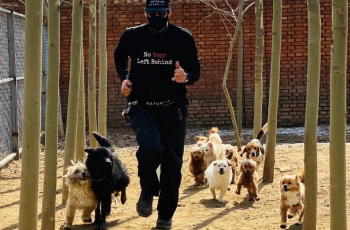
    No Dogs Left Behind, a global animal welfare organization, is partnering with The Beagle Freedom Project to transport rescued dogs from the Chinese meat market. The adopted survivors will be flying in to LAX to begin their new lives This follows 2 historic flights into JFK where 79 dogs were welcomed by their adoptive families in New York City during the Thanksgiving holiday.

    After a quarantine, an overseas flight and customs review at LAX airport, 27 precious pooches will finally be united with loving adoptive families from across the U.S. and Canada.

    Jeffrey Beri, the driving force behind No Dogs Left Behind, has spent the last 4 years on the ground in China, continuing his life’s work with the last 10 months under tougher than normal conditions in the midst of a global pandemic.

    With help from dozens of volunteers, Beri rescues dogs from slaughterhouses, dog meat trucks, wet markets and illegal dog traffickers, and then transports them to safe havens where they receive medical care, nutritional support and rehabilitation on an ongoing basis.

    Over emails, phone calls and even video chats, the companion animals have been matched with loving forever families in North America, who are now eagerly awaiting the arrival of their new best friends.

    Beagle Freedom Project, a global animal rescue and advocacy non-profit organization focuses on the rescue, rehabilitation and rehoming of beagles and other animals used and destined for animal testing and research facilities.

    BFP will be welcoming their beagles into their extensive network of adoptive and foster families. BFP works to end cruelty through its rescues, educational programs, lobbying efforts and campaign initiatives to end needless animal testing and suffering.

    The alignment to drive global animal welfare laws, provide educational programs and engaging legislation between both organizations allows this partnership to fully leverage their influence and save more lives from cruelty.

    No Dogs Left Behind will transport more dogs from China soon– over 150 in total – a record number of international rescues for any organization in such a short period of time. Those interested in adopting or supporting the cause of No Dogs Left Behind and The Beagle Freedom Project can visit nodogsleftbehind.com and bfp.org for more information.

  • These Are The New Rules For Taking Dogs Abroad After Brexit

    These Are The New Rules For Taking Dogs Abroad After Brexit

    From 1 January 2021, dog owners will need a new animal health certificate to take your pet on holiday with you. Pet passports will no longer be valid after Brexit.

    Many things will change for us in 2021 and, as we prepare for the next stage of Brexit, the RSPCA is reminding pet owners to check to see whether the new rules will affect their holiday plans from next year.

    The UK* now has Part 2 listed status under the EU Pet Travel Scheme and this means that from 1 January 2021 you’ll need to follow a new set of rules if you want to take your pet abroad to Northern Ireland or countries within the EU.

    David Bowles, head of public affairs at the RSPCA, said: “A lot will change from 1 January including changes to travel rules for people and for pets. Pet passports will no longer be valid and anyone who wants to take their pet abroad from Great Britain to Europe and Northern Ireland will need a new animal health certificate from their vet each time they wish to travel abroad.

    “We know a lot of people take their pets abroad to compete in shows and competitions, and others like to include their pet when they go on holiday. It’ll still be possible to do all of these things as you do now, but you will need to apply for different certificates and paperwork so we’d always advise owners to take this into account long before departing.”

    New dog travel rules after Brexit quick guide

    Will pet passports still be valid after Brexit?

    No. Pet passports will no longer be valid for pet owners wishing to travel from England, Scotland and Wales;

    What you need to take your dog abroad after Brexit

    If you want to take your cat, dog or ferret abroad from Great Britain to Northern Ireland or a country within the EU then you’ll need an animal health certificate from your vet (valid for one journey for up to four months);

    These certificates will include details of a rabies vaccination (taking 21 days) and, if you’re travelling to Northern Ireland or the Republic of Ireland, your pet will also need to be treated against Echinococcus;

    What you need to take your dog to Great Britain after Brexit

    If you’re travelling from the EU into Great Britain then you’ll need a pet passport and there will be no changes until 1 Jul when you’ll have to use a designated point of entry;

    If you’re travelling from Northern Ireland into the UK then you won’t need a passport or health certificate (as we’re in the same Customs Union) but you will need one to return.

    *England, Wales and Scotland (excluding Northern Ireland which is part of the EU’s SPS area)

  • What’s The Difference Between These Puppies?

    If you were ever under the illusion that genetics and inherited traits weren’t important in dogs, you need to see this.

    There is a reason why dogs do what they do. Genetics.

    Some breeds are predisposed to fetch things, some to herd things, some to protect things.

    https://www.tiktok.com/@softpatchofmoss/video/6871390935587097862?source=h5_m

  • Support RSPCA’s Call For Firework Controls – Enough is Enough

    Support RSPCA’s Call For Firework Controls – Enough is Enough

    The RSPCA is piling pressure on the Government to bring in tighter controls around fireworks after a number of shocking incidents in which animals were attacked with fireworks or died having been spooked.

    The RSPCA has received 82 calls related to animals and fireworks during fireworks season so far (26 October – 9 November). There have also been a number of shocking deliberate attacks on animals as well as incidents in which animals have died as a result of being spooked or frightened by fireworks. And the charity is expecting more incidents over the coming weeks as sales and displays continue into Diwali this weekend (14 November) before Christmas and New Year.

    Dozens of dog owners reported their pets cowering in fear or uncontrollably trembling for hours, while others revealed their dogs had bolted in a panic. Four separate incidents of cats and kittens being strapped to lit fireworks were reported across the country.

    https://twitter.com/BBCScotland/status/1057291398880391170

    An RSPCA spokesperson said: “We were contacted on 2 November after a cat was killed in Rotherham, South Yorkshire, when a firework was attached to him and lit. On Bonfire Night itself we were made aware of two incidents – one in Bradford, West Yorkshire, and one in Kenilworth, Warwickshire – in which fireworks had been strapped to kittens before being set off. And on Friday (6 November), the burned body of a cat was found strapped to a firework in Queensferry, Wales.”

    Dozens of animals and staff at the RSPCA’s Harmsworth Memorial Animal Hospital were left distressed and terrified on Thursday night (5 November) after gangs and police clashed outside the clinic, in North London, after fireworks were thrown in the street.

    On Saturday night (7 November), in Kent, a firework went off less than 1m from RSPCA inspector Rosie Russon who was walking back to her van after collecting two tiny kittens. The two-week-old kittens – now named Tiny Tim and Nancy – were being looked after by a member of the public who had found them abandoned. It’s not known whether the firework was a misfire from a nearby display or had been thrown directly at Rosie as she tried to help the helpless babies.

    Emma James, from Broseley in Shropshire, has backed the #BangOutOfOrder campaign after her young horse, Flashy, died after being spooked by fireworks. She said: “Flashy came from a very successful lineage of racing horses in Newmarket. We’d been preparing for her arrival for months and she was delivered to the yard near our home on Wednesday afternoon (4 November). We checked on her that evening and the following morning and she was fine.

    “But later that day we had a call from someone at the yard saying she’d gone down in her field. We rushed down to her and found her collapsed in the mud, paralysed with fear. She had clearly been spooked and was very distressed; she was sweating, her paddock had been trashed and all of the fencing was down.

    “Flashy (pictured) was a fit and healthy youngster with a clean bill of health. She had clearly been spooked by something which had sent her careering around her paddock and injuring herself. It was Bonfire Night and I can only believe that fireworks were to blame.

    “My 14-year-old daughter, Lola, sat and cradled her in the mud for hours until a vet arrived and we made the heartbreaking decision to have her put to sleep. Examinations later revealed that she’d fractured her spine and wouldn’t have been able to be saved. Flashy meant so much to us already, it was heartbreaking to lose her like this.”

    Richard Wilford, and his son Sean, from Fleckney, Leicestershire, are also getting behind the campaign after their nine-year-old rescue dog, Faye (pictured above), died after bolting in her garden. The greyhound was rescued from a dog meat farm in China before being adopted by the Wilfords in January 2017.

    Richard said: “She was fine in the house. We’d been watching TV and I waited for a break in the fireworks to take her out into the garden to go to the toilet before bed. All of a sudden there was an almighty explosion, followed by two more as three fireworks were set off nearby.

    “Faye panicked and bolted for the house, running straight into the patio doors. The sound of the impact was as loud as the firework. She fell onto the ground and started convulsing. Within two minutes she was dead. It was horrendous.”

    Emma – who has joined the Ban The Noise campaign in her local area – and Richard have now backed the RSPCA’s #BangOutOfOrder campaign calling for tighter controls and regulations around the sale and use of fireworks in a bid to help animals and people who suffer with fireworks phobias and noise aversion.

    We’re calling for the use of fireworks to be restricted to agreed traditional dates (November 5, New Year’s Eve, Chinese New Year and Diwali); the reduction of maximum permitted noise level of fireworks for public sale (from 120 to 90 decibels); licensing of all public displays and private displays at special events such as weddings; and better labelling on fireworks so consumers can make informed decisions on buying ‘low noise’ fireworks.

    RSPCA animal welfare expert Dr Mark Kennedy said: “Fireworks are extremely stressful and frightening for many animals. Around 62% of dogs, 55% of horses and 54% of cats in the UK* show signs of anxiety when they hear fireworks.

    “All too often we hear heartbreaking stories of animals like Flashy and Faye who seriously injure themselves in a blind panic after being spooked by fireworks. Perhaps even more shockingly, we seem to be seeing more incidents reported to our inspectors of animals being deliberately targeted and injured using fireworks. Enough is enough; we need tighter controls over the sale and use of these potentially lethal explosives.”

    To support the RSPCA’s #BangOutOfOrder campaign visit the RSPCA website and send a letter to your local council to put forward changes.

    Learn how to help calm your dog during fireworks.

  • Joe Biden’s Rescue Dog Joins Long Line Of Political Pets

    Joe Biden’s Rescue Dog Joins Long Line Of Political Pets

    Joe Biden made the news for multiple reasons this week, including for his love of dogs. The 46th president will be welcoming the first rescue dog into the White House in January.

    Major, along with Biden’s other dog Champ, have gained so much attention they even have Twitter users creating accounts dedicated to them.

    Property experts have suggested the White House at almost £400,000,000 so the presidential pups will be living in the lap of luxury. They also decided to take a look at the VIP’s (very important pets) of Presidents and Prime Ministers, past and present, from around the world.

    US Presidential Pets

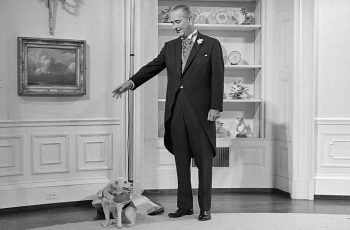
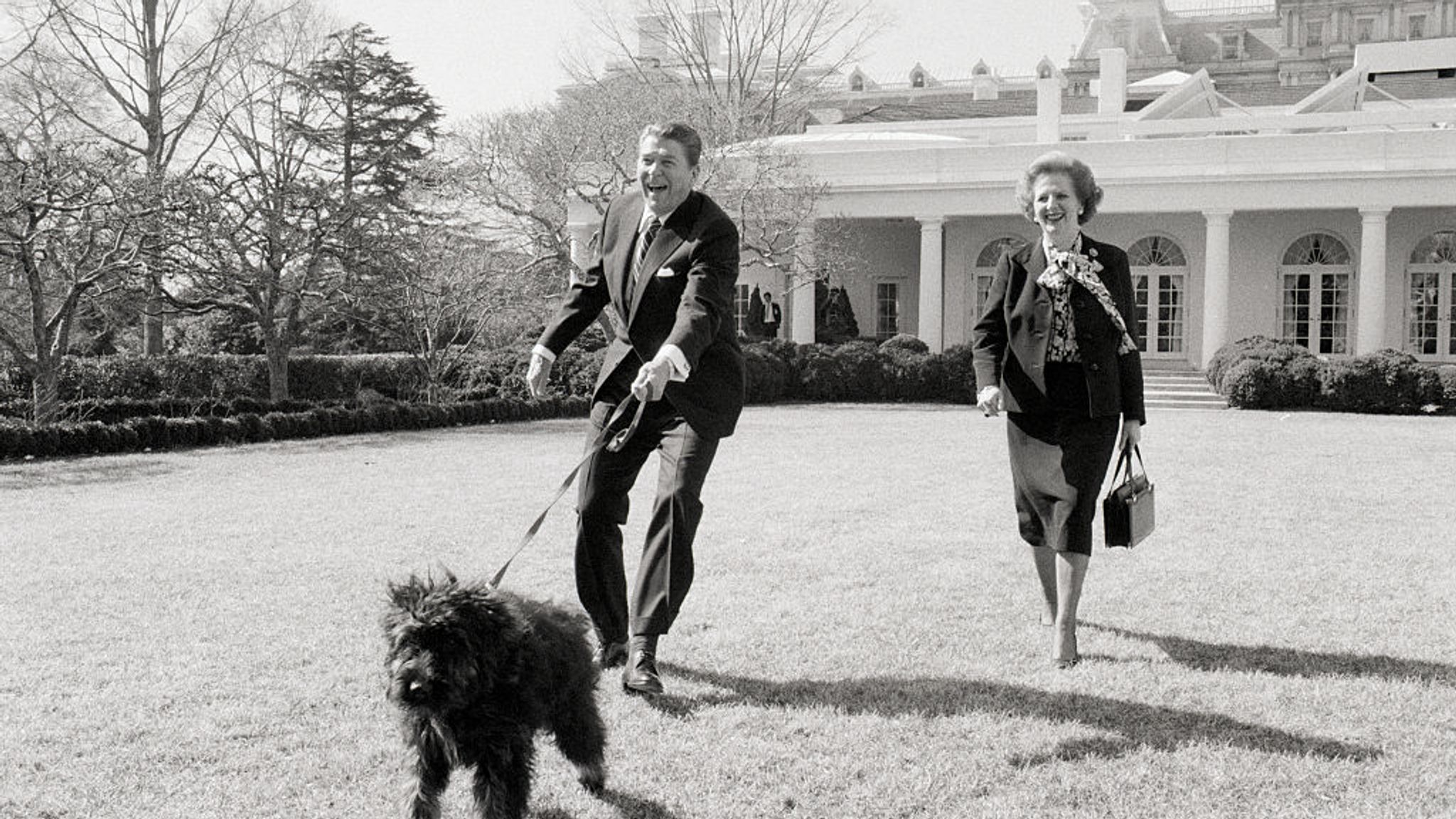
    Looking back over the past 230 years, the White House could have been mistaken for a zoo. There may have only been 45 presidents but there have been over 340 White House pets recorded.

    The Presidents who had the most pets include Calvin Coolidge who set the record with 43. These ranged from a raccoon to lion cubs and even a pygmy hippo named William Johnson Hippopotamus.

    Franklin Roosevelt and his family were well-known for their love of pets. They had 31 during their tenure at the White House. Most notable was Fala, Roosevelt’s Scottish Terrier who travelled around with him wherever he went. The most bizarre being the laughing hyena he was gifted from Emperor Menelik II of Ethiopia. They also had snakes, a barn owl and a horned frog.

    President Woodrow Wilson had 6 types of pet but one of those ‘6’ included 48 sheep that grazed on the White House lawn.

    Other presidential pet facts:

    30 out of 45 Presidents have had at least one dog in the White House
    Trump and Polk are the only Presidents of the United States recorded to not have owned any pets in the White House
    Rutherford B. Hayes was gifted the first ever Siamese cat to enter America
    Benjamin Harrison kept two alligators in the White House conservatory
    John Quincey Adams’ wife, Louisa Adams, kept silkworms and spun her own silk.

    UK Political Pets

    It is reported that No.10 Downing Street has had a resident cat since the reign of Henry VIII.

    Infact, No.10 Downing Street’s current cat (formally known as the Chief Mouser) is called Larry. He has become something of a social media influencer in recent years with his own Twitter account and occasional TV appearances outside Number 10.

    Though Downing Street has had resident cats for much longer, the position of ‘Chief Mouser’ was only created around 1997.

    Until recently, Larry wasn’t the UK Government’s only cat. Palmerston, the Foreign Office cat, was adopted from Battersea Dogs and Cats Home. Although he has since announced his retirement to the countryside.

    France’s Presidential Pets

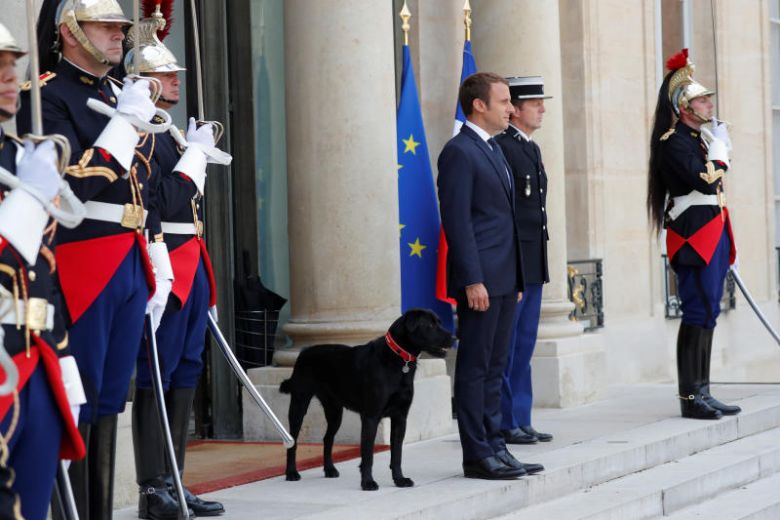
    In France, a presidential pooch is not only embraced but expected. Every post-war president has appointed a ‘First Dog’.

    The most common choice has been a Labrador, but Charles de Gaulle bucked the trend when he accepted a Corgi as a gift from Queen Elizabeth. France’s current leader Macron and his wife have a black Labrador Retriever-Griffon called Nemo, who found international fame when he interrupted a meeting to urinate on a fireplace.

    New Zealand’s Political Pets

    Jacinda Ardern, the New Zealand Prime Minister, had a ginger cat called Paddles. The UK’s Chief Mouser welcomed Paddles to the VIPets club with open paws.

    The cat was Polydactyl – meaning it looked like it had thumbs – and joined other important pets on Twitter with her own account. Unfortunately, within just a year of becoming the First Cat, Paddles sadly died following a car accident caused by the Prime Minister’s next door neighbour.

    Russian Political Pets

    Russia’s Prime Minister, Vladimir Putin, is a huge dog fan. He has had five all together whilst being PM, four of whom are currently still alive; Buffy (2010), Yume (2012), Verni (2017) and Pasha the newest addition (2019).

    Konni was Putin’s first dog in office (1999-2014), a black female Labrador. She would often accompany him to meet world leaders, even Germany’s Prime Minister Angela Merkel, who later revealed she was phobic of dogs.

    He is actively involved in the conservation of many endangered Russian dog breeds.

    Political Leaders And Their Dogs

    Not only have pets been a huge support for government officials around the world, some have even won government seats against human candidates.

    In 1922, Fortaleza, Ceará Brazil elected Yo-Yo, the billy-goat, as their city councilor.

    In 2014 Idyllwild, California they elected a Golden Retriever named Max II as Mayor for life – you can even request a meeting to see him.

    Just two years ago, in 2018, Omena, Michigan elected a cat, called Sweet Tart, to be their mayor.

    Further reading on leaders, politics and pet ownership

    United States:

    https://en.wikipedia.org/wiki/United_States_presidential_pets#History_of_White_House_pets

    https://kids.nationalgeographic.com/explore/history/presidential-pets/

    https://www.weirdhistorian.com/forty-four-presidents-hippo-two-lions-wallaby-two-alligators-one-bad-tempered-badger/

    France:

    https://www.ndtv.com/offbeat/french-presidents-pet-dog-nemo-interrupts-meeting-urinates-on-fireplace-1765767

    Russia/ Putin:

    https://en.wikipedia.org/wiki/Pets_of_Vladimir_Putin

    New Zealand:

    https://twitter.com/Number10cat/status/922769846353440769

    https://www.bbc.co.uk/news/world-asia-41757958

    https://www.theguardian.com/world/2019/jul/10/jacinda-arderns-neighbour-confesses-to-killing-paddles-the-first-cat-of-new-zealand

    UK:

    https://en.wikipedia.org/wiki/Chief_Mouser_to_the_Cabinet_Office

    https://www.petairuk.com/blog/the-history-of-downing-street-pets/

    Animals that have been elected for government positions:

    https://en.wikipedia.org/wiki/Non-human_electoral_candidates

  • National Dog Adoption Day 2020 Gets Tails Wagging

    National Dog Adoption Day 2020 Gets Tails Wagging

    The UK’s second National Dog Adoption Day made a big impression around the Internet with celebrities such as Ricky Gervais and Peter Egan joining in with thousands of people to celebrate rescue dogs.

    National Dog Adoption Day exists to promote the fantastic benefits of adopting a dog from one of the UK’s many animal shelters as well as promoting the concept and advantages of taking on a dog from a rehoming organisation and October 25th 2020 proved that the dog adoption message is really finding an audience.

    https://www.instagram.com/p/CGxG4e4MwGe/

    Former reality TV star turned actress Jess Impiazzi loves dogs. As she is announced as a National Dog Adoption Day celebrity ambassador, she tells us how fate led her to her two dogs.

    “I am so happy to support National Dog Adoption Day. Fate brought my two dogs, Bella and Bruce into my life and my life is richer because of them. If you are thinking about getting a dog, please consider adopting.

    “Dogs are so uplifting, they don’t care what you look like or how your day has been, they love you for who you are and there are tens of thousands of dogs in rescue centres and foster homes looking for a second chance.”

    https://www.instagram.com/p/CGw6qpPsuit/

    https://twitter.com/HumaneAware/status/1320286967599423489

    https://www.instagram.com/p/CGwy-j3sVFz/

    https://www.instagram.com/p/CGz3MwGr2WZ/

  • Should Fireworks Be Banned From Public Sale? UK Parliament To Debate

    Should Fireworks Be Banned From Public Sale? UK Parliament To Debate

    On Monday 2 November, MPs will debate e-petition 276425, relating to the sale of fireworks. Tonia Antoniazzi MP (Gower), member of the Petitions Committee, will lead the debate. The Department for Business, Energy and Industrial Strategy will send a Minister to respond.

    Ban fireworks for general sale to the public

    The petition, which has more than 305,000 signatures, states: “Every year more and more people, animals and wildlife get hurt by fireworks. It’s time something was fine to stop this. There are enough organised firework groups around for us to still enjoy fireworks safely so please help me stop the needless sale of them to the public.”

    In response to the petition, the Government said: “The Government takes the matter of fireworks safety seriously. This includes protecting consumers and the public. Laws are in place to control firework availability and use.”

    Petition details

    • Ban fireworks for general sale to the public – view on petition signature map.
    • View the Committee’s 2019 report on fireworks here.
    • Briefing papers or debate packs will be posted on this page.

    Follow the debate:

     Where in the country were these petitions signed?

    The top 10 parliamentary constituencies that supported the petition ‘Ban fireworks for general sale to the public’ are as follows (as at 23 October 2020):

    Constituency MP Signature Count
    Morley and Outwood Andrea Jenkyns MP 1077
    South Shields Mrs Emma Lewell-Buck MP 1043
    Blyth Valley Ian Levy MP 1037
    Hertford and Stortford Julie Marson MP 1011
    Wallasey Ms Angela Eagle MP 987
    Ellesmere Port and Neston Justin Madders MP 981
    Blaydon Liz Twist MP 942
    North Tyneside Mary Glindon MP 919
    Livingston Hannah Bardell MP 903
    Barrow and Furness Simon Fell MP 898
  • World Animal Day 2020 (Animal Welfare In Times of Global Crisis)

    World Animal Day 2020 (Animal Welfare In Times of Global Crisis)

    How has the current Coronavirus pandemic taken its toll on animal welfare organisations around the globe during the past six months? World Animal Day on October 4 is an opportunity to find out, through interviews with advocates working hard to ensure that animals are not overlooked during the crisis.

    There are currently 93 World Animal Day Ambassadors in 73 countries across the globe. One thing they all have in common is their passion for animal welfare.

    Each Ambassador works for a registered, not-for-profit animal welfare organisation and proudly waves the World Animal Day banner. They were interviewed to give a behind-the-scenes look at the incredible work they do (and, against the odds, continue to do) throughout the pandemic.

    Many of the organisations provide essential neutering and veterinary services in their local communities.

    Khageshwaar Sharma, from the Himalayan Animal Rescue Trust (HART), in Nepal, said: “The animal birth control program was halted for a couple of months. Also, a pass was required to drive to animals in need because veterinary work isn’t recognised as an emergency service by the government of Nepal.”

    “We plan to use social media to interact with veterinary students and the general public who are interested in learning more about animal health. HART resident vets will be available online to answer queries.”

    Thomas Kahema, Executive Director of the Tanzania Animal Welfare Society (TAWESO) said: “[Lockdown] means we have to focus on emergency relief, rather than regular animal welfare services and education. The world isn’t focusing much on issues other than COVID-19, at the moment.”

    This year, TAWESO will use World Animal Day to deliver free veterinary services at the Community Animal Hospital and educate people on their responsibilities.

    Ryan O’Meara, former pro dog trainer and founder of K9 Magazine and adoption website DogsBlog.com, said: “Dog rescues in the UK have been badly affected by COVID-19. There is likely to be a serious uptick in the number of dogs surrendered to shelters in the coming years because of unethical breeders too.”

    He said that World Animal Day would be used to “bring awareness to the plight of dogs produced by irresponsible breeders and try to help people understand how they can help”.

    Dr. Sulaiman Tamer, a veterinarian with the Kurdistan Organization for Animal Rights Protection (KOARP) said: “COVID-19 has altered our plans slightly, but we’ll celebrate World Animal Day by vaccinating stray dogs and treating sick animals.”

    “World Animal Day is the best way to share our message with the whole world. It helps to publicise our activities and media coverage helps us immensely.”

    Svetlana Manojlovic, founder of the Society for the Protection of Animals Podgorica, in Montenegro, said: “Like everywhere, the pandemic has caused many problems for animals. The state has supported us in publishing promotional material urging owners not to abandon their pets, as well as promoting various charities’ projects.”

    Zhang Dan, co-founder of the China Animal Protection Media Salon in Beijing, said: “From February to May, all offline activities were cancelled. From June onwards, I’ve been able to hold lectures around China again.”

    She hopes that, in the future, “…all the World Animal Day Ambassadors around the world will be able to get together to exchange ideas and gain more courage and wisdom!”

    Most animal welfare organisations have adapted so that they can continue to share their educational messages, despite social distancing.

    Sujoy Kumar Dutta, Secretary of People For Animals (PFA) Siliguri, India, said: “COVID-19 has changed many things for us — our work hasn’t fully stopped, but we need to be safe so we can come back better and stronger. We host online consultations for people with sick/injured animals. If it’s an urgent case, we make sure to visit but with strict safety precautions. Recently, we’ve taken to social media to create awareness around animal welfare issues.”

    Mau Hamada, the founder of Alexandria Turtle and Wildlife Rescue Team in Egypt, said: “Many plans were changed or cancelled because of COVID-19, but I still give awareness lectures and workshops on a weekly basis via video-link. I’m preparing a video about animal welfare in my country displaying positive examples of shelters, vets and rescuers. It’s a thank-you message, and it’s good for networking, education and outreach”.

    World Animal Day is coordinated every year by Naturewatch Foundation, a registered animal welfare charity based in the UK.

    Caroline Ruane, CEO of Naturewatch Foundation, said: “We are honoured that our Ambassadors choose to be involved in World Animal Day. Each one of them is an expert in their field and is completely dedicated to their work, not just on October 4, but throughout the year. The extraordinary difference they make to animals’ lives is beyond words.”

    “If you work in animal welfare, or know someone who does, we regularly welcome new Ambassadors to our amazing team. Just email info@worldanimalday.org.uk to find out more, or visit the website at worldanimalday.org.uk.”

    To find ways to get involved on Sunday October 4, go to https://www.worldanimalday.org.uk/get_involved

    To read the full interviews, visit https://www.worldanimalday.org.uk/news/view/world-animal-day-ambassadors-share-their-thoughts

    About World Animal Day

    https://www.worldanimalday.org.uk/

    World Animal Day HQ encourages animal welfare organisations, community groups, youth and children’s clubs, businesses and individuals to organise events in celebration of World Animal Day, held every year on October 4. Involvement is growing at an astonishing rate and it’s now widely accepted and celebrated in a variety of different ways in many countries, with no regard to nationality, religion, faith or political ideology.

    Events are organised under the World Animal Day umbrella by being publicised on the website and advertised using the World Animal Day brand and logo. Global branding effectively ties all events together and, over the years, this approach has been particularly helpful to grassroots groups who struggle to attract media attention in order to raise awareness of their work and fundraise. This draws attention to animal issues and makes them front-page news – a vital catalyst for change. Each year the logo becomes more widely recognised as a global brand for animals.

    With the help of a team of Ambassadors, World Animal Day HQ is committed to encouraging support for the movement’s mission to raise the status of animals around the globe.

    The History of World Animal Day.

  • Vitally Important Pet Theft Petition Reaches 140,000 signatures

    Vitally Important Pet Theft Petition Reaches 140,000 signatures

    The 4th September marked the end of the third petition to reach over 100,000 signatures in the last three years demanding that the theft of a pet be reclassified and comes at a time when Dog Lost, the country’s leading pet reunification organisation have seen a dramatic increase in dog theft primarily due to the escalating price of puppies and it has reached such a pitch that police forces and councils around the country are asking dog owners to be vigilant at all times.

    Arnot Wilson of the Stolen & Missing Pets Alliance (SAMPA) said “This increase in theft is set to continue because of the new legislation on breeding and welfare together with charities encouraging the adopting of dogs from rescue centres and the absence of tougher penalties for pet theft. Until the law is rectified I am afraid it’s no longer lock up your daughters but lock up your dogs.”

    In July, responding to the Petitions Committee’s letter following the 2019 petition, the Secretary of State for Justice, Rt Hon Robert Buckland said that stealing a pet is already a criminal offence under the Theft Act 1968 for which the maximum penalty is 7 years’ imprisonment.

    Dr Daniel Allen, Animal Geographer, of Keele University and author of the three successful petitions said “The 7 years’ imprisonment is totally misleading even the Government agree that the penalty to use their words ‘is largely theoretical unless there are other aggravating circumstances’ so in practice it will never be applied.

    As the sentencing guidelines currently stand, it will be impossible to secure a custodial sentence for most pet thefts because of the benchmark value of £500.

    Reality is, a custodial sentence is unlikely to apply unless it is a secondary offence used to justify and bolster a harsh primary sentence. This has to be changed and with the Government accepting “pets are sentient beings and more than just property” then it can not be beyond their means to reclassify pets into a category of their own as is the case for motor vehicles and bicycles.

    This change would give courts access to appropriate custodial sentences which would act as a deterrent and provide a punishment that reflects the impact of the crime.”

    “Third time lucky for our pets?” asks Debbie Matthews, founder of Vets Get Scanning and chairperson of the Stolen & Missing Pets Alliance. She said “Pet owners have yet again demonstrated their wish to see the Theft Act amended to include a separate definition for our pets, this simple amendment is not a big deal for Government to deliver. We desperately need a suitable deterrent to stop this vile crime and the misery that it causes”.

    Following the success of the third petition, the Stolen and Missing Pets Alliance are asking all pet owners to contact their MPs to get their support to make the Government amend the law. For more information visit their website: https://www.stolenandmissingpetsalliance.co.uk/write-to-your-mp/