Category: Dog News

The latest dog news from around the world

  • Dogs Named Charlie, Poppy & Alfie Have One Thing In Common – Can You Guess What It Is?

    Dogs Named Charlie, Poppy & Alfie Have One Thing In Common – Can You Guess What It Is?

    This year’s top 10 unluckiest dog names have been announced and yes, you guessed it – dogs named Poppy, Charlie and Alfie are all likely to be more unlucky than dogs named, say, Ben, Albert or Cassie.

    Compared to cats, where more males are likely to be unlucky vs females, it’s far more evenly split for dogs with 5 of the top 10 list being girl names and the other 5 being boys, however according to the Co-op Insurance, who released their pet insurance claims data highlighting unlucky pet names, owners of cross-breeds are far more likely to claim on their insurance for their pet when in need.

    Top 10 Unluckiest Names for Dogs

    1. Charlie
    2. Alfie
    3. Bella
    4. Max
    5. Ruby
    6. Molly
    7. Rosie
    8. Oscar (luckier for dogs than it is for cats, as it’s the number 1 unluckiest name for cats)
    9. Bailey
    10. Poppy

    If you own a dog named Charlie, you should know that digestive system disorders are the most claimed for illness for dogs of this name, followed by skin conditions and neurological disorders, such as seizures, head tilt, tremors and even blindness.

    David Hampson, Head of Pet Insurance at the Co-op, said: “Any pet can come with its fair share of misfortune, landing you with an unexpected trip to the vets or causing mischief around the house, however based on our claims data Charlie and Oscar certainly aren’t the luckiest names you can give your pet.

    “Regardless of the name of your pet, making sure you have a pet insurance policy in place to cover these eventualities can be the best way to protect them and avoid unwanted vet’s bills, or ongoing treatments for life.”

    This article is based on research from Co-op Insurance


  • Britain’s Unluckiest Dog Names Revealed, Is Your Dog’s Name on The List?

    Apparently dogs named called Charlie are more likely to be unlucky, according to pet insurance claims data released by the Co-op Insurance.

    Chances are if you own a dog called Charlie, you may be taking an unexpected trip to the vet very soon footing an average insurance bill amounting to a whopping £510, according to the pet insurer.

    Digestive system disorders are the most claimed for illness for dogs named Charlie, followed by skin conditions and neurological disorders, such as seizures, head tilt, tremors or blindness, with cross-breed owners being the most likely to make a claim.

    Top 10 Unluckiest Dog Names

    1. Charlie
    2. Alfie
    3. Bella
    4. Max
    5. Ruby
    6. Molly
    7. Rosie
    8. Oscar (luckier for dogs than it is for cats, as it’s the number 1 unluckiest name for cats)
    9. Bailey
    10. Poppy

    David Hampson, Head of Pet Insurance at the Co-op, said: “Any pet can come with its fair share of misfortune, landing you with an unexpected trip to the vets or causing mischief around the house, however based on our claims data Charlie and Oscar certainly aren’t the luckiest names you can give your pet.

    “Regardless of the name of your pet, making sure you have a pet insurance policy in place to cover these eventualities can be the best way to protect them and avoid unwanted vet’s bills, or ongoing treatments for life.”

    But if you own a dog named Charlie take heart from this – Alfie, now number 2 on the list, used to be number 1 so if you’re very careful your dog could help to change the fate of Charlie’s everywhere next year.

    This Article Has Been Promoted By
    Co-op Insurance


  • Almost 9 in 10 Dog Owners Denied Water for Pets

    When the weather heats up and you have a little free time, it’s natural that you would want to take a trip outdoors and invite your four legged friend to join you. But while the UK awaits the next Summer heatwave consider your dog’s needs for hydration during the warmer weather, as a pet insurer has revealed that 88% of dog owners claim to have been refused water when visiting a pub, cafe or restaurant with their dog.

    The findings, released by Direct Line Pet Insurance also reveal that a fifth of owners said their dog or a friends’ canine has worryingly suffered from heatstroke in the past.

    Direct Line Pet Insurance recommends dog owners, especially those with short haired dogs, regularly apply sun cream to their pets during hot weather and has teamed up with British Paralympic Swimmer who is heading off to Rio shortly, and owner of two dogs, Harriet Lee to share the message.

    Harriet owns two dogs, Bow, who is a short-haired Puggle and Baya Bear, a Labradoodle. She is advising owners of short haired dogs to regularly apply dog friendly sun cream when out in warm temperatures.

    In the pet insurer’s recent research, they discovered that eight in 10 dog owners have never put sun cream on their pet, even though most dogs have fur, their skin can be incredibly sensitive and need some extra protection against potentially harmful ultraviolet rays.

    Prit Powar, head of pet insurance at Direct Line, said: “With waves of sporadic hot weather hitting the UK, pet owners need to remain vigilant and consider when they may need to introduce sun protection. Short haired dogs have ultra-sensitive skin which is often more susceptible to burning or causing the animal to suffer from heatstroke. To help prevent this, owners should apply sun cream to their dogs regularly for extra protection in warm weather and keep them hydrated and in a well ventilated space.

    “Limiting the duration and intensity of exercise during warmer days will also help to combat the effects of heatstroke and overheating. Symptoms of heatstroke evident in dogs include excessive panting, drooling and lethargy.”

    Top tips for keeping your dog safe this Summer

    • Apply sun cream to dogs, especially those with short hair
    • Limit the duration and intensity of your animals exercise
    • Exercise early in the morning or later in the evening when the temperatures are cooler
    • Keep your animal in the shade when the temperatures are at their highest
    • Always keep a fresh water supply with you for your dog when going out in the heat to ensure they remain hydrated
    • Check the ground is not too warm before your dog walks on it – if the back of your hand can’t stay on the concrete for at least five seconds due to the heat then it is too warm for your dog
  • Make Sure Your Pets Are Protected This Summer, as Heatwave Is Expected to Hit UK

    Make Sure Your Pets Are Protected This Summer, as Heatwave Is Expected to Hit UK

    As the UK awaits a heatwave, British Paralympic Swimmer and dog owner Harriet Lee has teamed up with pet insurer, Direct Line, to offer words of wisdom to fellow dog owners before she heads off to Rio’s 2016 Games.

    During warm weather, it is essential that pets are kept hydrated and aware of the signs of heatstroke. The pet insurer also recommends dog owners, especially those with short haired dogs, regularly apply sun cream to their pets during hot weather.


    Swimmer and animal lover Harriet Lee, pictured above with one of her dogs, Bow, highlights the importance of sun protection for dogs with Direct Line Pet Insurance to advise people with short haired dogs to regularly apply dog friendly sun cream when out in warm temperatures. While preparing for the biggest challenge of her sporting career, Harriet has been making time to spend with her beloved dogs, Baya Bear and Bow, who she intends to FaceTime when she can’t be with them.

    In research conducted by the insurer, four fifths (79 per cent) of dog owners admit to never putting sun cream on their pet. Even though most dogs have fur, their skin can be incredibly sensitive and need some extra protection against potentially harmful ultraviolet rays.


    Harriet’s dog, Baya Bear, pictured above

    Prit Powar, head of pet insurance at Direct Line, said: “With waves of sporadic hot weather hitting the UK, pet owners need to remain vigilant and consider when they may need to introduce sun protection. Short haired dogs have ultra-sensitive skin which is often more susceptible to burning or causing the animal to suffer from heatstroke. To help prevent this, owners should apply sun cream to their dogs regularly for extra protection in warm weather and keep them hydrated and in a well ventilated space.

    “Limiting the duration and intensity of exercise during warmer days will also help to combat the effects of heatstroke and overheating. Symptoms of heatstroke evident in dogs include excessive panting, drooling and lethargy.”

  • Two Thirds Pet Owners Opt for ‘Staycation’ with Pets in Tow

    According to new research, almost two thirds (65%) of pet owners prefer to holiday at home with their pets joining the family for some much needed R&R.

    The findings, released by Direct Line Pet Insurance confirm what we really already knew – that our dogs are a huge part of our family and where we go, they often go with almost half of those who took part in the pet insurer’s survey admitting that their dog always influences their choice of holiday destination.

    Speaking of the findings, Prit Powar, head of pet insurance at Direct Line said: “Our pets are such a big part of our lives that it’s not surprising we are willing to tailor our holidays to accommodate taking them away with us.”

    We want to know what you think!

  • Canine Genetic Testing is Amazing – What Secrets Are Hidden in Your Dog’s Genes?

    In a timeframe perhaps not too far away, veterinarians will be able to tell a client how likely his dog is to develop heart disease, allergies or hip dysplasia. The rapidly developing world of genetic testing of companion animals will be highlighted at the American Veterinary Medical Association Convention to be held August 5-9 in San Antonio.

    dog-624951_960_720.jpg

    "Veterinarians are becoming savvier in understanding genetic predispositions," said Dr. Jerold Bell, a small animal practitioner and adjunct professor at the Tufts University Cummings School of Veterinary Medicine. "Many are already using genetic testing in diagnostics to provide counselling and treatment for their patients, but we need to stay up to date."

    All schools of veterinary medicine include some form of genetics training, he says, but continuing education courses like those at the AVMA convention are vital to learning the magnitude of change in genetics testing. For instance, past genetic research required a large sample size, 50 affected animals and 50 ‘normal’ animals, and would cost hundreds of thousands of dollars. Today, one affected animal can be diagnosed, its DNA sequenced and a disease-causing mutation identified that can benefit entire breeds. "The price tag of gene searching and genetic testing has dropped exponentially," said Dr. Bell, "making it easier to breed healthier pets and minimize the chance of common disorders."

    Most early progress in genetic testing in dogs and cats has been made in the field of ophthalmology. Although hip dysplasia and diabetes may occur more often and affect all breeds, most eye diseases are caused by single genes and have no cure or treatment. They have to be bred out of existence, and therein lies the reason why genetic research on companion animals has enjoyed a long-term relationship with the eye.

    With documented breed-improving results, it is no wonder responsible breeders have jumped on the genetic testing bandwagon. They, too, can keep veterinarians informed about what disorders are occurring in their own animals. "In my view, the most important aspect of breeding is to produce healthy pets," said Dr. Bell. "As the pet-owning public becomes more aware of genetic testing, its accuracy and availability, there is a definite increase in seeking out health-conscious breeding and actively selecting dogs or cats free from predictable genetic disease."

    Breed-specific disorders like exercised-induced collapse in Labrador Retrievers or hypertrophic cardiomyopathy in Main Coon cats are identifiable by genetic testing, which is typically just an easy cheek swab away. But what about the many pets with a blurred lineage? Can genetic testing help these "Heinz 57" animals of uncertain ancestry?

    "Companies are using diagnostics to determine what breeds exist in a mixed-breed dog," said Dr. Bell. "Some companies take it one step further and also tests for genes controlling body conformation and known disease causing mutations." Other resources provide a list of testable disorders and treatments, most notably the WSAVA Canine and Feline Hereditary Disease Test Database hosted on the PennGen website at the University of Pennsylvania School of Veterinary Medicine.

    Knowledge is power, and the knowledge of genetic predisposition also paves the path to proper diagnosis and treatment in veterinary clinics across the world. Recognizing the heritability of common illnesses like allergies and some gastrointestinal diseases help veterinarians know that their patients are dealing with a life-long issue and not simply experiencing an episodic event.

    Many mutations are ancient and first occurred in dogs and cats prior to separation of breeds. They are not discerning and can affect every breed and mixed-breed patient. But, Dr. Bell cautions, just because a dog has a genetic marker, it doesn’t mean that it will develop the clinical disease. To that point, degenerative myelopathy (DM) is a complexly inherited disease that causes hind-end paralysis in older dogs. Many breeds like the Wire Fox Terrier have a high frequency of a testable DM liability gene that is required for the development of clinical disease. However, no Wire Fox Terrier has ever been diagnosed with this condition, and the breed likely does not carry other genes necessary for the development of DM.

    "We need to relate what we know about the genetics at hand and properly use that information," said Dr. Bell. "Even in predisposed breeds, the DM liability gene test by itself is poorly predictive of developing the disease. Why would you tell an owner that her dog may or may not develop that disease when it’s 10-plus years old and negatively impact her relationship with that pet? This is a pitfall that we need to avoid in our client-patient relationships."

    According to Dr. Bell, genetic testing is indispensable in veterinary medicine and encompasses much more than DNA tests. Any diagnostic test or observation that identifies genetic predisposition to disease gives veterinarians the opportunity to improve the lives of their patients. For instance, hip dysplasia is found in all dog breeds, and studies have found that it is 20% to 40% heritable. Veterinarians can gently palpate the hips of young dogs and determine whether or not they are lax and prescribe preventive measures accordingly. These can include maintaining lean body weight, avoidance of hip compaction activity prior to skeletal maturation and pre-emptive surgery in severe cases.

    "In the 20 years since clinical genetic testing has been available in dogs and cats," said Dr. Bell, "over 150 mutations have been identified for genetic disorders, and we can now predict occurrences and intervene to prevent or lessen its effect in many of our patients."
  • Have You Seen Summer? Rescue Dog Stolen in Windsor Great Park

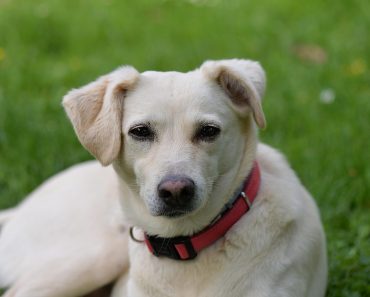
    A rescue dog named Summer has been stolen from her garden in Windsor Great Park, Berkshire.

    The dog, who was in the garden with two other family dogs after eating tea, may have been missing for up to 30 minutes before her collar, found hanging by the fence, where there was a small hole barely big enough for her to get through and looked undisturbed.

    Her owners tell us Summer was born a street dog in Cyprus where she was rescued by a charity before being brought to the UK to find a loving new forever home. She is a friendly, playful girl and bonded quickly with her new family including the two family dogs. She is a striking looking girl, thought to be a Kooikerhondje cross.

    Lauren Haylor, her owner says, “Our garden has been dog proofed for 30 years. Opening the gate, I quickly checked Queens Ann’s Ride, (which backs onto our house) calling her name, although she’s a curious dog she has never ventured out of sight.  But again there was no sign.  We continued searching the area well into the night but had to call off the search when it became to dark.  That night, it devastated us to shut the door and leave her bed outside with the gate open, in the hope she’d come running home in the night. We had a sleepless night checking outside every couple of hours but at 6am she hadn’t returned.

    Our search continued straight away, posters, leaflets, vets, rescue centres, dog walkers, grooming parlours, walks into the woods, but no luck.  We’ve set up a Facebook page with all her photos, information and posters in the hope someone may have some information, sighting or report. Having contacted the council, street clean, local residents, dog walkers and farmers not one person can verify this, so we remain ever hopeful that it wasn’t her. We have even looked at local CCTV to see if we could see her or anything suspicious in the hours that followed her going missing.”

    Lauren continues, “It honestly feels like she vanished into thin air.  But we remain hopeful and optimistic and we will continue searching for her far and wide until we find her. However there is a void in our lives that cannot be filled without Our Beautiful Summer.”

    Her family are desperate for her return and are asking anyone with information to share news or sightings with them. You can find details on their page, Facebook.com/FindOurSummerDog or contact numbers are shown on the poster above. If you can help or share to spread the message, please do.

  • WATCH: Jane Goodall Says “Dogs Have Done So Much for Us” in Bid to Change Perception of Dogs in Asia & End Dog Meat Trade

    WATCH: Jane Goodall Says “Dogs Have Done So Much for Us” in Bid to Change Perception of Dogs in Asia & End Dog Meat Trade

    World renowned conservationist and UN Messenger of Peace Dame Jane Goodall has spoken out about the impact dogs have had on her life in the hope of drawing attention to the role man’s best friend plays in our lives and changing the perception of them to end the dog meat trade in Asia.

    The video was released by HSI as Dr Goodall, the world’s foremost expert on chimpanzees, was unable to attend South Korea’s first ever global anti-dog meat conference and wanted to show her support to the many organisations involved and trying to create a brighter future for Asia’s dogs.

    Having previously spoken about the special place dogs have in her heart and how much they’ve taught her since childhood, in the video she expands on this message talking about the impact dogs have on her life and the special role they play across the world to many people, saying: “I’ve always had a great love for dogs. When I was a child, I had a relationship with one who taught me so much about animal behaviour. They’ve been domesticated, they’ve been man’s best friend for maybe 15,000 years or more, and in that time, they’ve done so much for us.”

    Dr Goodall continued, “They’ve guarded our belongings, they’ve guarded people, they’ve guided the blind, they’ve helped autistic children to read – this and so much more. And so, to actually kill these wonderful beings for food seems very, very sad for me. And I hope this conference will bring this out into the open, and people will talk about it, and maybe things will change.”

    The annual South Korean ritual ‘Bok Nal’ is currently taking place and 1 million dogs are expected to lose their lives for this dated habit. With many of Asia’s dog lovers saying they wish dog meat eating rituals will end, voices like Dr Jane Goodall will hopefully draw attention to the cause and encourage debate among those less forward thinking.


  • Almost Half of Dog Owners Admit Pets Influence Holiday Destination

    Almost Half of Dog Owners Admit Pets Influence Holiday Destination

    As more people prepare to take their Summer holidays, a new survey has revealed that almost half of dog owners take their pets needs into account when choosing their holiday destination.

    The findings which have been released by pet insurer, Direct Line, show just how much our pets needs shape our lives and that our vacation time is their vacation time.

    Almost two-thirds (65%) of pet owners who took part in the research admitted they prefer the ‘staycation’, holidaying at home, but as over a third of vets report an increase in pet passports in the last 12 months it seems more and more pet owners are venturing further afield.

    According to the research, the most pet friendly destinations dog owners have visited are; the French resorts La Roche and Les Sables, Nantes in Belgium, Antequera, Spain and Lake Lucerne, Switzerland, which get top marks for choice of dog friendly accommodation, space for dogs to exercise and play and dog friendly restaurants, bars and tourist attractions – some of the most important factors dog owners research when planning a trip.

    Prit Powar, head of pet insurance at Direct Line said: “Our pets are such a big part of our lives that it’s not surprising we are willing to tailor our holidays to accommodate taking them away with us. When taking pets abroad, planning in advance is vital.  Owners need to have the right documentation, up to date vaccinations and know that where they are staying is accepting of their pets. Getting a tapeworm treatment in the country you are visiting can often be a particular challenge, especially if you don’t speak the language, so do your research beforehand and make sure you know what facilities are available.”


  • Dog Owners Reveal Favourite Pet Friendly Holiday Hot Spots

    When the pet travel scheme was introduced 15 years ago allowing dogs to travel from country to country without the need for quarantine, it freed pet owners up with the option to consider holidaying further afield spending more time exploring new countries and holiday hot spots with their dog in tow, and it seems more pet owners than ever before are holidaying overseas with their beloved dog as over a third of vets have reported an increase in demand for pet passports over the last 12 months.

    New research released by Direct Line Pet Insurance has discovered that dog owners favourite dog friendly destinations are the French resorts of La Roche and Les Sables, Nantes in Belgium, Antequera, Spain and Lake Lucerne, Switzerland.


    Pictured above, one of dog owners favourite European retreats – Lake Lucerne, Switzerland

    The pet insurer found that almost half of dog owners admitted that their pet always influences their choice of holiday destination with dog friendly accommodation being the highest priority when researching a destination, followed by ensuring good space for their dog to run around and play and somewhere which allows the dog to accompany them into shops, restaurants and attractions.

    Half of dog owners also factor in local access to a vet or animal hospital when choosing where to holiday.

    However, while almost 9 in 10 dog owners know their pet has to be microchipped as part of the pet passport scheme, other rules and regulations aren’t quite as well known, and owners could fall foul of the law if they don’t adhere.

    When travelling and bringing pets back into the UK, dogs and cats must be microchipped and have a pet passport (or third country official veterinary certificate). They must be vaccinated against rabies and dogs must also have a tapeworm treatment when returning from a number of different countries. Your pet must also arrive in the UK no more than five days before or after the owner.


    Photo Credit: Jason Shultz / Pictured above, Beach of les Granges in Les Sables d’Olonne, France where dogs are welcomed on leads

    If owners do not comply with these rules, they risk their pets having to be quarantined when re-entering the UK.

    Prit Powar, head of pet insurance at Direct Line said: “Our pets are such a big part of our lives that it’s not surprising we are willing to tailor our holidays to accommodate taking them away with us. When taking pets abroad, planning in advance is vital.  Owners need to have the right documentation, up to date vaccinations and know that where they are staying is accepting of their pets. Getting a tapeworm treatment in the country you are visiting can often be a particular challenge, especially if you don’t speak the language, so do your research beforehand and make sure you know what facilities are available.”

  • Vet Says Wash Dogs After Walks to Avoid Alabama Rot Dangers

    Vet Says Wash Dogs After Walks to Avoid Alabama Rot Dangers

    As the number of dogs who have lost their lives due to the deadly disease, Alabama Rot, continues to rise dog owners are being told to wash their dogs after walks if walking in muddy or woodland areas.

    The disease, which has taken the lives of almost 80 dogs in the last four years is no longer contained in Southern England but has been identified in the Midlands, Lancashire, Wales, Scotland and Ireland.

    Symptoms of the dogs affected by the disease has risen since 2012 across the UK with outbreaks concentrated predominantly in countryside/woodland areas, but was first identified in the US in the 1980s.

    Although thought to be environmentally based with dangers heightened in woodlands, the cause of this disease is still unknown, and only one in three dogs are likely to survive, even if they receive rapid treatment.

    Here’s how to spot the signs of Alabama Rot:

    Owners are asked to remain vigilant for sores and lesions as well as signs which may point to kidney failure, including vomiting, reduced appetite and tiredness, but if you suspect your dog might have been affected then you should contact your vet immediately.

    Find out more about What Alabama Rot Is on K9Magazine.com.


  • Save Hank Campaign Succeeds as He Returns Home to Belfast

    Save Hank Campaign Succeeds as He Returns Home to Belfast

    A two year old dog has returned home tonight after being seized last month for ‘looking like a pitbull’ leaving his owners, Leonard Collins and Joanne Meadows devastated.


    Photo Credit: Facebook/Save Hank

    Hank was taken by Belfast City Council last month for assessment.

    While the couple awaited the outcome of the council’s assessment, the kind-natured dog’s owners launched an online campaign which received global support from dog lovers and celebrities including DJ and TV presenter Dermot O’Leary, boxer Carl Frampton and dog behaviourist Victoria Stilwell, to bolster support and raise awareness about breed specific legislation.

    But good news was just around the corner.

    On 28th July the couple posted on the Save Hank facebook group announcing that “We have received word from BCC (Belfast City Council) that their assessment has concluded. They have deemed Hank to be “Pitbull Terrier type” but his “temperament is such that it does not pose a risk to the public”. The court hearing for the exemption order is set for next Tuesday, 2nd August.

    “Effectively this means that Hank will almost certainly come home on Tuesday.”


    Photo Credit: Facebook/Save Hank – Pictured above, Hank with owner Joanne

    Hank’s exemption order was signed in court and his owner, Joanne, wept as her hopes of being reunited with her boy were realised. He is only the 12th dog to be assigned exemption status on the register since 2011.

    Part of the exemption order means Hank has to be neutered, kept on a lead and muzzled in a public place, kept in sufficient conditions to prevent escape even when not in a public place and be made available to an authorised officer for inspection on demand.


    Photo Credit: Facebook/Save Hank – Pictured above, Hank with owner Leonard 

    Hank returned home today reunited with his owners, his home and everything he knows.

    Share in more of their special moments and get involved in the campaign to fight BSL alongside Hank on Facebook at ‘Save Hank’.

  • Dog Expert Welcomes Introduction of New Guidelines Condemning Stacking of German Shepherds

    Dog Expert Welcomes Introduction of New Guidelines Condemning Stacking of German Shepherds

    Dog expert Julia Robertson has welcomed new guidelines announced by The Kennel Club which no longer allow German Shepherds to be stacked or held up by their leads – how they are typically shown posing when being judged at dog shows.

    The new rules, which came into force on Monday 1st August, and have been welcomed by the Julia who is the founder of a therapy centre which treats dogs suffering from chronic pain and arthritis through myotherapy – a specialised ‘hands on’ manual muscle treatment used to manage conditions brought on through compensatory issues.

    Having treated dogs suffering from issues which have arisen due to things such as stacking, and the impact it has a dog’s gait, she said:

    “Forcing them to hold a certain position for judges can put undue loading on joints and muscles, and if a dog is already having difficulty holding a pose, through conformational or other underlying lameness, the stress this practice puts on them can make their condition even worse.”

    “I have been working with dogs suffering from chronic muscle and skeletal pain for 14 years and have seen the damage stacking can do.”In its announcement, the Kennel Club GSD Breed Standard will read, ‘Characteristics: Versatile working dog, balanced and free from exaggeration. Must be capable of standing comfortably and calmly, freely and unsupported in any way, in structural balance, whilst both rear pasterns are vertical. Attentive, alert, resilient and tireless with keen scenting ability’.

    Perhaps a brighter future lies ahead for this breed because when you compare German Shepherds of a later year to the current breed shown on TV each year at Crufts, you can’t help but feel something went truly wrong to get to this point.


  • WATCH: This Police Dog Is Taking Part in a Push Up Challenge to Raise Awareness of Veteran Suicide

    WATCH: This Police Dog Is Taking Part in a Push Up Challenge to Raise Awareness of Veteran Suicide

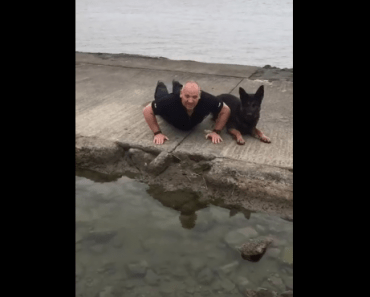
    A police dog named Monty has taken part in a push-up challenge to raise awareness of veteran suicide in the UK and USA.

    Led by his handler and former marine commander PC Steve Hopwood from Avon and Somerset Police, the crime fighting duo has been doing 22 push-ups daily as part of the #22Pushups challenge.

    Watch the Video

    The duo’s efforts seem to be doing more than just raising awareness after the Avon & Somerset Police Dog’s Twitter account tweeted this:

    Well done Monty!


  • ‘Queen of Clean’ Shares Top 5 Tips for Keeping Homes Risk Free This Summer

    ‘Queen of Clean’ Shares Top 5 Tips for Keeping Homes Risk Free This Summer

    As a pet owner, we all know one of the downsides to Summer can be the added worry of parasites. From fleas to ticks, parasites thrive when the climate heats up. But it’s not just your pets that are at risk, your home could also have more pesky parasites hidden than you can even imagine.

    Did you know…?

    Flea infestations are common during warmer spells but only 5% of fleas live on your pet, with the remaining 95% living in your home.

    Aggie MacKenzie, also known as the ‘Queen of Clean’ is best known for her no-nonsense approach on the TV show ‘How Clean Is Your House?’ so it’s no surprise that as she teams up with Bob Martin to offer advice to pet owners, she takes a no-nonsense approach to tackling the problem.

    Aggie’s top 5 tips

    1. Treat your pet for fleas
    2. Wash your pet’s bedding
    3. Vacuum everywhere to treat the fibres
    4. Remember to hoover the skirting boards and the curtains
    5. Use home flea products to kill any fleas that may intrude

    Watch the Video