Blog

  • Sir Patrick Stewart Lends His Voice to Fight BSL

    Sir Patrick Stewart Lends His Voice to Fight BSL

    Actor and dog lover Sir Patrick Stewart is lending his support to a Care2 petition demanding DEFRA Secretary of State Michael Gove repeal breed specific legislation (BSL) in the UK under the Dangerous Dogs Act of 1991.

    Under current law, the Dangerous Dogs Act prohibits the ownership of certain types of dogs – in particular, the pit bull terrier type.

    What many people are unaware of is that ‘type’ means purely the physical dimensions of the dog. So you can in fact get two dogs, from the same litter – they could even be Kennel Club registered, but if one sibling grew to match the physical description of ‘pit bull type’ then, by law, that dog could be seized and potentially destroyed.

    Under the Act, sometimes dogs can be placed on an exemption order, with special permission given from a court, but dogs who have been classed as type may not be owned, bought, sold, or even rehomed from rescue centres.

    The regulation is outdated. It was brought in with the public being told it was intended to improve public safety, but animal rights groups say it is unnecessary and ineffective, arguing that a dog’s behaviour is not driven by its breed, but by how it is raised and treated.

    On his decision to join the campaign Sir Patrick Stewart said, “It is essential that The Dangerous Dogs Act of 1991 be re-examined.

    “Caring, good-natured creatures are being denied homes and their owners and potential owners deprived of a healthy and loving partnership.”


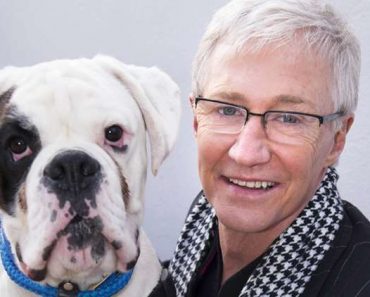
    Sir Patrick Stewart and Ginger, pictured when they first met

    “Caring, good-natured creatures are being denied homes and their owners and potential owners deprived of a healthy and loving partnership.”

    Earlier this year, Stewart announced to his fans that a foster dog named Ginger, who had been taken in to live with him and his wife Sunny Ozell in their Los Angeles home, would not be adopted by the couple, because the UK – where the family lives for part of the year – does not allow pit bulls under the Dangerous Dogs Act.

    Care2 has been fighting breed-specific legislation for a long time and has successfully fought the introduction of similar ordinances in the United States.

    Care2 CEO and Founder Randy Paynter said, “There is no evidence that certain breeds are naturally more aggressive than others. Better policy would be to crack down on dog fighting and to institute a public awareness campaign on how to raise happy, gentle dogs. We are honored that Sir Patrick Stewart is joining Care2 in the fight for a kinder world.”

    Add your voice to the campaign to fight BSL in the UK by signing the petition here: www.care2.com/EndBSL

  • Rolo Survived a Puppy Farm (Just), Now He’s a Hero

    Rolo Survived a Puppy Farm (Just), Now He’s a Hero

    Meet the dog who went from puppy farm survivor to hero who helps hospital patients.

    It was touch and go whether Rolo would survive when he was rescued by the RSPCA – but he’s come a long way…!

    When the RSPCA plucked 30 dogs and puppies from an “appalling” puppy farm in Essex just weeks before Christmas, many of the survivors were in a terrible way.

    RSPCA inspectors went into the South Ockenden puppy farm in December 2013, removing three adult dogs and three litters all thought to have been bred for the Christmas market.

    The dogs – a mix of cocker spaniel cross poodles and springer spaniel cross poodles – were taken to the RSPCA’s Essex South, Southend & District branch nearby for rehabilitation and rehoming.

    Branch trustee and dog rehoming coordinator Kathy Butler said: “The litter came in around Christmas time. They were unsold and had been living outside in sheds and barns, many in appalling condition. In fact, little Rolo (pictured) almost didn’t make it.

    “One of the nurses at the vets fostered him to give him round-the-clock care and, thankfully, he pulled through.”

    When little Rolo was 12-weeks-old he went to live with Claire Dean, her husband and her two sons – 13-year-old Robin and Oliver, 19 – in Southend-on-Sea.

    “If it hadn’t have been for the RSPCA taking these dogs in, I’m sure Rolo would have died,” Claire, 53, said. “Two of his siblings had already died of E.coli and he was so ill.

    “He was fostered for a week over Christmas by one of the lovely vet nurses and we collected him on 2 January 2014 – although he was much better he still weighed only 2.5kg and needed much more TLC.”

    Now, aged four, Rolo is the picture of health and happiness. And, after being rescued and given a second chance at life, the crossbreed is now giving something back via Pets As Therapy (PAT).

    Copywriter Claire added: “He is now completely well, thriving, a bundle of fluffy joy and such a sweet-natured fellow.

    “He absolutely loves to say hello to everyone and nearly every dog. It’s funny, when on a free run, he always says hello to the owner as well as the dog.

    “As a dog, he is very friendly, fun, clever and professional – he knows when he is working and how to behave.

    “But when not at work, he can be a mischievous boy, but also extremely funny! He is a ball thief – in fact he will steal anything that is clothing, footwear or cushions, and if the back door is open will trot out in front of you, with whatever he has taken, hoping for a chase!”

    But he also has his serious side. Rolo visits Southend University Hospital every week as a PAT dog, helping patients through extremely difficult times in their lives.

    Claire, who is also a volunteer for Guide Dogs, explained: “Even before we ever had a dog, I remember saying to a friend that if we ever were lucky enough to have our own dog, then I would love to share, knowing how much joy they bring, by doing PAT. And so I did!

    “Rolo (and I) go to Southend University Hospital every week. We have been visiting the Oncology Ward, Elizabeth Loury, for more than two and a half years and the Neptune (Children’s) Ward for 14 months – in fact we are the first and only dog partnership allowed in the children’s ward – I feel very flattered!

    “Sometimes we go to one of the stroke wards, depending on time, but we always go to visit specific patients, if asked, wherever they are in the hospital, no matter how long we have been there.

    “It can take some time to get to where we are actually planning to go because of people wanting to stroke Rolo and talk to him, as they see him along the corridors. Many people are surprised to see a dog in the hospital. Rolo goes up to the patients and is just incredibly friendly…and calm.

    “Rolo also lifts the mood of visitors and most definitely the staff – and has become quite well known now in the hospital. It is very special to hear if patients have been talking about Rolo and asking when he is coming in next.”

    Deborah Dow, CEO of PAT, said: “We’re so proud of all of our volunteers, without whom PAT wouldn’t exist. However, when you’ve had a tough start in life and you go on to bring joy and comfort to so many people’s lives – it’s a wonderful thing.

    “Well done Claire and Rolo. You’re both inspiring examples of what volunteering with PAT is all about.”

    As well as his incredible work at the hospital, Rolo has also taken part in the Read2Dogs scheme at a local primary school, visits residents at a nearby care home, and attended a talk at a school as an ambassador for the RSPCA to thank the children for choosing to support the charity’s work. Claire and Rolo (pictured) were also given an award for their volunteer community work.

    Kathy added: “I’m incredibly proud of Rolo and how far he’s come. When we saw that little bundle of fluff being carried out of that horrendous place, so weak and vulnerable, I’d never have believed he could be doing something like this just a few years later.

    “He’s a wonderful example of what rescue dogs can achieve when they’re in the right environment with a loving family – and when they’re given the opportunity to be themselves.

    “I’d like to thank Claire for giving Rolo such a wonderful life and for giving him a purpose.”

  • I’m Giving My Dog up Because I’m a Vegetarian But He Wants to Eat Meat

    I’m Giving My Dog up Because I’m a Vegetarian But He Wants to Eat Meat

    Regularly the reasons why some people give dogs up for adoption can be varied, reasonable and, above all, heartbreaking for all involved. But then there are the times when people working in rescue are left speechless, dumbfounded, yet bound by duty to put the welfare of the dog at the forefront of their efforts, so they smile and the accept yet another dog in to the UK’s already overcrowded animal adoption system as they listen to a range of, quite frankly, staggering reasons why yet another dog is seeking a new home.

    “He wasn’t a vegetarian” or “didn’t like being dressed up” are some of the latest reasons/excuses cited as Dogs Trust braces itself for influx of unwanted dogs, after receiving a call every five minutes last Christmas

    The shocking real reasons people give up dogs have been revealed by Dogs Trust, as the charity braces itself for the post-Christmas influx of unwanted dogs.

    Dogs Trust is urging the British public to remember the charity’s iconic slogan ‘A dog is for life, not just for Christmas’ after a year of bizarre reasons offered by people giving up their dog.

    Dogs Trust received a call every five minutes (3,596 calls) from people looking to give up their dogs in the month following Christmas last year. Reasons over 2017 included:

    * I won a free holiday and I couldn’t take my dogs with me

    * I’m a vegetarian but he always wanted to eat meat

    * I got him as a secret Santa present

    * She was too friendly and wanted to greet every dog and human we met on a walk

    * He was panting too much

    * He didn’t like it when we played dress up

    * She sleeps in her own bed all night – I thought she would want to sleep in my bed

    To bring the message home the charity has created a video called “Why I left you” with a twist which highlights the carefree attitude which people sadly display towards dog ownership.

    The charity’s iconic slogan has proved just as meaningful today as it was when first coined nearly 40 years ago as a new survey* reveals 20% of dog owners spend less than two weeks researching before buying a dog and 1 in 5 people confessed to buying a dog simply because it was a cute accessory.

    The survey also revealed that one in ten people admit to buying or receiving a dog as a Christmas gift. The dog owning public also significantly underestimated the financial cost of dog ownership with 70% believing their dog will cost them less than the actual cost of £10,000 during its lifetime.

    Following a staggering 1,000 calls during Christmas week last year from people unable to care for their dogs (200 of these specifically about puppies) Dogs Trust’s network of 20 Rehoming Centres in the UK are bracing themselves as they expect to take in thousands of dogs in the weeks following the festive period.

    Adrian Burder, Chief Executive for Dogs Trust, who rehomed abandoned Christmas pup Skipper in 2014, explains: “Dogs Trust take in thousands of much loved dogs from heartbroken owners who sadly find themselves unable to continue to care for their dogs due to unavoidable changes in their circumstances so it’s particularly hard for staff when they see the other end of the spectrum; dogs handed in simply because their owner’s bought them on a whim and consider them little more than toys to be discarded when the novelty wears off.

    “We really hope this Christmas is the year our nation of animal lovers finally takes heed of our slogan ‘A dog is for life, not just for Christmas’ and we don’t see dogs discarded because their owners have not considered the lifetime commitment of dog ownership.”

  • Confirmed: UK Government WILL Acknowledge Animal Sentience

    Confirmed: UK Government WILL Acknowledge Animal Sentience

    Government ‘makes good on its promises’ with draft Bill on animal sentience, says British Veterinary Association.

    Animal lovers were horrified to learn there was a possibility that animal sentience was not going to be recognised by the UK government following a vote on the EU withdrawal bill. It’s fair to say outrage across social media and other outlets was voiced loudly.

    Responding to the campaign to enshrine Article 13 of the Lisbon Treaty into UK law, the Government has today (12 December) published a draft Bill, which sets out that the government “must have regard to the welfare needs of animals as sentient beings in formulating and implementing government policy”.

    https://i.imgur.com/T7qnBnL.png

    The draft Bill goes further than Article 13 as it applies to all areas of government policy, rather than specified areas of policy. If passed, the law would apply to the whole of the UK.

    Responding to Michael Gove’s announcement, British Veterinary Association (BVA) President John Fishwick said:

    “Vets have been clear in our calls that the duty on the state to have due regard for animal welfare – as captured in Article 13 of the EU Lisbon Treaty – must be enshrined in UK law. This Bill captures the substantive obligation that Article 13 currently puts on the national government to consider animal welfare, as well as explicitly recognising animals as sentient beings.

    “Today’s draft Bill lays out in black and white the Government making good on its promises, to ensure the UK remains a global leader in animal welfare post-Brexit.”

    BVA has been campaigning on the issue of Article 13. Mr Fishwick added:

    “BVA has been at the forefront of this conversation, speaking out for our members on BBC Radio 4’s agenda-setting Today programme, coordinating a 1200-strong Open Letter to the Daily Telegraph with the British Veterinary Nursing Association as well as having behind-the-scenes conversations with MPs and civil servants. This is a real win at national level for the veterinary professions.”

    The new law will also increase the maximum prison sentence for animal cruelty tenfold, from six months to five years, in England and Wales.

    Subject to consultation on the draft Bill, the Government will legislate to deliver both aims.

    The RSPCA joined the BVA in acknowledging the importance of recognising animal sentience. In a statement, the charity said?

    The RSPCA welcomes the news that the Government is publishing a new animal welfare bill to increase sentences for animal cruelty and also recognise animal sentience in domestic law.

    The RSPCA’s latest figures reveal just 6.5% of people we prosecuted under the Animal Welfare Act this year received an immediate prison sentence.

    Michael Ward, interim chief executive of the RSPCA, said: “It’s great news that the Government has committed to bringing in tougher sentences in England and Wales.

    “Sadly, every year, our inspectors are faced with sickening cases of animal abuse, cruelty and neglect.

    “And while, in as many cases as possible, we seek to deal with complaints of animal cruelty using preventative measures such as education and advice, sometimes we feel it is necessary to bring animal abusers before the courts for punishment.

    “This year our officers have seen shocking cases of horses being hit repeatedly with wood, pets being beaten to death by their owners, and dogs being kept in cold, concrete pens coated in their own filth.

    “As the cruelty continues to shock us, so too do the sentences handed out to such cold-hearted and cruel individuals. Of the 40 people who received immediate jail terms in RSPCA prosecutions this year so far, just 14 were given sentences towards the upper limit of six months.”

    In 2017 so far (up to 8 December), just 40 people have received immediate jail sentences – 6.5% of the 620 people convicted – having been convicted of an offence under the Animal Welfare Act.

    While the RSPCA – which takes on more than 80% of all prosecutions under the Animal Welfare Act – has seen a number of extremely violent cases of deliberate cruelty to animals and distressing incidents of neglect of pets, just 2.3% of those convicted faced a jail term towards the six-month period (the maximum jail sentence under the Animal Welfare Act).

    The current maximum sentence, if prosecuted under the Animal Welfare Act 2006, is six months in prison and/or an unlimited fine. However, for some time, the RSPCA has been calling for that sentence to be increased to five years – bringing England and Wales into line with Northern Ireland and other European countries.

    The new draft bill also sets out that the Government recognises that animals are sentient beings – that they have the same capacity to feel joy and pleasure, as well as pain and suffering and that the Government will take this into account when formulating new policy.

    RSPCA Head of Public Affairs David Bowles said:

    “To include the recognition of animal sentience as well as increasing animal cruelty sentencing to 5 years into the new 2018 Animal Welfare Bill is a very bold and welcome move by the Government.

    “We warmly welcome measures to evaluate government policy against animal sentience and we await further detail.”

  • Paul O’Grady Wants Professor Who Has Experimented on Kittens & Supports Animal Testing to Explain Himself

    Paul O’Grady Wants Professor Who Has Experimented on Kittens & Supports Animal Testing to Explain Himself

    Today it has been announced that the ‘For the Love of Dogs’ TV presenter, Paul O’Grady, has become the latest celebrity to add his voice to the For Life On Earth (FLOE) led Open Letter to Prof. Colin Blakemore – infamous for sewing kitten’s eyes shut and Britain’s main advocate for experiments on dogs, cats and other animals.

    The Open Letter was first published by us in October and calls for Prof. Blakemore to agree to debate his claims – that experiments on animals can predict the responses of human patients – in a rigorous public science hearing.

    The debate will be judged by independent experts from the relevant fields of science; its debate conditions are endorsed as “well set out and fair” by Michael Mansfield QC, Britain’s foremost human rights defence barrister.

    Over 3,500 UK dogs are suffering as a result of nearly 5,000 animal experiments being carried out

    Louise Owen, Founder and Director of FLOE told K9 Magazine, “We are absolutely delighted that Paul has signed this Open Letter; his presence brings a very special commitment on behalf of dogs, and indeed their humans.

    “The latest Home Office statistics from 2016 show that 4,932 experiments were carried out on 3,530 dogs in the UK alone: toxicity tests typically involve dogs being force-fed chemicals in experiments lasting up to ninety days, with no pain relief or anaesthetic.

    “Such experiments are now proven to also fail the search for human treatments and cures, as reported by the Editor in Chief at the British Medical Journal.

    “We hope that people will share Paul’s signature on this letter, so that a terrifying issue for dogs – happening right here on our doorstep, in the UK – becomes a national voice for immediate action, to enable current scientific evidence to judge and end these experiments, once and for all.”

    Paul’s signature joins fellow concerned animal-loving celebrities including Paul O’Grady, Ricky Gervais, Chris Packham, Peter Egan, Dr. Jane Goodall DBE, Lesley Nicol, Jane Fallon, Rumer, Jill Robinson MBE and Rick Wakeman.

    You can read the open letter in full here: www.k9magazine.com

  • Rocky Night Is A Puppy Farmer And He’s Going To Jail

    Rocky Night Is A Puppy Farmer And He’s Going To Jail

    A man from Greater Manchester has admitted a number of animal welfare offences after convincing unsuspecting members of the public he was a caring, responsible breeder while keeping his dogs in ‘inhumane’ conditions.

    Rocky Knight (DoB: 19/05/1981) of Masefield Drive, Farnworth, Bolton, appeared at Bolton Magistrates’ Court on Wednesday (5 December) where he pleaded guilty to three animal welfare offences, having previously admitted a further three.

    The RSPCA launched an investigation into the selling of puppies in Bolton in 2016 following a number of complaints from members of the public who had bought puppies that had fallen ill.

    On Wednesday (6 December), Knight appeared at Bolton Magistrates’ Court to be sentenced to a 16-week jail term. He was also ordered to pay a £150 victim surcharge and was disqualified from keeping animals for life.

    Inspector Pippa Boyd, who led the RSPCA’s investigation, said: “We worked alongside police who executed three warrants at a number of properties in the Bolton area following eight complaints from members of the public who had bought sick puppies – most of which were Jack Russell terrier cross poodle pups. Tragically, seven of those puppies died.”

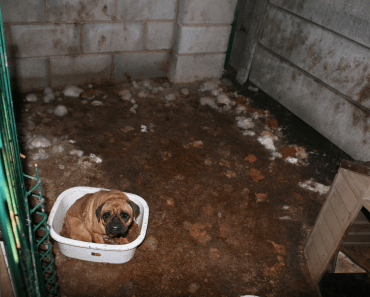
    During one of the warrants, on 20 December, at a home address in Masefield Drive, officers found two female dogs – a pug and a dachshund-cross – being kept in makeshift pens in an outbuilding in the rear garden of the property (pictured).

    “We found crossbreed Patsy and pug Phoebe living in horrendous conditions in dark, dank and cold pens with no warm bedding or dry areas off of the cold, hard floor,” inspector Boyd explained. “It was a completely inhumane environment to keep dogs.

    “Thankfully, we got to them in time and removed them. They were incredibly itchy and Phoebe had serious breathing problems. But they’ve been doing well in our care since and we have lovely new homes lined up for them.

    “Sadly, we were too late for some, including a little puppy whose body we found wrapped up in a plastic bag at the house.”

    During an earlier court appearance, Knight signed two-year-old Patsy and three-year-old Phoebe over to the RSPCA. The dogs, who are being cared for by staff at the charity’s Warrington branch (pictured below), have already found new loving homes.

    Inspector Boyd added: “Knight told buyers he would take the puppy to them to do a home check at the same time.

    “People thought he really cared where his puppies were going. The reality is that he didn’t want people to know where he lived or to see the conditions he kept his dogs in.”

    Knight advertised the dogs online and worked hard to pass himself off as a responsible, reputable breeder. He offered to deliver puppies to new owners or arranged to meet them in car parks away from his home.

    “This should be a major flag to anybody looking into buying a puppy,” inspector Boyd warned. “A genuinely responsible breeder who has the best interests of their dogs in mind will be happy for you to visit the puppies in the environment they were born and see them interacting with their mother, siblings and people.

    “We would advise anyone thinking of getting a puppy to first consider adopting a dog from a rescue centre. If intent on buying a puppy from a breeder, we would urge families to be extremely careful and to use our Puppy Contract which will help ensure they buy a happy and healthy dog.

    “Anyone who has concerns about a breeder or seller should walk away and report their concerns to police, the local authority or the RSPCA.”

    Knight pleaded guilty to three offences of causing unnecessary suffering to puppies who had been sold on to buyers, under Section 4 of the Animal Welfare Act. He previously admitted one offence of failing to meet the needs of Patsy and Phoebe, contrary to Section 9 of the Animal Welfare Act, and two additional Section 4 offences in respect of the pug and dachshund.

  • Duke Is A Stunning Rottweiler With Vitiligo & He Could Be Yours

    Duke Is A Stunning Rottweiler With Vitiligo & He Could Be Yours

    The RSPCA is searching for a loving new home for a rottweiler with very unusual markings.

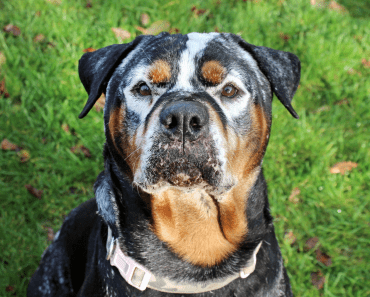
    Eight-year-old Duke suffers from vitiligo – a skin condition which affected King of Pop Michael Jackson and has also been publicised most recently by Canadian model Winnie Harlow. The condition is caused by a lack of pigment in the skin.

    He ended up at the RSPCA’s West Hatch Animal centre, in Taunton, Somerset, in October when his owner could sadly no longer care for him.

    Anita Clark, deputy manager at West Hatch, said: “Duke is a striking rottweiler with extremely unusual markings due to vitiligo. While his unique looks are caused by a lack of pigmentation in certain areas of his skin they do not cause him any pain or discomfort.

    “Sadly, however, this big boy does also suffer from a skin and eye condition which leaves him with sores on his legs, muzzle and eyelids. These have been treated and he is now ready to find his forever home but while it has improved he may have flare-ups again in the future so it’s something his new owner needs to be aware of.”

    Duke is an intelligent boy who knows basic commands such as ‘sit’ and is also happy being left alone for short periods of time. He gets on well with other dogs and could live with a cat. Although he’s described as a ‘gentle giant’, due to his size and strength staff feel he would be best suited to a home with older children.

    Anita added: “Duke is a big, strong dog but is also incredibly affectionate and loves curling up your lap – if he can fit!

    “Duke loves his walks but is very strong on the lead so we’re providing training to help address this issue. He also has a strong interest in wildlife and farm animals, so he pulls even harder if he picks up a scent!

    “Duke is looking for a home with people who have experience keeping rottweilers. He will make a fantastic companion who will definitely turn heads!”

    Vitiligo is often a hereditary condition which causes a loss of pigment from the skin or hair resulting in patches of fading colour or white coat. This autoimmune change may alter his physical appearance but is a harmless condition and doesn’t require treatment.

    “Duke is an incredibly unique dog and we think his vitiligo just makes him more beautiful and endearing,” Anita added. “We really hope we can find a loving new home for him with owners who will accept him just the way he is.”

    RSPCA chief veterinary officer James Yeates said: “Vitiligo in dogs is very rare and we believe this is the first time we’ve had a dog who is suffering from the condition come into our care.”

    If you or someone you know could offer Duke a home – CLICK HERE.

  • Fight To End Misery of Puppy Farming: UK Govt Recommends Rescue Dogs

    Fight To End Misery of Puppy Farming: UK Govt Recommends Rescue Dogs

    People planning to add a four-legged friend to the family this Christmas need to be wary of unscrupulous breeders and sellers, animal welfare Minister Lord Gardiner has warned today.

    The UK is a nation of animal lovers, and each year thousands of us consider welcoming a pet into the family at Christmas time to add to the UK’s 8.5 million pet dogs and 7.4 million cats. However, puppy smugglers and unlicensed sellers are ready to take advantage of the high demand by illegally importing them into the country, neglecting their health and welfare and not properly vaccinating them – leading to steep vets’ bills and heartbreak for buyers when the puppies fall ill or in some cases, sadly die.


    Consequently, it’s now more important than ever that buyers are armed with the knowledge they need to buy responsibly and avoid inadvertently fuelling the illegal puppy smuggling trade.

    Minister for animal welfare, Lord Gardiner, said:

    We all know that a dog is for life, not just for Christmas. But that life could be cruelly cut short if they haven’t been properly looked after by the breeder, bringing heartbreak to the family.

    We are a nation of animal lovers and buyers can do their bit to avoid the dishonest sellers by never buying a puppy younger than 8 weeks old, seeing the puppy interact with its mother and checking on its health history.

    The government announced earlier this year that some of the Pet Advertising Advisory Group’s minimum standards will become mandatory for online sellers as part of a swathe of reforms to the animal licensing system. The reforms will make it illegal to sell puppies younger than eight weeks and require anyone breeding and selling three or more litters a year to apply for a formal licence. Anyone trading commercially in pets online will need to be properly licensed.

    The plans will be laid in Parliament in the new year and will empower local authorities to take tough action on ‘backstreet breeders’ and help ensure the pets we buy are healthy, happy and from reputable sellers.

    Minister for animal welfare Lord Gardiner recently hosted a roundtable with a number of animal charities and websites including Gumtree, Preloved and Vivastreet to discuss the progress made so far. The Minister has since written to those invited to the roundtable to praise their work in helping to stop illegal sellers and encouraging further action.

    Lord Gardiner has also set out five simple tips to help anyone thinking of committing to a new pet to choose the right animal:

    • Always consider a rescue dog in the first instance.
    • If you are buying a puppy, only buy from reputable breeders and sellers – and make sure they’re licensed if buying from a business rather than private seller.
    • Never buy a puppy that’s younger than 8 weeks old.
    • Check the puppy’s health history – check vaccinations, make sure it’s microchipped, and consider asking the seller to complete the ‘Puppy Contract’.
    • See the puppy interact with its mother.

    If something still doesn’t feel right, don’t be afraid to walk away and look elsewhere. You should also report suspect breeders and sellers to your local council or Trading Standards.

    Paula Boyden, Dogs Trust Veterinary Director and Chair of PAAG said:

    The ease and popularity of the internet means that the impulse buying of pets has increasingly become an appealing option for many prospective buyers. However, the lure of a quick sale also attracts many unscrupulous breeders and dealers to websites.

    We urge buyers to be cautious when looking to buy an animal via an online advert and if they have any concerns, walk away and report the seller to Trading Standards.

    John Fishwick, President of the British Veterinary Association, said:

    Vets see first-hand the tragic consequences that can result from poorly bred and illegally imported puppies. We’ve heard awful stories of people buying puppies only for their puppy to be dead 24 hours later because of the way it was bred and cared for in its early days.

    Owning a dog is a life-changing commitment and we’d advise anyone thinking about getting a dog to first speak to their local vet about the right breed for them and then use the free online Puppy Contract to ensure they get a happy, healthy and well-socialised puppy.

    A dog should never be bought ‘for Christmas’ as it can be a stressful time of year for pets, with lots going on, so we’d recommend waiting until the new year to welcome a new dog into your home.

    This announcement comes as the UK embarks on a package of reforms to make sure we are a leader in animal welfare once we leave the EU. From bringing in tougher prison sentences for those who abuse animals to mandatory CCTV in slaughterhouses, the UK is leading the way with some of the highest animal welfare standards in the world.

  • Dog Who’d Recently Had Puppies Found With Two Gunshot Wounds

    Dog Who’d Recently Had Puppies Found With Two Gunshot Wounds

    A dog has been found shot in the head twice in a field in Old Eldon, Shildon, County Durham.

    The female Dogue de Bordeaux had recently had puppies and was extremely emaciated.

    X-rays show she suffered a fractured skull and veterinary opinion is that she would have suffered for some time before she died.

    RSPCA chief inspector Mark Gent said: “I suspect this dog has had puppies, which have drained her fat reserves as she has not being fed sufficiently and perhaps partly contributed to her extremely emaciated state.

    +++We have opted not to include the graphic photograph of this poor dog as it is too upsetting to show+++

    “It appears, rather than take her to a vet, her owner or someone else has decided to shoot her.

    “The first attempt hasn’t been successful, so they’ve shot her again.

    “Vets believe she would not have died straight away and would have suffered a great deal.

    “It’s extremely difficult to think about what this poor dog has gone through.”

    She was found in a field on the right of the lane leading to Blue House Farm, off Main Road/Moor Lane in the village on Sunday (3 December). It’s thought her body could have been there for a couple of days.

    Chief inspector Gent said: “I suspect she wasn’t actually shot at the location, and that this happened somewhere else and she was dumped there, whether this was alive or dead we don’t know.

    “We believe she was shot with some kind of high powered air rifle.

    “As she wasn’t microchipped we have no way of tracing her owner at the moment, or the puppies that she has somewhere and who – given what has happened to their mum – I’m extremely worried about the welfare of.

    “I want to hear from anyone who saw anything suspicious, or who knows who this dog belonged to. Please call me on the RSPCA inspector appeal line 0300 123 8018 as soon as possible.”

  • Christmas Might Not Be as Fun for Your Dog as You Think, Here’s Why

    Christmas Might Not Be as Fun for Your Dog as You Think, Here’s Why

    Christmas is a time of year we all look forward to, some of us revert to childhood memories to drive our enthusiasm, others look forward to the time off and turkey. But as much as we include our pets in our plans for the day, the disruption to their normal routine can be uncomfortable to some dogs.

    Here are 6 ways to help your dog cope with the changes this Christmas, according to Siobhan Griffin at Lintbells.

    Make visiting new places less stressful for your dog

    The most important lesson here is how to make travelling enjoyable so your dog stays calm.

    Siobhan says, “If you’re escaping the madness and treating yourself to a Christmas getaway, or perhaps you are driving home for the festive season and taking your pooch with you, it’s important to bear in mind a few tips and tricks to make sure they are calm and happy.

    “If you are travelling in a car make sure your canine companion is safe and secure by using a harness, fixed crate or a partition in the back. You will also need to monitor the temperature, don’t let the car get too hot or too cold, and never leave them in the car alone. To ensure a stress free journey allow your dog to become familiar with the car beforehand, let them have a sniff around and even put a blanket in there with a familiar scent if needed.”

    Try to make life at home as stress free as possible

    With guests flowing in and out of the home, it can make home life stressful for dogs – not to mention potentially dangerous if they sneak past and can run outside (many dogs have gone missing this way).

    Siobhan says, “Christmas can be a busy time in many households and this can be overwhelming for some dogs, from excited children running around, friends and families visiting to carol singers knocking at the door. If your dog does experience anxiety in situations like this try to keep them as calm and relaxed as possible by creating a cosy area for them away from the fuss with some of their favourite toys and blankets. You could also give them something tasty to chew on that will keep them occupied when you have guests over.”

    Hide a present for your dog and make it a game to find and open!

    Planning what we give our loved ones is a lot of fun, and on Christmas morning the atmosphere can be positively electric. Make sure your dog has just as much fun finding and opening their gift as you did choosing and wrapping it for them.

    Siobhan says, “It isn’t Christmas without presents under the tree, so don’t forget to hide something exciting for your dog to find on Christmas morning, they are a member of the family after all. Treat them to a new toy, their favourite healthy treat or even something that will benefit you which they will enjoy, such as a brain training game to keep them occupied when they are home alone.”

    Give them a dog-friendly Christmas lunch

    That means no turkey, chocolate, mince pies or Xmas pudding pudding, dried fruit or gravy with onions.

    Siobhan says, “We all know one of the best parts of the festive season is the delicious foods; however what you enjoy indulging in may not be the same for your pooch. It can sometimes be hard to resist your furry friend when they are staring up at you at the dinner table, but you should always think before feeding them any leftover turkey or mince pies.

    “The key foods your furry friends should avoid this Christmas are anything with onions or garlic in including stuffing and gravy, dried fruits which can be found in mince pies and Christmas pudding, along with alcohol, cheese and of course chocolate. Try to stick to lean meats, vegetable scraps (without onions) and boiled potatoes.”

    Get out into the fresh air on Boxing Day

    After a big meal the day before, you might not need any convincing that this is a good idea but getting out and about into the fresh air will make you and your dog feel great – plus you can show off your new Christmas jumpers, coats and boots.

    Siobhan says, “Feeling a bit sluggish after all that Christmas indulgence? Then why not get up off the sofa and go for a Boxing Day walk with your canine companion. Not only can you get outside and enjoy so some fresh winter air and burn off some of those mince pies, but this will also keep you dog active and their joints fit and healthy.”

    Prepare early for fireworks on New Year’s Eve, especially if your dog has noise phobias

    If you have a dog with a noise phobia or separation anxiety, you’ll no doubt be dreading this day of the year but hopefully it draws a close to the year’s fireworks season so think of it as one more night to get through.

    Siobhan says, “New Year’s Eve is a cause for celebration all over the country, with lots of fireworks being set off to mark the occasion. Whilst these are beautiful to look at and enjoyed by most, the loud noises can cause anxiety in many dogs.

    “If your furry friend isn’t a fan of fireworks and they appear distressed and/or nervous there are a number of things you could try. Why not try muffling the noise with a TV or a radio, distracting them during the noise or even create them a small, well insulated doggy den.”

  • “Borrow My Corgi” Service Launches – What The Hell Are They Thinking?

    “Borrow My Corgi” Service Launches – What The Hell Are They Thinking?

    – “Inspired by The Queen’s longstanding love of Corgis and the hugely popular ‘BorrowMyDoggy’ trend, Three UK is launching a new canine experience this week to mark the return of The Crown on Netflix. ‘Borrow My Corgi’ gives fans a truly immersive way to enjoy the show – by binge-watching it in the company of their very own regal four-legged companion.” –

    Yes. That’s the opening line in the press release.

    Dogs as commodities. Dogs as marketing components to promote TV shows. Dogs as the ultimate in fashion accessories.

    It goes on…

    “..Launching this Friday (8th December) to coincide with the launch of season two of The Crown on Netflix, Three is inviting super-fans to ‘Borrow My Corgi’ to apply to spend time with one of the specially-selected pooches during the weekend and enrich their viewing experience of the new series.

    The lucky winners can then expect to have their four-legged friend chaperoned to their front-door by one of the ‘BMC Royal Butlers’. They will then be free to enjoy the majestic company of the pooch while bingeing on the new season of The Crown – no matter whether it’s at home, while going for a walk, or on the way to work.

    ‘Borrow My Corgi’ celebrates Three’s Go Binge service, which launched earlier in the year and allows customers to stream freely from selected services, including Netflix, without it coming out of their monthly data allowance.

    Go Binge arrived in the wake of comprehensive research from Three into the bingeing habits of the nation, which found that an alarming two-thirds (67%) of Brits admit to having devoured an entire TV series in a single-sitting, with one in five (21%) saying that bingeing is now the only way to watch our favourite shows*.

    Shadi Halliwell, Chief Marketing Officer at Three, said: “Along with the rest of the nation, we have been swept up in The Crown mania. ‘Borrow My Corgi’ is a fully-immersive experience, complete with the perfect canine companion, to binge-watch the next phase in this historical saga in majestic style. It is the ultimate way to stream The Crown – whether at home, in the park or on the move.”

    Three’s ‘Borrow My Corgi’ experience will run from Friday 8th to Sunday 10th December 2017, across London. People wishing to spend time with one of the Corgis can do so by emailing…” (yeah, we’re not going to include the email address here).

    Why on earth do companies never learn?

    Using dogs as accessories to promote toilet roll or paint, cars, beer – yes, we get that. But borrowing dogs just to promote a TV programme? Real dogs? Having dogs delivered to your house just as a PR exercise for a TV show.

    Nah.

    Nope.

    What do you reckon?


  • Theresa Dixon Left Dog With Half His Face Missing, Lied To Vets – Serves ZERO Days in Jail

    A Merseyside woman whose dog suffered with an injury that left half his face missing has been banned from keeping animals for the rest of her life.

    Eight-year-old German Shepherd-cross Lenny had a gaping 10cm wound that left a hole on the side of his face, extending from his ear to the corner of his mouth.The wound had maggots inside it and veterinary evidence suggested the dog had been suffering for weeks.

    However, when Theresa Dixon (DOB 1.2.60) took Lenny to a vet on 31 May this year, she claimed the wound had only appeared in the previous half an hour. Lenny was put to sleep by the vet to prevent him from further suffering.

    Dixon, of Boundary Road, Birkenhead, today (4.12.17) appeared at Wirral Magistrates’ Court when she was handed a lifetime ban on keeping animals and given a 20 week custodial sentence, which was suspended for two years.

    WARNING – VERY DISTRESSING IMAGE IF CLICKED
    https://i.imgur.com/CkLTiun.png

    She was also told she must carry out a two year community order, including a 20 day rehabilitation activity requirement, 60 hours of unpaid work and pay £500 costs and a £115 victim surcharge.

    Dixon had been convicted in her absence at a previous hearing of one offence of causing unnecessary suffering under the Animal Welfare Act.

    Veterinary evidence concluded that the wound was probably self-inflicted by Lenny who was scratching his ear because of an infection.

    RSPCA inspector Anthony Joynes said: “The wound was extremely severe and it extended under the skin 3cm, 5cm and 10cm at its deepest – half of his face was literally missing. The fact that there were maggots inside it suggests it had been there much longer than the half an hour as claimed by Dixon.

    “Lenny would have been in excruciating pain. His condition can only be described as a catalogue of neglect. Not only did he have a large, gaping hole on his face but his ears had traces of e-coli and faeces inside them, and his fur was long and matted.

    “Around that time we were having a spell of warm weather and poor Lenny would have had that long, matted coat during the heat. He would have been so uncomfortable.

    “When I interviewed her, Dixon said that when she first noticed the wound she cleaned it with a solution of white vinegar and water which she read about on the internet – but something like this needs to be treated by a vet. It is not acceptable to treat an animal yourself using advice from the internet when a vet is clearly the best option for the animal.

    “The pain and discomfort he must have felt would have been just unimaginable.”

  • My Dog Doesn’t Match The Sofa So I’m Giving Her To A Shelter

    My Dog Doesn’t Match The Sofa So I’m Giving Her To A Shelter

    Some of the reasons people provide when they surrender a dog to a shelter are truly heartbreaking, genuine, understandable and come after all other efforts to keep the dog have been exhausted. Other reasons are, frankly, shocking and soul destroying – particularly for the many thousands of people who work in the UK’s over-stretched animal welfare system.

    Back in 2008 The Dogs Trust reported these reasons/excuses as to why owners were unable to continue looking after their dogs:

    1. “My dog doesn’t match the sofa.”
    2. “The dog looks evil and has different coloured eyes, just like David Bowie.”
    3. “My black dog doesn’t match new white carpet, can we swap him for a white dog?”
    4. “My current dog is too old, can we swap for a puppy or younger model?”
    5. “My dog ate the Christmas turkey cooling on the worktop.”
    6. “My pet guinea pig got worried with a dog in the house.”
    7. “The dog opened all the presents on Christmas Eve.”
    8. The owner accidentally knelt in dog wee while cleaning it up so brought the dog in the very next day.
    9. The puppy was bought as a present for elderly couple with dementia.
    10. The owner was paranoid about recent bad press on Staffordshire Bull Terriers, and the dog was given up through no fault of its own.

    Owning a dog is no big deal, it would seem. Because if circumstances change even slightly there are some people who have absolutely no hesitation in palming their dog off on to someone else to take over their responsibilities.

    Clarissa Baldwin, former Dogs Trust Chief Executive and the person who came up with the slogan ‘a dog is for life not just for Christmas, was understandably angry.

    “Some of the reasons we hear for dogs being abandoned are truly outrageous and saddening. Having a dog is a long-term commitment and our anniversary offers the perfect opportunity to remind people that dogs are not fashion accessories or disposable items that can be upgraded or discarded after just a few months.”

    But here’s the problem.

    We DO live in a disposable society nowadays. People do change their dogs – or their responsibilities to their dogs – as if they were getting a new mobile phone.

    The question we must ask ourselves is what are we going to do about it?

    There is an over supply of dogs in the UK. Too many dogs produced and not enough responsible homes to care for them all. It surely must be time for us to consider whether the problem of dog abandonment is going to get better or worse if we carry on with the same system we have now, where anyone can breed dogs. Where puppy farms thrive. Where people, seemingly, have absolutely zero shame when passing their dog on to an already stretched dog rehoming service.

    Christmas is coming. Mark my words, we’ll be seeing more of this in 2018.

  • The 10 Unhealthiest Dog Breeds (Really?)

    The 10 Unhealthiest Dog Breeds (Really?)

    According to a survey carried out by a pet insurance firm, these are the 10 breeds of dogs who cost their owners the most money in vet fees. This is data that, at first glance, presents itself as showing the ’10 least healthy dog breeds’.

    But not is all is necessarily as it seems.

    Let us not forget, there are lies, damn lies and pet insurance surveys! This is isolated data and there are many caveats to consider.

    What this could actually show is, the owners of these breeds of dogs are more likely to have pet insurance. Or the owners of these dogs are more prone to taking their dogs to the vets.

    Or, it could be, that these 10 breeds are indeed more liable to incurring higher veterinary expenses for their owners or these could be the breeds that are out there biting folks on a daily basis, although that does seem pretty, pretty unlikely. And a Poodle is not just a Poodle is it? There are different flavours of Poodle, we all know that 🙂 – so it’s fair to say this list is entirely subjective and no way exhaustive, but it may tempt you to investigate ways to lower your vet bill, that’s for sure.

    Unhealthiest Dog Breeds?

    Take it however which way you please but here are the 10 most unhealthy dog breeds according to a single pet insurer’s data:

    DOG BREEDS Lifespan per breed (Years) Cost of vet bills in the last year Cost of vet bills in a lifespan
    1 English Setter 11.2 £621 £6,955
    2 Great Dane 8.5 £780 £6,630
    3 Poodle 12 £544 £6,528
    4 Rottweiler 9.8 £532 £5,214
    5 Doberman Pinscher 9.8 £481 £4,714
    6 Pointer 13.5 £335 £4,523
    7 Greyhound 13.2 £314 £4,145
    8 Chihuahua 13 £310 £4,030
    9 Beagle 13.3 £302 £4,017
    10 Saint Bernard 8 £492 £3,936
  • Deadly Flesh Eating Disease Nicknamed ‘Canine Black Death’ Has Killed Again

    Deadly Flesh Eating Disease Nicknamed ‘Canine Black Death’ Has Killed Again

    Vets in Warwickshire have confirmed the death of a dog due to the deadly flesh eating disease known as Alabama Rot. The disease is most common in the months between November and February, claiming the lives of many UK dogs each year since it was identified.

    ‘Sadly we have had a confirmed case of CRGV/Alabama Rot in a dog at our practice. The dog has sadly died as a result of this illness.’, The Bilton Veterinary Centre in Rugby, Warwickshire confirmed.

    Alabama Rot, or Cutaneous and renal glomerular vasculopathy (CRGV) to give it its full name, has mysterious origins with vets still unsure what causes it.

    What is known is that it tends to be localised and more likely to be contracted when dogs are walked in muddy, woodland areas.

    Vet Robin Hargreaves said: “Dog owners in these regions will feel understandably anxious about the recent cases but it seems that only a very small proportion of the dogs walked in these areas each day have been affected. Owners should make sure they are aware of the signs and symptoms and contact their vet immediately if they have any concerns. We are keeping our members informed about the ongoing situation.”

    Further Reading on Alabama Rot

    [contentcards url=”https://www.totaldogmagazine.com/deadly-flesh-eating-disease-kills-dogs-heres-how-to-spot-the-symptoms/”] [contentcards url=”http://www.k9magazine.com/what-is-alabama-rot/”]