Blog

  • Breed Specific Legislation – Cruel, Costs The Tax Payer Millions & Protects Nobody

    Breed Specific Legislation – Cruel, Costs The Tax Payer Millions & Protects Nobody

    The RSPCA is releasing a video to mark the 26th anniversary of the Dangerous Dogs Act and controversial breed specific legislation – and one year since the charity launched its high-profile #EndBSL campaign.

    Saturday (12 August) marks 26 years since the Dangerous Dogs Act (DDA) was introduced to the UK, including Section 1 which applies breed specific legislation (BSL) and bans four types of dog – the pit bull terrier, the Fila Brasiliero, the Dogo Argentino and the Japanese Tosa.

    Last year, the RSPCA published a report into BSL and how it has failed to protect public safety since its introduction (hospital admissions due to dog bites has increased year on year) and how it seriously compromises dog welfare. The charity – the UK’s oldest and largest animal welfare organisation – also launched its #EndBSL campaign calling for the Government to review the ineffective legislation and replace it with something that will better protect public safety and improve the welfare for all dogs affected by it.

    RSPCA dog welfare expert and lead author of ‘A Dog’s Dinner’ report, Dr Samantha Gaines, said: “Almost 80,000 people have signed our petition and want to see a review of this ineffective and outdated piece of legislation.

    “Our campaign has also had support from experts and organisations around the world, showing that this is an issue close to the hearts of many people from many corners of the globe.

    “Many believe that, ultimately, the law should be repealed and replaced with something that is fit for purpose – something that better serves to protect the public and which doesn’t punish dogs because of how they look, irrespective of their behaviour or whether they pose any risk to the public.”

    BSL makes it illegal to possess or own any of the four banned types in the UK. Dogs suspected of being of a prohibited type are typically seized from their owners and kennelled so that they can be assessed by a police dog legislation officer. This process can take several days through to weeks.

    If officially identified as being of type, and the dog is not considered to pose a risk to public safety owners can apply to have their pet added to the exemption register which allows them to be lawfully kept but they must both comply with a very strict set of rules including keeping their dog muzzled at all times when out in public.

    Kacey (pictured above) was just three-weeks-old when her mother and eight siblings were seized under Section 1 of the DDA. They were held in kennels for more than six months before being assessed.

    All nine puppies were identified as prohibited types but the decision about two of the puppies – including Kacey – was, at a later point, overturned allowing them to be rehomed – the other seven were tragically put to sleep. Mum, Mercedes, was typed and later exempted which meant she could be lawfully kept under the Dangerous Dogs Act.

    Kacey’s owner, Nay Beard from Devon, said: “This is where an already sad story almost defies belief. Nine puppies, the same litter, from the same parents but – for the grace of a couple of centimeters, two of their lives were saved. The others weren’t so lucky.

    “Although Kacey got the chance to live, her incarceration under this cruel and unfair law impacts on her daily.”

    Kacey was terrified of people and the outside world.

    “She was frightened of grass, a breeze, water bowls, even toys. Absolutely anything and everything frightened her, she would back away while shaking uncontrollably,” Nay explained.

    “Little by little, she got there. But even now, almost five years later, she’s still very nervous and anxious.”

    https://i.imgur.com/xCPXpfO.jpg

    Peanut (pictured above) was born at the RSPCA’s Birmingham Animal Centre and soon rehomed by volunteer, Julie Wainwright. But, at nine months old, she was typed under BSL and Julie had to begin the long exemption process.

    Peanut was later exempted but her life is impacted every day by the restrictions placed on her – simply because of the way she looks.

    “Peanut is just like any other dog – she loves playing in the garden, sleeping on the sofa with her canine companion, Anna, and will follow you into the toilet if you don’t shut the door firmly behind you!” Julie said. “However, according to the law, she is dangerous. And therefore, she spends her life being restricted.”

    Julie is still trying to get Peanut used to her muzzle and has to hire a private field so her pet can enjoy running off-lead.

    She added: “I’ve not met one person who has been negative about Peanut when I’m out on a walk. A lot of people ask why she has a muzzle on and when I tell them that it’s because of BSL they always say say the law is ridiculous and what a lovely, lovely dog she is.”

    To sign the RSPCA’s petition or find out more about the #EndBSL campaign, go to www.rspca.org.uk/endbsl.
  • Bruce John Elliot of Lordenshaw, Newcastle Killed Girlfriend’s Dog Because She Urinated in the House

    Bruce John Elliot of Lordenshaw, Newcastle Killed Girlfriend’s Dog Because She Urinated in the House

    A man who killed his then girlfriend’s dog has been jailed for 15 weeks and disqualified from keeping animals for 20 years, after a prosecution case brought by the RSPCA.

    Bruce John Elliot (D.O.B 24.11.84) of Lordenshaw, Newcastle appeared before South Tyneside Magistrates Court yesterday afternoon (Tuesday 8 August).

    He pleaded guilty to two offences under the Animal Welfare Act of causing unnecessary suffering to Smudge by inflicting blunt force trauma leading to her death and failing to provide prompt veterinary attention for her injuries.

    http://i.imgur.com/FZ2aqqg.png

    He can’t apply for the disqualification to be overturned for 10 years.

    The incident happened at his home on 26 October 2016, when his then girlfriend was not there.

    RSPCA inspector Helen Bestwick said: “He told the court that Smudge wasn’t allowed upstairs but had gone up there and urinated on the bed. He said he chased her downstairs and a mountain bike, which was at the bottom of them, fell on top of her, then he kicked her outside.

    “We’ll never know exactly what happened but when Smudge was found by a neighbour around 300 metres away on a patch of grass between the local social club and supermarket she was collapsed.

    “Recognising her as sometimes being walked by Elliot, he was alerted to her plight and took her back to his home. When the neighbour enquired as to how she was and discovered she hadn’t been taken to a vets we were called.

    “We believe the incident happened at around 6.15pm but unfortunately it was 8.30pm by the time we got the call about Smudge, who Elliot had allowed to suffer all that time. When I got there Elliot was aggressive so police had to be called.

    “Sadly, Smudge died in the back of my van on the way to the vets. It was awful. A post mortem revealed she had died of internal bleeding. She had a ruptured liver with multiple lacerations, a hemorrhage near her right kidney and bruising between her shoulder blades.”

    Eight year old Smudge had been owned by Franchesca Jones since being a puppy and was a much loved family pet. Franchesca was pregnant at the time of the incident.

    Speaking after the hearing, Franchesca said: “I took Smudge everywhere with me. She was like my little shadow. I can’t describe how it feels to have her taken away in the way that she was.

    “I feel like today we’ve finally got a bit of justice for her. It won’t bring her back of course but the fact that this man is going to be outed as the person he is makes a difference.

    “The RSPCA has been amazing throughout this whole time, and I can’t praise the inspector enough.”

    RSPCA inspector Bestwick said: “This was a difficult and challenging case to investigate.

    “Not only did Smudge suffer a great deal, and ultimately die, as a result of Elliot’s actions but what he did has caused has caused enormous distress to Smudge’s owner and her family.

    “It is never acceptable to harm an animal in this way.”

  • Brits Spend Big on Holidays for Pets

    Brits Spend Big on Holidays for Pets

    New research claims more than £3 billion is spent on care for pets while owners are on holiday.

    The findings have been released by Direct Line Pet Insurance who say dog owners spent nearly double on costs compared to cat owners, with costs averaging at over £250.

    The insurer says if you live in London you’ll pay more than £200 per week for peace of mind, with Manchester dog owners paying almost half of what London dog owners will.

    This could be one of the reasons that the British ‘air BnB for pets’, Pawshake.co.uk has discovered more pet owners are opting for staycations.

    Of those surveyed by the website, 8 in 10 pet owners say they miss their pets most when on holiday, compared to partners and parents.

  • 26 Years of Hurt Spilled out Into Streets of London at Peaceful BSL Protest

    26 Years of Hurt Spilled out Into Streets of London at Peaceful BSL Protest

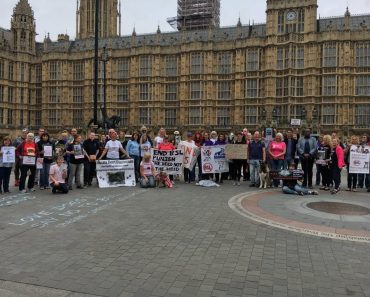
    Peaceful protests have taken place in London, Coventry and Cardiff to highlight the injustices of breed specific legislation. The failed law, which was introduced 26 years ago, sees dogs lose lives because of how they look rather than act.

    The UK joined Germany and Canada in a united global day of peaceful protests, rallies and awareness days to speak out against the law.

    The Westminster protest was a grass-roots gathering, with volunteers present who actively campaign and support innocent dogs and their families being torn apart by breed specific legislation on a daily basis. It also put faces to the names of dogs who have lost their lives in recent years.

    Maria Daines, a Director of DDA Watch, a campaign group which helps support dogs and families affected by the law was one of the event organisers. She said, “It is high time breed specific legislation was at least extensively debated in parliament with a view to repealing section 1 (DDA) which has proven over 26 years to be ineffective, unfair and cruel to the dogs and families affected by it.

    “Education (as opposed to prohibitive legislation) is necessary and helps to keep dog owners, the public and canine companions safe; Banning, restricting and killing dogs that look a certain way is ridiculously outdated, heartbreaking for many and a waste of public money. In 2017, we can and should be doing much better for our canine friends, their families, the public and those who work with dogs, including stray and rescue dogs.”

    Danes was joined by dog lovers who had travelled across the UK to add their voice and take a stand for innocent dogs calling for a repeal of a failed piece of legislation that targets types of dogs and condemns them as ‘dangerous’ based on their physical appearance.

    Judge dogs on how they act, not look

    Perhaps speaking to the fact that part of the objection to the Dangerous Dogs Act as it is now is the life threatening impact to dogs purely because of their looks rather than actions, the event was attended by some of the UK’s most well known dog trainers and behaviourists including Robert Alleyne, Jordan Shelley, Robert Stuhldreer and veterinary surgeon and animal behaviourist Dr Kendal Shepherd.

    A Staffie named ‘Whippet’, a Battersea Dogs Home Ambassadog came along to support the event wearing a special pink coat with the words ‘Breed Specific Legislation Murders My Friends’. She was joined by another supporter who was dressed as the ‘Grim Reaper’ with a message for Defra, the organisation who overseas the law in action, attached to the black outfit which said ‘I am Breed Specific Legislation’ and gave out information leaflets to those passing the Parliamentary buildings.


    Photo Credit: DDA Watch Ltd

    Remembering those who have lost lives to breed specific legislation in the UK

    As well as highlighting the ineffective law, the event highlighted stories of dogs who have lost their lives over the last 26 years sending personal messages to the British government in the process.

    Dogs remembered included Blitz, an innocent dog who was imprisoned on death row for two and a half years, as well as Reggie and Tyson.

    Lennox was also given a voice. He was a victim from Northern Ireland whose death five years ago sparked global outrage and condemnation, bringing the injustices of the legislation to the attention of thousands of people across the world and leaving a legacy of hope that disastrous BSL will one day end.

    A dog named Paul was also remembered, heartbreakingly his casket of ashes was brought to the protest to show the end result of many dogs affected by this harsh and unfair legislation. Paul had lost his life in 2015 and campaigners shed tears as his casket was placed in remembrance at the event.

    Two supporters from Devon held up their placard for a much loved dog named Sky who is held incarcerated and caught up in a legal nightmare due to BSL.

    Sky’s story is heartbreaking since she was seized after being abandoned by her owner (read it here).

    Two thousand flyers were given out to spread the word and raise awareness to what breed specific legislation is.

    Watch the video to hear about the history of the law:

    Join the conversation online on Facebook @K9Mag or find out how you can get involved in the next event: @DDAWatch


  • Westminster Rally to Protest Against Breed Specific Legislation

    Dog lovers and campaigners are uniting this month as part of a co-ordinated campaign in a global day of protest against Breed Specific Legislation (BSL) which sees dogs lose lives and homes because of how they look rather than act.

    Peaceful protests have been organised around the world for July 2017 with the UK event taking place on the 15th July at Old Palace Yard, Westminster, SW1P 3JY at 1pm to 5pm. Another UK event has been organised for Coventry, West Midlands.

    Ottowa, Winnipeg, Ontario, Halifax, Montreal, Toronto, Barrie, Truro, Nova Scotia in Canada and Germany have planned anti-BSL events for the 15th July as part of the Global Anti-BSL movement.

    The London event is organised by DDA Watch, the UK introduced breed specific legislation in 1991. Campaigners say the law continues to cost millions of pounds in taxpayers money to enforce and does nothing to protect people nor dogs alike, neither does it promote responsible dog ownership.

    Thousands of pets continue to be put to death or deemed ‘dangerous’ based on their physical appearance, the law makes no sense and is long overdue for repeal.

    Leading animal welfare charities have disagreed with and openly discredited BSL for many years, outlining the fact that dogs cannot be labelled ‘dangerous’ for their looks alone and they have called for an end to this outdated legislation.

    There will be leaflets regarding BSL handed out on the day, plus a petition to sign, tributes made in memory of those lost and photographs.

    People are coming together, making a stand and speaking out in defence of ALL dogs regardless of what shape or size they happen to be.

    Find out more about attending the London event here: https://www.facebook.com/events/181723342359636/

  • Calls Grow for Tougher Sentences for Animal Cruelty

    Calls Grow for Tougher Sentences for Animal Cruelty

    Six month prison sentence “just not tough enough” as RSPCA highlights shocking animal cruelty cases.

    As figures show convictions for animal cruelty running at four per day, the RSPCA is calling for the new government to introduce tougher sentencing for animal welfare offences.

    The animal welfare charity witnesses horrendous acts of cruelty across England and Wales through its prosecutions work every day – from a dog with multiple broken bones left untreated and dumped in a cemetery to die, to a dog’s face being ripped open by another animal but given no veterinary care.

    The strongest sentence that can currently be handed down to a someone convicted under the Animal Welfare Act is six months in jail – but polling by the RSPCA has shown seven out of 10 people would like to see this sentence toughened up and longer jail terms imposed on offenders.

    RSPCA interim chief executive Michael Ward said: “At the moment the strongest sentence for animal cruelty that can be passed down by magistrates is just six months imprisonment and an unlimited fine – that’s simply not tough enough.

    “The RSPCA picks up the pieces of animal cruelty every day of the year – and it is through our prosecutions that many of the perpetrators are brought to justice.

    “There’s a huge strength of feeling behind a move to toughen up these sentences – but at the moment the courts are limited by the law. As the Animal Welfare Act stands, the courts can only hand out a maximum 6 months prison sentence and that is not enough of a deterrent.

    “We were disappointed the previous Government chose to ignore the Select Committee recommendation to increase the maximum sentence for animal cruelty offences to five years imprisonment. This move would have brought our sentences in line with Northern Ireland.

    “Our recent poll showed that seven out of 10 people want the Government to bring in longer jail time for the most serious cases of animal cruelty and neglect.

    “As an animal lover, if you think that a six month jail sentence is not long enough for horrible acts of animal cruelty, we are urging you to contact the Secretary of State for Justice David Lidington MP to ask him to increase sentencing so the punishment fits the crime.”

  • TV’s Jenni Falconer Teams Up with Pet Parasite Action Campaign

    TV presenter Jenni Falconer has backed a campaign supported by veterinary practices across the UK to raise awareness to the dangers of parasites, such as fleas and ticks which pose a heightened risk to pets and their owners throughout the summer months.

    Speaking about her involvement in the campaign Jenni says, “As a dog owner and a mum I want to be sure I do the best thing for my pet and my family. During the Pet Parasite Action campaign I’m encouraging all pet owners to visit their vet for a simple way to help protect their pet against parasites inside and out, including those that might be harmful to rest of the family. Let’s act now to protect all the members of our family, furry or otherwise.”

    Pets love unconditionally, one of the reasons we love them

    After conducting a nationwide survey of over 1000 dog owners, Pet Parasite Action says the findings confirm that dogs are important members of the family and most owners say that losing their pet would be devastating.

    Pet owners say the most important reason for owning a pet is to keep active but other reasons, such as non-judgemental love and an ability to give comfort, are highly important.

    The campaign’s survey also discovered that 8 in 10 pet owners happily hug our dogs and the majority let their dog sleep on their bed, sit on their sofa or lap, lick their faces and give them kisses.

    But 28 per cent said they have found parasites on carpets, 26 per cent have spotted a parasite on themselves and a shocking four per cent have even found one on their child. Despite this, over a third of people say they never think about the parasites their pet might be hosting when they hug them.

    Lungworm worries most pet owners, Pet Parasite Action campaign says

    When it comes to pet parasites, the campaign says most dog owners don’t have an accurate view of which are the most risky to them or their family.

    It’s lungworm that worries owners most with 74% saying it is the pet parasite they are most concerned about, with the only exceptions being the North East where fleas were the most concerning parasite and Scotland where ticks were of equal concern.

    The campaign’s pet experts tell us, “While 82% of dog owners are able to correctly identify that lungworm could be fatal to their pets, 43% say they think dog lungworm is the parasite that poses the greatest risk to human health, when actually it’s harmless to people.

    “Furthermore, despite concern about its effects, 23% say that they don’t know when their pet was last treated for lungworm. This is worrying because cases of this deadly parasite are increasing, and spreading throughout the country into previously unaffected areas.”

    Did you know ticks can transmit diseases affection people and dogs?

    According to the survey, just 48% realise that ticks can cause fatalities in dogs because they can transmit diseases such as babesiosis. Only 28% recognise that ticks (as a transmitter of Lyme disease in people) are a risk to human health.

    Ticks should be a concern to pet owners because the threat from this parasite to pets and people is growing: in recent years there has been an increase in tick numbers across the UK due to changing weather patterns and an increasing population of deer, which host ticks.

    The least worried about parasite is probably one of the most concerning, campaign says

    Pet Parasite Action say 15% of dog owners are most worried about roundworms and a mere 7% correctly say they think it could threaten human health. Yet, if accidentally eaten, eggs from the roundworm Toxocara pose a significant threat to human health, potentially causing blindness or neurological disease – especially in children.

    One in four people don’t realise that their pet could have parasites but they might not be visible, as is often the case with lungworms, hard to find ticks and microscopic roundworm eggs.

    Around 1 in 6 say that it’s been about a year since they last treated their pet for ticks, lungworm or roundworms.

    The benefits of pet ownership are considerable and pet owners do not need to be alarmed. They just need to be aware of the risks of parasites and the fact that simple, regular treatment will help to reduce these risks for all.

    Find out if your local veterinary practice is taking part in the Pet Parasite Action campaign here >> www.petparasiteaction.co.uk

  • Who Is to Blame for the French Bulldog’s Rising Popularity?

    Who Is to Blame for the French Bulldog’s Rising Popularity?

    The French Bulldog is set to become the UK’s most popular dog breed, overtaking the Labrador in the top spot where it has sat for multiple decades.

    Some of you may think nothing of this. Some may not care and some may be outraged. What you should think is not for us to tell you, but here’s how I came to my own conclusion that this breed is not heading in a terrible direction, it’s damn well there and things will only get worse. We need to do something to address the problem. If we don’t I fear we will – or could (some will say should) – lose the breed and others who suffer from the same problems forever.

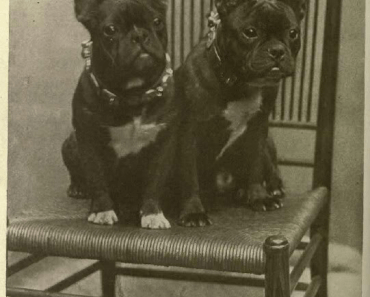
    The French Bulldog we see today is not how they used to be. These are two French Bulldogs pictured in 1905, look at their nostrils and muzzle length specifically. Have a good look.

    This is the French Bulldog today.

    Can you see the difference? Can you imagine how hard it is to breathe through such closed nostrils and such a short snout? Jemima Harrison’s blog has even more heartbreaking photos here and I urge you to look, once you’ve finished reading, of course, to make your own mind up.

    Owners of French Bulldogs often say how difficult the heat is for their dogs to cope in, and not just that, but a lot of forms of exercise, bursts of excitement and even the simple act of eating cause difficulties in breathing.

    And yet we cannot forget that the version of the French Bulldog today has been willingly bred like this.

    Media organisations, including ours, made the decision some time ago to limit the images we show of Brachycephalic dog breeds within our features unless it is relevant to the story. A full list of the dog breeds including French Bulldogs, Lhasa Apsos and Boxer is available here.

    I love all dogs but there is very much a cycle in effect – the more people see a dog breed, the more they perhaps accept the breed’s looks as the ‘norm’.

    Celebrity culture is often blamed too. We received a press release recently from the British Veterinary Association blaming the media and celebrities for popularising breeds.

    The organisation’s President Gudrun Ravetz said, “We shouldn’t be buying and breeding dogs on the way we want them to look – it should always be about prioritising welfare above appearance. These are breeds that can suffer just by walking around or eating, which is why we’re calling on the media and advertisers to stop using them in their adverts. It is also difficult to turn on the TV, check Instagram or see a celebrity photo without also seeing a brachycephalic breed so it’s not surprising that demand for these dogs is rising.

    “And we would also encourage anyone considering getting a brachycephalic breed to speak to their local vet and think about choosing a healthier breed or crossbreed instead.”

    It seems reasonable from the outset and our core beliefs matched up, but their comment made us question them further. It seems like an easy route to blame one part of the chain – what would owners of these breeds do if they didn’t exist?

    Who is holding breeders and the organisation registering, and as such overseeing the breed’s demise over recent decades to account?

    When we asked how the BVA felt about the role of breeders and The Kennel Club they said:

    “It is vital that everyone plays their part in tackling poor health and welfare in our dogs. With the current want for designer dogs and brachycephalic breeds, the need for a record of conformation altering surgeries and caesareans that are carried out in veterinary practice has never been more important. Owners can submit data on their dogs’ operations, yet we have also been working with BVA members to raise awareness of the Kennel Club’s new online reporting system to encourage a data drive that could reduce avoidable hereditary problems, prevent further lifelong discomfort and suffering, and improve health and welfare for dogs.

    “The increase in demand for these fashionable dogs has also opened up a market for breeders and puppy farms, who sell dogs without any consideration for the dogs’ health and welfare, further exacerbating problems. A recent BVA survey found that the top two most common dog breeds, who vets suspected to have been illegally imported, were French bulldogs and pugs. “We are recommending that people don’t buy brachycephalic dog breeds because even those bred legally may have extreme characteristics that can cause serious, life-limiting health problems.”

    At that point we asked very specifically again, highlighting our question hadn’t in fact been answered as to where the BVA felt the Kennel Club and breeders ranked in the problem.

    On this point, Ravetz/the BVA PR team refused to condemn The Kennel Club or breeders, which seems strange – as it seems to me to be playing politics with the issue (did you note the KC new reporting system promotion in their quote?).

    Surely if you’re happy to name and shame one part of the cycle, you should name and shame all rather than saying it’s not helpful to name individuals when the press release began ‘Celebrities, advertisers and the public must stop normalising flat-faced dogs’ health problems…’ – one rule for one, another for those you work with perhaps?

    In my opinion, as someone who has owned dogs since a child. I was always influenced and overheard conversations where the Kennel Club registration was held in high esteem. It was something that was meant to reflect the quality of the dog and their breeder. And the registration papers add to the cost of the puppy, it seems to be something which means the cost of them vs others without papers is higher.

    The Kennel Club quite willingly underplays it’s role in its influence, whether this is because it suits them or not is for you to decide, but pointedly if breeders rely on The Kennel Club for verification (and I say again, add cost onto the puppy’s value) then they have a hand they could play. Could being the operative word, if they chose to.

    But they don’t.

    For these breeds to have a fighting chance, everyone needs to play their part.

    The breeds need to be ‘unbroken’.

    It’s not enough for owners to understand the financial commitments of taking on a dog with health problems, if there was no demand, there would be no French Bulldogs. If there were no French Bulldogs, there would be no demand.

  • Charity Slams Scottish Parliament For Bringing Back ‘Cruel’ Dog Tail Docking

    Charity Slams Scottish Parliament For Bringing Back ‘Cruel’ Dog Tail Docking

    National pet charity Blue Cross is shocked and saddened that the Scottish Parliament has voted to reintroduce tail docking for working dogs in Scotland. The charity is disappointed to see the Scottish Government take a backwards step and weaken the legislation on tail docking which has been in place since 2007.

    Tail docking is an unnecessary and painful procedure and the ban had been a positive step in better protecting the welfare of working dogs in Scotland. Blue Cross is fundamentally opposed to the docking of tails and fully supported the ban on the practice. The charity believes that no part of an animal should be removed unless absolutely necessary.

    Puppies can suffer unnecessary pain from having their tails docked, and removing the tail also leaves them without the ability to express themselves and fully communicate.

    In addition, a 2016 Blue Cross survey showed that 71% of the Scottish public believe that the ban on tail docking of puppies should be maintained. It is disappointing that the government have chosen to disregard the opinion of the Scottish people as well as expert advice from both animal welfare organisations and veterinary bodies.

    Becky Thwaites, Head of Public Affairs, Blue Cross, said:

    “Blue Cross believes that the evidence against tail docking still greatly outweighs any evidence to support it. In our opinion, the number of dogs at risk of tail injuries is still not large enough to justify the tail docking of so many individuals, particularly when the procedure itself causes unnecessary pain.

    “Blue Cross is disappointed that the Scottish Government has chosen to prioritise this issue over the other important animal welfare measures announced earlier this year including promises to review the breeding and sale of pets.”

  • Animal Abusers Will Now Be Registered Like Sex Offenders in America

    Animal Abusers Will Now Be Registered Like Sex Offenders in America

    States across the US are following in more local initiatives launching animal abusers registers, recognising the seriousness of animal abuse. Experts warn that there is a very strong correlation between animal abuse and domestic violence, a thought born out by statistics.

    In addition, experts say serial killers often show signs of their future life by torturing animals as children.

    Similar to those already in existence for sex offenders, those recorded on the register will have their name, date of birth, offence and conviction date. The registry will also show an expiration date for each individual. First-time animal abusers will be registered for two years and an additional five years will be added for every subsequent animal abuse offence thereafter.

    Currently, Tennessee has a statewide register and to date, Suffolk County (the first to bring such an initiative in) and Cook County, Illinois have enacted the initiative at a more local level. Last year New York City overruled Mayor Bloomberg after he vetoed the city’s council who voted to introduce the database. As a result of overruling Bloomberg, New York now plans to have a database covering all five boroughs of the city.

    K9 Magazine editor and former dog trainer Ryan O’Meara has applauded the initiative.

    When asked if he would support the idea for the UK he said, “A nation of animal lovers, if it truly is worthy of the name, would be prepared to do more to show animal abuse is not just a minor misdemeanour but a crime that sickens most people. At present, our animal welfare laws are not tough enough, not strict enough and as a society, we should be willing and ready to elevate the status of animals, all animals, and show that animal abuse is not tolerated.”

  • California Votes to Ban Pet Shops From Selling Animals Sourced From High-Volume Breeding Facilities

    California Votes to Ban Pet Shops From Selling Animals Sourced From High-Volume Breeding Facilities

    California’s State Assembly passed a bill today to ban the sale of dogs, cats and rabbits sourced from high-volume commercial breeding facilities (what could be called puppy/animal farms) in all pet shops across the state. Instead, pet shops will be required to source animals from shelters and rescues.

    The bill was sponsored by animal advocacy group, Social Compassion in Legislation and written by Democrat Assembly members Patrick O’Donnell and Matt Dababneh but has support across both parties.

    “Today is a good day for pets in California. The passage of AB 485 out of the Assembly is a step closer to ensuring that dogs, cats and rabbits from shelters are able to find forever homes,” said Assemblymember Patrick O’Donnell.

    “Today, AB 485 passed off the Assembly Floor with strong, bipartisan support, representing a huge step forward in the effort to bring an end to the cruel, inhumane treatment of animals at puppy mills,” stated Assemblymember Dababneh.

    ‘The shelter pet is California’s state pet’

    Judie Mancuso, founder and president of Social Compassion in Legislation commented, “We are elated with the response from the state legislature and their robust support. In educating legislators about the bill, we heard many stories from members and staff about their own experiences with sick animals purchased from pet stores, heartwarming stories of fostering, and of rescuing pets in need.

    “The ‘shelter pet’ is already the official state pet, now California is on its way to helping those pets get out of shelters and rescues and into pet shops where they have a much better chance of finding their forever homes.”

    ‘The bill will save lives’

    Henry Brzezinski, Legislative Chair of the California Animal Control Directors Association, concluded, “Animal shelter workers throughout California rejoice when there is another outlet to place the overwhelming number of animals in our facilities. Many large scale pet shops already collaborate with municipal shelters to showcase dogs, cats and rabbits and alleviate overcrowding. Assemblymember O’Donnell’s bill will save lives.”

    The Assembly Bill 485, the Pet Rescue and Adoption Act, it will now report to the Senate Rules Committee.

    Could we see something similar rolled out across America? Would this be something you would support? Comment below & let us know!

  • Untreated Fleas and Ticks Can Cause Chronic Stress, Experts Reveal

    Untreated Fleas and Ticks Can Cause Chronic Stress, Experts Reveal

    Thousands of pets in the UK could be suffering from chronic distress caused by flea and tick infestations, experts warn.

    With the forthcoming warm weather expected to lead to a population explosion of fleas and ticks in the UK, owners need to be aware of the signs of irritation and long-term stress caused by parasite infestations in their pet to avoid lasting behaviour changes.

    Distress in pets brought about by flea and tick bites can lead to loss of appetite, lethargy and a reduced interest in social activity, they added.

    Animal behaviourist and pet trainer Karen Wild has been studying dogs for more than 20 years and has discovered both cats and dogs can have their lives seriously affected by flea and tick infestations if not treated soon enough.

    Karen says, “Stress is a terrible condition for humans but we can express our feelings and get professional help in resolving chronic problems. Imagine what these symptoms are like in a dog or cat when they can’t tell us how they feel.

    “I’ve noticed that pets who have experienced tick bites or flea infestations in the past can show signs of repetitive scratching and distress for months afterwards. Some animals who have suffered parasite problems exhibit stress symptoms such as nibbling or licking areas of their body, even when they no longer have any fleas. This can be prolonged and traumatic for everyone involved.”

    This dog became depressed after suffering from a flea allergy

    Rescue dog, Rune, a 13 year old Staffie cross unfortunately suffered from the effects of flea bites, her owner Nikki Graham shares their story.

    “When Rune was admitted to Wood Green Animal Shelter in December 2016 after her previous owner sadly passed away, she was suffering horrifically from a chronic skin condition which left her body covered in scabs and thinning hair. The vets carried out various tests and she was diagnosed with a severe flea bite allergy. Rune had to undergo various treatments to ease her skin condition and all was going well, but unfortunately after the initial treatment had finished, Rune had developed periorbital dermatitis and began chewing her feet continuously, and scratching at her skin which led to her becoming very depressed.

    “Although Rune is feeling better now after months of treatment, my vet has advised that due to the severe skin condition caused by flea bites, she will need to be on medication for the rest of her life and may continue to bite her skin occasionally due to the trauma experienced. It is better to prevent flea or tick bites occurring than to let an animal develop and suffer the effects of parasite bites the same way Rune has.”

    5 ways to tell if your dog has a fleas or ticks

    1. Abnormal scratching
    2. Small, cream/grey ‘lump’ attached to your dog’s skin (a sign your dog has a tick)
    3. Very small brown/black insects crawling in coat (a sign of fleas)
    4. Excessive licking or biting at the skin
    5. Droppings or ‘flea dirt’ in your dog’s coat

    Veterinary surgeon Vicky Lees says your dog’s body language can be a sign of fleas or ticks saying, “Ticks aren’t just a nuisance; they pose real health complications to both you and your pet including vector-borne diseases such as Lyme Disease. Speak to your vet about a preventative parasite treatment to help stop ticks biting to protect against the spread of these diseases.”


  • New Study Reveals Baby-Like Appearance of Flat-Faced Dog Breeds Has Led to Popularity, but Health Continues to Suffer

    New Study Reveals Baby-Like Appearance of Flat-Faced Dog Breeds Has Led to Popularity, but Health Continues to Suffer

    A new study has found that the popularity of flat-faced breeds, such as Pugs, Bulldogs and French Bulldogs is largely based on their small size and baby-like faces, but it is coming at the expense of their health with owners less likely to see either parent or ask for health records.

    The news comes as the French Bulldog is set to become the Kennel Club’s most registered dog in the UK toppling the Labrador Retriever from the top spot, which it has sat at for 27 years.

    The study conducted by  Royal Veterinary College (RVC) in collaboration with Plymouth University,  set out to find out what influences owners to purchase a flat-faced breed, and once this decision has been made, how they go about acquiring a puppy.

    The findings revealed that appearance is the number one reason owners purchase flat-faced breeds, attracted by their large, round, wide-set eyes, and flat rounded faces, yet the perceived health of the breed was of less concern in owners who purchased a brachycephalic dog such as the Pug or French Bulldog, compared to owners of longer faced breeds, such as the Labrador Retrievers and Cocker Spaniels.

    Why is this a bad thing for the breed’s future health?

    The characteristics which appeal to the breed’s would be owners are linked with a variety of inherited diseases.

    Flat-faced dogs often suffer from lifelong respiratory, eye and skin problems, and a reduced lifespan compared with longer faced breeds.

    Dr Rowena Packer, lead author of the study and Research Fellow at RVC, said “With their small size and baby-like features, some people cannot resist the looks of a brachycephalic dog. With growing evidence that these breeds are faced with a range of chronic and severe health conditions directly linked with their appearance, it is of huge concern that many people drawn to these breeds prioritise a dog’s looks over their long-term health and wellbeing.

    “Potential puppy buyers attracted to the appearance of these breeds should seriously consider whether they are emotionally and financially prepared to take on a breed with high risks of health complications, and consider whether alternative, lower-risk breeds would better fit their lifestyle.”

    Speaking about the findings, co-author of the study and Associate Professor of Animal Welfare at Plymouth University, Dr Mark Farnworth, said, “Owners must be aware that as puppy-buyers, they are consumers, and their choices affect not only the health of the puppy they purchase, but also the health of the breed more widely.

    If owners do not follow recommended processes when purchasing a puppy, for example those set out in BVA AWF & RSPCA ‘Puppy Contract’, unscrupulous breeders will be kept in business, and continue to profit from the breeding and sale of unhealthy dogs. Without consumer awareness, breed health improvements are not possible and the overall health of these breeds will likely decline.”

  • TV Presenter Adam Henson Fronts Campaign Encouraging Dog Owners to ‘Dump the Junk’

    TV Presenter Adam Henson Fronts Campaign Encouraging Dog Owners to ‘Dump the Junk’

    A campaign has launched in the UK to encourage dog owners to take note of what’s in their dog’s diet and learn how to identify good ingredients from bad on pet food labels.

    Backed by research which claims that 85% of UK dog owners are unsure of the ingredients in today’s dog food, the Dump the Junk campaign has been launched by natural dog food company, Forthglade and is fronted by farmer and TV presenter Adam Henson.

    Henson says, “We all want what’s best for our dogs, but we lead such busy lives, we often don’t have the time to stop and decipher confusing dog food labels. We put too much trust in what we see on packs and tins; clever packaging and vague phrasing make it all too easy to assume you’re getting something you’re not.”

    The campaign is encouraging pet owners to improve their own dog’s nutrition and help spread the word across the UK to ‘dump the junk’.

    Henson continues, “Dump the Junk is an important campaign set to lift the lid on the real contents of poor quality dog food and help pet owners make informed decisions about what they feed their canine companions. Good nutrition is at the heart of what makes a happy, healthy dog, which is why I am asking UK pet owners to make their pledge today for the benefit of dogs nationwide.”

    Find out what foods your dog should be avoiding as listed on the campaign’s Dog Food Nasties Watch-List and take the pledge here: www.forthglade.com/dump-the-junk

    By taking the pledge you can also enter a competition online for a chance to win 6 months’ worth of Forthglade natural pet food plus a 2-night stay at the luxury Deer Park Country House Hotel in Devon.


  • Lintbells Reveals Top Dog Friendly Hotels to Visit Ahead of May Bank Holiday

    As dog owners, it’s no surprise that so many of us choose to holiday with our pets. In fact, recent research says over 1.4 million of us choose to holiday at home in the UK every year so our pets can join us.

    With this in mind and to help celebrate National Pet Month, Lintbells, creators of YuMOVE the UK’s No.1 Vet Joint Supplement, have complied a list of some of the top dog friendly hotels from across the UK to consider for your pet friendly getaways this year.

    Scotland

    Trigony House Hotel, Dumfries and Galloway Scotland

    In the heart of Dumfries and Galloway, this traditional country house is surrounded by beautiful woodland and gardens. Roxy, their resident Retriever will be ready and waiting to welcome you and your dog, with all dog guests receiving a box of gourmet dog treats, free beds, towels and bowls.

    The Four Seasons Hotel, Perthshire Scotland

    Escape to the Scottish Highlands with your pooch in hand and pay a visit to The Four Seasons hotel, equipped with stunning views over Loch Earn and even a resident pet butler. The dedicated pet concierge service is sure to make your dog feel like a VIP. From a specially created canine menu, to a pet-sitting and walking service and even a pooch parlour, it will definitely be a hit.

    East Anglia, England

    The Chequers Inn, Norfolk

    Situated on the beautiful Norfolk coast and surrounded by coastal walks, beaches and sand dunes your dog will be in heaven whilst staying at The Chequers Inn. With just a small extra fee to bring your furry friend, the Inn will even supply treats and loan you blankets to make your dog’s stay as comfortable as possible.

    North West, England

    The Inn on the Lake, Lake District

    On the shores of Lake Ullswater, this Inn offers breath taking surroundings with an abundance of country walks for you and your pet to enjoy. The hotel also has a beautifully kept garden with sweeping lawns, perfect for your dog to enjoy the great outdoors and British weather.

    St Valery, Northumberland

    This boutique B&B in the heart of Alnmouth village in Northumberland is just a short stroll away from the beach making for a wonderful dog-friendly getaway. Welcomed at no extra charge, your pooch will be provided with a bed, bowls and towels. They even have a doggie drawer filled with spare leads and poo bags.

    South East, England

    No.15 Great Pulteney, Bath

    This quintessentially English boutique hotel in the heart of Bath could be great for a city break for you and your dog. They happily host up to two fairly small and well behaved dogs in a selection of their rooms, for just a small extra charge.

    South West, England

    Talland Bay Hotel, Porthallow Cornwall

    Enjoy a luxury Cornish break at Talland Bay, situated only minute’s away from beautiful costal walks and beaches you definitely won’t be short of walking routes to enjoy during your stay. Dogs are welcome in all of the rooms (bar two) and on-site cottages.

    Mill End Hotel, Devon

    Set in the Dartmoor National Park in Devon where you won’t be short of amazing scenic walks, dogs can stay for free at this hotel. Along with treats and dog beds, there is also a pet sitter on hand (should you need it).

    The King’s Arms, Gloucestershire

    Set in the quaint village of Didmarton, within the stunning Cotswold countryside, The King’s Arms welcomes dogs to stay free of charge. Beds, bowls and biscuits are all provided and your pooch can even make friends with the resident Jack Russell while enjoying a Snuffle Dog Beer. The Inn makes for a great base while you and your dog enjoy long walks throughout the countryside.

    The Fish Hotel, Cotswolds

    With its impeccable design and ideal location in the Cotswolds, this hotel could be described as ‘the’ perfect place for a pet friendly getaway. For a small extra charge the hotel offers a stay for your dog in one of their eight cosy luxe rooms and two Hilly Huts. Beds, bowls, treats and dog towels are offered to all dog guests during their stay.

    Top Travel Tips for Pets from the RSPCA

    Before you embark on your trip, it’s really important to make sure your pet is comfortable travelling in the car. It’s reported that high numbers of dogs can struggle with travel, likely due to motion sickness or due to anxiety, so it’s really important to teach them gradually – using positive, reward-based training methods – that being in the car isn’t scary. It’s best to take them on lots of little car journeys from a young age to get them used to the experience.

    It’s also important to keep a close eye on them when travelling long distances to make sure they are not displaying signs of travel-related problems such as barking, whining, jumping, attempting to run around the car, salivating, vomiting, attention-seeking, licking, cowering, hiding or restlessness.

    Dogs travel better without a full stomach so it’s best to feed them more than two hours before the journey and give them chance to go to the toilet just before you leave. Remember to take regular breaks on long journeys, so he or she can go to the toilet and exercise.

    As dog-lovers, you’ll also want to make sure your friend is safe in the car. As well as having the dog’s welfare in mind, the UK’s Highway Code also states that dogs should be suitably restrained in a vehicle so they are safe during an emergency stop and so they do not distract the driver.

    Travelling crates and containers, dog guards and car harnesses can be used to secure your pet when travelling. It’s important to ensure any crate is big enough for your dog, and that your pet is somewhere with good airflow and ventilation so they don’t get too hot. Bedding inside a crate or in the boot will stop them from slipping and will help make them feel comfortable and secure during the journey. Regular breaks with access to water are important during long journeys, as is the temperature inside the car.

    For more recommendations on places to visit and things to see with your dog, K9 Magazine’s 6-part walking series which begins here >> http://www.k9magazine.com/best-dog-walks-nottinghamshire/