Blog

  • People Eat These Regularly But When This Dog Did It Very Nearly Killed Him

    People Eat These Regularly But When This Dog Did It Very Nearly Killed Him

    A hungry hound from Glasgow has undergone life-saving surgery to remove 4ft of his intestines – all because he swallowed an item of food that many people eat on a regular basis.

    Food based emergencies are frequently seen by vets, whether it’s food that is toxic to dogs, dogs eating too much of a food or dogs eating things they thought were food but weren’t. Regularly human food often finds itself in to the stomachs of our dogs and in most cases it’s no cause for alarm, but sometimes dogs eat things that can prove fatal to them.

    Eating a corn-on-the-cob is not a good idea if you’re a dog.

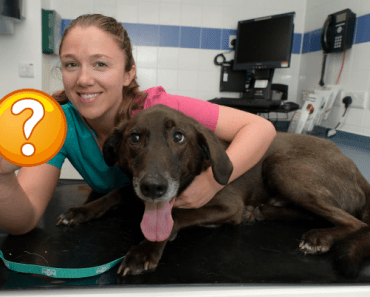
    Rhodesian Ridgeback crossbreed, Sam (7), had an emergency operation to remove around half of his small intestine after PDSA vets discovered the corn husk was causing it to rot away.

    PDSA Senior Vet, Susie Hermit, from the vet charity’s Glasgow Shamrock Street Pet Hospital, said it was one of the most severe cases she had ever seen:

    “We found that the corn on the cob husk was causing a major blockage in Sam’s small intestine, restricting the blood supply.

    “Unfortunately, some of the damage was irreversible and we had to remove around half of his intestine, which had begun to die off and rot. Sam was very lucky to survive. He was at high risk of developing potentially-fatal blood poisoning and the operation to remove such a large section of his intestines was incredibly risky.”

    Sam’s owner, Lorraine Graham (43), from Tollcross, was petrified at the thought of losing her beloved pet.

    She said: “We first noticed something was wrong was when Sam started being sick. and it gradually got worse until he was being sick every 20 minutes.

    “I couldn’t believe it when PDSA x-rayed him and told us what was causing the blockage. We hadn’t been eating corn on the cob so he must have picked it up while outside,” she said.

    “He was so weak and lethargic that I knew he was facing the fight of his life. Thankfully he pulled through and I can’t thank PDSA enough for saving him.”

    “We’re extra careful with him now but I’m really happy that he’s made such a good recovery. He’s back to his old self again and is eating normally which is great.”

    PDSA vets are issuing a warning to pet owners ahead of the Bank Holiday weekend, as many people may be planning barbecues.

    Corn on the cob was one of the most common items removed from pets last year with 28 cases treated by PDSA. Other strange items swallowed by pets include bones (51 cases) and kebab sticks (7).

    Thanks to funding from players of People’s Postcode Lottery, PDSA is educating pet owners about the phenomenon of pets eating strange objects – known as ‘pica’ – and how to keep their animals’ safe.

    Susie added: “Pets like to use their mouth to investigate objects as well as to eat. Puppies and younger pets will often swallow an item by mistake, even though they had only meant to investigate it.

    “Something like corn on the cob might seem harmless enough but if an object moves along the digestive system, as it did with Sam, it can cause a tear or life-threatening blockage.

    “If you have pets at home, try to keep anything dangerous or easy to swallow out of paws’ reach. Only let them play with suitable pet toys and try to supervise them to avoid any accidents. If you do suspect your pet has swallowed something you should contact your vet for advice immediately.”

    BBQ safety tips

    Skip the scraps: Eating barbecue scraps can upset your pet’s stomach. Undercooked, unfamiliar or fatty food can cause vomiting and diarrhoea
    Bit it: Throw away any leftover food and rubbish into a lidded dustbin. At PDSA our vets often see pet who have eaten corn on the cob cores. These can cause a serious blockage and need removing by surgery
    Keep fuel well out of reach: Lighter fluid can prove fatal if ingested as it contains hydrocarbons, which are derived from crude oil
    Keep pets well away from flames and glowing embers: With all that fur around, your four-legged friends could get severe burns. So make sure they steer clear
    Slap on the suncream: Pets can suffer from sunburn and heatstroke just like us. So give your pets some suncream, shade and plenty of water. For white fur or damaged skin, special pet suncreams are available from pet shops
    Think when you drink: Keep glasses and drinks out of reach of thirsty pets. Alcohol can be particularly hazardous for pets. Use plastic cups as glass bottles, mugs and tea cups can easily smash into splinters to pierce paw

  • Over a Quarter of Dog Owners Admit They Don’t Restrain Pets in the Car

    New research out today has found that pet owners are not properly securing their pets when on the move, with over a quarter admitting they never restrain their dogs when travelling in the car.

    The research, which has been released by Direct Line Pet Insurance reveals that over a fifth of vets have shockingly witnessed dogs die as a result of injuries sustained when travelling in a car without proper restraint.

    Of those animals who were able to receive treatment after an accident, the most common ailments vets have treated for include broken bones to minor injuries such as bruising.

    Rule 57 of the Highway Code states that when in a vehicle, owners must make sure dogs or other animals are suitably restrained. Vets recommend a dog seat belt and harness, crate/cage or a barrier in between the boot and the back seat to reduce the risk of distraction whilst driving.

    The RSPCA advises owners to keep smaller animals in a suitably robust and secure carrier (which allows them to sit and stand up at full height, turn around easily and lie down in a natural position).


    Prit Powar, head of pet insurance at Direct Line, said: “Some owners trust their animals to roam free around the car. However, even the most well-behaved animal can become easily spooked or excited, which could distract you from the road, putting both you and your pet in danger. It’s important to adhere to the Highway Code to make sure you, your passengers and your pet is safe.”

  • More Dogs Than You Think Have Got Heads Stuck out of the Car Window, According to New Research

    More Dogs Than You Think Have Got Heads Stuck out of the Car Window, According to New Research

    We have no doubt all at some point been travelling in a car and spotted a dog excitedly looking out of the back window and wondered where they might be off to prompting thoughts of our own dogs. But it seems not all car journeys go smoothly for dog owners, according to new research.

    The findings, released by Direct Line Pet Insurance reveal that a third of dog owners report their beloved pet dirtying the car and getting car sick.

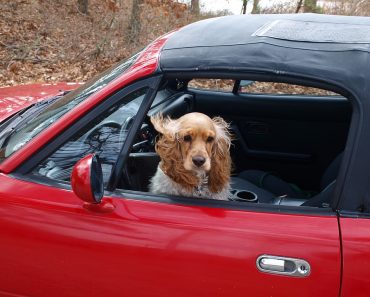
    While a third of pet owners say they have had problems when, in the style of the hit film ‘Marley and Me’, their dog has stuck its head out of the window.

    For one in ten unlucky owners, their dog has even used the car as its toilet.

    Speaking of the findings, Prit Powar, head of pet insurance at Direct Line, said: “Some owners trust their animals to roam free around the car.  However, even the most well behaved animal can become easily spooked or excited, which could distract you from the road, putting both you and your pet in danger.  It’s important to adhere to the Highway Code to make sure you, your passengers and your pet is safe.”

    The pet insurer offered these top tips to dog owners travelling

    • Get your pet used to travelling in a car as early as possible to calm those shaky legs
    • Reward your pet for good behaviour at the end of the journey with a tasty, animal-friendly treat
    • Keep towels in the car at all times to clean those mucky paws
  • How Many Words Do Dogs Understand? (A: It’s a Surprisingly Large Amount!)

    How Many Words Do Dogs Understand? (A: It’s a Surprisingly Large Amount!)

    We all know our dogs can pick out certain words when spoken in casual conversation – but new research has shown that we’ve likely been underestimating our dogs vocabulary range for a long time.

    How many words do you think your dog truly recognises?

  • If You Use This Flea Treatment Wrongly, Your Pet Could Die – Be Warned

    If You Use This Flea Treatment Wrongly, Your Pet Could Die – Be Warned

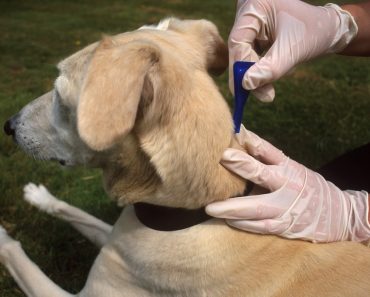
    The RSPCA has advised cat owners to carefully read the labels of flea and tick treatments before using them on their pets.

    The warning comes after the charity was contacted by a panicked cat owner who was very concerned for her 10-month-old cat who was fitting having been treated with a spot on flea and tick treatment intended for use on dogs.

    The woman, from Kenley in Surrey, got in touch with her local branch pleading for help after her cat started having fits. The cat was rushed to the vets but had to be put to sleep to prevent any further suffering.

    http://i.imgur.com/Cc3lB33.jpg

    The cat’s owner is very upset by the incident, which was made entirely in error, prompting the RSPCA’s warning to other owners.

    Flea treatments for both cats and dogs are readily available to buy over the counter. But some dog treatments contain permethrin, a chemical which is highly toxic to cats. And many treatments are not suitable for very young animals so it’s important to check labels carefully before use.

    RSPCA cat welfare expert, Alice Potter, said: “This was a very distressing incident for the owner of this cat who realised she had made a dreadful mistake but realised all too late.

    “Only give your pet flea treatment that has been recommended for them, it’s always best to speak to your vet about which products are safe to use and, if you have cats and dogs, be sure to read the labels carefully before administering.

    “Products suitable for one may not be suitable for the other. Some dog treatments contain permethrin which is safe for dogs but highly toxic to cats.”

    If your pet gets fleas it’s important to treat the animal and your home as fleas can survive in carpets and furniture for many months. Use a vet-recommended household and pet bedding flea spray.

    Clean bedding regularly and vacuum furniture, floors and skirting boards to help destroy fleas. Throw away the bag from the vacuum cleaner afterwards.

    Fleas are a parasite and can affect dogs, cats, rabbits and even humans. Some types can leap from host to host.

    Fleas only suck blood once they are adults but can live on pets for up to a 100 days, with females laying up to 50 eggs a day.

    If your pet is scratching or has visible insects (which could look like dark specks) in its fur then they could have fleas. Groom your pet with a fine-tooth comb over a white surface, any fleas or droppings will fall out. Add water and if the droppings turn reddish-brown, it’s likely they have fleas.

    As well as making pets uncomfortable, fleas can cause allergic reactions and can pass diseases to your pet, such as myxomatosis in rabbits. In really serious cases, flea infestations can make pets very weak and can even cause death as a result of blood loss.

  • It’s #nationaldogday – Now Watch These Very Special, Happy Dogs

    It’s #nationaldogday – Now Watch These Very Special, Happy Dogs

    On #nationaldogday, what better way to celebrate our friend the canine than by sharing their joy at one of their most favourite of all things….

  • Not All Brazilians Were Happy the Olympics Came to Rio, but These Animals Were

    Not All Brazilians Were Happy the Olympics Came to Rio, but These Animals Were

    The build up to Rio hosting the 2016 Olympic games was a mixture of excitement and unhappiness with many Brazilians vocalising their thoughts that finances allocated towards the games could have been spent elsewhere, but as the games got underway and medals fell, the memory of Rio’s games, and hopefully the Paralympic Games are sure to be remembered more fondly.

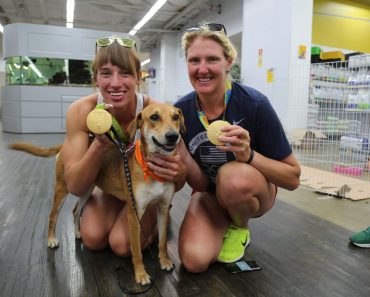
    Indeed, it will for the animals rescued and named after Olympus Gods who have met with gold medal winning members of Team USA, Eleanor Davis Logan and Tessa Gobbo at an adoption event hosted by World Animal Protection after being found living at one of Rio 2016’s construction sites.


    Gold medal winners Tessa Gobbo and Eleanor Davis Logan, pictured here with Athena

    Before visiting the adoption event, Eleanor, who is a known dog lover with her own dog regularly featuring on her Instagram page, adopted two cats from NGO Oito Vidas.


    The gold medal rowers spent some time with a dog named Isaquias at the event

    While visiting the World Animal Protection adoption event, she became particularly enchanted by a puppy named after Brazilian tennis player Guga saying, ‘I hope he gets adopted.’ After holding him for several minutes, she reluctant let him go.


    Eleanor Davis Logan loaned Zeus her gold medal to help him shine and stand out from the crowd at the event

    To their fans and every Brazilian who watched the Games, Eleanor and Tessa sent a clear message: ‘Support the Olympics by adopting a dog.’

    At a different event, one lucky pup, named after the Brazilian soccer team captain, Marta, was given a fresh start in life after being adopted by Carina Gomes and her boyfriend.

    The pair had been considering getting a dog for some time and it went down to the wire as the event gathered many ‘ahh’s’ but hours in, no adoptions had been made. Until, that is, Carina and her partner turned up and fell in love with Marta.

    Carina was alerted to the adoption event hosted in Rio’s Barra da Tijuca by her mother. As the couple arrived, the sun was already setting and they received an enthusiastic welcome by Marta.


    All Photo Credits: World Animal Protection

    After playing with the sweet mutt for a while, they thanked the adoption staff and left without a dog. But as they walked away, all while being watched from a distance, the couple hesitated, began talking and looking back.

    Marta was cheering for it and so were the adoption staff. The couple started their way back after a few minutes and decided to adopt her. It was an exciting last minute victory, much like Brazil’s own football victory at the Olympics!

    After a successful interview and application completed, which told the organisation all about the couple’s experience and guidance for responsible ownership, Marta headed off into the sunset with her new owners jumping with joy.

    Speaking of her reason for adopting, Marta said, ‘There are many abandoned animals that need a home today. I’m so happy.’

    World Animal Protection will continue to host their adoption events throughout the Paralympic Games and beyond. Keep up to date with the locations of the events online at www.worldanimalprotection.org

  • Dog Fleas Are A Big Risk For Your Dog – Here’s Why

    Dog Fleas Are A Big Risk For Your Dog – Here’s Why

    Vet charity PDSA is warning that nearly 4 million dogs and cats are at risk of flea infestations this summer after shock findings show a huge increase in the number of animals left exposed to their harmful effects.

    The charity’s latest PDSA Animal Wellbeing (PAW) Report showed a decline since 2014 of 900,000 cats and dogs** receiving preventive medication to protect them from the blood-sucking parasites.

    https://i.imgur.com/ks2TxiT.jpg

    Meanwhile, milder winters and widespread central heating have provided the perfect conditions for the UK flea population to increase in recent years. But they’re not just an inconvenience, in very young pets a flea infestation can even be deadly.

    “A flea infestation can cause intense suffering for a pet. Their skin will become itchy and inflamed, and some pets will scratch so much that their skin becomes sore and infected. For some, such as young kittens and puppies it can be incredibly serious,” said PDSA vet Rebecca Ashman.

    “High infestations of fleas can cause a condition called flea anaemia. This is where the parasites have drained so much blood that they leave the animal desperately weak. In younger and smaller pets this can quickly become life threatening.”

    PDSA is highlighting the issue after two kittens from a litter in Birmingham tragically died from flea anaemia.

    Rebecca Thorne, Senior Vet at PDSA’s Aston Pet Hospital, explained that the litter was brought in with severe flea-bite anaemia last month.

    She said: “Two kittens were brought into the hospital by their owner after a third had sadly passed away.

    “The smaller kitten, called Rosie, had very pale gums, was collapsed and cold. The other kitten, Logan, was livelier but they were both covered in fleas.

    “We gave both kittens intensive care. We fought as hard as we could but sadly we weren’t able to save Rosie. However, we were able to save Logan and thankfully he has gone on to make a full recovery.”

    The kittens’ owner, Charlotte Bennett, said she had used over-the-counter products to treat her cats but they didn’t seem to be effective.

    She said: “The treatment didn’t work and the kittens began to deteriorate. I’m devastated by what has happened and want to warn others about how dangerous fleas can be.”

    In a separate case, PDSA vets in Bristol saved a kitten which had collapsed after developing flea anaemia. The kitten was nursed back to health while its littermates also received treatment to rid them of the parasites.

    Vet Rebecca Ashman said it was important for owners to carry out a regular flea treatment regime as recommended by their vet.

    She said: “It’s worrying that there’s been such an increase in the number of pets that have never received flea treatments. Even if your pets don’t go outside, flea eggs and larvae can still be brought into the home on clothing and shoes. Flea infestations can cause terrible suffering, so regular flea prevention really is an essential part of taking care of your pet.

    “Thanks to funding from players of People’s Postcode Lottery we’re educating more pet owners about the importance of regular treatment and will be dispensing 200,000 flea treatments to pets this year.”

    PDSA’s top tips for foiling fleas:

    • Treat regularly – frequent treatments are needed to keep on top of any fleas that may be trying to set up home in your pet’s fur. Check the label or ask your vet if you’re not sure how often to do this as it’s important to use treatments correctly.
    • Choose the right product – ask your vet which product would be best for your pet. Some products may not be as effective as others.  If you have more than one pet, make sure the product is suitable for each pet and follow the instructions to the letter.  Never use a dog-specific flea treatment on a cat, as these can contain a higher dosage that could cause fatal poisoning.
    • Treat all your pets – fleas can jump straight from one species to another, so it’s important to treat all the pets in your house regularly at the same time.
    • Treat the environment too – wash your pet’s bedding and any blankets they use at the highest temperature possible as often as you can, and vacuum areas where they frequently lie. Flea eggs and larvae can live in soft furnishings, and as some products only deal with adult fleas it’s important to break the cycle.
    • Treat for other parasites – fleas can lead to other problems such as tapeworm, so a regular worming program is also important.

    Did you know?

    • Fleas thrive in a warm environment, which is why flea cases increase during the summer months, and in the late autumn when the central heating is first switched on.
    • Fleas can jump 20cm high, 4ft long and will jump around 10,000 times when looking for a dog or cat host.
    • Fleas can feed for up to three hours from one site, and can eat up to 140% of their own body weight in blood.
    • Eggs, larvae and pupae can also be carried into and around the house on the soles of our shoes
  • Rescue Dog Meets Heartthrob Duncan James to Launch Campaign Searching for Britain’s Best Dog Walk

    Rescue Dog Meets Heartthrob Duncan James to Launch Campaign Searching for Britain’s Best Dog Walk

    The Blue frontman turned Hollyoaks actor has teamed up with a well known bingo brand to help find Britain’s Best Dog Walk meeting Tallula from The Mayhew Animal Home on the South Downs National Park walk to launch the campaign.


    Photo Credit: Solent News and Photos

    The nine year old Shih Tzu is looking for a new home to call her own and found a common bond with Duncan through ailments. Despite losing both her eyes and now waiting for her third home, beautiful and charismatic Tallula has never given up hope and this just shows how far she has come.

    When she was just two years old she developed severe ulcers in both of her eyes. The vets and Tallula’s family had to make the hard decision to remove her eyes, as they were not responding to treatment.

    Later when Tallula was about eight years old her owners decided to rehome her with a family friend. Sadly Tallula had only been with her new owners for seven months when they decided to bring her into The Mayhew for adoption.
    The owners had started off with good intentions; however when their son brought home a new puppy they were worried that they would not be able to cope, and decided to rehome Tallula.


    Find out more about Tallula here

    With her playful and energetic nature, you would not think at first that Tallula was blind. This gorgeous girl has so much character; she loves playing with her toys, snores like a trooper and will even chat back to you if you talk to her.

    Even though Tallula has lost both her eyes and Duncan recently revealed his struggles to walk after suffering from a spinal disk prolapse, they were far from feeling blue. It didn’t stop them both enjoying the sunny weather and country air while helping to launch the campaign.

    To cast your vote in Gala Bingo’s search for Britain’s Best Dog Walk, please visit here. Voting closes August 22nd. 

    For every public vote cast out of the 15 National Parks shortlisted, including the Brecon Beacons, Dartmoor, Cairngorms National Park, and the New Forest, Gala Bingo will make a 50p donation up to the value of £3,000 to The Mayhew.

  • In These Movies They Claimed No Animal Was Hurt, But Were They Actually Telling The Truth?

    In These Movies They Claimed No Animal Was Hurt, But Were They Actually Telling The Truth?

    We all know the score. We watch a movie, see a horse go down, we wince, a bit, but we then reassure ourselves that “No Animals Were Harmed”(R) when the end-credit disclaimer at the end of theatrical film rolls.

    It is the assurance of the filmmakers that the animal actors used in those productions were not killed or injured in any way, and that their well-being and safety were assured by the trusted and the right to use this motif is issued by the American Humane Association. However, some recent movies are misleading the public, so says the AHA.

    The movies falsely using the AHA are creating a significant breach of trust with audiences by inserting unauthorized “No Animals Were Harmed” end credits that have not been granted by American Humane, and whose productions were not monitored on-set by American Humane and its international cadre of highly trained Certified Animal Safety Representatives(TM).

    “American Humane sets standards of care for animals in entertainment, upholds our Guidelines for the Safe Use of Animals in Filmed Media, and records objective reports from the set attesting to the treatment of the animals,” said Karen Rosa, American Humane’s vice president in charge of its Film & TV Unit. “Films that meet these standards are eligible to carry the end credit, and this misuse of American Humane’s registered trademark is an affront to those producers who legitimately and conscientiously meet those standards.”

    American Humane’s Film & TV Unit, based in the Los Angeles area, exposed these recent films as using deceptive and unauthorized end credits:

    — Adam by Olympus Pictures, Deer Path Productions, Serenade Films, Vox3
    Films.
    — District 9 by WingNut Films Limited, Key Creatives and LLC/QED Intl.
    — Easy Virtue by Ealing Studios, Fragile Films, Endgame Ent., Odyssey
    Ent.
    — How to Lose Friends and Alienate People by Number 9 Films.

    — Shrink by Ignite Entertainment, Ignite Productions, Ithaka
    Entertainment and Trigger Street Productions.

    In each instance, American Humane has sent the production entities, studios and/or distributors a cease-and-desist letter demanding that the unauthorized end-credit disclaimers be removed immediately from the theatrical version, the DVD version and any other versions they are releasing. Some studios and producers have indicated they will remove the illegitimate credit, while others are making excuses or taking no action and, thus, are potentially compounding possible infringement of American Humane’s protected trademark. This furthers the willful deception of the public as to the veracity of the safety and well-being of the animals used in those films.

    “We encourage filmmakers to work with American Humane, and for distributors to verify the legitimacy of the ‘No Animals Were Harmed'(R) credit, before approving and finalizing any film prints for theatrical release or DVD distribution,” Rosa noted. “Viewers, too, should always look for the ‘No Animals Were Harmed'(R) end credit, and they can check our Web site, www.americanhumane.org/film to see what rating we assigned to films, based on their use of animals, and to find out how the animal action was achieved on films that we monitored.”

  • Cat Injures Two People & a Dog After Attacking 7 Pit Bulls

    Cat Injures Two People & a Dog After Attacking 7 Pit Bulls

    A cat has injured two people and a dog sending one person and the dog to hospital after ambushing seven Pit Bulls in Victoria, British Columbia.

    According to The Vancouver Sun, the cat named Baby suddenly came out of the bushes attacking the group as they walked by.

    Kyla Grover, who was with the walking group called Pit Bulls of Victoria B.C, told the newspaper “The dogs were walking by, completely minding their own business. The cat just goes at all of the dogs, not backing down”. She said the cat swiped at them all and even latched onto one of the dog’s faces.


    Photo Credit: Facebook.com/Javiera Catalina Rodriguez

    The seven Pit Bulls and Pit Bull crosses were all walking on leads and according to Ms Grover didn’t know how to react, only barking after the attack began.

    Ms Grover, who was bitten and scratched during the attack, and one of the dogs, Bandida, received injuries so severe that they needed medical assistance. The dog’s owner, Javiera Rodriguez, also received injuries to her hand. She said she was thankful her dog didn’t lose an eye and the cat specifically went after her dog.

    Speaking with Victoria Buzz, Ms Rodriguez confirmed her dog is on the mend but says not 100% back to her normal self yet.

    Ms Rodriguez tried to report the incident only to be told there is no cat bylaw in the district of Saanich in British Colombia.

    A firm opposer of breed specific legislation she told the news outlet, “My concern is what if that cat attacks again? What if it was my “pit bull” that would’ve attacked that cat, or even worst what if my dog would’ve killed that cat to defend herself? Of course Saanich would be at my door deeming my dog dangerous and possibly putting her down.”

    The owners of the cat confirm the incident took place with Mrs Thompson who was present and tending her garden at the time (although didn’t intervene, according to witnesses) says she is ‘mystified’ by the public interest, while her husband has confirmed he and his wife have paid Bandida’s veterinary bill of $222 and is quoted in the local newspaper saying “the sight of all the dogs would have been intimidating for his cat. She’s a watchdog and doesn’t know it. Cats and dogs don’t get along too well sometimes.”

  • Is This Dog the Poster Child for Unlucky Dogs Named Charlie?

    Meet Charlie. He’s a 12-year-old English Setter cross-breed who lives in London with his two owners. He shares his name with the ‘unluckiest dog name’ in Britain, as revealed by a pet insurer who has released their pet claims data.

    According to the Co-op Insurance, dogs named Charlie top the list of most unlucky dogs shortly followed by dogs name Alfie, Bella and Max, with owners of cross-breed dogs more likely to claim on their pet insurance policy.

    Here’s his story.

    Charlie was born in Italy, lives with his owners Chiara Carella and Antony Adie in London.

    Their English Setter cross has had its fair share of bad luck over the years, starting with health issues at the age of 7, when he was diagnosed with Leishmaniasis, a parasitic infection caused by sand flies of the Phlebotomus species. Since then Charlie has suffered from a sensitive tummy, urinary disorder, and very recently a heart condition. He was also bitten once.

    Charlie is a regular at the vets for check-ups and is currently on medication for his conditions, always ready to take his tablets, sitting next to Chiara wagging his tail wagging.

    His owner Chiara says: “He is a fussy eater. I make him very expensive organic chicken which costs £20 kg, and very often he stares at his food for hours without eating it, driving me crazy. Then we go to the park and he eats all kind of rubbish. I need to be very careful, as he loves rotten meat and bones which can be very dangerous.”

    She continued, “It took me some time to convince my husband to bring Charlie over from Italy, however our lives have completely changed having him with us. Despite all his health problems I wouldn’t change him for the world, he makes our days lighter and funnier, and the expressions he makes fills our days with joy.”

    Unlucky in health but lucky in love, that’s our verdict. What’s yours?

    Data provided by Co-op Insurance

  • Dogs Named Charlie, Poppy & Alfie Have One Thing In Common – Can You Guess What It Is?

    Dogs Named Charlie, Poppy & Alfie Have One Thing In Common – Can You Guess What It Is?

    This year’s top 10 unluckiest dog names have been announced and yes, you guessed it – dogs named Poppy, Charlie and Alfie are all likely to be more unlucky than dogs named, say, Ben, Albert or Cassie.

    Compared to cats, where more males are likely to be unlucky vs females, it’s far more evenly split for dogs with 5 of the top 10 list being girl names and the other 5 being boys, however according to the Co-op Insurance, who released their pet insurance claims data highlighting unlucky pet names, owners of cross-breeds are far more likely to claim on their insurance for their pet when in need.

    Top 10 Unluckiest Names for Dogs

    1. Charlie
    2. Alfie
    3. Bella
    4. Max
    5. Ruby
    6. Molly
    7. Rosie
    8. Oscar (luckier for dogs than it is for cats, as it’s the number 1 unluckiest name for cats)
    9. Bailey
    10. Poppy

    If you own a dog named Charlie, you should know that digestive system disorders are the most claimed for illness for dogs of this name, followed by skin conditions and neurological disorders, such as seizures, head tilt, tremors and even blindness.

    David Hampson, Head of Pet Insurance at the Co-op, said: “Any pet can come with its fair share of misfortune, landing you with an unexpected trip to the vets or causing mischief around the house, however based on our claims data Charlie and Oscar certainly aren’t the luckiest names you can give your pet.

    “Regardless of the name of your pet, making sure you have a pet insurance policy in place to cover these eventualities can be the best way to protect them and avoid unwanted vet’s bills, or ongoing treatments for life.”

    This article is based on research from Co-op Insurance


  • British Dogs Have a Fertility Problem & British Men Could Benefit From It

    British Dogs Have a Fertility Problem & British Men Could Benefit From It

    Dogs in the UK are less fertile than they were 26 years ago according to a new study and this could reveal some interesting findings about male, human fertility.

    Changes in environment are thought to be the main cause of the fertility drop.

    The study, led by researchers at The University of Nottingham, has discovered that the fertility of dogs may have suffered a sharp decline over the past three decades.

    The research, published in the academic journal Scientific Reports, found that sperm quality in a population of stud dogs studied over a 26-year period had fallen significantly.

    The work has highlighted a potential link to environmental contaminants, after they were able to demonstrate that chemicals found in the sperm and testes of adult dogs – and in some commercially available pet foods – had a detrimental effect on sperm function at the concentrations detected.

    The Guardian reports:

    Richard Lea, of Nottingham University’s school of veterinary medicine and science, and colleagues collected samples of semen from a carefully monitored population of Labradors, Border Collies, German shepherds and Golden Retrievers used as stud to breed dogs intended to help the disabled. They tested 1,925 samples of ejaculate from a total of 232 different dogs at the rate of between 42 and 97 dogs every year.

    And they found a drop in sperm motility – the ability to swim in a straight line – of 2.4% per year from 1988 to 1998. Even once some dogs were excluded from the study because their fertility was in some way in question, from 2002 to 2014 the scientists still measured a decline of 1.2% per year.

    “Why the dog?” said Dr Lea. “Apart from the fact that it is a great population of animals to work with, dogs live in our homes, they sometimes eat the same food, they are exposed to the same environmental contaminants that we are, so the underlying hypothesis is that the dog is really a type of sentinel for human exposure.”

    The decline in canine sperm quality does not, for the moment, augur the end of the dog as a species. “It’s very unlikely” Dr Lea said. “It’s very difficult to say at what point this becomes a problem.”

    The researchers saw increases in cryptorchidism in the study dogs’ pups over the years. They also saw a clear connection between environmental chemicals and declining fertility. How this might work, however, is not so clear.

    “If you think about it, we are exposed to a cocktail. Who knows how many chemicals are out there and what they are doing? It gets even more complicated when you start to look at the effects of mixtures of chemicals,” Dr Lea said.

  • Britain’s Unluckiest Dog Names Revealed, Is Your Dog’s Name on The List?

    Apparently dogs named called Charlie are more likely to be unlucky, according to pet insurance claims data released by the Co-op Insurance.

    Chances are if you own a dog called Charlie, you may be taking an unexpected trip to the vet very soon footing an average insurance bill amounting to a whopping £510, according to the pet insurer.

    Digestive system disorders are the most claimed for illness for dogs named Charlie, followed by skin conditions and neurological disorders, such as seizures, head tilt, tremors or blindness, with cross-breed owners being the most likely to make a claim.

    Top 10 Unluckiest Dog Names

    1. Charlie
    2. Alfie
    3. Bella
    4. Max
    5. Ruby
    6. Molly
    7. Rosie
    8. Oscar (luckier for dogs than it is for cats, as it’s the number 1 unluckiest name for cats)
    9. Bailey
    10. Poppy

    David Hampson, Head of Pet Insurance at the Co-op, said: “Any pet can come with its fair share of misfortune, landing you with an unexpected trip to the vets or causing mischief around the house, however based on our claims data Charlie and Oscar certainly aren’t the luckiest names you can give your pet.

    “Regardless of the name of your pet, making sure you have a pet insurance policy in place to cover these eventualities can be the best way to protect them and avoid unwanted vet’s bills, or ongoing treatments for life.”

    But if you own a dog named Charlie take heart from this – Alfie, now number 2 on the list, used to be number 1 so if you’re very careful your dog could help to change the fate of Charlie’s everywhere next year.

    This Article Has Been Promoted By
    Co-op Insurance