Blog

  • Would You Like to Win £50 of Vouchers, Thanks to Your Pet?

    Would You Like to Win £50 of Vouchers, Thanks to Your Pet?

    As part of its Autumn parasite protection initiative, Bayer Animal Health – makers of Advantage and Drontal – has launched ‘Home Invaders’, a national campaign highlighting the parasites that can invade our homes and affect our health., and they want to hear from you!

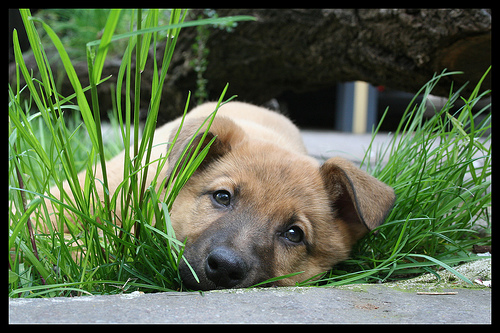
    2807613243_7539f7478f_dog-home

    As part of the campaign Bayer is looking for stories from people who have been affected by toxocariasis, an infection caused by the roundworm parasite. It’s spread from animals to humans via infected dog faeces and can lead to blindness. Children are at risk in particular because they are more likely to come into contact with contaminated soil when they play and put their hands in their mouths.

    Comment below leaving your email address hidden behind your username and share your stories. Any pet tales selected by Bayer will receive a £50 John Lewis voucher!

    We look forward to reading your stories 🙂

  • 5 Amazing Dog Hacks Every Owner Should Know About

    5 Amazing Dog Hacks Every Owner Should Know About

    1. For most dogs they have a discreet feature connecting their body to their heads. It is called the neck. The dog’s neck is almost custom made to fit a range of collars and leads. No longer do you have to take your dog out on to a busy high street and let him walk in a dangerous (and illegal) manner, frightening worried onlookers as you ‘show off’ what a great dog owner you are by allowing your dog to walk ahead of or behind you and risking your dog causing an accident/being killed simply because you’re ‘too good’ to put your pet on a leash in public.

    2. Most towns and cities have a small to medium sized building out of which a group of specially trained animal experts work. They are known as veterinarians and they have a fair to good understanding of many ailments and problems affecting dogs. With this knowledge, the next time your dog is showing signs of being genuinely ill, in discomfort, pain or close to death as a result of an injury or sickness you no longer have to ask for the advice of random people in your Facebook friend’s circle as to what to do about your dog who is clearly in desperate need of professional attention. So instead of posting a status update like,”My dog was stung by a bee and is now violently convulsing on the kitchen floor. What should I do? lol.” You can instead use the internet to find the address of one of these small buildings where veterinarians work from and they will actually be able to physically do something to stop your dog suffering.

    3. Most dogs require food and water to operate in a functional and efficient manner. As a result they will sometimes need to demonstrate the full workings of a mammalian digestive system, leading to them depositing small parcels of digested food from the tiny hole that sits neatly at the base of the dog’s spine. In order to prepare for this quirky little habit, a small bag can be used to neatly collect the dog’s deposit which can then be safely placed in a refuse bin rather than simply gawking in amazement at how astonishing your dog’s bowel movements are before walking off and leaving a nasty pile of warmed up excrement for everyone else to navigate around.

    4. Referring to hack number one, now you know about the head-to-body connection device on your dog – the neck – when your canine is running merrily in a public place and makes a beeline toward other dogs, people, children or wildlife you can avoid accidents, injuries and all round distress by teaching your dog to come back to you (a hack known as ‘dog training’) and utilising your dog’s head-to-body connection feature by temporarily installing a leash, thus giving you full control over your dog’s movements. This is a great way to avoid your dog getting bitten or preventing your own dog from playfully attempting to remove other dog’s heads from their own head-to-body connection mounts.

    5. Most dogs have a great internal intelligence unit. It is commonly referred to as their brain. They use this device for learning and remembering things, things that you have the ability to input. One of the best uses of the internal intelligence unit is its ability to respond to clear, consistent commands which are then followed up with acknowledgements by you such as giving the dog something they enjoy. The internal intelligence unit has not yet been effectively modified enough to respond to repeated shouting from you as you stand, slack-jawed, observing your dog from a great distance whilst you simultaneously carry out a conversation on your mobile phone pausing randomly to bellow toward your run-away canine companion who is in the process of terrorising all pets, people and animals at a distance of about 1,000 yards from where you are.

    Bonus hack: Your dog’s internal intelligence unit rarely breaks down. If your dog’s appears to have malfunctioned and the person standing opposite you behind the reception desk of your nearest animal shelter is nodding politely and seems to give the impression that this sort of thing happens regularly, it’s because they are being polite and they are nodding and smiling as they suppress the urge to inform you that they have goldfish in their care who are better informed and mentally adroit than you. The reality is, your dog does not need to be rehomed because ‘he’s too much of a handful’, it’s more the case that your own internal intelligence unit not fit for purpose.

    Various examples of dogs with brilliantly functioning internal intelligence unit’s can be found at dogsblog.com.

  • 4 Reasons You Don’t Want to Miss Out on The Latest Edition of K9 Magazine

    4 Reasons You Don’t Want to Miss Out on The Latest Edition of K9 Magazine

    Only four I hear you say? Well no, but we don’t want to overly blow our own trumpet! That said, this issue of K9 Magazine is packed full of useful information, advice and celebrity features we’re sure you’ll enjoy diving into.

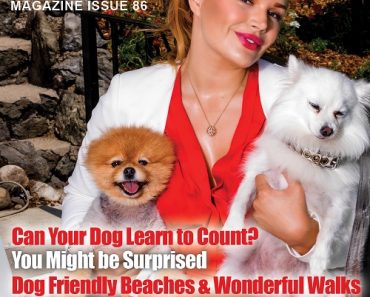
    This month we continue our series of exploring the UK’s most pet friendly places (reason no 1), before we find out in 5 easy steps how to teach your dog to count (reason no 2) from the owner of ‘Cooper the Counting Shih Tzu’ – hours of fun to be had!

    We also launch Ali Bastian’s new pet travel series (reason no 3) and we get the inside scoop on what it takes to get picture perfection and create everlasting memories of our pets (reason no 4).

    All of this, lots more and bundles of goodies to be won inside – what are you waiting for? Download your copy pf Issue 86 in either flash or for tablets/mobile devises here – http://www.k9magazine.com/k9-magazine-issue-86/

  • How Intense is This Dog’s Love of Bath-Time?

    How Intense is This Dog’s Love of Bath-Time?

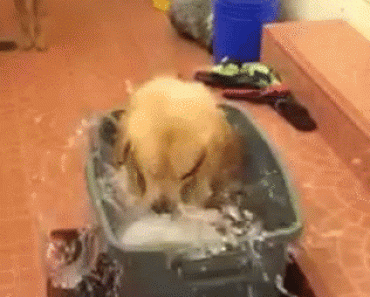
    Nobody enjoys a splash of water on their backs more than the gundog breeds – most of the time – but this Golden Retriever takes water love to a whole new level.

    Gotta love the dog in the background watching on in awe/shock/horror/amazement?

  • ‘Vulnerable’ British Dog Breeds to Become Extinct: Danger or Drivel?

    ‘Vulnerable’ British Dog Breeds to Become Extinct: Danger or Drivel?

    Over the past few years The Kennel Club, in their infinite wisdom, have busily been calling for the saviour of some ‘endangered’ or ‘vulnerable’ British pedigree dogs. So concerned are they about the plight of some breeds a prominent article in The Independent informed us that the blame is firmly being placed at the feet of ‘Johnny Foreigner’. Yes, it’s all the fault of foreign imported breeds and we should all make a more concerted effort to “buy British”.


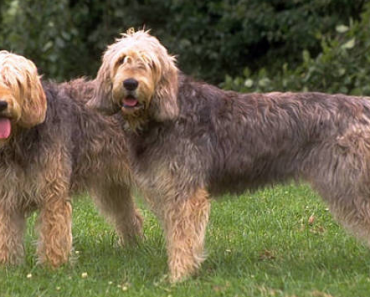
    Are Otterhounds to go the way of the Dodo?

    To the average pet loving reader, already pre-occupied with the plight of the disappearing Polar Bears, Black Rhino and Red Wolves, such an alarming piece of news could set off a panic. However, if we wade through the hyperbole, what shines through an otherwise unenlightening article like a beacon is that this whole story is – perhaps – nothing more than irresponsible spin, encouraging the production of more dogs which are clearly proving to be less than popular with the pet owning public at large. Let us examine.

    “There is a pedigree breed for everyone” Said Bill Lambert of the Kennel Club in the article. Conveniently ignoring the whole concept of cross and mixed breed dogs. The agenda on the table here is that the Kennel Club are concerned about the numbers of dogs that are being bred being too low. Whilst every other animal welfare organisation in the country, possibly the world, is pushing for breeders and owners to limit the litters they produce, the Kennel Club is using the national media to encourage people to populate the country with puppies, the breeds of which are already proving to be unpopular.

    A case in point is the Otterhound. The Otterhound was extremely useful in the seventeenth century, with its webbed paws, it would sweep majestically through water to hunt otters. Nowadays, we don’t hunt otter, so the breed has become less popular.

    Vet Emma Milne, star of the hit TV show Vets in Practice and an outspoken animal welfare campaigner is not fooled by the Kennel Club spin:

    “In my opinion the KC should be spending a lot more time and energy trying to improve the health of these breeds rather than merely trying to get numbers through the door. The Otterhound is a classic example. I’m sure when the breed originated it was highly athletic and well-adapted for purpose. As with so many breeds that are no longer needed for a purpose, looks have become more important for selection than health. The Otterhound has the worst hip record of any dog breed scored. Until the KC starts making health testing compulsory and takes a decent stance on pro-active dog health and welfare their wish for more puppies is, quite frankly, offensive.”

    But the Kennel Club thinks it would be a good idea to breed more of these dogs and uses a page straight out of the BNP handbook for getting attention. The old “Foreign imports are to blame for eroding something traditional and British”, trick.

    The Otterhound is a nice dog, friendly and intelligent with boundless energy and bred for a very specific purpose. But natural dog ownership trends have proved that the breed is not suitable for that many people today. Yet we are expected to agree with the Kennel Club that the right thing to do would be to stimulate an artificial demand for the breed on the grounds that it may become ‘extinct’ if we don’t? What rubbish.

    Ever since the domestication of the dog, different breeds have been popular, with spikes and dips in popularity dictated by taste and necessity. Using the language of fear as it applies to entire species and sub-species of wild animals, words such as ‘extinct’ and ‘endangered’ is misguided at best, downright scaremongering at worst.

    The aim, clearly, is to grow the numbers of these breeds. But how and why is it the job of anybody but society at large to dictate demand for the type of domestic pets we choose to own? When Disney puts out a film about Dalmatians we see a spike in trend. We see more Dalmatians in rescue centres the year after. Why? Because the sort of Dalmatian breeder/supplier who is prepared to let someone have a cute black and white spotty puppy on the basis that they felt compelled to own one after prompting from the big screen imagery, or the newspapers or magazines or the media in general, is, let’s be honest, not in any way, shape of form a responsible person to be selling dogs. They are capitalising on an trend created artificially by a larger movement.

    Caroline Kisko, Kennel Club secretary, said: “Everybody is talking about the post-Olympic baby boom, but perhaps the celebration of our British heritage has helped lead to a revival of some of our native breeds.

    “Fashion and profile have the most influential impact on dog choice and we are pleased to see there is still a place in people’s hearts and homes for our British vulnerable breeds.”

    Fashionable Dogs: A Very Bad Idea

    Artificially creating a demand by playing to the human’s sense of idealistic emotion is not, has not, nor ever will be a responsible message to hit the general public over the head with. Demand can only be met if the supply is there. So let us assume the Kennel Club’s message does hit home and there is a sudden demand for more Otterhounds. Who meets that demand? Do established Otterhound breeders all of a sudden click back into action, dust off the old whelping boxes and get set for the endless stream of well prepared, wel researched army of followers suddenly attracted to their breed? Unlikely. The established, responsible Otterhound breeders are not currently flooding rescue centres with the product of their unwanted offspring. They tend to be supplying dogs to people who have discovered the Otterhound ‘naturally’. And you know who’d be first in the line to capitalise on the increased demand for Otterhound puppies should an artificial interest in the breed be stimulated via the media don’t you? You guess correct reader. It would be the self same breeders/suppliers who cashed in on the Dalmatian’s popularity when Disney pulled the same trick. Or the St Bernard when Beethoven was doing the rounds on the silver screen. We tend to call those people commercial dog dealers. Interested more in cashing in on ‘trends’ for dogs than actually improving or developing a breed.

    To encourage more people to own these breeds so that they can justify the act of breeding the dogs in the first place. They are playing on people’s fears by saying the breeds are being driven to extinction by foreign imports.

    Emma Milne agrees: “The KC and many lovers of rare breeds of all species use this fear often. Breeds are a totally man-made concept created by in-breeding. Using the word ‘extinct’ conjures up images of the dog species becoming extinct. In fact, on welfare and health grounds it can be argued that some breeds should become extinct because of their appalling conformation and inherited disease.”

    With thousands of dogs, pedigree and otherwise, in rescue centres right at this very second, it’s saddening that the organisation that claims to exist for the benefit of dogs, is keen to influence trends. There is no getting away from the fact that by encouraging the demand for breeds who are proven to be less popular already, that demand would have to be met by an increase in supply. Who, after all, is or indeed should be influenced in their dog of choice by a message put out by the media? Don’t we usually condemn that sort of thing?

    Over one hundred thousand dogs in rescue centres all over the United Kingdom and the Kennel Club is aiming to stimulate a growth in breeds that have proven themselves to be less and less popular in the first place?

    The way in which this ‘message’ this ‘call to arms’ is being put across is most unsavoury.

    By saying that people should choose dogs that suit their situation, they are contradicting themselves in the same breath by pushing people toward these ‘rare’ breeds. If the demand does not exist for these breeds naturally, maybe there is a reason?

    The ‘resurrection’ of the popularity of the British Bulldog was recently hailed a great success by the American version of the Kennel Club. A once fine dog breed, now reduced to a shadow of its former self in terms of health, functionality and purpose. Yet there are celebrations abound that this one great dog breed is now back in the popularity polls.

    According to AKC breed registrations, Bulldogs shot up 62 percent in popularity over the past ten years, and increased five percent over the last year. Why? How? You might ask. Is it because they’re all of a sudden much healthier, living longer, or they have escaped from the debilitating conditions they’ve been afflicted with since they started to hit the tip of a genetic bottleneck? Well, no. Because the French Bulldog is also on the rise. And according to AKC spokesperson Lisa Peterson, that can be put down to:

    “There must be a thing for that pushed in face – it is cute, and they’re wonderfully fun. Frenchies certainly have a sense of humour,”.

    Don’t worry. You DID read that correctly. It’s all about ‘the pushed in face and the sense of humour’. Funny eh?

    Emma Milne perhaps doesn’t see it quite such a humorous light:

    “Bulldogs are a major cause of concern as far as health goes and can suffer from skin, eye, and skeletal disease to name a few, not to mention the fact that the breed is virtually incapable of giving birth any more. Without veterinary intervention both at the time of birth and throughout life for various deformities this breed would die out within a generation or two”.

    In the Independent’s article, a graphic illustrates some of the breeds on the ‘endangered list’. Many will be surprised to see the Greyhound in at number 48. I say surprised because if looking around UK dog shelters has taught me anything, it’s that there is no shortage of Greyhounds looking for new homes. Not quite the same though. You need to be aware of that. The Greyhounds the KC are talking about are ‘different’ to the ones stacked up to the rafters in dog adoption shelters throughout the country.

    If nothing else, surely the fact the Greyhound is on the ‘endangered’ list makes a mockery of the whole thing.

    Please, do not be in anyway put off by considering any of the breeds appearing on the ‘rare’ list. Make your dog ownership decisions according to your lifestyle, conscience and the fruits of your research. There ARE some fantastic dogs on that list. But please, we urge you, don’t be fooled into owning a ‘rare’ breed because the Kennel Club tells you that if you don’t, you are, by-proxy, contributing to their demise and eventually ‘extinction’ a dog breed cannot become extinct. We (man) created them ourselves in the first place. Saying a dog breed can become extinct is like saying Nylon could become a extinct or Ipods could become extinct or the world’s supply of Bic razors could disappear – we, dog owners, decide on the dogs that are popular and we do it for a whole range of different reasons. We cannot make dog breeds become extinct unless we make the species extinct. And it doesn’t look like that’s something we’ve got planned for the immediate future.

  • Open Letter to the Kennel Club Says What a Lot of us Are All Thinking

    Open Letter to the Kennel Club Says What a Lot of us Are All Thinking

    Open letter to the Kennel Club in response to your Puppy Awareness Week email asking me for “help putting bad breeders out of business”

    This is a wonderful idea. Puppy Farmers need to be stopped. As a dog lover, I would love to help put the bad breeders out of business and ensure that puppies are bred by those who truly care about their welfare. I would also gladly help give potential puppy owners vital information about the most responsible way to find and buy a puppy.

    This is a subject close to my heart as, having sought advice from the Kennel Club on where to find a responsibly-bred Cavalier puppy and then buying from a “top” breeder on the recommendation of a breed club Puppy Advisor, my little dog was diagnosed with severe Syringomyelia (SM) aged two. In hindsight, she started showing symptoms as early as six months. It transpired that the Kennel Club registered parents of my puppy had no recorded health tests and, to this day, the breeder has been unable to provide evidence that any of the required or recommended health tests were done despite the well-documented inherited health problems in the breed.

    It took me 18 months to find my next puppy from genuinely responsible breeders. Why so long? Because most Cavalier breeders, despite what they claim, do not test their breeding dogs or follow the breeding recommendations designed to reduce the incidence of the two most severe and painful health conditions.

    These experiences have meant that I cannot, in all conscience, spread the word about buying from a Kennel Club Assured Breeder. I know only too well that the Scheme requires very limited testing, which in no way addresses serious inherited health issues and the non-compliance of breeding protocols by the majority of Cavalier breeders.

    I’m afraid that the Kennel Club itself first needs to put in place stringent steps to prevent the KC registration of litters from Puppy Farmers. Caroline Kisko, the Secretary of the Kennel Club, has recently said “We want to stress to people they should never pay money to someone they suspect of being a Puppy Farmer”. Your own KC website defines Puppy Farmers as “high volume breeders who breed puppies with little or no regard for the health and welfare of the puppies or their parents”. It must therefore be of concern to all who support the PAW campaign that one such high-volume breeder is shown as registering 11 Cavalier litters in three months in your latest Breed Record Supplement. The 11 mothers and four stud dogs have no health tests whatsoever shown on your website.

    There are many doing great work to draw attention to the misery caused by puppy farming. Surely, this sort of inconsistency undermines the efforts of so many committed and hard-working people?

    I would like to draw the Kennel Club General Committee’s attention to a petition that has already gathered over 17,000 signatures. It promotes an idea that would identify responsible Cavalier breeders and so remove Puppy Farm dogs from KC registration: https://www.change.org/p/the-kennel-club-stop-registerin-g-cavalier-king-charles-spaniel-puppies-unless-their-parents-are-mri-scanned-and-heart-tested

    By implementing the suggestion that only litters from health-tested Cavalier parents are accepted for registration the KC would ensure that irresponsible breeders, who will not pay for health tests, are unable to register their poorly-bred litters. Buyers could then be confidently directed to the Kennel Club as truly being the place to find responsibly bred puppies. As a really significant bonus, the information on health testing would go to researchers so better testing and breeding methods can be devised?

    Yours faithfully

    Charlotte Mackaness

  • Kennel Club Hypocrisy on Puppy Farming Should Anger All

    Kennel Club Hypocrisy on Puppy Farming Should Anger All

    Did you know, The Kennel Club have cashed the cheques and endorsed the registrations from high volume breeders (more than 10 litters per year) – the sort of breeders you and I may refer to as puppy farmers? Why does it matter? Well, The Kennel Club, you see, are keen to bring your attention to the plight of puppy farmed dogs and the horrors those pups are subjected to by the commercial dog dealers who produce them.

    They’re also keen to tell you that the solution lies in the Kennel Club’s very own Assured Breeder Scheme (convenient, eh?). Tell me, please, in what other walk of life do you get to take (and bank) the money of the very people you are campaigning against and NOT be called a hypocrite for it?

    Puppy farming in the UK is an horrendous, ugly trade that has been left completely open for the unscrupulous to exploit and profit from for years and years and years. It’s as rife now as it’s ever been.

    Puppy farmers breed dogs with the sole aim of lining their pockets. They don’t breed dogs with the sole aim of improving their breed and producing healthy, functional dogs – which should, I’m sure most right minded people would agree, be the only good reason to ever breed a single litter of dogs.

    Puppy farmers have been registering their dogs with the Kennel Club. The Kennel Club knows this.

    Kennel Club registration, you see, adds ‘value’ and can raise the price a breeder may charge for their stock. Very few would argue that point. If it were untrue, Kennel Club registrations would hardly be sought be any breeder. It also leads the public in to thinking they are buying quality. That’s an error. The Kennel Club won’t deny that. A piece of paper from the Kennel Club guarantees nothing other than the fact the breeder has filled some forms in and sent the Kennel Club some money.

    The puppy farmer wants Kennel Club paperwork in order to present a credible façade or, believe you me, they would NOT be spending the extra money on doing it – profit margins are crucial to the commercial dog producers and dealers. Some puppy farmers don’t bother with Kennel Club registrations and others do. It is, however, a fact that what you and I would describe as a puppy farmer do indeed get Kennel Club endorsed paperwork when selling their puppies.

    The Kennel Club has acknowledged that high volume breeders use its registry. Take a look at the minutes from a previous Kennel Club meeting, held at a time when the Kennel Club was preaching about puppy farm problems at the Assured breeding scheme was operating under a different ‘brand name’:

    “Dr Sampson advised that Bill Lambert, the Accredited (now Assured – ed) Breeder Scheme advisor, does inspect and completes around 50 visits per year. All breeders (mostly who own multiple breeds) who breed more than 10 litters per year have been visited and some removed from the list.”

    The above comes from a breed council meeting. Re-read it if you like.

    All breeders – mostly who own multiple breeds – who breed more than 10 litters per year.

    Let’s give the quote some context. The above response is cited in the minutes from the meeting in relation to the following:

    “The question was raised concerning checks on breeders premises and whether any Accredited Breeders had been taken off the list for non compliance.”

    Now, this is a nice hypothetical for you: If you heard about a breeder producing fewer than 10 litters per year, let’s say, oh I don’t know, maybe nine litters? Who also owned ‘multiple breeds’ – what would you think they might be labelled as? A ‘high volume’ dog breeder? A puppy farmer perhaps?

    The Kennel Club operates different registries. From their own website:

    The Kennel Club is dedicated to canine wellbeing and registers over 250,000 pedigree dogs every year and many crossbreeds too. This knowledge helps to maintain the integrity and health of dogs. (Source)

    Let’s move on though because I have another hypothetical question for you.

    You run a dog breed registry.

    You don’t like puppy farmers. Or, let’s call them ‘high volume dog breeders’. You’re so aghast at puppy farming, you’ll issue statements and declare how much suffering such breeders/producers/farmers cause for the health and well-being of dogs.

    You don’t want these high volume dog breeders/puppy farmers to sully the name and reputation of your breed registry.

    How do you prevent them from doing this? There’s a few options:

    A) You impose limits on individual breeders, dictating that no more than 5 litters may be registered from the same breeder and/or premises in any given year.

    B) You also insist that you will not accept a single registration without a veterinary certificate validating the health and condition of the parentage along with appropriate breed health screening paperwork. In short, you insist you will never register a single dog unless both parents have taken (and passed) the appropriate health screening relevant to that breed.

    or

    C) You don’t do any of that, but set up a SEPARATE scheme(s) so you can still continue to take registrations from those high volume breeders who don’t health screen their stock…. but can act like you HAVE made a leap of progress by telling people to use your ‘Assured’ breeders scheme instead?

    We have an Assured breeder scheme, we have a breed registry – one contains puppy farmers and plenty of breeders that don’t adhere to basic health screening standards and one contains breeders who might be producing 9 litters or more per year but who fall under the category of being ‘Assured’. Both breeders can register their puppies with the Kennel Club. Both get Kennel Club registration paperwork and their registrations are endorsed with the Kennel Club seal of approval and, ultimately, the Kennel Club banks the cheques from both.

    So, a simple question:

    If you had that kind of a set up and you really wanted to no longer allow a single puppy farmer to register their puppies with you and sully your name, cause damage by association to the very good breeders on your registry and, as a result, profit from the suffering of commercially bred dogs – why wouldn’t you make this simple move:

    Completely close the free-for-all registry that you know and admit is used by high volume dog breeders and only operate the Assured breeder scheme?

    Seriously. Why would you not do that?

    Yes, there’s a lot of money in that breed registry. More money, in fact, than pours in to the Assured breeder scheme. But if YOU were going to stand on a soap box and lecture people about the horrors of puppy farming, wouldn’t you try to make absolutely sure you weren’t still cashing the cheques from some of the very people whom you are warning the public about?

    Wouldn’t you feel a bit ‘funny’ wagging your finger at the public preaching about puppy farmers when you’ve got some seriously high volume breeders using your own registry and sending their cash your way?

    The Kennel Club previously issued a press release in support of its puppy awareness push that stated:

    “The Kennel Club and Thepet.net co-founders, TV vet Marc Abraham and social media guru Andrew Seel, want people to know the truth about where badly-bred puppies come from and help them choose a happy and healthy puppy bred by a reputable breeder, rather than a sick or diseased farmed one.

    Kennel Club Veterinary Advisor and TV vet, Marc Abraham, said: “I am treating more and more puppies that have come from puppy farms than ever before.

    “Puppy buyers often don’t know how to spot the signs of an irresponsible breeder and so continue to unwittingly line the puppy farmers’ pockets, fueling this cruel trade.

    “It is imperative that prospective puppy buyers buy from a Kennel Club Assured Breeder and that they sign the Kennel Club’s petition to get the principles and standards of this Scheme made mandatory for all breeders. These breeders love and care for their puppies, agree to follow certain standards and agree to allow a Kennel Club inspector access to their premises. Here are my top tips for choosing a puppy:

    1. For a pedigree puppy always contact the Kennel Club first for their list of reliable and reputable Kennel Club Assured Breeders.
    2. Ask to see the puppy’s mother, who should always be with the pups.
    3. Always see the puppy in its breeding environment and ask to look at the kenneling conditions, particularly if they were not raised within the breeder’s house. If you suspect the conditions are not right, then do not buy the puppy.
    4. Be suspicious of any breeder selling more than one or at most two breeds.
    5. Be prepared to be put on a waiting list – a healthy puppy is well-worth waiting for.
    6. Ask if you can return the puppy if things don’t work out. Responsible breeders will always say yes.
    7. Never buy a puppy because you feel like you’re rescuing it. You’ll only be making space available for another poorly pup to fill.
    8. Consider alternatives to buying a pedigree puppy like getting a rescue dog or pup, and remember that every breed of dog has its own breed rescue society.”

    People can sign the Kennel Club’s petition, which asks the government to enforce a mandatory set of standards for all breeders, based on those already followed by Kennel Club Assured Breeders and that put the puppies’ health and welfare first and foremost.”

    There’s some very good advice there. No doubt. Sound, well meaning guidance.

    But let’s dig, shall we? Let’s see if the Kennel Club can live up to those standards?

    “Be suspicious of any breeder selling more than one or at most two breeds.”

    Really? OK. I’ll be suspicious.

    30 seconds.

    30 seconds is all it took me to find Kennel Club Assured breeders who breed more than two breeds. Seriously, I found this breeder in less than a minute I did a quick search on the Kennel Club website for Assured Breeders and within just a few clicks I located Assured breeders who bred more than two different breeds.

    Now, and this is important, simply breeding more than one breed doesn’t make you a puppy farmer. It doesn’t make you a bad breeder and it casts absolutely no aspersions whatsoever on the credibility of that breeder. One breeder with several breeds could easily be a superior supplier of dogs than a person with a single breed who knocks out litter after litter. That’s not the point though, is it?

    So, I’m confused.

    I should be “suspicious” of these (Assured) breeders yet….

    “It is imperative that prospective puppy buyers buy from a Kennel Club Assured Breeder”

    I must reiterate, it took me less than 30 seconds to find Kennel Club Assured breeders who breed more than two breeds. I can find more but you already catch my drift, yes?

    As stated, I have absolutely no qualms whatsoever in accepting that a quality breeder can happen to breed more than two different breeds and a horrendous breeder may produce just one litter in their entire lives. The point is that there is confusion, muddied communication/advice and, ultimately, rampant hypocrisy at play.

    How can we be expected to listen to a lecture on the horrors of puppy farming when it is coming from an organisation that accepts the cheques of the very people it is seeking to warn us about?

    Most right minded people want puppy farming to become a thing of the past. I am absolutely certain that the Kennel Club would like it that way too. But the reality is, the Kennel Club is running a two tiered system which means they ARE enabling puppy farmers to operate under a veil of implied credibility. If you cash the cheque yet have the means to set the standard rather than take a ‘do as we say, not as we do’ approach, then some questions need to be asked.

    But let’s remember this. Let’s focus on it. Let’s draw attention to it. Let’s ask it, out loud:

    If the Kennel Club believes in its Assured Breeder Scheme so much. If the Kennel Club believes ALL breeders should comply to the standards of the Assured Breeder Scheme, then why don’t they simply do away with their flawed registry and ONLY operate the Assured Breeder Scheme?

    If the Kennel Club believes its Assured breeder scheme is the way for the public to get a better standard of breeding, quite simply, why don’t they impose those rules across its entire breed registration operation?

    Surely if they want to be taken seriously on an issue like puppy farming and their commitment to eradicating sub standard breeding practices, they could take a giant step toward that goal by NOT allowing those very breeders who they publicly condemn to register their puppies with the Kennel Club and tacitly give those breeders the credibility they so clearly crave?

    I’d like to make it clear. There are good, brilliant even, breeders who care deeply about the health and welfare of the dogs they produce. They care deeply about health testing, about who they sell a dog to and about the plight of dogs in general. Those breeders, surely, can not be happy to be associated with the bad breeders who operate under the same banner, the cloak of Kennel Club implied credibility. Those breeders must be as angry as I am, as you are?

    Let’s wind the clock back when Caroline Kisko of the Kennel Club informed Dog World newspaper that they (The KC) would not insist on operating the standards of the Assured Breeder Scheme on a wholesale basis across all of the breeders who register puppies with the Kennel Club unless it applied to ‘all dogs’.

    Read Selected Quotes from The Interview

    In a revealing interview with dog newspaper Dog World, Caroline Kisko of the Kennel Club answered questions in relation to the hard-hitting independent report on pedigree dog health.

    In an amazing set of responses, sure to draw astonishment from animal welfare campaigners, Ms Kisko made a series of stunning claims:

    On the expert-led independent report on pedigree dogs:

    “out of date and largely irrelevant”

    Questioning the credibility of the report, Ms Kisko argued:

    “how can something which is completely independent have any real knowledge”

    “We have to have an independent panel that knows what it’s talking about”

    On the Kennel Club’s own review in conjunction with the Dogs Trust:

    “The panel is completely independent”

    On why there were still serious problems affecting pedigree dogs:

    “We can’t change things over night”

    On the report’s recommendation to steer away from close in-breeding:

    “Sweeping changes are possibly not necessary in relation to report’s recommendation on close breeding”

    On the Kennel Club’s decision to rule against incest:

    “From a PR aspect, KC and dog breeders needed to be shown to be whiter than white”

    And most stunningly, on whether the Kennel Club would, finally, accept the need for the enforcement of health screening on all Kennel Club registered dogs:

    “(The Kennel Club) We will not go down that route for KC registered dogs if it is not the same for other dogs”

    “The Kennel Club and dog breeders are doing a pretty good job any way”

    The question was put to Ms Kisko that all breeding dogs be subject to compulsory health screening. Here is her (verbatim) response:

    Well, that to us is, is one of those things that if everybody joins something like the Assured Breeders’ Scheme, and I’m not saying it has to be a Kennel Club’s one, but if everybody follows the requirements of something like the breeders’ scheme, then you would have that in the palm of your hand, but we, the Kennel Club is not going to go down that route for every Kennel Club registered dog as long as it’s not a requirement for other dogs, because all that’ll happen is that you’ll have the bar set at one level for Kennel Club registered dogs and the bar set way down low, in other words probably non existent for all the other dogs, and that’s actually completely unfair on both Kennel Club registered dogs and people buying dogs because… ok, you can say, well, that way we’ll know that those are the crème de la crème. What about all the other dogs? Do we not care about how they’re bred? Of course we do, and because of that, the Kennel Club will hold out against this idea that you can set one set of criteria for Kennel Club registered dogs and a different set for other dogs.

    This is bizarre thinking.

    Imagine if The Telegraph newspaper informed its readers that it would not insist on strict, high quality editorial standards unless all other newspapers agreed to follow exactly the same, over and above those minimum requirements according to the laws of the land? “We’ll only adhere to the same editorial standards as The Beano unless we’re forced to do otherwise”. No. It doesn’t work that way. Why would an organisation not set its own standards as high as it possibly could rather than simply ask to be judged against the lowest common standards expected of every other Tom, Dick and Harry?

    By worrying about ‘every other dog’ the Kennel Club continues to allow sub-par breeders to thrive. I believe they know it, too.

    The Kennel Club knowingly operates its very own two tier system:

    1) The Assured Breeder scheme – which it implores you to acknowledge as the best, most foolproof method of buying a quality puppy

    2) The Kennel Club registry, which contains puppies registered by commercial/high volume breeders (you know, PUPPY FARMERS!).

    What lies at the heart of these obvious double standards?

    You decide.

    But please, focus on the issue of puppy farming and give your full, unequivocal support to Puppy Love Campaigns

    I guarantee you this: They are not cashing cheques from puppy farmers. They don’t operate double standards and they are in a position to give you sound, clear advice on how you can help to fight the cruel trade of the commercial dog dealers. They talk the talk and walk the walk. They campaign against puppy farming and they actually mean it.
  • A Real Life Psychologist Says Looking at THIS Dog Will Instantly Improve Your Health

    A Real Life Psychologist Says Looking at THIS Dog Will Instantly Improve Your Health

    That’s a hell of a claim isn’t it?

    So how are we going to ever fulfil such a bold statement? How are we going to show you a dog who is going to improve your health right here, right now?

    Well first, let’s do the science bit.

    According to Mark Stibich, a consultant at Columbia University these are the some of the very real, tangible benefits a human receives when they curl the corners of their mouths upwards. An act commonly referred to as ‘smiling’.

    A smile, you see..

    1. Makes Us Attractive to Others. There is an automatic attraction to people who smile.

    2. Changes Mood. If you try, even when it’s difficult, to smile when you are not feeling good, there is a change it might improve your affect and change the way you are feeling.

    3. Contagious. Others will want to be with you. You will be helping others feel good.

    4. Relieves Stress. Stress does express itself right in our faces. When we smile, it can help us look better, less tired, less worn down.

    5. Boosts Immune System. Smiling can actually stimulate your immune response by helping you relax.

    6. Lowers Blood Pressure. When you smile, there is evidence that your blood pressure can decrease.

    7. Releases Endorphins and Serotonin. Research has reported that smiling releases endorphins, which are natural pain relievers, along with serotonin, which is also associated with feel good properties.

    Duchenne smiles are the only type of smile that creates this positive effects. These smiles engage the muscles in the mouth, cheeks, and eyes and are considered to be genuine smiles.

    So – we need to produce for you a dog who is going to to induce a Duchenne smile, right here, right now. Can it be done? You be the judge.

    Now if you managed to avoid a full smile watching that dog in action, hats off. You’re a stoic champion.

  • Dogs Can Now Smell Water Pollution, See Them in Action

    Dogs Can Now Smell Water Pollution, See Them in Action

    Take a look at these specially trained dogs who are searching and sniff out contaminated water.

    Once again we ask: is there anything dogs CAN’T do! Man’s best friend strikes again with pure, 100% awesomeness.

  • Ball Pit Pit Bull is Having More Fun Than You Right Now – Just Watch

    Ball Pit Pit Bull is Having More Fun Than You Right Now – Just Watch

    Safira is a dog awaiting adoption in America. She’s having an absolute ball doing something we all loved to do as children. Sheer joy, canine style.

  • How to Translate Dog Barks

    How to Translate Dog Barks

    Dogs are so successful at communicating with humans their richly earned title of ‘man’s best friend’ follows them all throughout the world. But how much do we REALLY know about what it is they’re trying to say with their barks, grumbles and unique canine vocabulary?

    In this video you’ll get the chance to see – and hear – which barks are attention seeking, which sounds mean ‘back off’ and more.

    Enjoy!

    If you’d like to see a run down of the various different types of dog barks and what they mean CLICK HERE.

  • Have You Got Your Copy of the Latest Edition of K9 Magazine?

    Have You Got Your Copy of the Latest Edition of K9 Magazine?

    K9 Magazine’s latest issue hit the web this week. If you haven’t got your latest copy, why not take advantage of the weekend ahead and download ready to read through while you work, rest of play (as the advert said).

    Find out what’s in this issue and download your tablet or flash friendly edition here


    We hope you enjoy 🙂


  • Dog Custody in Divorce: Who Gets to Keep the Dog if we Split Up?

    Dog Custody in Divorce: Who Gets to Keep the Dog if we Split Up?

    Despite being a nation of pet lovers, new research from The Co-operative Legal Services shows nine out of ten couples (93%) haven’t given any thought as to what would happen to their dog, should they ever split up. Dog custody battles, particularly in cases where couples have divorced, can be tense, drawn out and messy affairs. Fighting for custody of a dog in a divorce or separation is not quite as simple as you might assume.

    Dog Custody Research

    The research also highlights one in three (31%) of animal loving couples fear their pets could become tug of love victims if they split up, according to research.

    Almost one in ten (7%) couples have arranged a pre-nup agreement, also known as a ‘pre-pup’, in order to prevent a furry custody battle and ensure that if their relationship was to breakdown, clear guardianship arrangements would determine who would gain custody of the pet(s).

    Further to this, almost a third (31%) of UK couples have or would consider putting an agreement in place in the event that their relationship breaks down. According to the research, 18-24 year-olds are most likely to put an agreement in place, with almost two fifths (38%) doing so, in comparison to only a tenth (11%) of adults aged 55 and over.

    Who Wants to Keep Custody of the Dog in a Relationship Breakup?

    Interestingly, although almost two fifths (39%) of couples surveyed jointly own the pet(s), with their partner, almost half (44%) of women compared to a quarter (23%) of men say that if the relationship was to break down, they would keep the pet(s). Worryingly, two fifths (38%) of UK adults admit that they have no idea what would happen to their furry companion if they split from their partner.

    Tracey Maloney, Head of Private Family at The Co-operative Legal Services, said: “It’s encouraging that a tenth of couples have made decisions about the custody of their pets in the event that they separate.”

    “Pets are increasingly being seen as part of the family and when relationships break down, it’s only at that point that couples begin to think about who will gain custody of their pet. A pre-nup agreement can help couples make these important decisions in advance, so that the worst does happen, both parties are clear on who will gain custody of their pet.”

    Celebrities who have fought for dog custody:

    – Kirsten Dunst and Jake Gyllenhall fought over their German Shepherd post-split

    – Kate Moss and Jamie Hince are currently fighting over the custody of their dog Archie

    – Lauren Goodger and Mark Wright eventually agreed to joint custody over chihuahua Wrighty after ending their engagement in 2011.

    – Hugh Hefner agreed for Playboy bunny Crystal Harris to keep her engagement ring so long as he could keep their dog Charlie.

    – Liam Gallagher reportedly consulted lawyers last autumn to seek access to the two dachshunds he shared with Nicole Appleton

    – Cheryl Cole won custody of dogs Buster and Coco after her 2010 divorce from footballer Ashley Cole. They reportedly agreed to split their fortune equally, but Cheryl insisted that she keep the two chihuahuas full time.

    – After golfer Rory McIlroy ended his six-year relationship with childhood sweetheart Holly Sweeney in 2011, the pair agreed a special custody arrangement for their dogs Theo, a labradoodle, and Gus, a cocker spaniel. Rory kept the dog bult allowed Holly visitation rights.

    – When Emma Shepherd separated from her husband last autumn, they amicably agreed how to divide the house, furniture and finances. But there was one battle she didn’t foresee: who would get custody of their beloved pet dog