Blog

  • Do You Own Britain’s Friendliest Pet?

    Do You Own Britain’s Friendliest Pet?

    As part of their sponsorship of ITV’s ‘You’ve Been Framed!’ and commitment to celebrating the fun moments our pets bring into our lives each and every day, Butcher’s are searching for Britain’s Friendliest Pet and want to hear from you!

    Britains friendliest pet

    To enter this competition and make your pet famous, visit their Facebook page: https://www.facebook.com/butcherspetcare/

    The competition to find Britain’s Friendliest Pet closes on 23rd July so make sure you don’t miss out.

    Butcher’s will be running a series of competitions over the coming weeks so keep an eye out for the next!

    Winners from each competition category will be chosen fortnightly and will win £50 in vouchers, with each winner going into a grand final where you could win £500 worth of vouchers!

    Butcher’s are a family firm and dogs are part of their family. Help them celebrate the pleasure, love & companionship that dogs bring to our lives by entering today.

    Good luck!


  • Siren Dog Will Blow Your Mind

    Now here’s a dog that knows how to sound a warning…

  • 14 of the Best Photobombing Dogs In The History of the Internet (ever!)

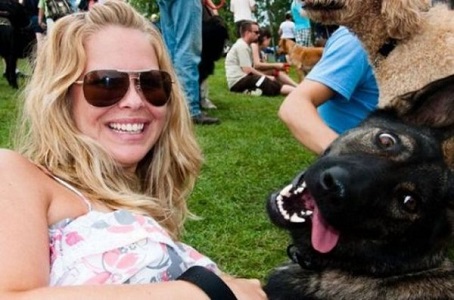
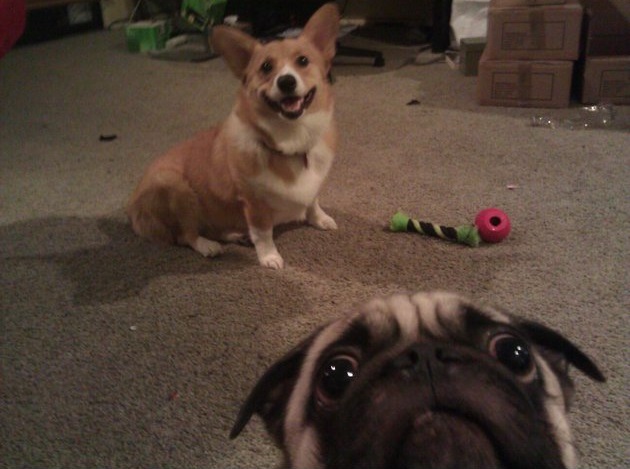
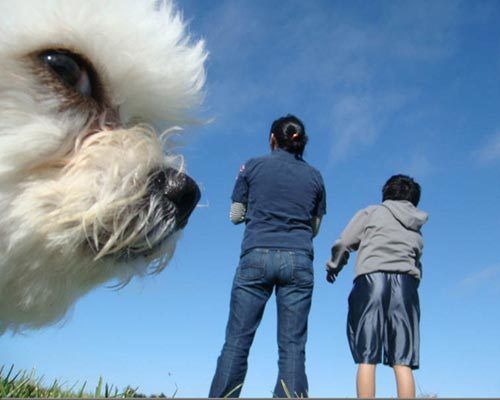
    14 of the Best Photobombing Dogs In The History of the Internet (ever!)

    Last week our friends at ActiveCats.co.uk brought it’s cat loving audience a collection of some of the best cat photobombing efforts. This week we’re setting out to rival their efforts with 14 of the best photobombing dogs to help pet lovers decide who’s best in the age old rivalry of cats vs. dogs in the modern phenomenon that is the photobomb.

    So, without further ado here is our countdown of the best canine photobombs around.

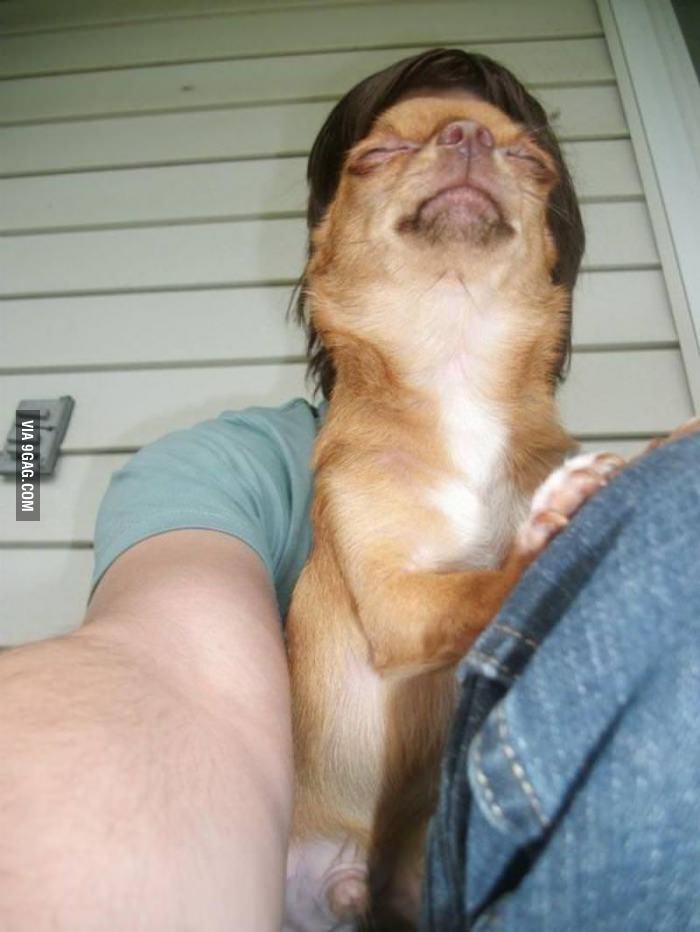
    No.1 – the photo-stopper.

    dog_photobomb_1

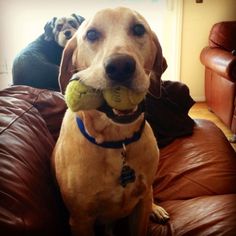
    No.2. – the sofa sitter.

    dog_photobomb_15

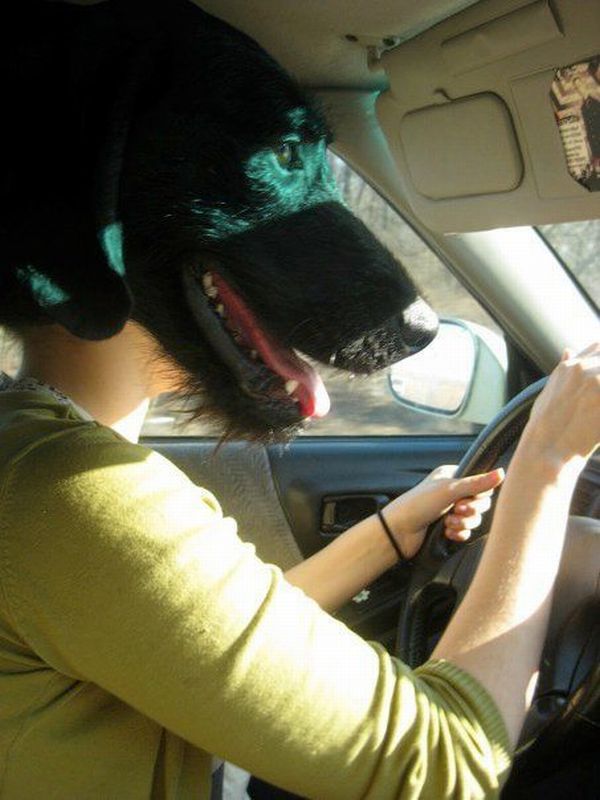
    No.3 – the back seat driver.

    dog_photobomb_14

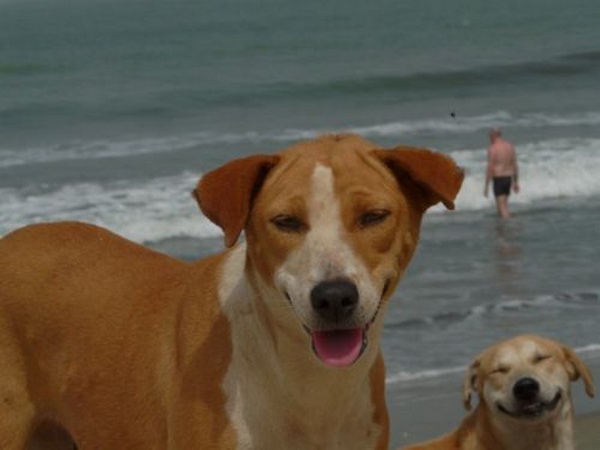
    No.4. – the smiler.

    dog_photobomb_12

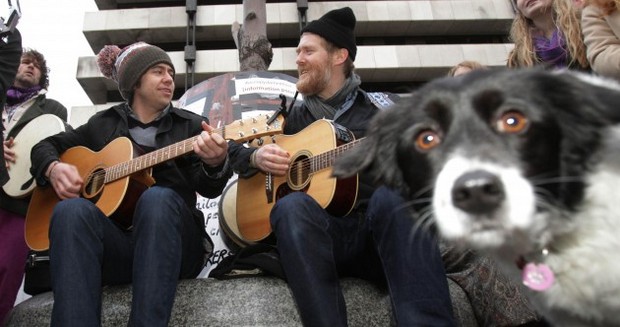
    No.5 – the wannabe busker.

    dog_photobomb_7

    No.6 – the dog who lives for the weekends spent at the park.

    dog_photobomb_8

    No.7 – the peek-a-boo Pug.

    dog_photobomb_5

    No.8 – the background dog.

    dog_photobomb_2

    No.9 – the look out dog.

    dog_photobomb_4

    No.10 – the face replacer.

    dog_photobomb_10

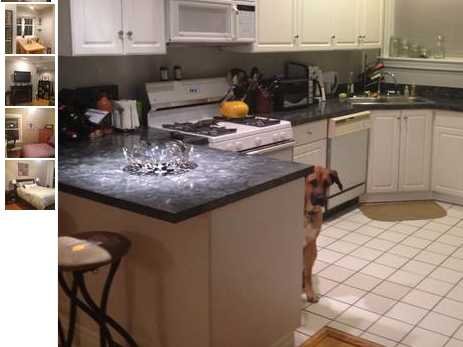
    No.11 – the Craigslist canine who shot to fame being in every photograph on the home rental advert.

    dog_photobomb_3

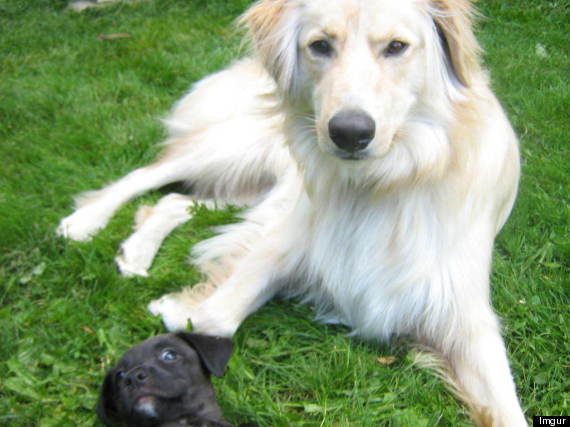
    No.12 – the ‘room for a little one’ puppy.

    dog_photobomb_11

    No.13 – the snow dog always ready to give a hand to get that perfect shot, as long as he’s in it.

    dog_photobomb_9

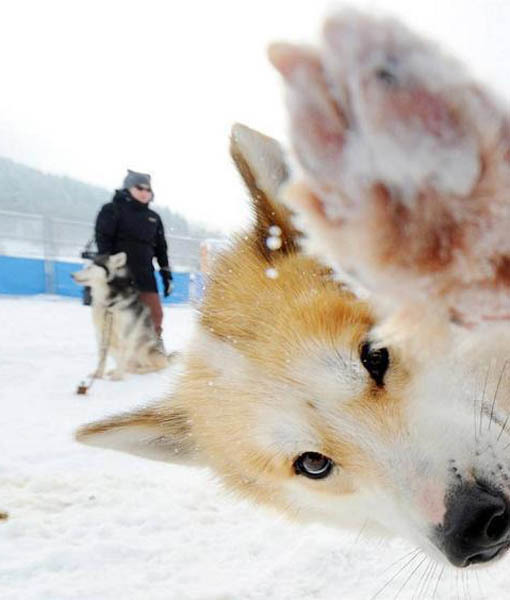
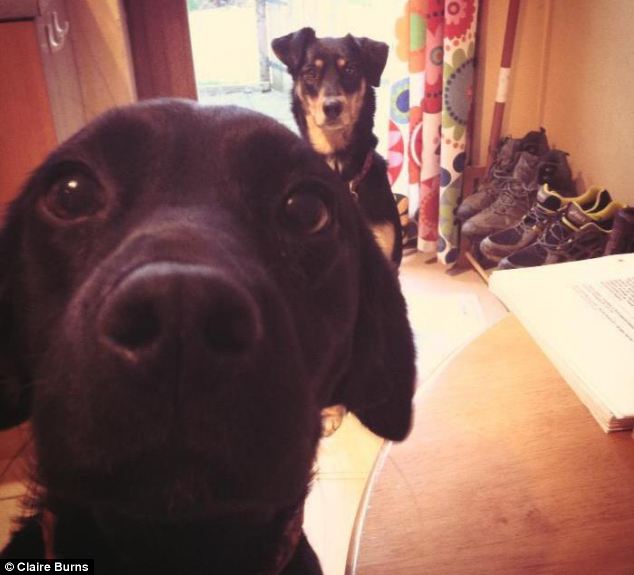
    No.14 – the up close canine.

    dog_photobomb_6

    We hope you enjoyed our feature – please do comment and share your own canine photobombing photos, we’d love to see them!


  • Dog Wall of Shame

    Dog Wall of Shame

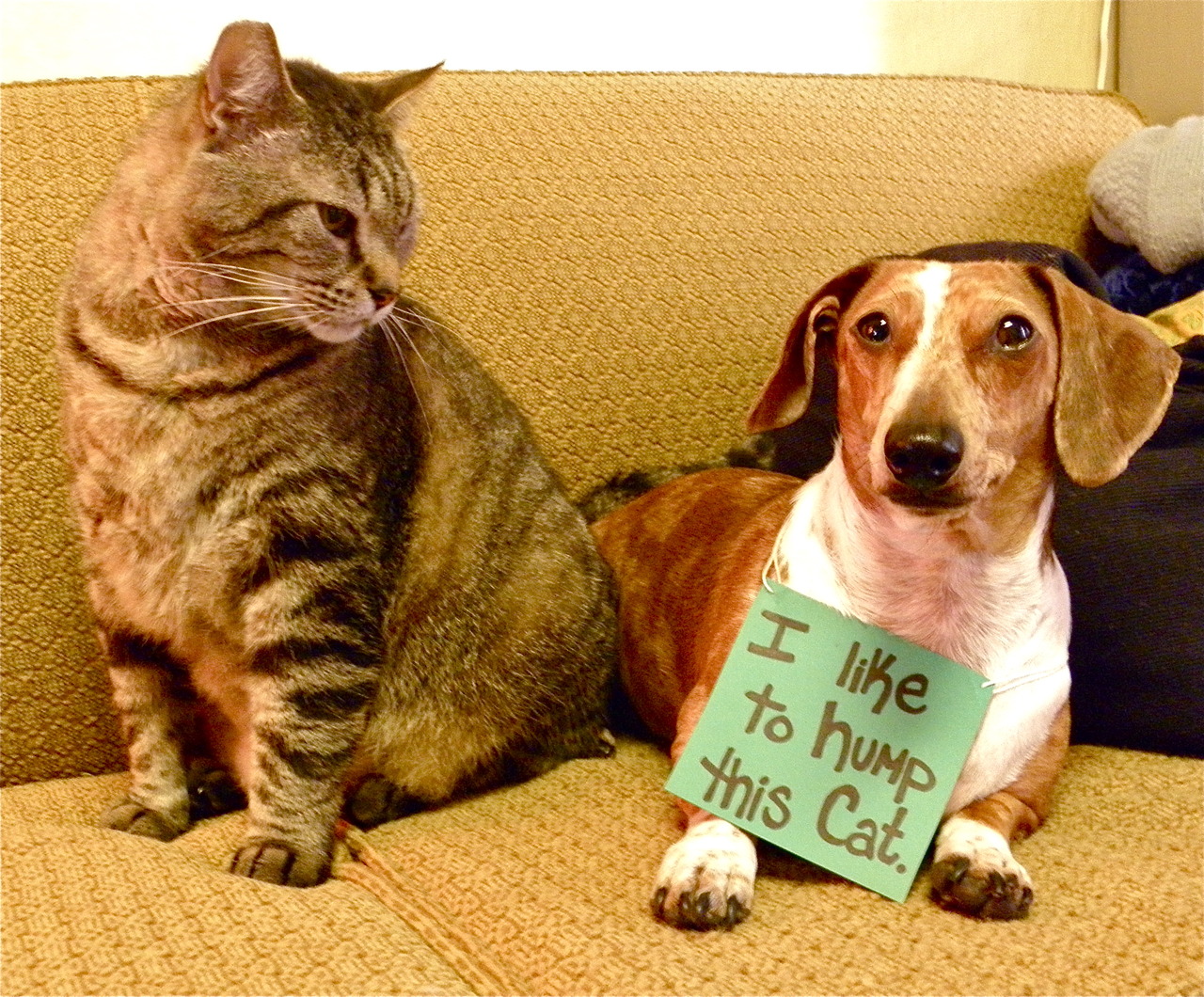
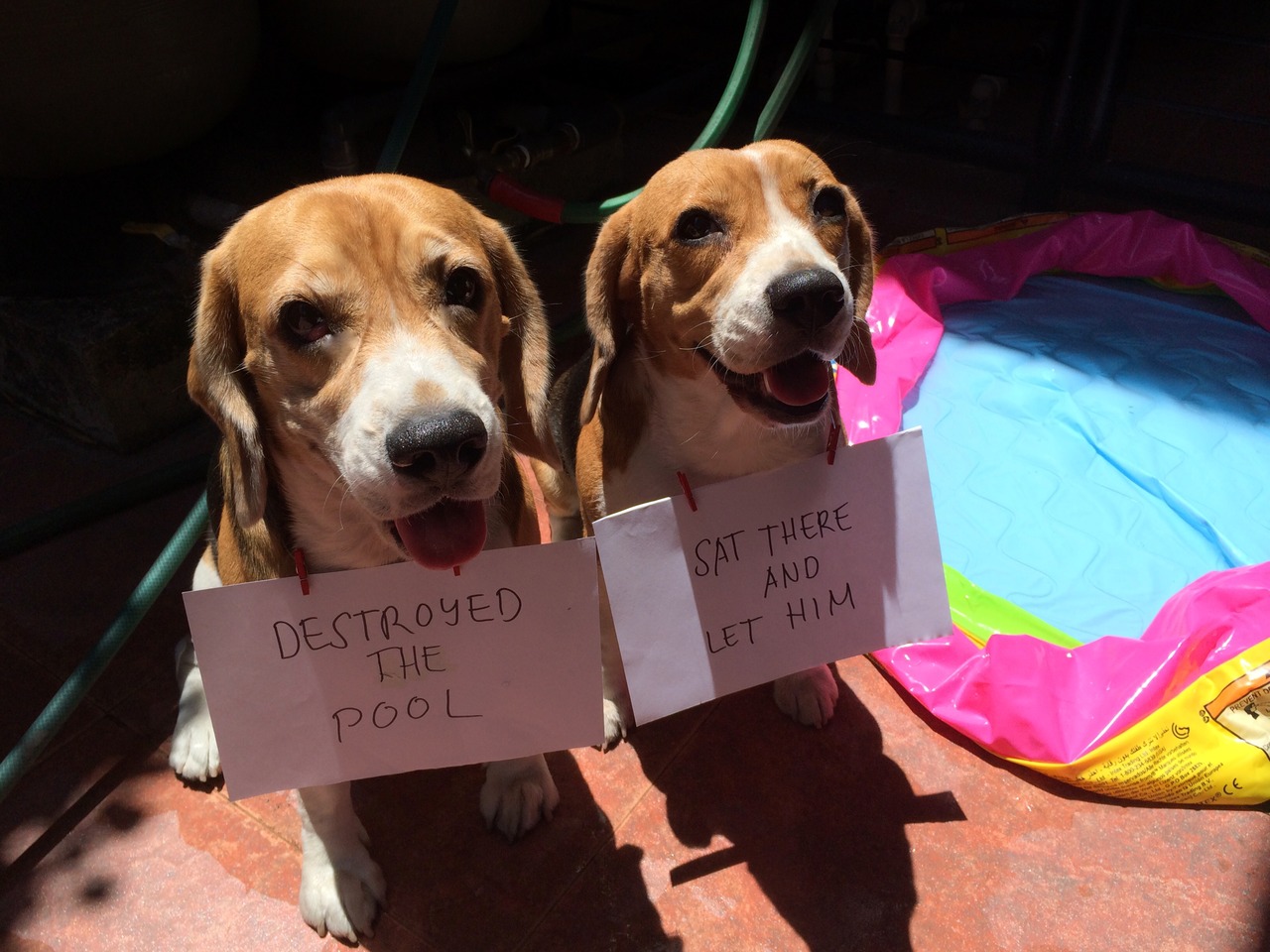
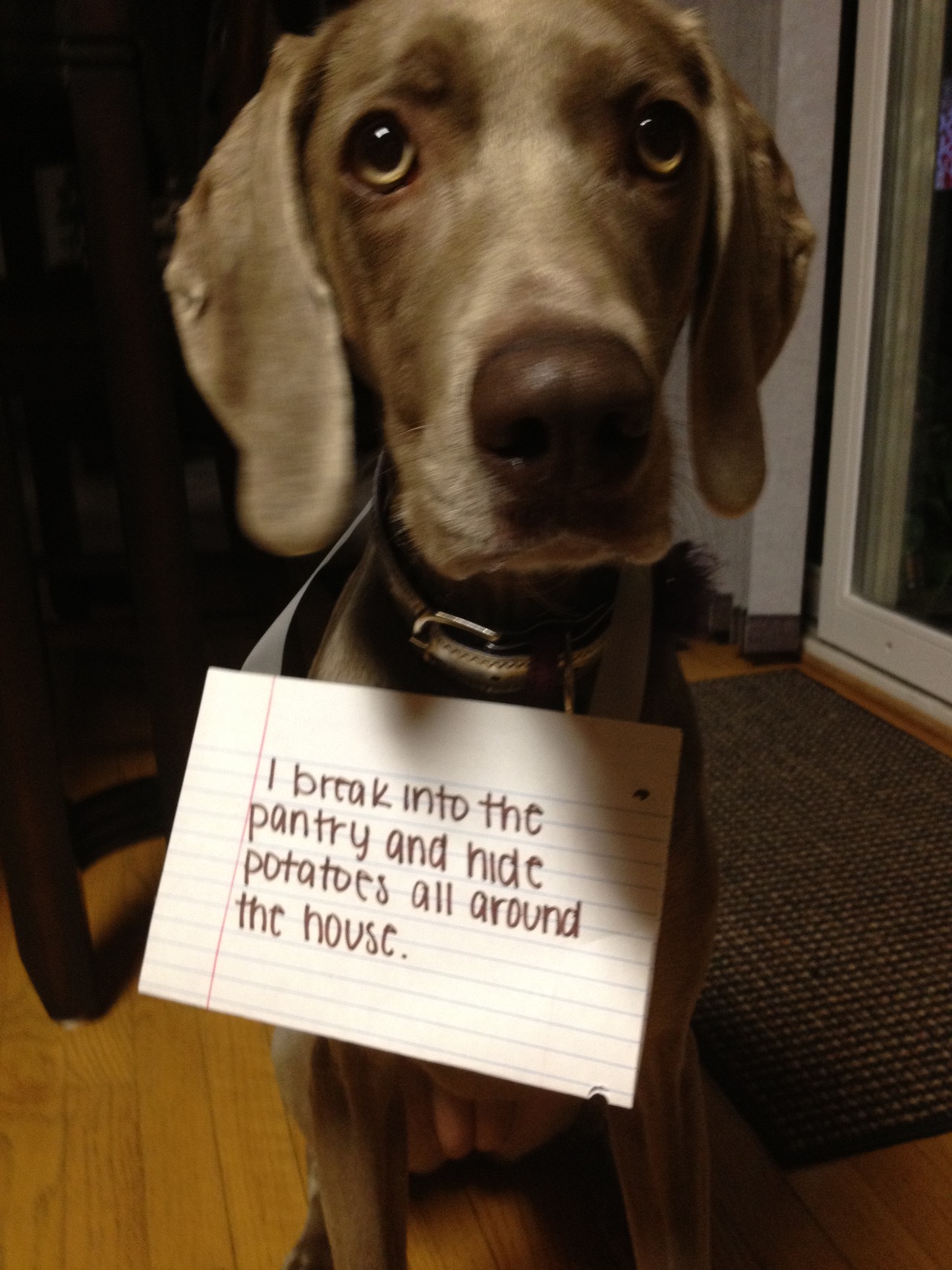
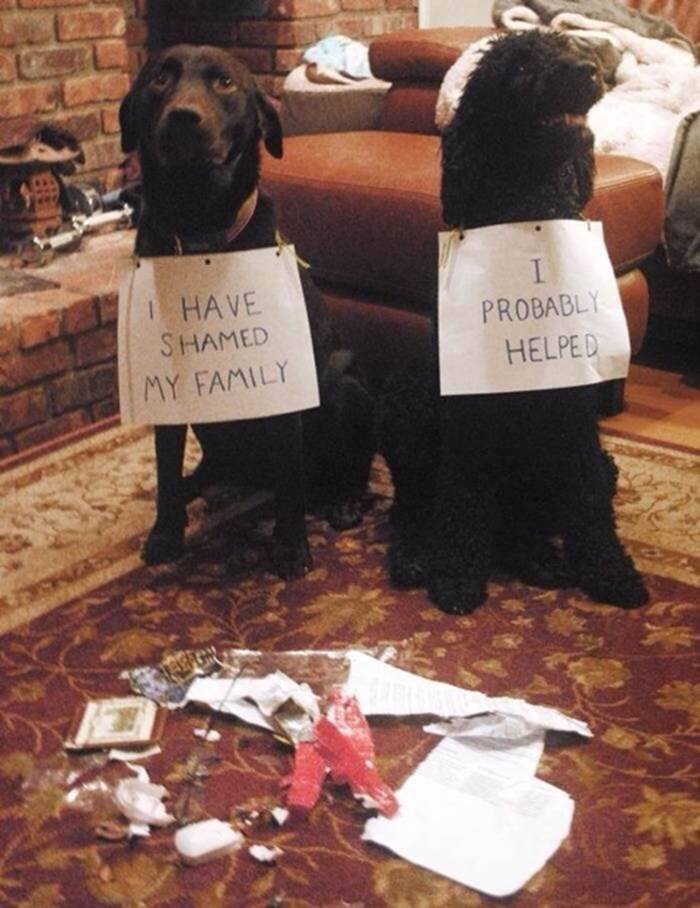
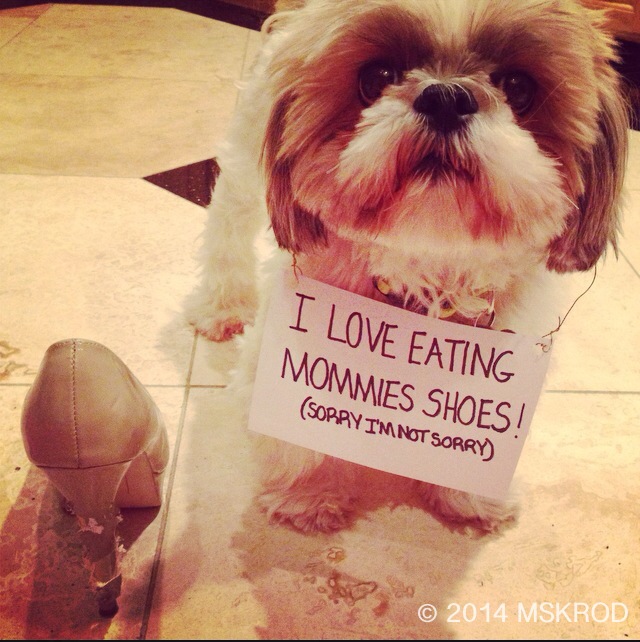
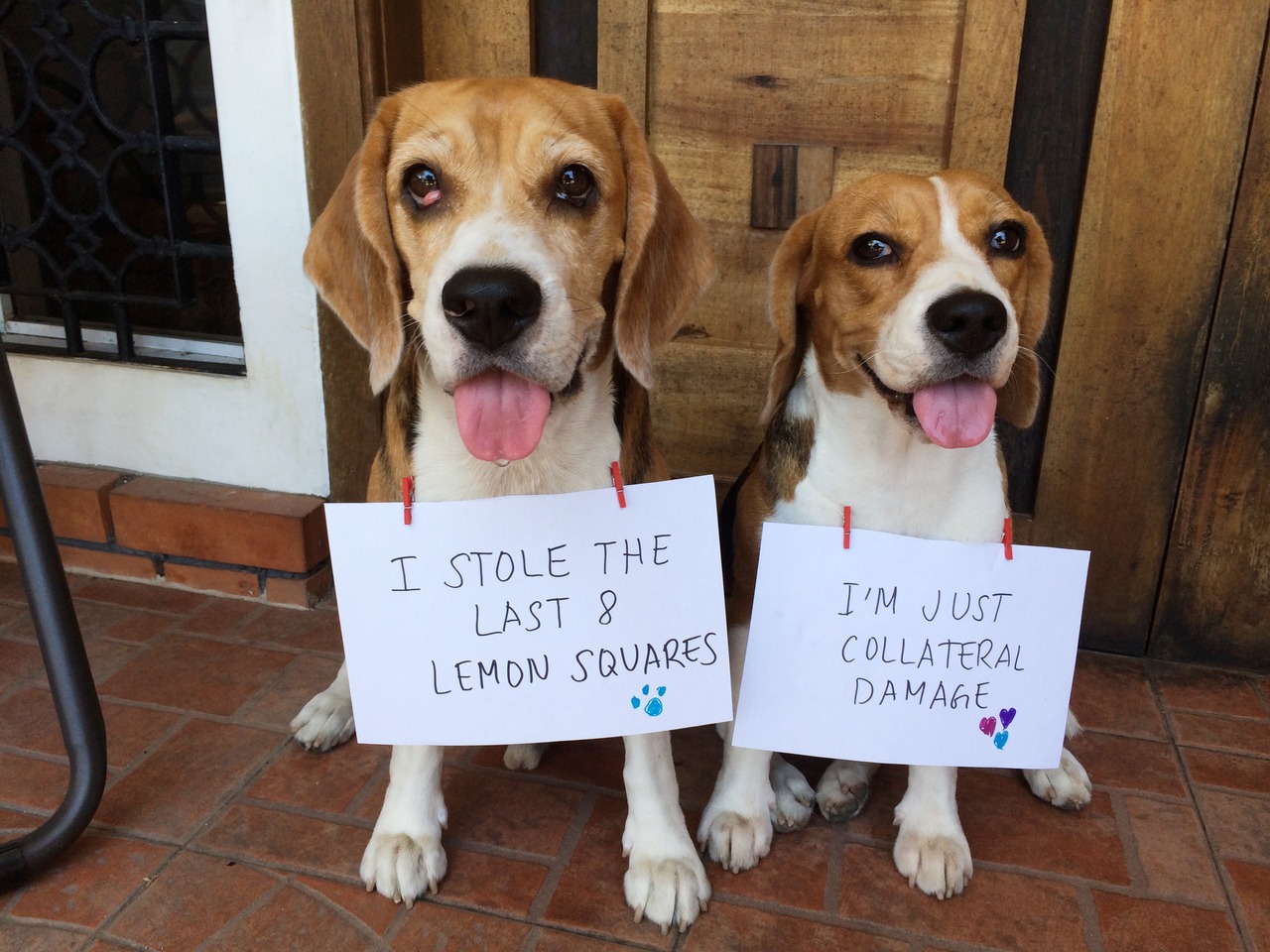
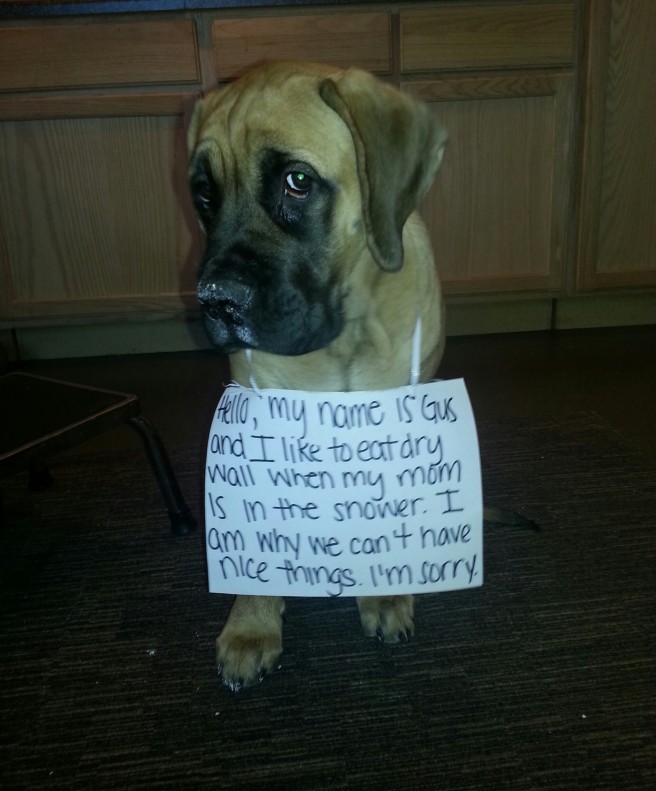
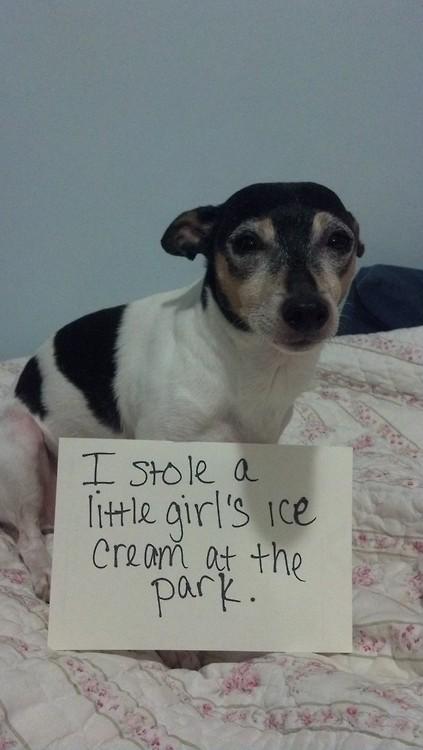
    Be honest, as you look through these do you recognise things your own dogs have done? I do. In fact, when Chloe was younger she used to wreck our post. And the bin, I keep it for posterity but it has no lid and is chewed all the way around the rim. And in fact anything she could, with a butter wouldn’t melt look on her face. Mia ruined a shoe as a puppy (luckily not mine) and had a chew on the sofa, but that was it really.

    These dogs below are infamous for their naughtiness, they will bring a smile to your face – enjoy 🙂

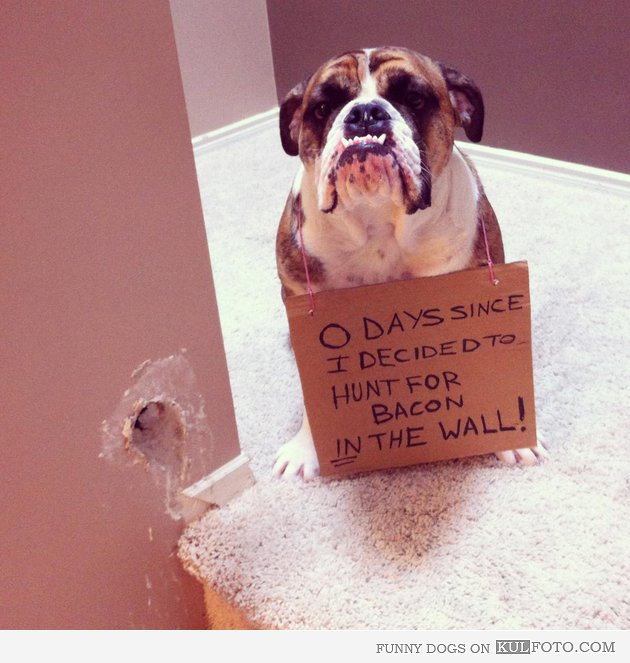
    Bulldog bacon wall hunter

    dog ball stealer
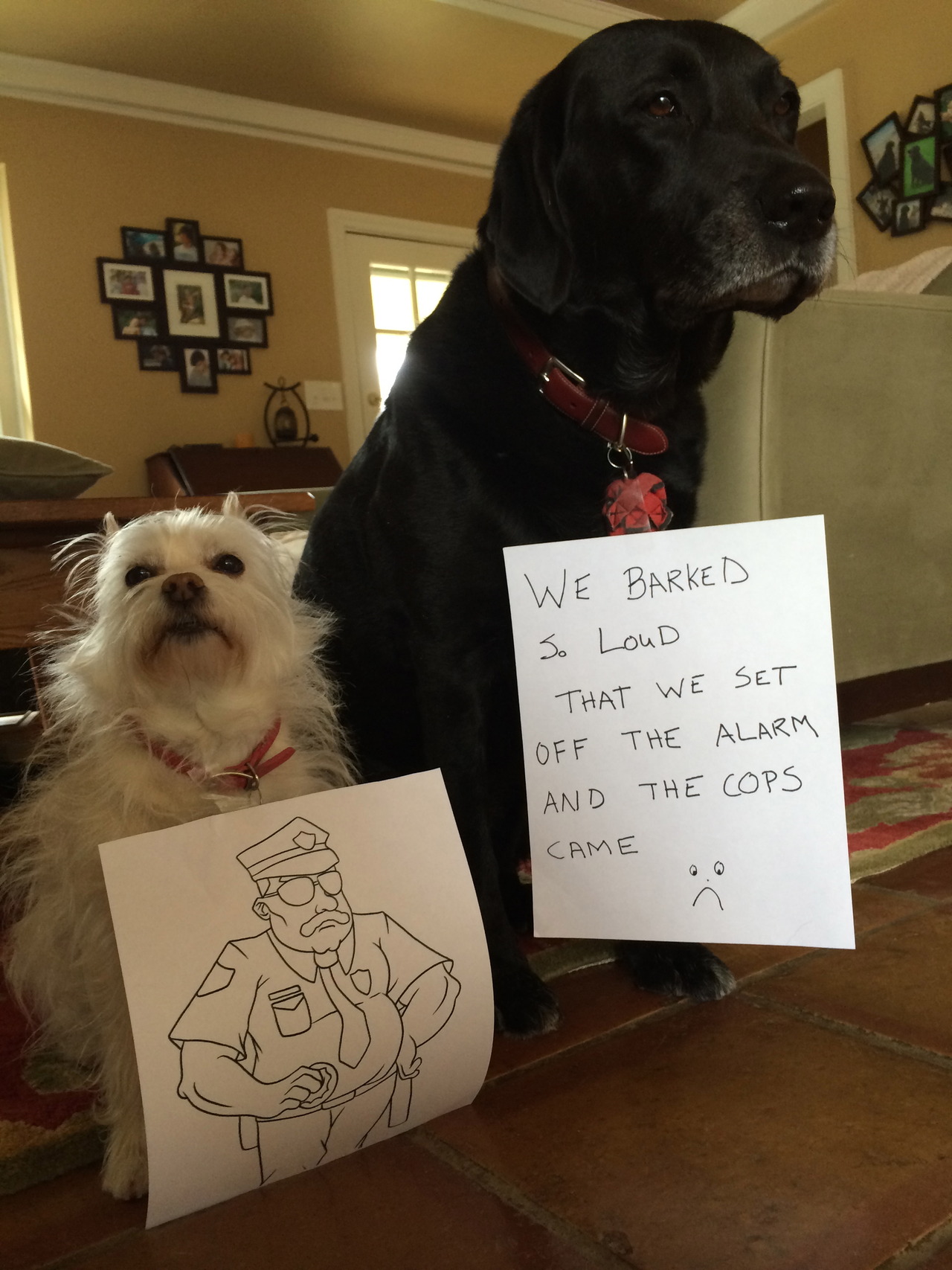
    dog bark alarm off shame

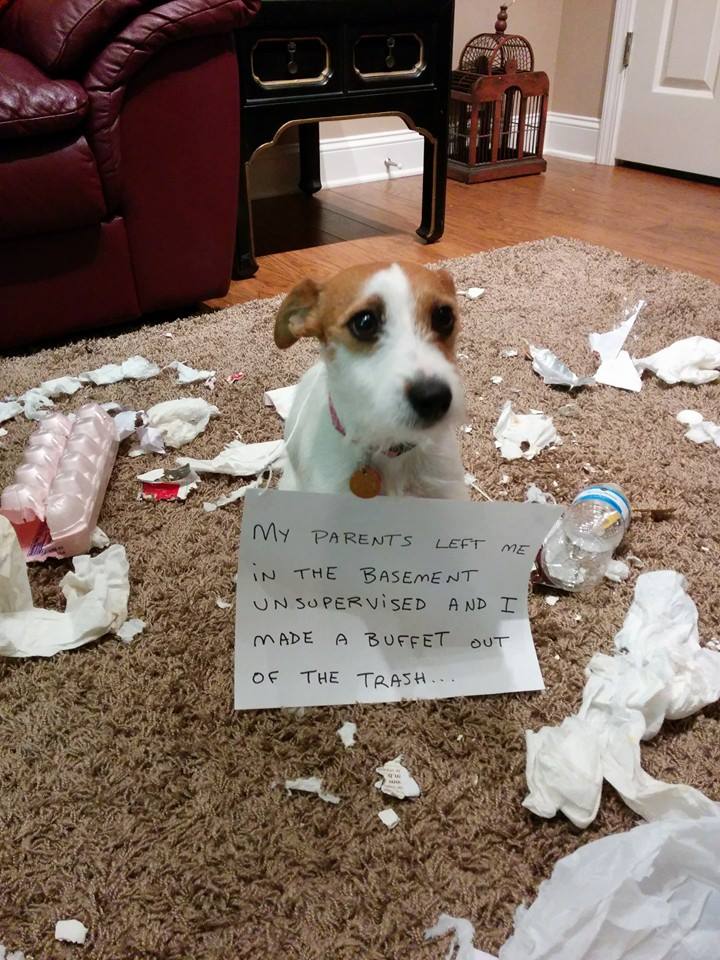
    dog basement wrecker

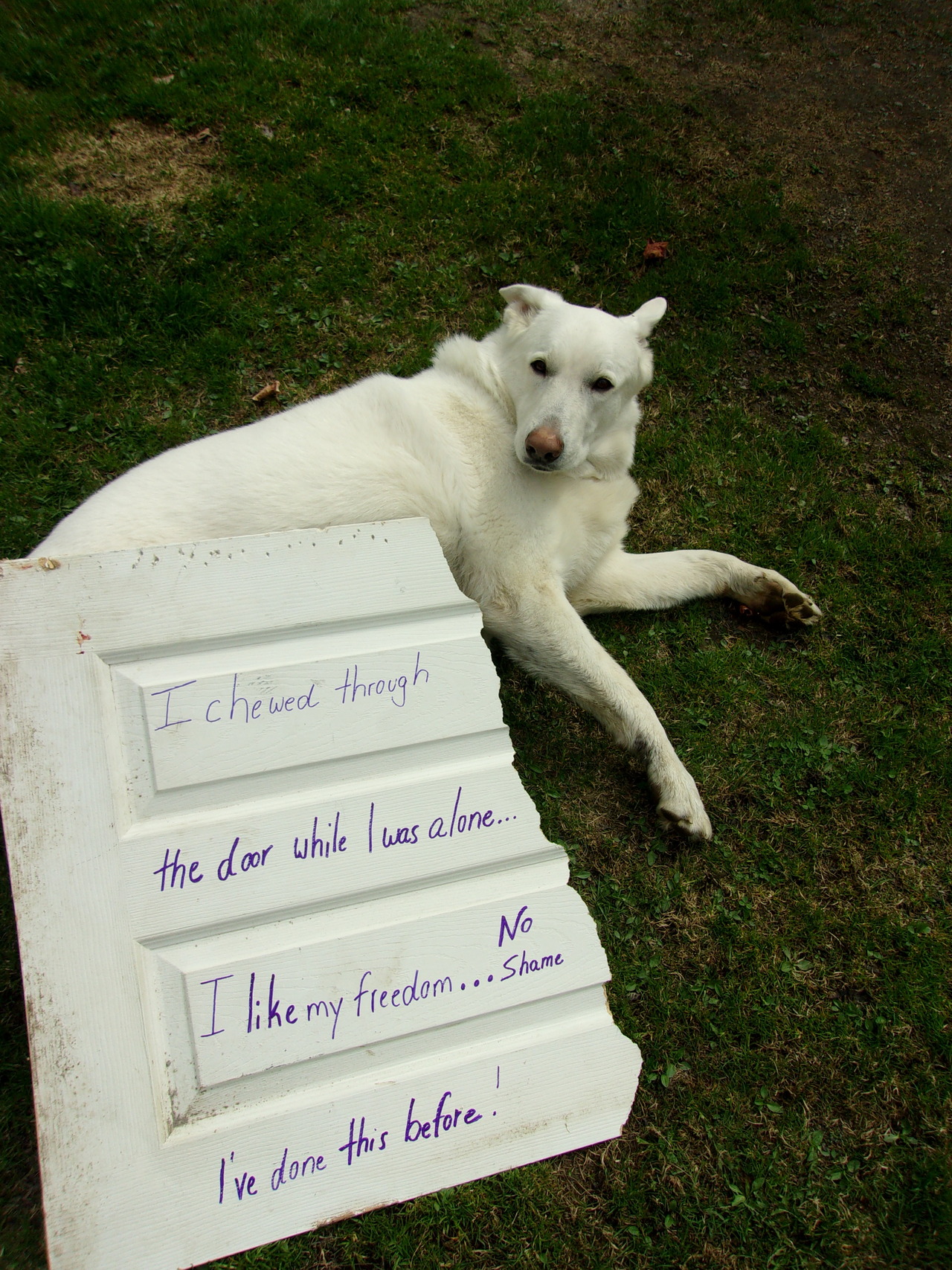
    dog door chewer

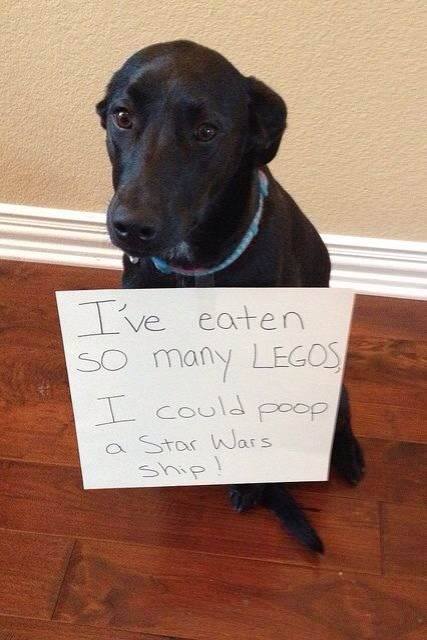
    dog eats lego

    dog cat shame dog pool destroyer

    dog potato hider

    dog shame help

    dog shoe eater shame

    dog steals food

    Gus wall eater

    JRT stole ice cream

    If you would like to submit your dog to our ‘K9 Magazine Dog Wall of Shame’ comment below and leave your email address (hidden) for us to get in touch – we’d love to see your own photos!


  • Best Entrance To A Room – EVER – By Anyone!

    Best Entrance To A Room – EVER – By Anyone!

    So, okay it’s easy to get drawn into watching pet videos, memes, photos, stories and all sorts on the internet (and we should know we love sharing them!).

    But, this video here is a must-see for any pet lover – take a look and tell us you didn’t watch it more than once with a big smile on your face – we dare you!

    Let us know what you thought and share your own funny Vine videos on the comments section below – we’d love to see what’s been making you smile.

  • All-New Tablet Friendly Edition of K9 Magazine Launches

    All-New Tablet Friendly Edition of K9 Magazine Launches

    Being the trendy trendsetters we are here at K9 Magazine, our digital magazine has been thriving since 2009. Now to accompany of flash edition of K9 Magazine, we’re launching an all-new tablet friendly edition of K9 Magazine.

    Readers will be able to click and browse the flash edition as normal but will also be able to download the magazine and browse and click throughout.

    Get your copy today here: http://www.k9magazine.com/k9-magazine-issue-74/

    Enjoy 🙂

  • Football Loving Dogs Looking for New Homes in the National Media!

    Football Loving Dogs Looking for New Homes in the National Media!

    This week the DailyStar.co.uk covered a story put together by the DogsBlog.com team featuring 7 football loving dogs looking for new homes with the hope of helping these fantastic, fun loving dogs find a home and sofa to call their own.

    Speaking on behalf of DogsBlog.com, the UK’s largest dog adoption site, sponsored by the Co-operative Insurance,  Kim O’Meara said: “Support from sites such as the DailyStar.co.uk is a huge help to us in raising awareness to not only the dogs featured in this story, but the thousands sitting in rescue centres and foster homes across the country. These dogs all have personalities. They all have someone out there who is their perfect partner – they just need to find them. This story, we hope, puts a different view on dogs in rescues, and helps encourage those thinking of getting a dog to consider adopting.”

    Sully - Friends of Akitas (2)


    Sully, pictured above, is just one of the talented footballers featured on the DailyStar.co.uk

    Andrew Nevitt, Head of Pet Insurance at The Co-operative Insurance says: “In Britain, dogs are very much a part of the family so a game of football in the garden isn’t uncommon. However, it’s not just humans – like England and Southampton’s Jay Rodriguez – that can incur sporting injuries, dogs are also susceptible to injuries such as cruciate damage. This type of damage is normally caused by dogs running, twisting or turning sharply, jumping and landing awkwardly, chasing balls and most things that people do when playing football.

    “The average cost of a cruciate claim for our canine customers is £1,964 although the highest was a Bullmastiff at £4,121. All breeds potentially suffer from this type of injury although it is often the bigger animals.

    “We are a nation of animal lovers; so we urge pet owners to fully consider all of the responsibilities involved in caring for a dog, which includes being financially prepared.”

    Read more online here and leave your comments on the story: http://www.dailystar.co.uk/real-life/383129/Cute-dogs-looking-for-new-homes

  • 7 Days, 7 Dogs – You’ll Laugh (Promise!)

    7 Days, 7 Dogs – You’ll Laugh (Promise!)

    At K9 Magazine we’re often told one of the best things about owning a dog is the reaction they give you when you walk in door. It doesn’t matter what sort of a day you’ve had, your dog is always happy to see you.

    The facial expressions, wagging tails and general all-round happiness is something that’s made the dog into an icon of the web – we’re talking memes of course.

    Anthropomorphic it may be, but here’s a fun way to spend 5 minutes with our round up of a dog meme for every day of the week.

    Monday’s dog is…

    tired-just-tired-dog-deck-monday

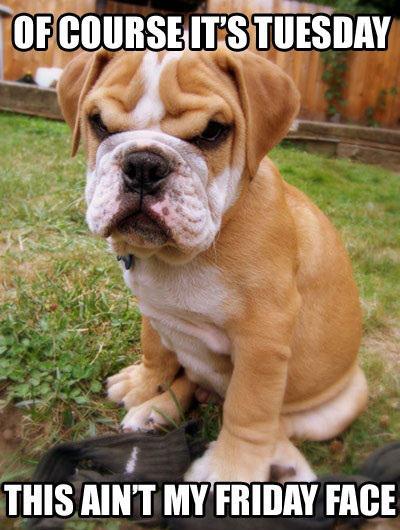
    Tuesday’s dog says…

    grumpy-face-tuesday

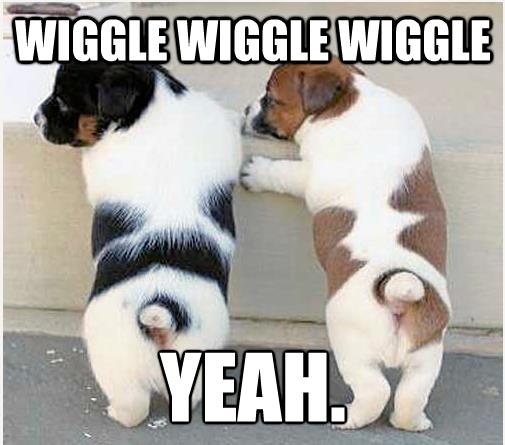
    Wednesday’s dog is getting excited it’s the middle of the week…

    wiggle-wiggle-wednesday

    #WiggleWiggleWednesday

    Thursday’s dog is full of optimism…

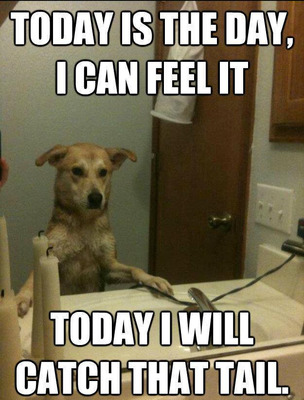
    catch-that-tail-thursday

    Friday’s dog says…

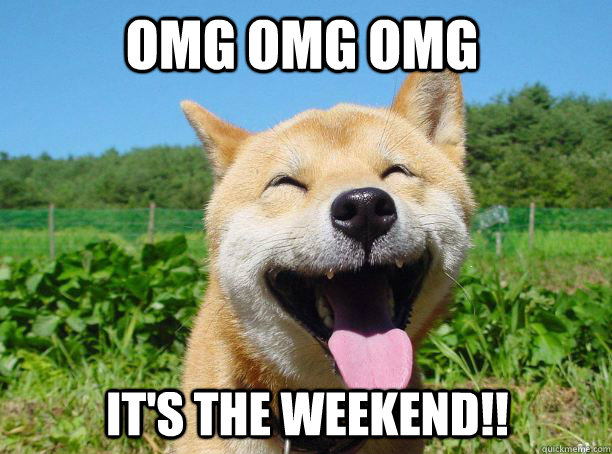
    happy-dog-friday

    Saturday’s dog says…

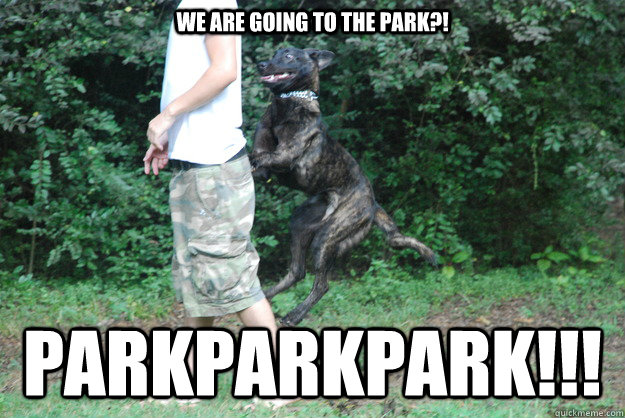
    dog-park-meme-saturday

    Sunday’s dog knows what day tomorrow is…

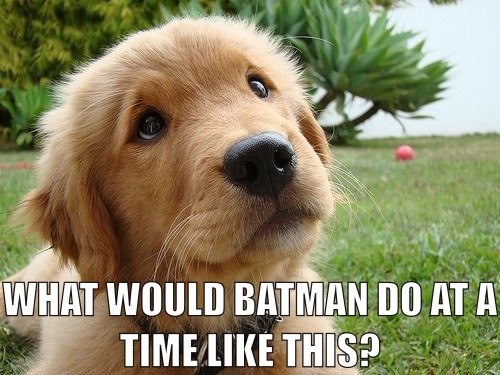
    batman

    Enjoy your week 🙂

    Share your own dog memes with us on Twitter @K9Magazine – we’d love to hear from you!

  • Win Big for Your Dog!

    Win Big for Your Dog!

    PetSafe® is offering a lucky reader the chance to win a Wag ‘n’ Work prize bundle to keep your dog engaged, entertained and hydrated.

    Taking your dog to work has been shown to have a positive effect on reducing employee stress levels and pet product expert, PetSafe, wants to make sure that dogs feel as comfortable as their human counter-parts when in a work environment.

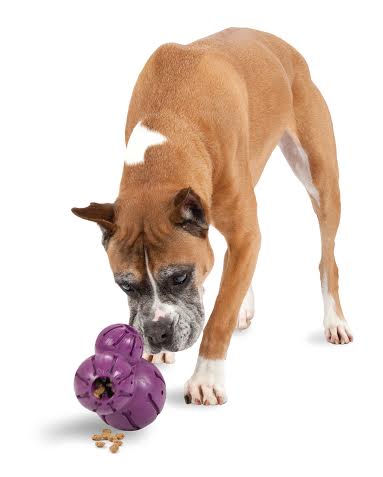
    busy buddy dog toy

    Designed to stimulate and reward, Busy Buddy® treat holding and dispensing toys help re-direct potentially destructive behaviours, engaging your dog in positive playtime by appealing to your pet’s innate need to play. The Busy Buddy BarnacleTM is designed to randomly dispense goodies during play. The Barnacle is made up of a number of chambers, giving you the option to fill each with different snacks.

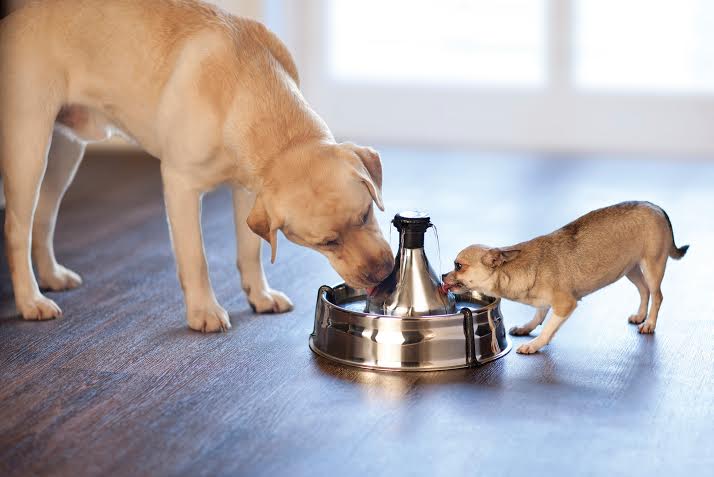
    Keeping your dog hydrated whilst at work can often prove a challenging task. The Drinkwell® 360 Stainless Steel Pet Fountain from PetSafe offers the perfect solution for pet hydration. Boasting five separate water outlets, which can be used for multiple pets, the Fountain creates free-flowing streams of water- enticing your dog to drink more throughout the day.

    dog water fountain

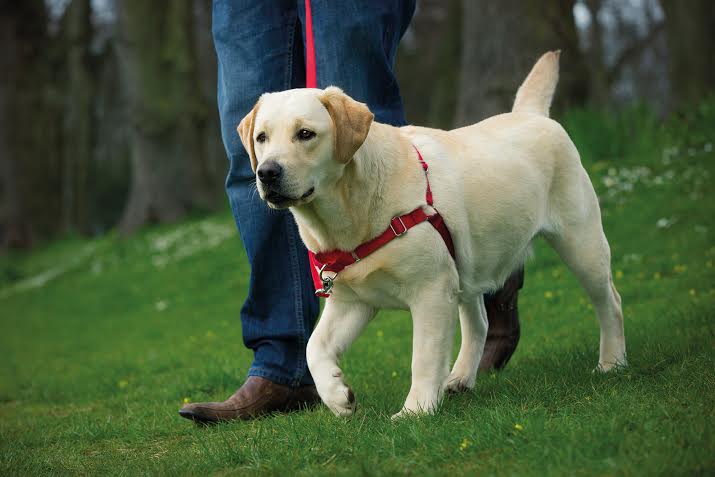
    Worried about your pet pulling on the busy walk on the way to work? The Easy WalkTM Harness has been designed to gently discourage dogs from pulling andunlike traditional harnesses, the Easy Walk Harness does not cause coughing, gagging or choking because the chest strap rests low across the breastbone providing maximum comfort for your dog.

    dog easy harness

    To enter and win one of the goody bags available, please just comment here leaving your name and your dog’s name letting us know how your dog helps you at work – whether eating someone’s sandwiches (K9 Magazine’s Chloe!) or stealing someone’s yogurt (Chloe’s accomplice, Mia!), or something far more helpful – comment and let us know. Leave your email address (hidden) when you comment and we will email the winners directly.

    Good luck!

  • Do You Own Britain’s Most Energetic Pet?

    Do You Own Britain’s Most Energetic Pet?

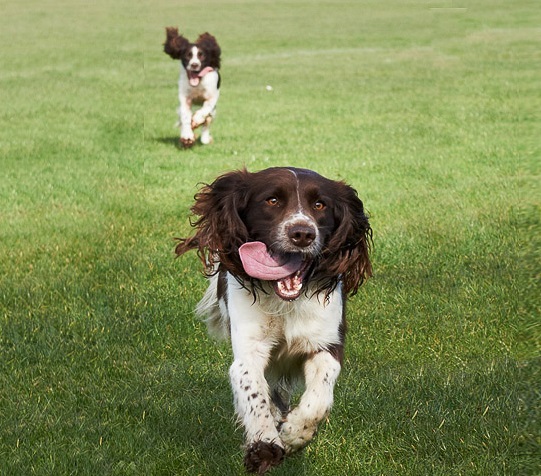
    As part of their sponsorship of ITV’s ‘You’ve Been Framed!’ and commitment to celebrating the fun moments our pets bring into our lives, Butcher’s are searching for Britain’s most energetic pet!

    Whether your dog has an endless lust for life (and the tennis ball), or your cat can leap higher than medal winning athletes, Butcher’s want to hear from you.

    Dogs Running

    YOU’VE BEEN FRAMED!™ and © ITV Studios Limited 2014. Licensed by ITV Broadcasting Limited. All rights reserved.

    To enter this competition and make your pet famous, visit their Facebook page: https://www.facebook.com/butcherspetcare/

    Butcher’s will be running a series of competitions over the coming weeks so keep an eye out for the next!

    Winners will be chosen fortnightly and will win £50, with each winner going into a grand final where you could win £500!

    Butcher’s are a family firm and dogs are part of their family. Help them celebrate the pleasure, love & companionship that dogs bring to our lives by entering today.

    Good luck!

  • Animal Welfare Should Be Taught In Schools Says RSPCA

    Animal Welfare Should Be Taught In Schools Says RSPCA

    Animal welfare should be part of the national curriculum, say UK teachers

    With the end of the school year creeping ever closer, a new survey reveals over ninety-five per cent of teachers say teaching children about animal welfare would help make them more compassionate and socially aware.

    A brand new survey* by the RSPCA has revealed that teachers strongly in support of teaching animal welfare in the classroom, with 93 per cent of respondents stating they would teach animal welfare in the classroom if they had the time.

    It has long been argued that encouraging children to respect and care for animals can help them become more caring, compassionate, and responsible. While it is hoped parents do teach these skills at home, the RSPCA believes teachers can also play a key role in helping develop greater empathy and better social skills.

    The survey of almost 800 teachers across England and Wales also revealed that 83 per cent felt animal welfare should be part of the national curriculum. However, some had concerns about how it would be integrated into existing frameworks, and whether it would mean more demands on already overworked teachers.

    RSPCA formal education manager Claire Morris said: “We felt it is easy to sit on the sidelines and state that animal welfare should be part of the curriculum, but it is far more practical and helpful to show that it can be done.”

    To address these concerns, the RSPCA created over 90 free lesson plans for teachers, which are linked to the English and Welsh Curricula. Many of the RSPCA’s lesson plans overlap in subject areas including Science, Citizenship, Literacy and Numeracy, as well as provide springboards for assemblies and student councils.

    “We urge the government to consider integrating animal welfare into our children’s education as a matter of urgency – as skills such as empathy, compassion and social consciousness have value as a child goes through the education system as well as when they enter adulthood and the world of work,” she added.

    This is particularly important, say the RSPCA, as the five animal welfare needs** are central to the Animal Welfare Act – which is a legal duty of care towards all animals in the UK. The survey results showed that only 70 per cent of respondents knew what the five welfare needs were.

    As well as looking at the ethical side of animal welfare, 92 per cent of teachers also expressed a strong preference for lessons specifically on animals’ role in food and clothing production. It was felt that with young people better connected than ever before, they have an increasing awareness of social issues and expect higher ethical standards from companies.

  • RHONJ Star Melissa Gorga Attends Animal Fair Paws for Style Event

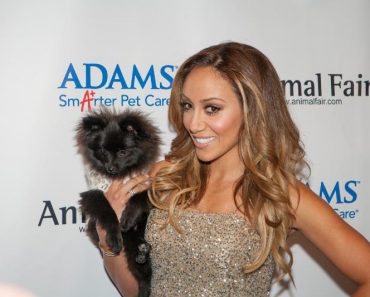
    RHONJ Star Melissa Gorga Attends Animal Fair Paws for Style Event

    Reality TV addicts will know Melissa Gorga for her starring role in the Real Housewives Of New Jersey which sees her family life play out on screen (including the ups and downs of the relationship with her in-laws), however the claws were well and truly away when attended the Animal Fair Paws for Style Event which was sponsored by Adams Pet Care.

    More than $60,000 was raised for the Humane Society of New York at the red carpet event – no mean feat – and it’s great to see such a large sum raised for a worthy cause.

    http://photos.prnewswire.com/featured/prnthumbnew/20140520/89691

    ©2014 Thomas A. Kelly
    Kelly/Mooney Productions

  • Hey, Look – I Created A Totally NEW Designer Dog, Now Give Me Money!

    Hey, Look – I Created A Totally NEW Designer Dog, Now Give Me Money!

    With more and more ‘designer’ or hybrid dogs making the headlines featuring the likes of Puggles, Golden Doodles, Cockerpoos, Pome-Pekes and other elaborately titled canine crosses, it prompted us to wonder, exactly how did we arrive at Afghans, Airedales and Alaskan Malamutes when we started out with the animal known to most as the ‘ultimate dog’ our canine’s cousin, the wolf? What precisely is a dog breed and how on earth does one go about creating one?

    People most commonly use the word breed to describe a type of dog that displays characteristics interrelated to its name. But the concept of breed is far more complex than simply applying a label to a dog which looks a certain way.
    fashion dog photo

    The ancestry of the dog can be traced back as far as sixty million years. A weasel like creature called the Miatis is thought to have demonstrated the first characteristics of the animal now recognised as Canis lupus familiaris, or plain-old pet dog to you and me. It is thought that this creature evolved into the early wolf.

    All the canine sub-species are scavengers by nature, like the jackal and coyote and this was certainly the case for the wolf. It is though the wolf discovered easy pickings in around the waste dumps established near human settlements and as people began to see certain characteristics in the wolf which they thought would be of great help to their development as a race, attempts were made to domesticate the animal and use a selection of his most desirable character traits to man’s advantage.

    Once wolves and humans became comfortable in each other’s presence, the wolf began to readily accept his subdominant role within the partnership and thus domestication as we know it, began in earnest.

    Certain wolves would display particular character traits such as an instinct for guarding and those individuals who also displayed the physical characteristics to make them a force to be reckoned with would be selected for breeding in order to produce strong, confident offspring capable of protection. This is probably the earliest example of selective breeding of the dogs we know and love today.

    As the selective breeding processes became more widely practised by humans, certain characteristics were developed to aid them. Dogs were bred for three main purposes, to hunt, guard and herd. As these functional breeds of dog were becoming more established, cross breeding was taking place in order to refine certain necessary attributes further.

    A large dog which happened to be particularly quick over long distances may be bred with a smaller example in an attempt to develop nimble, high stamina offspring for use when hunting. Overtly aggressive canines would be bred to be as large as possible to produce effective guards for protection of the human settlements. Naturally instinctive hunters would be bred as large or as small the quarry they’d be expected to hunt. Selective breeding was in full swing.

    This early form of selective breeding is how we eventually arrived at so many different breeds of dog. From the Yorkshire Terrier to the Bull Mastiff, selection by humans as well as the occasional happy accident have been the driving force behind the breeds we know and love today.

    As selective breeding continued, the physical and characteristic traits of the original foundation lines were becoming more and more diluted, although every dog, even today possesses many wolf-like characteristics.

    Certain types of dog breed have evolved to perform certain functions for humans. Although nowadays dogs are more commonly kept as pets, some breeds retain the original characteristics for which they were bred – although it can certainly be argued that, in the western world at least, the main function of the dog is adequately described as: to be somebody’s pal.

    The hound group for example consists of two sections. There are sight hounds and scent hounds. Sight hounds are one of the oldest types of dog still endemic today. He is quiet and graceful, he is bred to spot prey from distance, hunt the prey and kill the prey. Hounds which are commonly kept as pets today include Beagles, Greyhounds and Bassett hounds.

    Terriers evolved from the hound group. Terriers take their name from the Latin ‘to go to ground’, which is what they were bred to do. Terriers were originally used for hunting small quarry such as badgers, rats and rabbits. Like the hounds, Terriers should have a strong thirst for work, a thirst that if not properly quenched can occasionally lead to unruly behaviour.

    The toy group is the only group to have breeds which were bred solely for the purpose of companionship. The Shih Tzu was favoured by Chinese emperors in the late nineteenth century as a companion in the palace and it was bred specifically for such purposes as were other toy group members commonly referred to as ‘lap dogs’.

    The concept of what a breed actually is frequently provokes confusion today, even amongst experts. What constitutes a separate breed if two dogs look the same and were bred for the same purpose? Why are Norwich and Norfolk Terriers classed as separate breeds now when before they were the same? Why do small cosmetic differences such as ear position result in a difference in breed, when something such as major size difference does not? How can purebreds resemble cross-breeds and cross-breeds be passed off as purebreds?

    All of these frequently asked questions strengthen the argument that the concept of what a breed is is commonly misinterpreted.

    A dog breed is probably best described as, “a grouping of descendants categorised using criteria relevant to its behavioural and physical qualities, desirable to those who refined the line of genetic descent”. But how does one create a breed?

    The offspring of a mating between two purebred dogs of different breeds is a cross-breed, a mongrel, a mutt, a dog eligible for Scrufts but not Crufts if you will. Technically speaking, the fact that both parents happen to be established, recognised pedigree breeds makes no difference to the status of the offspring.

    Often described as a first-time cross, the world is seeing a huge increase in demand for ‘designer dogs’ such as the Puggle (Beagle cross Pug, the Cockerpoo (Cocker cross Poodle) and many others with equally fanciful names. The newly elected American president expressed particular interest in one of these ‘breeds’ when he added a Labradoodle to his shortlist. Although he ditched that choice and went instead for a Portuguese Water dog.

    So what’s new? What traits does a Cockerpoo posses that a ‘purebred’ Cocker Spaniel or Poodle lacks?

    If you or I were charged with the task of creating a dog breed, the criteria being a small to medium sized dog with a happy personality, willingness to work and learn but with a non-shedding coat suitable for people who don’t have the time to tramp 10 miles per day in order to keep this creature happy, where would we start?

    We’d more than likely look at the Cocker but we’d fall short on the issue of shedding. We’d examine the qualities of the Poodle but we’d find they come in either small or large packages not small to medium and as a worker, they’d be outperformed by many of their gundog counterparts. If only the working qualities of the Cocker could be bundled with the non-shedding coat aspects of the Poodle and everything would be perfe…..wait, I’ve got it. I see a mating in the offing! Wow, how easy is this going to be. If I mate a Poodle and a Cocker I’ll get the best of both worlds – won’t I?

    Erm, no. Not quite as simple as it seems.

    Deliberate cross breeding is, essentially, selective breeding. There’s a problem though.

    It takes several generations to “breed true.” Compare yourself to your brother, sister or even your cousins. Do you all have the same looks, the same personality, the same motivations or intelligence levels? The chances are, you won’t. I, for example, am much clevererer and more handsomer and generally blessed with more modesty than my sibling. He, however, plays guitar far better than I play drums. We’re of the same parents (we assume) but whilst I am blessed with modesty, good looks and breath that smells like rose petals, my brother plays a mean guitar whereas I, no matter how hard I try, sound as acoustically appealing as a man shouting in to a bucket. Oh well, least I have my breath, looks and modesty and self esteem.

    Each of us has some of the “best” traits of our parents. But they’re invariably coupled with the worse traits or, shall we say, less desirable traits. In some cases we may only inherit the less desirable traits of both parents at the expense of any of their best traits, our own children however may be fortunate to pick up the good traits we missed out on. And so it is with dogs.

    Generation after generation of selective breeding is required before we establish a new breed. Is that a bad thing? Absolutely not.

    No one could argue we should ‘stick’ with what we have in terms of pedigree dogs (BUT THEY DO) and it’s a sure fire certainty that gene pools can bottleneck to the point where new blood is required. Sorry, I should clarify that. It’s a sure fire certainty that gene pools HAVE bottlenecked to the point where new blood is required.

    Should that put you off splashing the cash on a Cockerpoo, a Puggle, a Jackador or a Spoodle? Well. Maybe.

    Unless you’re buying into a dog which is several generations down the line in terms of a selective breeding program, you are effectively purchasing a cross breed. Cross breeds come with many, many advantages as pets but should you be charged £600 or upwards for one?

    Well no. Not in this writer’s (less than) humble opinion. You should not.

    Especially when you consider how many fantastic cross and pedigree breeds are desperate for homes in Britain’s animal shelters, all of whom have the same qualities to offer. How the price of a dog is determined is a matter of some controversy and it certainly confuses me. If a ‘pedigree’ Bulldog has a going rate of £1,200 why shouldn’t any other ‘breed’ be priced according to the ‘market rate’? Another breed that, dare I say, might ‘last a bit longer’ and come with less ‘manufacturing faults’.

    And here we see the start of this ethical minefield. ‘Market rate’. We’re talking about sentient, lifelong companions here – not designer handbags.

    The marketing of dogs is a trend set to continue. It’s human nature to aspire to own something a little different, a little fancy or in short supply. It goes without saying, the commercialised marketing of dogs is a recipe for disaster and THIS is where the problem lies.

    Watch this:

    “Oh what’s that unusual dog you have there?”

    “It’s a Pomapekeapatador” (quite obviously a Pomerianian mixed with Pekignese and a little Patterdale and Labrador thrown in)

    “Incredible, I’ve never heard of them. Where would I go about finding one?”

    “The Internet. But be warned, they’re very rare” (and therefore expensive, desirable and I’ve got one and you haven’t)

    See how this works? The Pomapekepatador is what many generations refer to, rather cruelly, as a Heinz 57 (a bit of everything). A cross breed, a mix, a mongrel, a mutt. And they are as important, as clever, as giving and as worthy as any pedigree breed and there’s more than likely a rescue shelter near you chock-full of them.

    Don’t be fooled, ALL dogs are designer dogs. They all have the same ancestors remember!

    And if you’re really keen on modern, trendy and fashionable then you really need to consider ‘ethical’ as a lifestyle choice. So if you’re inclined toward designer, trendy, ethical dogs – you’ll struggle to do better than www.dogsblog.com – no better designer dog than those on offer (in their thousands) at rescue centres all over the UK. Just because they’re not selling for £1,000 a piece doesn’t make them any less dog.

    Photo by thepeachpeddler

  • Dog-friendly Tropical Chicken Salad Recipe from the K9 Cafe

    Dog-friendly Tropical Chicken Salad Recipe from the K9 Cafe

    In this final installment of our video recipes from the Direct Line ‘K9 Cafe’ showcasing four dog friendly recipes, here’s a recipe perfect for the summer months – a Tropical Chicken Salad.
    Presented by TV chef and dog lover James Martin who helped to launch the ‘K9 Cafe’ to showcase some expertly crafted recipes with the help of vet Marc Abraham to educate pet owners on exactly what they should and most importantly shouldn’t feed their dogs.

    Here is the video and recipe for their dog friendly tropical chicken salad – yum!

    Let us know how you get on and what your dog thinks!

    dog eating photo
    Photo by Carters Collection