Blog

  • Dog-friendly Cheese and Kale Frittata Recipe from the K9 Cafe

    Dog-friendly Cheese and Kale Frittata Recipe from the K9 Cafe

    Following on from our recent videos from the Direct Line ‘K9 Cafe’ showcasing their dog friendly recipes, here’s a third video from the series with TV chef and dog lover James Martin to educate pet owners on exactly what they should and most importantly shouldn’t feed their dogs.

    Direct Line opened the ‘K9 Cafe’ to showcase a range of expertly-crafted recipes for dog owners and their dogs following a recent survey which showed that a third of those surveyed were concerned about their dog’s diet, 68 per cent of whom were worried their pets weren’t getting the right nutrition.

    Here is the video and recipe for their dog friendly cheese and kale frittatas – tasty and packed full of nutrients.

    Let us know how you get on and what your dog thinks! Visit the Direct Line website to see the fourth and final video recipe: https://www.directline.com/pet-insurance/health


    happy dog photo
    Photo by Emery_Way
  • Dog-friendly Raspberry Muffins Recipe from the K9 Cafe

    Dog-friendly Raspberry Muffins Recipe from the K9 Cafe

    Following on from our video recipe from the Direct Line ‘K9 Cafe’ showcasing their recipe for dog friendly sweet potato and white fish bake, here’s a second video from the with TV chef and dog lover James Martin to educate dog owners on exactly what they should and shouldn’t feed their pets.

    The pet insurer launched the ‘K9 Cafe’ to showcase a range of expertly-crafted recipes for dog owners and their dogs. Once made the show’s own canine experts then sample to give their verdict.

    Here is the video and recipe for their dog friendly raspberry muffins.

    Let us know how you get on and what your dog thinks! Tune in next time for a third video from the series or see them online now: https://www.directline.com/pet-insurance/health


    dog muffin photo
    Photo by EGCalso
  • RSPCA Says Changes to DDA Won’t Prevent Dog Attacks

    RSPCA Says Changes to DDA Won’t Prevent Dog Attacks

    Animal charity wants more emphasis put on education and preventative measures

    News dog control laws that come into force today won’t have any impact on reducing the number of dog bites being treated in hospitals, according to the RSPCA.

    Britain’s biggest animal charity welcomed the move to increase sentencing options for those convicted of some dog control offences and extending the law to cover private property, as part of the Anti-social Behaviour, Crime and Policing Act 2014.

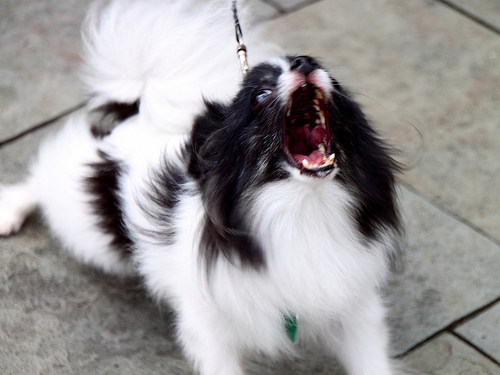
    aggressive dog photo

    However, we don’t think the measures under the new legislation will meet the Government’s aim to reduce the number of injuries from attacks.

    The RSPCA instead believes the best way to reduce the number of incidents is to focus on educating people about how to behave around dogs, rather than react to them once they have already happened.

    Dog bite statistics will be one of the Key Performance Indicators to be used by the Government to determine the effectiveness of the new Act.

    David Bowles, the RSPCA’s head of public affairs, said: “We don’t believe these figures will go down because the new legislation doesn’t prevent bites from happening. It merely provides a framework for a possible response to them once they have already happened.

    “The number of dog bites being treated in hospitals has generally increased by 2-3% year on year and I don’t expect it to change after the Anti-social Behaviour, Crime and Policing Act comes into force.”

    The RSPCA is continuing to call for adequate resources and training for those enforcement bodies which will be using the legislation, including local authority dog wardens and police forces.

    The RSPCA also believe a properly coordinated public education and engagement campaign about responsible dog ownership and how to stay safe around dogs is essential to achieve a reduction in dog bites.

    “Statistics show that the age group with highest hospital admissions for dog bites are children aged nine and below.

    “Children often tend to cuddle and kiss dogs with very close facial contact, which a dog could find threatening. Therefore it is vital that parents and others teach themselves and children about dogs so signs that a dog is uncomfortable are recognised and acted upon,” added David.

    Photo by Mr.TinDC

  • Vets Investigating Potentially Fatal ‘Toxic Shock’ Dog Disease

    Vets Investigating Potentially Fatal ‘Toxic Shock’ Dog Disease

    Researchers at the Royal Veterinary College are calling for dog owners and veterinary surgeons to recognise the signs of a potentially fatal bacterial pneumonia-type disease that has been increasing in the canine community over the past five years, to ensure rapid treatment and help contribute to research to limit further spread.

    The bacterium (Streptococcus zooepidemicus) is most commonly found in kennels and among racing greyhounds and can cause a ‘toxic shock-like’ form of disease and is warning dog owners to look out for rapid development of a fever, nasal discharge and lethargy.

    dog being sick

    Streptococcus zooepidemicus is a bacterial infection that manifests itself similarly to human Toxic Shock Syndrome, causing a severe, bloody pneumonia in dogs. It has an acute onset and in a small proportion of cases the disease has been known to kill dogs within 24 hours of contracting the infection.

    Outbreaks are sporadic, but particularly occur in situations where dogs mix in groups, such as rehoming or boarding kennels and in hunting and racing greyhound communities. Although it is rarer in family pets, researchers are still keen to highlight the signs to owners, particularly if they regularly visit kennels or attend events where large groups of animals gather.

    In the early stages, signs are similar to those of “kennel cough”, which is seen in similar environments. However, in Streptococcus zooepidemicus outbreaks, dogs rapidly become very ill and show very severe signs, with a mortality rate of up to 50% reported. In contrast to this, in more typical cases of kennel cough, most dogs will have a relatively mild illness and deaths are rare.

    Researcher and Veterinary Pathologist Dr Simon Priestnall from the Royal Veterinary College said: “Although Streptococcus zooepidemicus was first identified in dogs in the 1970s, veterinarians and researchers have seen the number of cases spiral upwards over the past five years, particularly within rehoming kennels and the greyhound community. This suggests that the bacterium may have mutated to become more virulent and contagious.”

    “There is currently very limited public awareness of the problem. Signs for owners to look out for in their pets include a fever, which is usually accompanied by sneezing and nasal discharge which is often bloody, and their animal becoming lethargic. If owners notice the rapid onset of these signs, they are advised to seek veterinary help immediately. With prompt identification, medical treatment and supportive care, dogs can make a full recovery.”

    In 2007 at one rehoming centre in California over a thousand dogs were estimated to have suffered or died from haemorrhagic pneumonia caused by Streptococcus zooepidemicus. In 2009 around 30 dogs a day were developing pneumonia at a kennel in South Korea. Smaller, sporadic outbreaks have occurred during this time in the United Kingdom but all have so far been only reported anecdotally.

    Dr Priestnall and his colleagues are working alongside the Animal Health Trust (Dr Andrew Waller) and the University of Nottingham School of Veterinary Medicine and Science (Drs Jenny Stavisky and Janet Daly) to investigate this potentially fatal bacterial pathogen. They are developing a test that will allow them to determine, from a nasal or throat swab, how many dogs are suffering from the disease and how many are carriers (i.e. dogs that have the potential to ‘silently’ pass the bacterium on to other animals because although they do not appear ill they are harbouring the bacterium). The hope is that by detecting patterns within the bacterial isolates or the infected dogs, they can uncover potential risk factors and limit the spread of the disease.

    In particular, they are seeking the help of UK veterinarians who are treating affected dogs and might be able to submit swab samples to aide research.

    If vets want more information or would like to submit samples to help with the research into this potentially fatal disease, they can get in touch via spriestnall@rvc.ac.uk.

  • Dog-friendly Sweet Potato and White Fish Bake Recipe from the K9 Cafe

    Dog-friendly Sweet Potato and White Fish Bake Recipe from the K9 Cafe

    A recent survey by pet insurer, Direct Line, discovered that one in five pet owners worry about whether they are feeding their dogs the right diet while just over two thirds were worried their pets were not getting the right nutrition. With many foods often associated with good health for humans such as raisins, grapes or onions being potentially lethal to dogs, Direct Line has opened the ‘K9 Cafe’ with TV chef and dog lover James Martin to educate dog owners on exactly what they should and shouldn’t feed their pets.

    The ‘K9 Cafe’ launches with four videos which see James Martin and vet Marc Abrahams turning their hands to some canine cordon bleu, to showcase a range of expertly-crafted recipes for dog owners and their dogs. The show’s very own four-legged experts are then invited to sample the results once the recipe is complete.

    Here is the video and recipe for their dog friendly sweet potato and white fish bake.

    Let us know how you get on and what your dog thinks! Tune in next week where we’ll be running a second video from the series or see them online now: https://www.directline.com/pet-insurance/health


    dog eating photo
    Photo by Magnus Brüth


  • Splash Out On Your Pet – Win ÂŁ100 Of Vouchers To Spend!

    Splash Out On Your Pet – Win ÂŁ100 Of Vouchers To Spend!

    We are a nation of animal lovers, from dogs to cats, we can’t get enough of our furry friends. But we’ve all been there, whilst nibbling away on a biscuit, you’re greeted by your beloved pet begging to get in on the tasty action. You stand firm. Maybe even turn your back to the pestering pooch, but soon enough your biscuit is surrendered.

    However, it’s not just sweet treats we’re willing to share with our four legged friends, according to recent research conducted by Direct Line Pet Insurance, half of all pet owners sheepishly admit to feeding their dogs fast food – with men the worst culprits. Some of us have even had to take our pet to the vets for ingesting the wrong types of food!

    Marc Lifestyle_logo
    Share on Twitter using #K9Cafe

    Consequently, one in five of us worry about whether we are feeding our pets the right things. Foods we may normally associate with good health for humans, such as dark chocolate, raisins, grapes, or onions, are potentially lethal to dogs. Unless you know the facts, giving a pet your leftovers isn’t always the kindest idea.

    Preventative healthcare is very important to Direct Line Pet Insurance, who have put together a series of treat or snack recipe videos to show you exactly what you should and shouldn’t feed your pets. Find out more about what Direct Line Pet Insurance can offer by visiting www.directline.com/pet-cover

    To celebrate your new found knowledge of all things nutritious, Direct Line Pet Insurance have teamed up with online retailer Muddy Paws to offer you ÂŁ100 of vouchers.

    To be in with a chance of winning watch this video before scrolling down to enter:

    Now you’ve seen the video, add your comment on this post leaving your email address in your name (so it’s hidden from sight) and answer the following question:

    Q: According to the video, why can chocolate be fatal to dogs?

    1) It contains theobromine
    2) It contains milk
    3) It produces serotonin

    We will answer the winning poster here so stay tuned 🙂 Good luck!


  • Taking Dogs Abroad – How to Take Your Dog on an Overseas Holiday

    Taking Dogs Abroad – How to Take Your Dog on an Overseas Holiday

    In recent years, pet travel between Britain and other EU countries has opened up a great deal due to the introduction of pet passports, writes Melissa Hathaway. These documents allow properly vaccinated and health checked animals to travel abroad and (crucially) re-enter the UK without pets and owners having to go through the excruciating process of pet quarantine confinement.

    This has allowed loving owners to take their pets with them when going on holiday. However, should you wish to take your beloved canine companion with you on holiday, there remain certain things to consider – the main question being: Do the benefits of taking your pet with you outweigh the problems and distress it may cause? In many cases, the answer is ‘Yes’. Although kennels are often extremely good, and many people can find kind neighbours to look after their pets in the familiarity of their own homes, some dogs find separation from their owners distressing.

    dog beach photo

    This is particularly true of rescue dogs which may have been passed from home to home in the past, and fear that each new separation will be forever. It’s not just the dogs who have separation problems, wither. A 2007 survey suggests that a massive 72% of owners worry about their pets when on holiday, and many are likely to take shorter holidays due to the need to return swiftly for the sake of a dog or a cat. Many people and pets thus clearly cannot relax properly when the human part of the partnership is away on holiday. For these people, pet passports are a boon. However, for those who have dogs with less separation problems, or less prone to personal worry about their dog’s welfare, there may be a few more factors to weigh up when deciding whether or not to take your dog abroad.

    Transportation

    Transportation of animals to faraway locations is a perennial problem. People going on long-haul flights often worry that their animals will become distressed, confined in pet carriers and exposed to all the noise, pressure changes, strange smells and so on which are inherent in an aeroplane flight. Such things are often scary for people, and it is impossible to explain them to animals. Sedation is one option if the journey is not a long one, and most vets will be experienced in such matters and able to provide drugs which will either calm your animal or send them to sleep for the duration. It is well worth noting that animal protection legislation ensures that all European airlines have to treat your pets with the greatest care and respect – although this may not be true of airlines elsewhere in the world, so be sure to research your plane provider’s pet policies before booking a flight. Sea travel is another option, for those who have the time to spare. Some Transatlantic travellers have found an excellent solution to the transportation problem in the form of travel by boat. The British have long been renowned as avid pet-lovers, which perhaps explains why the British Cunard Line is the first in the world to allow animals onto a specially adapted cruise liner. The Queen Mary 2 has a ‘Pets on Deck’ programme, in which cats and dogs can be brought on board ship and treated like honoured guests for the duration of the voyage. The liner treats lucky pets to luxury kennels (with their own ‘butler’), an indoor animal play-area, plentiful walks on deck, gourmet pet food, and frequent owner visiting hours. Ideal – if you can afford it!

    Dangers and Diseases

    When the pet passport scheme was first introduced, it was controversial due to the worry that it would allow diseases like rabies to re-establish themselves in the UK. Over the past few decades, the UK authorities have been extremely successful in eradicating dangerous animal-borne diseases from the British Isles. However, they remain at large in many other countries worldwide, raising concerns that the free movement of pets between such countries and the UK would undo the good work of the past few decades and once again see rabies sweep across Britain. However, the authorities were not immune to such concerns. The pet passport scheme ensures that only the most stringently health-checked and vaccinated animals are allowed to travel, and imposes restrictions upon countries were dangerous animal diseases are particularly prevalent. Nonetheless, you may want to have a look at the disease dangers for dogs within the nation you are planning to visit, and either have your dog vaccinated against them or take relevant precautions against them. Some dangers, of course, are not infectious, but no less dangerous for the health of your dog. Particular plants and fungi, deadly to dogs, grow in certain parts of the world. Take note of the kind of poison-hazards you may have to watch out for. Furthermore, be aware that road safety rules are not as stringently enforced in many places as they are in Britain – so it will be a good idea to keep your dog on a tight lead when near main roads!

    Is Your Holiday Pet-Friendly?

    Finally, the accommodation you stay in and the kind of activities you want to participate in are of extreme relevance. Is your hotel or apartment dog-friendly? If you plan to have a beach holiday, are there dog-friendly beaches? If you want to spend your time going round museums, who will look after the dog while you are out? If you’re going on a holiday with plenty of walking through the countryside – then that would naturally be a fantastic experience for your dog, and one on which it would be a shame for him/her to miss out!

    Often Worthwhile

    With all of this in mind, it should be remembered that, with the right consideration and precautions, taking your dog on holiday can be a fantastic experience. You will not be worried about your dog’s welfare at home, your dog will not be pining for you, and you will both get to enjoy all the delights that foreign climes have to offer.

    Photo by kajo0069

  • 7 Dogs With Star Quality Looking for New Homes

    7 Dogs With Star Quality Looking for New Homes

    With thousands of dogs being abandoned every day and the problem seeming to never end, we’ve decided to use today’s blog post to highlight seven dogs looking for new homes and pick out each’s star quality/superpower.

    1) Dougal!

    Bio: 1 year old black Patterdale Terrier boy.
    Star quality: He can fit in your bag (or suitcase) which may make you think he’s a handbag dog but anyone who’s ever encountered a Terrier will know they may be small in size but they’ll fill your home with many memories.

    Find out more: http://www.dogsblog.com/dougal-18

    2) Mary!

    Bio: 18 month old Staffordshire Bull Terrier girl.
    Star quality: With ears like this, she’ll be able to tune your satellite TV in 🙂 Seriously, this girl is adorable. Her star quality is that she doesn’t quite know how precious she is and how much the loyalty she can offer is a gift many would benefit from.

    Find out more: http://www.dogsblog.com/mary-26

    3) Meg!

    Bio: 3 month old  Jack Russell cross Bichon Frise.
    Star quality: The ability to melt any heart. Where’s her superhero cape we say!

    Find out more online: http://www.dogsblog.com/meg-64

    4) Bertie!

    Bio: 1 year old Cross-Breed boy.
    Star quality: This boy came into rescue in December. After being rehomed, he found himself back in rescue 3 months later as he bonded with all of the family, including the other family dog, but hadn’t bonded so well with the husband. Such a shame. Let’s hope for third time lucky for this boy and fate may mean his forever home lies around the corner.

    Find out more online: http://www.dogsblog.com/bertie-82

    5) Sandy!

    Bio: 11 year old Cross-Breed.
    Star quality: A bit of an escape artist – to keep you on your toes 🙂 This older girl is looking for a new home where she can benefit from long walks, roast chicken and lots of cuddles.

    Find out more online:  http://www.dogsblog.com/sandy-65

    6) Carlisle!

    Bio: 3 year old Jack Russell Terrier.
    Star quality: Which came first – the dog or the place? Well, the place. But seriously this dog’s star quality is that he has the ability via the medium of ears to direct you left or right, like a sat nav. Be warned – the direction his ears may take may be towards his namesake in Cumbria.

    Find out more online: http://www.dogsblog.com/carlisle

    7) Irina!

    Bio: 2 year old Cross-Breed girl.
    Star quality: Can touch her toes – look, we’re serious. Irina had a terrible start in life and she embodies the resilience and forgiving nature of dogs. Settling into her foster home very quickly, she showed how flexible she could be (flexible, get it!). This gorgeous girl is seeking a loving forever home to call her own.

    Find out more: http://www.dogsblog.com/irina

    You can find hundreds more on dog adoption site, www.dogsblog.com, sponsored by pet insurer the Co-operative Insurance, find your favourite and share far and wide to help them find a loving new home if you can’t offer a new home.

  • Want To Know What Your Dog Gets Up To While You’re Out?

    Want To Know What Your Dog Gets Up To While You’re Out?

    Do you want to know what your beloved pet does behind your back? Channel 5 are looking for animals to take part in ‘The Secret Life of Pets’. Whether your dog is stealing your food, your cat is disappearing all day or your hamster is acting strangely we will find out what is really going on.

    The Secret Life of Pets is an entertaining and informative brand new 8 part TV series for Channel 5. The show looks into the extraordinary and bizarre secret lives of our pets. We discover what our pets really get up to behind those puppy dog eyes, what they are hiding in the garden and how they have learnt to open the fridge door! Using the latest and most innovative filming techniques this series shows us what life is like from a pet’s-eye-view.

    To be in with a chance of getting your pet on TV please can you email me some information about your pet along with a photo of you and your pet, your contact number and address. Apply ASAP by emailing rob.myler@itn.co.uk to avoid disappointment!

    dog home photo

    Photo by MarcooJethroÂŽ

  • Dementia in Dogs – What Are The Early Symptoms?

    Dementia in Dogs – What Are The Early Symptoms?

    If you think your elderly dog may be going senile and losing his mind, you may be right.

    Studies have shown that over one third of 11 year old dogs suffer from dementia, or canine cognitive dysfunction. By the time they reach 16 years, they are all showing some signs of this condition, writes Audrey Harvey BVSc(Hons).

    Dogs with dementia typically have memory loss, confusion and disorientation. They stare into space and wander aimlessly around your house. They forget their toilet training, and act like they’ve never had any obedience training at all. Night times can be difficult; they are often wakeful and pace the floor, which keeps you awake too. These symptoms are due to a lack of dopamine in the brain.

    old dog photo

    The characteristic behaviours associated with dementia in dogs appear slowly and progress gradually, so it’s easy to miss the early stages of this disease in your four legged family member.

    What can be done to make life easier for your old friend?

    Medication

    Drugs such as L-deprenyl can improve your dog’s condition because it makes what dopamine that is left in your dog’s brain last longer. It can take a couple of months to see any response, but over 75% of dogs showed improvement on this treatment. The earlier your dog starts taking this medication, the better his response is likely to be.

    Diet

    Antioxidants and omega fatty acids can improve your dog’s mental abilities, and positive results can be seen within 8 weeks of changing his diet. There are commercial kibbles available from your veterinarian that are specifically designed to treat dementia in dogs.

    Training and Environment

    Even though your dog is getting older, he can still learn new tricks. It’s a good idea to use hand signals as well as verbal commands so that if one of his senses fails, he can still understand what you want him to do. Use food rewards and take into account his reduced mobility when you are training him. This will help to slow the onset of dementia.

    Environmental enrichment includes such things as playdates with other dogs, and daily play time with interactive toys. These too have been shown to improve an elderly dog’s mind.

    With a little bit of effort on your part, your older dog will be better able to cope with the changes in his mental abilities. Old age isn’t an illness and dementia shouldn’t stop you enjoying the company of your canine senior citizen.

    Photo by normanack

  • Why Should I Fundraise for the RSPCA?

    Why Should I Fundraise for the RSPCA?

    It’s a really great feeling to get involved in fundraising and know that you’ve made a difference to a great cause. However, there are so many worthy charities that it can be difficult to choose where to focus your fundraising efforts.

    Here are just some of the reasons why the RSPCA is a great charity to get involved with:

    The RSPCA is independent

    The RSPCA is not funded by the government and so therefore mainly relies on voluntary donations and fundraising. The RSPCA chooses to remain independent as this means that they are free to lobby for changes regarding the welfare of animals without the fear of funding being possibly withdrawn.

    [shock_spots id=”6982″]

    Help stop animal cruelty

    The RSPCA believes that every animal has the right to lead a cruelty free life, and is active in preventing animal cruelty. Over 100,000 complaints of cruelty are investigated by the RSPCA each year, with many animals being rescued, rehabilitated and rehomed. Without voluntary donations the RSPCA would be powerless to rescue animals in desperate need and give them the care and attention that they need.

    Give a pet a home

    The aim of the RSPCA is to find their rescued or abandoned pets a happy new home and donations help to raise awareness of that, as well as awareness of what it takes to be a good, responsible pet owner. Donations are also used to house, feed and care for the hundreds of animals that the RSPCA continues to look after until their forever home is found.

    Emilio

    Emilio is a 3 year old Rottweiler looking for a new home on DogsBlog

    Welfare for ALL animals

    It may surprise you to know that it’s not just pets that the RSPCA strives to protect. The RSPCA believes in welfare for all animals, including pet, farm, wild and research animals. Through continuous goals, missions and campaigns, the RSPCA aims to prevent cruelty, promote kindness and alleviate suffering of all animals – and to do that they need your donations!

    Fundraising is easy

    It’s so easy to get involved and fundraise for the RSPCA – you’ll find everything you need on the website! As well as choosing an animal welfare project to raise money for you’ll also find lots of fundraising ideas as well as a downloadable fundraising toolkit.

    It’s completely up to you whether you’d like to organise your own fundraising event, or you’d like to join one of the RSPCA challenges. Online you’ll find details of the Mount Kilimanjaro trek, a selection of cycling challenges from the 500km Costa Rica coast to coast cycle to the slightly tamer Manchester to Blackpool bike ride, and a ‘Jump in June!’ skydive.

    See the difference

    Whether you raise ÂŁ10 or ÂŁ10,000, it’s easy to see the difference that donations make at the RSPCA. Supporters are kept up to date about current appeals on the website and blog – for example, a simple click will show that over ÂŁ126k has been raised for the emergency seal appeal, as well as detailing how much it costs to feed the seals and what the rest of the money is being used for. You can also see that it costs ÂŁ10,000 to rehome 20 dogs, or ÂŁ8,000 to rehome 30 cats, making it easy to understand where the money that is donated to the RSPCA goes.

    If you fancy having fun for a really good cause, the RSPCA is a fantastic charity to focus your efforts on. Simply decide what you want to do, download the fundraising pack and donate!

  • Could Pet Dogs Cause an Epidemic of Infectious Diseases?

    Could Pet Dogs Cause an Epidemic of Infectious Diseases?

    The last thing you worry about when you child is playing with the pet dog is that they are going to contract some sort of deadly infectious disease, but a new study suggests that dogs and cats could be responsible for spreading new emerging infectious diseases, writes Melissa Hathaway.

    Michael Day, Professor of Veterinary Pathology at the University of Bristol, recently published a study online at ‘Emerging Infectious Diseases,’ which concludes that a global monitoring system for infectious diseases in dogs and cats needs to be established.

    dog licking photo

    Is Your Dog Safe?

    First of all, don’t panic and run off to the vet to get your dog checked for every infectious disease under the sun. There is no immediate danger, but the study does highlight an important discrepancy in how pets are monitored for disease. Currently there is a system in place which tracks all infectious disease found in livestock, but there is no such system for household pets. Given the fact that dogs and cats often share the same living space as their owners, the potential for disease spreading is significant. Pets are vaccinated and checked by vets to make sure they are safe, but new emerging infectious diseases could be a future problem. It is well worth investing in pet insurance so that you can get your dog immediate treatment if he or she suddenly becomes sick, but more importantly pets need to be monitored regularly for new infectious diseases, as recommended by Professor Day’s study. However, a globally co-ordinated effort is required if a new system of monitoring is to be successful.

    Worldwide Backing

    Lots of animal associations and health organisations agree with Professor Day’s findings. The World Organisation for Animal Health (OIE), the US Centers for Disease Control and Prevention (CDC), the World Small Animal Veterinary Association (WSAVA), and the World Health Organisation (WHO) have all backed the need for a co-ordinated worldwide disease monitoring system for veterinarians who work at animal practices that treat small companions animals like dogs and cats.

    Creating a global monitoring system will be no easy feat, but if it can be done for humans and livestock then it can be done for pet animals. For example, the WHO keeps track of the influenza virus in humans through 111 centres across 83 different countries. A scheme to monitor companion animal diseases would require significant funding and political support, which could take some time to achieve. However, a monitoring system is in everybody’s best interest, as Professor Day explained, “Control of diseases among dogs and cats is a good way to prevent spread to humans.”

    With the number of pet dogs and cats in households across the world continually growing, a system needs to be put in place sooner than later. The numbers are staggering, as Professor Day explained. “For example there are an estimated eight to ten million dogs living in up to 31 per cent of UK homes and in the USA, 72 million dogs in 37 per cent of homes.”

    Recognising the Benefits of Animal Companions

    The study is by no means trying to shine a bad light on the strong relationship many families have with their pet dog, but simply wants to bring to everyone’s attention the potential threat that they could cause, and suggests that something should be done about it now to avoid the problem. Humans have lived happily with animals for centuries, but now the closeness of relationships between man and dog has grown, as has their proximity.

    Day explained, “In developed countries the relationship between man and dogs and cats has deepened, with these animals now closely sharing the human indoor environment.”

    He went on to say, ‘‘The benefits of pet ownership on human health, well-being and development are unquestionable, but as dogs and cats have moved from the barn, to the house, to the bedroom, the potential for disease spread to humans increases.”

    Small companion animals have much more close human contact than wild animals or livestock, and this significantly raises the possibility that an infectious disease could be passed from pet to owner. Day sees the proliferation of animals being kept as pets as having the potential to be a serious problem in terms of diseases transmission from animals to humans, but he wants to protect the relationship people and society as a whole have with dogs. Hopefully his words of warning will spur governments across the world into action.

    Photo by Tobyotter

  • More Pets Poisoned – What’s Going On Here?

    More Pets Poisoned – What’s Going On Here?

    The number of complaints about animal poisoning reported to the RSPCA has increased by nearly 10% in the space of a year.

    The figures were revealed today as the charity warns owners about accidentally poisoning their pets by giving them harmful treats, such as chocolate, this Easter.

    The RSPCA received 1,154 poisoning complaints last year from concerned members of the public. This was up from 1,055 in 2012.

    cupcakes-dog-stains

    It is a criminal offence under the Animal Welfare Act 2006 to intentionally administer a poison to an animal. However, some people may be giving their pets harmful substances, simply because they don’t realise they could be dangerous.

    The charity’s chief veterinary officer James Yeates said it was worrying to see a rise in complaints of poisoning, but he stressed that many accidental poisonings could be avoided if people are more aware of the dangers around their home.

    He said: “Chocolate poisoning is one of the most commonly reported types of animal poisoning, so Easter is the ideal time to remind people of the hazards around their home that could accidentally poison their pets.

    “Easter eggs are a tasty treat for many of us, but a hefty vet’s bill won’t be quite so easy to swallow if your pet ends up wolfing them down before you.

    “It isn’t just chocolate that is dangerous for animals though. For example, did you know that rhubarb is poisonous to rabbits, or that grapes could kill your ferret?

    “There are so many hidden dangers to animals around the home and we want owners to do their homework and keep their pets safe and healthy.”

    Owners can find out more by visiting the RSPCA’s poisoning advice pages at www.rspca.org.uk/poisoning

  • Easter Goes To The Dogs – Easter Gift Box Review

    Easter Goes To The Dogs – Easter Gift Box Review

    Easter means something to us all – whether you simply look forward to the break or it means more to you, one thing doesn’t change and that’s the way we incorporate our pets into our plans.

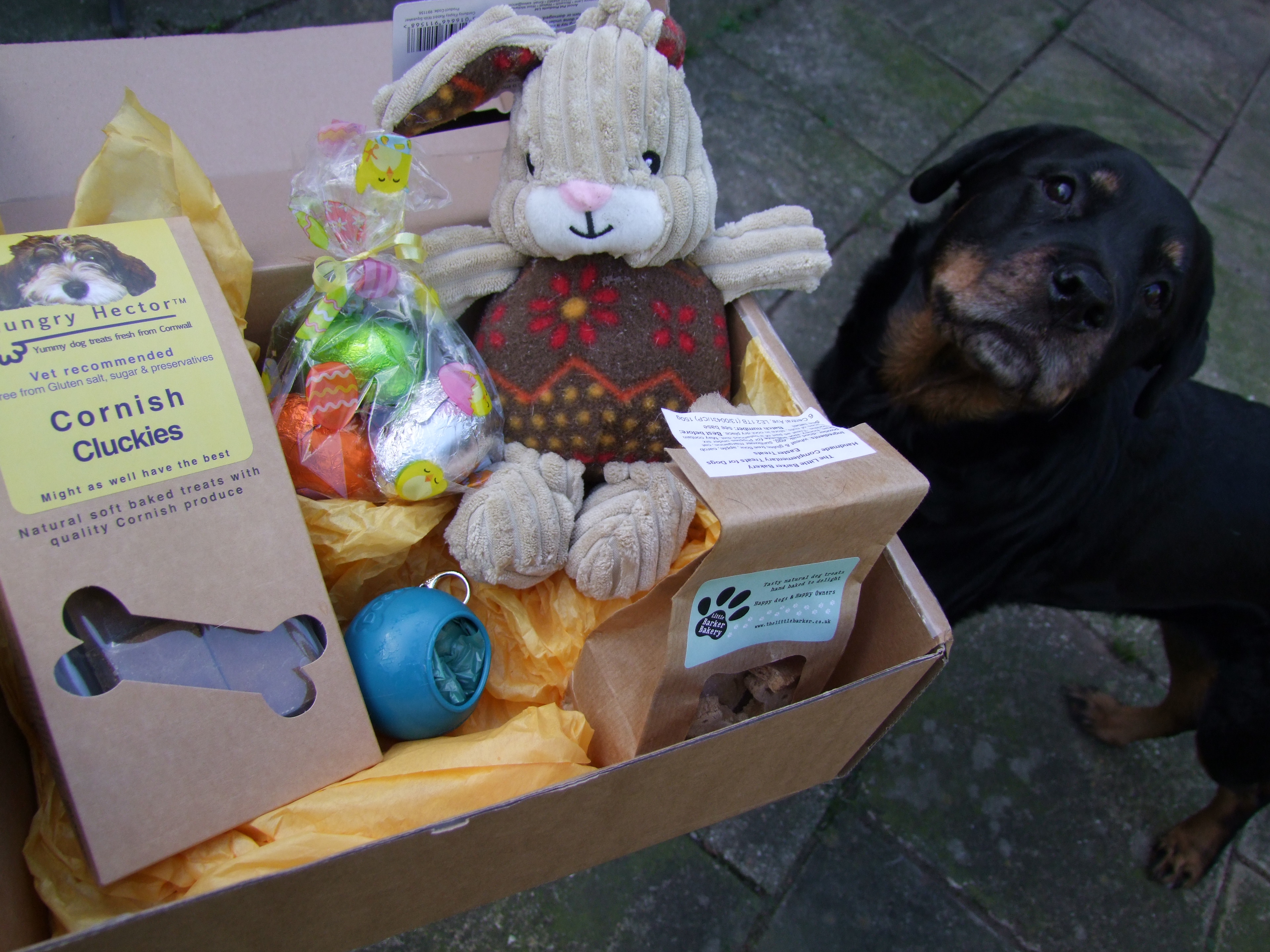
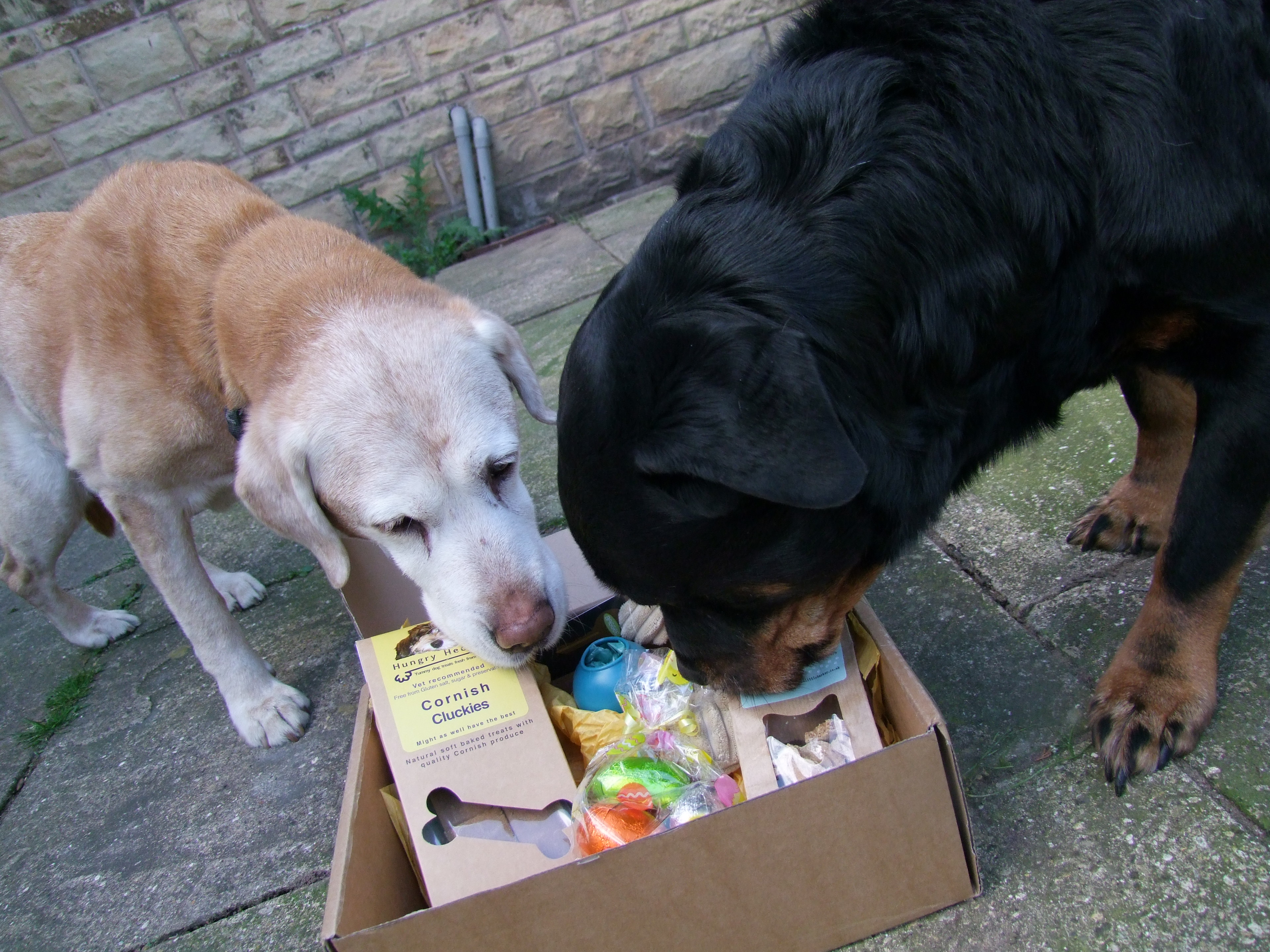
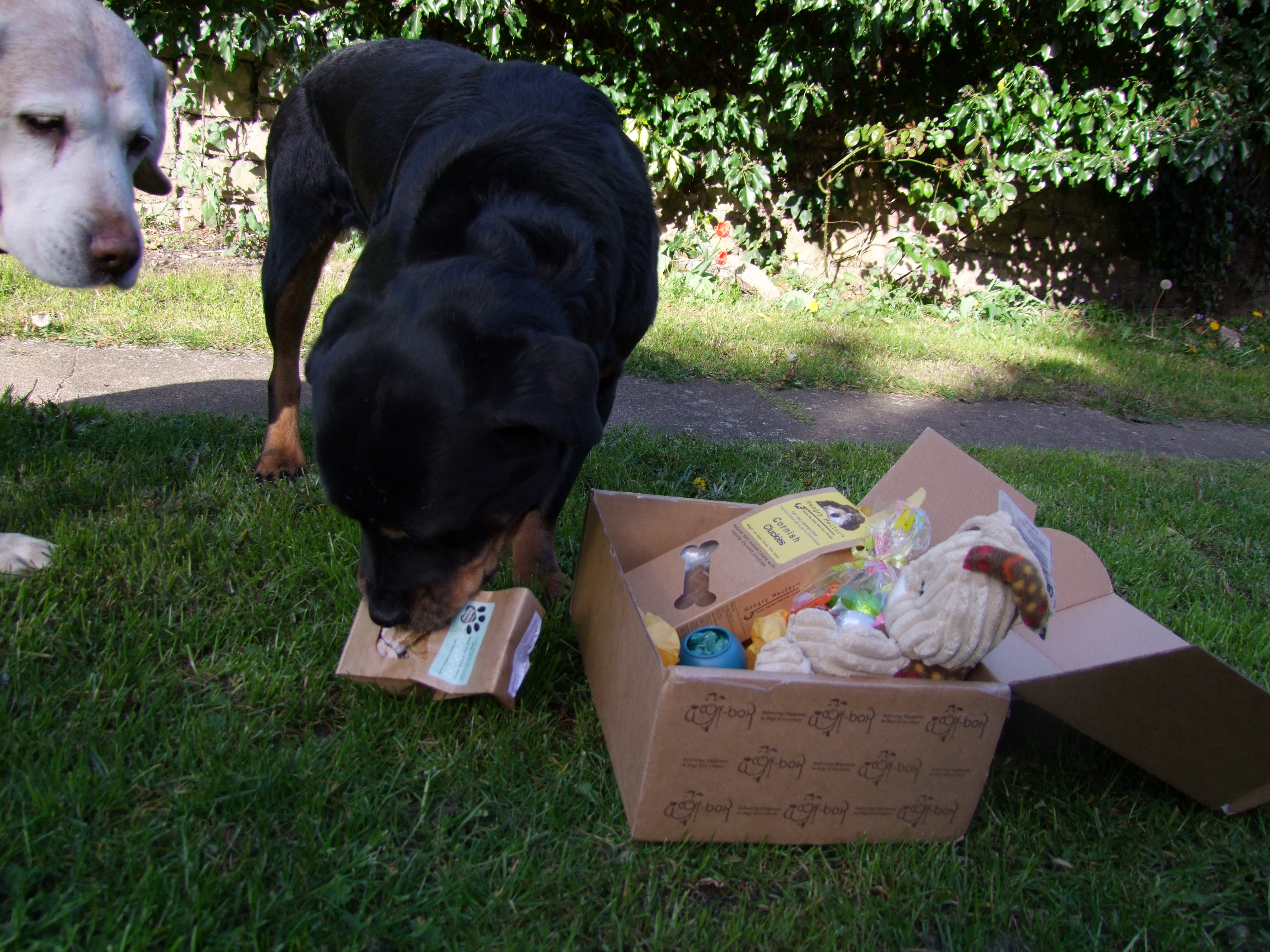
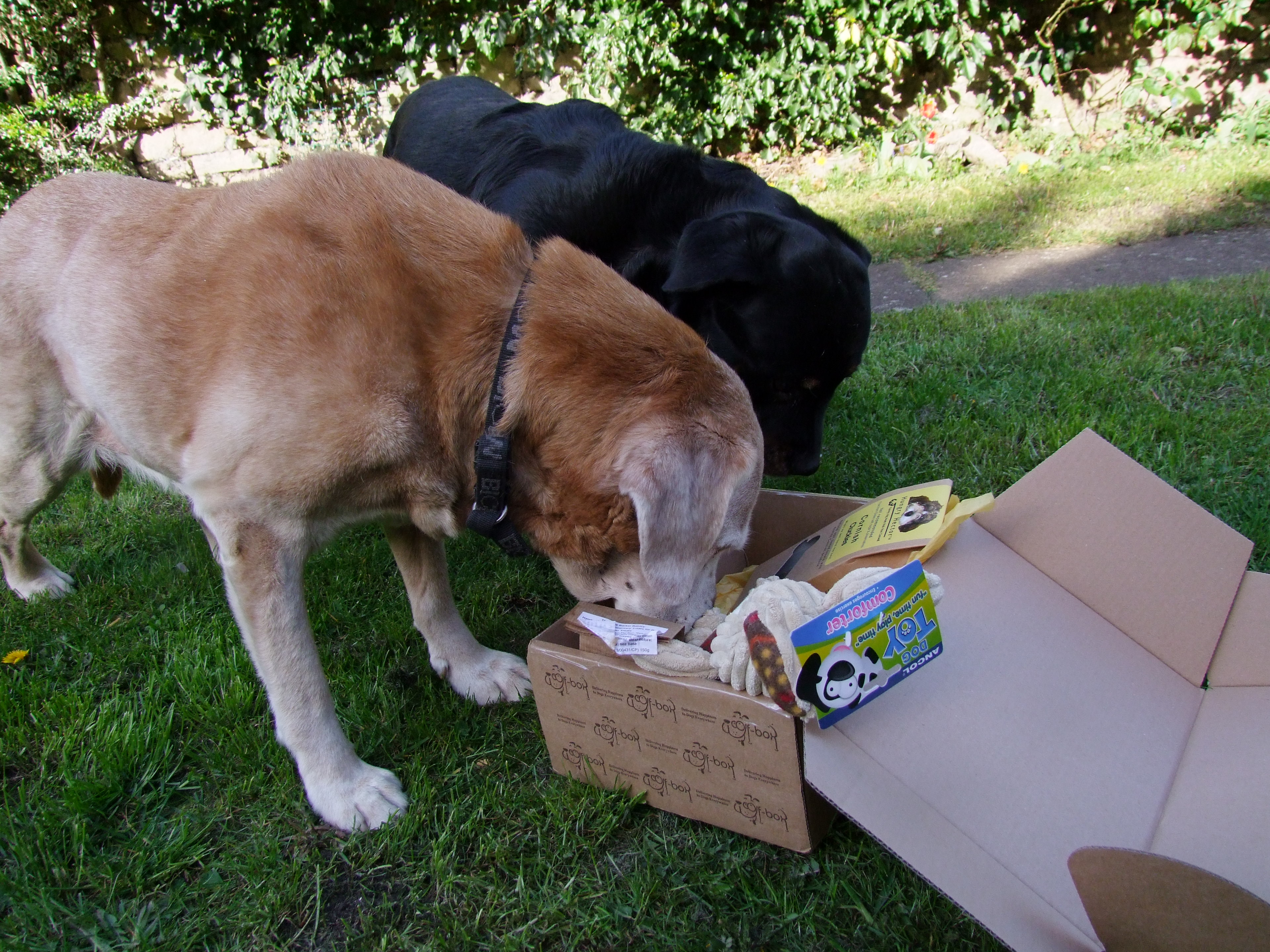
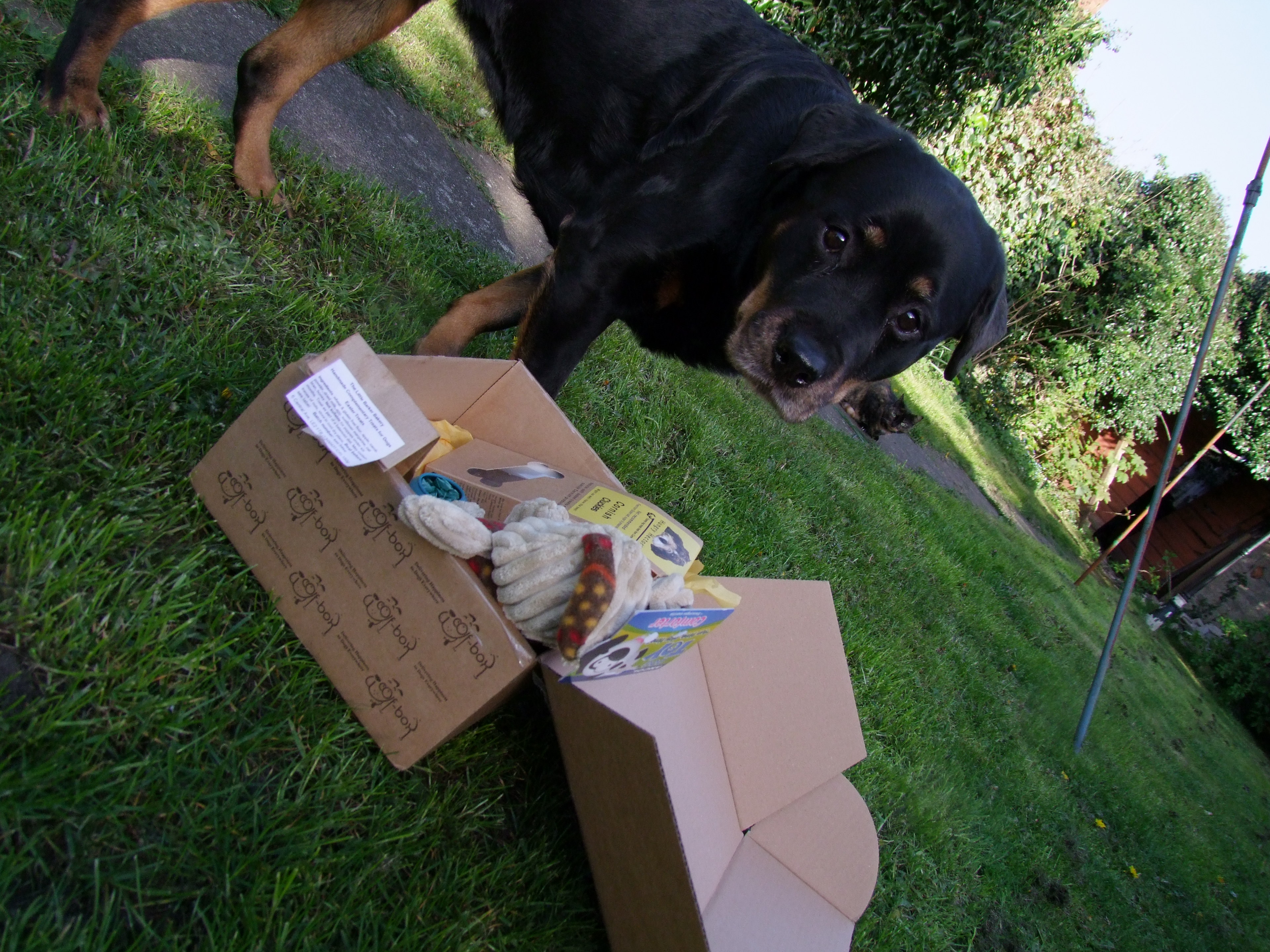
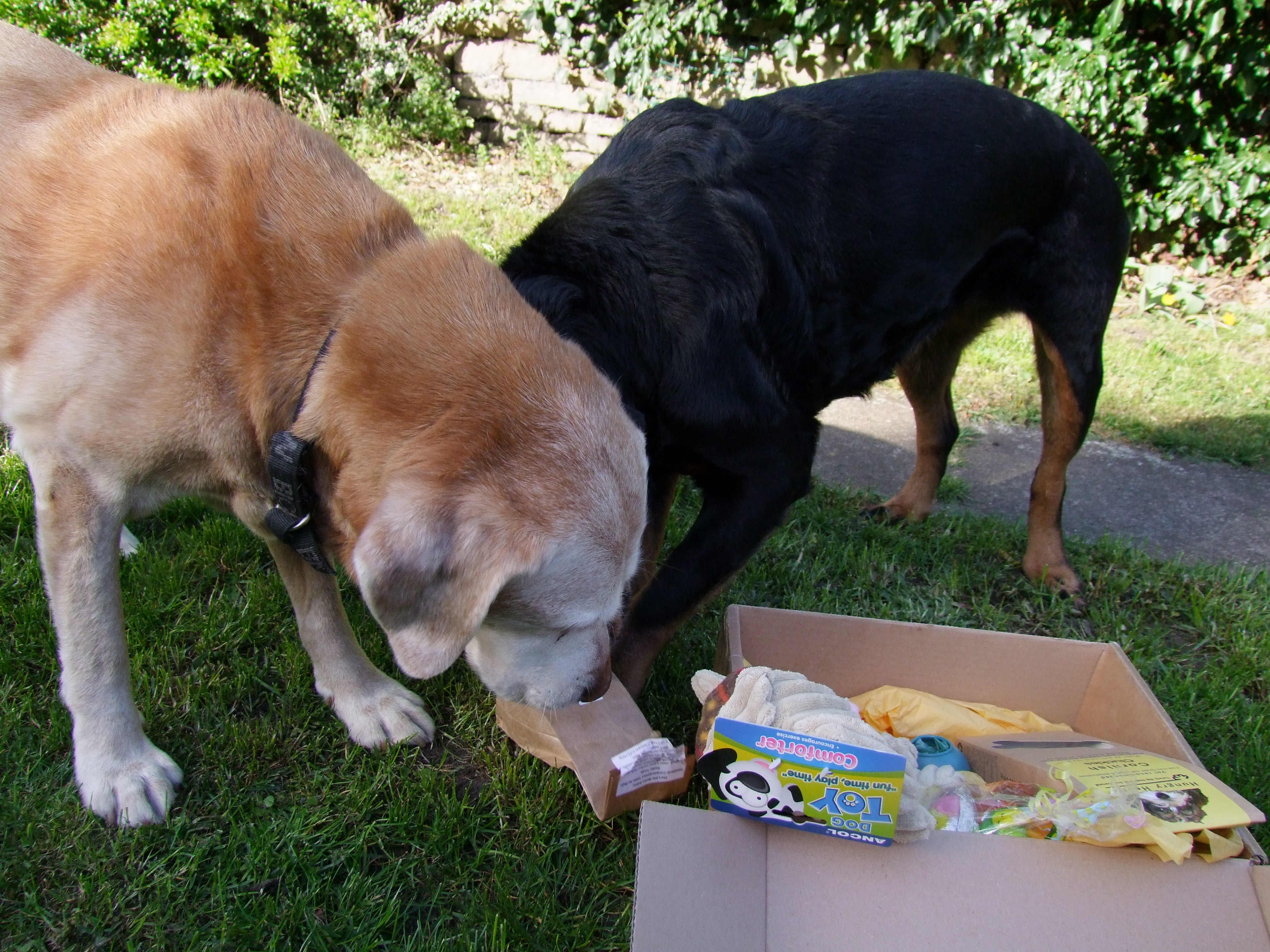
    This year K9 Magazine’s review-some two-some Chloe and Mia are looking forward to Easter with an extra spring in their step thanks to Woof-Box, who kindly sent them one of their Easter themed gift boxes.

    woof-box easter gift box

    Who are Woof-Box?

    Woof-Box recently launched with the mission objective to deliver happiness to dogs everywhere! Tailored to their owner’s specifications, Woof-Box will create a gift box by handpicking only the healthiest, tastiest snacks, treats and other goodies to the doors of dogs across the UK every month as part of a subscription service.

    Chloe & Mia’s Easter themed Gift Box

    Chloe and Mia both loved the surprise of the gift box and both chose their favourites before we took them for a picnic to enjoy the sunshine.

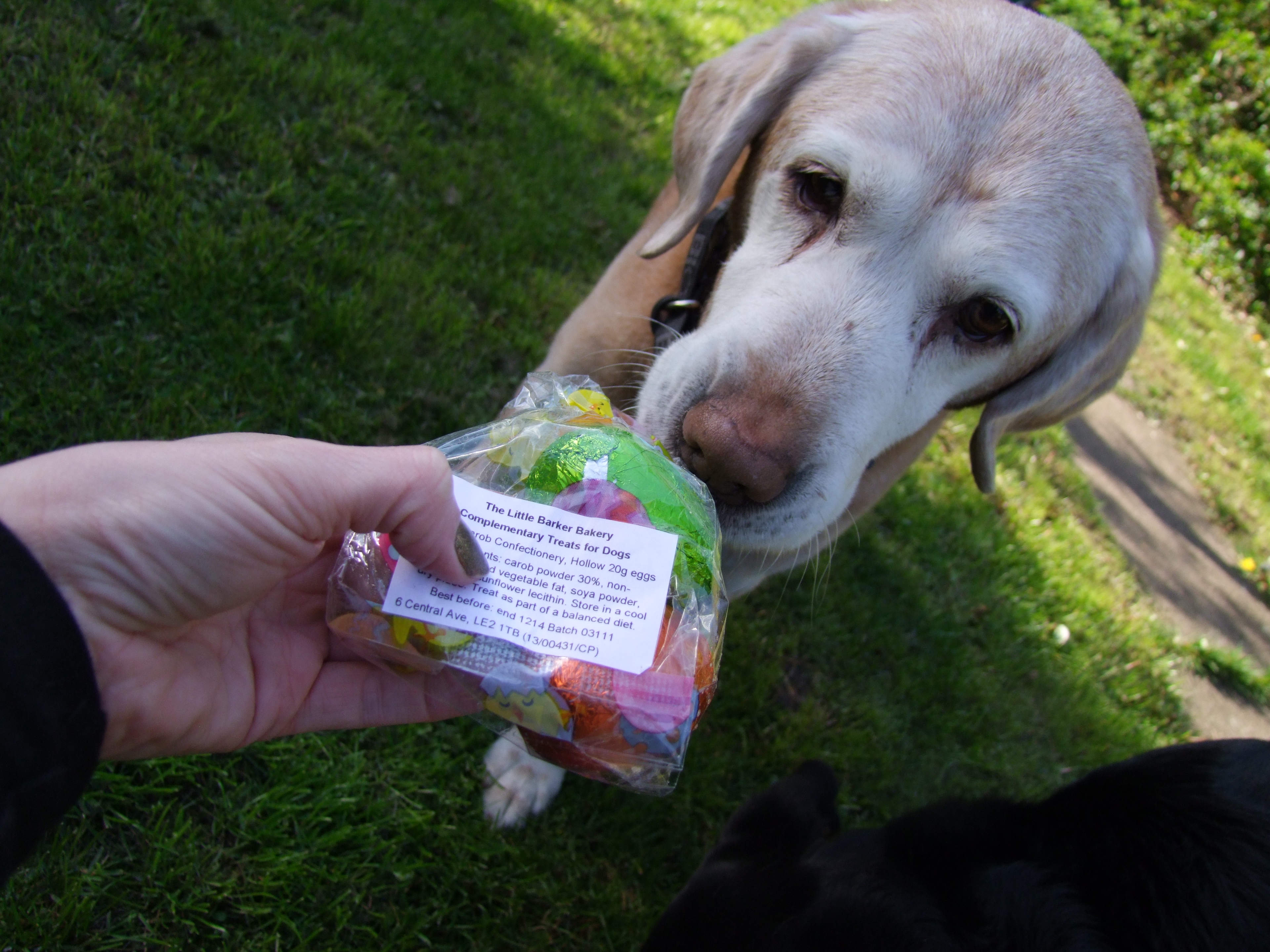
    For Chloe, she took an immediate liking to the Carob Easter Eggs for Dogs.

    Just because dogs can’t eat chocolate they don’t have to miss out. These Easter eggs are made from Carob which is the dog safe alternative to chocolate.

    For Mia, well, it was the Easter themed carob biscuits!

    Each bag contains a mixture of bunny, chick and egg shapes hand baked to delight in carob and apple flavours. Carob is the dog safe alternative to chocolate, it is 100% natural and full of vitamins so whilst you are indulging in a little Easter chocolate your canine companion need not miss out. The apple cookies contain home made apple puree for fibre, oats for their known health benefits and homey which is a natural antiseptic. All of these cookies are made using the finest human grade ingredients with a base of organic wheat and gluten free flour.

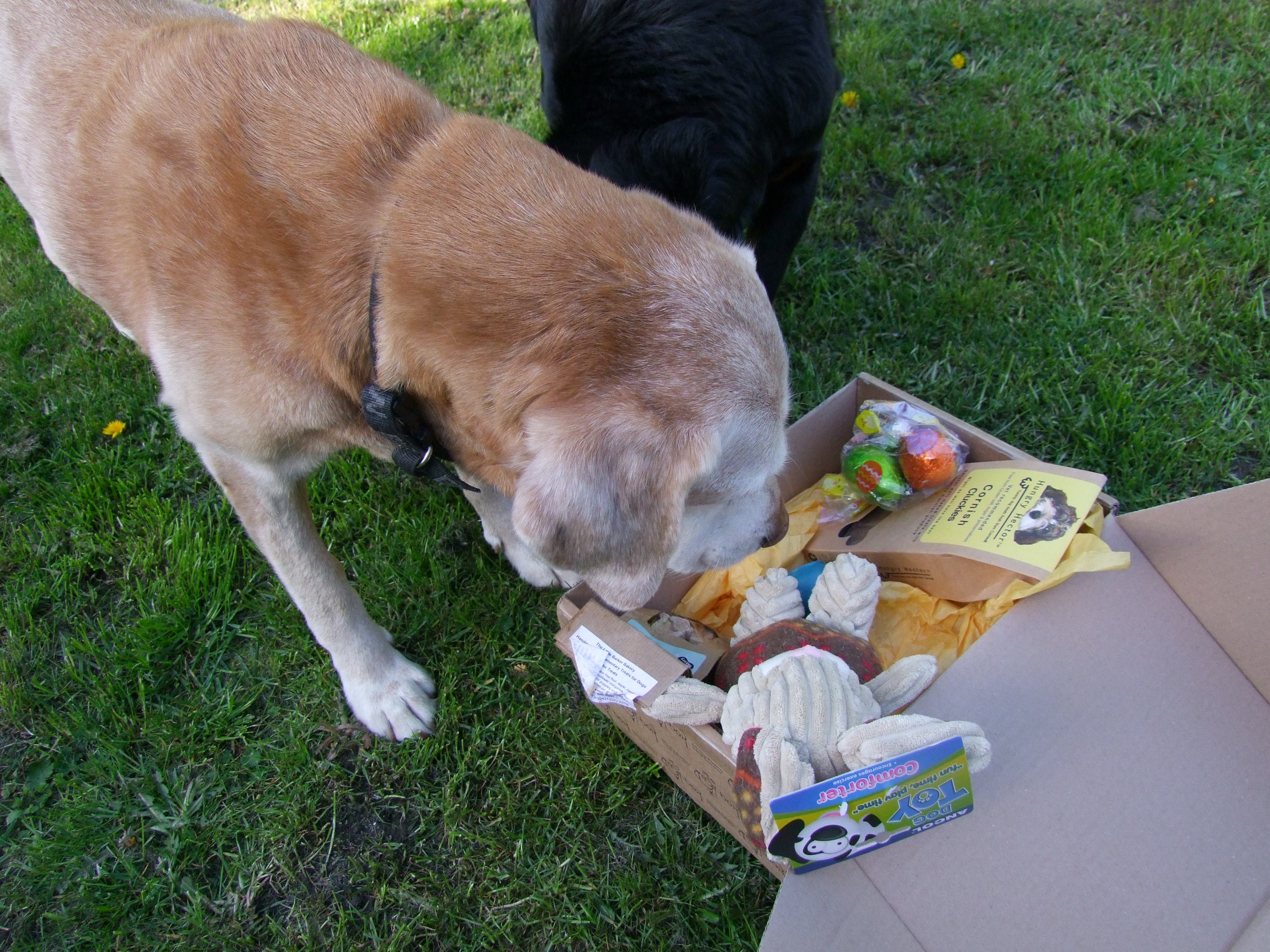
    The box also included:

    • An Ancol ‘Easter Bunny’ comforter toy
    • The ‘Doggee’ waste bag dispenser
    • Hungry Hector Cornish Cluckies yummy dog treats

    Chloe and Mia received the box for medium-large size dogs, a tailored version is available for smaller dogs. Delivery is free and prices are from ÂŁ17.99 per month, depending on your subscription period.

    Tailor your very own gift box, seasonal or otherwise, today at Woof-Box.co.uk and give your dog a monthly surprise they’re sure to love!

  • What You Think You Know About Pit Bulls is Probably Wrong

    What You Think You Know About Pit Bulls is Probably Wrong

    There can be little argument that the Pit Bull is the world’s most maligned, misrepresented and misunderstand dog.

    There is a hardcore of so-called Pit Bull haters who will all gladly tell you about their ability to ‘just turn at any moment’ or how their ‘locking jaw’ is ‘not like other dogs’.

    Pit Bulls, it’s fair to say, get a bad rap.

    One of the more common myths, one that it is often perpetuated by people who should know better, is that Pit Bulls rescued from those involved in illegal dog fighting can ‘never be rehabilitated’. The standard course of action, certainly in the UK, is to euathanise these dogs. They’ve had a life of misery, being forced to fight, then they are ‘rescued’ and routinely killed. Some rescue, eh?


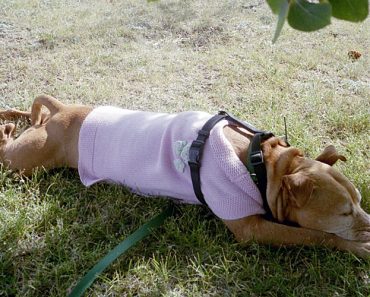
    image: Best Friends

    The dog you see above is known to her new family as Little Red.

    She’s a Pit Bull.

    For five years of her life she was used as a bait dog in the illegal dog fighting activities of US pro footballer Mike Vick.

    If you don’t know what a bait dog is, it’s a dog who’s sole purpose in life is to help train other dogs to attack. It is, very much, what it sounds like it is. Bait.

    Bait dogs often die or at the very least get seriously injured.

    Little Red now lives a serene life, surrounded by 6 acres of doggie heaven on earth where she lives with her new owner, Susan. She’s been given time to adjust to her new life, she is an adored pet who enjoys her treats and, one would assume, the joy of a life that no longer includes being the brunt of attacks by dogs set on her by a bloodthirsty sicko. Rehabilitation is a luxury not afforded to many victims of illegal dog fighting rings. That’s all the more sad when you see how happy Little Red is.

    Once celebrated as a great all-American pet, pit bull type dogs started getting a bad rap in the 1980s, largely due to misinformation, which spawned prejudice. Fast forward to today, and pit bulls are now the most abused, most maligned and most abandoned type of dog in the United States, with approximately 1,000,000 put to sleep in shelters yearly.

    Some Facts & Myths About Pit Bulls

    * Pit bulls are just dogs (a type of dog, not a breed).
    * They do not have locking jaws.
    * They do not bite differently than other large breeds.
    * They are not more aggressive than other breeds (source: American Temperament Test Society).

    Like all dogs, they feel pain, love, fear and joy. The media has played a large role in spreading erroneous information and creating hysteria about pit bulls: National Pit Bull Awareness Day is a chance to for the media to help set the record straight.

    National Pit Bull Awareness Day is the perfect opportunity to tell a positive story about America’s dog Pit bulls are the most abused, most euthanised, most maligned and most misunderstood type of dog in America and across much of the world today.

    The media has been a big part of this problem—sensationalizing negative pit bull stories, spreading myths and inciting hysteria. Now, you can also be part of the solution. October 22, 2011, is National Pit Bull Awareness Day.

    The organisers (and K9 Magazine is happy to join in) are asking you to take this opportunity to focus on the positive attributes of this all-American dog. Here are some story suggestions:
    Facts About Pit Bulls

    1. Pit bulls are therapy dogs, service dogs, search and rescue dogs and, most famously, loving family pets (including pets to many celebrities). Tell the story of one such everyday hero in your community. We’ll be happy to help provide contacts and leads.
    2. Highlight a National Pit Bull Awareness Day event going on in your community.

    3. Take the opportunity to dispel many of the common myths: Pit bulls do not have locking jaws, do night bite differently than other large breeds, do not “suddenly snap,” are not “bred to fight” (the vast majority are bred as pets, like any other dog), and they do feel pain. Like all prejudicial thinking, judging a dog simply by how it looks only leads to negative actions and reactions.

    Understanding that certain myths created about particular breeds can lead to innocent dogs losing their lives is something that, happily, many thousands of people have been able to grasp since the Worldwide web has been able to educate. However, there are still politicians who need to learn. Hopefully National Pit Bull Awareness day will have a positive impact on the minds of those who are happy to see certain dogs lose their lives having never done a single thing wrong.