Author: Jasmine Kleine

  • The State of Pedigree Dogs & Pedigree Dog Breeding

    The State of Pedigree Dogs & Pedigree Dog Breeding

    Pedigree dog breeding in the UK: a major welfare concern? by Dr Nicola Rooney and Dr David Sargan was published in 2009. It makes for very interesting, if not sobering reading.

    So, how are we doing in 2016 following the details of this report and the recommendations within it?

  • Is This Often Repeated ‘Fact’ About Basset Hounds Actually True?

    Is This Often Repeated ‘Fact’ About Basset Hounds Actually True?

    Look across the Worldwide Web and you’ll see many, many citations of this oft repeated ‘fact’.

    Basset Hounds can not swim.

    cesar-wrong

    Interesting.

    We wanted to investigate this. So we did. Our findings suggest that if this fact is true and that Basset Hounds really can’t swim, nobody seems to have told this one.

    Myth BUSTED!

    Basset Hounds can swim. You’ve seen it with your own eyes.

    Would you like us to bust any other dog myths? Let us know in the comments.

  • Who Does Your Dog Love More – You or Your Partner (Dare You Find Out)?

    Who Does Your Dog Love More – You or Your Partner (Dare You Find Out)?

    Now this is an experiment that’s not for the faint hearted.

    Who, out of you and your other half or you and your children/parents does the dog love more?

    A group of willing, brave volunteers set themselves up for joy/heartache by putting their dog’s affections to the ultimate test. Dare you even watch?

  • Why This Boxer Teaches us to NEVER Give up Hope

    Why This Boxer Teaches us to NEVER Give up Hope

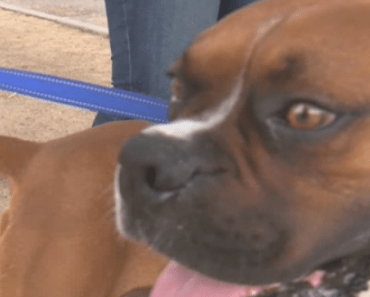
    We’ve all had times when we’ve wanted to give up. But the story of how Ozzie the Boxer was reunited with his family after being stolen six months earlier will lift your spirits and provide a valuable life lesson. There’s always hope.

    Ozzie disappeared his the family’s yard in January 2016. His anguished owner, Chris Sanchez, has been trying to find him ever since.

    “It’s like losing…I lost my child. That’s basically what it felt like. Raised him from basic one. I got on Craigslist, got on Facebook, got on everywhere that I could get on to try to see if someone had seen him”, Chris told ABC news.

    “Last week I prayed about it—said just Lord, do me a favour. If he’s safe where he’s at and he’s happy, then I’m okay with that. But if he’s not and he’s not happy or something’s wrong please, do me a favor and let him come back to me.”

    “My better half texted me and said, ‘Look at your Facebook,’ and I got on my Facebook and looked and I was like, that’s my dog and I was yelling like, I said, that’s my dog. That’s our family dog.That’s our dog.”

    According to ABC news:

    A group called Tucson Cause for Canines was searching for a different stray dog, just north of a sad stretch of land near the airport so notorious for abandoned animals it goes by the grim name of Dogpatch.

    Ozzie came running up and brought a friend—this female Boxer they’re calling Riley ’til they find her family and learn her real name.

    Mindy Lane from Tucson Cause for Canines is one of the people who found Ozzie and Riley.

    She says, “That’s always our number one priority is finding their home, finding the people who love them most and reuniting them so this is a really great story and a really great win for us.”

  • Love Island’s Cally Jane Beech Shows Her Animal Side

    Love Island’s Cally Jane Beech Shows Her Animal Side

    Have you ever watched a reality TV show and wondered what the stars are actually like at home? Cally Jane Beech shot to fame on Love Island, ITVs dating reality TV show set in the sunshine, last year but at home alongside her beau, businessman Luis Morrison (who she reconnected with on the show) family comes first.

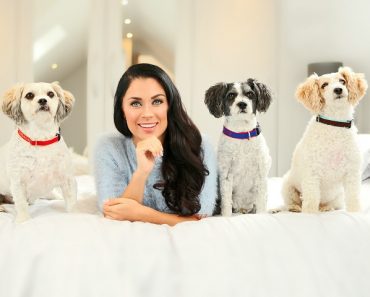
    Cally Jane Beech recently gave an exclusive to K9 Magazine where she showed her animal side and true loves, her three family dogs – Busta, Murphy and Alfie.

    In true K9 Magazine style Cally was asked some fun questions, including if her three boys had a motto. Here’s what she said:

    “(Laughs) I think there’s would be ‘eat, sleep and have fun’. They have a really good life with lots of love and our family home has lots of places, such as fields, for walking. They’re happy little dogs.

    I live my life on the basis of ‘love the people who love you’ and ‘make every day the best day’ so I think that’s what mine would be. I think the boys would echo the second one as well.”

    See more photos and read more of the exclusive interview online at: http://www.k9magazine.com/love-islands-cally-jane-beech-introduces-her-dogs-to-k9-magazine-talks-reality-tv/

    Cally will also be judging at The Mayhew Animal Home’s ‘Hounds On The Heath’ event this Sunday 10th July in London and will be a star judge at All Dogs Matter’s ‘Pup Idol’ event also in London on 16th July.

  • How Do Dogs Detect Diabetes in Humans? Now We Know!

    How Do Dogs Detect Diabetes in Humans? Now We Know!

    Scientists have made a signifcant breakthrough in understanding how dogs can detect low blood sugar levels in diabetic people. The insight could lead to many new medical innovations relating to illness detection and sensory based signalling.

    We all know how reliant dogs are on their noses over and above their eyes and this latest research has revealed how dogs see the world through their nose. Our canine pals can detect the very smallest smells when concentrations are as incredible as one part per trillion. This would be like asking a human if they could smell a teaspoon of sweetener in an area of water the same as two swimming pools.

    See how they do it. Dogs, will they ever stop amazing us with their talent for making human life better!

  • Brexit Uncertainty Having ‘Profound Effect’ on UK Vets

    Brexit Uncertainty Having ‘Profound Effect’ on UK Vets

    BVA urges UK governments to protect the status of vets and vet nurses in Brexit negotiations.

    Following the EU referendum (23 June), the British Veterinary Association (BVA) is urging UK governments to protect the status of EU veterinary surgeons and veterinary nurses who are currently living and working in the UK.

    https://i.imgur.com/NdplAuB.jpg

    Almost half of veterinary surgeons registering in the UK qualified from veterinary schools elsewhere in the EU, according to statistics from the Royal College of Veterinary Surgeons (RCVS). To highlight the impact of the referendum outcome on the veterinary professions, BVA has written to the Secretary of State, Liz Truss MP, and to Ministers in Scotland, Wales and Northern Ireland, requesting an early statement to the effect that non-British EU vets and vet nurses who are currently living, studying or working in the UK will continue to be able to do so in future. BVA is also seeking reassurance for UK veterinary professionals working and studying in other EU member states.

    BVA President Sean Wensley said:

    “It is not yet possible to comment on the reality of ‘Brexit’ since much will depend on forthcoming negotiations and the decisions that will be taken by the Government regarding, for example, whether or not to maintain existing EU legislation and rules. However, we recognise that these unanswered questions are having a profound impact on many of our members – particularly members who are non-British EU citizens, or have family members who are, and members who work alongside colleagues from other European Member States.”

    In the letters, Mr Wensley stated:

    “I am sure there are many significant issues that your Department needs to consider [and] given the profound personal impact that the uncertainty caused by the referendum outcome is having on some of our members, we wanted to contact you at the earliest opportunity. In the forthcoming negotiations about the future relationship between the UK and the EU, we strongly urge you to make the case for all EU citizens and EU-qualified veterinary surgeons and nurses to have ongoing rights to live, work and study in the UK.”

    In the letter to the Northern Ireland (NI) Minister of Agriculture, Environment and Rural Affairs Michelle McIlveen MLA, the BVA President and BVA NI Branch President Seamus O’Kane highlighted NI’s land border with EU member state the Republic of Ireland and called for the maintenance of the Common Travel Area to facilitate movement in an all-island context for both work and study purposes.

    Veterinary surgeons and veterinary nurses from other EU member states are invaluable members of practice teams across the UK and work across all areas of veterinary science, including the fields of animal health and welfare, animal disease surveillance, scientific research and education, wildlife conservation, and public health and food safety. Figures from the Veterinary Public Health Association (VPHA) estimate that over 90 per cent of vets in meat hygiene services are non-British EU citizens.

    Commenting on the potential impact of Brexit on veterinary surgeons working in the public health sector, VPHA President Lewis Grant said:

    “Due to the particular focus on public health in many European veterinary degree courses, EU vets make an enormous contribution to both public health and animal health and welfare in the UK – often behind closed doors, monitoring and protecting public health in Approved Premises as well as welfare at slaughter to ensure slaughterhouses meet the standards that are required by law and expected by the public. Without their input and expertise, it would be difficult to ensure that Statutory requirements within the food industry are complied with.”

    BVA is working with the RCVS and other bodies to discuss the implications of Brexit for the veterinary professions, and the key issues that should be raised in forthcoming discussions and negotiations. BVA members are being encouraged to share their feedback on BVA’s community forum under the dedicated ‘What do you think ‘Brexit’ could mean for the veterinary profession?’ discussion.

  • What Does Brexit Mean For Animal Welfare, Puppy Farming & Rescue?

    What Does Brexit Mean For Animal Welfare, Puppy Farming & Rescue?

    Britain has voted to leave the European Union.

    This post will not tackle the politics of that choice nor the claims and counter claims that lead to it. It will focus on what the future holds for animal welfare over the coming years based on the current landscape and the views of independent professionals.

    Today a survey by Bloomberg has stated that 71% of economists they spoke to have predicted that the United Kingdom is to enter a period of recession. How deep and how long that downturn lasts depends on who you speak to, but the overwhelming view is that Britain will face a coming recession. What we know for a fact is that the decision Britain made last week has wiped a record $3 TRILLION from financial markets.

    Due to the very recent nature of Britain’s last recession, all too sadly, there is readily available data on how that economic downturn affected Britain’s animal welfare system. The 2008 banking triggered recession lead to figures suggesting up to 20 dogs per day lost their lives as a direct result of that particular economic downturn and as many as 345 dogs each day were abandoned.

    Analysis shows that the 2008 banking collapse lead to


    Sadly, the last recession saw record numbers of animal welfare problems according to the Dogs Trust and other charities.

    Economists have been and remain overwhelmingly in agreement, as have politicians, that Britain is about to see a significant increase in the cost of living. That includes fuel, clothing and food.

    BMG research has predicted that the cost of food and weekly shopping, in particular, will rise ‘significantly’.

    The primary ingredients in commercially available pet foods are meat, fish and vegetables. The early predictions are that while British farm produce will be cheaper to buy overseas, it will be more expensive in Britain itself.

    Job losses are predicted.

    We must be braced for what happens now.

    Arguing about the politics of it all is now redundant. The overwhelming predictions of qualified experts, economists, employers and politicians is that we need to brace for stormy weather. If the 2008 financial crisis has taught us anything it’s that we should be better prepared for what happened to dogs in those difficult years. We need to ensure information is widely distributed about issues such as

    • Reducing the cost of dog ownership
    • The very real benefit of pet insurance (times may be tough, but nobody should have to give up a much loved dog if they happen to get ill or injured)
    • Vigilance on puppy farming. Puppy farming isn’t illegal but in the previous recession is was one of very few industries to experience a growth spurt. We must continue to inform people about the folly of buying puppy farmed dogs as they are more likely to suffer illness and potentially end up in the already overstretched animal welfare system.
    • Despite the political turmoil to come, we must ensure Govt of the day do not simply use it as an excuse to disregard import legislation on issues such as puppy farming, breed specific legislation and animal welfare issues in general
    • Volunteering to help animal welfare organisations. No matter what the economic climate, our animal welfare organisations can always benefit from a helping hand. As the last recession showed us all too clearly, when the economy is in a downturn it’s not just businesses who suffer a drop in funds. We might not have the spare cash to donate but we can offer our time
    • Continue to promote dogs in shelters who need new homes

    Post British exit from the EU, we must ensure UK animal welfare legislation becomes the leading voice in Europe.

    The Pet Industry Federation says:

    “While the decision to leave the EU will have a significant impact on the farming and veterinary communities, the welfare of pets is one of the least regulated areas of EU law, with laws covering pet welfare largely devolved to the member states. Legislation on animal cruelty is provided for by laws such as the Animal Welfare Act 2006. While the UK is likely to still be bound by World Trade Organisation (WTO) rules on imports and exports, there could be opportunities to prevent the import of animals (such as trade in puppies from the EU) if they represented a disease or welfare risk, along with implementing other laws on animal welfare which might be better than current EU standards.

    There is still much to be negotiated, politically. It would be wise of us to be ready to take heed of the independent voices (not politicians) who have predicted what the UK is about to face. We need to make sure we don’t forget the animals.

  • British Vets Issue Statement on the Outcome of the EU Referendum Warning of Impact on Industry

    British Vets Issue Statement on the Outcome of the EU Referendum Warning of Impact on Industry

    The outcome of today’s EU referendum has consequences far and wide for the veterinary and farming communities, including animal welfare, research and animal movements, such as rehoming.

    British veterinary organisation, the British Veterinary Association (BVA), has released the following statement on the decision to leave the EU on behalf of its president, Sean Wensley:

    “The UK’s decision to leave the European Union will have a significant impact on matters of interest to the veterinary profession, particularly in relation to regulation, education, and workforce planning, but also in terms of animal welfare, research, surveillance, and animal movements.

    “BVA will work hard to ensure the voice of the veterinary profession is heard during the negotiation and discussions that will now begin, in order to secure the best possible outcomes for our profession and for animal health and welfare in the UK. The Vet Futures report provides an excellent summary of issues we need to consider in those discussions, and the Vet Futures Action Plan, due to be launched at the Vet Futures Summit on 4 July, outlines key initiatives that we need to take forward, albeit with revised timelines while the full impact of Brexit is determined.

    “BVA will retain an outward looking and inclusive perspective through our relationships with international partners, including the Federation of Veterinarians for Europe (FVE), Commonwealth Veterinary Association (CVA) and World Veterinary Association (WVA) to ensure the UK veterinary profession continues to influence and engage on cross border issues such as disease surveillance, veterinary medicines and antimicrobial resistance.”


  • Be a Part of History in The Fight Against Breed Specific Legislation – Make Your Voice Heard

    Be a Part of History in The Fight Against Breed Specific Legislation – Make Your Voice Heard

    Hot on the heels of the news of the release of Stella, a pitbull-type dog, who was seized and locked up without exercise for two years, UK dog owners, campaigners and those who care are being asked to unite in a global day of protest against Breed Specific Law (BSL) on Saturday 16th of July 2016.

    Peaceful protests have been organised around the world for July 2016 – the Westminster event takes place on the 16th July at Old Palace Yard, Westminster, SW1P 3JY at 1pm to 5pm. Other UK events have been organised for Wales, Northern Ireland and the South West of England.

    Ontario, Quebec (which has had heightened debate about tighter regulations for pitbulls) and Winnipeg in Canada and Germany have planned anti-BSL events for the 16th July as part of the global anti-BSL movement.

    The London event is organised by DDA Watch and will mark 25 years of failed legislation – the UK introduced breed specific legislation in 1991 Act and campaigners say the law continues to cost millions of pounds in tax-payers money to enforce and does nothing to protect people nor dogs alike, neither does it promote responsible dog ownership.

    Thousands of pets continue to be put to death or deemed ‘dangerous’ based on their physical appearance, the law makes no sense and is long overdue for repeal.

    People are coming together, making a stand and speaking out in defence of ALL dogs regardless of what shape or size they happen to be.

    Leading animal welfare charities have disagreed with and openly discredited BSL for many years, outlining the fact that dogs cannot be labelled ‘dangerous’ for their looks alone and they have called for an end to this outdated legislation.

    Find out more about the London event on Facebook here – join in and make your voice count in the fight against this shameful law.

  • Recognition for Kat Thorburn Who Helped Smash Sick Puppy Farm Ring

    Recognition for Kat Thorburn Who Helped Smash Sick Puppy Farm Ring

    An undercover officer from the RSPCA has been presented with an award for her incredible work smashing a ring making £35,000 selling sick and dying puppies.

    For more than 100 years, the RSPCA Honours have been given to recognise people and organisations who’ve helped us in our goal to end cruelty, protect animals from abuse and further our knowledge of animal welfare.

    Inspector Kat Thorburn, part of the RSPCA’s special operations unit, was presented with the David Millard award for her work investigating a puppy ring in Greater Manchester which duped people into buying dogs which they claimed were home bred with pedigree papers.

    In fact thousands of puppies were bred by large scale breeders in Ireland and Eastern Europe and shipped to England for sale. Many of them were ill and some sadly died within hours or days of being bought by their new owners.

    RSPCA Chief Executive Jeremy Cooper said: “We are incredibly proud of Kat Thorburn and the team who pioneered a new way to investigate organised gangs of criminals who are making thousands of pounds trading in sick and dying puppies.

    “Thanks to the hard work, determination and tenacious attitude of Kat who drove this investigation we’ve sent a clear message out to irresponsible puppy traders that they will be held accountable.

    “Kat’s work has also helped us raise vital awareness of our campaign to #ScrapThePuppyTrade calling for tougher regulation around the selling of dogs which has been supported by more than 60,000 people.”

    Previous attempts to investigate had stalled because of the difficulty of proving the the dogs were suffering when they were in the hands of the sellers.

    So Inspector Thorburn took on the huge task of collating dozens of complaints, tracking down a large number people who had bought puppies and taking witness statements from them.

    The damning statements, together with surveillance of gang members provided enough suspicion for magistrates to grant a warrant allowing police and RSPCA Officers to raid premises linked to the puppy selling ring.

    The raids on several different properties revealed vital evidence of a very sophisticated organised fraud. The gang rented several houses so buyers thought they were getting a puppy bred in a loving family homes.

    If buyers asked to see the puppy’s mother they were told she was on a walk or at the vets. The gang had several of mobile phones labelled with different breeds of dogs so they knew what dogs to talk about if people rang in response to adverts.

    They faked glossy packs with bogus pedigree papers and other documents to fool unsuspecting buyers who thought they were dealing with a responsible breeder. They even gave out free insurance with each puppy along with veterinary first vaccination cards to try and give the puppies validity.

    Thanks to Inspector Thorburn’s thorough investigation and determination more than 180 puppies were seized from the gang and there were a series of court cases where members of the ring were jailed and banned from keeping animals.

    Kat said: “I sat in so many people’s front room while they were devastated and crying and telling me how they were tricked into buying sick and dying puppies.

    “These were not stupid, gullible members of the public. These were everyday normal people like you and I, including police officers, teachers, professional, hard working people who had been conned out of hundreds of pounds by an organised gang of criminals who had absolutely no regard for the puppies they were trading or the people they were selling them to.

    “This gang knew they were selling sick puppies, some of which had deadly diseases. Some of the diseases were zoonotic which means they can spread to their owners, but they just didn’t care. All they cared about was making as much money as possible.

    “These cases took over my entire workload for a long time as it was extremely time consuming. I was horrified by what we discovered, dead puppies in the footwell of a car, one in the boot of another, thrown in the wheeley bin like rubbish and even one dead puppy in a crate along with a live one standing over it.

    “I dread to think about the awful conditions the mothers of these puppies are being kept in somewhere, they are producing litter after litter of poor quality, unhealthy puppies which are carrying all of these highly contagious parasites, diseases and bacteria. Let alone the risk of other diseases such as rabies.

    “It had been very difficult for us to prosecute puppy dealers previously but this new approach has worked and can hopefully be used to tackle more of these unscrupulous dealers in future.”

    The David Millard award for special investigations is given in memory of the North of England’s regional superintendent who passed away in in September 2009, aged 61, after almost 37 years with the society.

    The RSPCA Honours ceremony was held on Saturday 18 June at The Law Society in London which was especially appropriate as 2016 marks the 10th anniversary of the Animal Welfare Act. Since it’s introduction the RSPCA has helped more than 150,000 cats and dogs.

    This year 19 people who had gone the extra mile for animals were awarded with RSPCA Honours including:

    Two men who saved a much-loved cat from a house fire

    A police officer who worked tirelessly to save 33 dogs from squalid conditions

    An American woman who has improved the lives of millions of farm animals with an assurance scheme

    An undercover RSPCA inspector who helped crack an illegal puppy selling ring making £35,000-a-week
  • 10 Ways to Keep Your Dog Cool During the Summer

    10 Ways to Keep Your Dog Cool During the Summer

    As the weather warms up, we often try to find new and fun ways to keep our dogs occupied and cool. Here are 10 top tips we think you should know about.

    Let us know how your dog keeps cool – comment below and share your own top tips with fellow dog owners!


  • Death Row Dog Finally Free After Spending Two Years Locked Up

    Death Row Dog Finally Free After Spending Two Years Locked Up

    A dog seized almost two years ago, who was given a destruction order and placed on death row in February, has today (22 June 2016) been granted a reprieve in Exeter Crown Court and has been rehomed in Devon as part of the agreement to secure her freedom.

    Stella, a pitbull-type dog, who has been refused exercise for nearly two years, was taken by police because of her breed and behaviour when officers seized her.

    Her new owner Carolyne Pharaoh, who is an experienced dog owner, will no doubt be doing her best to make up for Stella’s pretty appalling two years locked up as she settles into a secure life in her new home – a 27 acre farm.


    Photo Credit: Facebook/Wheldon Dog Law

    Announcing the news on Facebook, Wheldon Dog Law, experts in all things legal in the field of dogs, who have handled the case fighting to save Stella said:

    “We are thrilled to say that Stella’s appeal was successful today. The CPS agreed that Stella did not pose a risk to the public if she remained with her current keeper who has a vast amount of experience in handling dogs. Stella will remain living on a 27 acre farm in the beautiful Devon countryside with her adoring new keeper and family.

    Much respect to Stella’s owner Anthony Hastie who made the very difficult decision to give Stella up to give her the best possible chance. Grateful thanks also to Laura Khanlarian and Helen Godfrey for being brave enough to speak up about the conditions in which Stella was being kept, Claire Jones from the BBC for taking up Stella’s story and DDA Watch.

    As usual this case was a team effort between Tina Wagon, Harriet Snookes, Pam Rose, Ian McParland, Kendal Shepherd and Allie Green. What an awesome team.”

    We echo those sentiments and wish Stella all the best for the future on her farm.


  • Actress Kate Mara Speaks out About Yulin Dog Meat Festival Saying “We Must Use Our Voices to End This Nightmare”

    Actress Kate Mara Speaks out About Yulin Dog Meat Festival Saying “We Must Use Our Voices to End This Nightmare”

    Actress and dog lover Kate Mara is standing shoulder to shoulder with the millions of dog owners around the world who have spoken out about their disgust at the Yulin festival.

    As dog lovers, we know China’s dogs are relying on our voices to save their lives. We have joined together to spread the word on social media, signed petitions asking China to ban (which China’s embassy in the UK refused to accept), and taken part in protests refusing to accept that this barbaric event should still be a part of China’s modern history, yet the 2016 10-day event began yesterday (21st June). But we cannot lose hope, we have to continue.

    Speaking as part of a new campaign by the Animal Hope and Wellness Project and its founder Marc Ching, the actress has been joined by fellow actress Alicia Silverstone, Real Housewives’ star Lisa Vanderpump and actors Matt Damon, Joaquín Phoenix, who have banded together to fight against the Yulin dog meat festival.

    Ms Mara, whose own two dogs (pictured below) regularly feature on her social media, said, “I stand by Marc Ching and all his heroic efforts to put a stop to the Yulin dog meat festival. As human beings, it is our moral obligation to do everything in our power to stop this mindless abuse. We cannot stand by in silence. We must use our voices to end this nightmare.”


    Photo Credit: Twitter.com/katemara

    Watch the celebrities ask for your help in spreading the word to help stop this barbaric, cruel and needless event taking place.

    Share your support for the campaign using the hashtag is #thecompassionproject, you can tweet your support, and you can follow the cause on Facebook.com/animalhopeandwellness


  • A Company is Claiming These are the 10 Most Destructive Dog Breeds

    A Company is Claiming These are the 10 Most Destructive Dog Breeds

    A study has claimed to have discovered which dog breeds are the most (and least) destructive in the UK. The survey results have listed the breeds most likely to cause household destruction alongside a table of the so-called least destructive breeds.

    The firm responsible for the study says:

    Did you know that despite being one of the smallest dogs, the Chihuahua causes an average of £866 worth of damage over its lifetime by ripping or staining carpets, scratching or chewing sofas and digging up plants and flowerbeds? Another fur ball of destruction is the Dachshund, with owners of the cute ‘sausage’ dog facing a bill of £810 to repair or clean up after their pet’s destruction.

    https://i.imgur.com/vdOLB0K.jpg

    The research study, conducted by the online comparison site PayingTooMuch.com, found that some people face an even higher bill, with many also admitting their pet has caused damage to other people’s property and have been involved in, or caused an accident.

    Michael Ward, Managing Director of PayingTooMuch.com, said “When you add up the total amount spent on cleaning, repairing and replacing, pet damage can cost a fortune. Worryingly, there are a large number of people who don’t have insurance to cover the costs – whether that’s contents cover for your home, or pet insurance to cover the cost of vets bills or damage to other people’s property.”

    It’s not all doom and gloom. There are some breeds that are a little more placid, and respectful! At the other end of the scale, Staffordshire Bull Terriers cause the least amount of damage with a total bill of just £178.

    So if you’re thinking of buying a dog, you should do your research. Here’s a list of the top 10 most destructive and least destructive dogs.

    TOP TEN MOST DESTRUCTIVE DOGS
    1. Chihuahua – £865.99
    2. Dachshund – £810.39
    3. Boxer – £784.12
    4. Dalmatian – £775.22
    5. Bulldog – £749.19
    6. Great Dane – £691.50
    7. Husky – £671.37
    8. Beagle – £608.80
    9. Pointer – £601.22
    10. German Shepherd – £561.92

    TOP TEN LEAST DESTRUCTIVE DOGS
    1. Staffordshire Bull terrier – £178.21
    2. West highland white terrier – £182.61
    3. Yorkshire terrier – £226.97
    4. Spaniel – £230.25
    5. Whippet – £251.02
    6. Shih Tzu – £277.98
    7. Labrador – £280.59
    8. Jack Russell – £318.94
    9. Rottweiler – £346.88
    10. Sheepdog – £347.60