Blog

  • This Is Probably In Your House & At Least One Dog Has Died From Exposure To It

    This Is Probably In Your House & At Least One Dog Has Died From Exposure To It

    Vet charity PDSA has warned that a simple ‘spring clean’ could be fatal to pets after revealing one animal has died and several others have suffered serious injury from exposure to cleaning products.

    In one particularly harrowing case, the charity said its vets had to euthanize a dog after they were exposed to laundry detergent which caused severe caustic burns to their paws, legs and mouth. Other cases in the past 12 months include a cat that was left foaming at the mouth after he licked a floor that had just been treated with disinfectant and a dog who suffered chemical burns to his scrotum after coming into contact with a cleaning product on the floor.
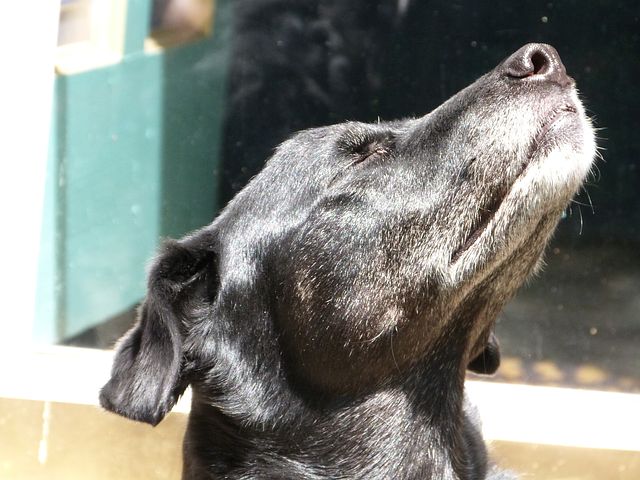
    PDSA also dealt with a number of emergency incidents where pets had been poisoned by either ingesting or coming into contact with bleach.

    Rebecca Ashman, PDSA vet, said: “With many households doing their spring cleaning, it’s important to ensure products are safe to use around pets.

    “Millions of us use bleach, oven cleaner, dishwasher tablets and laundry detergents all the time in the home but we need to realise how dangerous they can be to our pets.

    “Products such as bleach and detergents are highly corrosive and cause permanent and even life-threatening damage to a pet’s skin or insides if swallowed.

    “Some pets will naturally explore or chew boxes and containers, so it’s really important to keep cleaning products safely locked away. Also, if you’re cleaning floors or other areas pets use, please keep them out of harm’s way and rinse the areas after cleaning. Using products at the correct dilution also helps to ensure pets don’t come into contact with concentrated chemicals.”

    Rebecca added that it was vital for owners to seek emergency veterinary treatment straight away if they suspect their pet has come into contact with anything corrosive or poisonous.

    She said: “It’s important to seek veterinary advice urgently. Don’t try to make your pet sick as this can sometimes cause further harm.

    “In an emergency situation it’s also useful to let the vet know as much as possible about the offending substance, so they can give the appropriate treatment. So always keep the packaging and take it with you if you need to go to the vet”

    Bootsie The Cat Shouldn’t Have Drunk That

    Tabby cat Bootsie was rushed to PDSA Leicester Pet Hospital after drinking bleach from his owner’s toilet.

    The chemical caused severe ulceration to his throat and he was poorly and unable to eat, so he required tube-feeding for several days while his burns healed.

    Bootsie’s owner, Sophie McDowall, 24, from Northfields, Leicester, said: “I bleached the toilet and bathroom and hadn’t thought anything more about it. However, in the morning I woke to find Bootsie lying lifeless on his blanket with his tongue sticking out, dribbling everywhere and making a very strange noise.

    “I called PDSA and they told me to bring him straight down. He was kept in at the hospital and I was so worried about him, it was heart-breaking.”

    Bootsie had ulcers in his mouth and vets carried out tests to rule out other conditions before giving intensive treatment for his exposure to bleach.

    The three-year-old pet was kept in hospital for several days until he was well enough to return home on painkillers.

    Sophie added: “I can’t thank PDSA enough for the treatment Bootsie received. I’m now much more careful when cleaning the bathroom and ensure the lid to the toilet is always closed and the door kept shut to avoid anything like this happening again.”

    PDSA vet Rebecca said Bootsie had been lucky and warned pet owners to be extra careful when using cleaning products.

    She said: “Thankfully he didn’t have any permanent effects from drinking bleach but he is among the lucky ones, as it could have been much worse.

    “Bootsie received emergency care through our A&E service, which has received a fantastic funding boost from players of People’s Postcode Lottery.

    “We really want to try and prevent pets coming into contact with everyday household cleaning products and want to raise awareness of the possible dangers.”

    Symptoms of exposure to toxic chemicals or substances in pets include:-

    Ulcerated or irritated skin including inside the mouth

    Vomiting or coughing

    Lethargy and collapse

    Difficulty eating and excessive salivation/foaming at the mouth

    Pawing at the mouth

    For more information about how to keep your pet safe, please visit www.pdsa.org.uk/poisons
  • Probiotics for Dogs – The Definitive Guide You Need to Read

    Probiotics for Dogs – The Definitive Guide You Need to Read

    Probiotics for dogs offer many of the same benefits as probiotics for people. Did you know that? I ask because lots of people use probiotics in their own daily health routines but they just plain don’t think the same benefits could be passed on to dogs. Well, wahey! They can.

    So if probiotics for dogs provide many of the same health and digestion benefits for our canine chums as ourselves, you’re probably keen to find out precisely what those health and digestion benefits actually are, right?

    Here’s a taster of some of the benefits of probiotics in your dog’s daily health routine:

    Because of their growing popularity with people, it has been known for some time how probiotics help with the immune system, gastrointestinal issues and allergies, but as more and more research is done, other potential benefits of these types of supplements are being discovered.

    There are now multiple scientific studies going on to find out more about additional ways probiotics work.

    "There’s evidence and ongoing exploration into the benefits related to urinary health, chronic fatigue, arthritis, thyroid imbalances, atopic diseases, oral health, anxiety, obesity – it is an ever-increasing list. Although much of the research has been specifically related to human health, it is not unreasonable to assume that it will not provide similar health benefits to our pets."

    If you’re truly interested in the full range of info about the benefits of probiotics for dogs, you really, really will enjoy K9 Magazine’s guide which we think is THE definitive guide to the topic.

    See more – Probiotics for Dogs: The Things You Need to Know

  • If Your Dog Is Prescribed Drugs, It’s OK To Ask These Questions
    If Your Dog Is Prescribed Drugs, It’s OK To Ask These Questions
    We take our dog to the vet. There is something wrong. We come home. We have a box of pills, we give them as instructed. How many of us actually question just what it is, exactly, that we’re putting in to our dog’s system? Vets are a busy bunch. They’re smart and you should definitely listen to what they have to say. But it’s also totally fine to ask them what it is they’re advising us to give to our dogs.
    “Just as you would talk to your doctor about a medicine prescribed for you or your children, you should talk to your veterinarian about your pet’s medications,” says Bernadette Dunham, D.V.M., Ph.D.

    Here are 10 questions you should ask your vet when medication is prescribed.

    1. Why has my pet been prescribed this medication and how long do I need to give it?

    Your veterinarian can tell you what the medication is expected to do for your pet and how many days to give it.
    2. How do I give the medication to my pet? Should it be given with food?

    Your pet may have fewer side effects, like an upset stomach, from some drugs if they are taken with food. Other medications are best to give on an empty stomach.
    3. How often should the medication be given and how much should I give each time? If it is a liquid, should I shake it first?

    Giving the right dose at the right time of the day will help your pet get better more quickly.
    4. How do I store the medication?

    Some medications should be stored in a cool, dry place. Others may require refrigeration.

    5. What should I do if my pet vomits or spits out the medication?

    Your veterinarian may want to hear from you if your pet vomits. You may be told to stop giving the drug or to switch your pet to another drug.

    6. If I forget to give the medication, should I give it as soon as I remember or wait until the next scheduled dose? What if I accidentally give too much?

    Giving your pet too much of certain medications can cause serious side effects. You’ll want to know if giving too much is a cause for concern and a trip to the animal emergency room.

    7. Should I finish giving all of the medication, even if my pet seems to be back to normal?

    Some medications, such as antibiotics, should be given for a certain length of time, even if your pet is feeling better.

    8. Could this medication interact with other medications my pet is taking?

    Always tell your veterinarian what other medications your pet is taking, including prescription medications, over-the-counter medicines, and herbs or other dietary supplements. You may want to write these down and take the list with you to the vet’s office.

    9. What reactions should I watch for, and what should I do if I see any side effects?

    Your veterinarian can tell you if a reaction is normal or if it signals a serious problem. You may be asked to call your vet immediately if certain side effects occur.

  • Today Marks One Year Anniversary for Dog Seized on Suspicion of Being Banned Breed

    Today Marks One Year Anniversary for Dog Seized on Suspicion of Being Banned Breed

    Today (Thursday 20th April 2017) marks the one year anniversary for a dog who was seized last year on suspicion of being a banned breed based on her appearance.

    The four-year old cross-breed dog named Sky was seized after she was abandoned in kennels by her owner who it was later found had emigrated to Australia and she has not been allowed to see anyone since she was seized.

    Although police are said to have confirmed verbally to Sky’s solicitor that she is doing ‘okay’ in kennels, she has spent a year of her life alone and without anyone with any connection to her past.


    Photos all taken before she was seized

    K9 Magazine recently spoke with the organisation attempting to save Sky’s life and free her from police custody, DDA Watch told the magazine, “Sky had previously been registered (exempted via court order) on the Index of Exempted Dogs some time ago.

    The Index of Exempted Dogs is a list of dogs who are deemed to be a banned breed, or ‘type’, but the court think the dog is not a danger to the public and allow the dog’s owner to register their dog and adhere to restrictions and guidelines in order to keep and save the dog’s life.

    DDA Watch continued, “In 2015 her owner had placed Sky in kennels and did not return for her. This was when it was discovered he had moved to Australia and the kennels took care of Sky before she was seized by police under Breed Specific Legislation.

    “The police then applied to the court for a destruction order which the magistrates’ court granted. Sky initially had no legal representation. Since then DDA Watch have agreed to fund her case and Wheldon Law was instructed to act on her behalf and an appeal was then lodged.”

    Eleanor McCann, daughter of Barbara (who was granted keepership of Sky) told K9 Magazine that Sky will be their family dog after they fell in love with her during her time when she was abandoned at the boarding kennels before being seized.

    On Sky’s uncertain future, she told us, “The next hearing will hopefully be in June at the High Court but there is no decision pending that will mean Sky will be free soon, this will be decided by the High Court. This will be the final decision of whether Sky, a dog who has never done anything wrong in her life, will live or die.”

    She continued, “We have not been able to see Sky since she was seized. We have not even received a photo and we would love to see one of her. Nobody that we know has been allowed to see Sky since she was taken away.

    “DDA Watch and Wheldon Law have been amazing. Without their support, I don’t know where we would be. We are asking anyone who can help us to get in touch.

    “The whole process will cost thousands and we are fundraising very hard to raise this in order to save Sky’s life. DDA Watch and ourselves are selling ‘Save Sky’ wrist band they are only £2.00 each including a pretty organza gift bag, plus £0.76p postage (for up to 4 wristbands in one envelope). If you would like to purchase one or more wristbands, please send your payment via PayPal to: ddawatch@gmail.com stating how many wristbands you would like and please mark your payment ‘Sky Wristband’.”

    Read more about Sky’s story, the petition to save her life here >> http://www.k9magazine.com/this-dogs-owner-put-her-in-kennels-left-the-country-so-the-police-seized-her/

  • Do You Know Which Human Foods Are Bad for Dogs?

    Do You Know Which Human Foods Are Bad for Dogs?

    New research out today has revealed that seven in 10 dog owners have admitted to feeding their dogs leftovers. With almost a quarter admitting to feeding their dogs from their own plates daily, experts are concerned that more dogs could be poisoned by potentially toxic human foods.

    The findings, which have been released by Direct Line Pet Insurance highlight a potentially worrying trend that dog owners don’t always know what impact certain foods could have on their dog’s health.

    For example, three in 10 dog owners have admitted to giving their dogs dairy-based products like cheese and milk.

    Why it’s dangerous? When consumed, dairy products could leave dogs experiencing acute intestinal distress such as gas, diarrhoea or vomiting.

    In the wake of Easter, nearly one in ten owners admitted to still feeding their dogs chocolate which contains theobromine, a toxic component.

    Why it’s dangerous? Chocolate takes dogs much longer to digest allowing the theobromine to build up to toxic levels which in some cases can prove to be fatal.

    While a third of dog owners have also admitted to feeding their dogs bones from joints of meat.

    Why it’s dangerous? Feeding cooked bones can cause injury to dogs as they become brittle and can splinter inside the dog’s digestive track, damaging important internal organs.

    Sarah Page-Jones, Chief Veterinary Officer at PawSquad commented on the pet insurers findings saying, “Owners should think twice the next time they’re thinking of feeding their pets human food, as what seems to be a nice tasty treat could inadvertently poison their pet.”

    In the worst cases of animals digesting human foods, owners could end up paying over a thousand pounds for treatment. The data showed that one in ten owners that had taken their dog for treatment due to eating human food, having paid between £300 to over a £1000.

    Madeline Pike, veterinary nurse at Direct Line Pet Insurance, says: “Responsible pet owners should acknowledge the importance of providing a healthy diet to their dogs. In the case of a dog digesting harmful human food, it is important to have insurance cover to make sure you can treat your pet without being out of pocket.”

    If you are determined to give your dog some human food, there are some options available that are healthy when given in moderation.

    Here are 5 you should know about, according to K9 Magazine.

  • Puppy Farmer Who Profited From Misery of Dogs is Sent to Jail

    Puppy Farmer Who Profited From Misery of Dogs is Sent to Jail

    A man has been jailed after admitting a number of animal welfare and fraud offences relating to the selling of dogs, in Staffordshire.

    Jamie Parvizi (DoB: 05/06/79) of Stone Chair Lane, Scholar Green – on the border of North Staffordshire and Cheshire – appeared at Warrington Crown Court on Wednesday (12 April) where he was sentenced to 33 months in prison.

    He had previously admitted 13 fraud offences – for making false representations as to the condition and breeding of puppies – and eight animal welfare offences.

    Parvizi was also disqualified from keeping animals for life by the judge, who said he had sentenced with the “financial and emotional harm” to the victims in mind. He described the case as one of “sophisticated fraud”.

    The RSPCA launched an investigation into the sale of puppies in Staffordshire in 2014 after receiving a number of reports and complaints from people who had bought dogs that had then fallen ill.

    https://i.imgur.com/zI6mRrO.jpg

    The animal welfare charity’s officers assisted police with a warrant at a property in Scholar Green on 9 April 2014, followed by a second warrant on 23 July 2015.

    RSPCA inspector Jayne Bashford, who led the investigation, said: “We received a flurry of calls about puppies being sold which were falling ill or, sadly, even dying.

    “From our early enquiries we established that lots of money was exchanging hands and people who were unknowingly buying sick dogs were stuck with huge vet bills.

    “The investigation led us to Parvizi’s property in Scholar Green and when we went in with police we rescued 10 Pomeranians from the address.

    “We found two adults – a male and a female – shut in a downstairs toilet and a number of puppies were being kept in the house. Some were being kept in purpose-built pods in the garden and some smaller, young pups were inside.

    “One of the puppies was collapsed and was severely lethargic, and some of the others were in poor condition with discharge from the eyes and nose.”

    Vets checked over all of the dogs, many of which were in poor condition and some of which were poorly, before they were seized by police and placed into RSPCA care.

    “We do not believe Parvizi was breeding these dogs himself but was importing from abroad and then selling the pups on,” inspector Bashford added.

    “The adult dogs may well have been there so they could be passed off as the parents.

    “We are seeing more and more cases whereby dealers and sellers are going to great lengths in order to convince prospective buyers that the puppies have been home-bred and well looked after, and to dupe them out of their money.

    “That’s why Parvizi has been charged with fraud offences as well as animal welfare offences.”

    While all the dogs seized from the property on the day were Pomeranians, other reports to the RSPCA about the address related to other toy and small breeds such as Maltese and Yorkshire terriers.

    Puppies were being kept in purpose-built pods with UPVC doors, heat lamps and sawdust on the ground. The three pods were built outside in the garden of the property.

    Gareth Warton, from Wales, bought his wife, Leah, a teacup Pomeranian for Christmas in 2014. But on Boxing Day she fell ill and, after days of treatment by vets and no improvement the couple made the heartbreaking decision to have her put to sleep.

    They contacted Parvizi who offered them a replacement pup, called Ben (pictured).

    Leah said: “We believed what happened to Lady could only happen once, but we were very wrong.

    “Within four weeks, we had lost two little puppies, we were devastated and we were also £2,000 out of pocket having paid for costly veterinary care over the holiday period.”

    Natasha Langmaid, also from Wales, bought her puppy, Bailey, in March 2014 for £650 from Parvizi’s home. Within days the tiny dog had fallen ill and need intensive treatment at a veterinary surgery.

    To date, he’s needed around £7,000 in veterinary treatment which, thankfully, has been covered by insurance.

    She said: “I have to remember I am one of the lucky ones who bought from these awful people because my fur-baby pulled through. Some others weren’t so lucky.”

    The 10 puppies which were seized by police were taken in by RSPCA centres and placed into foster care. They can now go off to their new homes.

  • Vets Say ‘Watch out for Ticks as Weather Heats up This Easter’

    Vets Say ‘Watch out for Ticks as Weather Heats up This Easter’

    Vets are urging dog owners to remain vigilant for ticks hot on the heels of predictions for a warm bank holiday weekend across the UK.

    For many dog owners who will enjoy extra days of work during the forthcoming bank holidays, the warmer weather will mean more options to spend time outdoors with dogs and so vets are warning that this could mean more dogs are at risk of ticks, who thrive in warmer conditions.

    Recent climate data shows spring is getting warmer, with the Met Office commenting: “It is clear that over the last ten years spring in the UK has been warmer than average, which has the potential to shift the habits of certain species. The 30-year average of UK mean spring temperatures has risen by one degree to 8.1C, compared to just 7.1C recorded between 1961 and 1990.”

    As we experience warmer and more humid weather, new types of tick have made their way to the UK from the Mediterranean basin.

    The Dermacentor reticulatus tick which is now found in the UK is capable of transmitting the potentially fatal disease, babesiosis, to dogs. Although this disease is extremely rare in the UK, the favourable spring climate will allow all ticks to start feeding earlier and for longer throughout the year, causing irritation and discomfort to our pets if allowed to bite. The potential increase in tick activity may also lead to a greater risk from more established diseases, such as Lyme disease, which can also affect humans.

    Jenny Helm, a veterinary clinician from the University of Glasgow comments: “Easter time is perfect parasite season. Tick bites are painful, irritating and can cause anxiety as well as distress to our pets. It’s important for pet owners to be aware tick bites can lead to other more harmful problems such as anaemia especially in young dogs, it’s important to speak to your vet about tick repellents.”

    Ticks do not jump or fly, but wait until an animal or person brushes past to climb on and then they fix themselves into the skin of their host with their drill-like mouthparts. They can be found living in long grassy areas, where dogs are likely to venture on walks or in parks. There are a number of preventatives available, however not all will repel ticks before they have the chance to bite.

    According to a recent survey by Bayer Animal Health 42% of UK pet owners consider tick-borne diseases a serious risk to dogs, with 60% reporting their pets have had a parasite or parasite-related disease problem in the past. Parasitic diseases have risen to become a prominent threat to UK dogs, these include the potentially fatal lungworm parasite, spread by slugs and snails, which has been confirmed as endemic throughout much of the UK.

    Pet owners concerned about the risk to their pet are advised to speak to their vet who will advise on the appropriate tick protection. For more information about tick bites, visit the It’s a jungle out there Facebook page – www.facebook.com/jungleforpets

  • Taiwan Becomes First Country in Asia to Make It Illegal to Consume Dog & Cat Meat

    Taiwan Becomes First Country in Asia to Make It Illegal to Consume Dog & Cat Meat

    As part of an overhaul of its animal welfare legislation, Taiwan has become the first Asian country to pass legislation to ban the consumption of dog and cat meat. The amendment still needs to be signed by the country’s animal loving president but could be law by the end of April.

    Under Taiwan’s new legislation, hefty fines of between NT$50,000 (£1,300) and NT$250,000 (£6,500) will be issued to those who don’t abide by the amended Animal Protection Act and repeat offenders could also be publicly named and shamed under the law and face up to five years in jail.

    Those who are charged with animal cruelty or slaughter will face up to two years in prison and fines of up to NT$2m dollars (£52,000).

    In addition to changes to the Act around the trade, legislation was also passed to make it illegal to walk a pet while riding a scooter or driving a car.

    Taiwan’s president, Tsai Ing-wen, is an animal lover was regularly spotted with her two cats during her campaign drive.

    She also adopted three retired guide dogs last year so it is perhaps no surprise that she has taken such a tough, and much deserved, stance on animal welfare as Asia continues to come under fire from animal lovers around the world for cultural ties to the dog and cat meat trade.


    Photo Credit: Facebook.com/tsaiingwen

    Demonstrating that the President’s views on animals are echoed largely across the country, one of the commenters on her Facebook photo said, “The President has a heart of love, retired guided dogs to protect the blind, and they should treat them well and make them happy and enjoy their twilight years. How a country treats animals will be treated with the people. It is a civilized country for the kind of animal-friendly.”

  • It’s Time to Show Just How Team Dog You Are

    It’s Time to Show Just How Team Dog You Are

    A new study has proven that dogs love humans more than cats, and let’s be honest we’re not going to disagree with that – although any self-respecting cat owner might! Dogs vs Cats is an established, long-running feud between a passionate set of owners, who equally claim their pet is the better companion.

    However, the one thing all owners would admit to is that their pet (*coughs* dogs) is the perfect partner.

    To settle the debate once and for all a new competition has been launched online by Drontal and Advantage where pet owners are being asked to enter their dog in the Team Dog Vs Team Cat competition and you could win £500!

    The three-month competition (ending 9th of June) will be hosted on the Drontal and Advantage Facebook page; www.facebook.com/DrontalUK, where dog and cat owners will battle it out to determine who really is the perfect pet partner.

    To enter, all you have to do is submit a photo of you with your dog or cat with a declaration of whether you are Team Dog or Team Cat. All photos will be accumulated and the team (dog or cat) with the most entries will reign victorious. On top of that a lucky entrant from the winning team will win £500.

    Judges from K9 Magazine and Total Cat magazine will choose the overall winner based on the image that communicates a perfect representation of the inseparable partnership. For those who don’t win, there is still an extra chance to claim £500 through a live public vote on the best picture.

    Kata Berta, senior product manager at Bayer Animal Health, comments: “The competition was inspired by the love and devotion shown by pet owners across the UK. It encourages a healthy competitive spirit between dog and cat owners to find out which pet really is the perfect partner. An inseparable relationship is ensuring your pet is happy and healthy and naturally, keeping your pet free and protected from parasites is critical in the health and happiness of the pet.“

    This Drontal and Advantage campaign brings together two parasite protection products to showcase the inseparable bond between pet and owner, and establish worm and flea prevention as an important ‘partnership regime’. For more than 20 years, Drontal has been a leading and trusted animal health worming brand that kills every type of intestinal worm commonly found in UK cats and dogs. Advantage is a fast and effective spot-on treatment for fleas.

    To help keep pets at their best, owners should worm them at least every three months and apply flea treatment every month. To find out more information about Drontal and Advantage, please visit the website www.drontalandadvantage.co.uk

  • Dramatic Rescue at Sea for Dalmatian Who Survived 100ft Cliff Fall

    Dramatic Rescue at Sea for Dalmatian Who Survived 100ft Cliff Fall

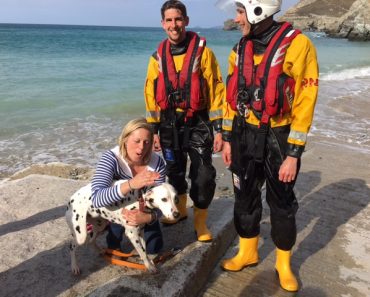
    A Dalmatian named has been saved at sea by lifeboat volunteers in St Agnes after falling from a 100ft cliff in Cornwall.


    Photo Credit: Tom Kay

    The dog, named Cara, survived the fall but became trapped on the cliff edge and had to be rescued by boat after she was spotted by the captain of a volunteer watch run by the local Surf Lifesaving Club.

    Captain of the club Joel Henthorn was first on scene and reported that Cara was quite distressed running around the bottom of the cliffs.


    Photo Credit: Tom Kay

    Cara escaped the incident with only a slight injury and RNLI St Agnes captured the moment she leapt out of the lifeboat when they reached the beach – and into the arms of her owners!


    Photo Credit: Tom Kay

    Speaking to CornwallLive, Mr Forehead of St Agnes RNLI said: “The St Agnes Surf Lifesaving Club is currently doing a great volunteer watch scheme. It’s taking place over the Easter break and means that volunteers are on patrol and keeping a look out when the RNLI Lifeguards aren’t there.”

  • Sick Puppies Abandoned and Left for Dead in North London

    Sick Puppies Abandoned and Left for Dead in North London

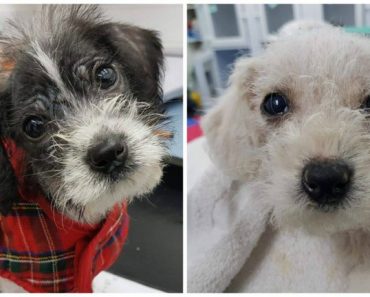
    Two five-week-old terrier brothers were brought into a London rescue centre after they were cruelly dumped in a box and left for dead in Gladstone Park in North London.

    The little puppies, now named Rascal and Toby, were discovered abandoned and freezing by a member of the public who called The Mayhew Animal Home. An officer from the rescue went straight to the park to find them and rushed them to the rescue’s veterinary team to receive urgent care.

    The puppies fought for their lives and the rescue’s head vet, Dr. Ursula Goetz says, “It was clear that Rascal and Toby were very sick and they had to be kept in isolation and away from other dogs. They were both suffering from mange, a parasite living inside a dog’s skin, which usually affects dogs with a weakened immune system.

    “We also suspected that they could have Parvovirus, a highly contagious viral disease that often affects unvaccinated dogs and can be deadly, which is why it is always highly recommended to keep your dog’s vaccination up to date. Thankfully, in this case, Parvo was not confirmed.”

    Despite best efforts, Toby sadly didn’t survive the night but his brother, Rascal did.

    Dr. Goetz continued: “Young animals are like babies and need warmth, care and regular food otherwise they will deteriorate quickly and in Toby’s case, unfortunately all help came too late. Because they had been taken from their mum at such an early age, they didn’t have the chance to thrive and grow healthily. That is why it is so important to seek veterinary care straight away, especially with young animals.”

    Thankfully, after receiving further treatment and plenty more TLC, Rascal (pictured now below, right) started showing signs of improvement and after ten days of intensive care he was able to leave the isolation unit. Soon the little puppy was living up to his name and started showing off his personality. He has also now found a home.

    The rescue centre say, “It is most likely that Rascal and Toby were bred in order to sell, but when they showed signs of ill health were callously dumped in the park to fend for themselves. The Mayhew is a member of The Pet Advertising Advisory Group (PAAG), which raises public awareness of the responsibilities to be taken into consideration when purchasing pets online or via advertising, and encourages thorough research before taking on a pet.”

    As well as promoting preventative veterinary care and the Animal Welfare Act’s Five Welfare Needs, The Mayhew’s Animal Welfare Officers discourage the selling of animals in pet shops, and educate pet shop owners on the issues that animal welfare organisations like ours see on a daily basis.

    If you would like to find out more about Rascal or the rescue’s campaign to fundraise for his care, visit www.themayhew.org

  • British Comedian Receives Award for Giving Voice to Animals Around the World

    British Comedian Receives Award for Giving Voice to Animals Around the World

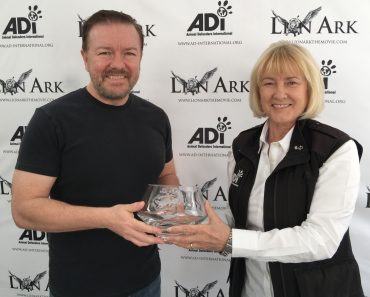
    British comedian Ricky Gervais has been given an award for using his profile to draw attention to animal welfare issues around the globe. It’s not his first award, and it won’t be his last we’re sure, but it’s one we’re certain will take pride of place for the animal lover.

    Speaking about being given the award from Animal Defenders International (ADI) Ricky Gervais said, “I am honoured to receive the Lord Houghton Award for a cause so close to my heart. The suffering of animals absolutely sickens me and I will continue to speak out and support the sterling work of organisations like Animal Defenders International.”

    The comedian, writer and producer, who has over 12 million twitter followers is an outspoken advocate on several animal issues including puppy farming, trophy hunting, dog torture and animal experiments and has been a supporter of ADI for many years.

    He was one of the first to show support for their ‘Stop Circus Suffering’ campaign saying of the violence inflicted upon Anne the elephant at Bobby Roberts Super Circus in 2011 that it “graphically displays why the government should ban wild animals in circuses” Ricky said, continuing “I am appalled that wild animals are still kept in circuses and fully support the call for a ban. It is high time that government got on and implemented one.” ADI’s evidence led to a government commitment to ban and a cruelty conviction for Anne’s owner – yet five years later, the government’s bill has still not been presented to Parliament.


    ADI President Jan Creamer said: “Ricky Gervais is an outstanding and outspoken campaigner for animals who has raised animal protection issues with new and growing audiences. This award is in recognition of the longstanding and passionate role Ricky plays in giving animals a loud and powerful voice.”


  • Dog Who Dug His Way Into a Sticky Situation Rescued by Fire Crews

    Dog Who Dug His Way Into a Sticky Situation Rescued by Fire Crews

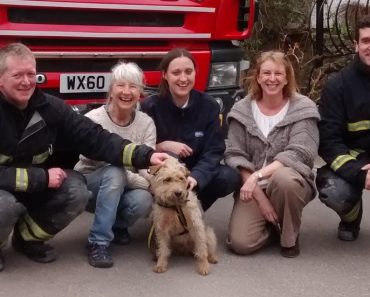
    A terrier named Beau has been rescued after an animal welfare organisation joined forces with a local fire crew to save the plucky dog who got himself stuck after digging under a neighbour’s house in Wiltshire.

    The RSPCA was called by a woman at lunchtime on 28 March with reports of a dog who had dug himself into the foundations of the neighbour’s house near Swindon.

    Inspector Stephanie Daly attended along with a crew from Dorset & Wiltshire Fire & Rescue Service to work to free the dog.

    “We were called by a woman who was looking after the dog, she explained, adding “Somehow Beau had run into a hole in the ground chasing a rat and then carried on digging.

    “He managed to dig underneath the foundations of the neighbour’s house and got wedged with his little back legs poking out.

    “When we arrived we could hear him growling now and again, and knew we needed to get him out quickly.”

    RSPCA inspector Miranda Albinson and a crew from the fire & rescue service helped inspector Daly free the dog who, luckily, was unharmed by his ordeal.

    “The fire officers were wonderful and went into the house to drill into the wall so we could reach down into the foundations and get hold of Beau,” Daly added.

    “Very carefully we were able to pull him up and out of the hole and, thankfully, he wasn’t hurt.We’d like to say a big thank you to Dorset & Wiltshire Fire & Rescue Service for their assistance. We’re always incredibly grateful for any help we receive from them and, in this case, their help ensured we were able to save little Beau.”

    Dorset & Wiltshire Fire & Rescue Service spokesman, Matthew Brown, said: “As a fire and rescue service, we’re passionate about working together to change and save lives, be they of the two or four legged variety.

    “The on-call crew from Royal Wootton Bassett were quick to respond to the call and we’re all really pleased that Beau was rescued quickly and safety, no worse for wear following his little adventure.”

  • Another Cruel Puppy Farmer Convicted, Yet Again No Jail Time to Serve

    Another Cruel Puppy Farmer Convicted, Yet Again No Jail Time to Serve

    A woman who was involved in the breeding and selling of sick and dying puppies in Solihull has been given a suspended prison sentence and disqualified from keeping dogs for life.

    Louise St John Poulton (DoB: 06/03/74), now of Highgrove, in St Albans, appeared at Birmingham Magistrates’ Court on Monday (3 April) where she pleaded guilty to six counts of causing unnecessary suffering to dogs and three offences of failing to meet the needs of a number of dogs.

    An RSPCA investigation was launched after heartbroken owners reported buying sick and dying dogs including schnauzers, Westies and pugs from Poulton and her partner Sean Kerr – who was convicted and sentenced of the same offences earlier this year.

    Inspectors discovered animals living in appalling conditions, including four dogs, three of whom were pregnant, locked in a dark outbuilding.

    Poulton was sentenced to 22 weeks in prison, suspended for 12 months, and was disqualified from keeping dogs for life. She was also ordered to pay £15,000 in costs.

    The hearing brings an end to a 16-month-long, large-scale operation by the RSPCA to tackle puppy farming in the Midlands.

    The animal welfare charity, who are on the frontline of fighting the illegal puppy trade, first launched an investigation into Poulton and Kerr following a number of reports from members of the public who had bought puppies which had quickly fallen ill and, in some cases, died.

    RSPCA inspector Herchy Boal led the investigation. She said: “We were contacted by people who had bought schnauzers, Westies and pugs from a farm in Coventry Road, Bickenhill.

    “Many of them had fallen ill within just a few hours and, tragically, some of them died within just a few days.

    “Not only did the new owners have to cover hefty vet bills but they also had to deal with the trauma and heartbreak of watching their new puppies die in front of their eyes.”

    After gathering evidence from a number of people whose puppies had died, the RSPCA and police officers executed a warrant at a farm near Solihull on 22 December 2015. Thirty-seven dogs and puppies – found living in the farmhouse and in sheds and stables throughout the farm – were removed, a number of which were pregnant, and 27 further pups were later born in RSPCA care.

    Some of the dogs had injuries and health problems and officers also recovered the body of a dead puppy (pictured above) wrapped in a plastic carrier bag in the footwell of a van, parked at the farm.

    https://i.imgur.com/im5yTWr.jpg

    “The dogs were being kept in disgusting conditions and were absolutely terrified,” inspector Boal added.

    “Some were being kept locked in rooms inside the house, including a frightened pregnant shih tzu who was being kept in a cold downstairs loo. And four dogs – three of which were pregnant – had been locked in an outbuilding in total darkness, there was no light or ventilation whatsoever. In fact, we didn’t even realise they were there until a few hours into our search of the property.

    “All of the dogs were petrified. The minute you touched them they froze from fear.”

    On a whiteboard in one of the stables, officers found a whiteboard with instructions for the daily care of the dogs, including: ‘Keep puppies quiet, do not let them bark. Squirt them or use whip to crack in yard.’

    Paperwork found at the house tied the couple to the sales of puppies and 17 mobile phones were removed and analysed which revealed texts from some of the buyers who had contacted the RSPCA.

    “The health and welfare of these dogs isn’t important to the sellers who see them just as commodities to be brought and sold,” inspector Boal added.

    “The breeding stock are kept in inadequate conditions and used to produce litter after litter with little or no regard for their welfare. And puppies are born with deformities or health problems as a result of poor breeding and don’t get the appropriate care in their formative weeks which means they can have serious health problems or behavioural issues.”

    Most of the dogs rescued from the farm were fostered. Two of the puppies born in RSPCA care were fostered by Tom Mather, who lost his two Westies five days after buying them from Ms Poulton.

    Ben and Max (pictured) had severe parvovirus and had to be put to sleep leaving Tom heartbroken. A few months later, he offered to foster shih tzu cross poodle, George, and Jack russell terrier cross border terrier, Archie, who he will now adopt permanently.

    “George and Archie are part and parcel of life now, they are my little babies,” Tom explained.

    “These two have fallen on their paws, I dread to think what might have happened to them if they hadn’t been rescued by the RSPCA.”

  • What He Does For These Shelter Dogs Will Melt Your Heart

    What He Does For These Shelter Dogs Will Melt Your Heart

    When Stewart visited the shelter he spoke to the staff and learned what it was they needed the most. So off he went to do something as a way of giving that is both inspiring and incredibly uplifting. For all the bad that happens in the lives of thousands of homeless dogs, it’s always nice to remind ourselves there are more good people out there than bad.