Blog

  • How Do I Stop My Dog Chasing Cows?

    How Do I Stop My Dog Chasing Cows?

    “I live on a cow farm and my dog is a Samoyed. Every once in a while he gets out and chases the cows and we are afraid that one of the cows will fall and break a leg, or fall and injure the dog. Can you tell me a way I could break his habit of chasing cows?”

    http://i.imgur.com/jelji.jpg

    Answer:

    For most dogs there is a possible answer, but your Samoyed is in a different category than most breeds. Perhaps you are unaware that your Samoyed’s ancestors were charged with the responsibility of going out on their own – unattended by humans – to round up reindeer and heard them back to the camp.

    This herding instinct has not been lost to the Samoyed down through the ages, and has in fact remained surprisingly strong.

    To attempt to break your Samoyed of responding to the natural instinct could quite possibly have an adverse affect on his mental processes. I would suggest that you first enroll your dog in an obedience training class. Once thoroughly trained in basic obedience, you can then find a specialized instructor that may be able to instruct you on how to curb your dog’s appetite for herding.
    [redirect url=’http://www.dogtips.co/the-link-between-dog-food-bad-behavior/’ sec=’3′]

  • How to Keep Puppy Learning Fun & Entertaining

    How to Keep Puppy Learning Fun & Entertaining

    Looking for fun games that your puppy can enjoy? Check out these tantalizing activities that you can get a puppy of any age involved in.

    Grooming Made Fun

    Probably one of the most important things to do is groom and brush your puppy. So what better way to start on the right foot than to make it a pleasant experience?

    It is important to teach skills like staying in place. Also of great importance is to get the puppy used to being touched all over and yet be relaxed the entire time. This grooming/touching procedure will create a tight bond while allowing the owner to maintain dominance over the puppy as it grows into an adult.

    This is important since there will always be nails to cut and teeth to clean, as well as rules to follow. Fun grooming practice builds a foundation tolerance within the young pup.

    It’s Circus Time!

    Puppies like jumping so why not play bar jumping games, just like they do at the circus?

    The first thing to do is walk over the jump with your puppy. The pup will probably follow at your side. If the puppy doesn’t want to go over the jump with you then encourage your puppy over the jump with a treat. Be sure to start with the jump on the ground, then increase the height as the dog’s skill level develops.

    Hide & Seek, What A Classic

    Who doesn’t like hide and seek?

    Playing hide and seek with your puppy can be loads of fun while at the same time introduces the puppy to the come command.

    First you need to have a leashed trained pup or one that can obey the sit/stay commands. Put the leash and have a friend hold the puppy, or if the pup can obey the sit/stay command without a leash then that is just fine.

    Hide close by, like behind an open door or a small piece of furniture. If playing outside then get behind a bush or tree. After a short amount of time, call the puppy in a playful tone of voice. Make certain that the leash is not being held.

    Once your pup finds you, give him a treat and/or simply tell him how good he is and love him.
    You should attempt to move farther away and making finding you more difficult as your pup’s skill increases.

    Let’s Go On A Treasure Hunt!

    Finding toys and objects is another classic activity that can be fun for your puppy.

    First, put your pup on a leash and tie it securely to a chair. Then place many toys and other objects on the floor while the puppy watches.

    Now go see your puppy, but have a toy that your pup likes in your hand. Just hold it while the pup observes for a minute and then toss it into the pile of stuff you made on the floor. Now let your puppy go and say repeatedly “Fetch, boy Fetch!”

    When he goes to hunt down the toy you were showing him be sure to give positive reinforcement and lots praise. Eventually you will be able to have your puppy sniff one object for a few seconds and literally dig it out of anywhere you hide it.

  • 11 Dog Grooming Tips Professional Dog Groomers Swear By

    11 Dog Grooming Tips Professional Dog Groomers Swear By

    When we think about dog grooming, we often picture Poodles, Pomeranians and posh pooches. But grooming is essential for all dogs. Dogs skin and coats are a vital health concern for dog owners to consider.

    When it comes time to brush up on your dog’s grooming, here are some helpful hints.

    1. Select a brush that is intended for your dog’s hair type. Brushes with bristles that are farther apart, such as pin brushes, are useful on dogs with longer, thicker hair, while brushes with shorter, harder bristles are useful on shorthaired dogs.

    2. If you’ve purchased your dog from a breeder, ask the breeder what kind of brush is best to use on your breed.

    3. Wire brushes and slicker brushes help remove dry, dead skin from your dog’s coat along with the excess hair. Getting the hair out of the wire brushes and slickers once you’ve groomed your dog can be difficult if not impossible. To help remove the hair deposits on the wire brush, use a toothpick between the bristles.

    4. An alternative to a brush is a grooming glove that you wear on your hand. The tiny prongs on the glove’s surface remove dead hair as you gently stroke your dog. Pull the hair off for disposal in the trash.

    5. An undercoat rake will help remove the undercoat of hair on your pet that typically knots up. Note: If you are showing your dog, make certain that removing the undercoat of your dog’s coat is acceptable for the show ring.

    6. To remove excess loose hair from your dog, wrap masking tape around your hand and run the tape lightly over his coat.

    7. Massage your dog with dampened hands after you take a shower or bath to remove excess hair.

    8. A damp rubber glove will help remove excess hair from your dog as well as your furniture.

    9. If your dog enjoys being massaged, purchase a battery-operated massager or one that also functions as a brush and a way to collect loose hair. The gentle sound relaxes tension and the massage soothes sore muscles as you groom your dog.

    10. Vacuuming hair from your dog helps when shedding season arrives and prevents some of it from attaching itself to your furniture. Some dogs like the vacuum cleaner; others don’t. To accustom your dog to the vacuum being gently run over his coat, begin using it when he is a puppy.

    11. If burrs have become tangled in your dog’s hair, crush them with a pair of pliers before brushing them out. Another method of removing burrs is to first saturate them with white petroleum jelly or mineral oil, then work them out of your dog’s hair with your hands.

  • Why is My Dog Panting?

    Why Do Dog’s Pant?

    Unlike horses and indeed us humans, dogs do not sweat through the skin; they sweat through the tongue and nose, so that when a dog is panting, he is not necessarily thirsty. He is just sweating.

    Naturally if exertion makes a dog pant for long, he loses fluid, which he will have to replace by drinking water. Panting does not necessarily mean thirst, but a thirsty dog will pant.

    Why is my dog panting

    Excessive panting may indicate distress, and dogs should be taken into a shady or cool place or they may get a heatstroke. It is not unknown for dogs to die at shows in hot weather from heatstroke.

    If a stroke is threatened, immediately put cold compresses to the dog’s head or, if the temperature is extremely high, immerse the dog in cold water until the temperature is reduced to about 103°, which is fairly safe for a dog. Of course the animal must be dried off, or chill may result. If the animal has not lost consciousness, cool drinks are invaluable.

  • Feeding Older Dogs

    Feeding older dogs doesn’t have to mean drastic changes. Obesity is possibly the most common health related problem to affect dogs as they get older. An overweight dog is an unhappy dog and subsequent health problems can drastically reduce a dog’s life and render his later years void of any real quality. The key is to be aware of nutritional requirement changes when feeding older dogs, adjust slowly and gradually and keep on top of your older dog’s specific feeding requirements on a regular basis.

    Feeding Older Dogs: Nutritional Requirements

    All dogs relish a tasty treat and they are an excellent way to reward good behaviour, but if overused your dog could end up suffering from obesity before you even realise you are spoiling him. It is important to pay close attention to your dog’s diet for many reasons, but particularly if your dog is overweight. A balanced diet is essential to keeping a dog fit and healthy.
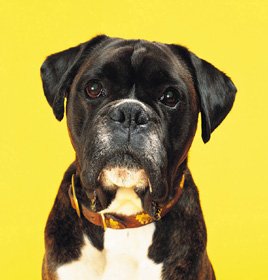
    Feeding Older Dogs

    Modern prepared foods contain an adequate supply of essential nutrients without too many calories, as do many home mixed diets. Complete, dry dog food is popular today, as it is an easy to prepare meal which contains a good supply of all the right nutrients. Commercial canned foods, whether mixed or on their own, are a good source of nutrition and are easy to prepare and store. Some dog owners favour a nutritional supplement to add to the dog’s meal, rice is a good source of carbohydrates and is easily mixed with other foods.

    Feeding Older Dogs: Be Treat Aware

    Certain treats make a nutritious supplement to a meal and also serve as a good reward for him, but dog biscuits alone to not offer adequate nutrition to be served as meal on their own.

    The majority of young, healthy and active dogs are at a low risk of becoming overweight as most of their calorific intake is used during play but as they get older and their metabolic rates slow in conjunction with a decline in expended energy, the chances of calories leading to a piling on of the pounds grows higher every day.

    If you have ever taken your dog off the lead in a large forest or field you will have noticed that they will always do more miles than you because they run off and come back as you are walking and thus for every mile you walk, they will normally RUN four!

    This is one of the reasons that young, active dogs stay healthy whether their diet is perfect or not. But there will come a point in the dog’s life when he or she is unable to do as much exercise so it is important to control the diet accordingly.

    Scroll down for some expert nutritional advice in our Q&A with Suzie from  Pawtions.co.uk about the benefits of portion control
    feeding older dogs

    Monitor Lifestyle Changes in Your Older Dog

    During the more active years, it is still important to take care of your dog’s diet to ensure that they are receiving a good balance of protein and other valuable nutrients. Your vet will be able to advise you on this matter should any uncertainty arise.

    You may not notice it at first, but should your dog become obese there are certain tell tale signs apart from the obvious physical weight gain. A diminished level of activity not conducive to their age is always a cause for concern, but a likely cause is that he or she has put on a little weight.

    Another symptom is laboured breathing. If your dog struggles for breath after an activity which he or she could once perform effortlessly then perhaps it is time to get the scales out.

    Avoiding Weight Gain in Older Dogs

    As a dog owner it is often difficult to notice if your dog is putting on weight because you see them every day. Paying close attention to other elements of their physical state may enlighten you to any weight problems.

    As the majority of dogs become less and less active in their later years it is often difficult for them to loose weight through increased exercise, so it is up to you as an owner to monitor and control what your dog eats. Prevention, as is so often the case, is better than cure, especially when it comes to a more senior dog and weight control.

    A good way of monitoring weight is by simply reducing portion size. It is often the case that a regular portion of dry or complete dog food offers more than enough nutrition and therefore it is quite possible to reduce the meal sizes without affecting the nutritional intake of the dog. In this day in age, with the science behind many commercial pet foods, you may be able to find the perfect, balanced diet your breed of dog needs, relating to their age, on your supermarket or pet shop shelf.

    Target Weight When Feeding Older Dogs

    You should have a target weight in mind and plan thoroughly to ensure your dog does not err over or above it to any great degree. Your vet should be able to advise what your dog’s ideal target weight is – don’t go on breed averages – one Labrador could be as many as 10lbs heavier than another yet still be perfectly fine weight wise.

    If your dog has put on a few too many pounds as they have gotten older, a diet is needed. Unlike us, a dog is unable to steal biscuits or cakes in the middle of the night so they are not reliant on their own will-power to lose weight, they are reliant on YOU ensuring they don’t become dangerously obese, so don’t give in to his pleas for a chocolate digestive every time you go to the kitchen!

    As a dog owner it is important for you to be disciplined. Your dog will probably not notice the reduced size of his meals. But you will, so ensure you don’t sneak him a treat unless you have reduced a similar amount of calories from his main meal – it’s a balancing act of which you have complete control and your dog is relying on you to get right.

    Older dogs have special needs in many areas and diet is one of the most important.

    Don’t let your dog’s later years in life be ruined by health problems that can easily be avoided when it comes to weight, too many calories or general nutritional mismatch between your dog’s age and their specific daily nutritional requirements. If you feed a natural diet, monitor the volumes. If you feed a commercial pet food, make sure you have the most suitable one for your dog’s age, weight, breed and activity level. When it comes to feeding older dogs, the science is all there, you just need to follow it.

    Expert Advice from Suzie, Pawtions Veterinary Nurse and Nutritionist

    feeding older dogs

    Why is portion control so important for dogs?

    At Pawtions we believe that portion control is very important to maintain a healthy life for each and every dog. When faced with the massive choice of dog foods available to us, it is very easy to become confused when trying to work out how much food our dog actually requires. Feeding guidelines are often very generalised and can’t take into consideration your dog’s age, breed, level of exercise, or whether your dog has been neutered.

    We often over-indulge our dogs out of love, but a quick treat a little too often or a bowl of leftovers from your own meals may lead to dietary problems or your dog becoming overweight. This can also upset the careful balance of nutrients provided by the dog food. By feeding a portion size which has been recommended for your individual animal – such as that provided by Pawtions – you know that you are providing enough nutrients, vitamins and minerals to meet your dog’s unique needs.

    In their PAW report of the last year the PDSA assessed the weight and general health of nearly 30,000 dogs across the UK. They discovered that 35% of UK dogs are overweight. This is a very alarming figure, especially when we consider ourselves a nation of dog lovers. An overweight dog cannot possibly enjoy life to the full, is likely to encounter more health problems, which may sadly lead to an early grave.

    What are your key priorities when choosing the perfect plan for dogs from Pawtions?

    We understand that all dogs are unique, so we make sure we have all the information we need to really help us to understand each dog better.

    By asking the owner relevant questions about their dog, our veterinary nutritionist can work out the portion size for each and every dog individually. This takes the confusion away from the owner when trying to work out how much food their dog actually needs. It also means continuity in the household when the job of feeding pets is shared by several people.

    In order to provide customers with a recommended feeding plan, we ask them to provide us with vital pieces of information including:
    • age
    • breed
    • weight
    • sex
    • whether your dog is neutered
    • daily exercise
    • physique
    • any special dietary requirements
    • your preferred flavour

    It’s very important that the information customers provide is as accurate as possible and also kept up to date. We recommend that owners regularly weigh their dogs so that we can change their portion size should their nutritional requirements change.

    However, the Pawtions perfect plan isn’t just about the food! We also include treats, poop bags, flea and wormer treatment (just when they’re needed) and free gifts to provide a complete care package.

    Do you think age and breed make a difference in selecting the right diet for your dog?

    Yes, definitely! By telling us your dog’s breed we are able to check whether this falls into the recognised weight bracket. If the dog’s weight doesn’t fall within this bracket, we discuss this further with the owner, as all dogs are unique, and breed standards can very significantly.

    We understand that small dogs may prefer a smaller kibble, and larger breeds a larger one. Also, different breeds are classed as puppies and senior dogs at different ages. Therefore knowing the breed allows us to decide when to recommend a change from a puppy diet to a maintenance one, or a maintenance diet to a senior one.

    Puppies require very different levels of nutrients to adult dogs, so must be fed a diet that meets their specific needs. They also need more regular feeding, and we take this into consideration when calculating portion size.

    However, as dogs age, their energy levels decrease, reducing their calorific need. Their nutritional requirements also change with the aging process and we believe the diet should change to support this.

    What 5 top tips would you give dog owners who might be thinking about changing diet to a more portion controlled diet?

    When thinking about changing your dog’s diet to a recommended Pawtions plan you should consider the following points:

    1) If your dog has serious medical problems, we strongly advise you contact your vet before
    you make any change of diet.

    2) Provide us with as much information as possible so that we can recommend the right Pawtions plan for your dog.

    3) It’s really important to make sure you gradually introduce a new food. The best way is to start adding a small amount to the current food. Slowly increase the proportion of new food to current food over the period of a week until a complete change is achieved.

    4) We encourage you to weigh your dog regularly so that we can make any alterations to the diet as necessary.

    5) If you have any questions regarding your dog’s health or diet, we encourage owners to ask, it could be important. We are here to help.

    Lastly, tell us a little about Pawtions. Where did your inspiration to start the company and healthy menu for dogs come from?

    The idea for Pawtions stemmed from our founder’s own frustrations with looking after and feeding Bella, his cocker spaniel. First he would have to drive to a supermarket or pet store and carry a big heavy bag back to the car. Then, once home he would have to find somewhere to store it. He found there was a tendency to be over-generous when the bag was first opened and the food fresh, whilst towards the end of the bag the food often become dried out and crumbly, losing its appeal. He also found that he would run out of food, treats and poop bags at the most inconvenient times.

    But the biggest problem came with the inconvenience of deciding how much to feed, due to the vague feeding guidelines, and then weighing out the correct amount every day!

    At Pawtions we know what it means to be lucky enough to own a dog and we want to encourage people to be more aware of their dog’s nutritional needs. Through our complete care package we hope to promote responsible dog ownership. The package includes wormer and flea treatment throughout the year, so you’ll never forget when treatments are due, free tasty treats, and free poop bags. Now and again we’ll also pop in a surprise toys as a little present for your best friend. All this is delivered to your door every 4 weeks.

    To find out more about Pawtions and investigate a plan for your dog, visit www.pawtions.co.uk today!

    Resources: Older Dogs

    http://www.youtube.com/watch?v=HimMjk-1rg4
  • How to Avoid Dog Health Problems

    We all love our dogs and want to do the best for them. You can give them all the love, attention and affection in the world but you also need to be aware of your pet’s health, so you can give them a longer, happier and healthier life.

    From the day we bring our new puppy home, there are some key areas to look out for to help keep your dog healthy and enjoying life to the full:

    Dog Health Problems Start From The Inside

    · Diet: Providing the right food for their breed, size and age is vital. Making sure they get all the right nutrients – whilst not over or under feeding.

    A large dog, such as a Great Dane, has different dietary needs to that of a Chihuahua, so some food brands even offer tailormade diets.

    Dog Health Symptoms: Is Your Dog’s Weight A Cause For Concern?

    · Exercise: You should be making sure they get enough exercise to keep them fit and active for as long as possible – dog walking can work to your benefit too!

    · Vet visits: You should make sure they get regular health checks and injections with your local vet – as you would with your doctor – to prevent illness occurring and catch problems before they become threatening.

    So how do you check if your dog is healthy?

    This article discuss about the best cbd oil for dogs with arthritis and takes you through a ten-point health check that you can easily undertake at home. It works just as well on cats as it does dogs and I’ve called it the DIY MOT health check. You can monitor your pets’ health in-between regular visits to your vet, which will help alert you to any problem areas.

    Eyes

    Should be clear and sparkling without any discharge or redness, as this could be a sign of infection. The eyelids should also be checked for warts or cysts. Diet can also have an impact on eye health, if you have concerns, consider switching your dog’s food.

    Teeth & gums

    Gently lift your pet’s lips – the gums should be salmon pink, don’t worry some dogs can have naturally black pigmented gums, teeth should be clean and white with no yellow plaque or tartar and there should not be a bad smell!

    Look out for loose teeth or bleeding gums, which should also be taken care of by your vet.

    Paws

    Check the pads for open cuts, splinters or seeds which can become embedded. Nails should be short and healthy looking without splitting. Some dogs will need to have nails regularly clipped at the vet.

    Body checks

    Check for any lumps or wounds by running your hands over your dog’s body and part the hair to check for signs of fleas or ticks. Your vet can recommend suitable treatments. Check a dog’s testicles and bitch’s mammary glands for any unusual swellings.

    Weight

    Be aware of what weight your dog should be and monitor it carefully – overfeeding can be as damaging as underfeeding. As a general rule run your hands down the sides of your dog’s belly and you should be able to feel the rib cage.

    By feeling the rib cage you should be able to tell if they are under, over or just right! If your pet seems overweight check with your vet, they may recommend a light food, which has fewer calories or you might consider a different type of a dog bowl which steadies how fast your dog eats his food.

    There are some which are floor bowls, which look similar to a puzzle, and dogs navigate the ‘spikes’ to eat. Or a raised dog bowl which can either sit in a dog bowl stand or be wall mounted alters how your dog eats, and can also slow them down.

    Obesity can contribute to heart disease, joint disease, diabetes and many more health complications. As in humans exercise also plays an important part in weight control. Make sure your dog is getting plenty of exercise. Walks are the easy answer. Large dogs don’t necessarily need more exercise; it really does depend on their breed and age.

    Ears

    The inside of your dog’s ears should be clean with no odour. If they do smell this could be a sign that they are infected. Ears should be cleaned regularly – ask your vet to recommend a cleaning product and just as importantly, the best way to clean them without damage.

    Muzzle

    The nose should be free of discharge – pets get colds too. Noses should be wet but not runny, a dry nose could also signal health problems.

    Coat and skin

    The coat should look glossy and feel tangle free, not dull. Look out for any balding or irritation which could be caused by allergies, mange etc and should be checked out by a vet for treatment. The skin should not feel greasy or look flaky (no dandruff).

    If you have concerns that your dog’s dull coat or flaky skin may be caused by an allergy, speak with your vet. If you are concerned that it may be parasite related, seek out a good flea treatment for dogs to restore.

    Energy

    Dependent on its age, your dog should be alert and energetic without any signs of stiffness or breathlessness – any reluctance to exercise should be looked into. Feeding the right amount of food and nutrients to your pet helps make sure they maintain high energy levels even into old age.

    Under the tail

    Hold up the tail and see if there are any signs of soreness or discharge. Also check your dog’s stools, they should be firm and fairly small – this is a sign of healthy digestion.

    Stools are a good way of determining your pet’s health, a sudden change can bring your attention to a health issue that might have gone unnoticed. It is also the way your animal gets rid of all the waste in his food that he doesn’t need. Lots of products are bulked up with water and cereals when one of the most important ingredients to carnivorous animals is protein – that means meat.

    A good rule of thumb is: the more meat ingredients a food contains the higher the quality of the feed, look on the side of the bag where the ingredients are listed, manufacturers have to list the largest quantity first.

    What are the benefits of dry over wet food?

    Once you’ve determined your dog’s life stage and lifestyle needs, you need to decide whether to feed dry or wet (canned) food.

    It’s important to remember that while dry food can be left in a bowl, wet food should not be left out all day if not consumed. Therefore, dry food can often be the most convenient choice for busy people.

    Although a recent BBC report suggested that brushing is the best way to keep a dog’s teeth clean, dry foods also promote good oral hygiene for teeth and gums through abrasive action.

    How do I switch my dog’s food?

    If you are looking to change your dog’s diet we would recommend you introduce the new food gradually over a period of 4 days.

    Make the change slowly, try mixing of the new food with of old food then gradually change the proportions over the next three days until he’s eating new food. There are also a few tricks you could use to help make the change over to a complete dry food– for example, start by adding a little water or by warming the food in the microwave.

    Vet visits

    Remember that although you can monitor your pet’s health at home using the above guidelines I would also strongly recommend you make regular check-ups appointments with your local vet even if your pet seems healthy. And if this article has alerted you to any health issues please do contact your vet for a more thorough examination.

    Dog Health Symptom Checker

  • Puppy Personality Test

    Puppy Personality Test

    A puppy personality test enables you to conduct some (very) unscientific research prior to choosing your puppy. We’ve got four short tips to help you run a puppy personality test but be advised, like people, puppy personality transforms as a result of training, experiences and genetic influence that may not be present when you run the puppy personality test at a very early age.

    Here are four tests you can perform with each puppy if you are selecting from a litter of 7-weeks or older:

    1. Hold each puppy up so that its feet are a few inches off the floor. Observe its reaction: A normal puppy will struggle for a few seconds and then settle down. This reaction indicates spirit but also a willingness to accept authority. A dominant puppy will continue struggling and may howl and bite. A submissive puppy will just dangle passively and accept the situation or in severe cases, panic and submissively urinate.

    2. Hold each puppy on its back in your lap. Comfort it by stroking its belly and talking to it softly. Observe its reaction: A normal puppy will struggle briefly, then settle. This is the response that most buyers should look for. A dominant puppy will struggle constantly, howl, and perhaps try to bite. A submissive puppy will succumb and perhaps urinate or, in an extreme case, panic.

    3. Set the puppy on its feet on the floor. Then toss a ball or a crumpled piece of paper away from the puppy and observe its reaction: A normal puppy will chase the object, play with it, and perhaps bring it back to you if you call out to it. It will allow you to take the object away without much fuss. A dominant puppy will chase the object, take it to a corner, and ignore you when you call out to it. It may growl at you if you attempt to reclaim the object. A submissive puppy may not react at all to the object or may actually be afraid of it.

    4. Crouch down a few feet from the puppy and encourage it to come to you by clapping or whistling. Observe its reaction: A normal puppy will happily come over to you in a confident, playful manner. A dominant puppy will either charge you and jump up on you recklessly or completely ignore you. A submissive puppy may hide in a corner or come over cautiously and expose its belly, perhaps even urinating upon being touched.

    Let us consider extremely submissive behaviour to be far left of centre, normal to be at the centre, and extremely dominant to be far right of centre. Most buyers who are looking for a loving, trainable family pet should consider a puppy that performs as close to the centre as possible. If you desire a working or obedience dog, or if you are a robust, physically imposing person, you may wish to consider a puppy that is slightly to the right of centre. If you are a quiet, slight person, look for a puppy that is slightly left of centre.

    When dealing with a dominant breed such as the Rottweiler, Mastiff, or German Shepherd, you would do well to consider a puppy that is slightly left of centre. When dealing with a submissive breed such as the Maltese, Greyhound, or Wheaten Terrier, you might wish to consider a puppy that is slightly right of centre. In all cases, avoid the extremes.

  • Are Carbs Making Your Dog Fat?

    There is a significant difference between humans and dogs in their need for carbohydrates and in their ability to digest them. The digestive tract of a human is longer than that of a dog, and the formation of jaws and teeth is entirely different. A dog’s digestion starts in the stomach. Dogs’ teeth – all 42 of them – are built to tear flesh apart. Dogs gulp their food as fast as they can, which then reaches the stomach with no digestion having taken place.

    Are carbs making your dog fat

    Human digestion starts in the mouth. A human chews food with 32 teeth, which have flat surfaces for grinding and breaking down food. Enzymes contained in the saliva contribute to this breakdown of the food, which is being digested before it reaches the stomach.

    Carbohydrates come in two forms, simple and complex. Simple carbohydrates come from grains such as wheat, corn, rice, oats, soy and millet. They break down into starches and sugar when properly cooked. Complex carbohydrates come in the form of various fibers such as brans, hulls and peanut shells from the outside of plants. A small amount is needed for proper digestion and stool formation. Nutrients are obtained from both sources, but most come from simple carbohydrates.

    If carbohydrates are a major part of your dog’s diet, the time and energy needed for digestion increase, the dog performs less well, large amounts of stool are produced, and a protein deficiency disease may develop. Dogs have evolved as meat eaters and although they need some grains, their health and longevity will be better served on a diet containing more animal protein than protein from grains.

    Think about the origin of the dog. It is unrecorded in history that wolves lit fires and cooked grains picked in fields! But there were whole carcasses available that contained everything needed for wolves to survive, including predigested vegetable matter in the intestinal tracts of their prey.

    The reason the majority of dry dog foods contain such large amounts of cereal grains is that grains are a cheap source of nutrients. According to the NRC guidelines, “Carbohydrates provide an economical source of energy in the diet of dogs.”

    Allergic reactions to grains are common in dogs. The best diet for your dog matches that fed in the breed’s country of origin as the breed developed. Each dog is an individual, and if yours refuses to eat his food, check the grains listed on the package. The dog may balk because of an allergy to one of the grains in the food.

  • Car Chasing Dogs – How to Cure Car Your Car Chasing Dog

    Dogs that chase cars endanger their own lives and those of motorists. As bad dog behaviour goes, car chasing dogs are just about at the top of the dangerous league. So, for owners of dogs that chase cars – how can they be cured?

    In the Italian Job the car chase was thrilling to watch and goes down in cinematic history as one of the most famous scenes ever to appear on the silver screen.

    Dogs that Chase Cars

    Whilst our dogs can’t be accused of being influenced by the movies they see, some of them seem far too keen to experience the thrill of the car chase.

    Dog’s have an in-built instinct to chase things that move. They are predatory animals who have never lost their desire to give chase whenever the opportunity presents itself.

    Dogs all have their favourite quarry, for some it’s squirrels, cats, rats, ducks, pigeons, other dogs or basically any furred or feathered creature capable of movement. The behaviour can be overcome fairly easily but in many cases this chasing habit is not regarded as a particularly big deal by the dog’s owner as the chases usually take place in the garden or countryside and more often than not ends in no success for the dog leaving no lasting damage to hunter or hunted. The same can’t be said of a dog with a desire to pursue cars as their quarry of choice and action to remedy the problem is essential.

    Some time ago it was decided that in countries where rattlesnakes or porcupines were resident it would make sense to ‘educate’ the dogs that shared the same environment that these animals posed a clear and present danger BEFORE an accident happened.

    (more…)

  • Hyperkinesis in Dogs – What is it & Why Should You Care?

    Hyperkinesis in Dogs – What is it & Why Should You Care?

    Hyperkinesis in dogs is rare. If you have a dog that appears to acting in what is common called a hyper-active way, the chances are it is NOT hyperkinesis. However, learning to understand more about this condition can help dog owners identify the signs and in this article we start out by looking at a case study where drugs were used as a treatment plan for hyperkinesis.

    You should always seek veterinary and/or professional dog training advice if you have concerns about your dog’s behavior or any sudden changes in their personality.

    Canine Hyperkinesis: A Case Study Of Drug Treatment

    The first controlled studies of hyperkinesis in dogs were an outgrowth of a long-term attempt to develop animal models of psychopathology.

    Dogs were chosen for these studies for several reasons, primarily because there were many carefully bred animals available. This allowed an evaluation of genetic strains in certain breeds. Also, dogs are the only domestic animal with a variety of emotional responses comparable to those seen in people: they worry about things not essential to their survival.

    In studies designed to evaluate responses to stress, some dogs did not respond to Pavlovian conditioning. Positive reinforcement, negative reinforcement and tranquilizers were all tried, but nothing worked.

    Hyperkinesis in Dogs

    Typically such dogs would be eliminated from the study, but because the researchers were interested in the interaction of genetics and psychological environment, they were curious about dogs that appeared unwilling to be studied. Eventually the researcher decided they were dealing with the equivalent of a hyperkinetic children. On that basis, amphetamines were given, and the tentative diagnosis proved correct.

    The first model of hyperkinesis in a dog was Jackson, a Cocker-Beagle mix whose usual response to any approach was to snap, snarl, growl or, if possible, bite. Many experienced, gentle dog handlers were bitten, until eventually laboratory personnel refused to approach the dog. Jackson responded the same to other dogs. He viciously attacked any dog without hesitation, even friendly and docile animals. He refused to submit to Pavlovian conditioning, and destroyed laboratory equipment in his rages.

    Because depressants were not effective against Jackson’s abnormally hyperactive and vicious behavior, it was suspected that hyperkinesis may have been involved. On this assumption, the dog was given amphetamine orally. Within 2 hours, Jackson’s personality changed to complete docility. He whimpered as if he wanted to be petted. When petting was stopped, he begged for more. He became nonviolent, even submissive, toward the same dog he had attacked earlier. Jackson appeared to be perplexed and unsure of what to do.

    When placed in the Pavlovian experimental stand after medication, Jackson responded normally and learned rapidly, indicating that his previous failure was not a result of mental retardation, but rather a secondary effect of his behavior problem. After 6 weeks of drug-facilitated psychosocial therapy, medication could be withdrawn without reappearance of aggression, but hyperkinesis reappeared in low-threat situations. Aggression was apparently trained out by the drug-facilitated social interaction and conditioning experiments, indicating that what is learned under the influence of amphetamines is retained later.

    After 2 more months of psycho-social therapy using amphetamines, Jackson’s non-medicated hyperkinesis was also reduced. Because he was between 1 1/2 and 2 years old at the time of the experiments, maturation could have been associated with the cure; however, 6 older hyperkinetic dogs did not outgrow their abnormal behavior patterns.

    An Insight In to Hyperkinesis in Dogs

    Hyperkinesis is a disorder characterized by excessive activity, extreme restlessness, impulsivity, and a short attention span. In humans, especially children, it is now referred to as ADD, Attention Deficit Disorder. Veterinarians continue to use the term hyperkinesis. Hyperkinesis can affect a dog’s ability to learn new behaviors. Dogs so afflicted exhibit inattention, restlessness, and are easily distracted. The syndrome seems to be caused by both genetic and environmental factors.

    Most owners are not aware of the disease. The condition is quite rare in dogs, and when diagnosed by a veterinarian, medications, usually stimulants, can be prescribed to ameliorate the effects. Unfortunately, the popular use of the term to describe normal, but overly excited dogs, has clouded the issue for both owners and veterinarians. Dogs with extreme hyperkinesis that cannot have their symptoms improved with drug therapy, are often euthanized.

    Truly hyperkinetic dogs exhibit many of the following symptoms:

    Cannot be taught anything, even in obedience school
    Salivates constantly
    Always excited or nervous
    Cannot sit still, even for a minute
    Never becomes accustomed to everyday situations
    Chronically rapid heart rate

    The symptoms of hyperkinesis are usually exacerbated in dogs that are stressed by being kept in conditions of close confinement or short-leash tethering. Even with the clear presence of defining symptoms, it is difficult to treat the basic problem because there is often no clear reason, either physical or environmental, to explain the symptoms. Some truly hyperkinetic dogs do not respond to positive reinforcement, and tranquilizing drugs seem to have no positive effect. Truly hyperkinetic dogs can be vicious, and are known to bite owners and other dogs without provocation.

    Don’t be worried about your dog if she is simply hyperactive. This can be normal for some breeds, and is typical with new puppies who display enthusiasm for everything. Just a simple hello will have them running in circles. Some dogs are simply energetic and enjoy running, jumping, chewing, pulling, and barking. Their enthusiasm is one of the things that endear them too us.

    True hyperkinetic dogs seldom have a rest period. They exhibit abnormal frantic behavior, and continue it until they drop from exhaustion. Because the symptoms are also exhibited in simply overactive dogs, veterinarians will usually require a test trial with stimulants like amphetamines or Ritalin, which is often prescribed for children with ADD.

    If your dog is simply overactive, they can be retrained and managed with persistence and obedience training. Vigorous daily exercise will also help the overactive dog to expend energy.

    Resources:

    Nancy Cope
    K9 Magazine
    Vet Gazette

  • Small Breed Dog Food

    Small Breed Dog Food

    Small Breed Dog Food – Is A Specialist Diet For Small Breeds Worthwhile?

    Small dog breeds have specific, specialist nutritional requirements. In the case of a small breed puppy, their stomach is not large enough to hold sufficient food in one feeding to provide his daily nutritional needs without causing stress to their system, so smaller, broken down meals are advised. This is why some commercial dog food suppliers are now providing dog owners with the option of specialist small breed dog food.

    Small Breed Dog Food (Chihuahua)

    Small Breed Dog Food For Puppies

    When a puppy graduates from mother’s milk to solid food at about six weeks of age, he will require three to four meals a day, with the exception of Toys, who may need four to six meals. When he reaches about four to five months old, twice-a-day feedings may be sufficient. He can graduate to once-a-day meals at eight to nine months of age.

    A pup’s nutritional requirements for growth and development are greater than those for an adult dog. If you opt to feed your small dog breed pup a commercially prepared diet try to ensure it is a feed specially formulated for puppies and enables the youngster to get the full range of nutrients he needs.

    Balanced Diet: Small Breed Dog Food

    A small dog breed pup who eats a complete and balanced commercial puppy diet – whether it is a small breed dog food prepared diet or another puppy formulated specialist food – doesn’t need additional supplements. Adding supplements can cause nutritional imbalance as most modern commercial dog foods are prepared to contain all required nutritional elements your small breed puppy will require in this important growth stage. However, if you are supplying your dog with a home-cooked or fresh-diet meal plan, supplements may be necessary. Consult with a veterinary nutritionist to get further advice.

    Dry food can be moistened with warm water to encourage puppies to eat. Milk can be used, too, but only in extremely small amounts. Goats milk for puppies is often favoured by many breeders. Cow’s milk causes digestive upset in some puppies and dogs. A tablespoon of canned food can be added to increase interest, as well. These are general guidelines for feeding your small dog breed pup; consult with your veterinarian for more specific advice. If your pup doesn’t appear to be developing as you believe he should, feeding small breed dog food without first consulting a specialist in the area of dog nutrition would not be advised as your dog may have underlying problems that need to be investigated by a professional expert first.

    Small Breed Dog Food: Adults

    Feeding Adult small dog breeds: The adult small dog breed is a mature dog, usually age one year or older. Healthy adult dogs who are not pregnant, nursing, or hardworking have somewhat low nutritional requirements. Feeding is fairly straightforward if you’re feeding commercially prepared kibble. Buy a complete and balanced diet made for the adult dog and give your dog the recommended amount once or twice a day. Add a tablespoon of canned food for taste if you wish. Adjust the amount according to the small dog breed’s activity level and body condition.

    Feeding Hardworking small dog breeds: Highly active small dog breeds use a lot of energy. The hard-working dog can require two to three time more kilocalories per pound of body weight than what is required for normal activity. To maintain good body condition and keep up his stamina, the hardworking small dog breed must eat a high-energy diet.

    Many veterinarians recommend commercially prepared “performance” diets for highly active dogs. Higher fat, higher-protein diets supply the working dog with needed calories. Because performance diets are higher in protein than maintenance diets, there s a misconception that the active dog just needs extra protein. However, all nutrients are required in greater amounts. Additionally, research indicates that moderately high-protein diets are unlikely to cause kidney damage – in spite of some breeders’ and owners’ beliefs that it does.

    Feeding Your Elderly small dog breed: Older small dog breeds (those who have reached the last 25 percent of their expected life span) are usually less active than adult dogs and pups. Thus, their energy requirements are reduced and they can gain weight easily if fed too much or fed a high-calorie diet. Some veterinarians recommend “senior” diets; foods high in nutrients but reduced in calories to keep senior small dog breeds at a healthy weight.

    Feeding Small Dogs

    How Often Should a Small Dog Breed be Fed?

    There’s no exact answer on how much and how often to feed your small breed because it depends on the size, age, and activity level of each individual small breed. Feeding amount and schedule also depend on which diet you’re using and how cold it is outside. (Dogs who spend a lot of time outdoors in cold temperatures require more food.)

    Begin by following the feeding instructions spelled out on the dog food package. Realize that these instructions are a starting point, and apply to all breeds of a certain weight. Your small breed is an individual and every dog is different.

    Following that, observe your dog’s body condition:

    Is my puppy too thin?

    An overly thin small breed will have visible or easily felt ribs and hip bones may be visible. The waist and belly are obviously tucked up when viewed from the side. Increase food. Speak to your vet to find out if there are any underlying medical conditions causing your dog to be underweight.

    Just Right: The ribs should have just a little fat over them; you should be able to easily feel them with slight pressure. Your small breed should have a waist when viewed from above, and the belly should be tucked up when viewed from the side.

    Is My Dog Overweight?

    Too Fat: If you can’t easily feel your small breed s ribs and can easily see fat covering them, he is too heavy. His waist is absent or barely visible when viewed from above, or his belly may hang. Decrease food.

    How often you feed your small breed depends on how old he is and his (or your) personal preference. Pups must be fed several times a day, usually three..The average adult small breed can be fed once or twice a day, in the morning, evening, or both. Many owners like the idea of feeding twice a day, while others find it inconvenient and opt to feed once a day. Toy puppies have a very rapid metabolism and may require four to six meals a day to avoid hypoglycemia, a life-threatening drop in blood sugar levels. By six months of age, most Toy pups can cut back to three or four meals a day.

    Dogs are creatures of habit, and seem to enjoy eating at the same time every day. Feeding your small breed pup at the same time every day helps establish eating habits and makes housebreaking easier. Pups usually need to urinate or defecate after eating. If you feed him at the same time every day, you can predict when nature calls.

    Note: Free-feeding, leaving food out for the small breed at all times, is not recommended because it can lead to excess weight gain.

    Small Breed Dog Feeding: Conclusion

    Dog owners are fortunate to live in an age where there is an increasing awareness about proper dog nutrition. We understand that there is not a one-size-fits-all approach to feeding dogs. Specialist diets, such as small breed dog food, large breed dog food and dog foods specialist formulated for active/working dogs allow us to match our dog to a nutritional plan that perfectly matches their age, weight, breed and overall lifestyle. If you are considering feeding a dedicated small breed dog food, it makes sense to first understand the basic principles of why your breed would benefit for a tailored feeding plan.

    As with humans, dogs all have varying degrees of dietary requirements. Olympic athletes may require double the volume of calories in comparison to an ‘average’ person even if they are the same age, weight and height. On this basis, feeding a dog on the wrong diet could lead to weight gain, weight loss or even more serious health and behavioural problems. Dedicated diets can be a great benefit to owners who are keen to make sure their dog is receiving the right nutrition to match their breed’s individual requirements. On this basis it would be worthwhile to investigate the options when it comes to selecting small breed dog food that has been specifically formulated to provide the proper nutrition for your dog.

    Small Dog Breed Resources


  • Dog Illness Symptoms Checker

    When our dogs start showing signs of illness, our immediate thoughts tend to guide us toward whatever resource we can access that might give us some clue as to what the illness symptoms may indicate. It’s horrible. Our dogs can’t talk but they most certainly can give us clear signs of feeling under the weather. Most of us have found ourselves at one time or another, unsure whether a trip to the vets is imminent or whether our dog’s symptoms might turn out to be non serious.

    Dog Illness Symptoms Checker

    A great way to make use of the conduit between a static online dog illness symptom checker and real, direct advice from a vet (a bit like NHS direct, but for dogs) would be the service provided by JustAnswerTM.

    This is an interesting service where dog owner’s can get answers from real Veterinarians, dog experts or one of thousands of other verified professionals on a one on one level.

    Give it a test drive or below:

    Some of the dog illness symptoms / questions we tend to get asked:

    • signs of dog illness
    • dog health symptoms
    • dog disease symptoms
    • lyme disease symptoms
    • dog arthritis symptoms
    • dog distemper symptoms
    • symptoms of diabetes in dogs
    • symptoms of dog poisoning

    So it’s clear that many dog owners are using the web to investigate various signs and symptoms of specific dog problems. If the JustAnswer service can help, we’re happy to have brought it to your attention.

  • Can Dogs Get Hayfever?

    Can Dogs Get Hayfever?

    The emergence of Spring into Summer, with flowers, tree blossom, green shoots and singing birds will I’m sure uplift the spirit and bring joy to all. However, for some it also brings familiar symptoms of sneezes, itchy eyes and a runny nose. Do our dogs suffer with the same discomfort and what are the signs and symptoms?

    Like us humans, hay fever (inhalant dermatitis) is common in dogs, and unfortunately there is little we can do to combat it. It occurs in about 10 percent of dogs and is present in both pedigrees and cross-breeds.

    Can dogs get hayfever

    However, hay fever is even greater in pedigree dogs since allergies can be sometimes passed down as an inherited trait.  Certain breeds like Irish Setters, Poodles, Schnauzers, Dalmatians and many breeds of Terrier are the more common breeds to suffer.

    Question: Can Dogs Get Hayfever Like People Do?

    Like people, dogs are often allergic to pollen, dust and airborne moulds. However, the biggest difference is that humans will often get runny eyes and cough and sneeze, while a dog will suffer the same and become itchy all over. This is because the histamines released by the body in response to pollen in animals are mostly released in the skin rather than in the nose and eyes.

    Itching & Hayfever in Dogs

    You may notice your dog itching and scratching more than usual. This is due to the irritable particles in the air. This itching is usually concentrated in the ears, feet, groin, and armpits, though it can be spread across the entire body. Your dog may then develop a rash or ‘hotspots’ in certain areas.

    Other Symptoms

    Dogs with hay fever may also experience a runny nose, sneezing and watery eyes – symptoms we are all too familiar with.

    What Can We Do To Stop Hay Fever In Our Dogs?

    Here are some top tips for reducing hay fever in your dog…

    • No not walk your dog in long, tall grasses.
    • Do not allow your dog free roam of the garden; sniffing in flower beds and rolling on the grass will not help your dog’s allergy. Keep them in a patio or fenced off area away from anything that may produce pollen.
    • If your dog has a long coat, make sure you keep it clipped during the summer months. This will stop pollen becoming trapped in the long hairs.
    • Once your dog returns from a walk or playing in the garden; give them a good brush to remove some of the pollen particles. A damp towel will also remove some of the particles trapped in their coat.
    • Give your dog regular flea treatment. Fleas are also more common during the summer months and are one less thing your dog will want hiding in their coat.
    • Give your dog cool and gentle baths to soothe the skin.

    If your dog is still suffering with symptoms it will be advised to take them to the vet so that they can view the extent of the problems. The most common medications given by vets are anti-inflammatories, corticosteroids and antihistamines. Your vet can best determine what combination and dosage should be used.

    You could also try medicated shampoos that are soothing and can provide temporary relief to inflamed skin.

  • Proof: Owning a Dog Makes You More Attractive to Opposite Sex

    Having a dog could increase your chances of finding a love match, according to research conducted by Dogs Trust, the UK’s largest dog welfare charity. Of 700 respondents to a recent survey, 60% said that owning a dog can make people more attractive, while 85% think people are more approachable with a hound at their heels.

    We all know it’s tough starting a conversation with someone new, but owning a dog can ease the awkwardness. In fact nearly all of those surveyed (over 95%) said they would feel more comfortable speaking to someone they didn’t know, if they had a dog. Of those who gave a reason for this, two thirds said dog owners seem friendlier; they are also perceived as more approachable and trustworthy. So even those owners who don’t find love through their furry friend, are still likely to widen their social circle and meet new people because of them.

    Clarissa Baldwin, CEO of Dogs Trust comments:

    “The results of this research come as no surprise to Dogs Trust, as we hear stories every day of people meeting new friends or a partner through their dog. Put simply, the world is a friendlier place when you have a dog.

    “This research shows that not only are dog owners perceived as more approachable and friendly, but that having a dog can make you more attractive. With canine companions making such great ice breakers too, they really are the 21st century cupid!”

    Unsurprisingly, the best canine conversation starter is cute puppy, but over a third of respondents are also attracted by scruffy mutts. Supposedly ‘cute’ handbag dogs are actually seen by many men as a deterrent. But whether you enlist the help of Rover to find romance or not, you can always rely on him to snuggle with you on the sofa.

  • How To Teach A Dog To Stay

    No matter what age your dog (with puppies you would begin this training at around 10 weeks of age) you can teach your dog new tricks and commands. In this article we’ll show you how to teach your dog the ‘stay’ command.

    Training a dog to stay

    Now on to the lesson plan – keeping firmly in mind that kindergarten training is primarily for teaching a dog how to learn, we can introduce the command to “stay” when the dog is but ten weeks of age. Thus far, we’ve written the words “sit” and “come” on the chalkboard of the dog’s mind.

    We’ve given the dog no opportunity to do otherwise when those commands have been given. Therefore, the dog cannot have been guilty of any disobedience in response to those commands. He certainly didn’t perform any of those behaviours on his own, of course, but at that age he shouldn’t be expected to. We’re teaching the dog how to learn, so always keep that in mind!

    Introducing The Stay Command

    If you’re beginning with a puppy, start this work when the dog is around 10 weeks of age, and during your fetch-sit games, you can introduce the word “stay” into your dog’s vocabulary in the following manner:

    With the dog in a sitting position, and prior to throwing out the fetch toy, place your left hand on the dog’s rear to assist in holding him in that sitting position. Give the command “stay” in a firm, authoritative voice, placing your other hand (palm open) at his eye level for added emphasis. Then throw to fetch toy.

    If the dog does not move in an attempt to go to the toy, praise him immediately and release him with “Okay, get the toy.” If the dog moves in an attempt to retrieve the toy, tell him “No!” Lead him back to the exact spot and reinforce the command to stay.

    Have him hold that sit-stay position for a few seconds, then release him to retrieve the toy, followed by the usual praise – and, at the conclusion of the training period, his treat reward.

    How To Teach Your dog To “Sit-Stay”

    When teaching your dog to “Sit-Stay,” put him on leash at the beginning of the training. Find a quite area without distractions. Command your dog to “Sit” and when he does, tell him to “Stay.” As you say the command, drop your voice at the end so that it does not sound like a question. Swing your flat open hand toward the dog, palm facing him as if you were going to touch his nose with it. Stop short of touching him and withdraw your hand. This is the hand signal that goes with the “Stay” command. Take one step back and wait.

    Do not be angry or disappointed when your dog gets up and starts to walk toward you. Do not think that he is dumb or spiteful. Be kind, decisive, consistent and patient with him. Say “No,” then walk him back to exactly where he was sitting. Again, command “Sit,” signal him and tell him to “Stay.” He will probably think that “Stay” means just that and he may want to get comfortable and lie down. Most puppies will do this on the “Sit-Stay” at the point when he figures out what “Stay” means.

    You could be so excited he is “staying” that you do nothing, however, lying down on a “Sit-Stay” means that your dog is breaking the command. This is where the test in your leadership comes into play. Your dog knows that if you fail to correct his breaking of this command, he can break any and all other commands. So when he lies down on the “Sit-Stay,” say “No, Sit-Stay!” Saying “No” tells him that he did wrong by lying down. “Sit” tells him what he should be doing instead, especially as you pull straight up on the leash and seat him again. “Stay” repeats and reinforces the second half of the command that he is working on.

    As many times as he breaks the command by lying down or getting up, patiently repeat the three words “No,” “Sit,” “Stay” and place him back where he was sitting in the first place. This is the way for him to test his limits and to learn the exact definitions of vocabulary words. Know that he is not being bad and that he is trying his best to please you.

    An Alternative Way Of Teaching Your Dog To Stay and Sit

    The sit-stay is a basic exercise that all dogs should know. Here is how you do it. Hold your left hand, palm back, close to the dog’s nose and command ‘Stay!’ Step out with your right foot and turn and face your dog. Stay close to him at first! Pivot back on your left foot to heel position without circling your dog. Again, tell your dog to stay! Signal back with your left hand and move out on your right foot. Keep your leash slack, but be ready to make a quick correction if your dog shifts position! Now, with the dog facing you, hold your right hand in front of his nose and say “Stay!” and back away to the full length of the lead.

    When the dog is at the handler’s side in heel position, the stay signal is given with the left hand held in front of the dog, palm back. When the dog is sitting and facing the owner, the stay signal is given with the right hand. It is held with the palm toward the dog and the fingers pointing to the ground. This is the signal that will later be used to make the dog sit from the down position. It should be put into effect at the start of training.

    While your dog is facing you at the full length of the leash, circle slowly to the right and pass in back of your dog to heel position. As you move around, take up the slack in the lead with the left hand and hold it on the right side of the dog. If he moves, stand still and repeat the command “Stay!” as you jerk him back to a sitting position. Hold the dog with both hands, if necessary, while you circle around him, but don’t let him move from that spot until you give him permission. Stand quietly at his side. Pat and praise him while he is still sitting. Now release him from training and play with him.

    Tell your dog to stay and stand in back of him. Stay close at first and be ready to correct him if he moves. The dog is permitted to turn his head but not his body. Correct him if he does. Step back to heel position. Don’t praise him yet. Tell him to stay once more. Step in back of him to the full length of the lead. Return to heel position. Say “Stay!” and face him. Go to the right of the dog and stand in back of him. Walk past him and face him again. Return to heel position. Don’t keep saying, “Stay!” Repeat the command if the dog breaks, but otherwise don’t say anything. Move slowly in the sit-stay exercise until the dog becomes accustomed to staying by himself. If the dog breaks position, move quickly! Allow as little time as possible between the actual mistake and the ensuing correction. With dogs in heel position, say “Stay!” Back with your left hand, out on your right foot, and go to the end of the lead.

    Lean over and put the lead quietly on the floor. Command “Stay!” as you do so. Pick up your lead. Command “Stay!” at the same rime. Drop it again without leaning over. Pick it up. Circle back to heel position. Every time your dog moves forward to break the sitting position bounce the palm of your hand against his nose, or lift the lead sharply to throw him back again into position. Keep your lead slack when you step out from your dog!

    Use a firm tone of voice when you give a command the first time – a demanding voice if the dog disobeys. Don’t keep repeating your dog’s name! Stress the command. Don’t keep talking to the dog. If he is sitting, let him alone. Repeat the command if your dog is disobedient.

    Advanced Testing Of The Stay Command Using Distractions

    Reaction to distraction testing requires a demonstration of the dog’s confidence when faced with distracting situations, which can be any two of the following, usually one auditory and one visual:

    1. A person using crutches, a wheelchair or a walker.

    2. Sudden closing or opening of a door.

    3. Dropping a large book, no closer than ten feet, behind the dog.

    4. A jogger running in front of the dog.

    5. Good-natured pushing and shoving or animated excited talk and backslapping by persons, with the dog and handler passing within ten feet.

    6. A person pushing a cart approaching from the front or rear, passing within ten feet.

    7. A person on a bicycle approaching from the front or rear, passing about six feet to the side of the dog.

    8. Knocking over a chair, no closer than six feet from the dog.

    As he begins to understand the meaning of “Stay,” you will want to gradually lengthen the time he will stay. Have him stay for one minute the first time, three minutes the second time, and then for thirty seconds the third time. Your unpredictability will make your dog pay attention to you more carefully because he will not be able to second guess your timing.