Search results for: “What Dog Foods Are Best”

  • The 7 Best Human Foods You Can Give to Dogs

    The 7 Best Human Foods You Can Give to Dogs

    We all know there are certain human foods that can be dangerous and in some cases, downright deadly for dogs. But what about the human foods that are not only safe for dogs, but are actually very, very healthy for them?

    Here’s a list of some of the foods more commonly found on our plates that your dog can enjoy.

    1. Rice. Rice is good for dogs. Rice is a very rich source of carbohydrates, phosphorous, calcium and iron. Rice diet is especially recommended for dogs who have allergies to several foods or dogs whose digestive systems are prone to fluctuations in response to more traditional canine diets.

    2. Lean chicken and fish. Lean meat with no visible fat and no seasoning’s and preservatives is healthy for dogs and particularly so for dogs who need to shed a few pounds. Fish is very healthy for both humans and dogs.

    3. Liver. Liver can be useful if used in some quantities in the form of a dog training treat. Most dogs seem to LOVE it and will work extra hard for a liver reward. However, dogs should be fed with liver sparingly as it can have a laxative effect.

    4. Yoghurt and cottage cheese. Yoghurt and cottage cheese are a natural source of calcium. Yoghurt contains lactobacillus acidophilus that helps in the process of digestion small quantities of cottage cheese added to the dog’s normal food seem to be well received and is a healthy addition to their diet.

    5. Eggs. Eggs when given in small quantities can be a good source of protein. A lot of owners will even include the shells. Many puppies are given eggs when they’re first being weaned on to normal food.

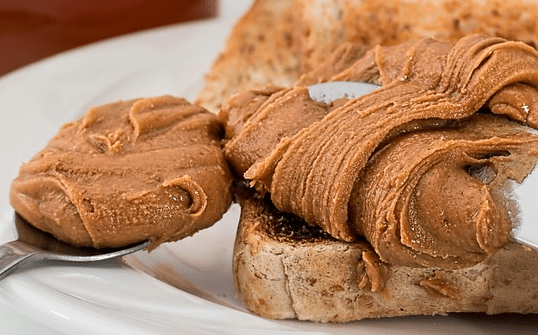
    6. Peanut butter. Small quantities of peanut butter make for an interesting treat if added to chew toys (such as Kongs).

    7. Vegetables. Broccoli, carrots, cucumber, celery, garlic, spinach, parsley, and green beans, squash and sweet potatoes are the top on the list. These veggies can be served raw or lightly steamed.

  • Most Frequently Asked Dog Food Questions

    Most Frequently Asked Dog Food Questions

    If you’re looking for answers to the most frequently asked dog food questions you’re in the right place. Our editors have collected and collated data from hundreds of thousands of dog food and dog feeding questions to provide the most relevant answers to the most common dog food questions.

    You may be somewhat overwhelmed with the amount of dog food terminology and various phrases relating to dog food (such as: cold pressed food, complete food, dry, raw, dog gut health etc). Fortunately, our friends over at K9 Magazine have put together the definitive dog food glossary to help.

    Answers to the most frequently asked dog food questions

    The following questions, if you click on their link, contain answers from our own hand-picked, quality assessed curated sources for the best, most reputable and reliable dog nutrition information.

    So if you’ve ever wondered what the most frequently asked dog food questions were and wanted to get the answers to any, here you go:

    1. Which Dog Food Is Best
    2. What Dog Food Is Best
    3. What Dog Foods Are Best
    4. What Food Dog Cannot Eat
    5. What Food Dog Can’t Eat
    6. What Dog Food To Avoid
    7. What Dog Food Brand Is Best
    8. What Dog Food Is Grain Free
    9. What Dog Food Is Best For Puppies
    10. What Dog Food
    11. How Dog Food Is Made
    12. How Much Dog Food Per Day
    13. What Dog Food Is Killing Dogs
    14. What Dog Food Kills Dogs
    15. Can Dog Food Go Bad
    16. What Dog Food Do Vets Recommend
    17. Can Dog Food Cause Seizures
    18. What Dog Food Should I Feed My Dog
    19. What Dog Food Has Been Recalled 2019
    20. What Dog Food Is Linked To Heart Disease
    21. What Dog Food Are Recalled
    22. What Dog Food Brands Are Safe
    23. What Dog Food Causes Heart Disease
    24. What Dog Food Is Best For Yorkies
    25. What Dog Food Is High In Fiber
    26. What Dog Food Is On Recall
    27. What Dog Food Recall
    28. What Dog Food Was Recalled
    29. Will Dog Food Hurt Cats
    30. How Much Dog Food For Puppies
    31. What Dog Food Is Good For Allergies
    32. Can Dog Food Go Stale
    33. What Dog Food Do Dogs Like Best
    34. What Dog Food Has Been Recalled
    35. What Dog Food Has Never Been Recalled
    36. What Dog Food Is High In Protein
    37. What Dog Food Is On Recall 2019
    38. What Dog Food Jingle Did Jed Write
    39. What Dog Food Has The Most Protein
    40. What Dog Food Is Not Grain Free
    41. What Dog Food Tastes The Best
    42. What’s The Best Dog Food On The Market
    43. Can Dog Food Cause Urinary Incontinence
    44. Can Dog Food Cause Uti
    45. Does Trader Joe’s Sell Dog Food
    46. What Dog Food Brands To Avoid
    47. What Dog Food Helps With Shedding
    48. When Does Dog Food Expire
    49. What Dog Food Causes Cancer
    50. What Dog Food Is Low In Protein
    51. What Dog Food Made Of
    52. What Dog Foods Are Linked To Heart Disease
    53. What Dog Food To Buy
    54. What Dog Food To Feed My Dog
    55. What Dog Food Will Help Gain Weight
    56. What Dry Dog Food Do Vets Recommend
    57. Will Dog Food Hurt My Cat
    58. What Are Dog Food
    59. What Dog Food Company Did Jed Sign With
    60. What Dog Food Do Veterinarians Recommend
    61. What Dog Food Is On The Recall List
    62. What Dog Food Is Recommended By Vets
    63. What Dog Food Should I Feed My Puppy
    64. What’s The Healthiest Dog Food On The Market
    65. Where Is Dog Food In Walmart
    66. Which Dog Food
    67. Which Dog Food Brands To Avoid
    68. Who Eukanuba Dog Food
    69. How Much Dog Food Calculator
    70. What Are Dog Food Toppers
    71. What Dog Food Compared To Blue Buffalo
    72. What Dog Food Has High Fiber
    73. What Dog Food Has No By Products
    74. What Dog Food Has No Chicken In It
    75. What Dog Food Is Aafco Approved
    76. What Dog Food Is Best For French Bulldogs
    77. What Dog Food Makes Dogs Gain Weight
    78. What Dog Food Not To Feed Your Dog
    79. What Dog Food Should I Feed My Dog Quiz
    80. What Dog Food Should I Feed My Pitbull
    81. What Dog Food Was Killing Dogs
    82. What Wet Dog Food Do Vets Recommend
    83. When Was Dog Food Made
    84. Which Dog Food Is Best For Puppies
    85. Why Dog Food Is Bad
    86. Will Dog Food Make A Cat Sick
    87. What Are Dog Food Made Of
    88. What Dog Food Brand Is Killing Dogs
    89. What Dog Food Brands Are Made In China
    90. What Dog Food Brands Are Made In Usa
    91. What Dog Food Brands Does Purina Own
    92. What Dog Food Brands Use Horse Meat
    93. What Dog Food Can Cause Seizures
    94. What Dog Food Can Hedgehogs Eat
    95. What Dog Food Can Humans Eat
    96. What Dog Food Can Puppies Eat
    97. What Dog Food Comes From China
    98. What Dog Food Compared To Science Diet
    99. What Dog Food Does Dr Jeff Recommend
    100. What Dog Food Does The Queen Use
    101. What Dog Food Do Vets Recommend Uk
    102. What Dog Food For Dogs With Allergies
    103. What Dog Food For Sensitive Stomach
    104. What Dog Food Has No Corn
    105. What Dog Food Has No Ingredients From China
    106. What Dog Food Has No Peas Or Lentils
    107. What Dog Food Has No Red Dye
    108. What Dog Food Is Best For Hedgehogs
    109. What Dog Food Is Best For Yeast Infections
    110. What Dog Food Is Easy To Digest
    111. What Dog Food Is High In Fibre
    112. What Dog Food Is High In Zinc
    113. What Dog Food Is Killing Dogs 2020
    114. What Dog Food Is Low In Copper
    115. What Dog Food Is Low In Fat
    116. What Dog Food Is Low In Sodium
    117. What Dog Food Makes Dogs Poop Less
    118. What Dog Food Produces Less Poop
    119. What Dog Food Produces The Least Amount Of Poop
    120. What Dog Food Should I Feed My German Shepherd
    121. What Dog Food Should I Get
    122. What Dog Food To Feed My Puppy
    123. What Dog Food To Gain Weight
    124. What Dog Food Uk
    125. What Dog Food Veterinarians Recommend
    126. What Dog Food Vets Recommend
    127. What Dog Food Will Help With Gas
    128. What Food Dog Should Eat
    129. What Is Raw Dog Food Uk
    130. When Changing Dog Food
    131. When Switching Dog Food
    132. Where Dog Food Is Made
    133. Which Dog Food Guide
    134. Which Dog Food Is Best In India
    135. Which Dog Food Reviews
    136. Which Dog Food Uk
    137. Which Dog Food Was Recalled
    138. Who Made Dog Food
    139. Why Dog Food
    140. Why Dog Food Grain Free
    141. Are Dog Food Bad
    142. Are Dog Food Healthy
    143. How Dog Food Making
    144. How Dog Foods
    145. How Much Dog Food For German Shepherd
    146. How Transition Dog Food
    147. What Are Dog Food Allergies
    148. What Are Dog Food Allergy Symptoms
    149. What Are Dog Food Good For
    150. What Can Dog Food Is Good
    151. What Can Dog Food Is The Best
    152. What Does Dog Food Need
    153. What Dog Food Allergies
    154. What Dog Food Are Bad
    155. What Dog Food Brands Are Bad
    156. What Dog Food Brands Do Vets Recommend
    157. What Dog Food Can Ferrets Eat
    158. What Dog Food Can French Bulldogs Eat
    159. What Dog Food Can I Bring Into The Us
    160. What Dog Food Can Rats Eat
    161. What Dog Food Compared To Royal Canin
    162. What Dog Food Compared To Taste Of The Wild
    163. What Dog Food Contains Fibre
    164. What Dog Food Contains Vitamin B
    165. What Dog Food Contains Xylitol
    166. What Dog Food Does Aldi Sell
    167. What Dog Food Does Morrisons Sell
    168. What Dog Food Does Morrisons Stock
    169. What Dog Food Does Tesco Sell
    170. What Dog Food Dogs Like Best
    171. What Dog Food Do You Feed Puppies
    172. What Dog Food Eat
    173. What Dog Food For Chihuahua
    174. What Dog Food For German Shepherd
    175. What Dog Food For Jack Russell
    176. What Dog Food For Kidney Disease
    177. What Dog Food For Kidneys
    178. What Dog Food For My Dog
    179. What Dog Food For My Puppy
    180. What Dog Food For Older Dogs
    181. What Dog Food For Pitbulls
    182. What Dog Food For Puppies
    183. What Dog Food For Yeast Infection
    184. What Dog Food For Yorkies
    185. What Dog Food Gets 5 Stars
    186. What Dog Food Gives Dogs Cancer
    187. What Dog Food Gives Dogs Gas
    188. What Dog Food Gives Dogs Heart Disease
    189. What Dog Food Good For Dogs
    190. What Dog Food Has No Preservatives
    191. What Dog Food Has No Recalls
    192. What Dog Food Has The Highest Meat Content
    193. What Dog Food Has Yeast In It
    194. What Dog Food Is Anti Yeast
    195. What Dog Food Is Best For Yorkie Puppies
    196. What Dog Food Is Comparable To Zignature
    197. What Dog Food Is Easily Digested
    198. What Dog Food Is Like Blue Buffalo
    199. What Dog Food Is Like Science Diet
    200. What Dog Food Is Low In Phosphorus
    201. What Dog Food Is Most Nutritious
    202. What Dog Food Is Non Gmo
    203. What Dog Food Is Organic
    204. What Dog Food Is Similar To Wainwrights
    205. What Dog Food Is Similar To Zignature
    206. What Dog Food Is Vegan
    207. What Dog Food Is Yeast Free
    208. What Dog Food Killed 2019
    209. What Dog Food Label
    210. What Dog Food Made In China
    211. What Dog Food Made In Usa
    212. What Dog Food Made Out Of
    213. What Dog Food Makes Dogs Fart Less
    214. What Dog Food Makes Dogs Fat
    215. What Dog Food Makes Dogs Live Longer
    216. What Dog Food Never Had A Recall
    217. What Dog Food On Recall
    218. What Dog Food Prevents Bladder Stones
    219. What Dog Food Prevents Gas
    220. What Dog Food Prevents Shedding
    221. What Dog Food Put Weight On Dogs
    222. What Dog Food Raw
    223. What Dog Food Reduces Gas
    224. What Dog Food Reduces Shedding
    225. What Dog Food Reduces Stool
    226. What Dog Foods Have Xylitol
    227. What Dog Food Should I Feed My French Bulldog
    228. What Dog Foods Linked To Heart Disease
    229. What Dog Food Stops Farting
    230. What Dog Food Taste Like
    231. What Dog Food Taste Like Human Food
    232. What Dog Food Tastes Like
    233. What Dog Food To Feed English Bulldogs
    234. What Dog Food To Feed Puppy
    235. What Dog Food To Stay Away From
    236. What Dog Food Uses Horse Meat
    237. What Dog Food Will A Picky Dog Eat
    238. What Dog Food Will Harden Stool
    239. What Dog Food Will Help With Shedding
    240. What Dog Food With Grain Is Best
    241. What Food Dog Like To Eat
    242. What Is A Dog Food Jingle
    243. What Is Dog Food Jelly
    244. What Is Dog Food Kibble
    245. What Is Dog Food Like
    246. What Is Dog Food Name
    247. What Will Dog Food Do To A Cat
    248. When Dog Food Was Recalled
    249. When Senior Dog Food
    250. When To Dog Food
    251. Where Donate Dog Food
    252. Where Is Dog Food From
    253. Where Is Dog Food In Target
    254. Which Dog Food Are Vegan
    255. Which Dog Food Guide Uk
    256. Which Dog Food Is Kosher For Passover
    257. Which Dog Food Less Poop
    258. Which Dog Food Platinum
    259. Which Food Dog Like Most
    260. Who Is Dog Food Advisor
    261. Who Was Dog Food
    262. Why Dog Food Ingredients
    263. Why Dog Food Is Bad For Cats
    264. Why Dog Food Is Good
    265. Why Dog Food Is Grain
    266. Why Dog Food Pedigree
    267. Will Dog Food Harm My Cat
    268. Will Dog Food Hurt A Baby
    269. Will Dog Food Hurt A Rabbit
    270. Will Dog Food Hurt My Toddler
    271. What’s The Best Dog Food Uk
    272. Which Dog Food Reviews Uk
    273. Which Dog Food Guide
    274. Which Dog Food Is Best In India
    275. Which Dog Food Reviews
    276. Which Dog Food Uk
    277. Which Dog Food Was Recalled
    278. Who Made Dog Food
    279. Why Dog Food
    280. Why Dog Food Grain Free
    281. Are Dog Food Bad
    282. Are Dog Food Healthy
    283. How Dog Food Making
    284. How Dog Foods
    285. How Much Dog Food For German Shepherd
    286. How Transition Dog Food
    287. What Are Dog Food Allergies
    288. What Are Dog Food Allergy Symptoms
    289. What Are Dog Food Good For
    290. What Can Dog Food Is Good
    291. What Can Dog Food Is The Best
    292. What Does Dog Food Need
    293. What Dog Food Allergies
    294. What Dog Food Are Bad
    295. What Dog Food Brands Are Bad
    296. What Dog Food Brands Do Vets Recommend
    297. What Dog Food Can Ferrets Eat
    298. What Dog Food Can French Bulldogs Eat
    299. What Dog Food Can I Bring Into The Us
    300. What Dog Food Can Rats Eat
    301. What Dog Food Compared To Royal Canin
    302. What Dog Food Compared To Taste Of The Wild
    303. What Dog Food Contains Fibre
    304. What Dog Food Contains Vitamin B
    305. What Dog Food Contains Xylitol
    306. What Dog Food Does Aldi Sell
    307. What Dog Food Does Morrisons Sell
    308. What Dog Food Does Morrisons Stock
    309. What Dog Food Does Tesco Sell
    310. What Dog Food Dogs Like Best
    311. What Dog Food Do You Feed Puppies
    312. What Dog Food Eat
    313. What Dog Food For Chihuahua
    314. What Dog Food For German Shepherd
    315. What Dog Food For Jack Russell
    316. What Dog Food For Kidney Disease
    317. What Dog Food For Kidneys
    318. What Dog Food For My Dog
    319. What Dog Food For My Puppy
    320. What Dog Food For Older Dogs
    321. What Dog Food For Pitbulls
    322. What Dog Food For Puppies
    323. What Dog Food For Yeast Infection
    324. What Dog Food For Yorkies
    325. What Dog Food Gets 5 Stars
    326. What Dog Food Gives Dogs Cancer
    327. What Dog Food Gives Dogs Gas
    328. What Dog Food Gives Dogs Heart Disease
    329. What Dog Food Good For Dogs
    330. What Dog Food Has No Preservatives
    331. What Dog Food Has No Recalls
    332. What Dog Food Has The Highest Meat Content
    333. What Dog Food Has Yeast In It
    334. What Dog Food Is Anti Yeast
    335. What Dog Food Is Best For Yorkie Puppies
    336. What Dog Food Is Comparable To Zignature
    337. What Dog Food Is Easily Digested
    338. What Dog Food Is Like Blue Buffalo
    339. What Dog Food Is Like Science Diet
    340. What Dog Food Is Low In Phosphorus
    341. What Dog Food Is Most Nutritious
    342. What Dog Food Is Non Gmo
    343. What Dog Food Is Organic
    344. What Dog Food Is Similar To Wainwrights
    345. What Dog Food Is Similar To Zignature
    346. What Dog Food Is Vegan
    347. What Dog Food Is Yeast Free
    348. What Dog Food Killed 2019
    349. What Dog Food Label
    350. What Dog Food Made In China
    351. What Dog Food Made In Usa
    352. What Dog Food Made Out Of
    353. What Dog Food Makes Dogs Fart Less
    354. What Dog Food Makes Dogs Fat
    355. What Dog Food Makes Dogs Live Longer
    356. What Dog Food Never Had A Recall
    357. What Dog Food On Recall
    358. What Dog Food Prevents Bladder Stones
    359. What Dog Food Prevents Gas
    360. What Dog Food Prevents Shedding
    361. What Dog Food Put Weight On Dogs
    362. What Dog Food Raw
    363. What Dog Food Reduces Gas
    364. What Dog Food Reduces Shedding
    365. What Dog Food Reduces Stool
    366. What Dog Foods Have Xylitol
    367. What Dog Food Should I Feed My French Bulldog
    368. What Dog Foods Linked To Heart Disease
    369. What Dog Food Stops Farting
    370. What Dog Food Taste Like
    371. What Dog Food Taste Like Human Food
    372. What Dog Food Tastes Like
    373. What Dog Food To Feed English Bulldogs
    374. What Dog Food To Feed Puppy
    375. What Dog Food To Stay Away From
    376. What Dog Food Uses Horse Meat
    377. What Dog Food Will A Picky Dog Eat
    378. What Dog Food Will Harden Stool
    379. What Dog Food Will Help With Shedding
    380. What Dog Food With Grain Is Best
    381. What Food Dog Like To Eat
    382. What Is A Dog Food Jingle
    383. What Is Dog Food Jelly
    384. What Is Dog Food Kibble
    385. What Is Dog Food Like
    386. What Is Dog Food Name
    387. What Will Dog Food Do To A Cat
    388. When Dog Food Was Recalled
    389. When Senior Dog Food
    390. When To Dog Food
    391. Where Donate Dog Food
    392. Where Is Dog Food From
    393. Where Is Dog Food In Target
    394. Which Dog Food Are Vegan
    395. Which Dog Food Guide Uk
    396. Which Dog Food Is Kosher For Passover
    397. Which Dog Food Less Poop
    398. Which Dog Food Platinum
    399. Which Food Dog Like Most
    400. Who Is Dog Food Advisor
    401. Who Was Dog Food
    402. Why Dog Food Ingredients
    403. Why Dog Food Is Bad For Cats
    404. Why Dog Food Is Good
    405. Why Dog Food Is Grain
    406. Why Dog Food Pedigree
    407. Will Dog Food Harm My Cat
    408. Will Dog Food Hurt A Baby
    409. Will Dog Food Hurt A Rabbit
    410. Will Dog Food Hurt My Toddler
    411. Are Dog Food Bad
    412. Are Dog Food Healthy
    413. How Dog Food Making
    414. How Dog Foods
    415. How Much Dog Food For German Shepherd
    416. How Transition Dog Food
    417. What Are Dog Food Allergies
    418. What Are Dog Food Allergy Symptoms
    419. What Are Dog Food Good For
    420. What Can Dog Food Is Good
    421. What Can Dog Food Is The Best
    422. What Does Dog Food Need
    423. What Dog Food Allergies
    424. What Dog Food Are Bad
    425. What Dog Food Brands Are Bad
    426. What Dog Food Brands Do Vets Recommend
    427. What Dog Food Can Ferrets Eat
    428. What Dog Food Can French Bulldogs Eat
    429. What Dog Food Can I Bring Into The Us
    430. What Dog Food Can Rats Eat
    431. What Dog Food Compared To Royal Canin
    432. What Dog Food Compared To Taste Of The Wild
    433. What Dog Food Contains Fibre
    434. What Dog Food Contains Vitamin B
    435. What Dog Food Contains Xylitol
    436. What Dog Food Does Aldi Sell
    437. What Dog Food Does Morrisons Sell
    438. What Dog Food Does Morrisons Stock
    439. What Dog Food Does Tesco Sell
    440. What Dog Food Dogs Like Best
    441. What Dog Food Do You Feed Puppies
    442. What Dog Food Eat
    443. What Dog Food For Chihuahua
    444. What Dog Food For German Shepherd
    445. What Dog Food For Jack Russell
    446. What Dog Food For Kidney Disease
    447. What Dog Food For Kidneys
    448. What Dog Food For My Dog
    449. What Dog Food For My Puppy
    450. What Dog Food For Older Dogs
    451. What Dog Food For Pitbulls
    452. What Dog Food For Puppies
    453. What Dog Food For Yeast Infection
    454. What Dog Food For Yorkies
    455. What Dog Food Gets 5 Stars
    456. What Dog Food Gives Dogs Cancer
    457. What Dog Food Gives Dogs Gas
    458. What Dog Food Gives Dogs Heart Disease
    459. What Dog Food Good For Dogs
    460. What Dog Food Has No Preservatives
    461. What Dog Food Has No Recalls
    462. What Dog Food Has The Highest Meat Content
    463. What Dog Food Has Yeast In It
    464. What Dog Food Is Anti Yeast
    465. What Dog Food Is Best For Yorkie Puppies
    466. What Dog Food Is Comparable To Zignature
    467. What Dog Food Is Easily Digested
    468. What Dog Food Is Like Blue Buffalo
    469. What Dog Food Is Like Science Diet
    470. What Dog Food Is Low In Phosphorus
    471. What Dog Food Is Most Nutritious
    472. What Dog Food Is Non Gmo
    473. What Dog Food Is Organic
    474. What Dog Food Is Similar To Wainwrights
    475. What Dog Food Is Similar To Zignature
    476. What Dog Food Is Vegan
    477. What Dog Food Is Yeast Free
    478. What Dog Food Killed 2019
    479. What Dog Food Label
    480. What Dog Food Made In China
    481. What Dog Food Made In Usa
    482. What Dog Food Made Out Of
    483. What Dog Food Makes Dogs Fart Less
    484. What Dog Food Makes Dogs Fat
    485. What Dog Food Makes Dogs Live Longer
    486. What Dog Food Never Had A Recall
    487. What Dog Food On Recall
    488. What Dog Food Prevents Bladder Stones
    489. What Dog Food Prevents Gas
    490. What Dog Food Prevents Shedding
    491. What Dog Food Put Weight On Dogs
    492. What Dog Food Raw
    493. What Dog Food Reduces Gas
    494. What Dog Food Reduces Shedding
    495. What Dog Food Reduces Stool
    496. What Dog Foods Have Xylitol
    497. What Dog Food Should I Feed My French Bulldog
    498. What Dog Foods Linked To Heart Disease
    499. What Dog Food Stops Farting
    500. What Dog Food Taste Like
    501. What Dog Food Taste Like Human Food
    502. What Dog Food Tastes Like
    503. What Dog Food To Feed English Bulldogs
    504. What Dog Food To Feed Puppy
    505. What Dog Food To Stay Away From
    506. What Dog Food Uses Horse Meat
    507. What Dog Food Will A Picky Dog Eat
    508. What Dog Food Will Harden Stool
    509. What Dog Food Will Help With Shedding
    510. What Dog Food With Grain Is Best
    511. What Food Dog Like To Eat
    512. What Is A Dog Food Jingle
    513. What Is Dog Food Jelly
    514. What Is Dog Food Kibble
    515. What Is Dog Food Like
    516. What Is Dog Food Name
    517. What Will Dog Food Do To A Cat
    518. When Dog Food Was Recalled
    519. When Senior Dog Food
    520. When To Dog Food
    521. Where Donate Dog Food
    522. Where Is Dog Food From
    523. Where Is Dog Food In Target
    524. Which Dog Food Are Vegan
    525. Which Dog Food Guide Uk
    526. Which Dog Food Is Kosher For Passover
    527. Which Dog Food Less Poop
    528. Which Dog Food Platinum
    529. Which Food Dog Like Most
    530. Who Is Dog Food Advisor
    531. Who Was Dog Food
    532. Why Dog Food Ingredients
    533. Why Dog Food Is Bad For Cats
    534. Why Dog Food Is Good
    535. Why Dog Food Is Grain
    536. Why Dog Food Pedigree
    537. Will Dog Food Harm My Cat
    538. Will Dog Food Hurt A Baby
    539. Will Dog Food Hurt A Rabbit
    540. Will Dog Food Hurt My Toddler
    541. What’s The Best Dog Food Uk
    542. Which Dog Food Reviews Uk
    543. What’s The Best Dog Food Uk
    544. Which Dog Food Reviews Uk

  • 12 Reasons Why Fish Is A Great Food For Dogs

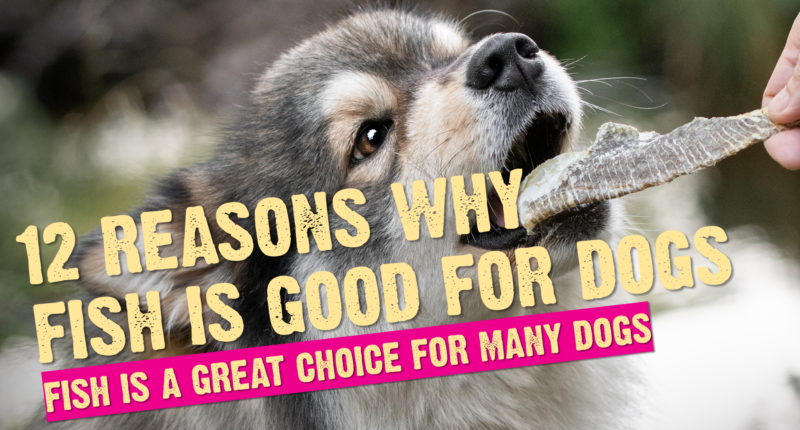
    12 Reasons Why Fish Is A Great Food For Dogs

    Fish is a high-quality diet and alternative to meat-based dog foods for dogs. It provides all the nutrients a dog needs in a low-fat, nutrition-rich food that has excellent benefits for a dog’s eyes, joints, and immune system.

    Fish is also great for dogs who need to lose weight.

    In this article, we will explore the many benefits of feeding fish to dogs and why it is not just good for them, but actually one of the best foods for dogs with some incredible benefits.

    The 12 biggest benefits of fish in your dog’s diet

    1. Fish is a high-quality diet and alternative to meat-based dog foods for dogs.
    2. Fish provides all the nutrients a dog needs in a low-fat, nutrition-rich food.
    3. Fish has excellent benefits for a dog’s eyes, joints, and immune system.
    4. Fish is also great for dogs who need to lose weight.
    5. Fish can be a great source of protein for dogs with allergies and food intolerance.
    6. Fish is an easily digestible protein source for dogs, especially those with liver or kidney disease.
    7. Fish is a fantastic source of nutrition and minerals such as calcium, magnesium, selenium, zinc, phosphorous, iodine, and iron for dogs.
    8. Omega-3 fatty acids found in fish act as a natural anti-inflammatory making it great for dogs with allergies or intolerances to other non-fish proteins.
    9. Fish is also great for dogs with joint issues and inflammatory bowel disease (IBD).
    10. Fish is a great source of healthy dietary fats that are enriched with essential fatty acids, vital in a well-balanced diet.
    11. Fish is packed with beneficial vitamins and minerals that are essential to good health in your dog.
    12. Adding fish to your dog’s diet will provide them with a raft of health benefits helping keep them in top condition and health throughout their life.

    What type of fish is best for dogs:

    The most common types of fish used in commercial dog food are shorter-lived species like salmon, ocean whitefish, lake whitefish, herring, walleye, flounder, and Arctic char.

    These fish are generally less likely to have high tissue mercury levels or significant parasite burdens.

    Smaller, younger, wild-caught fish are generally safe options when considering adding fresh or processed fish to your dog’s diet. Safe fish for dogs include whitefish, flounder, salmon, herring, catfish, cod, whiting and light tuna fish (canned).

    If you choose to feed a homemade diet with fish, be sure to consult your veterinarian or a board-certified veterinary nutritionist to make sure you are meeting all of your dog’s nutritional needs.

    Why pollock is just as good for dogs as cod (but usually cheaper)

    Pollock is a white fish that is similar to cod in terms of its nutritional value and taste. Like cod, pollock is a good source of lean protein, vitamins, and minerals for dogs.

    Pollock is often cheaper to buy than cod because it is more abundant and easier to catch. This means that pollock can be a more cost-effective option for dog owners who want to provide their dogs with the nutritional benefits of white fish without breaking the bank.

    Both pollock and cod are great options for dogs, so choosing between them often comes down to personal preference and budget.

    What do vets say about fish as a dog food:

    According to veterinarians, fish is a healthy source of protein and is often included in commercial dog food as an alternative protein source.

    Fish is rich in omega-3 fatty acids, which may have health benefits such as decreasing inflammation. Fish is also a good alternative for dogs with food allergies to more common ingredients, like chicken ¹.

    Many vets will often recommend fish-based diets for dogs with food allergies or an upset tummy because when cooked, fish is easy to digest, making it a brilliant alternative to meats such as chicken or beef ³.

    [powerkit_collapsibles] [powerkit_collapsible title=”Sources”] [/powerkit_collapsible]

    What types of fish should I avoid feeding my dog?

    According to the Food and Drug Administration guidelines, you should avoid feeding your dog the following types of fish:

    • shark
    • tilefish
    • swordfish
    • king mackerel
    • albacore tuna (canned) .

    These fish species are typically larger and older when they are harvested. Not only are they more likely to have an accumulation of unhealthy levels of mercury in their tissues, but they often harbor parasites in their skin, muscle tissues, and internal organs.

    Farm-raised fish should generally be avoided as well, particularly from areas where there are few industry regulations governing the type and quality of diet provided to the fish.

    Farm-raised fish also have increased potential for harmful residual antibiotic levels, dyes, and other potential toxins in the skin and muscle of the fish once they are harvested and processed.

    Conclusion: Fish is a great food for dogs, but choose the fish carefully

    In conclusion, fish is a great food for dogs. It is a high-quality diet and alternative to meat-based dog foods that provides all the nutrients a dog needs in a low-fat, nutrition-rich food.

    Fish has excellent benefits for a dog’s eyes, joints, and immune system and is also great for dogs who need to lose weight.

    Fish can be a great source of protein for dogs with allergies and is an easily digestible protein source for dogs, especially those with liver or kidney disease.

    Fish is a fantastic source of nutrition and minerals such as calcium, magnesium, selenium, zinc, phosphorous, iodine, and iron for dogs.

    Adding fish to your dog’s diet will provide them with a raft of health benefits helping keep them in top condition and health throughout their life.

  • Want To Be A Pet Sitter? Now Could Be The Best Time

    In 2020/2021 pet ownership levels soared to an unprecedented high of 59% due to the pandemic and more people spending time at home. More than half of UK (United Kingdom) households own at least one pet, with an estimated 12 million dogs and 12 million cats living in homes.

    But what happens when pet owners go on holiday?

    Homesitters Ltd, a leading UK home and pet sitting company, says it has led to a spike in demand for their services and they are seeking new homesitters to join them.

    Benjamin Irvine, Director of Business Operations at Homesitters Ltd says: “People are spending more on the welfare of their pets and want to ensure they are well looked after when they go on holiday.

    “We’re seeing bookings increase and we’re now recruiting new homesitters to meet this demand. We are looking for active retired people who love pets and travelling and want to earn some money to supplement their retirement income.”

    Home and pet sitting also offers people the chance to get their ‘animal fix’ and spend time caring for other people’s pets. Many couples also enjoy homesitting because they get the chance to spend more time together, earn some extra money and discover new places in the UK.

    For many, the chance to become a pet sitter sounds like a dream job.

    Anita and Norman Prior from Tamworth in Staffordshire decided to become homesitters in 2018 after taking early retirement in their 50s following their careers in the Royal Air Force.

    This adventurous couple live on a houseboat near Tamworth. They love animals and when their pet spaniel died in 2015, they could not face getting another dog, but decided they would be happy looking after other people’s dogs instead.

    Since joining Homesitters, they have travelled all over the UK on assignments and looked after many pets including twelve dogs, three cats, three donkeys and a lake full of wildfowl.

    They love the variety of their role – whether that is staying in peaceful rural locations where they can go for walks in the countryside or taking a city break in London where they can visit new attractions, try different foods and meet interesting people.

    Anita says, “We’ve looked after many different dogs, and enjoy getting to know their personalities. Some owners like to keep in touch while they are away, and we will send them photos of the dogs so they can see what they have been up to.

    “We have stayed in beautiful homes in gorgeous locations and there’s always something different to do. We have our pensions which we can live on quite comfortably, but our earnings from homesitting enables us to enjoy life just that little bit more.”

    Retired couple Martin and Kristine Bell from Collingham, near Newark in Nottinghamshire are also employed by Homesitters. Martin says: “You’d be surprised how many people aren’t aware that home and pet sitting is a real job, and we’d recommend it to anyone who is retired. How else would you get the opportunity to stay in different homes and experience other people’s pets and lifestyles and not have to pay lots of money to do it?”

    Homesitters Ltd is looking for reliable and responsible people who want to join the pet and home sitting team and take advantage of the many benefits of homesitting and enjoy a new way of life, living in other people’s homes and seeing new places.

    For more information about Homesitters Ltd please visit: www.homesitters.co.uk

  • Revealed: These Are The Snacks That Dogs Like The Most

    New research has revealed the treats that dogs can’t get enough of, the top brands of biscuits, and how pet-parents can most effectively use treats to train their dogs, ahead of International Dog Biscuit Appreciation Day.

    Analysts at kennel manufacturer Benchmark Kennels have surveyed dog owners to find their favourite treats, and talked to professional dog trainer Ali Smith and animal behaviourist Rachel Rodgers to reveal how best to train your dog using treats.

    Key Findings

    • Chicken is a dog’s favourite treat, with over 1 in 5 (20.33%) canines choosing this as their top snack.
    • This is closely followed by hotdogs (15.67%) and cheese (15.33%).
    • Benchmark Kennels compiled data from dog owners on which treats their dogs are most willing to recall and complete a command for.
    • Benchmark Kennels spoke to professional dog trainer Ali Smith about training your puppy with treats, and clinical Animal Behaviourist Rachel Rodgers about the most effective treats for teaching different commands and training your dog in different environments.

    Obedience training can be very trying, so to gain some insight into this part of puppy parenthood, Benchmark Kennels decided to reach out to the founder of Rebarkable and overall puppy expert, Ali Smith.

    “Certain breeds are definitely easier to train, but there is no ‘disobedient’ breed. Just some who are bred to be independent and some who are bred to work closely with you.

    “More biddable breeds include German Shepherds, Labrador Retrievers, toy poodles, border collies – essentially the breeds that are often deemed ‘smart’ breeds, and the more aloof or independent breeds like Huskies, Harriers, Shiba Inu, and a whole host of terriers are usually equally smart, it can just be more difficult to find their wavelength.”

    Treats can provide the perfect reward and incentive for pups to follow commands. Creating this positive connection between food and obedience can speed up the training process massively.

    However, some dogs are also more inclined to work for food than others, such as greedy labradors and pugs! These breeds happily see treats as their reward whereas working dogs such as spaniels, shepherds and collies might find a toy and a good game of tug and war more enticing. The key to the training process is finding what motivates your dog in particular.

    The environment in which a dog is taught has a direct impact on their concentration levels and as a result, their ability to learn and absorb new tricks or habits. The Benchmark team contacted clinical Animal Behaviourist and fellow expert in all things dog, Rachel Rodgers, to expand on why certain treats are more effective in different environments.

    “When teaching something new, or taking known tricks into an unfamiliar, distracting environment such as a park, we need to use higher value products such as meat-based treats. When in a familiar place like the home, lower value treats such as more traditional, shop-bought biscuits like milk and gravy bones can work well.”

    While it may seem like treats are not compelling your dog like they should, it may be the case that what you are offering is simply not tempting enough to command your pooch’s attention, especially while they are in an interesting environment. It is a good idea to vary the treats that you give your pup to ensure that each remains interesting and does not lose its effect.

    Barking at the doorbell, begging at the dinner table, jumping up at guests – we’ve all been there! However, specific dog treats can be used to fix these behavioural issues.

    While these issues can be frustrating, it is essential to consider why a dog might be acting in such a way. After ruling out potential causes of pain or fear, it is worth considering that your pooch is oblivious to the fact that they are doing anything wrong.

    Rachel Rodgers explains:

    “We should never punish a badly behaved dog because in the majority of situations, the reason that the dog is ‘badly behaved’ is that they have not been taught the right thing to do in the first place.

    “Teaching an incompatible behaviour to the problem behaviour can be a great way to tackle common issues.

    “If a dog is jumping up, scatter food on the floor: their nose will be down sniffing out treats which is incompatible with being up near someone’s face and jumping! They are also getting rewarded for keeping their 4 paws on the floor which over time will become their new behaviour. Dog barks at the postman? Teach them to lie quietly on the bed where they will get a tasty chew.”

    While small, soft treats are perfect for training and teaching tricks as canines can eat them quickly, longer lasting treats such as biscuits can be ideal when teaching pooches to be calm around visitors. Giving a long-lasting biscuit or chew on their bed when people arrive can also help dogs learn to settle and relax in a set area rather than jumping all over guests. It is all about choosing the right kind of treat depending on the situation or environment.

    Although dogs only have about one-sixth of the number of taste buds that humans have, we can’t help but wonder if our pooches have snack preferences.

    Ali Smith was able to shed some light on the subject. According to Ali, our furry friends tend to favour flavours of liver or whole proteins such as chicken and ham. However, it is worth keeping in mind that some treats are definitely healthier than others. Just like human food, the less processed, the better: recognisable ingredients are always a good sign!

    The team at Benchmark Kennels decided to do some digging. We asked 300 dog owners for their pooches’ favourite snacks and compiled a comprehensive list of dogs’ favourite alternative treats.

    Just as Ali Smith predicted, the dogs were chicken lovers, with over 1 in 5 of owners voting this popular poultry as the treat that their pooch gets most excited for. Dogs are not bothered about whether the chicken is freeze-dried, baked, or boiled, so don’t bother with any elaborate cooking, these pooches are easily pleased.

    The second most popular snacks were hot dogs and sausages, without onion and garlic of course which are harmful for dogs. This quintessential American delicacy was suggested by almost 1 in 6 fur-parents. In fact, Rachel Rodgers recommends using this food as a training incentive. “Small pieces (no larger than your small finger nail) of hot dog or ham can be really good high value treats for training.” However, Rachel also warns that meat products with a high salt content are harmful for our doggos and should be avoided. To be safe, stick to reduced fat and salt hot dogs, with no garlic or onion powder flavouring.

    Dogs favourite snacks, as chosen by 300 dogs

    1 – Chicken (freeze-dried, baked, or boiled) – 61 (20.3%)

    2 – Hot dog/sausage (no onion/garlic) – 47 (15.7%)

    3 – Cheese – 46 (15.3%)

    4 – Beef liver (freeze-dried, baked, or boiled) – 43 (14.3%)

    5 – Kibble – 35 (11.7%)

    6 – Salmon jerky (freeze dried fish or skin) – 26 (8.7%)

    Joint 7 – Carrot – 21 (7%)

    Joint 7 – Beef jerky (no additives/salt) – 21 (7%)

    Joint 7 – Ice cubes – 21 (7%)

    8 – Peanut butter (no Xylitol) – 20 (6.7%)

    *The research totals 341 treats chosen – some dogs recalled equally effectively for multiple treats.

    Although dogs are the biggest human food enthusiasts, it is best to be careful and research foods before offering them to pooches. Rachel Rodgers warns:

    “There are certain human foods which would be toxic and dangerous to give to our dogs. Any foods containing chocolate, raisins, grapes etc. need to be avoided as this could have deadly consequences to the dog. Other human foods are ok to give dogs but in small quantities.”

  • Vet Answers The Most Frequently Asked Dog Health Questions

    Vet Answers The Most Frequently Asked Dog Health Questions

    Over the course of the pandemic, 3.2 million homes across the U.K. welcomed a new pet into their lives.

    And it’s easy to see why; dogs have been found to make us happier and can encourage us to live a healthier lifestyle, but if you’re a dog owner it can be quite concerning to see your best furry friend experiencing shivering, vomiting and/or diarrhea.

    Naturally our curiosity and concern takes us directly to Dr Google to find out what could be causing our pooch to act out of the ordinary.

    Dog food company tails.com has discovered the health issues that dog owners all over the UK have been searching for the most, and have asked their Head Vet, Sean McCormack for his advice on how to ease these symptoms at home (and when to seek the advice of a veterinarian).

    Kennel Cough – searched 15,000 times a month

    Kennel cough is the common name for infectious canine tracheobronchitis which is a highly contagious respiratory disease in the dog world. The disease causes inflammation to the throat and lungs.

    The most common symptom of kennel cough is a dry, hacking cough that sometimes sounds like honking. Other symptoms include watery discharge from the nose and retching. In severe cases, symptoms can progress into pneumonia, fever, lethargy, and a lack of appetite.

    Sean advises that treatment plans vary depending on the severity, your vet will know best on how to treat your pooch.

    In most cases, however, it is suggested that you allow the cough to simply run its course, but make sure you double check this with your veterinarian. Sometimes a course of anti-inflammatories or antibiotics to treat secondary infection may be needed.

    If this is the case, here are some tips from Sean on how to help your pet through the process:

    Keep them isolated from other pets.

    A humidifier or vaporiser can provide some relief. If you do not have either, try allowing your pet in the bathroom while you shower.

    Avoid exposure to cigarette smoke or other irritating fumes.

    If your pet is a puller, try replacing your pet’s collar with a harness for the duration of the cough to keep from causing any further pain.

    Be sure to monitor your pet’s eating and drinking habits, and provide all the support they may need.

    Sean goes on to say ‘if you are worried about your dog catching kennel cough then there is the option for your pooch to be vaccinated, to arrange this simply enquire at your local vets.’

    Ticks On Dogs – searched 8,200 times a month

    One of our biggest fears for our dogs is discovering the presence of ticks. Whilst there’s a common misconception that ticks on dogs are only a problem in the summer months, warmer weather has seen a rise in ticks all year round.

    Through the nature of a tick’s blood sucking tendencies, they can transmit a range of infections and diseases including Babesiosis and Lyme Disease, affecting both dogs and their owners. Ticks are most commonly associated with Lyme Disease, an illness that often lies undetected due to symptoms frequently not appearing after the initial bite for up to several weeks.

    Sean says: ‘the sooner a tick can be removed, the less likely it is that you or your dog can get infected by nasty bacteria.’

    ‘To remove a tick effectively, use a tick removal tool (you can get these easily online). This allows you to twist and lift the tick off of the skin by going underneath its biting mouthparts.

    ‘It’s important to make sure you remove the tick properly and get the head out, as just pulling at the tick can often leave the mouthparts embedded in the skin and risk infection. If you are struggling with removing a tick yourself contact your local vet for help’

    Dog Diarrhoea – searched 5,200 a month

    It’s not unusual for dogs to have stinky or runny poos. In fact, dog diarrhoea is one of the most common problems vets see every year.

    There are many causes for dog or puppy diarrhoea, but here are a few of the most common; sudden change in diet, dietary indiscretion (eating something they shouldn’t), parasites, infections, inflammatory disorders and even quite simply stress, anxiety and over excitement.

    Sean explains: ‘The colour of your dog’s poo can also depend solely on your dog’s diet – reddish, greenish, or dark brown poop can all be normal.’

    ‘If it’s looking black – it could be a sign of internal bleeding, whilst pale yellow or grey poo can be a sign of fat digestion issues in the pancreas or problems in the liver. Seek veterinary help immediately if you notice this in your dog’s stool.’

    ‘You know your dog better than anyone, if you feel like there’s something wrong – or common problems such as constipation or diarrhoea don’t seem to go away after a few days – don’t hesitate to take your dog to the vet, and take a stool sample with you.’

    Dog Fleas – searched 3,000 times a month

    Fleas, no one likes them, even the thought of the pesky little bugs makes your skin crawl. Did you know, more than 95% of fleas don’t live on animals, but in wood floor crevices, carpets and soft furnishings? And they can remain alive in the cracks for up to two years.

    Sean states ‘the most effective flea products are a liquid spot-on medication which is applied to the skin on the back of your dog’s neck, but application errors can be an issue with these treatments, and if it rains or your dog jumps in water the product can wash away before it has a chance to be effective.

    ‘Double check with your veterinarian the best course of action to tackle fleas. It’s equally important to tackle the eggs and larvae in the environment as well as adult fleas on your dog. If you don’t you’ll never get rid of the infestation’

    Also see: How often should I treat my dog for fleas?

    Dog Ear Infection – searched 2,900 times a month

    An ear infection is an irritating and painful overgrowth of bacteria or yeast in the ear canal, usually caused by an underlying condition such as ear mites, a skin problem, or excess earwax.

    The most common symptoms of an ear infection can include; ear scratching, pain, and head shaking. Pay attention to your pooch – a head tilt or loss of balance is a sign your dog’s infection has moved deeper into the ear.

    Sean says ‘when it comes to treatment for an ear infection, always contact your vet, the quicker your dog is treated, the faster their recovery is likely to be.’

    Arthritis In Dogs – searched 2,700 times a month

    Much like humans, arthritis is a very common condition that causes stiff, painful or swollen joints. It can make moving around very difficult and uncomfortable for your pooch.

    Sean says ‘to prevent arthritis in your four legged friend, keep your dog’s joints as healthy as possible by keeping them slim and giving them regular, sensible exercise.’

    ‘Unfortunately arthritis can’t be cured but fortunately, there are several treatment options to slow it’s progression and manage pain. Nutritional supplements or special diets tailored to your dog’s needs containing omega 3 oils, glucosamine and chondroitin can be helpful.

    Treatment may include painkillers, joint supplements, hydrotherapy, and even surgery – all of which will be available from your vet.’

    ’If you suspect arthritis in your dog, the best course of action is to visit a vet as soon as possible’.

    Dog Vomiting – searched 2,500 times a month

    Vomiting is one of the most common symptoms which vets attend to everyday. It can be caused by a variety of things and in most cases, vomiting in dogs improves within 24 hours. But some are more serious and require treatment from a vet.

    Sean advises ‘it’s not always necessary to see your vet the first time your dog throws up, but it’s extremely important to monitor them closely and call your vet for advice if they vomit more than once, seem unwell, or have any other symptoms.’

    ‘Always contact your vet immediately if your dog is repeatedly trying to vomit but not bringing anything up, especially if they have a bloated tummy.

    ’This can be a sign of something more serious that needs to be investigated further. .

    Also see: Why is my dog throwing up in the morning

    Gastroenteritis in Dogs – searched 1,900 times a month

    Gastroenteritis refers to inflammation of the gastrointestinal tract, meaning the stomach and the intestines. It can be caused by infection with bacteria, viruses, parasites, medications, or even new foods. Most dogs with gastroenteritis will have intermittent episodes of vomiting and diarrhea.

    Sean explains ‘symptoms may include foamy yellowish bile vomit, especially after the stomach has been emptied. Some owners may see dry heaving or gagging after their dog eats or drinks.’

    ‘If you think your pet may have Gastroenteritis then seek veterinary help right away, your pooch may need immediate treatment.’

    Also see: Does my dog have IBD?

    Cataracts In Dogs – searched 1,500 times a month

    Most cataracts in dogs are the result of a genetic or hereditary defect. Many dog breeds are predisposed to hereditary cataracts, which may occur as early as at birth or develop later in young or middle-aged dogs.

    A cataract is an abnormal cloudiness of the eye, caused by a change in the lens.

    Sean explains: ‘Cataracts stop light reaching the back of the eye, reduce vision and eventually cause blindness. The most common causes of cataracts are due to old age, diabetes and eye disease.’

    He continues ‘Cataracts are slow growing, so you may not notice them until later on but here are a few symptoms for you to be aware of;

    A cloudiness, or grey tinge in your dog’s eye(s)

    Loss of vision, especially in low light conditions – this can be very tricky to notice because it often develops slowly and most dogs are very good at adapting by using their hearing and sense of smell instead.

    Pain – cataracts aren’t painful, but some of the underlying conditions that cause them are (such as eye injury or glaucoma).’

    ‘Contact your vet if you notice any changes in your dog’s eyes, or if you think they are losing their vision.’

    Ultimately you know your pooch best, if they are acting out of the ordinary and you are concerned it’s always best to contact your vet.

  • Fat Dogs Are Not Funny, Says Celebrity Vet

    Fat Dogs Are Not Funny, Says Celebrity Vet

    Videos celebrating overweight dogs have been viewed over 90MILLION times on TikTok, research by VetChef reveals.

    The study by the fresh pet food platform, highlights how widespread the worrying content is across all major social media platforms.

    On Facebook, Instagram and Reddit alone, VetChef has discovered there are ONE MILLION members or followers of groups devoted to overweight dogs.

    Fat breeds getting the wrong sort of attention

    Breeds which feature most in these groups are some of the UK’s most popular including pitbulls, frenchies, pugs, terriers and beagles.
    On TikTok, videos are shared using hashtags including: #chonkydogs, #fatdog, and #chubbypuppy.

    The term “chonky” has come to be used by many social media users to show their approval of overweight dogs. It first came into use in 2016 in a Twitter group called ‘Chonky Animals’.

    VetChef founder and pet nutrition expert Dr Joe Inglis comments:

    “While it is always a delight to see the joy pets bring, it is worrying that the trend of normalising and glorifying pets that are actually clinically overweight is on the rise.

    “The scale of content celebrating overweight dogs on social media is simply breathtaking – with clips hailing so-called ‘chonky’ canines viewed over 90million times on TikTok.

    “The unfortunate reality is that overweight pets are likely to have a lower quality of life, as they are more likely to develop serious health conditions such as diabetes, osteoarthritis and cancer.

    “The breeds that seem to be most commonly featured across social media also already have a number of hereditary health problems, which are likely to only be exacerbated by being overweight.

    Joe adds: “In the UK, obesity is one of the leading, ongoing health issues we face with our pets, with 50% of pets now being classed as overweight.

    “We can all be guilty of ‘fat blindness’ when it comes to our pets, especially over the past year when a lot of us have spent more time at home with our canine companions.

    “But our pets rely solely on us as their owners to keep them as fit, healthy and happy as possible, so it is our responsibility to ensure they are getting the right amount of daily exercise, fed a fresh diet that caters to their individual needs and to recognise when they are actually at an unhealthy weight.

    “At VetChef we are committed to helping pet parents do the very best for their animals by helping to feed them a diet of all-fresh, natural produce through a bespoke recipe plan.

    “These meals are all tailored to each individual animal’s needs, and are even designed to help with weight management, as they include the right amount of calories the pet needs based on their weight and body condition, which can then help them lose weight if necessary. The taste and texture of homemade recipes are also better than processed foods, so will help make a diet regime much more enjoyable for the dog.

    “As part of our mission for healthier, natural diets for our pets, we’re now calling on all pet owners to avoid celebrating their overweight animals – and instead celebrate them looking fit and healthy.”

    On Facebook one of the most popular groups celebrating overweight dogs is named The Galactic Empire Of Chonky Woofers. Only a year old it already has over 16,000 members.

    On Instagram there are over 40,000 posts with the hashtag #chonkyboi.

    #fatdog is the most popular TikTok hashtag with 72million views, followed by #chubbydog (10m) with #fatdogs (4.4m) in third.
    VetChef is the brainchild of veterinary surgeon Joe Inglis who is a familiar face on the nation’s TV screens thanks to his appearances on The One Show and This Morning.

    The free VetChef recipe app plans your dog’s recipes, and Buddy, the new VetChef pet food maker does all the hard work. The site also offers a variety of supplements, including an obesity supplement, K905, which contains L-carnitine that helps promote the conversion of fat into muscle.

    The platform can also help with tackling pet obesity, as it allows owners to feed exactly the right level of calories their dog needs to achieve their ideal weight, as well as helping manage many chronic health conditions such as skin and digestive problems.

    The Biggest Fat Pet TikTok Hashtags

    Rank

    Hashtag Views
    1. #fatdog 71.7million
    2. #chubbydog 10million
    3. #fatdogs 4.4million
    4. #fatpuppy 1.9million
    5. #chubbypuppy 1.4million
    6. #fatdoggo 693,000
    7. #chunkydog 295,000
    8. #chonkydogs 109,000
    9. #chunkydogs 90,000
    10. #fatpupper 67,000
  • How Long Do You Feed A Dog Puppy Food? (12 Best Experts Say This)

    As often as we’re asked how long do you feed a dog puppy food, it’s quite remarkable how many people are genuinely worried about moving their puppy to adult food either too soon or too late.

    You should feed a puppy on puppy food while they’re younger than 12-months, but the transition process can start earlier.

    Your dog is a puppy for as long as you want them to be. Nobody is going to tell you different. But in the interests of answering this specific question of how long do you feed a dog puppy food the appropriate time to stop feeding puppy specific food is no later than 12-months old.

    how long do you feed a dog puppy food

    Why?

    Because in purely simplistic terms, at 12-months old your puppy is technically an adult.

    Let’s break down the puppy to adult dog process.

    As you can see, puppy growth stages can seem like a flash before our eyes.

    Puppy development – the baby to the teenager to the adult dog

    Puppy (young)

    Adorable. Surprisingly obedient. Love to be around you. Often bolder than you’d expect. Sleeps a lot.

    Puppy (16 weeks)

    Personality developing. More cautious about certain scenarios. A little more mischievous. Willing to explore more. Sleeps a lot.

    Puppy (6 months)

    A little less obedient. High energy. Sleeps far less. More interested in food. More demanding and in pursuit of mental stimulation.

    Puppy (6 months to 12 months)

    Personality shining through like a beacon. Sometimes obedient, sometimes wilfully challenges instructions that you know for certain the pup understands.

    Physically very active, but prone to exhausting themselves quickly in short bursts.

    At 12-months old your dog’s needs are different, particularly their nutritional requirements.

    Summary: How long do you feed a dog puppy food

    With all this info in mind, it’s important to recognise the different energy levels of an young adult dog vs the different calorie needs of a growing puppy.

    Puppy foods are designed specifically to help them grow.

    Adult dog foods are designed to help an adult maintain and thrive.

    If you’d like to learn more about the dog growth stages, from puppy to adult – download this free eBook

    Free Book (useful for all dog owners)

    If you’d like to learn more about dog growth stages, from puppy to adult – download this free eBook

    Remember the pet food you give to your puppy should be based on various factors.

    1. Nowadays there are foods for large breeds, toy breeds and various breed specific foods.
    2. Always feed your puppy with the highest quality food you can afford. You never get the chance to have that vital first 12 months of your dog’s development back again.
    3. Switch from puppy food to adult dog food at or before 12-months old
    4. A puppy’s mother s milk helps them develop for the first weeks of their lives, after that it’s entirely down to us!
    5. High quality dog food isn’t always the most expensive dog food (do research for reviews)
    6. Decide how many times a day you want to feed your dog when they’re an adult and slowly transition to that feeding regime
    7. At 12- months of age your puppy is technically an adult dog
    8. Puppies grow fast. Really fast.
    9. Your puppy may reach maturity (physically) many years earlier than they reach maturity mentally
    10. Feed your dog based on their age, breed type and lifestyle at all times – factoring whether they’re a small, medium or large breed
    11. Keep a close eye on body condition throughout your dog’s life
    12. Develop a strong relationship with your vet. Yes, vet bills can be expensive – but the more often your vet sees your dog, the better they’ll get to know them. If your vet sees your dog for regular checkups, your vet bills will be lower in the long run

    Dog nutrition experts views on when to switch from puppy to adult dog food

    Some further reading on how long to keep a puppy on puppy food (expert sources)

    Puppy feeding fundamentals American Kennel Club
    How long do dogs eat puppy food? — age, transition & methods Breeding Business
    Puppy Food Types, Feeding Schedule, and Nutrition WebMD
    When Should You Switch from Puppy to Adult Dog Food | petmd PetMD
    How long should i feed my dog puppy food? Dog Food Guide
    Puppy feeding guidelines | schedule & tips | cesar’s way Cesar’s Way
    When to switch to adult dog food Purina
    Is Your Puppy Ready for Adult Dog Food? | Douglas Feed & Pet Supply –
    Granite Bay, CA
    Douglas Feed
    When to Switch to Adult Dog Food: Dog Food at Different Life Stages Pet Central by Chewy
    Is your puppy ready for adult dog food? IAMS
    Puppy feeding fundamentals American Kennel Club
    When To Switch A Puppy To Adult Food – caninejournal.com CanineJournal.com
    When to switch to adult dog food Eukanuba
    How Do I Switch or Transition Foods for My Dog? | Hill’s Pet Hill’s Pet Nutrition
    Switching to adult food from puppy food | cesar’s way Cesar’s Way
  • How Much Should I Feed My Dog? (22 Top Expert Tips)

    When I got my very first puppy one of the first questions I needed to answer was, how much should I feed my dog? Now, having cared for many dogs and been involved in dog ownership for multiple decades, guess what – I still ask the same question, only slightly modified: how much should I feed this particular dog, right now.

    how much should I feed my dog
    Know your dog’s healthy, optimum weight

    Novice dog owners and experienced dog owners will face this conundrum on a regular basis.

    The answer is, you feed your dog according to the following rules:

    1. Your dog’s age
    2. Your dog’s breed / type
    3. Your dog’s current weight
    4. Your dog’s current activity level
    5. Your dog’s specific ability to handle different types of food

    How much food does a dog really need?

    It seems not many a day goes by where we’re not hearing more about the rise and rise of obesity. Sadly, our pets are also widening around the girth.

    It is of course easy to control the amount of food your dog is eating and it is essential that you gauge your dog’s weight on a regular basis to ensure that it doesn’t get obese.

    Health problems from overfeeding dogs

    There are an increasing number of dogs suffering from this disease and in most cases this could have been avoided through the correct nutrition and monitoring the amount of food the dog has been eating.

    Having a dog with diabetes will necessitate the injection of insulin or in some cases taking of pills to assist in the maintenance of the correct sugar levels in their blood.

    Obviously this involves additional expense and inconvenience and there is also a danger that should the insulin level be incorrect your pet could die. All of this from simply giving them too much food? You bet!

    Dog feeding guidelines: how much food should me dog be eating?

    It makes sense then that your dog should only eat what is good for it and in quantities that won’t result in it developing health problems later in life.

    Feeding guidelines on dog food can be a good starting point when assessing how much dog food is the right amount, but as Dr Lowe told K9 Magazine:

    “feeding guidelines on dog food packaging are extremely useful but should serve as a starting point only when assessing the right amount of food in your dog’s daily diet.”

    Working dogs will need more food for the energy that they will expend in the course of the day but a dog that lays around the house all day and doesn’t get any exercise will not need to eat the same portions of food.

    You should weigh your dog on a regular basis and see whether it is gaining or losing weight and adjust the amount of food it is eating accordingly.

    You know, it’s quite incredible the amount of people who have literally no idea how much their dog weighs or indeed any idea of how much they should weigh. Simply getting to grips with this information can literally extend your dog’s life, in some cases for a considerable amount of time.

    Many experts argue that there has been a general decline in the general health of dogs that correlates with the widespread introduction of certain types of processed dog foods.

    Many of these low quality dog foods offer very little nutritional value but it is their convenience and the fact that they have added flavours that ensure our pets get delight in eating them that have increased the sales and popularity of this food. Understanding your dog’s specific nutritional requirements, again, can add years to their life.

    Free dog weight chart

    Bad diets for dogs have tragic consequences

    Just as we might like to eat foods that contain sugar, which is detrimental to our health, our dogs also like to eat these low value foods because they taste so good – in many cases, with dogs being such scavengers, they’ll simply beg for ANY food that’s potentially on offer. It is entirely in our control not to harm their health by giving in to their longing expressions! So if you’re wondering how much should I feed my dog of sugary snacks…the answer is (if possible) zero!

    Can I feed my dog table scraps?

    If our diet is bad, often our dog’s is too. Don’t believe me?

    A study by K9 Magazine showed that 98% of dog owners had fed their pets with scraps from their own tables at one time or another.

    Dogs can eat table scraps, of course, but it’s a simple formula to calculate that if our own diet is not healthy and we’re sharing that with our dogs then – our bad food = dogs sharing in our own poor diet!

    But therein lies another problem with many of the foods that we eat, unsuitable for dog consumption.

    Many people are finding good results in preparing their own dog food using only those ingredients that will enhance the health of the dog but don’t discount the range of high quality diets that are available in prepared form. Don’t for a second assume they’re all bad because nothing could be further from the truth.

    Good quality dog nutrition is available in the form of commercially prepared foods, canned dog food, raw dog food and even tailor-made dog food. The quality isn’t the main issue here if you’re asking yourself how much should I feed my dog, but over (or under) feeding will have a detrimental effect on your dog in multiple ways. It can and most likely will lead to them having a shorter lifespan.

    What the experts say about how much you should feed your dog:

    Here we’ve summarised a series of tips from credible dog nutrition sources to help you answer the question how much should I feed my dog:

    1. Naturally, smaller dogs need less food than larger ones, but what exactly is the perfect number? First, it’s important to have an accurate handle on how much your dog weighs and whether their body size is considered small, medium, or large.
    2. Young pups and senior dogs have very different needs – puppies need food for their growing bodies while adult dogs’ diets should be focused on maintaining their health.
    3. One of the best ways to keep dogs healthy is to feed them the right amount of a high-quality dog food. Feeding a lot more of a low quality food doesn’t compensate for nutritional deficiencies.
    4. For more on diagnosing an overweight dog, see this dog weight chart.
    5. If you are feeding a different brand, please consult the calorie information on-pack and adjust the amount of food accordingly to meet your dog’s recommended daily calories. Many people make the mistake of switching dog food brands and assuming they can feed the same volume of dog food. That can have big consequences.
    6. To determine how much food to feed your dog, you should start by knowing your dog’s estimated adult weight. Weighing your dog is the key to knowing how much to feed them.
    7. The value of feeding your dog a high-quality food is huge. Poor quality foods produce more waste, can cause digestive problems and often end up being more expensive (because to satisfy your dog you will need to feed him comparatively more).
    8. If you have an adult dog that maintains normal activity levels and doesn’t need special nutrition, check out pet food company Purina’s Dog Chow guide below to see how much food to feed your dog.
    9. It is also not ideal to feed your dog cat food as, since it is designed for cats, it doesn’t have the right balance of vitamins and minerals for dogs.
    10. A healthy feeding schedule and diet will ensure your dog is getting all of the proper nutrients they need from their food. (see: how often should I feed my dog?)
    11. It’s not just a matter of food quantity, so another question is, “How many calories should my dog eat?” There is a dog feeding calculator by weight available in the links below if you’re wondering exactly how much I should feed my dog.
    12. If you are using a commercial dog food, feed your dog the amount printed on the bag that fits with your dog’s ideal weight. This is so, so important. (see how to read dog food labels)
    13. Thinking about feeding raw dog food? (see Raw dog food for beginners)
    14. Since puppies are growing rapidly, they need more food than adult dogs in some cases (whacky, but true)
    15. Not all dogs can or need to eat the amount recommended by the food manufacturers. Speak with your vet if your dog is following the manufacturers guidelines but is either gaining or losing weight.
    16. Does the amount to be fed in the feeding guidelines pertain to each meal or the daily amount of how much I should feed my dog? How accurate are the feeding guidelines on my dog food label? The manufacturers’ recommended feeding guidelines are a starting point but your dog is your dog, so you’ll need to adjust accordingly.
    17. Too little food each day can cause dogs to be deficient in vital nutrients that help keep dogs healthy.
    18. Puppies need a high-energy food and because they are growing so fast they’ll require a food with more protein and calcium to help build a healthy adult dog, and more calorie-heavy fats to load them up with fuel.
    19. Dogs that gulp their food down too quickly tend to take in large amounts of air whilst eating which can cause stomach and digestive system upset. (beware the dangers of bloat in dogs)
    20. Even though puppies grow quickly, it’s important to keep caloric intake and food amount consistent from four to twelve months of age.
    21. Older dogs usually require lower caloric intake and may get heavy eating the same food they were eating in their younger years.
    22. Most adult dogs should eat two meals a day, and puppies often require three or more feedings, so you’ll need to divide the amount in the table by the number of meals you are offering.

    How Much Should I Feed My Dog – Sources

    How Much To Feed Your Dog | Prudent Pet Insurance Prudent Pet Insurance
    How Much Should Dogs Eat? | Calculate How Much to Feed Your Dog | PetMD PetMD
    How Often Should You Feed Your Dog? American Kennel Club
    Dog Feeding Guide Purina
    How Much Food Should You Feed Your Dog? | Dog Food Advisor MedicAnimal
    Dog Food Calculator by Breed & Weight | JustFoodForDogs JustDogFood
    Dog Feeding Time: How Much and How Often? WebMD
    Do You Know How Much You Should Feed Your Dog? Central California SPCA, Fresno, CA
    10 FAQ’s about dog feeding guidelines | Dry Dog Food | Dog Food |
    MedicAnimal.com
    MedicAnimal
    Dog Feeding Guidelines Purina
  • How to Make This Christmas One Your Dog Will Love

    We all want to do what’s best for our dogs and Christmas time is no exception. Here are three tips to help make this Christmas extra special for your dog.

    1. Be Hazard Aware: Avoid These Festive Dangers

    Did you know that mistletoe is poisonous to dogs? Holly too?

    Many of the festive plants and flowers we bring into our homes at this time of year can pose dangers to our pets. Some mild, some more dangerous, but all avoidable if you and friends or family visiting your home know which to keep out of your pet’s reach.

    Here’s a full list of the plants to avoid this year. Read more about winter hazards for dogs here.

    2. Create Fun Moments: Gift Memories

    One of the biggest pleasures of gift giving comes from finding something we know a loved one will enjoy and perhaps wouldn’t buy for themselves, and this begins from the moment we buy (or make) to the moment we see them open their gift.

    When it comes to our dogs, most dog owners acknowledge that the biggest gift we share is time spent together. We’re building memories to last a lifetime, that’s why we try to give them the best home possible and for this using the Paws Plus One Quality Dog Products  could be a great choice, since these are the best accessories, beds and toys; so our pets can be really happy at their homes.

    K9 Magazine recommends using the same logic when selecting a gift for our dogs because let’s be honest, it’s fun seeing our dogs open their gifts, isn’t it?

    Whether you choose a practical or fun present for your dog, what we’re really building are memories. Memories of our dogs having fun, opening their presents – and possibly others if they get carried away.

    Get advice on how to choose the right gift for your dog today. Read the rest of K9 Magazine’s Christmas gift ideas for dogs here.

    Article continues below >> 

    ‘Tremendous fun throughout the year’

    Last minute Christmas shopping tip: The Furbo will be on sale from the 12th till 23rd of December for only £129. It’s the perfect gift for your furry loved one.


    Stay connected and make sure your dog is safe when you’re away from home with the Furbo Dog Camera. Capture videos, take photos and dispense treats too all!

    Buy It Now

    3. Create a Special Christmas Menu for Your Dog

    The Christmas meal. Many lists go into making sure we have everything we need for it, but it’s an important part of Christmas, isn’t it?

    Everyone gathers together to celebrate, ready to enjoy a special meal together before the board game battles commence.

    While dogs can’t really enjoy what we eat, why not make them their own special meal that avoids typical Christmas lunch ingredients like stuffing, onions and gravy, and other foods. 

    K9 Magazine has put together a simple menu for dogs this year, sharing a recipe for an alternative Christmas lunch and even some doggy mince pies!

    Get the Christmas dinner recipes for dogs here.

    The article is sponsored by Furbo.


    Find out more about how a Furbo could make your dog’s Christmas here.

  • 3 Ways to Make This Christmas Your Dog’s Best One Yet

    3 Ways to Make This Christmas Your Dog’s Best One Yet

    Christmas is all about making memories and spending times with loved ones. It’s all too easy to get bogged down in the to-do lists in the build-up to the big day, so we’ve put together a very simple to-do list below, which will help you and your dog enjoy the best Christmas possible together.

    1. Christmas Presents: What’s on your dog’s letter to Santa?

    We all love to see our friends and family open a gift and know we’ve chosen well, don’t we?

    When it comes to our pets, most dog owners choose something they know their dog needs or they splash out on something fun.

    K9 Magazine has put together a list to help you decide what your dog needs and might enjoy most this Christmas. Read more here.

    ‘Tremendous fun throughout the year’

    Last minute Christmas shopping tip: The Furbo will be on sale from the 12th till 23rd of December for only £129. It’s the perfect gift for your furry loved one.

    Stay connected and make sure your dog is safe when you’re away from home with the Furbo Dog Camera. Capture videos, take photos and dispense treats too all!

    Buy It Now

    2. Christmas Hazards: Make sure you know which plants pose the biggest dangers

    It’s common to take a plant or bunch of flowers to friends and family when we visit their homes over the festive period, but a lot of the most popular plants and flowers we give and receive at this time of year can be hazardous to pets.

    K9 Magazine has put together a list of the most common festive dangers to dogs to help you avoid the most common hazards. Read more here.

    3. Christmas Menu for Dogs: Your dog will love these festive treats

    While festive foods such as vast quantities of turkey, cooked bones, grapes, raisins and onions should be avoided, with the right ingredients, dogs too can enjoy a Christmas lunch.

    This Christmas menu for dogs, shared by K9 Magazine, includes some homemade doggy mince pies and a special Christmas lunch to help your dog join in the festivities throughout the day.

    K9 Magazine’s Christmas dinner menu for dogs, including a recipe for homemade mince pies for dogs has been approved by their three food loving review dogs, Chris, Danny and Mia. Read more here. 

    This article is sponsored by Furbo.

    Find out more about how a Furbo could make your dog’s Christmas here

  • Christmas Might Not Be as Fun for Your Dog as You Think, Here’s Why

    Christmas Might Not Be as Fun for Your Dog as You Think, Here’s Why

    Christmas is a time of year we all look forward to, some of us revert to childhood memories to drive our enthusiasm, others look forward to the time off and turkey. But as much as we include our pets in our plans for the day, the disruption to their normal routine can be uncomfortable to some dogs.

    Here are 6 ways to help your dog cope with the changes this Christmas, according to Siobhan Griffin at Lintbells.

    Make visiting new places less stressful for your dog

    The most important lesson here is how to make travelling enjoyable so your dog stays calm.

    Siobhan says, “If you’re escaping the madness and treating yourself to a Christmas getaway, or perhaps you are driving home for the festive season and taking your pooch with you, it’s important to bear in mind a few tips and tricks to make sure they are calm and happy.

    “If you are travelling in a car make sure your canine companion is safe and secure by using a harness, fixed crate or a partition in the back. You will also need to monitor the temperature, don’t let the car get too hot or too cold, and never leave them in the car alone. To ensure a stress free journey allow your dog to become familiar with the car beforehand, let them have a sniff around and even put a blanket in there with a familiar scent if needed.”

    Try to make life at home as stress free as possible

    With guests flowing in and out of the home, it can make home life stressful for dogs – not to mention potentially dangerous if they sneak past and can run outside (many dogs have gone missing this way).

    Siobhan says, “Christmas can be a busy time in many households and this can be overwhelming for some dogs, from excited children running around, friends and families visiting to carol singers knocking at the door. If your dog does experience anxiety in situations like this try to keep them as calm and relaxed as possible by creating a cosy area for them away from the fuss with some of their favourite toys and blankets. You could also give them something tasty to chew on that will keep them occupied when you have guests over.”

    Hide a present for your dog and make it a game to find and open!

    Planning what we give our loved ones is a lot of fun, and on Christmas morning the atmosphere can be positively electric. Make sure your dog has just as much fun finding and opening their gift as you did choosing and wrapping it for them.

    Siobhan says, “It isn’t Christmas without presents under the tree, so don’t forget to hide something exciting for your dog to find on Christmas morning, they are a member of the family after all. Treat them to a new toy, their favourite healthy treat or even something that will benefit you which they will enjoy, such as a brain training game to keep them occupied when they are home alone.”

    Give them a dog-friendly Christmas lunch

    That means no turkey, chocolate, mince pies or Xmas pudding pudding, dried fruit or gravy with onions.

    Siobhan says, “We all know one of the best parts of the festive season is the delicious foods; however what you enjoy indulging in may not be the same for your pooch. It can sometimes be hard to resist your furry friend when they are staring up at you at the dinner table, but you should always think before feeding them any leftover turkey or mince pies.

    “The key foods your furry friends should avoid this Christmas are anything with onions or garlic in including stuffing and gravy, dried fruits which can be found in mince pies and Christmas pudding, along with alcohol, cheese and of course chocolate. Try to stick to lean meats, vegetable scraps (without onions) and boiled potatoes.”

    Get out into the fresh air on Boxing Day

    After a big meal the day before, you might not need any convincing that this is a good idea but getting out and about into the fresh air will make you and your dog feel great – plus you can show off your new Christmas jumpers, coats and boots.

    Siobhan says, “Feeling a bit sluggish after all that Christmas indulgence? Then why not get up off the sofa and go for a Boxing Day walk with your canine companion. Not only can you get outside and enjoy so some fresh winter air and burn off some of those mince pies, but this will also keep you dog active and their joints fit and healthy.”

    Prepare early for fireworks on New Year’s Eve, especially if your dog has noise phobias

    If you have a dog with a noise phobia or separation anxiety, you’ll no doubt be dreading this day of the year but hopefully it draws a close to the year’s fireworks season so think of it as one more night to get through.

    Siobhan says, “New Year’s Eve is a cause for celebration all over the country, with lots of fireworks being set off to mark the occasion. Whilst these are beautiful to look at and enjoyed by most, the loud noises can cause anxiety in many dogs.

    “If your furry friend isn’t a fan of fireworks and they appear distressed and/or nervous there are a number of things you could try. Why not try muffling the noise with a TV or a radio, distracting them during the noise or even create them a small, well insulated doggy den.”

  • Why Is Thanksgiving Such a Dangerous Time For Dogs?

    Why Is Thanksgiving Such a Dangerous Time For Dogs?

    The Thanksgiving and Christmas holiday seasons are full of joy and family fun for many but for dog owners it can be a minefield of danger.

    Veterinarians see the same trends every year during the holidays – gastrointestinal issues such as an upset stomach and diarrhoea rank among the top reasons owners take their pet to the vet. Here are some ways to avoid the risks, and keep your pet safe during the holidays:

    Avoid Human Foods That Are Dangerous For Dogs:

    It’s no secret there are more treats around the house during the holidays, many of which can be especially harmful to pets. Guests may not realize that your dog or cat isn’t allowed to eat table scraps, or that they should keep all food and leftovers out of reach. A change in diet can cause an upset stomach, especially if introduced rapidly. Holiday foods that are particularly hazardous to pets include: chocolate, especially dark chocolate, unbaked bread dough, macadamia nuts, turkey, alcohol, sugar-free candy and baked goods that include artificial sweeteners.

    See: Human foods safe for dogs to eat.

    Beware of Decorations That Your Dog Might Eat

    Holiday décor, such as tinsel, poinsettias, or pine needles, as well as drinking water from the tree stand can also be potentially dangerous for curious pets. If your pets nibble on the holiday greenery, the results can run from mild illness and irritation to kidney failure or worse. The poisoning effects of pine needles, mistletoe and holly are all fairly similar, ranging from vomiting, diarrhoea, difficulty breathing, erratic behaviour and even death. Keep pets away from the Christmas tree, and be sure to secure it against toppling over, just in case. Consider installing a barrier to keep pets away, or spraying the tree with a repellent such as Bitter Apple to keep cats from climbing.

    Minimize or Avoid Stressful Situations:

    The holidays aren’t just stressful times for humans, but pets, too! Pets are exposed to potentially overwhelming situations, such as boarding at a kennel, travelling, or being introduced to several new guests, which cause irregularity in routine and can lead to stress-related digestive issues. Any deviation from a pet’s normal behaviour can be an indication of stress, such as: poor appetite, decreased interaction with their owners and gastrointestinal disturbances such as vomiting and/or diarrhoea. Owners can minimize pets’ stress by providing a stable living environment and avoiding unpleasant interactions and experiences.

    Know How To Reach Your Veterinarian:

    If your pet’s routine is disrupted during the holidays, you may notice irregular digestive signs, and they could actually be signs of an infection, or a more serious condition. If your pet experiences any signs or vomiting and diarrhoea, you should contact your veterinarian immediately to determine the best course of action. Signs of gastrointestinal issues include: vomiting, regurgitation, diarrhoea, lethargy, tender abdomen and decreased appetite. Always keep these numbers posted in an easy-to-find location in case of emergencies:

    – Your veterinarian’s clinic phone number
    – 24/7 emergency veterinary clinic (if different)
    – ASPCA Poison Control Hotline: 1-888-426-4435

    Beware of Gastrointestinal Changes to Your Dog

    "Gastrointestinal issues such as vomiting and diarrhoea are common in cats and dogs year-round, but can be especially common during the holiday season," said Dr. Catherine Lenox, a veterinary nutritionist and Royal Canin Scientific Affairs Manager. "When there is additional stress such as house guests or boarding, as well as more food around the house – including foods that humans can eat but that are toxic to pets – there is an increased risk of gastrointestinal disturbances in our pets."

  • TV Presenter Adam Henson Fronts Campaign Encouraging Dog Owners to ‘Dump the Junk’

    TV Presenter Adam Henson Fronts Campaign Encouraging Dog Owners to ‘Dump the Junk’

    A campaign has launched in the UK to encourage dog owners to take note of what’s in their dog’s diet and learn how to identify good ingredients from bad on pet food labels.

    Backed by research which claims that 85% of UK dog owners are unsure of the ingredients in today’s dog food, the Dump the Junk campaign has been launched by natural dog food company, Forthglade and is fronted by farmer and TV presenter Adam Henson.

    Henson says, “We all want what’s best for our dogs, but we lead such busy lives, we often don’t have the time to stop and decipher confusing dog food labels. We put too much trust in what we see on packs and tins; clever packaging and vague phrasing make it all too easy to assume you’re getting something you’re not.”

    The campaign is encouraging pet owners to improve their own dog’s nutrition and help spread the word across the UK to ‘dump the junk’.

    Henson continues, “Dump the Junk is an important campaign set to lift the lid on the real contents of poor quality dog food and help pet owners make informed decisions about what they feed their canine companions. Good nutrition is at the heart of what makes a happy, healthy dog, which is why I am asking UK pet owners to make their pledge today for the benefit of dogs nationwide.”

    Find out what foods your dog should be avoiding as listed on the campaign’s Dog Food Nasties Watch-List and take the pledge here: www.forthglade.com/dump-the-junk

    By taking the pledge you can also enter a competition online for a chance to win 6 months’ worth of Forthglade natural pet food plus a 2-night stay at the luxury Deer Park Country House Hotel in Devon.


  • Fat Dog Needs Intervention – Now Look at The Transformation (Channel 5 Dog Rescuers)

    Fat Dog Needs Intervention – Now Look at The Transformation (Channel 5 Dog Rescuers)

    Alan Davies returns for an even bigger and better fourth series of ‘The Dog Rescuers’. Viewers will follow the familiar faces of the RSPCA’s finest, plus some new friends, as they continue their crusade against cruelty and neglect of dogs. The series features dramatic rescues, inspirational rehabilitations and heart-warming rehomings, plus the four-legged heroes who work on our behalf, new ways to bond with man’s best friend, and the life of a rescue pup from birth, through walkies, and all the way to adulthood.

    In this episode we meet an overweight whippet who has been spoiled by his elderly owner in Essex. Inspector for Essex Marie Hammerton responds to a call about an overweight whippet called Blue. With the help of a new diet and exercise regime from their vet, Blue must shed some pounds before there are any serious consequences.

    Blue the Whippet initially weighed 29kg and for the filming weigh-in for The Dog Rescuers has dropped down to 23.4kg. . In the month following this, he has continued his progress and lost another kilogram.

    Blue was fed a simple cup of biscuits a day, and was given strictly no snacks- apart from the occasional carrot. He also went on longer walks, multiple times a day and the whole family got involved in playing with Blue to keep him stretching his legs.

    Inspector Marie Hammerton was a prison officer for three years before turning her hand to animals in 2014. Her life has always revolved around animals and she dreamt of being an RSPCA inspector ever since she was a little girl with the hope of being able to rescue animals from desperate situations.

    RSPCA dog welfare expert Lisa Richards said: “Recent studies have suggested that around half of all pet dogs are overweight, and this can cause serious health and welfare issues for our dogs such as heart disease and diabetes. Being obese can reduce the length and quality of our dogs’ lives.

    The good news is that there are simple steps that owners can take to check that their pets are the right weight and keep them happy and healthy. And it’s always best to seek advice from a vet if you’re not sure if your pet is the right weight, or if you’re concerned that they might be overweight.”

    See Blue’s Amazing Transformation From Fat Dog to Healthy Hound

    Top ten tips for keeping your dog healthy from the RSPCA

    · If you think your dog might be overweight always consult your vet in the first instance.

    · As a guide – you should be able to see and feel the outline of your pet’s ribs without excess fat covering.

    · You should be able to see and feel your pets waist and it should be clearly visible when viewed from above.

    · Your pet’s belly should be tucked up when viewed from the side.

    · Get your pet weighed at the vets regularly if you are concerned.

    · How much your dog needs to eat depend on their diet, lifestyle and health. Read and follow the feeding instructions on any dog foods that you buy.

    · If you want to give your dog treats consider using low fat alternatives instead of shop bought treats try a small amount of cucumber, carrot or small pieces of chicken. Always consult your vet before doing this.

    · If you want to give your dog treats for example if you are training them you should incorporate this into their daily food allowance and reduce accordingly.

    · You could use playful interaction with your dog or a special toy as a reward instead.

    Always make sure your dog is getting plenty of exercise – how much this is depends on the age, health and type of your dog – but they should be going out for a walks at least once per day.

    In other stories, in Thornton Heath, South London, Inspector Nick Wheelhouse is called out to see three adult mastiffs and nine puppies who are all drastically underweight. Will Gaza, the mother and the skinniest of the dogs, be able to regain the weight she so desperately needs.

    Overweight whippet Blue had been spoiled by his elderly owner in Essex. With the help of a new diet and exercise regime from their vet, Blue must shed some pounds before there are any serious consequences.

    Back in January 2015 nine poodles were found by the side of the road near Winchester. Their wet, matted coats accounted for over 2/5 of their body weight. We catch up with Mavis and her new owner Sally Firth as she takes her for a full grooming and pampering treatment at Pooch Dog Spa in Farnborough.

    Prince the sharpei was found with barely a hair on his body. Anthony Pulfer checks in on him to see whether with treatment he has started to look more like a dog again.

    If you would like nothing better than to give a disadvantaged dog like these a happy home, we have a super staffy for you in our live appeal this week.